County Cork is the largest county in Ireland and occupies the south of the island, with a jagged coast of inlets, harbours and fishing villages. The capital, Cork, is the country's second city, built on islands in the River Lee, between two river channels, with bridges, shopping streets, stone churches and a lively cultural scene. Locals take pride in calling it "the real capital" of Ireland.
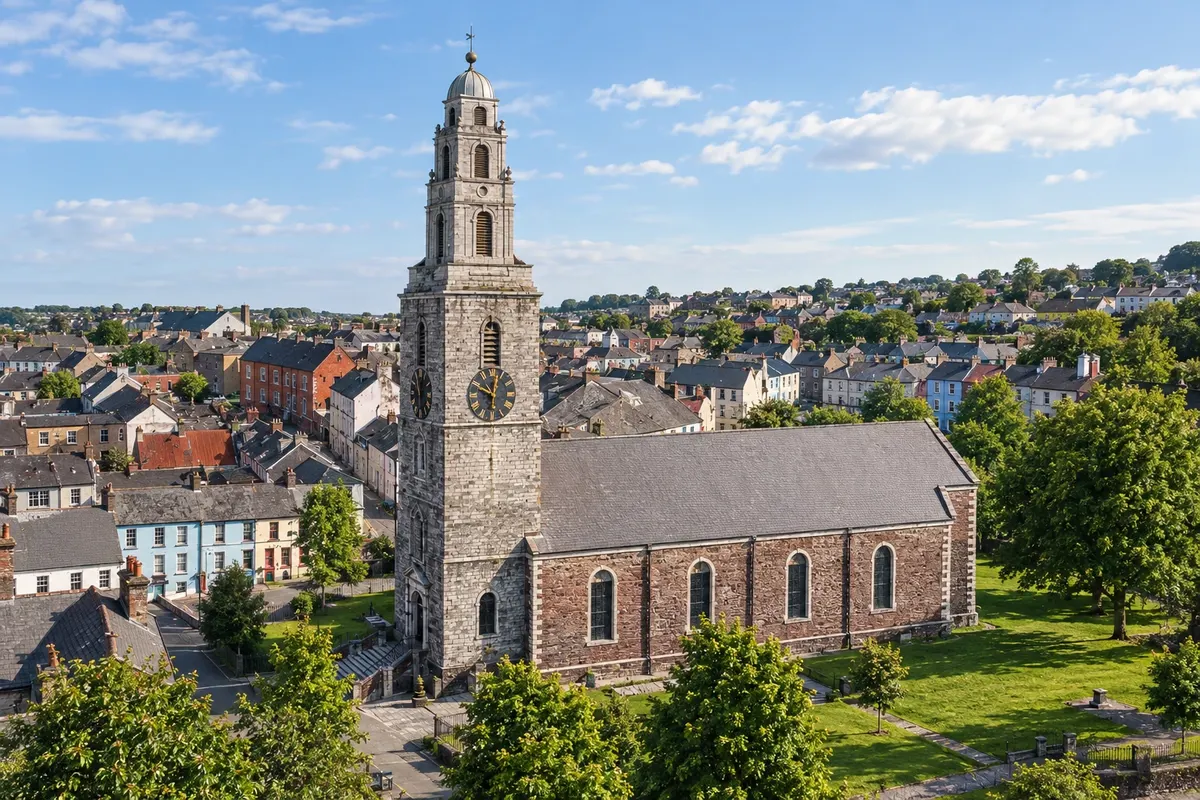
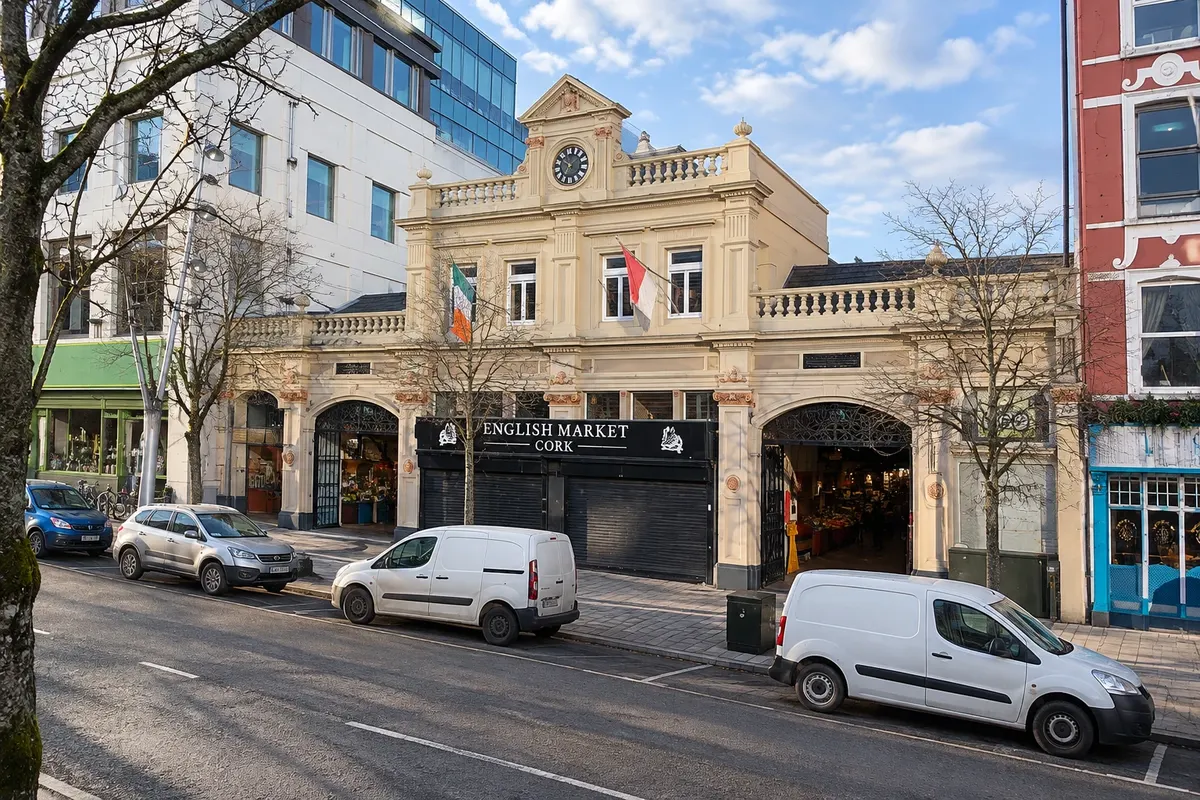
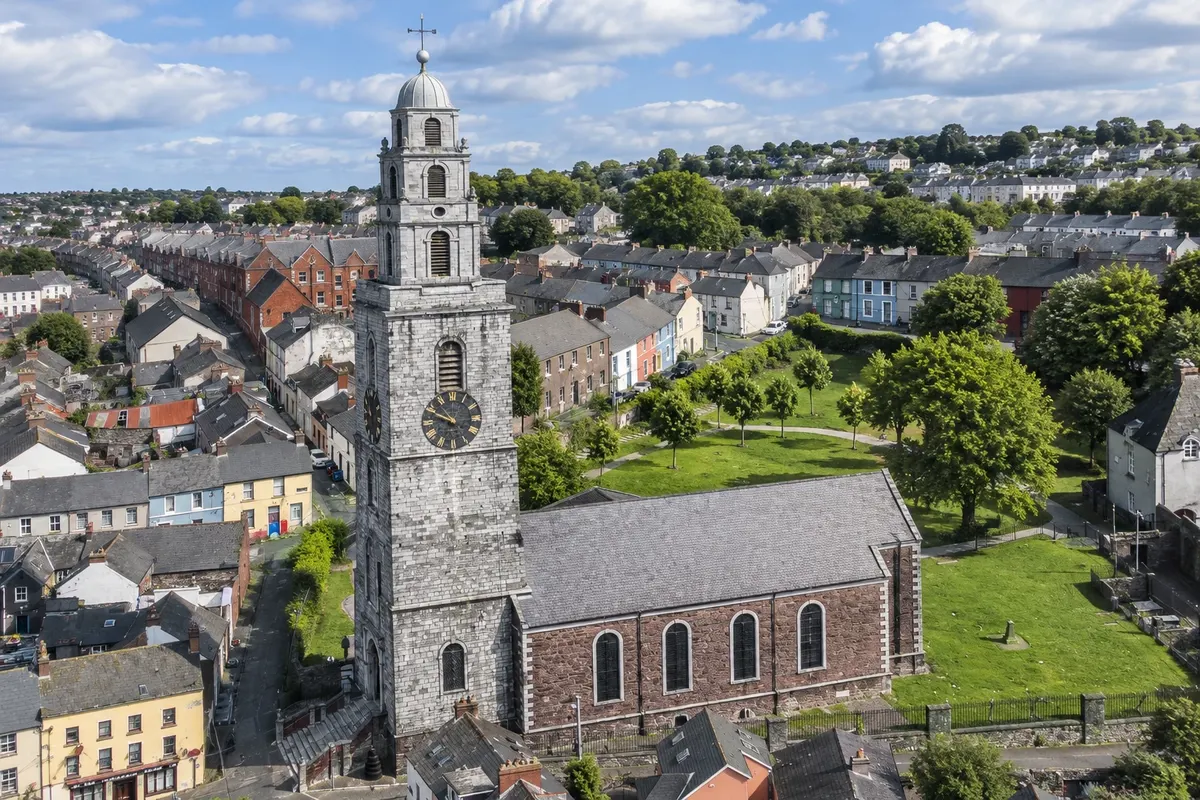
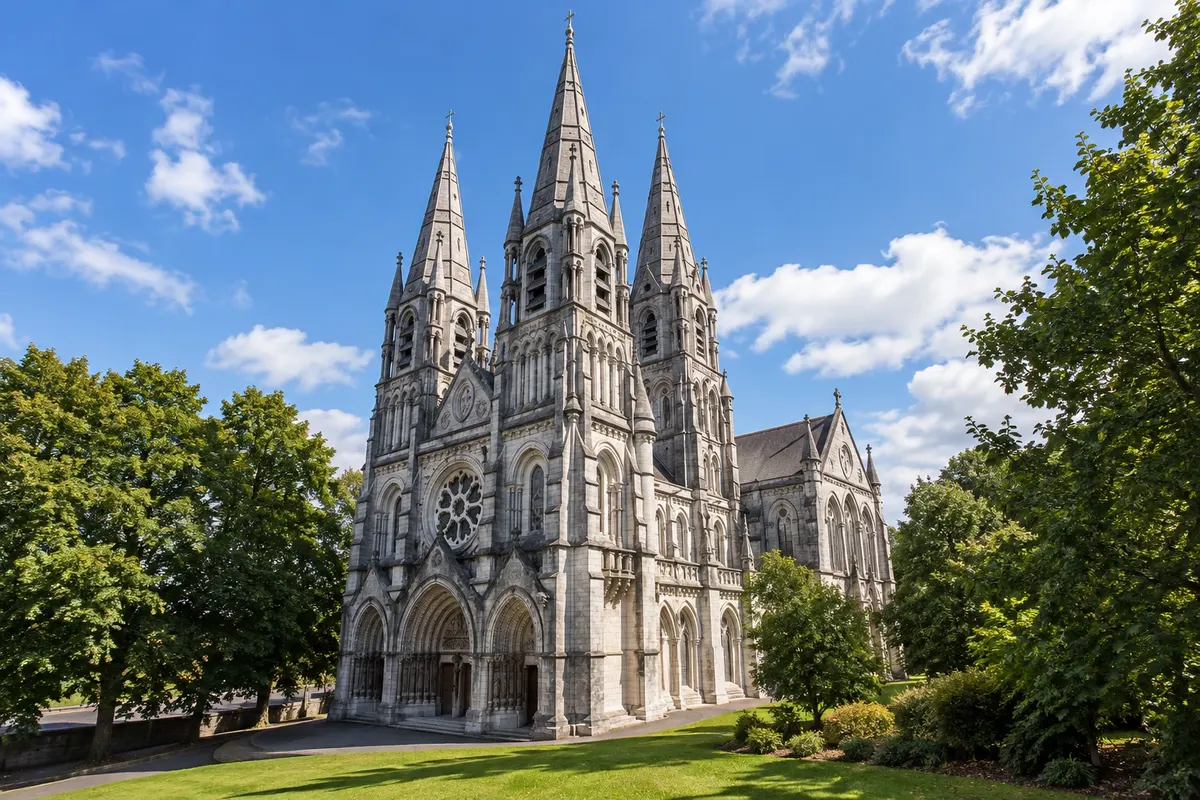
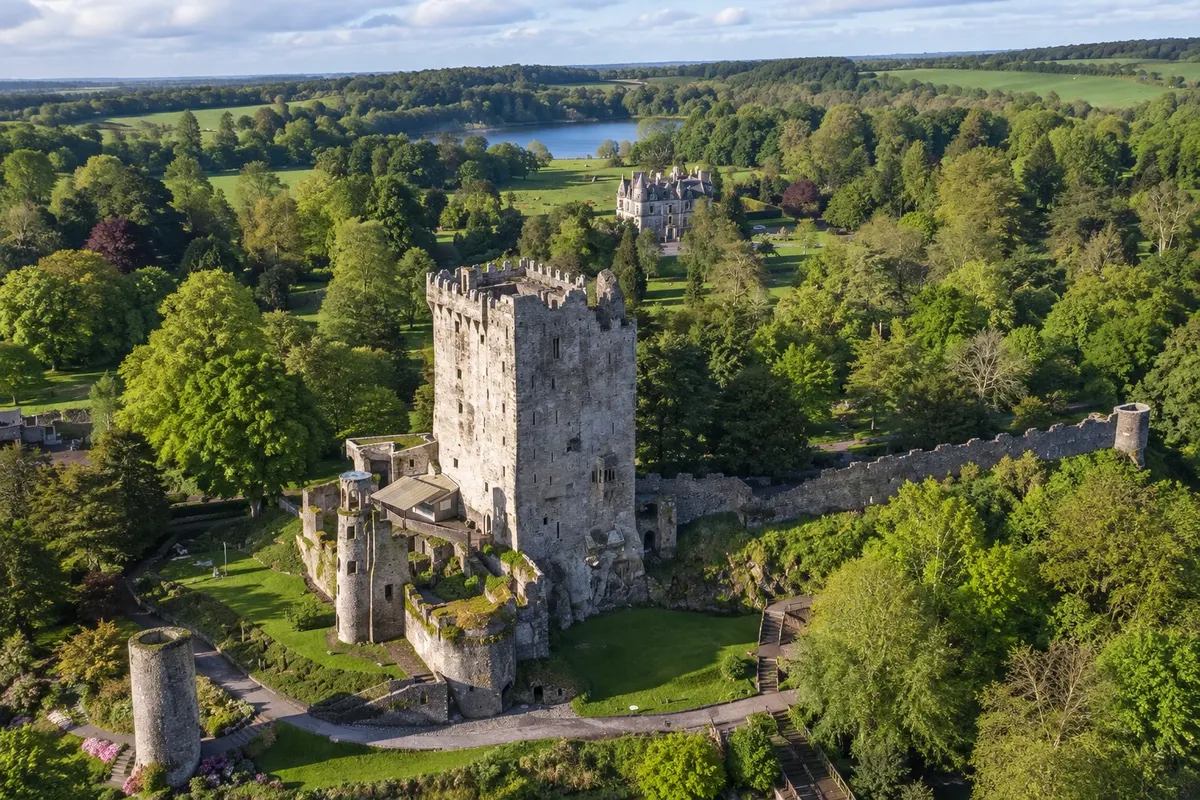
In the centre of Cork, the English Market, a covered food market operating since the 18th century, is the city's meeting point. On the north hill, the tower of St Anne's church in Shandon has bells that visitors can ring, and south of the river St Fin Barre's Cathedral raises three Gothic spires over the spot where the saint founded a monastery in the 7th century. Eight kilometres away is Blarney Castle, from 1446, where you kiss the Pedra da Eloquência, lying on your back at the top of the tower.
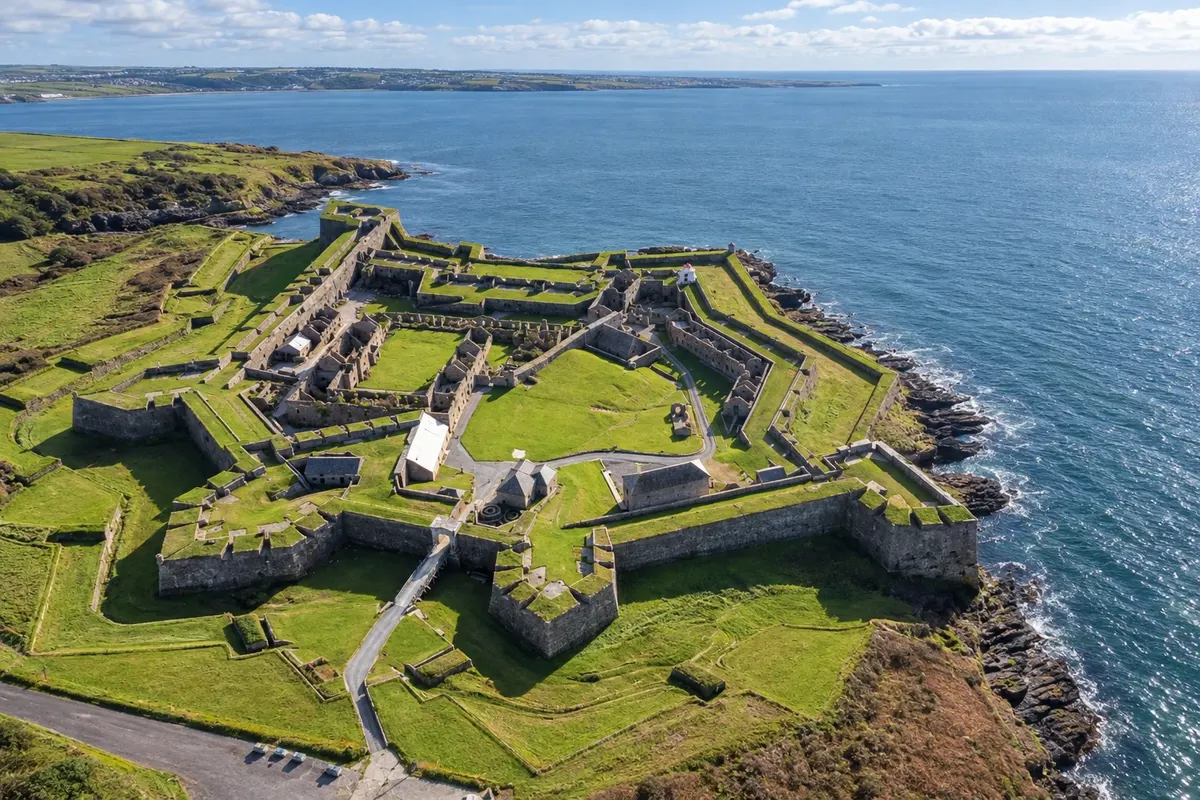
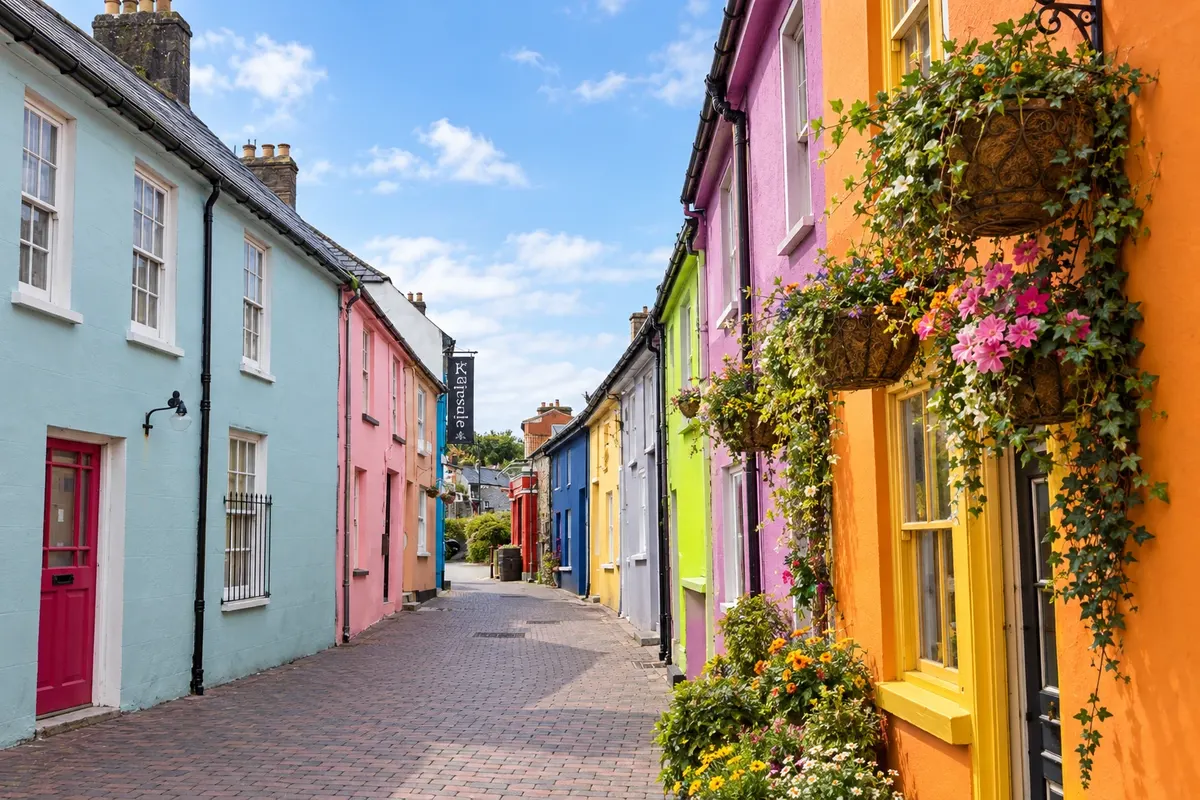
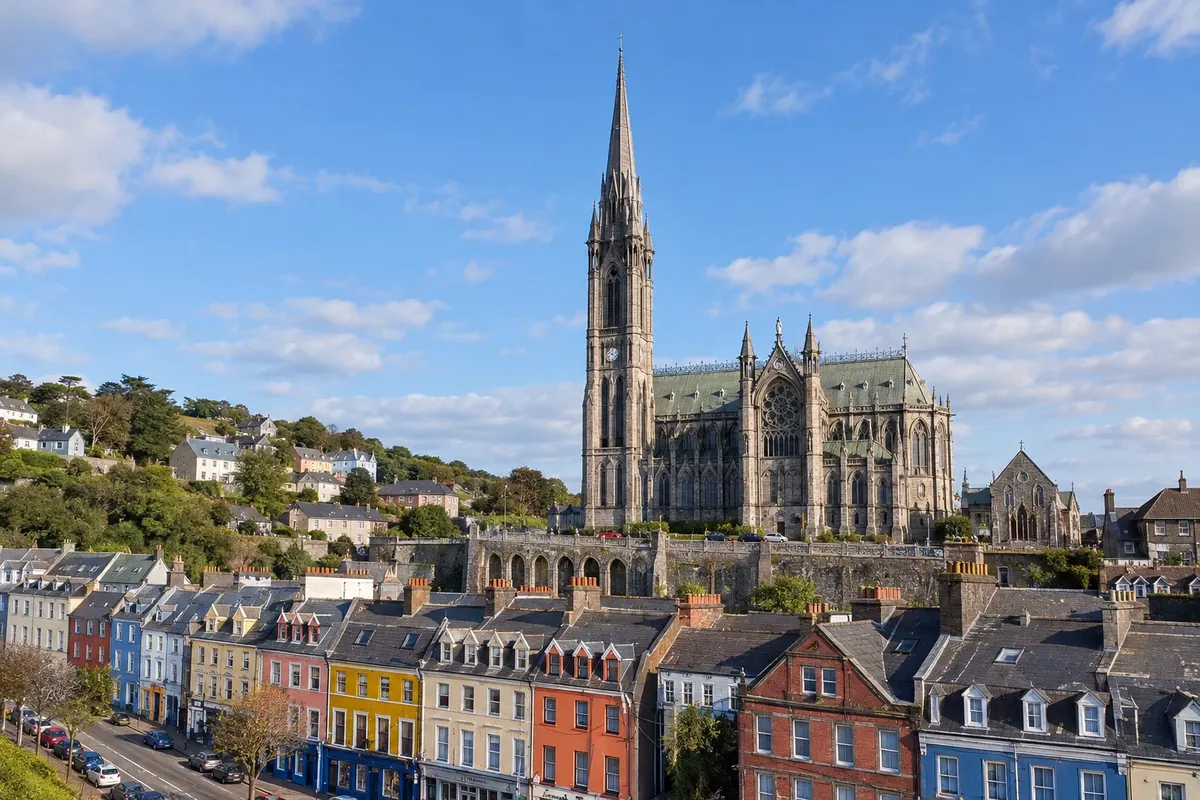
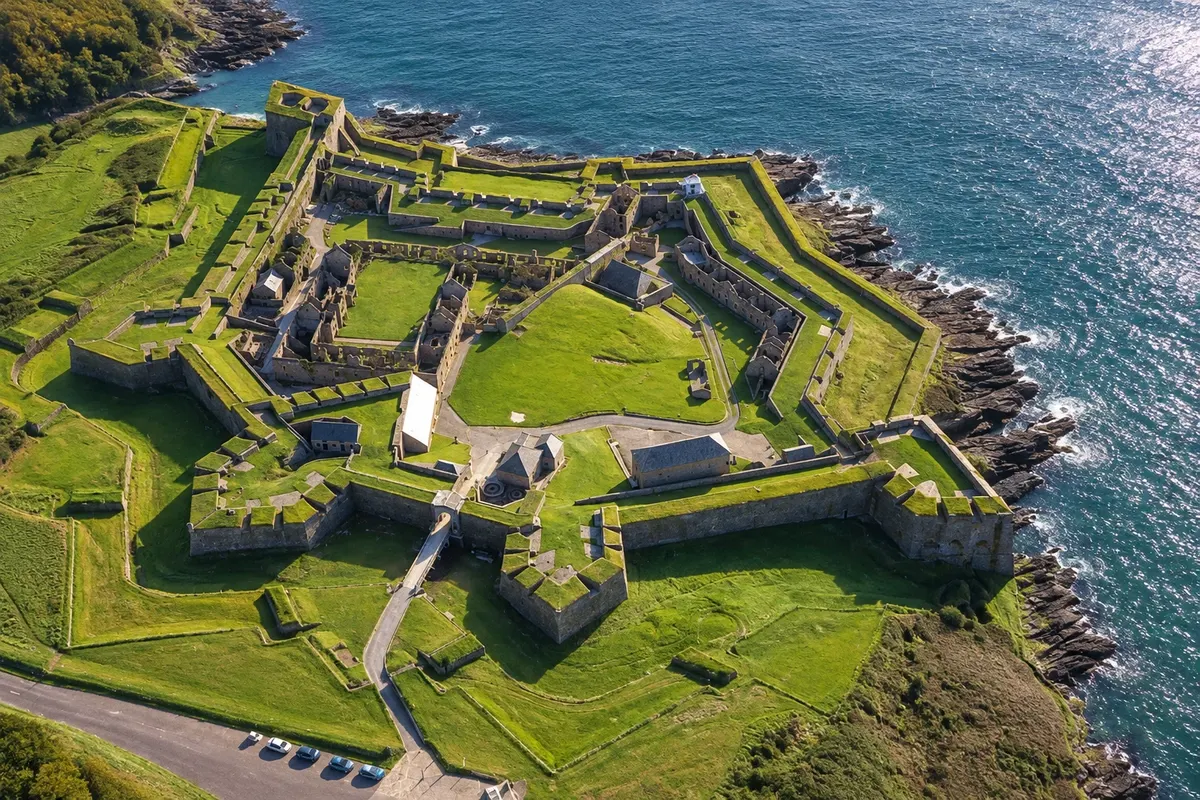
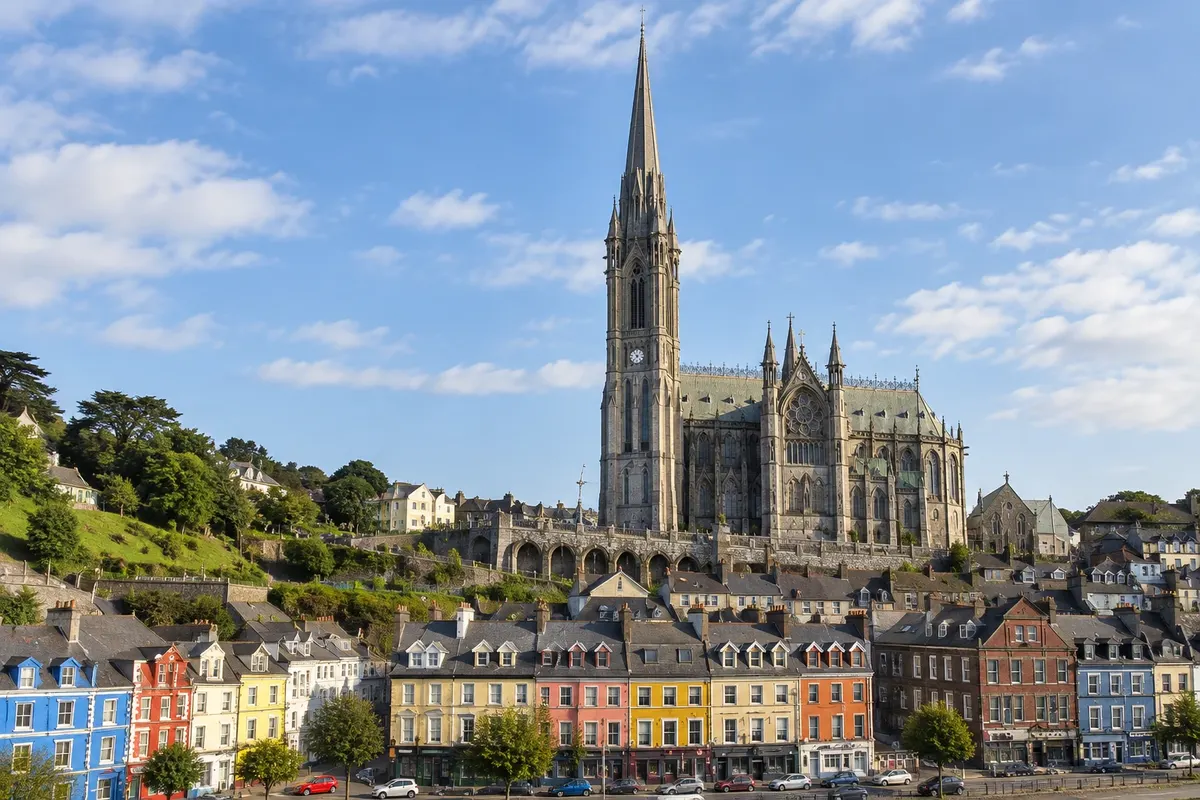
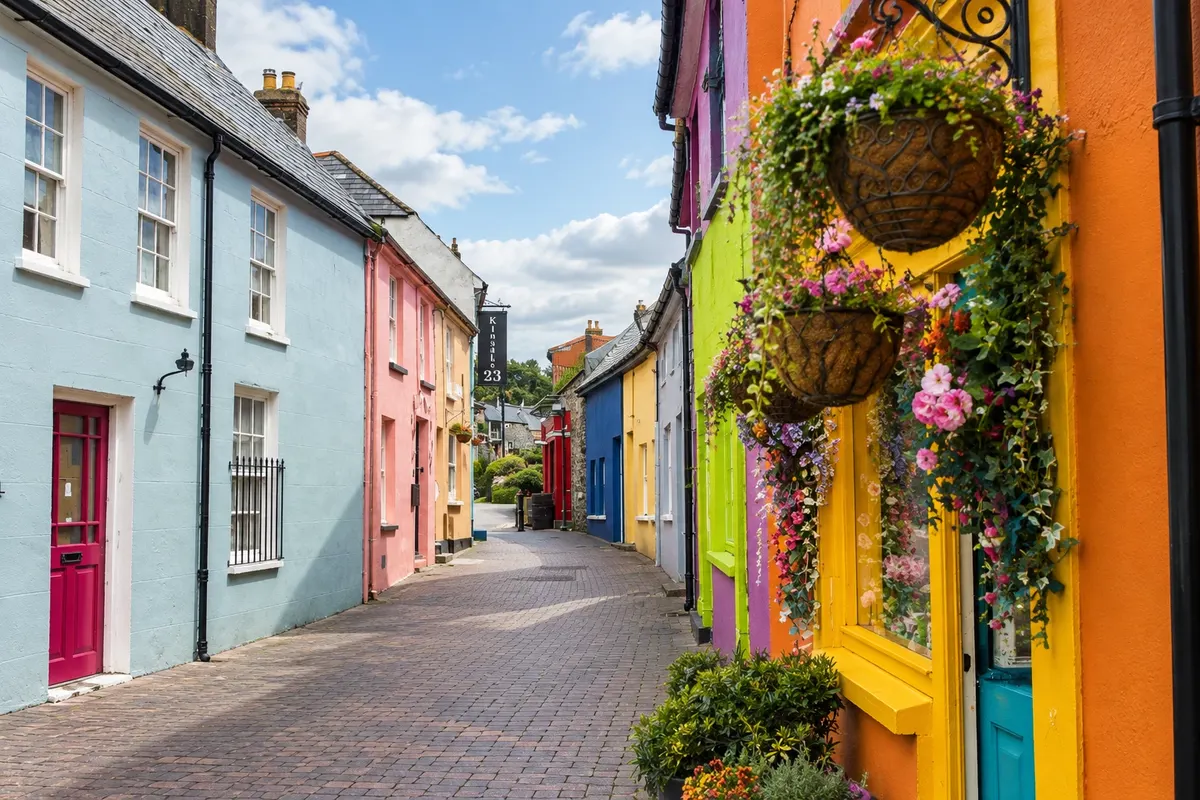
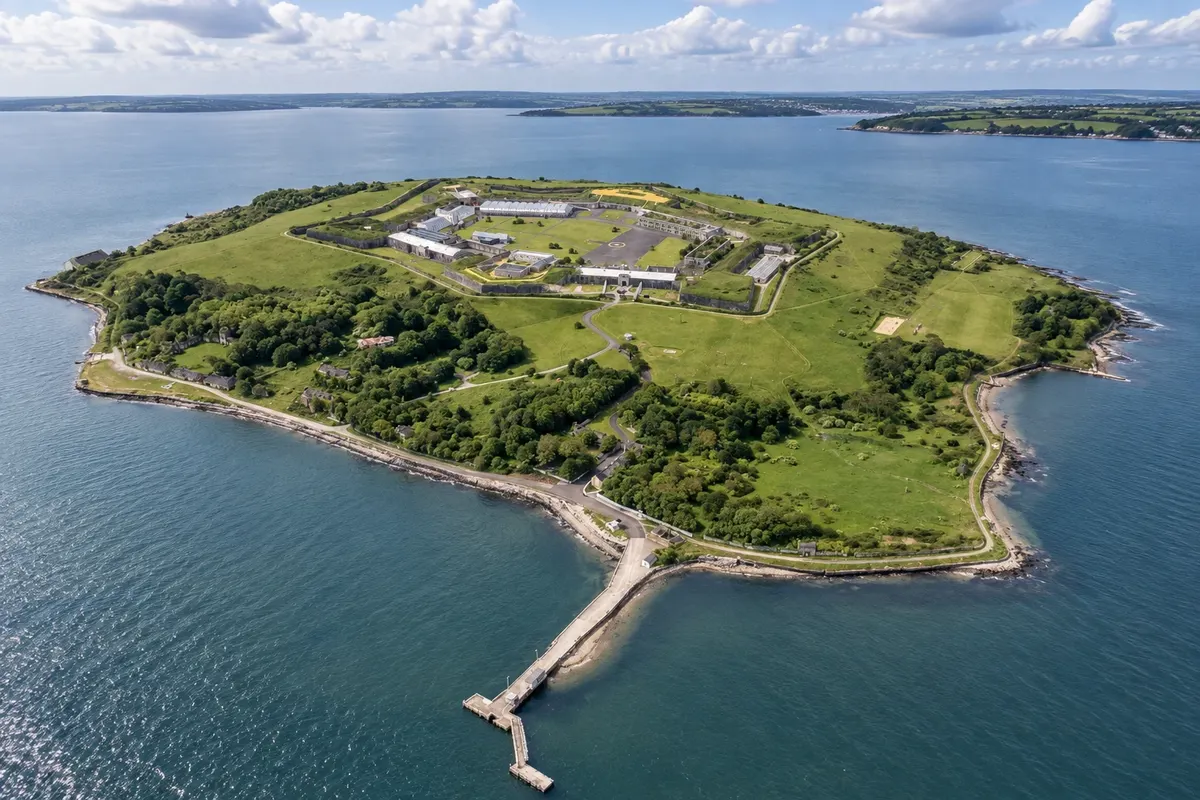
Some 25 km to the south, Kinsale is a small harbour town with colourful houses, seafood restaurants and Charles Fort, a 17th‑century star-shaped fortress at the bay entrance. East of Cork, on Great Island, Cobh, formerly Queenstown, was the departure port for millions of Irish emigrants and the Titanic's last stop in 1912. St Colman’s Cathedral dominates the hillside above the row of colourful houses, and boats depart from the quay for the fortress-prison of Spike Island.
The climate is a little milder than elsewhere in the country, but rain can fall at any time.
This destination brings together 3 cities: Cork, Kinsale, Cobh.


 Brazil
 Argentina
 Chile
Chile Colombia
 Peru
Peru Uruguay
 Germany
 Belgium
 Spain
Spain France
 Greece
 the Netherlands
 Italy
Italy Luxembourg
 Portugal
 the United Kingdom
 Switzerland