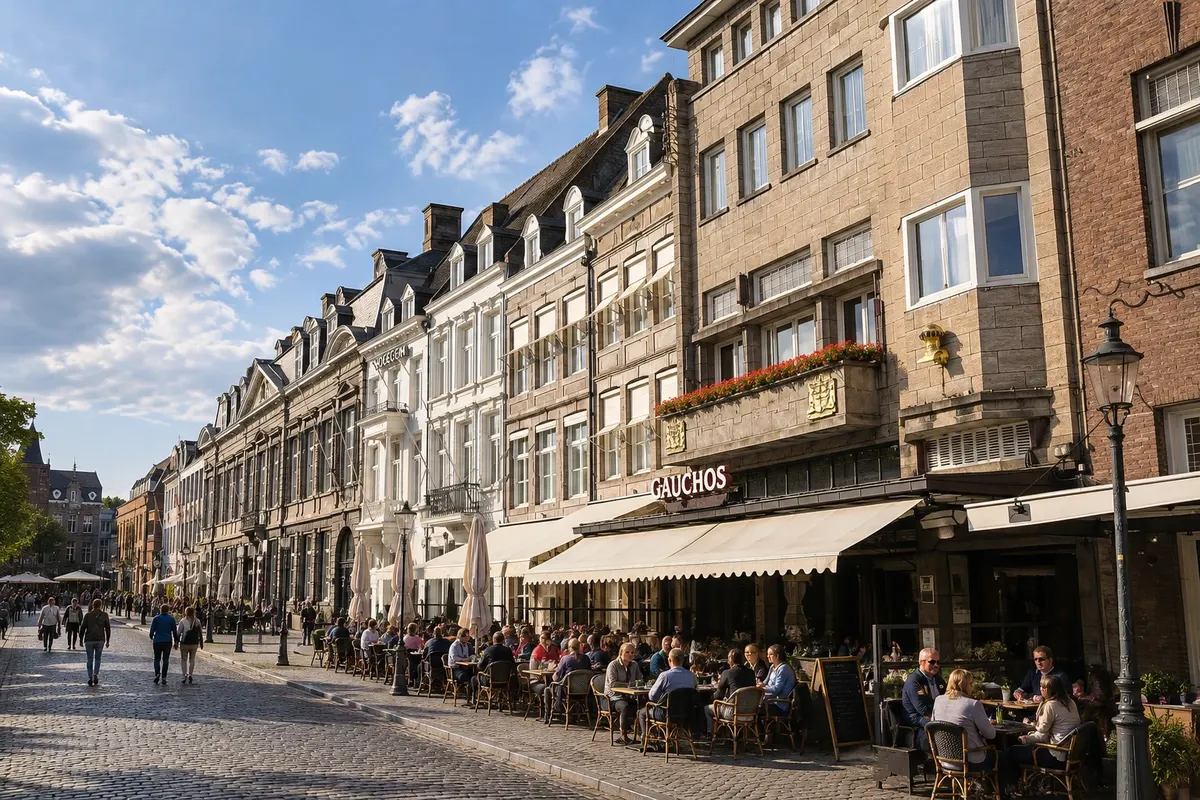
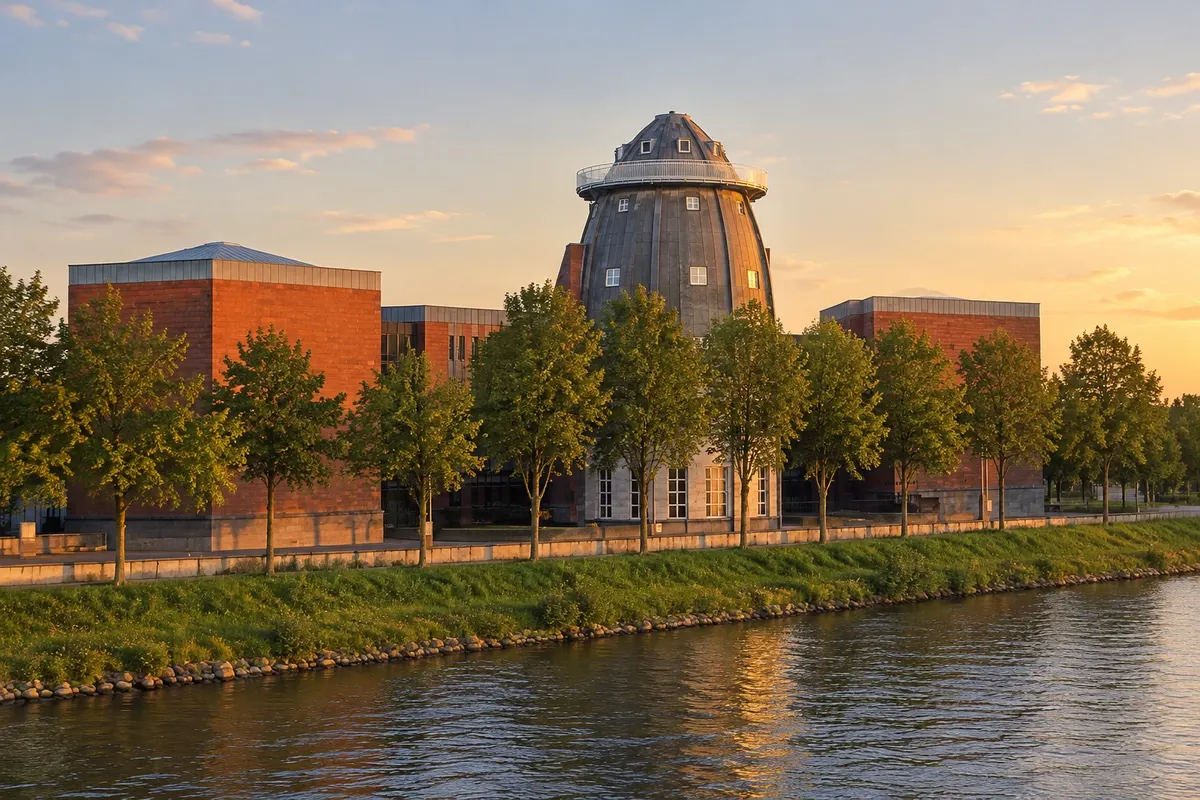
Maastricht is located at the extreme south of Holanda, squeezed between Bélgica and Alemanha, on the banks of the Maas. It is the capital of the province of Limburgo and one of the oldest cities in the country: it began where the Roman road between Colonia and Tongeren crossed the river. In 1992, the treaty signed in the city gave rise to the European Union in its current form and paved the way for the euro.
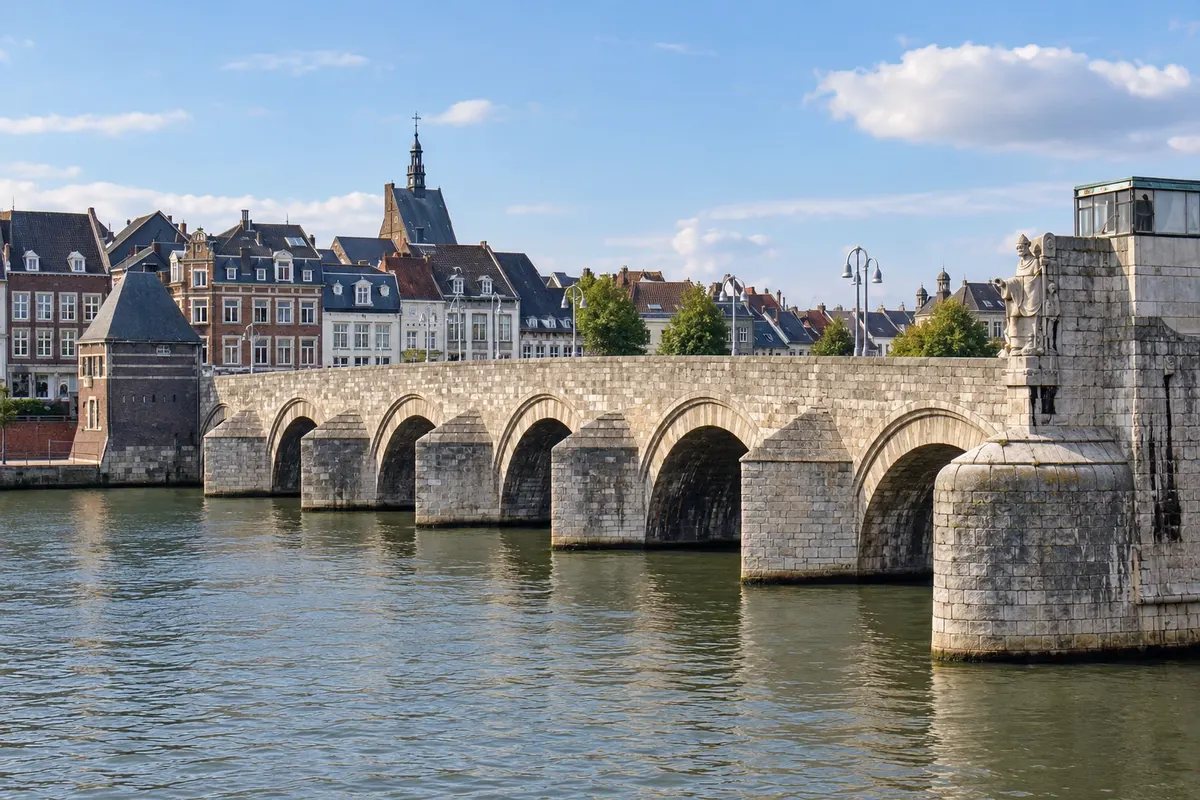
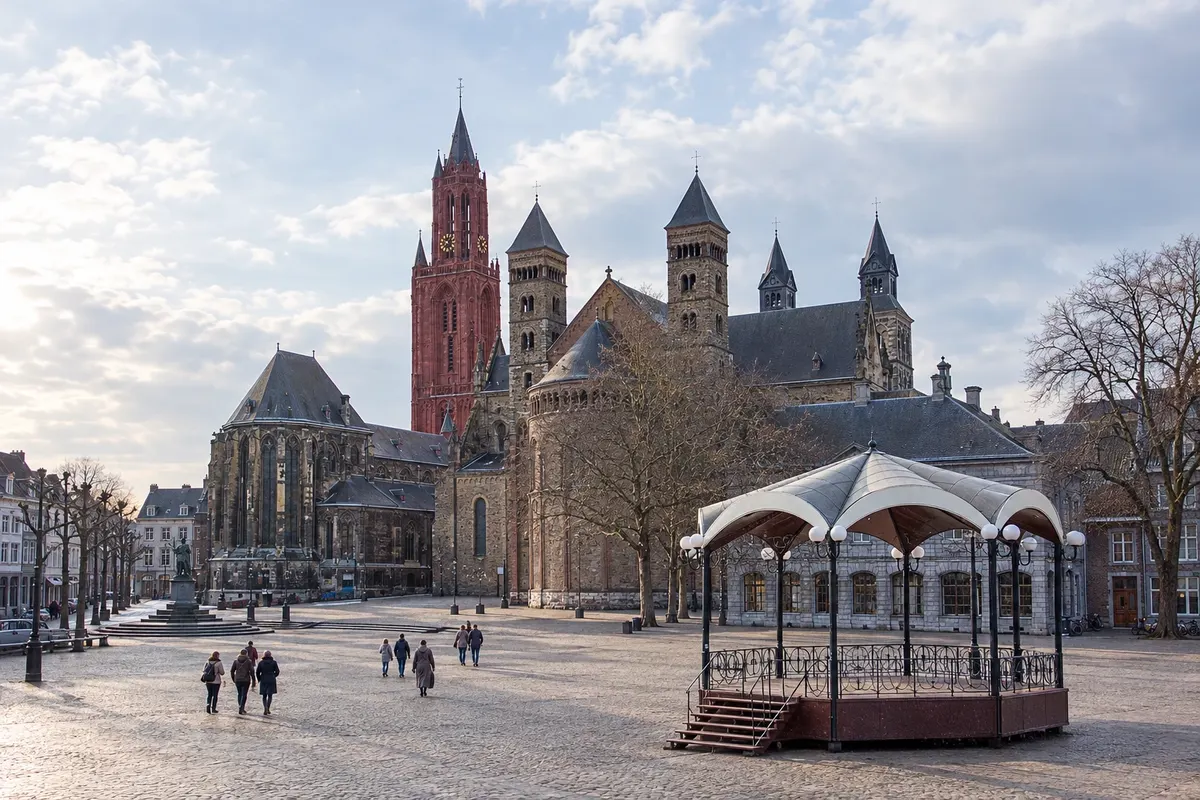
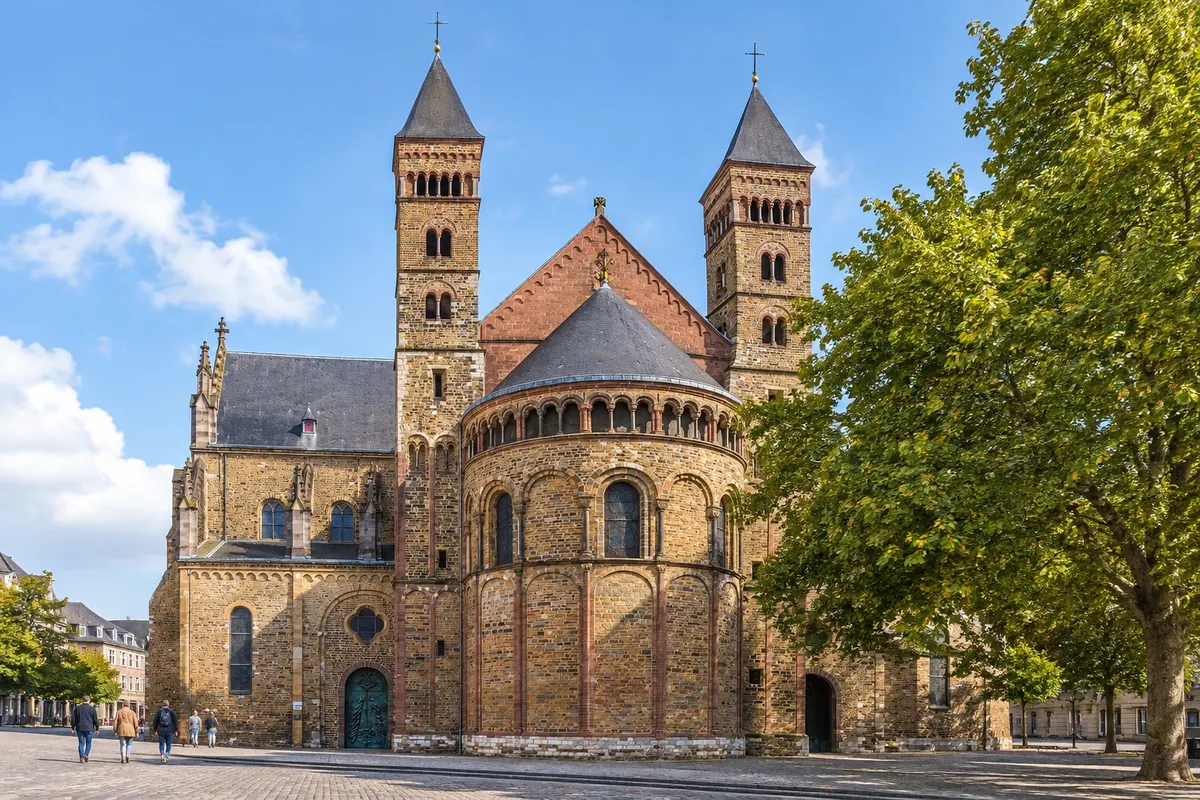
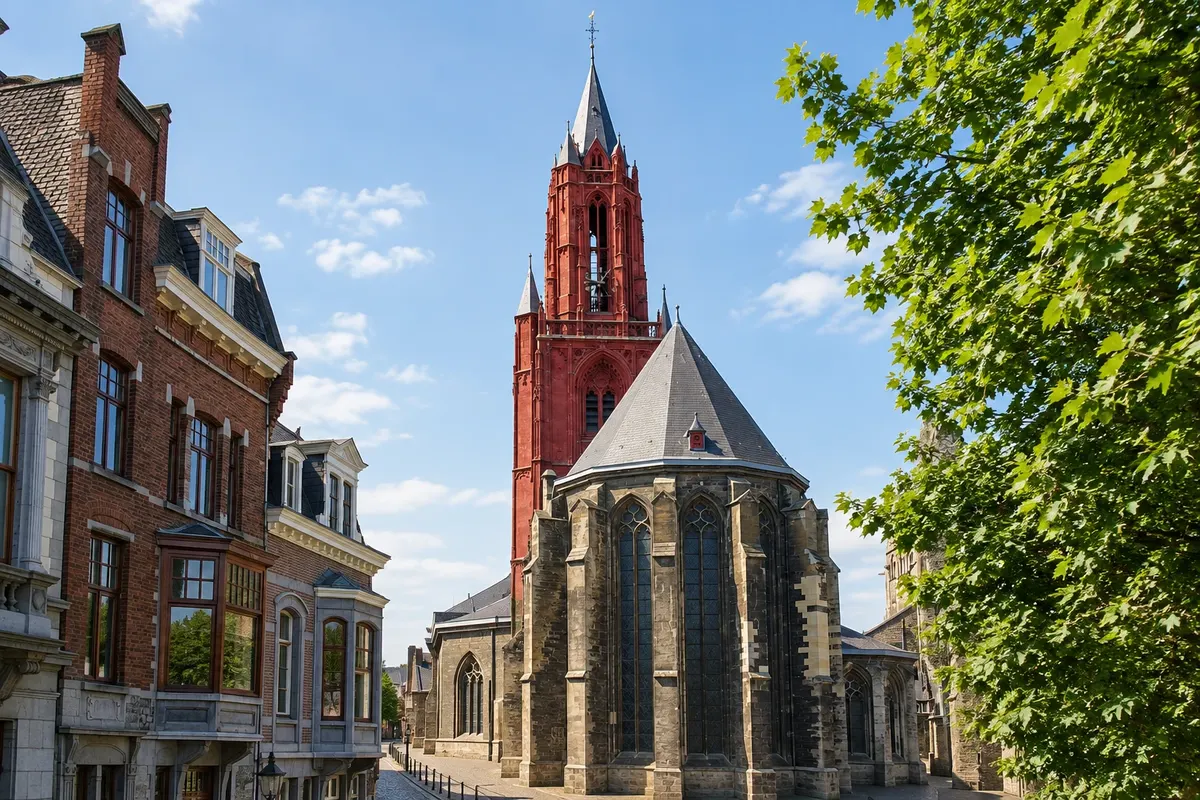
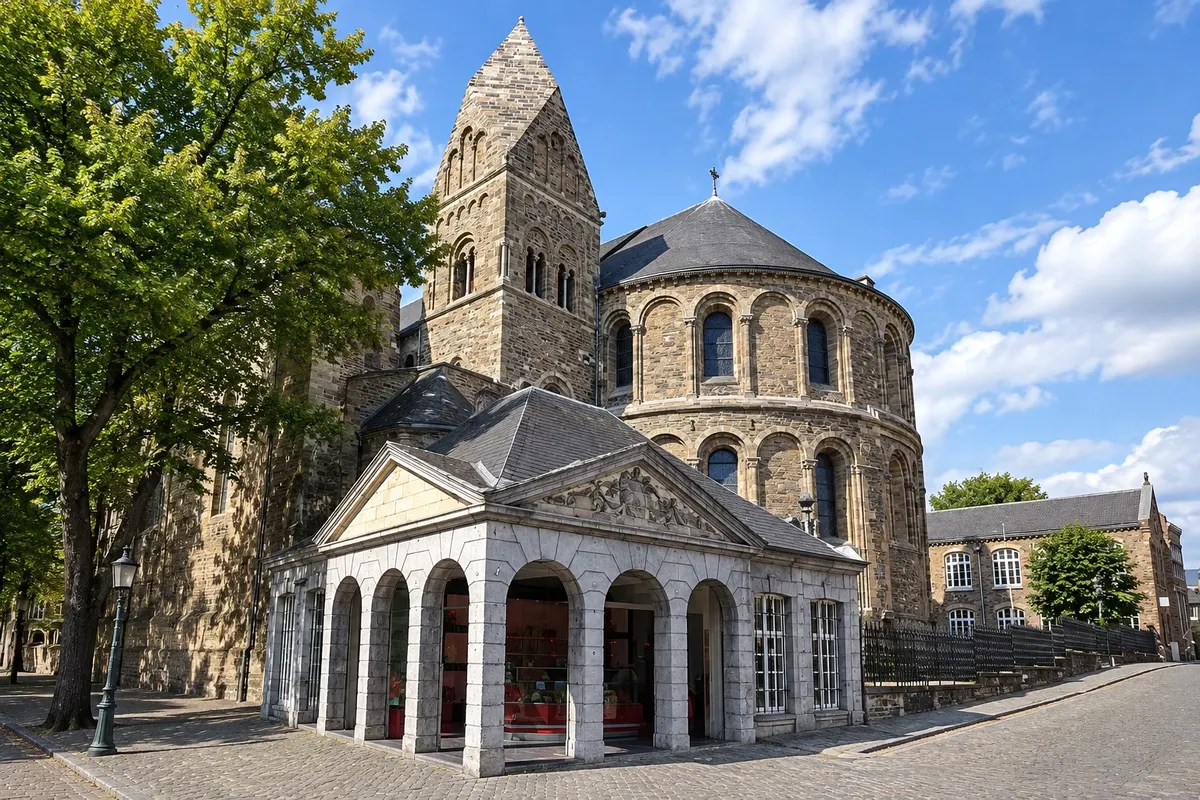
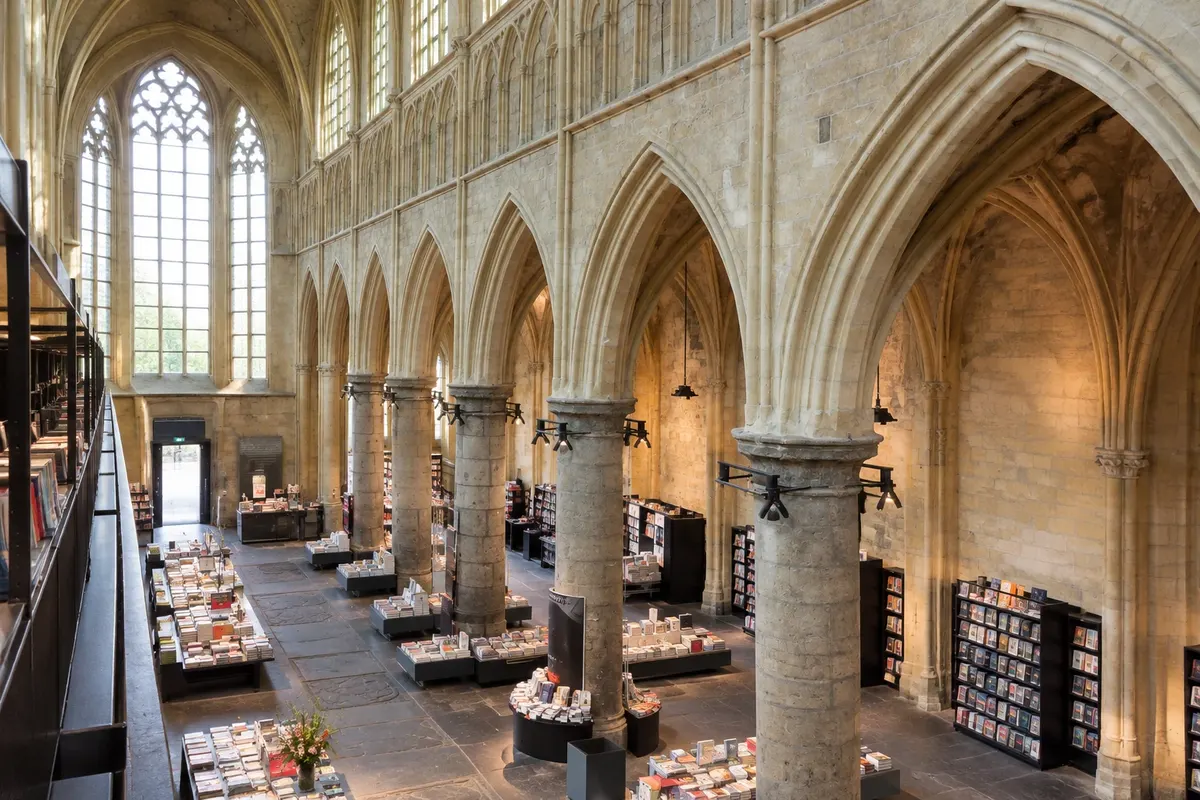
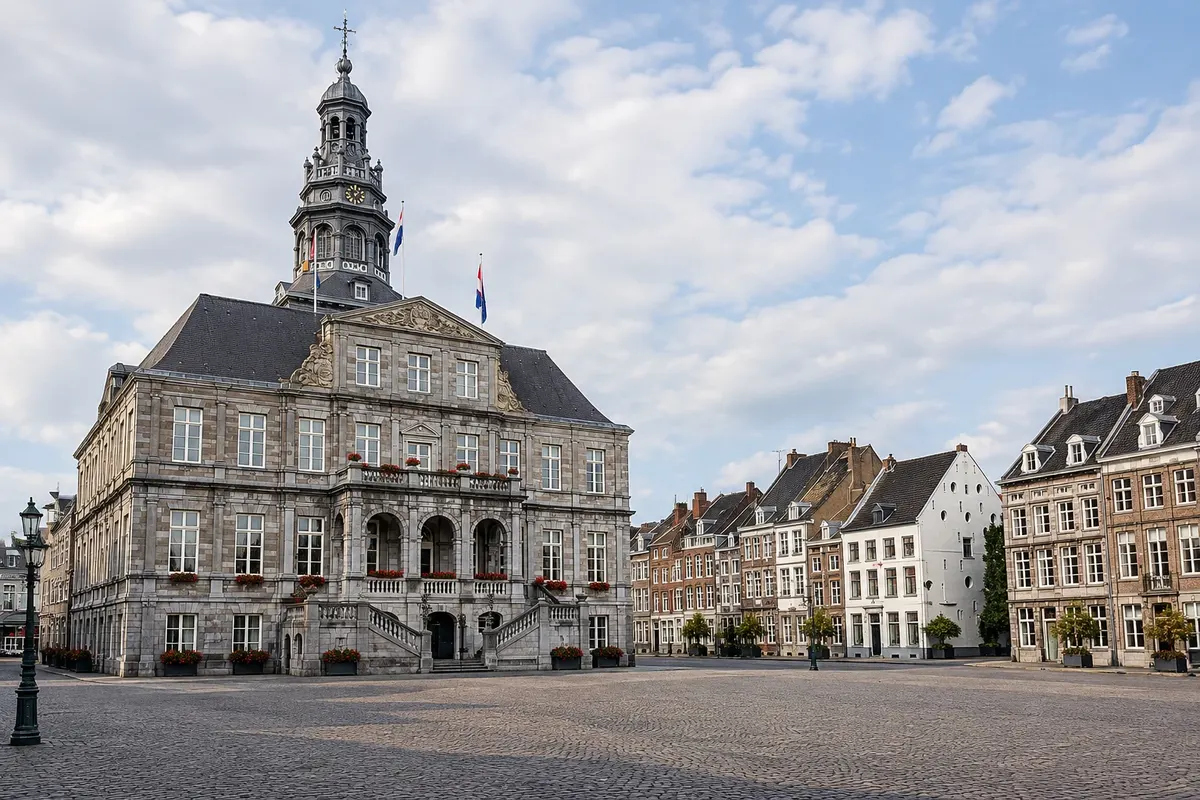
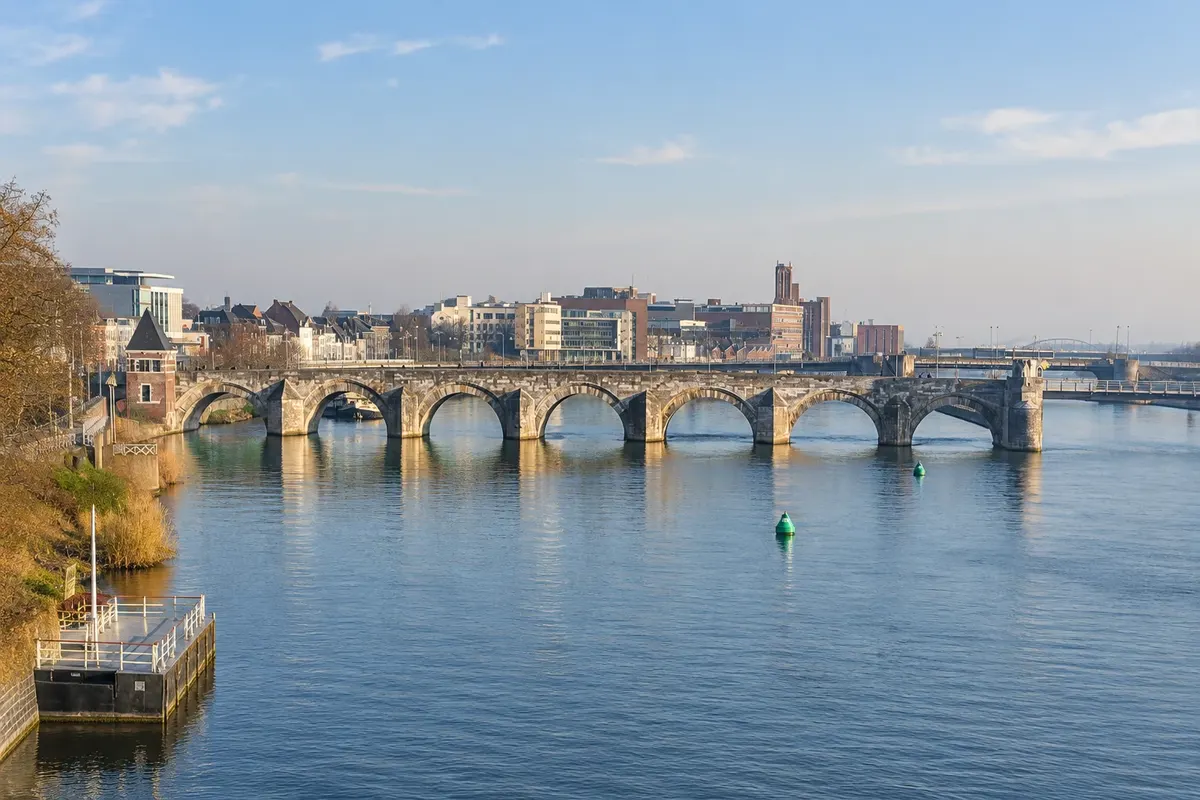
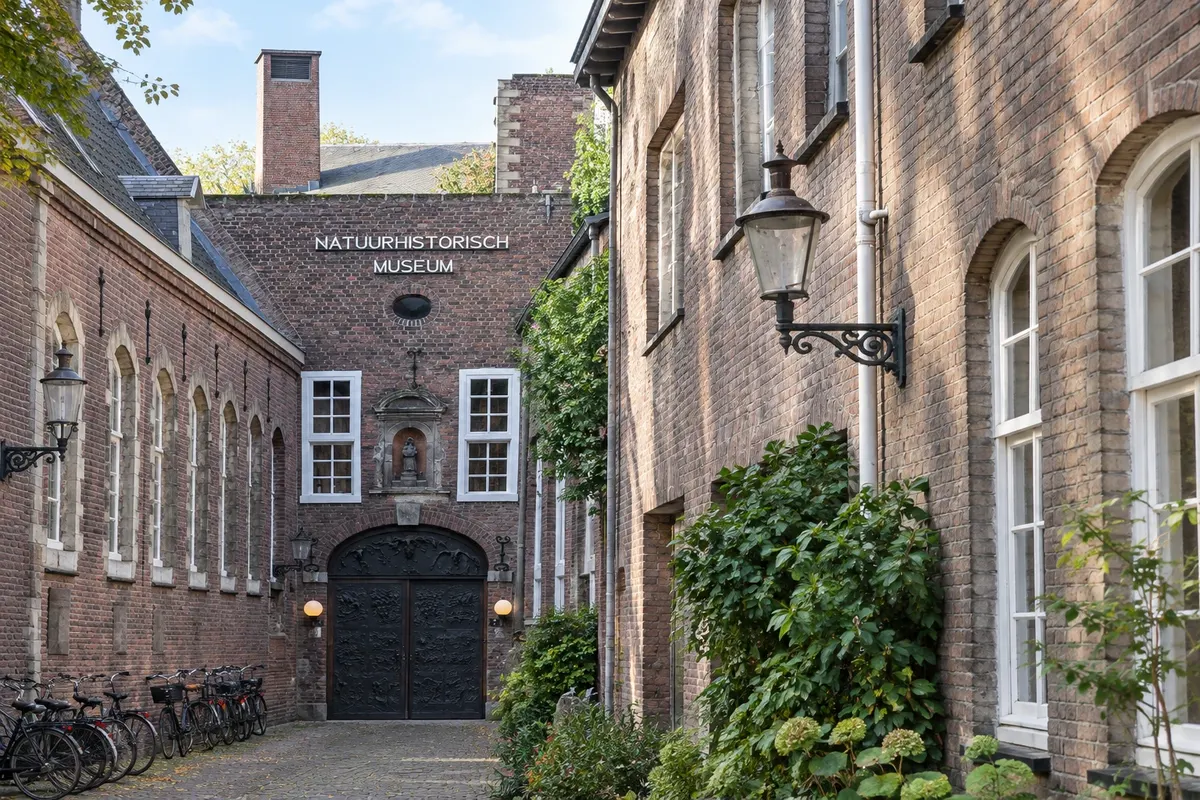
The center is best explored on foot. The Vrijthof, the main square, features the Basiliek van Sint Servaas, considered the oldest church still standing in Holanda, and the Sint-Janskerk, with its red tower. Nearby are the Onze Lieve Vrouwebasiliek, a bookstore housed in a 13th-century Gothic church, the Markt with the 17th-century town hall, and the stone Sint Servaasbrug bridge over the Maas.
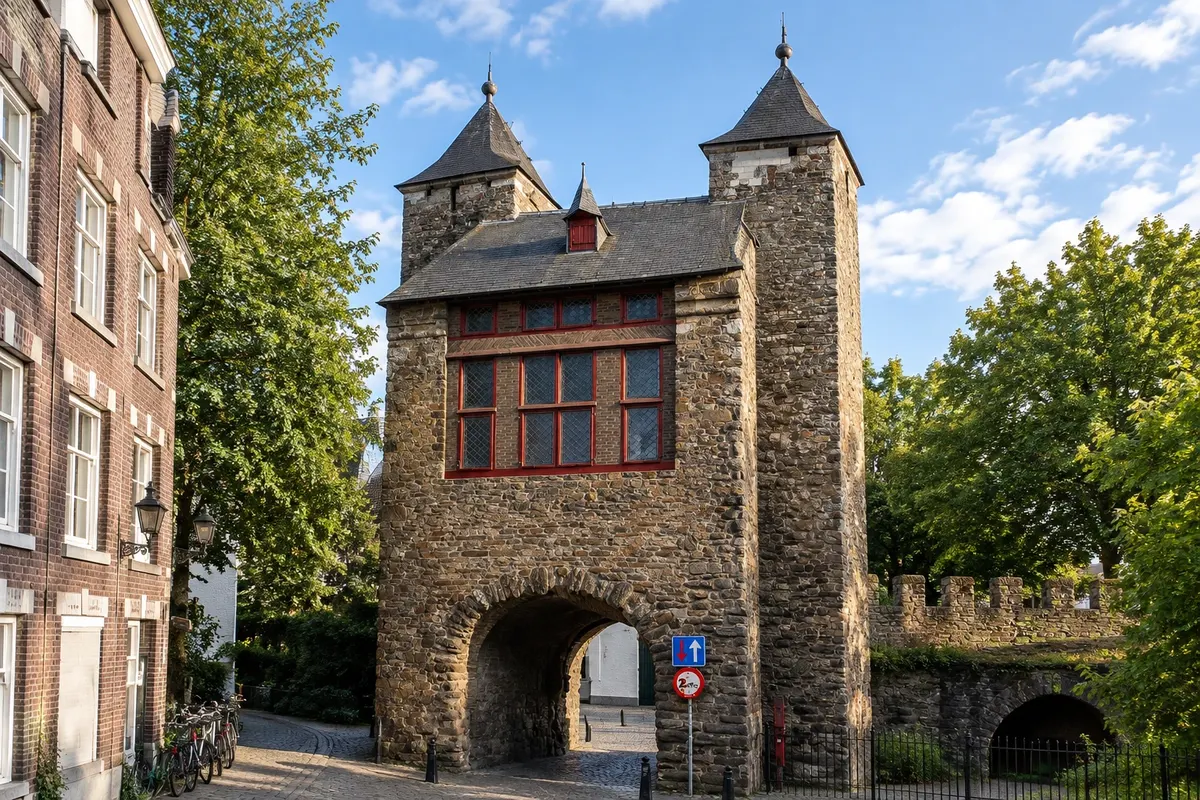
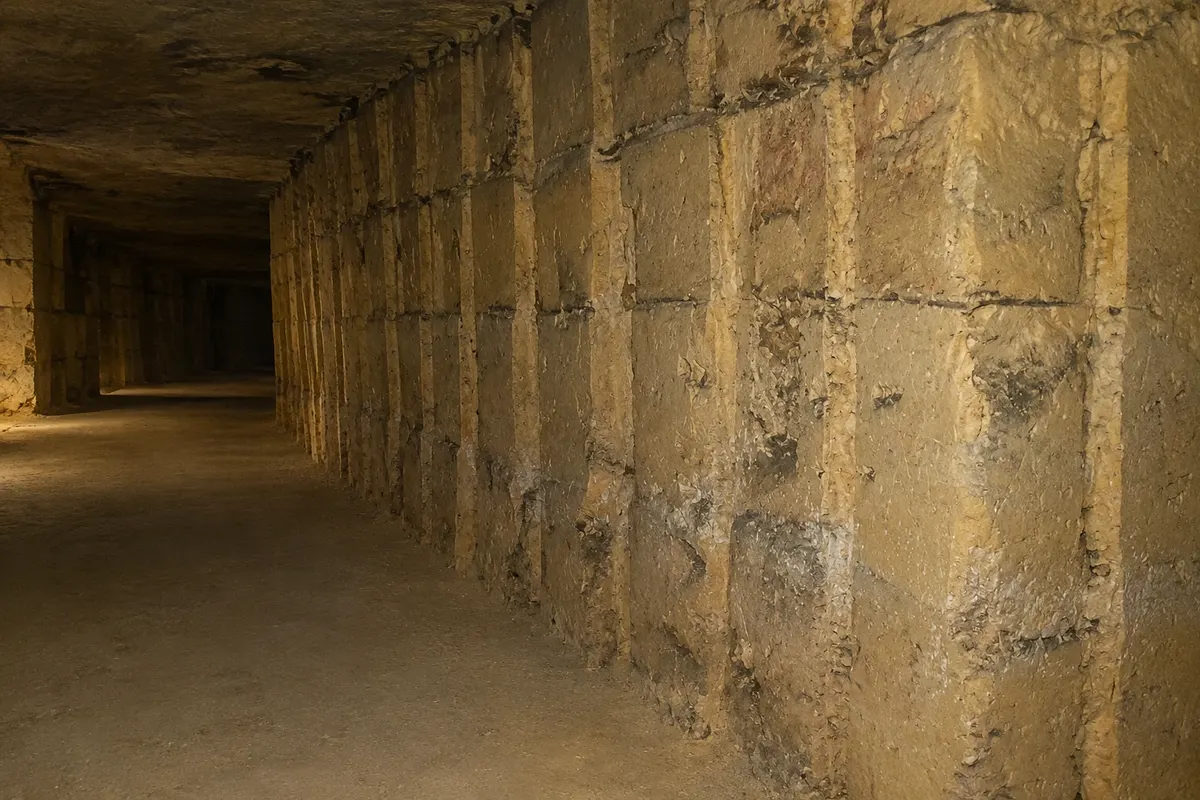
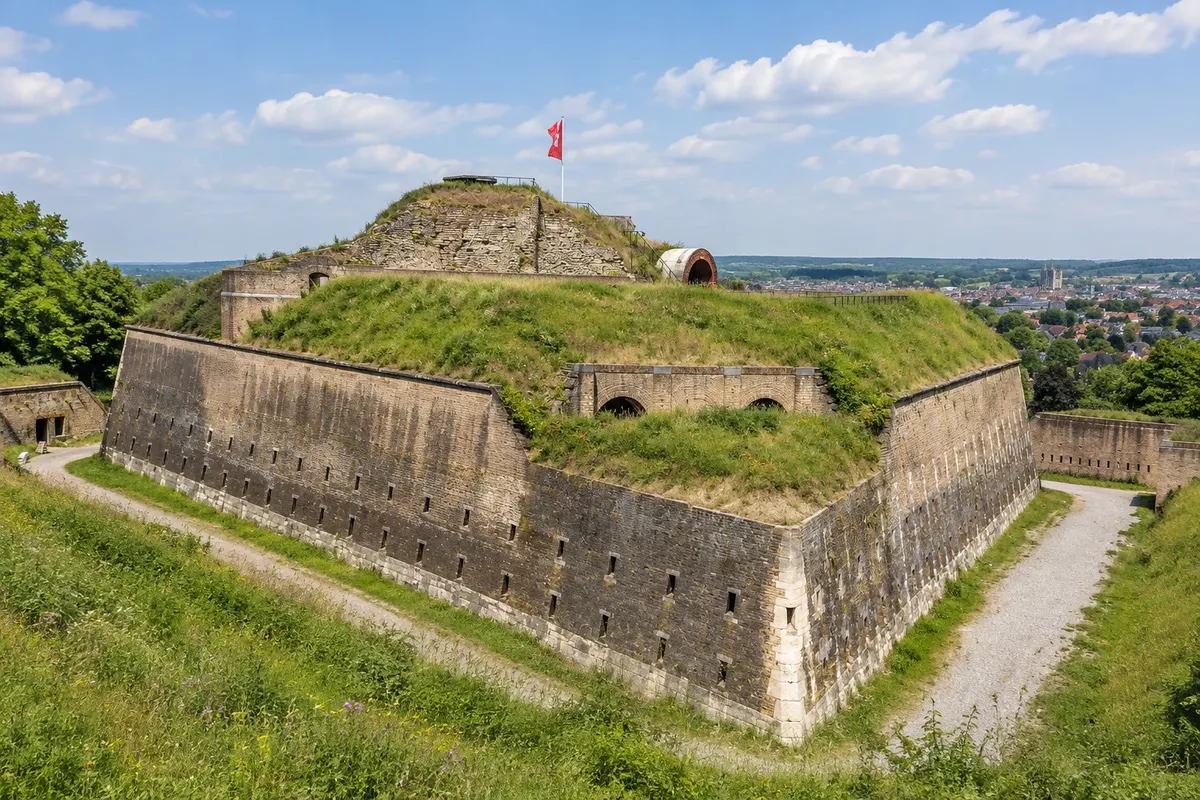
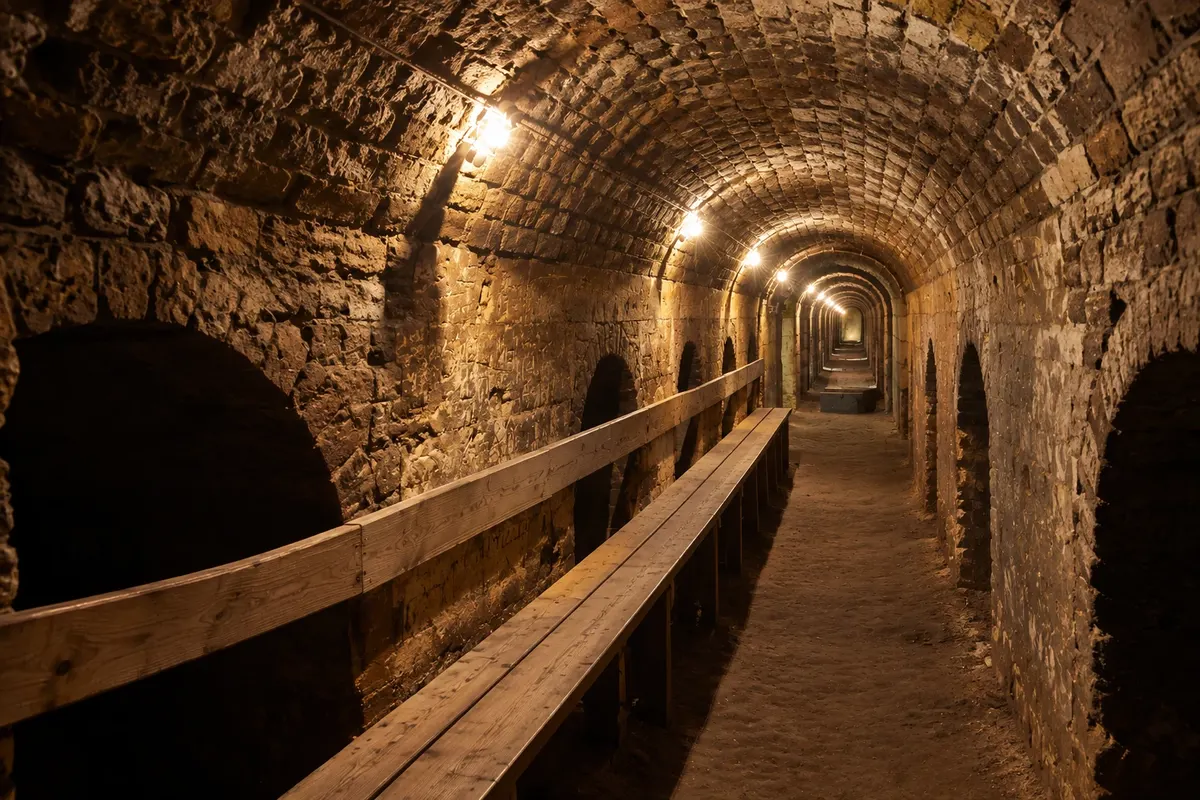
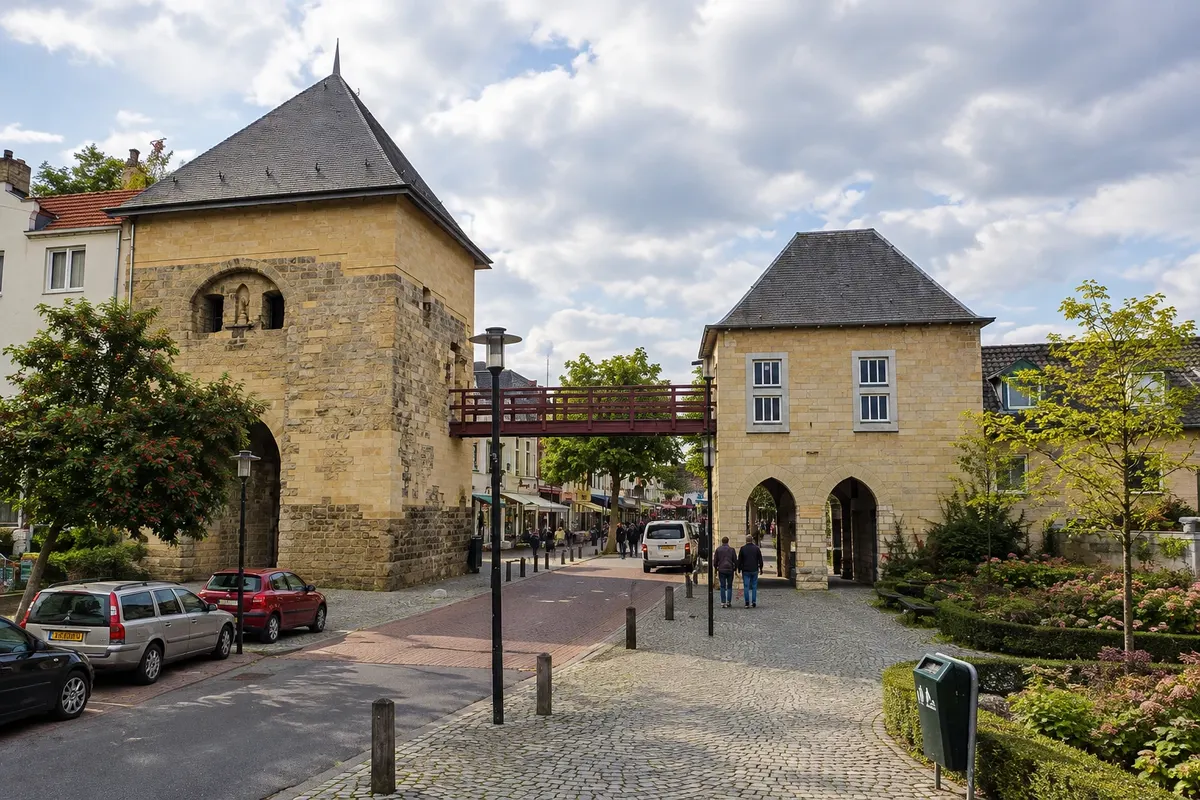
South of the center, the Jekerkwartier preserves stretches of the walls and the Helpoort, the country’s oldest city gate. Just beyond, the Sint-Pietersberg hill hides kilometers of galleries cut into the limestone, visitable with a guide, and the Fort Sint Pieter, built in 1701. Under the city, the Kazematten are defensive tunnels from the 16th to the 19th centuries.
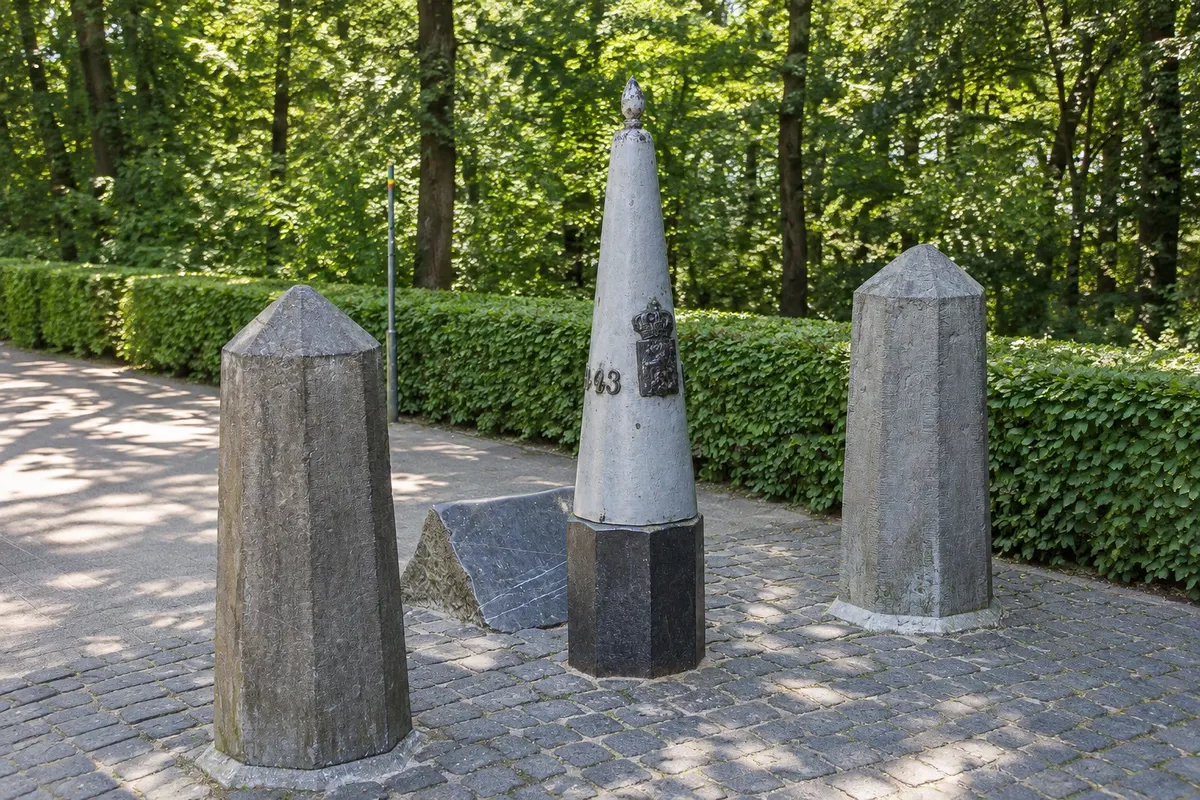
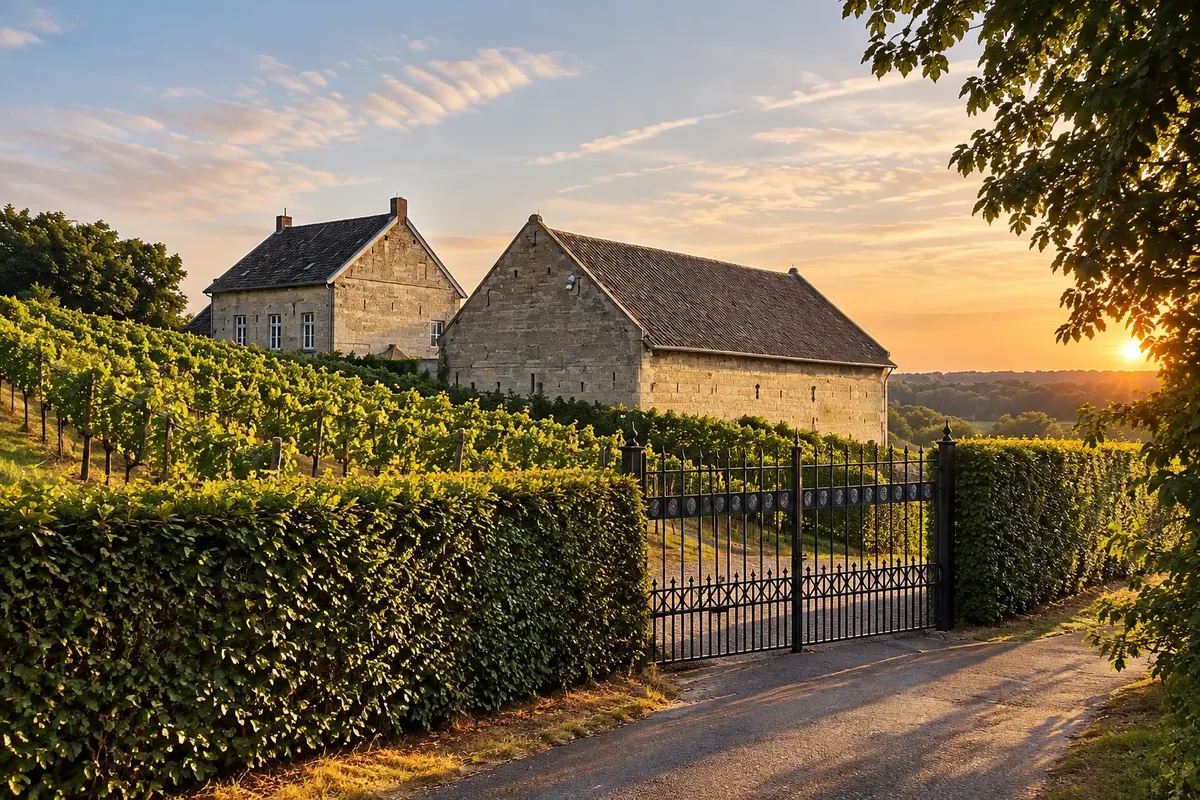
The surroundings differ from the rest of Holanda: there are hills, valleys and vineyards. Valkenburg aan de Geul, with a ruined castle and caves, is about 15 km away, and the point where Holanda, Bélgica and Alemanha meet, in Vaals, is about 30 km. Liège, in Bélgica, and Aachen, in Alemanha, are close enough for a day trip.
This destination brings together 1 city: Maastricht.


 Brazil
 Argentina
 Chile
Chile Colombia
 Peru
Peru Uruguay
 Germany
 Belgium
 Spain
Spain France
 Greece
 Ireland
 Italy
Italy Luxembourg
 Portugal
 the United Kingdom
 Switzerland