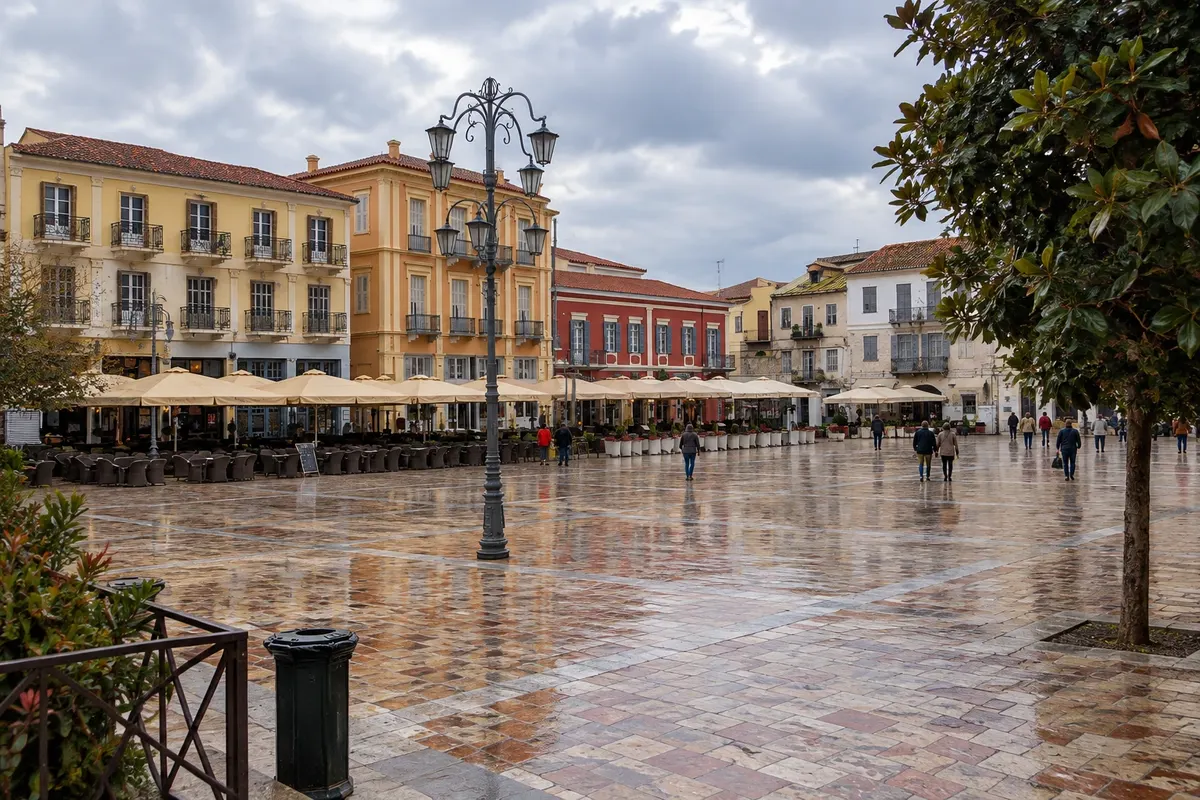
Archaeological site
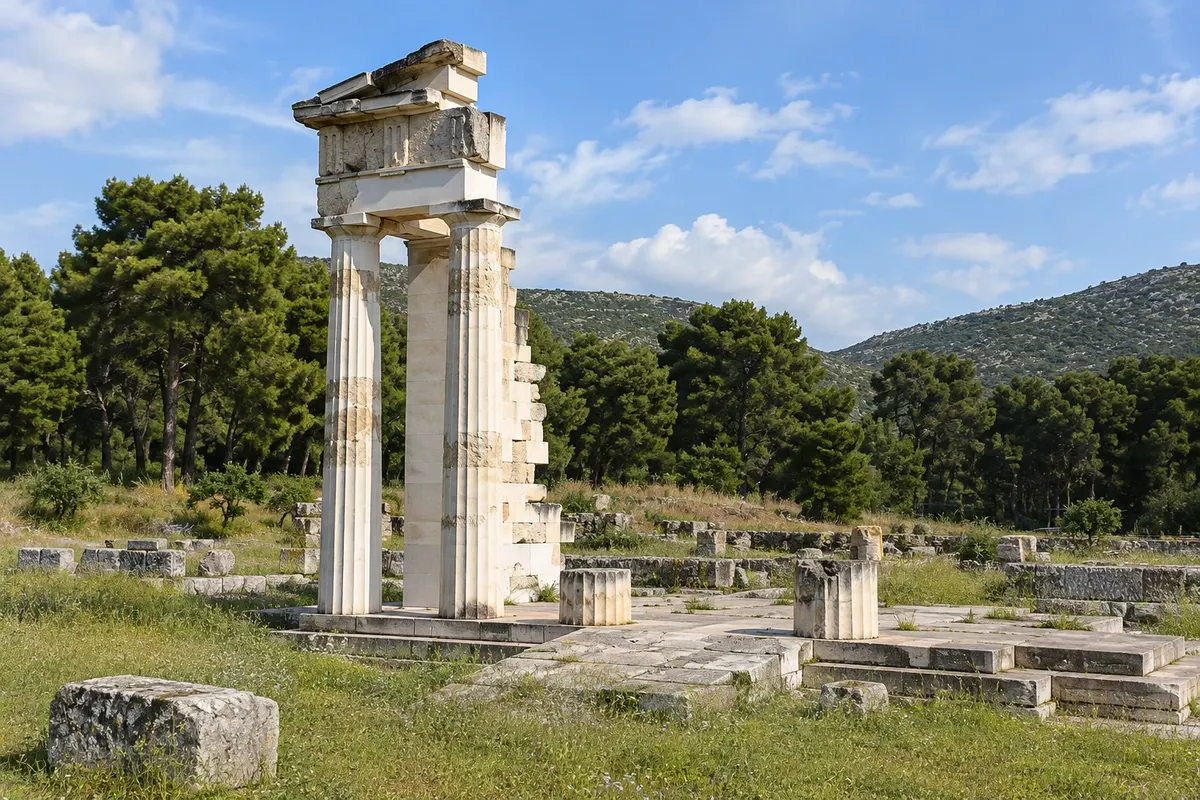
Teatro e Santuário de Epidauro (Epidavros)
Sanctuary of Asclepius, god of medicine, with Greece's best-preserved 4th-century BC theatre, famed for its acoustics and seating about 13,000 people, where an ancient drama festival usually takes place in summer.
Archaeological site
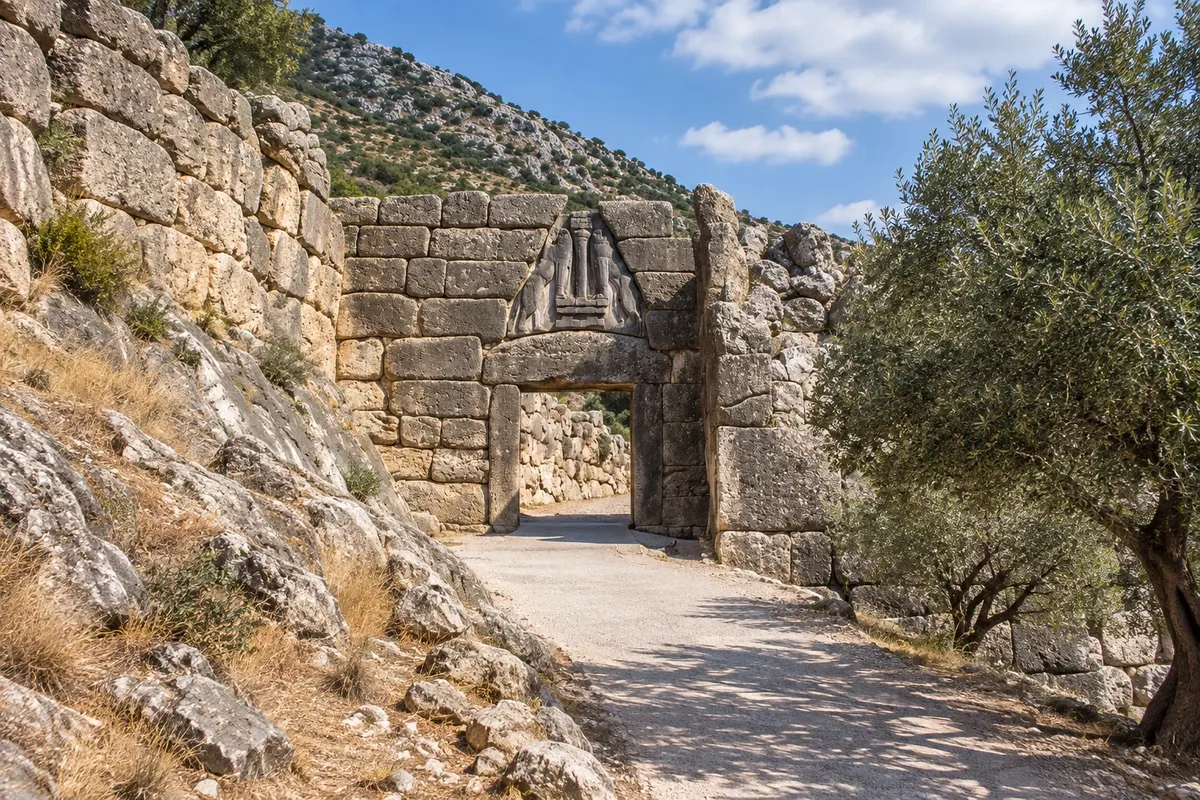
Micenas (Mykines)
The citadel of King Agamemnon of the Iliad: cyclopean walls, the Lion Gate from 1250 BC, the royal tombs where Schliemann found the gold mask and the Treasury of Atreus, with a museum on site.
Archaeological site
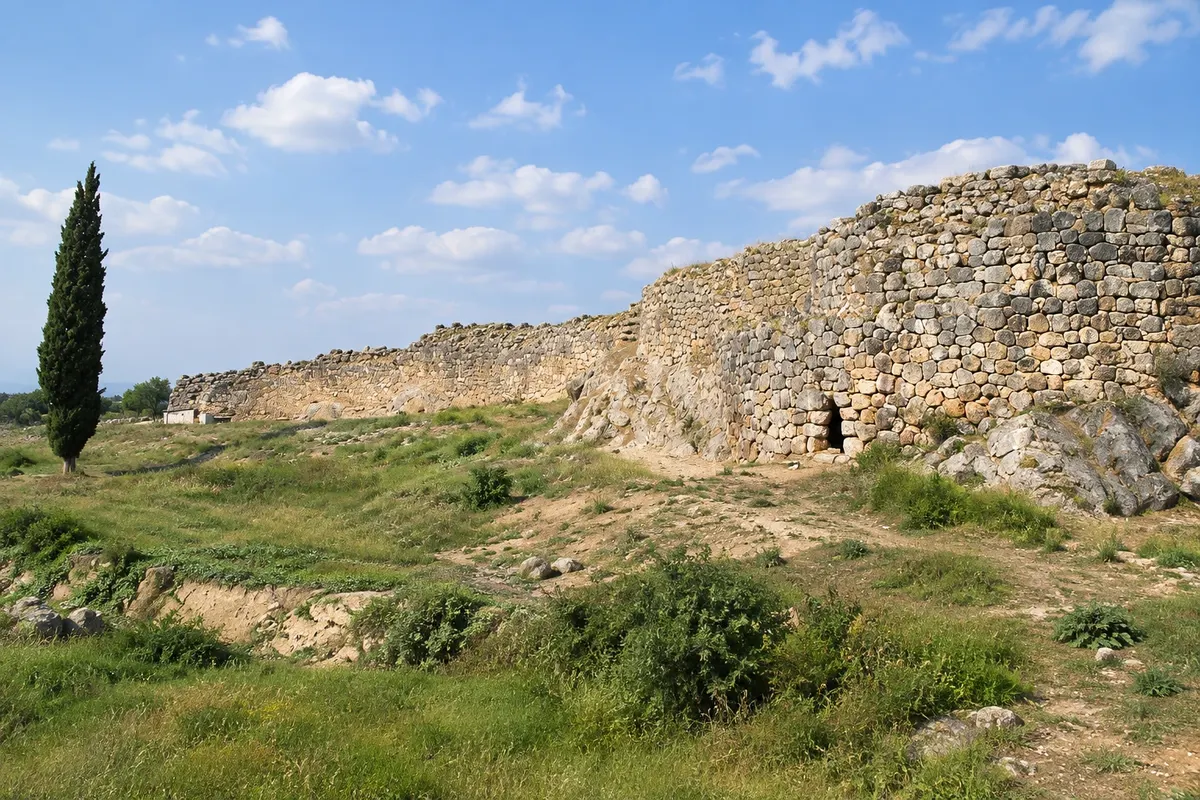
Tirinto (Tiryntha)
Mycenaean citadel on a low hill 8 km from Náuplia, with cyclopean walls up to 17 meters thick and vaulted galleries, linked to the myth of Heracles. World Heritage Site with Micenas.
Archaeological site
Corinto Antiga (Archaia Korinthos)
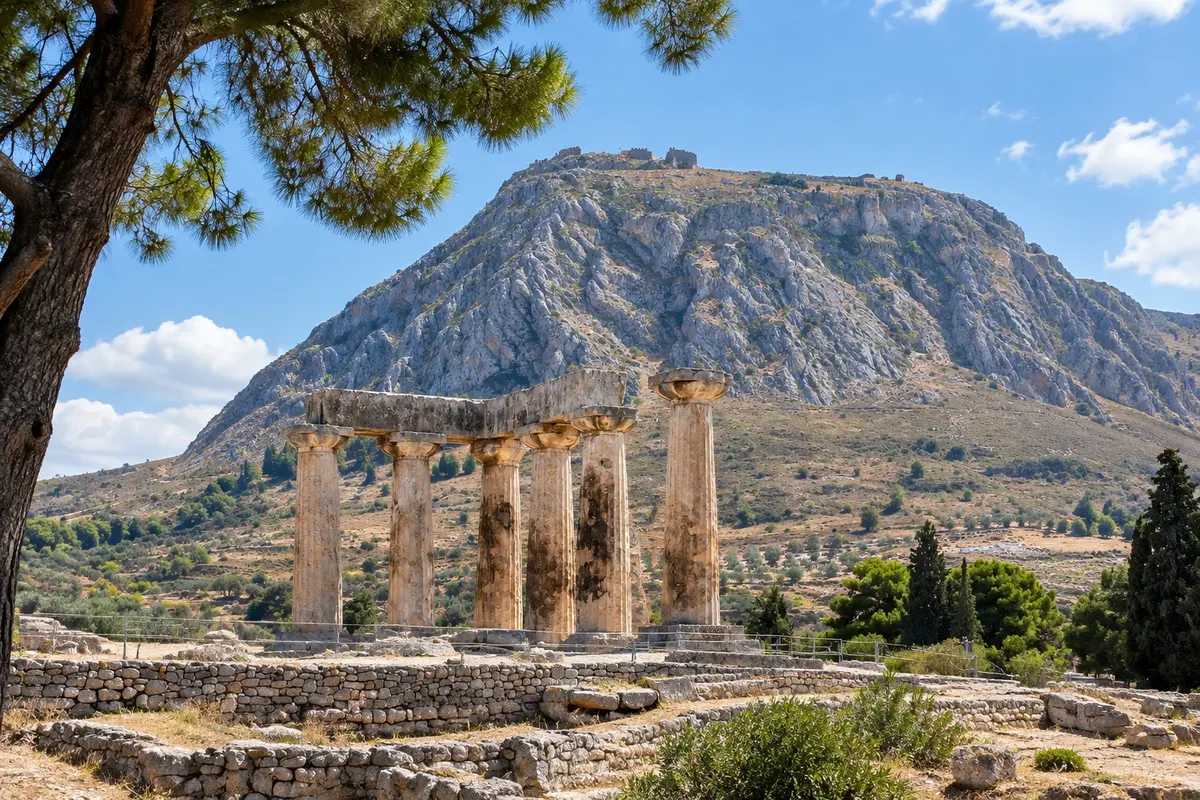
The commercial city of Antiquity that received the apostle Paul, with the seven columns of the Templo de Apolo from the 6th century BCE, the Roman forum, the Pirene fountain and a museum with mosaics and sculptures.
Castle
Acrocorinto (Akrokorinthos)
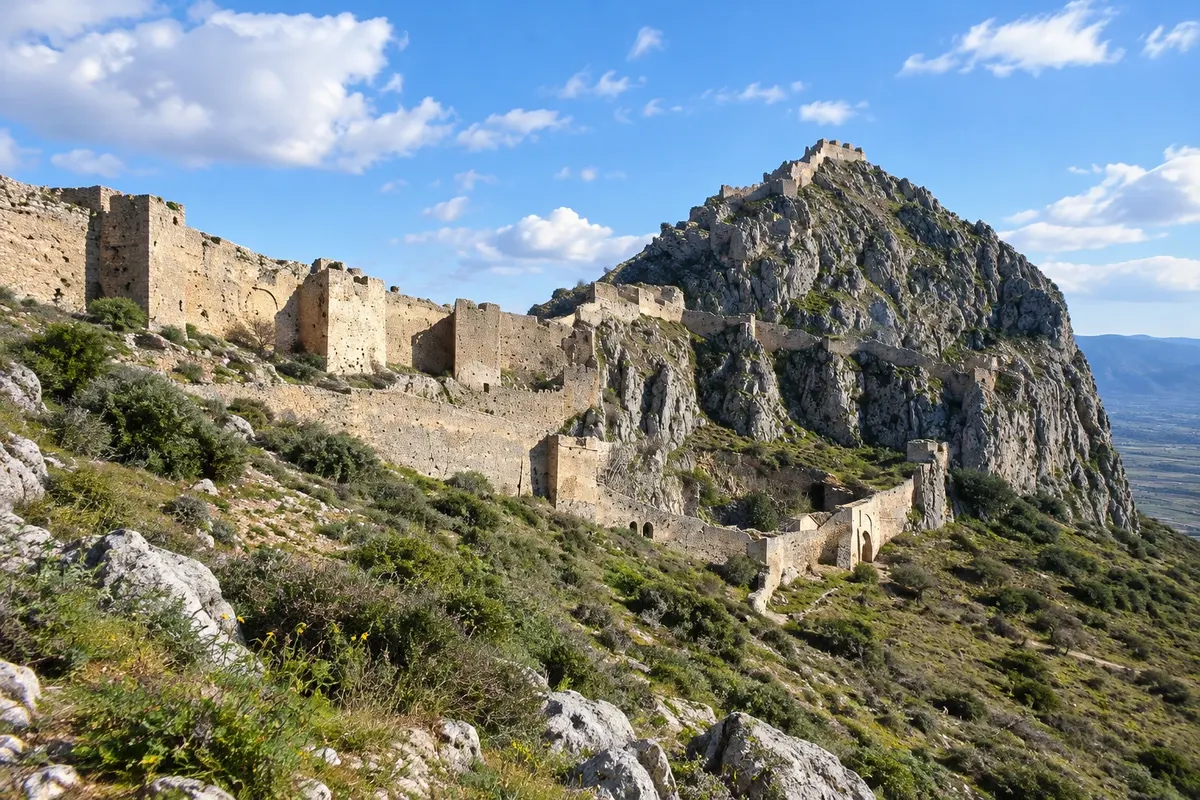
Rock 575 meters above Corinto Antiga, with one of the largest fortresses of the Peloponeso: three gates, 3 km of walls, the high spring of Pirene and, on the summit, the remains of the temple of Afrodite. View over the two gulfs.
Monument
Canal de Corinto
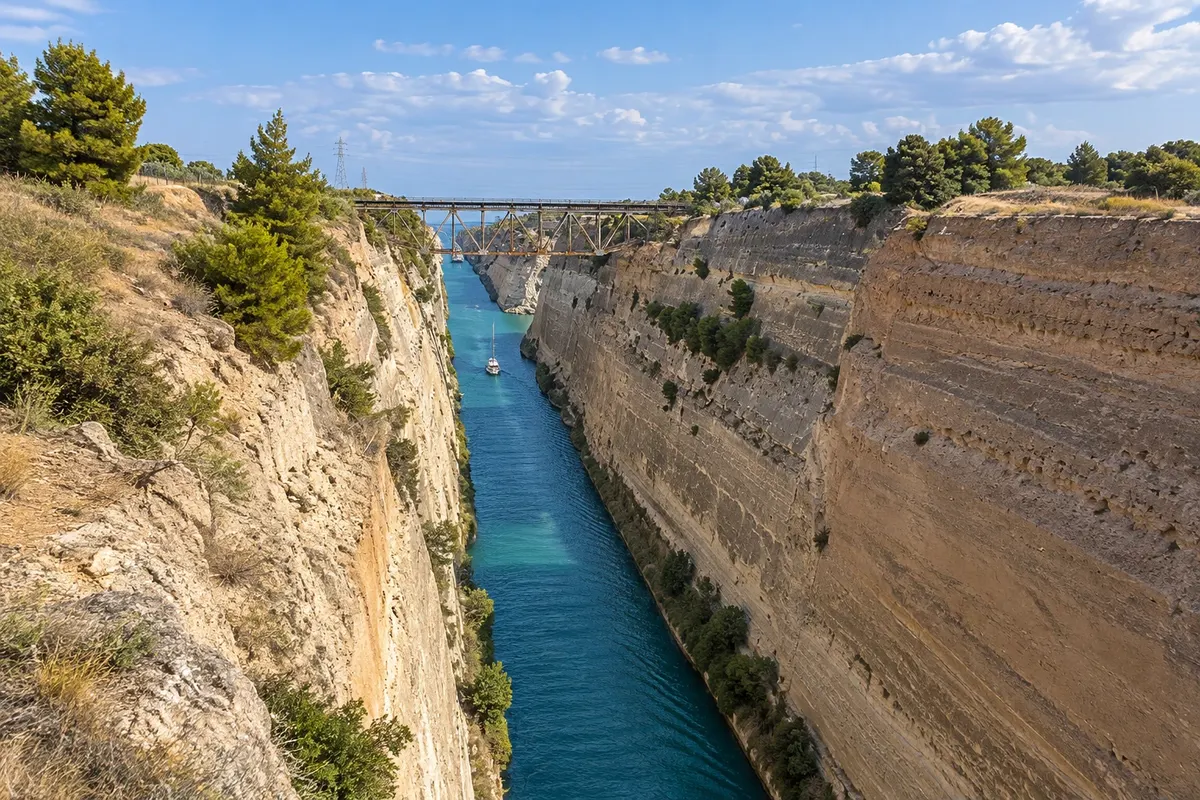
A 6.3 km cut, 24 meters wide, opened between 1881 and 1893 on the isthmus of Corinto, with rock walls up to 90 meters high, seen from above at the national road bridge or at water level from the submersible bridges.
Archaeological site
Sítio arqueológico de Nemea (Archaia Nemea)
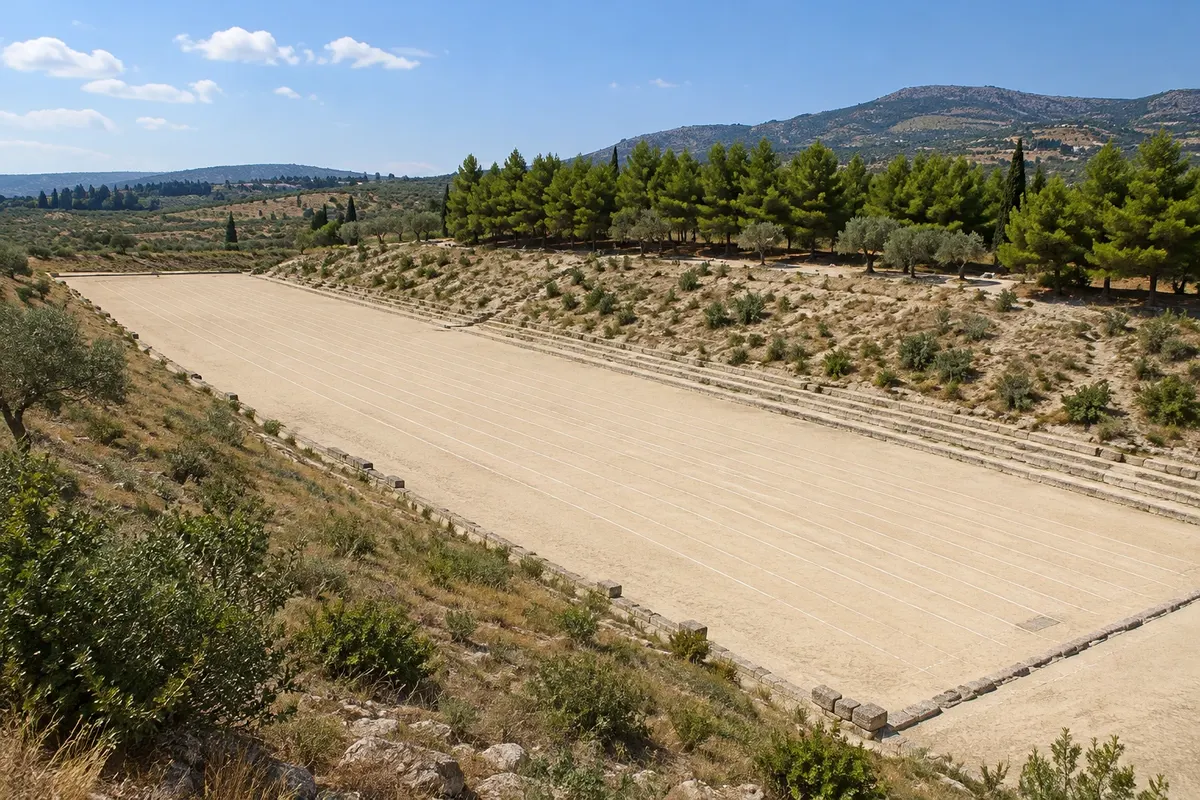
Sanctuary of Zeus where the Nemean Games were held, with the Temple of Zeus with re-erected columns, the stadium with a vaulted tunnel for the athletes' entrance, and a museum, in the middle of the Nemea wine region.
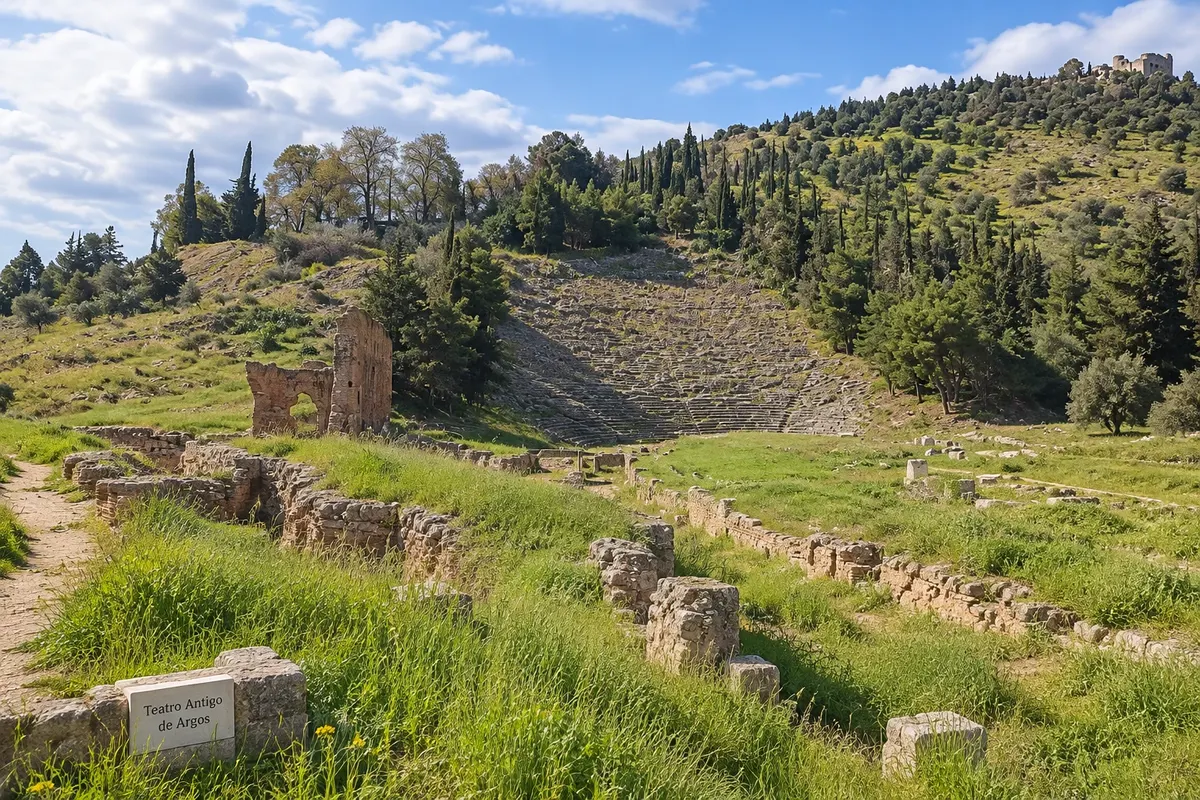
Theatre
Teatro Antigo de Argos
3rd-century BC theatre excavated into the slope of the Larissa hill in Argos, seating 20,000, next to the ancient agora and Roman baths, in a city inhabited for seven thousand years.


 Brazil
 Argentina
 Chile
Chile Colombia
 Peru
Peru Uruguay
 Germany
 Belgium
 Spain
Spain France
 the Netherlands
 Ireland
 Italy
Italy Luxembourg
 Portugal
 the United Kingdom
 Switzerland