Peloponeso

Peloponeso · Grécia Ocidental · Greece

Peloponeso

The peninsula south of Athens links Micenas, Epidauro, Olímpia and Corinto with the Venetian town of Náuplia and the fortified rock of Monemvasia, in an itinerary best done by car.

Peloponeso

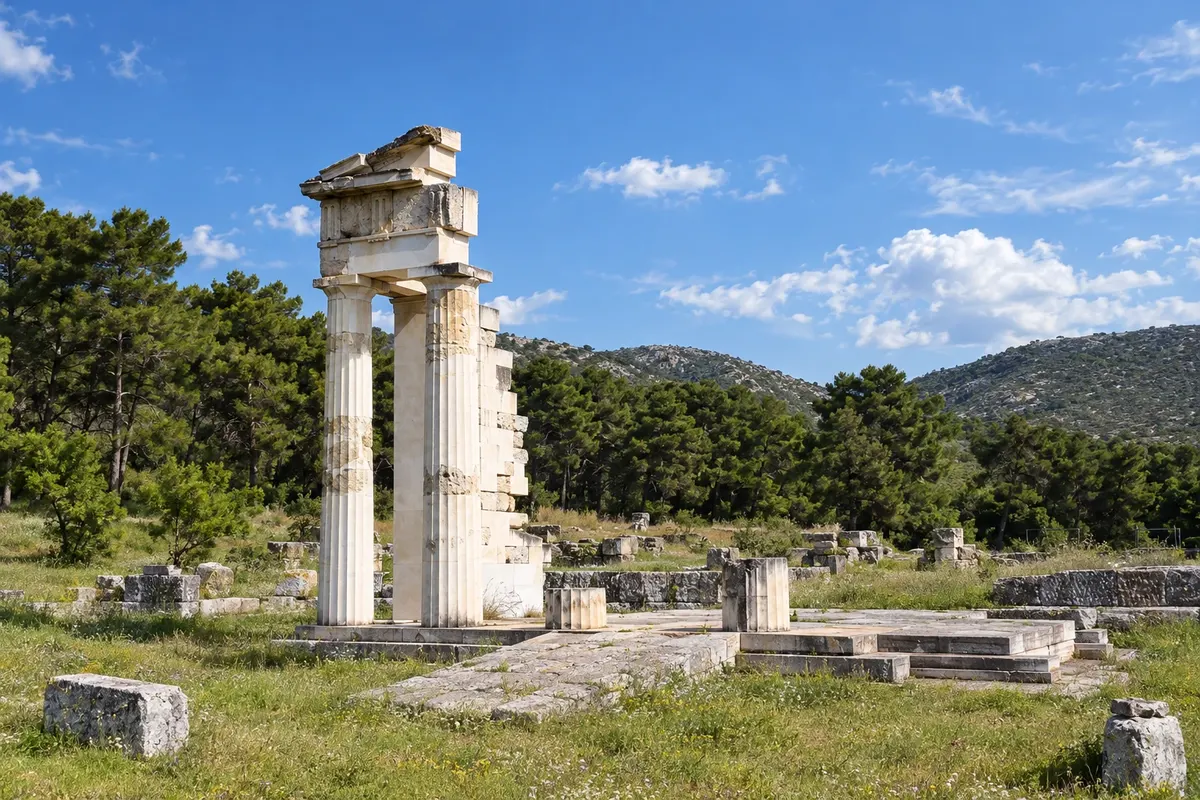
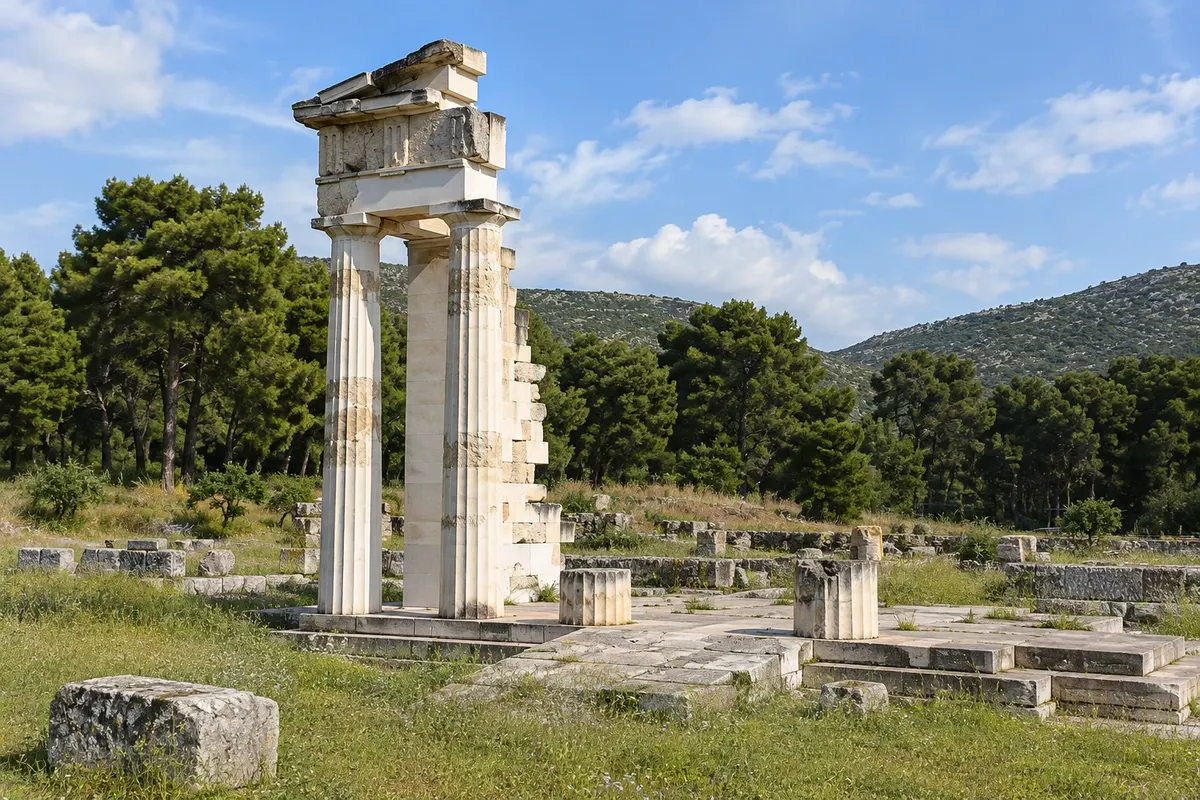
In the photo: Santuário de Asclépio, Epidauro

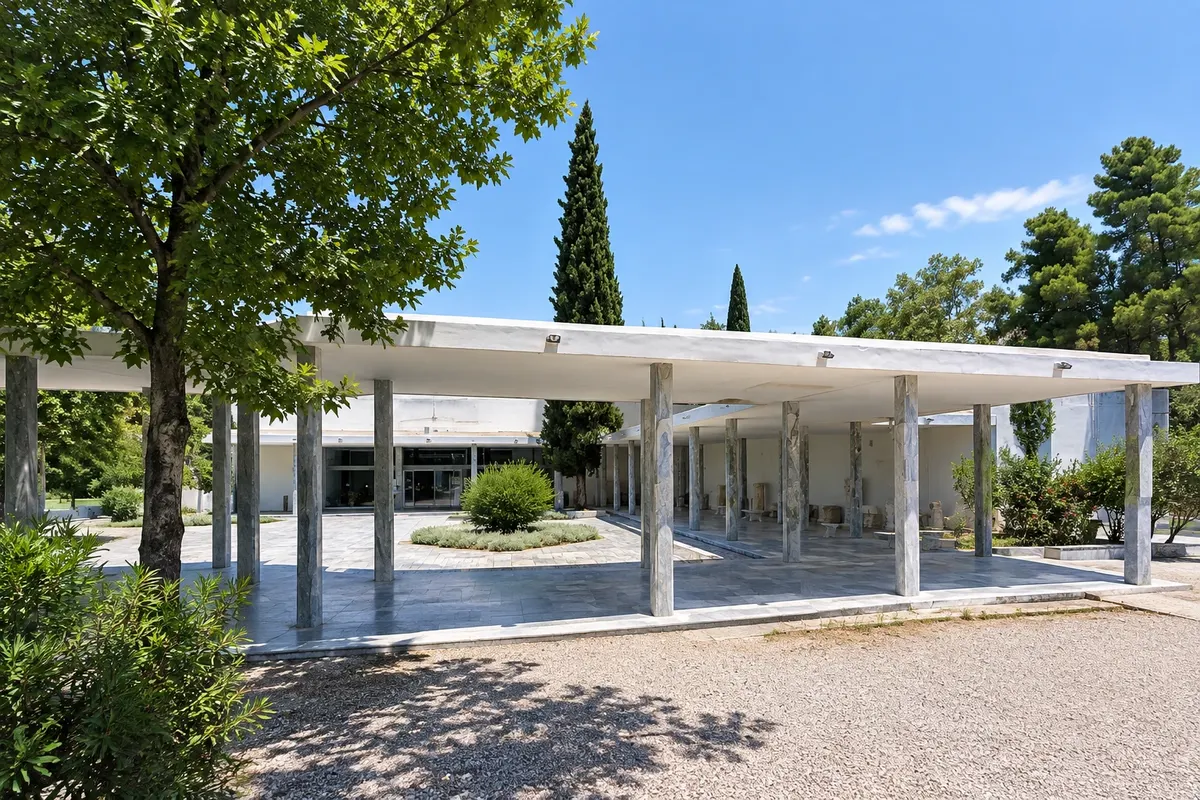
Illustrative images. The pictures in this guide are illustrations based on the real place, not photographs, and may differ from it.

Get it on Google Play Send your photos

Get to know the place

A region to enjoy
at your own pace.

The Peloponeso is the large peninsula in southern Greece, separated from the mainland by the Canal de Corinto. Between one ruin and another there are olive groves, orange orchards, vineyards and a rugged coastline.

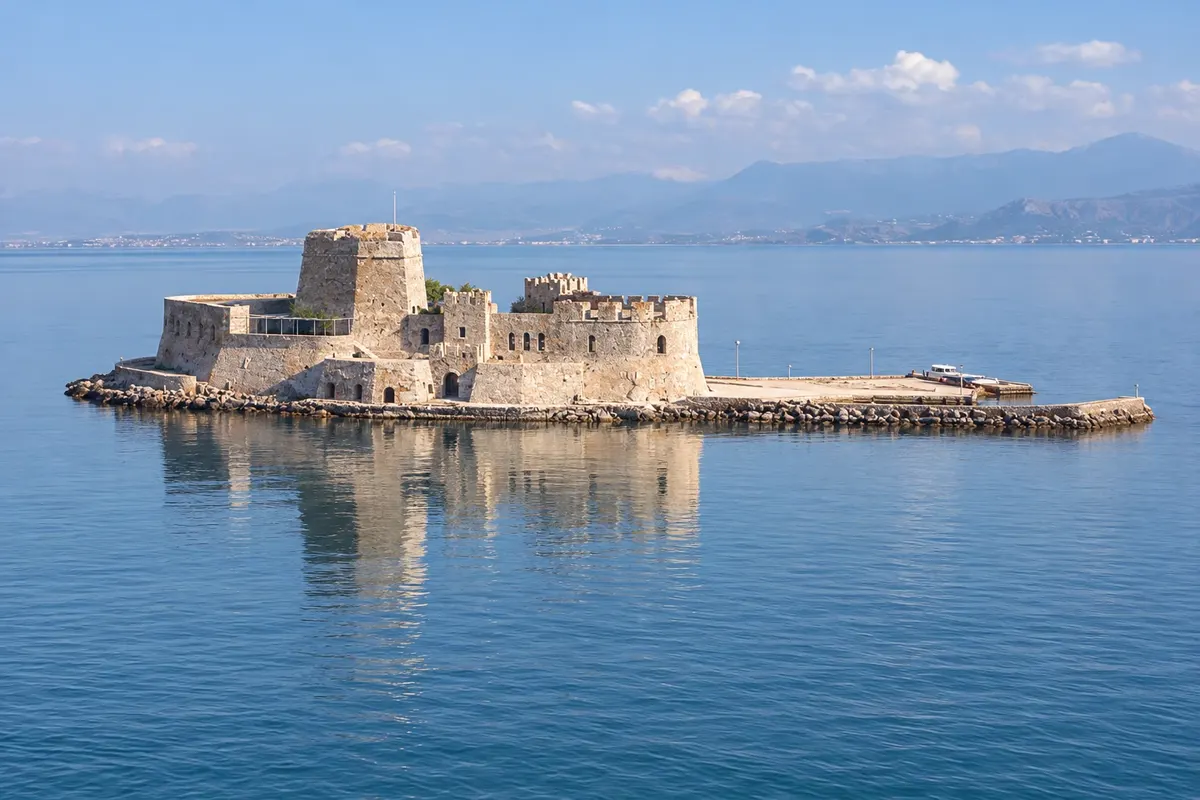
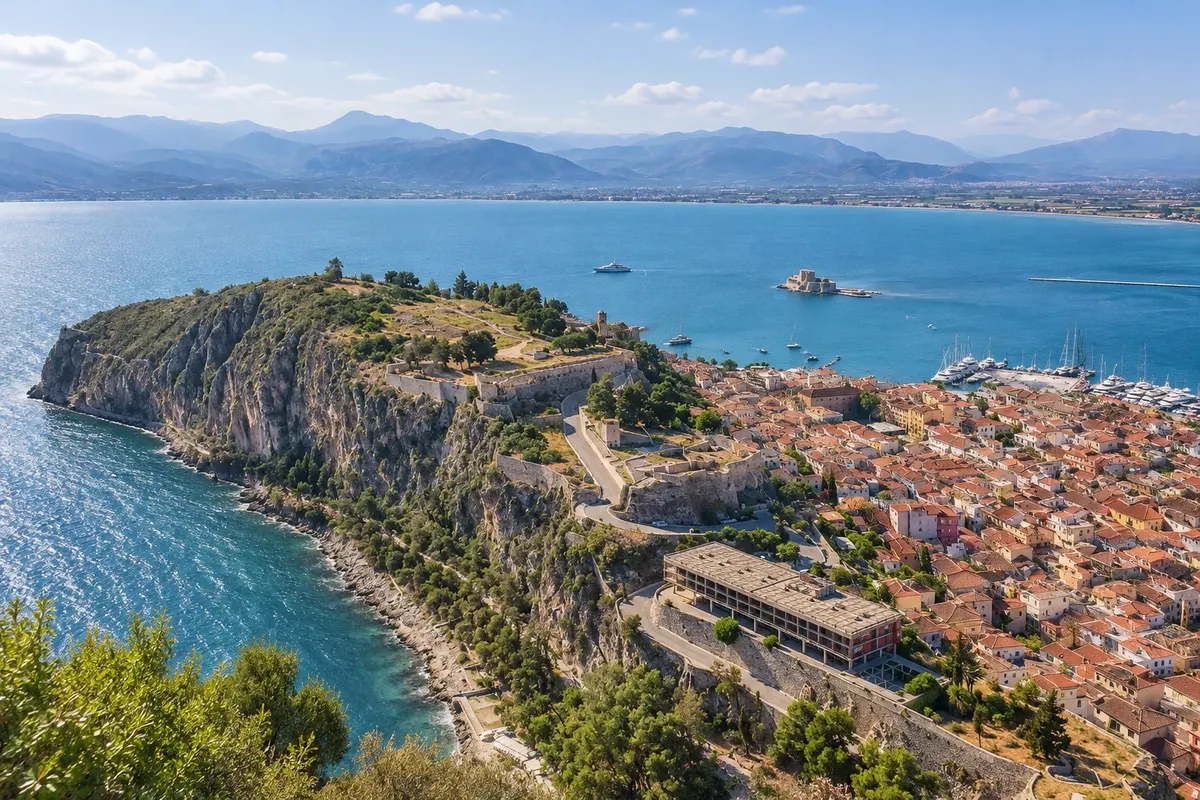
The most practical base is Náuplia (Nafplio), the first capital of independent Greece, about two hours from Athens. The old town has stone streets, Venetian balconies, the Palamidi fortress above and the small Bourtzi castle in the middle of the bay. From there, Micenas, Tirinto, Epidauro, Argos and Corinto are less than an hour's drive away.

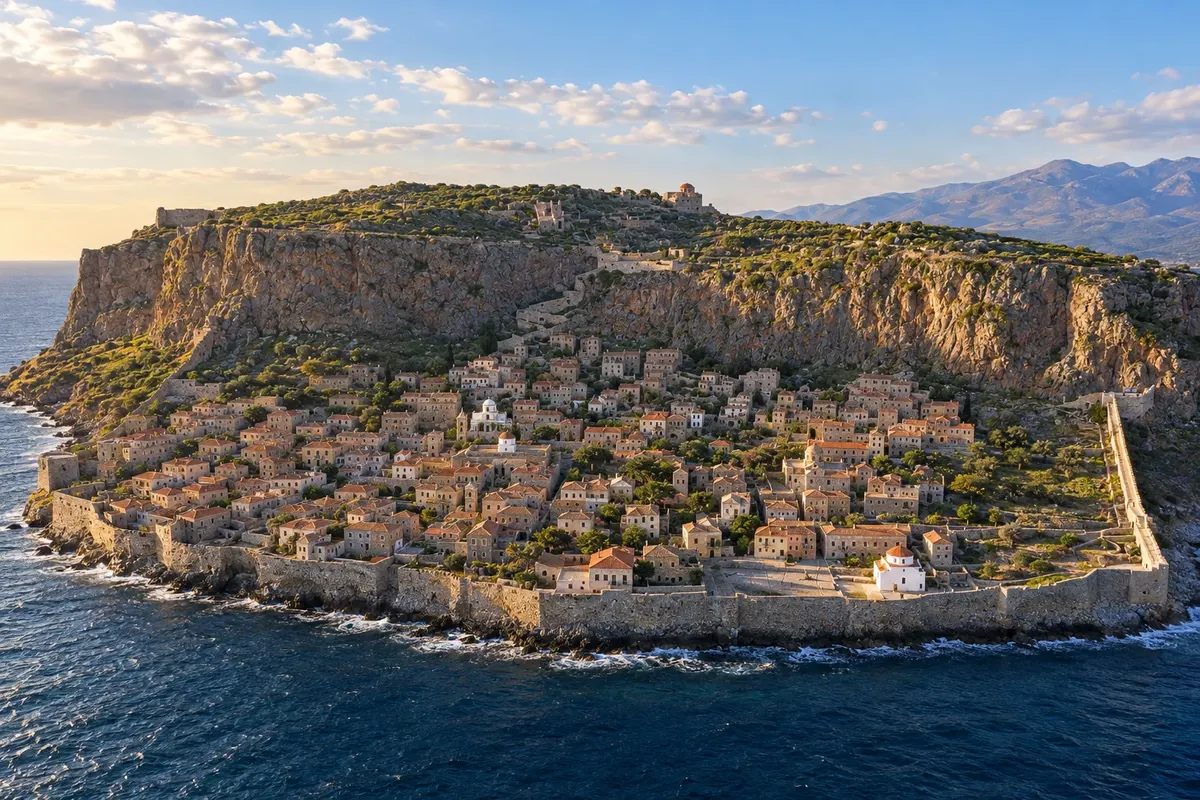
On the other side of the peninsula, to the west, lies Olímpia, with the site of the Games and one of Greece's best museums. At the southeastern tip, Monemvasia is an entire medieval town clinging to a rock in the sea, connected to the mainland by a narrow bridge closed to cars. Nearby, Mystras preserves churches and palaces from late Byzantium.

The Peloponeso is best explored by car, with good roads between the main towns and slower mountain stretches inland. Those who don't drive can reach the larger towns by KTEL buses from Athens, but archaeological sites outside them require an excursion or a taxi. The heat in July and August is strong at the ruins, almost always without shade; spring and autumn are the best seasons for walking among the stones.

This destination brings together 4 cities: Náuplia, Monemvasia, Olímpia, Patras.

Share: WhatsApp
Traveler, share your experiences through photos Up to 5 photos of each place you visited.

One destination, many paths

The cities on this trip

Start with one city or combine several in your itinerary.

Where Peloponeso is
NáupliaMonemvasiaOlímpiaPatras

Contornos: Natural Earth (domínio público). Adaptação do Cidade Turismo.

How to get there: Peloponeso

✈ Aeroporto Internacional de Atenas Eleftherios Venizelos (ATH), in Spata · 165 km to Náuplia

Check before booking. From Athens, the A7 motorway takes you to Corinto in about 1 hour and to Náuplia in about 2 hours; Olímpia is around 4 hours and Monemvasia 4½ hours. KTEL buses depart from the Kifissos terminal in Athens to Náuplia, Corinto, Esparta, Pyrgos and Trípoli. The suburban train links the airport to Corinto.

Suggested arrival point: Náuplia

Náuplia
Peloponeso · Peloponeso Suggested arrival point

Náuplia

Náuplia (Nafplio) was the first capital of independent Greece, from 1827 to 1834, and is the most charming town in the Peloponnese: cobbled streets with Venetian and Ottoman balconies, praça Syntagma with the Museu Arqueológico, the Palamidi fortress atop the hill and the Bourtzi in the middle of the bay. It is about 2 hours from Athens and serves as a base for Micenas, Tirinto, Epidauro, Argos and Corinto, all less than an hour by car.

Monemvasia
Peloponeso · Peloponeso

Monemvasia

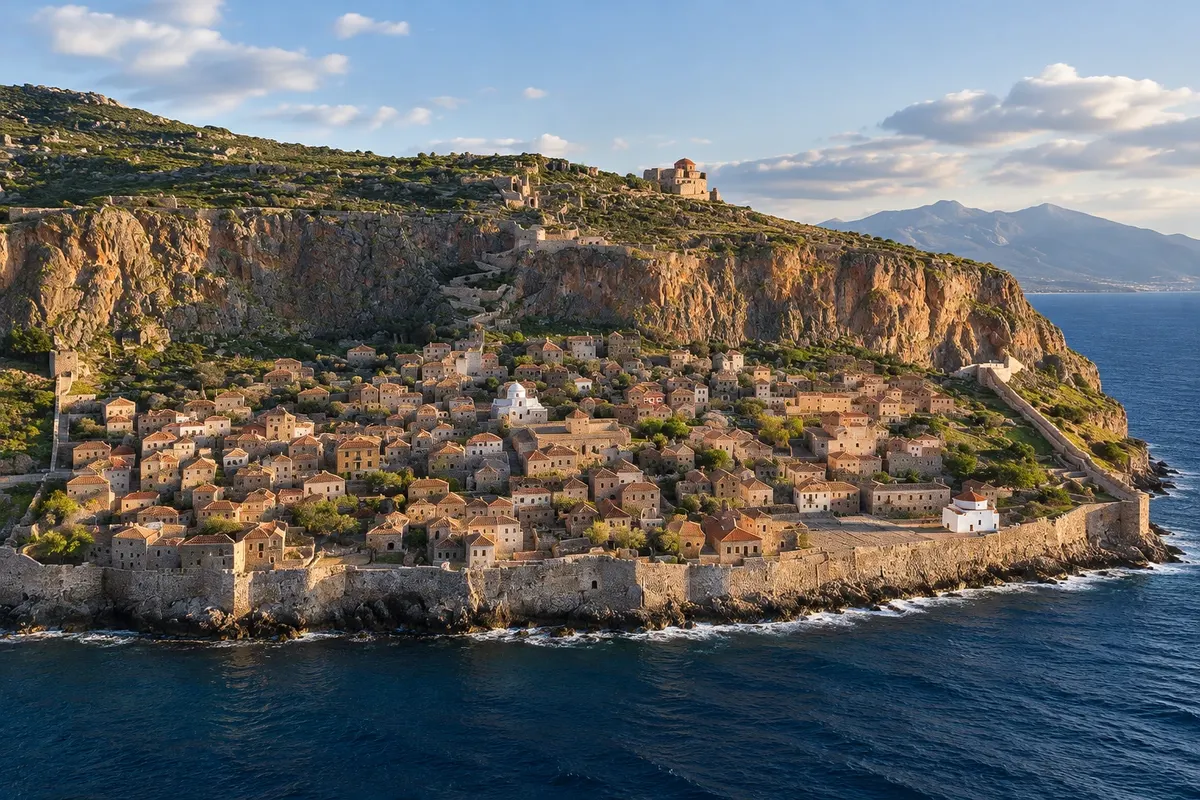
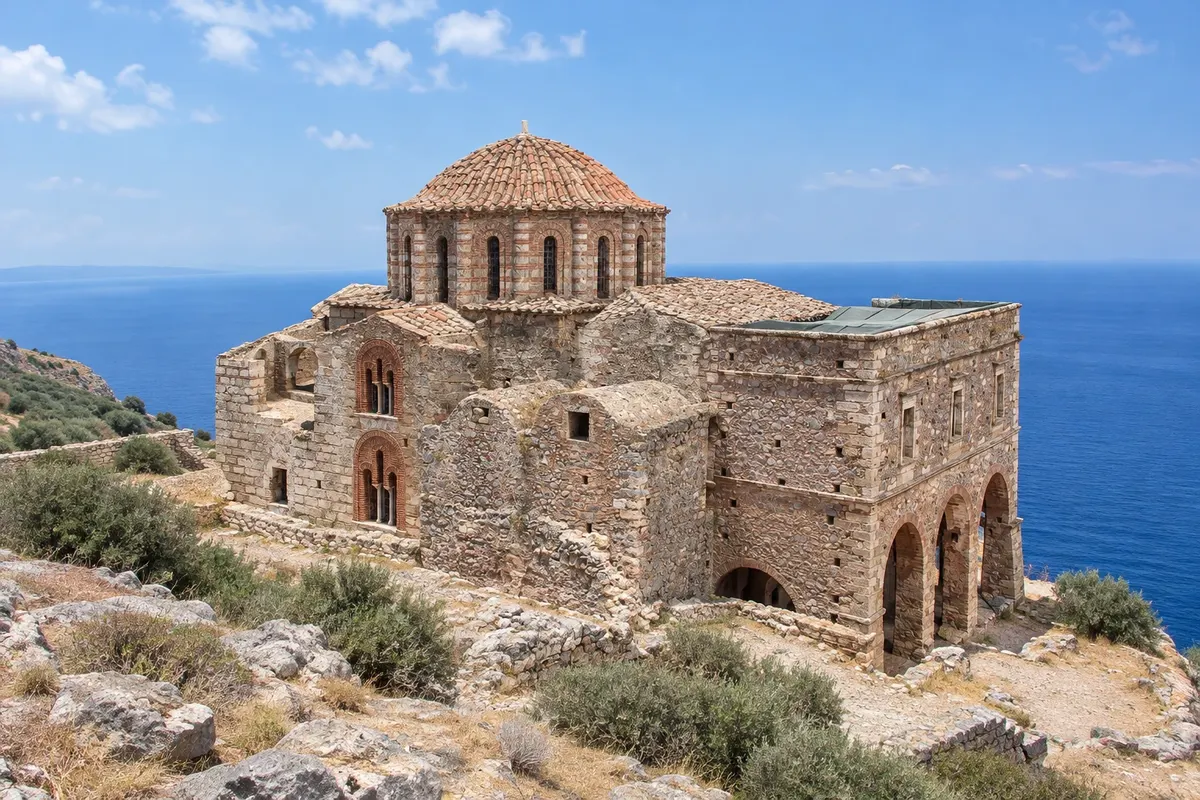
Monemvasia is an entire walled medieval town clinging to a rock in the sea, in the southeast of the Peloponeso, connected to the mainland by a narrow bridge closed to cars. Founded in the 6th century by refugees from Esparta and contested by Byzantines, Venetians and Ottomans, it has a main stone street, stepped alleys, dozens of churches and restored houses turned into guesthouses. On the top of the rock, the upper town in ruins shelters the Byzantine church of Agia Sofia. It is about 4½ hours from Athens and 1½ hours from Esparta and Mystras.

Olímpia
Grécia Ocidental · Peloponeso

Olímpia

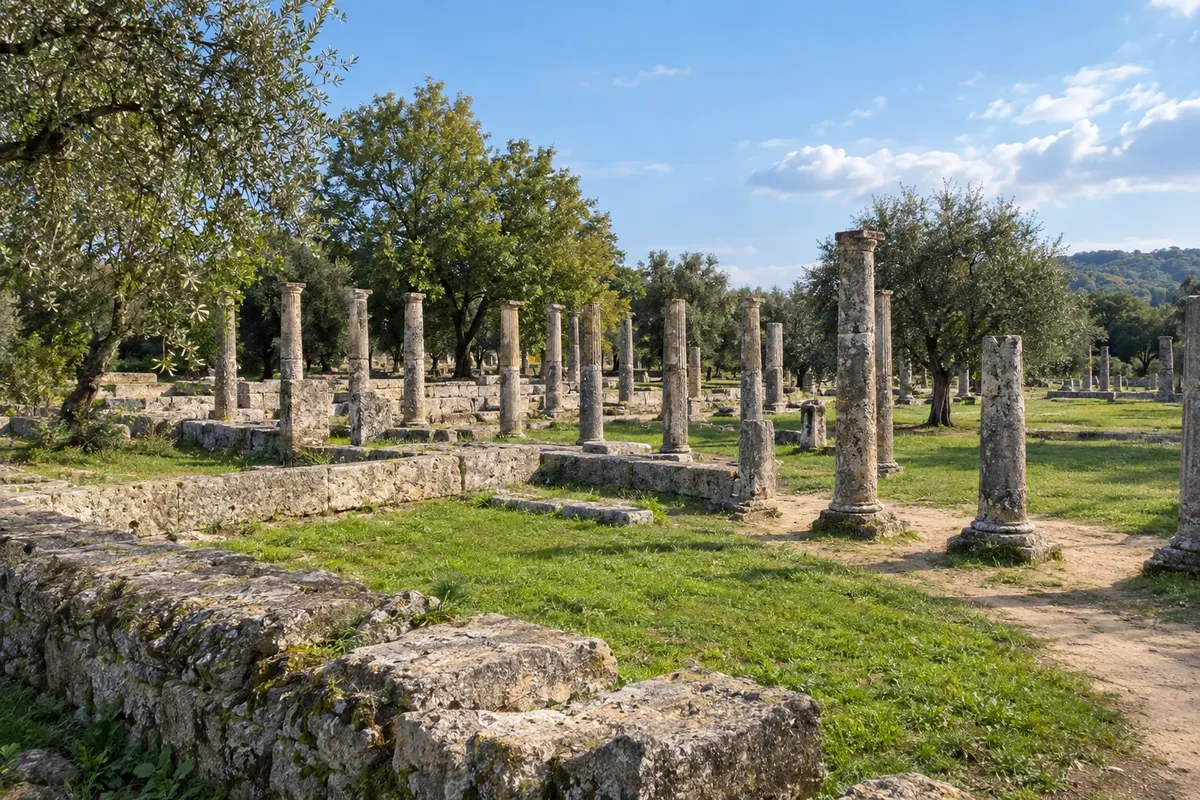
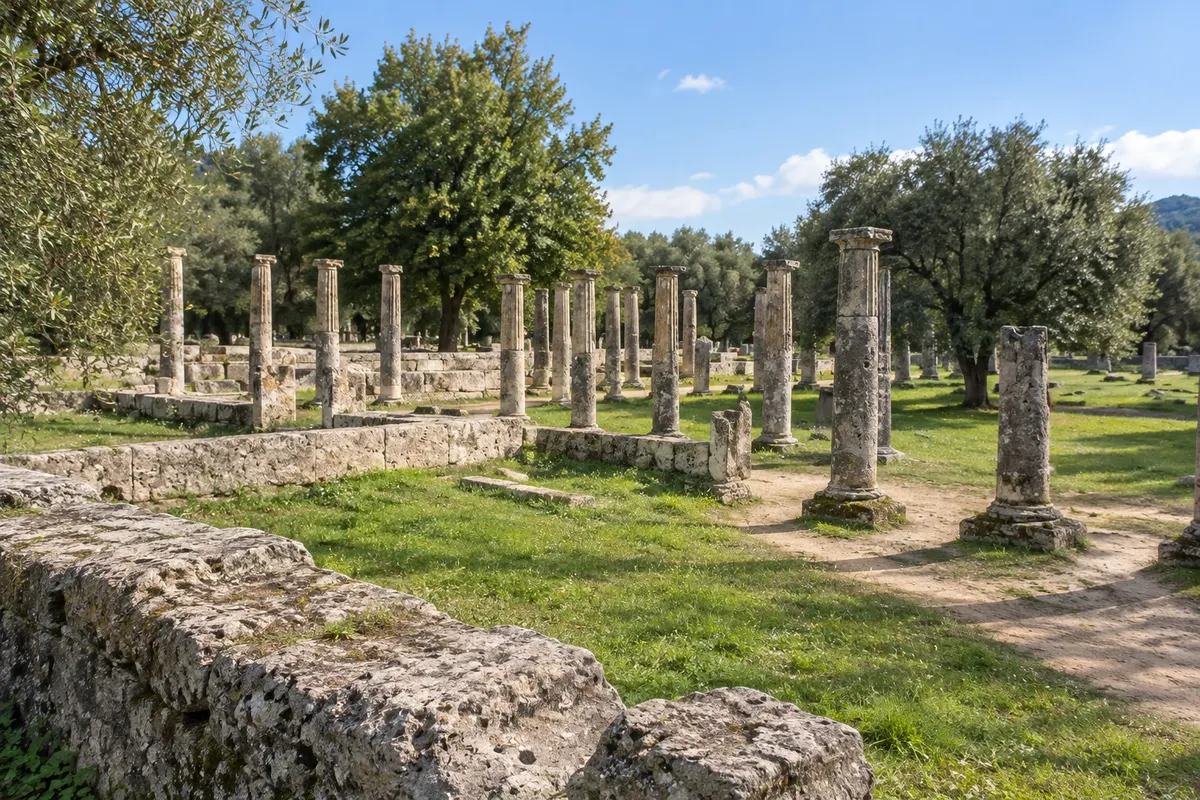
Olímpia is the village that grew up beside the sanctuary of Zeus where the Olympic Games began in 776 BC. It is in the west of the Peloponnese, about 4 hours from Athens, in a pine valley between the Alfeu and Cládeo rivers. The archaeological site, with the stadium and the Temple of Hera where the Olympic flame is lit, the Museu Arqueológico with the Hermes de Praxíteles and two smaller museums fill a full day. The village, called Archaia Olympia, has a main street with hotels, tavernas and shops.

Patras
Grécia Ocidental · Peloponeso Capital

Patras

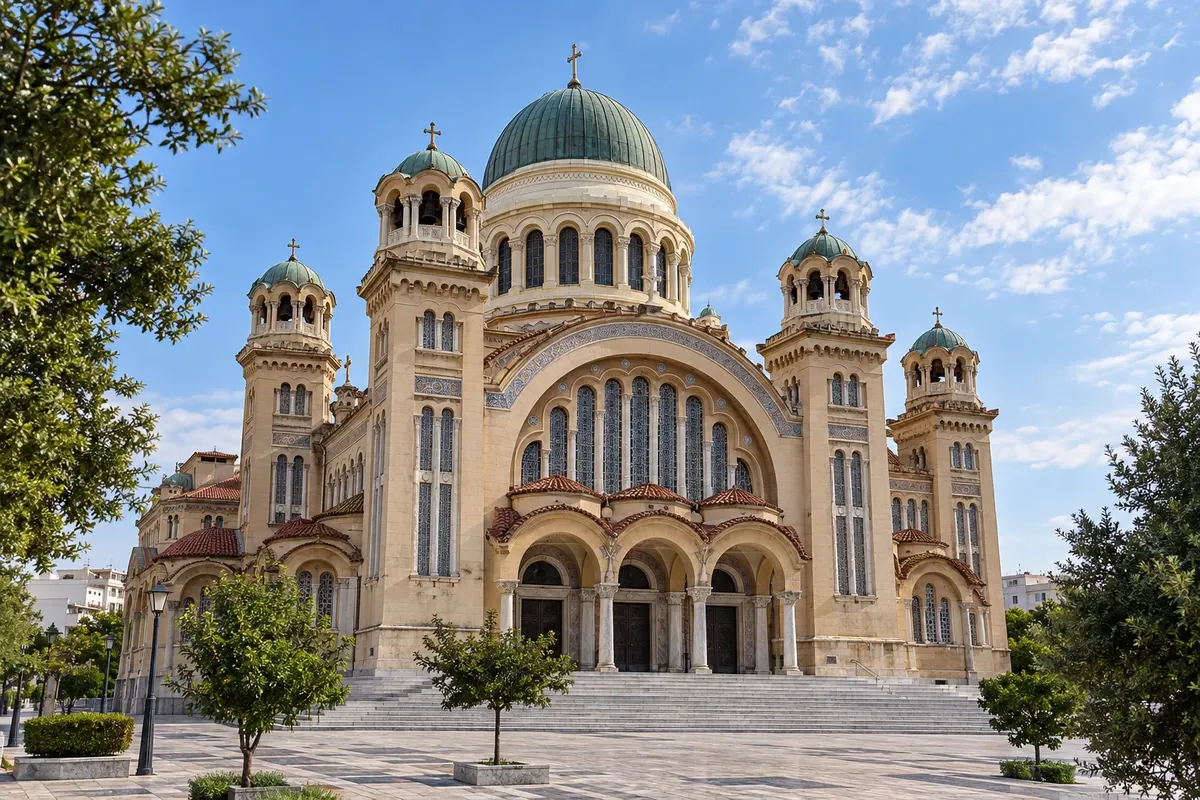
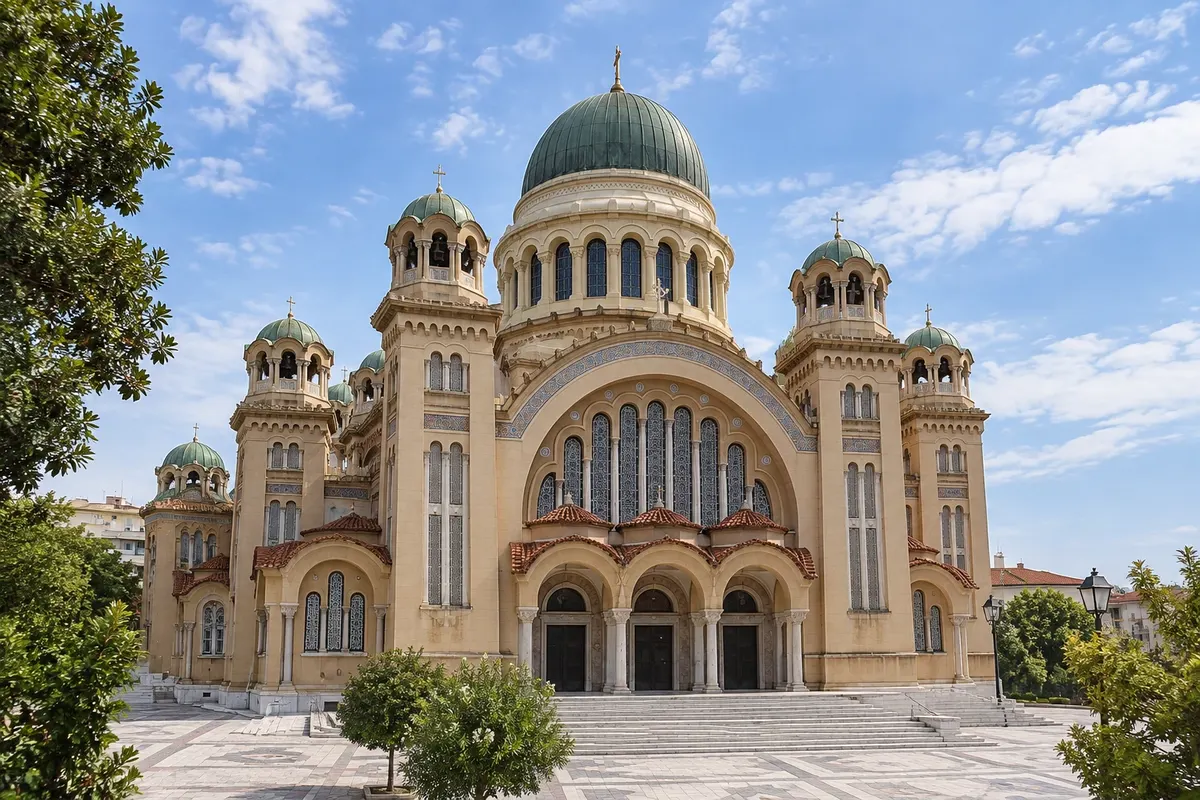
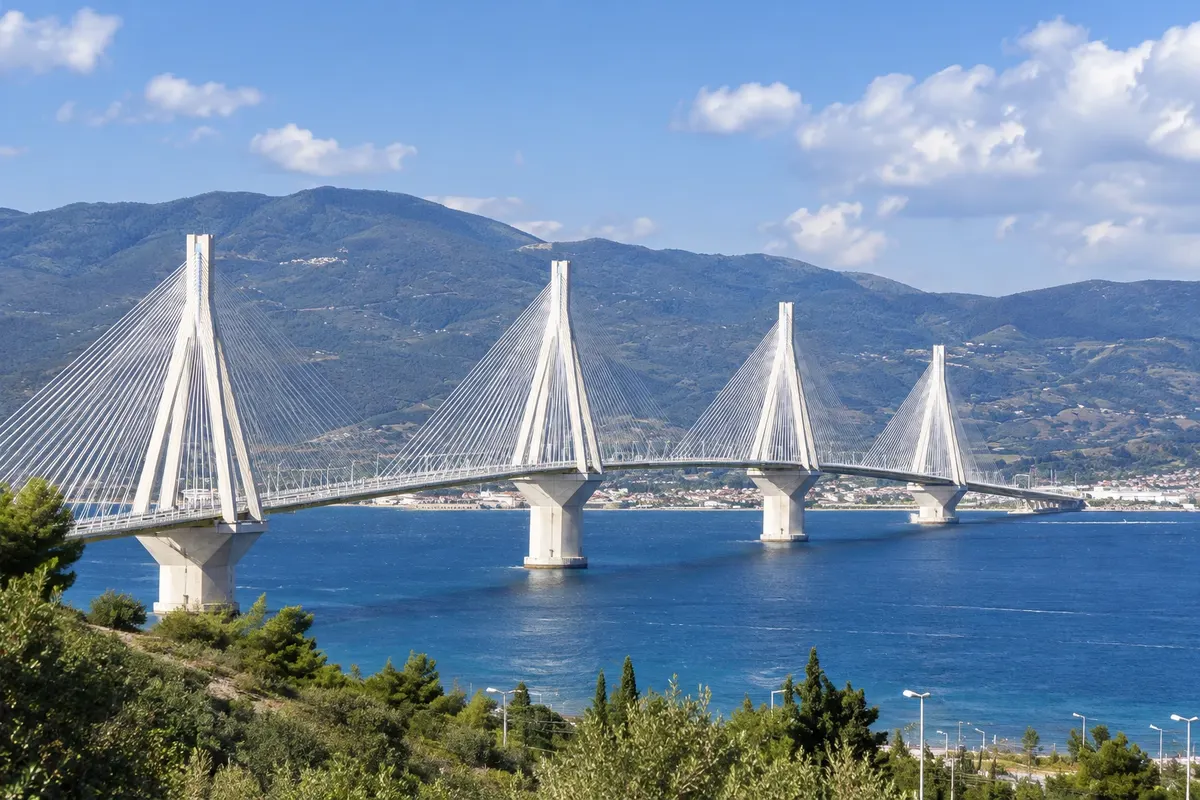
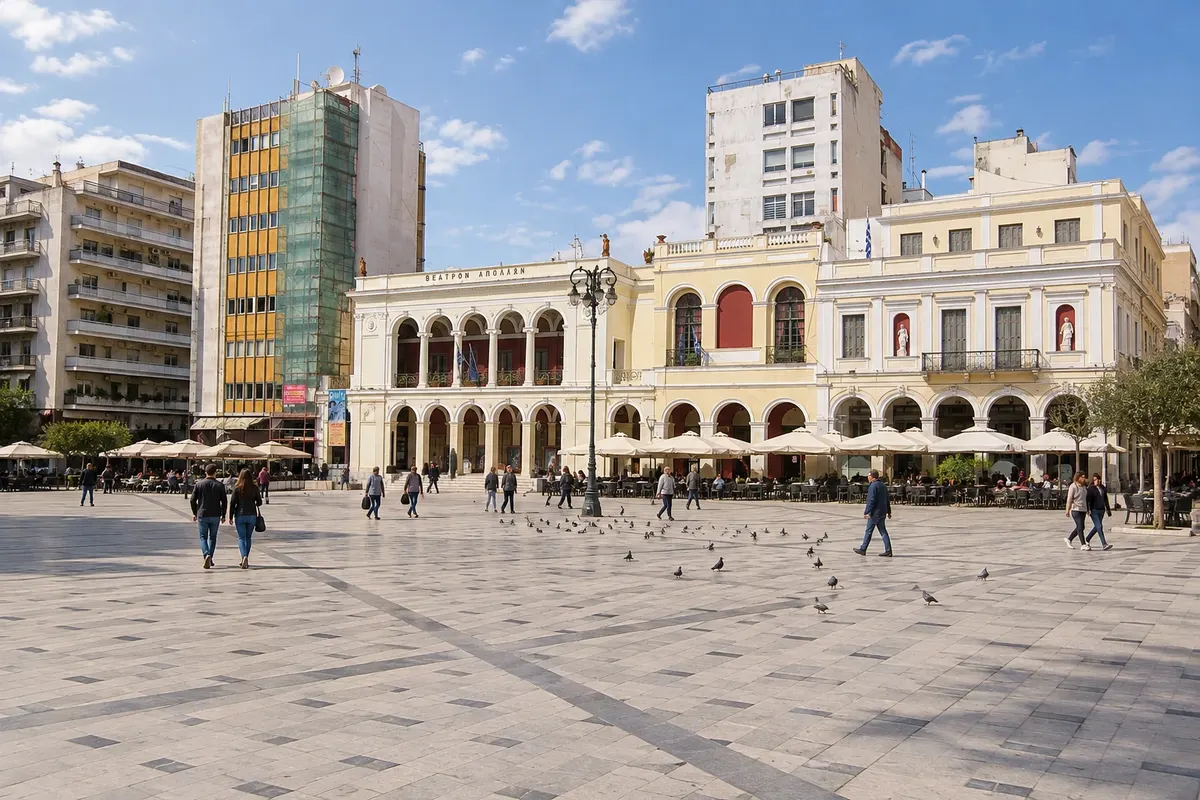
Patras is the largest city in the Peloponnese, capital of Western Greece and one of the country’s main ports. The lower town, with a grid of streets and arcades, has Georgiou I Square and the Apollon theatre; stairways lead up to the upper town, with the Roman odeon and the Byzantine castle. On the seafront, the church of Santo André houses relics of the apostle, the city’s patron. The archaeological museum holds Roman mosaics, and to the north the Rio–Antirrio bridge crosses the Gulf of Corinth. Patras’s carnival is one of the best known in Greece. Greek is spoken.

The local experience

Things to do in Peloponeso

Agios Andreas
Patras · Grécia Ocidental · Church

Agios Andreas

The large church of Santo André, on the seafront, inaugurated in 1974, housing the relics of the apostle who was martyred in Patras, and beside it the old 19th-century church.

Fortaleza de Palamidi
Náuplia · Peloponeso · Fortress

Fortaleza de Palamidi

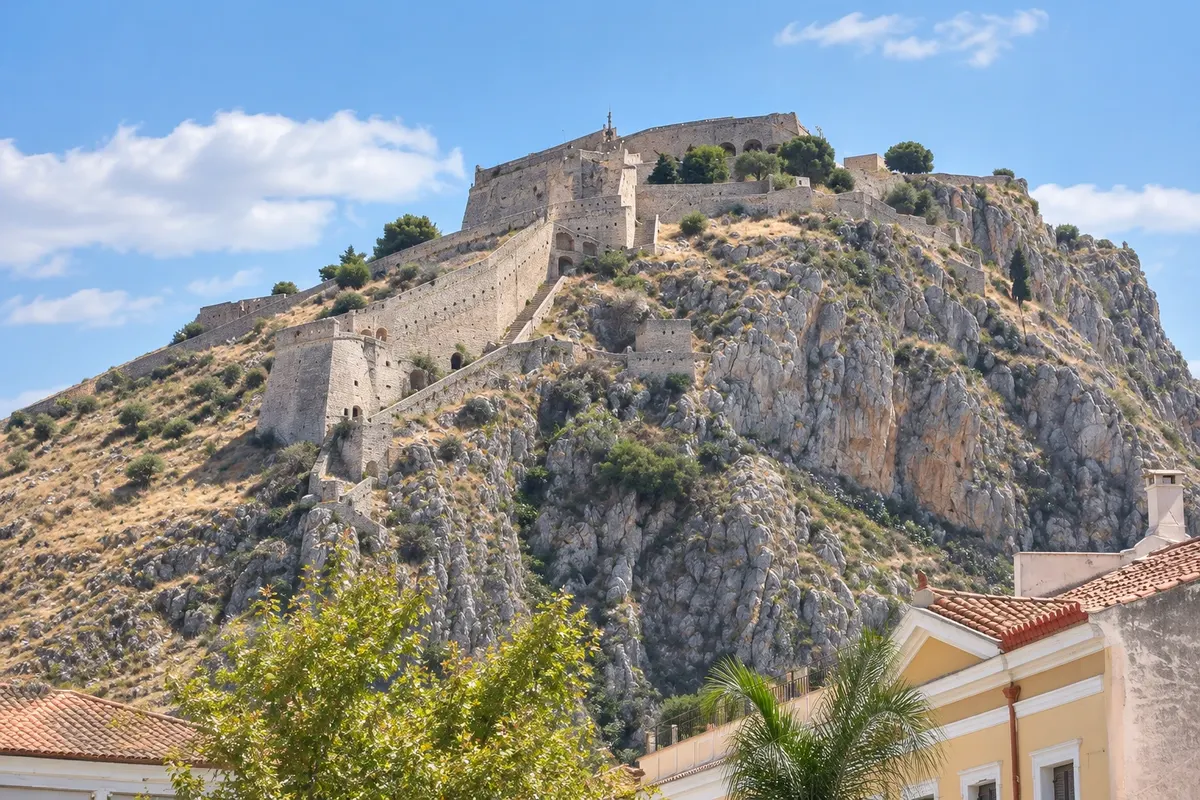
Venetian fortress built between 1711 and 1714 on top of a hill 216 metres above Náuplia, with eight bastions, the cell where the hero Kolokotronis was imprisoned and a staircase of hundreds of steps rising from the old town.

Kastro de Monemvasia (cidade baixa)
Monemvasia · Peloponeso · Village

Kastro de Monemvasia (cidade baixa)

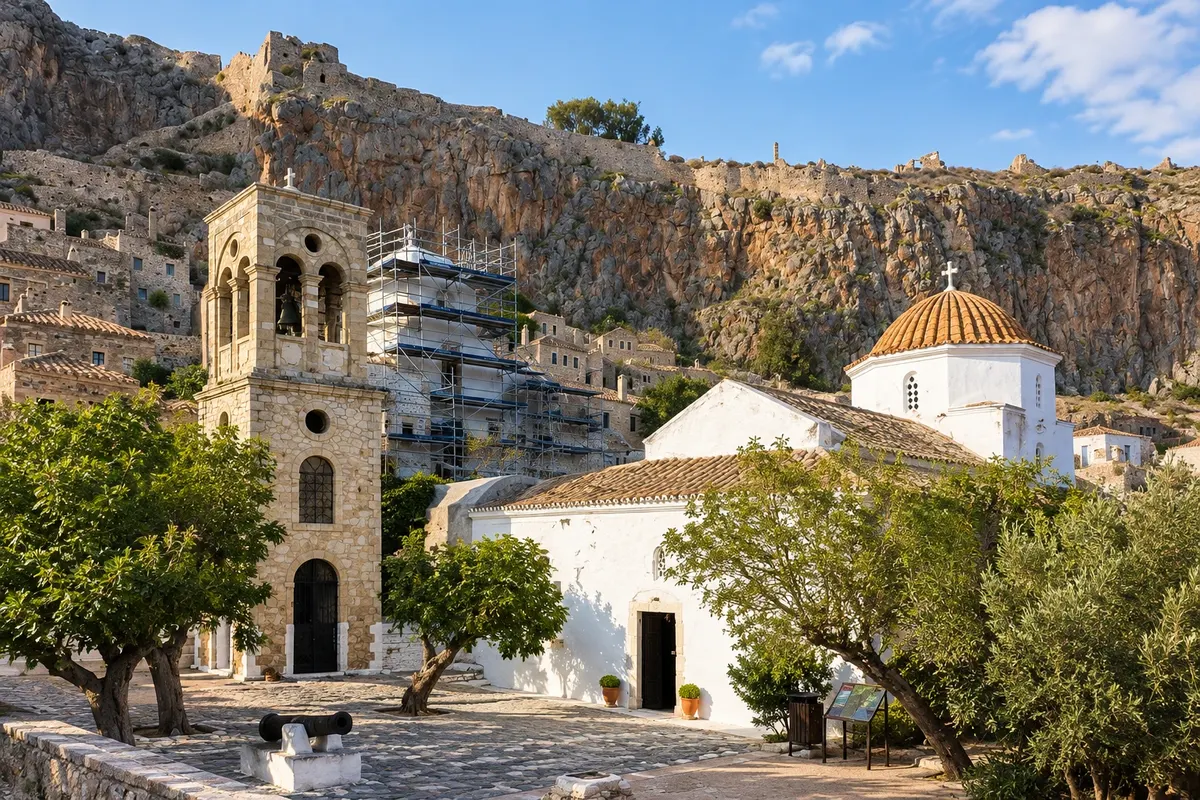
The walled lower town of Monemvasia, clinging to a sea rock and closed to cars: a main stone street, alleys, restored Byzantine and Venetian houses, forty churches and the wall with a gate to the sea.

Sítio arqueológico de Olímpia (Archaia Olympia)
Olímpia · Grécia Ocidental · Archaeological site

Sítio arqueológico de Olímpia (Archaia Olympia)

The sanctuary of Zeus where the Olympic Games began in 776 BC: the stadium with the starting line, the fallen Templo de Zeus, the Templo de Hera where the Olympic flame is lit, Fídias's workshop and the Filipeion.

See 23 more places in Peloponeso
Castelo de Bourtzi
Náuplia · Peloponeso · Castle

Castelo de Bourtzi

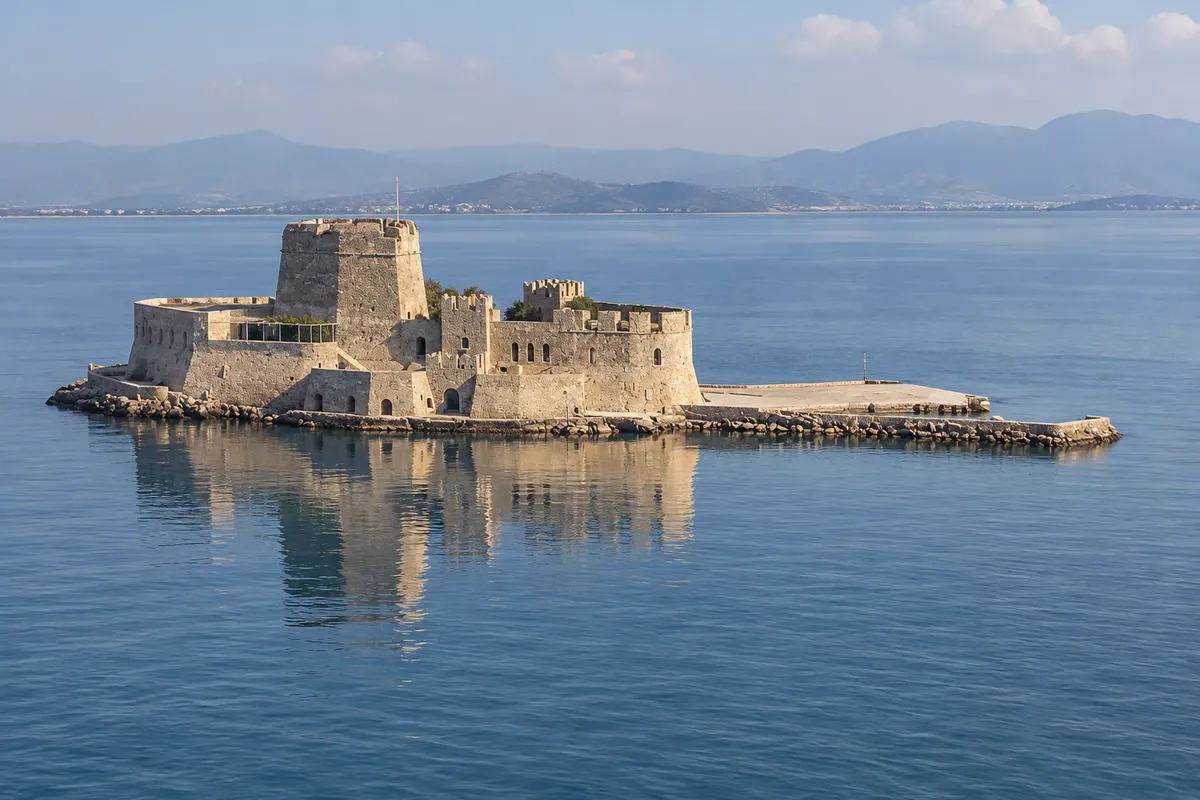
Small Venetian fortress on an islet in the middle of the port of Náuplia, begun in 1471, which has served as a prison, the executioner's house and a hotel. It is reached by boat from the pier.

Cidade alta e Igreja de Agia Sofia
Monemvasia · Peloponeso · Church

Cidade alta e Igreja de Agia Sofia

Byzantine church from the 12th century on the edge of the cliff, atop the rock, amid the ruined upper town: a dome with 16 windows, frescoes and, around it, cisterns, walls and a 300-meter view over the sea.

Kastro Patron
Patras · Grécia Ocidental · Castle

Kastro Patron

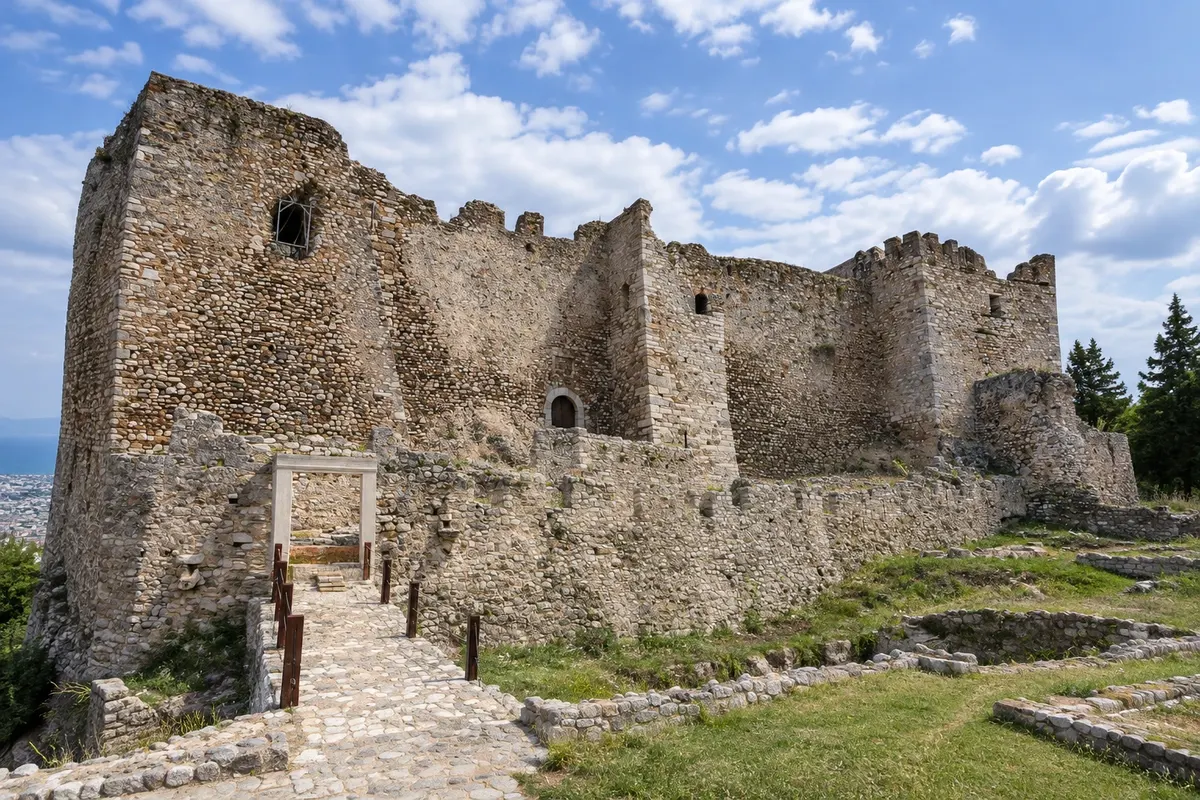
Castle erected in the 6th century on the ancient acropolis of Patras, used by Byzantines, Franks, Venetians and Ottomans, with walls, gardens and views of the gulf.

Museu Arqueológico de Olímpia
Olímpia · Grécia Ocidental · Museum

Museu Arqueológico de Olímpia

One of the major museums in Greece, next to the site: the Hermes of Praxíteles, the Nike of Peônio, the pediments and metopes of the Temple of Zeus gathered in one room, and the country's largest collection of ancient bronzes.

Acronáuplia (Akronafplia)
Náuplia · Peloponeso · Fortress

Acronáuplia (Akronafplia)

Náuplia's oldest rocky promontory, with walls dating from Antiquity through the Venetians, three linked castles, the Porta de Terra and views over the old town and the praia de Arvanitia.

Igreja de Christos Elkomenos e Coleção Arqueológica
Monemvasia · Peloponeso · Church

Igreja de Christos Elkomenos e Coleção Arqueológica

The central square of the lower town, with the metropolitan church of Christos Elkomenos, originating in the 6th century with a separate bell tower, and opposite it the Ottoman mosque of 1540 that houses the Monemvasia archaeological collection.

Museu da História dos Jogos Olímpicos da Antiguidade
Olímpia · Grécia Ocidental · Museum

Museu da História dos Jogos Olímpicos da Antiguidade

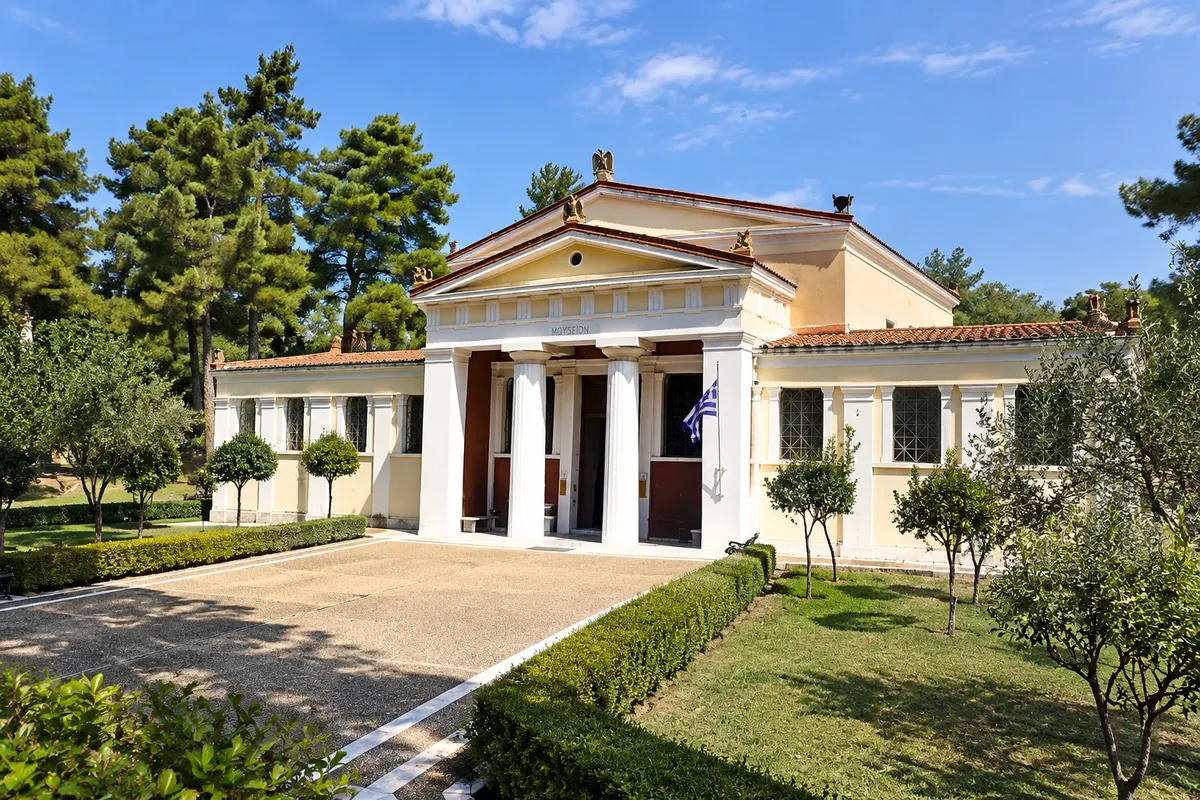
In the 1888 neoclassical building that was Olímpia's first museum, an exhibition about the ancient Games: the events, the victors, women in sport, Zeus and the other pan-Hellenic games, with pieces on loan from museums across Greece.

Roman Odeon of Patras
Patras · Grécia Ocidental · Archaeological site

Roman Odeon of Patras

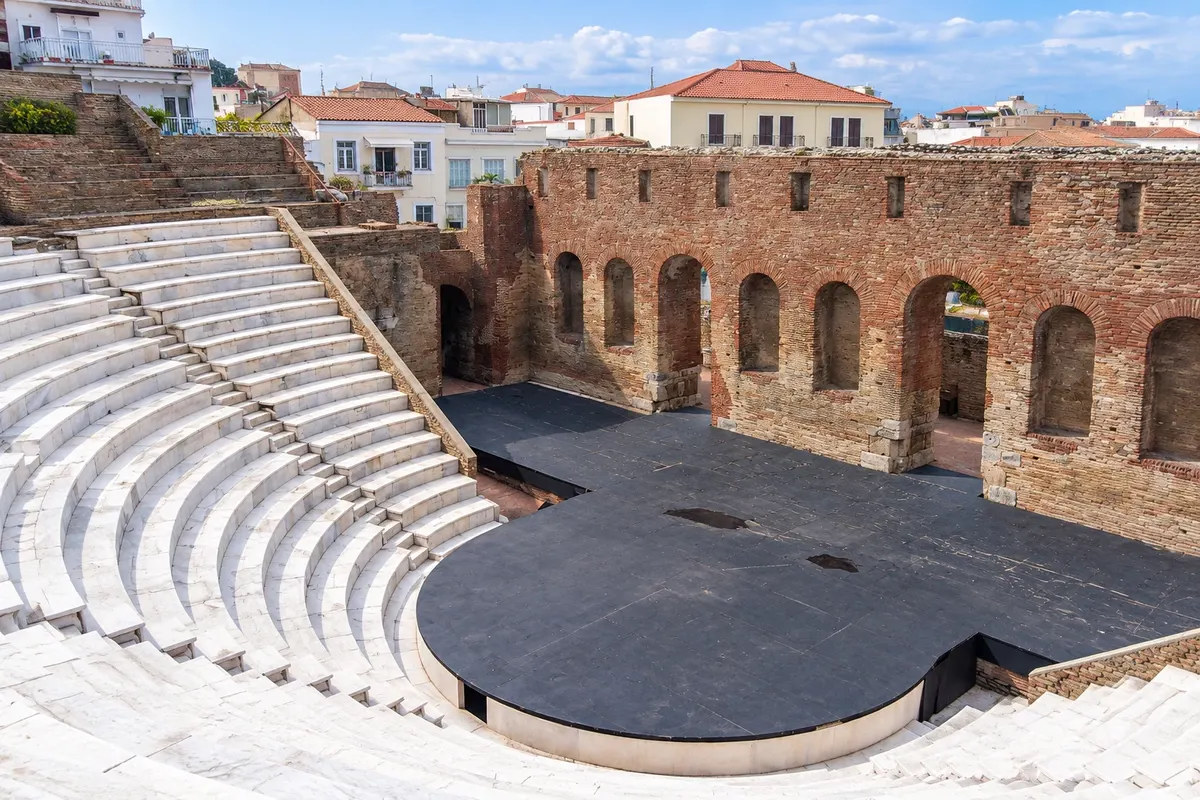
Small 2nd-century Roman theatre in the upper town, rediscovered in 1889 and restored, where performances still take place in summer.

Archaeological Museum of Patras
Patras · Grécia Ocidental · Museum

Archaeological Museum of Patras

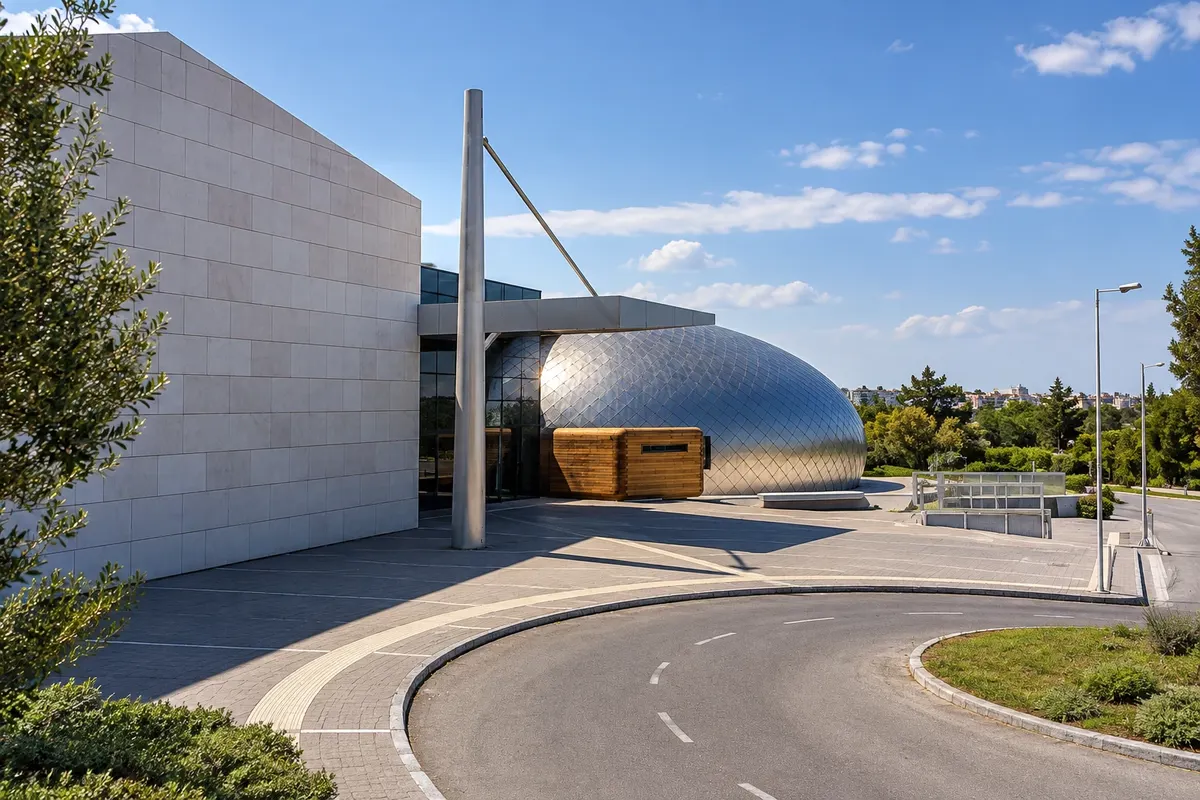
Museum opened in 2009 in a modern building with a metallic dome, with Roman mosaics displayed vertically, reconstructed Roman houses and Mycenaean tombs at full scale.

Olímpia · Grécia Ocidental · Museum

Museu de Arquimedes

Private museum in the centre of the village with working reconstructions of inventions by Archimedes and other ancient Greek engineers: the Antikythera mechanism, the water clock, the Archimedes screw, pumps and automata, with explanations in English.

Mystras (Mistrá)
Monemvasia · Peloponeso · Archaeological site

Mystras (Mistrá)

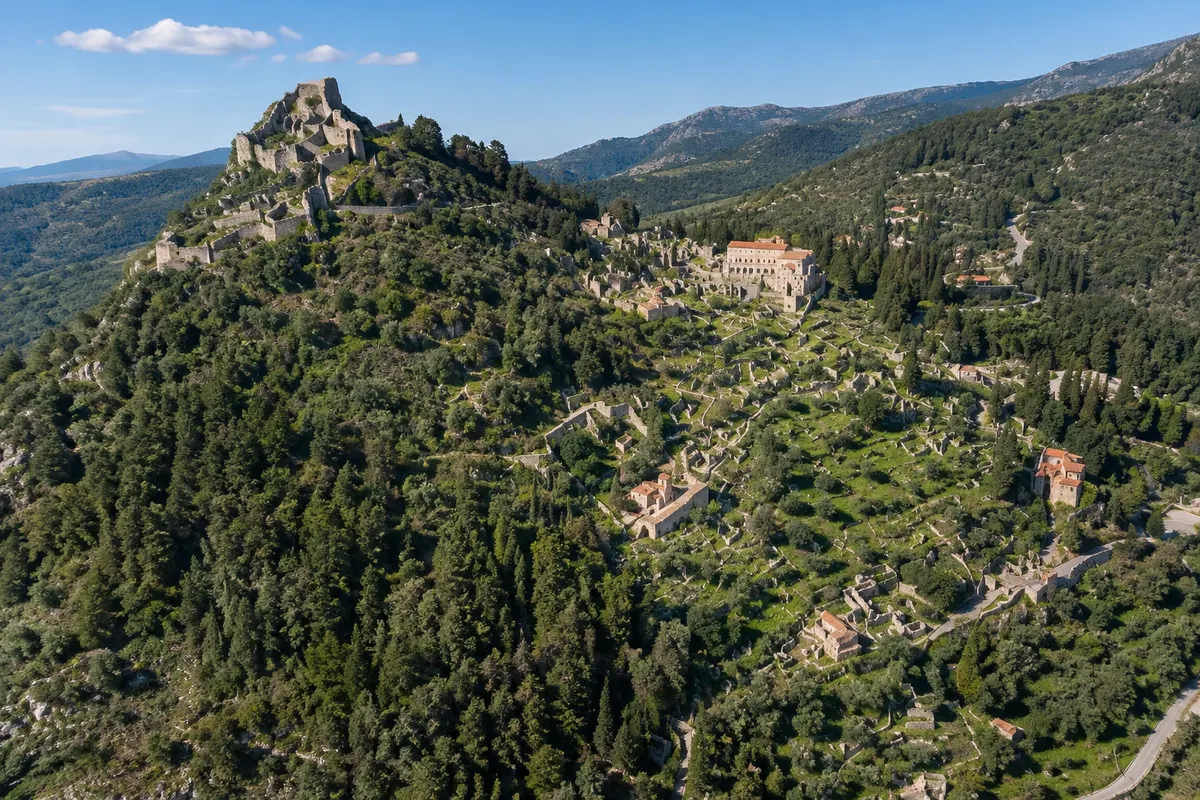
Byzantine town in ruins on the slope of Taígeto, 8 km from Esparta and about 95 km from Monemvasia: Frankish castle of 1249 at the top, Palácio dos Déspotas, churches with frescoes and the monastery of Pantanassa, still inhabited by nuns. World Heritage.

Praça Syntagma de Náuplia (Plateia Syntagmatos)
Náuplia · Peloponeso · Square

Praça Syntagma de Náuplia (Plateia Syntagmatos)

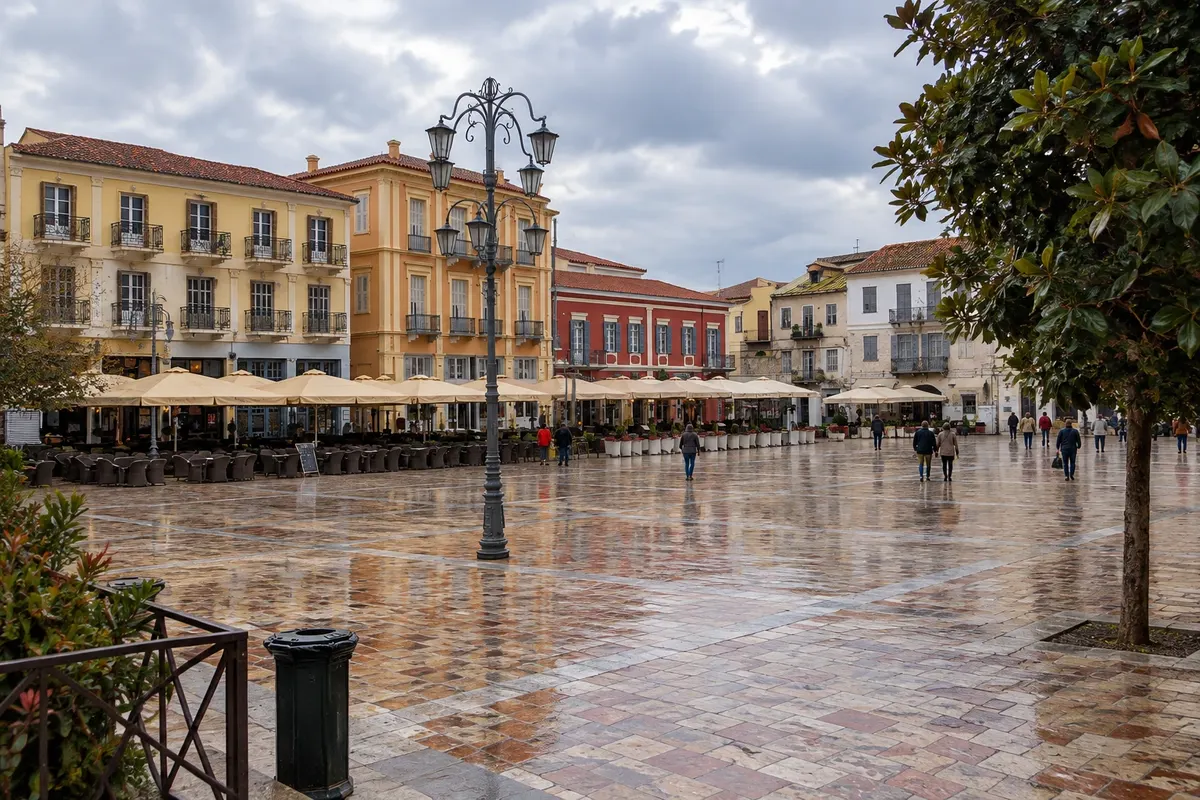
The main square of Náuplia's old town, surrounded by Venetian and Ottoman buildings, where the Archaeological Museum is housed in a former naval warehouse from 1713, containing the bronze panoply of Dendra and finds from the Franchthi cave.

Rio–Antirrio Bridge
Patras · Grécia Ocidental · Bridge

Rio–Antirrio Bridge

Cable-stayed bridge nearly 3 km long over the entrance to the Gulf of Corinth, inaugurated in 2004, between Rio, north of Patras, and Antirrio, with Venetian castles at both ends.

Teatro e Santuário de Epidauro (Epidavros)
Náuplia · Peloponeso · Archaeological site

Teatro e Santuário de Epidauro (Epidavros)

Sanctuary of Asclepius, god of medicine, with Greece's best-preserved 4th-century BC theatre, famed for its acoustics and seating about 13,000 people, where an ancient drama festival usually takes place in summer.

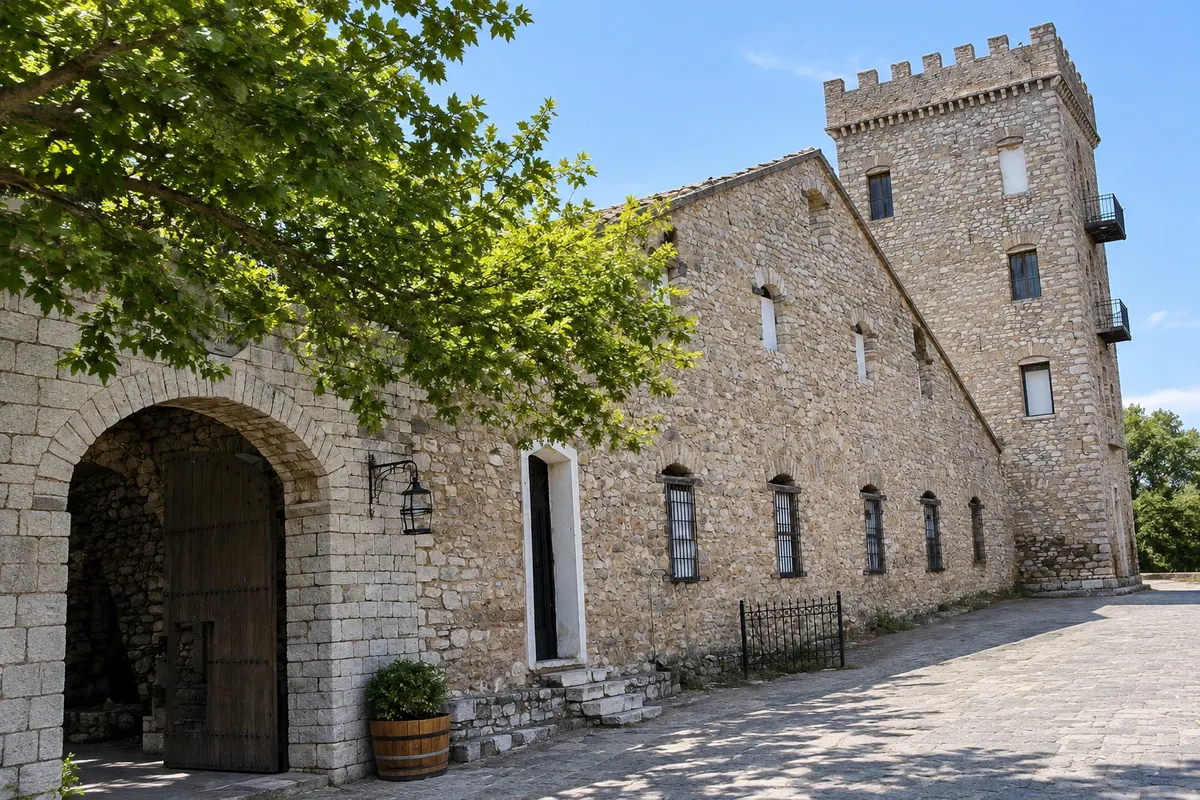
Achaia Clauss
Patras · Grécia Ocidental · Winery

Achaia Clauss

Winery founded in 1861 by the Bavarian Gustav Clauss in the hills southeast of Patras, with stone buildings in a castle style, old cellars and the wine Mavrodaphne.

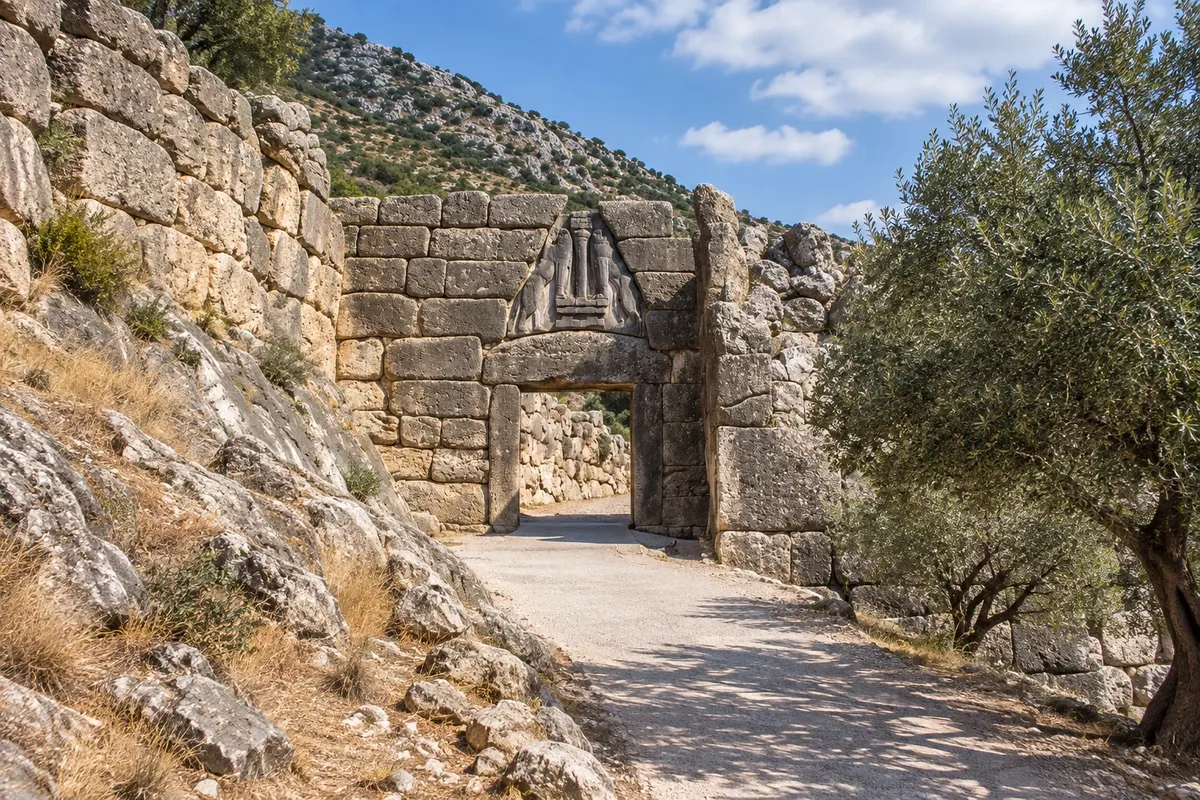
Micenas (Mykines)
Náuplia · Peloponeso · Archaeological site

Micenas (Mykines)

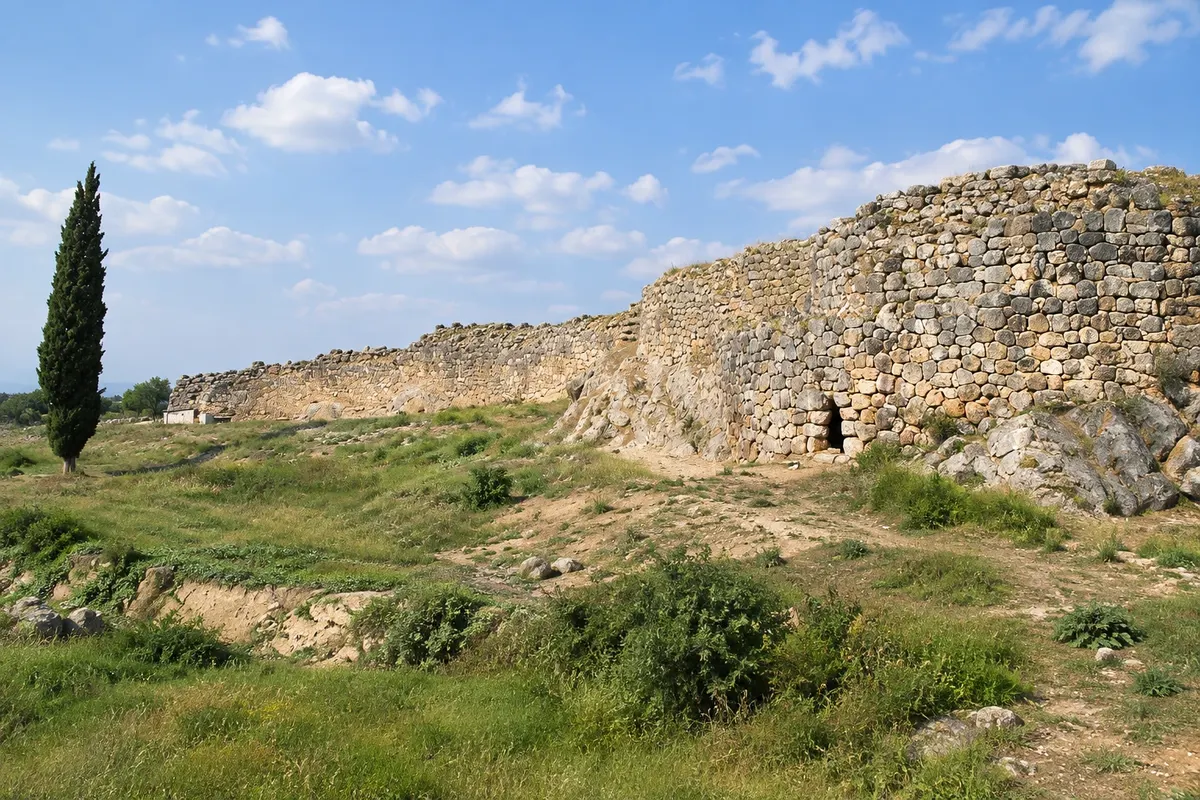
The citadel of King Agamemnon of the Iliad: cyclopean walls, the Lion Gate from 1250 BC, the royal tombs where Schliemann found the gold mask and the Treasury of Atreus, with a museum on site.

Plateia Georgiou A
Patras · Grécia Ocidental · Square

Plateia Georgiou A

Patras's main square, with fountains, neoclassical buildings and the Apollon theatre (1872), designed by Ernst Ziller; the center of the city's carnival.

Tirinto (Tiryntha)
Náuplia · Peloponeso · Archaeological site

Tirinto (Tiryntha)

Mycenaean citadel on a low hill 8 km from Náuplia, with cyclopean walls up to 17 meters thick and vaulted galleries, linked to the myth of Heracles. World Heritage Site with Micenas.

Corinto Antiga (Archaia Korinthos)
Náuplia · Peloponeso · Archaeological site

Corinto Antiga (Archaia Korinthos)

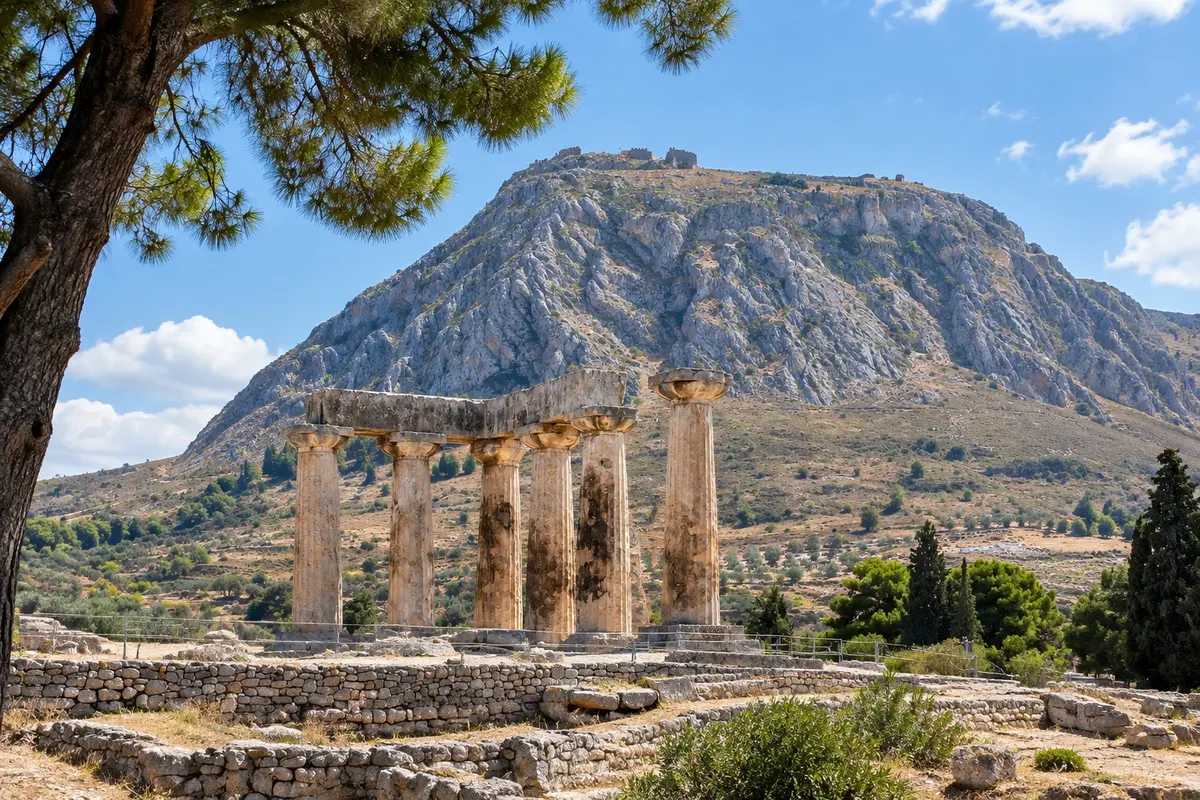
The commercial city of Antiquity that received the apostle Paul, with the seven columns of the Templo de Apolo from the 6th century BCE, the Roman forum, the Pirene fountain and a museum with mosaics and sculptures.

Acrocorinto (Akrokorinthos)
Náuplia · Peloponeso · Castle

Acrocorinto (Akrokorinthos)

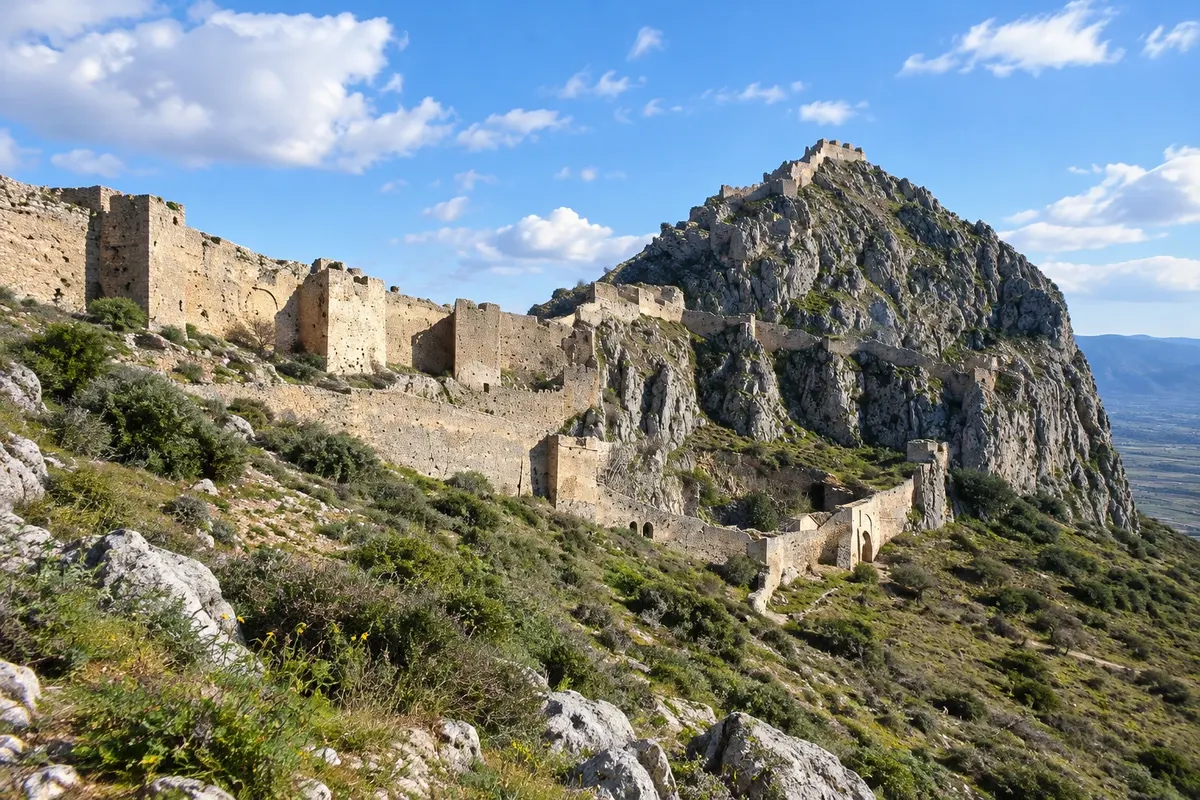
Rock 575 meters above Corinto Antiga, with one of the largest fortresses of the Peloponeso: three gates, 3 km of walls, the high spring of Pirene and, on the summit, the remains of the temple of Afrodite. View over the two gulfs.

Canal de Corinto
Náuplia · Peloponeso · Monument

Canal de Corinto

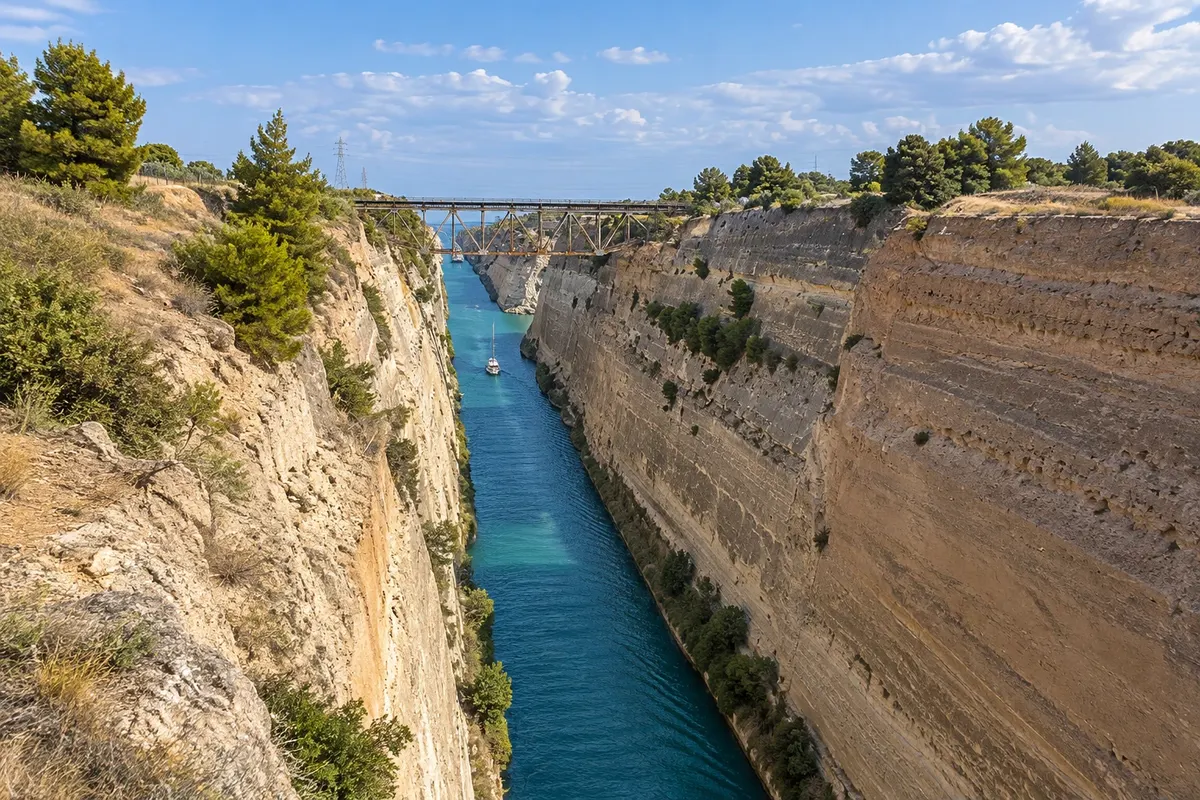
A 6.3 km cut, 24 meters wide, opened between 1881 and 1893 on the isthmus of Corinto, with rock walls up to 90 meters high, seen from above at the national road bridge or at water level from the submersible bridges.

Sítio arqueológico de Nemea (Archaia Nemea)
Náuplia · Peloponeso · Archaeological site

Sítio arqueológico de Nemea (Archaia Nemea)

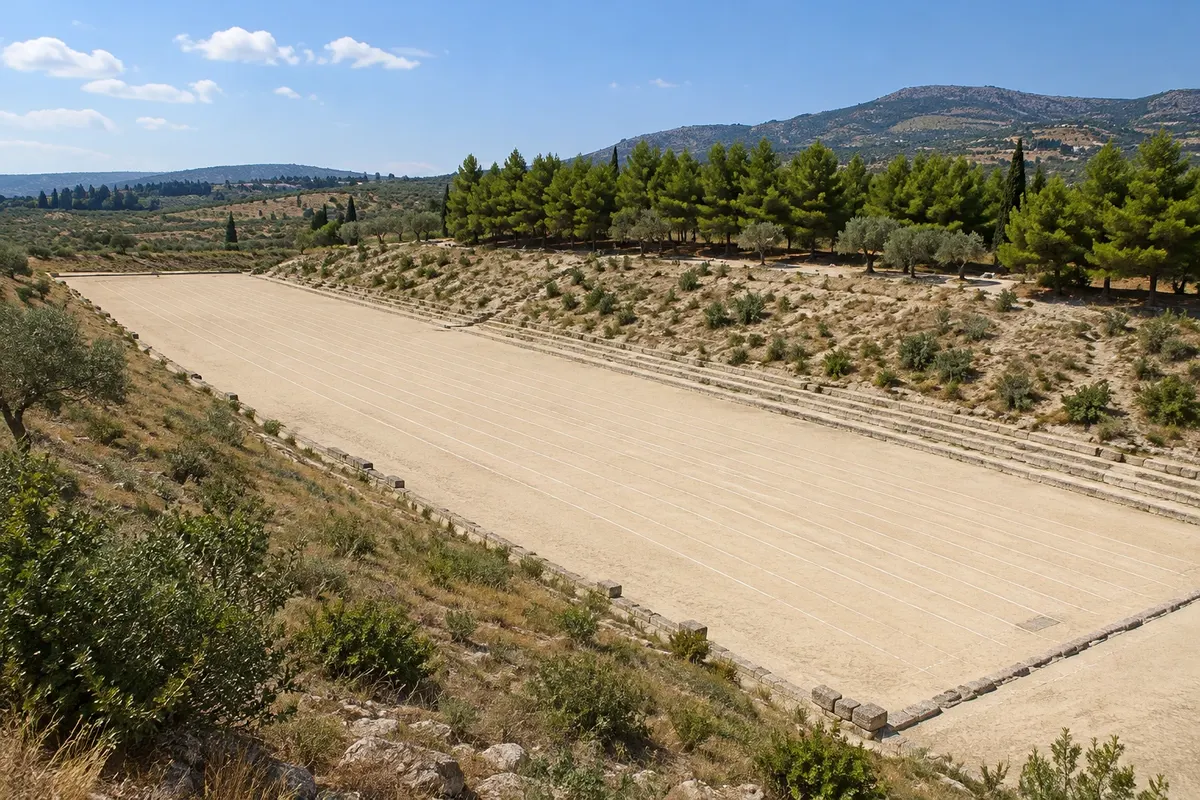
Sanctuary of Zeus where the Nemean Games were held, with the Temple of Zeus with re-erected columns, the stadium with a vaulted tunnel for the athletes' entrance, and a museum, in the middle of the Nemea wine region.

Teatro Antigo de Argos
Náuplia · Peloponeso · Theatre

Teatro Antigo de Argos

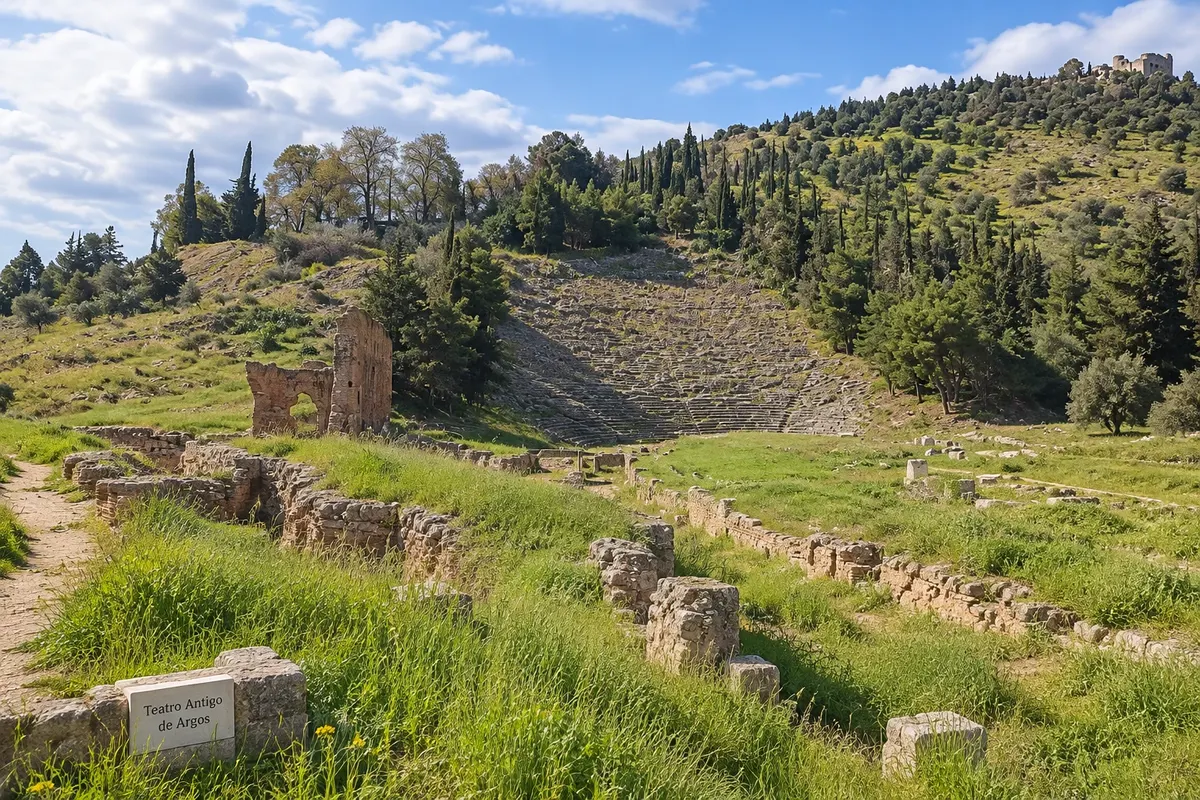
3rd-century BC theatre excavated into the slope of the Larissa hill in Argos, seating 20,000, next to the ancient agora and Roman baths, in a city inhabited for seven thousand years.

Before you go

Practical information

A little planning leaves more time to enjoy the journey.

When to go

From April to June and from September to October: mild days, flowers at the sites in spring and the sea still warm in autumn. July and August often exceed 35°C at the ruins, with no shade. In winter, from November to March, sites open on reduced hours and some guesthouses in Monemvasia close; check before you go.

The seasons shown are the most usual ones; nature doesn't always follow the calendar.

How many days to stay

Three days cover the essentials of the Argólida from Náuplia: the town, Micenas and Tirinto in one day; Epidauro and a beach the next; Corinto on the way there or back. With five days you can add Olímpia to the west and Monemvasia with Mystras to the south. A week allows a complete circuit of the peninsula at a relaxed pace, including the mountainous interior.

Which city to stay in

Náuplia is the best base for the Argólida: the old town, between Syntagma square and the harbour, puts everything within walking distance, and the Pronoia neighbourhood at the foot of Palamidi offers quieter accommodation. In Olímpia, the village of Archaia Olympia is a 15-minute walk from the site, with simple hotels on the main street. In Monemvasia, staying inside the Kastro, in restored houses without car access, is the experience; Gefyra on the mainland is more practical and has parking. Those who prefer the beach can stay in Tolo, 12 km from Náuplia.

Respect the place

Take your trash with you, follow the signs and support local businesses. In natural areas, follow the visiting guidelines.

Get your questions answered

Frequently asked questions about Peloponeso

Can you visit the Peloponeso without a car?

Yes, with limitations. KTEL buses link Athens to Náuplia, Corinto, Esparta, Pyrgos and Trípoli, and from Náuplia there are local lines to Argos, Micenas, Epidauro and Tolo, with few departures per day. Olímpia is reached by bus via Pyrgos. Monemvasia has buses from Esparta. To string together several sites in one day, a rental car or a tour from Náuplia is the simplest option.

Can Micenas and Epidauro be done as a day trip from Athens?

Yes. Athens-based agencies sell day tours that combine Canal de Corinto, Micenas, Náuplia and Epidauro, lasting around 12 hours. By car the route is similar. It's a full day: if possible, spend a night in Náuplia to see the sites at a more relaxed pace.

How many days are enough for the Peloponeso?

Three days based in Náuplia cover Micenas, Tirinto, Epidauro, Argos and Corinto. Five days allow you to include Olímpia or Monemvasia with Mystras. To do the entire peninsula, including the interior and the west coast, allow a week.

What's the best time to visit the archaeological sites?

Spring and autumn. From April to June the fields around Micenas and Olímpia are green and the heat is still bearable. September and October have long days and warm sea. In July and August the sun is strong at the ruins, with no shade: visit right at opening and bring water and a hat. In winter the sites operate on reduced hours.

Is it worth including Olímpia on a short itinerary?

Olímpia lies on the opposite side of the peninsula from Náuplia, about three hours' drive. It's worth the trip for those interested in the history of the Games: the site, the archaeological museum with the Hermes by Praxíteles and the museum of the ancient Games fill a whole day. On a three-day itinerary it's better to leave it out and focus on the Argólida.

Is Monemvasia far? Is it worth it?

Monemvasia is at the southeastern tip, about 4½ hours from Athens and 3 hours from Náuplia. It's worth it for those with at least five days who want to sleep inside a car-free medieval town. On the way or back, Mystras, near Esparta, adds late Byzantine churches and the Frankish castle.

Rotas entre países

Peloponeso is on the Italy–Greece ferry across the Adriatic

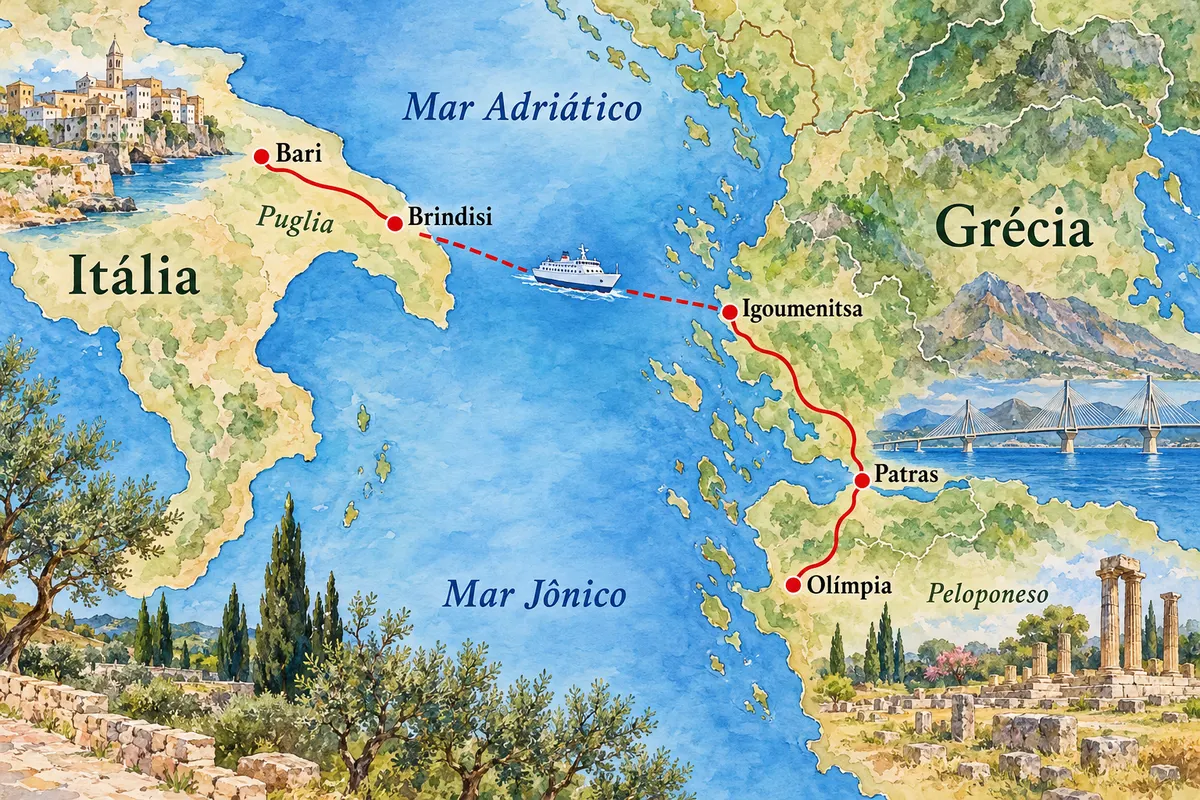
From Puglia to Greece by sea: overnight ferries depart from Bari and Brindisi and arrive in the morning at Igoumenitsa, in Epirus, or continue to Patras, the gateway to the Peloponnese.

Illustrative map, not to scale. Tap a city to open its page.
Illustrated map of Italy–Greece ferry across the Adriatic
Explore the Italy–Greece ferry across the Adriatic
Explore other destinations Search by state and city
Back