Monastery
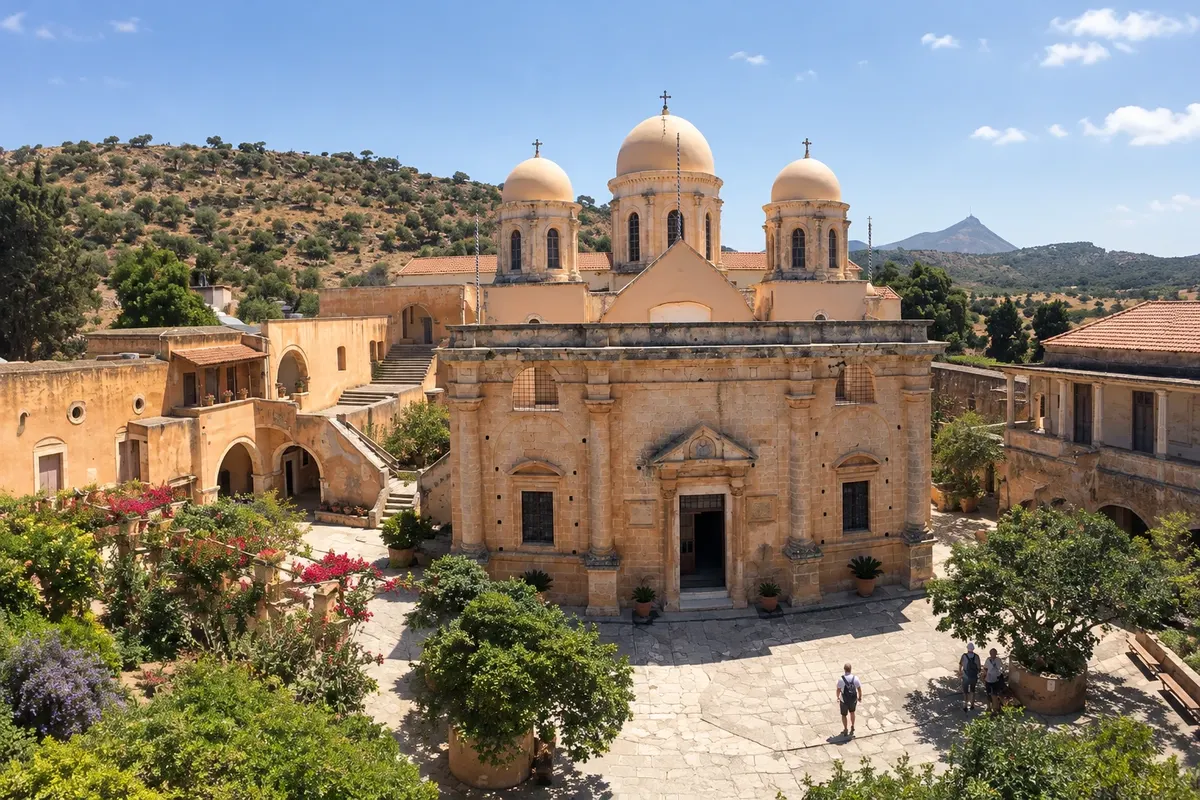
Mosteiro de Agia Triada Tzagarolon
17th-century monastery on the Akrotiri peninsula, 15 km from Chania, with a three‑domed church, a columned façade, an icon museum and on-site production of olive oil and wine.
Monastery
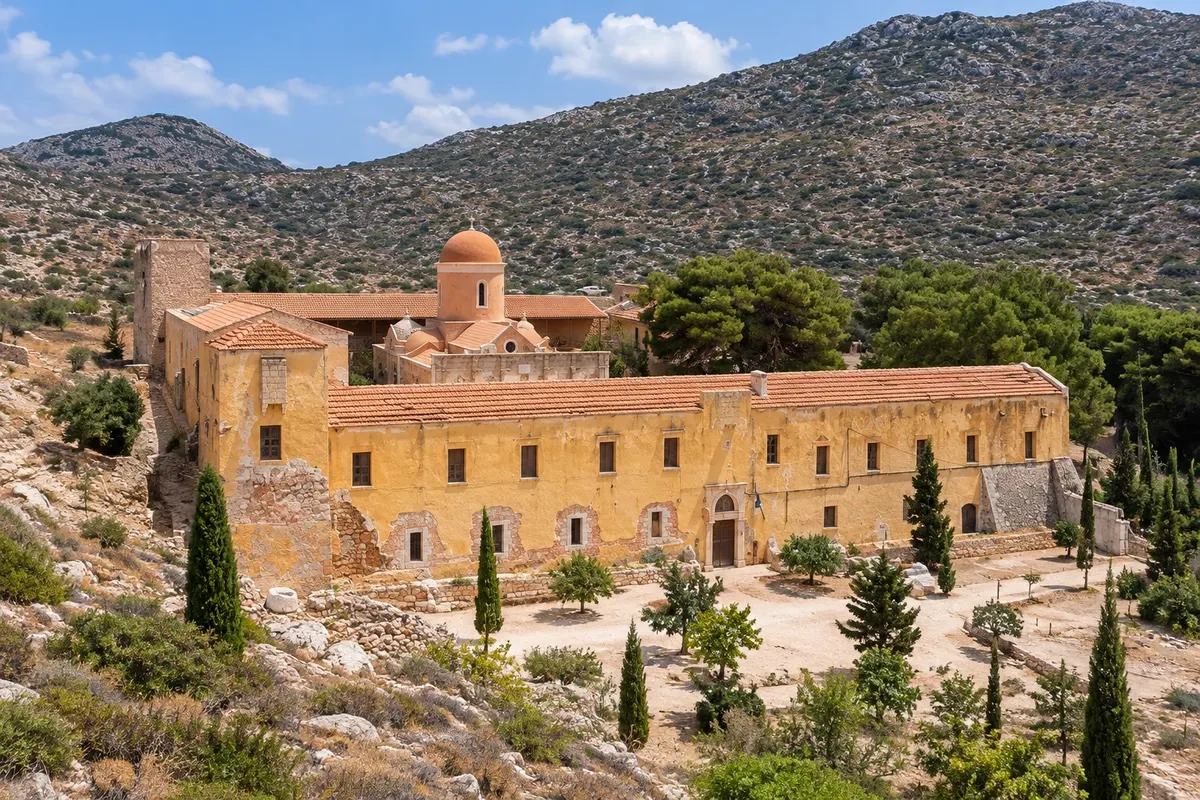
Mosteiro de Gouverneto
16th-century fortified monastery in the northern Akrotiri peninsula, the starting point for the trail to the Arkoudiotissa cave and the ruins of the seaside monastery of Katholiko.
Beach
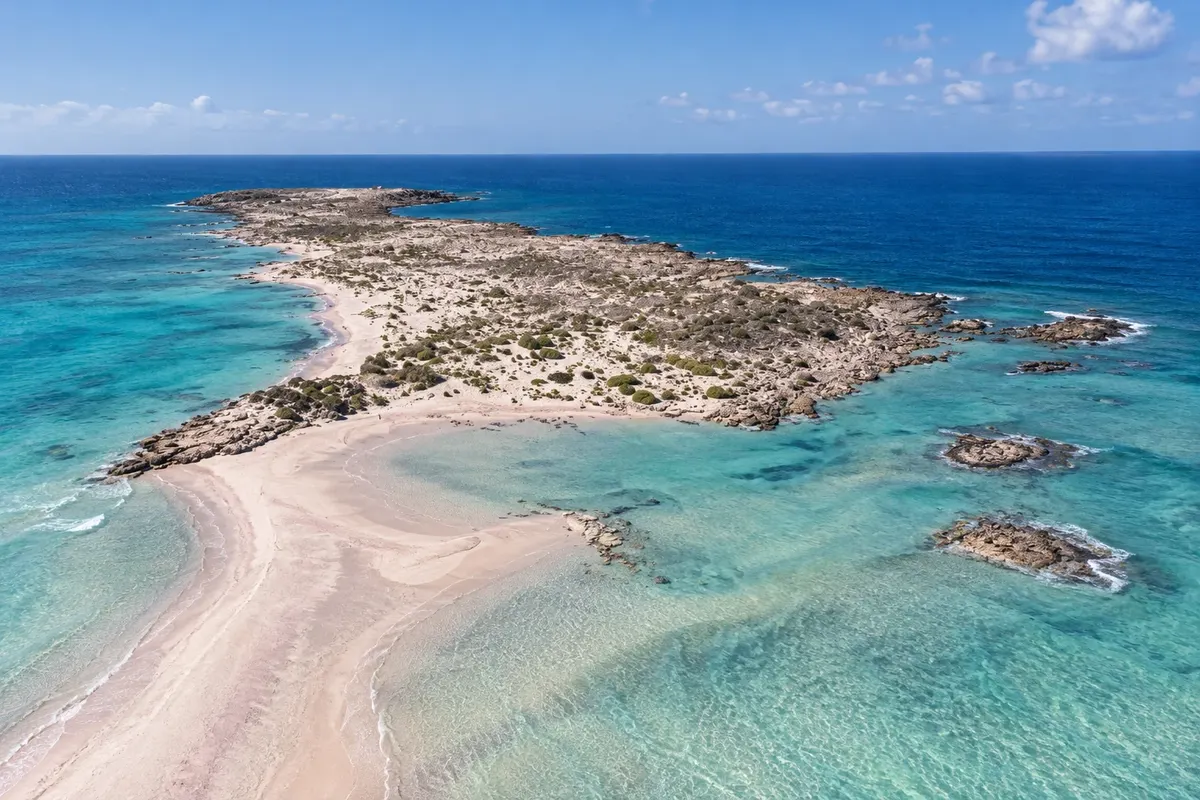
Praia de Elafonisi
A pale‑sand beach with pinkish tones and a shallow lagoon that separates the coast from the islet of Elafonisi, at the extreme southwest of Crete, about 75 km from Chania, in a protected natural area.
Trail
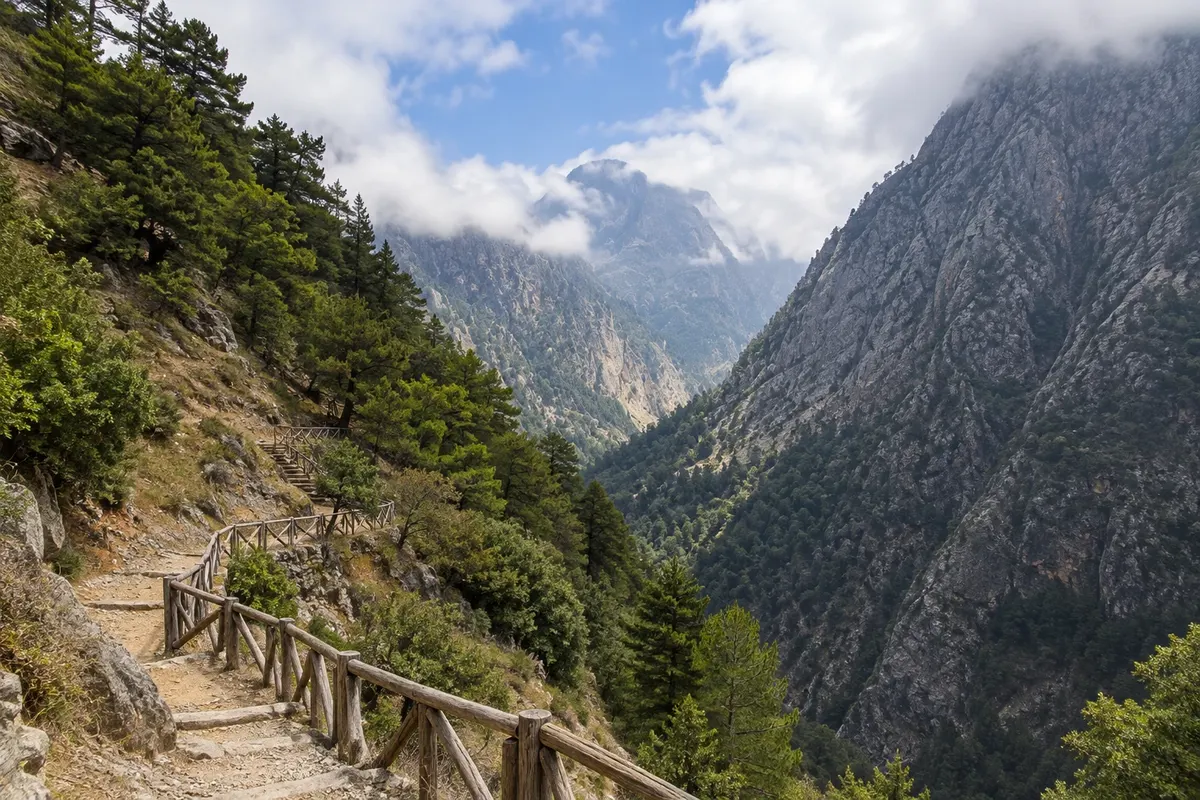
Garganta de Samaria (Farangi Samarias)
The one-day hike through the Samaria Gorge, a national park since 1962: 16 km downhill from the Omalos plateau to the Libyan Sea at Agia Roumeli, passing the Portões which are 4 meters wide.
Beach
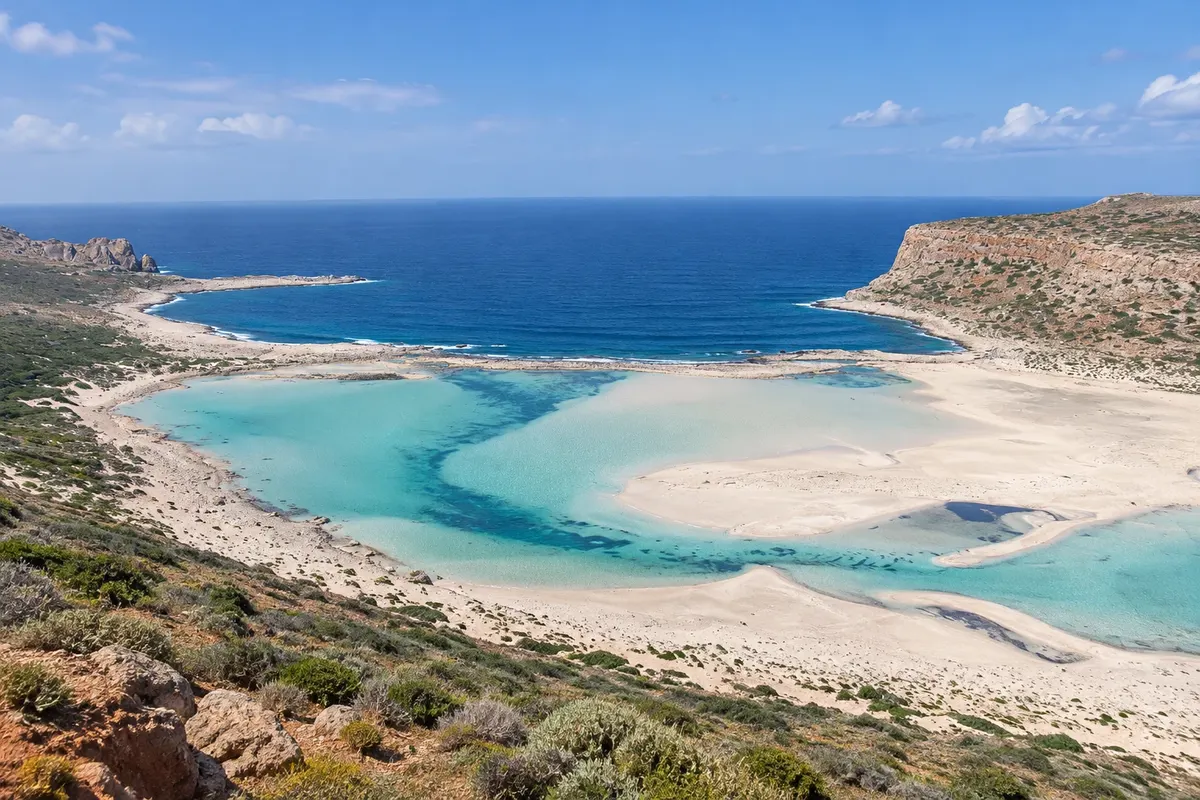
Lagoa de Balos
The Balos lagoon, at the far northwest of Crete: shallow water in shades of blue and green between the Gramvousa peninsula and Cape Tigani, seen from the top of the access trail, in a protected natural area.
Beach
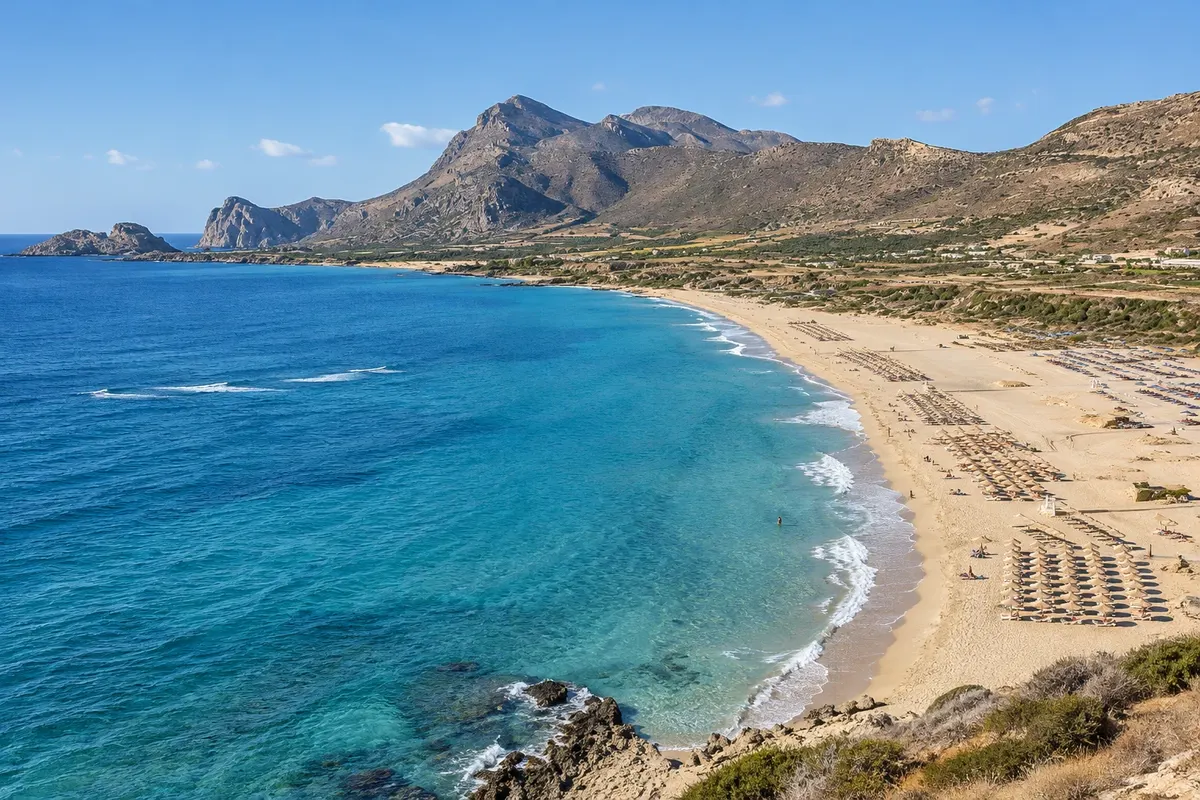
Praia de Falasarna
Wide pale-sand beach on the west coast of Crete, 60 km from Chania, with open sea and, on the hill to the north, the ruins of the ancient city of Falasarna, including a harbor that uplifted terrain has left away from the sea.
Beach
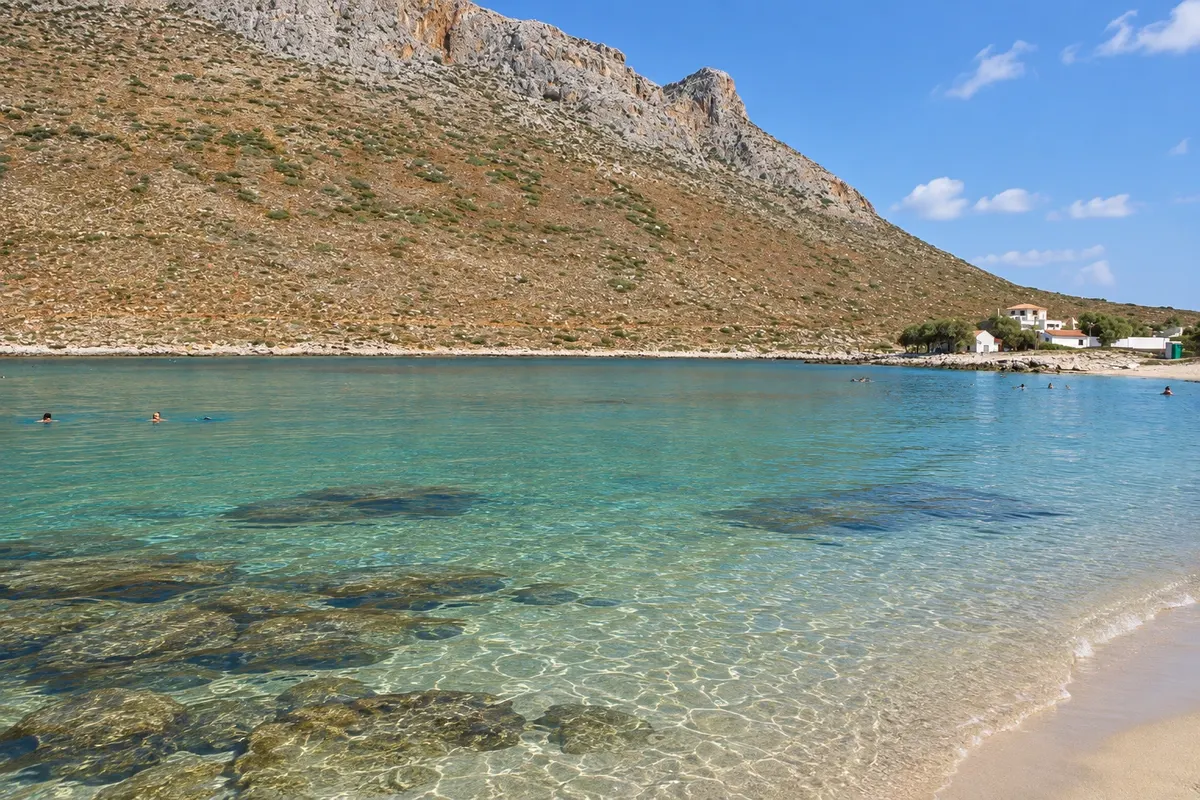
Praia de Stavros
A shallow, calm-water cove on the northern tip of the Akrotiri peninsula, 15 km from Chania, enclosed by a rocky hill: it was here that the final dance in Zorba the Greek was filmed.


 Brazil
 Argentina
 Chile
Chile Colombia
 Peru
Peru Uruguay
 Germany
 Belgium
 Spain
Spain France
 the Netherlands
 Ireland
 Italy
Italy Luxembourg
 Portugal
 the United Kingdom
 Switzerland