

 Brazil
 Argentina
 Chile
Chile Colombia
 Peru
Peru Uruguay
 Germany
 Belgium
 Spain
Spain Greece
 the Netherlands
 Ireland
 Italy
Italy Portugal
 the United Kingdom
 Switzerland
Historic neighborhood
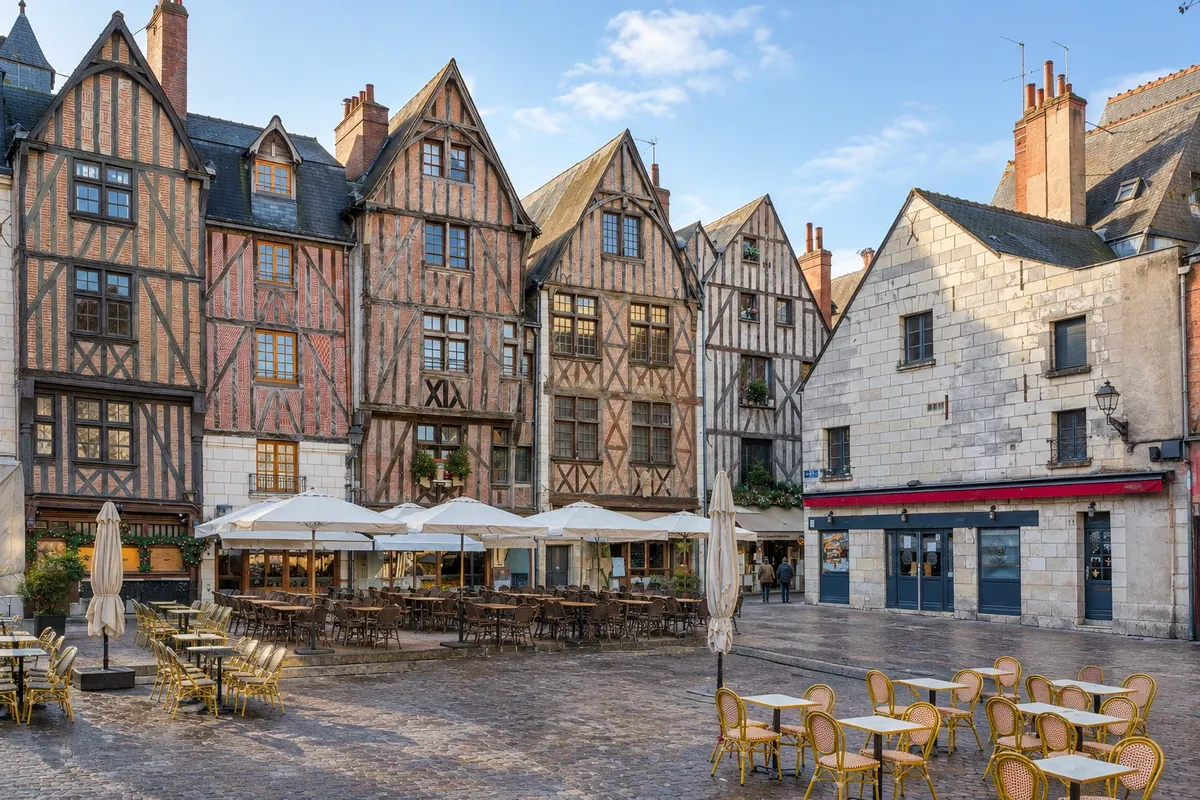
Vieux Tours et Place Plumereau
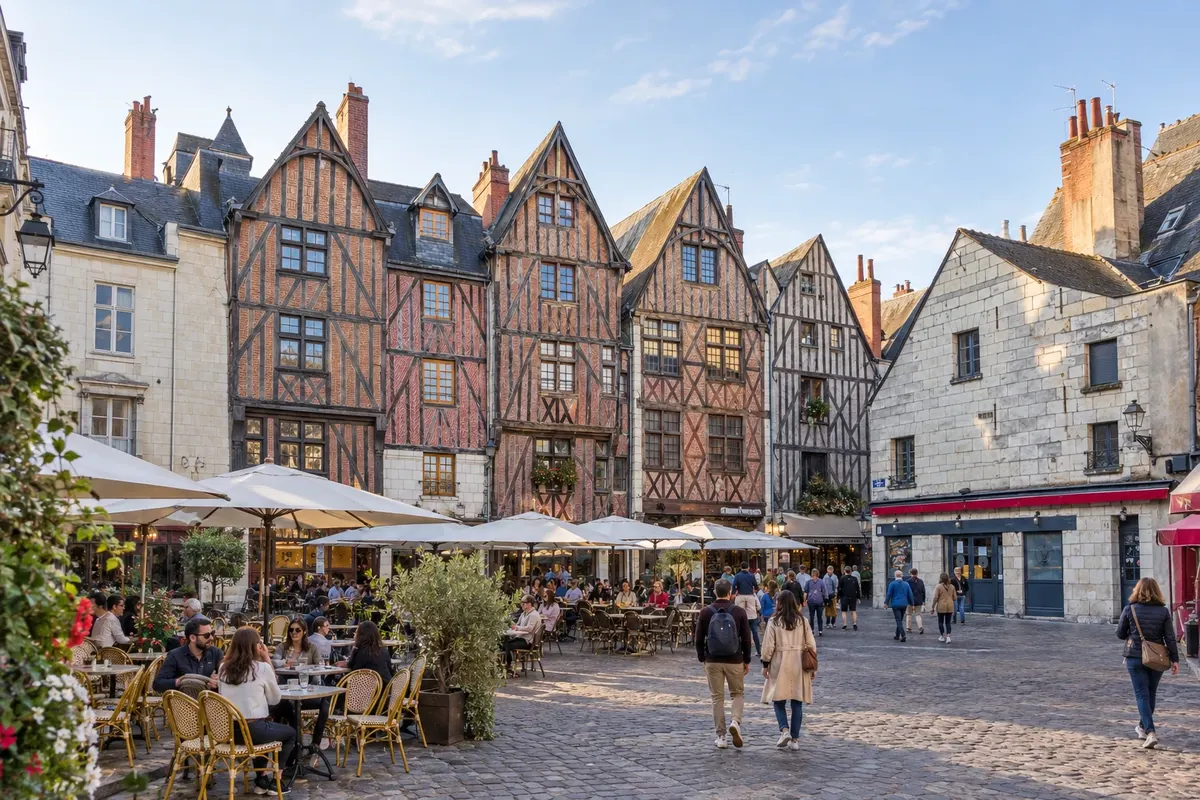
Historic centre of Tours, with half-timbered houses from the 15th and 16th centuries around Place Plumereau, the square of cafés and restaurants.
Centro-Vale do Loire · France
In the destination Vale do Loire.
In the photo: Place Plumereau · Tours
Illustrative images. The pictures in this guide are illustrations based on the real place, not photographs, and may differ from it.
The city
Tours is the largest city in the Vale do Loire and the gateway for those arriving by train from Paris. The historic centre, the Vieux Tours, has half-timbered houses around Place Plumereau, the Cathédrale Saint-Gatien with 13th-century stained-glass windows and the Basilique Saint-Martin, which houses the tomb of São Martinho. Trains and roads run from the city to the castles of Villandry, Azay-le-Rideau, Langeais and Chinon.
There's no accommodation in the guide yet in Tours.
There are no restaurants in the guide yet in Tours.
Know a good one? Recommend it to ushow to get there · how many days · itinerary · questions
The local experience
Historic centre of Tours, with half-timbered houses from the 15th and 16th centuries around Place Plumereau, the square of cafés and restaurants.
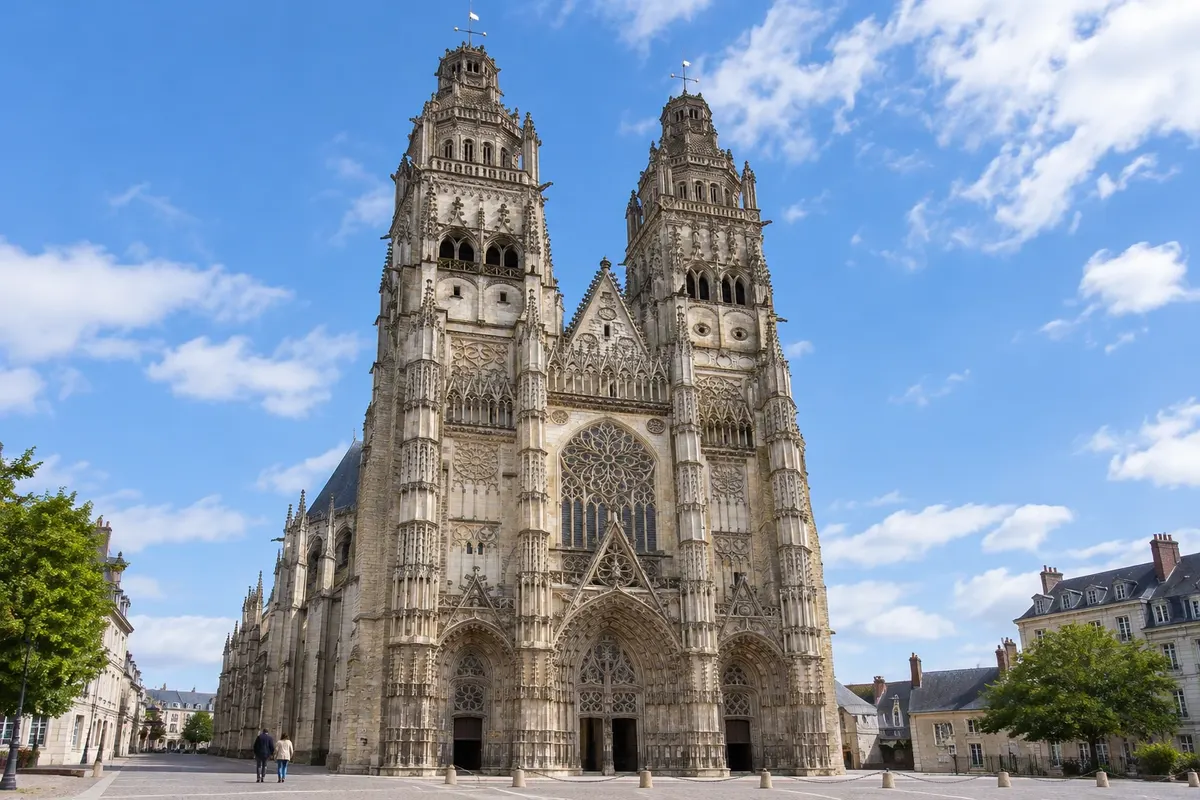
Gothic cathedral of Tours, dedicated to São Gaciano, the city's first bishop, featuring a set of 13th-century stained glass windows and the Psalette cloister beside it.
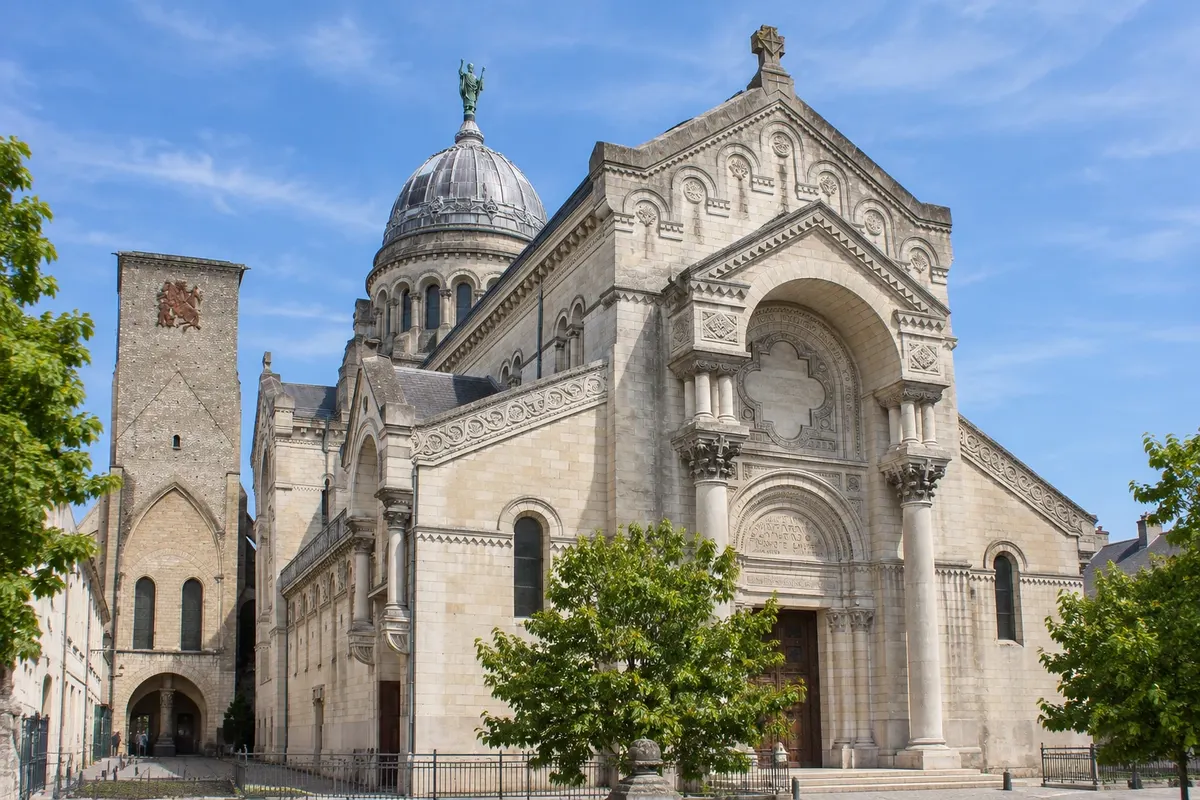
Neo-Byzantine basilica from the late 19th century, built over the tomb of São Martinho de Tours, one of France's most popular saints.
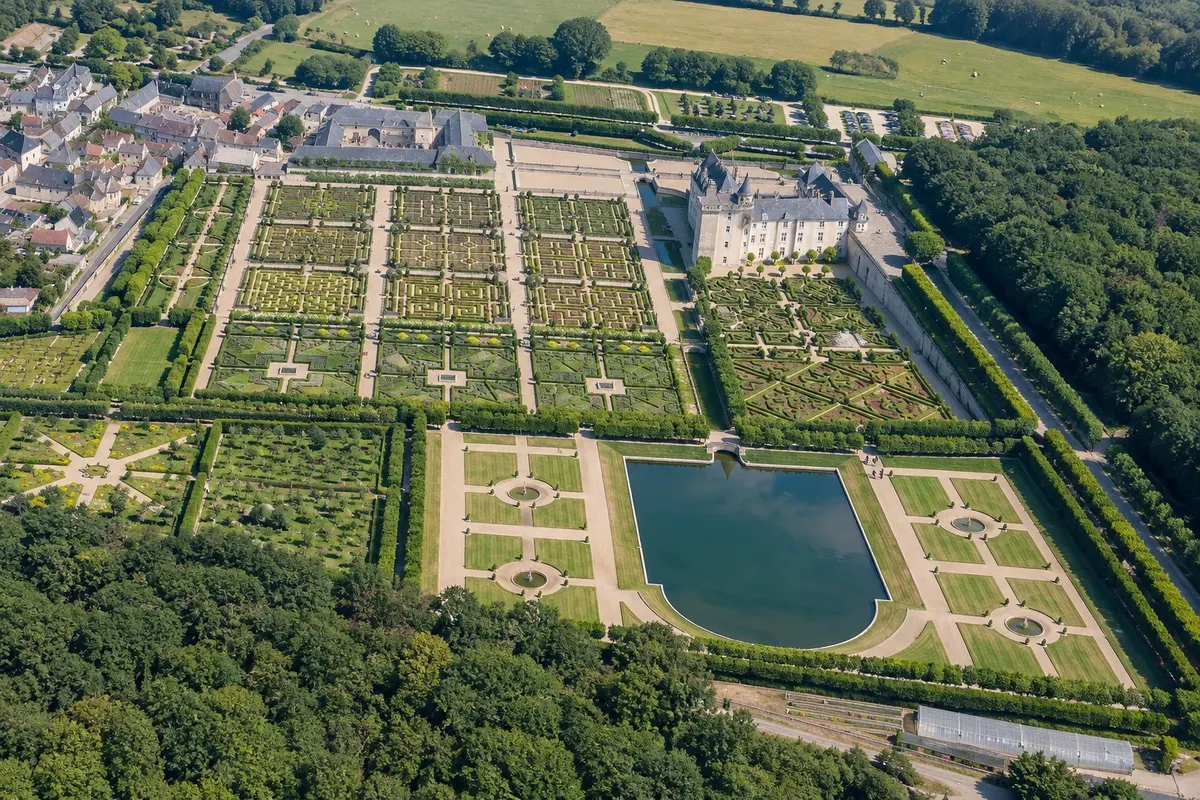
The last of the great Renaissance châteaux built on the banks of the Loire, known for its terraced gardens, including an ornamental potager, water garden and maze.
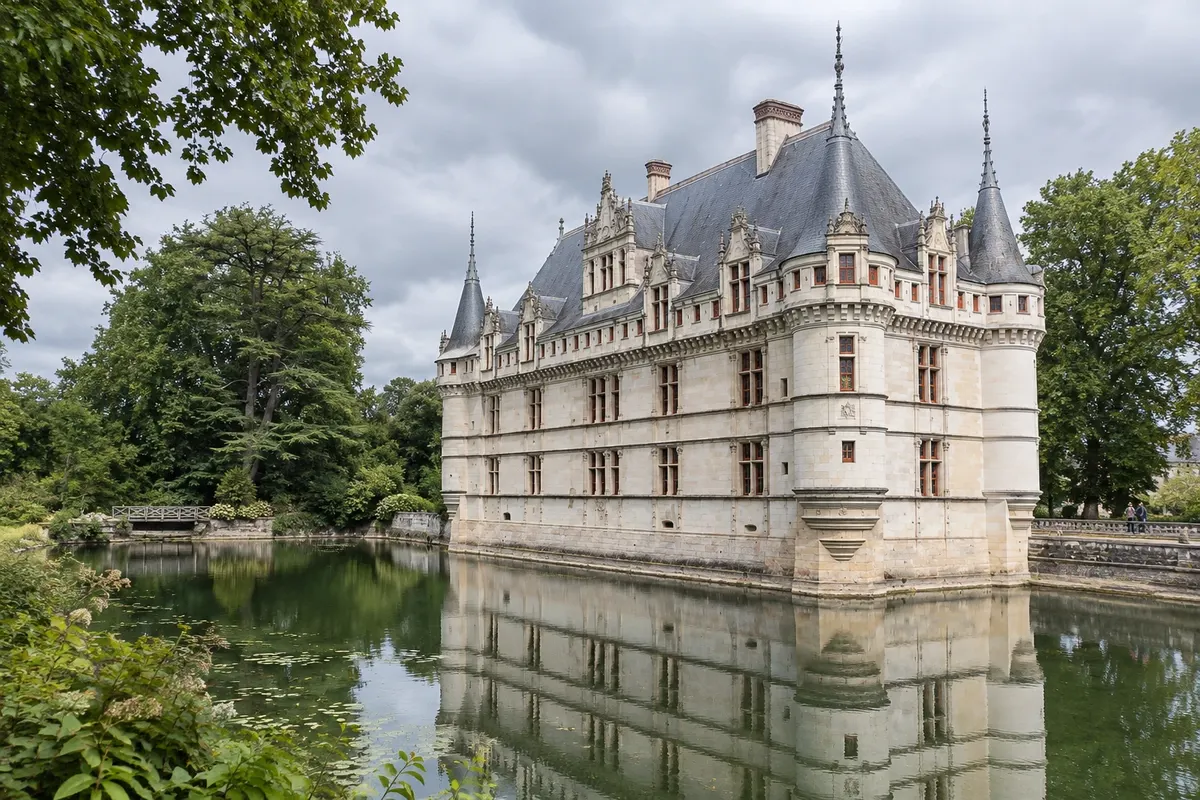
Renaissance castle built between 1518 and 1524 on the Indre river, with part of the structure supported on piles in the water.
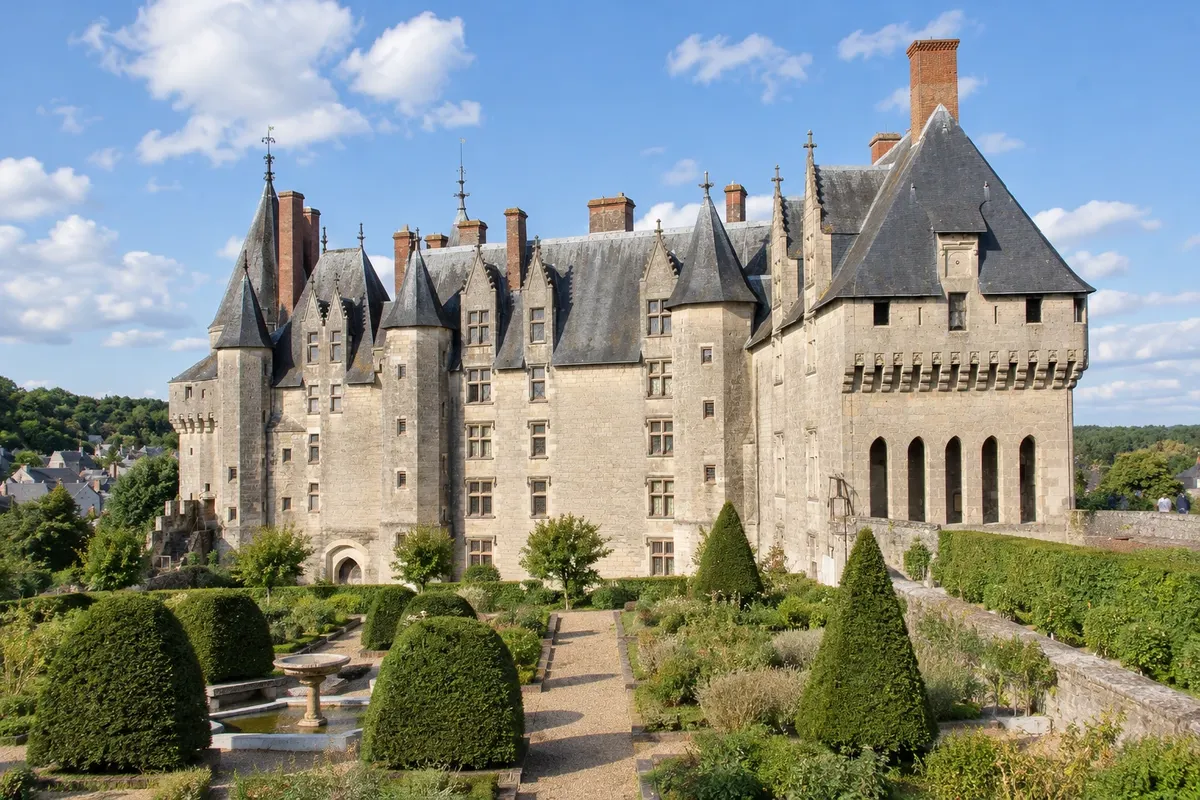
Castle built by Louis XI in 1465, where Charles VIII married Anne of Brittany in 1491, with rooms furnished in the medieval style.
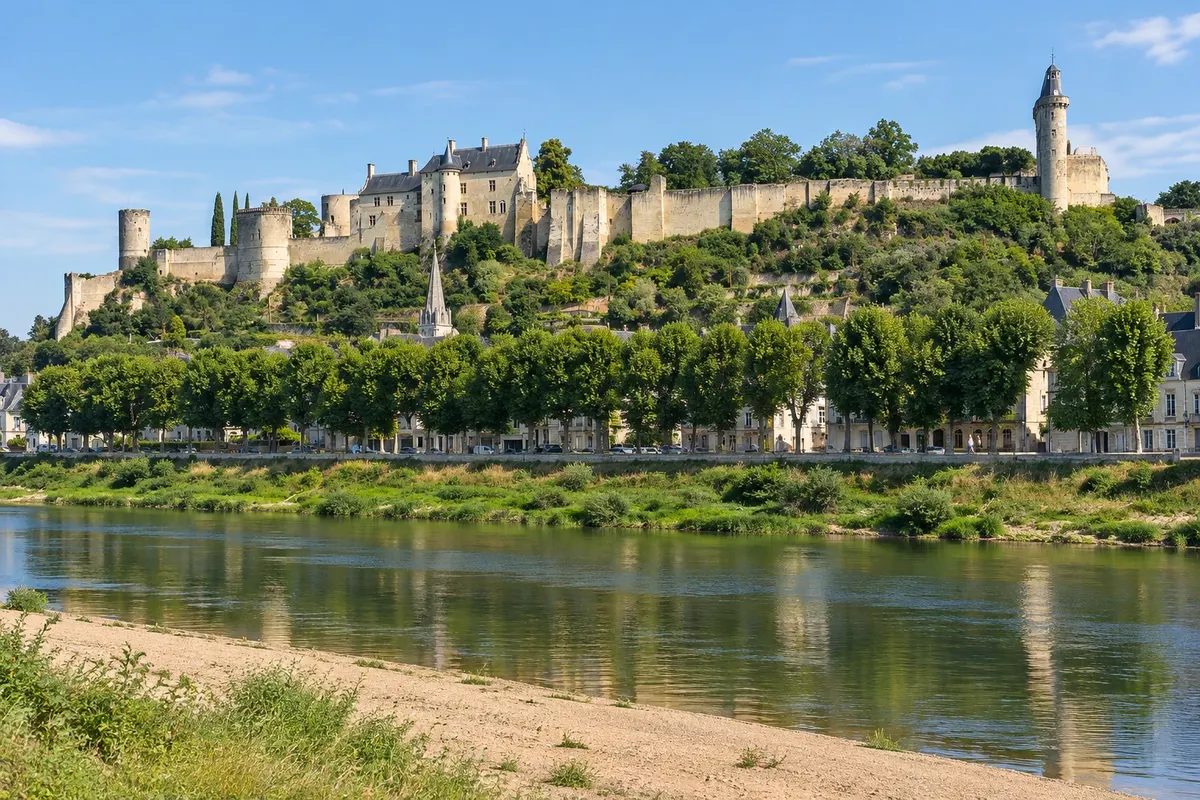
Medieval fortress made up of three castles on a hill above the Vienne river, where Joan of Arc met King Charles VII in 1429.