

 Brazil
 Argentina
 Chile
Chile Colombia
 Peru
Peru Uruguay
 Germany
 Belgium
 France
 Greece
 the Netherlands
 Ireland
 Italy
Italy Portugal
 the United Kingdom
 Switzerland
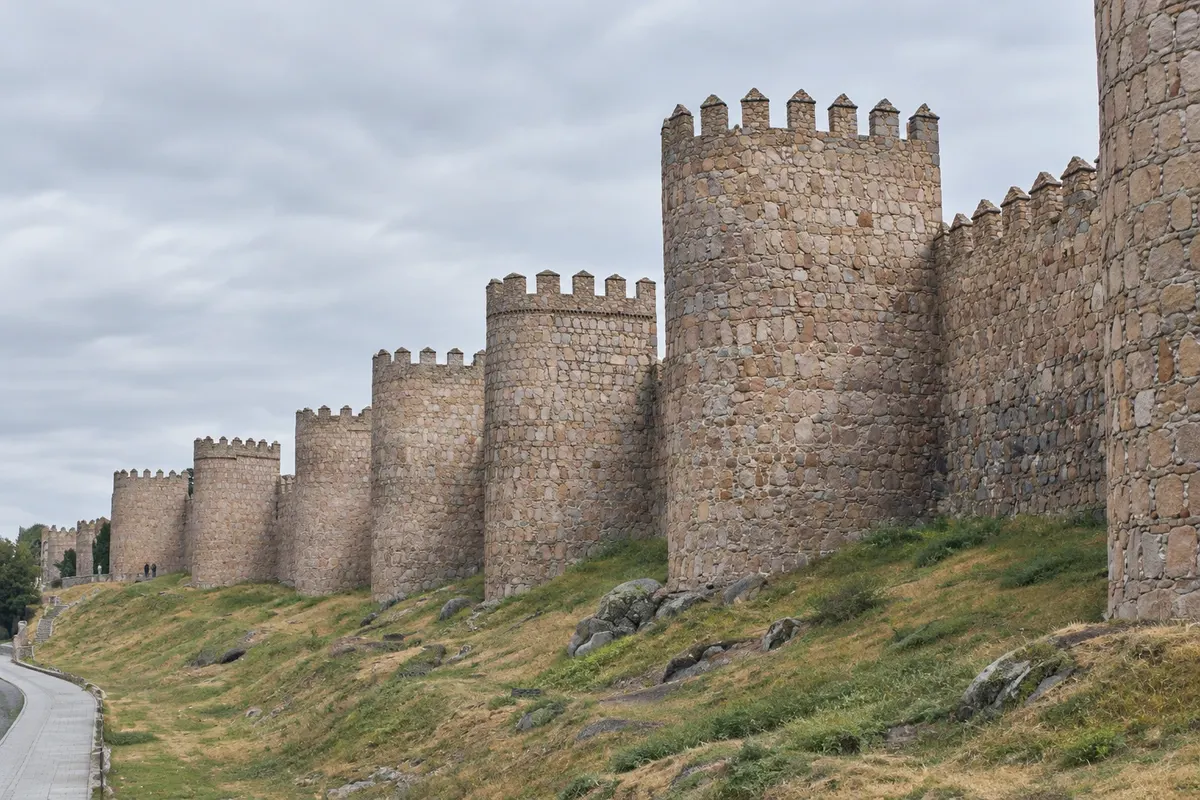
Wall
Muralla de Ávila
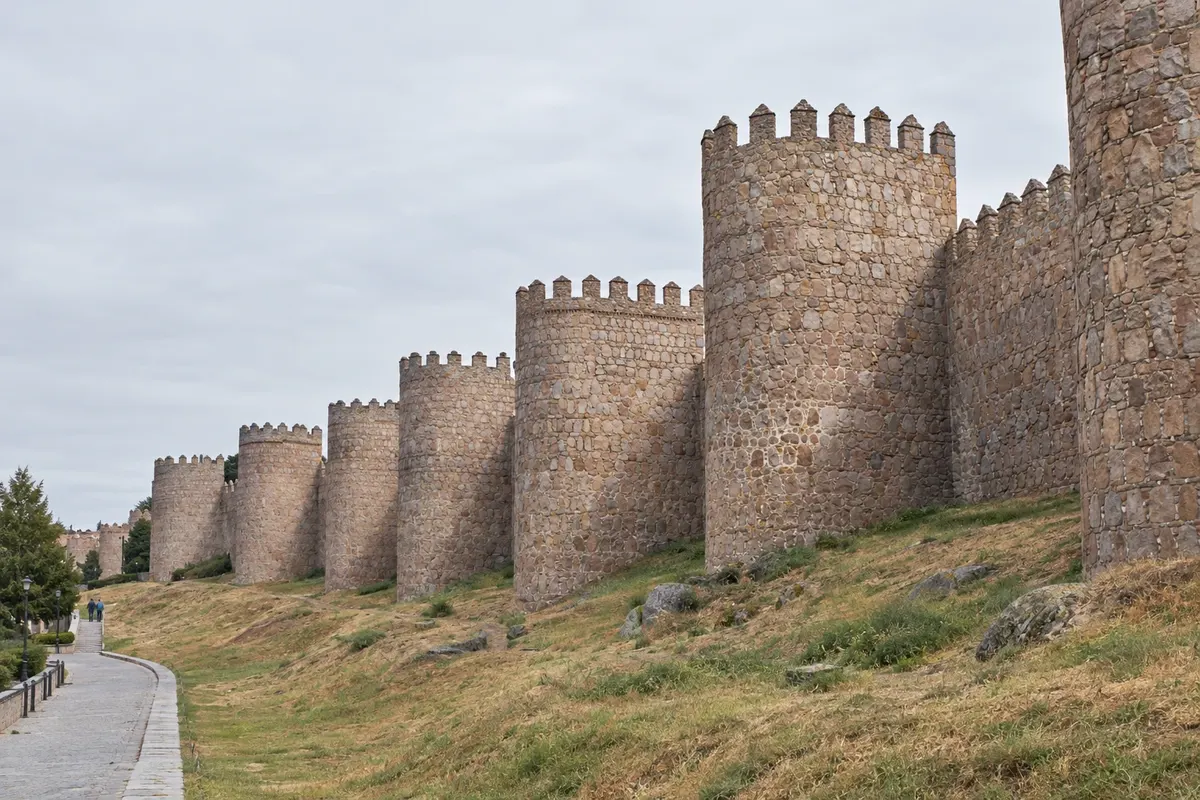
Medieval wall enclosing the historic center, with 2,515 meters of perimeter, 87 towers and 9 gates. Several sections of the adarve, the walkway along the top of the wall, are open to visitors.
Castela e Leão · Spain
In the destination Toledo, Segóvia and Ávila.
In the photo: Walls of Ávila
Illustrative images. The pictures in this guide are illustrations based on the real place, not photographs, and may differ from it.
The city
Ávila, in Castela y Leão, is the highest provincial capital in Spain, over 1,100 metres above sea level. The old town is enclosed by a complete medieval wall, with 87 towers, and is a World Heritage site. Inside and around it are the Cathedral, the Basilica of San Vicente, the Monastery of Santo Tomás and the places associated with Santa Teresa: the convent where she was born and the Convent of the Encarnación. The language is Spanish.
There's no accommodation in the guide yet in Ávila.
There are no restaurants in the guide yet in Ávila.
Know a good one? Recommend it to ushow to get there · how many days · itinerary · questions
The local experience
Medieval wall enclosing the historic center, with 2,515 meters of perimeter, 87 towers and 9 gates. Several sections of the adarve, the walkway along the top of the wall, are open to visitors.
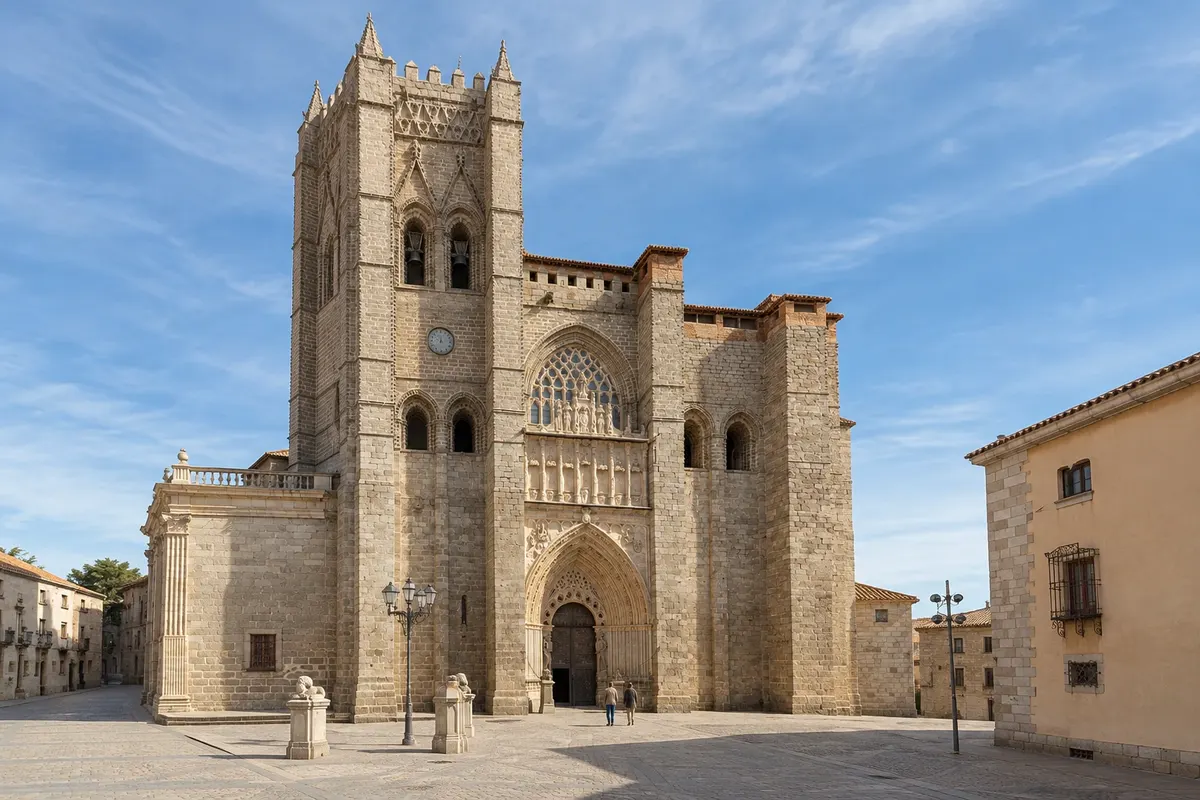
Cathedral-fortress whose apse, the cimorro, is one of the towers of the wall. It is considered the first Gothic cathedral in Spain, with works beginning in 1172 under the French master Fruchel.
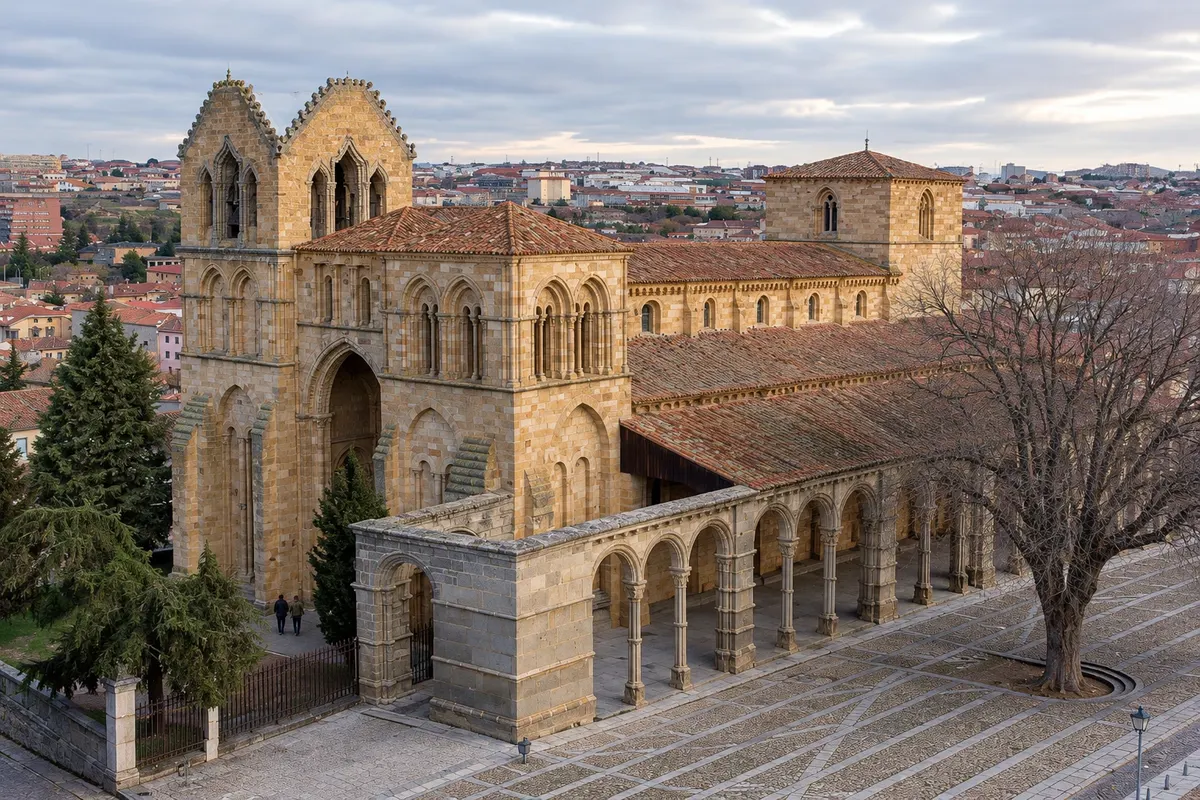
Large Romanesque church outside the wall, begun around 1120 on the site where, by tradition, the siblings Vicente, Sabina and Cristeta were martyred. It houses the sculpted cenotaph of the saints.
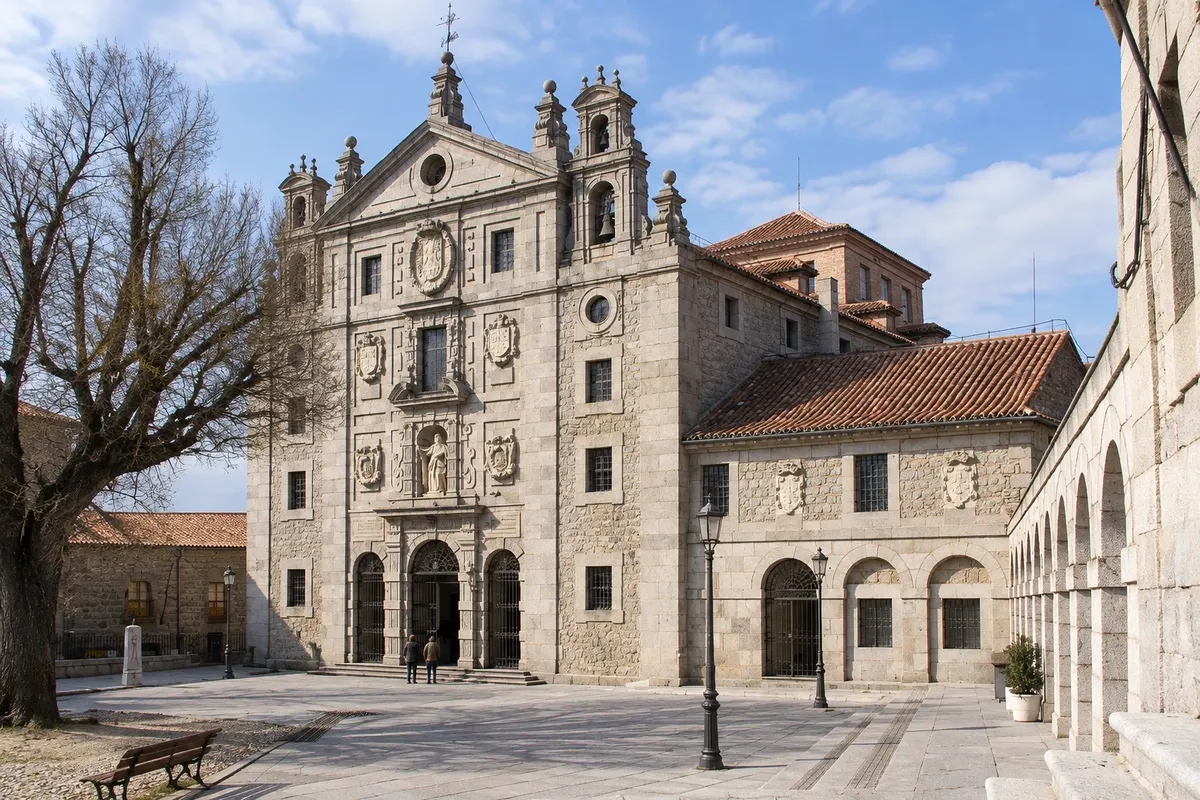
Baroque Carmelite church and convent built between 1629 and 1636 over the house where Santa Teresa de Jesús was born. It has the chapel on the site of the saint's room and a Teresian museum in the crypt.
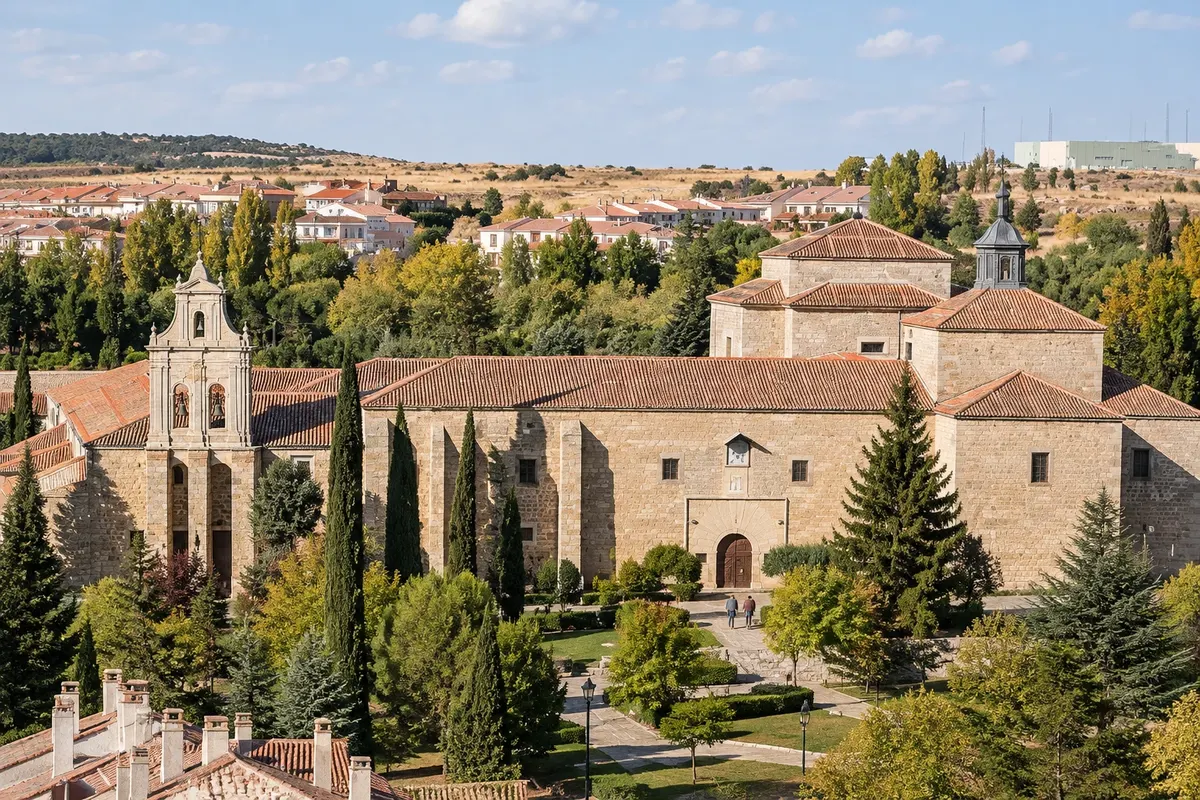
Carmelite monastery outside the wall where Santa Teresa lived from 1535 to 1574 and prepared the reform of the order. It preserves the chapel on the site of her cell and a museum with a drawing by Saint John of the Cross.
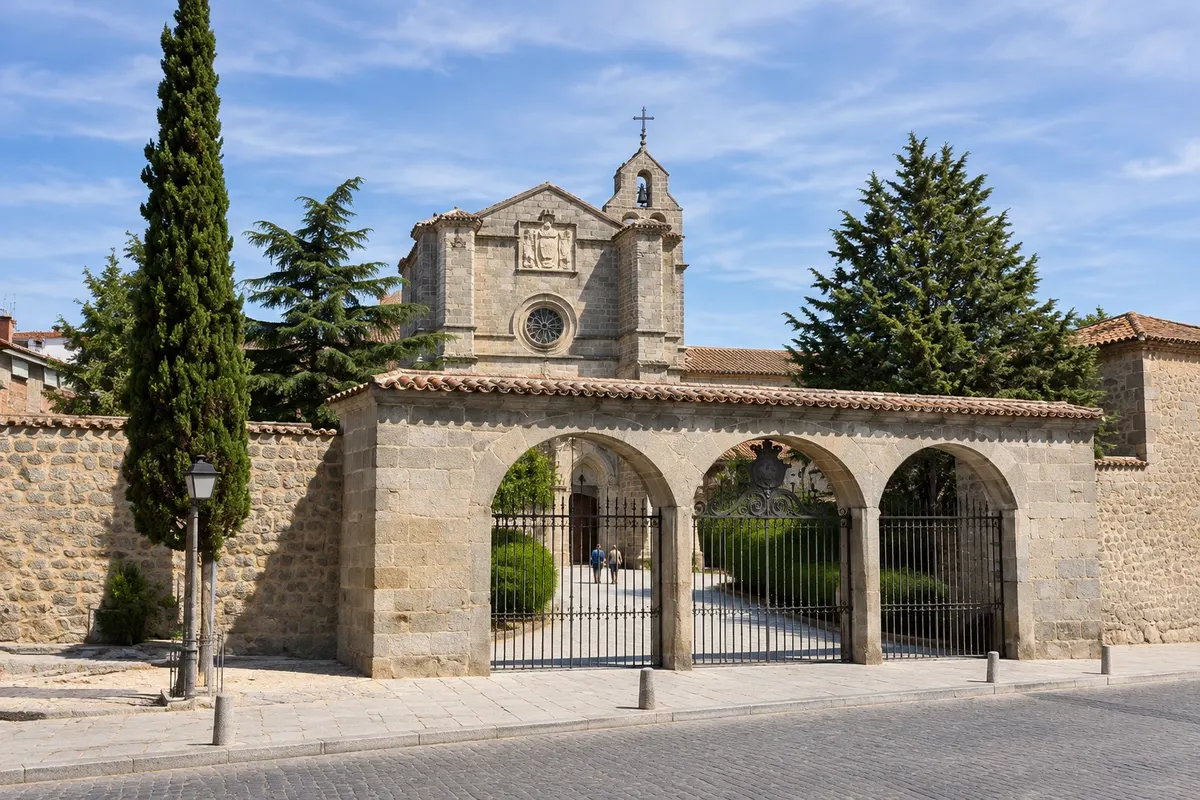
Gothic Dominican monastery from 1482 to 1493, associated with the Reyes Católicos and Torquemada. It has three cloisters, the tomb of Prince Dom João and a church with a façade sculpted by Gil de Siloé.
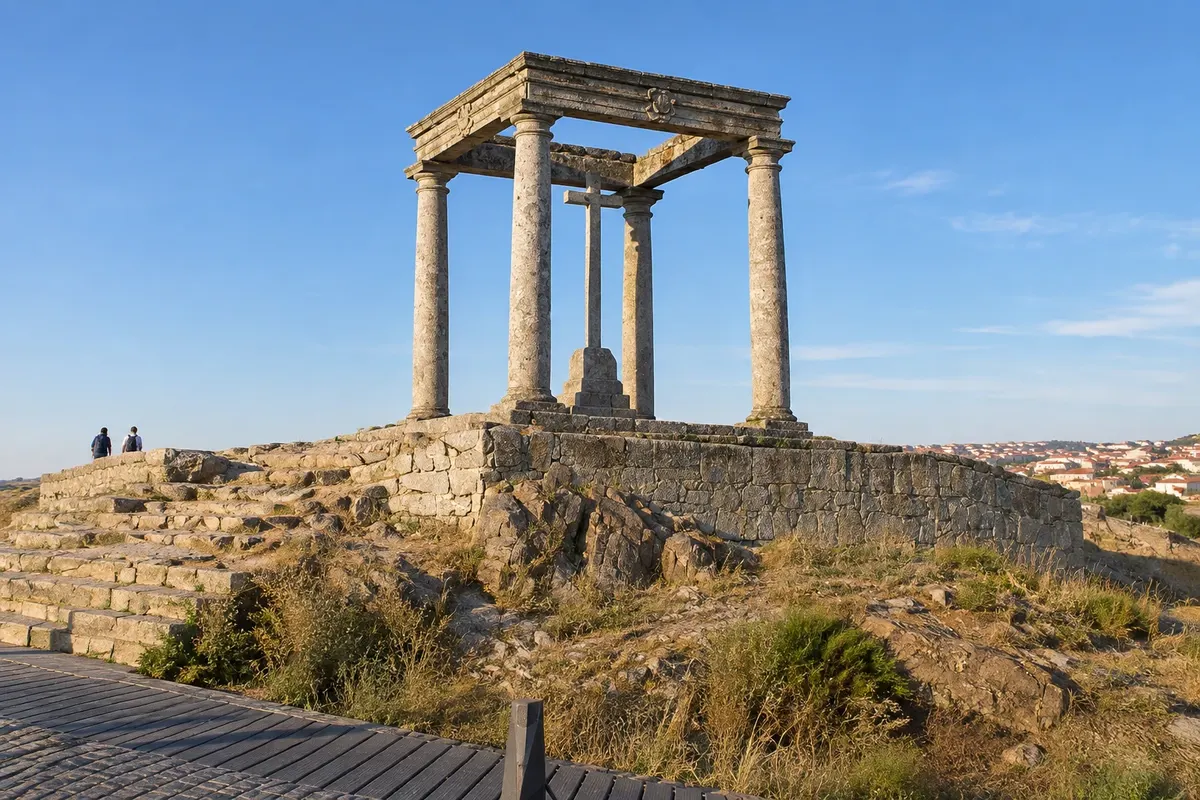
Small monument from 1566, with four Doric columns and a granite cross, on the other side of the Adaja river. It is the classic spot to view the whole wall of Ávila.
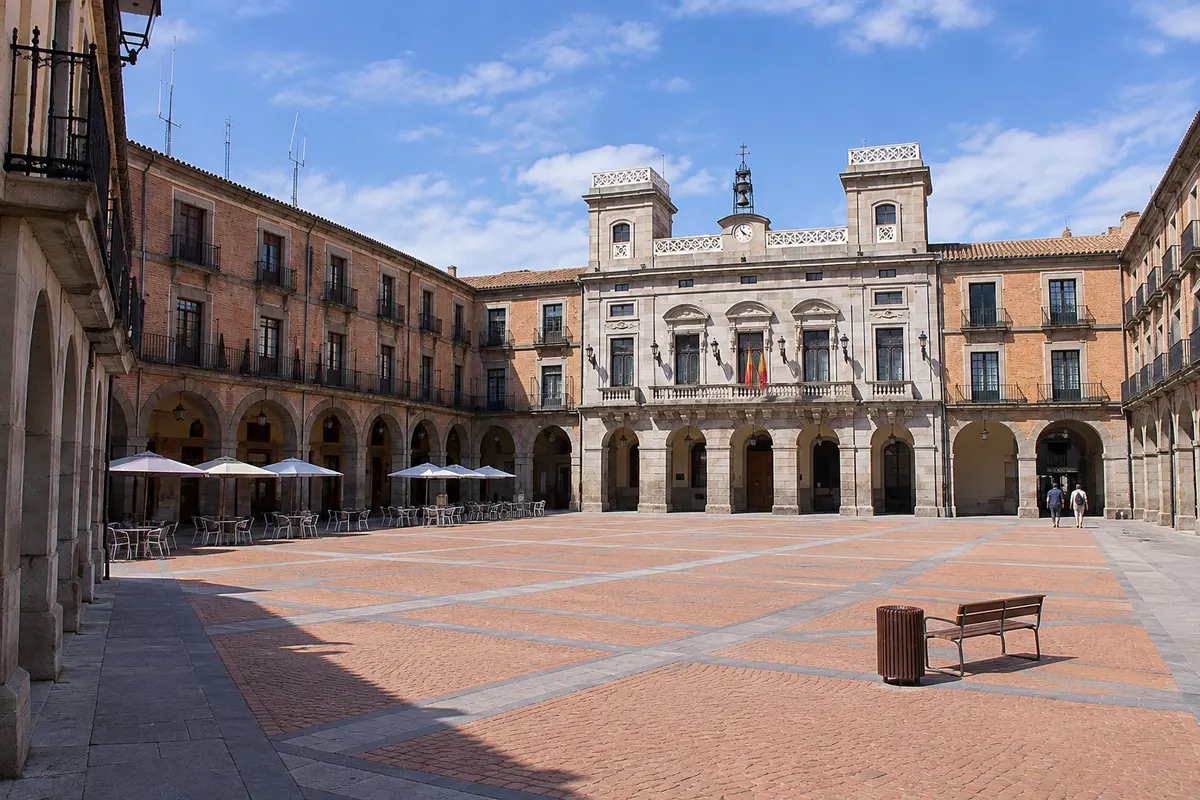
Ávila's main square, inside the wall, with arcades on three sides, the 19th-century town hall and the Iglesia de San Juan Bautista. It is the meeting point of the old town.