Torres del Paine

Magalhães e Antártica Chilena · Chile

Torres del Paine

Granite towers, turquoise lakes and glaciers in the Chilean Patagonia, based in Puerto Natales and with Punta Arenas as the gateway, on the shores of the Estreito de Magalhães.

Patagônia

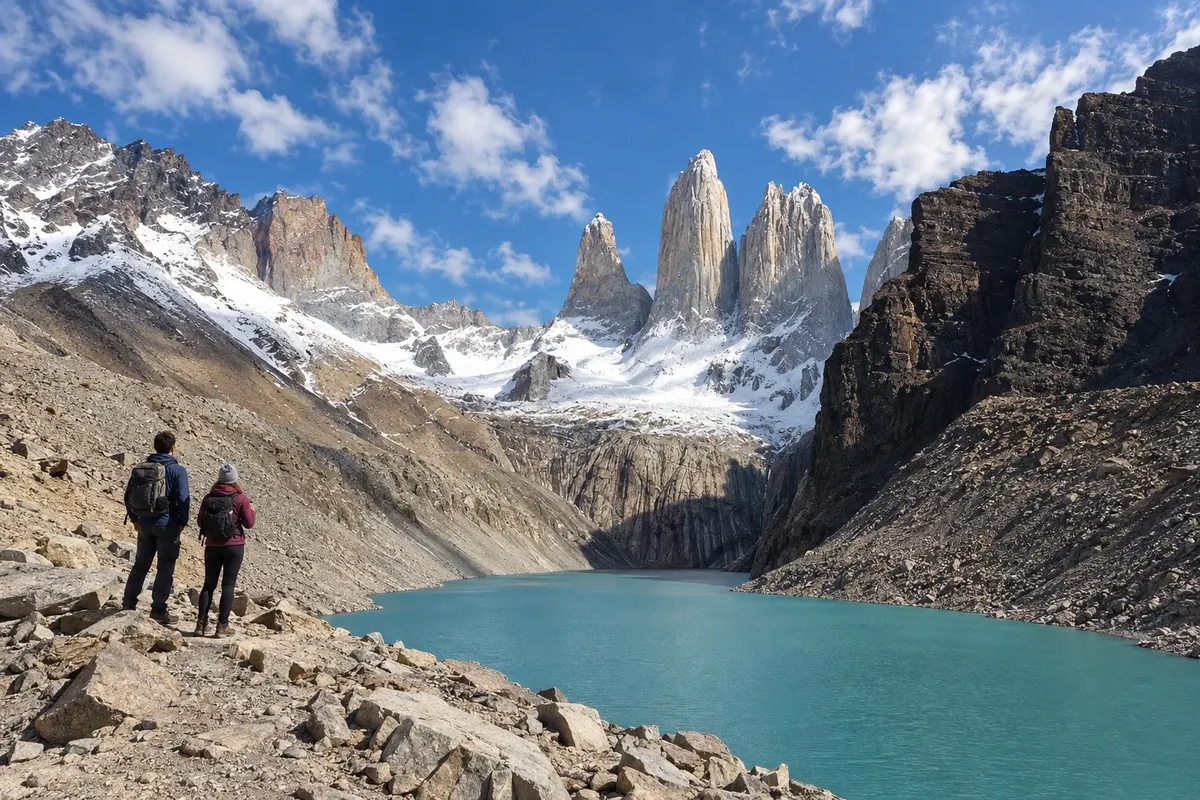
In the photo: Mirador Base Torres, Torres del Paine

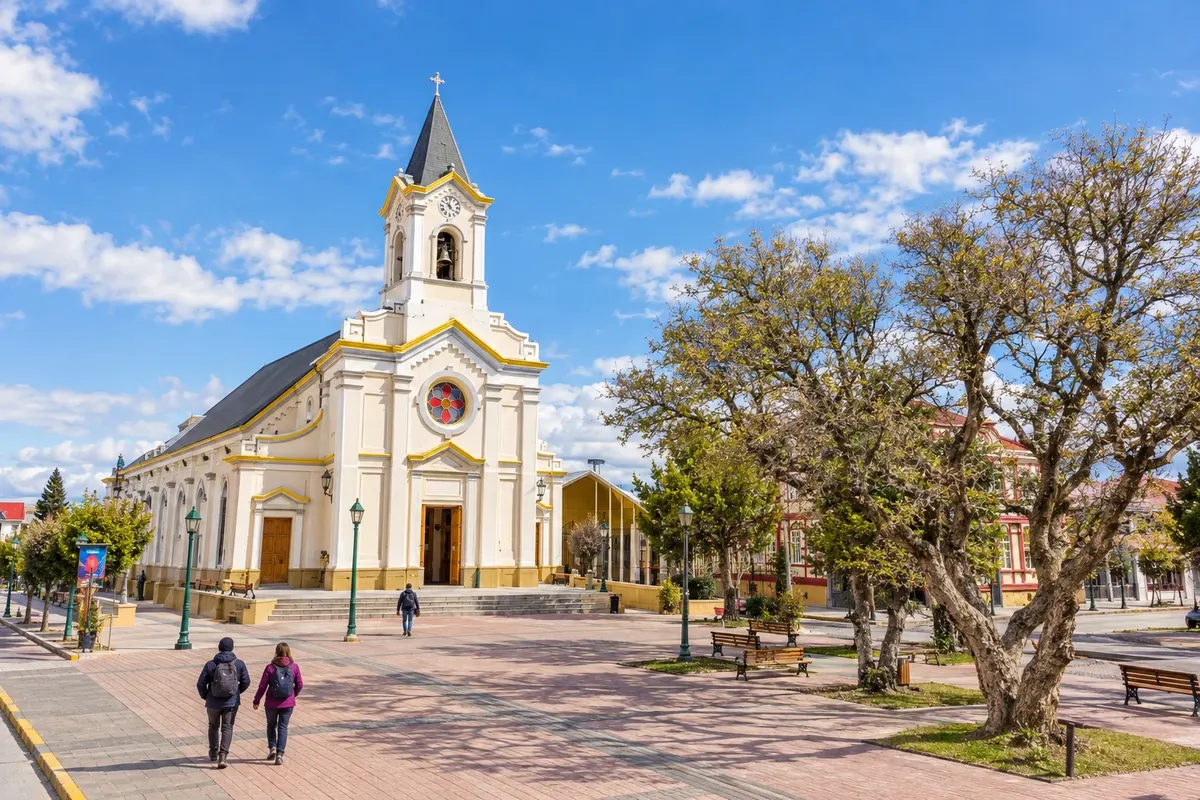
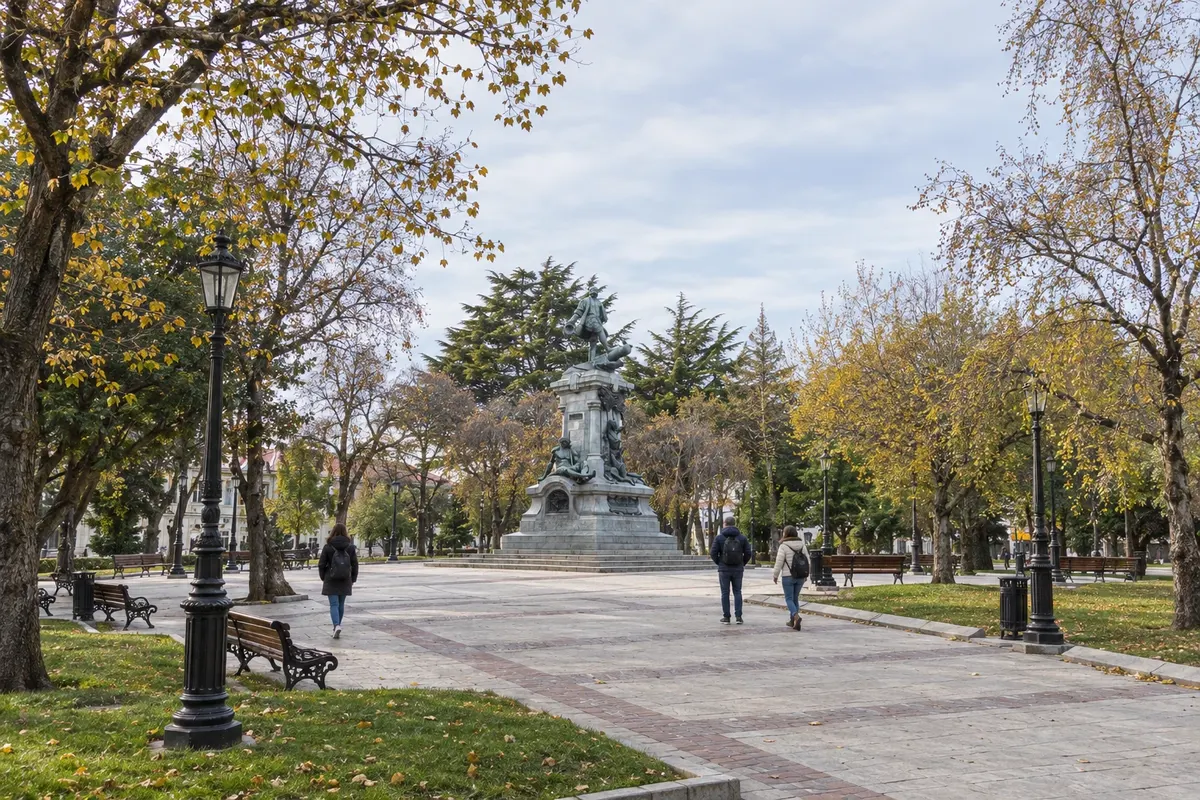
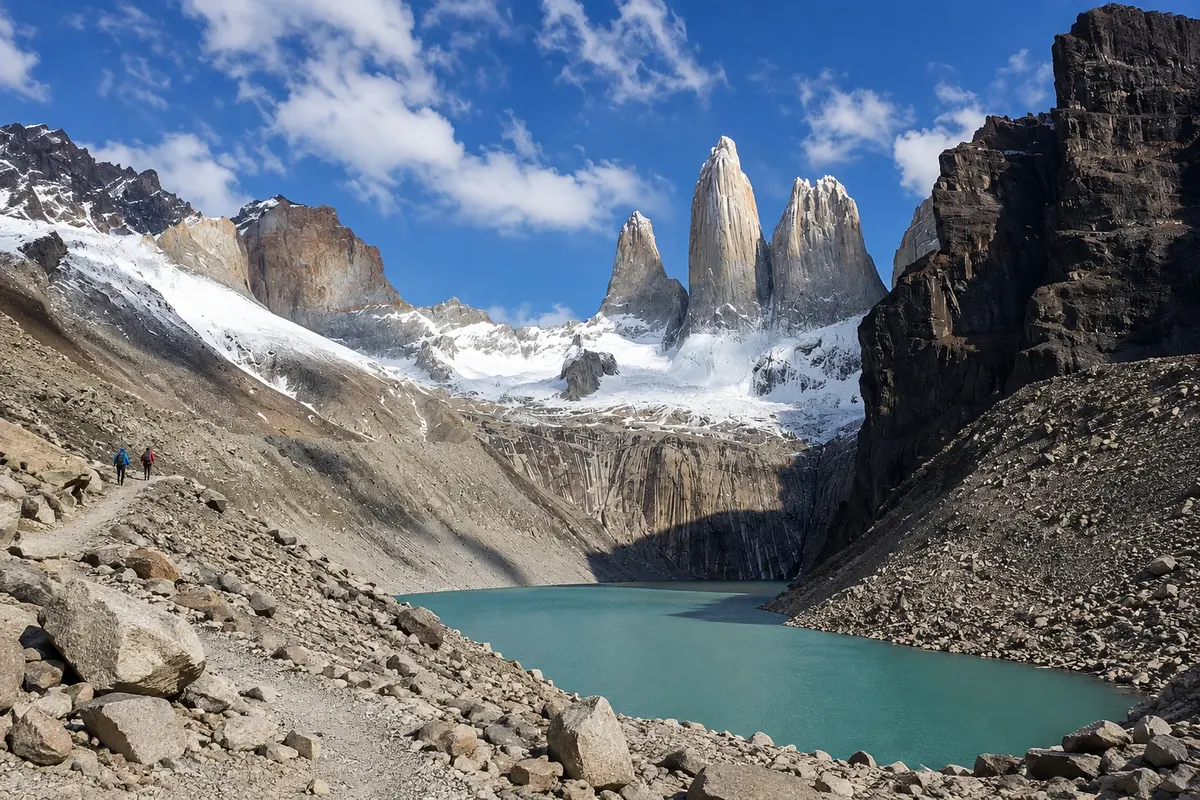
Illustrative images. The pictures in this guide are illustrations based on the real place, not photographs, and may differ from it.

Get it on Google Play Send your photos

Get to know the place

A region to enjoy
at your own pace.

Torres del Paine is the name of the granite massif that rises at the southern tip of Chile, in the Región de Magallanes, and of the national park created around it in 1959. Managed by CONAF and recognized by UNESCO as a Biosphere Reserve, the park combines jagged peaks, milky-colored lakes, lenga forests and glaciers that descend from the Southern Patagonian Ice Field.

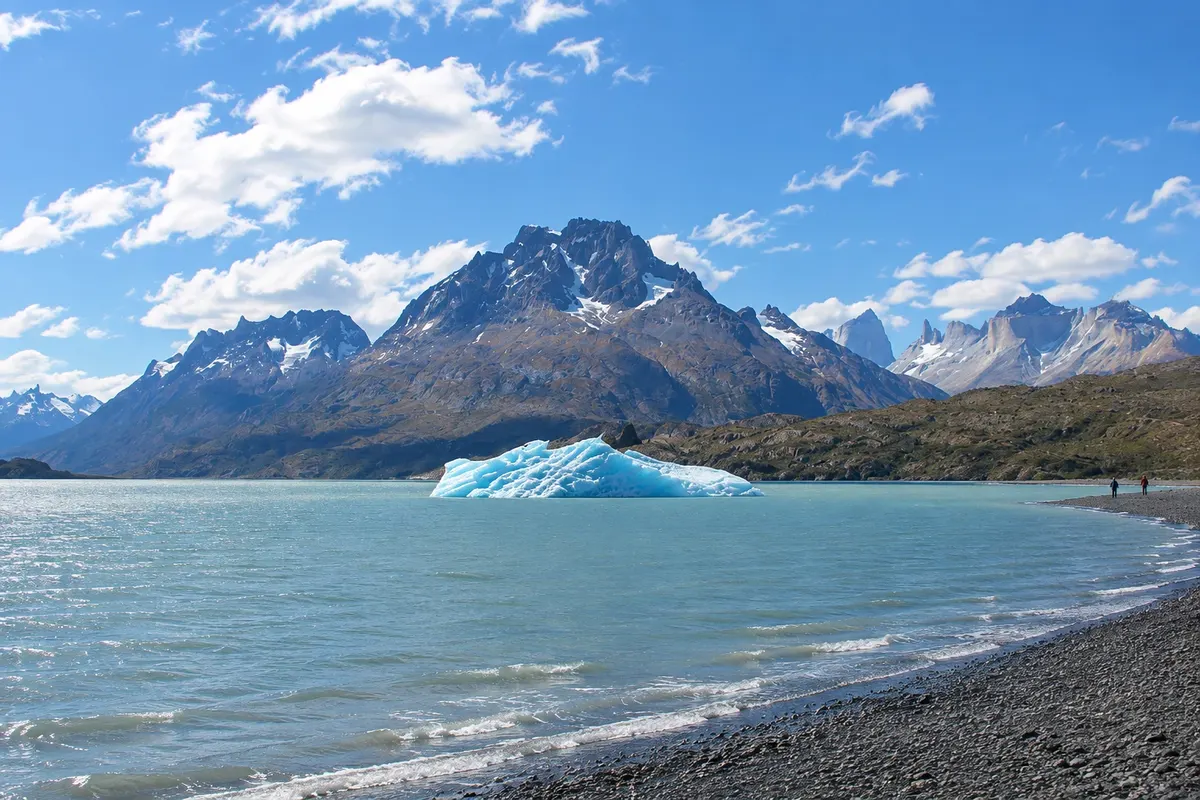
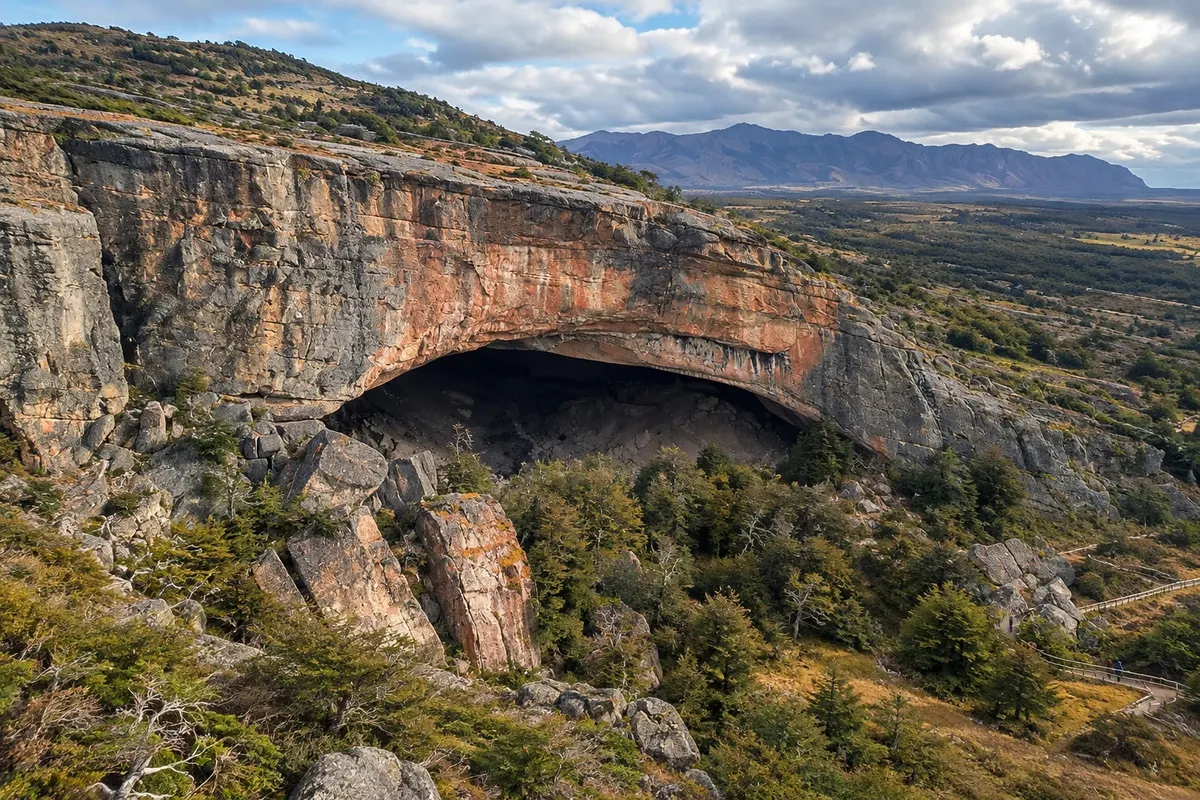
The traveler's base is Puerto Natales, a low-rise town on the shore of the Seno Última Esperanza, a little over 100 km by road from the park. From there you can reach the Mirador Las Torres, the Salto Grande, Lago Pehoé and Lago Grey, where icebergs calved from Glaciar Grey float. Near the town are the Cueva del Milodón, linked to a giant extinct mammal, and the Muelle Histórico; by boat, the Seno Última Esperanza leads to Glaciar Serrano.

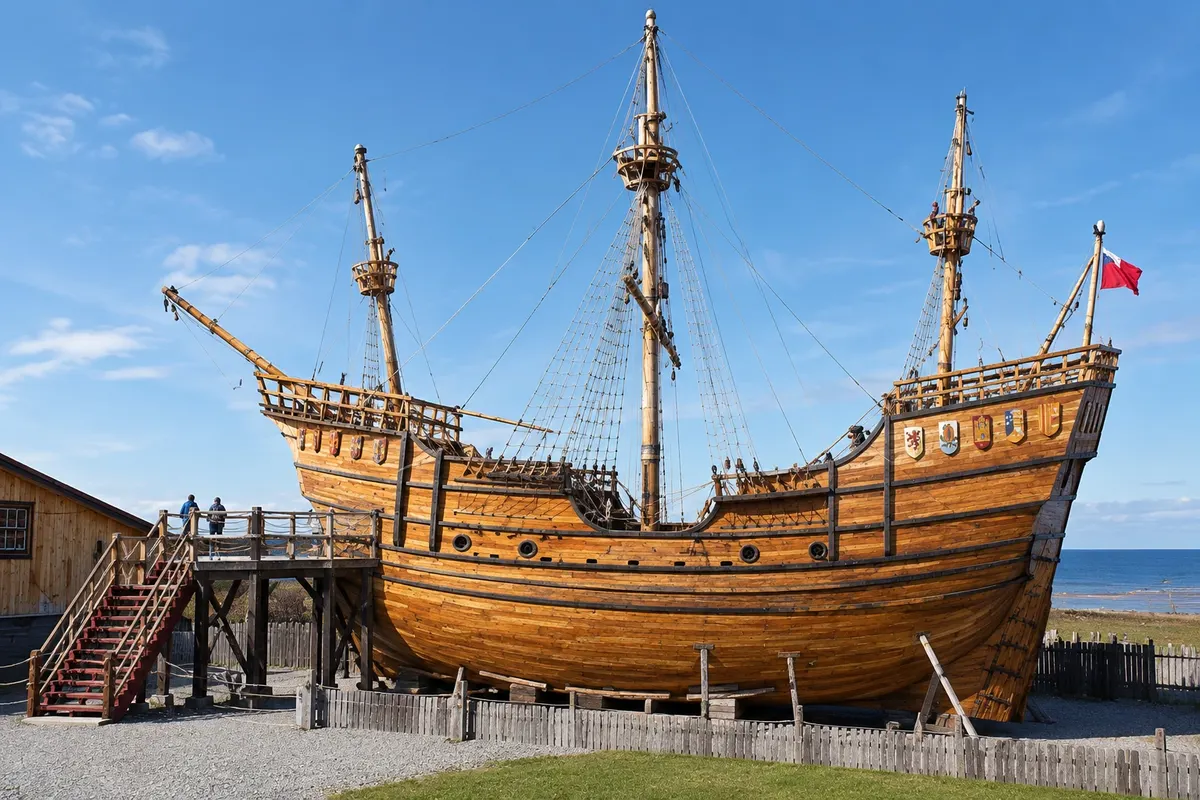
Punta Arenas, the regional capital, is the most commonly used air gateway and is about three hours by bus from Puerto Natales. The city began as a colony in 1848 and grew with sheep farming and maritime trade, visible in the manor houses around Plaza Muñoz Gamero and in the mausoleums of Cementerio Municipal Sara Braun. Nearby are the Museo Nao Victoria, the penguin colony at Monumento Natural Los Pingüinos, Fuerte Bulnes and the trails of Reserva Nacional Magallanes.

The weather can change several times in a single day, and the wind often blows strongly, especially in spring and summer. Layered clothing, a windbreaker and a rain poncho solve most issues. Park entry is purchased online in advance, and anyone planning to sleep on the trails must reserve a refuge or campsite before entering.

This destination brings together 2 cities: Puerto Natales, Punta Arenas.

Share: WhatsApp
Traveler, share your experiences through photos Up to 5 photos of each place you visited.

One destination, many paths

The cities on this trip

Start with one city or combine several in your itinerary.

Where Torres del Paine is
Puerto NatalesPunta Arenas

Contornos: Natural Earth (domínio público). Adaptação do Cidade Turismo.

How to get there: Torres del Paine

✈ Aeródromo Teniente Julio Gallardo (PNT) · 7 km to Puerto Natales

✈ Aeropuerto Internacional Presidente Carlos Ibáñez del Campo (PUQ), in Punta Arenas · 230 km to Puerto Natales

Fly to Punta Arenas (PUQ) and continue about 250 km by bus or car to Puerto Natales, or fly directly to the Puerto Natales aerodrome (PNT), which operates seasonally. Check before purchasing. Daily buses to the park depart from Puerto Natales' Terminal Rodoviario.

Suggested arrival point: Puerto Natales

The local experience

Things to do in Torres del Paine

Mirador Las Torres
Puerto Natales · Magalhães e Antártica Chilena · Trail and viewpoint

Mirador Las Torres

Viewpoint at the end of the Valle Ascencio trail, on the edge of a glacial lagoon at the foot of the three granite towers that give their name to Parque Nacional Torres del Paine.

Plaza Muñoz Gamero
Punta Arenas · Magalhães e Antártica Chilena · Historic square

Plaza Muñoz Gamero

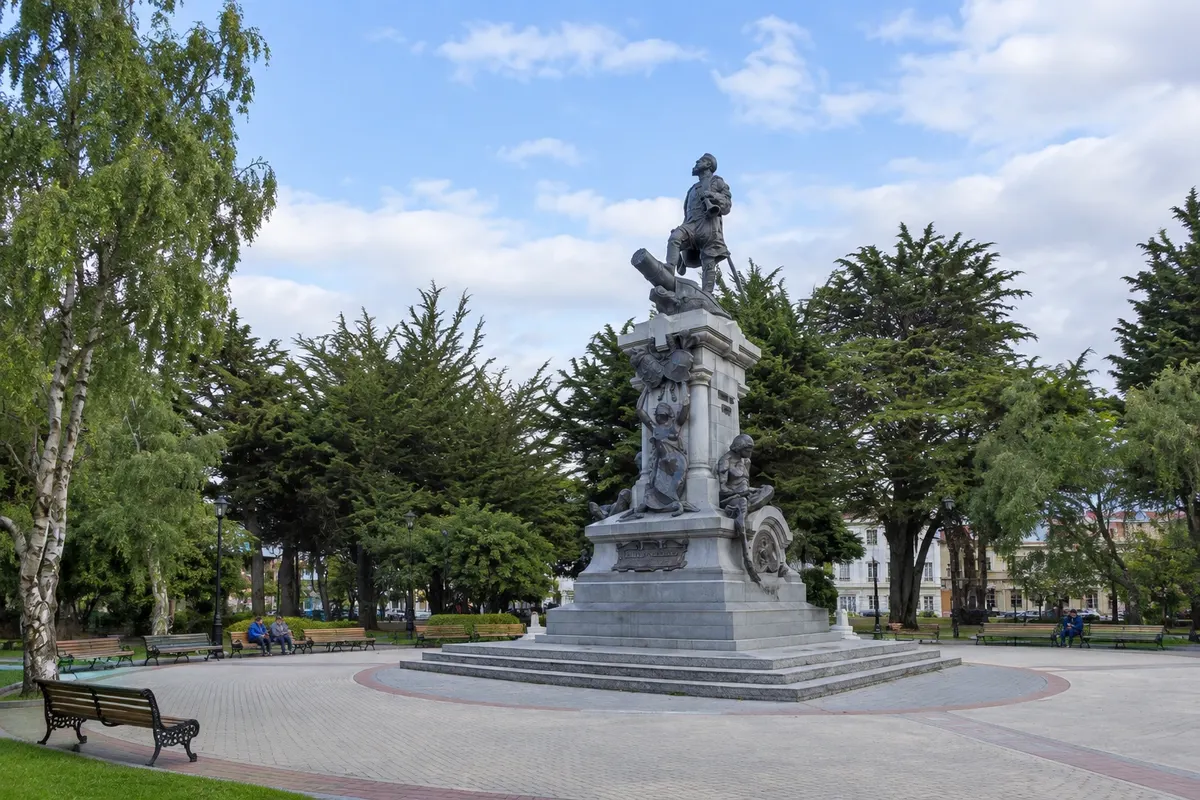
Central square of Punta Arenas, surrounded by large houses from the wool era, with the monument to Fernão de Magalhães inaugurated in 1920 and cypresses planted in 1903.

Cementerio Municipal Sara Braun
Punta Arenas · Magalhães e Antártica Chilena · Historic cemetery

Cementerio Municipal Sara Braun

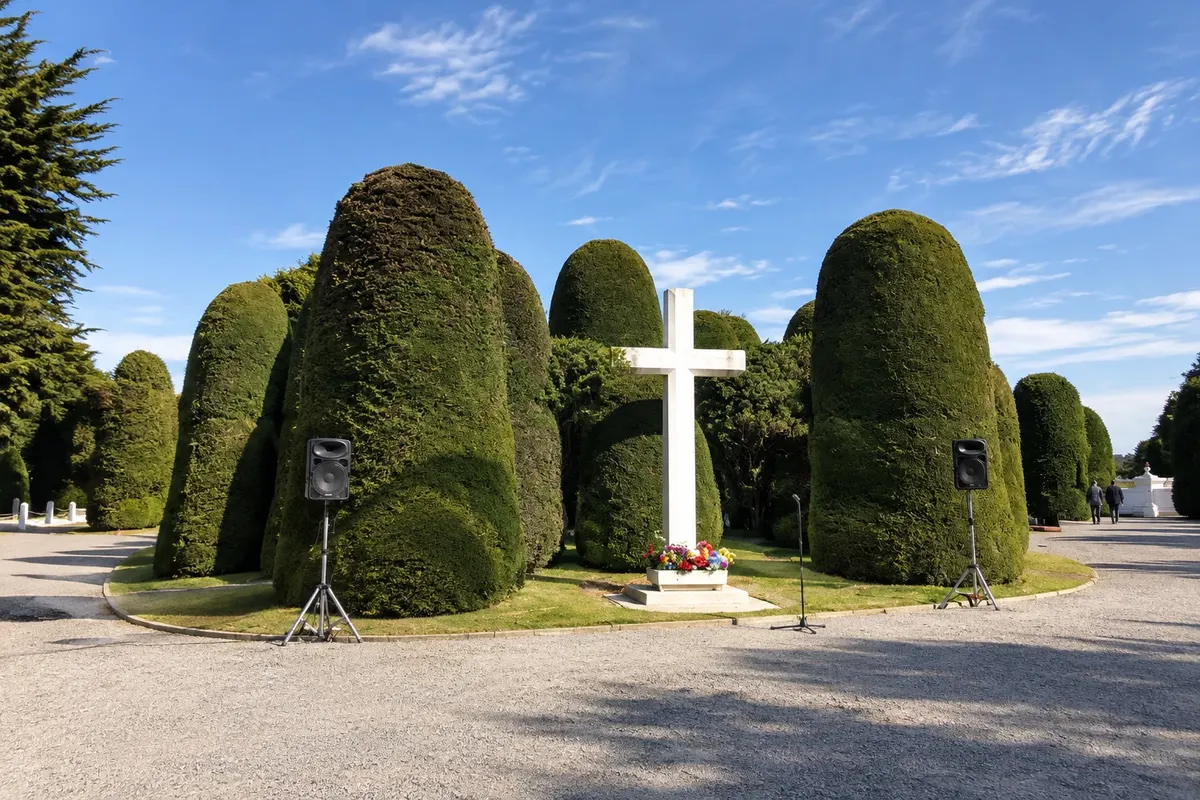
Cemetery dating from 1894, a national historic monument, with rows of pruned cypresses and mausoleums of Punta Arenas' pioneering families.

Salto Grande
Puerto Natales · Magalhães e Antártica Chilena · Waterfall

Salto Grande

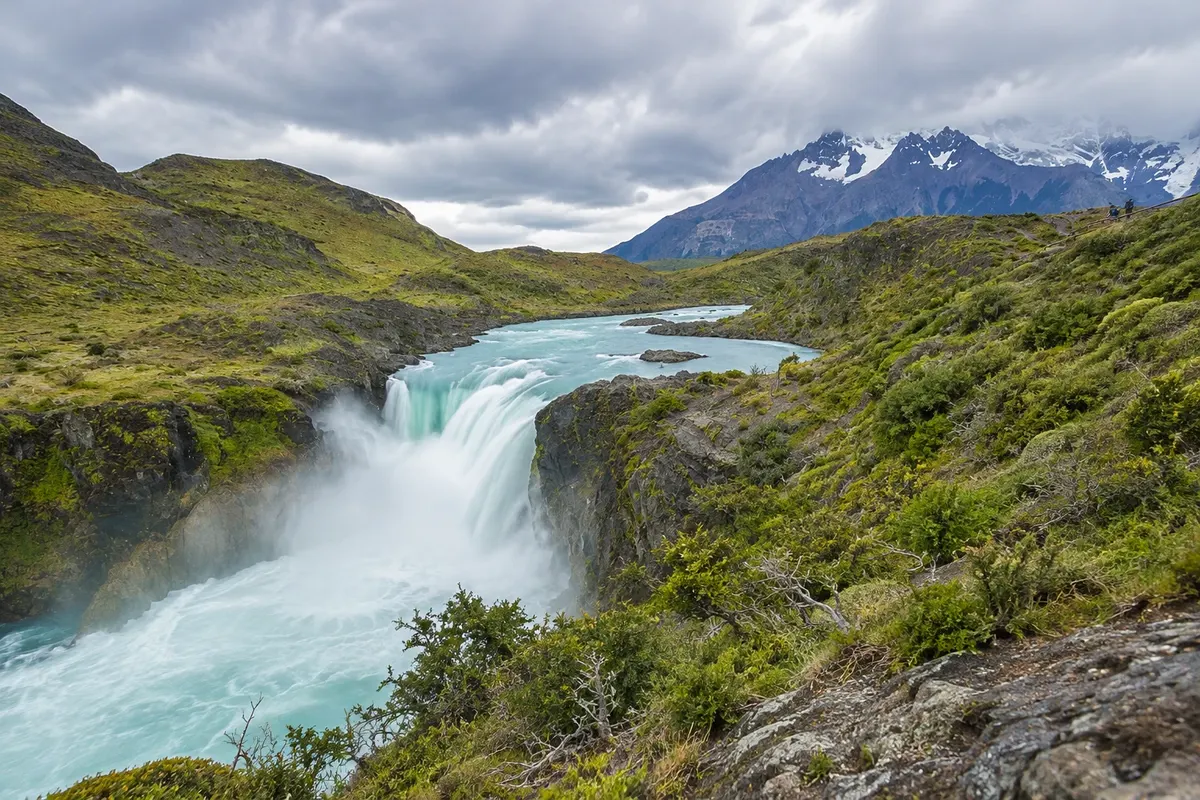
Waterfall of the Río Paine between Lago Nordenskjöld and Lago Pehoé, the starting point of the short trail to Mirador Cuernos, facing the Cuernos del Paine.

See 9 more places in Torres del Paine
Lago Pehoé
Puerto Natales · Magalhães e Antártica Chilena · Lake

Lago Pehoé

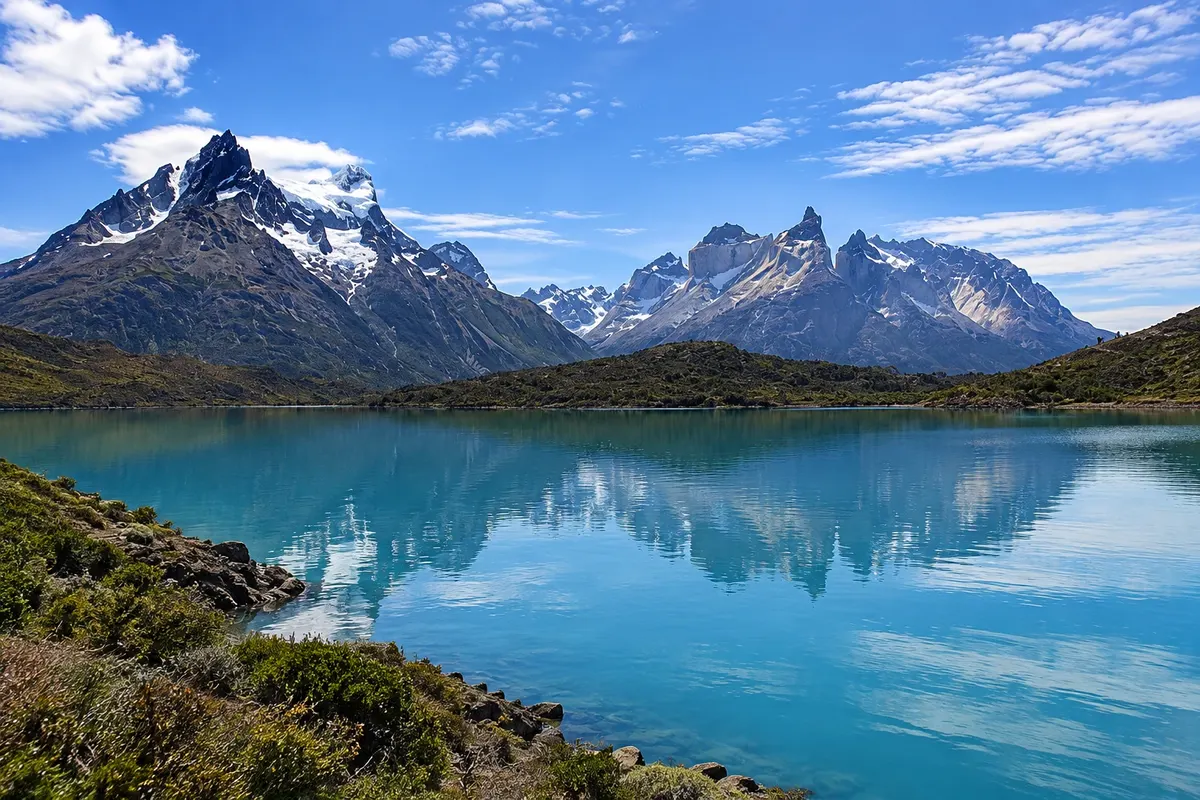
A turquoise-water lake in the center of the park, with the Cuernos del Paine in the background. In Pudeto the catamaran departs that crosses the lake to the Paine Grande sector.

Museo Nao Victoria
Punta Arenas · Magalhães e Antártica Chilena · Maritime museum

Museo Nao Victoria

Open-air museum north of Punta Arenas with full-size replicas of historic ships, such as the carrack Victoria of Fernão de Magalhães and Darwin's HMS Beagle.

Lago Grey
Puerto Natales · Magalhães e Antártica Chilena · Lake and glacier

Lago Grey

A lake in the western part of the park where Glaciar Grey ends, which originates in the Campo de Hielo Patagónico Sur. Bluish icebergs float near the shore, and boats sail up to the glacier front.

Monumento Natural Los Pingüinos
Punta Arenas · Magalhães e Antártica Chilena · Fauna and nature reserve

Monumento Natural Los Pingüinos

Ilhas Magdalena e Marta, in the Estreito de Magalhães, where Magellanic penguins breed and sea lions live. Boat visits from Punta Arenas during the season.

Cueva del Milodón
Puerto Natales · Magalhães e Antártica Chilena · Natural monument

Cueva del Milodón

A 200-meter-deep cave in the Monumento Natural Cueva del Milodón, 24 km from Puerto Natales, where remains of an extinct giant sloth were found.

Fuerte Bulnes
Punta Arenas · Magalhães e Antártica Chilena · Historical site

Fuerte Bulnes

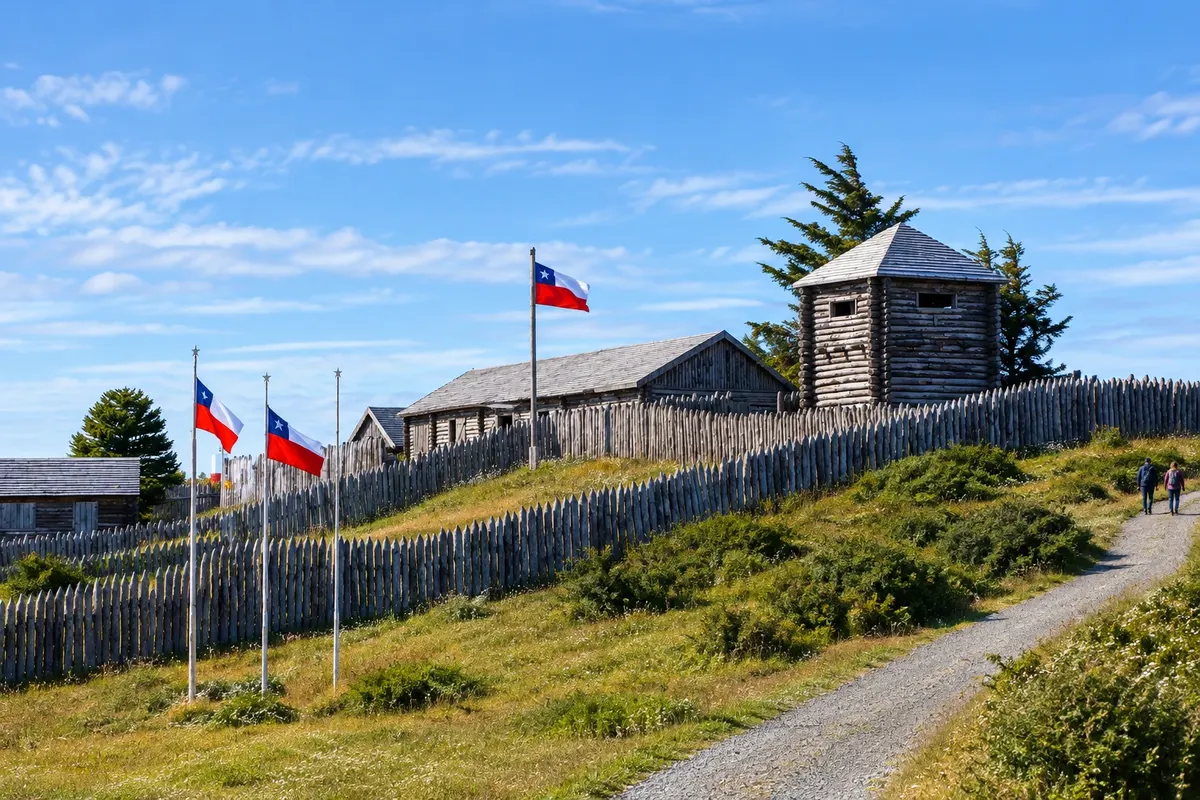
Reconstruction of the 1843 fort that marked Chilean possession of the Estreito de Magalhães, in the Parque del Estrecho de Magallanes, about 55 km south of Punta Arenas.

Muelle Histórico
Puerto Natales · Magalhães e Antártica Chilena · Waterfront and heritage

Muelle Histórico

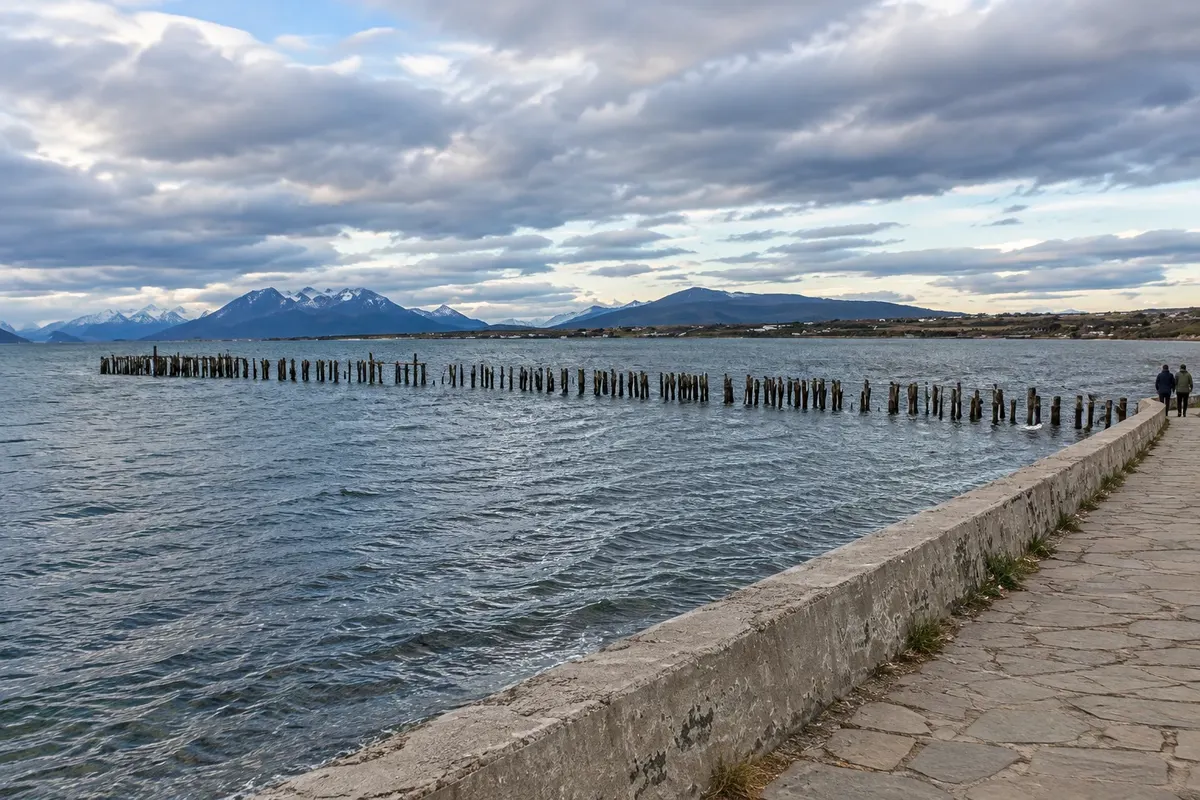
Remains of an old wooden pier on the waterfront of Puerto Natales, with posts in the waters of Seno Última Esperanza and snow-capped mountains in the background.

Reserva Nacional Magallanes
Punta Arenas · Magalhães e Antártica Chilena · Nature reserve

Reserva Nacional Magallanes

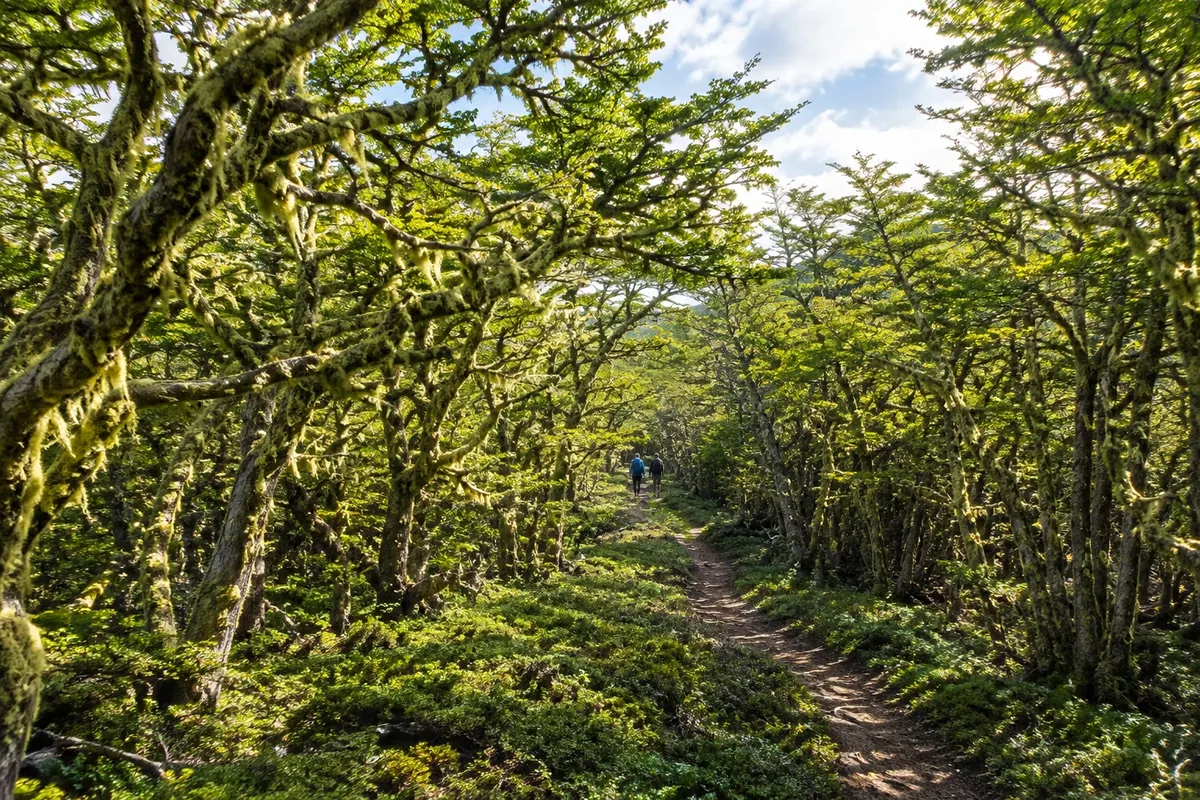
A reserve of lenga and coigüe forests a few kilometers west of Punta Arenas, with hiking and mountain-bike trails and viewpoints over the city and the strait.

Glaciar Serrano
Puerto Natales · Magalhães e Antártica Chilena · Glacier

Glaciar Serrano

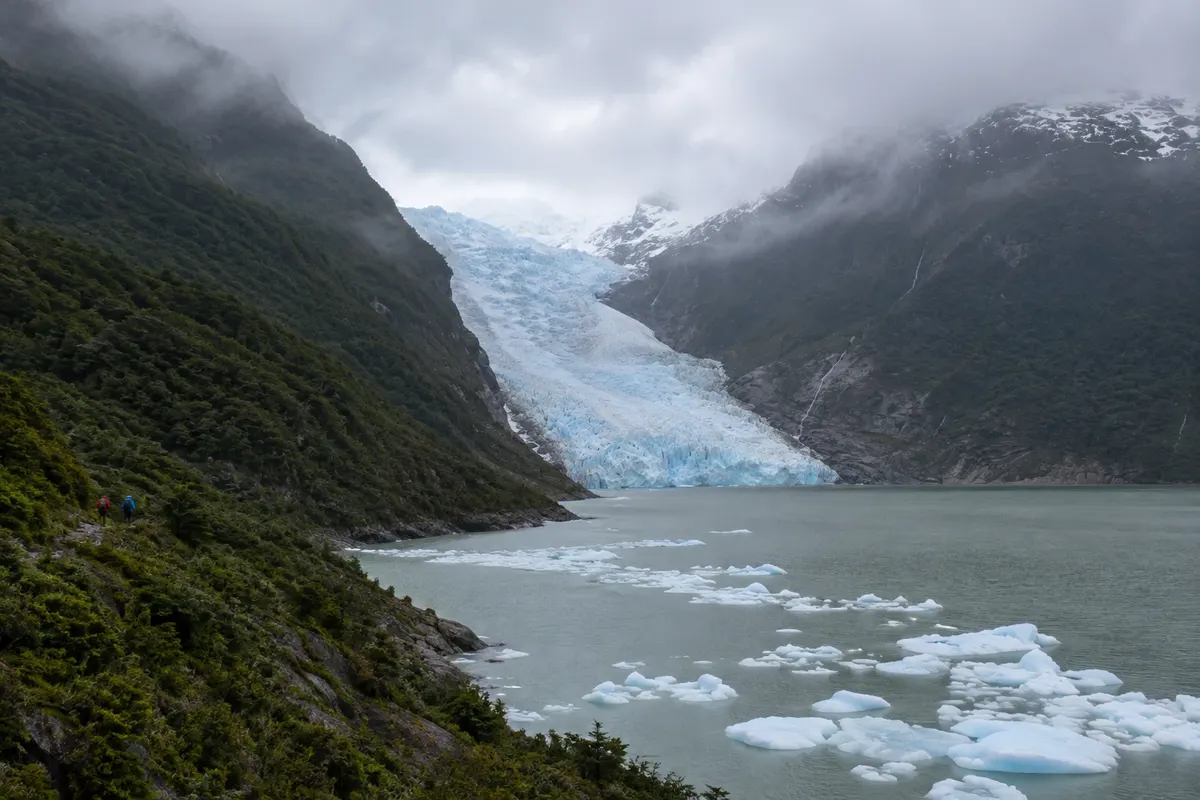
Glacier in Parque Nacional Bernardo O'Higgins, reached by boat from Puerto Natales via Seno Última Esperanza, with a stop to view Glaciar Balmaceda.

Before you go

Practical information

A little planning leaves more time to enjoy the journey.

When to go

The main season runs from October to April, with December to February as high season: long days, trails and services open, and more visitors. October, November, March and April tend to be quieter. From May to September it is cold, it can snow, and some trails and services close or require a guide.

The seasons shown are the most usual ones; nature doesn't always follow the calendar.

How many days to stay

Allow at least three days in Puerto Natales for one or two days in the park, the Cueva del Milodón and the glacier boat trip. Those doing the Circuito W need four to five days of trekking alone; the Circuito O requires six to eight. Add one or two days in Punta Arenas for the city, the penguins and Fuerte Bulnes.

Which city to stay in

In Puerto Natales, the center between Plaza de Armas and the Pedro Montt waterfront concentrates inns, hostels, restaurants and agencies, and is close to the bus terminal. Inside the park there are refuges, campsites and domes in the Las Torres, Pehoé, Lago Grey and Serrano sectors, all requiring advance reservation. In Punta Arenas, the most practical base is the center around Plaza Muñoz Gamero, a few blocks from the strait's waterfront.

Respect the place

Take your trash with you, follow the signs and support local businesses. In natural areas, follow the visiting guidelines.

Get your questions answered

Frequently asked questions about Torres del Paine

How many days to stay in Torres del Paine?

To see the main highlights on day trips from Puerto Natales, three or four days are enough. To hike the Circuito W, allow four to five days inside the park, plus one day to arrive and another to depart. Punta Arenas requires an extra one or two days.

What is the best time to go to Torres del Paine?

From October to April, when trails, boats and refuges operate. December to February has the longest days and the highest demand. In winter, from May to September, the landscape may be snowy, but the cold intensifies, services are reduced and CONAF may require a guide on some trails.

Do you need a car to visit Torres del Paine?

It is not mandatory. Regular buses link Puerto Natales to the park and agencies run full-day tours. A car gives the freedom to stop at viewpoints, but internal roads are gravel, there are few fuel stations and rental fleets often sell out in high season.

Can you do a day trip from Santiago to Torres del Paine?

No. Santiago is more than 2,000 km away, and the journey requires a flight to Punta Arenas or Puerto Natales and then hours on the road. Plan to stay at least three nights in the region.

Do you need to reserve park entry?

Yes. Entry is purchased only online, through CONAF's official channel, in advance, and is sent by email with a QR code to show at the gate. Those who plan to sleep in the park also need a confirmed reservation in a refuge or campground.

Explore other destinations Search by state and city
Back