Ilha de Páscoa

Valparaíso · Chile

Ilha de Páscoa

Moai, volcanoes and the living culture of the Rapa Nui people on an island of Polynesia that belongs to Chile, in the middle of the Pacific, about a five-hour flight from Santiago.

Centro

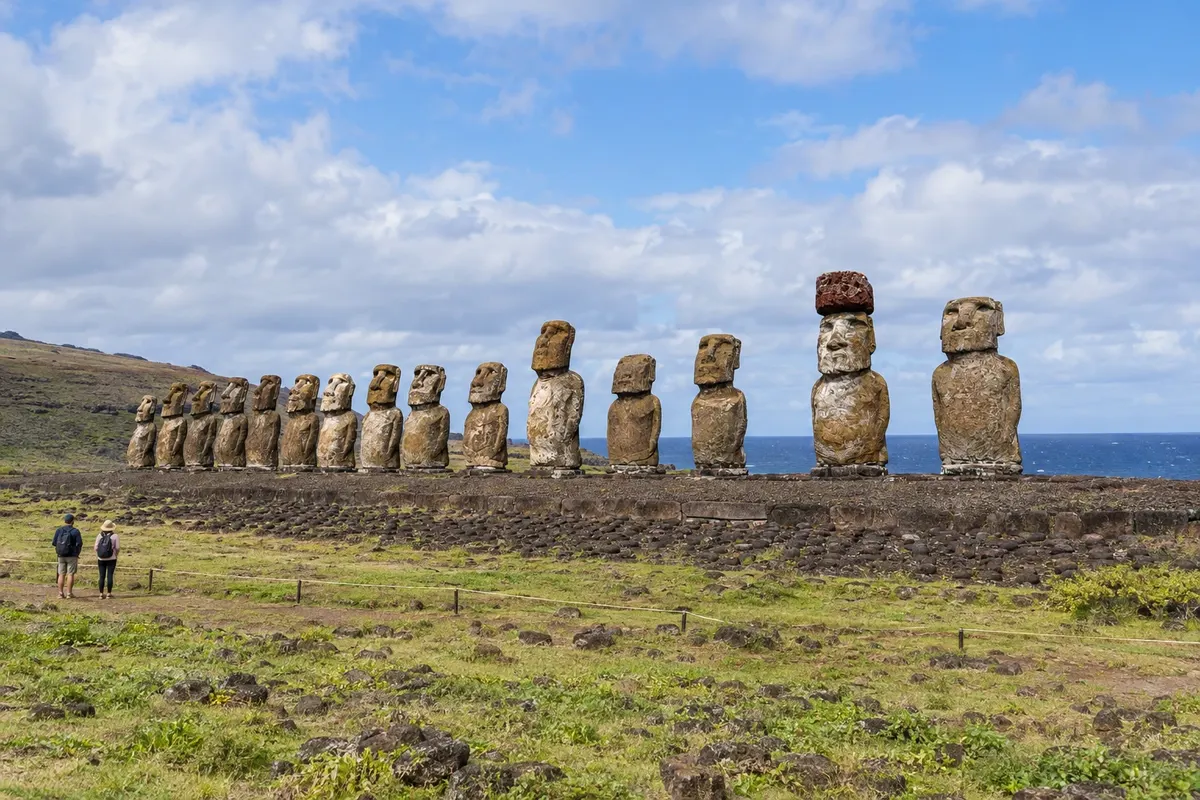
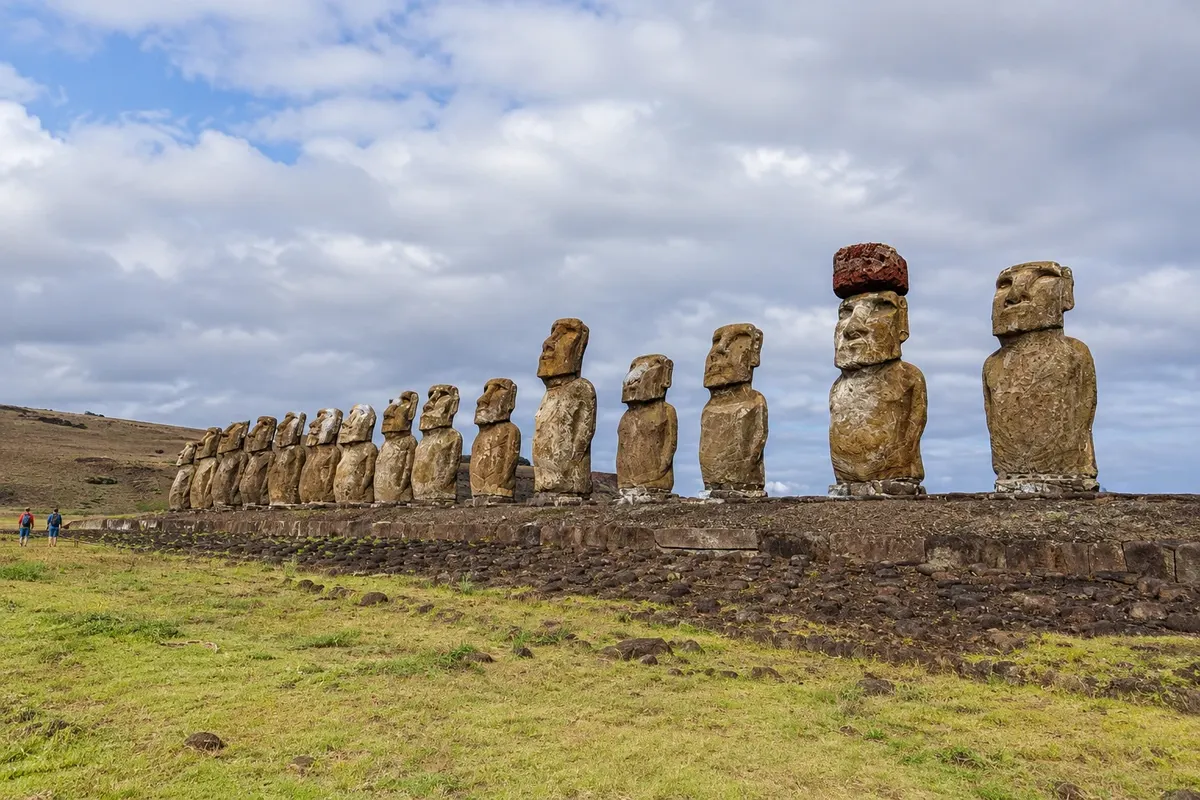
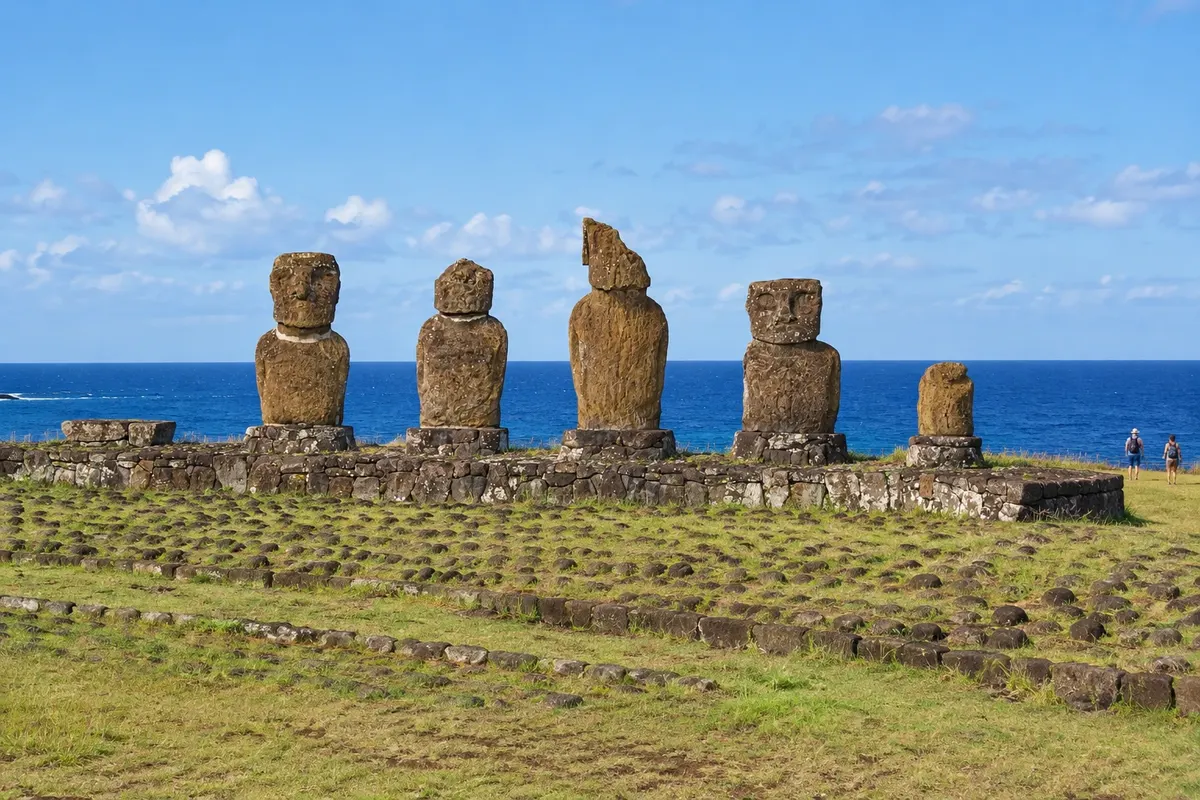
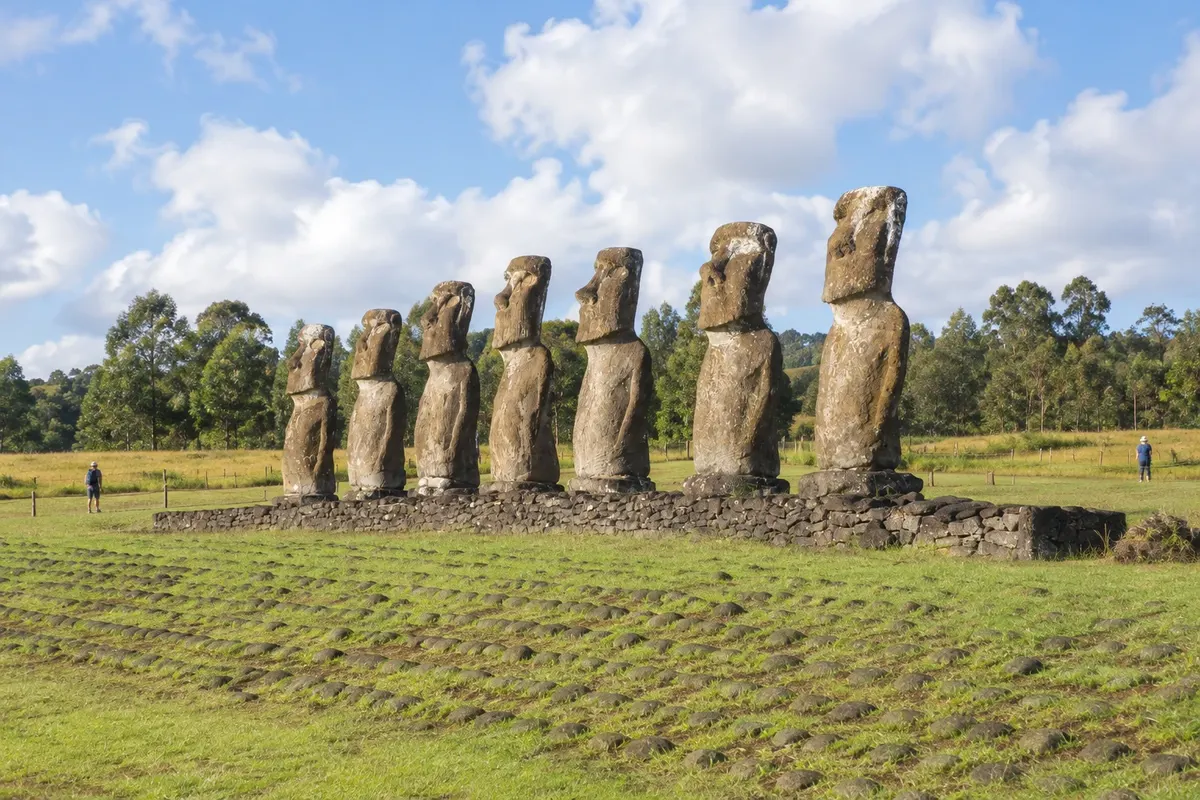
In the photo: Ahu Tongariki, Rapa Nui

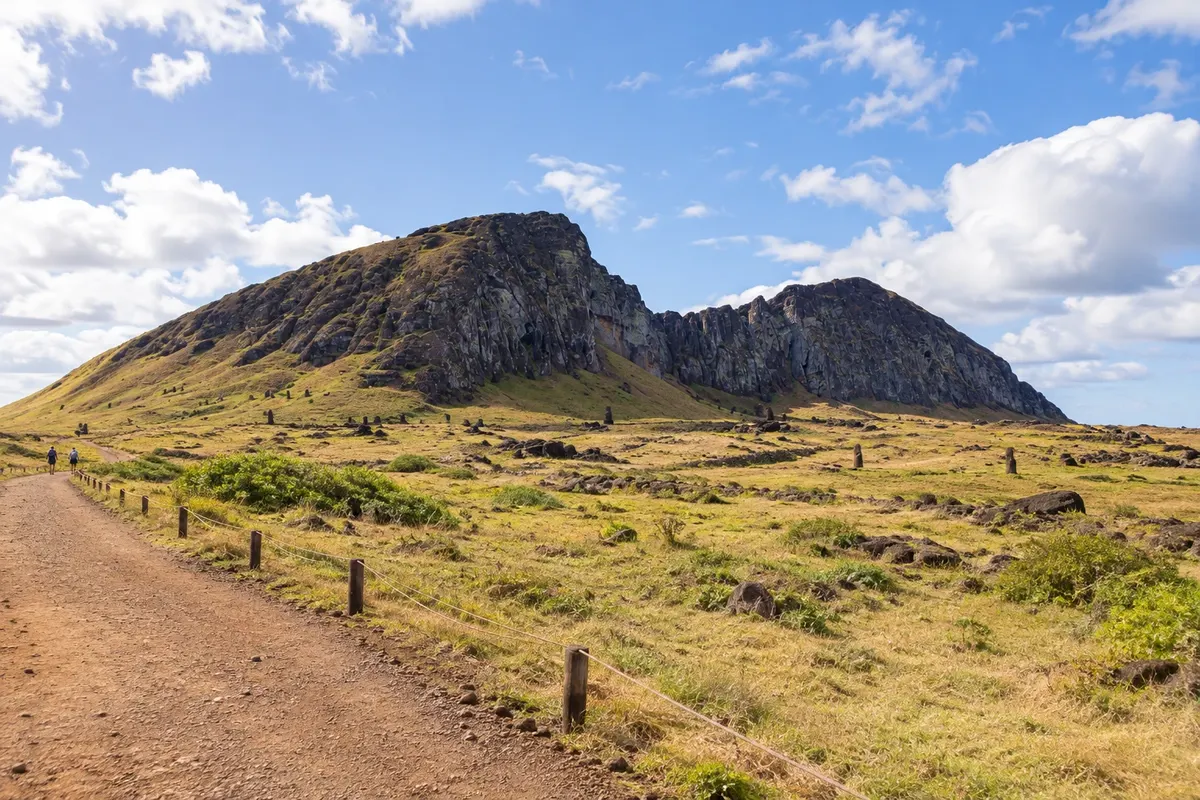
Illustrative images. The pictures in this guide are illustrations based on the real place, not photographs, and may differ from it.

Get it on Google Play Send your photos

Get to know the place

A region to enjoy
at your own pace.

Ilha de Páscoa is in the South Pacific, more than 3,500 km from the Chilean coast, and belongs to the Valparaíso Region. Locals call it Rapa Nui, the same name as the Polynesian people who live there and the language they speak. The island is triangular, about 164 km², with a volcano at each corner. Almost the entire population lives in Hanga Roa, the village on the west coast where the airport, the port and the lodgings are located.

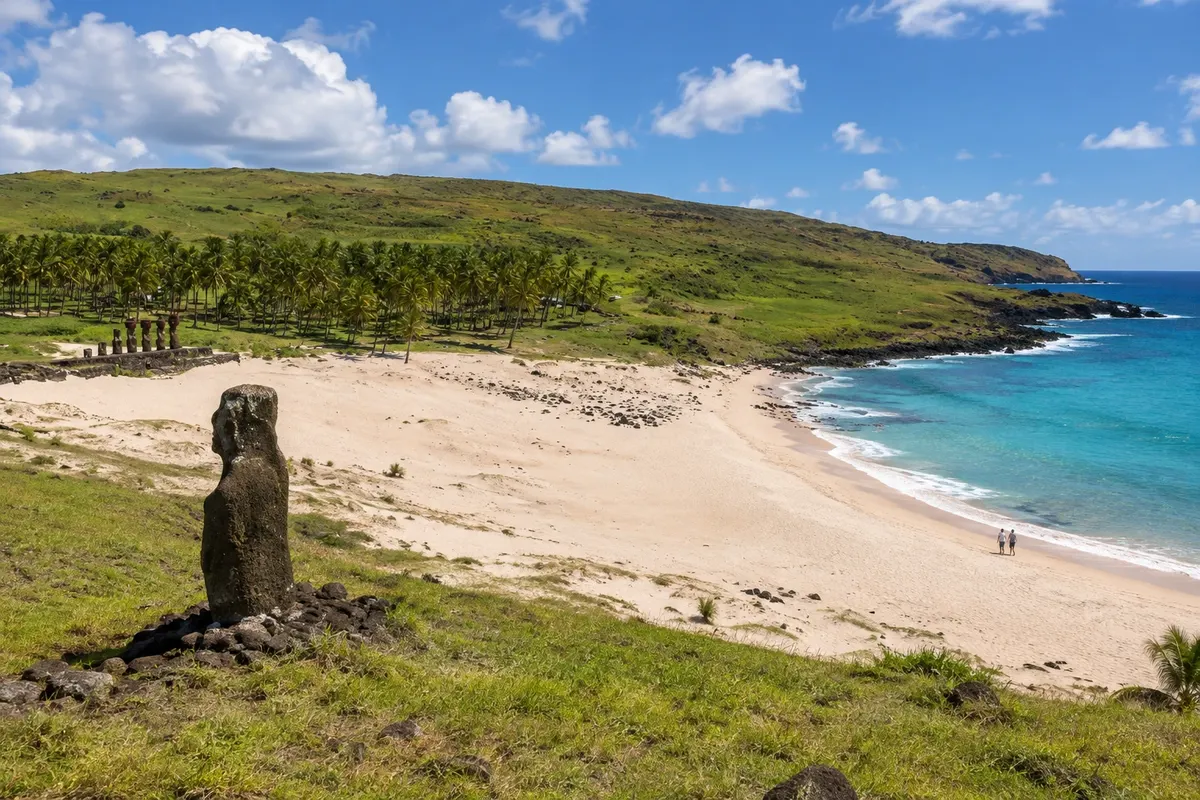
Much of the island is Parque Nacional Rapa Nui, a UNESCO World Heritage site, managed by the indigenous community Ma'u Henua. The park contains the moai, the stone statues representing ancestors, and the ahu, the ceremonial platforms where they were erected. On the southeast coast, the fifteen moai of Ahu Tongariki stand at the foot of Rano Raraku, the quarry where almost all the statues were carved. In the north, Anakena beach offers light sand, coconut trees and the moai of Ahu Nau Nau; nearby, Te Pito Kura holds the largest moai ever raised on an ahu.

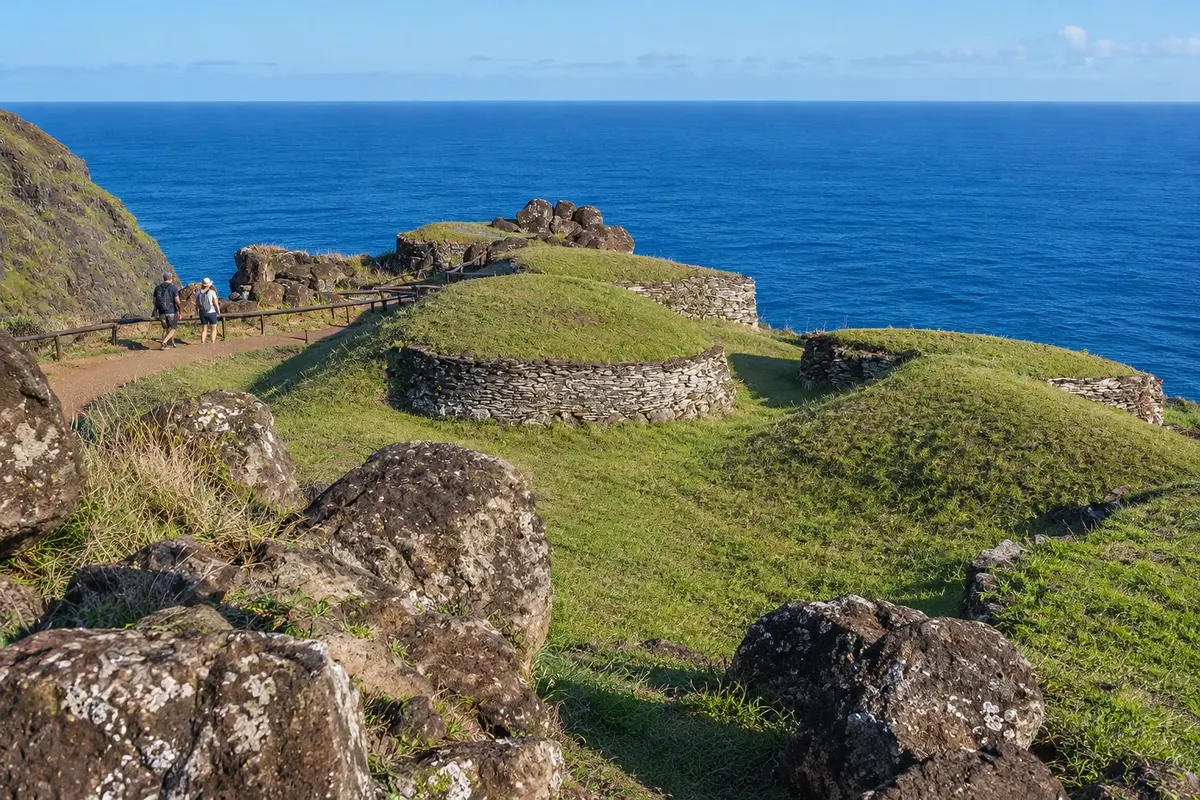
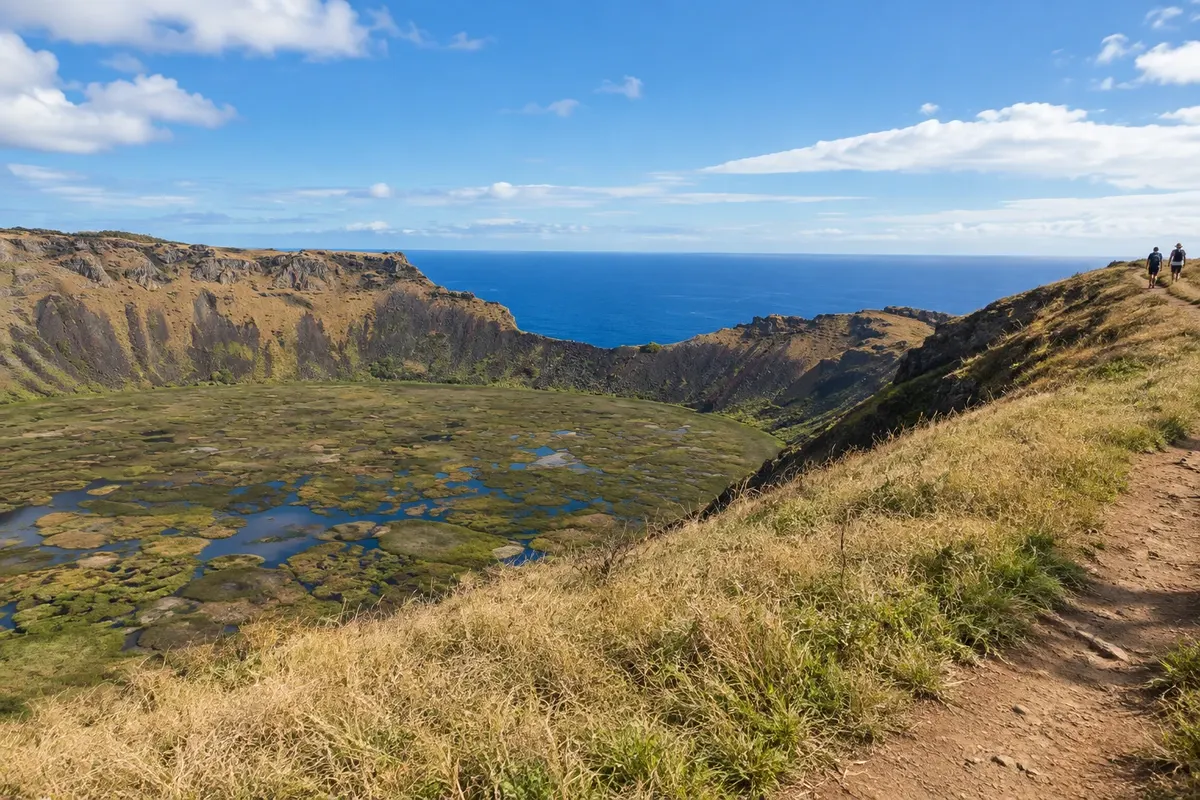
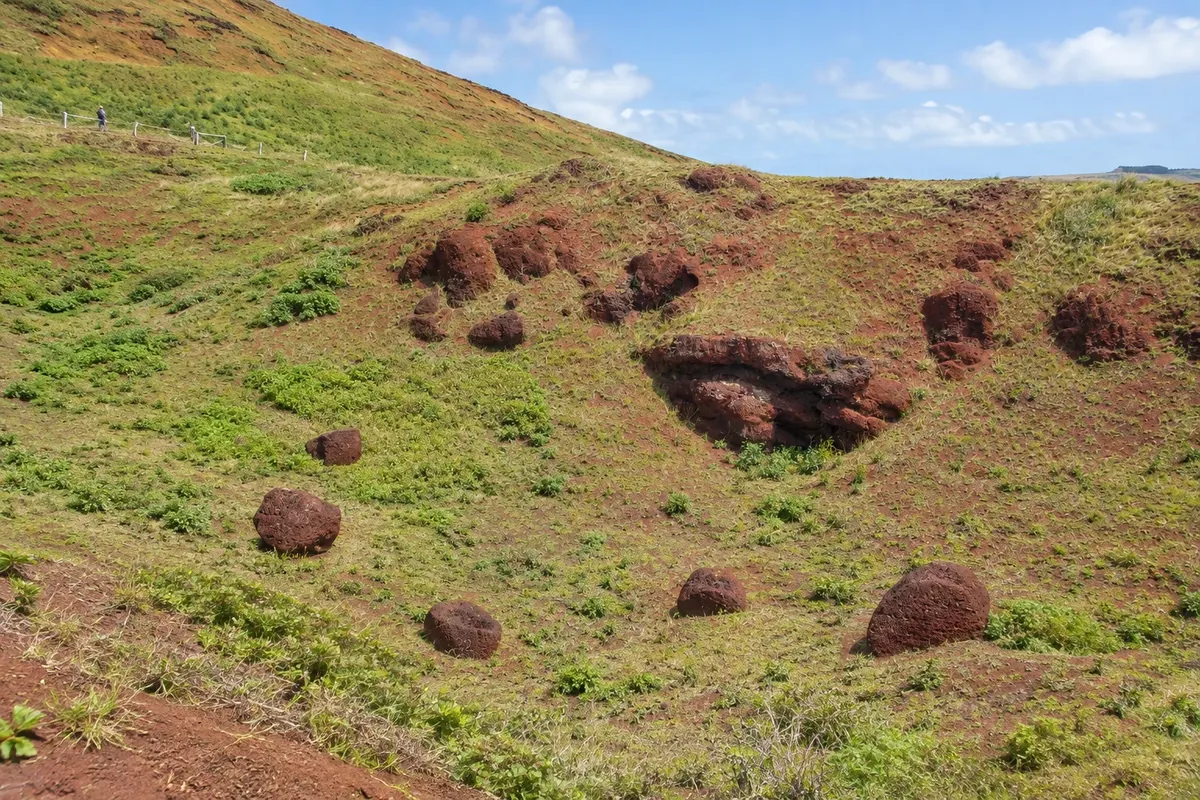
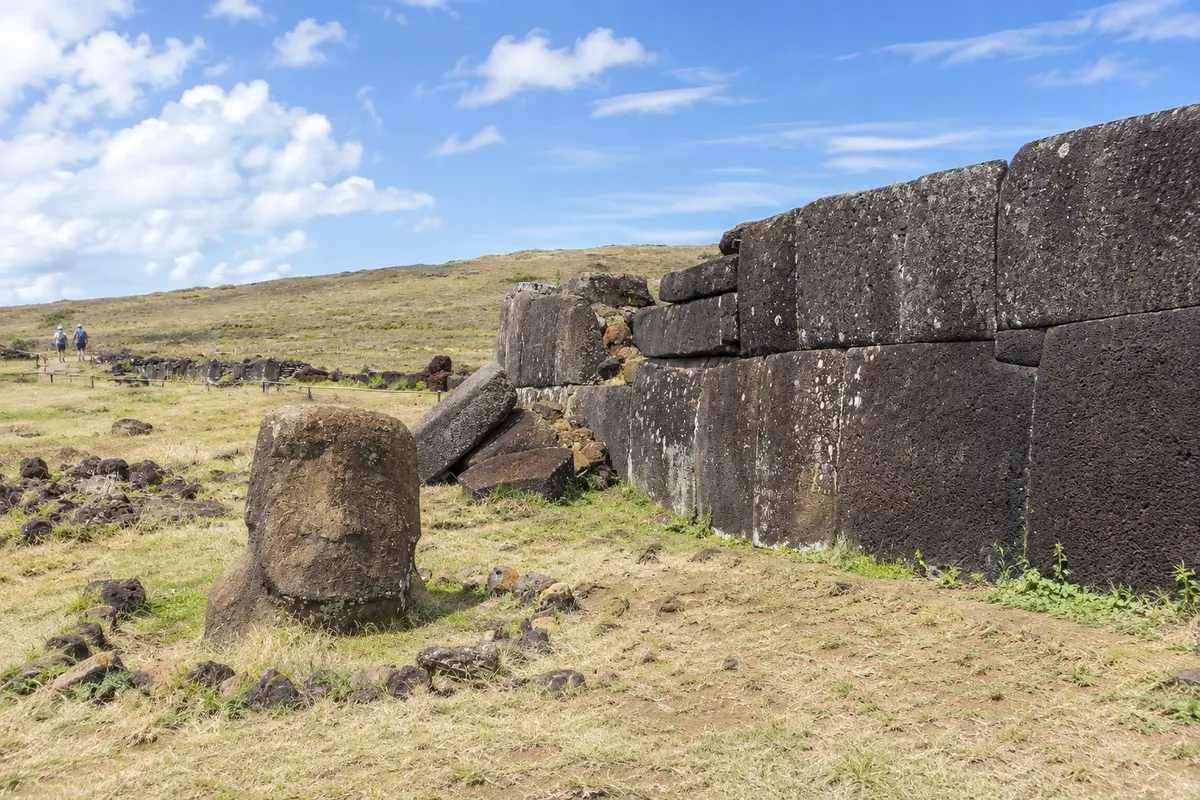
In the southwest, the crater of Rano Kau holds a lagoon, and on its rim is Orongo, the ceremonial village of the bird-man cult. Inland, the seven moai of Ahu Akivi face the sea, and the Puna Pau crater shows the red stone of the pukao, the headdresses of the statues. Closer to the village, Ahu Vinapu has walls of precisely fitted blocks.

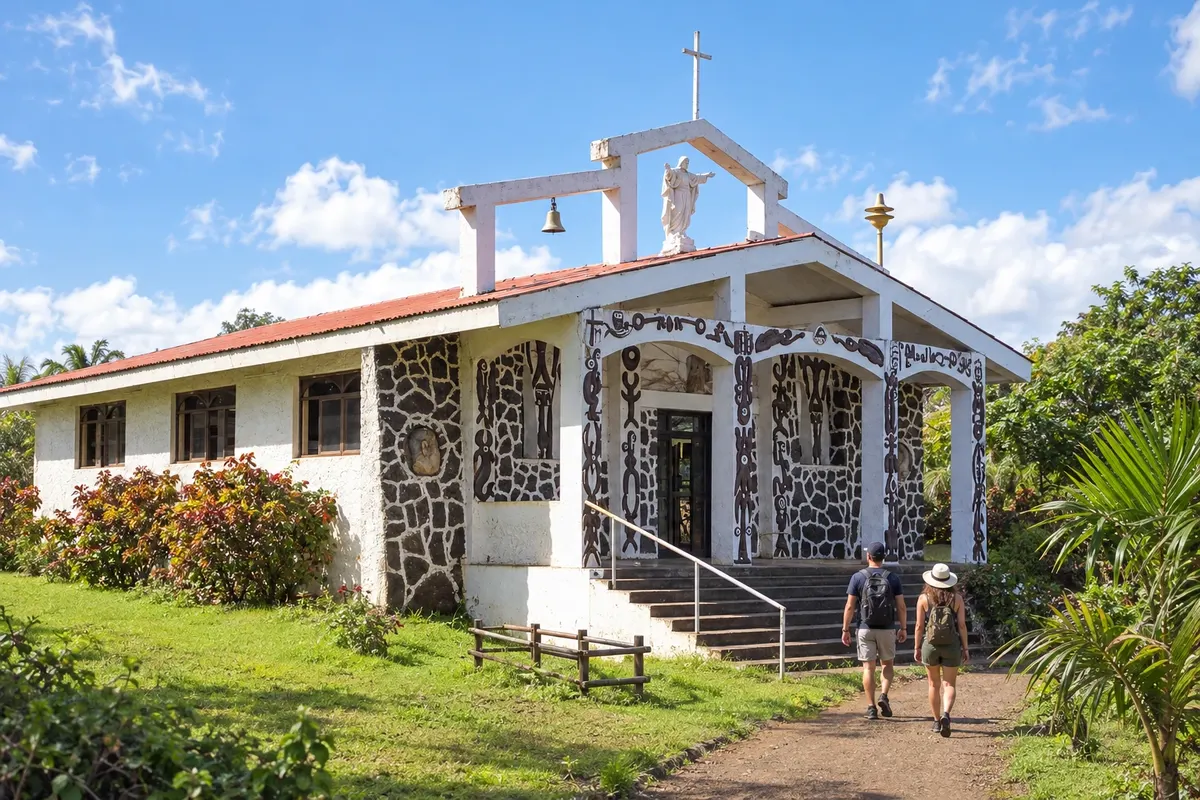
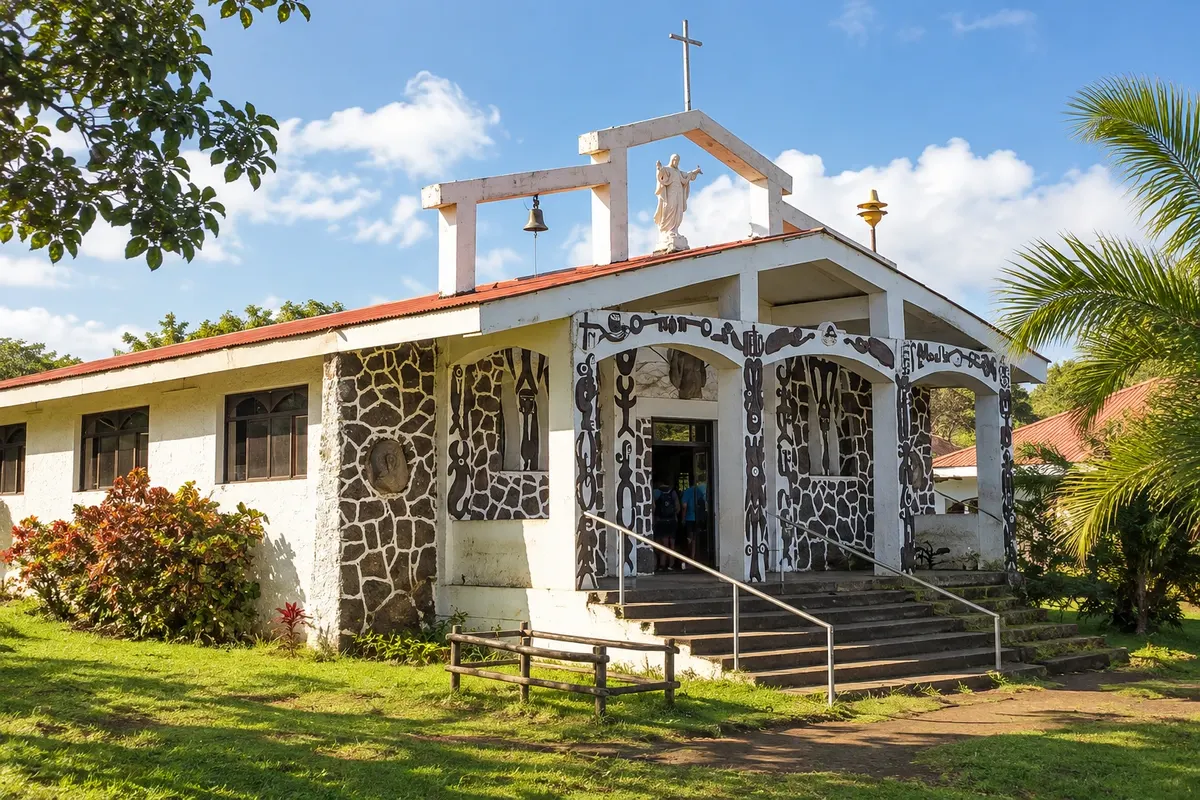
In Hanga Roa, the Tahai complex attracts visitors at sunset, the Museo Antropológico Padre Sebastián Englert tells the island’s history, and the Iglesia de la Santa Cruz displays saints carved in the Rapa Nui style. The moai and the ahu are sacred to the Rapa Nui people: they must not be touched or climbed on. To enter the park sites you must buy the ticket in advance and, at most sites, be accompanied by an accredited guide.

This destination brings together 1 city: Hanga Roa.

Share: WhatsApp
Traveler, share your experiences through photos Up to 5 photos of each place you visited.

One destination, many paths

The cities on this trip

Start with one city or combine several in your itinerary.

Where Ilha de Páscoa is
Hanga Roa

Contornos: Natural Earth (domínio público). Adaptação do Cidade Turismo.

How to get there: Ilha de Páscoa

✈ Aeropuerto Internacional Mataveri (IPC) · 1 km to Hanga Roa

Arrival is by plane, at Aeropuerto Mataveri, in Hanga Roa. Regular flights depart from Santiago and take about five hours. Confirm before booking. There is no road to the mainland.

The local experience

Things to do in Ilha de Páscoa

Ahu Tongariki
Hanga Roa · Valparaíso · Archaeological site

Ahu Tongariki

Largest ahu on Easter Island, with fifteen moai lined up with their backs to the sea, at the foot of the volcano Rano Raraku. It is the classic spot to watch the sunrise on the island.

Rano Raraku
Hanga Roa · Valparaíso · Archaeological site

Rano Raraku

Volcanic crater that served as the quarry for almost all of the island's moai. On the slope, dozens of unfinished or partially buried statues; inside, a freshwater pond.

Anakena
Hanga Roa · Valparaíso · Beach and archaeological site

Anakena

White coral-sand beach on the north coast, with coconut trees and the moai of Ahu Nau Nau. According to tradition, it was here that Hotu Matu'a, the island's first king, landed.

Orongo
Hanga Roa · Valparaíso · Archaeological site

Orongo

Ceremonial village of stone houses on the rim of the Rano Kau volcano, linked to the Birdman cult, with petroglyphs and views of the islets Motu Nui, Motu Iti and Motu Kao Kao.

See 8 more places in Ilha de Páscoa
Rano Kau
Hanga Roa · Valparaíso · Volcano and viewpoint

Rano Kau

Extinct volcano at the southwest tip of the island, with a crater more than 1 km wide and a lagoon at the bottom. From the lookout on the rim you can see the crater and, on the other side, the Pacific.

Tahai
Hanga Roa · Valparaíso · Archaeological site

Tahai

Seaside ceremonial complex north of downtown Hanga Roa, with three restored ahu and Ko Te Riku, the moai with coral eyes. The island's most popular spot to watch the sunset.

Ahu Akivi
Hanga Roa · Valparaíso · Archaeological site

Ahu Akivi

Inland platform with seven identical moai facing the ocean, unlike most. It is aligned with the equinox sunset.

Museo Antropológico Padre Sebastián Englert
Hanga Roa · Valparaíso · Museum

Museo Antropológico Padre Sebastián Englert

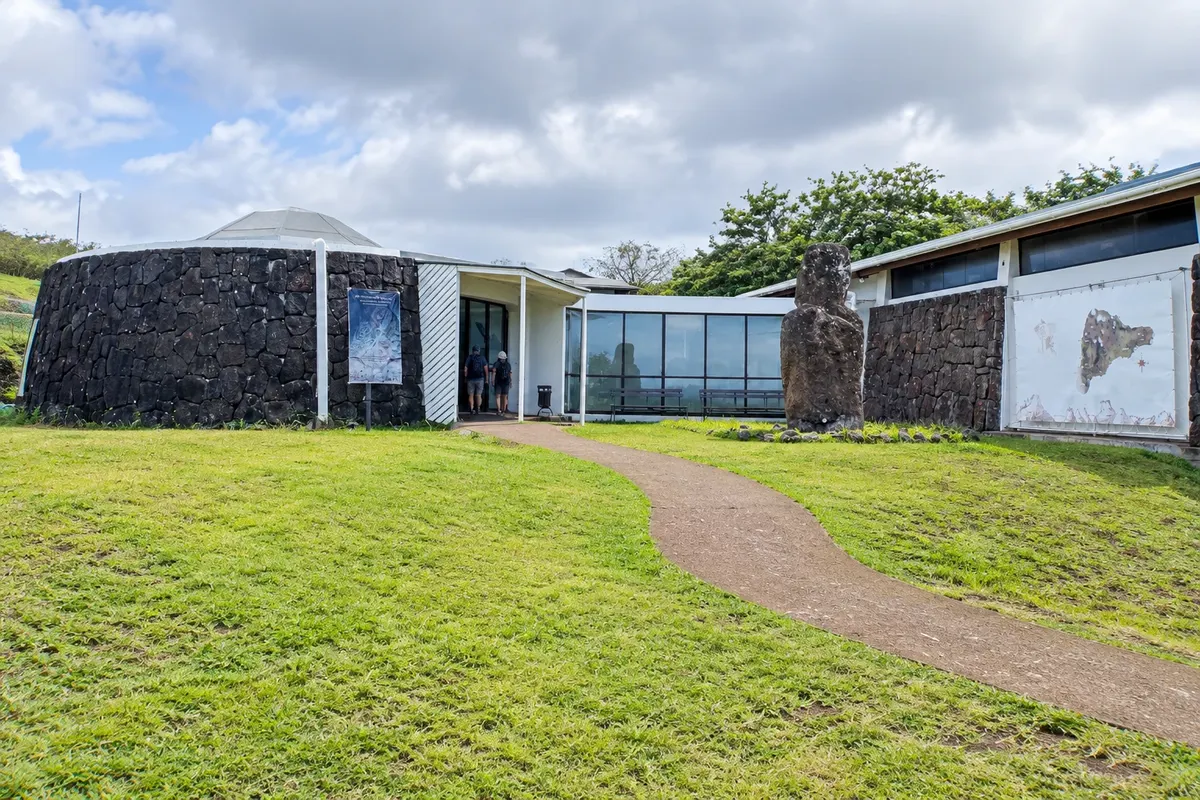
Anthropology museum in the Tahai area of Hanga Roa, with archaeological items and wood carvings that tell the story of the rapa nui people, the moai, and the bird-man cult.

Puna Pau
Hanga Roa · Valparaíso · Archaeological site

Puna Pau

Small crater on the outskirts of Hanga Roa, from which the red scoria used for the pukao, the stone headdresses placed on the heads of some moai, was quarried.

Te Pito Kura
Hanga Roa · Valparaíso · Archaeological site

Te Pito Kura

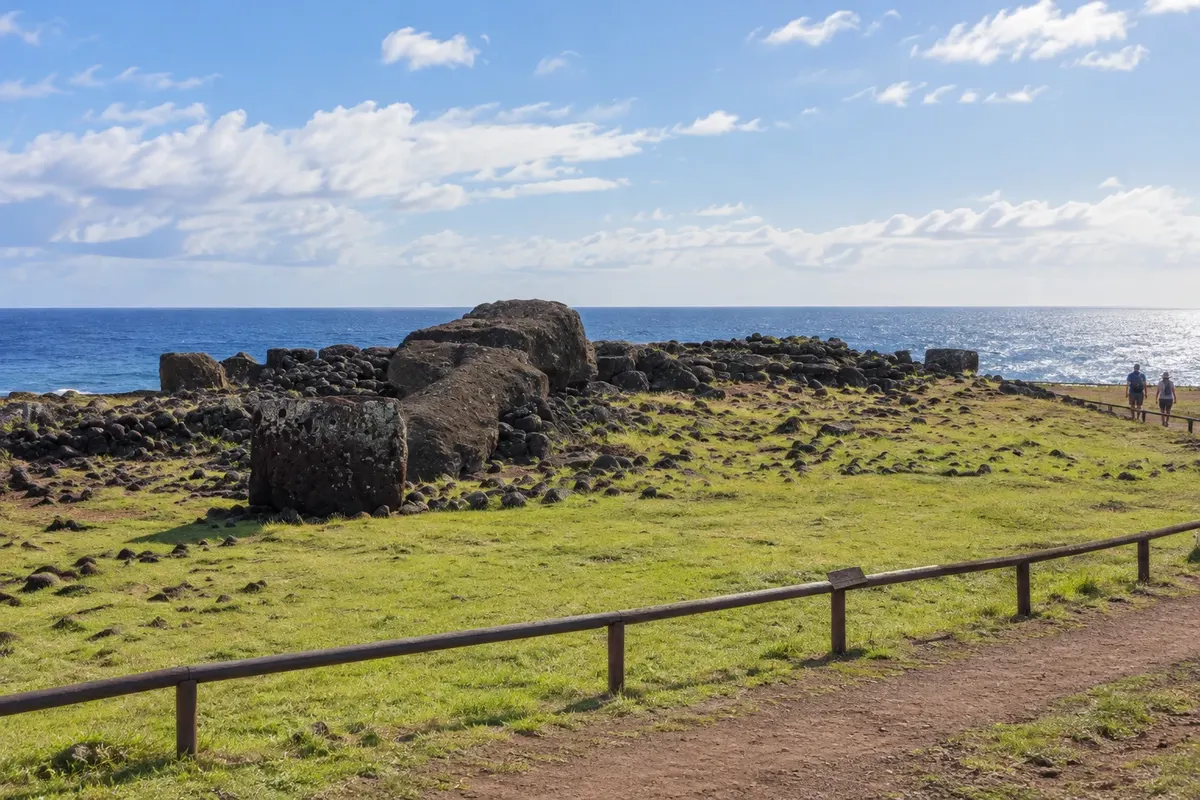
Site on the north coast with the moai Paro, the largest ever erected on an ahu, now fallen, and a round stone that tradition links to Hotu Matu'a.

Ahu Vinapu
Hanga Roa · Valparaíso · Archaeological site

Ahu Vinapu

Ceremonial complex on the south coast, near the airport, known for its wall of large basalt blocks fitted with precision, compared to Inca constructions.

Iglesia de la Santa Cruz
Hanga Roa · Valparaíso · Church

Iglesia de la Santa Cruz

Catholic church of Hanga Roa, on rua Te Pito o te Henua, decorated with wooden saints carved in the Rapa Nui style. It is a few blocks from the cove and the village square.

Before you go

Practical information

A little planning leaves more time to enjoy the journey.

When to go

The climate is subtropical, with scattered rain throughout the year. From December to March days are usually warm, with highs near 27 °C, and the sea is more pleasant. From June to September highs are around 21 °C and there is more rain. The Tapati Rapa Nui festival usually takes place in early February, and the island becomes busier.

The seasons shown are the most usual ones; nature doesn't always follow the calendar.

How many days to stay

Allow three to five days on the island. Three days are enough for the southeast coast with Rano Raraku and Tongariki, the north with Anakena and Te Pito Kura, and the southwest with Rano Kau, Orongo and Vinapu. With four or five days you’ll have time for the beach, the museum, sunsets at Tahai and to revisit a site in different light.

Which city to stay in

Accommodation is in Hanga Roa. The center, around Avenida Policarpo Toro and the small cove, concentrates restaurants, shops and the craft market, and everything is within walking distance. To the north, the Tahai area is quieter, close to the museum and the sea for sunsets. To the south, the Hanga Piko and Mataveri sectors are near the airport, with guesthouses and cabins spread along low-rise streets. One of the entry rules requires a reservation in accommodation registered with Sernatur: confirm before traveling.

Respect the place

Take your trash with you, follow the signs and support local businesses. In natural areas, follow the visiting guidelines.

Get your questions answered

Frequently asked questions about Ilha de Páscoa

How many days to stay on Ilha de Páscoa?

A reasonable minimum is three full days, not counting travel days. With four or five days you can see the main sites without rush, return to Anakena beach and see more than one sunset at Tahai.

When to go to Ilha de Páscoa?

You can go year‑round. Summer, from December to March, usually brings warmer days and calmer seas for swimming at Anakena. Winter, from June to September, is cooler and rainier, with fewer visitors. Those who want to see the Tapati Rapa Nui festival should target early February and book well in advance.

What are the rules for visiting the island?

The island has its own rules. You must fill out an entry form before boarding in Santiago, have a reservation at accommodation that is officially registered, respect a maximum permitted length of stay, and purchase the Parque Nacional Rapa Nui ticket before visiting. At most sites, visits are conducted with an accredited guide. Rules may change: confirm before traveling.

Do you need a car on Ilha de Páscoa?

It’s not mandatory. Guided tours already include transport, and Hanga Roa’s center is walkable. There are car and bicycle rentals in the village, useful for getting to Tahai, the beach or the market, but a guide is still required at most park sites.

Can you make a round trip from Santiago?

No. The flight takes about five hours each way and the island requires at least three days to visit the main sites. The usual approach is to stay overnight in Hanga Roa and base your excursions from there.

Explore other destinations Search by state and city
Back