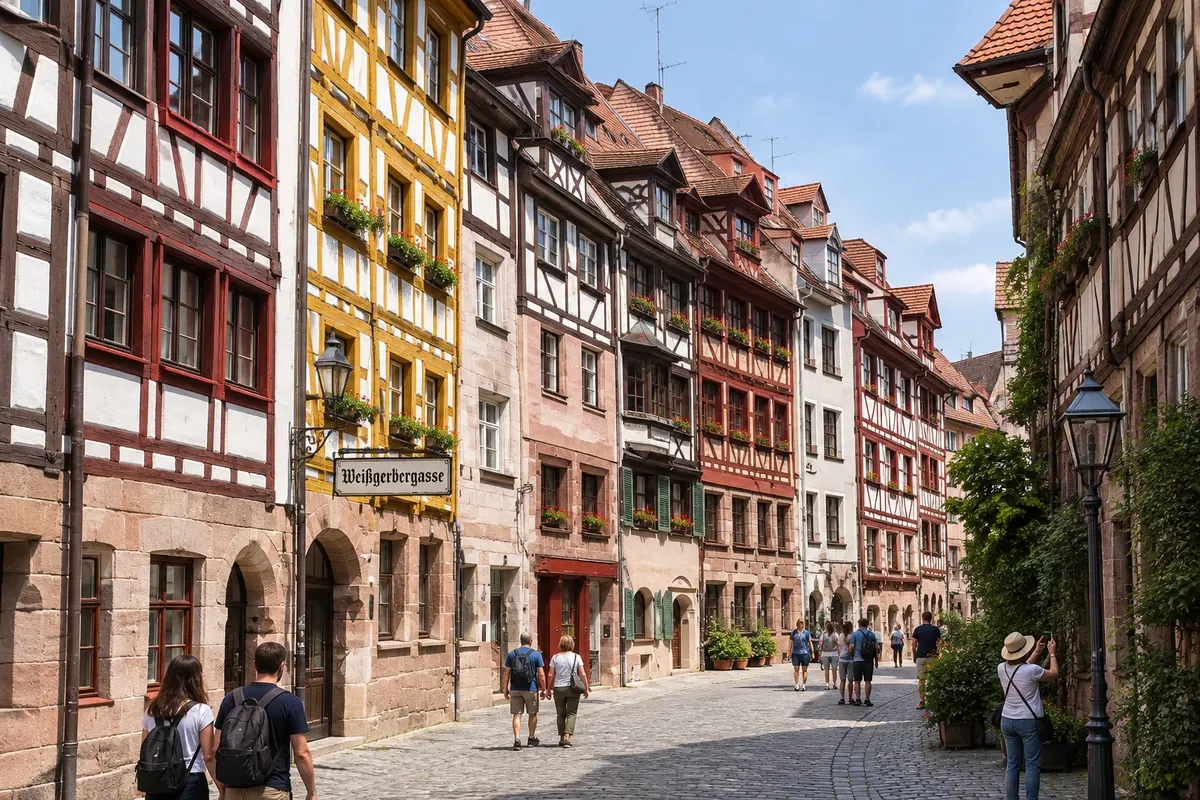
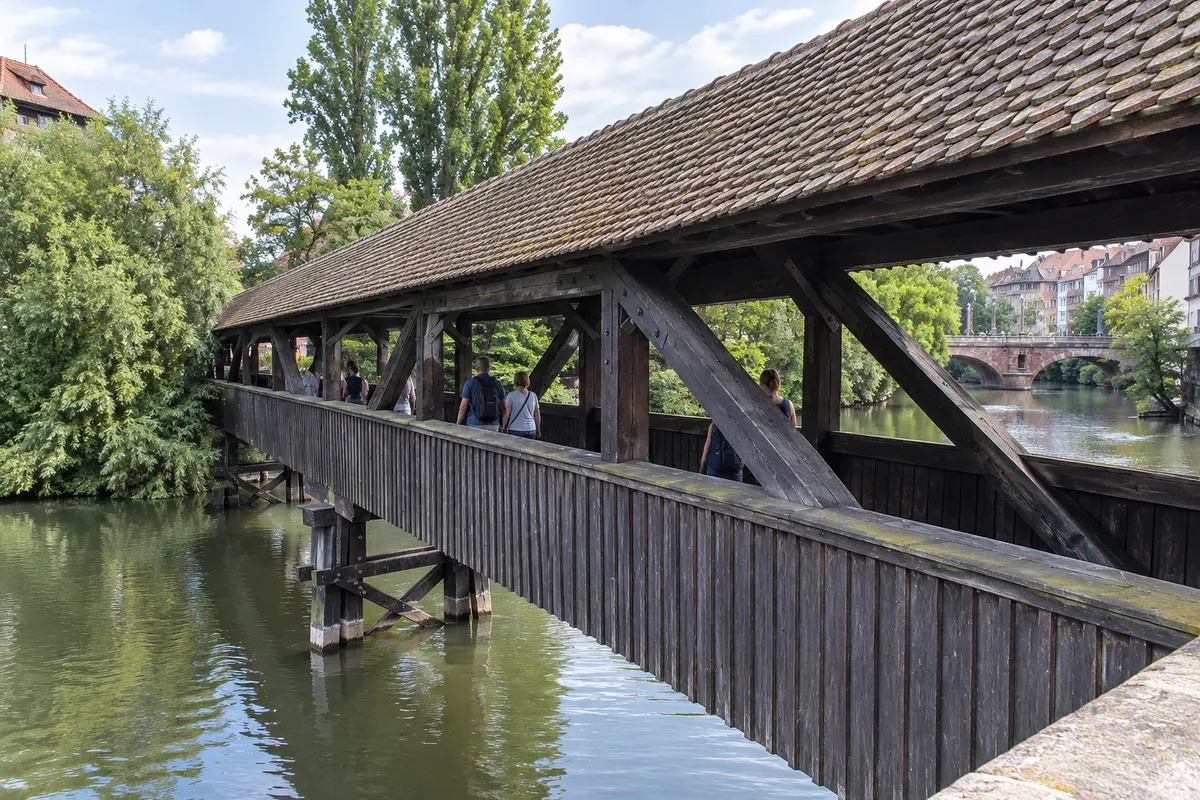
Nuremberg and Bamberg are in Francônia, the north of Baviera, where the accent, the food and the beer are different from those of Munique. The two are connected by train in under an hour and make for a three-day itinerary that mixes the Middle Ages, Renaissance art and twentieth-century history.
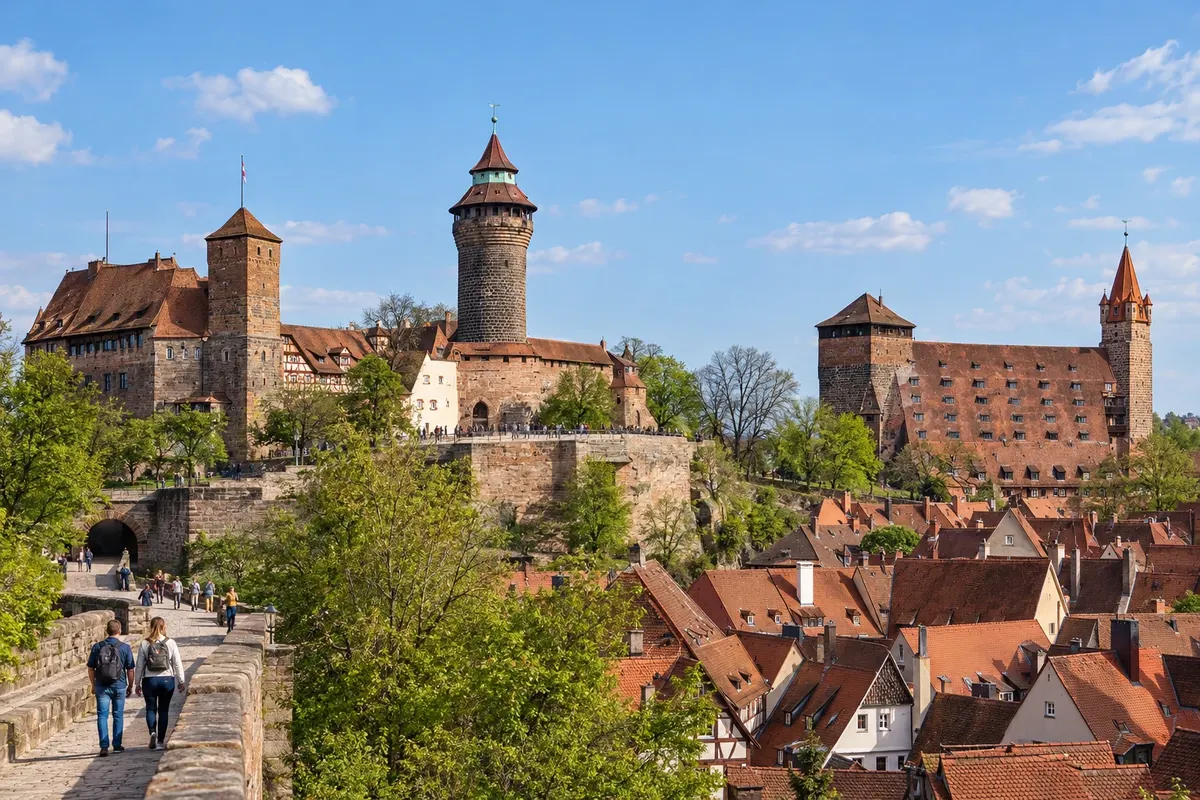
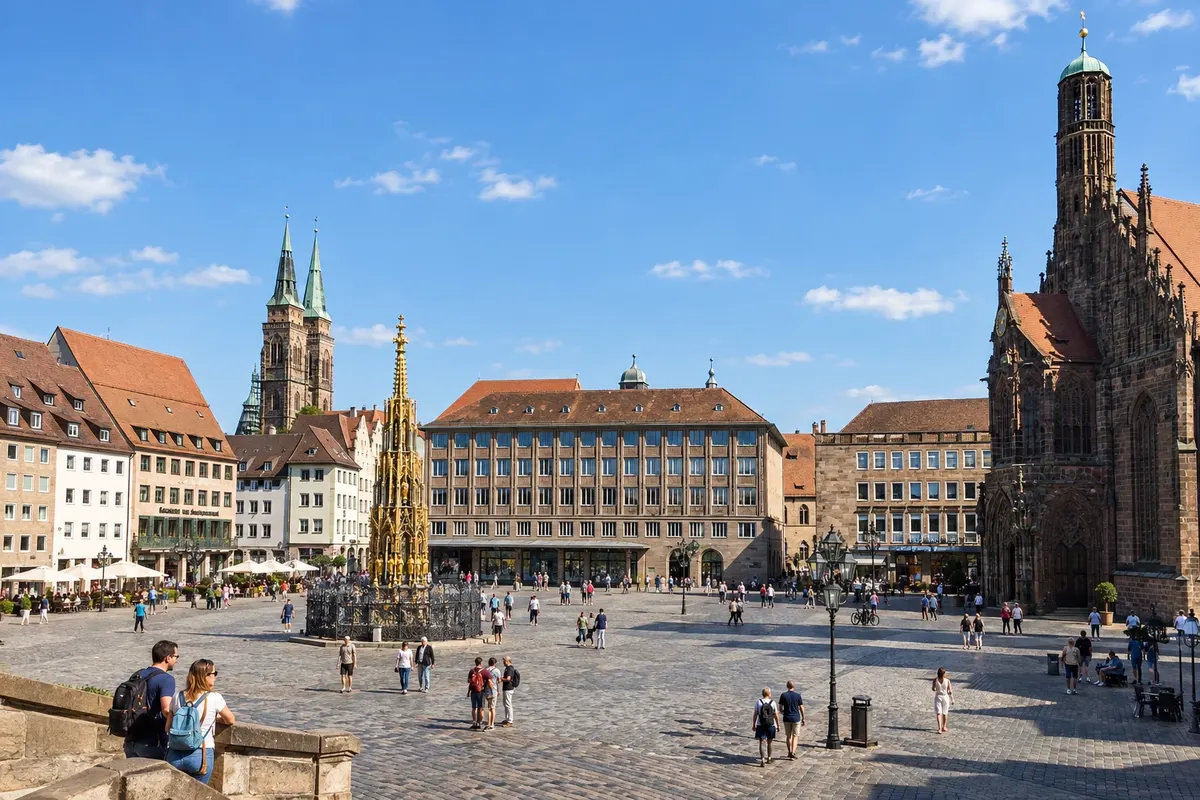
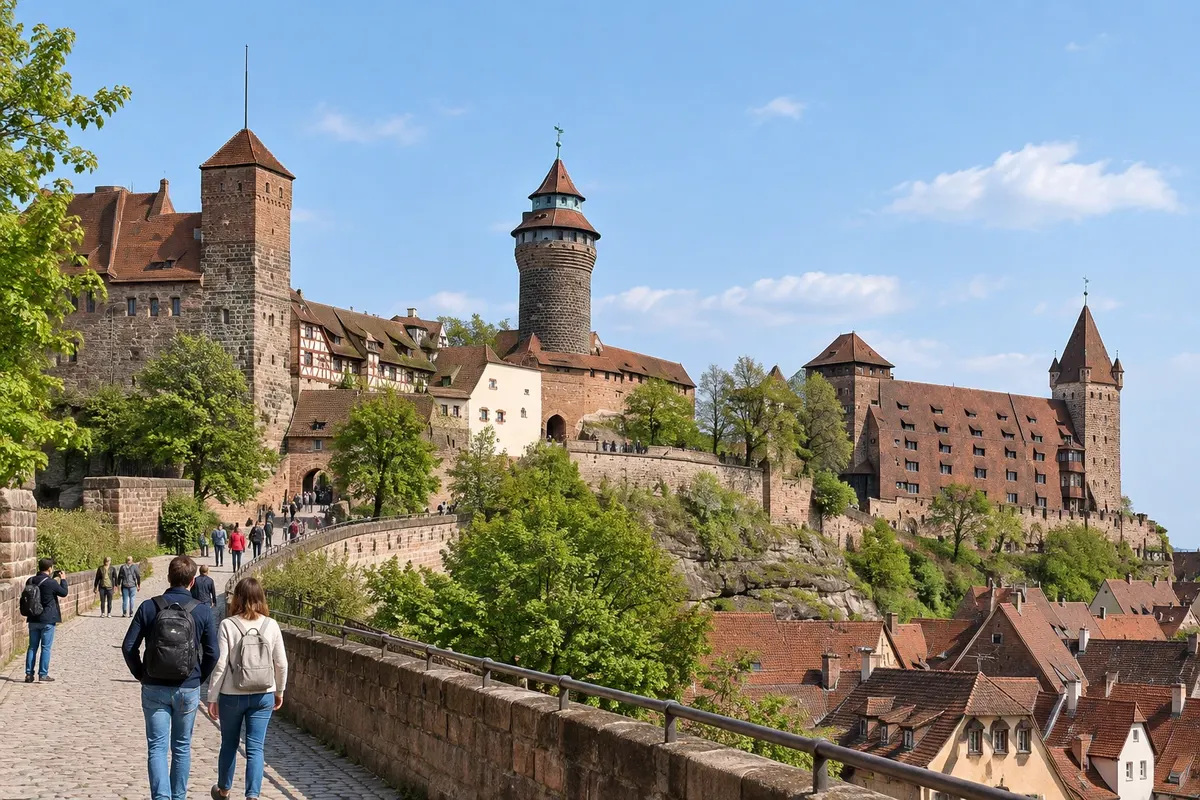
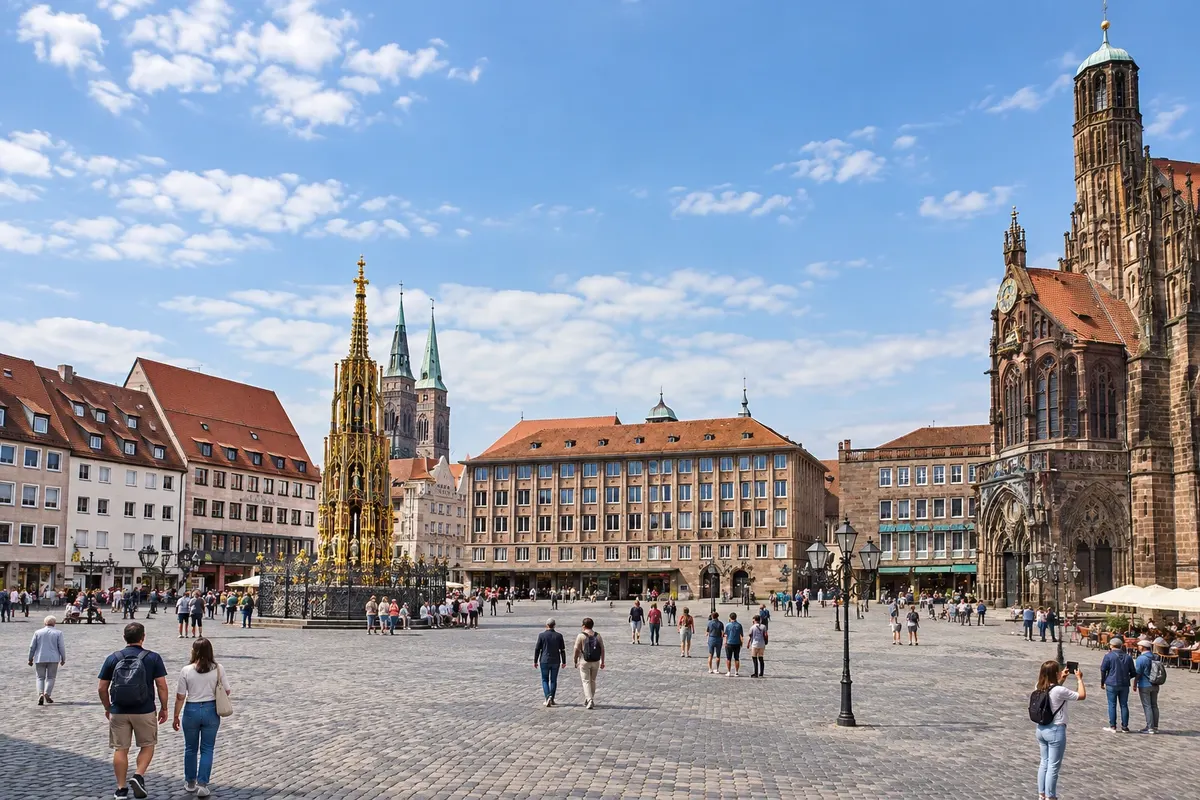
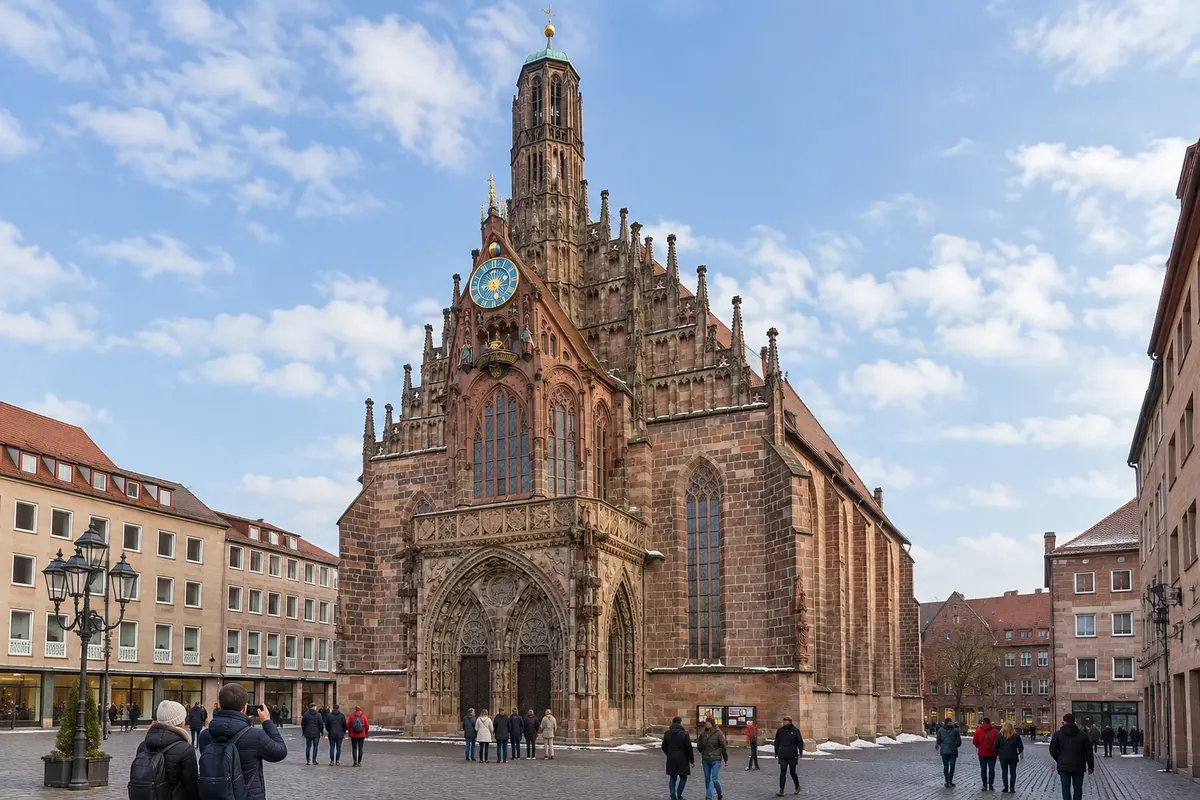
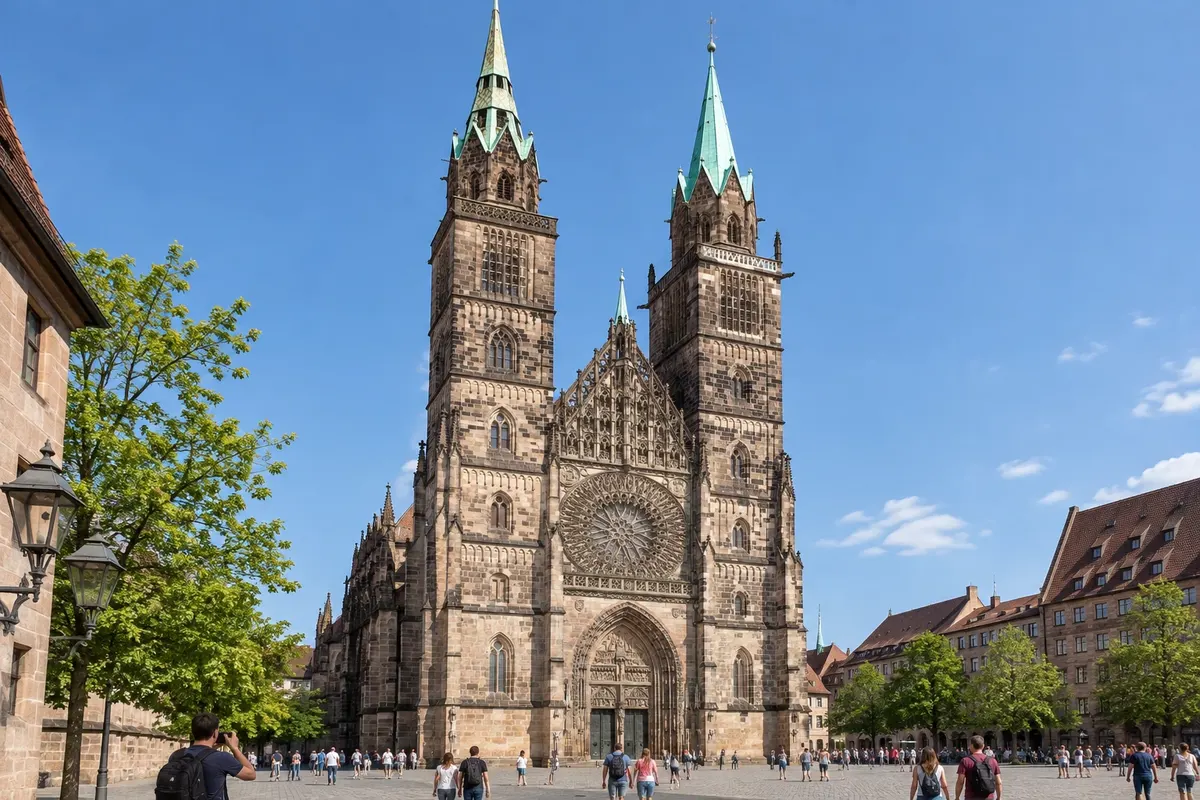
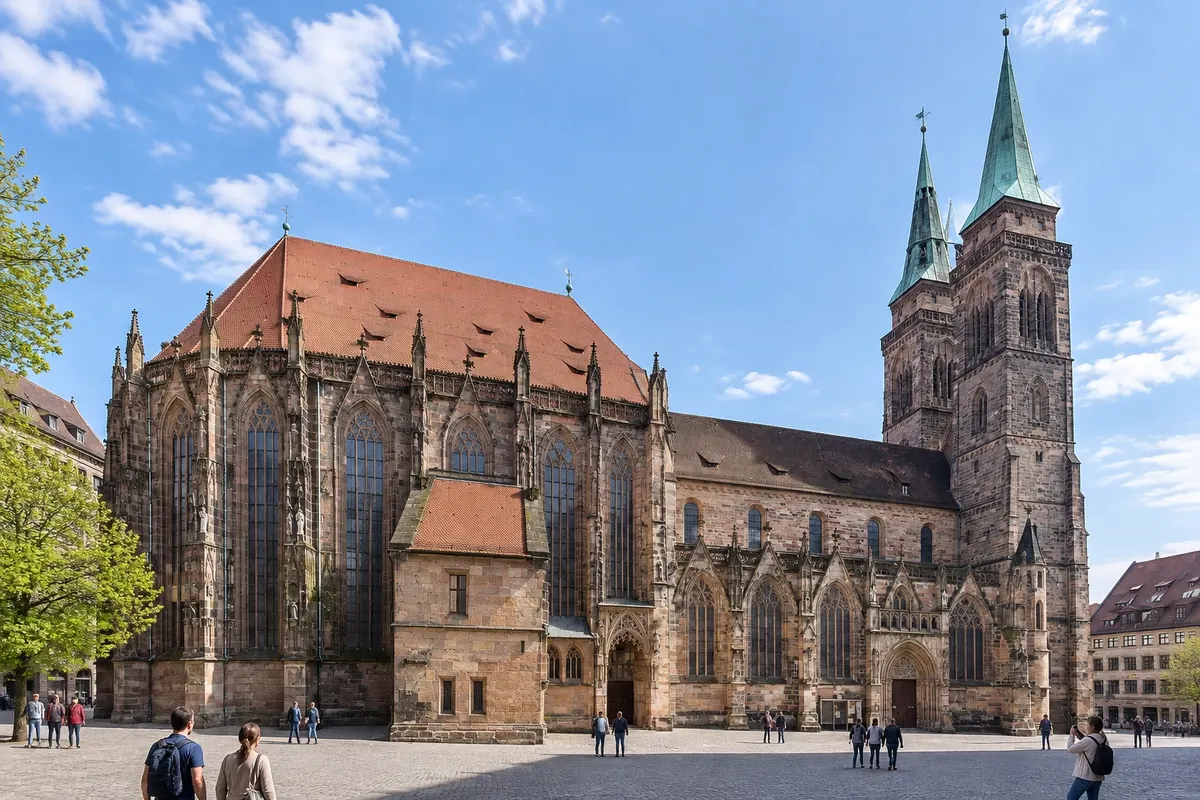
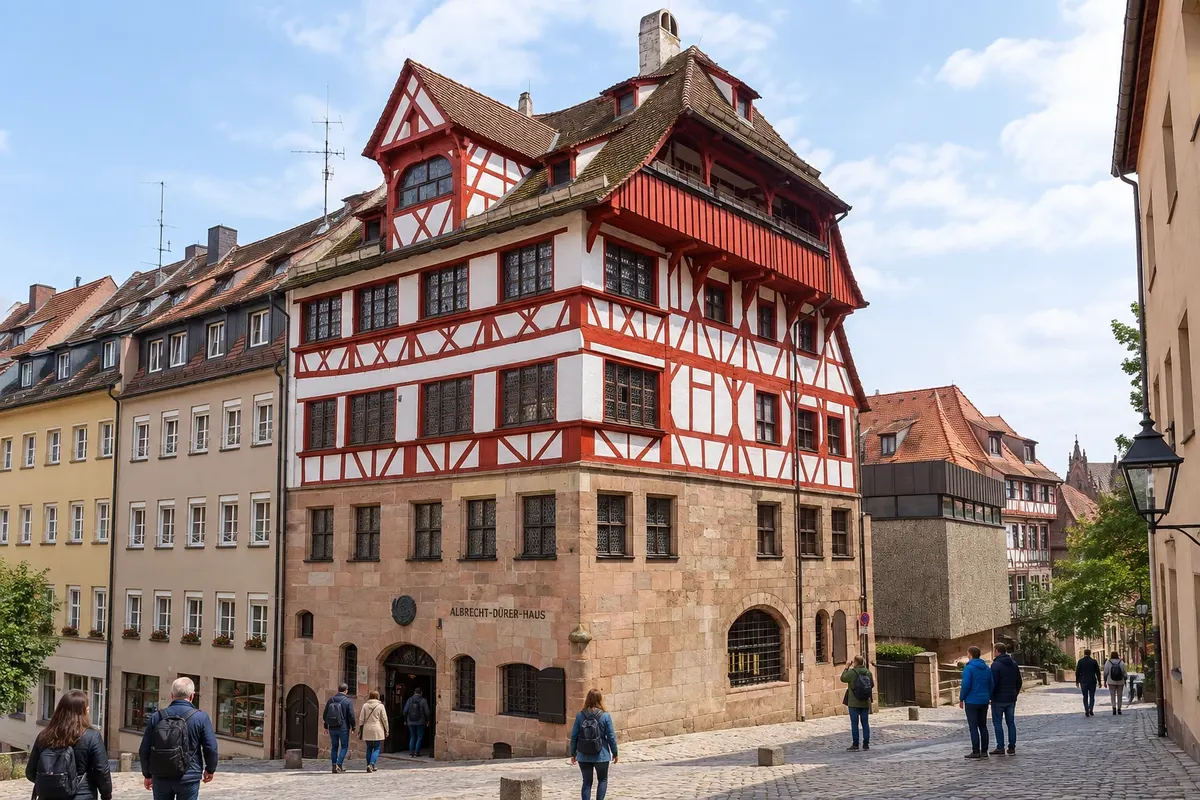
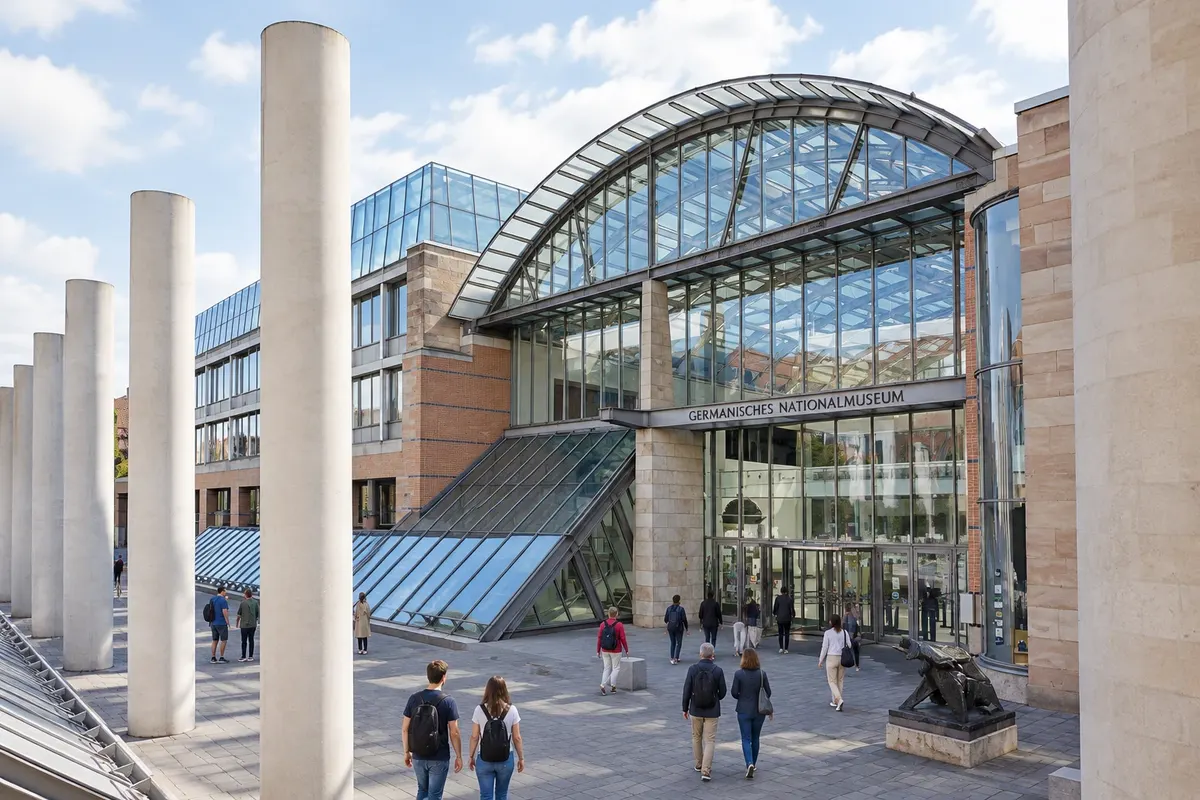
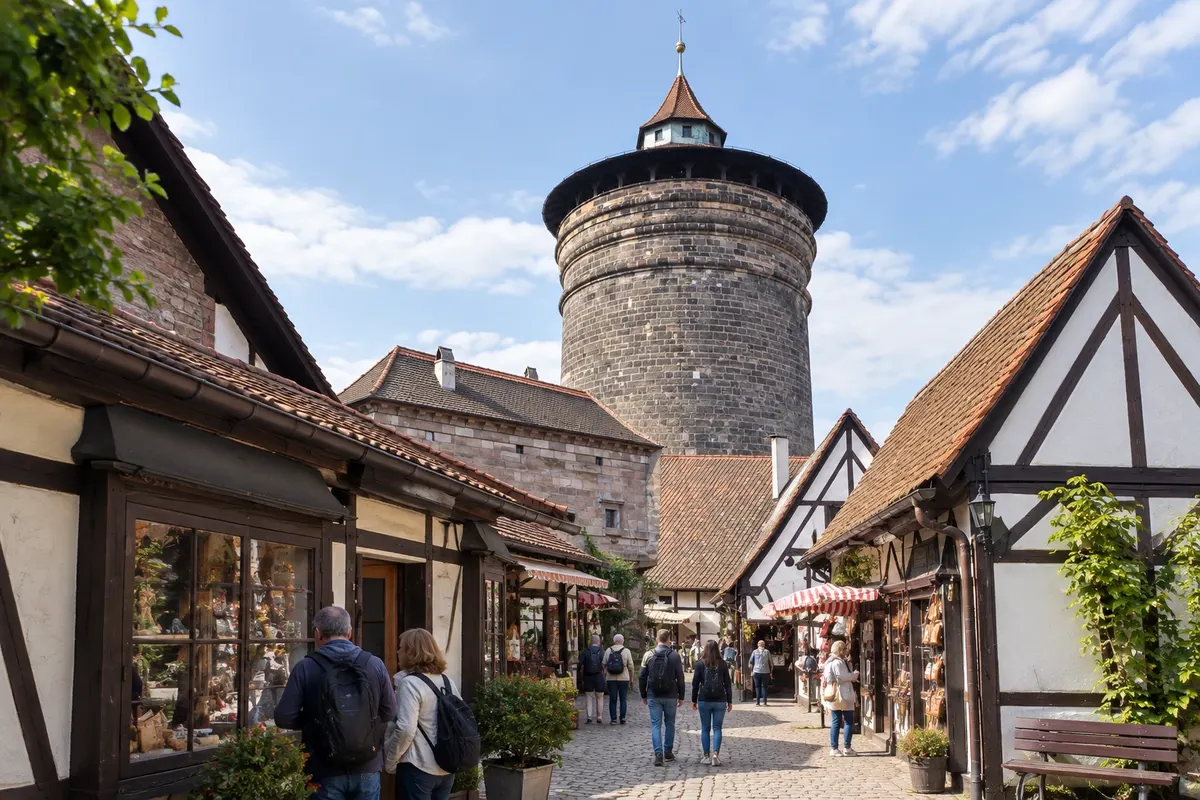
In Nuremberg, the old town is surrounded by walls and dominated by the Kaiserburg, the castle where the emperors of the Holy Roman Empire stayed. Below are the Hauptmarkt, with the Schöner Brunnen and the clock of the Frauenkirche, the Gothic churches of St. Sebald and St. Lorenz, Albrecht Dürer's house and the Germanisches Nationalmuseum, the country's largest museum of cultural history.
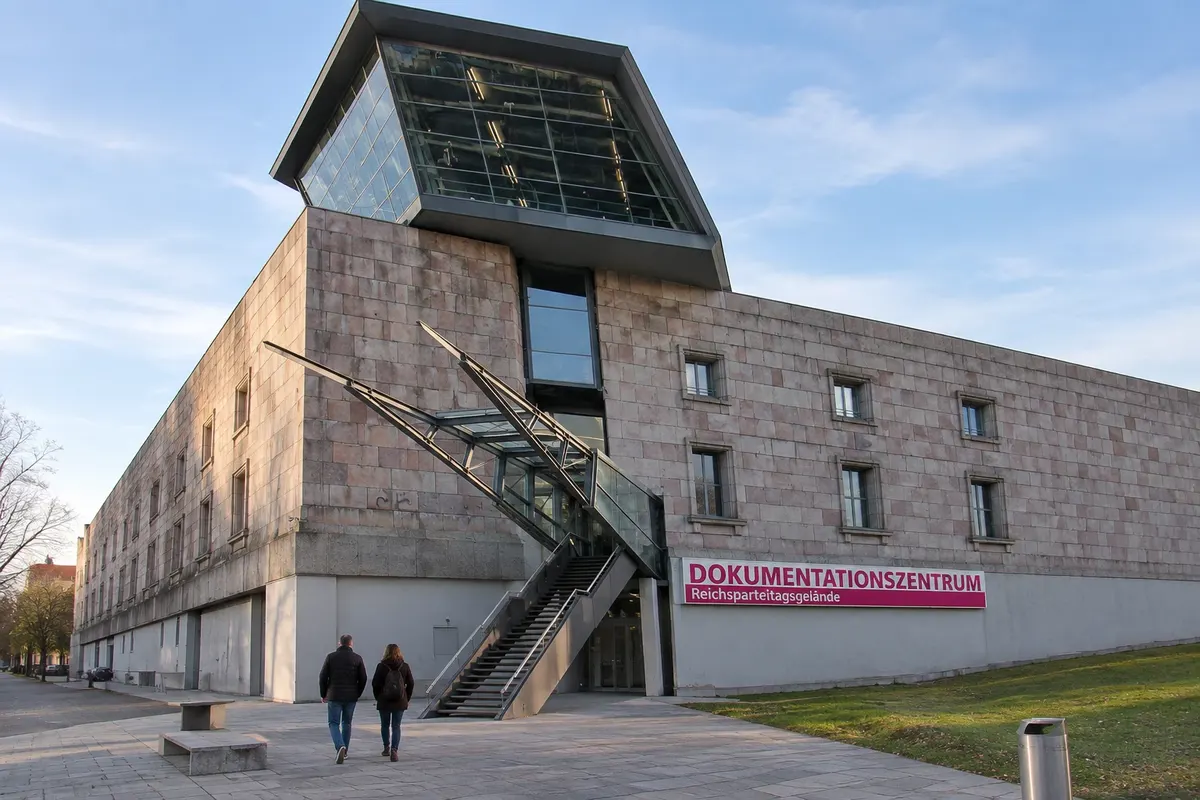
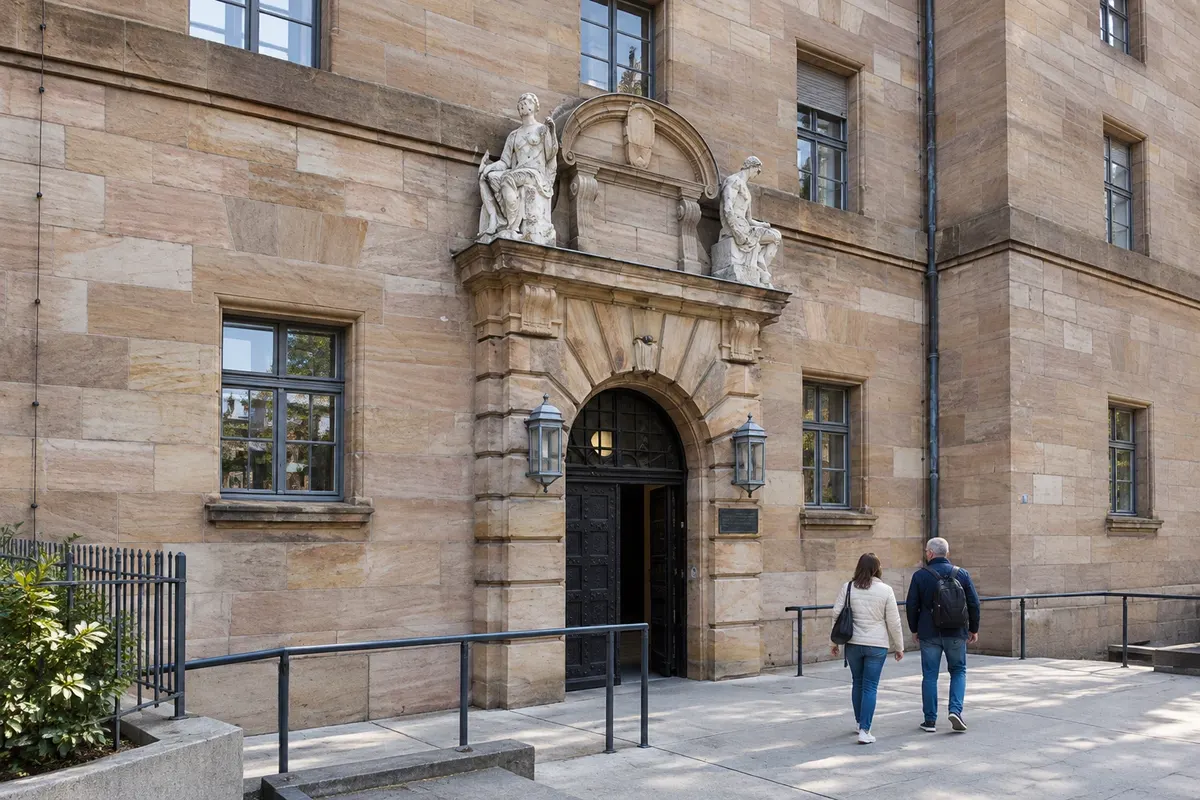
Nuremberg also carries a difficult part of German history. The Nazi Party held its annual rallies there, and the city was chosen for the trials of the regime's leaders starting in 1945. The Dokumentationszentrum, on the former rally grounds, and the Memorium Nürnberger Prozesse, in the Palácio da Justiça, are sites of memory that require time and respect.
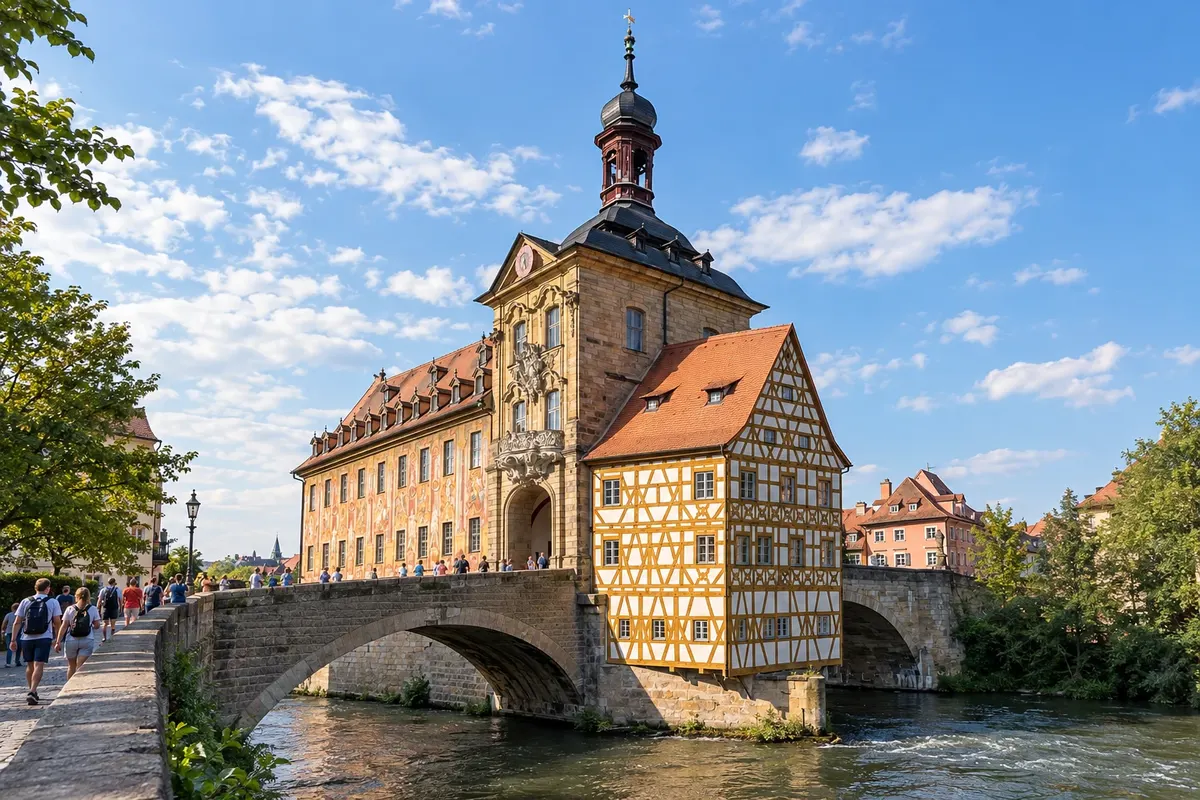
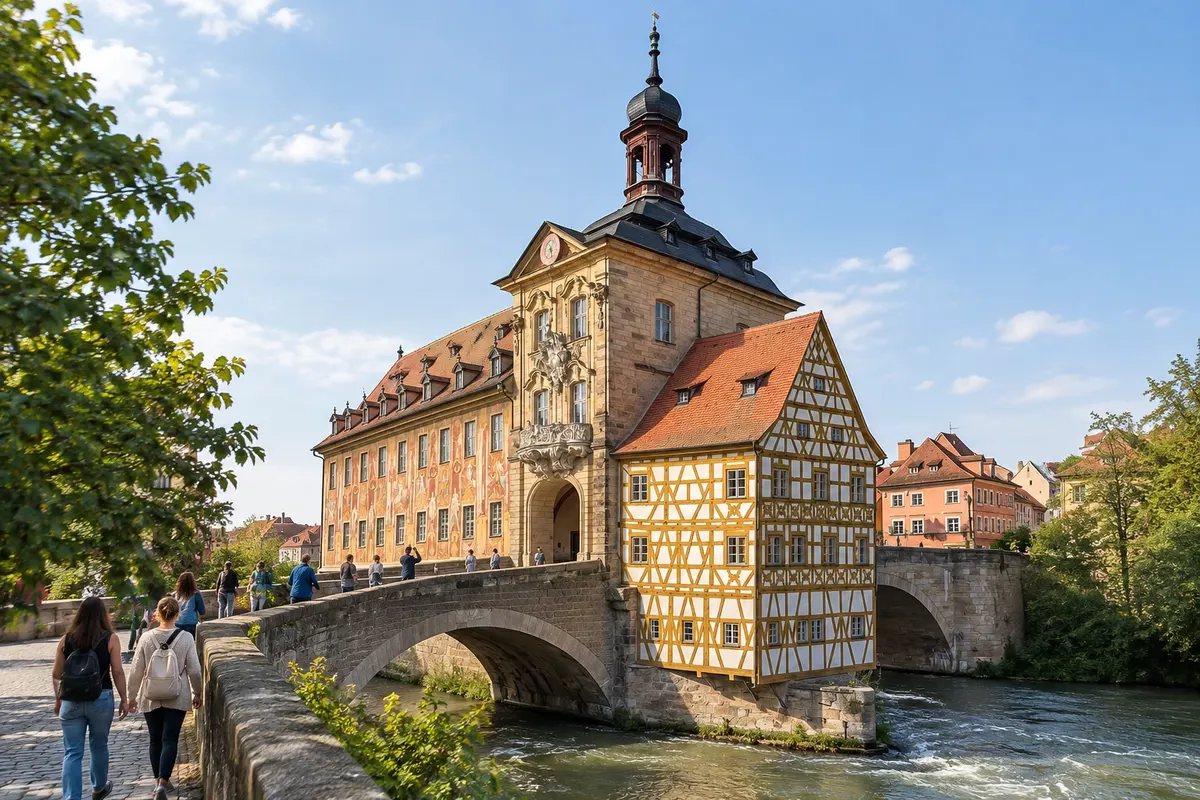
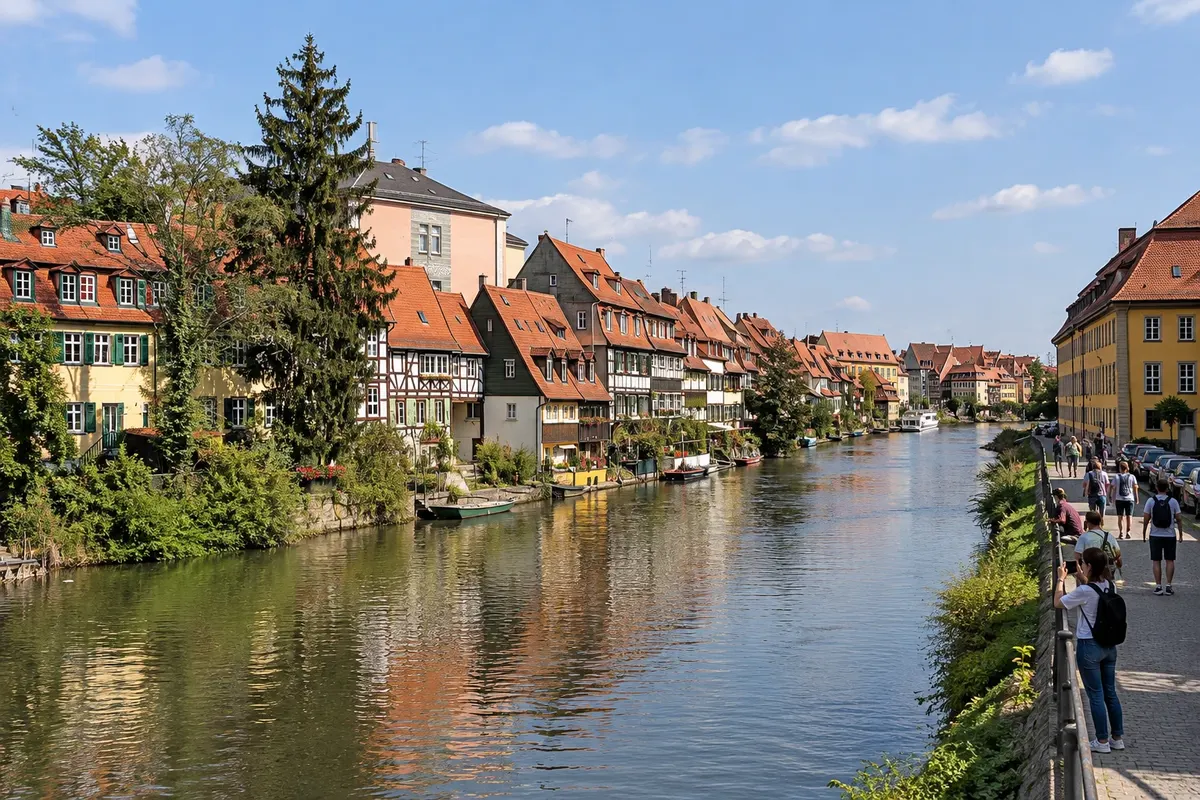
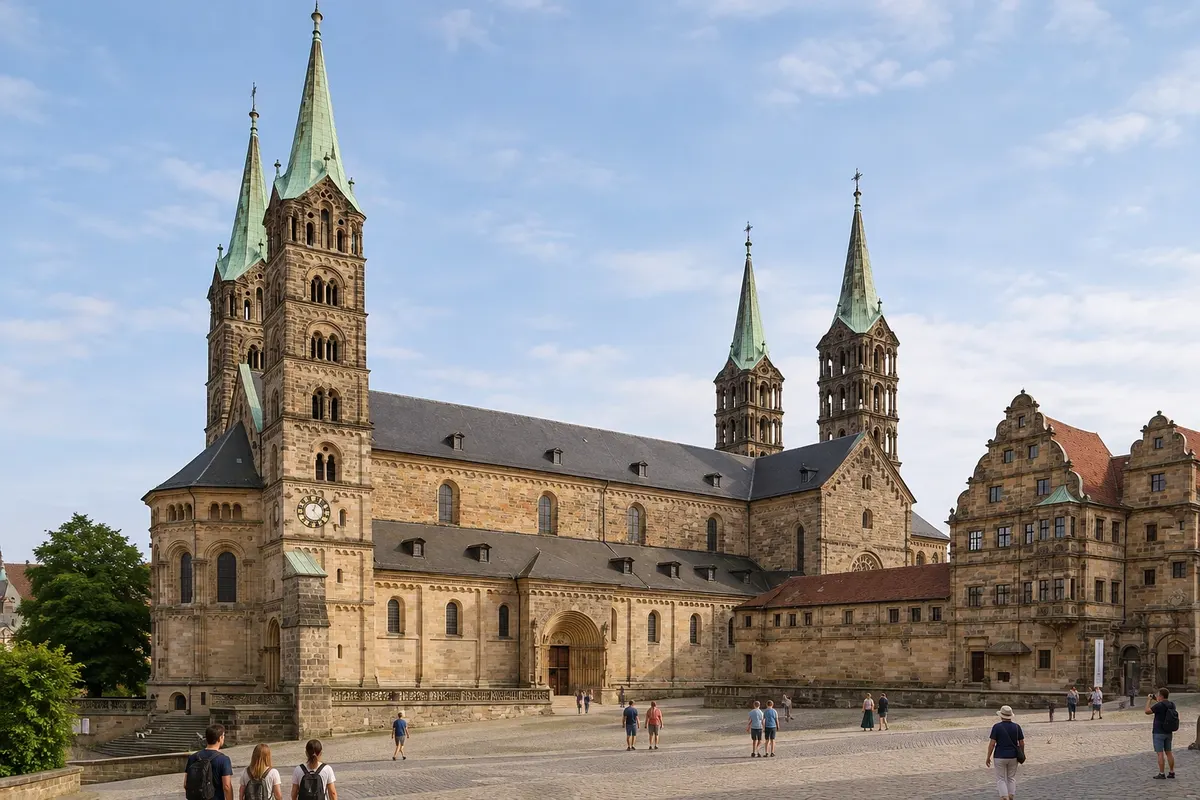
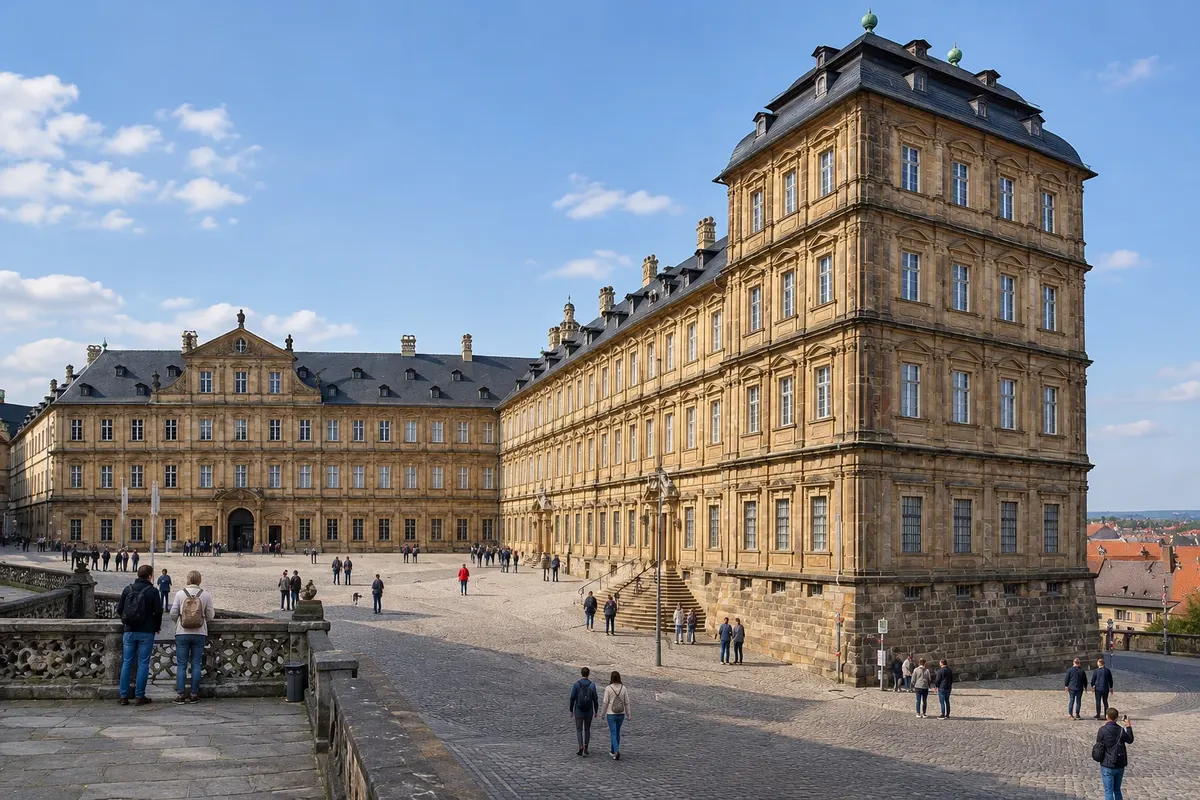
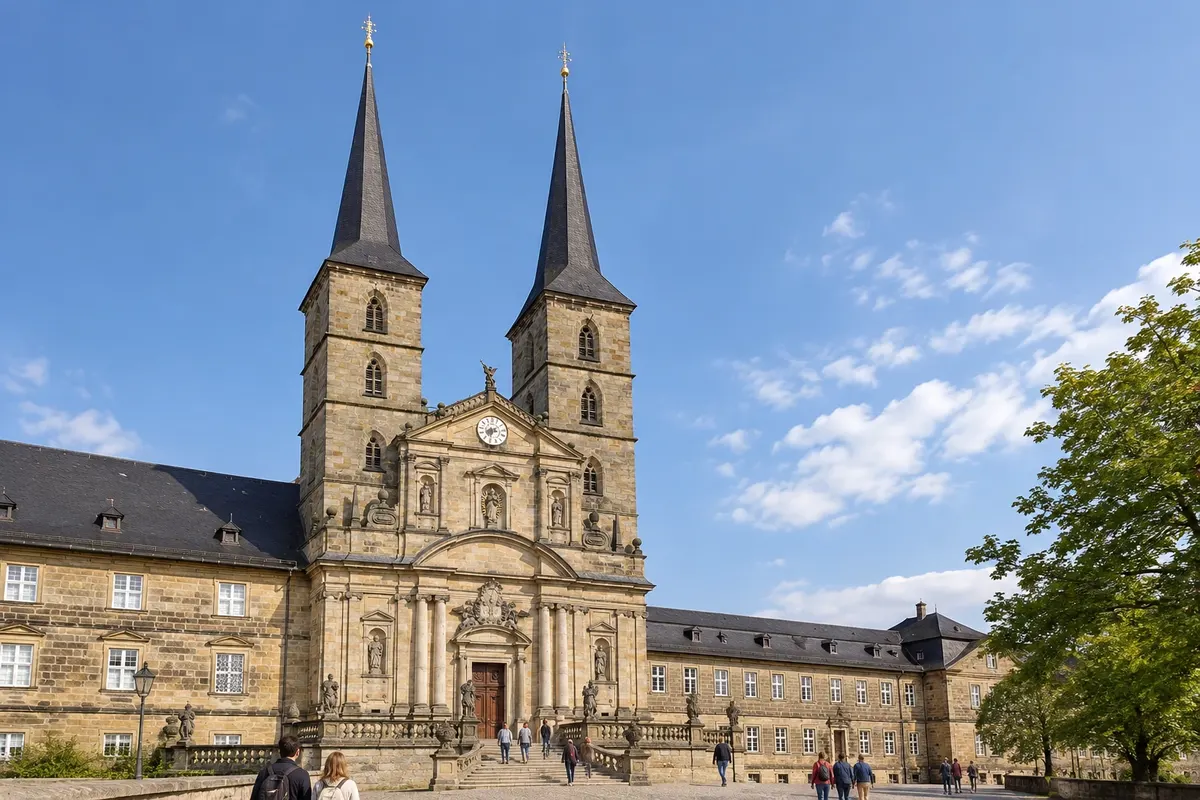
Bamberg has its old town inscribed by UNESCO as a World Heritage Site. The city spreads across seven hills and the islands of the Regnitz river: the old town hall was built in the middle of the water, the fishermen's houses of Klein-Venedig overlook the river and, above, the four-tower cathedral houses the Knight of Bamberg. The smoked beer, the Rauchbier, is part of the local identity.
This destination brings together 2 cities: Nuremberg, Bamberg.


 Brazil
 Argentina
 Chile
Chile Colombia
 Peru
Peru Uruguay
 Belgium
 Spain
Spain France
 Greece
 the Netherlands
 Ireland
 Italy
Italy Portugal
 the United Kingdom
 Switzerland