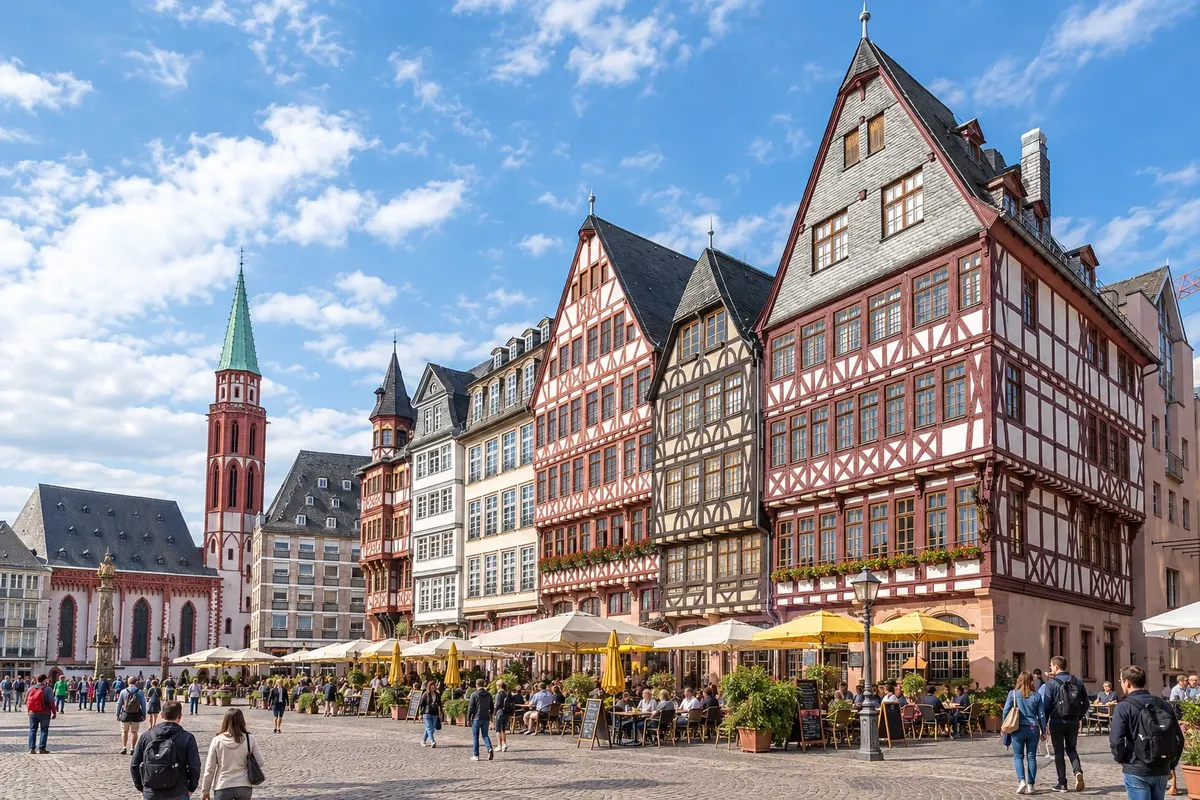
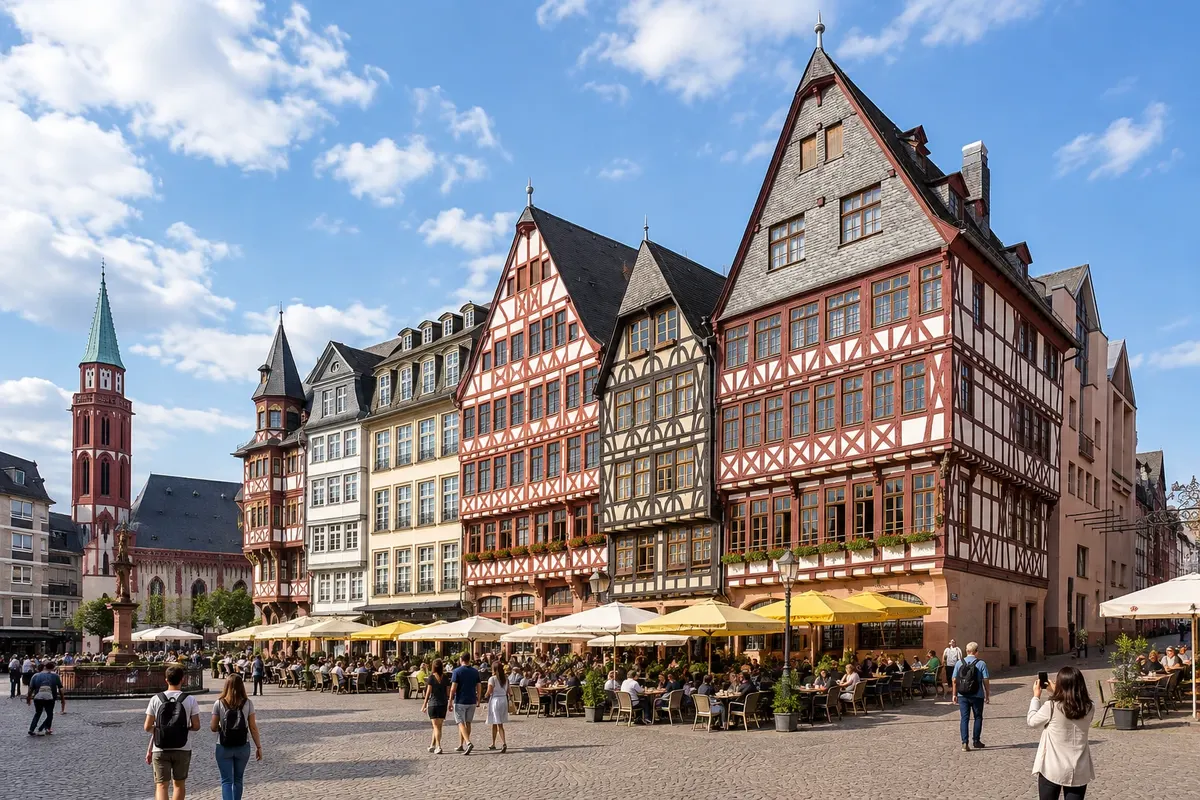
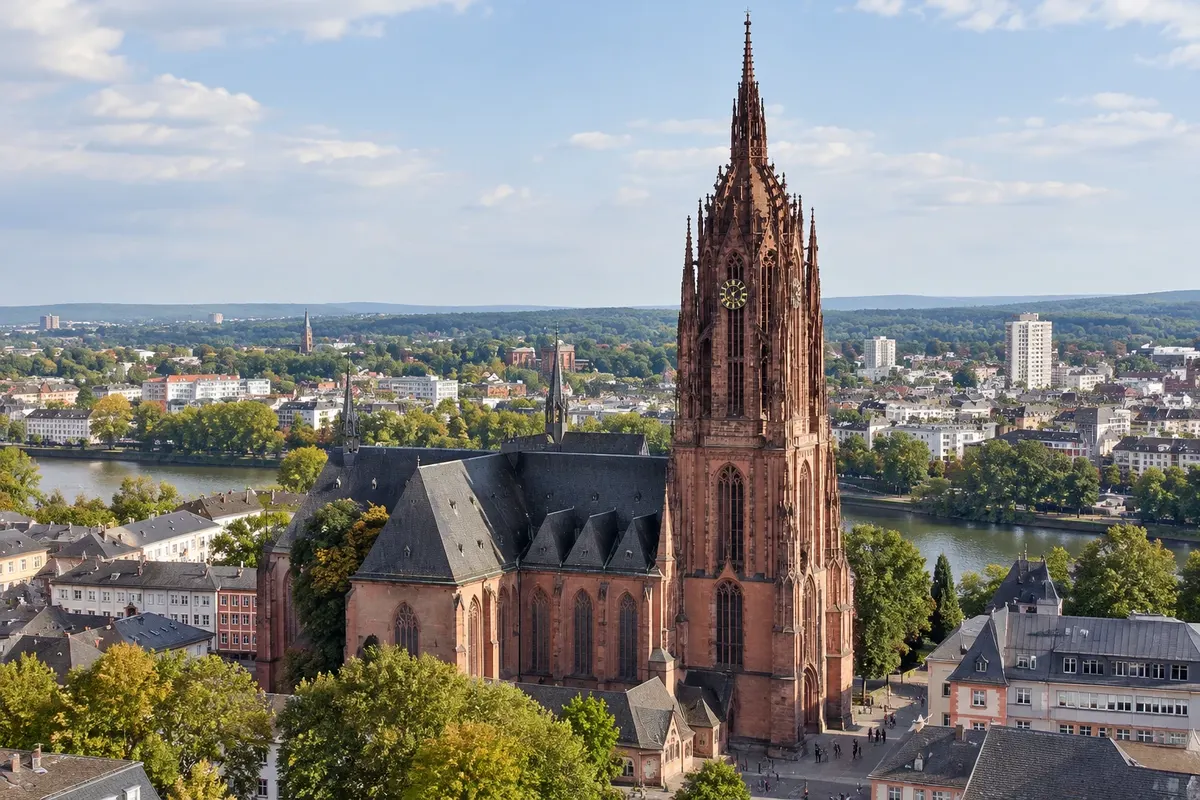
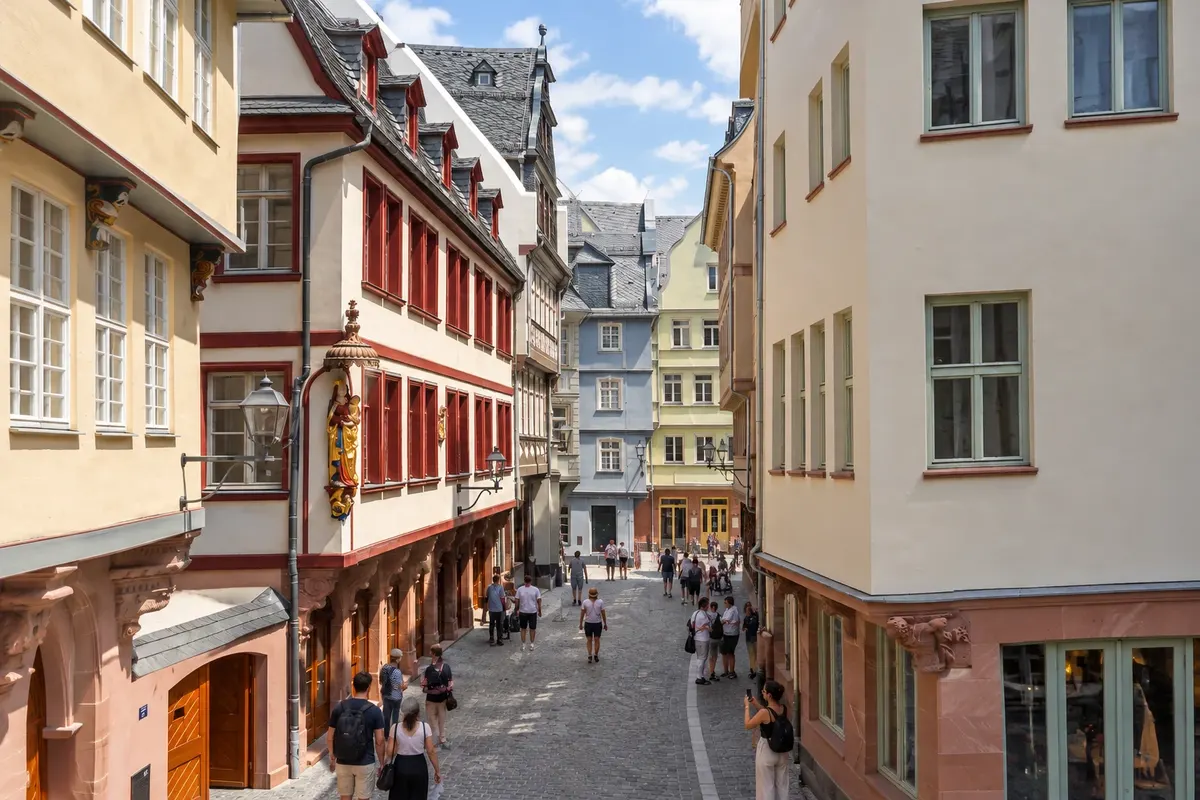
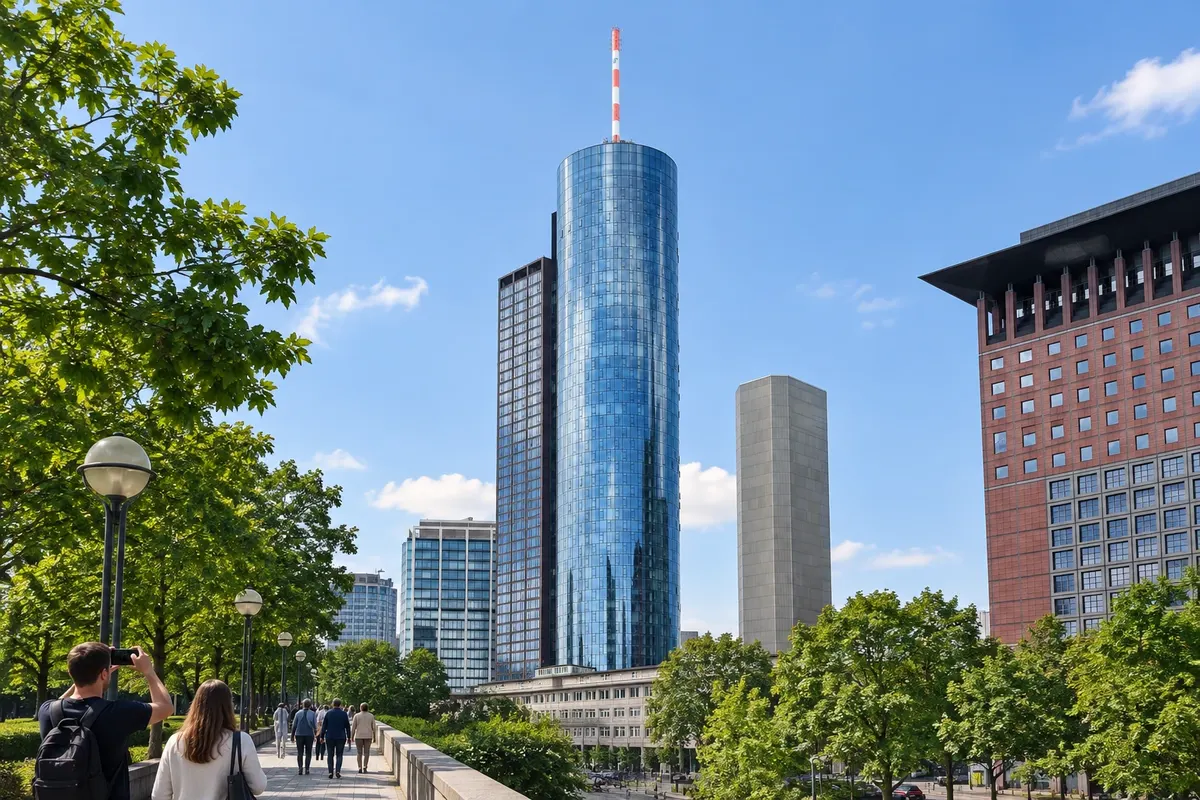
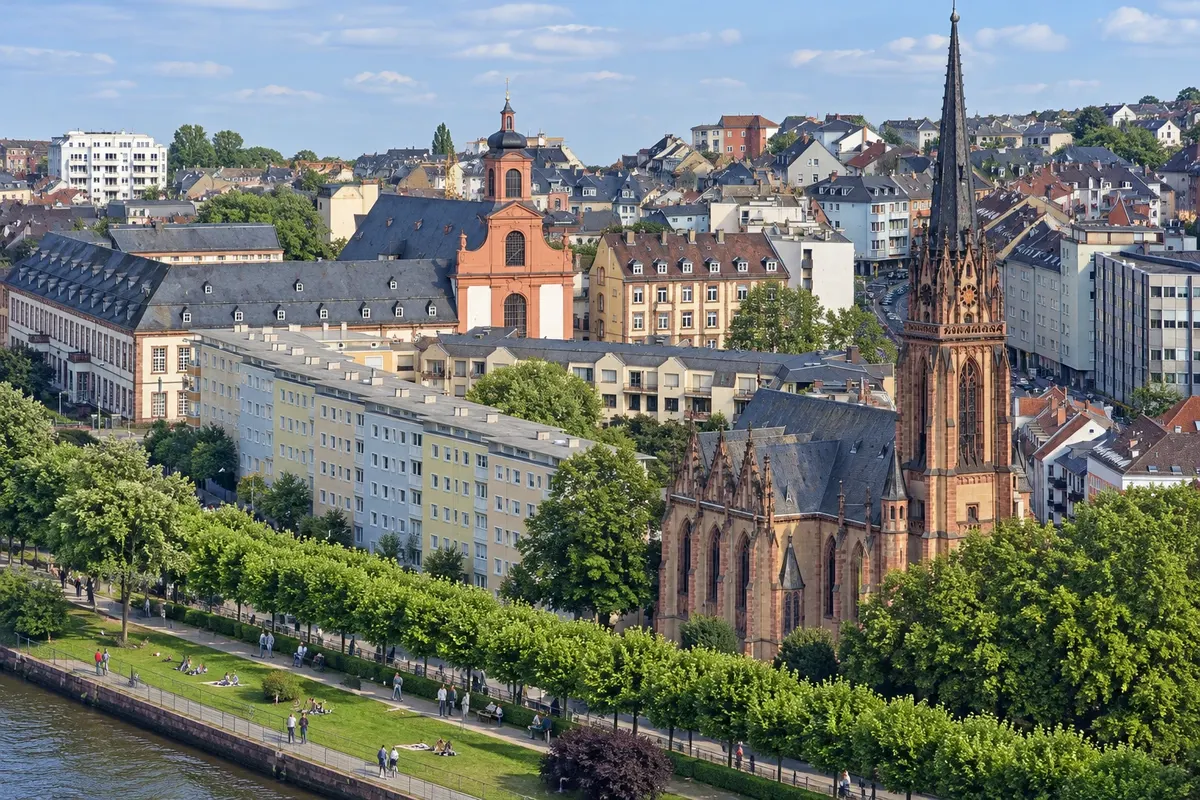
The airport is one of the largest in Europe and has a long-distance train station inside the terminal, which makes the city a natural starting point for the rest of the country. Behind the skyscrapers of the financial district there is a historic center with Römerberg square, the cathedral where the emperors of the Holy Roman Empire were elected and crowned, and an Altstadt (old town) rebuilt house by house after the bombings of World War II.
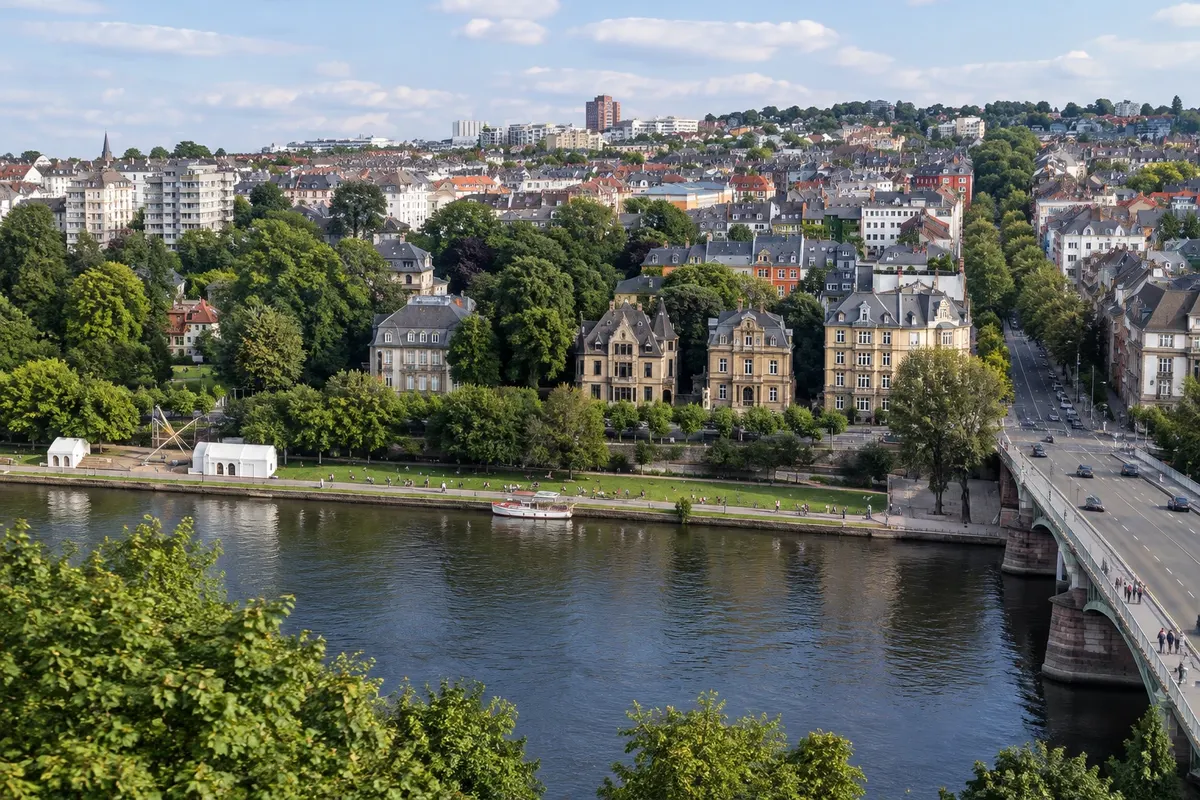
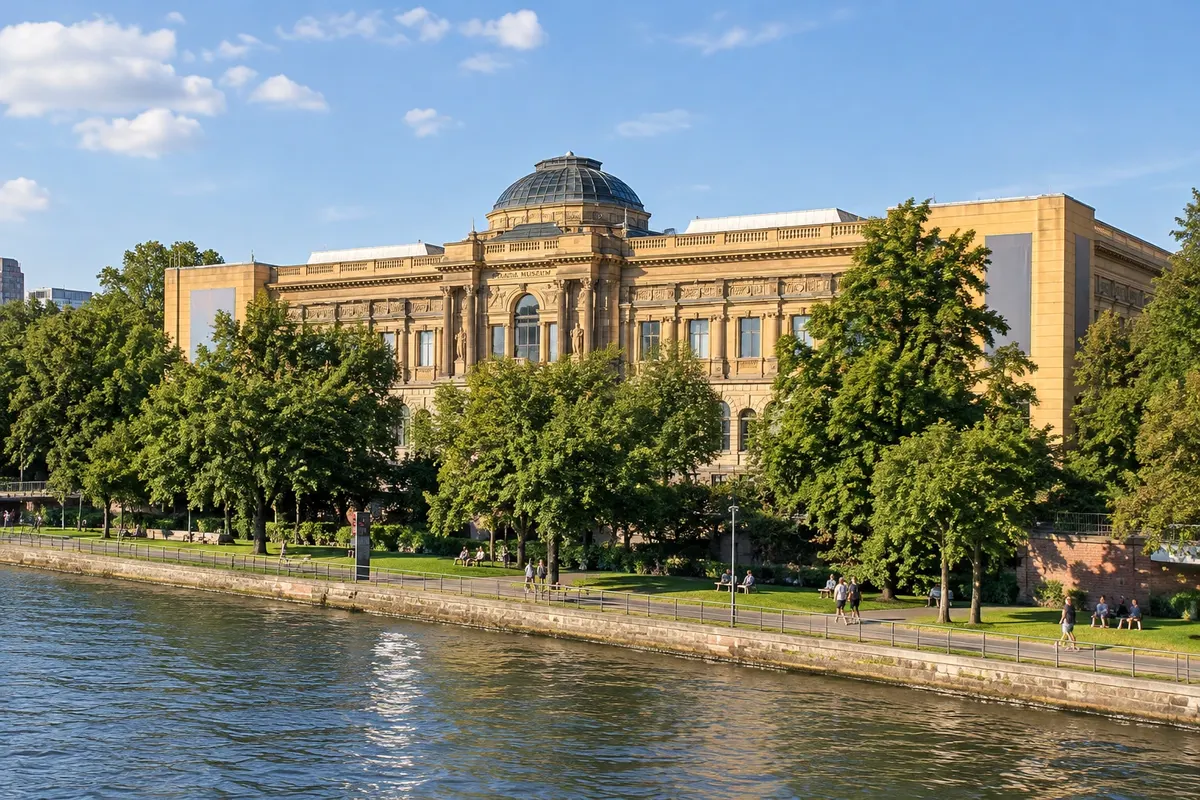
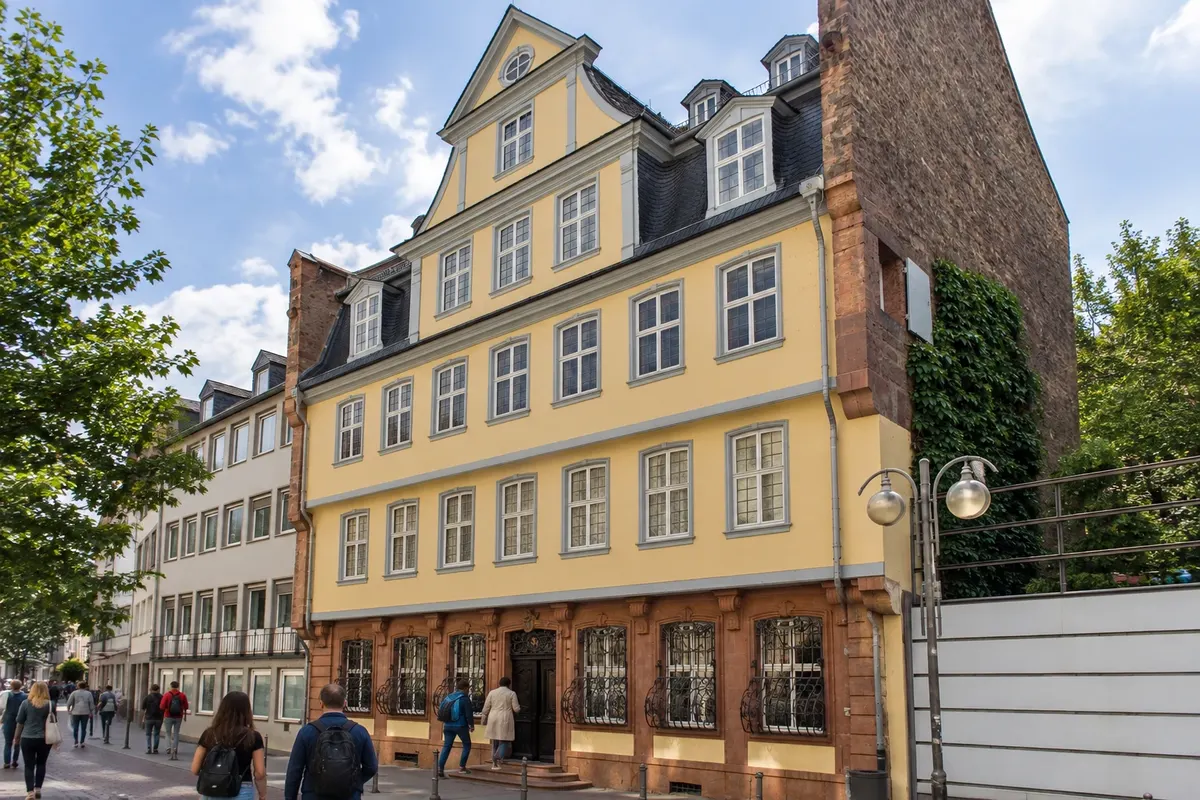
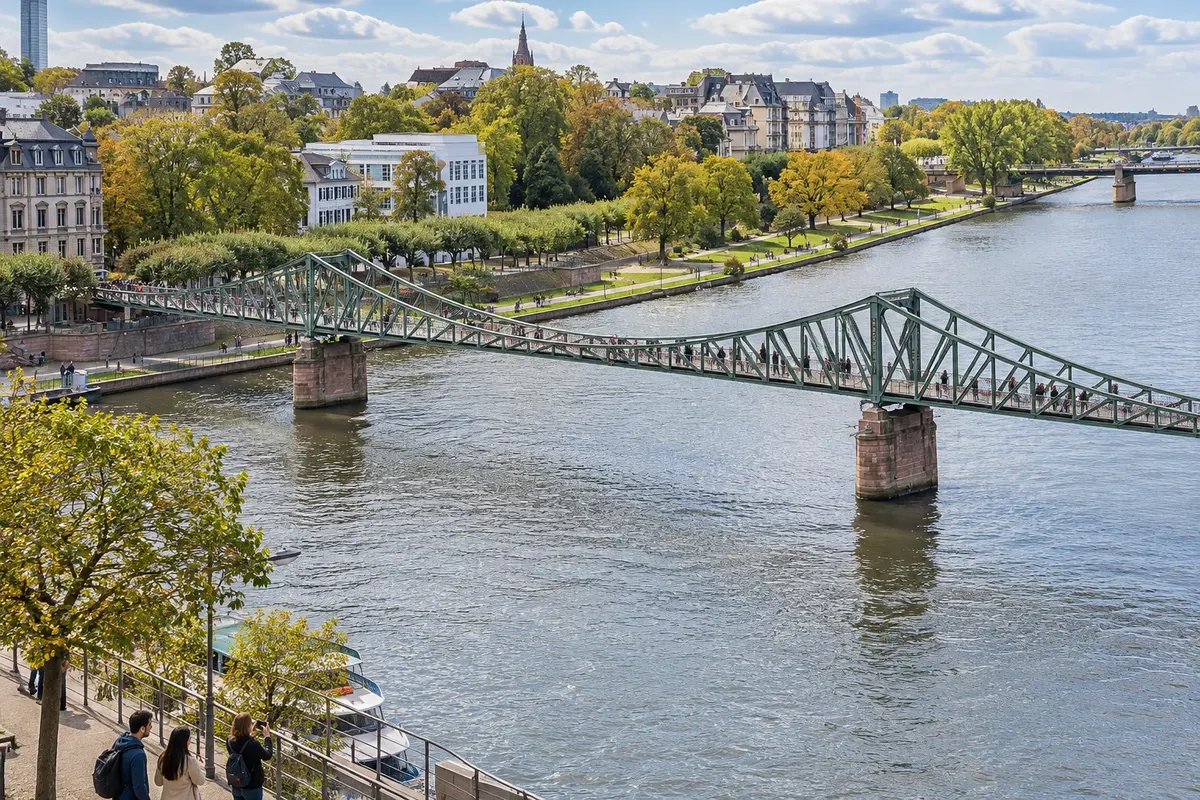
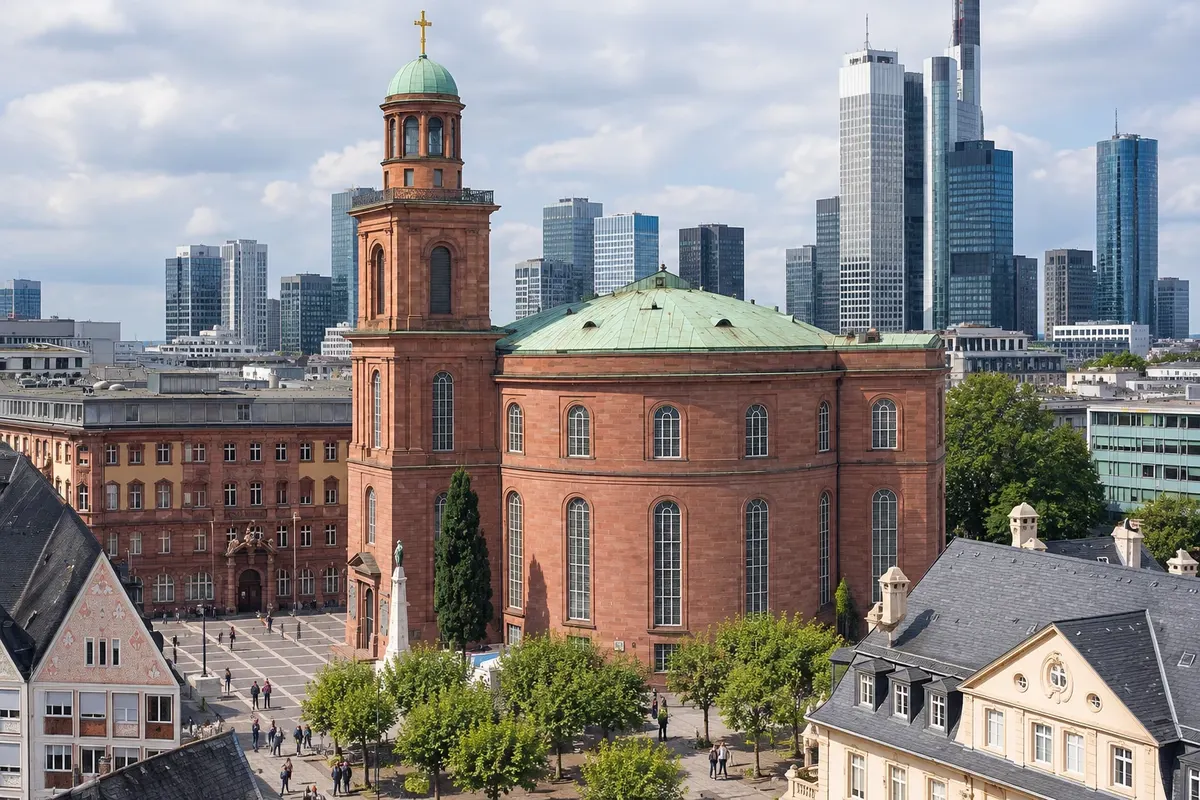
The city is divided between the two banks of the Main. On the north bank are the town hall, the cathedral, the Paulskirche and the house where Goethe was born. On the south bank, the Museumsufer brings museums side by side, including the Städel, and the Sachsenhausen neighborhood houses the Apfelwein taverns, the cider that is Frankfurt's typical drink.
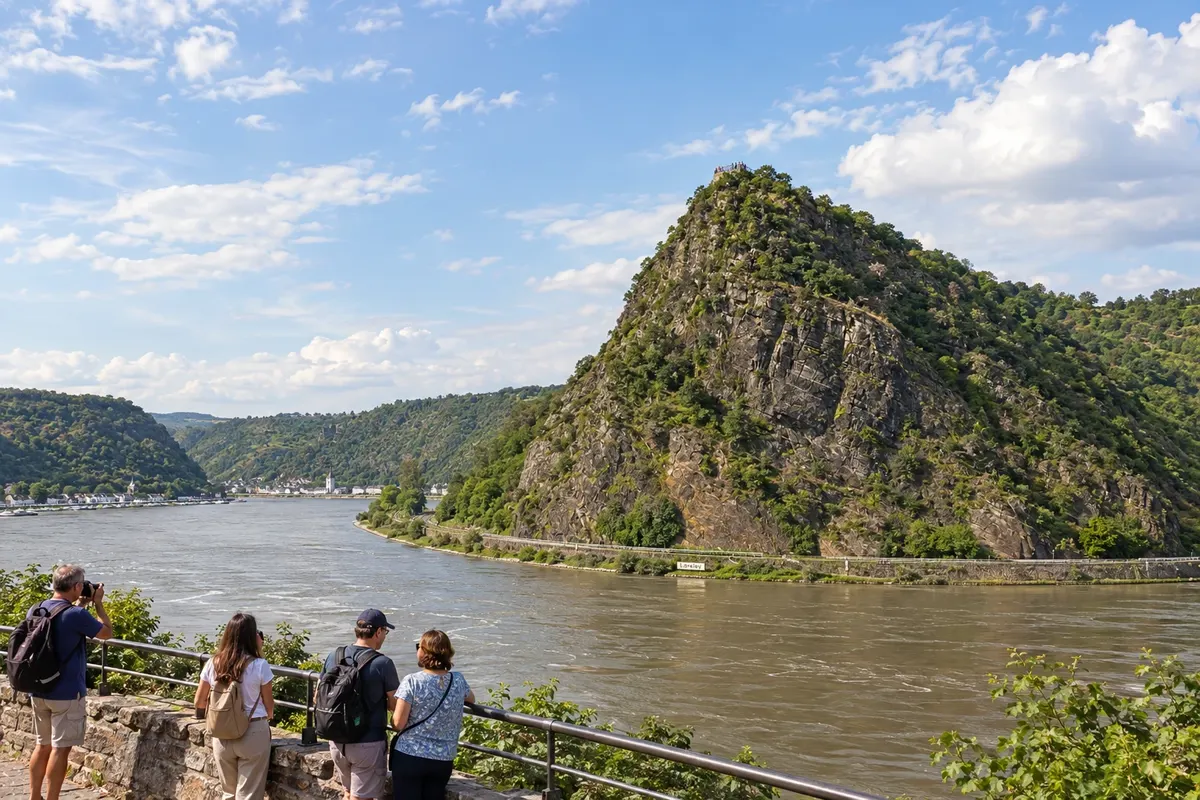
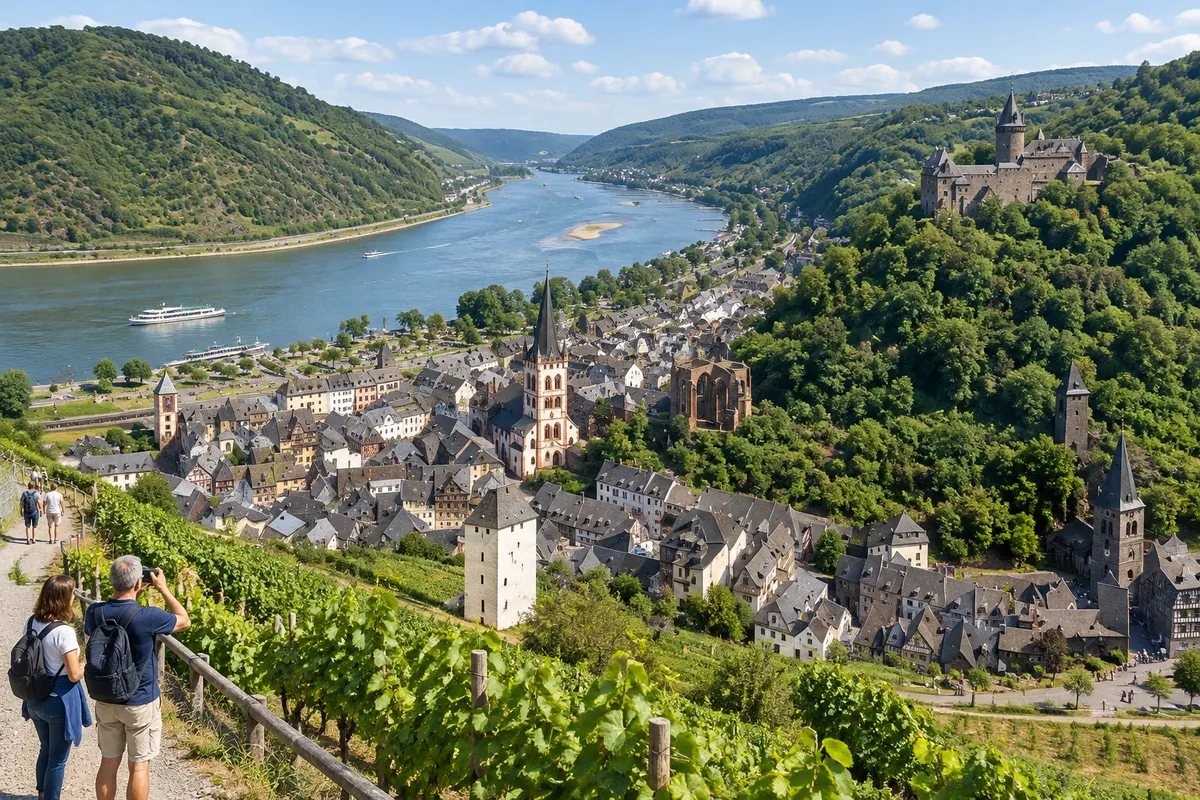
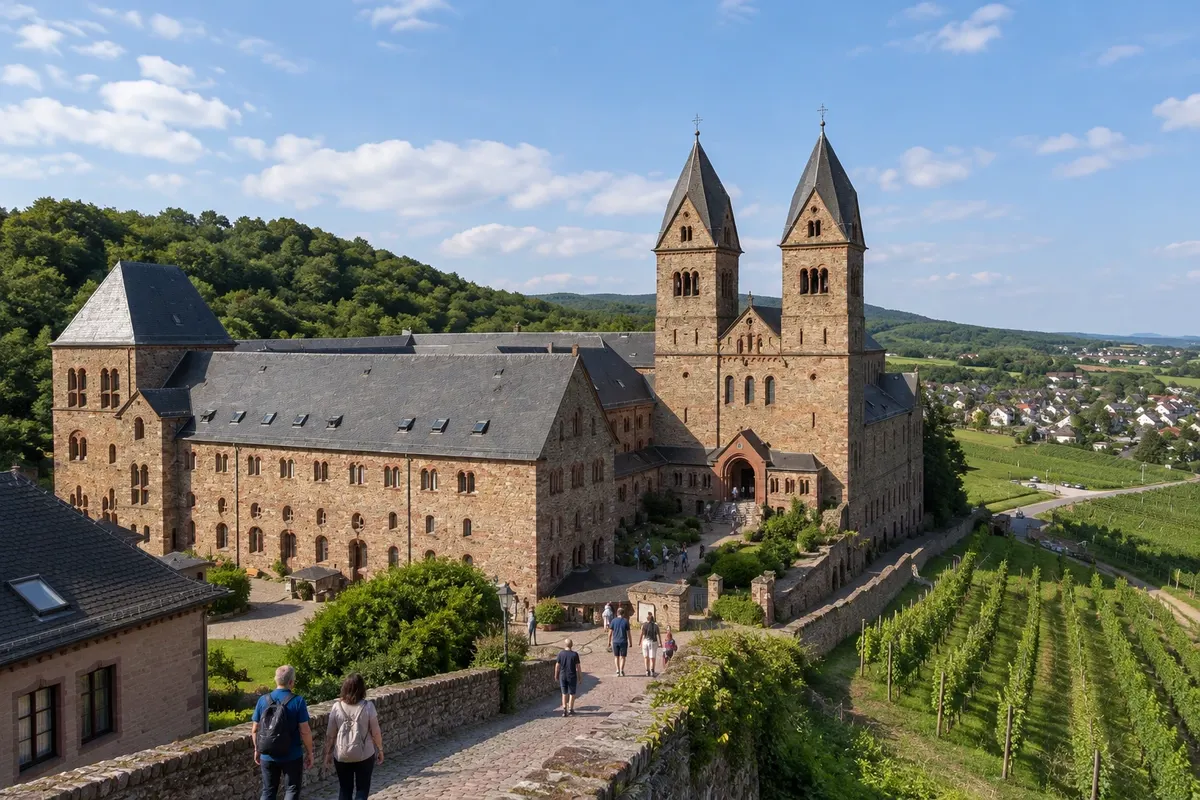
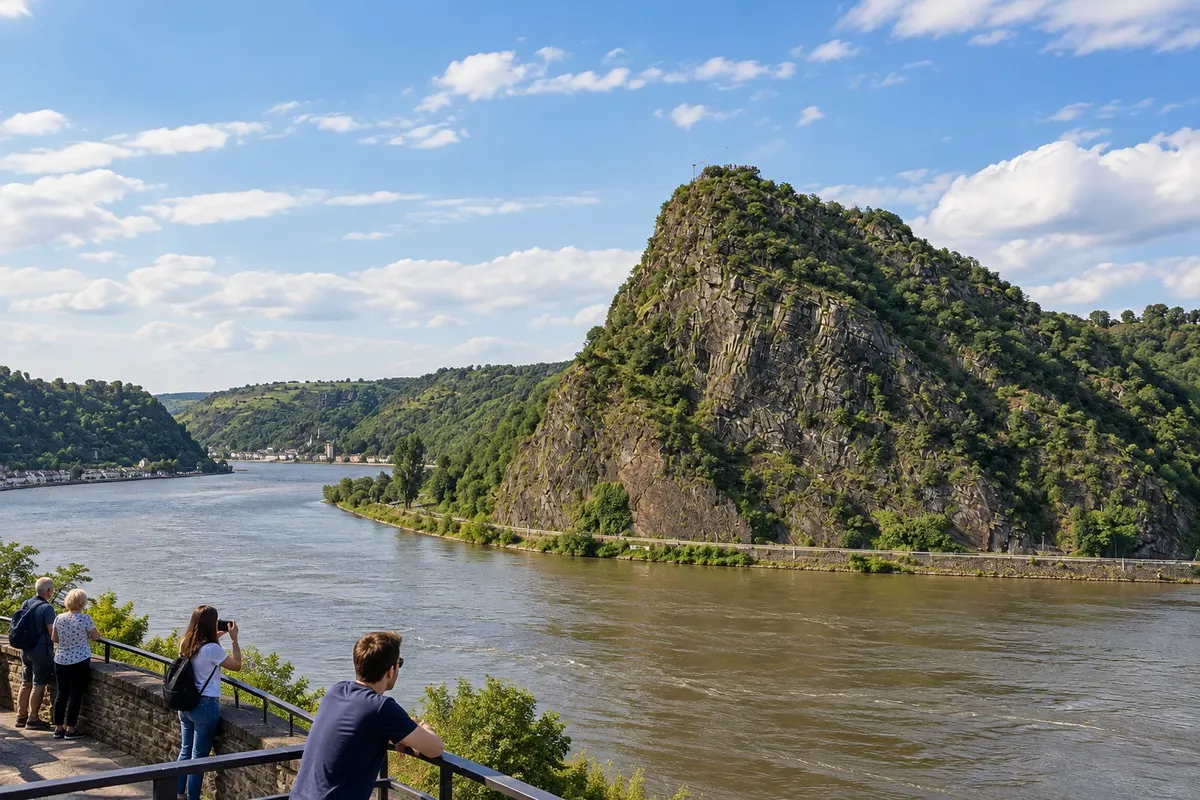
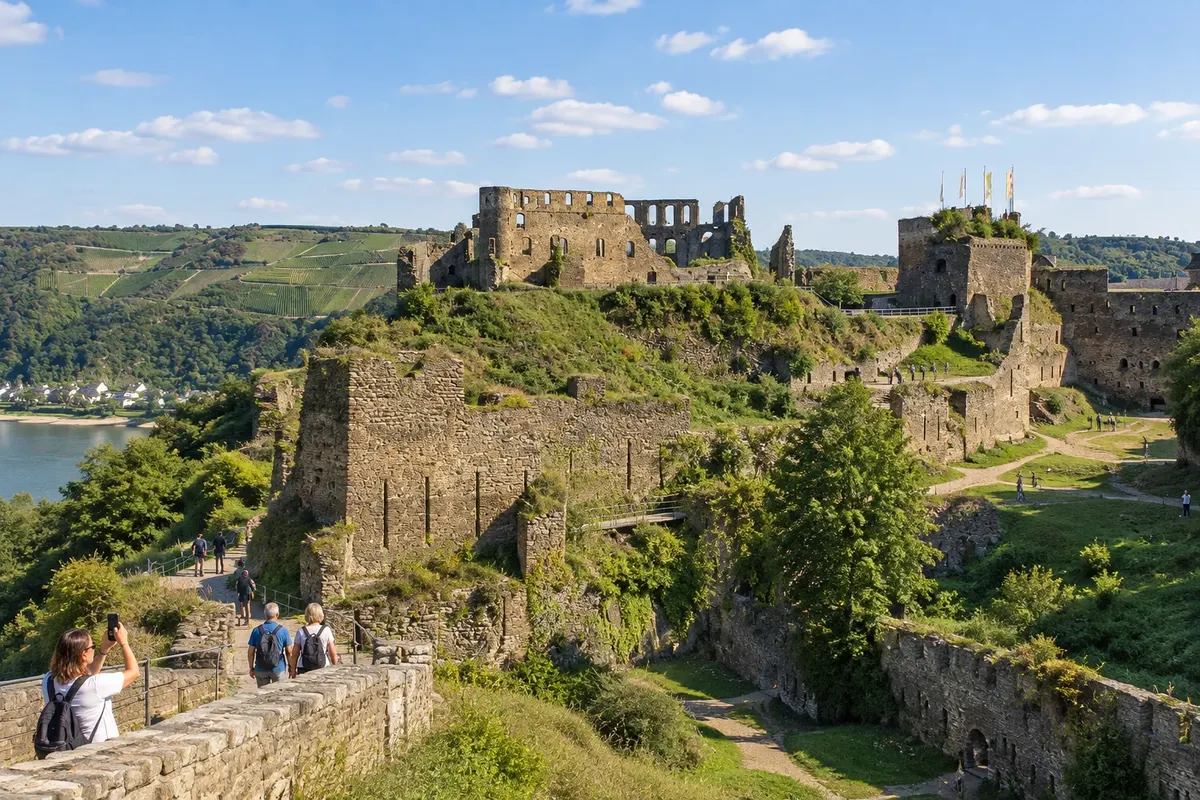
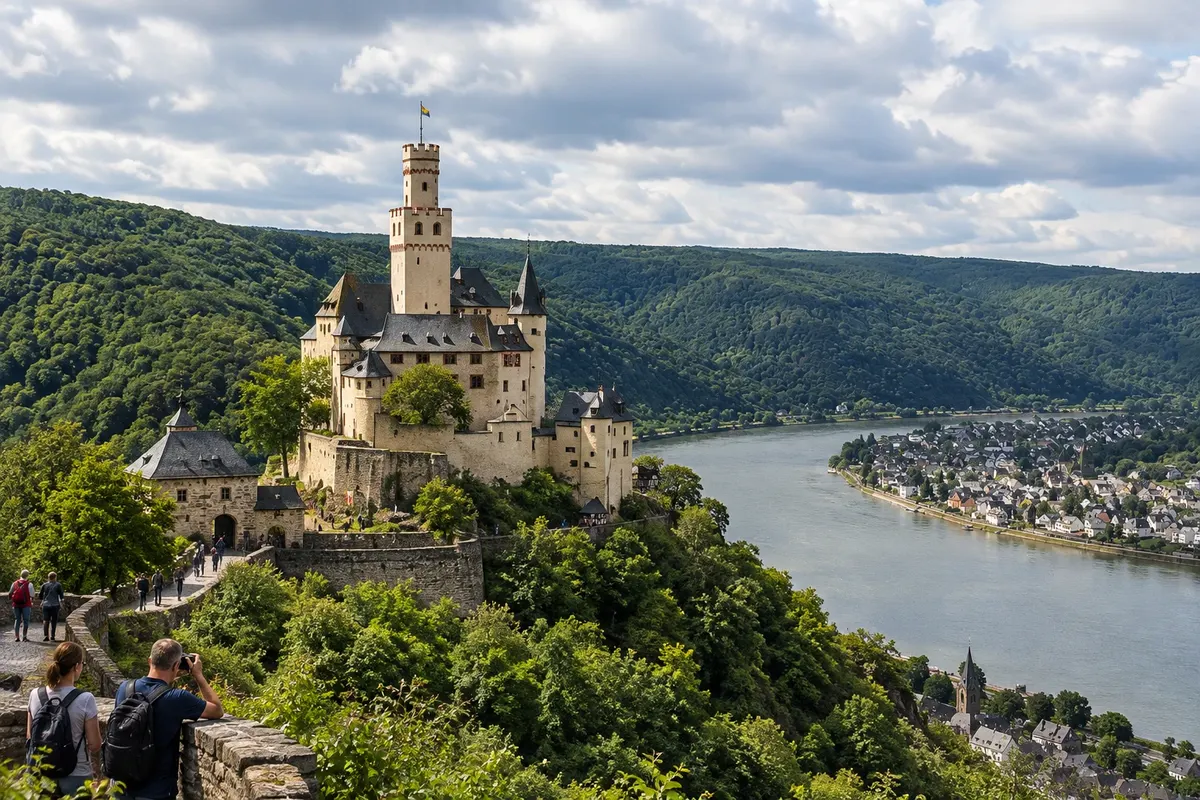
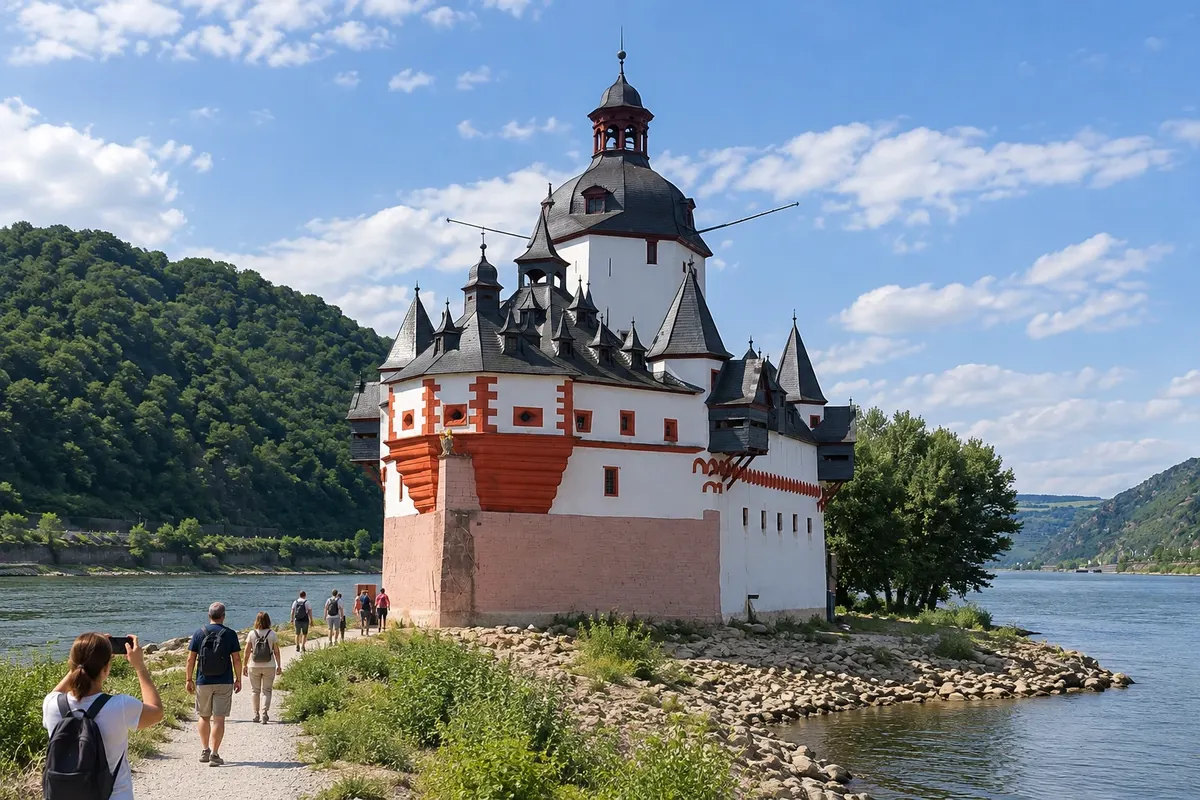
To the west, the Rhine flows into the stretch called the Middle Rhine Valley, inscribed by UNESCO as a World Heritage Site in 2002. It's about 65 km between Bingen and Rüdesheim to the south and Koblenz to the north, with slopes covered in terraced vineyards, small towns on the water's edge and dozens of castles atop the hills. There are the Loreley rock, the Marksburg and the ruins of Rheinfels.
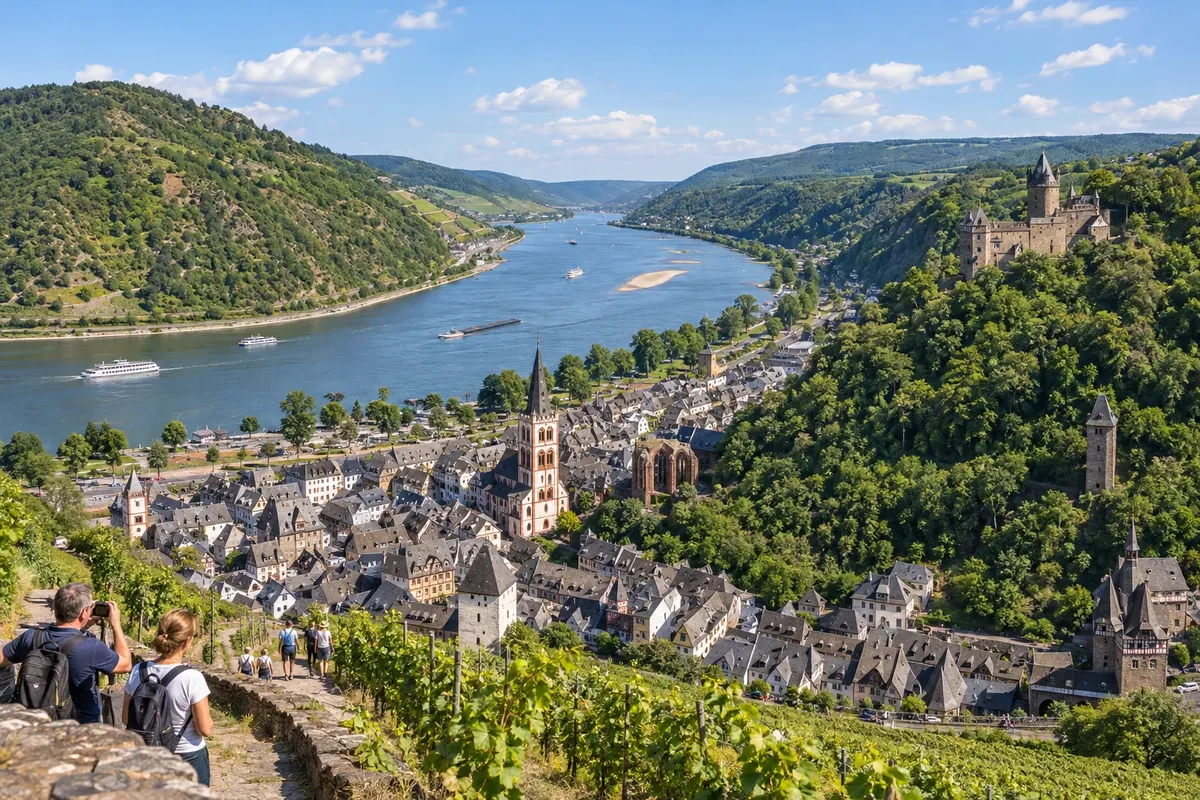
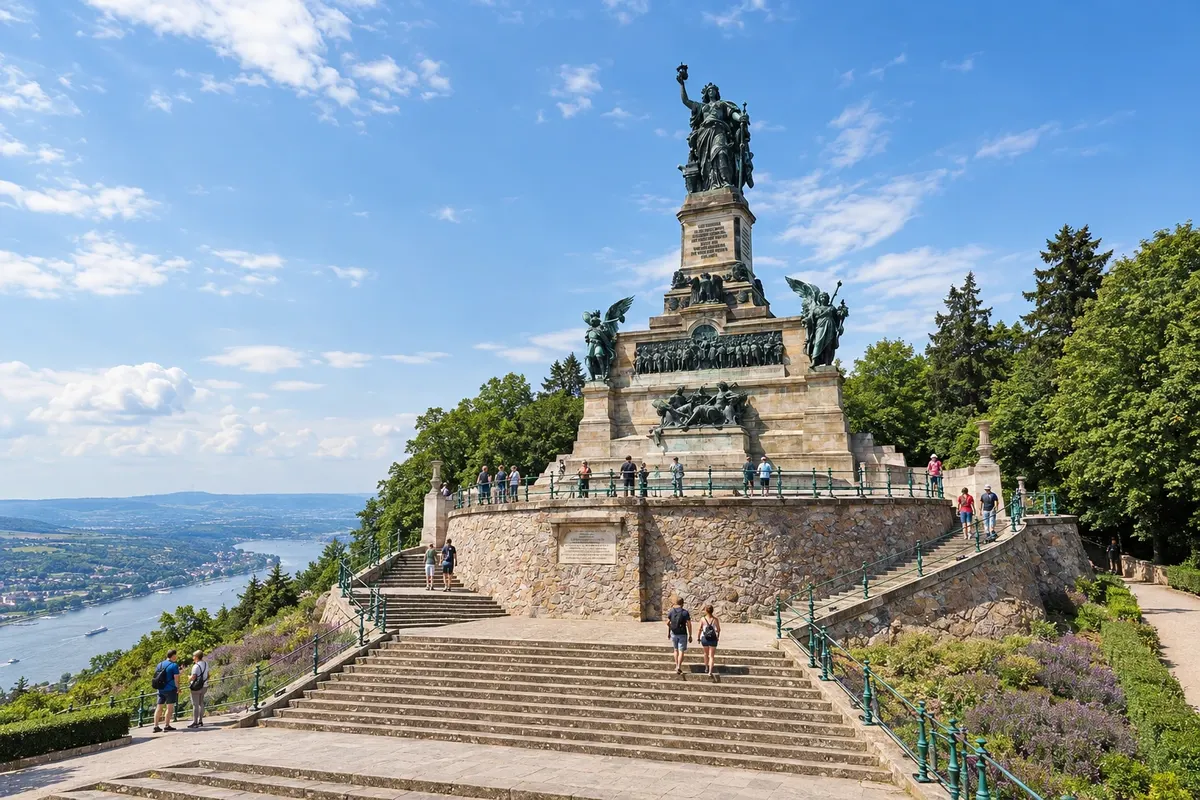
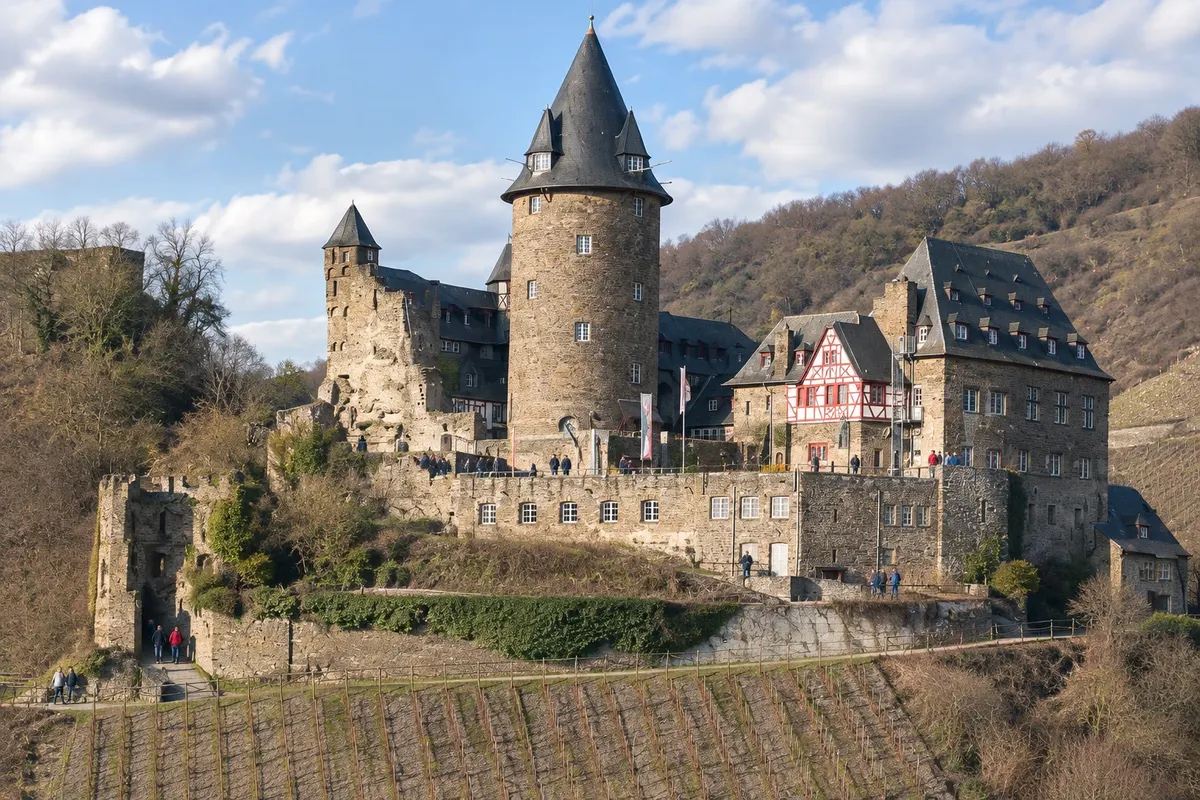
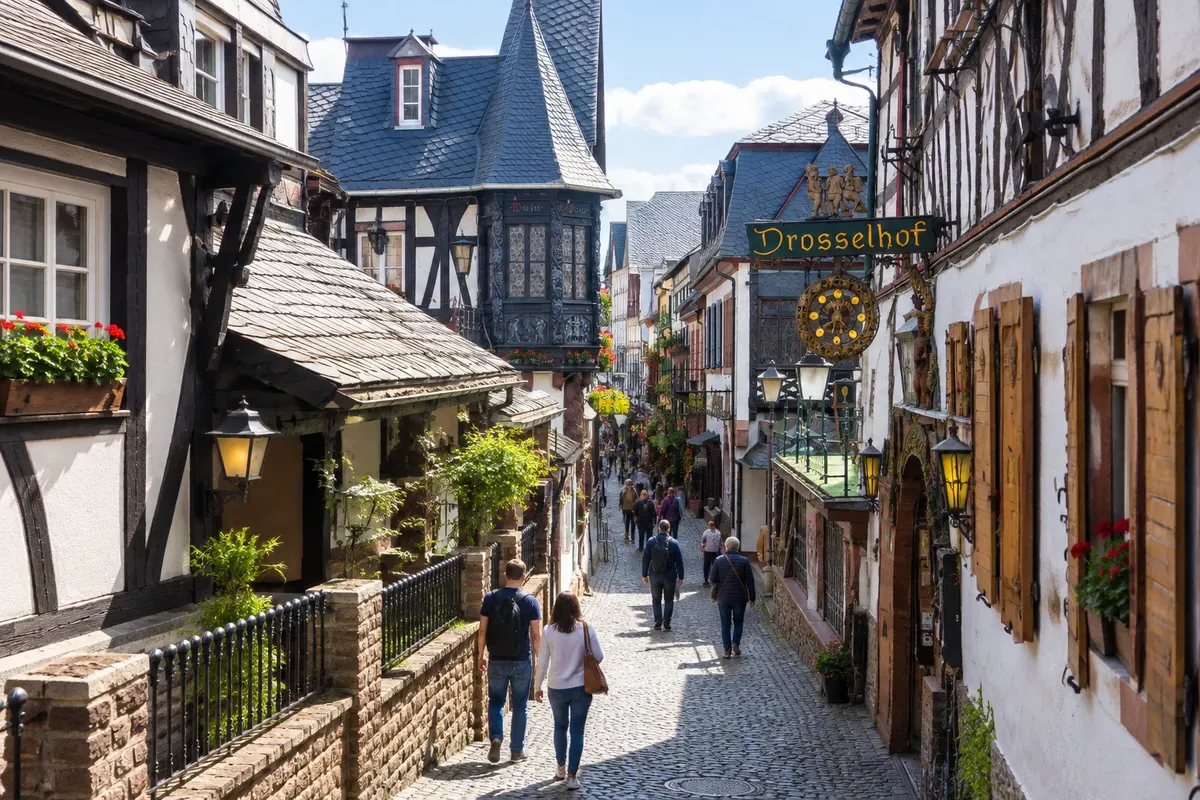
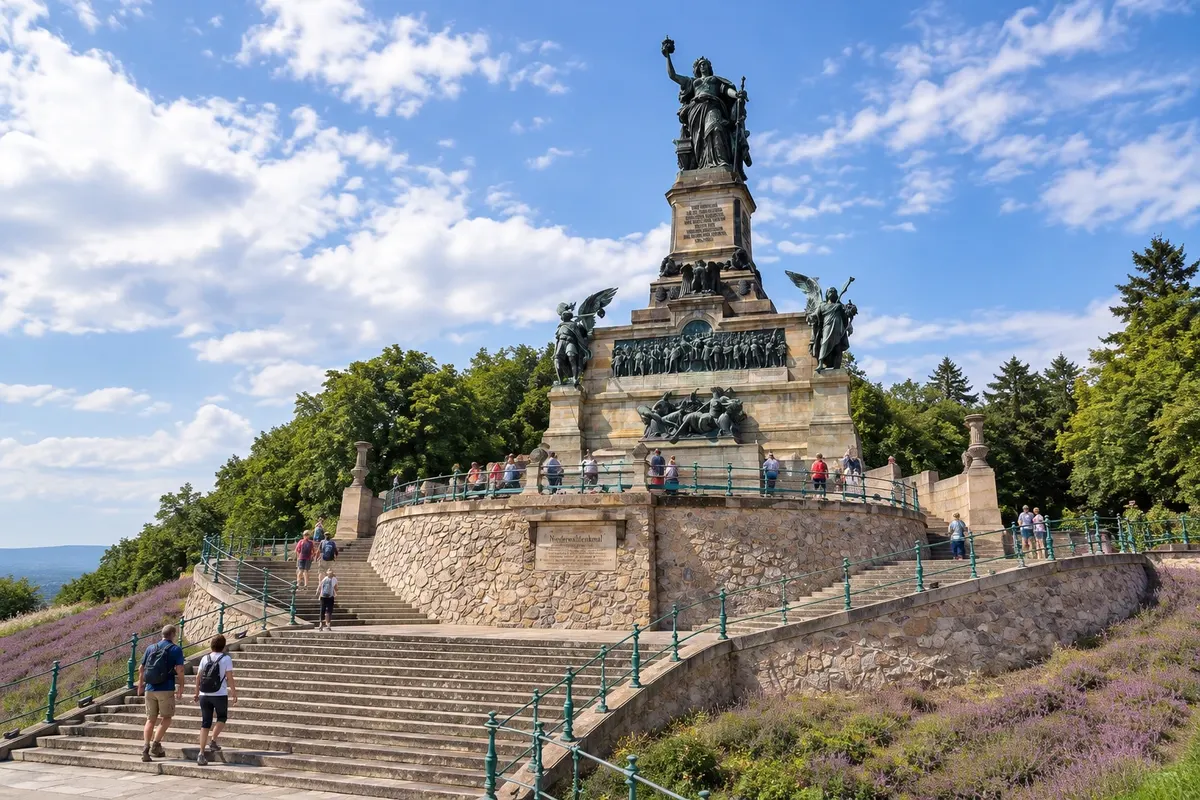
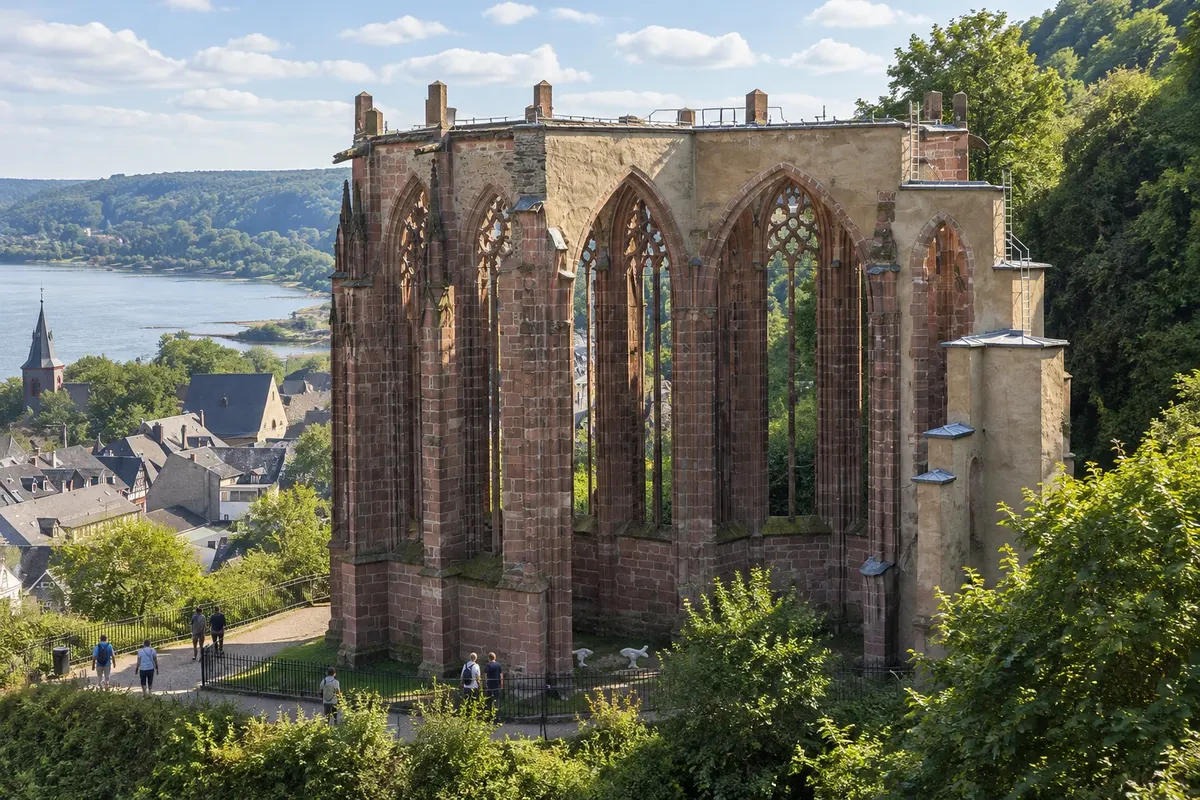
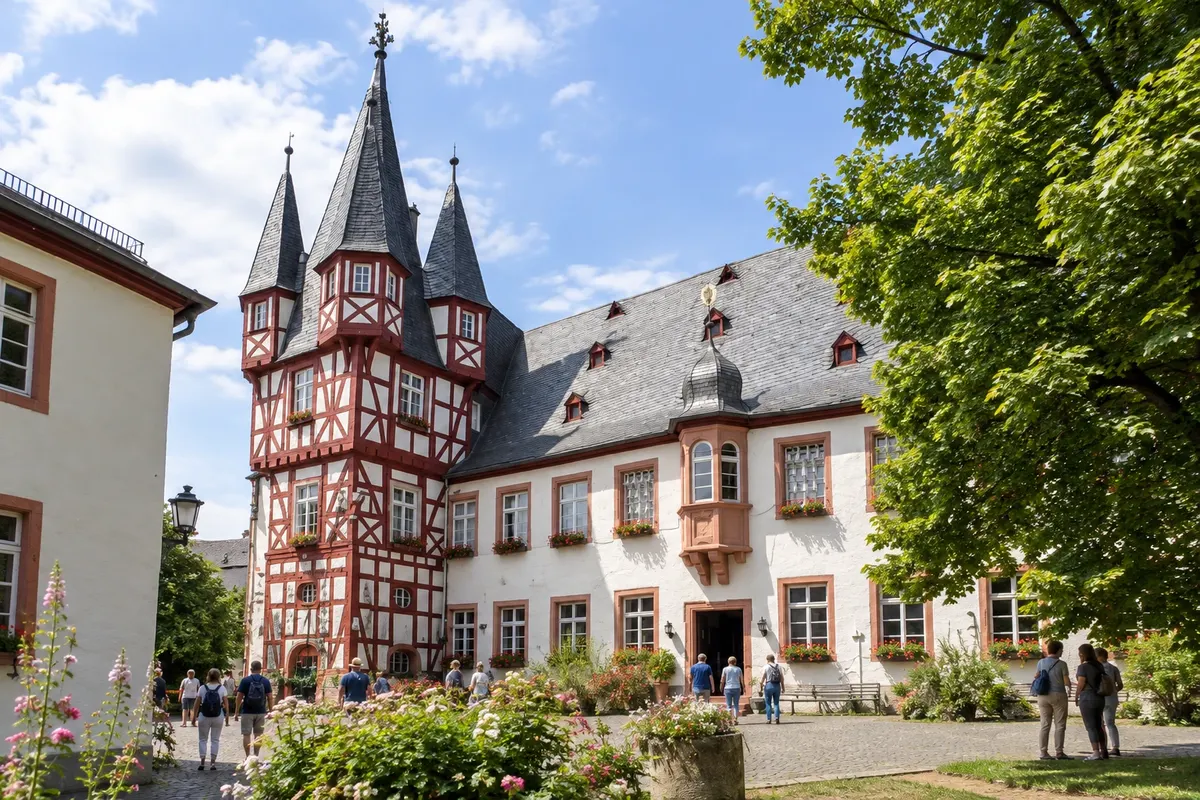
Rüdesheim am Rhein, in the state of Hesse, is the eastern gateway to the valley, with the Drosselgasse and the Niederwald monument above the vineyards. Bacharach, in the state of Rhineland-Palatinate, is a small walled town at the foot of Stahleck castle. Both are served by regional trains from Frankfurt, and sightseeing boats connect the valley towns in the season, which usually runs from April to October.
This destination brings together 3 cities: Frankfurt, Bacharach, Rüdesheim am Rhein.


 Brazil
 Argentina
 Chile
Chile Colombia
 Peru
Peru Uruguay
 Belgium
 Spain
Spain France
 Greece
 the Netherlands
 Ireland
 Italy
Italy Portugal
 the United Kingdom
 Switzerland