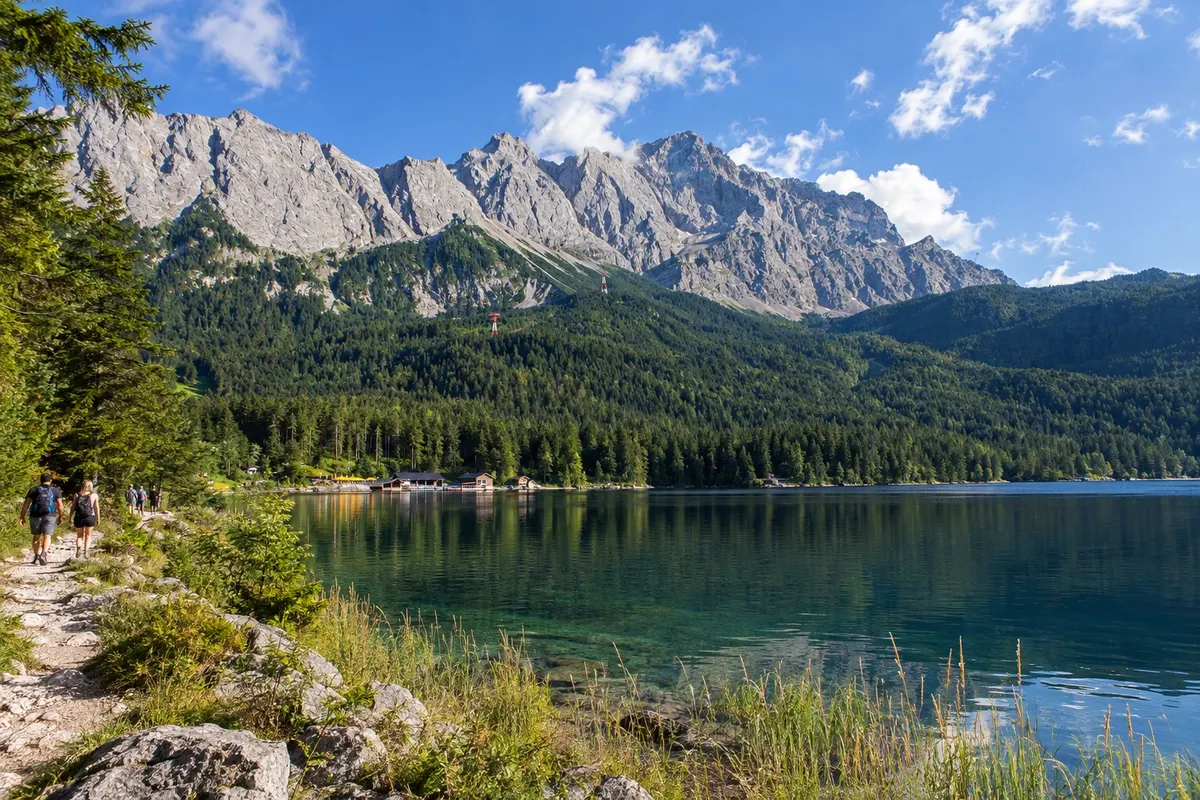
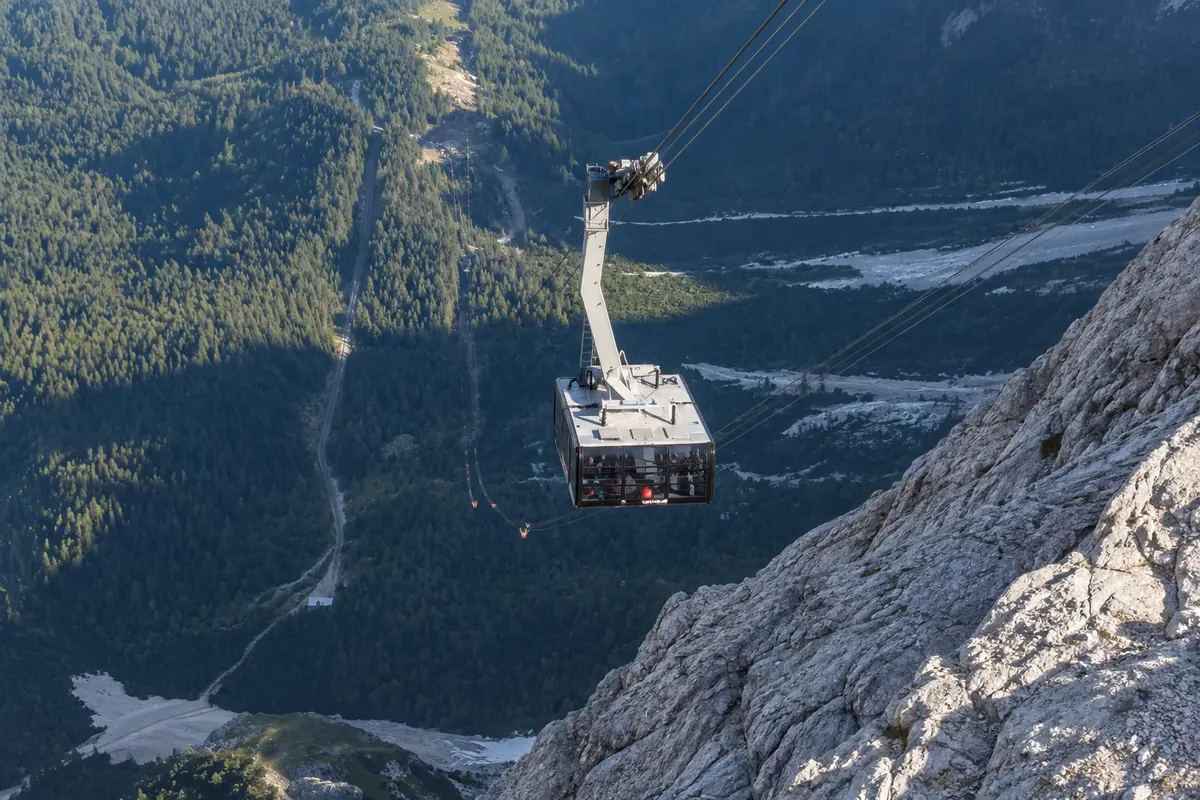
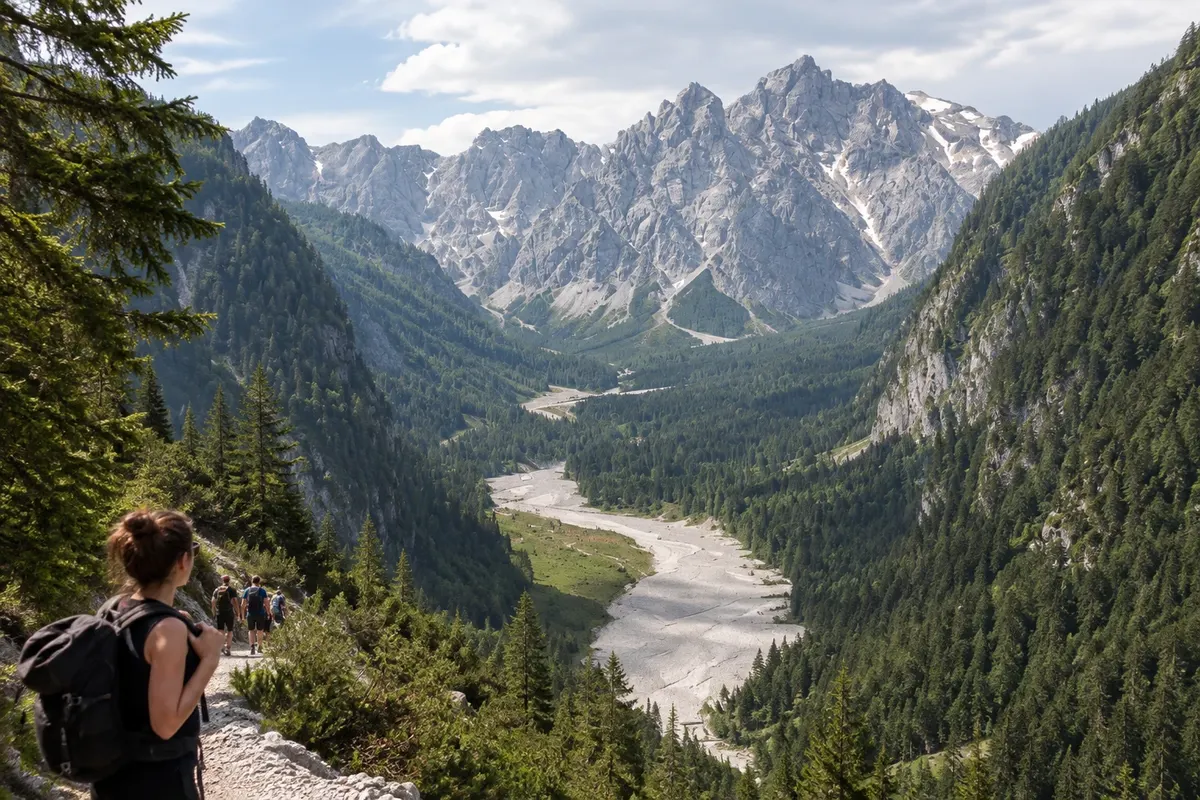
The Alpes da Baviera occupy the southern strip of the state, next to the border with Austria. This is where the Zugspitze is, at 2,962 meters, the highest point in Germany. Two bases concentrate the trip: Garmisch-Partenkirchen, southwest of Munique, and Berchtesgaden, at the far southeast end, a few kilometers from Salzburgo.
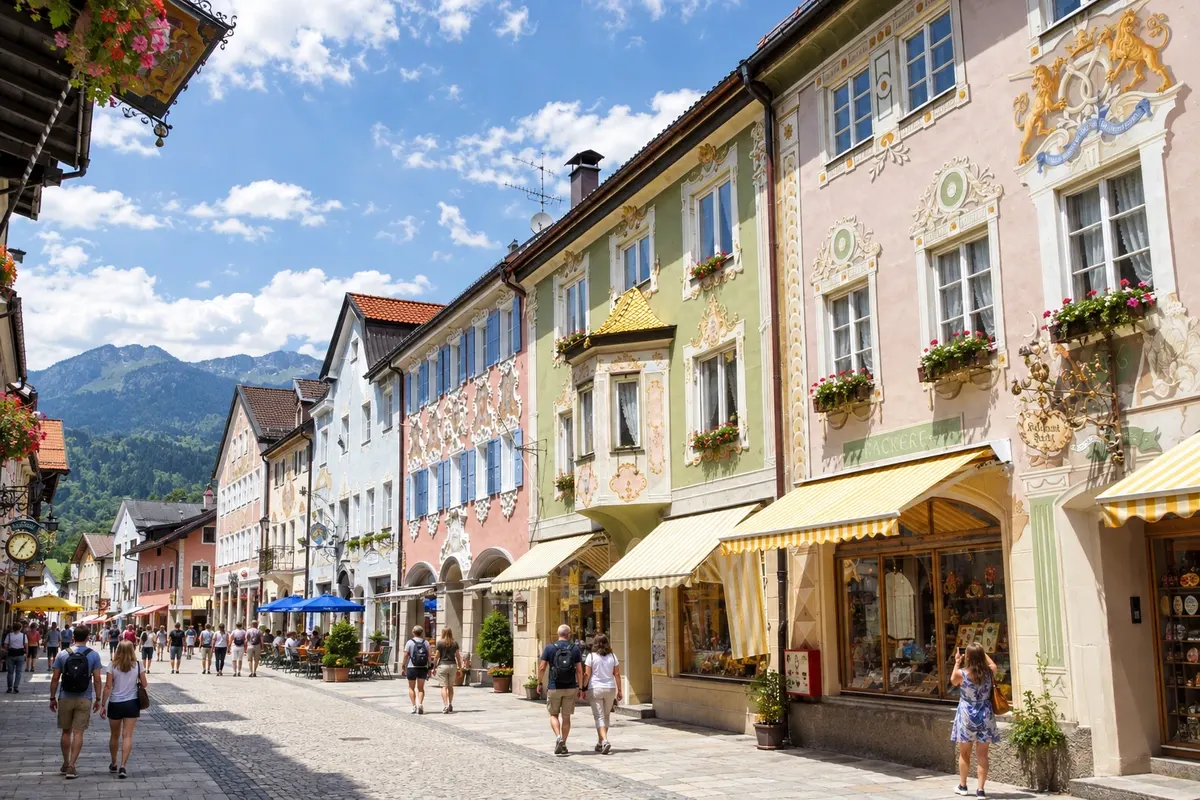
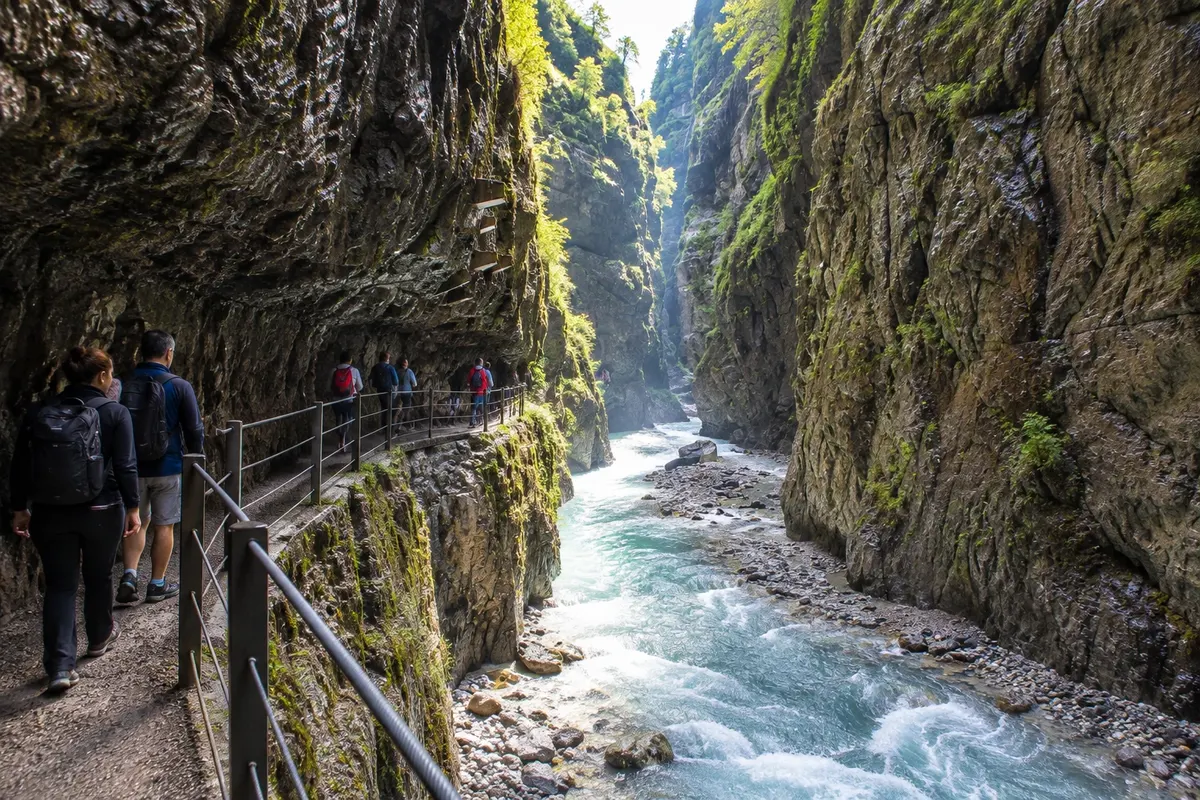
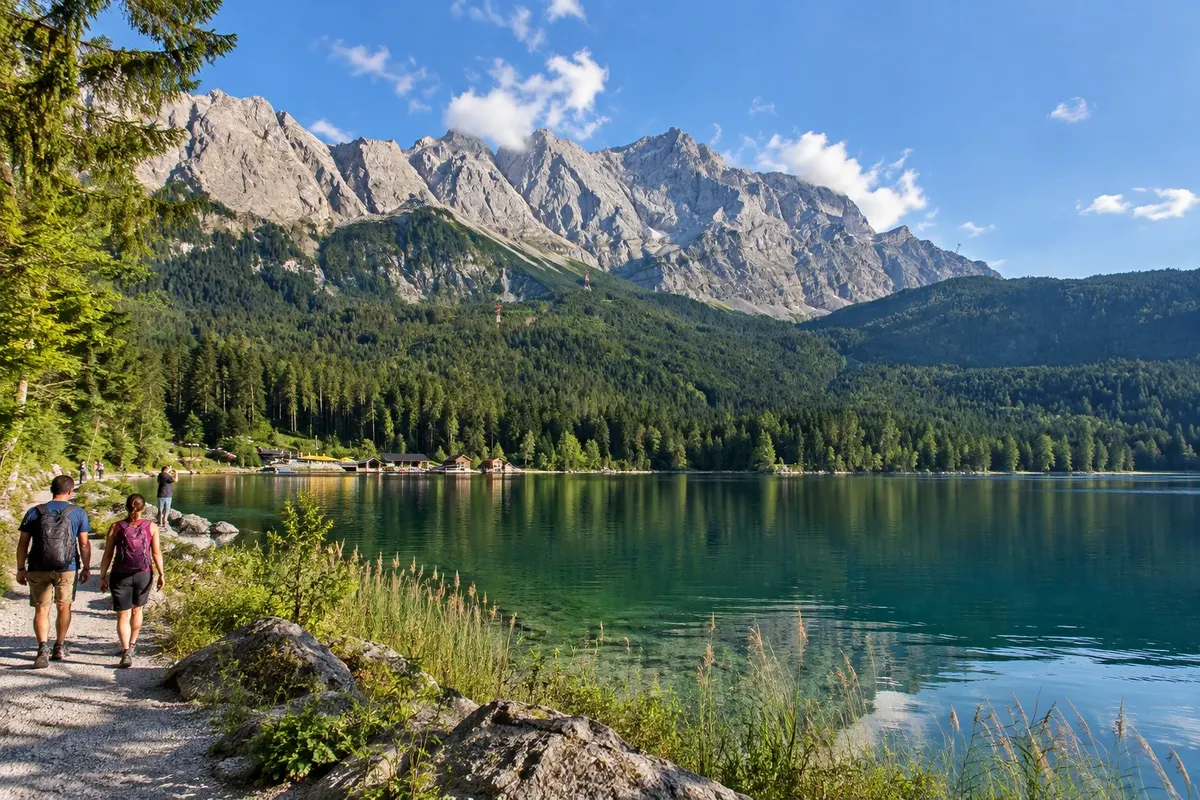
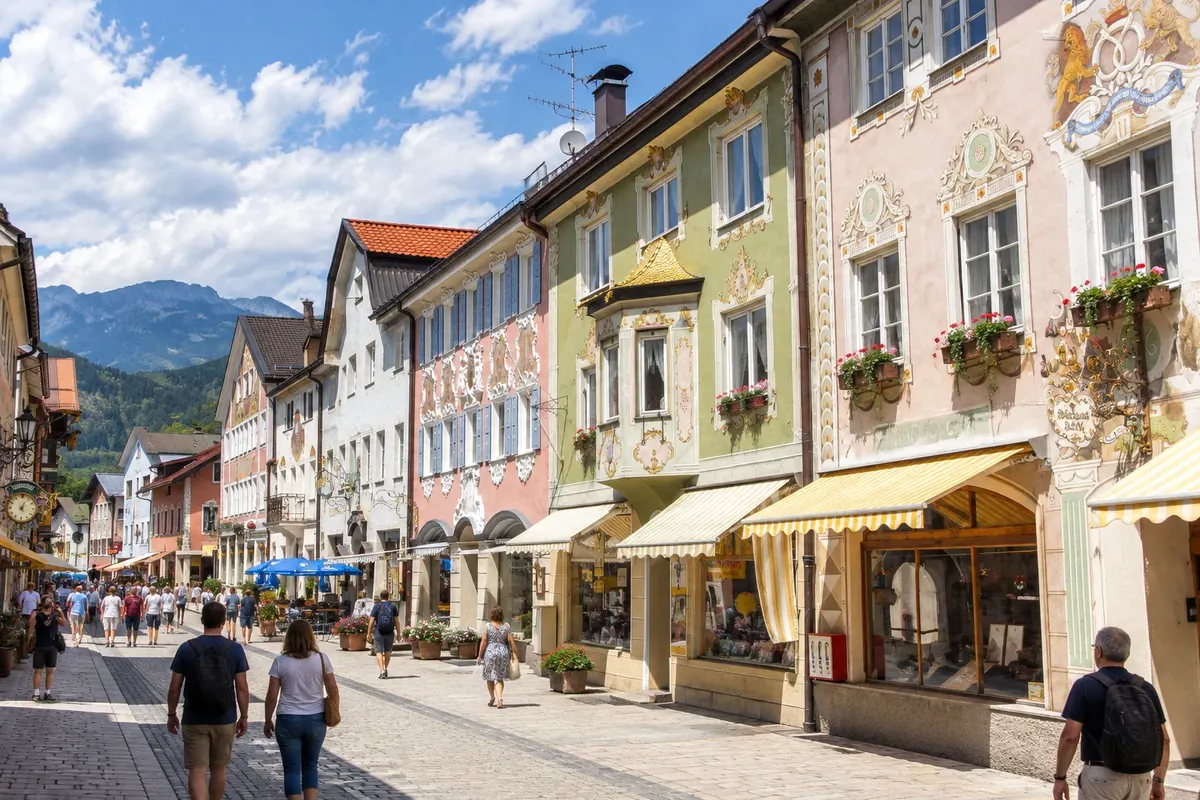
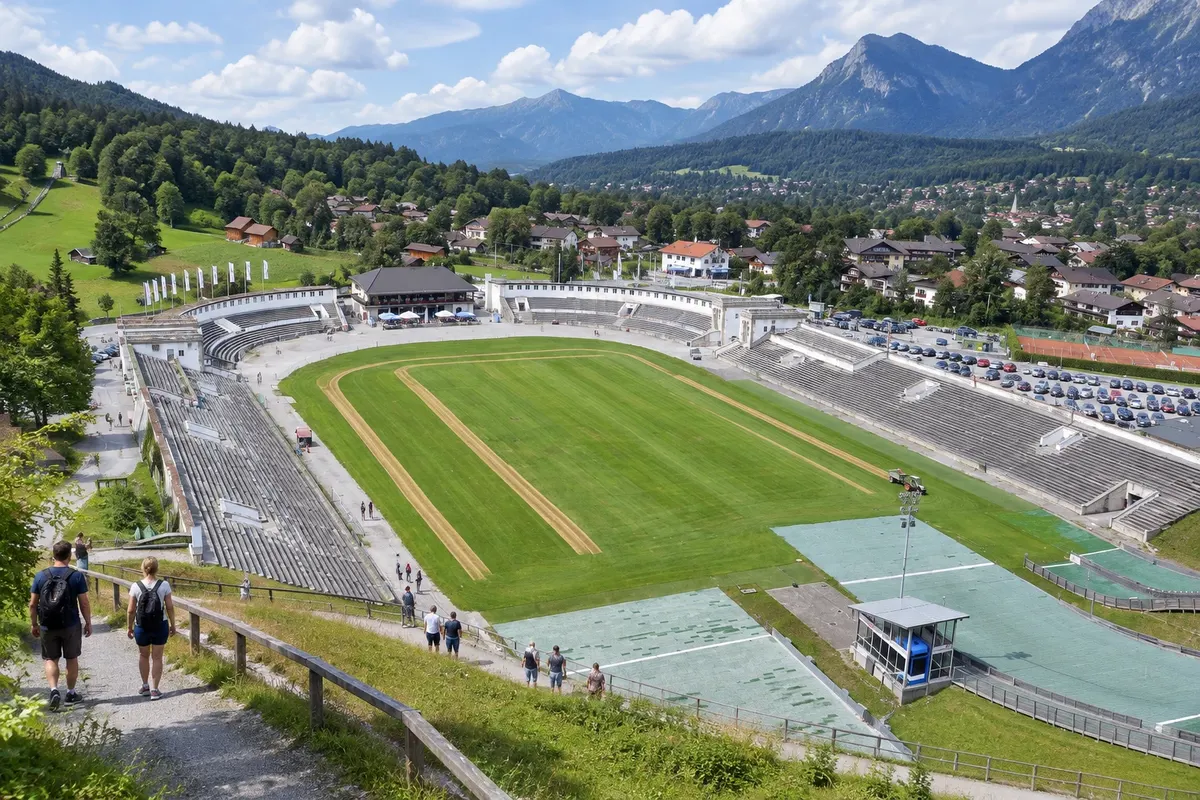
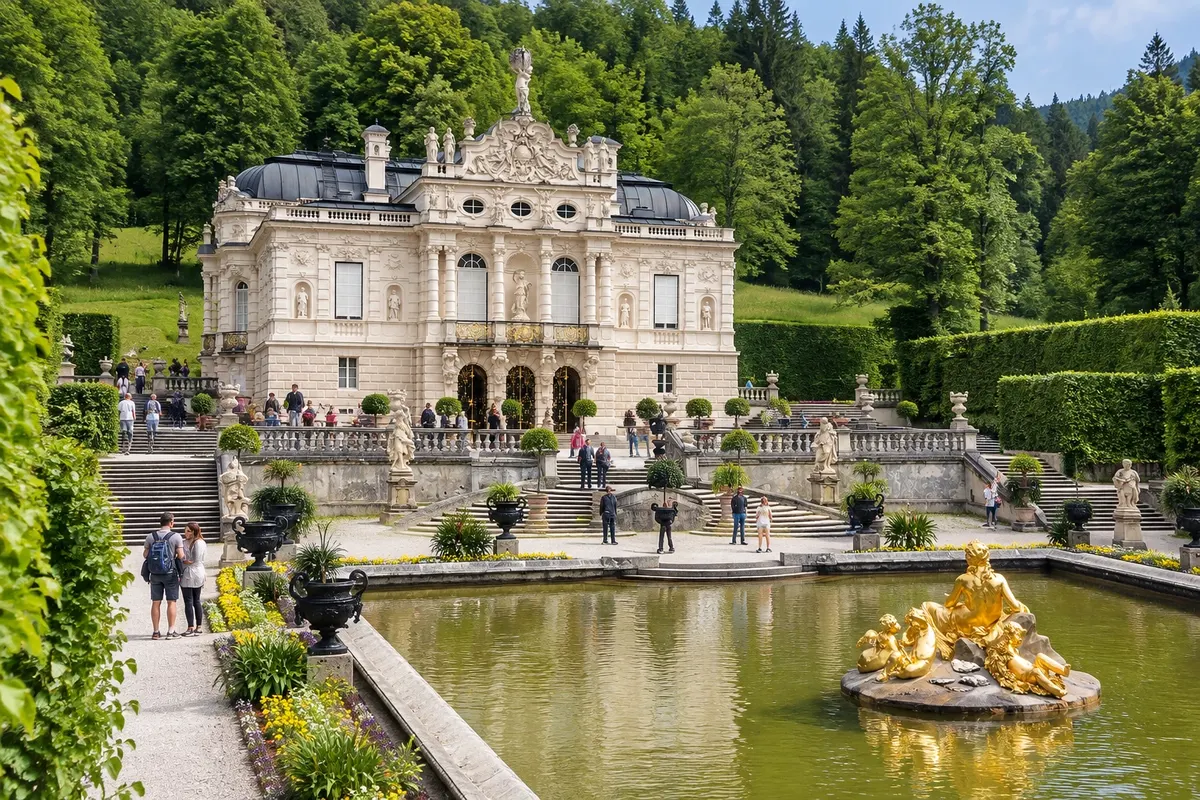
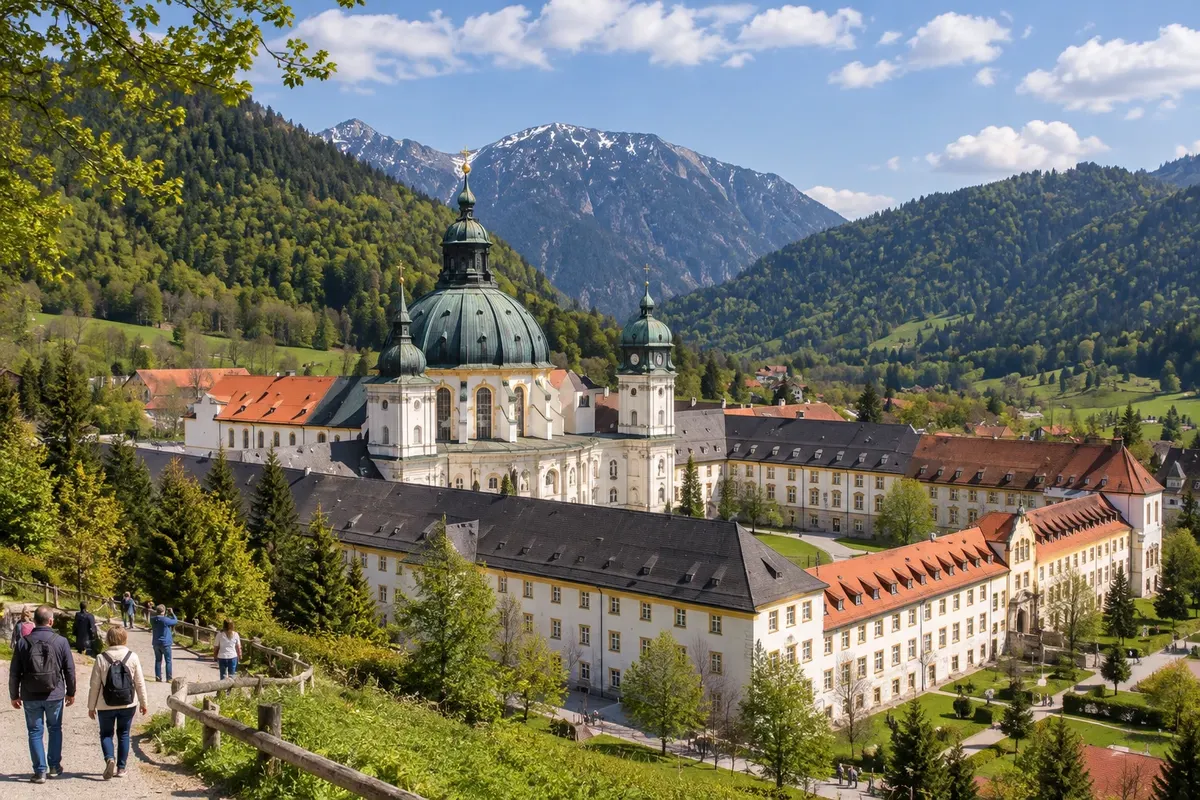
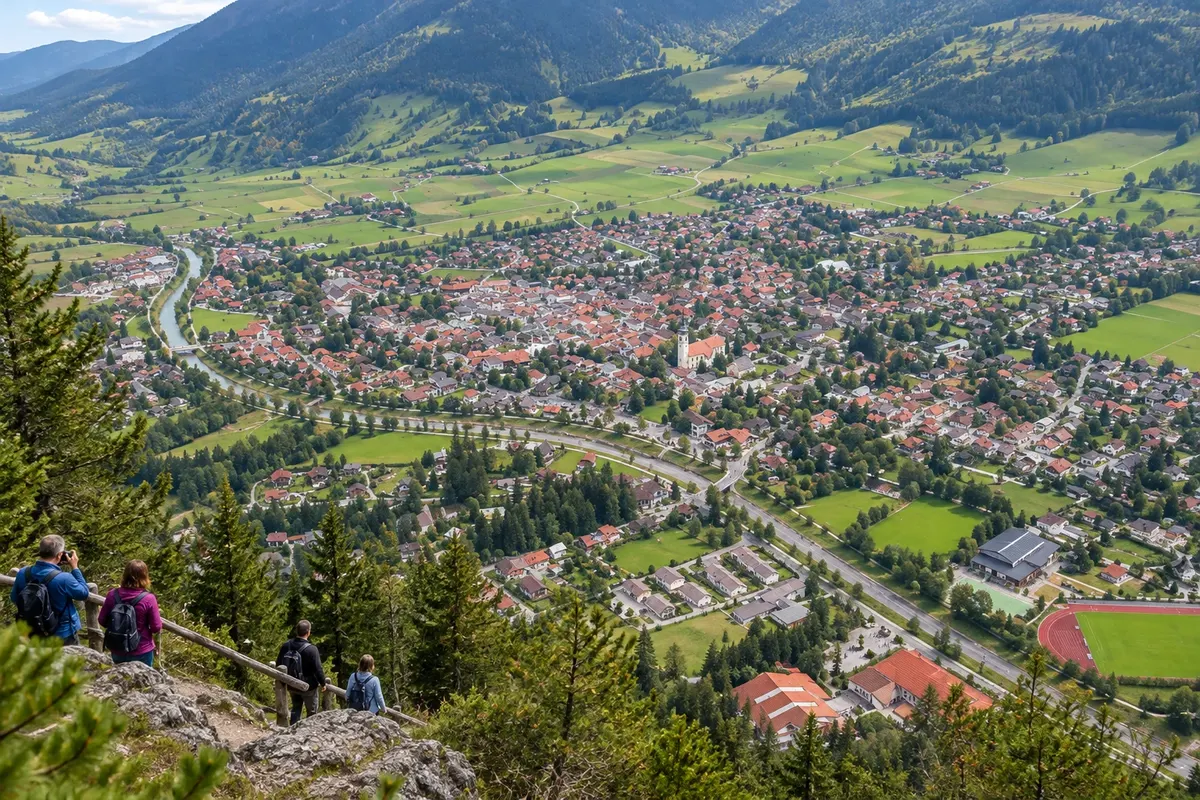
In Garmisch-Partenkirchen the day revolves around the mountain. A rack railway and a cable car go up the Zugspitze; below are the Eibsee lake, the Partnachklamm gorge and the ski stadium from the 1936 Winter Games. Less than half an hour by car are Schloss Linderhof, the palace of King Ludwig II, the Ettal monastery and the village of Oberammergau, famous for its painted façades.
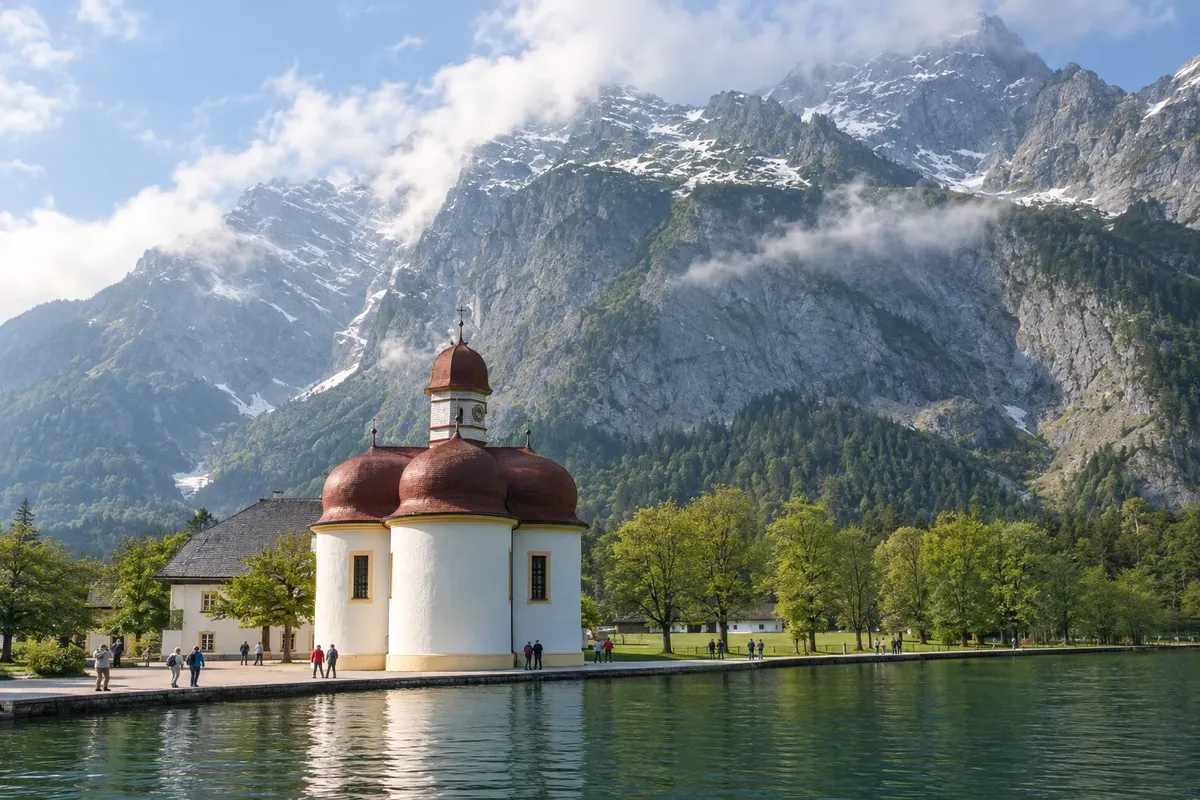
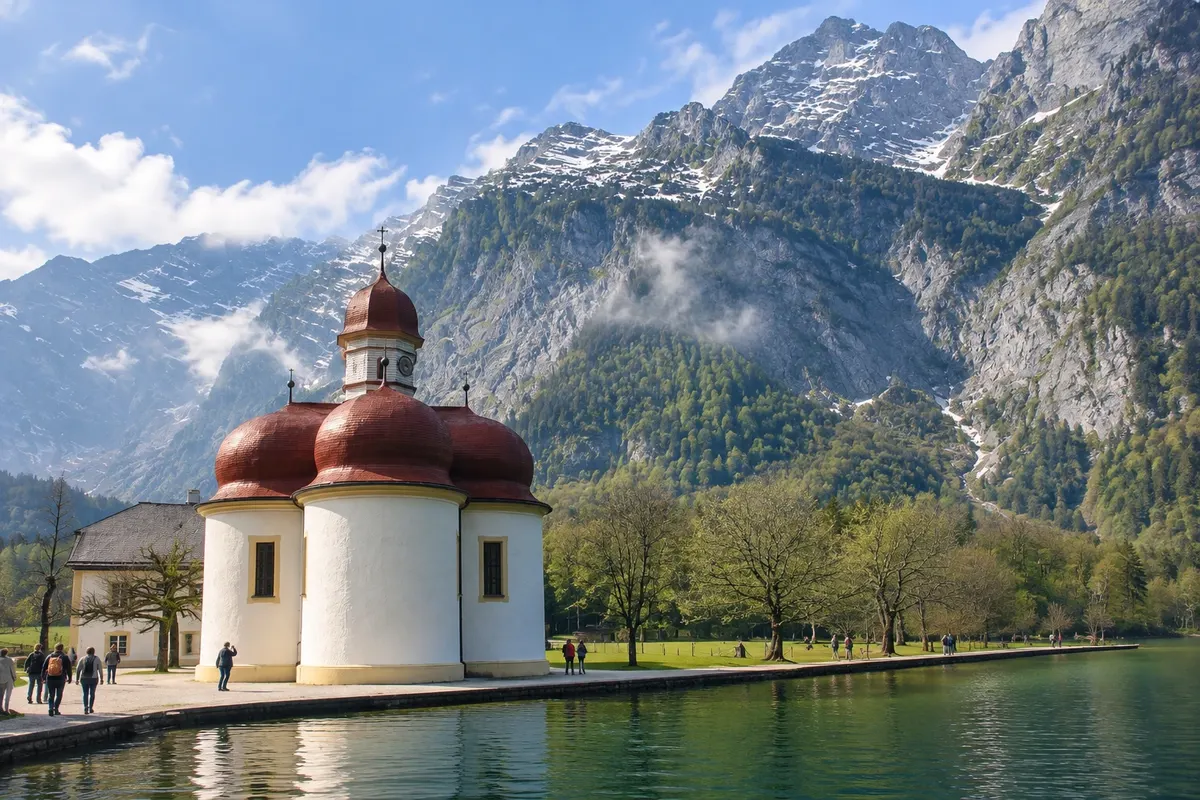
Berchtesgaden sits in a valley surrounded by mountains and is the gateway to Nationalpark Berchtesgaden, the only German national park in the Alps. The classic outing is the electric boat on the Königssee to the church of St. Bartholomä. The town also still has a salt mine operating since 1517.
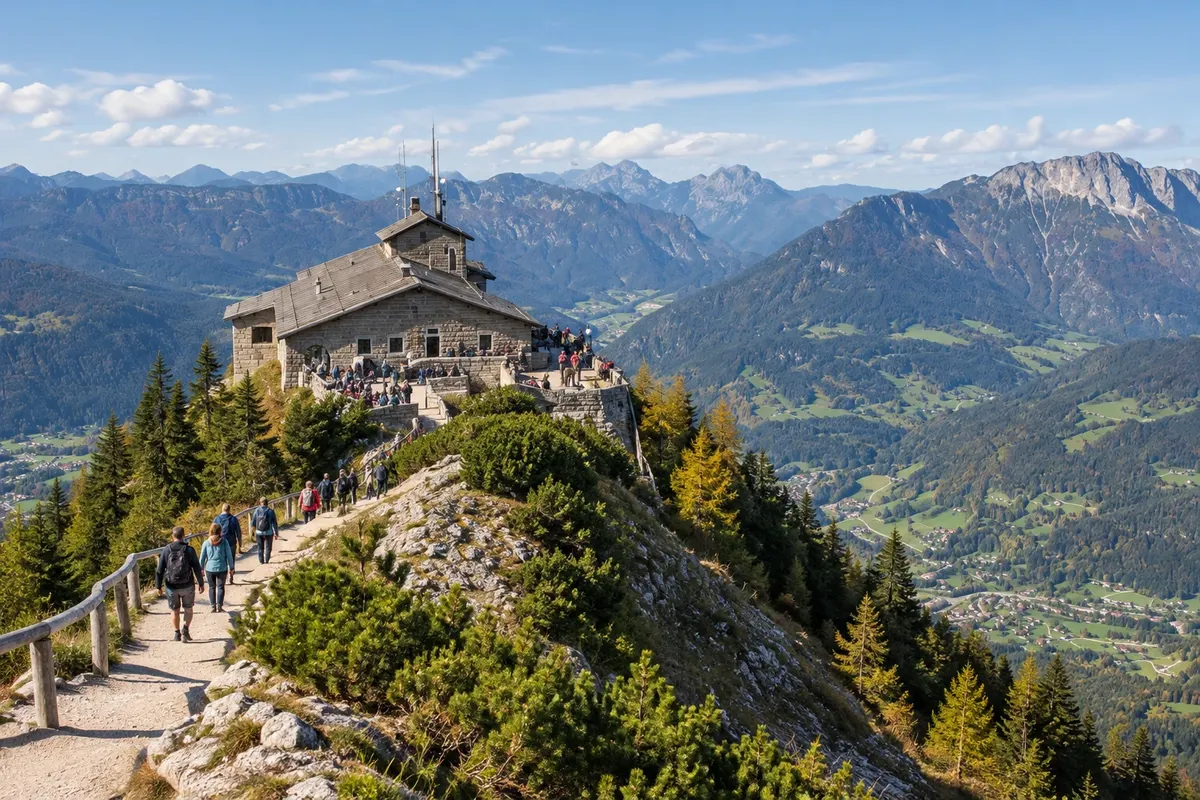
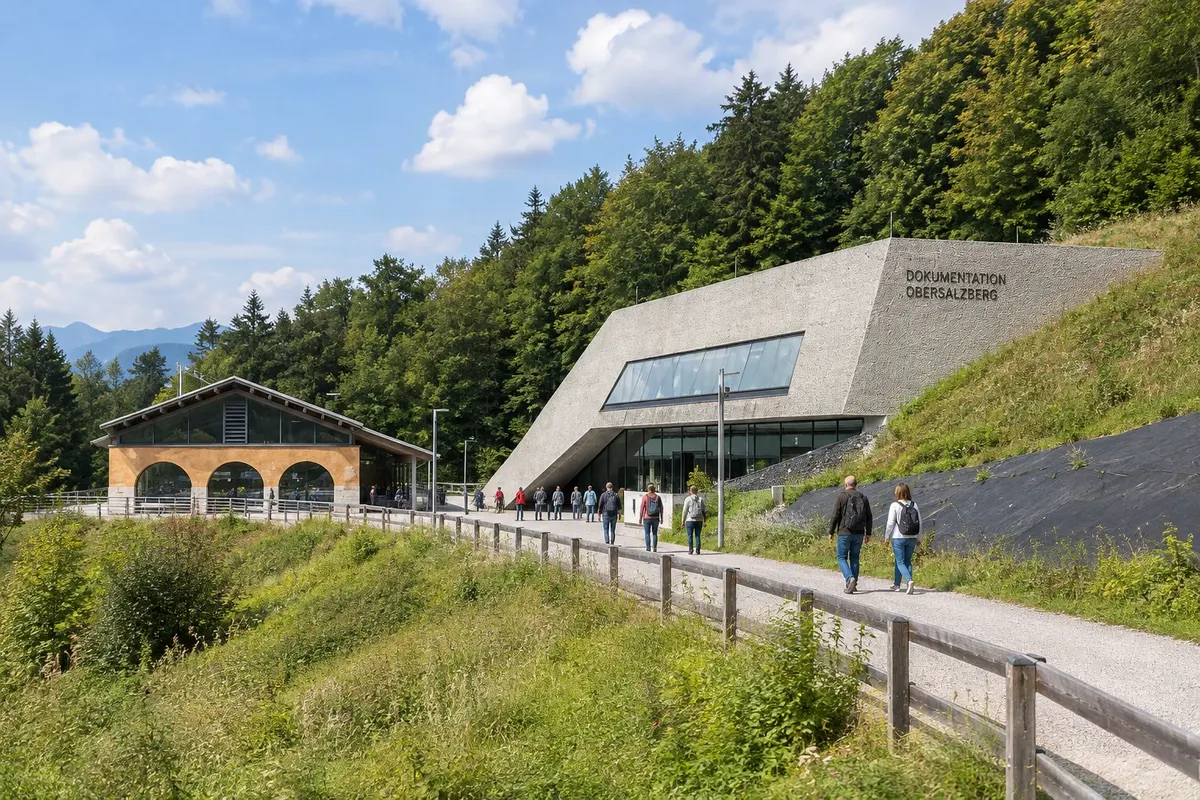
The region also has a difficult history. On the Obersalzberg, above Berchtesgaden, the Nazi regime set up a restricted area around Hitler’s residence. Today the Dokumentation Obersalzberg is a place of remembrance about that period, and the Kehlsteinhaus, on the mountaintop, operates as a restaurant with a historical exhibition.
Cable cars, boats and the road to the Kehlsteinhaus follow seasons and shut for maintenance in spring and autumn. In winter snow usually appears but varies year to year; in summer mountain rain is common. It’s worth planning the trip with flexibility to swap days depending on weather.
This destination brings together 2 cities: Garmisch-Partenkirchen, Berchtesgaden.


 Brazil
 Argentina
 Chile
Chile Colombia
 Peru
Peru Uruguay
 Belgium
 Spain
Spain France
 Greece
 the Netherlands
 Ireland
 Italy
Italy Portugal
 the United Kingdom
 Switzerland