Kir
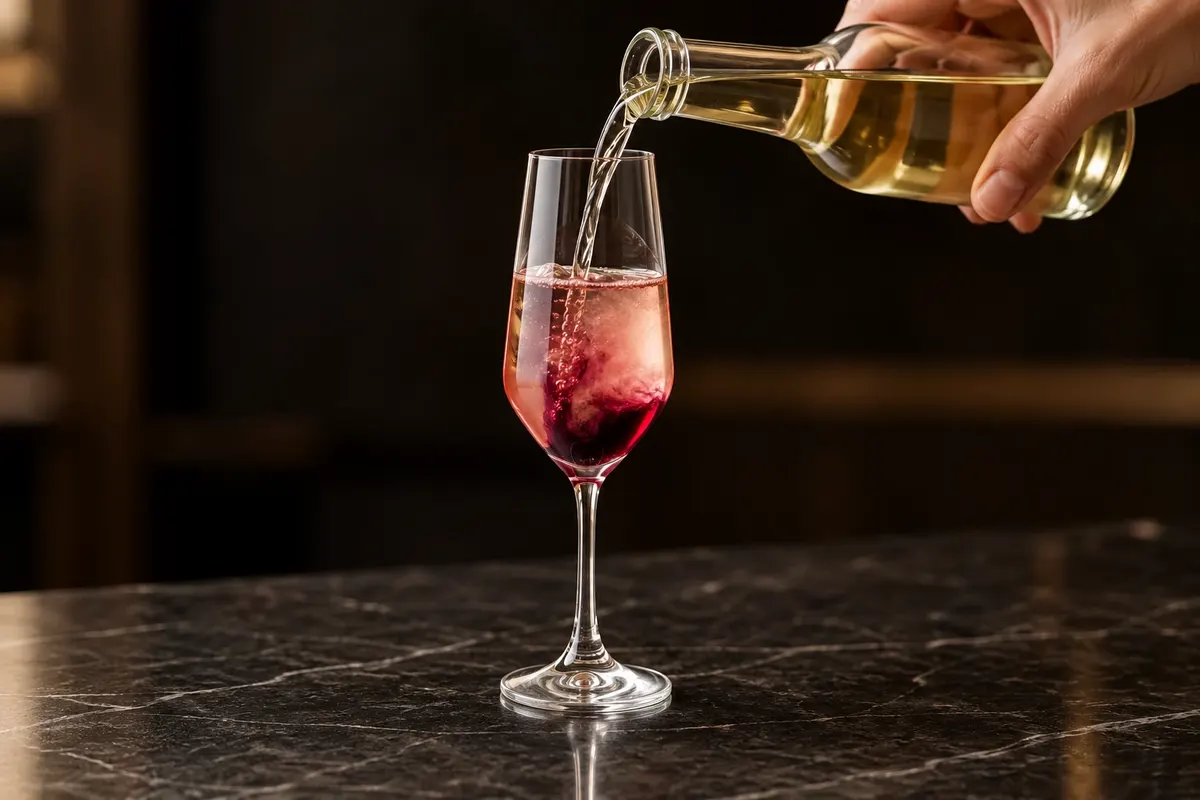
A white wine aperitif, traditionally the Bourgogne aligoté, with crème de cassis. The mixture, formerly called blanc-cassis, took the name of Canon Félix Kir, mayor of Dijon from 1945 to 1968, who served it at city hall receptions.
Antarktika
Borgonha-Franco-Condado · Francija Capital
Destinacija: Burgundy.
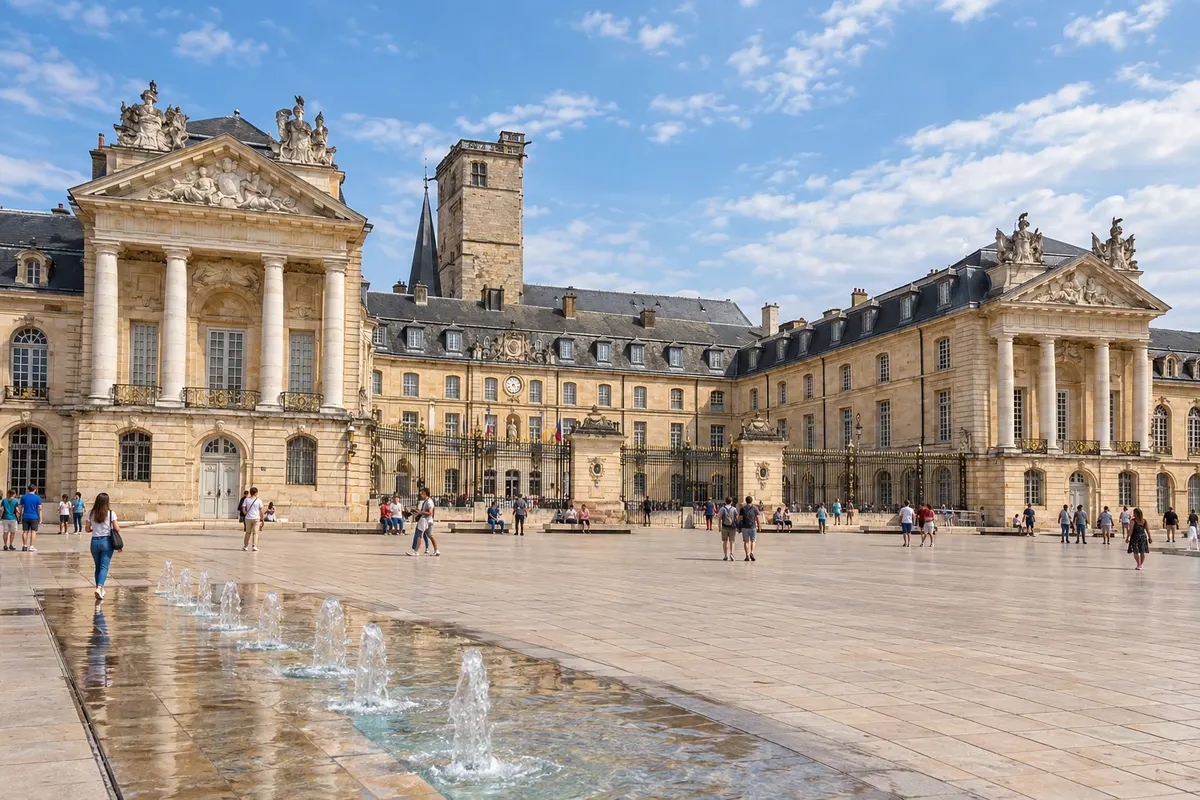
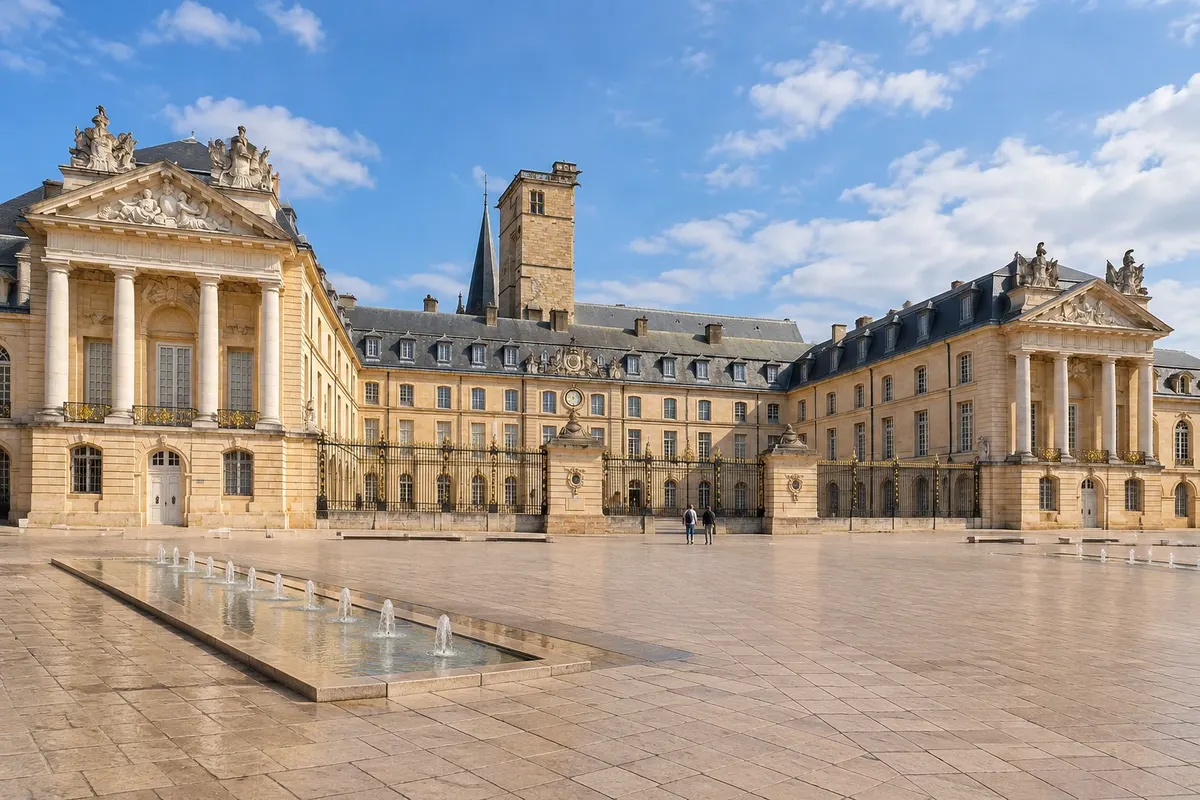
Na fotografiji: Palais des Ducs and Place de la Libération · Dijon
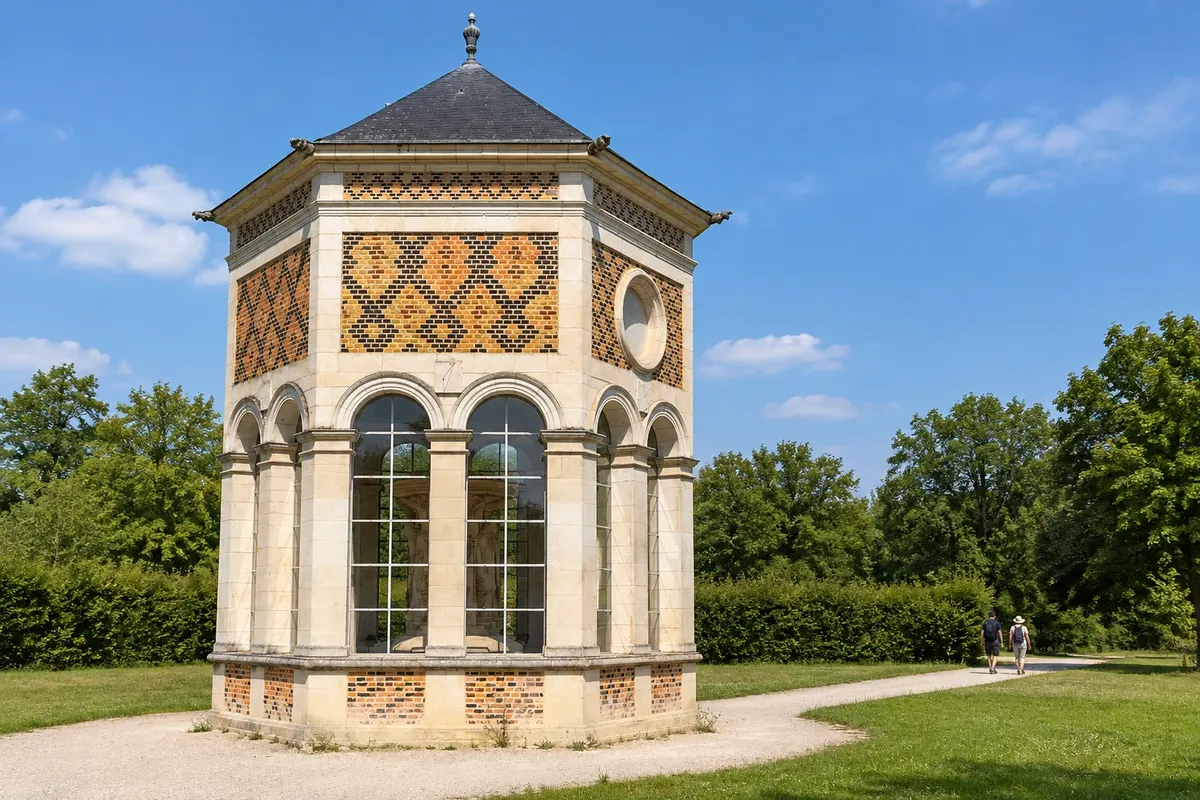
Illustrative images. The pictures in this guide are illustrations based on the real place, not photographs, and may differ from it.
Mesto
Former capital of the Dukes of Burgundy, Dijon has a pedestrian historic centre listed as a World Heritage Site, with the Palais des ducs, the Musée des Beaux-Arts, the Église Notre-Dame and the stone owl that brings good luck. It is the city of mustard, of the covered market the Halles, and the starting point for the vineyards of the Côte de Nuits.
V vodniku še ni nastanitev – Dijon.
kako do tja · koliko dni · načrt poti · vprašanja
Lokalni okusi – of Francija
Doživite kraj
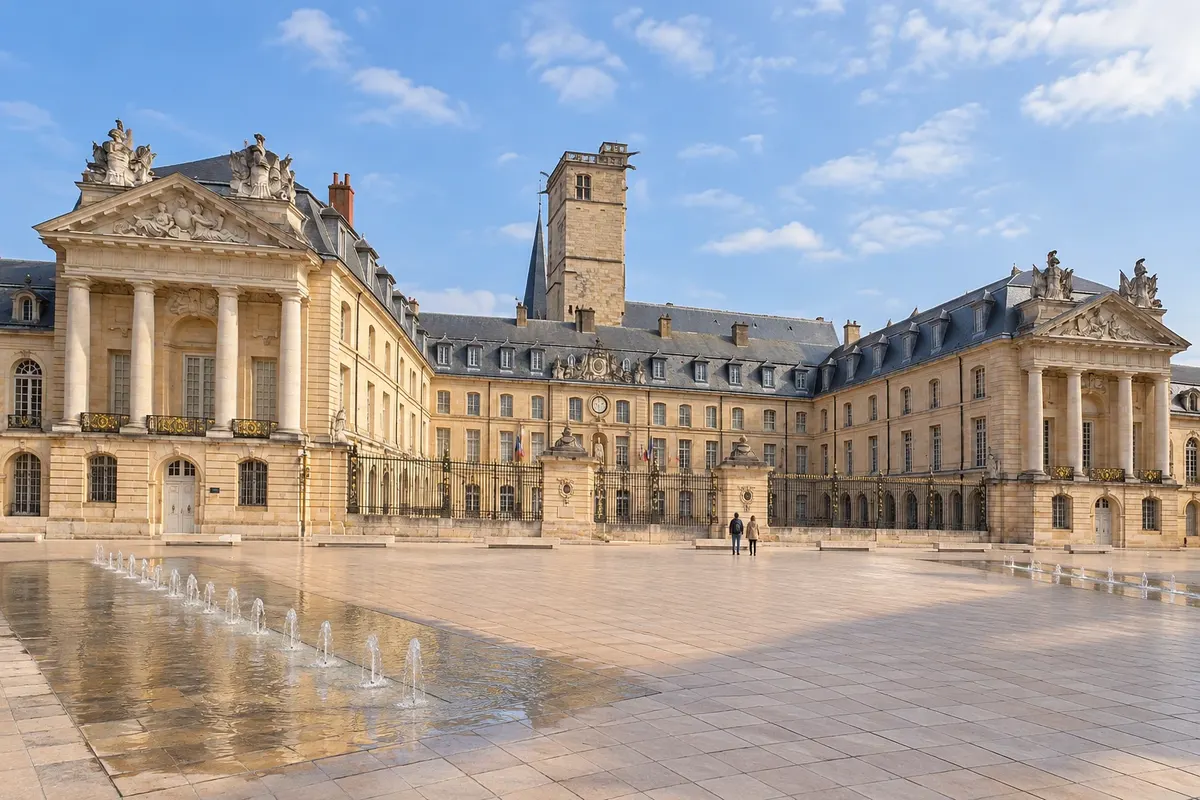
A complex of buildings in the heart of Dijon that brings together the palace of the Dukes of Burgundy, from the 14th and 15th centuries, and the Palace of the States, from the 17th and 18th centuries. Today it houses the town hall and the Musée des Beaux-Arts.
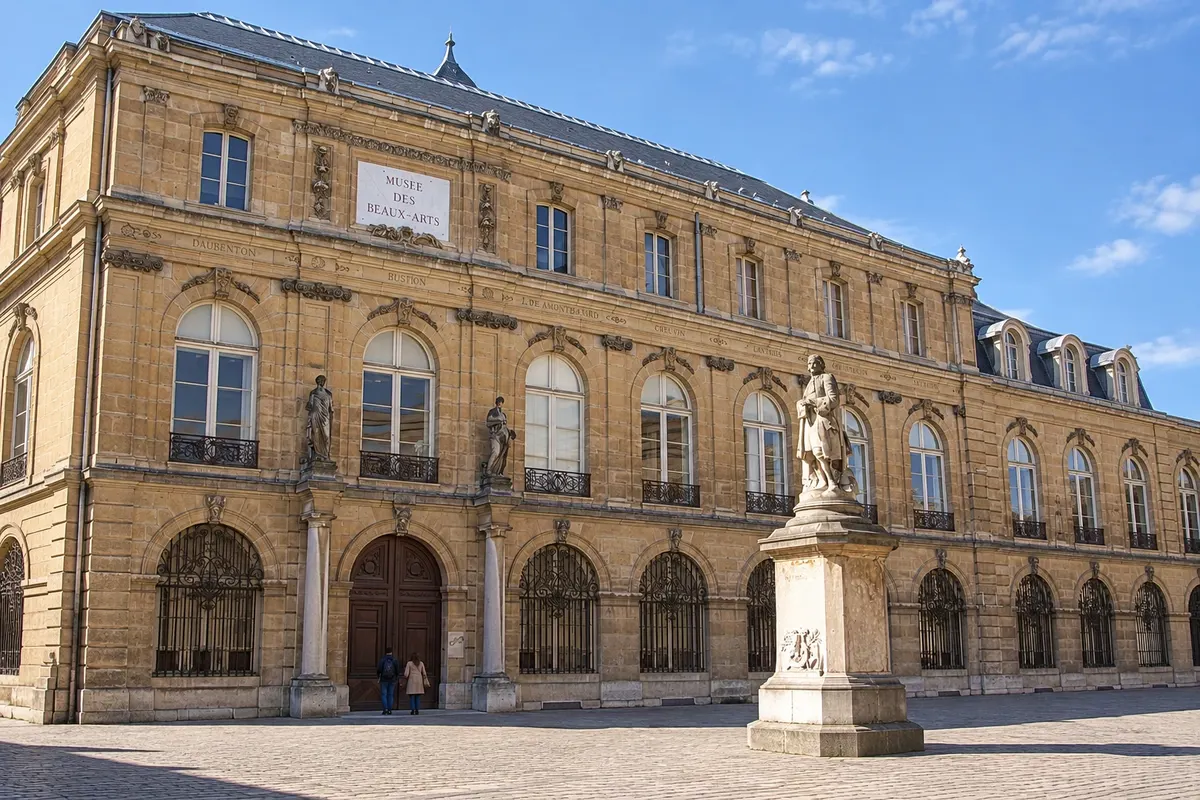
One of the oldest museums in France, housed in the ducal palace. It preserves the tombs of the dukes of Burgundy, Fayum funerary portraits and paintings from the Renaissance to the 19th century. Admission to the permanent collections is free.
46-metre tower of the ducal palace, built between 1450 and 1460. There are 316 steps to the terrace, with a 360-degree view over Dijon’s roofs and, on clear days, as far as the Côte de Nuits. Ascent only on guided tours.
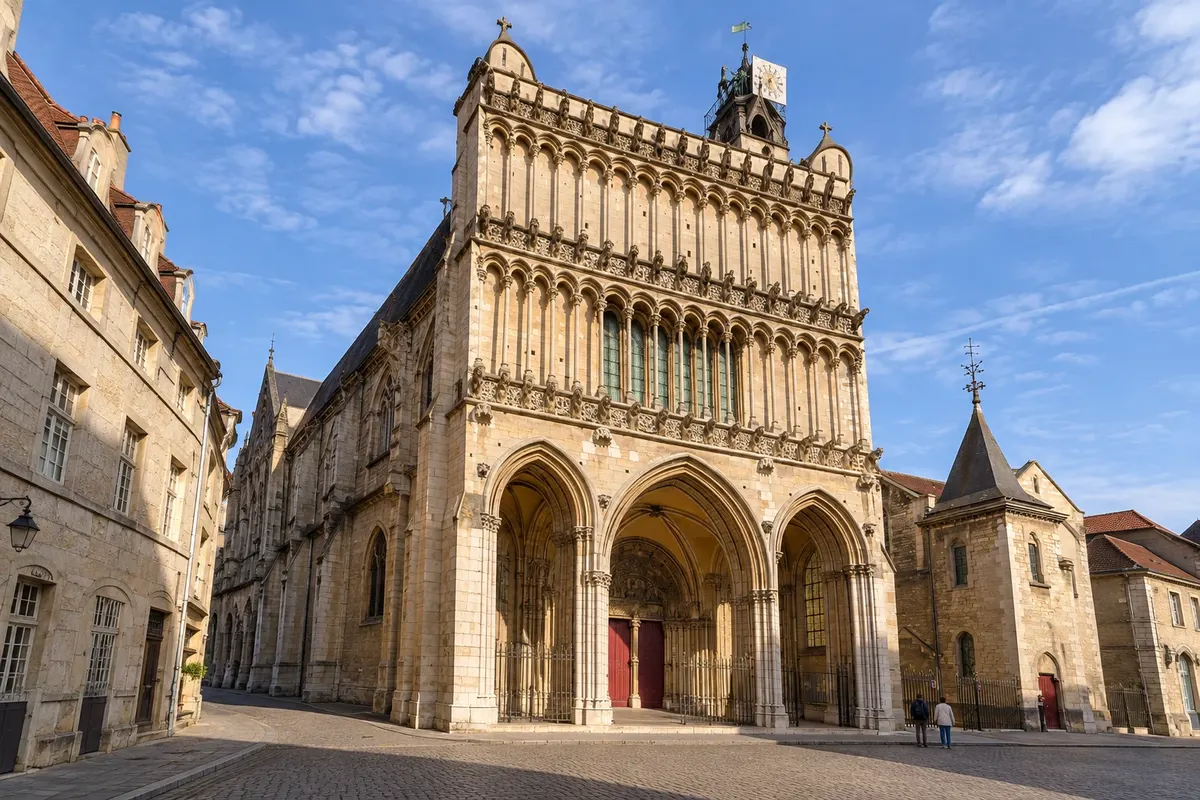
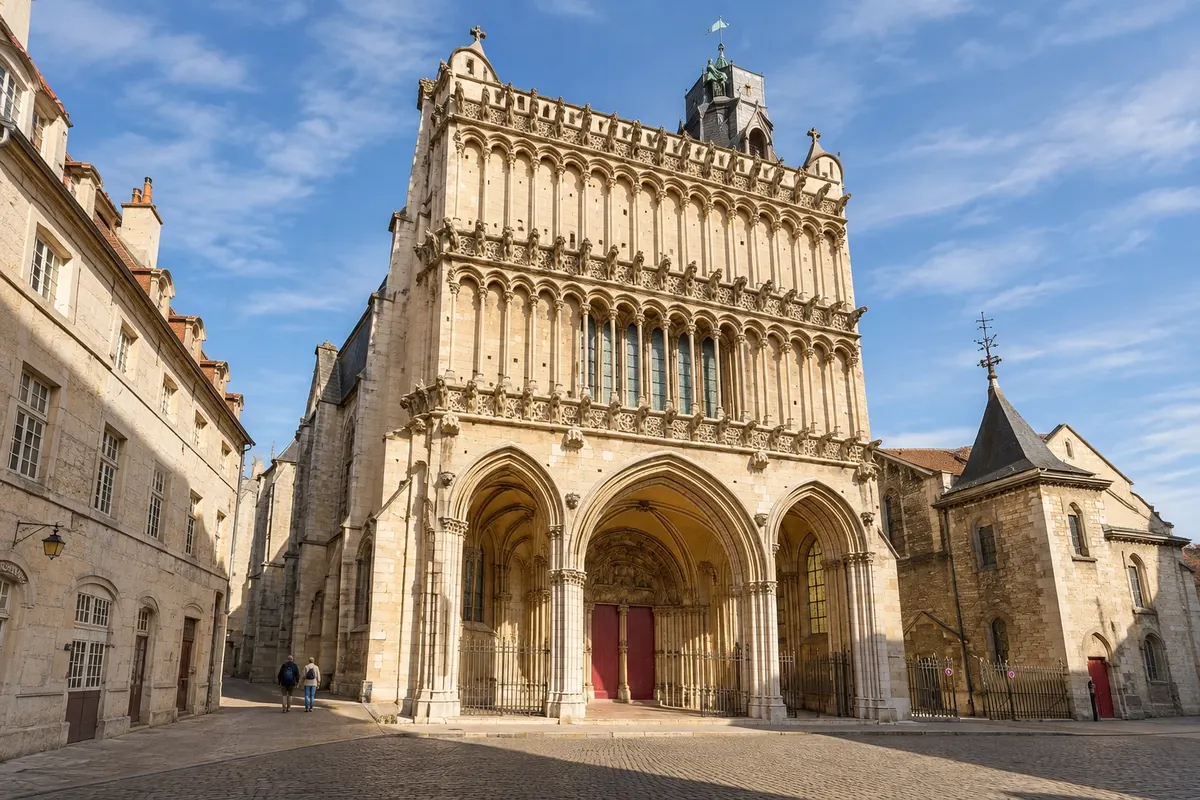
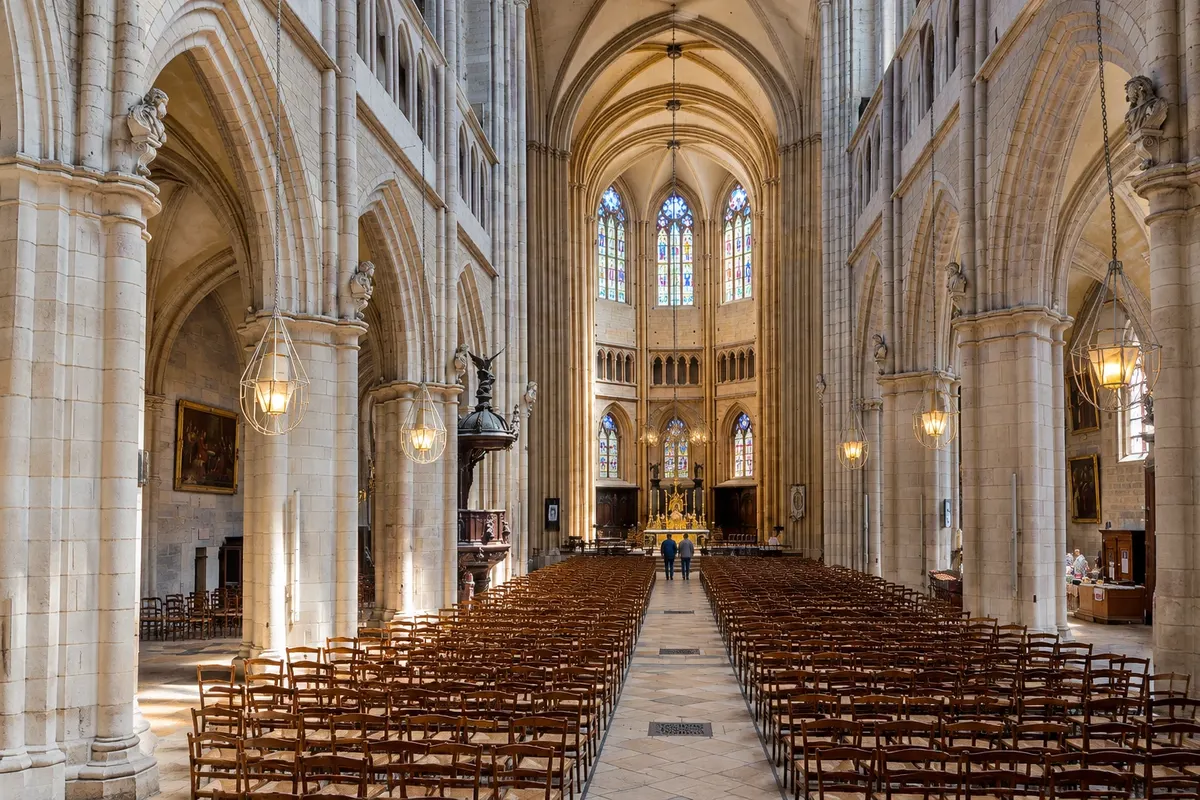
13th-century Gothic church with a façade of fake gargoyles, the Jacquemart clock, and on the side wall the small stone owl that Dijon locals touch with their left hand to make a wish.
Walking circuit through Dijon’s historic centre, marked by triangular bronze arrows with an owl on the pavement. It passes the Palais des ducs, Notre-Dame, the Rue des Forges, the Halles and townhouses from the 15th to 18th centuries.
13th-century Gothic cathedral, with a roof of colourful glazed tiles and a Romanesque crypt from the year 1000, the only remaining part of a large three-storey rotunda.
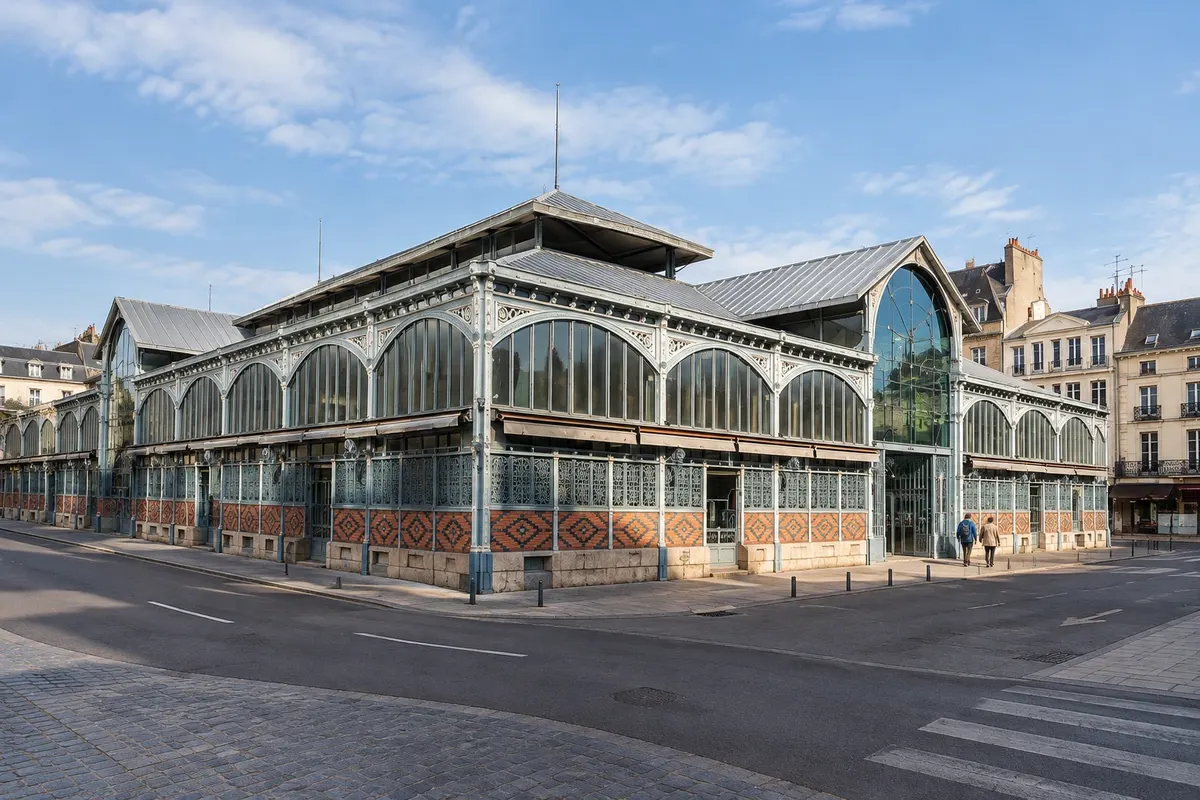
19th-century covered market of iron and glass, connected to the workshops of Dijon native Gustave Eiffel. It opens on market mornings with cheeses, charcuterie, escargots, mustard and products from Borgonha.
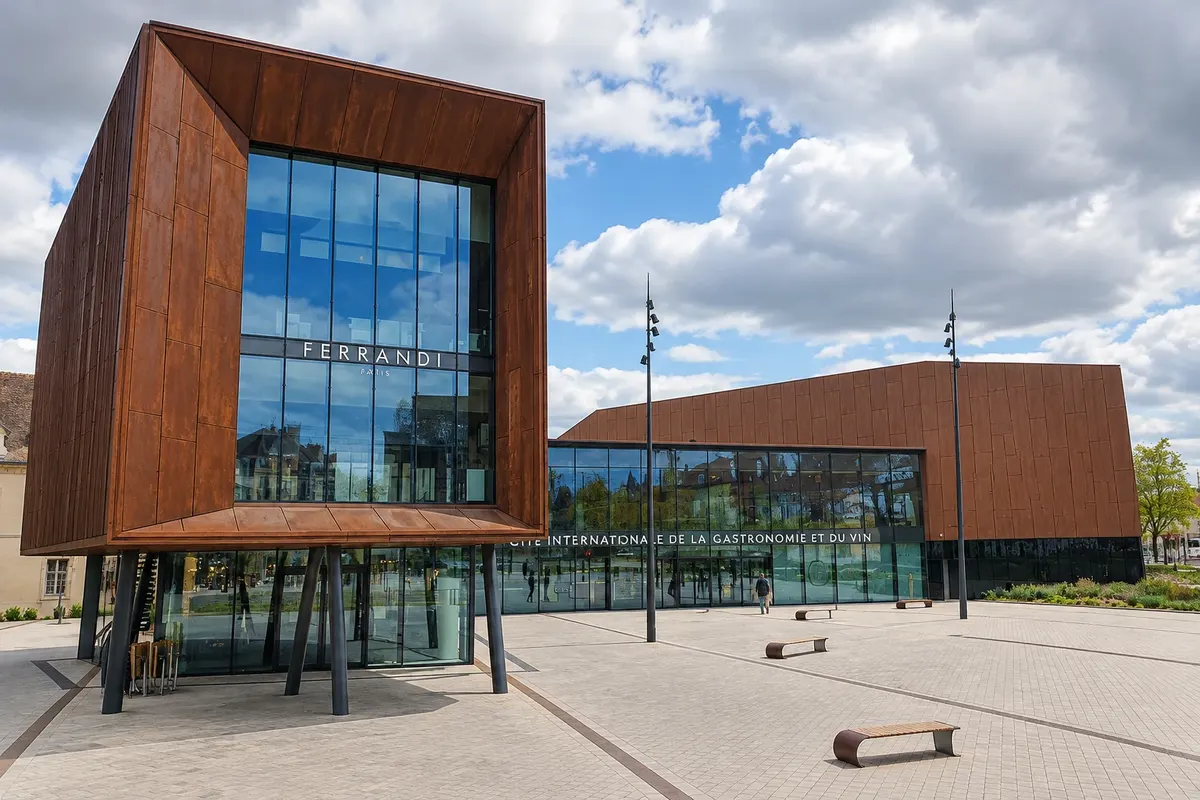
Complex installed in the former general hospital of Dijon, at kilometer zero of the Route des Grands Crus, with exhibitions about wine and French cuisine, the Chapelle des Climats and tasting workshops of the École des Vins de Bourgogne.
Base of a calvary carved between 1396 and 1405 by Claus Sluter for the Chartreuse de Champmol, the ducal monastery-necropolis. Six life-size prophets, with a realism rare for the time.
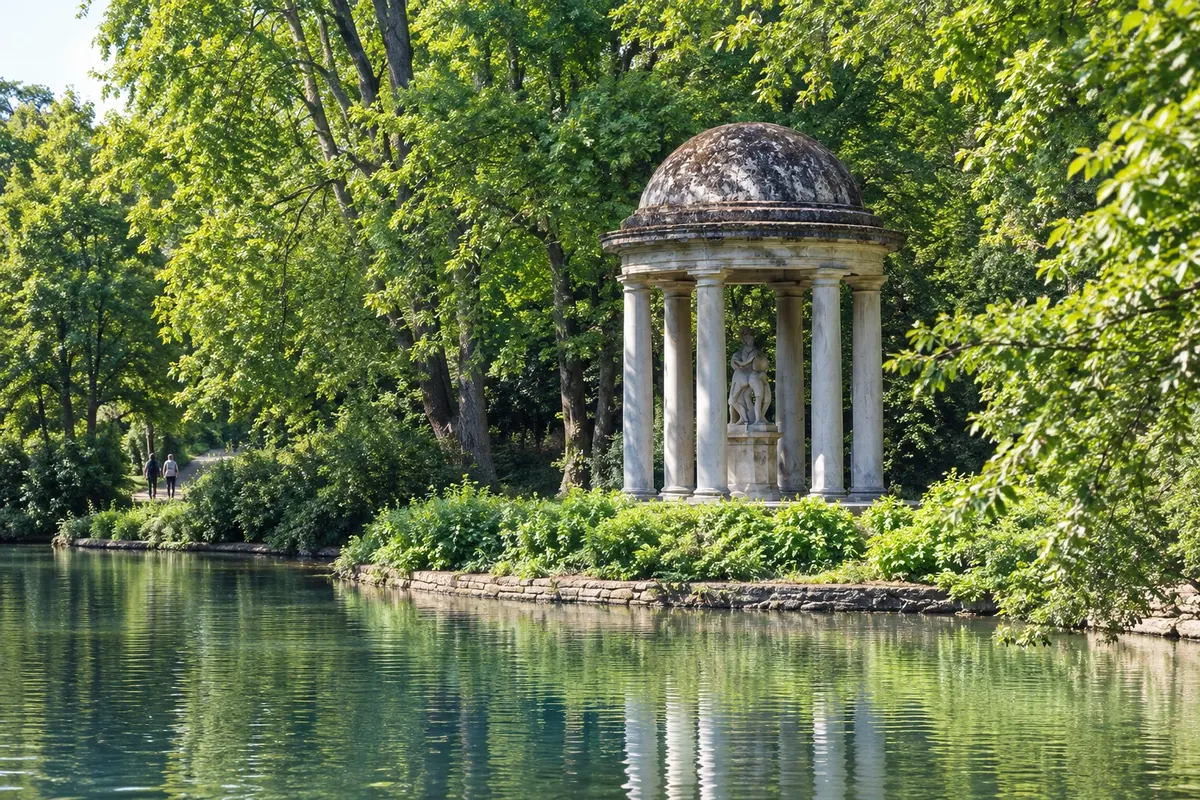
Park with a botanical garden of about 3,500 species, an arboretum, a rose garden, a natural history museum and a planetarium, next to Dijon-Ville station. It used to be called Jardin des Sciences.
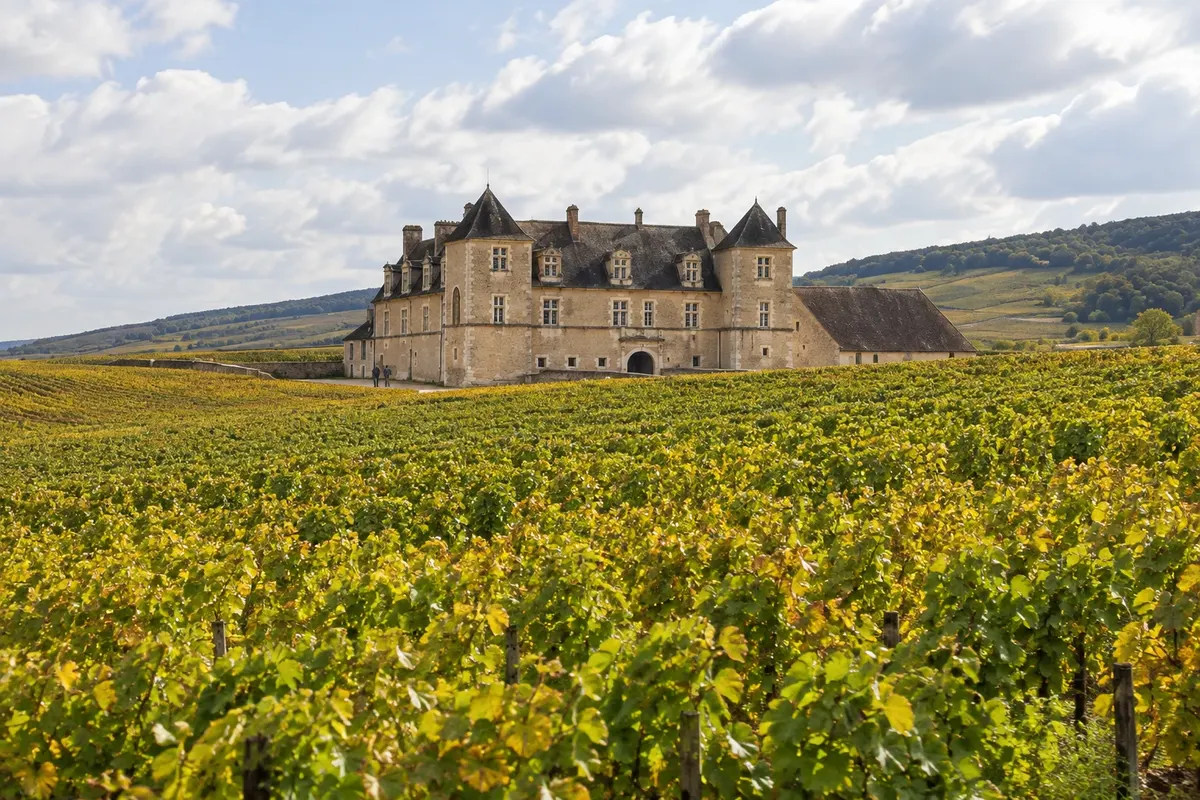
Castle built by monks of Cîteaux in the middle of a walled vineyard of the Côte de Nuits, on the Route des Grands Crus. It houses four giant medieval wine presses and is the seat of the Confrérie des Chevaliers du Tastevin.
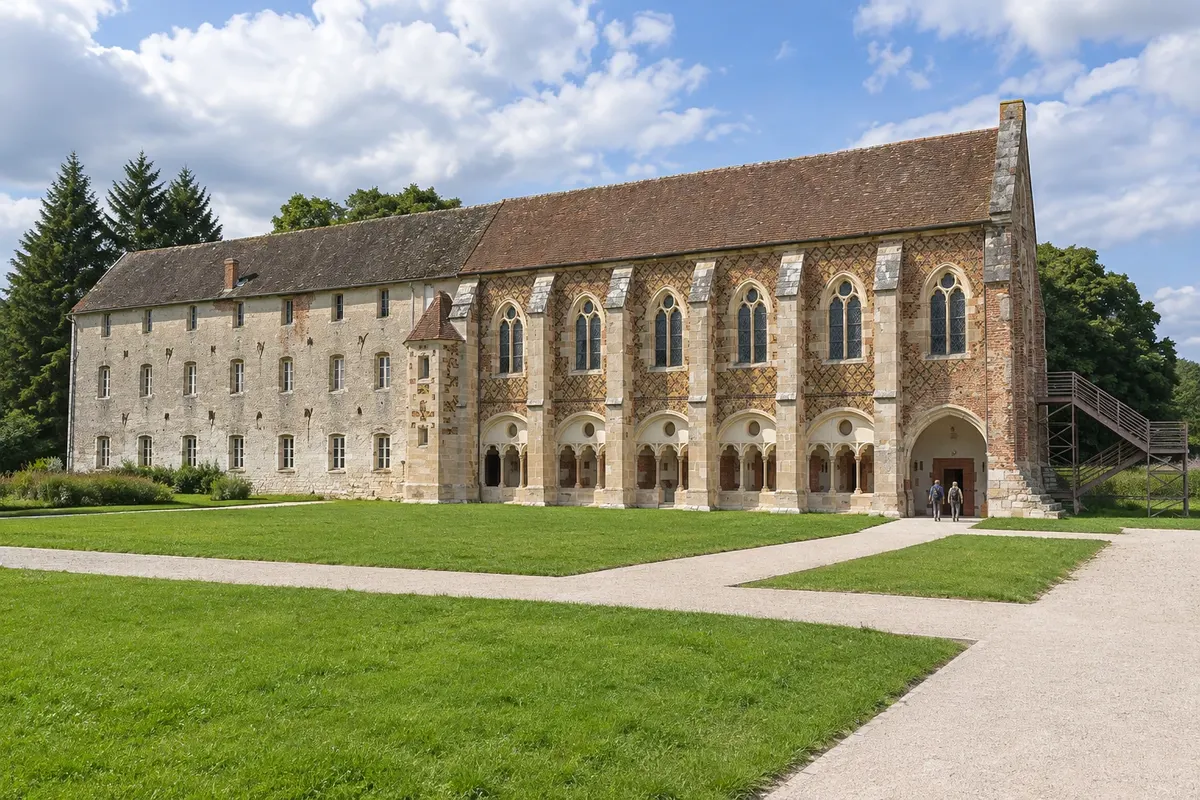
Abbey founded in 1098, birthplace of the Cistercian order, still inhabited by monks. Visits are always guided, in French, with mandatory reservation, within the monastic enclosure.
Pred odhodom
Dijon – Bourgogne-Franche-Comté Destinacija Burgundy Capital
Razdalje so približne. Pred potovanjem preverite lete in vozne rede avtobusov, vlakov ali ladij.
From Paris, the TGV departs from Gare de Lyon and reaches Dijon-Ville station in about 1h40. Those who arrive at Paris-CDG have roughly 330 km by road to Dijon; Lyon-Saint-Exupéry airport is about 210 km away. Check before buying.
One day is enough for the historic centre: the palace, the museum, Notre-Dame and the Halles. With two days, add the Tour Philippe le Bon, the Cathédrale Saint-Bénigne, the Puits de Moïse and half a day in the Côte de Nuits vineyards. Including Beaune, allow three days.
From May to October the weather is usually more pleasant, with long days in the European summer, June to August. The grape harvest typically takes place in September. Winter, December to February, is cold, with short days and darkness before 5 p.m.
The seasons shown are the most usual ones; nature doesn't always follow the calendar.
You don't need one for the city: the centre is compact, mostly pedestrian, and there are buses and a tram. A car is helpful for the Côte de Nuits vineyards, the Clos de Vougeot and the Abbaye de Cîteaux. If you don't want to drive there are tours leaving from Dijon and regional trains to the villages on the wine route.
Predlog poti
Pot povezuje znamenitosti na tej strani. Za oglede boste imeli dovolj časa.
Start at the Place de la Libération and the courtyards of the Palais des ducs. Go into the Musée des Beaux-Arts and head straight to the tombs of the Dukes of Burgundy, with the pleurants. Entrance to the permanent collections is free.
Have lunch near the Halles, around 12:00–14:00. Afterwards follow the signs of the Parcours de la Chouette: the Église Notre-Dame, with the stone owl and the Jacquemart, Rue de la Chouette and Rue des Forges, with its hôtels particuliers.
Walk to the Cathédrale Saint-Bénigne and descend to the crypt from the year 1000. On the way back, stop by the mustard and pain d'épices shops on Rue de la Liberté.
Dine from about 7:30 p.m. in a central bistro: boeuf bourguignon, eggs en meurette or escargots. Afterwards, see the palace façade illuminated on the Place de la Libération.
Dan 1
Visit the courtyards of the Palais des ducs and climb the 316 steps of the Tour Philippe le Bon on the guided visit, booked in advance at the tourist office. From the top you can see the town's colourful rooftops.
After lunch, spend the afternoon at the Musée des Beaux-Arts: the dukes' tombs, the Fayum portraits and European painting from the Renaissance to the 19th century.
Follow the bronze arrows through the centre: Notre-Dame and the owl, Rue de la Chouette, Rue des Forges and the Halles. Stop at a mustard shop.
Dine around the Halles or Place Émile Zola, where there are several restaurants. Kitchens usually open from around 7:30 p.m.
Dan 2
On market days (Tuesday, Thursday, Friday or Saturday), start at the Halles. Then go to the Cathédrale Saint-Bénigne and the crypt, and continue to the Puits de Moïse in the park of the La Chartreuse hospital.
Travel by car, regional train or tour to the Château du Clos de Vougeot, about 17 km away, via the Route des Grands Crus. Pass through villages such as Gevrey-Chambertin and Vosne-Romanée.
Back in Dijon, visit the exhibitions at the Cité internationale de la gastronomie et du vin or take an introductory tasting workshop, by reservation.
Dine in the historic centre and try an Époisses cheese for dessert, in the French style. If the weather's good, stroll along the illuminated Rue des Forges.
Check before you go. Opening hours and days change, and places may close for renovations, holidays or events. This itinerary is a suggestion from Cidade Turismo, not a commitment: plan yours by checking directly with each place you intend to visit.
Pred odhodom
By TGV from Gare de Lyon, about 1h40 to Dijon-Ville station, which is roughly a 15-minute walk from the historic centre. Buy tickets in advance for better fares.
No. Moutarde de Dijon is the name of a recipe, using dark mustard seeds and white wine or verjuice, and is not a protected designation of origin; it can be made elsewhere, and much of the seed supply comes from Canada. In the city there are specialist shops offering dozens of flavours.
Yes. Dijon's historic centre is part of the Climats du vignoble de Bourgogne site, inscribed by UNESCO in 2015. It represents the political power that organised the region's wine production.
One day for the historic centre. Two days to include the Tour Philippe le Bon, the Puits de Moïse and a trip through the Côte de Nuits vineyards.
Not for the city. A car is only useful for the surrounding vineyards and abbeys; there are tours and regional trains as alternatives.
Več kot vodnik