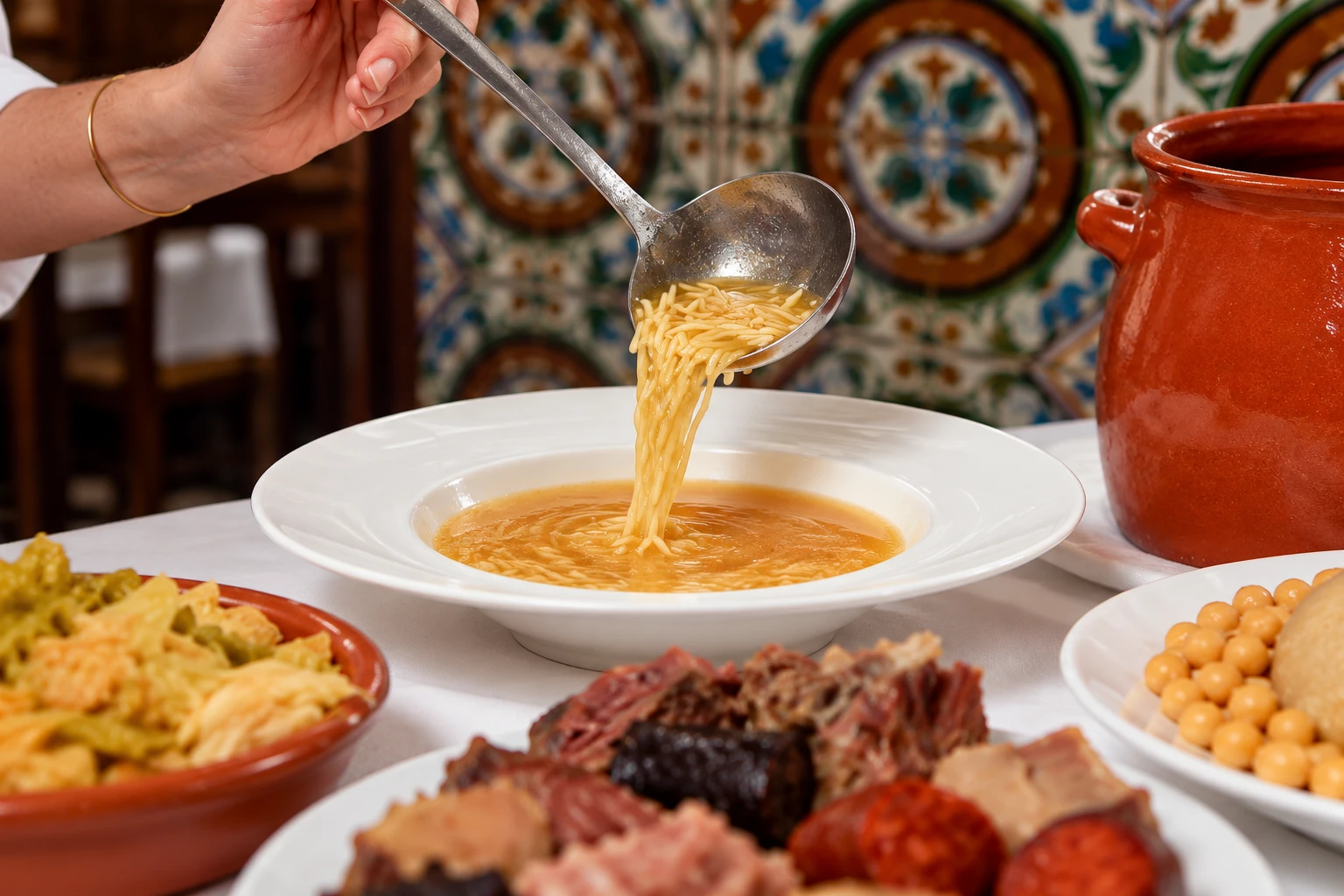
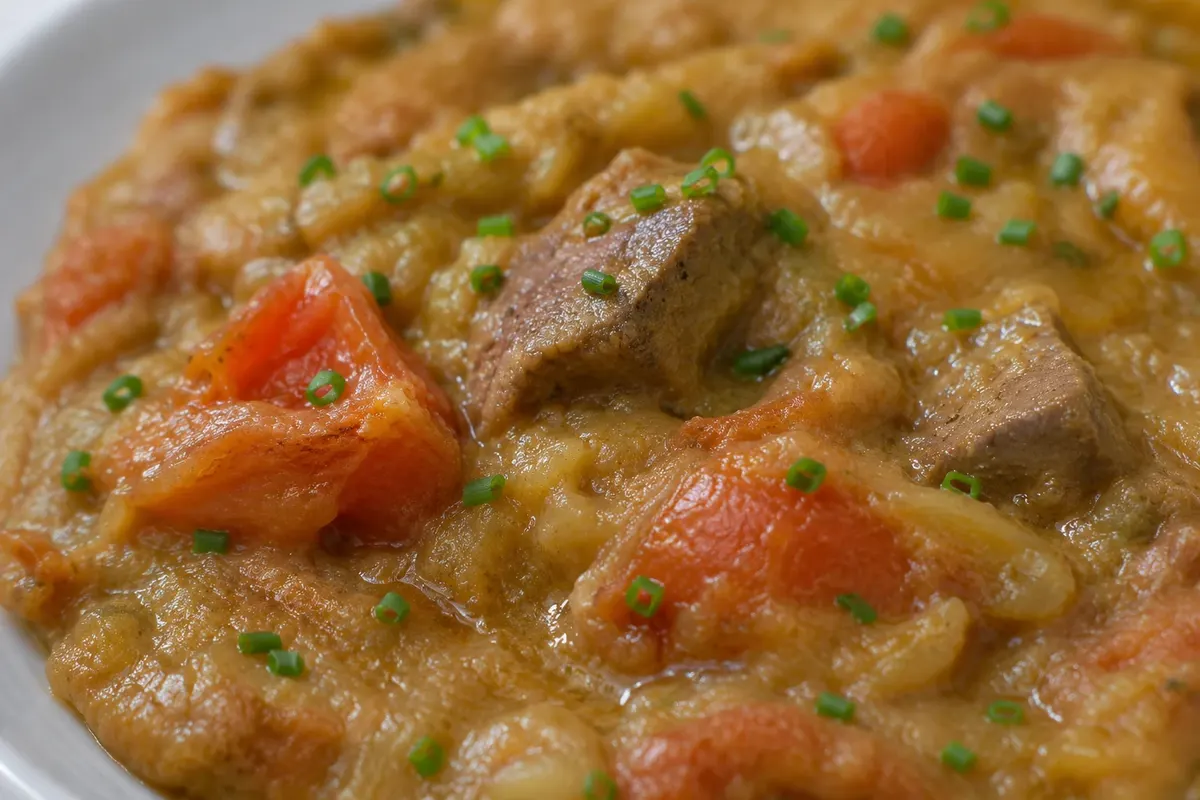
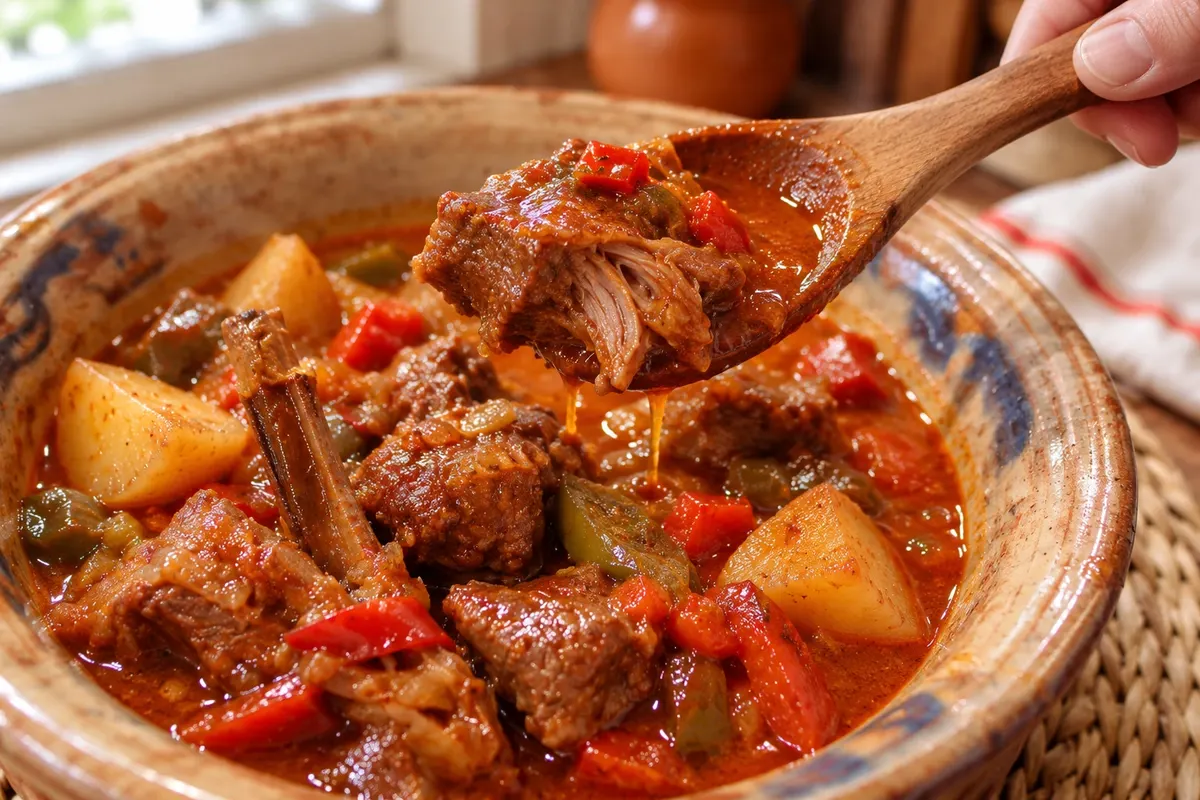
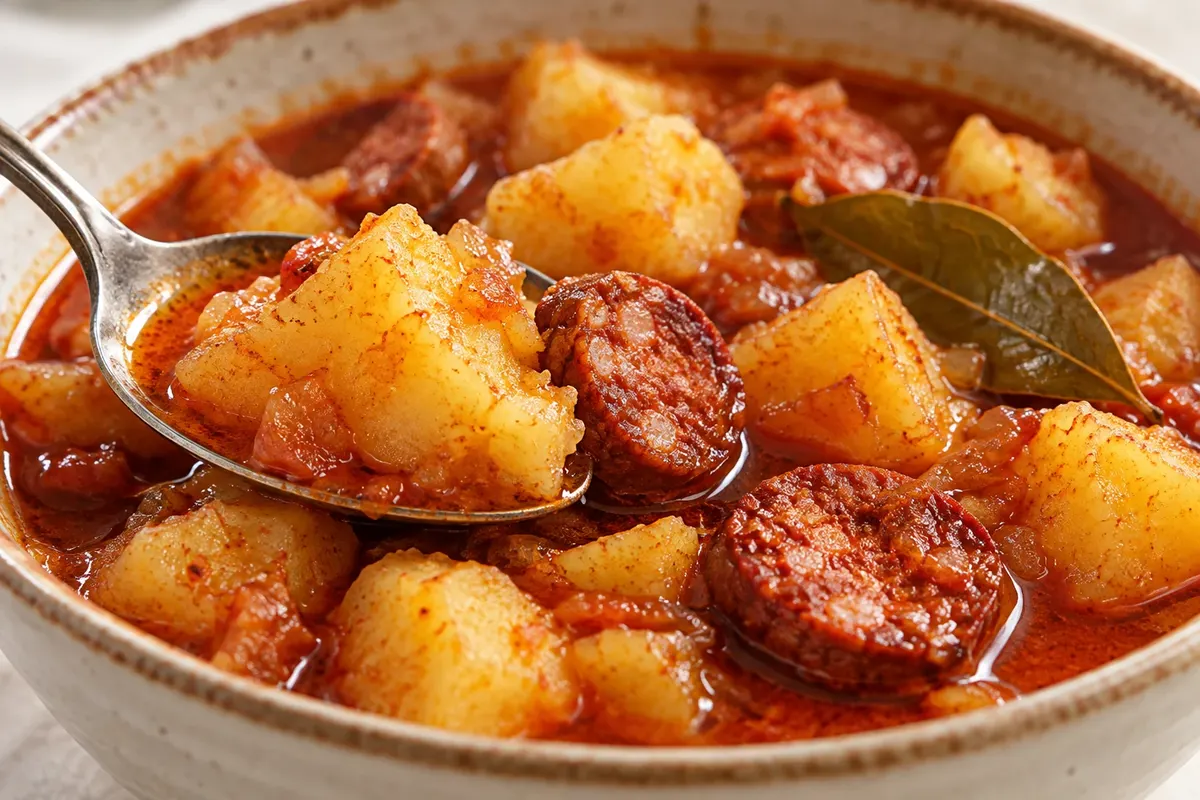
The cocido madrileño is the dish that bears Madrid’s name and was chosen to represent the region in the Post Office’s stamp series with the Royal Academy of Gastronomy. In 2026, the regional government declared it an Intangible Cultural Interest asset, in the category of intangible heritage, as a dish, a technique and a social custom that has accompanied family life, work groups and neighborhoods for generations.
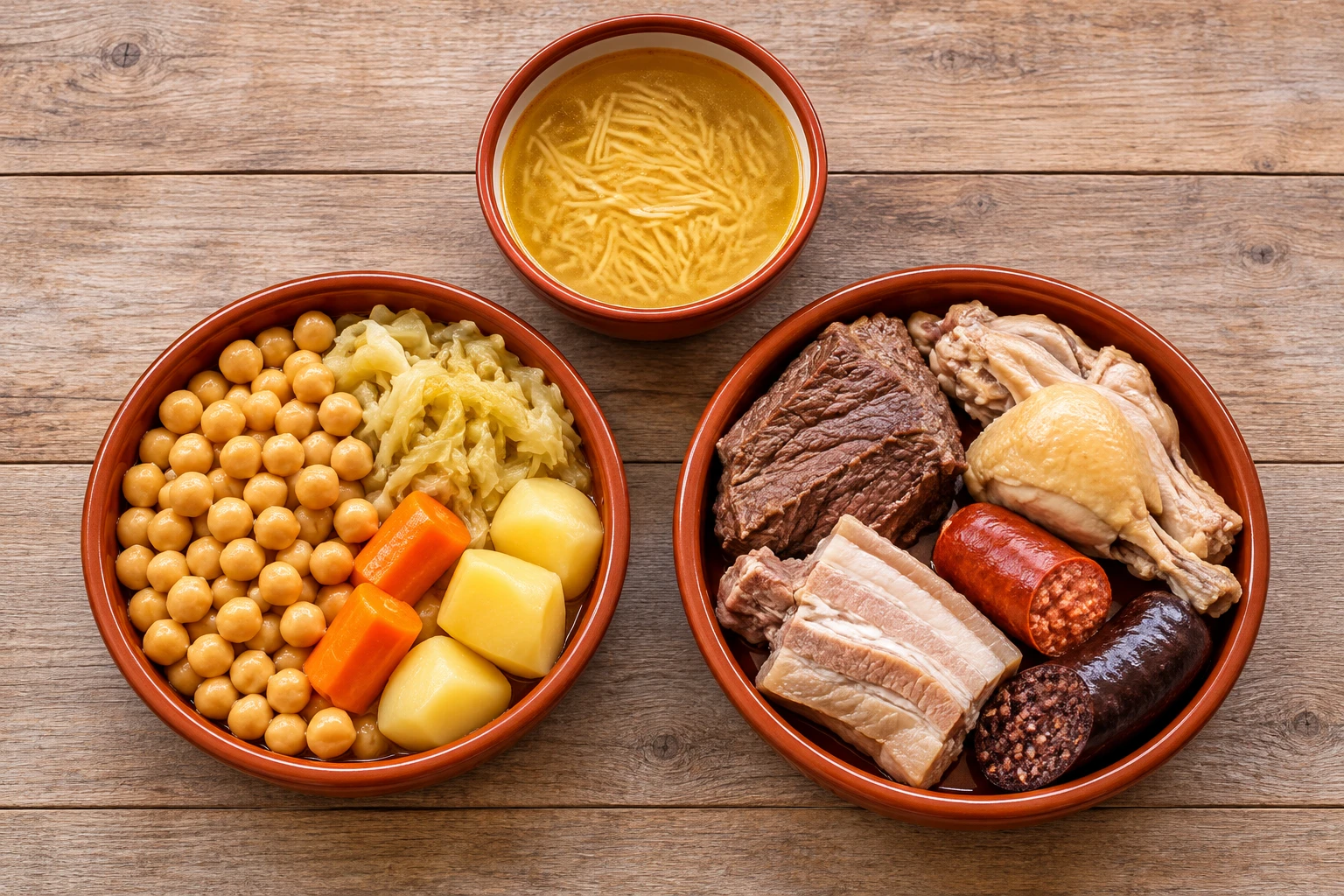
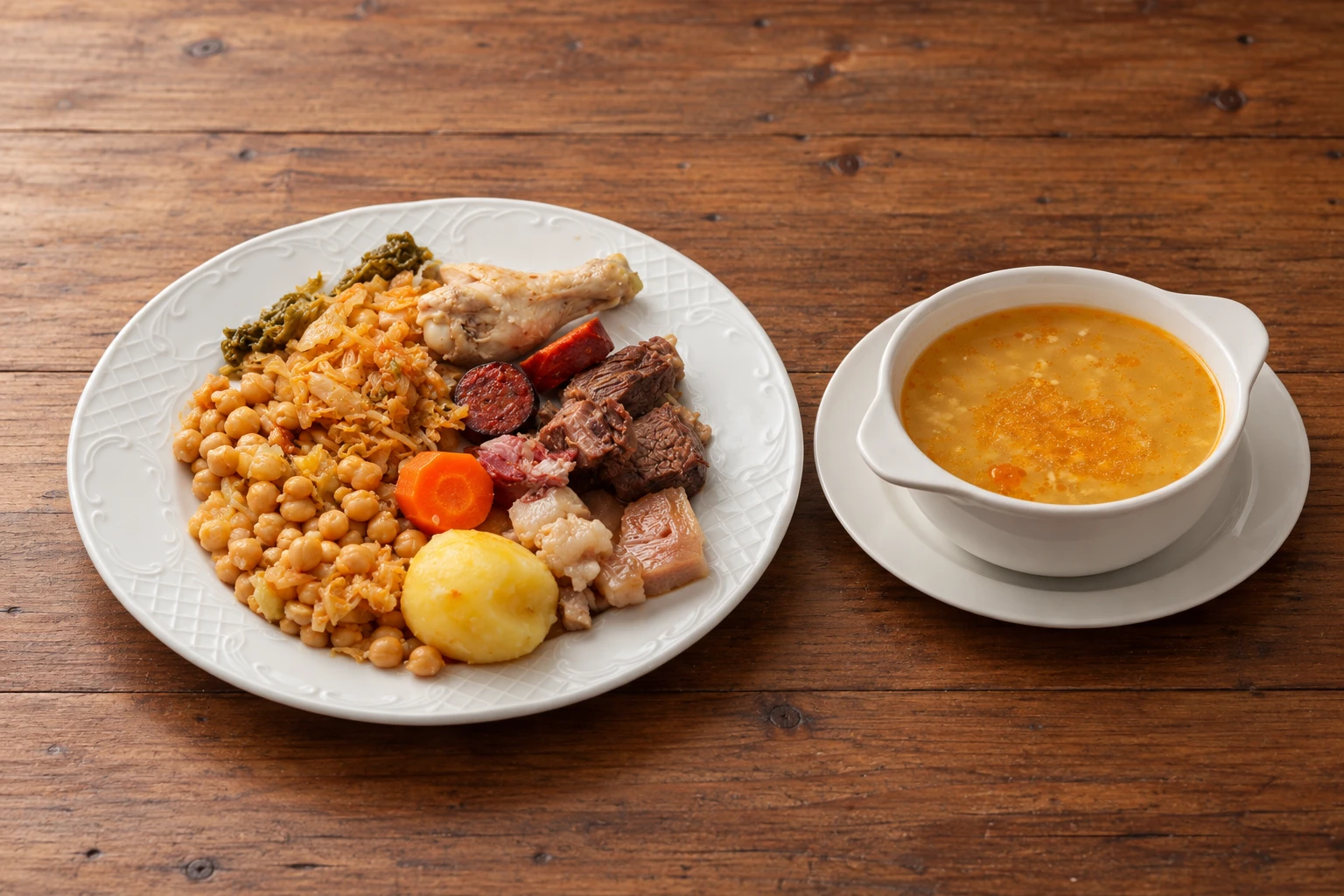
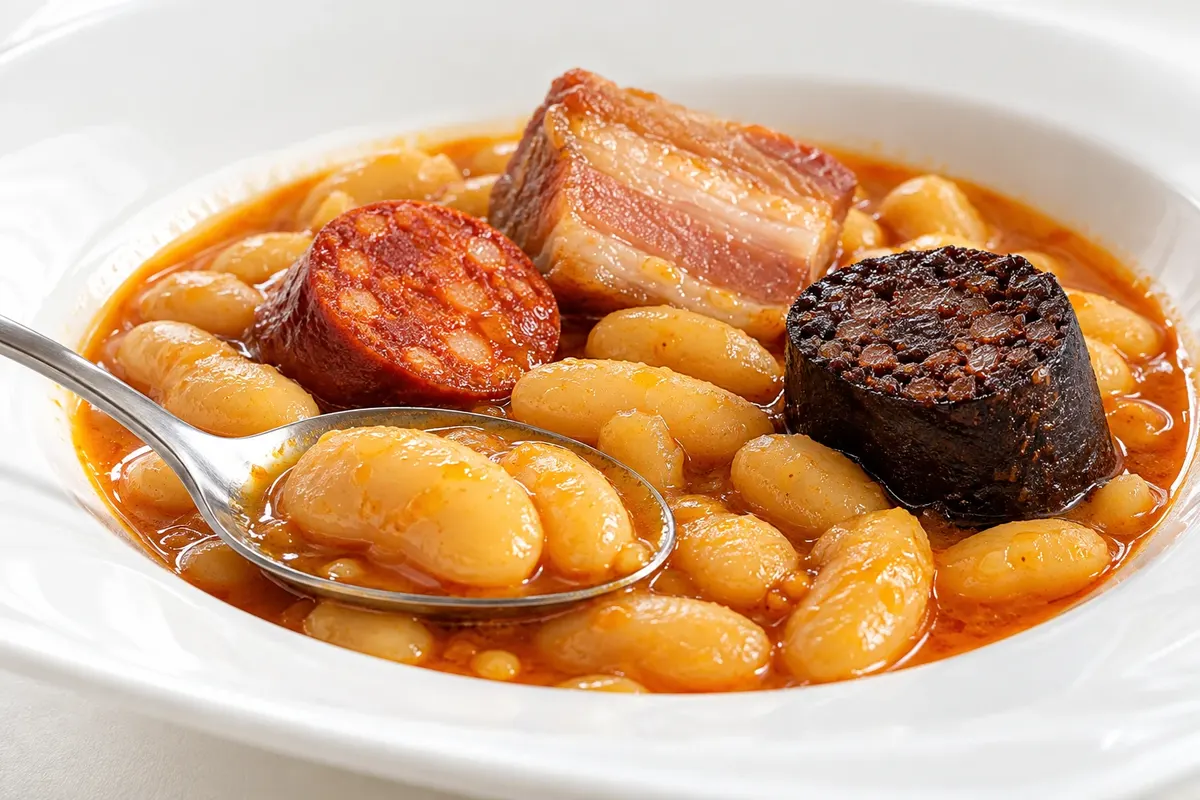
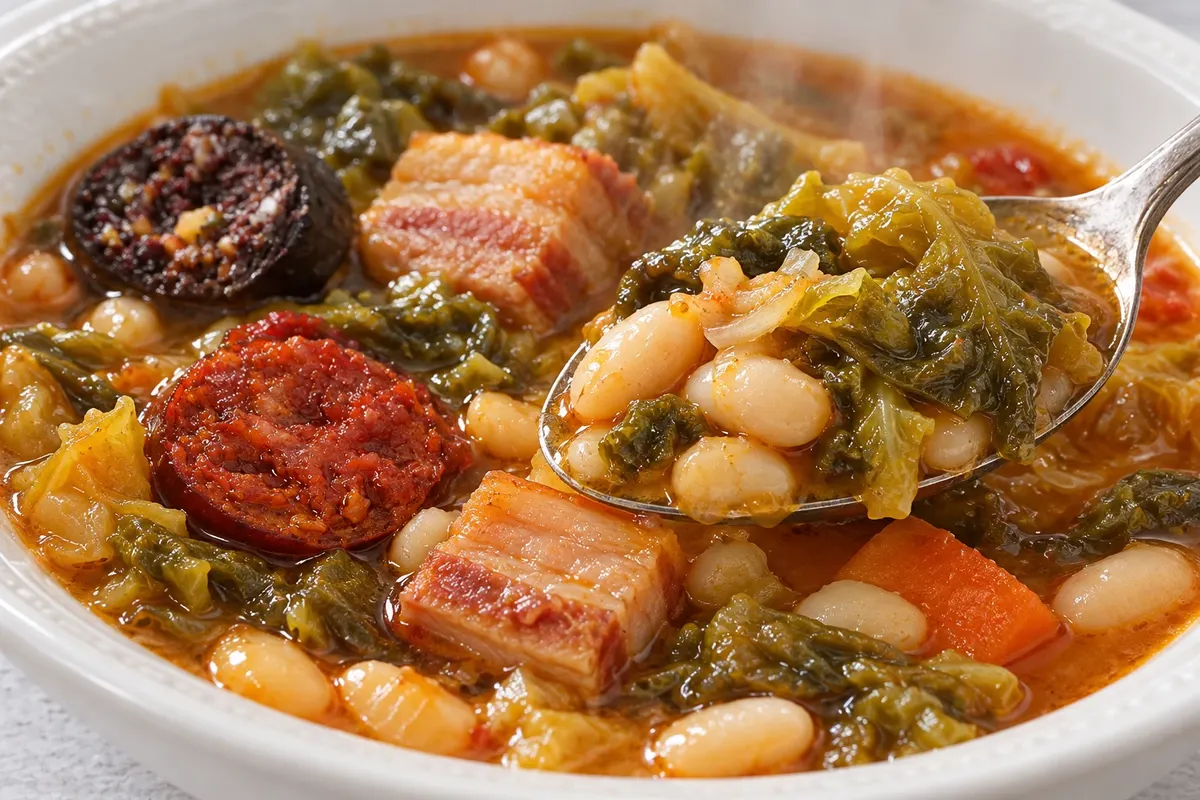
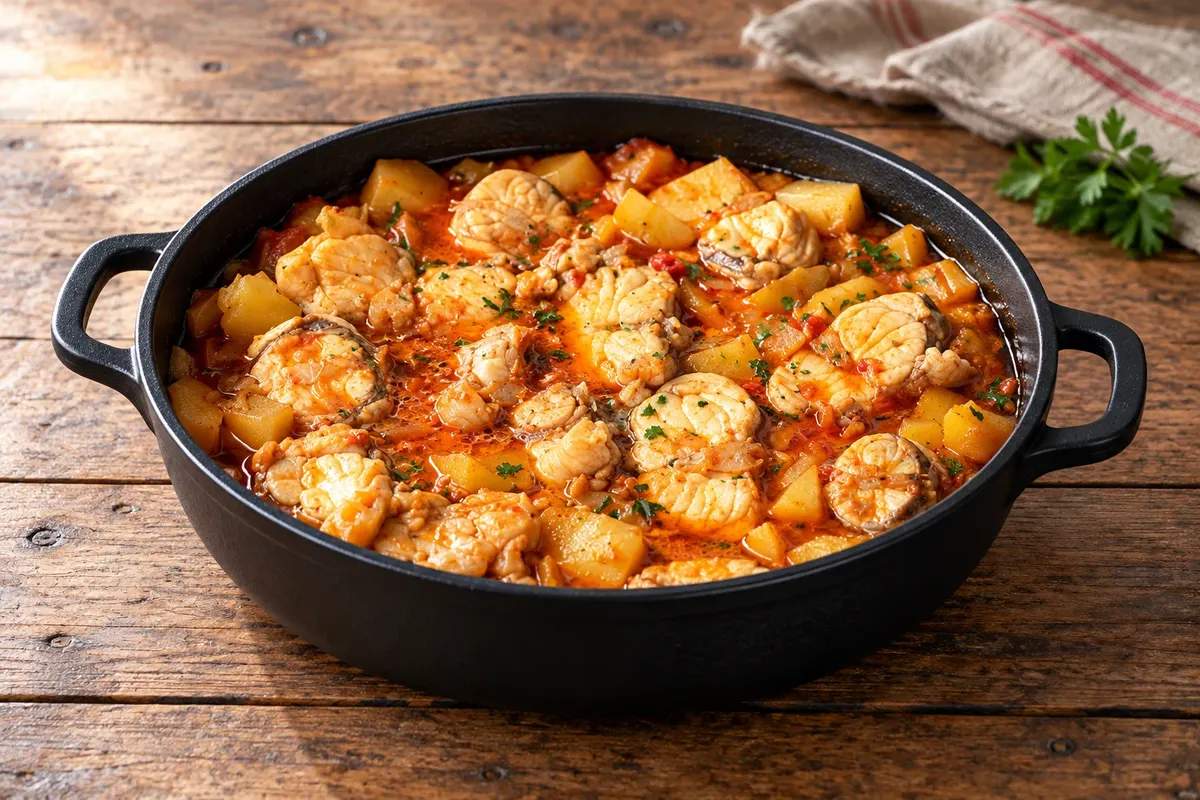
The base is chickpeas, slowly cooked in water with meats and cured sausages: beef shank, lacón or ham, bacon, sometimes chicken, chorizo and blood sausage, plus potato, carrot and cabbage. Many households add the relleno, a dumpling of bread, garlic, parsley and egg that cooks in the broth.
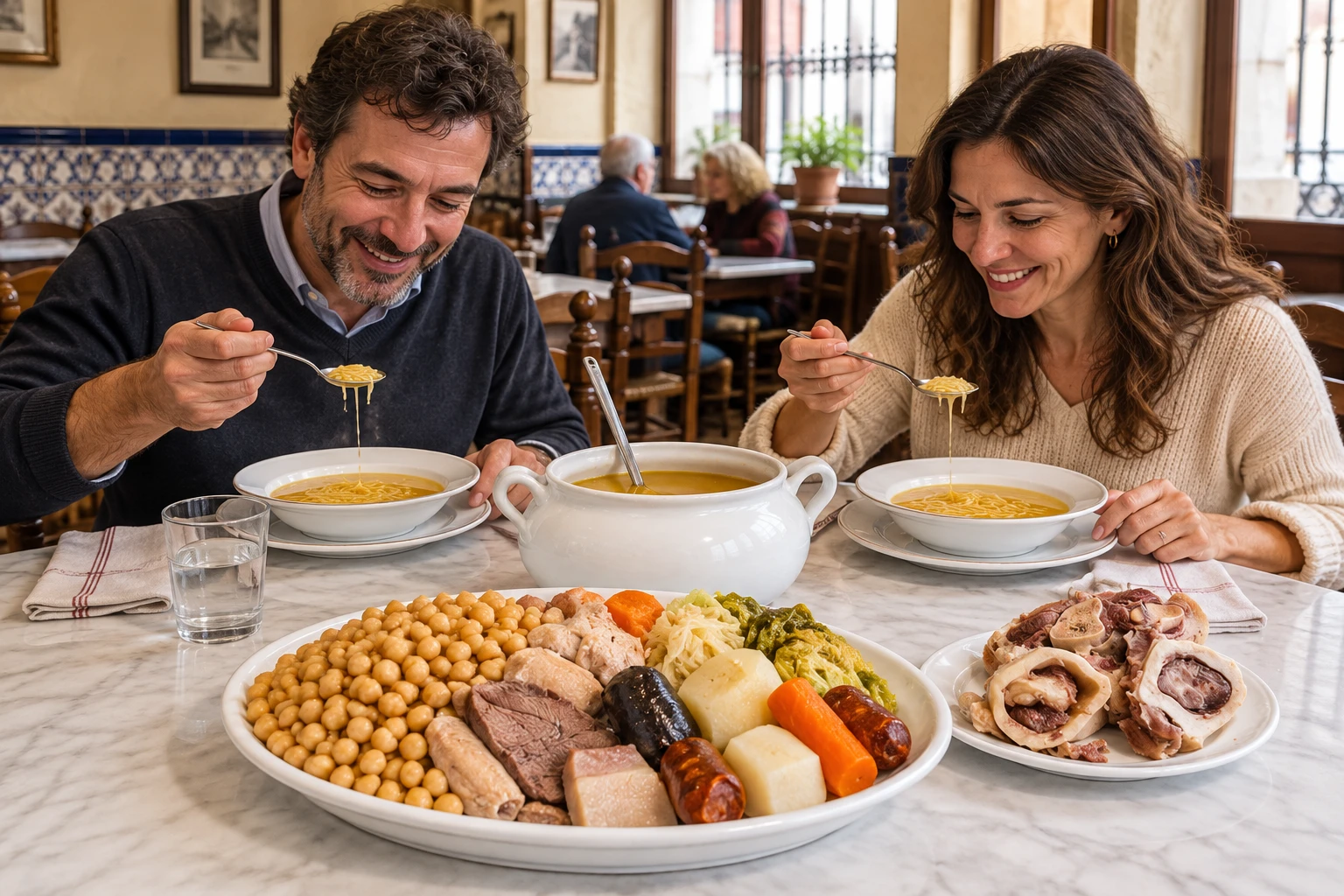
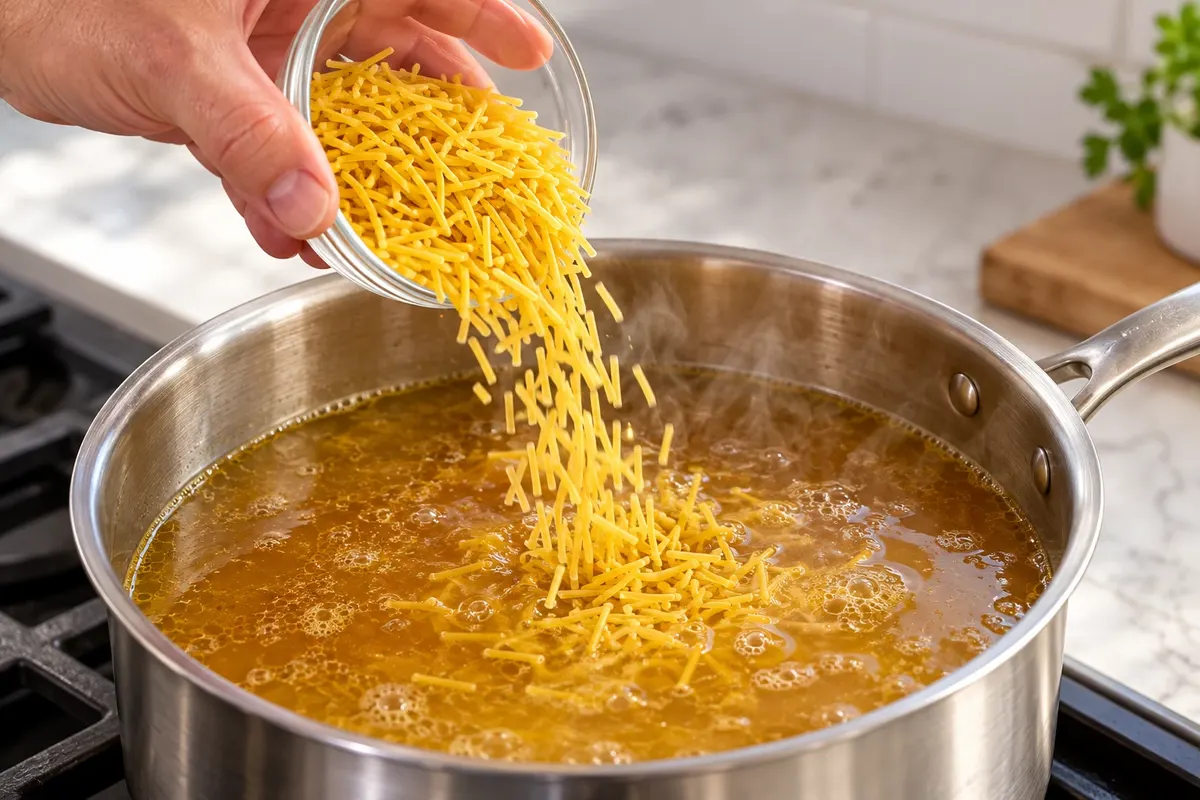
What sets it apart is the way it is served. The cocido arrives at the table in vuelcos, a name that comes from turning the pot to serve each part. The most common is three: first the soup, with the broth and fideos; then the chickpeas with the vegetables; lastly, the meats and cured sausages. Some places serve it in two or even four vuelcos.
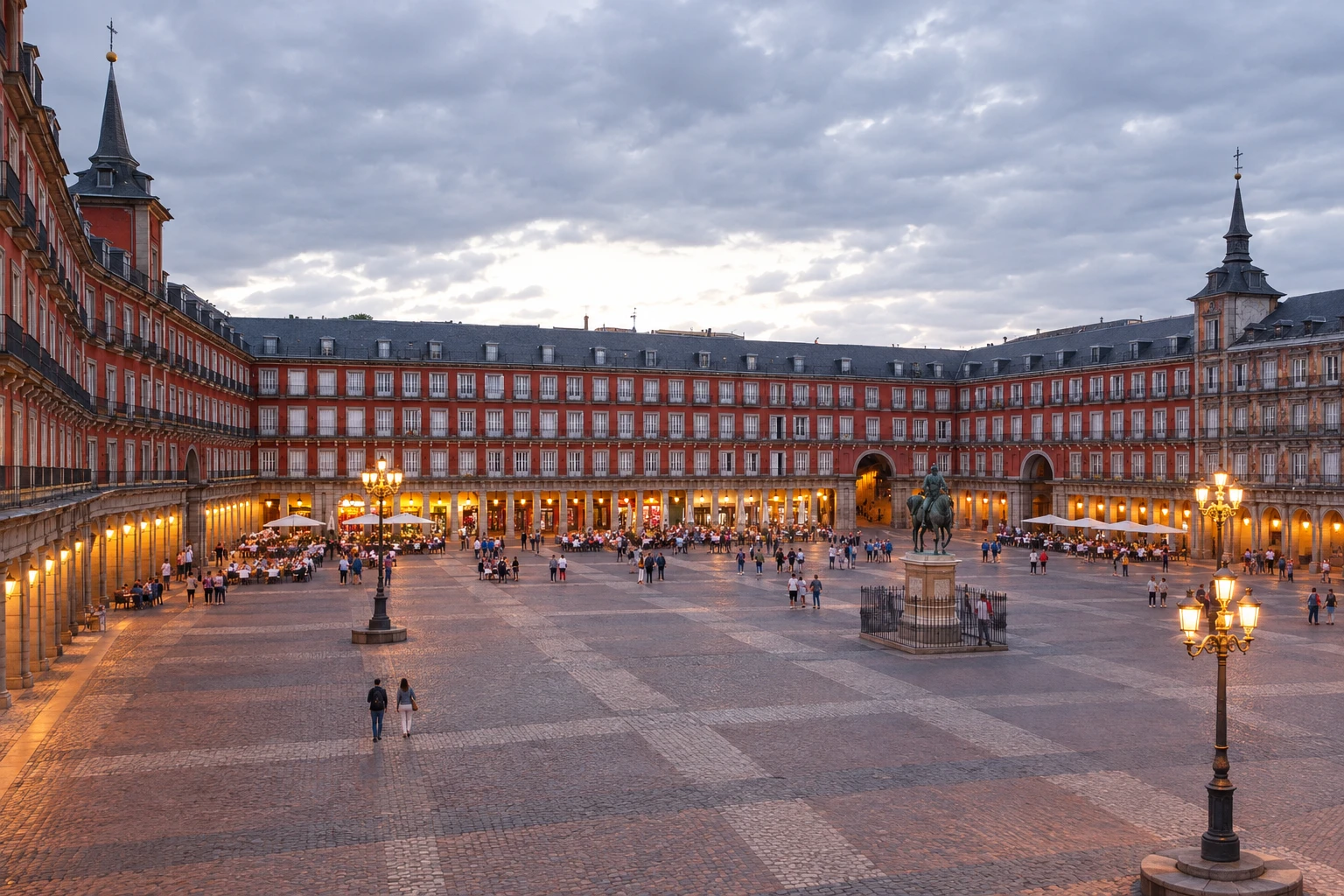
According to the Community of Madrid, olla podrida is considered an antecedent of the dish, mentioned in texts of the 16th and 17th centuries, and the name cocido has been used for more than 150 years. It established itself in 19th-century inns and eating houses, and several old taverns in Madrid still serve it today. Leftovers are used to make croquettes and ropa vieja.


 Brazilija
 Antarktika
 Argentina
 Bolivija
 Čile
 Kolumbija
 Ekvator
 Gvajana
 Francoska Gvajana
 Falklandski otoki (Malvini)
 Paragvaj
 Peru
 Surinam
 Urugvaj
 Venezuela
 Nemčija
 Avstrija
 Belgija
 Hrvaška
 Danska
 Slovaška
 Slovenija
 Finska
 Francija
 Grčija
 Nizozemska
 Madžarska
 Irska
 Islandija
 Italija
 Luksemburg
 Norveška
 Poljska
 Portugalska
 Združeno kraljestvo
 Češka
 Švedska
 Švica
 Turčija
 Bermudi
 Kanada
 Združene države Amerike
 Grenlandija
 Mehika
 Sveta Peter in Mihael
 Dominikanska republika
 Japonska
 Južnoafriška republika
 Egipt
 Avstralija
 Fidži
 Nova Zelandija
 Papua Nova Gvineja