Santana do Riacho

Minas Gerais · Brazilija

Santana do Riacho

Destinacija: Serra do Cipó.

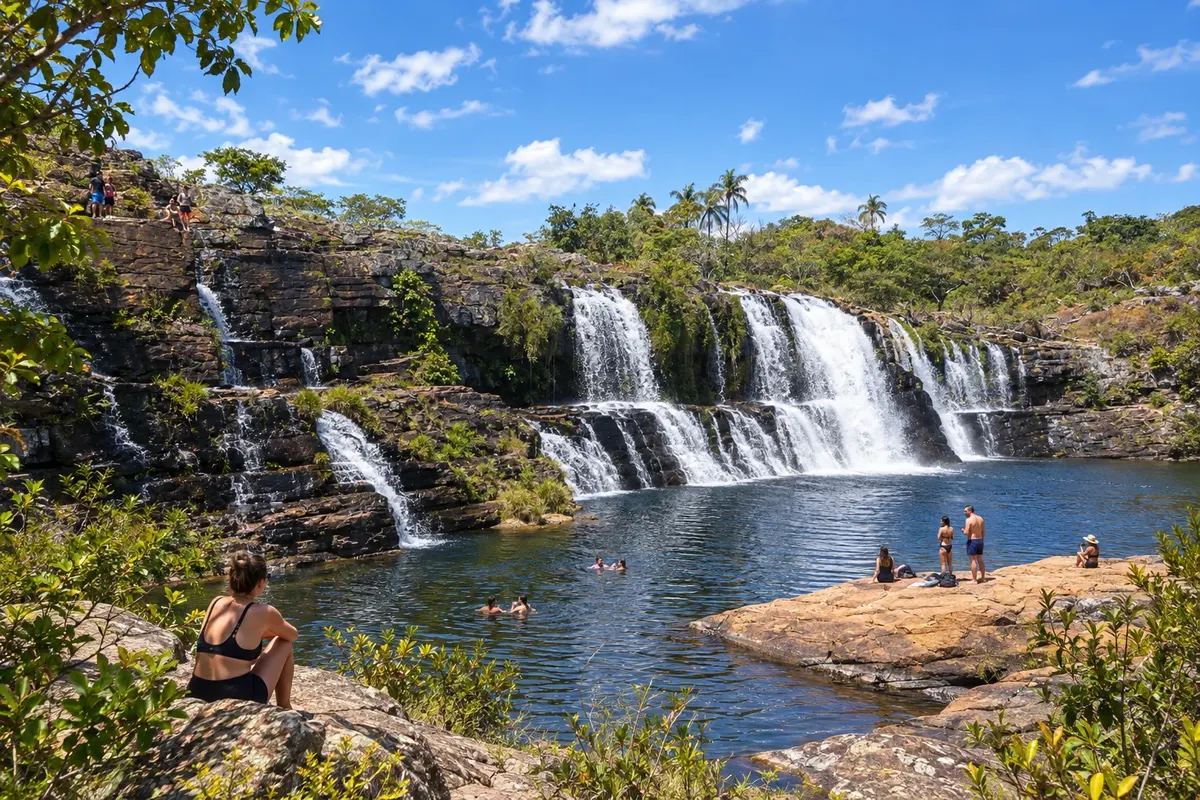
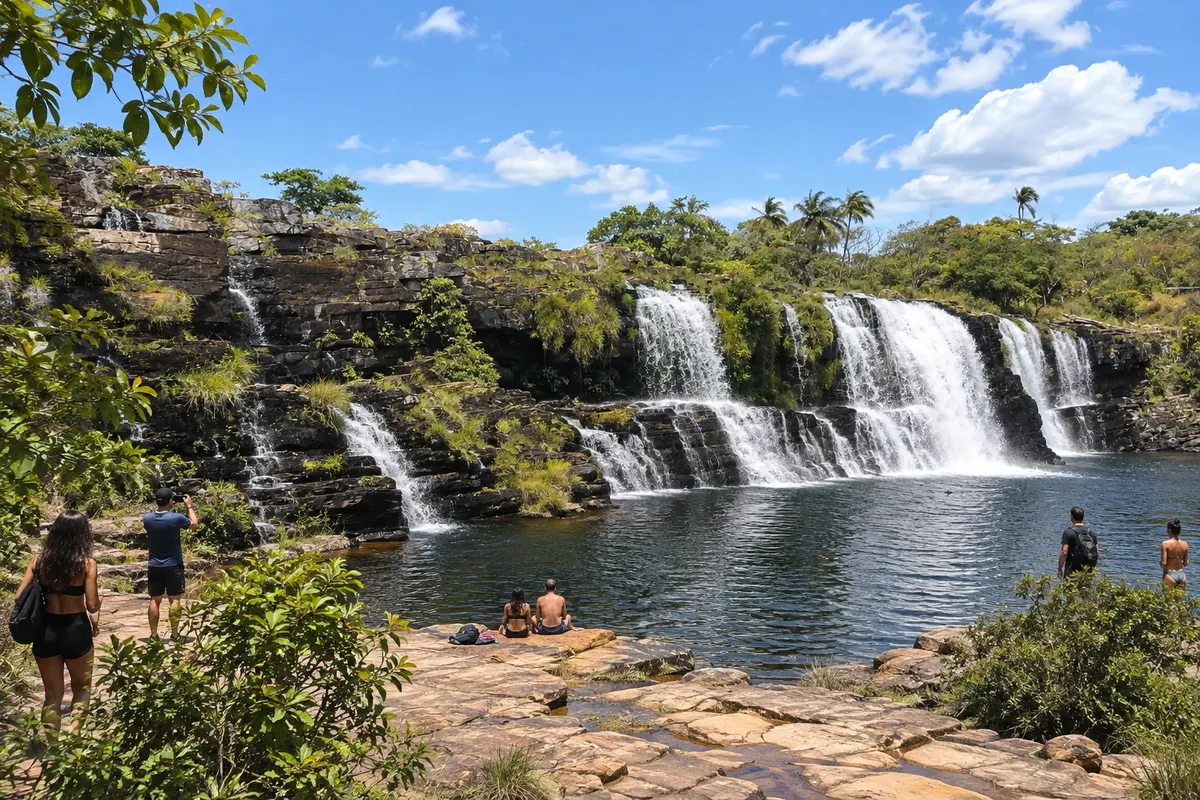
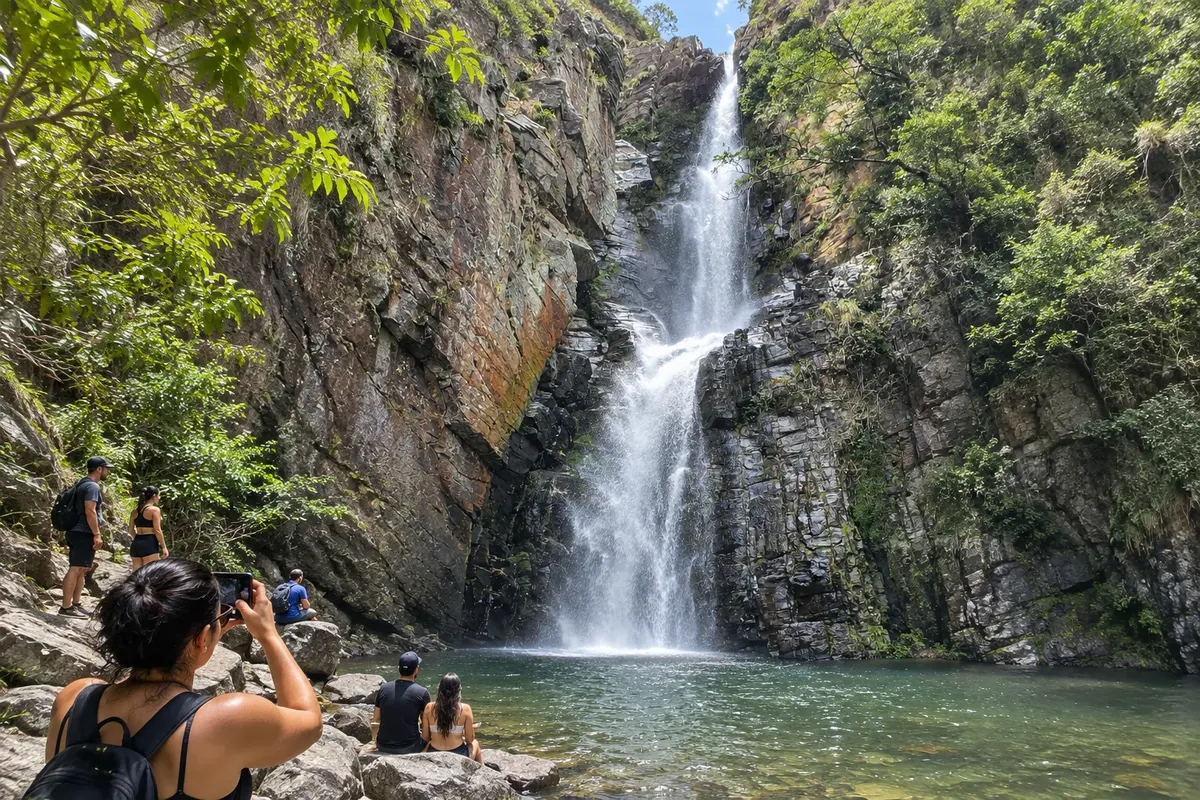
Na fotografiji: Cachoeira Grande, Serra do Cipó, Santana do Riacho - MG

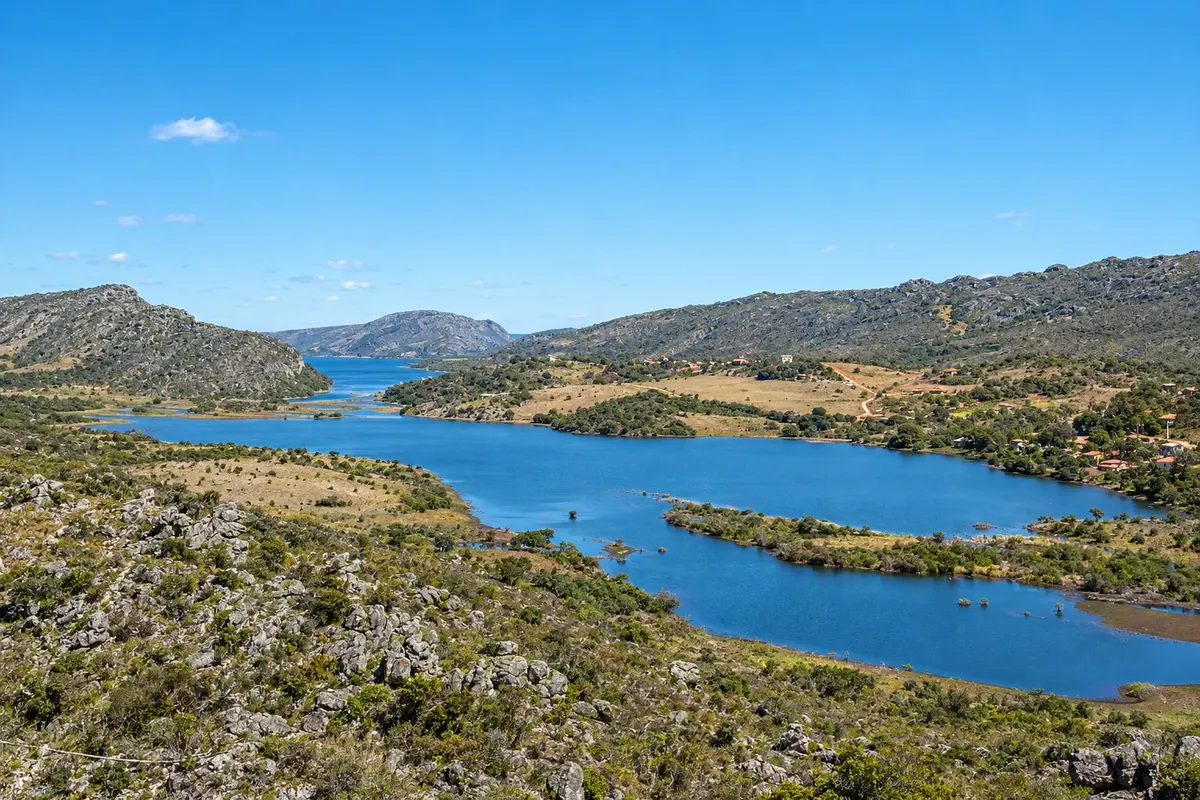
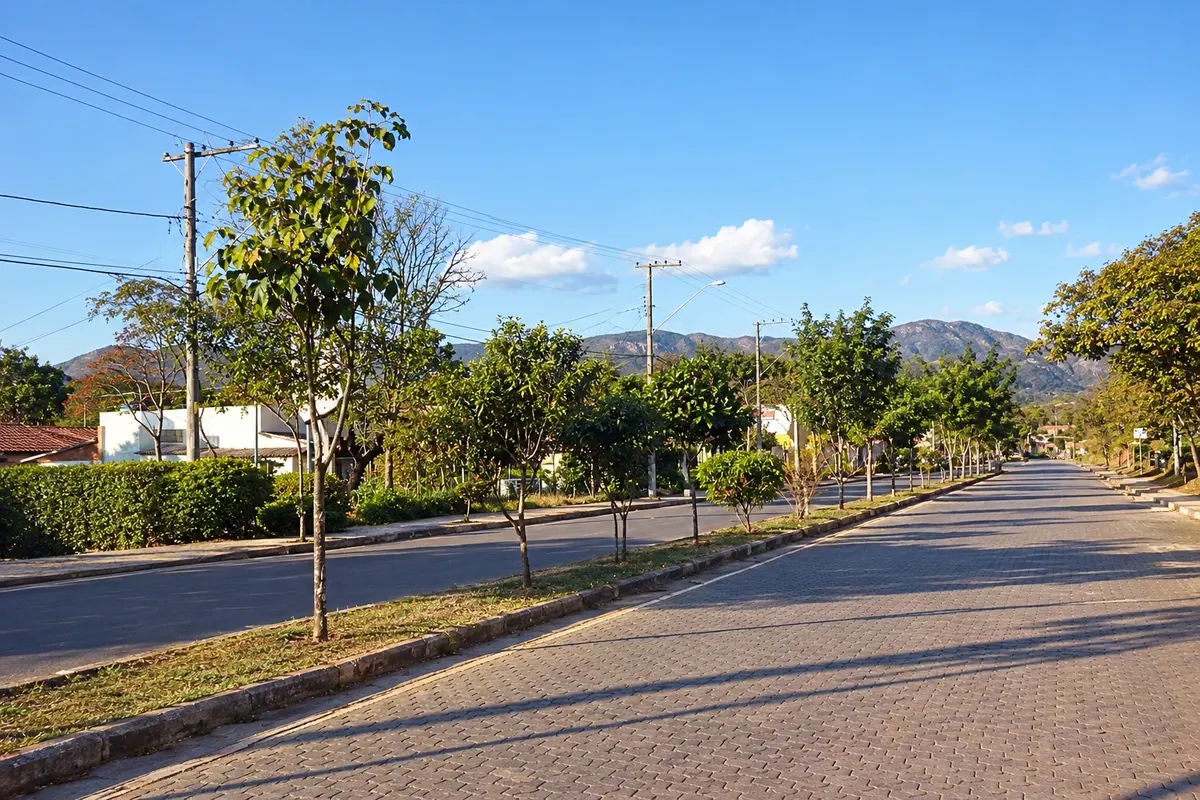
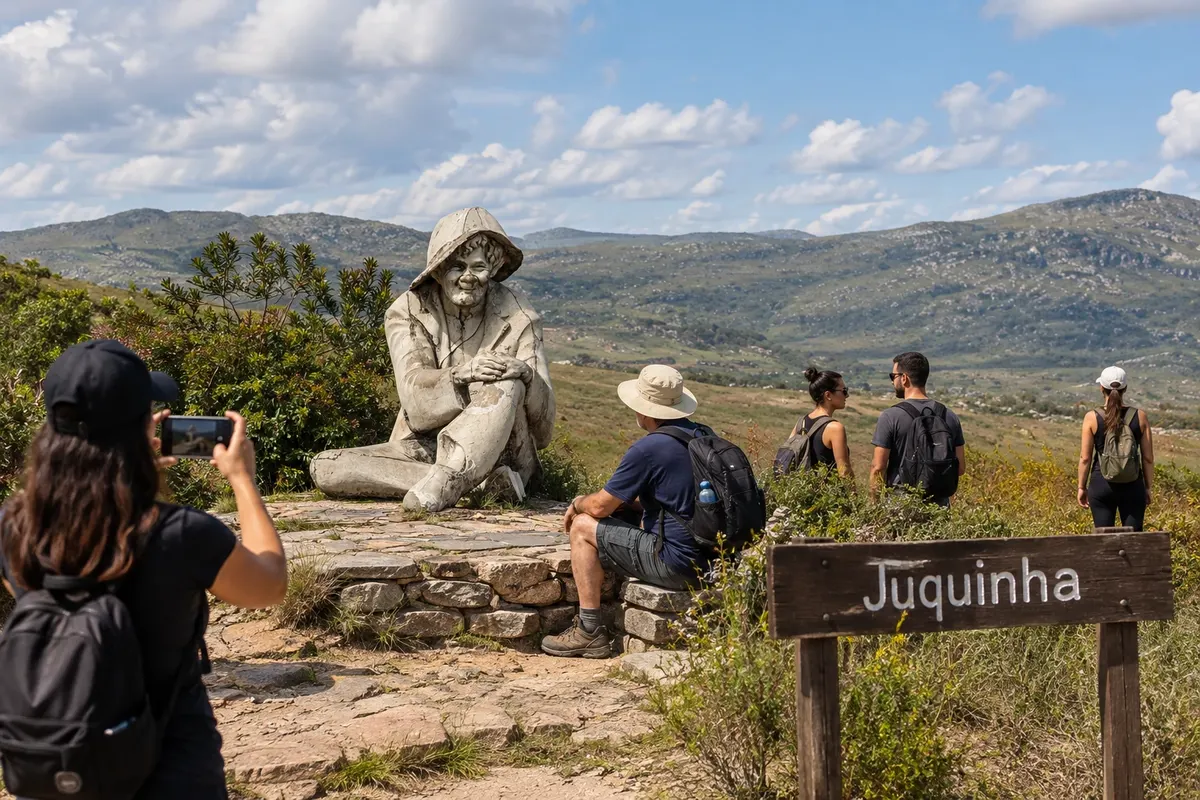
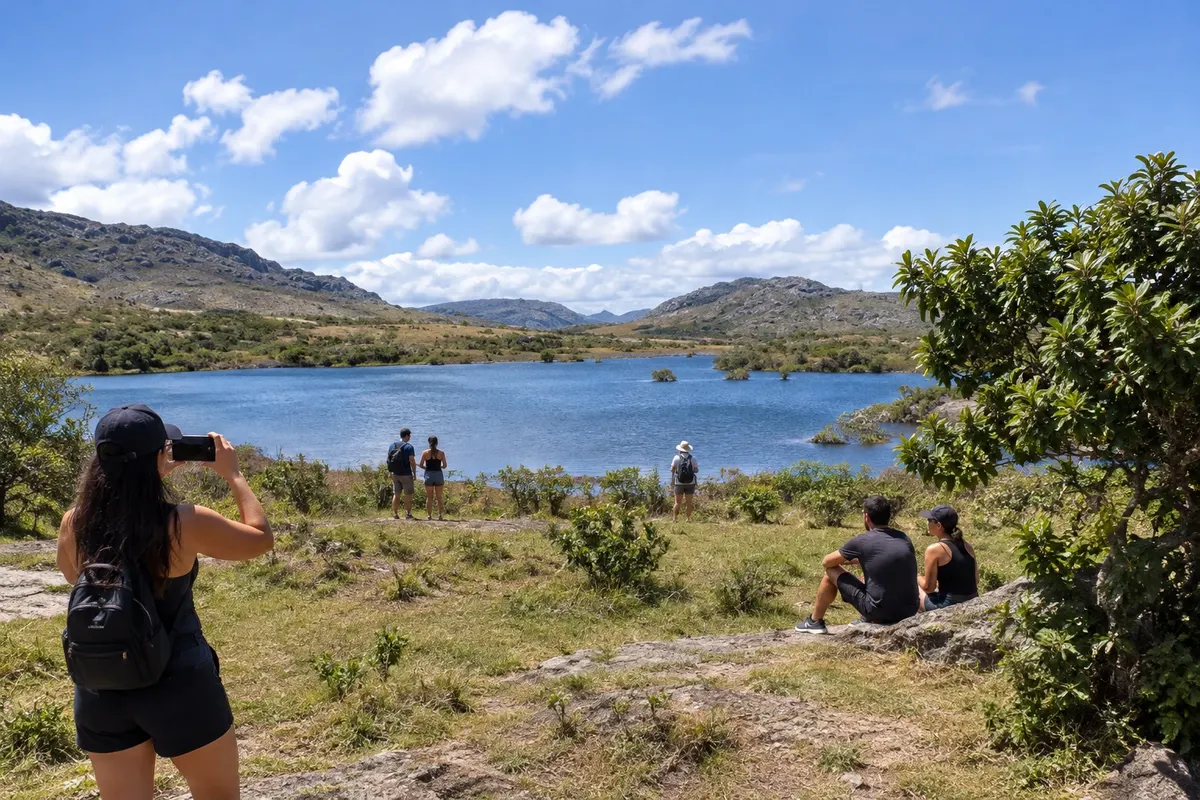
Illustrative images. The pictures in this guide are illustrations based on the real place, not photographs, and may differ from it.

Na voljo v trgovini Google Play Pošljite svoje fotografije

Mesto

Kaj lahko pričakujete – Santana do Riacho.

Santana do Riacho brings together Serra do Cipó and Lapinha da Serra in a route of waterfalls, mountains and villages. Cachoeira Grande and Véu da Noiva let you experience two different water settings, while the Estátua do Juquinha pays tribute to the local culture.

Santana do Riacho is a municipality in the Espinhaço Range, in central Minas Gerais, and it contains the most visited part of Serra do Cipó. Those arriving via MG-010 from Belo Horizonte often encounter one of its districts first and later discover that the town seat is further ahead.

The municipality has three centers, and knowing the difference between them avoids confusion when booking. The Serra do Cipó district, called Cardeal Mota until the 2000s, sits on the edge of MG-010 about 100 km from Belo Horizonte. It concentrates inns, restaurants and agencies and is the base for Serra do Cipó National Park. The seat of Santana do Riacho is 33 km past the district on paved road; it is a small town where the bus line from the capital ends. Lapinha da Serra is a village of about 300 inhabitants, 10 km beyond the seat on a dirt road, beside a lagoon and at the foot of the region’s highest peaks. The district and Lapinha have separate pages in this guide, with the park, trails and waterfalls of each.

The history begins on the path of the bandeirantes who went from Sabará to Tejuco, today’s Diamantina. Some settled on the banks of a stream called Riacho Fundo. One of the first residents, Manuel Simplício Moreira, established a farm and donated land for the chapel around which the village grew. The district was created in 1866, and the municipality in 1962, separated from Jaboticatubas. The name combines the patron saint, Sant’Ana, and the stream. After 1940, marble extraction brought new residents. Before them all, indigenous peoples left drawings in the region’s rock shelters.

What you visit from Santana do Riacho are mainly waterfalls and the mountain range itself. Cachoeira Grande, on the Rio Cipó, and Cachoeira Véu da Noiva lie on private land near MG-010, with paid entry and short trails. On the high part of the range, where the highway continues to Conceição do Mato Dentro, the Estátua do Juquinha commemorates a wanderer who became a local symbol. The National Park, with Cachoeira da Farofa and Cânion das Bandeirinhas, requires full days of hiking and has some gates near the district.

Altitude ranges from about 800 to 1,400 meters, and the climate has two seasons. From November to March it rains a lot, with strong afternoon storms and highs near 28 °C; waterfalls usually have more water, and trails can be closed in storms. From May to September it hardly rains, skies are clear, highs are around 23 °C midyear and nights are cold, especially on the high range and in Lapinha. April and October are transition months.

There is no public transport between the three centers nor to the waterfalls: a car is the practical way to get around.

Delite: WhatsApp

Kje prenočiti

Santana do Riacho – število nastanitev: 73.

Kje jesti

Santana do Riacho – število lokalov: 4.

Santana do Riacho – nazivi in posebnosti

Quilombo community
Canyons
National park

V istem mestu

Okrožja –Santana do Riacho

Doživite kraj

Santana do Riacho: kaj si ogledati

Kaj izbrati pred odhodom

Izleti – Santana do Riacho

Izhodišče, trajanje, potek, vključene storitve in okvirna cena vsakega izleta.

Cachoeira Grande, on the Rio Cipó

Odhod: MG-010, near km 95 drive to the entrance and short walk 3 to 4 hours morning or afternoon easy

Cachoeira Grande is the best-known fall of Santana do Riacho outside the National Park. The Rio Cipó drops there over a wide stone step about 10 meters high and forms a large pool. The width of the fall, not the height, explains the name. It is on private property, with entry from MG-010 near km 95, in the Serra do Cipó district area. From the parking lot to the waterfall there is an easy trail of about 1 km. It’s straightforward to reach the base of the fall and enter the water, which attracts families with children. Entry is paid, and the number of daily visitors is limited. There is no restaurant inside, and fires, camping, alcoholic beverages and animals are not allowed. Those who want to have lunch can leave, eat in the district and return the same day. On the calm stretch of the river above the fall, there is a guided kayak tour.

Kraji na poti: Cachoeira Grande, Rio Cipó.

Vključuje: Separate paid entrance for access to the trail and waterfall. Kayak rental is charged separately. Check the current price list at the entrance.

Nasvet: Arrive early on weekends and holidays because of the visitor limit. Bring snacks, water and sunscreen. Due to its proximity to the highway, it works well as an arrival or departure day activity.

Najboljši čas za obisk: From April to October, in stable weather. From November to March the fall usually has more water, but the river rises quickly after rain on the range.

Cachoeira Véu da Noiva and Trilha dos Escravos

Odhod: ACM campsite, on MG-010 car by car to the entrance and a short trail with stairs 2 to 4 hours morning or afternoon easy

Véu da Noiva is inside the Associação Cristã de Moços (ACM) campsite on MG-010, after the center of the Serra do Cipó district for those coming from Belo Horizonte. Water drops from a high rock face into a large, deep pool, popular with swimmers and divers. From the entrance to the fall it’s about 400 meters of trail, with stairs and a handrail. The campsite has a snack bar, restrooms and a pool, and paid admission allows you to stay for the day. In the dry season, from May to September, the fall becomes narrower; after the rains the veil of water covers a larger portion of the rock face. Near the gate begins the Trilha dos Escravos, an old stone path just over 2 km long. It’s a short hike you can add to your waterfall swim.

Kraji na poti: Cachoeira Véu da Noiva, Trilha dos Escravos.

Vključuje: Separate paid entrance, for use of the campsite facilities. Check the current price list and stay options at the gate.

Nasvet: The pool is deep: if you’re not a strong swimmer stay in the shallow area near the rocks. On holidays the place fills up; prefer weekdays or early morning. For the Trilha dos Escravos, wear closed shoes because the stones are uneven.

Najboljši čas za obisk: From December to April the fall usually has more volume. From May to September there is less water and more sunny days.

Juquinha statue and the top of the ridge along MG-010

Odhod: Serra do Cipó district car, via MG-010 1 to 2 hours late afternoon easy

After the Serra do Cipó district, the MG-010 climbs the mountain in switchbacks toward the Alto Palácio region, on the way to Conceição do Mato Dentro. The landscape changes along the route: cerrado gives way to campos rupestres, with rock outcrops and low vegetation. At the top, about 110 meters from the highway, stands the Juquinha Statue. It honors José Patrício, known as Juquinha da Serra, a wanderer who lived in the region until 1983. He used to approach people who stopped to take in the view and exchanged everlastings for food, clothing or objects, and became known to generations of travelers. The sculpture, by visual artist Virgínia Ferreira, was installed in 1987 and is listed as cultural heritage of Santana do Riacho. The statue sits on an open plateau with wide views of the Espinhaço Range. The stop is short and fits well after a day hike on the mountain or on the way to Conceição do Mato Dentro. The Alto Palácio entrance station of the National Park, where long trails start, is further along the same highway.

Kraji na poti: Juquinha Statue, Alto Palácio, MG-010.

Vključuje: Self-guided visit. No entrance fee is charged.

Nasvet: It’s windy and gets cold on the ridge in late afternoon, even on hot days in the district: bring a jacket. Drive carefully on the uphill curves and stop only in designated pullouts.

Najboljši čas za obisk: From May to September, with clear skies. In summer, afternoon mist and rain can obscure the view.

Po dnevih

Santana do Riacho – načrt poti. Število dni: 1in2

Predlogi za načrtovanje poti. Vrstni red dni prilagodite vremenu in razpoložljivosti izletov.

1 dni · Santana do Riacho in 1 day: two waterfalls and Juquinha

Zapeople coming from Belo Horizonte for the day or with only one night in Serra do Cipó · Izhodišče:Serra do Cipó district
  1. Dan 1 · Cachoeira Grande, Véu da Noiva and sunset on the mountain top

    Arrive early at Cachoeira Grande, near km 95 of MG-010: the entrance has a daily visitor limit and fills up on weekends. The roughly 1 km trail leads to the Rio Cipó pool; the morning can be spent swimming and, for those who wish, kayaking on the calm stretch of the river. Go out for lunch in the Serra do Cipó district, where the restaurants are located. In the afternoon, head to Véu da Noiva Waterfall at the ACM camping area. The trail is about 400 meters, with steps, and the deep pool requires caution from those who are not strong swimmers. If you have energy, walk a section of the Trilha dos Escravos next to the park entrance. At the end of the day, drive up MG-010 to the Juquinha Statue at Alto Palácio to see the mountain in the low light. Bring a jacket. The National Park and Lapinha da Serra do not fit into this day.

2 dni · Santana do Riacho in 2 days: waterfalls, the mountain and the road to the town
Zapeople who want to explore the municipality beyond the district, staying one night in Serra do Cipó · Izhodišče:Serra do Cipó district
  1. Dan 1 · Cachoeira Grande and Véu da Noiva

    Devote the first day to the two easily accessed waterfalls. In the morning, Cachoeira Grande—arrive early because of the visitor limit. After lunch in the district, Véu da Noiva, with time for the pool and a section of the Trilha dos Escravos. Without the rush to climb the mountain the same day, you can spend more time in the water and return to the pousada before dark. At night, activity concentrates at the district’s restaurants along the highway.

  2. Dan 2 · Juquinha Statue, Santana do Riacho town and Lapinha da Serra

    Leave early and drive up MG-010 to the Juquinha Statue at Alto Palácio, when the sky is usually clearer. Return to the district and take the paved road to the town of Santana do Riacho, 33 km away. It is a small town, the last stop before the dirt stretch. From the town, another 10 km of dirt road lead to Lapinha da Serra, a village beside a lagoon offering swimming, kayaking and trails to the peaks. Lapinha has its own page in this guide with local outings. On rainy days the dirt stretch becomes difficult: check the road before continuing. Those who prefer to hike can swap this day for the Serra do Cipó National Park, entering at the Areias gate near the district: the Cachoeira da Farofa trail takes the whole day and is described on the Serra do Cipó district page.

Najboljši čas za obisk

Kdaj se odpraviti:Santana do Riacho po mesecih

The seasons shown are the most usual ones; nature doesn't always follow the calendar.

januar Veliko padavin

Rainy summer · School holidays

One of the rainiest months, with highs around 28 °C and heavy afternoon showers. Cachoeira Grande and Véu da Noiva usually have more water. Visit the waterfalls in the morning and leave the river if the water starts to rise or change color. The dirt road between the town and Lapinha da Serra becomes difficult after rain. High visitor numbers on holiday weekends.

februar Veliko padavin

Hot and rainy · Carnival, in February or March

It remains hot and rainy, with afternoon showers. The Rio Cipó rises fast when it rains in the mountains, and visiting the waterfalls depends on each day’s weather. At Carnival, the Serra do Cipó district and the waterfalls near the highway get crowded: arrive early at Cachoeira Grande, which has a visitor limit.

marec Veliko padavin

Rains easing · Green mountains

It still rains a lot, but showers decrease toward the end of the month. Vegetation is green and the falls usually have good flow. On the high part of the mountain, near the Estátua do Juquinha, afternoon fog can hide the view: prefer the morning. Outside of Carnival, when it falls in March, visitor numbers are low.

april Zmerne padavine

Transition to the dry season · Holy Week and Tiradentes

Rains decrease and days become mild, with highs around 26 °C. The waterfalls still tend to have a good amount of water, and dirt roads become firmer. It’s an even month for swimming and for climbing the mountain. The Holy Week and Tiradentes holidays fill the district.

maj Malo padavin

Start of the dry season · Cool nights

The dry season begins, with clear skies and cooler nights. The road to Lapinha da Serra is usually in good condition, and the view from Alto Palácio is clear. Water in the waterfalls starts to cool and drop. Moderate crowds outside holidays.

junij Malo padavin

Dry · Cold nights

A dry month, with highs around 23 °C and cold early mornings, especially on the high mountain and in Lapinha da Serra. Véu da Noiva becomes thinner and the water is cold. On the plus side, days are sunny and roads are firm. Bring warm clothes for late afternoon at the Estátua do Juquinha.

julij Malo padavin

Driest month · July school break

The driest and one of the coldest months, with sunny days and cold nights. The falls have low flow, but the pools are still good for those who don’t mind cold water. School holidays increase weekend crowds: arrive early at waterfalls and book accommodation in advance.

avgust Malo padavin

Dry · Wind on the high mountain

Still dry, with warmer days and dry air. It’s very windy on the mountain top, and the dry vegetation ignites easily: do not make bonfires or discard cigarette butts. Carry plenty of water on outings. Moderate crowds.

september Malo padavin

Dry heat · Candombe Festival at Quilombo do Açude

Daytime heat, with highs near 27 °C, and little rain. The waterfalls are at their lowest level of the year. In September, the Quilombo do Açude, a community of Santana do Riacho, holds the Festa do Candombe in devotion to Nossa Senhora do Rosário, with drums and songs of century-old tradition; confirm the date before you go.

oktober Zmerne padavine

Return of the rains · October 12 holiday

Rains return gradually, with afternoon showers by the end of the month, and the mountain begins to green again. The warmth makes swimming pleasant, and the falls regain flow. Weather changes quickly: do outings in the morning. The October 12 holiday brings more activity to the district.

november Veliko padavin

Heavy rains · November holidays

One of the rainiest months, with frequent afternoon storms. The waterfalls usually have more water, but the river rises quickly and the dirt road to Lapinha da Serra worsens. Prefer the morning, stay close to the highway and have a plan for the afternoon in the district.

december Veliko padavin

Rainiest month · Year-end festivities

The month with the most rain of the year. The falls are full and the mountains very green, but activities depend on each day’s weather. During the year-end holidays, the district and Lapinha da Serra get crowded: book in advance. Before entering the river, watch the sky toward the mountains.

Načrtujte pot

Kako do tja:Santana do Riacho

By plane: via Belo Horizonte airport, in Confins

The nearest airport is Belo Horizonte International Airport, in Confins. It is about 75 km from the Serra do Cipó district via MG-010, passing Lagoa Santa. The municipal seat of Santana do Riacho is 33 km beyond the district.

From the airport, the route is by rental car or a transfer arranged with an agency or pousada. By bus, the line leaves from Belo Horizonte’s bus station. Book a car to pick up at the airport: without a vehicle, travel between the district, the municipal seat and Lapinha da Serra depends on taxi or transfer.

By bus: from Belo Horizonte to the district and the municipal seat

A bus line links Belo Horizonte’s bus station to Santana do Riacho along MG-010, with few departures per day. The bus stops in the Serra do Cipó district and continues to the municipal seat. The trip takes 2h30 to 3 hours to the district and about 3 to 3h20 to the municipal seat.

There is no regular line to Lapinha da Serra: from the municipal seat, the final stretch is done by taxi or transfer, arranged in advance.

Buy tickets in advance for holidays and confirm schedules with the company, because the timetable changes. Travelers arriving by bus should choose lodging in the district, from where restaurants are within walking distance and the nearby waterfalls by the highway are reached by taxi.

By car: via MG-010

From Belo Horizonte, follow MG-010 toward Vespasiano and Lagoa Santa. It’s about 100 km of paved road to the Serra do Cipó district, roughly one and a half to two hours.

After the district, MG-010 climbs the range, passes the Juquinha Statue and the Alto Palácio entrance of the National Park, and continues to Conceição do Mato Dentro. The municipal seat of Santana do Riacho is 33 km from the district, on paved road.

From the municipal seat to Lapinha da Serra it’s another 10 km of dirt road, which requires caution on rainy days, especially with low-clearance cars. Adding the segments, it’s about 143 km and 2h30 from Belo Horizonte to Lapinha.

Check the condition of the dirt section before you leave, especially from November to March.

How to get around between the district, the municipal seat and Lapinha da Serra

The municipality’s three centers are far from each other: 33 km between the Serra do Cipó district and the seat, and another 10 km of dirt road between the seat and Lapinha da Serra. There is no public transport between them or to the waterfalls and park gates.

By car, Cachoeira Grande and Cachoeira Véu da Noiva are a few minutes from the district center, along MG-010 itself, and the Estátua do Juquinha is a few kilometers further up the mountain road.

Without a car, options are local taxis, pousada transfers and tours from district agencies, which also go to the Park entrances. Arrange your return before you leave.

Waterfalls outside the park are on private property and charge separate entrance fees; check each one’s current price list.


Odgovori na vaša vprašanja

Frequently asked questions about Santana do Riacho

What to prioritize in Santana do Riacho?

Start with Cachoeira Grande and Cachoeira Véu da Noiva. On a longer trip, include Estátua do Juquinha and Lapinha da Serra, splitting the activities according to travel distances and visiting conditions.

How many days to reserve?

We suggest three days to alternate the main outings without rush. In one day, choose a single area and avoid excessive travel; two days already allow a more comfortable distribution.

Is it necessary to have a car?

To combine distant points, a car or hired transport makes it easier. In urban stretches, walking can be a good choice. Confirm local options and the return before leaving.

How to plan outdoor outings?

Check the weather forecast, access conditions, and local guidance. Adjust the route to the group's pace and respect restricted areas, signage, and visitation rules.

Do I need to confirm the visit before traveling?

Yes, especially for spaces with reservations, entry control or religious programming. Check availability for your dates and avoid relying on a single outing.

Is Santana do Riacho the same place as Serra do Cipó?

Not exactly. Santana do Riacho is the municipality. Serra do Cipó is the name of the mountain range, the national park and also of a district of Santana do Riacho along MG-010, where most guesthouses are located. The municipal seat, the town of Santana do Riacho, is 33 km beyond that district. When booking accommodation, check which of the two places it is in.

Are Cardeal Mota and Serra do Cipó the same district?

Yes. Cardeal Mota is the district’s older name, created along with the municipality in 1962. With the growth of tourism, the district officially began to be called Serra do Cipó, and that is how it appears in records from the 2000s onward. Older residents still use the name Cardeal Mota.

What is the distance from the municipal seat of Santana do Riacho to the Serra do Cipó district and to Lapinha da Serra?

From the seat to the Serra do Cipó district it’s 33 km on paved road. From the seat to Lapinha da Serra it’s 10 km on dirt road, which becomes difficult on rainy days. From Belo Horizonte it’s about 100 km to the district, 133 km to the municipal seat and 143 km to Lapinha.

Where is it better to stay in Santana do Riacho: in the Serra do Cipó district, in the municipal seat or in Lapinha da Serra?

It depends on your plans. The Serra do Cipó district has the largest selection of guesthouses and restaurants and is close to Cachoeira Grande, Véu da Noiva and the national park entrances. Lapinha da Serra is the choice for those seeking quiet, a lagoon and mountain trails, but the village has no bank or pharmacy. The municipal seat is a small town midway between the two, used more as a pass-through than as a base.

Who was Juquinha of Serra do Cipó?

José Patrício, known as Juquinha, was a wanderer who lived on the ridge until 1983. He used to sit by the road at the top of the ridge and trade everlastings (flowers) for food, clothing or objects with people who stopped to see the view. The statue in his honor, by artist Virgínia Ferreira, was installed in 1987 near MG-010 in the Alto Palácio area, and is listed as cultural heritage of the municipality.

Is Cachoeira Grande inside the Serra do Cipó National Park?

No. Cachoeira Grande and Véu da Noiva are on private properties, outside the park, with separate paid entry and their own rules. The Serra do Cipó National Park is managed by ICMBio and has entrances at Areias and Alto Palácio, with a daily visitor limit on a first-come basis. Park trails, such as the one to Cachoeira da Farofa, are long; the two private waterfalls have short trails.

Is the Serra do Cipó National Park located in Santana do Riacho?

Partly. The park covers areas of Santana do Riacho, Jaboticatubas, Morro do Pilar and Itambé do Mato Dentro. The most used park entrances are near the Serra do Cipó district, in Santana do Riacho. Entry is on a first-come basis with photo ID, and overnight crossings require prior authorization from park administration. Domestic animals are not allowed. The park may close trails in heavy rain: check before you go.

Is there a bus from Belo Horizonte to Santana do Riacho?

Yes. One line leaves Belo Horizonte bus station, with few departures per day, stops at the Serra do Cipó district and terminates at the municipal seat of Santana do Riacho. The trip takes about 3 hours to 3h20 to the seat. There is no regular bus to Lapinha da Serra: the final 10 km of dirt road must be done by taxi or transfer. Confirm schedules with the company before traveling.

What is the Quilombo do Açude?

It’s a quilombo community in Santana do Riacho, in Serra do Cipó, known for candombe, a tradition of drumming and songs in devotion to Nossa Senhora do Rosário. The Festa do Candombe takes place in September, and the community also hosts samba rodas. It’s a way to learn about the Serra’s culture beyond the waterfalls. Since people live there, arrange your visit in advance and confirm dates.

Where does the name Santana do Riacho come from?

From the patron saint, Saint Anne (Sant’Ana), and from the creek beside which the settlement originated, the Riacho Fundo. The place was once called Santo Antônio do Riacho Fundo—the name of the district created in 1866—and later just Riacho Fundo. It became Santana do Riacho when it became a municipality in 1962, separated from Jaboticatubas.

Delite svoja popotniška doživetja s fotografijami Pošljite fotografije vsakega kraja, ki ste ga obiskali. Največje število fotografij na kraj: 5.
Ogled destinacije Serra do Cipó Poiščite drugo mesto

Več kot vodnik