By plane: Ilhéus or Salvador
The peninsula has no airport with commercial flights. The nearest is Ilhéus (IOS), about 127 km from Barra Grande by road. From there continue by transfer, taxi, bus or rental car to Camamu, about 115 km, and then by boat.
Allow about 2 hours by car between Ilhéus and Camamu; by bus, a little more than 3 hours. Shared boats stop running in the late afternoon. Those landing in Ilhéus after lunch risk missing the last boat: in that case, book an overland transfer to Barra Grande in advance or spend the night in Ilhéus.
Salvador (SSA) is the nearest international airport. From there the trip is longer: ferry crossing to the island of Itaparica and road to Camamu, about 195 km, or the entire route by highway.
Barra Grande has a small airstrip used by charter air taxis.
Via Camamu: launch to Barra Grande
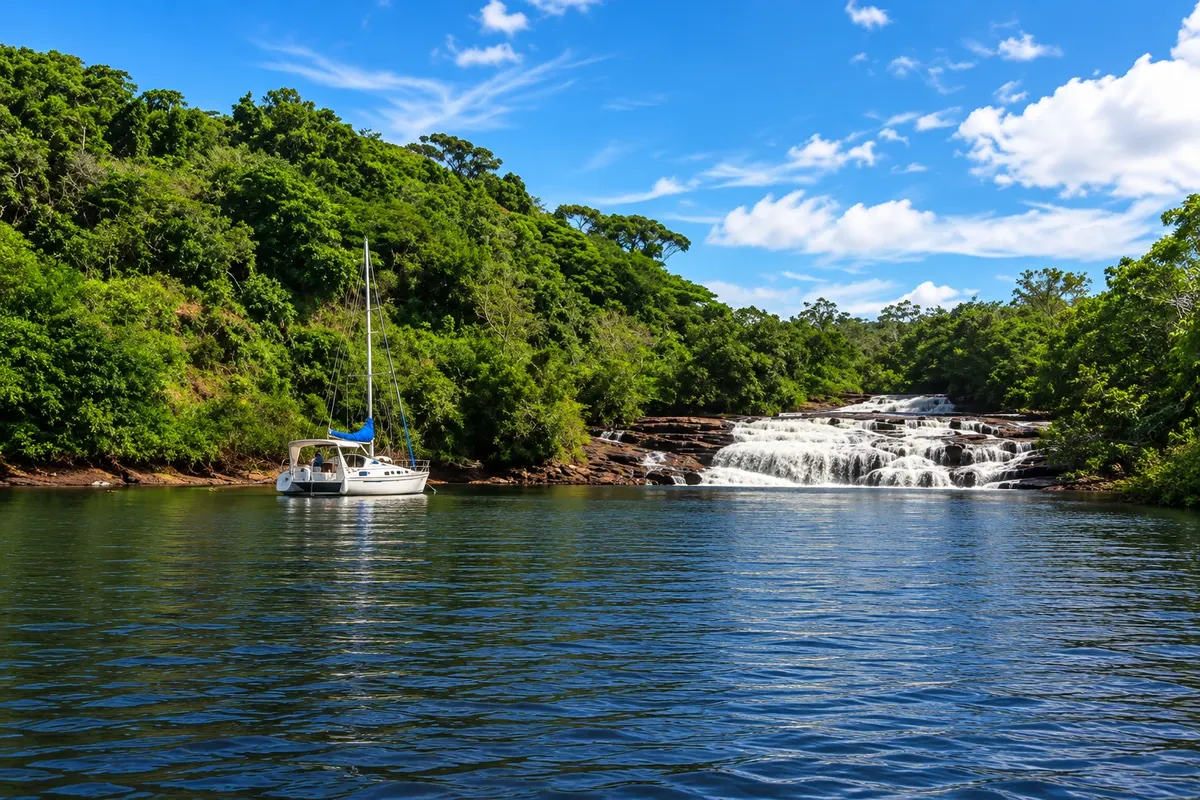
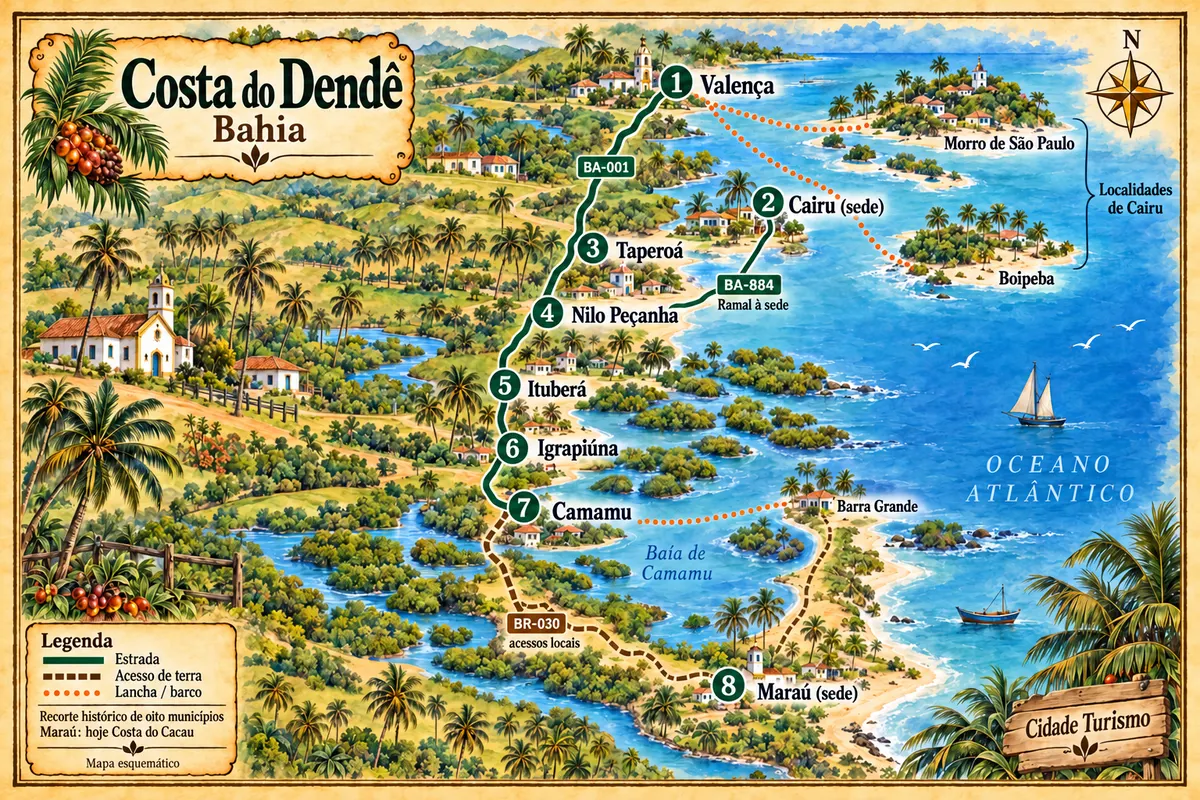
This is the most predictable route because it does not depend on dirt roads. Camamu is on the mainland on the BA-001, and boats and launches depart from its port to Barra Grande, crossing Camamu Bay.
Fast launches take 25 to 40 minutes. Slow boats, which are cheaper, take about 1 hour or more. There are departures throughout the day until late afternoon; after that, only private launches, booked in advance. Tickets are bought at the port or with the operator.
Buses arrive in Camamu from Ilhéus and Itacaré in about 1 hour, and from Bom Despacho on Itaparica Island for those coming from Salvador. If you’re driving, you can leave your car in a private parking lot in town for a daily fee and cross with just your luggage.
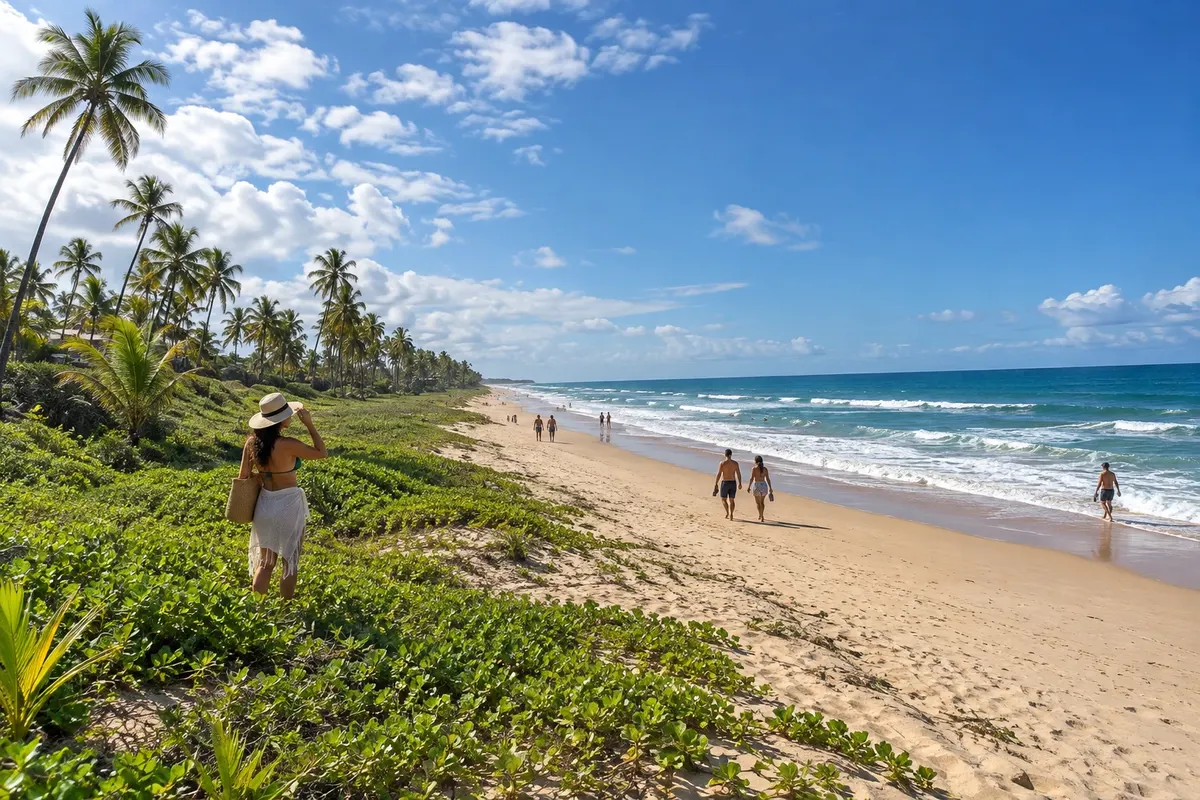
At the Barra Grande pier, the village starts a few steps away. For Taipu de Fora and other beaches, there are open-bed vans, taxis and motorcycle taxis one block from the quay.
Plan to arrive in Camamu with extra time: route apps do not always estimate road times well in the region.
By car: the peninsula road (BR-030)
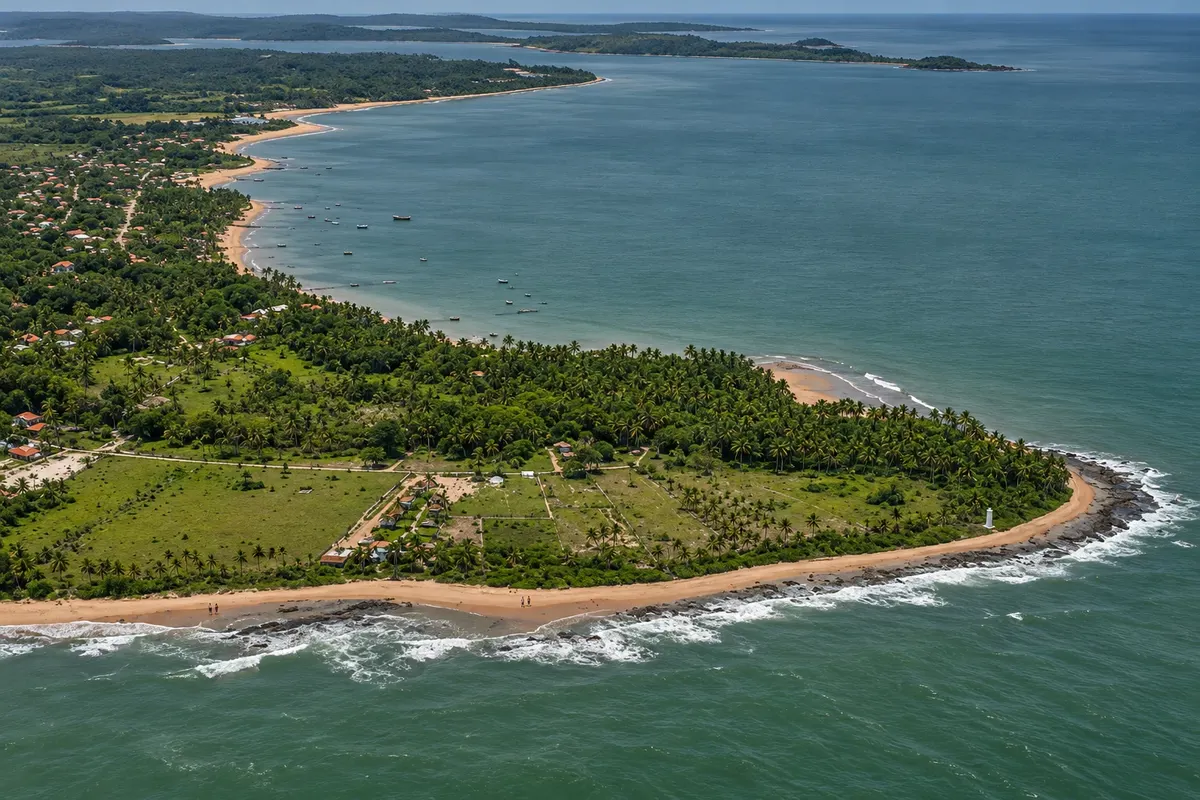
You can reach Barra Grande without a boat via BR-030, which runs the peninsula from south to north. The entrance is on BA-001, at the roundabout between Itacaré and Camamu. From there it’s about 46 km to Barra Grande, passing Algodões, Saquaíra, Cassange and Taipu de Fora.
The road has long unpaved stretches. In dry weather, a regular car can pass slowly. After days of rain, mud forms and there are reports of vehicles getting stuck and traffic being interrupted. The surface varies by section and changes from month to month: before leaving, ask your accommodation how it’s currently.
From Itacaré to Barra Grande it’s about 65 km via this route. From Ilhéus, about 127 km, 3 hours or more, and it can exceed 4 hours after rain.
A car helps those staying in Algodões, Saquaíra or Cassange, nearer the peninsula entrance. For those based in Barra Grande it’s of little use: the village is pedestrian, and Cassange’s sand tracks demand a 4x4 or an ATV. The alternative is to leave the car in Camamu and go by boat.
From Salvador: ferry-boat and road to Camamu
From Salvador, the most used route crosses the Bay of All Saints by ferry-boat, from the São Joaquim terminal to Bom Despacho on the island of Itaparica. From there the BA-001 heads south through Nazaré and Valença to Camamu, about 195 km from Salvador.
By bus, board in Bom Despacho on one of the lines that go down the coast and stop in Camamu. By car, it’s advisable to reserve a time on the ferry for the vehicle. There are also transfers sold by agencies that combine the legs.
In Camamu, the trip ends by boat. Because the last boats depart in the late afternoon, leave Salvador early. Avoiding the ferry and driving around the bay by road greatly lengthens the trip.
Those combining Maraú with Morro de São Paulo or Boipeba pass through Valença, on the same BA-001 axis.
Arrival, municipal fee and how to get around
Maraú charges visitors the Tariff for the Maintenance of Maraú, TAMMAR. Those arriving by boat pay upon disembarkation at the Barra Grande terminal; those arriving by land pay on the access road, and there is also a fee per vehicle depending on the type. Residents, people traveling for work, young children and elderly people within the ranges defined by the city hall do not pay. Check the current table before traveling and bring identification.
In Barra Grande, everything is done on foot, on sandy streets. Suitcases with wheels struggle in the sand; prefer a backpack.
To reach the other beaches, the public transport is the jardineira, a pickup truck with benches in the bed. It leaves from the stop near the pier when it has enough passengers and has no fixed schedule. Taxis and motorcycle taxis wait in the same place and run to Taipu de Fora, Ponta do Mutá and Rio Carapitangui.
The rental quadricycle for two people is the freest way to get around the peninsula, and the only vehicle besides a 4x4 that handles the sandy tracks of Cassange well. Daily rates are paid separately, with fuel included by the renter.
Always arrange your return: outside Barra Grande it’s hard to find transport at the end of the day.


 Antarktika
 Argentina
 Bolivija
 Čile
 Kolumbija
 Ekvator
 Gvajana
 Francoska Gvajana
 Falklandski otoki (Malvini)
 Paragvaj
 Peru
 Surinam
 Urugvaj
 Venezuela
 Nemčija
 Avstrija
 Belgija
 Hrvaška
 Danska
 Slovaška
 Slovenija
 Španija
 Finska
 Francija
 Grčija
 Nizozemska
 Madžarska
 Irska
 Islandija
 Italija
 Luksemburg
 Norveška
 Poljska
 Portugalska
 Združeno kraljestvo
 Češka
 Švedska
 Švica
 Turčija
 Bermudi
 Kanada
 Združene države Amerike
 Grenlandija
 Mehika
 Sveta Peter in Mihael
 Dominikanska republika
 Japonska
 Južnoafriška republika
 Egipt
 Avstralija
 Fidži
 Nova Zelandija
 Papua Nova Gvineja