Termas do Salto

Salto · Uruguay

Termas do Salto

Salto, on the bank of the rio Uruguai opposite Concordia, is the gateway to the Daymán and Arapey hot springs, fed by thermal water from the Aquífero Guarani, and to the bi-national Salto Grande dam.

Litoral Oeste

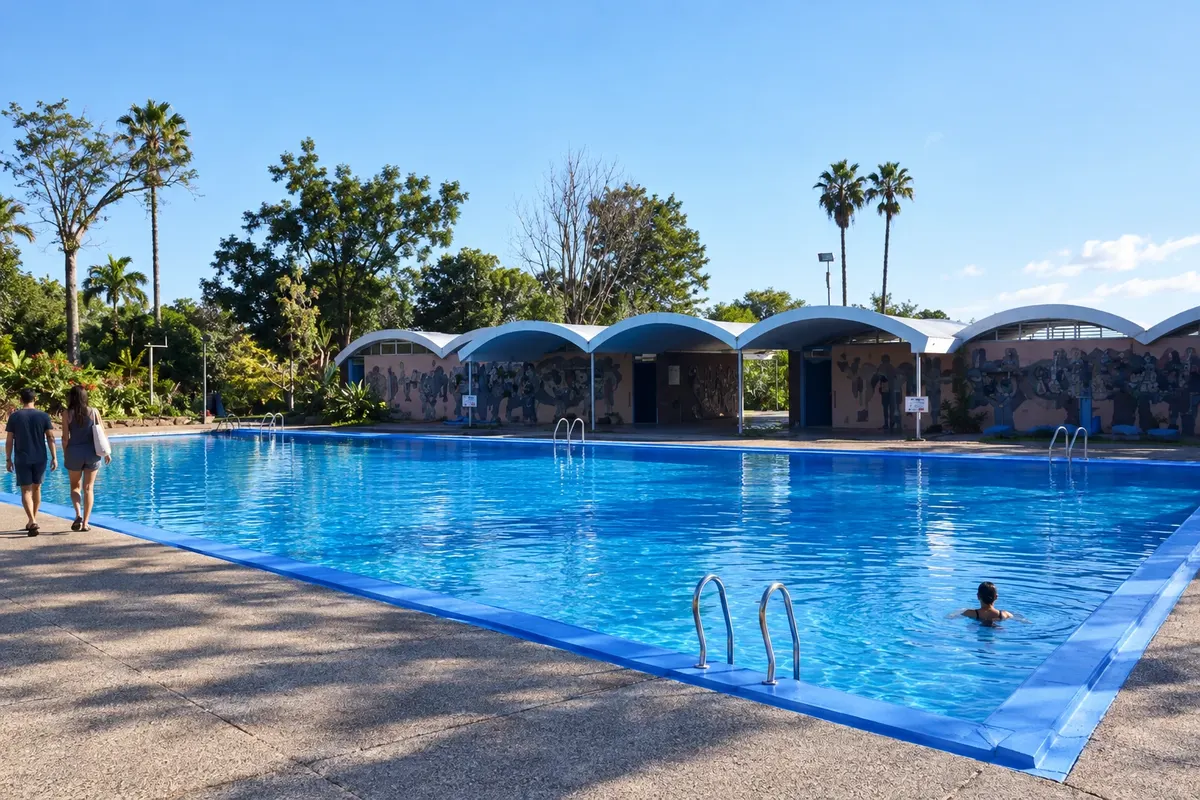
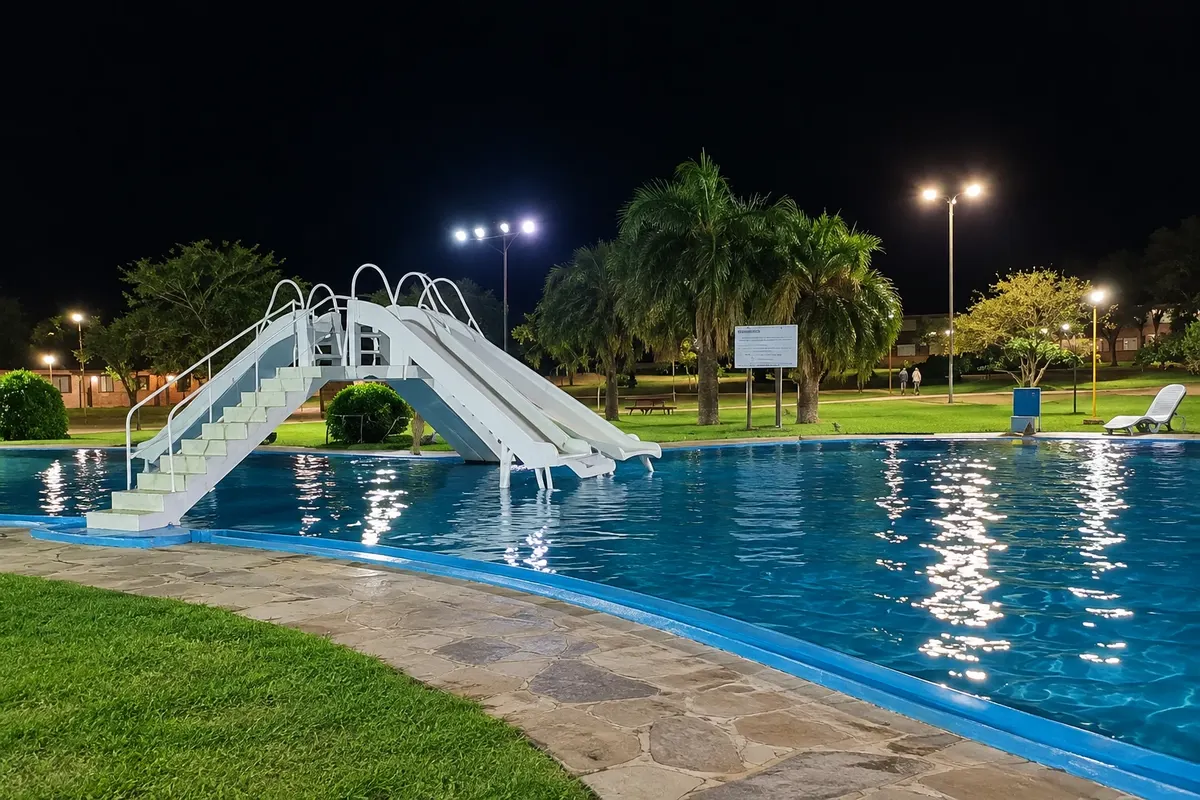
In the photo: Municipal pools of Termas del Arapey

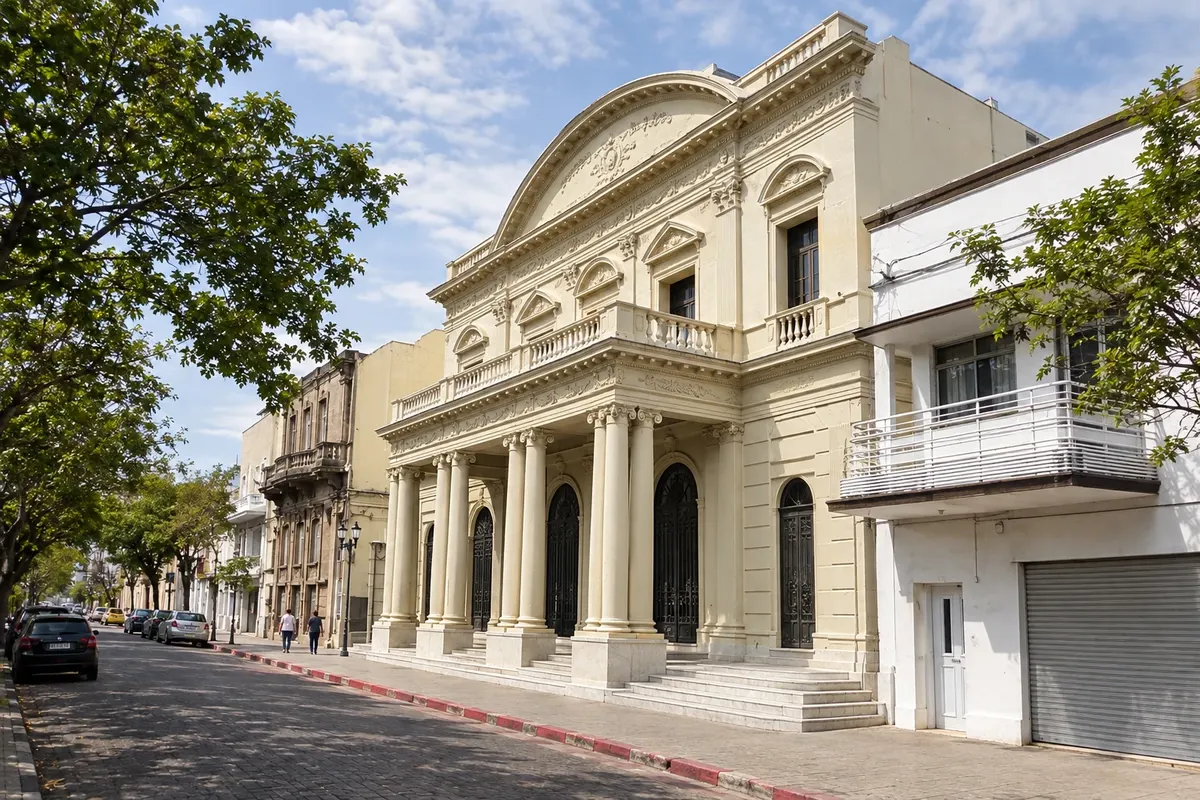
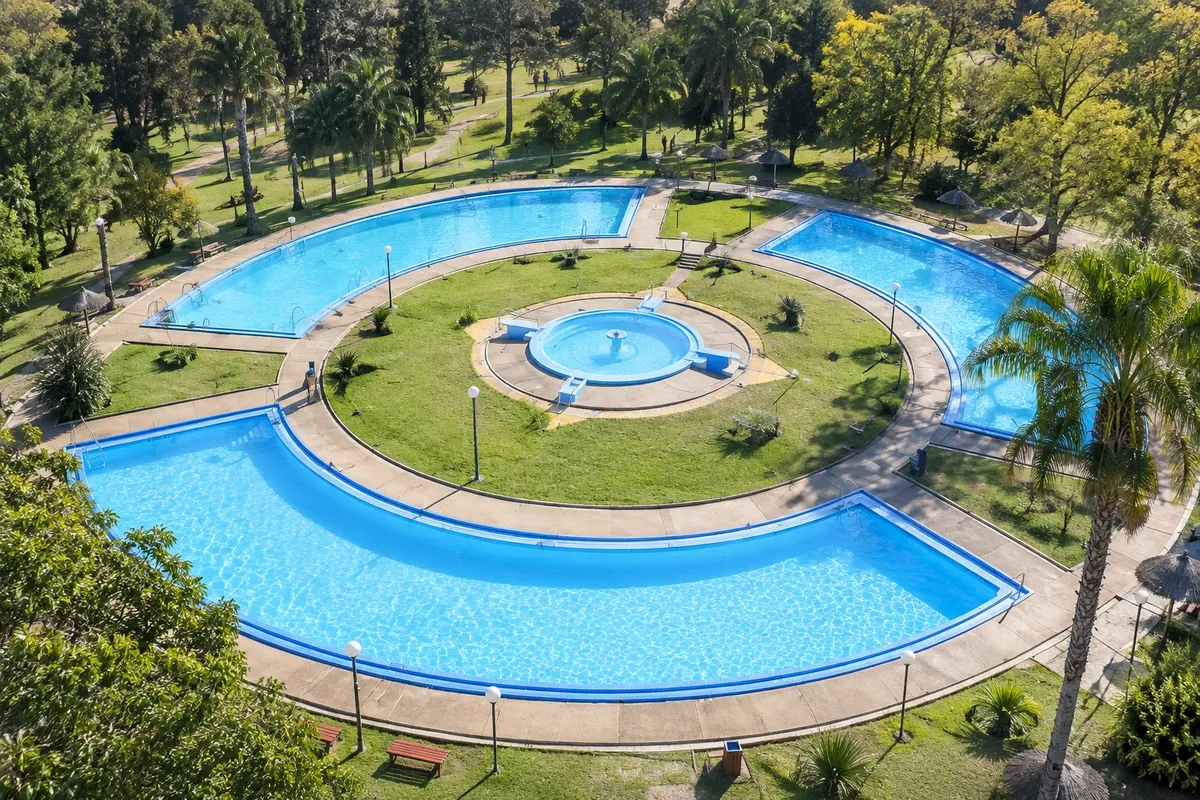
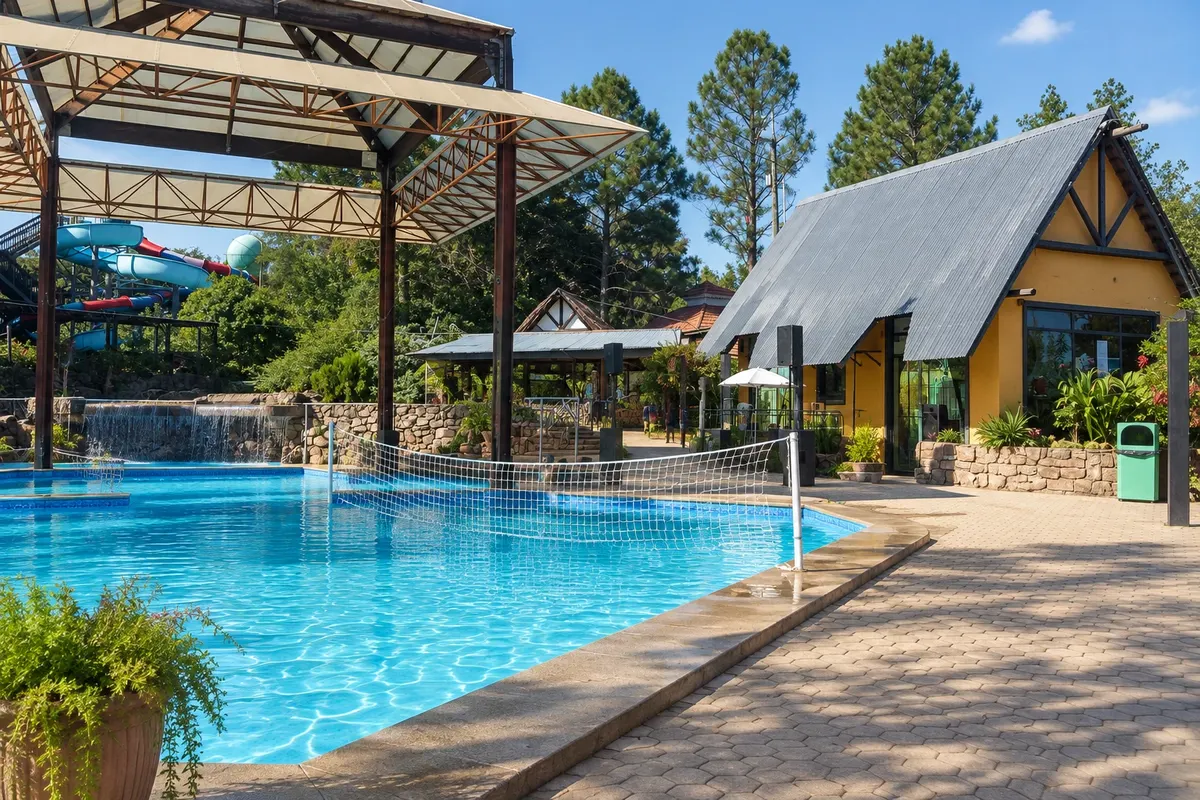
Illustrative images. The pictures in this guide are illustrations based on the real place, not photographs, and may differ from it.

Get it on Google Play Send your photos

Get to know the place

A region to enjoy
at your own pace.

Salto is the capital of the department of the same name and one of the largest inland cities of Uruguai. It lies on the eastern bank of the rio Uruguai, directly opposite the Argentine city of Concordia, about 500 km from Montevidéu. The name comes from the river’s falls: the Salto Chico, which still appears north of the city, and the Salto Grande, now covered by the reservoir lake.

The main reason to visit is the thermal water. While searching for oil, drills in the 20th century hit the Aquífero Guarani, and the hot water that emerged gave rise to thermal centres. Ten kilometres from downtown are the Termas del Daymán, with the municipal thermal park and the Acuamanía waterpark. About 90 km to the north are the Termas del Arapey, the country’s first thermal centre, surrounded by fields and native woodland along the Arapey river.

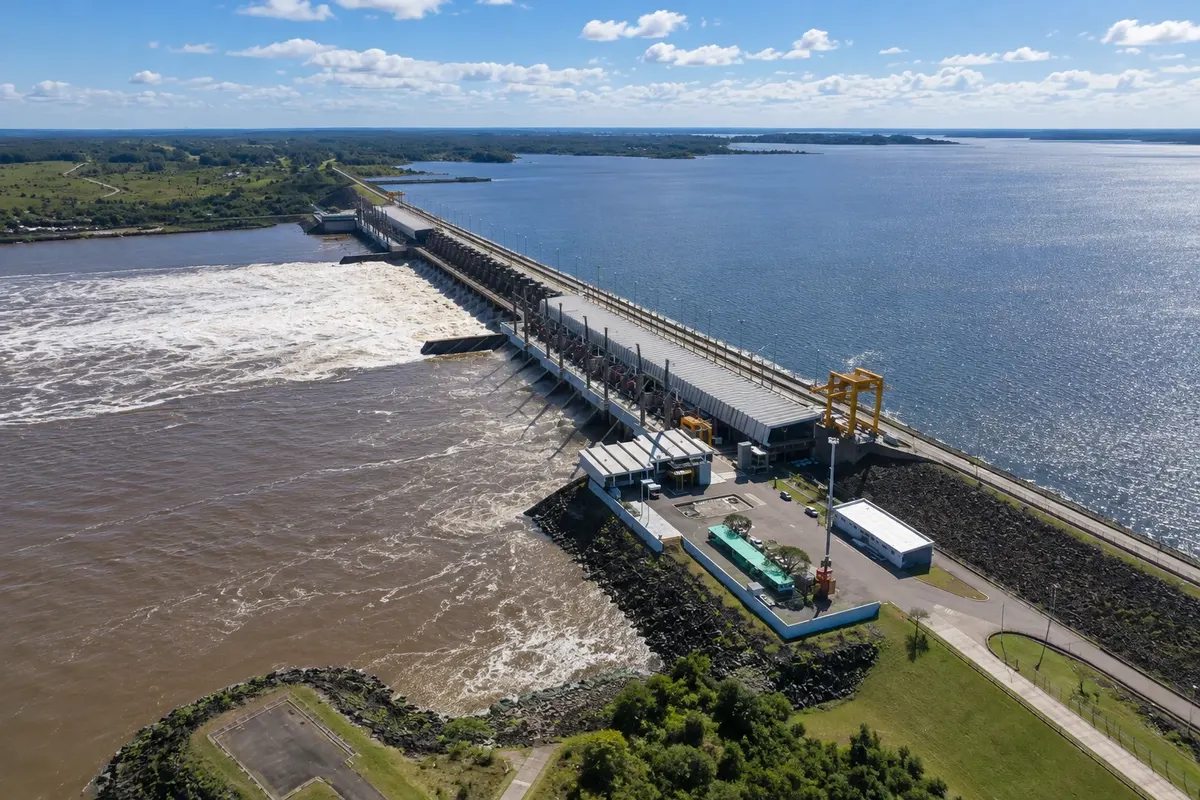
To the north of the city, the Represa de Salto Grande was the first bi-national hydroelectric plant in Latin America and offers guided visits from the Uruguayan shore. Downtown, Plaza Artigas, the Catedral de San Juan Bautista and the Teatro Larrañaga (1882) tell the city’s story. The Casa Horacio Quiroga preserves the memory of the short-story writer born in Salto, and the riverbank features the Muelle Negro and the Salto Chico.

Summers are hot, and winters have fresh days and cold nights, when the thermal pools make more sense.

This destination brings together 1 city: Salto.

Share: WhatsApp
Traveler, share your experiences through photos Up to 5 photos of each place you visited.

One destination, many paths

The cities on this trip

Start with one city or combine several in your itinerary.

Where Termas do Salto is
Salto

Contornos: Servicio Geográfico Militar / IDE Uruguay, Licença de Dados Abertos. Adaptação do Cidade Turismo.

How to get there: Termas do Salto

✈ Aeropuerto Internacional Nueva Hespérides (STY) · 7 km to Salto

✈ Aeropuerto Internacional de Carrasco (MVD), in Ciudad de la Costa · 500 km to Salto

From Rio Grande do Sul, enter via Barra do Quaraí and Bella Unión and follow about 147 km along Ruta 3; via Quaraí and Artigas it’s about 210 km via Rutas 4 and 31. From Montevidéu it’s roughly 500 km via Rutas 1 and 3. Salto airport has domestic flights from Montevidéu. Confirm before purchasing.

The local experience

Things to do in Termas do Salto

Termas del Daymán
Salto · Salto · Thermal baths

Termas del Daymán

Thermal center 10 km from Salto, beside the Río Daymán, with a municipal thermal park whose pools are fed by water from the Guarani Aquifer, hotels, cabins and camping around.

Acuamanía
Salto · Salto · Water park

Acuamanía

Thermal water park in Termas del Daymán, with slides, pools for all ages and a restaurant. It operates seasonally, usually from September to March or April.

Termas del Arapey
Salto · Salto · Thermal baths

Termas del Arapey

The first thermal resort in Uruguay, about 90 km from Salto, on 250 hectares of countryside and woodland by the Arapey River, with a municipal thermal park open year-round.

Represa de Salto Grande
Salto · Salto · Dam

Represa de Salto Grande

The first binational hydroelectric power plant in Latin America, 15 km north of Salto, with guided tours on the Uruguayan side that include a lookout, the engine room and crossing the international bridge.

See 5 more places in Termas do Salto
Teatro Larrañaga
Salto · Salto · Theater

Teatro Larrañaga

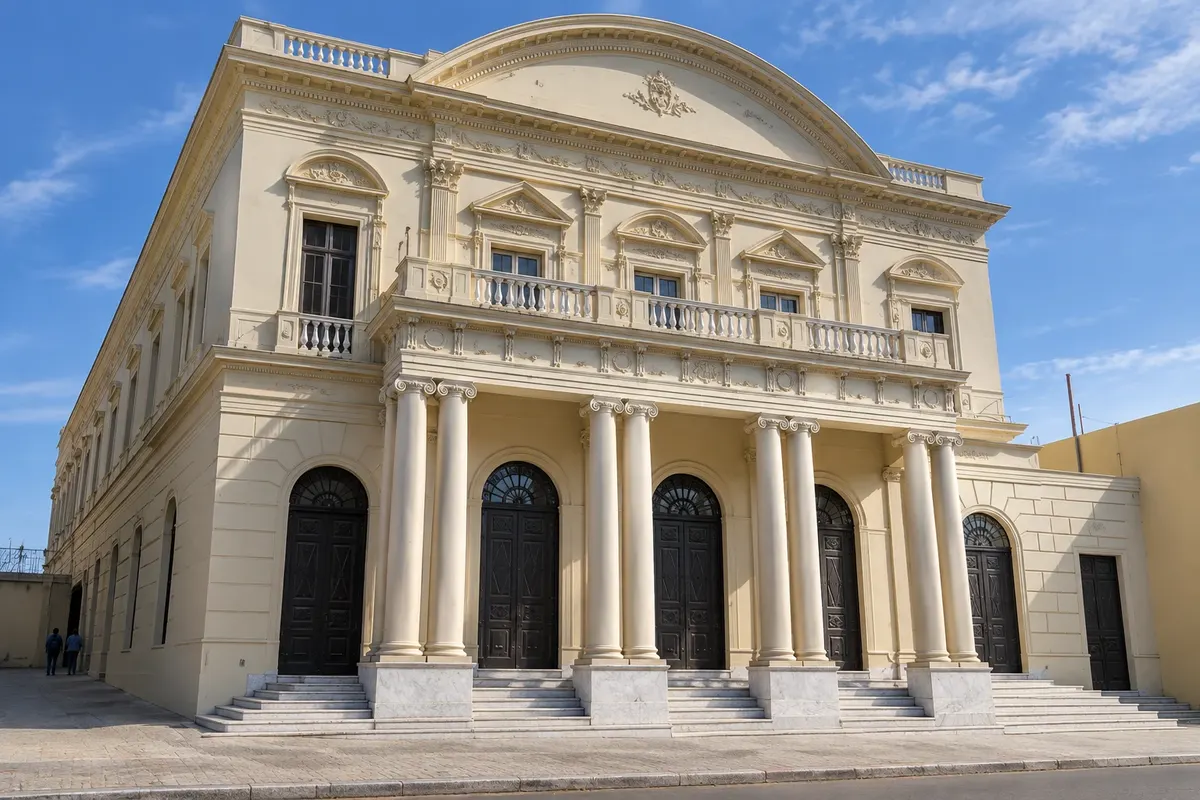
Theatre from 1882 in downtown Salto, designed by the English engineer Roberto Wilkinson and declared a National Historic Monument, with galleries without columns and a large crystal chandelier.

Casa Horacio Quiroga
Salto · Salto · Museum

Casa Horacio Quiroga

House where the short‑story writer Horacio Quiroga spent his childhood, today a municipal museum with personal objects, books, photographs and the mausoleum with his ashes, in an urn carved from an algarrobo root.

Catedral Basílica San Juan Bautista
Salto · Salto · Church

Catedral Basílica San Juan Bautista

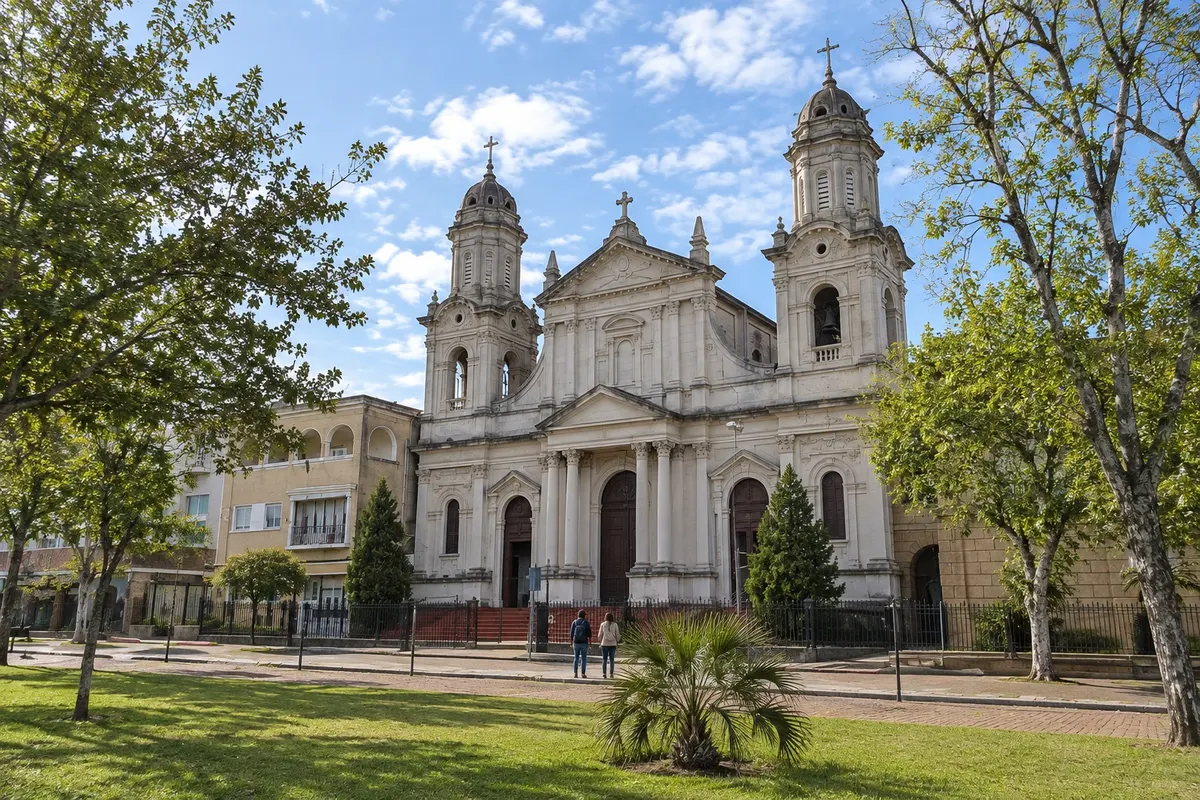
Salto's cathedral, dating from 1889, facing Plaza Artigas, with an eclectic façade and a bronze Christ by Edmundo Prati. It was elevated to a minor basilica in 1997.

Muelle Negro
Salto · Salto · Observation deck

Muelle Negro

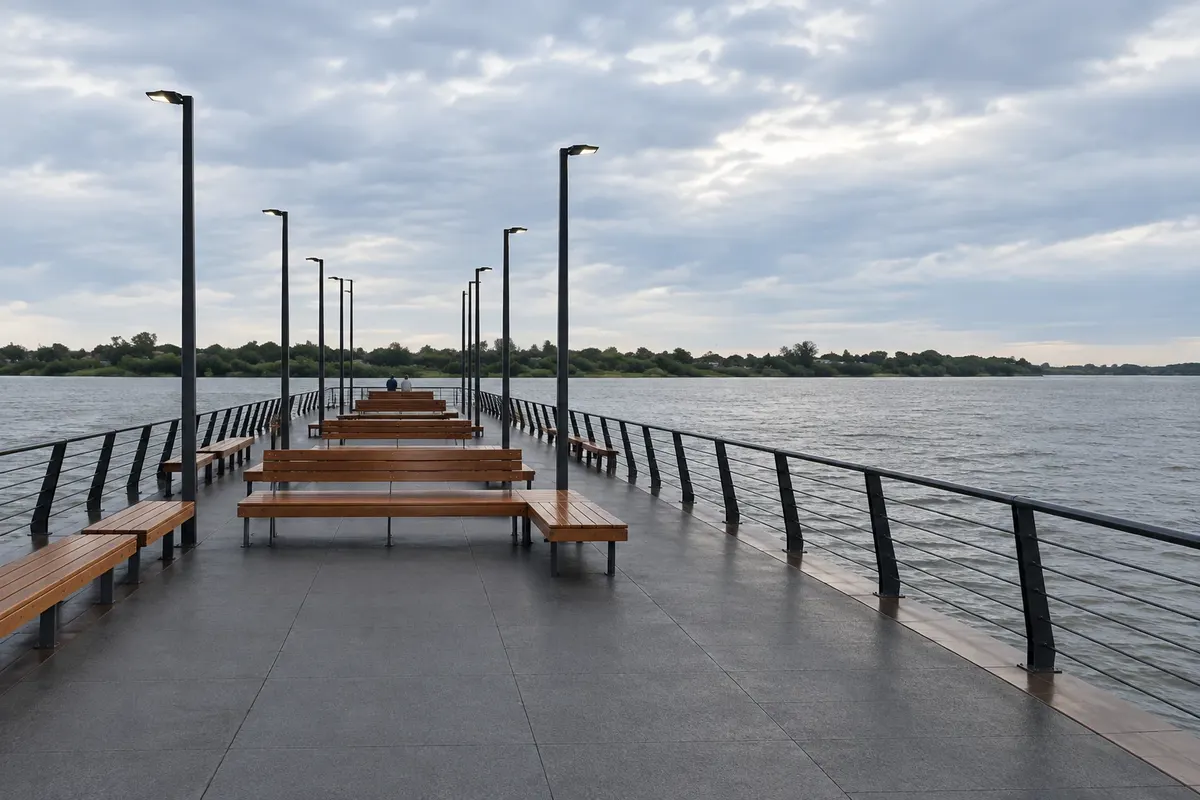
Old iron railway quay over the Uruguay River, built by the English in the 19th century and today a public promenade in the port area, with views of Concordia.

Salto Chico
Salto · Salto · Natural park

Salto Chico

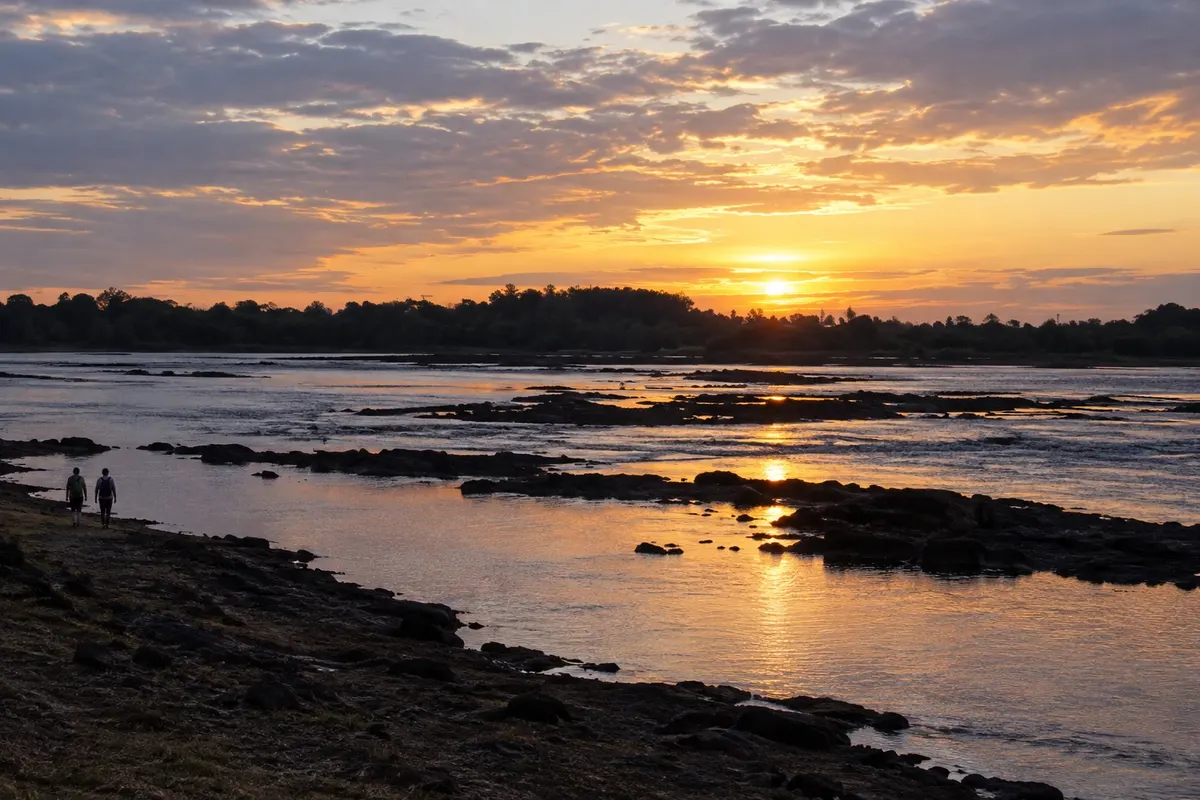
Basalt rapids of the rio Uruguai, about 3 km north of the center, with small beaches, camping, dorado fishing and the place where Artigas crossed the river during the 1811 Exodus.

Before you go

Practical information

A little planning leaves more time to enjoy the journey.

When to go

The hot springs are open year-round and are most popular from May to September, when the hot water contrasts with the cold: in July average lows are around 7 °C. From December to February the heat is strong, with average highs above 30 °C, and it’s the season for the Acuamanía waterpark, which usually operates from September to March or April.

The seasons shown are the most usual ones; nature doesn't always follow the calendar.

How many days to stay

Two days are enough to see downtown, the dam and an afternoon at the Termas del Daymán. With three or four days you can stay in Daymán, enjoy the pools at a relaxed pace and set aside a day for the Termas del Arapey, about 90 km away. Those seeking thermal rest typically stay from four days up to a week.

Which city to stay in

Termas del Daymán, 10 km from downtown, concentrates hotels, apart-hotels, cabins and campgrounds within a few steps of the thermal park and Acuamanía; it’s the choice for those who want to use the pools several times a day. Salto’s center, around calle Uruguay and Plaza Artigas, is better for those who want restaurants, shops and walking tours of the city. In Arapey accommodations are inside the thermal area, with hotels, bungalows and camping, surrounded by countryside.

Respect the place

Take your trash with you, follow the signs and support local businesses. In natural areas, follow the visiting guidelines.

Get your questions answered

Frequently asked questions about Termas do Salto

How many days to stay in Salto and the hot springs?

Two days are enough for the city, the dam and an afternoon in Daymán. To enjoy the hot springs at a relaxed pace and include Arapey, allow three to five days.

What is the best time for the Salto hot springs?

The pools are open year-round. Autumn and winter, from April to September, are the most sought-after months because the hot water contrasts with the cool air. In summer the heat is strong, but it’s the season for the Acuamanía waterpark.

Is a car needed to explore the region?

It helps, but it’s not mandatory. Local buses connect downtown Salto to Daymán, and there are buses from Salto to Arapey from Monday to Saturday. The dam offers visits departing from the Uruguayan shore, and there is a tour with transportation that leaves from Daymán. With a car, schedules are flexible.

Is a day trip to Salto from Montevidéu feasible?

It’s not worth it: it’s about 500 km by road, roughly seven hours by car each way. The ideal is to spend the night in Salto or Daymán.

Explore other destinations Search by state and city
Back