St. Moritz and the Engadina

Grisões · Switzerland

St. Moritz and the Engadina

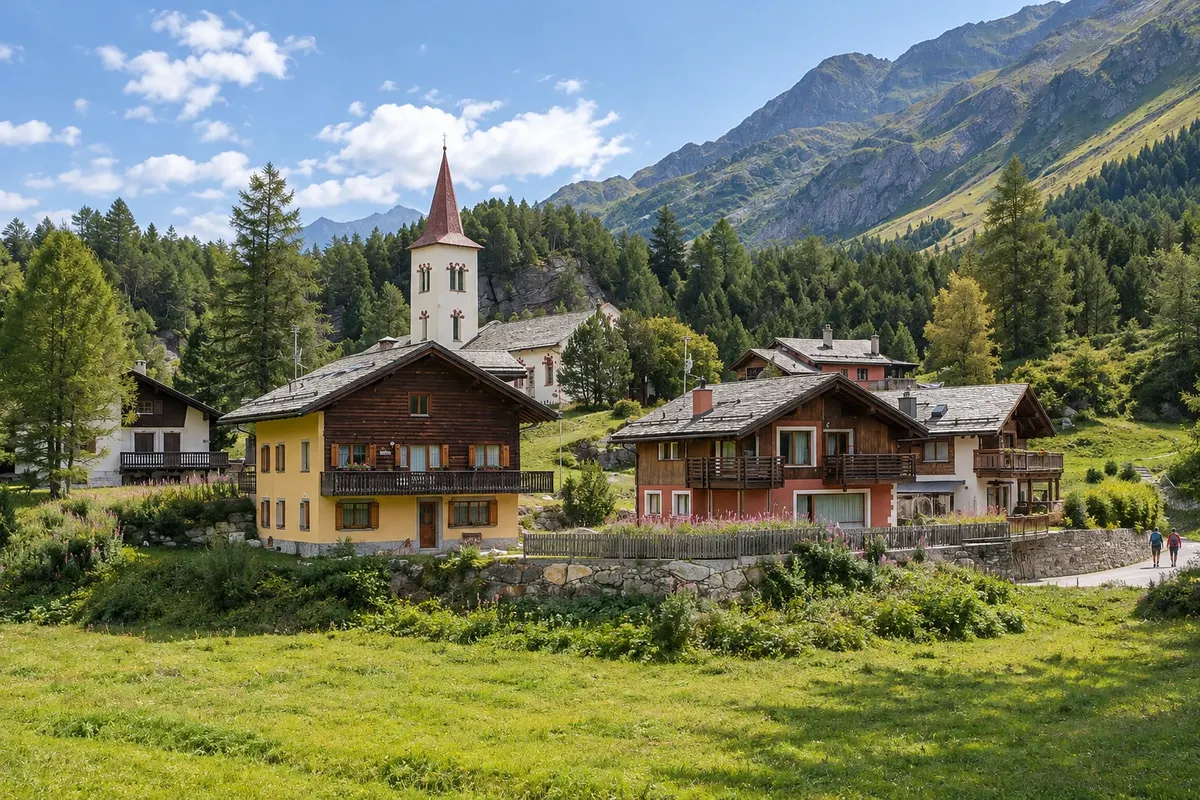
St. Moritz, at 1,822 m, the lakes of the Upper Engadine, the Bernina glaciers and the trains of the Rhätische Bahn, which climb the Albula and cross the Bernina to Tirano, in Italy.

Suíça alemã

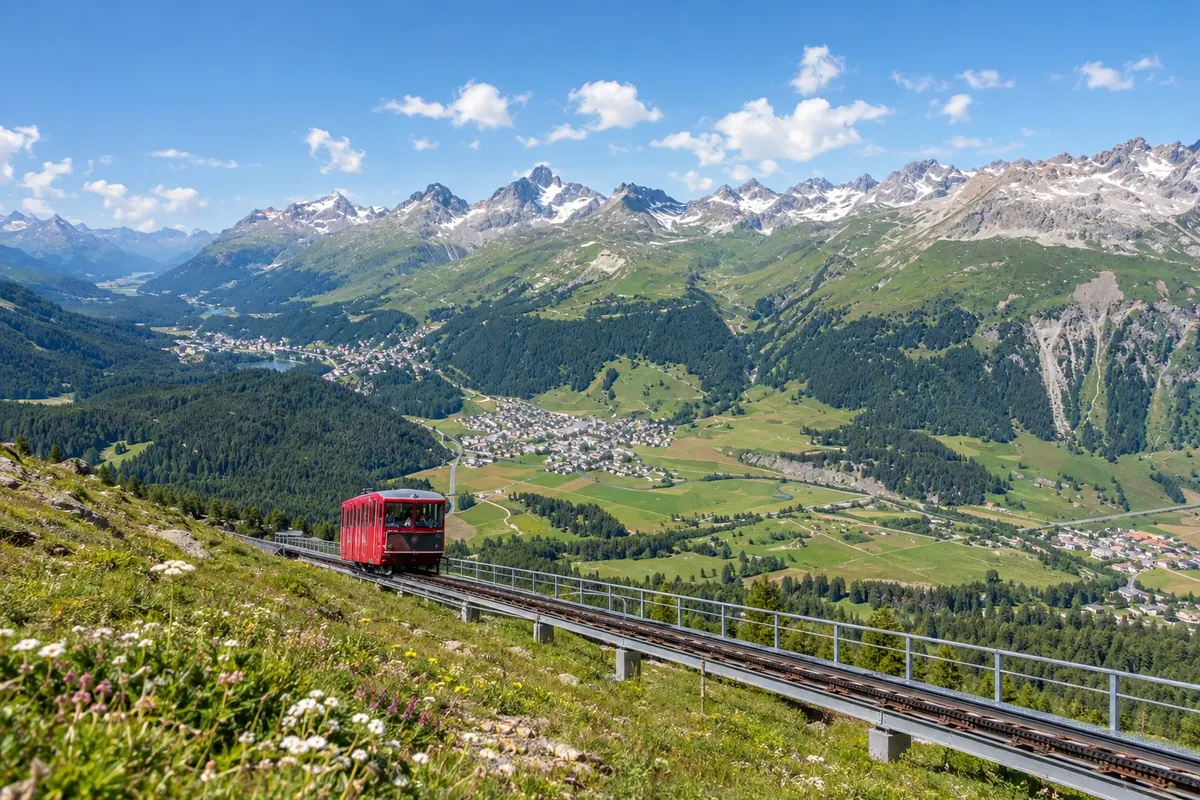
In the photo: Muottas Muragl funicular, Engadina

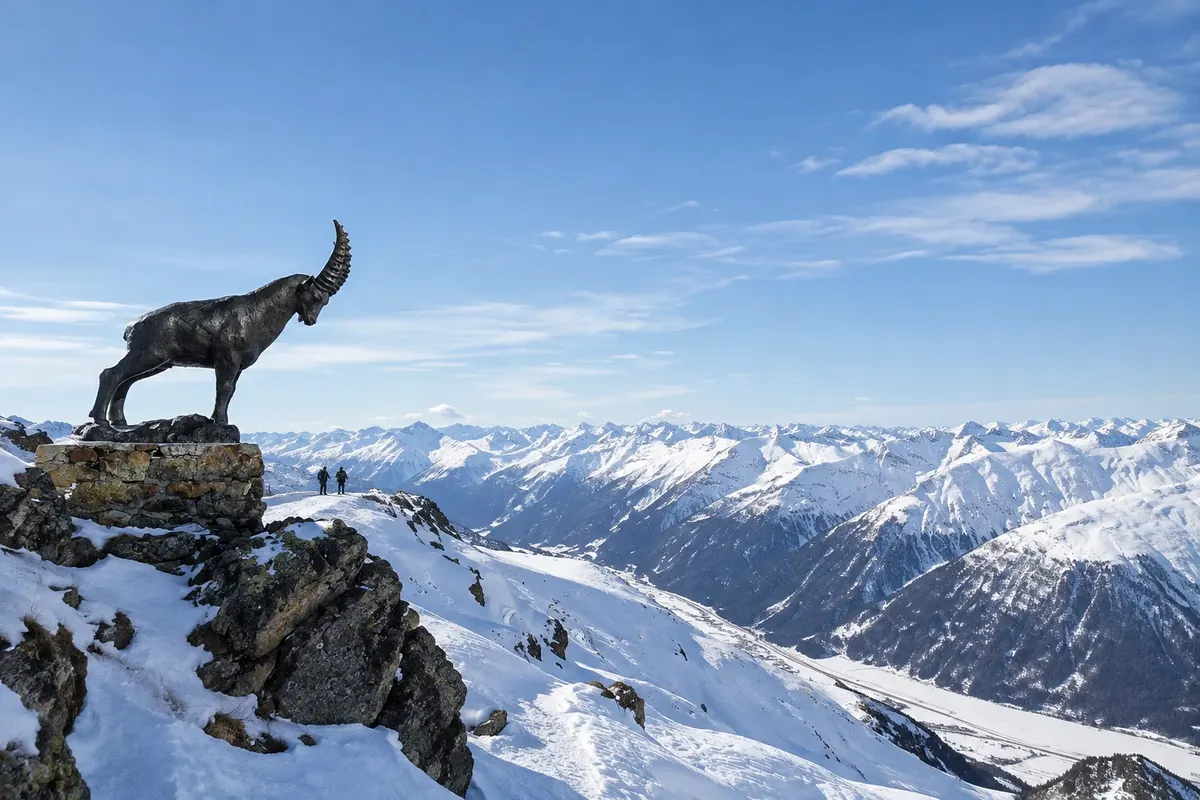
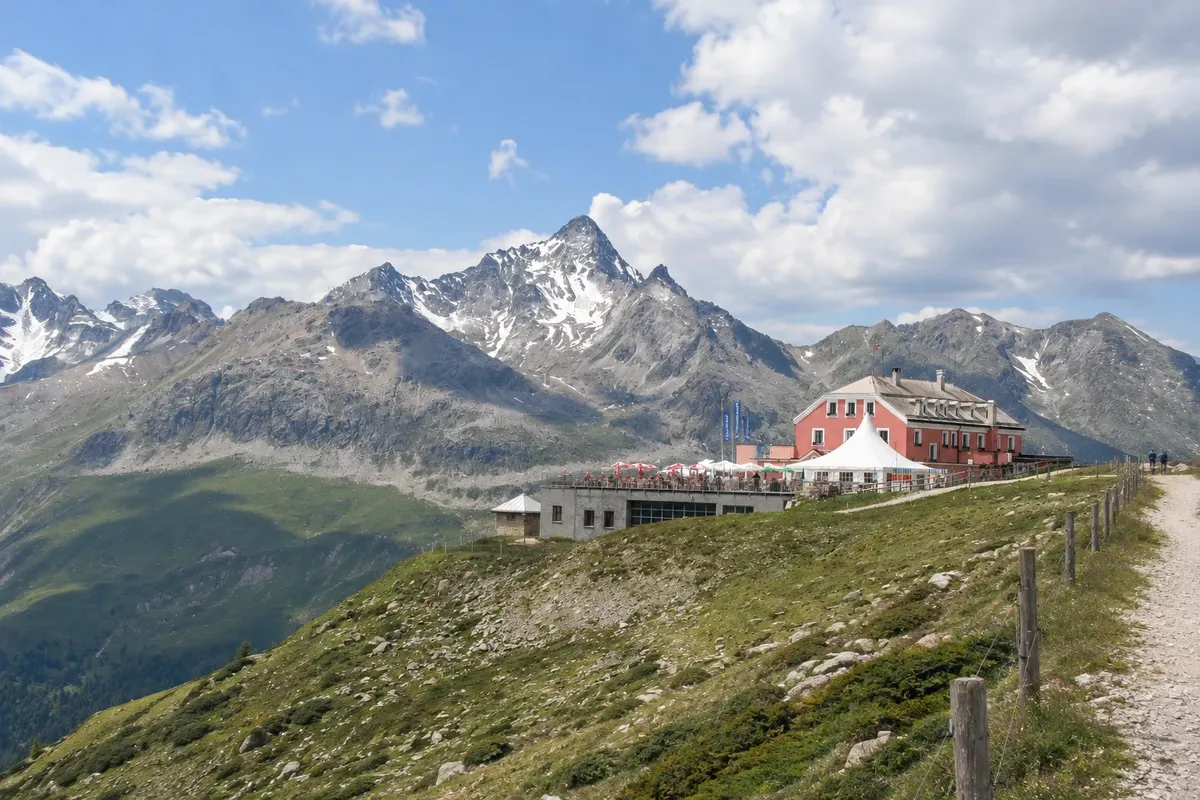
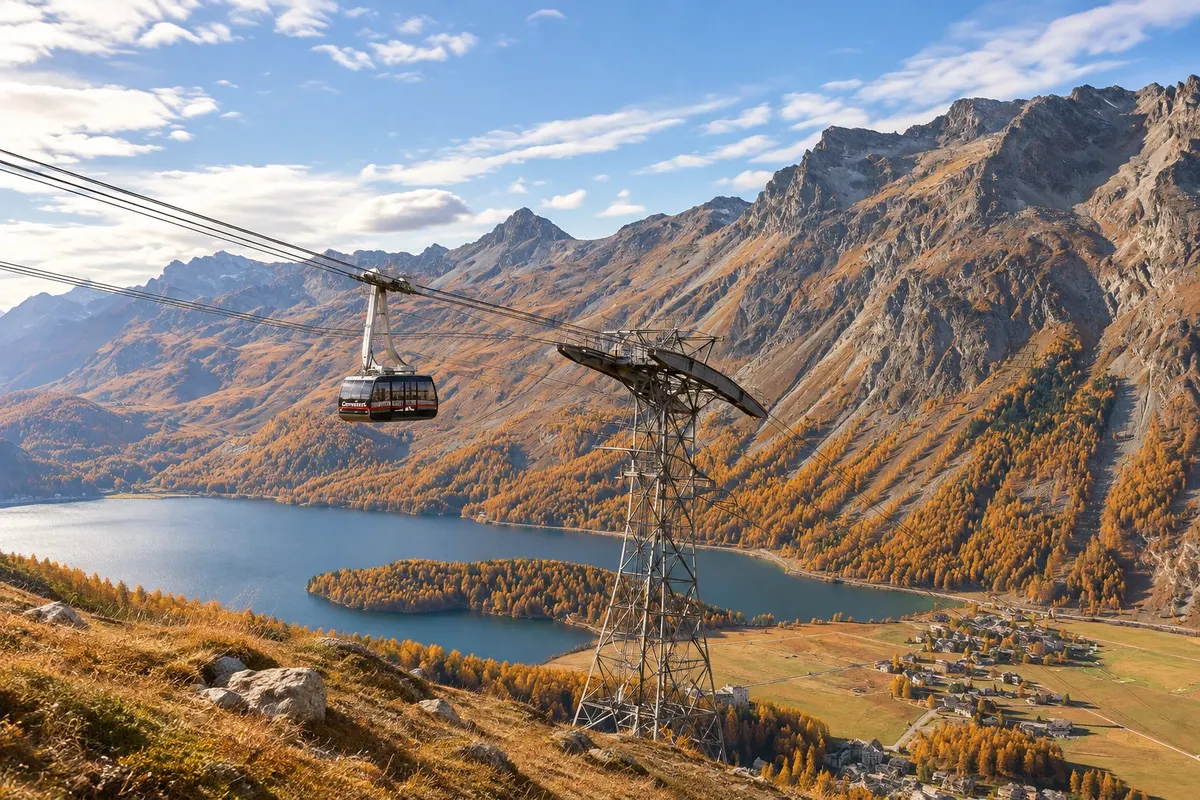
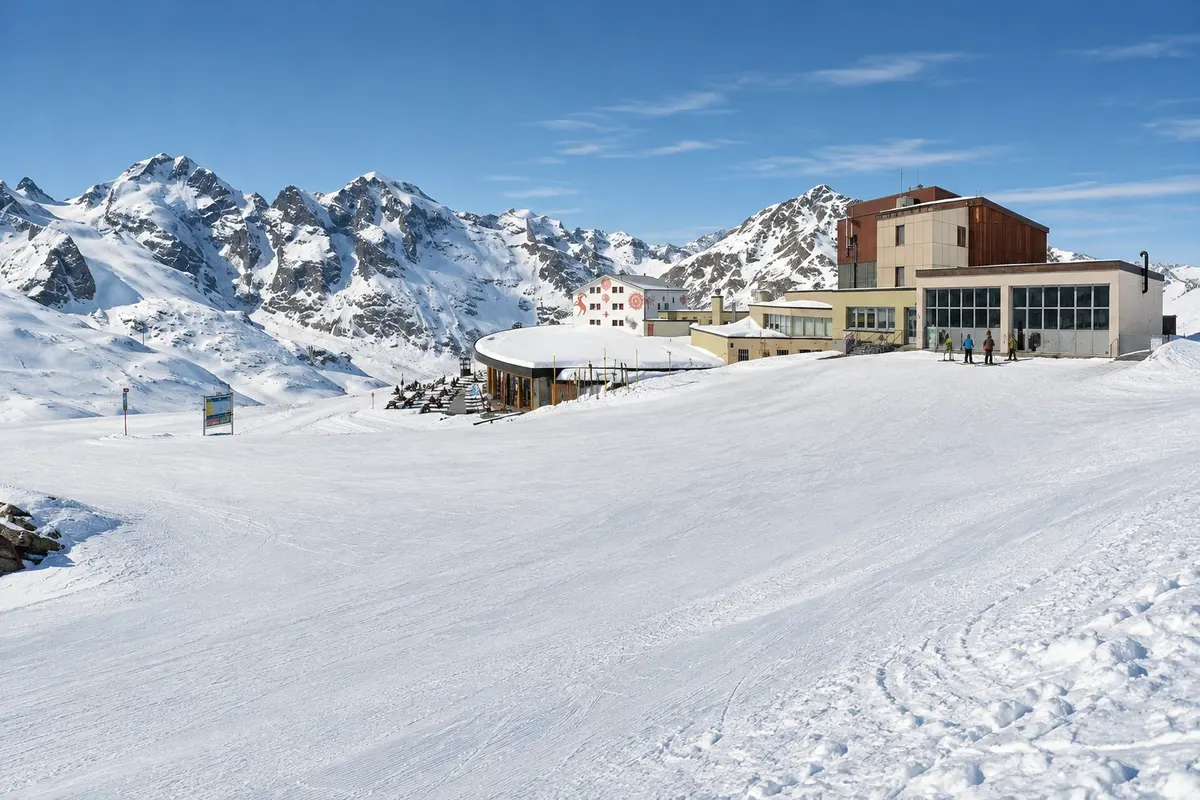
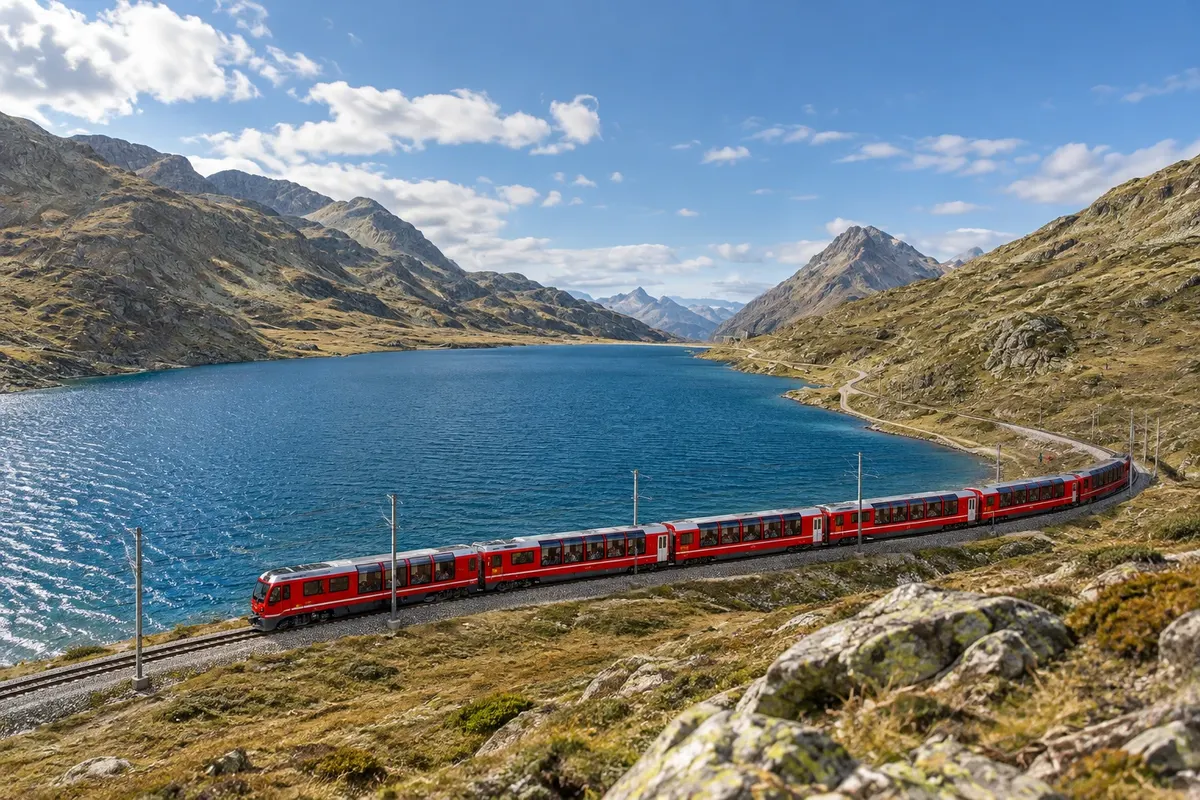
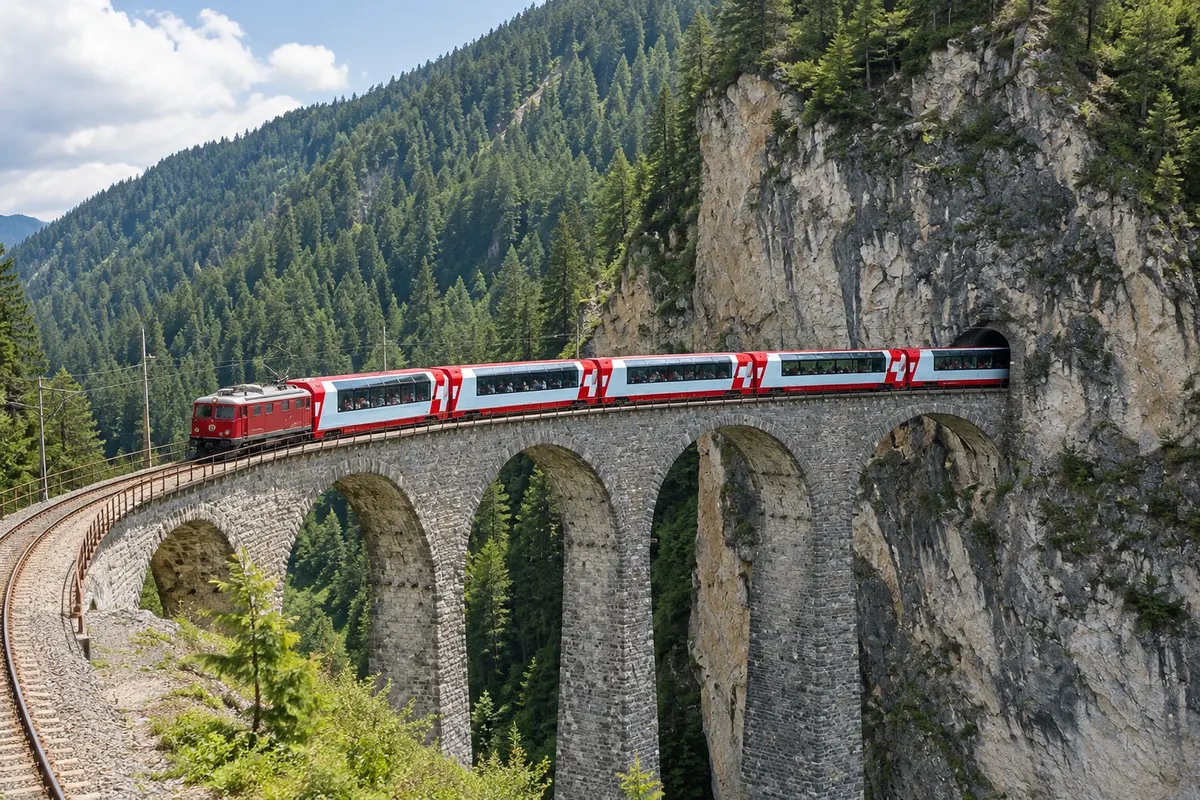
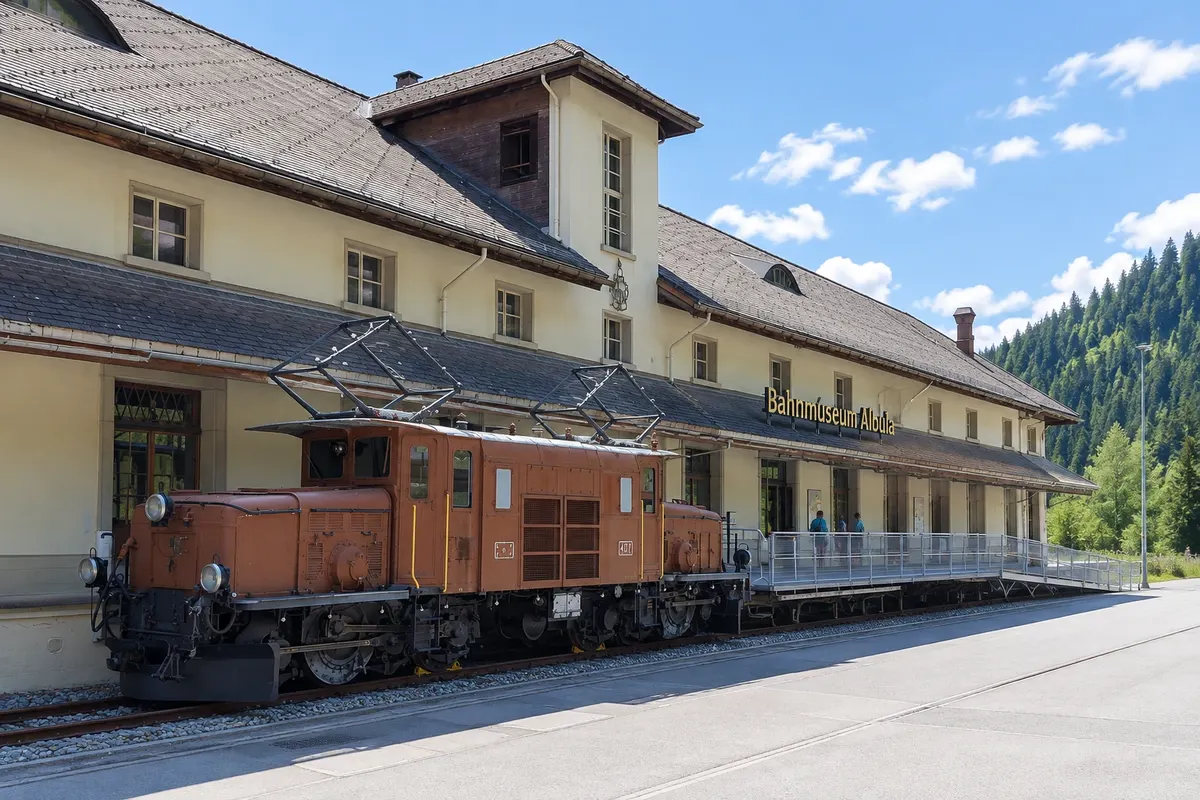
Illustrative images. The pictures in this guide are illustrations based on the real place, not photographs, and may differ from it.

Get it on Google Play Send your photos

Get to know the place

A region to enjoy
at your own pace.

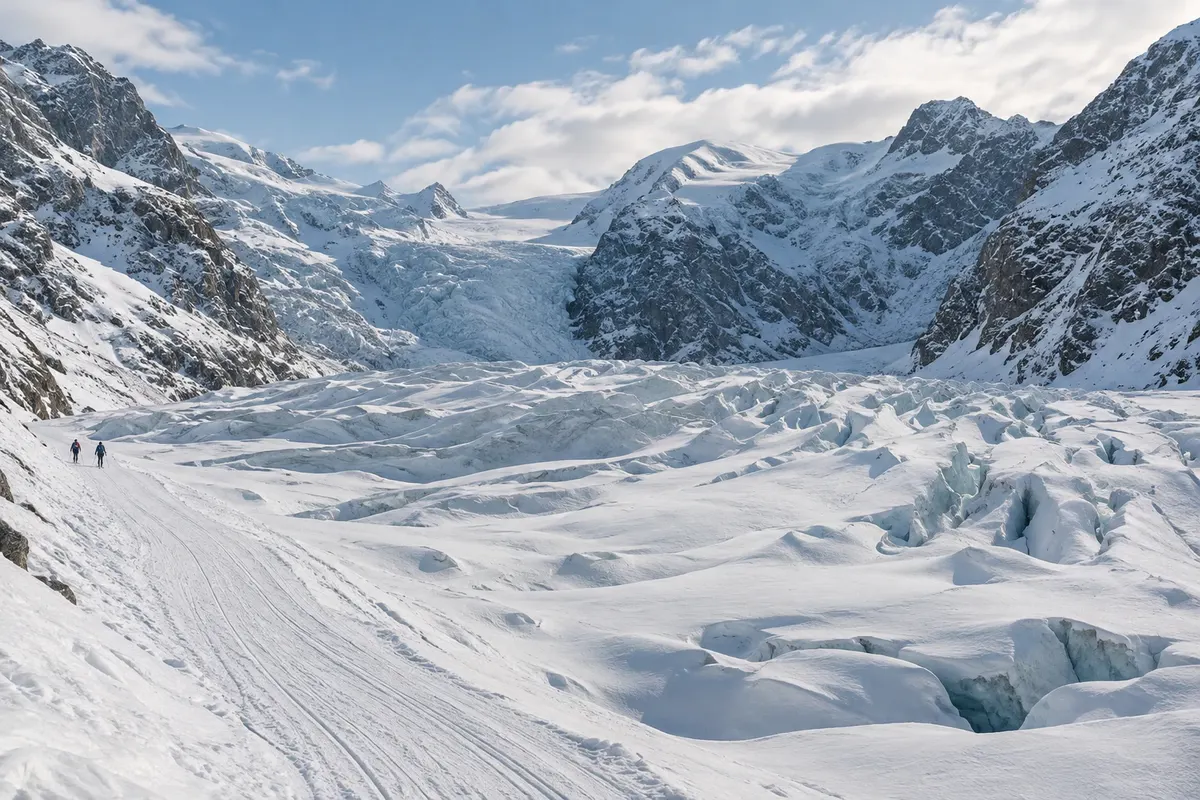
The Engadina is the high valley of the Inn River, in southeastern Switzerland, in the canton of Grisões. In the upper part, the Upper Engadine, a chain of lakes runs from Maloja to St. Moritz, between mountains that exceed 3,000 m. To the south lies the Bernina massif, with glaciers such as Morteratsch, visible up close from Pontresina and from the summit of Diavolezza.

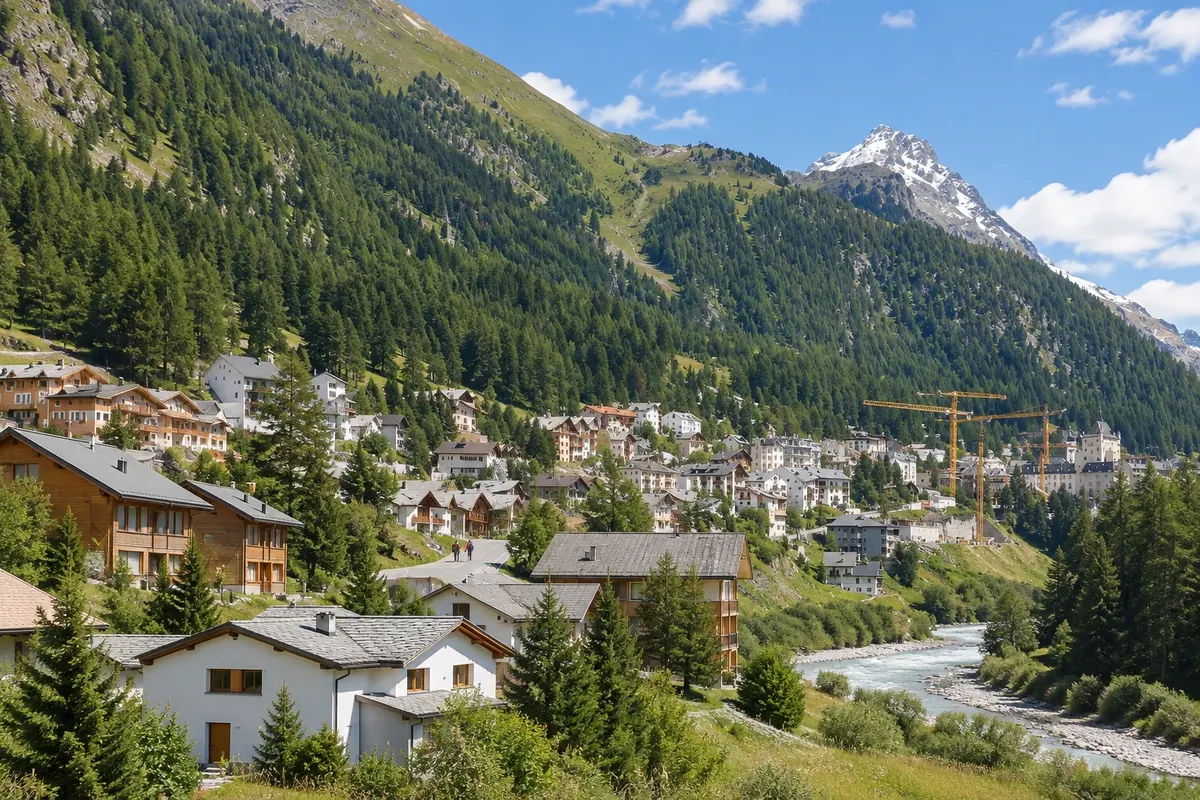
St. Moritz sits at 1,822 m, above the lake that bears the city's name. Its mineral springs were known already in the Bronze Age, and winter tourism grew in the 19th century. The town hosted the Winter Olympic Games in 1928 and 1948, and the natural-ice bobsled run to Celerina is rebuilt each winter. On the frozen lake, the horse races of the White Turf usually take place in February.

The tracks of the Rhätische Bahn are part of the journey. The Albula line climbs from Thusis through spiral tunnels and crosses the Landwasser viaduct; the Bernina line passes the Ospizio Bernina, at 2,253 m, and descends to Tirano, in Italy. Both lines and the surrounding landscape were inscribed as a UNESCO World Heritage Site in 2008. The Bernina Express and the Glacier Express run on them, linking St. Moritz to Zermatt.

In the Engadina people speak German, with the Swiss German dialect, and Romansh, the valley's language, present in place names: St. Moritz is San Murezzan, Pontresina is Puntraschigna and Sils is Segl. Grisões has three official languages, and Italian is the language of Maloja and the Val Poschiavo, through which the Bernina Express descends. English is widely used in tourism. The currency is the Swiss franc, and Switzerland does not use the euro.

This destination brings together 1 city: St. Moritz.

Share: WhatsApp
Traveler, share your experiences through photos Up to 5 photos of each place you visited.

One destination, many paths

The cities on this trip

Start with one city or combine several in your itinerary.

Where St. Moritz and the Engadina is
St. Moritz

Contornos: ©swisstopo. Adaptação do Cidade Turismo.

How to get there: St. Moritz and the Engadina

✈ Aeroporto de Zurique (ZRH), in Zurique · 200 km to St. Moritz

The most used airport is Zurich (ZRH). From Zurich, the train reaches Chur in about 1 h 15 min; there you change to the Rhätische Bahn, which climbs to St. Moritz in about 2 h. Confirm before buying.

The local experience

Things to do in St. Moritz and the Engadina

St. Moritzersee
St. Moritz · Grisões · Lake

St. Moritzersee

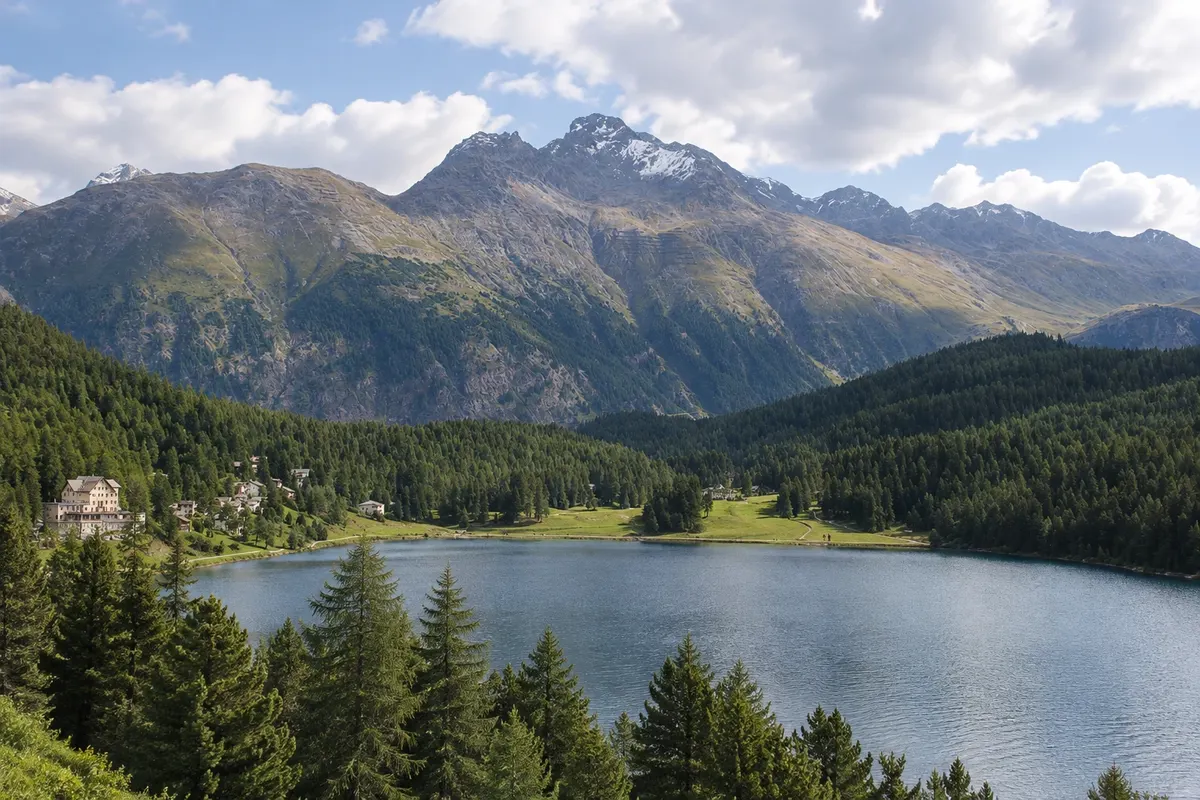
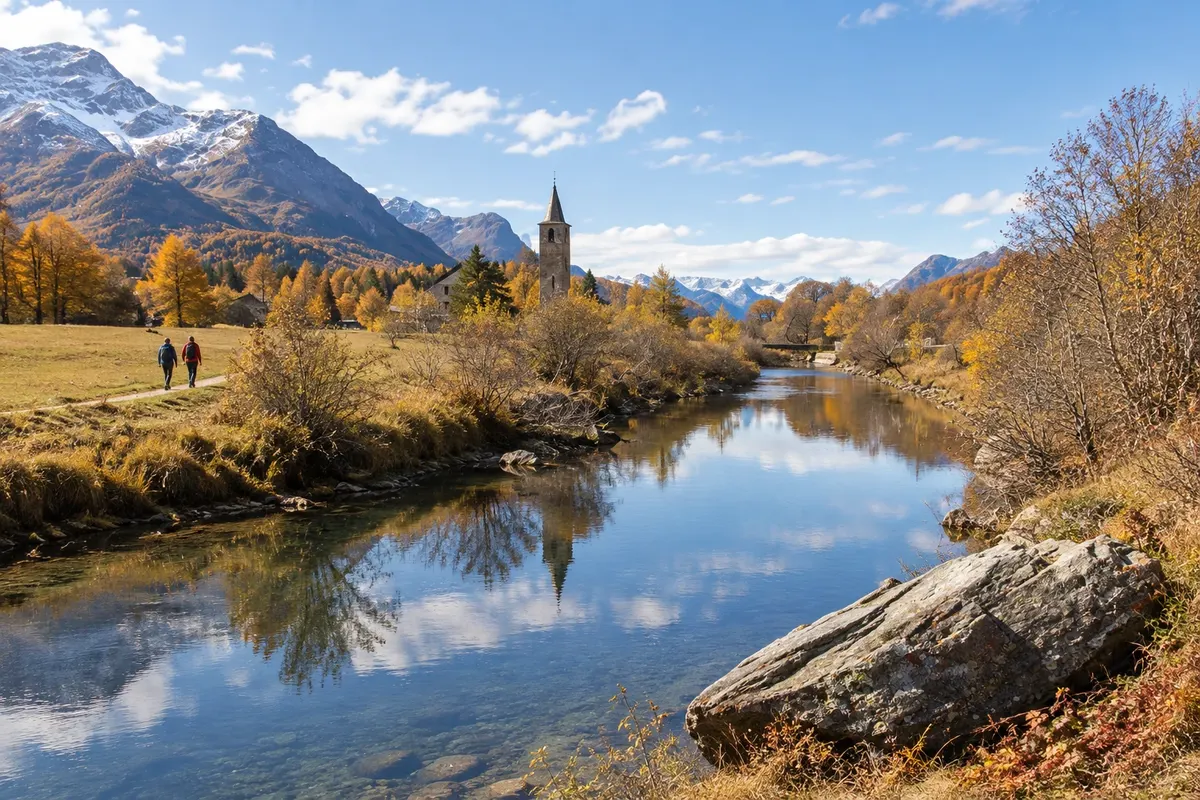
A lake about 1.6 km long, at 1,768 m, between St. Moritz Dorf and St. Moritz Bad, with a path around it. Frozen in winter, it hosts the White Turf horse races and snow polo.

Schiefer Turm
St. Moritz · Grisões · Monument

Schiefer Turm

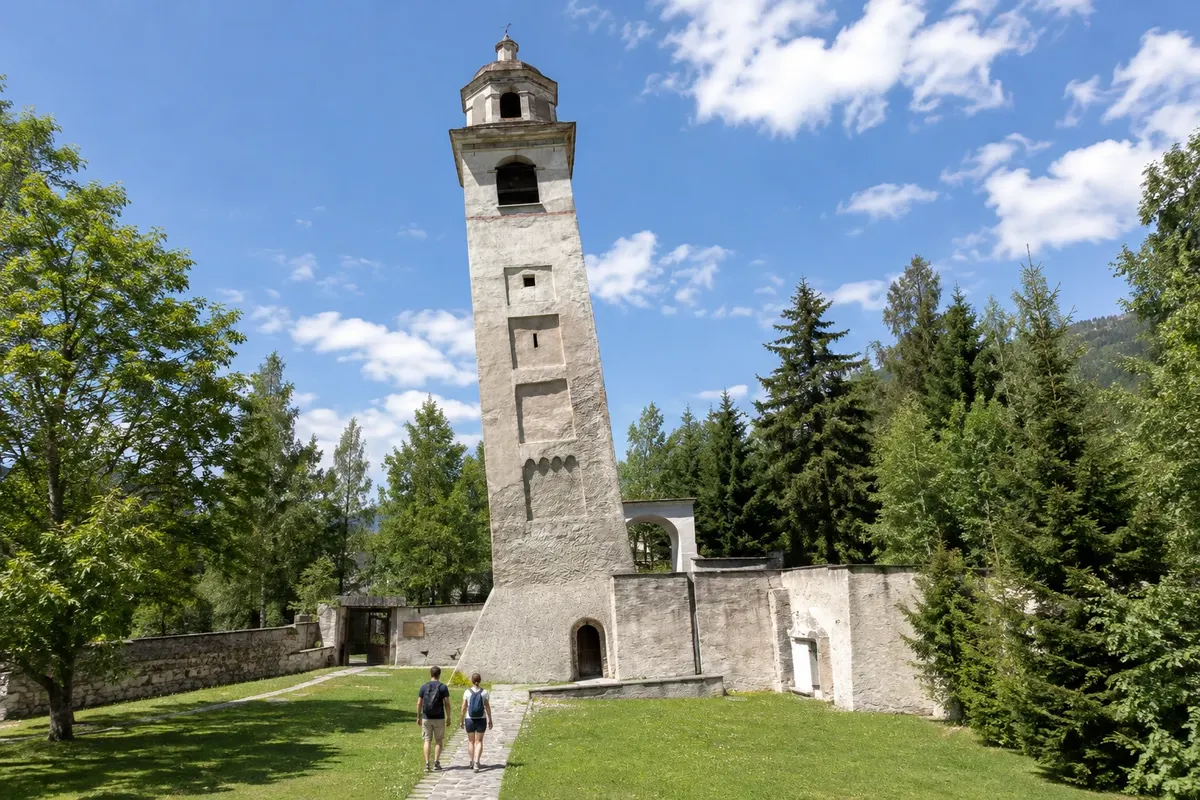
A 33 m tower, with a tilt of about 5.5 degrees, remaining from the old church of St. Maurice, atop St. Moritz Dorf.

Segantini Museum
St. Moritz · Grisões · Museum

Segantini Museum

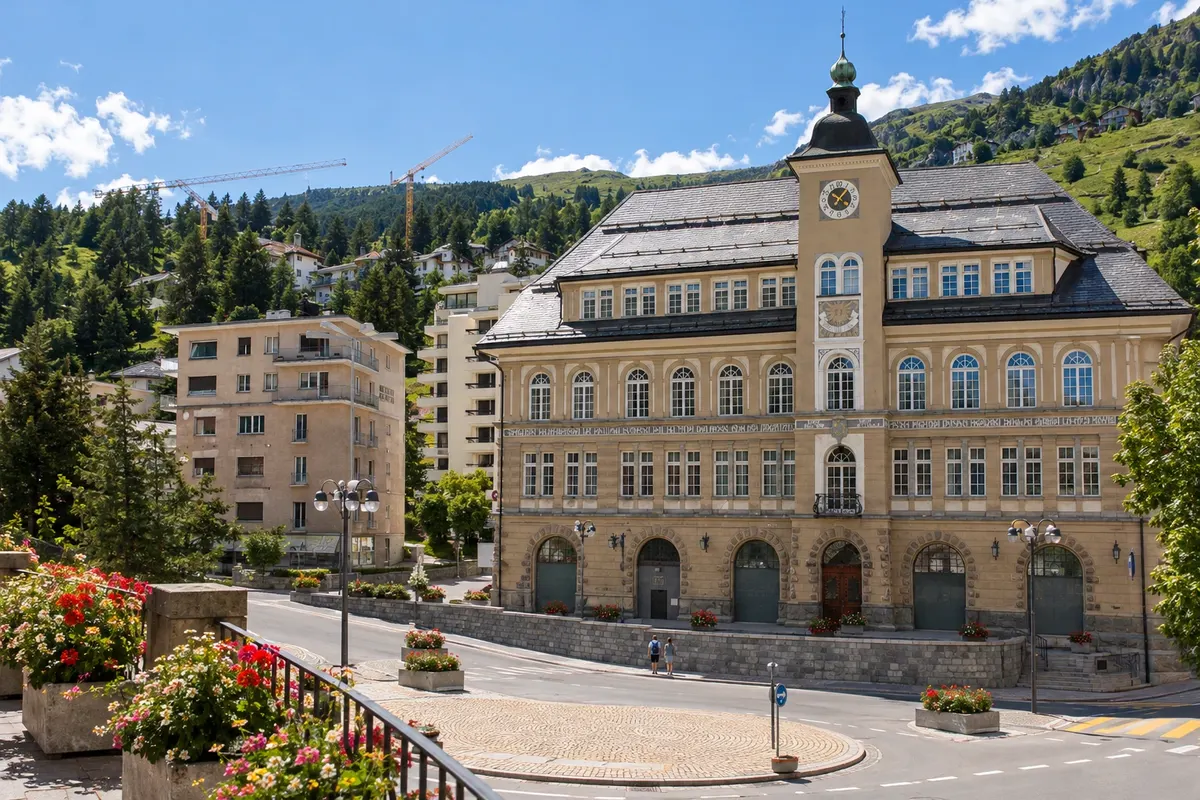
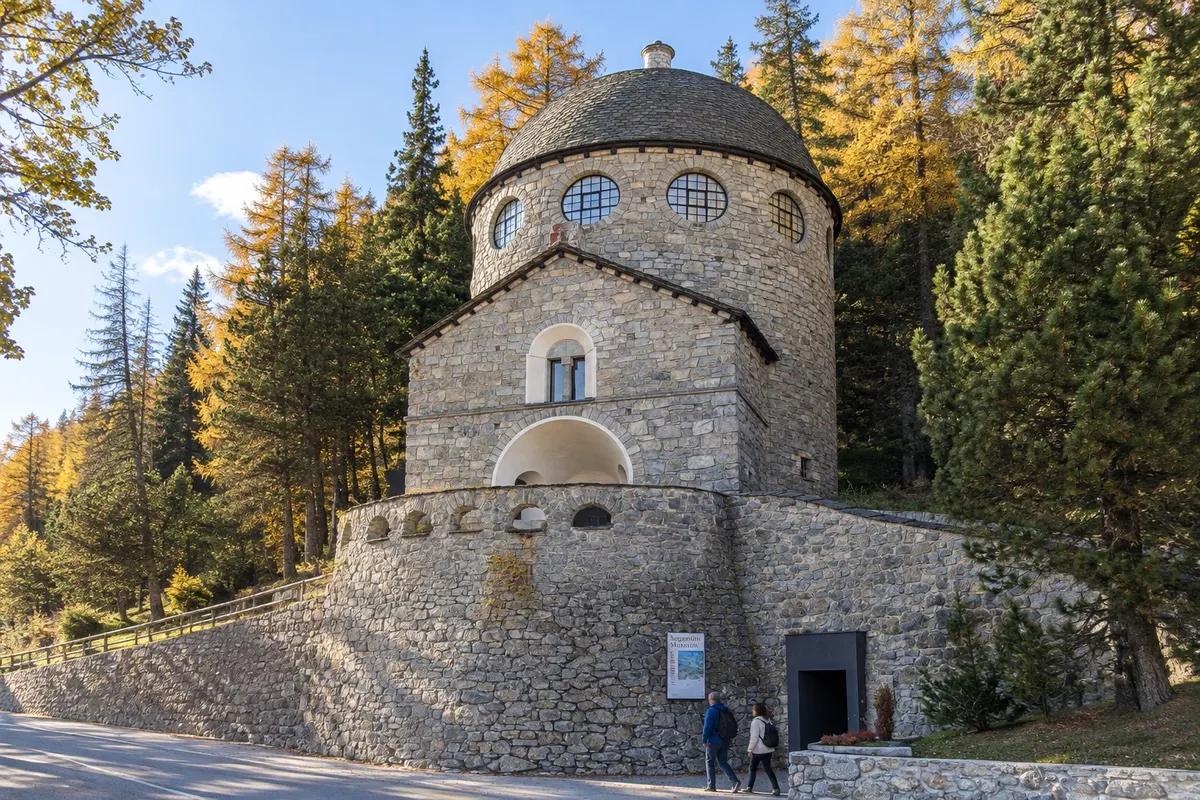
Museum opened in 1908 in memory of the painter Giovanni Segantini, in a stone building with a dome, where the triptych of the Alps, Werden – Sein – Vergehen, is displayed.

Museum Engiadinais
St. Moritz · Grisões · Museum

Museum Engiadinais

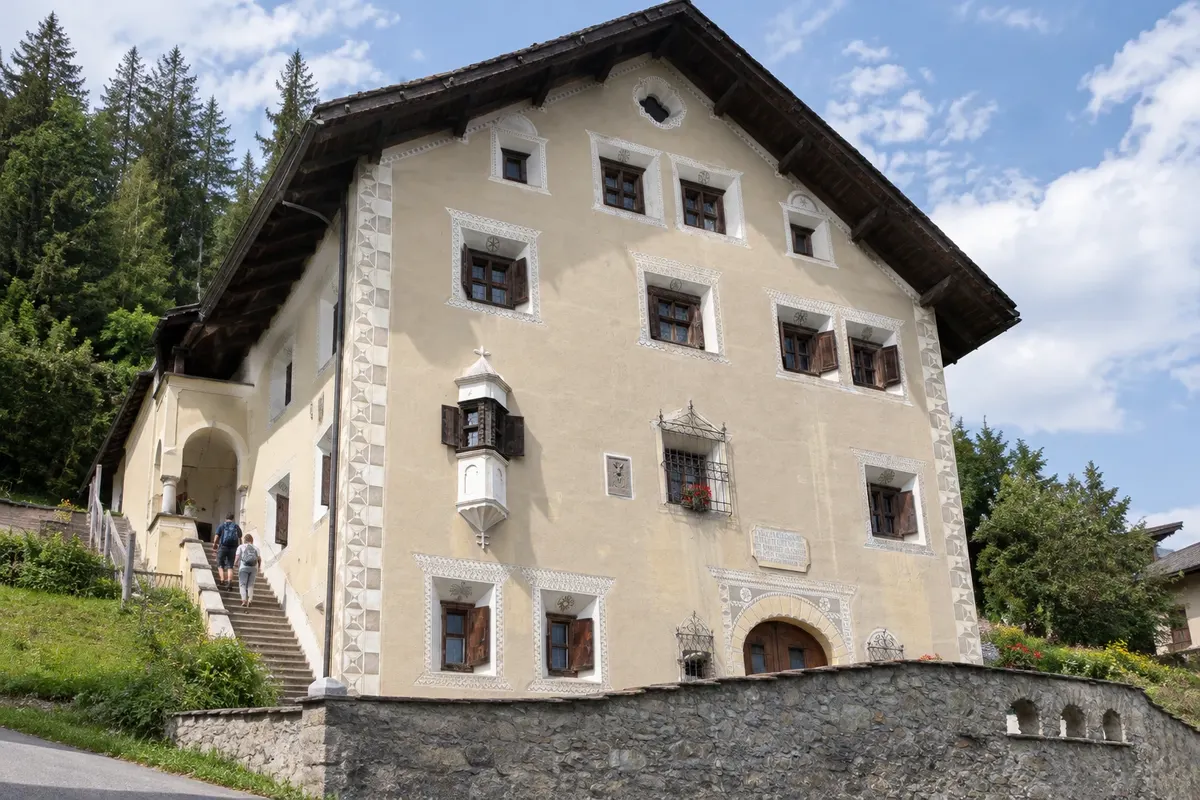
Museum of house and life in the Engadina, in a 1906 building inspired by the valley's typical house, with interiors spanning five centuries and an exhibition about Romansh.

See 14 more places in St. Moritz and the Engadina
Mili Weber Museum
St. Moritz · Grisões · Museum

Mili Weber Museum

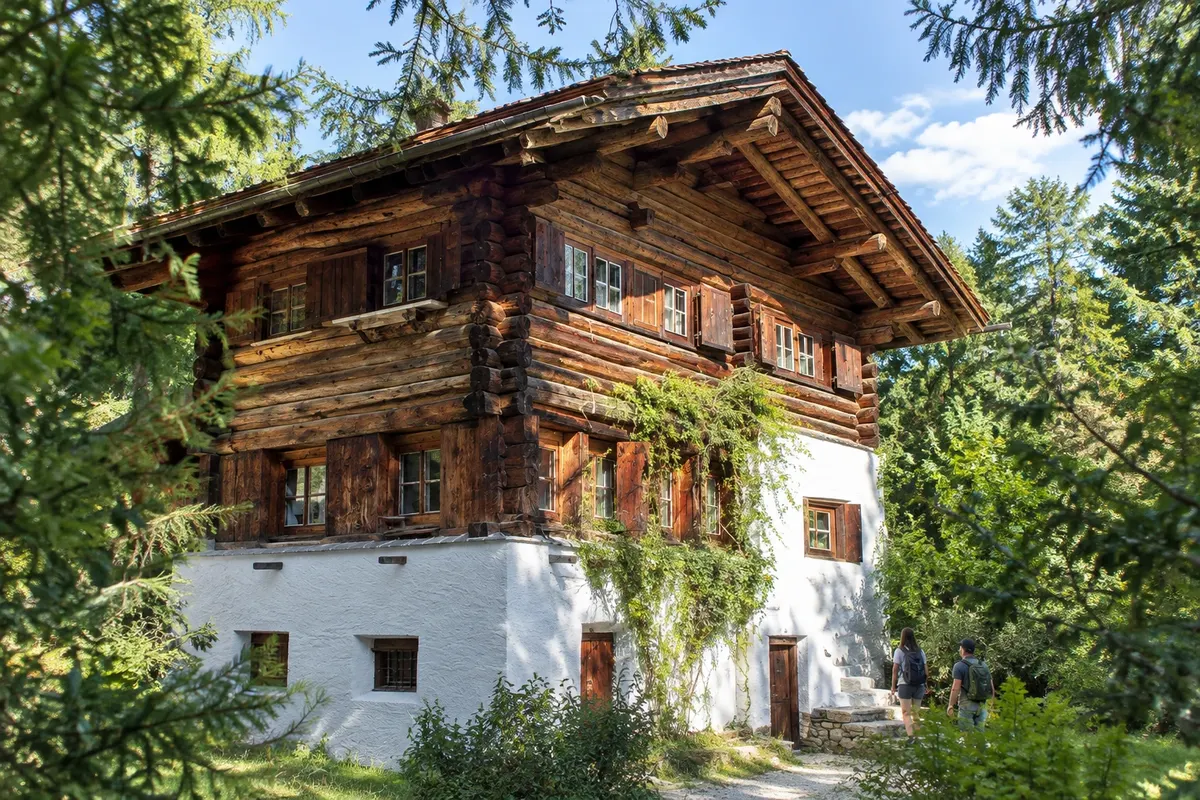
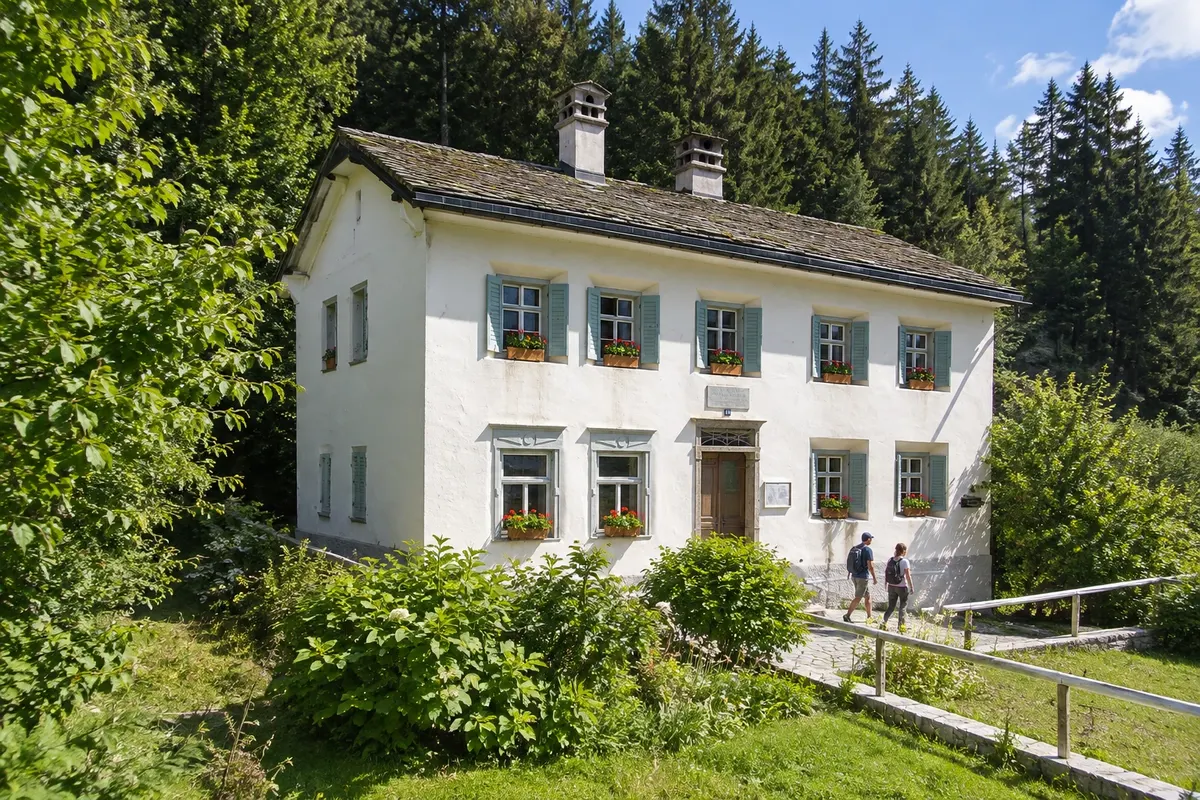
House of the painter Mili Weber (1891–1978), on the edge of the forest above St. Moritz lake, with walls, ceilings and furniture painted by her. Visits only with a guide and by appointment.

Olympia Bob Run St. Moritz–Celerina
St. Moritz · Grisões · Sport

Olympia Bob Run St. Moritz–Celerina

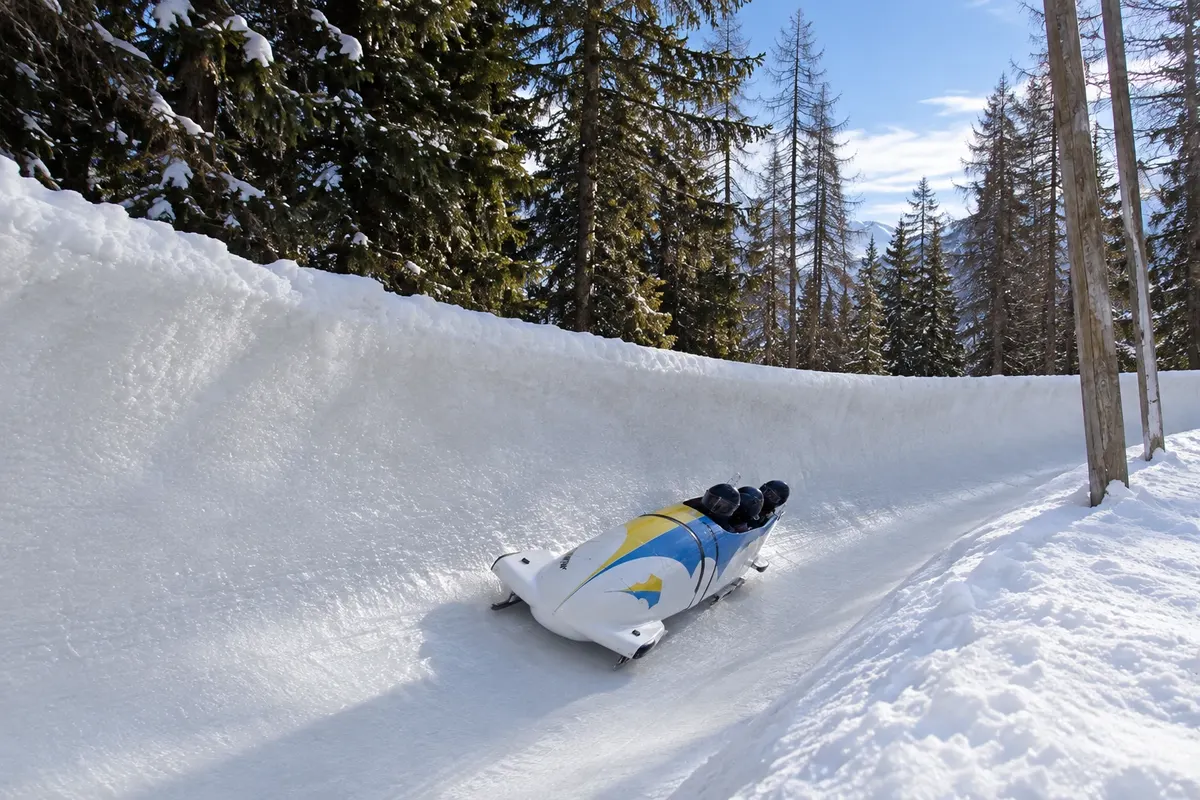
Natural-ice bobsleigh track of 1,722 m between St. Moritz and Celerina, rebuilt each winter. It hosted the Olympic events in 1928 and 1948 and offers rides with a pilot.

Piz Nair
St. Moritz · Grisões · Mountain

Piz Nair

Mountain above St. Moritz, with the top station of the cable car at 3.057 m and views over the Engadina valley. You take a funicular up to Corviglia and from there a cable car.

Muottas Muragl
St. Moritz · Grisões · Observation deck

Muottas Muragl

Lookout at 2.456 m above the Upper Engadine valley, between Samedan and Pontresina, with a funicular opened in 1907, and a hotel and restaurant at the top.

Corvatsch
St. Moritz · Grisões · Mountain

Corvatsch

Mountain above Silvaplana, with a cable car departing from Surlej and reaching 3.303 m, offering views of the Bernina massif and the lakes of the Upper Engadine.

Diavolezza
St. Moritz · Grisões · Mountain

Diavolezza

Mountain pass in the Bernina massif, with a cable car up to 2,978 m and views of Piz Bernina, Piz Palü and the Pers and Morteratsch glaciers. Open year-round.

Morteratschgletscher
St. Moritz · Grisões · Glacier

Morteratschgletscher

Glacier of the Bernina massif that descends toward Pontresina, with an easy 2.9 km trail from Morteratsch station and information points explaining the retreat of the ice.

Pontresina
St. Moritz · Grisões · Village

Pontresina

Village at 1,805 m, about 7 km from St. Moritz, at the entrance to Val Bernina, with a Bernina Express station and access to Diavolezza, Morteratsch and Val Roseg.

Sils/Segl
St. Moritz · Grisões · Village

Sils/Segl

Village at 1,809 m between the Silsersee and Lake Silvaplana, with the Chastè peninsula, the Nietzsche-Haus and the entrance to Val Fex, a car-free valley.

Nietzsche-Haus
St. Moritz · Grisões · Museum

Nietzsche-Haus

House in Sils Maria where Friedrich Nietzsche spent summers from 1881 to 1888; a museum with the philosopher's room, manuscripts, letters and published works.

Maloja
St. Moritz · Grisões · Village

Maloja

Village at the Maloja Pass, at 1,815 m, on the southwest tip of the Silsersee, Italian-speaking. The painter Giovanni Segantini lived there, and a trail leads to the Gletschermühlen.

Bernina Express
St. Moritz · Grisões · Panoramic train

Bernina Express

Panoramic train from Chur or St. Moritz to Tirano in Italy, on the Bernina line, a UNESCO World Heritage site, with 55 tunnels, 196 bridges and its highest point at the Ospizio Bernina at 2,253 m.

Glacier Express
St. Moritz · Grisões · Panoramic train

Glacier Express

Panoramic train between St. Moritz and Zermatt, in about 8 hours, over 291 bridges and 91 tunnels, passing the Landwasser viaduct, the Rhine Gorge and the Oberalp Pass at 2,033 m.

Bahnmuseum Albula
St. Moritz · Grisões · Museum

Bahnmuseum Albula

Train museum in Bergün, in front of the station, on the Albula line and the Rhätische Bahn, with a model, a virtual cab ride and a Krokodil locomotive.

Before you go

Practical information

A little planning leaves more time to enjoy the journey.

When to go

In the European summer, from June to September, cable cars and trails operate and there are boats on the Silsersee. From December to March is the ski season, bobsled season and events on the frozen lake, with short, very cold days. In April, May and November, some lifts, museums and hotels close.

The seasons shown are the most usual ones; nature doesn't always follow the calendar.

How many days to stay

Three days allow for one major ascent (Diavolezza, Piz Nair or Corvatsch), one day on the Bernina Express to Tirano and back, and one day between St. Moritz, Sils and Maloja. With five days you can add Muottas Muragl, the Morteratsch trail, the museums and the Albula. A spare day helps choose the clearest day to go up.

Which city to stay in

St. Moritz Dorf, on the slope above the lake, gathers hotels, shops, restaurants and the funicular to Corviglia, near the station. St. Moritz Bad, by the lake, is more residential and has the base of the Signal cable car. Pontresina, a few minutes by train, is quieter and close to Diavolezza and Morteratsch. Celerina and Samedan, on the valley floor, have train stations. Sils and Maloja, to the south, serve those who prefer lakes and trails away from the bustle.

Respect the place

Take your trash with you, follow the signs and support local businesses. In natural areas, follow the visiting guidelines.

Get your questions answered

Frequently asked questions about St. Moritz and the Engadina

How many days to reserve for St. Moritz and the Engadina?

At least three days: one for a cable car ascent, one for the Bernina Express and one for the lakes. With five days there's time for Muottas Muragl, Morteratsch, the museums and a trip on the Albula, and to change plans if the weather closes in at altitude.

Do you need a car in the Engadina?

No. Rhätische Bahn trains and buses link St. Moritz with Pontresina, Sils, Maloja and the cable car bases. Tourist train passes are valid on Rhätische Bahn trains; for cable cars, check each company's conditions.

What's the best time to go to the Engadina?

It depends on your plans. For hikes, lakes and trains with green scenery: June to September. For snow, skiing and events on the frozen lake: December to March. In spring and late autumn there are fewer people, but many cable cars stop for maintenance.

Can you do St. Moritz as a day trip from Zurich?

You can, but it's tiring: it's over three hours by train each way. It's better to stay at least two nights in the Engadina. If you only have one day, enjoy the journey itself on the Albula line between Chur and St. Moritz.

Explore other destinations Search by state and city
Back