It’s the part of Switzerland where French is spoken. English is widely used in tourism, and the currency is the Swiss franc: Switzerland does not use the euro.
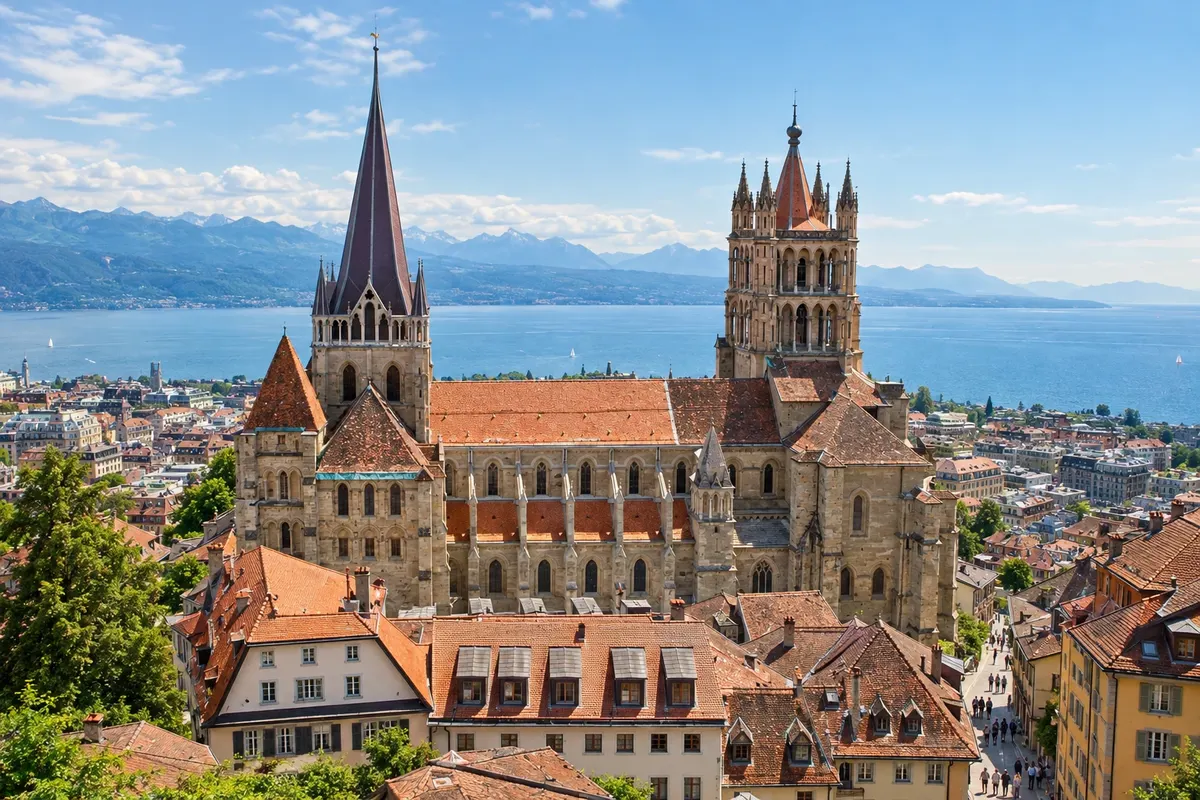
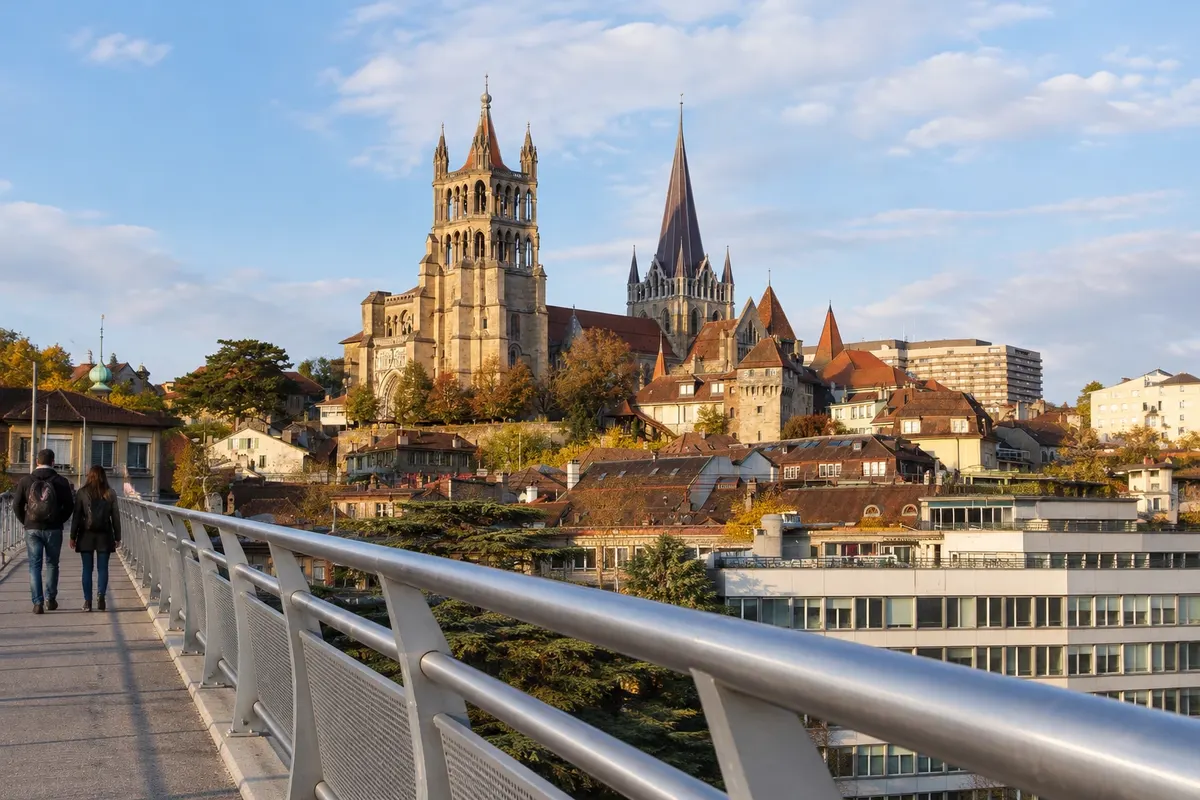
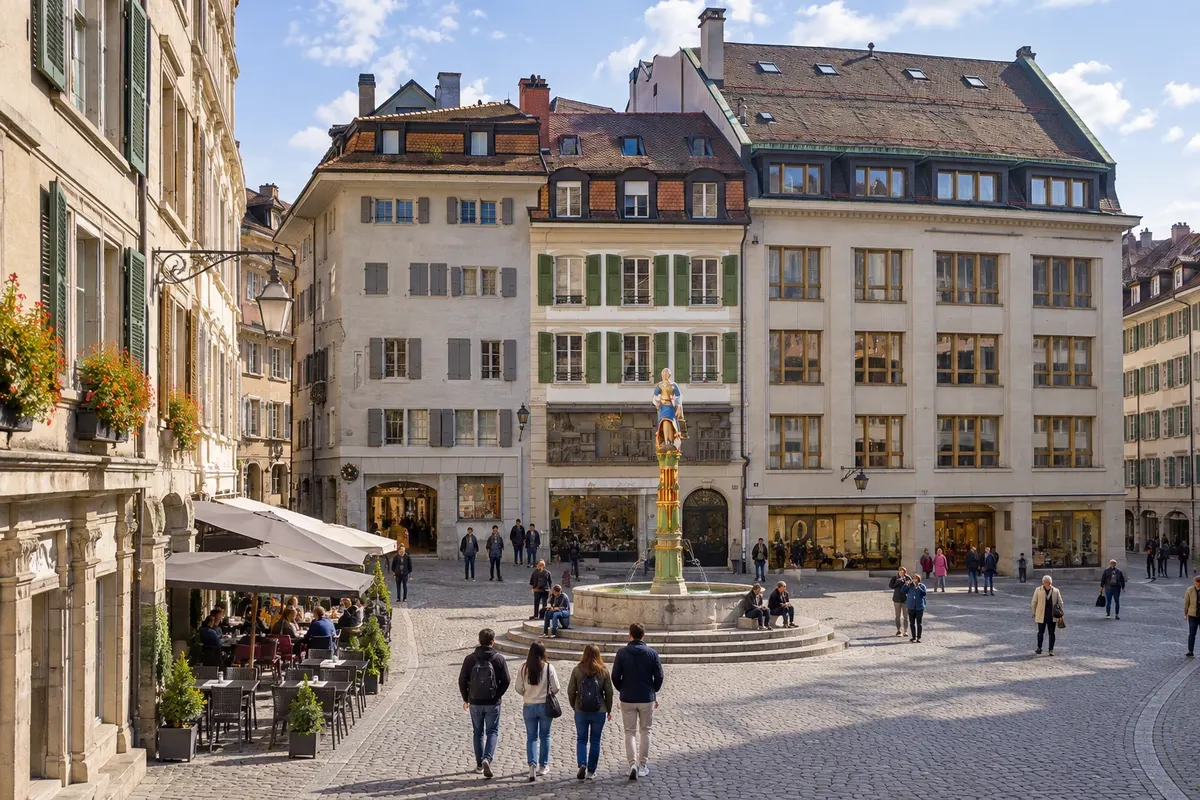
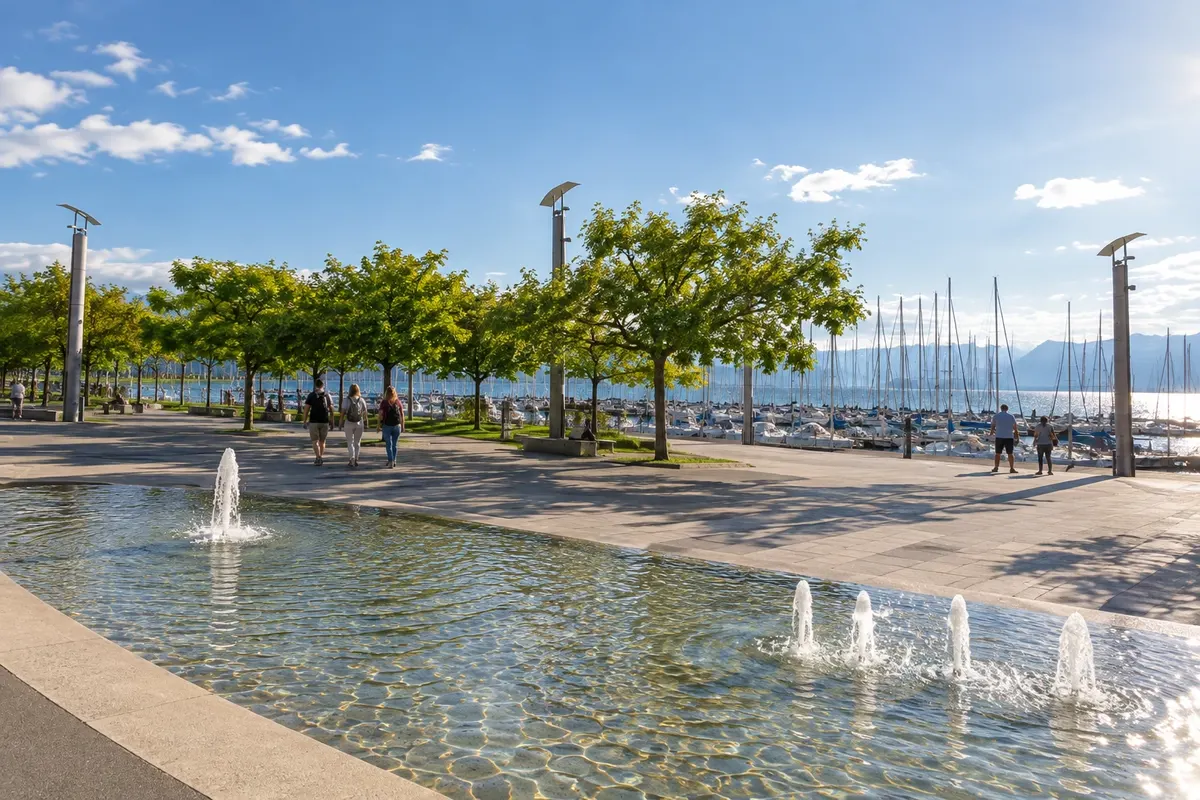
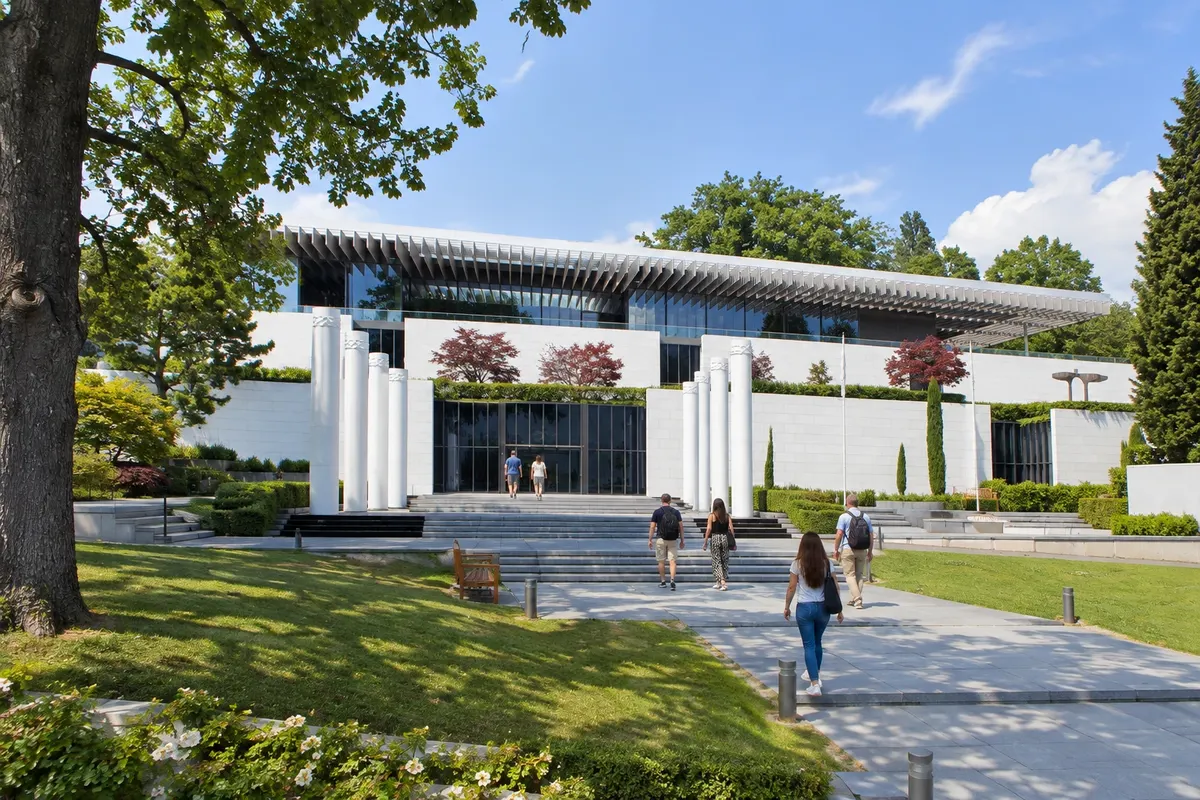
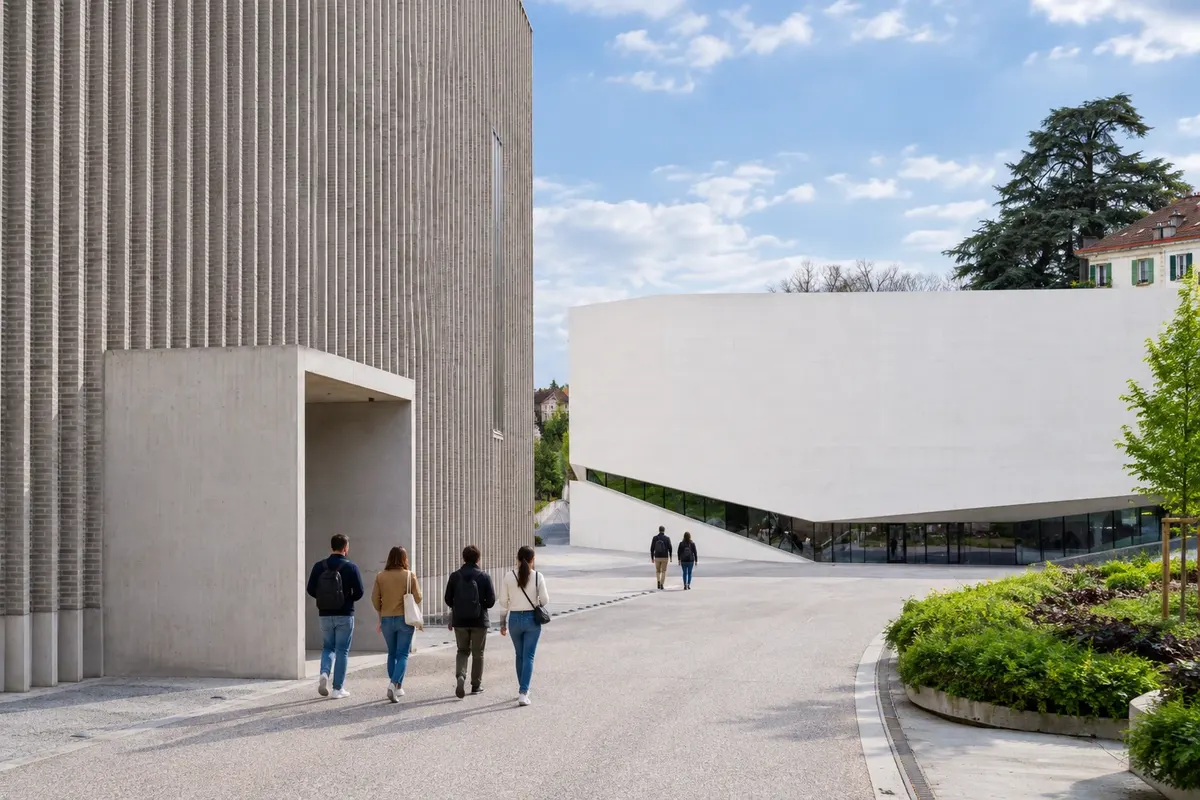
Lausanne, the cantonal capital, rises from the lake on steep slopes: the Ouchy waterfront is at 372 m altitude and the Cité, the cathedral quarter, at 526 m. A rubber-tyred metro bridges the difference. The city hosts the headquarters of the International Olympic Committee and the Musée Olympique, has a museum district next to the station and a Gothic cathedral where a night watchman announces the hours every evening.
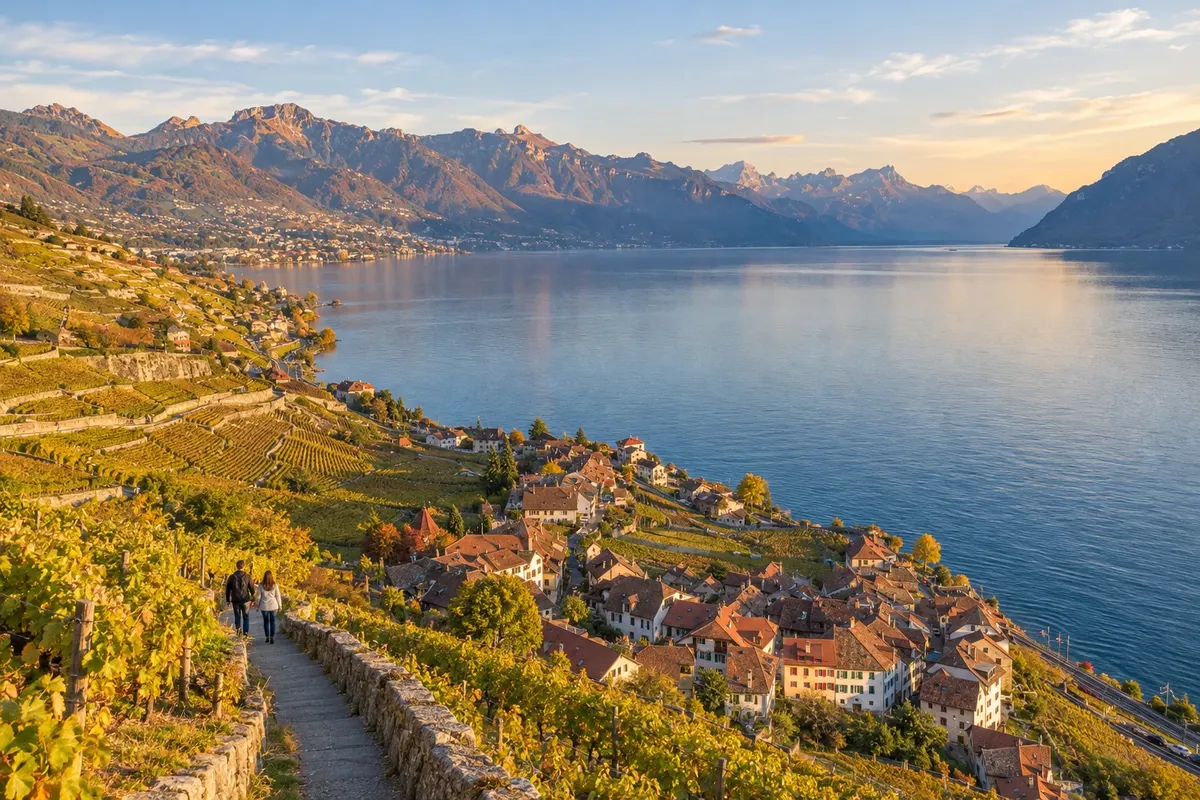
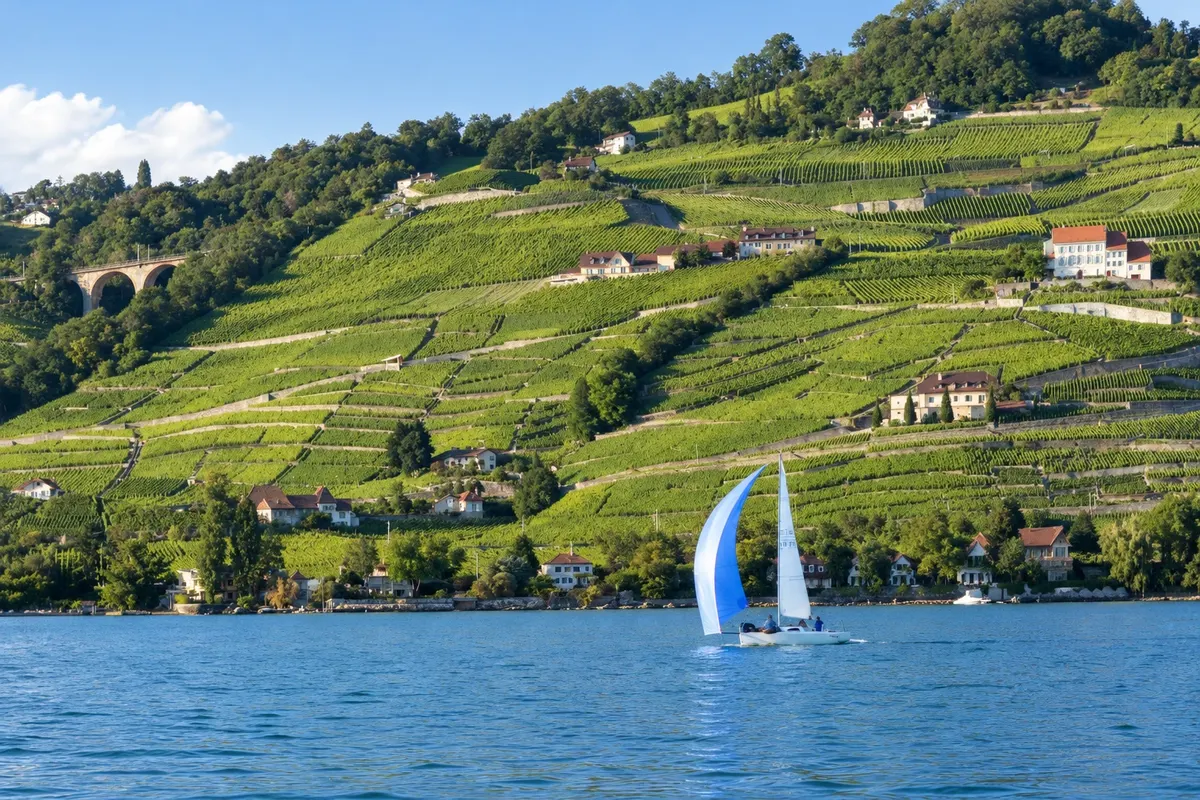
Between Lausanne and Vevey stretches Lavaux, about 800 hectares of terraced stone vineyards above the lake, inscribed by UNESCO as a World Heritage Site in 2007. Hiking trails, small tourist trains and regional trains connect the winemaking villages, where the chasselas grape has been part of local culture for centuries.
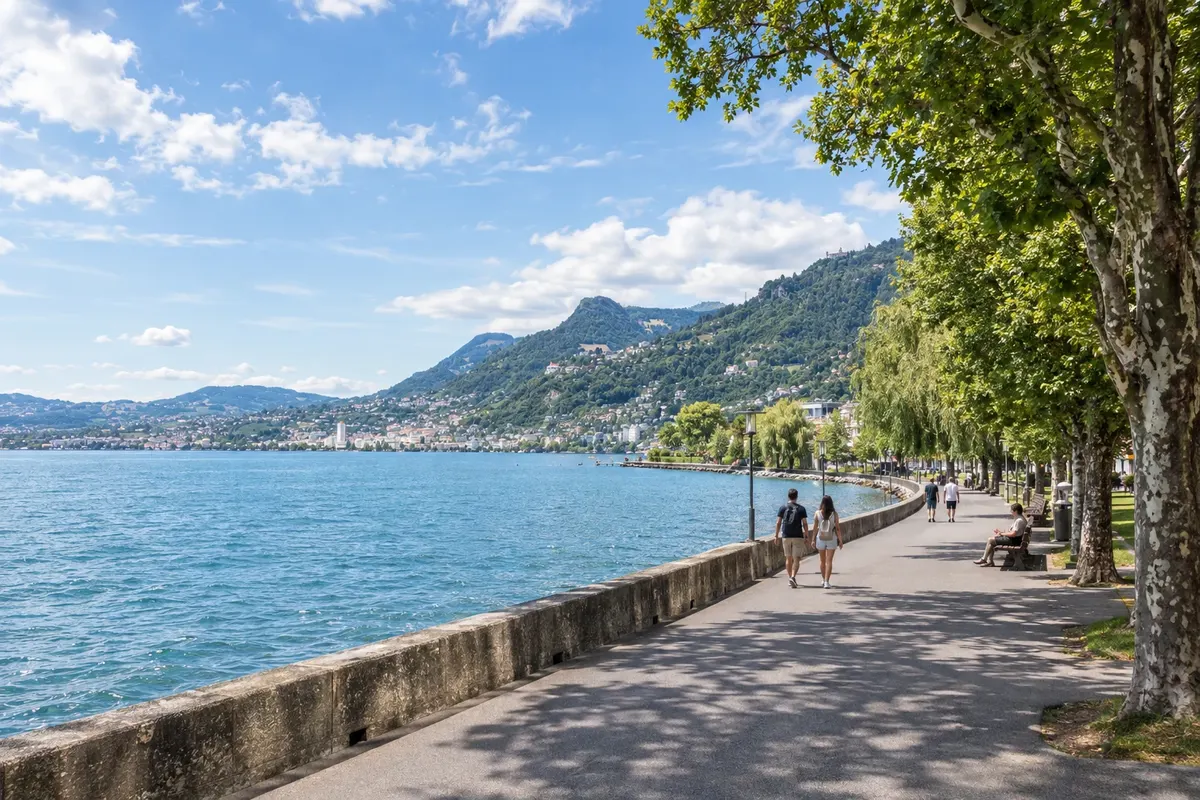
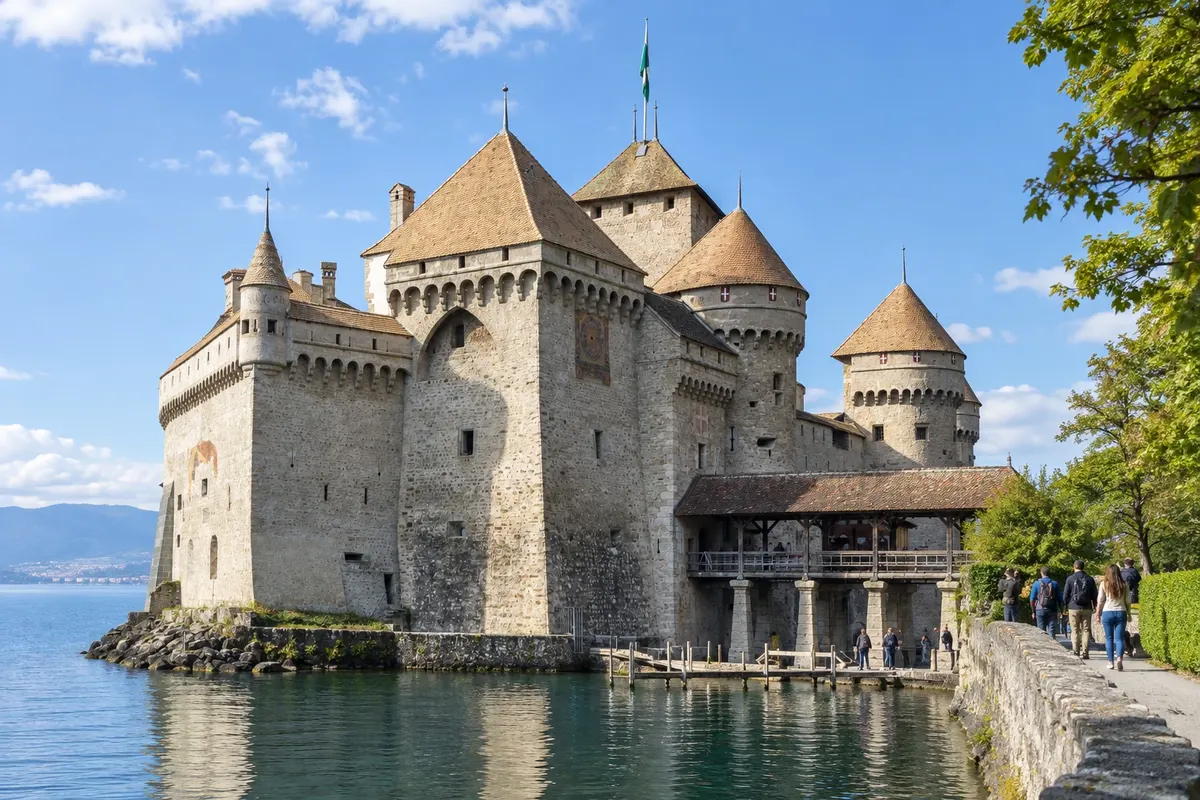
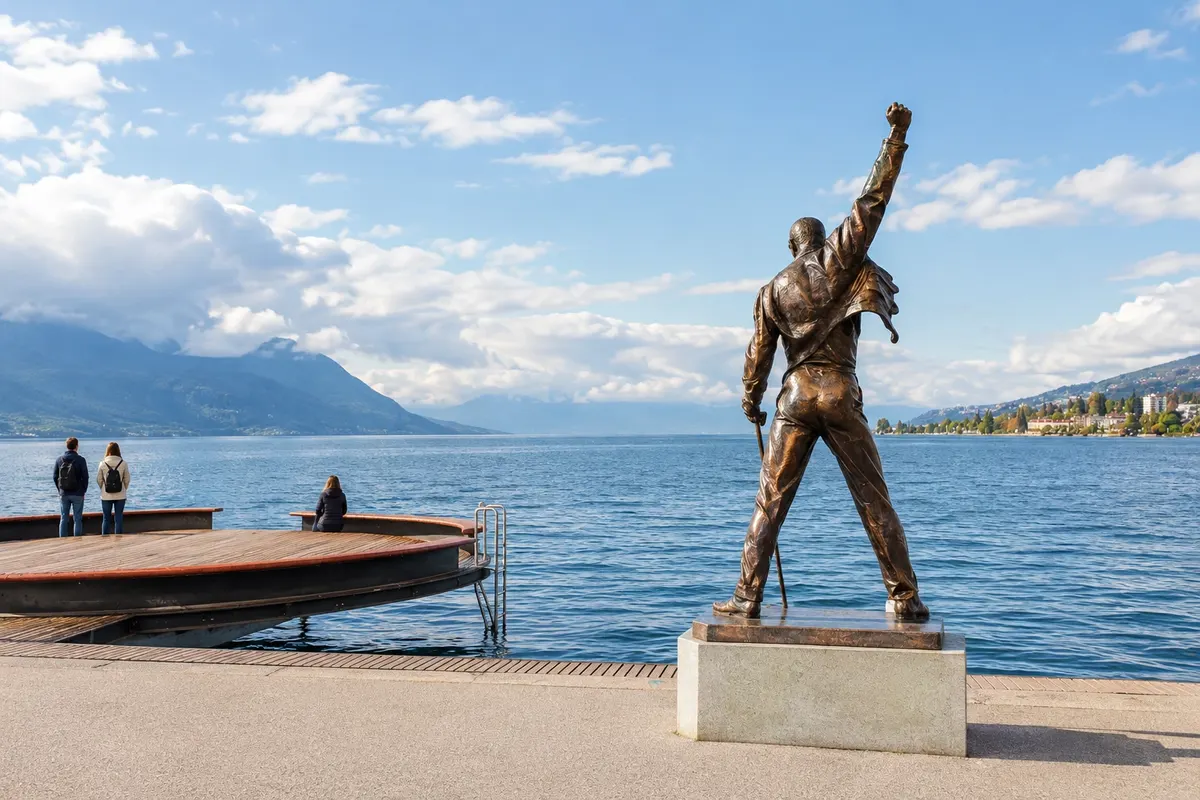
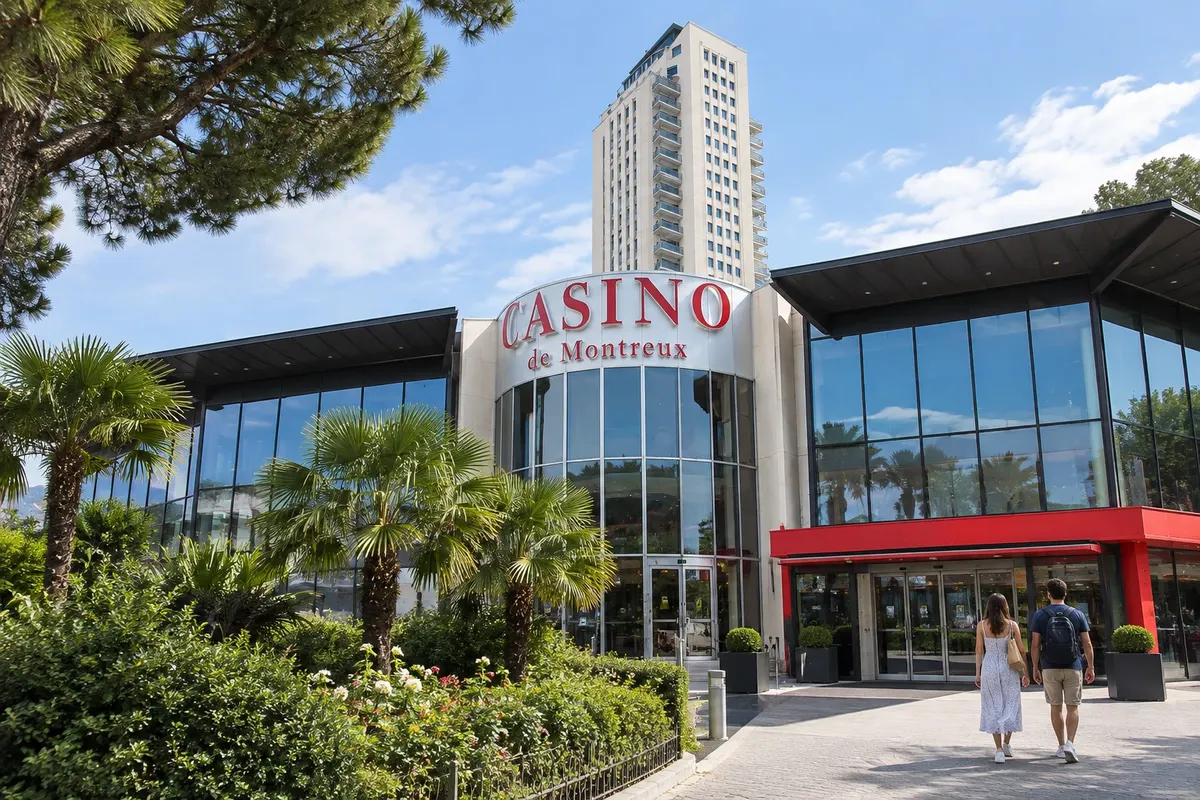
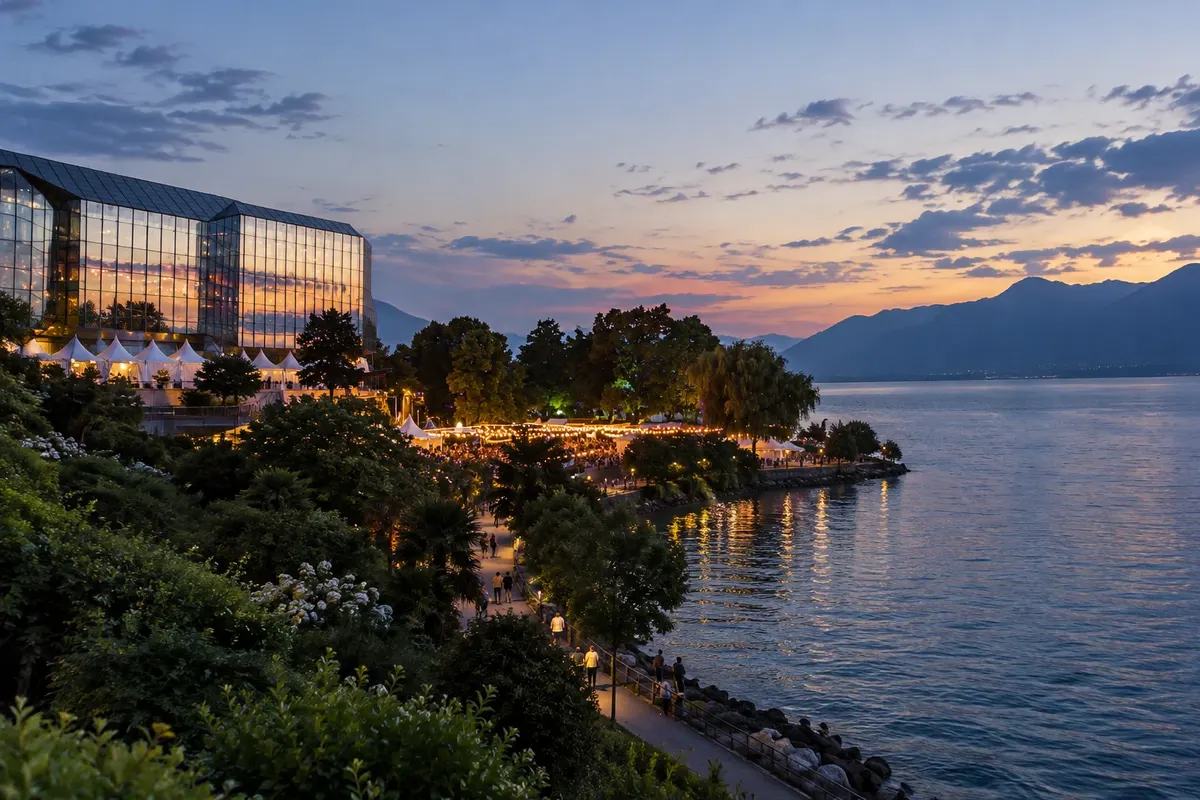
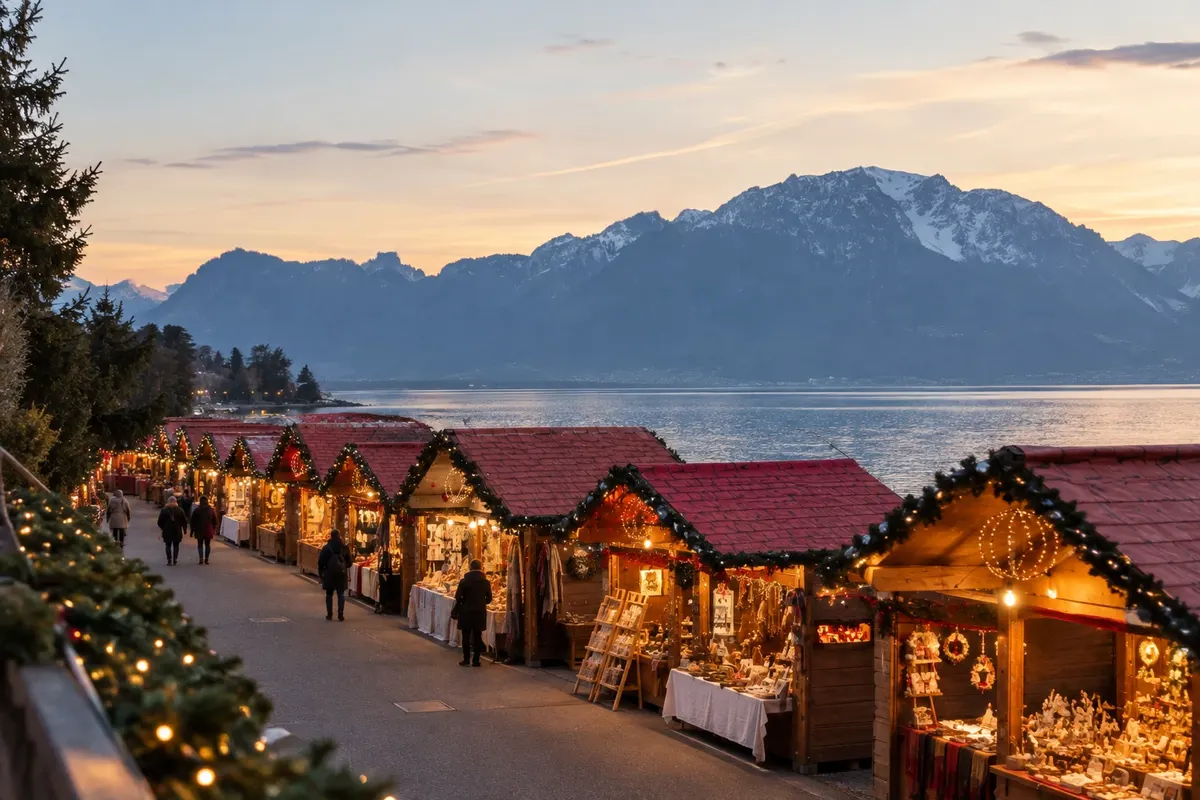
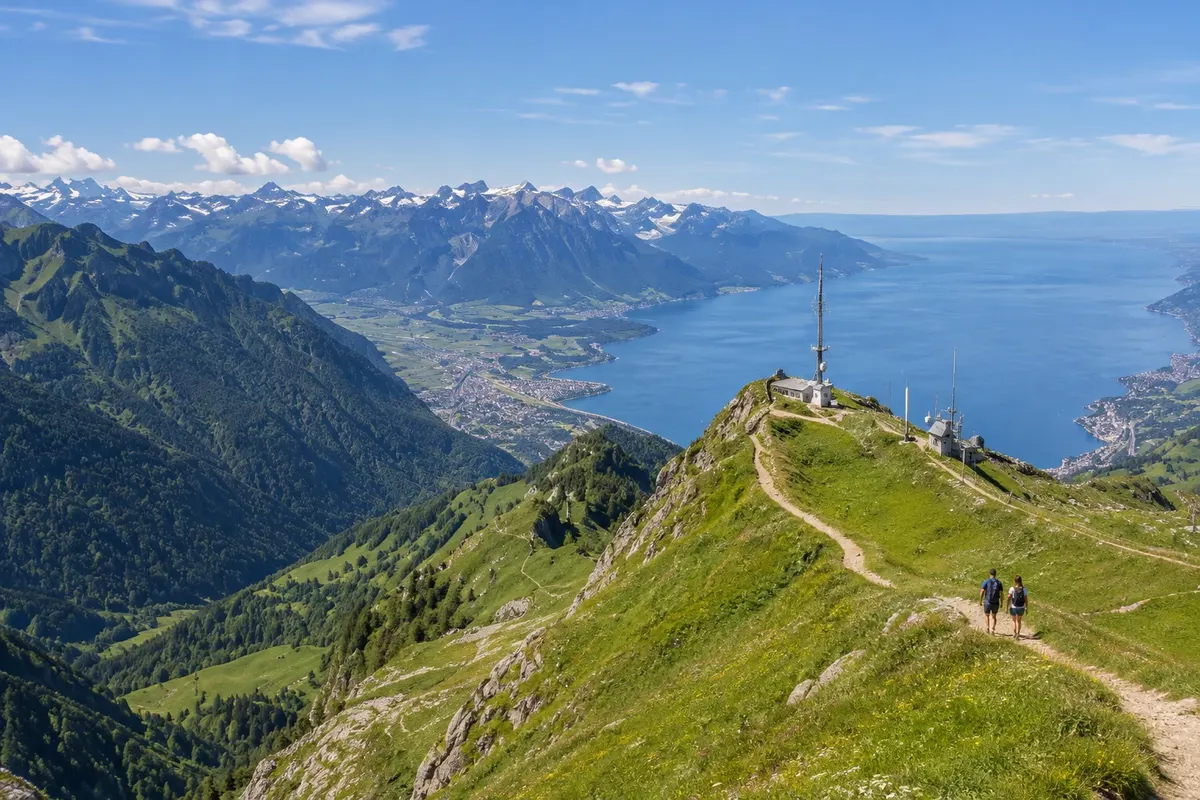
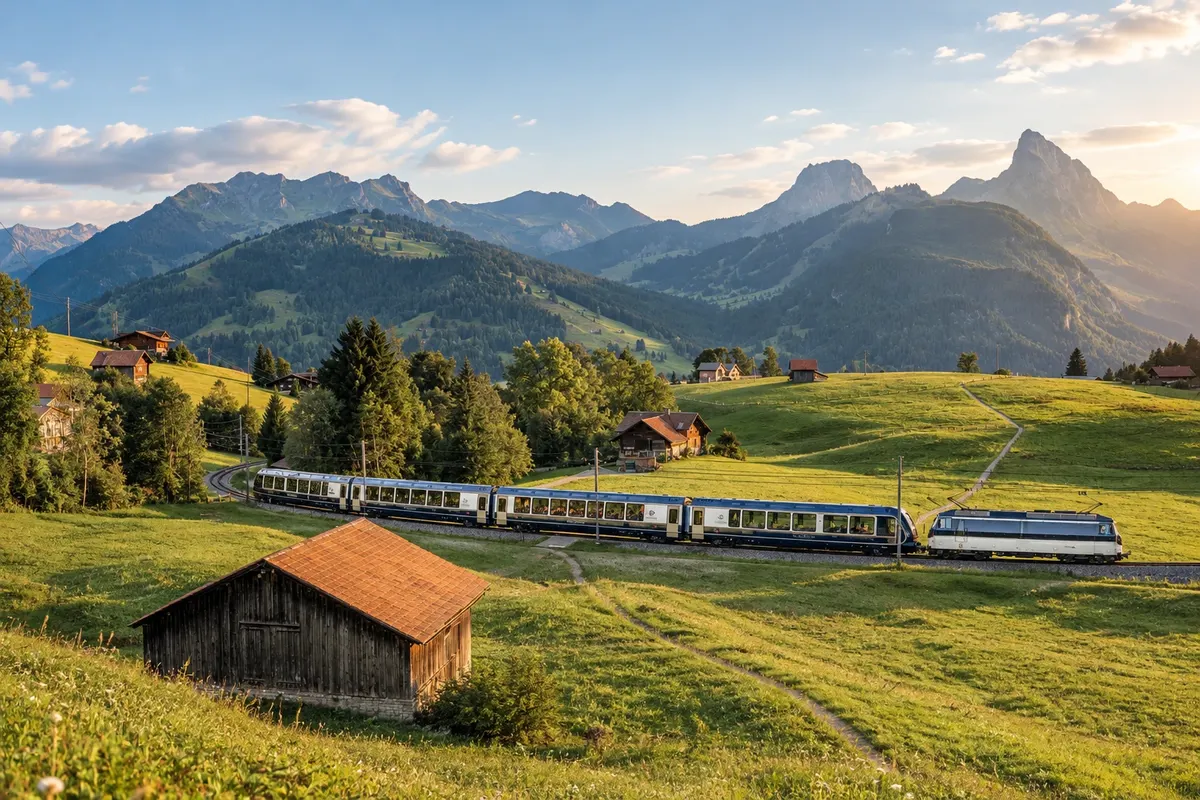
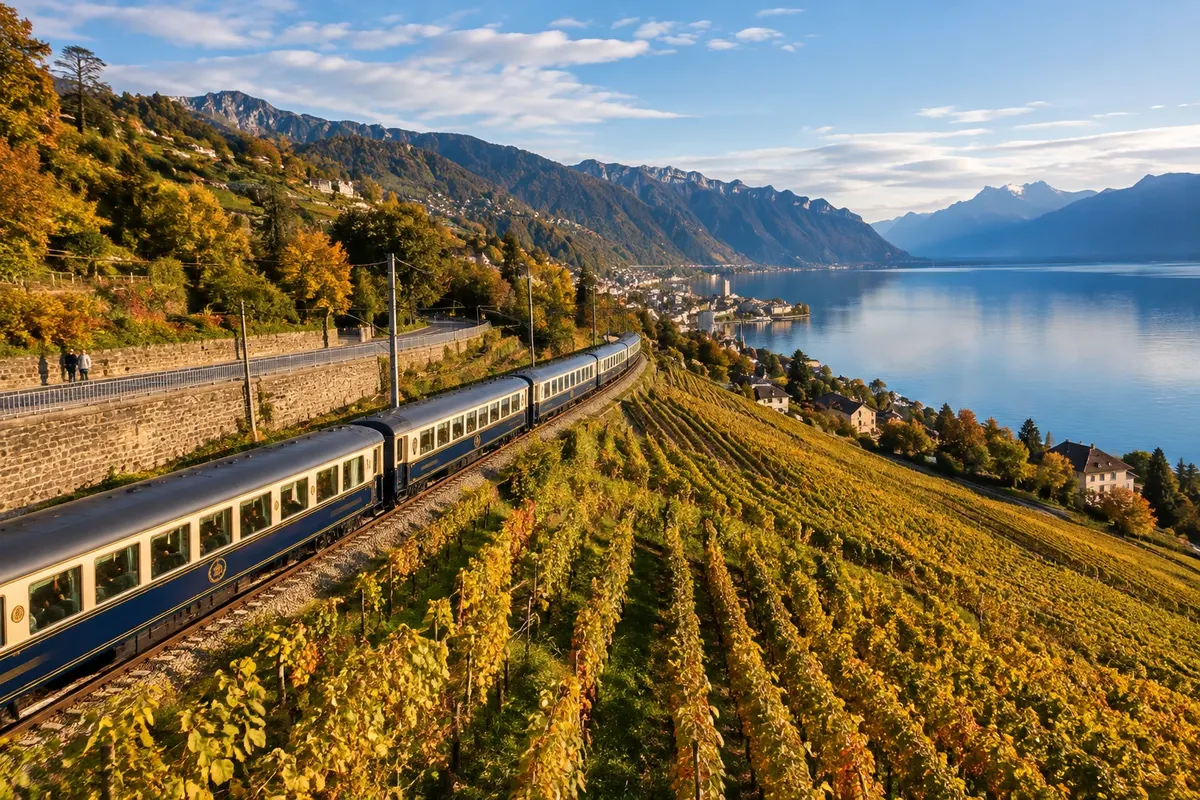
Montreux sits where the lake meets the mountains. The town became known for its Belle Époque hotels and, since 1967, for the Montreux Jazz Festival in July. On the waterfront are the statue of Freddie Mercury and Queen’s former studio; a few kilometers away, the Château de Chillon stands on a rock in the lake. From there depart the rack railway to the Rochers-de-Naye and the GoldenPass Express toward Interlaken.
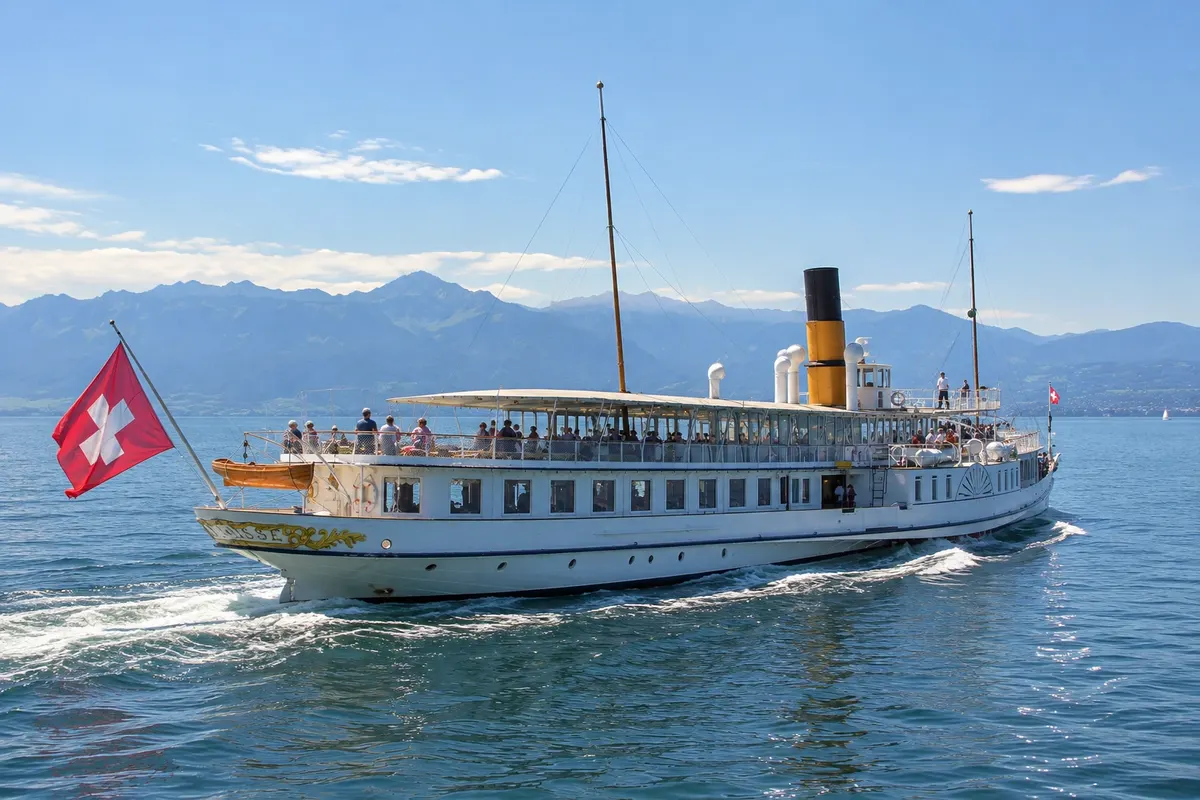
SBB trains link Lausanne and Montreux in about 20–30 minutes, and CGN steamships follow the same route on the lake. Genebra is about 40 minutes by train from Lausanne.
This destination brings together 2 cities: Lausanne, Montreux.


 Brazil
 Argentina
 Chile
Chile Colombia
 Peru
Peru Uruguay
 Germany
 Belgium
 Spain
Spain France
 Greece
 the Netherlands
 Ireland
 Italy
Italy Portugal
 the United Kingdom