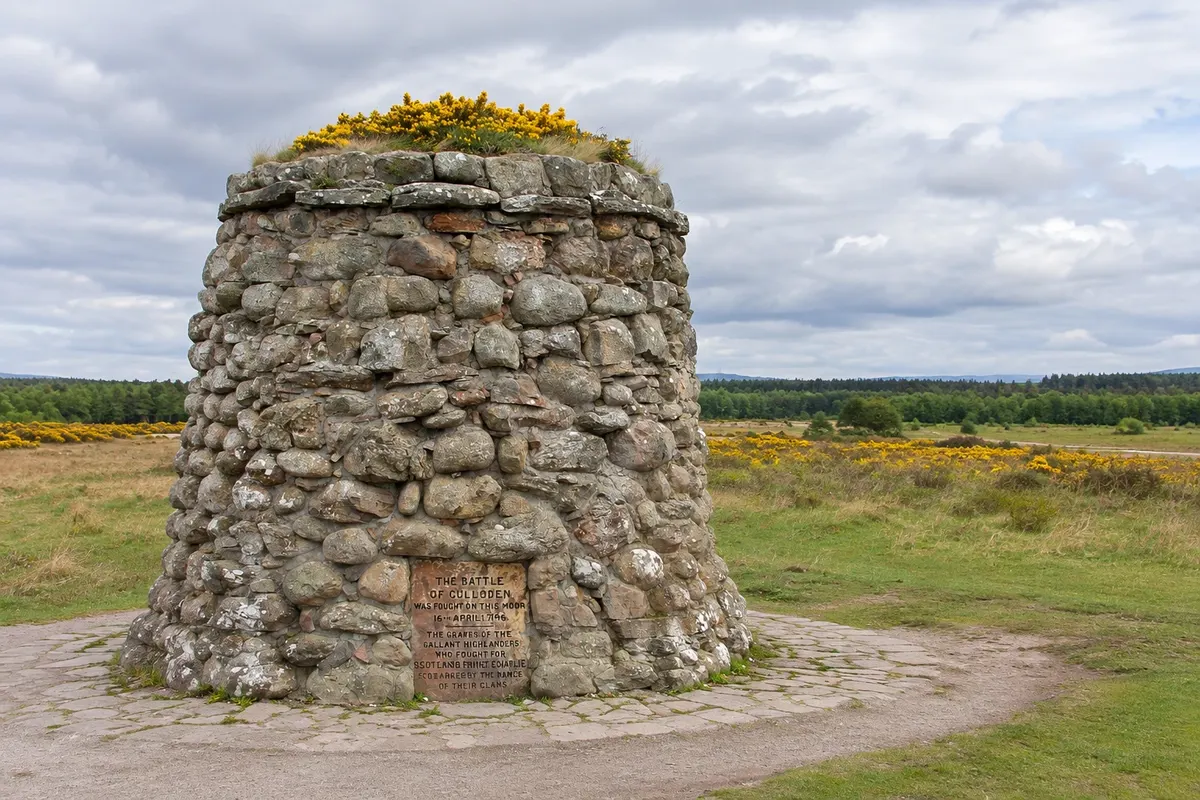
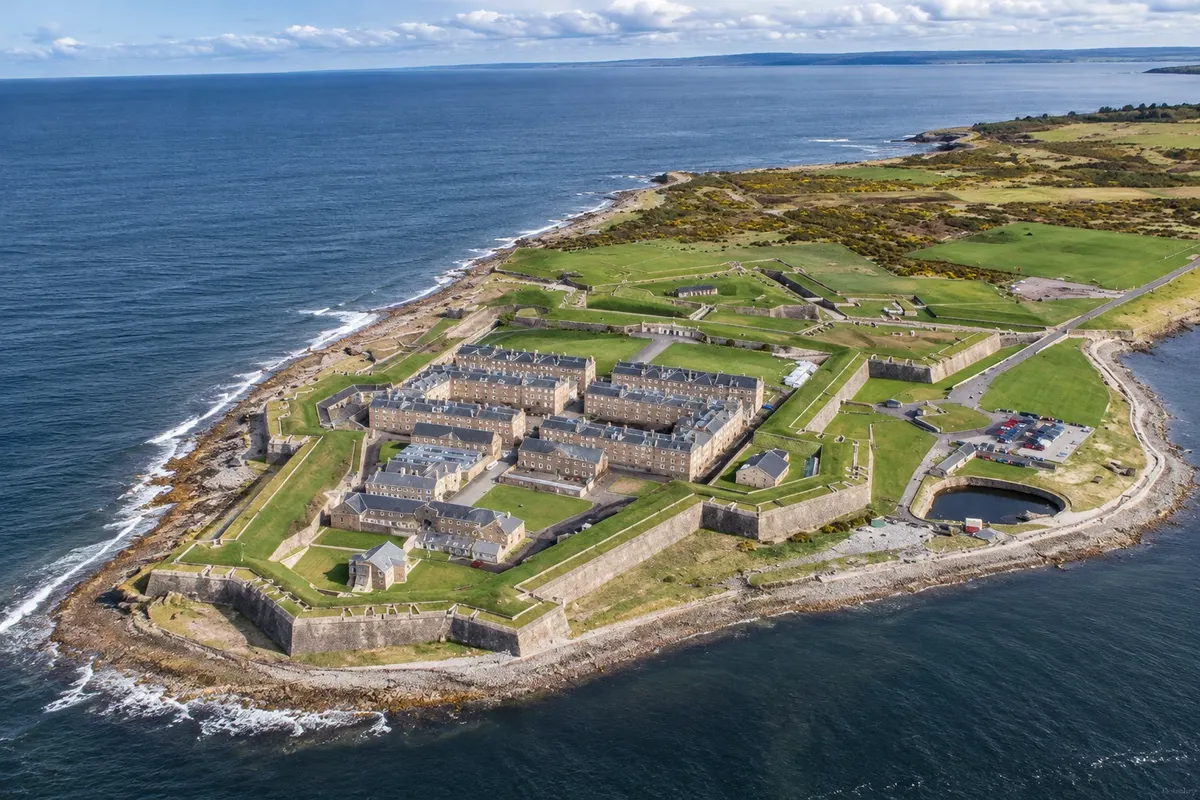
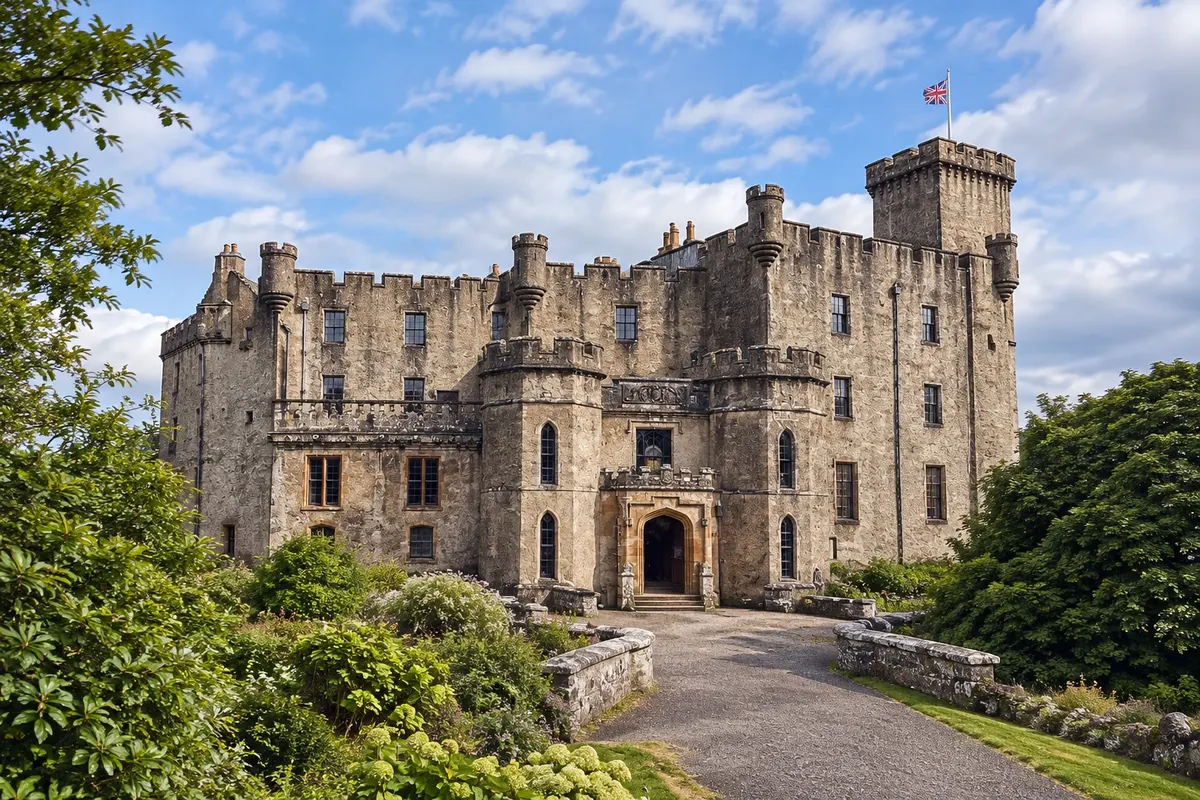
The Highlands occupy the north and west of Scotland, north of a geological fault that runs the country from Glasgow to Stonehaven. It is a region of mountains, deep valleys called glens, long lakes called lochs, heather moorland and small stone villages, with few people and many sheep. It was the land of the clans, who lost power after the Battle of Culloden in 1746, and from which many residents were evicted in the 19th century to make way for sheep.
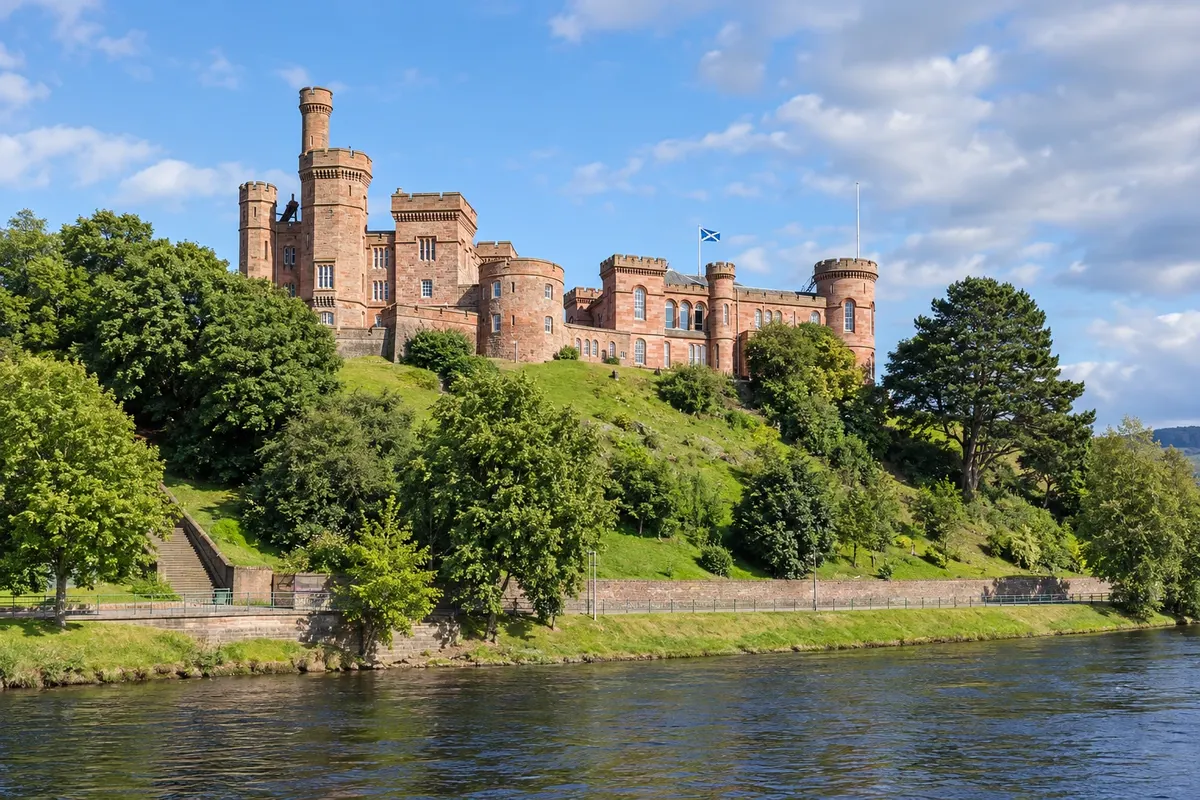
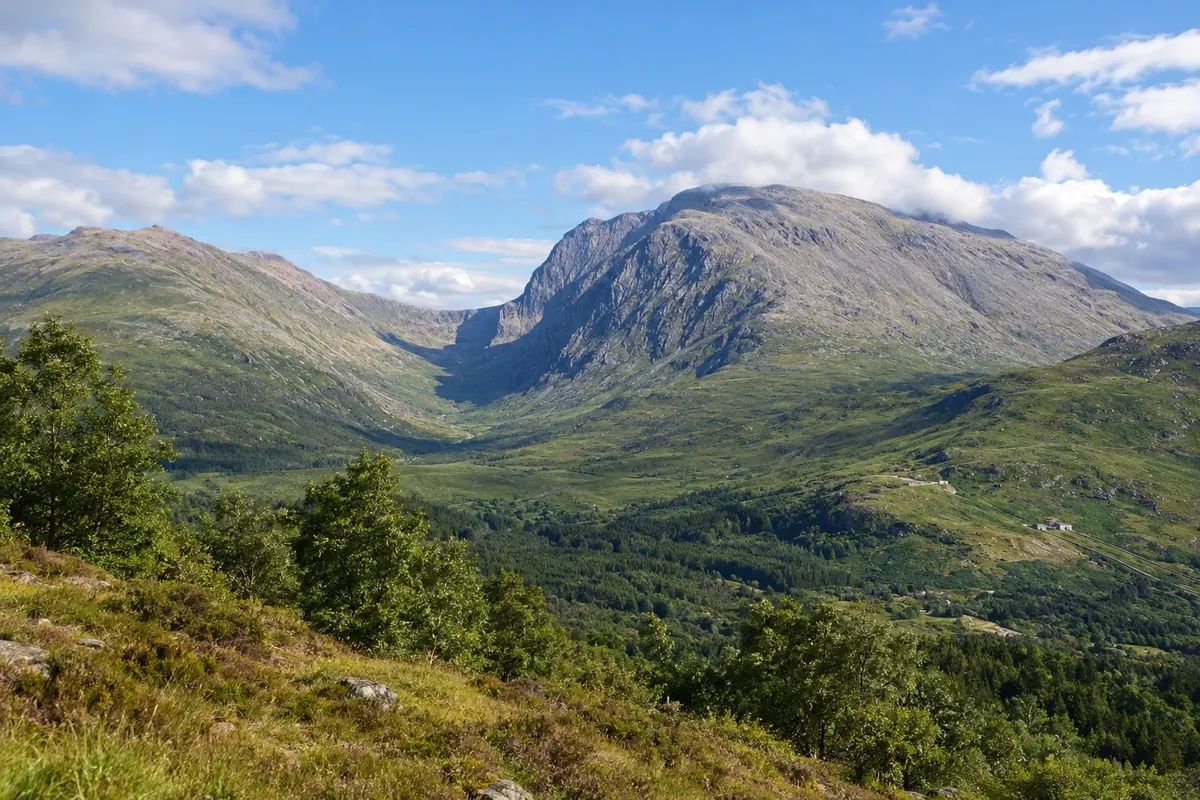
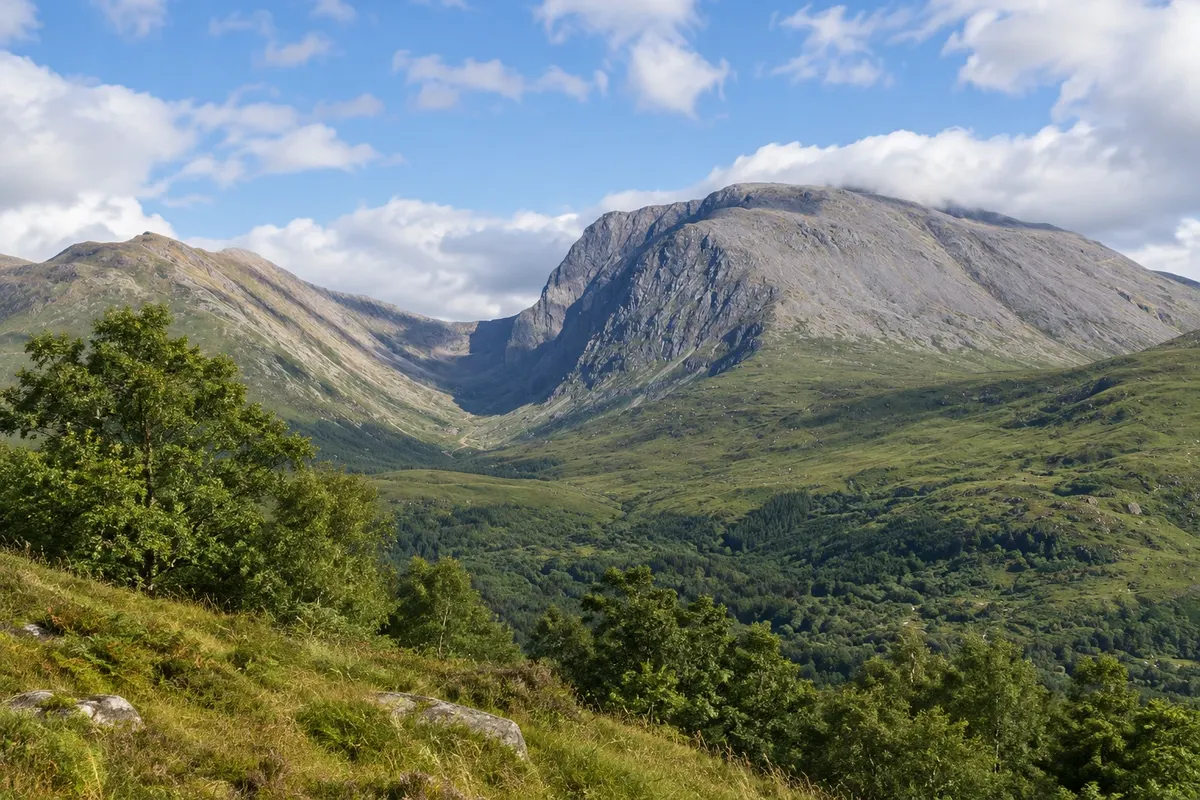
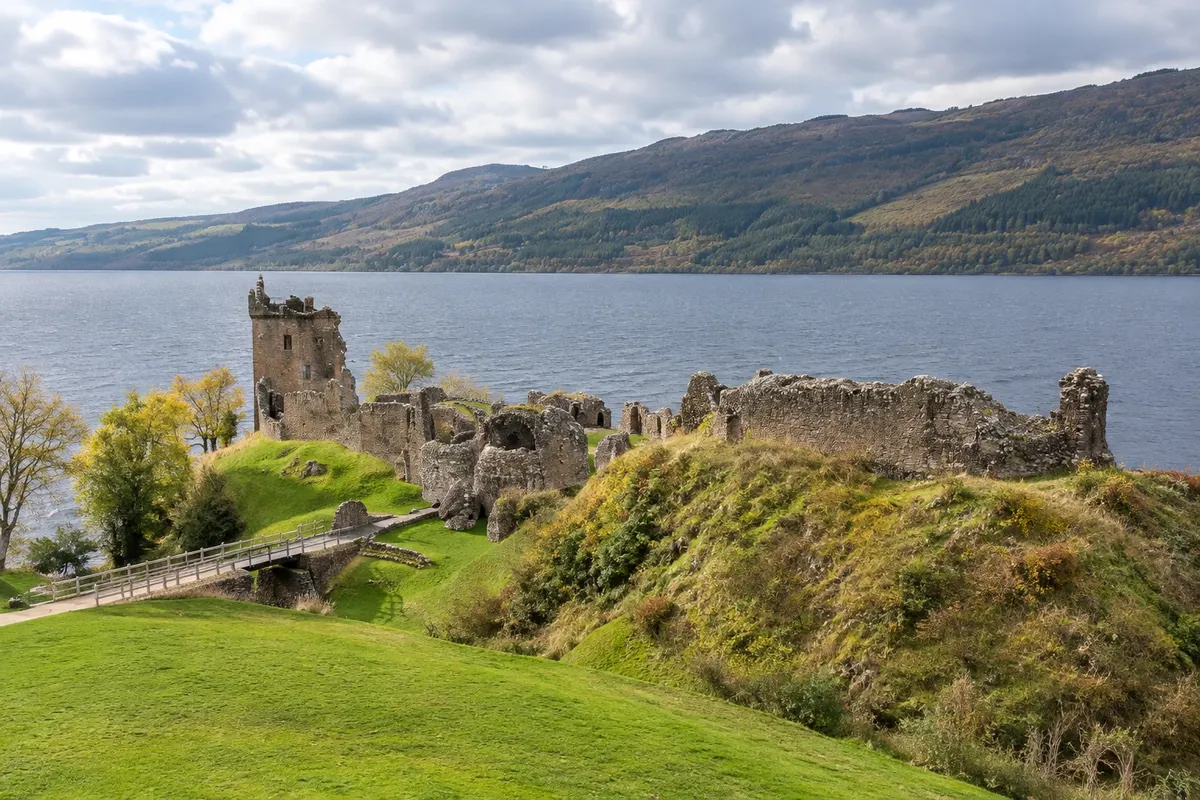
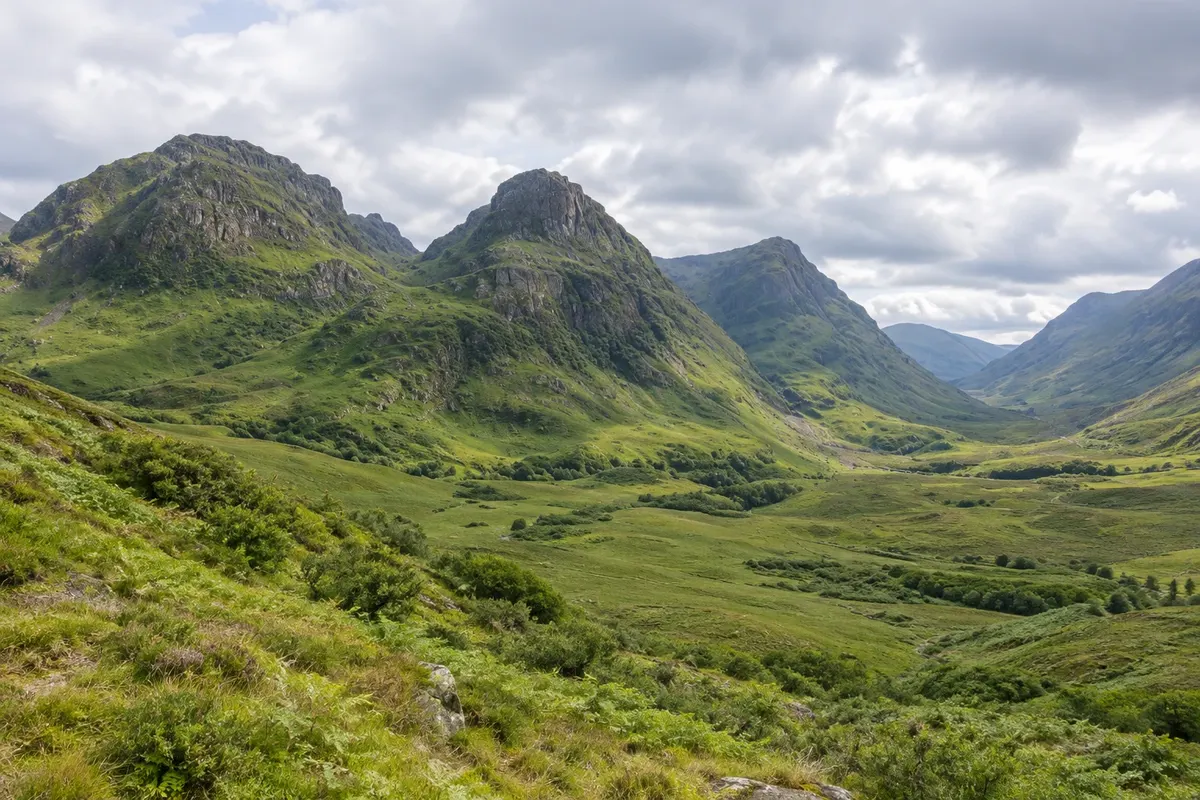
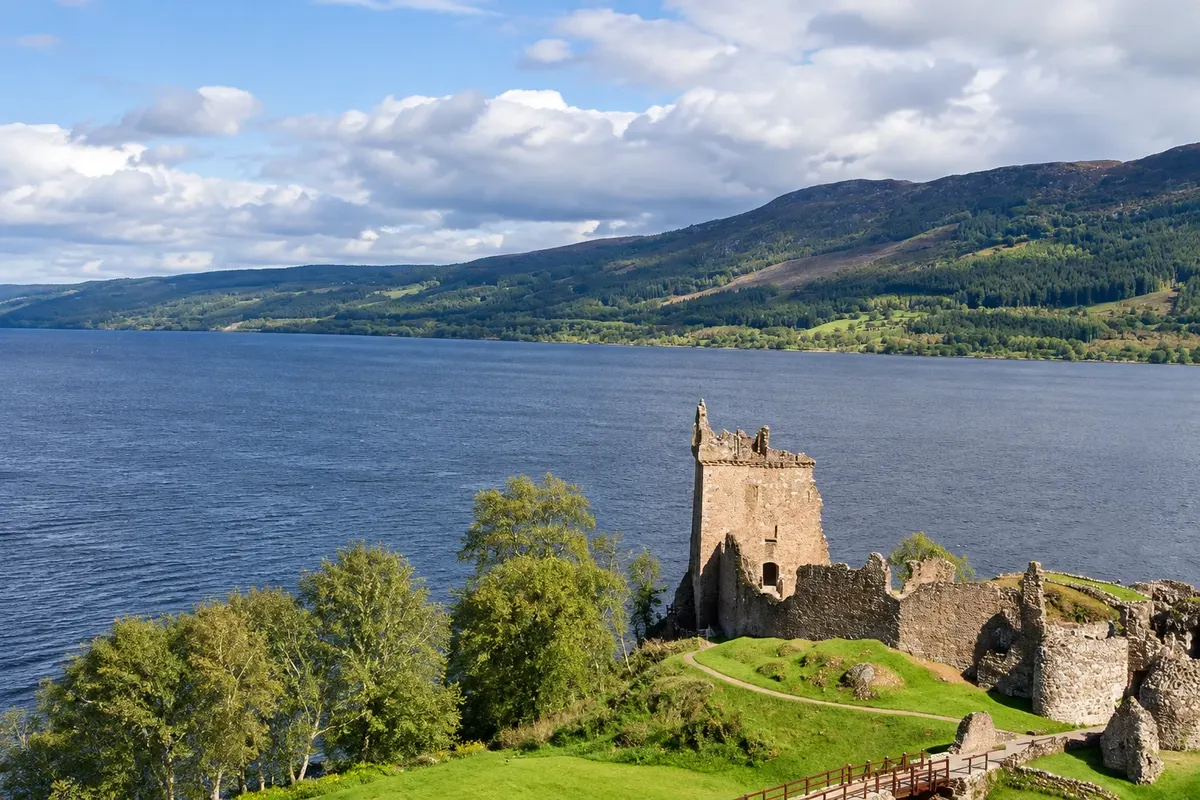
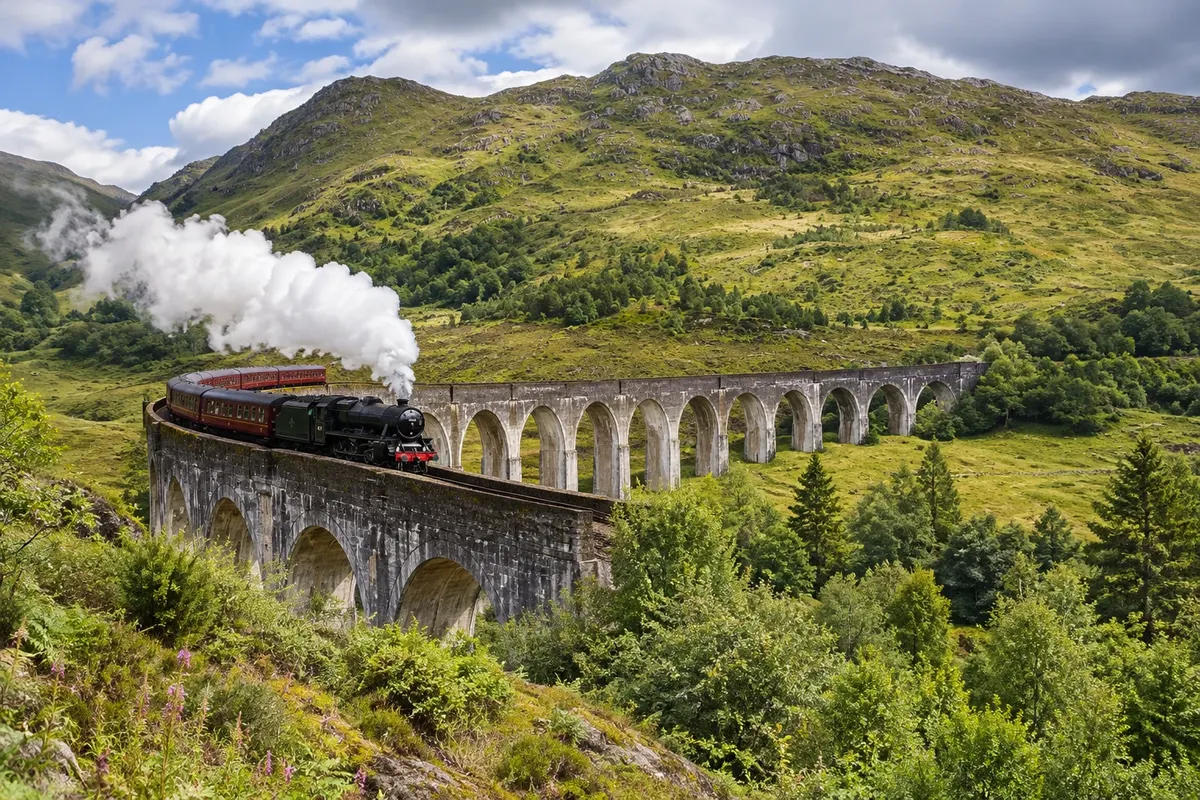
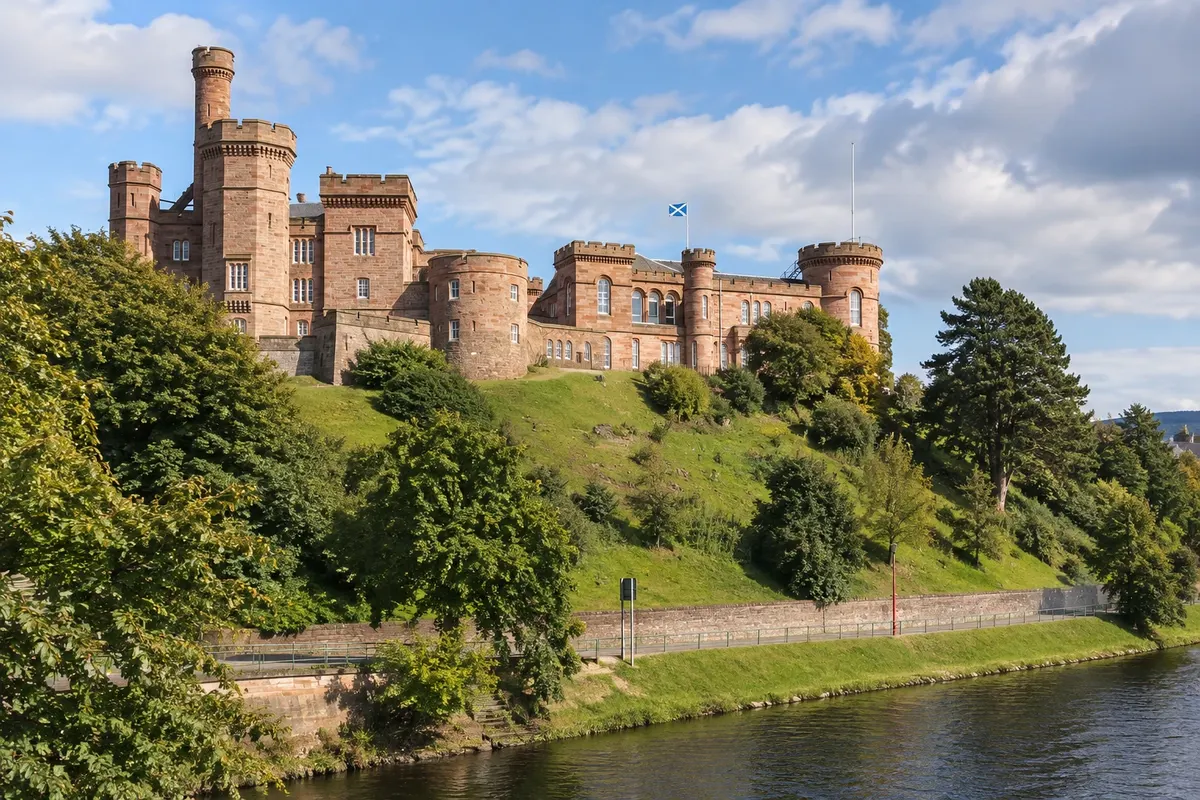
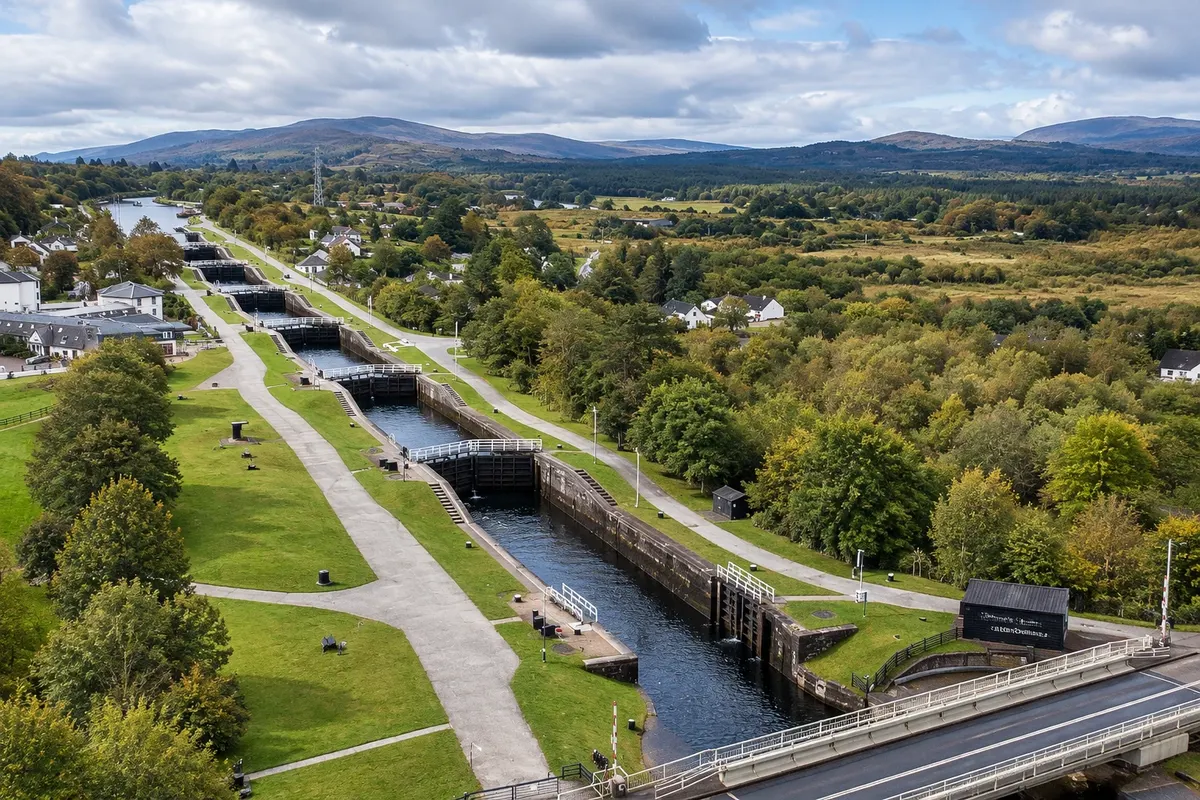
Inverness, at the northern end of the Great Glen, is the main town and the gateway. From there depart tours to Lago Ness, with the ruins of Castelo de Urquhart on its shore, and to the Culloden battlefield. Following the Great Glen southwest, the Canal de Caledônia links the lochs to Fort William, at the foot of Ben Nevis, the highest mountain in the United Kingdom, at 1,345 metres. Nearby are the Glencoe valley, with its green cliffs and waterfalls, and the Glenfinnan viaduct, crossed by the steam train that appears in the Harry Potter films.
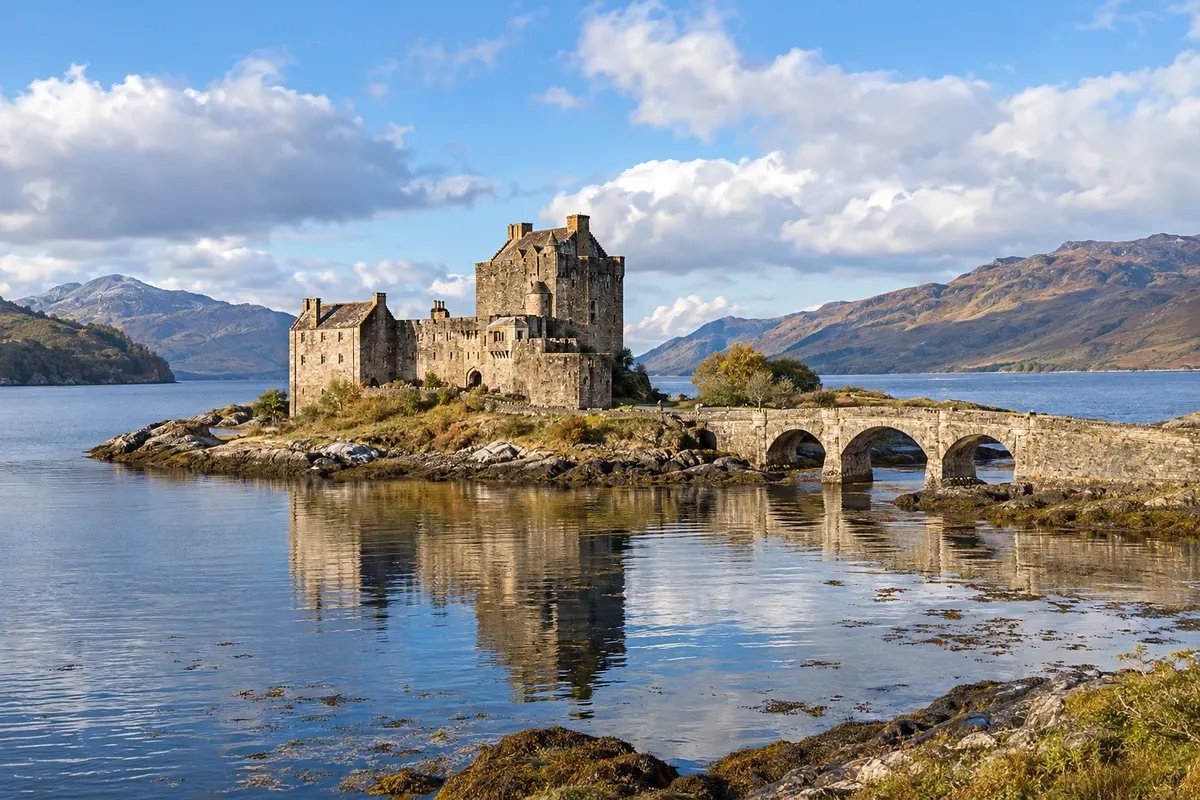
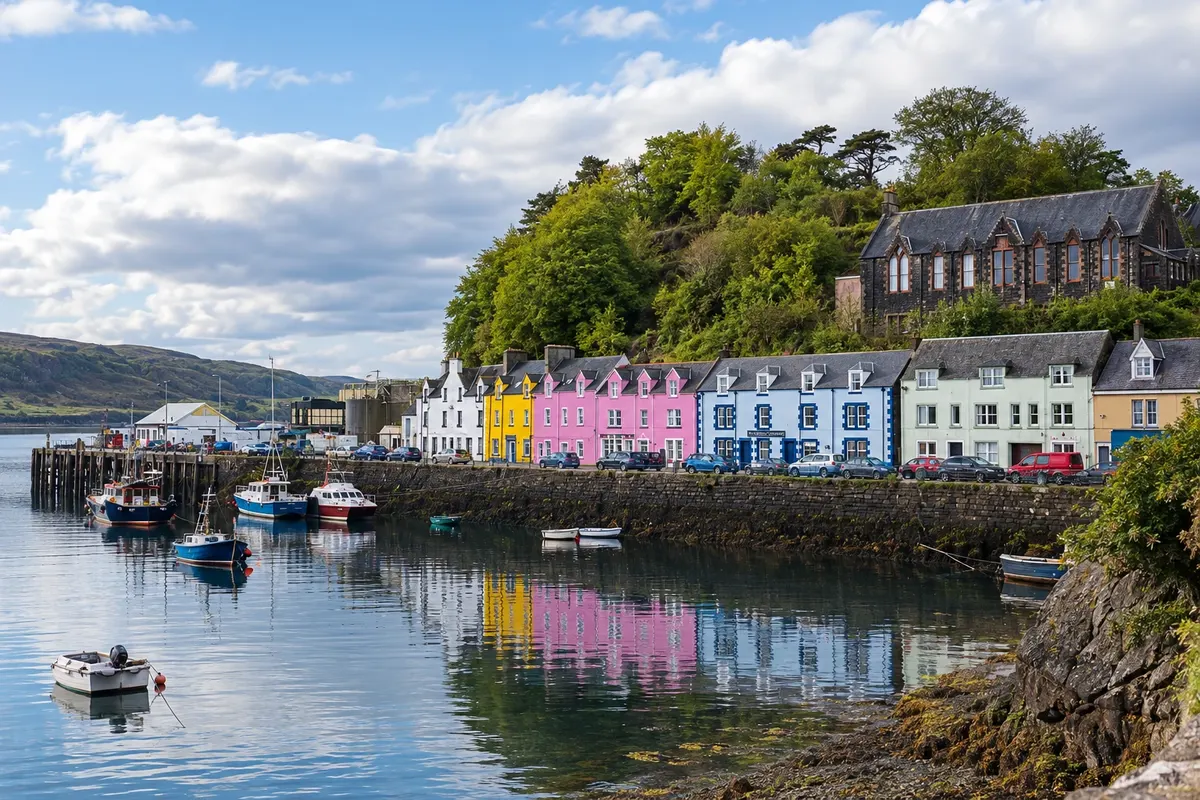
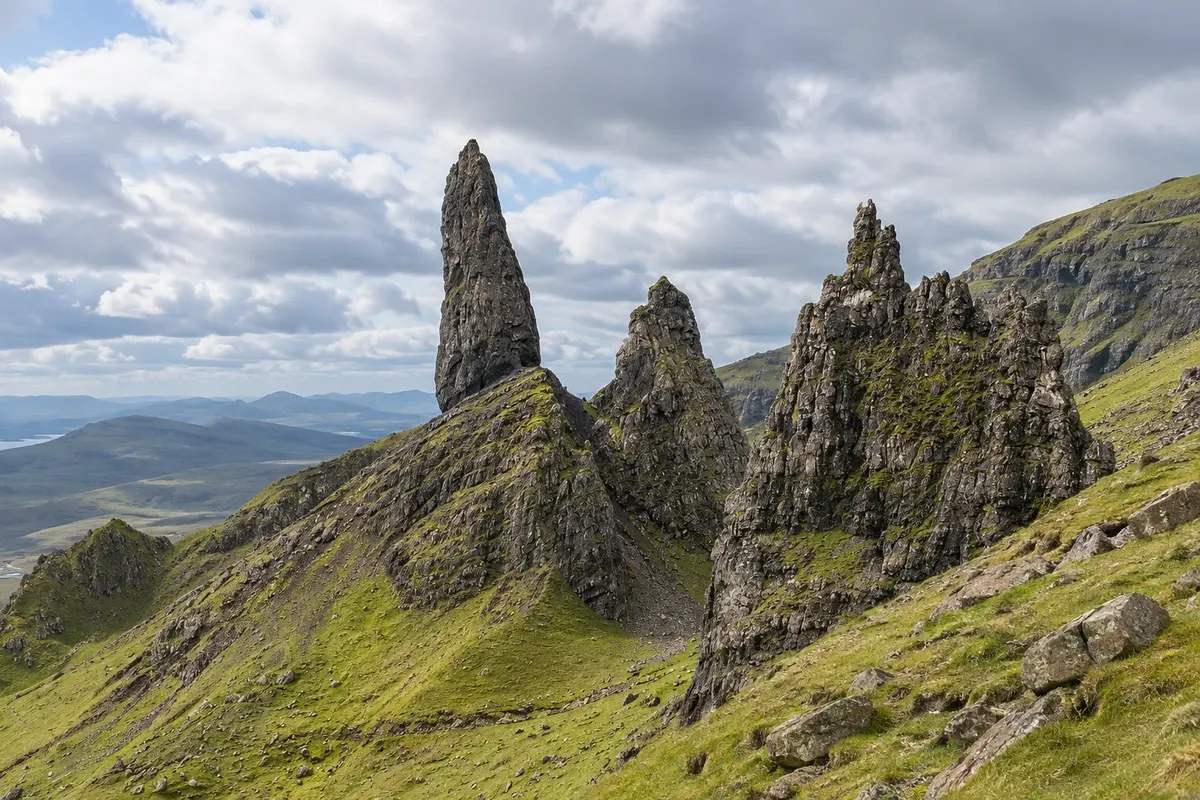
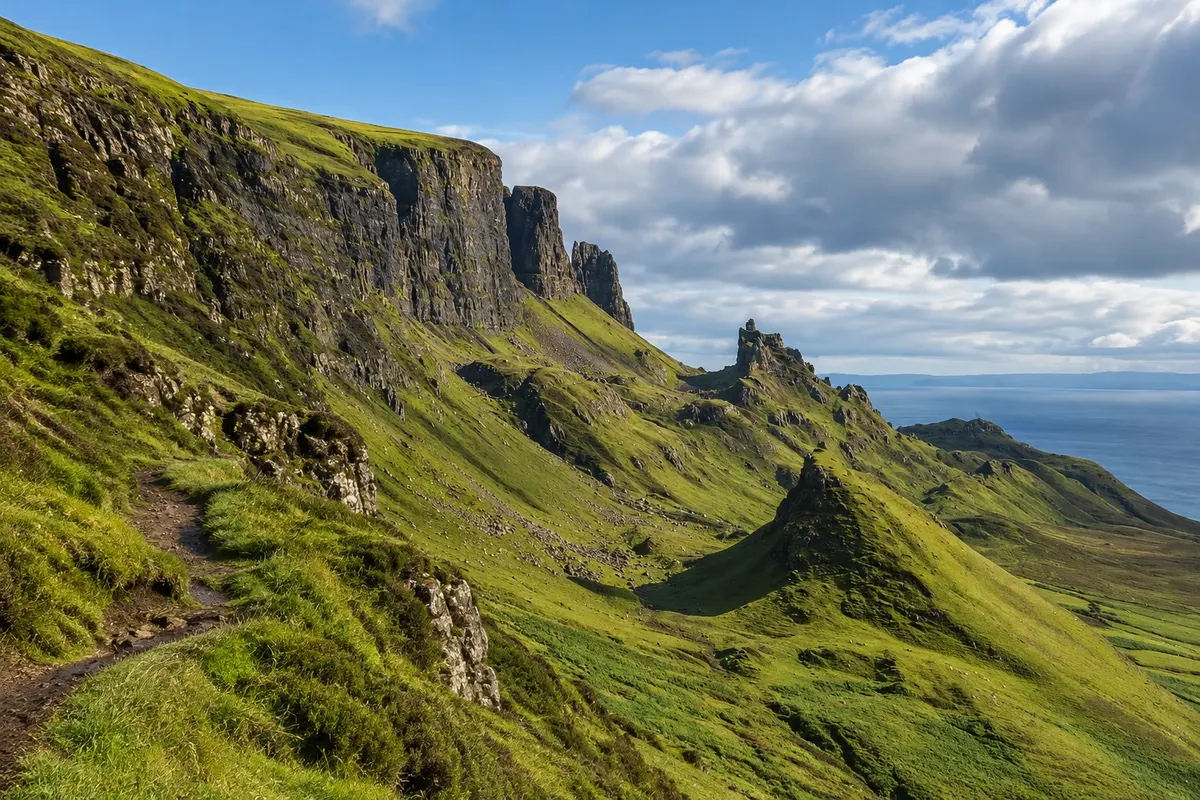
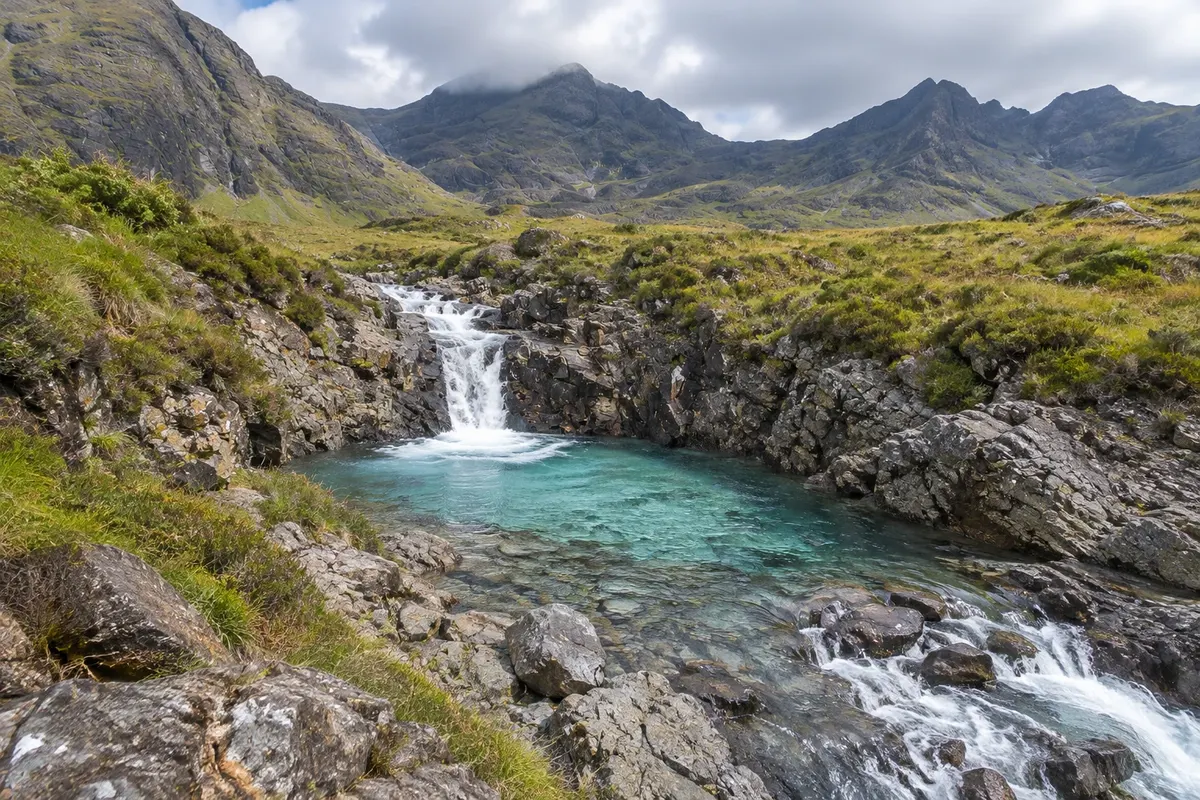
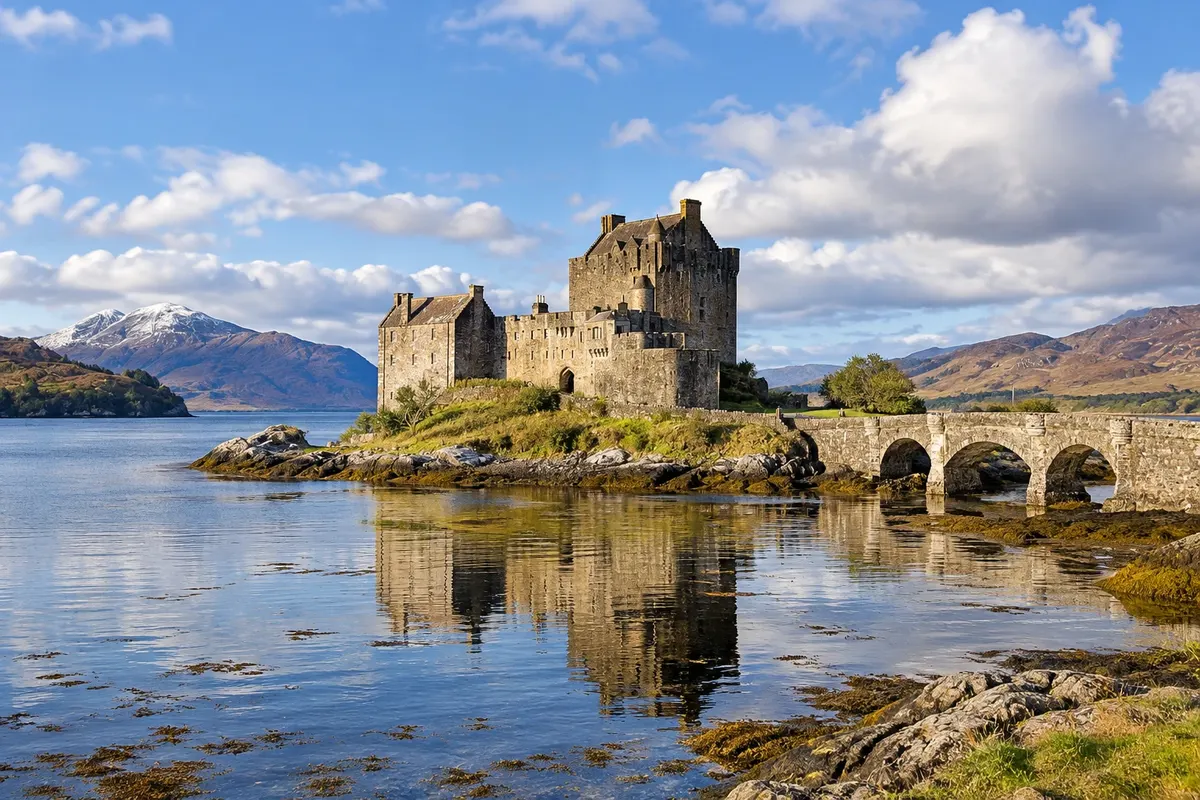
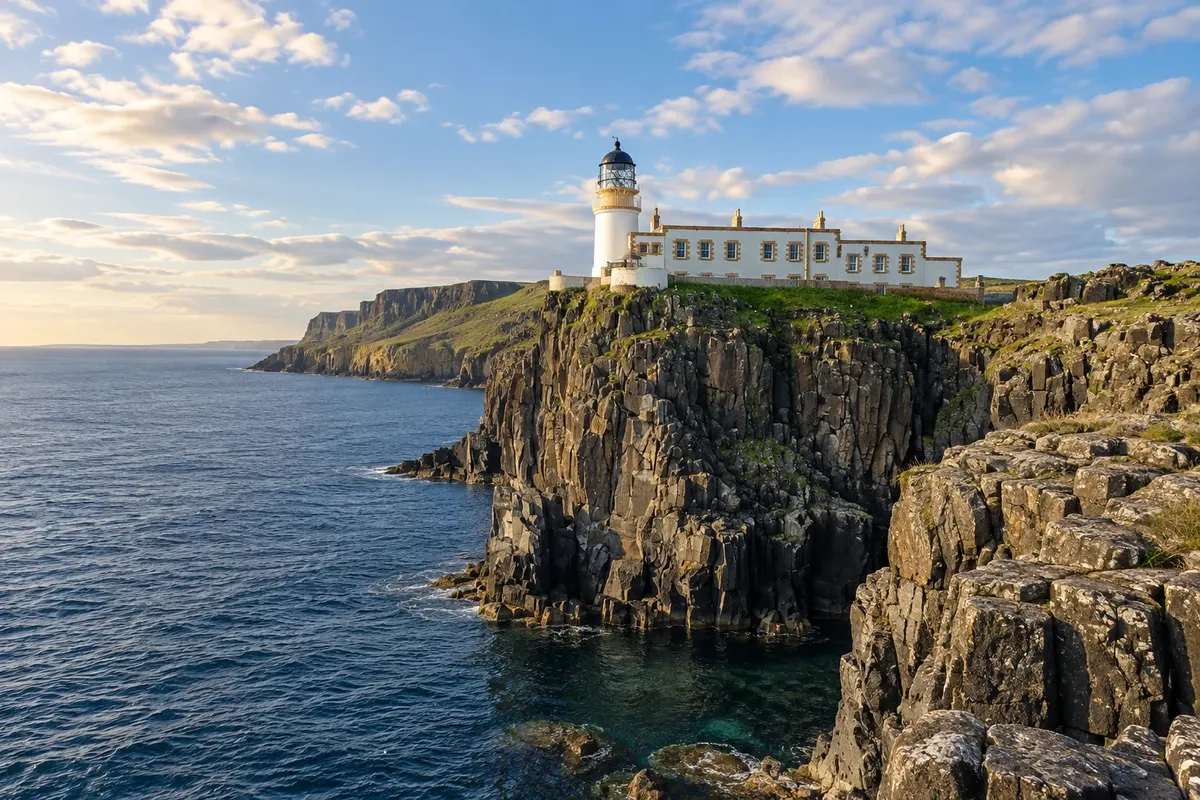
To the west, Castelo de Eilean Donan guards the entrance to the Ilha de Skye, connected to the mainland by a bridge. Skye has volcanic rock landscapes: the pinnacles of Old Man of Storr, the cliffs of the Quiraing, the blue pools of the Fairy Pools beneath the Cuillin mountains and the Neist Point lighthouse. Portree, the colourful harbour, is the island's main village.
You drive on the left, and many roads are single-track with passing places. Those who don't drive can find day or multi-day excursions leaving from Inverness and from Edinburgh. The weather changes quickly, it rains a lot and in summer the little midges appear.
This destination brings together 3 cities: Inverness, Fort William, Portree.


 Brazil
 Argentina
 Chile
Chile Colombia
 Peru
Peru Uruguay
 Germany
 Belgium
 Spain
Spain France
 Greece
 the Netherlands
 Ireland
 Italy
Italy Luxembourg
 Portugal
 Switzerland