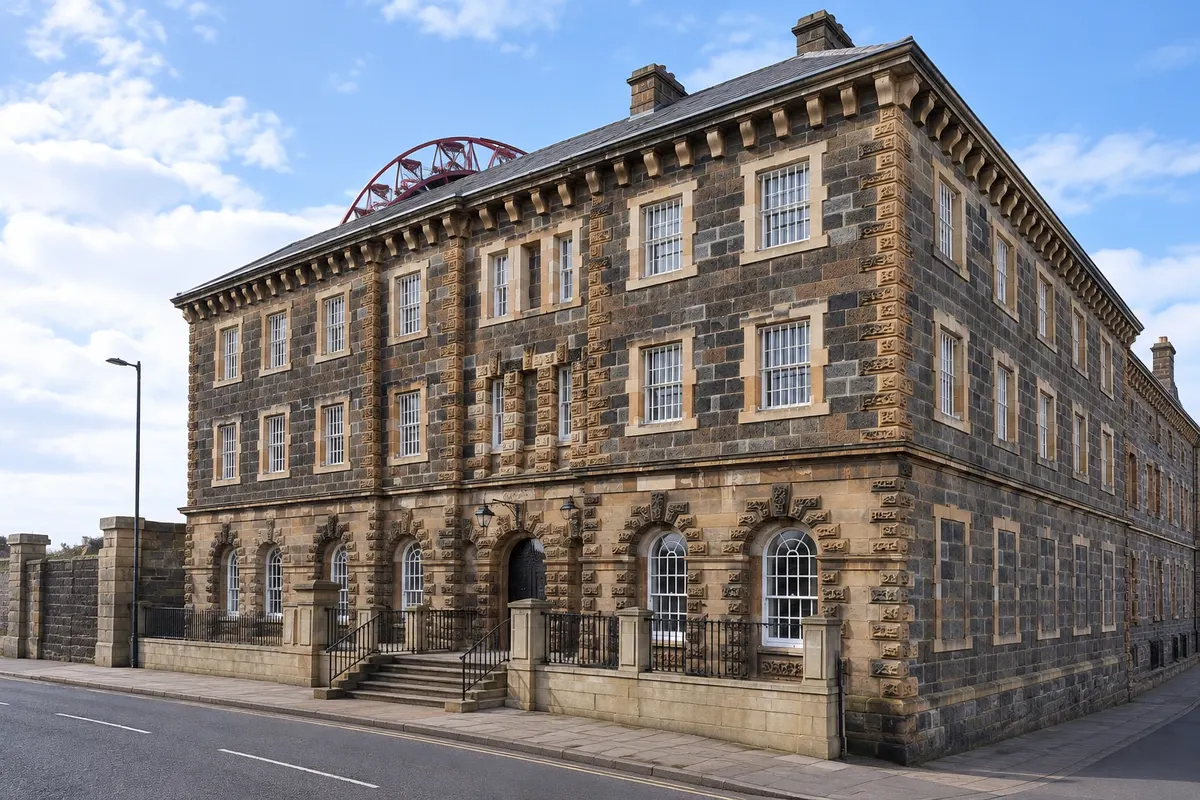
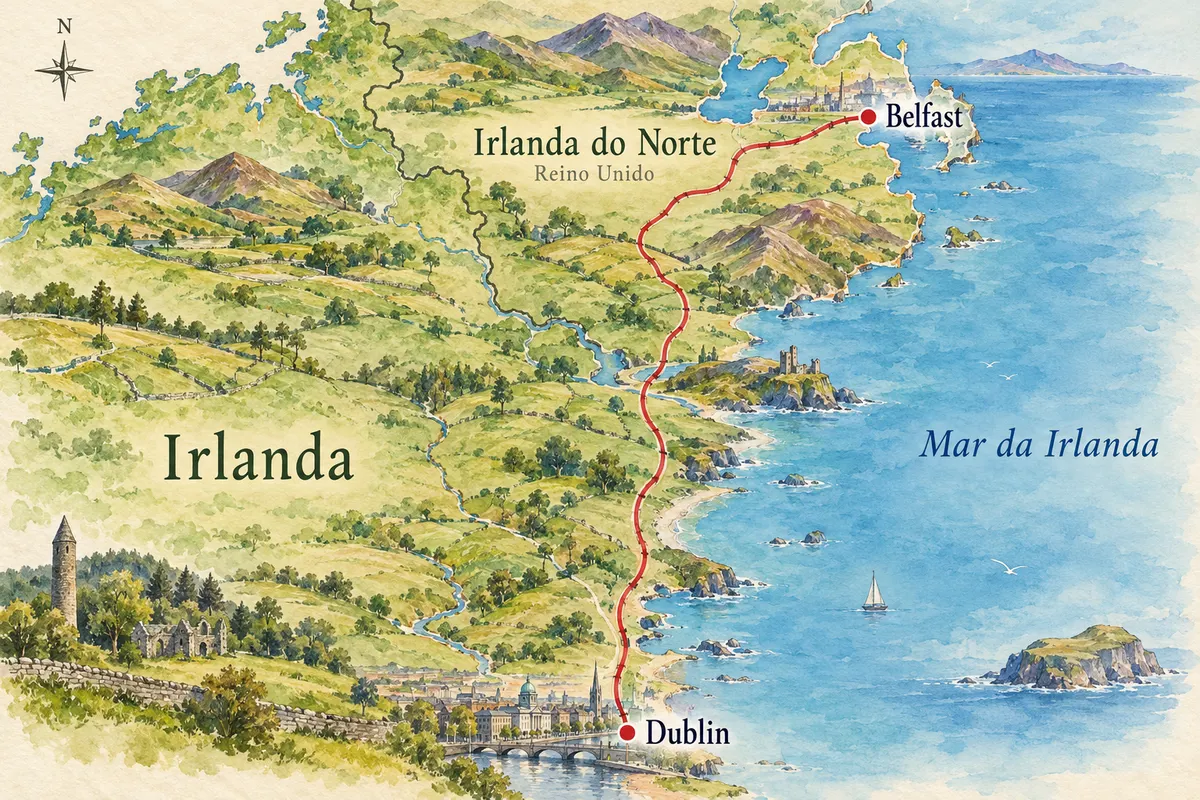
Irlanda do Norte occupies the northeast of the island of Ireland and is one of the four nations of the United Kingdom. Belfast, the capital, lies at the head of the Belfast Lough, an inlet of the mar da Irlanda, surrounded by hills. The city grew in the 19th century with linen, ropemaking and shipbuilding: it was in the shipyard Harland & Wolff that the Titanic and the Olympic were built, and the two large yellow shipyard cranes, Sansão e Golias, still mark the landscape.
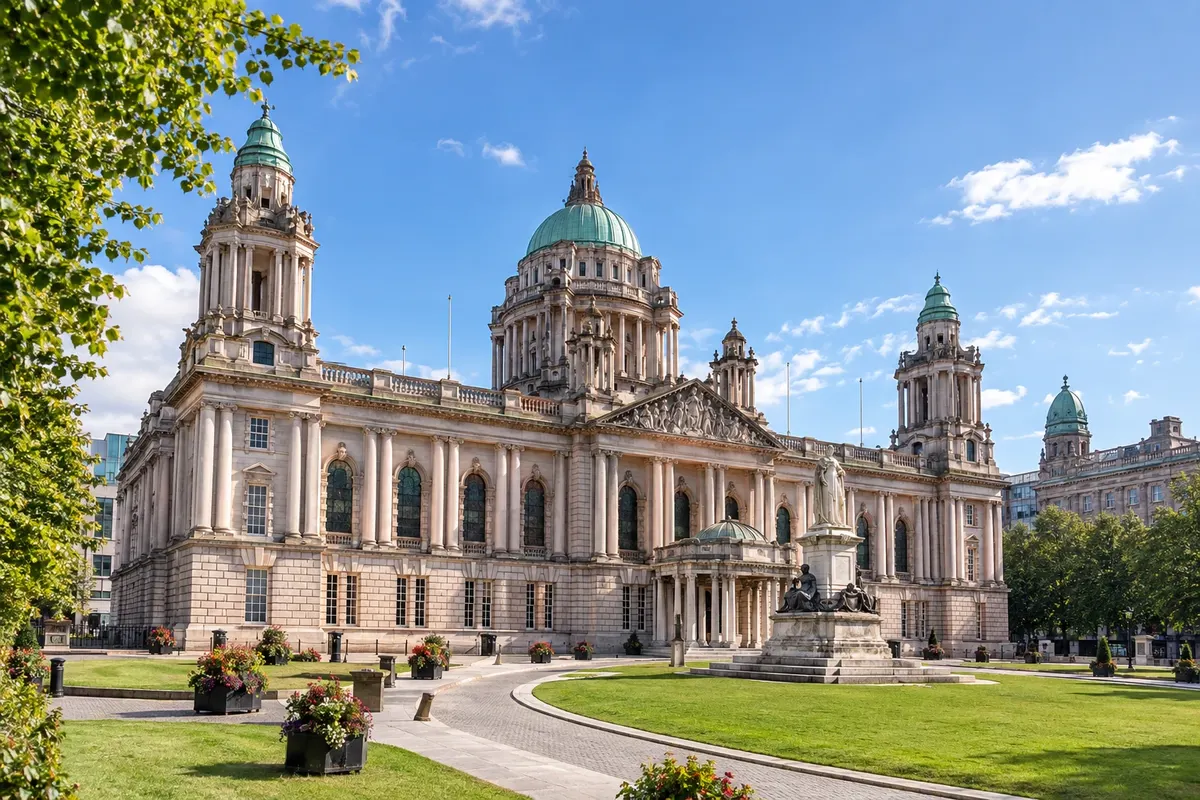
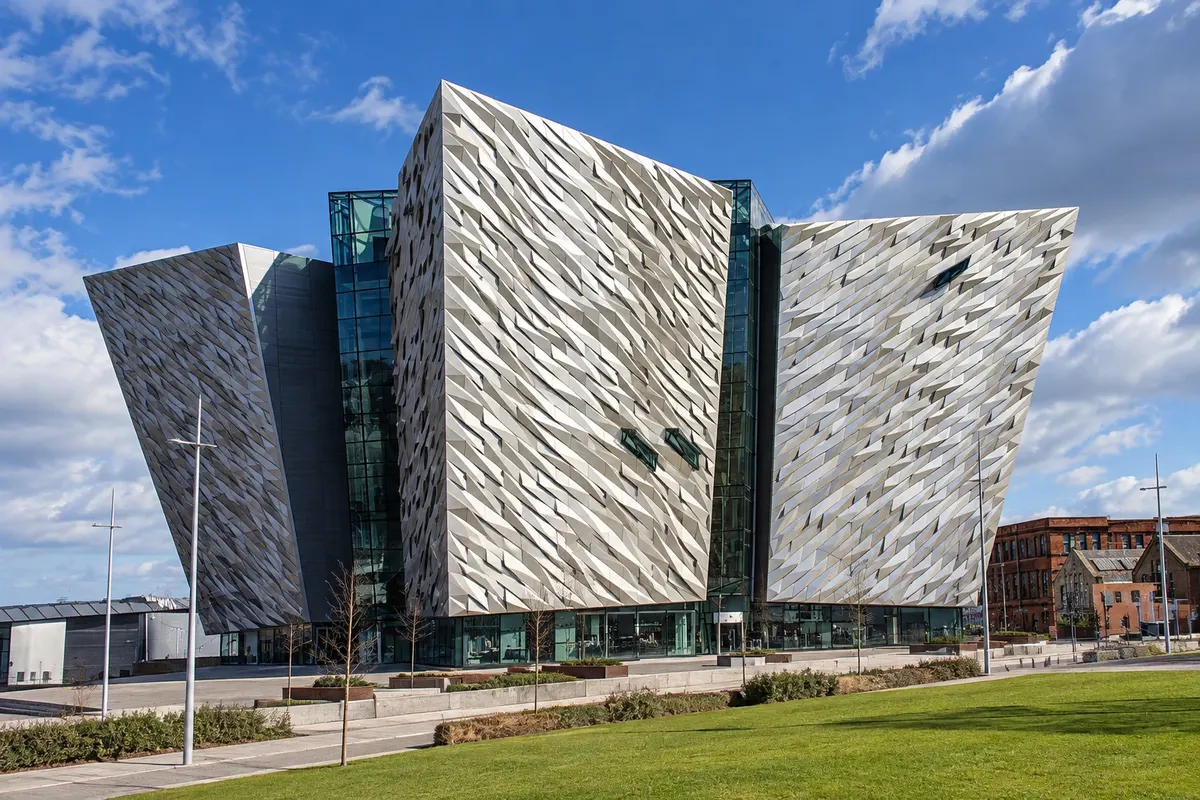
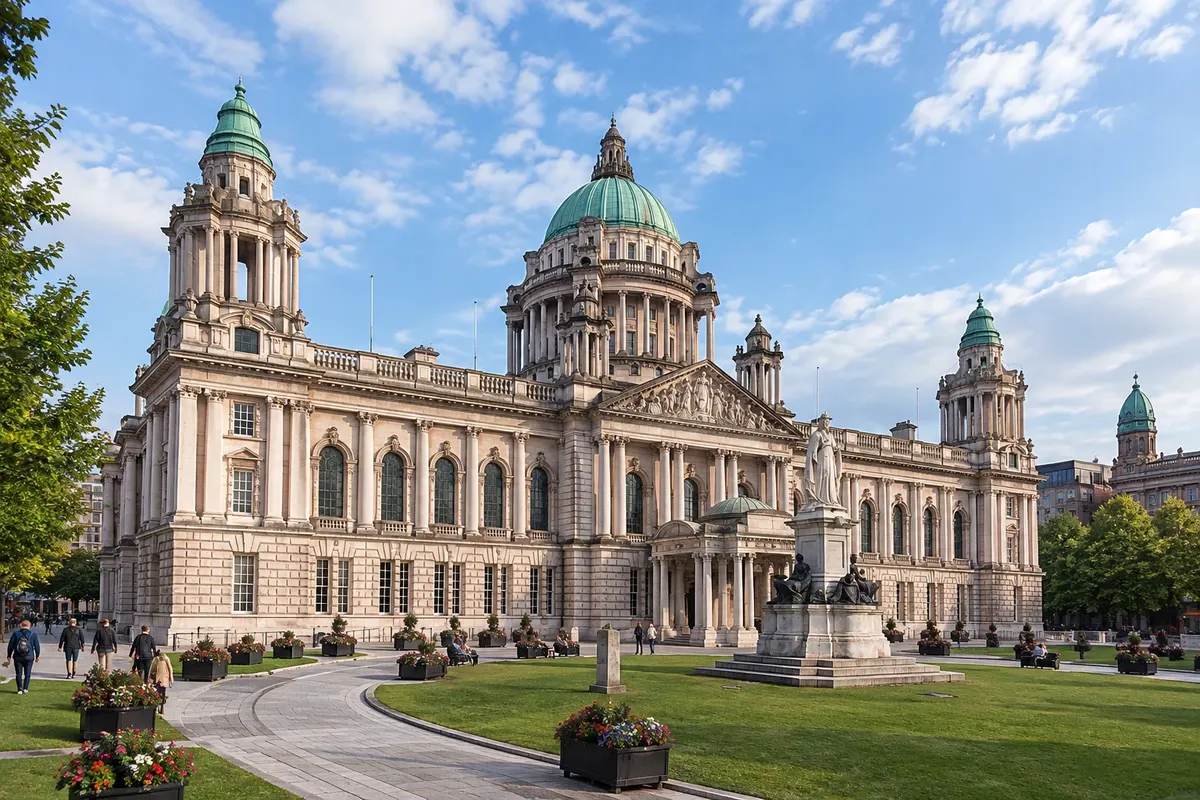
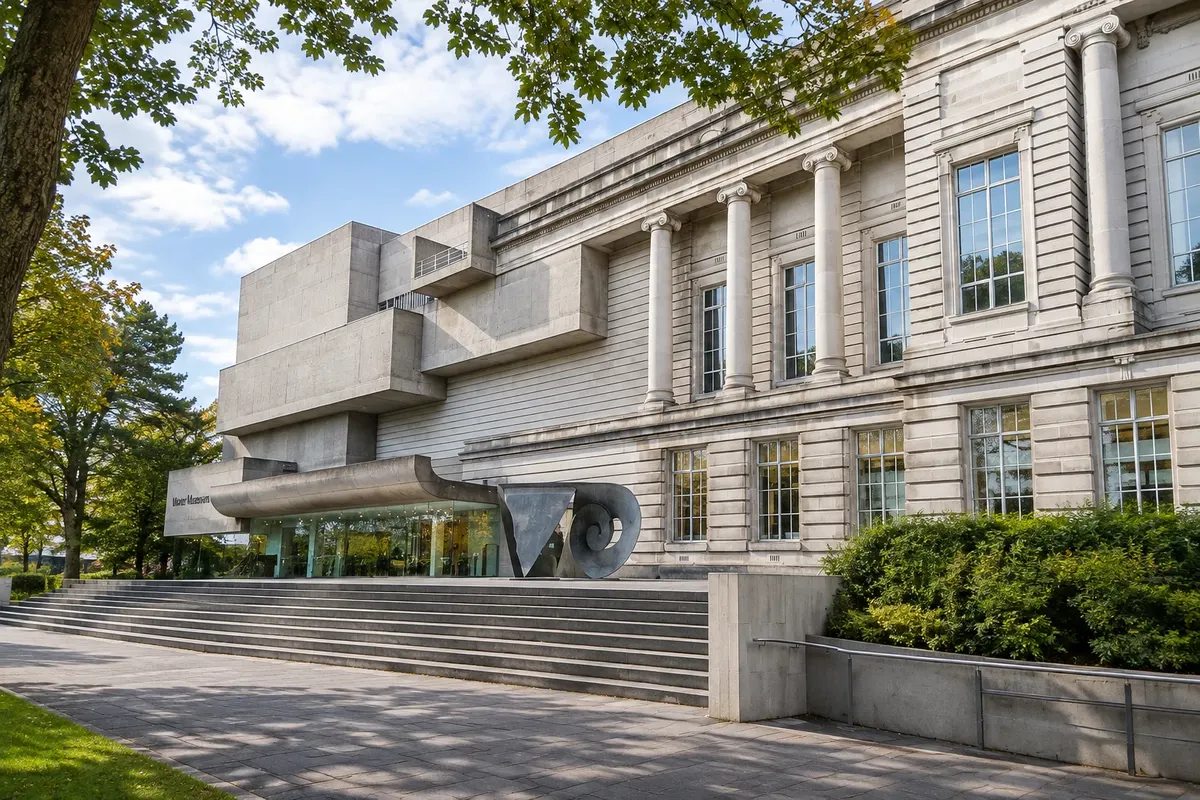
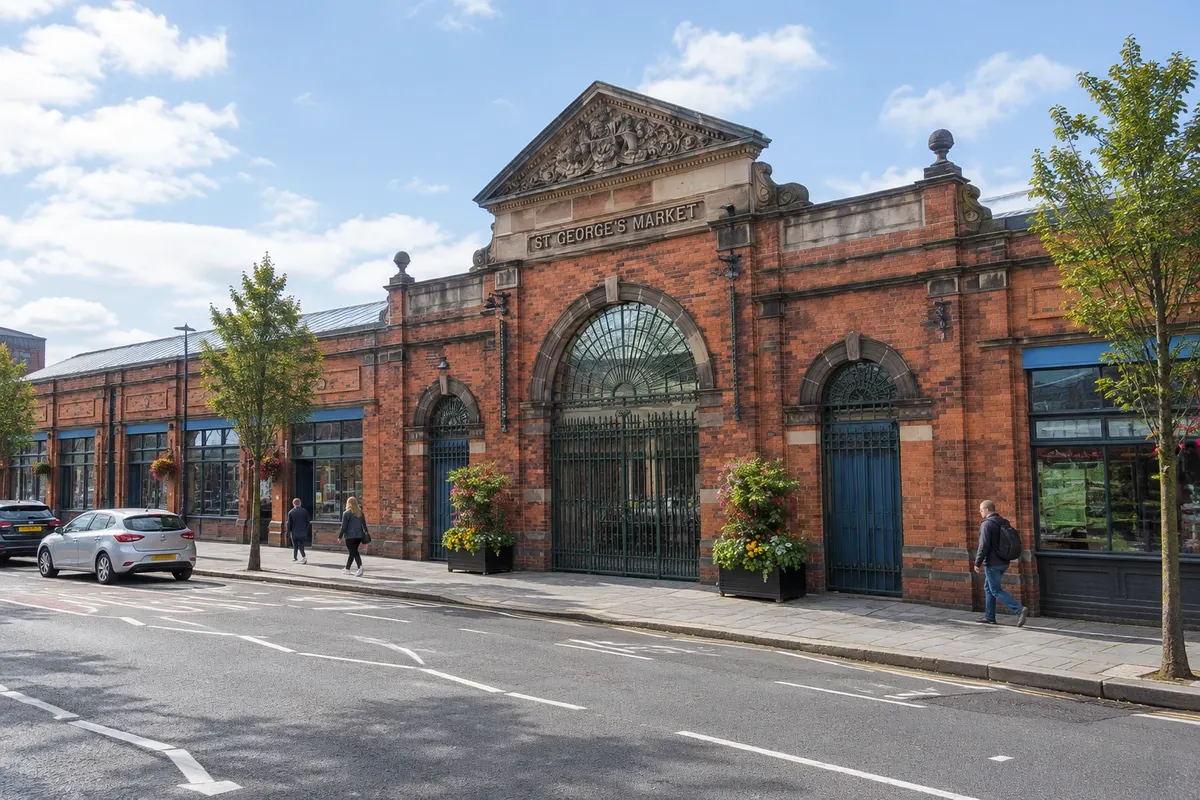
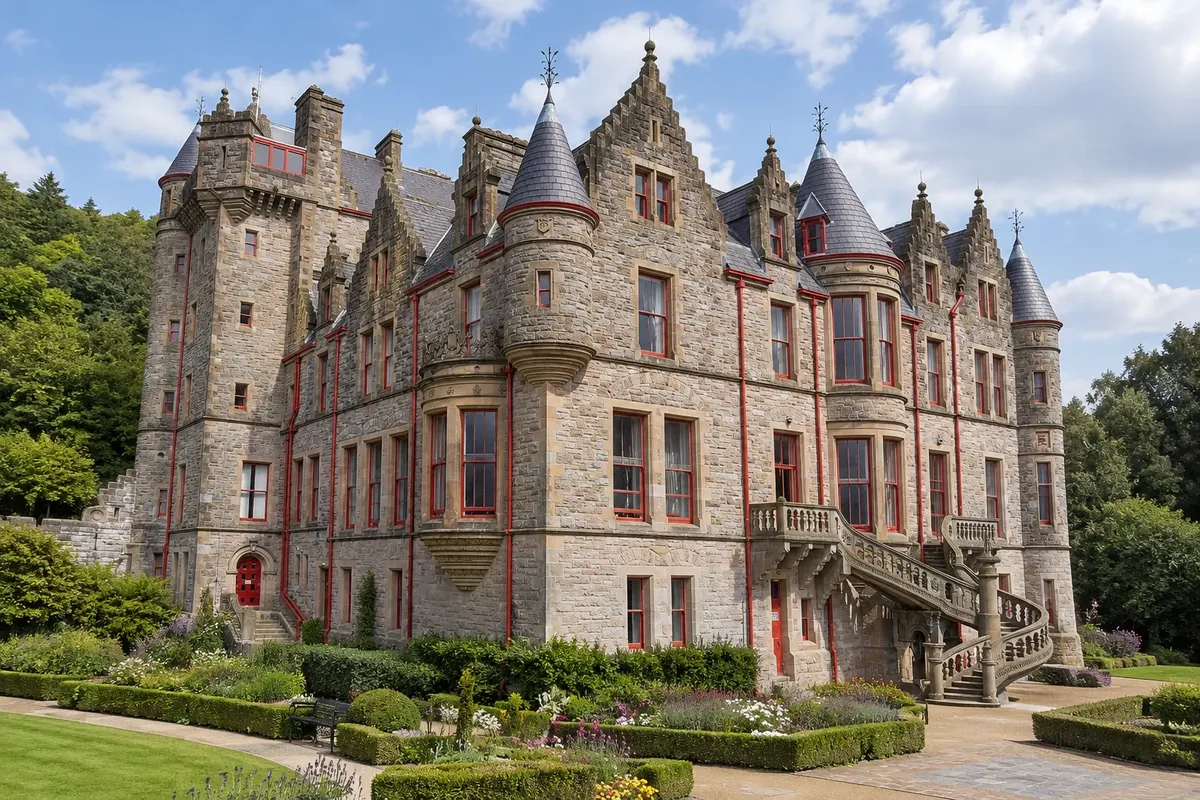
On the old shipyard, the Titanic Quarter brings together Titanic Belfast, a museum about the ship in a building that resembles four bows, the dock where it was built and the SS Nomadic, the last ship of the White Star company still in existence. In the centre are the Victorian City Hall, the St George market, old pubs such as the Crown, and the university quarter, with the Ulster Museum and the Jardim Botânico. The murals in the west-side neighbourhoods and the separation barriers, called peace walls, tell the story of the period of conflict known as the Troubles, ended with the 1998 peace agreement; guided tours of these neighbourhoods are conducted with respect for the communities.
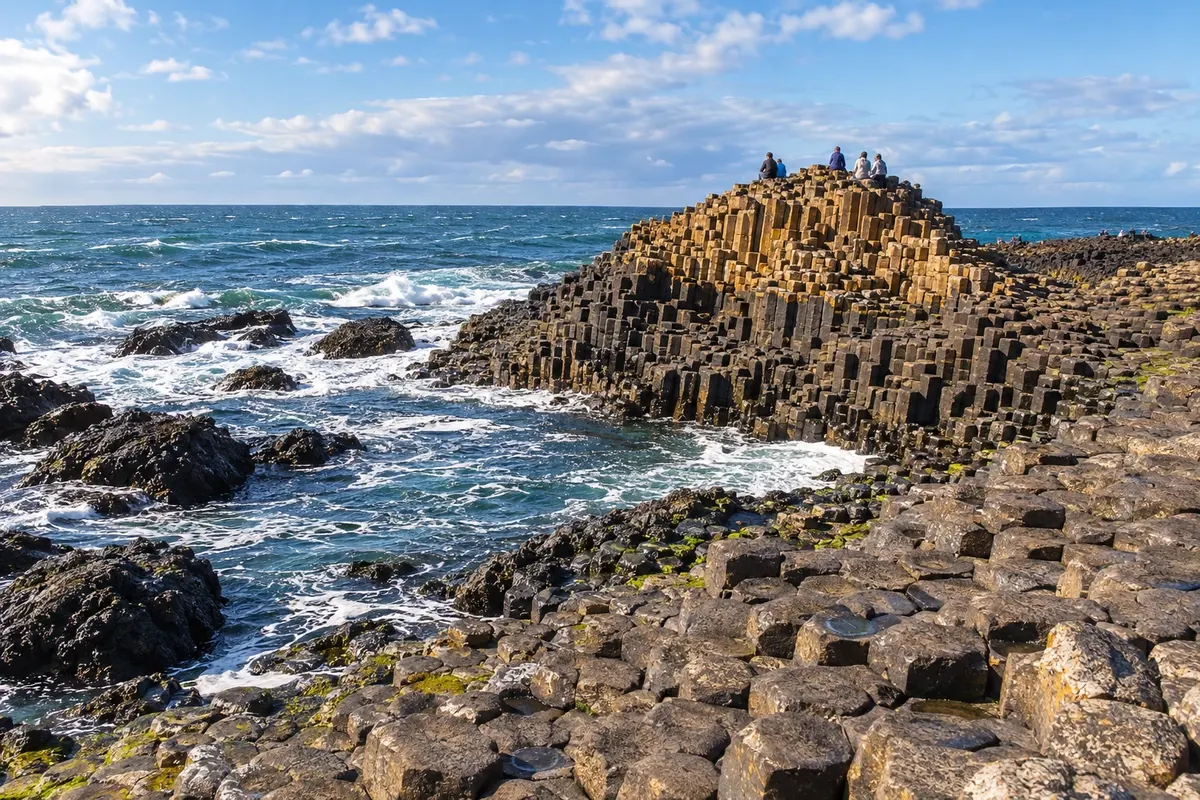
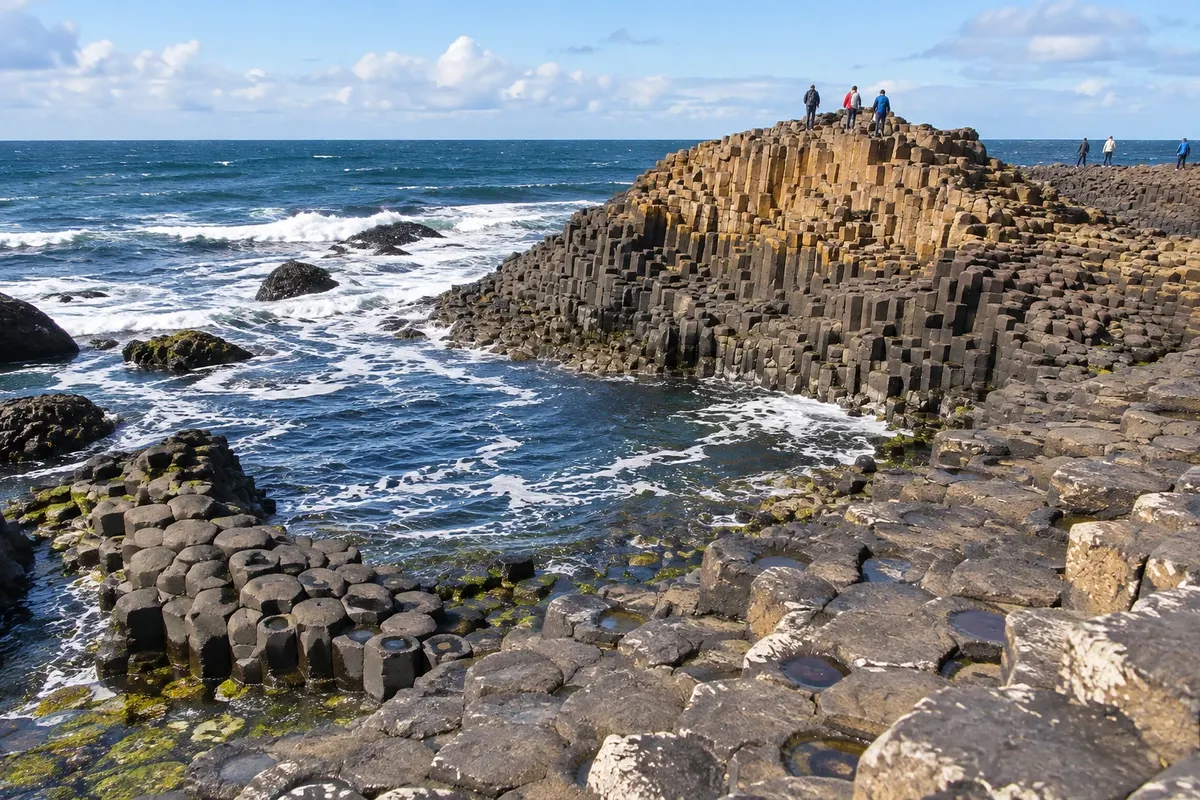
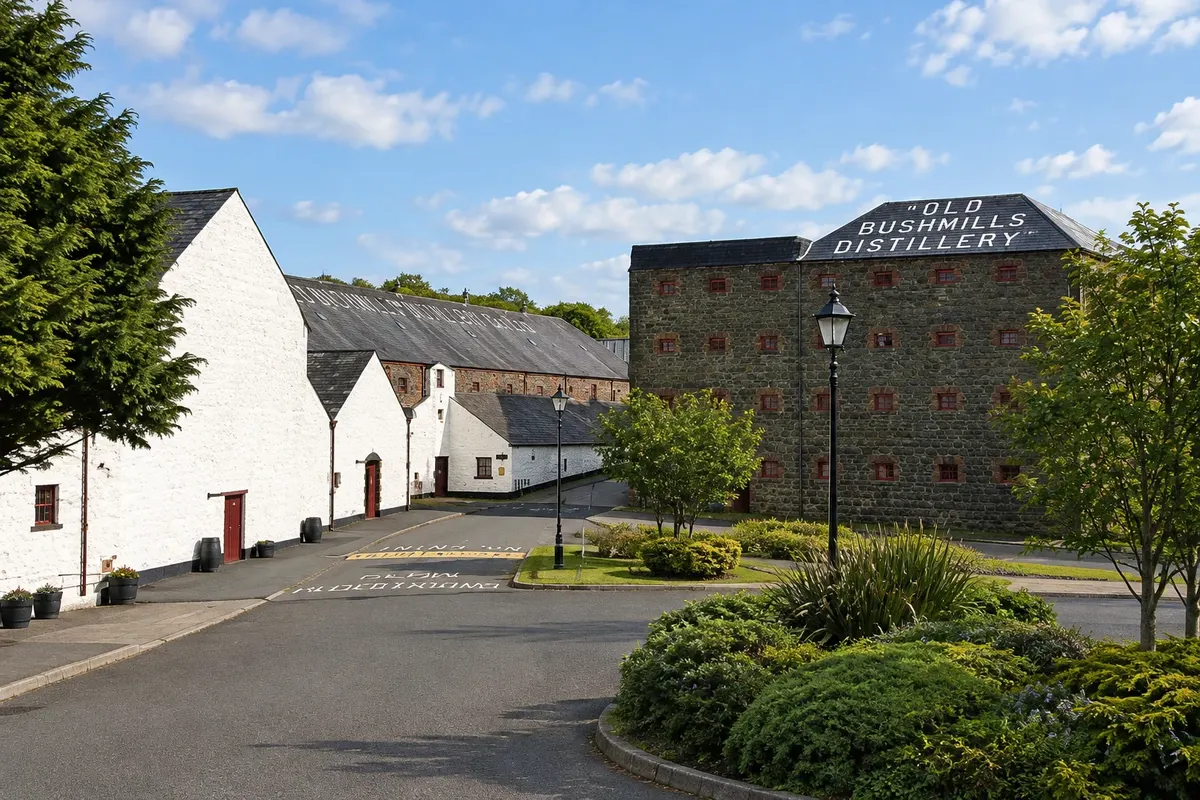
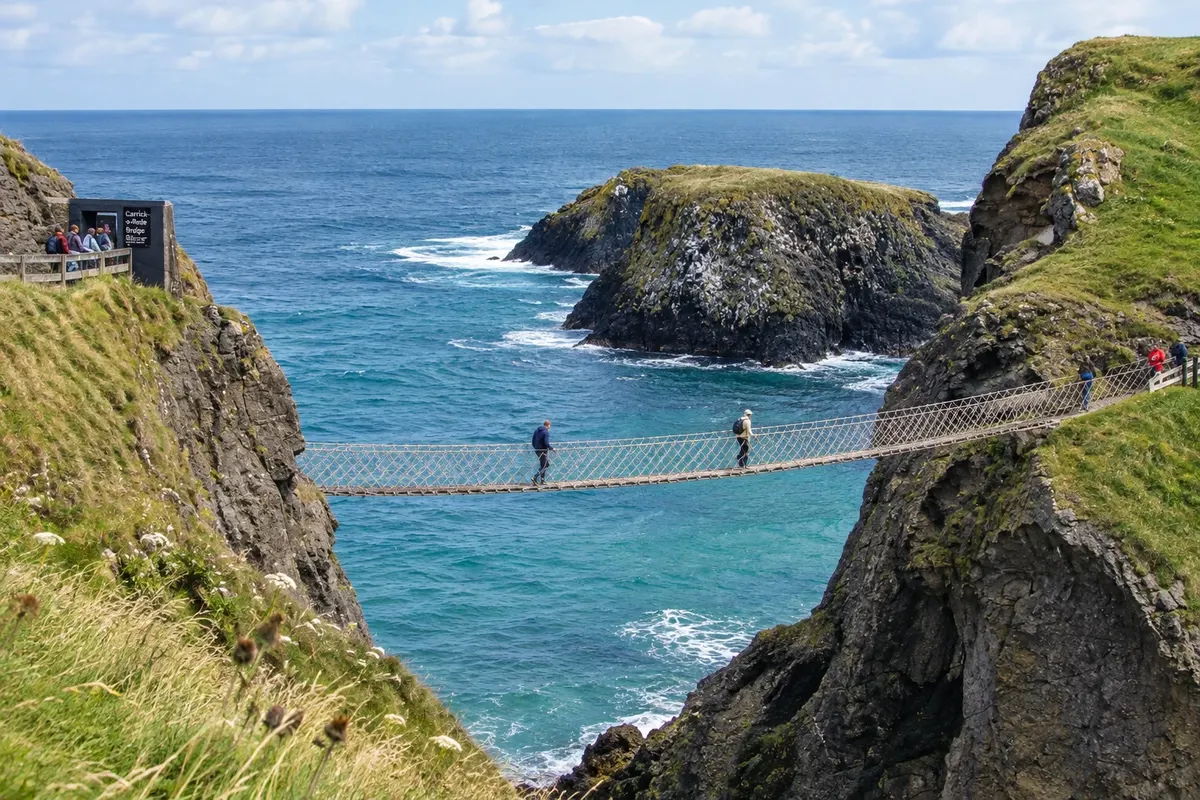
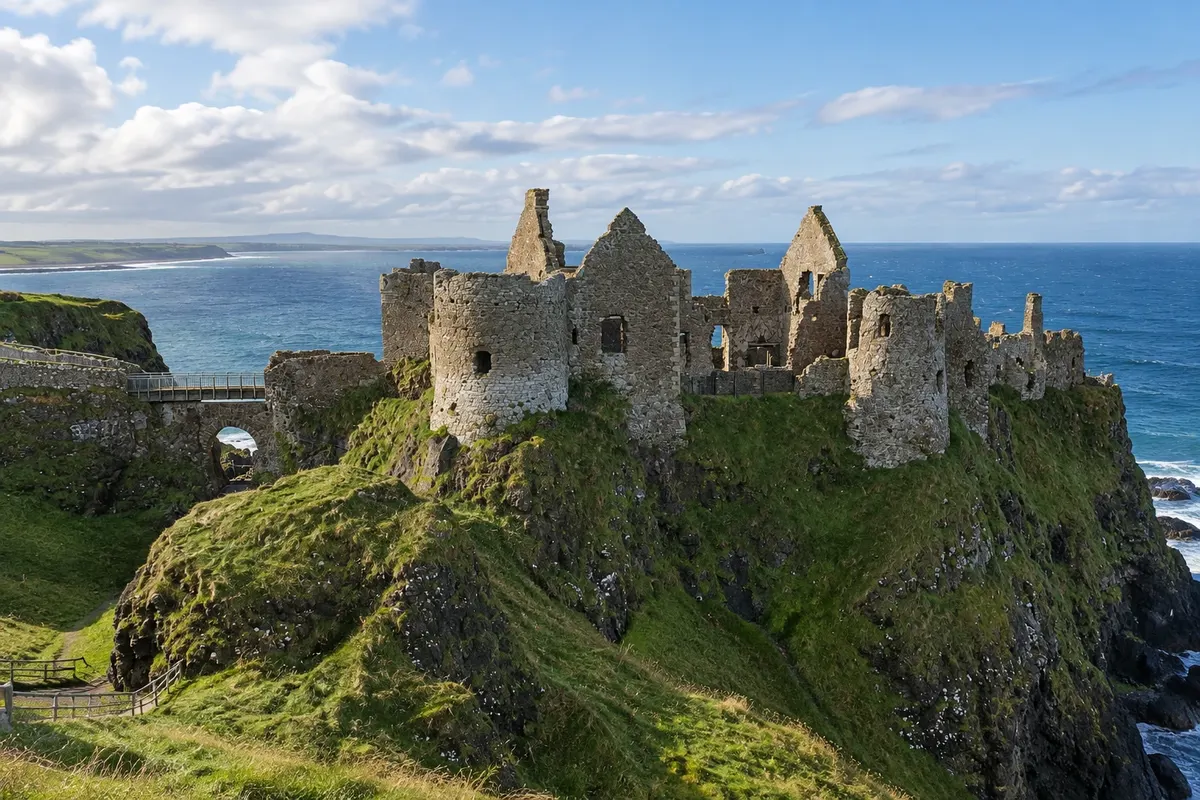
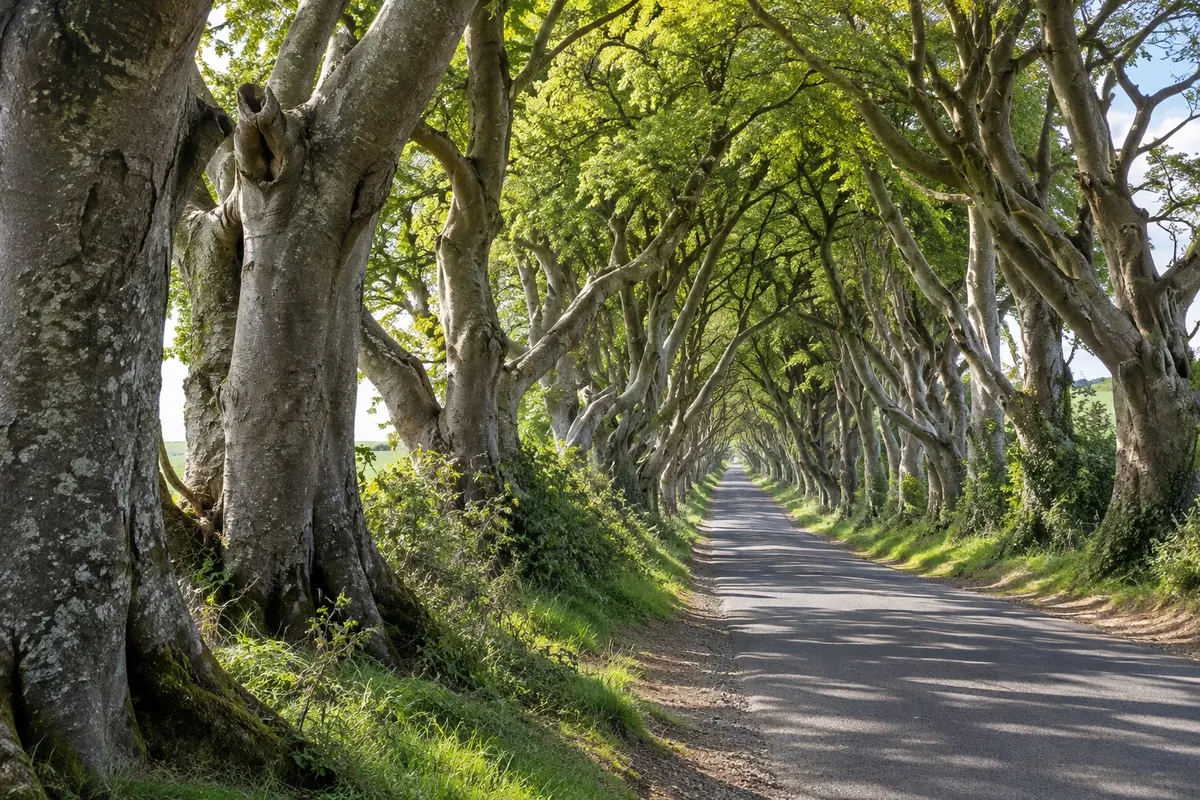
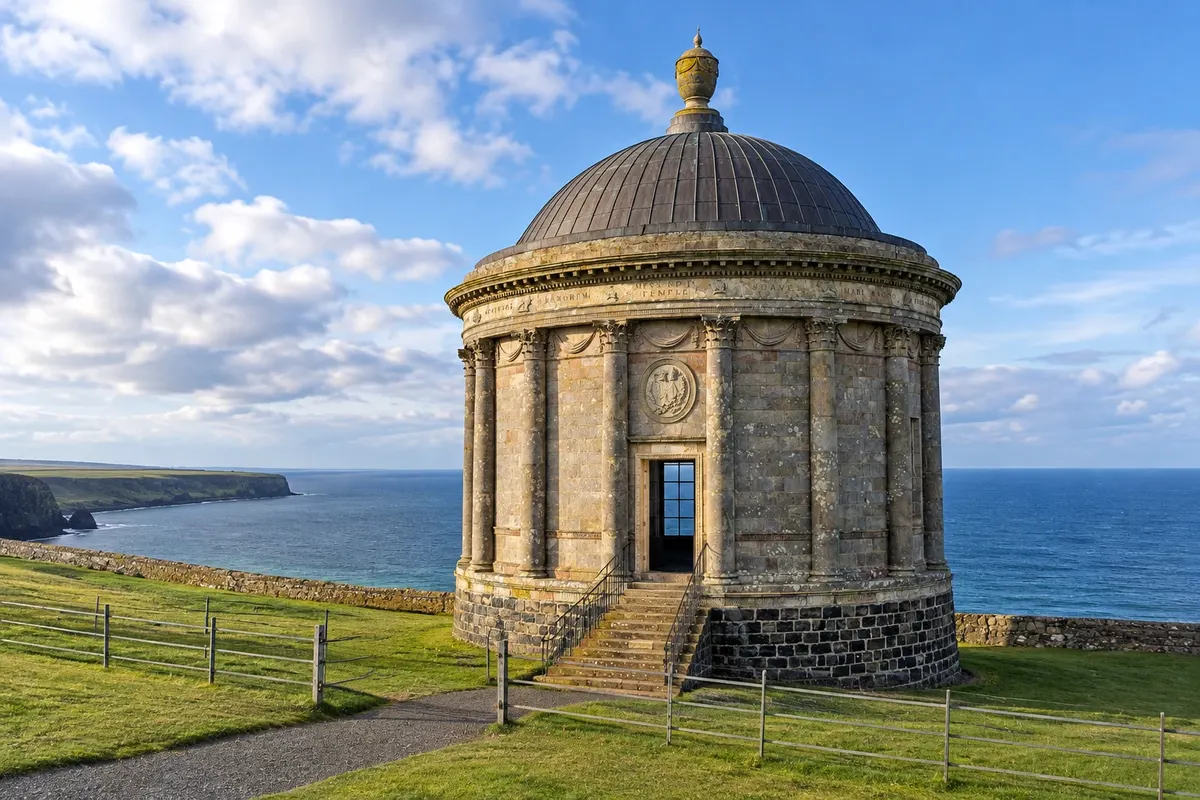
The Antrim coast, to the north, is one of the most beautiful coastal drives in Europe. Near the village of Bushmills are the Calçada dos Gigantes, with about 40,000 basalt columns, a UNESCO World Heritage Site; the Bushmills distillery; the ruins of Dunluce Castle on the cliff edge; the Carrick-a-Rede rope bridge; and the beech avenue Dark Hedges, which appears in Game of Thrones, a series filmed largely in the region.
The coast is done by car, driving on the left, or with day tours leaving from Belfast.
This destination brings together 2 cities: Belfast, Bushmills.


 Brazil
 Argentina
 Chile
Chile Colombia
 Peru
Peru Uruguay
 Germany
 Belgium
 Spain
Spain France
 Greece
 the Netherlands
 Ireland
 Italy
Italy Luxembourg
 Portugal
 Switzerland