Lisboa

Lisboa · Portugal

Lisboa

The Portuguese capital on the banks of the Tejo: hills with yellow trams, the Manueline monuments of Belém, the Castelo de São Jorge and Alfama's fado houses.

Lisboa e Sul

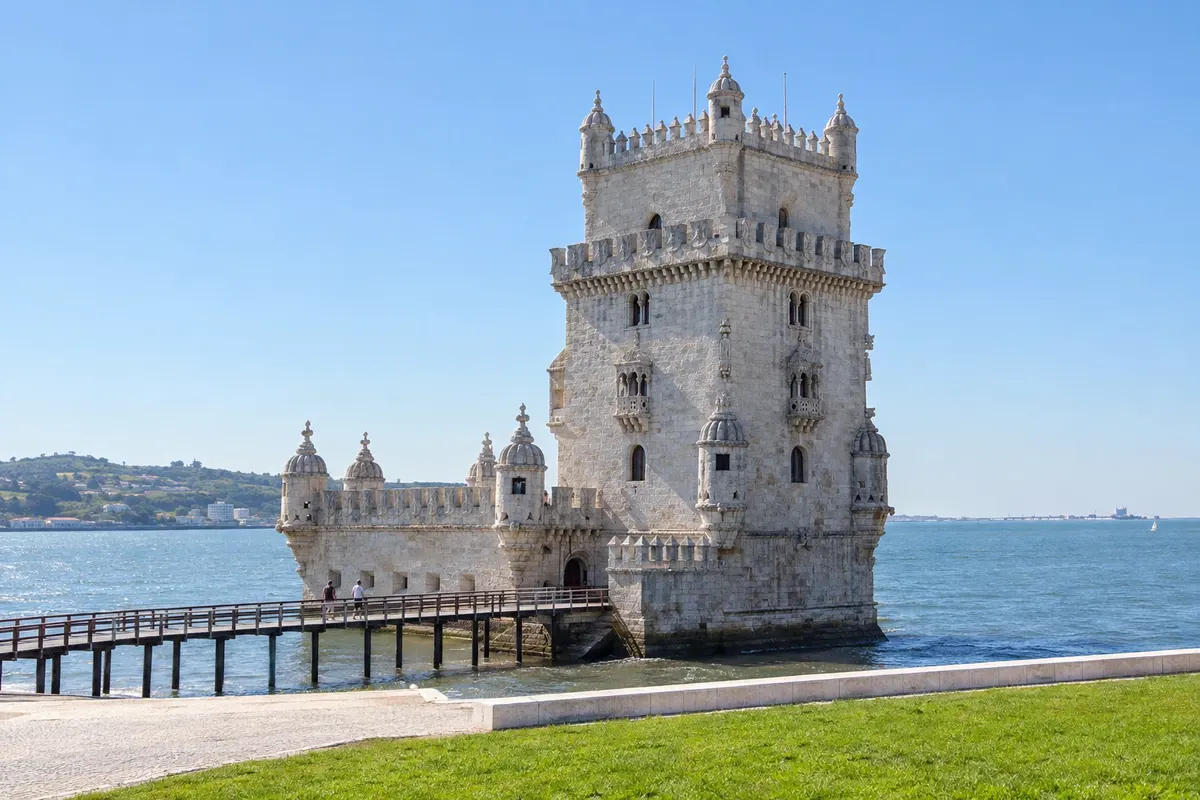
In the photo: Torre de Belém in Lisboa

Illustrative images. The pictures in this guide are illustrations based on the real place, not photographs, and may differ from it.

Get it on Google Play Send your photos

Get to know the place

A region to enjoy
at your own pace.

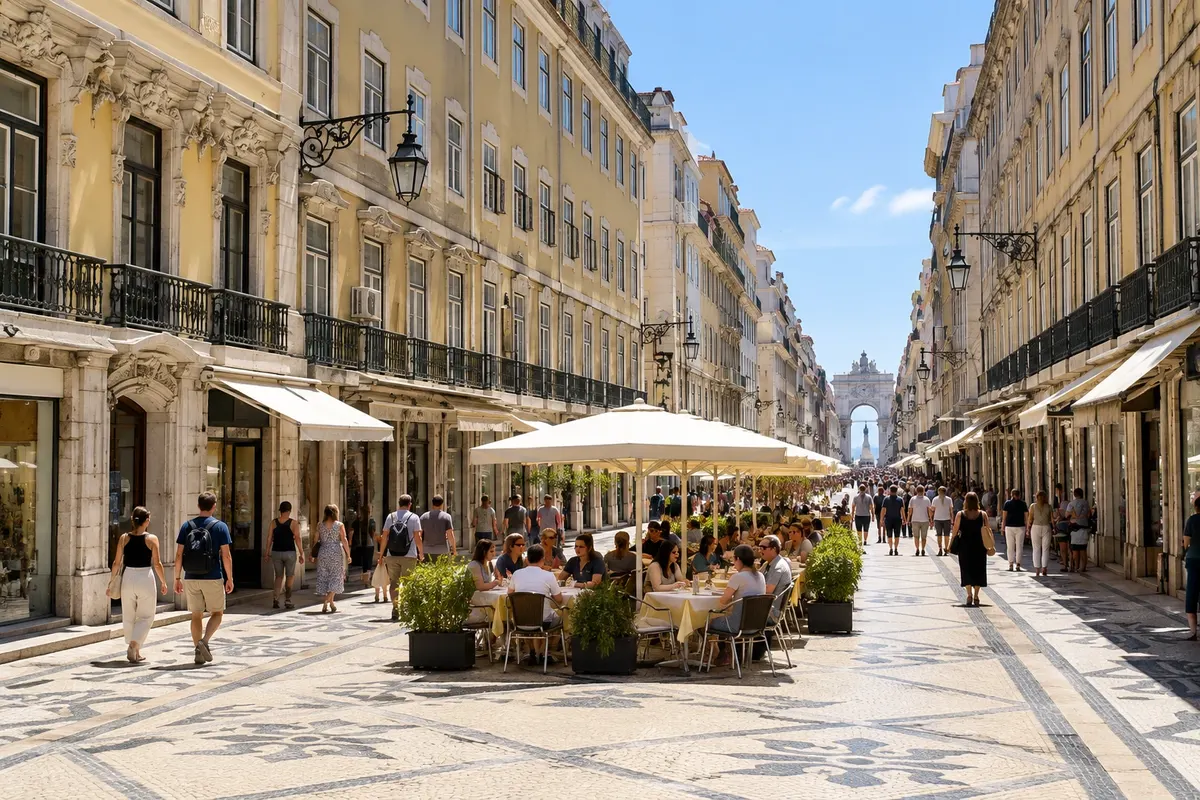
Lisboa is the capital of Portugal and spreads over hills on the north bank of the Tejo estuary, near its mouth on the Atlantic. The center was rebuilt after the 1755 earthquake, and the Baixa Pombalina, with straight streets between the Rossio and Praça do Comércio, is the result of that plan. Around it, the old neighborhoods climb the slopes: Alfama and the Castelo on one side, Chiado and Bairro Alto on the other.

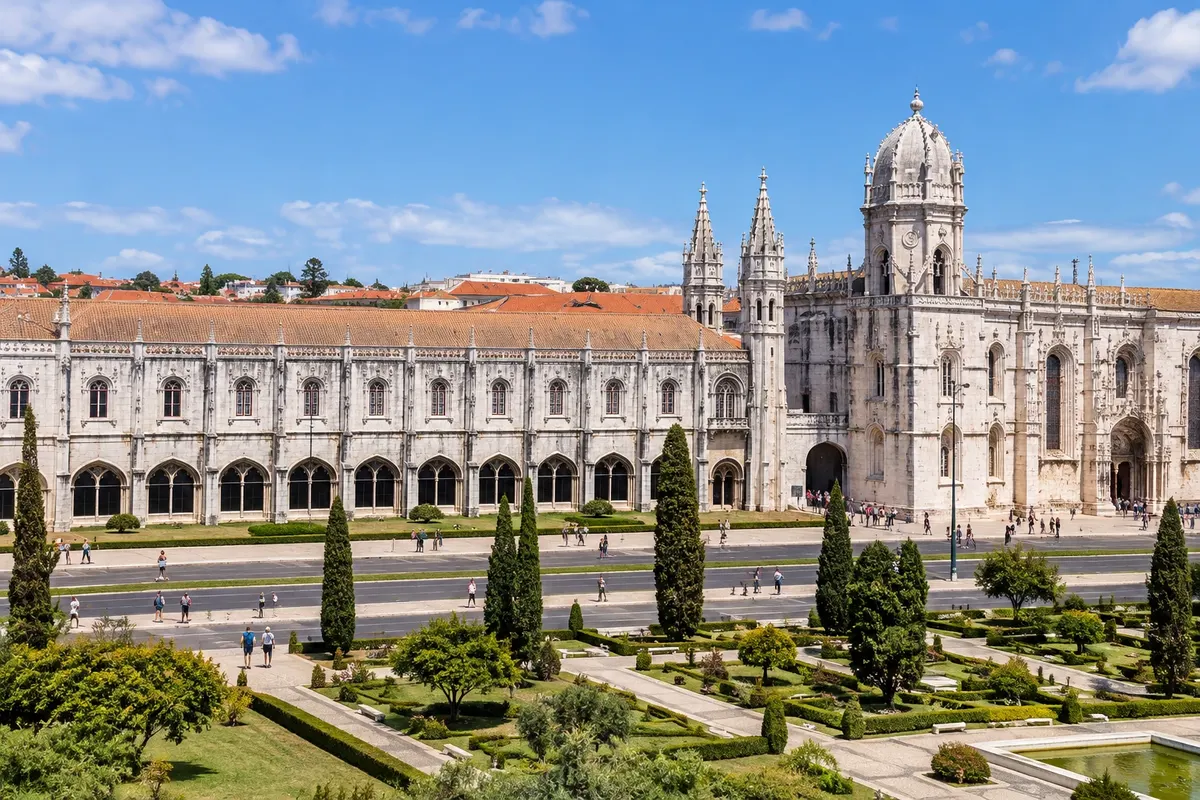
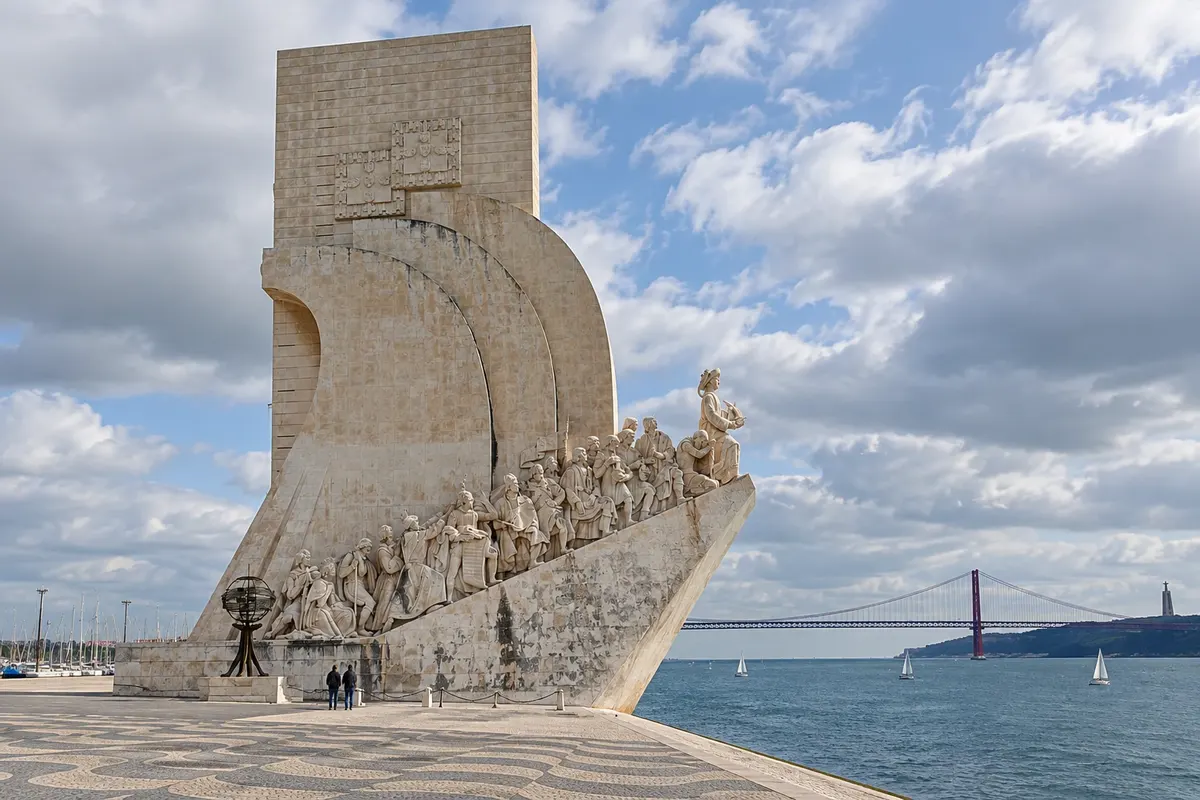
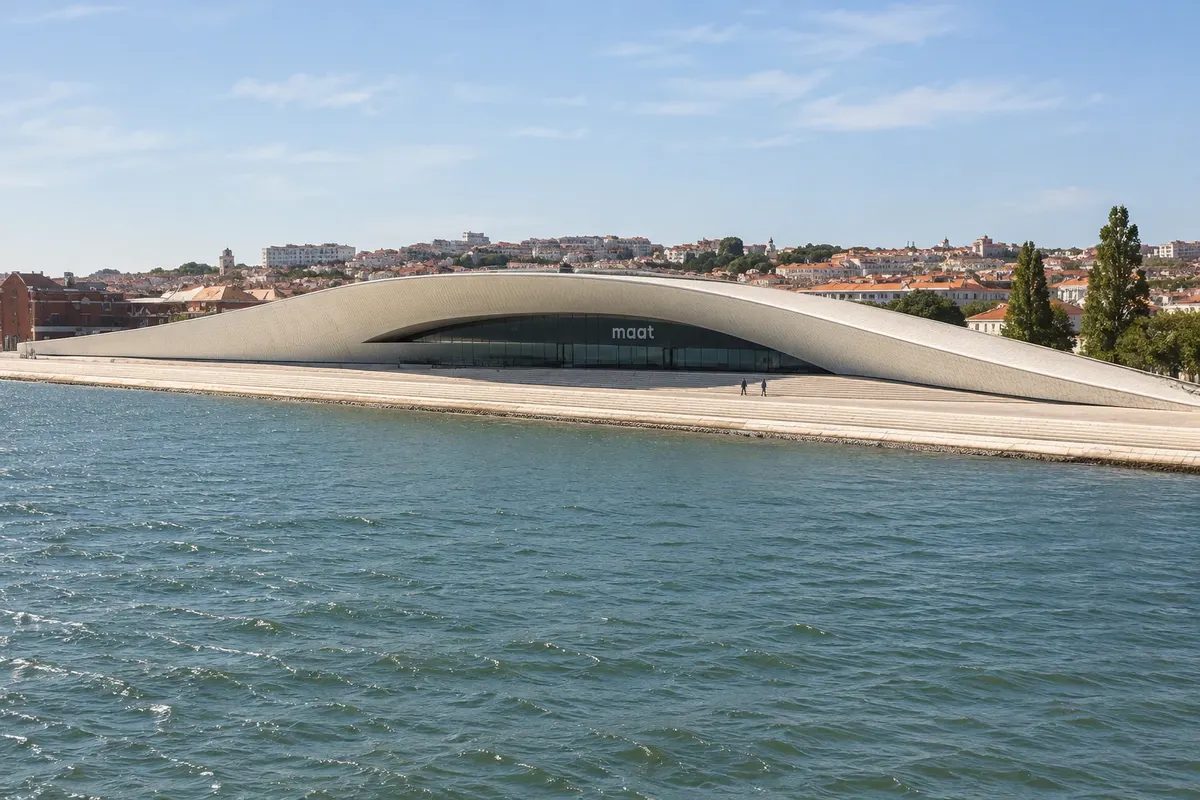
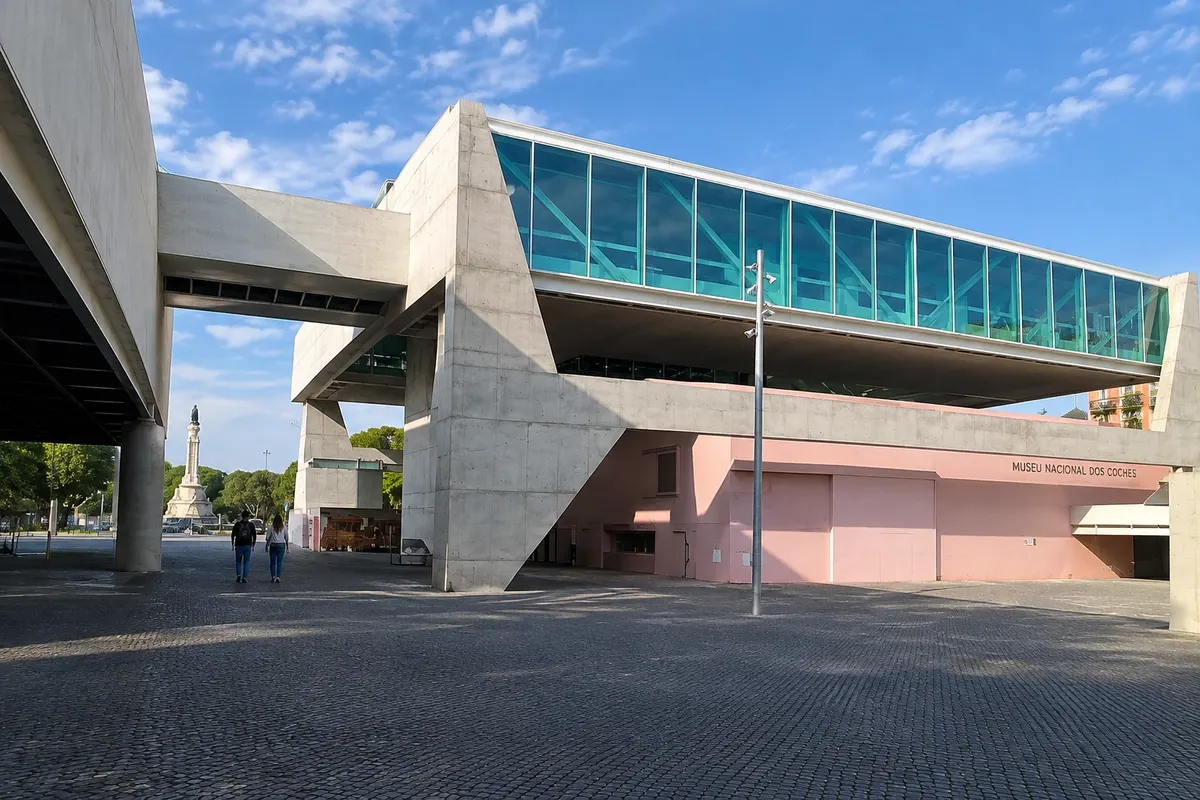
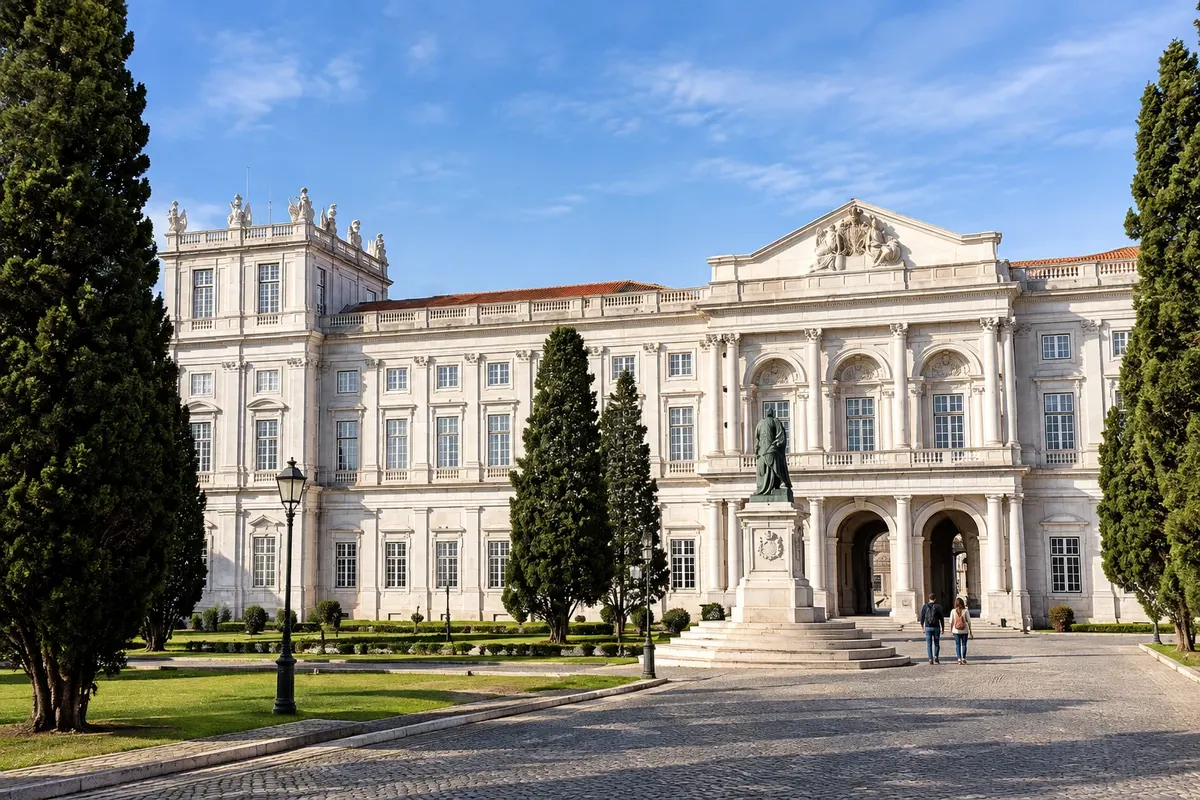
To the west, Belém preserves the memory of the Discoveries. There stand the Torre de Belém and the Mosteiro dos Jerónimos, a World Heritage Site since 1983, the Padrão dos Descobrimentos, the Museu Nacional dos Coches and the MAAT, by the river. On the hilltop, the Palácio Nacional da Ajuda displays the jewels of the Portuguese Crown.

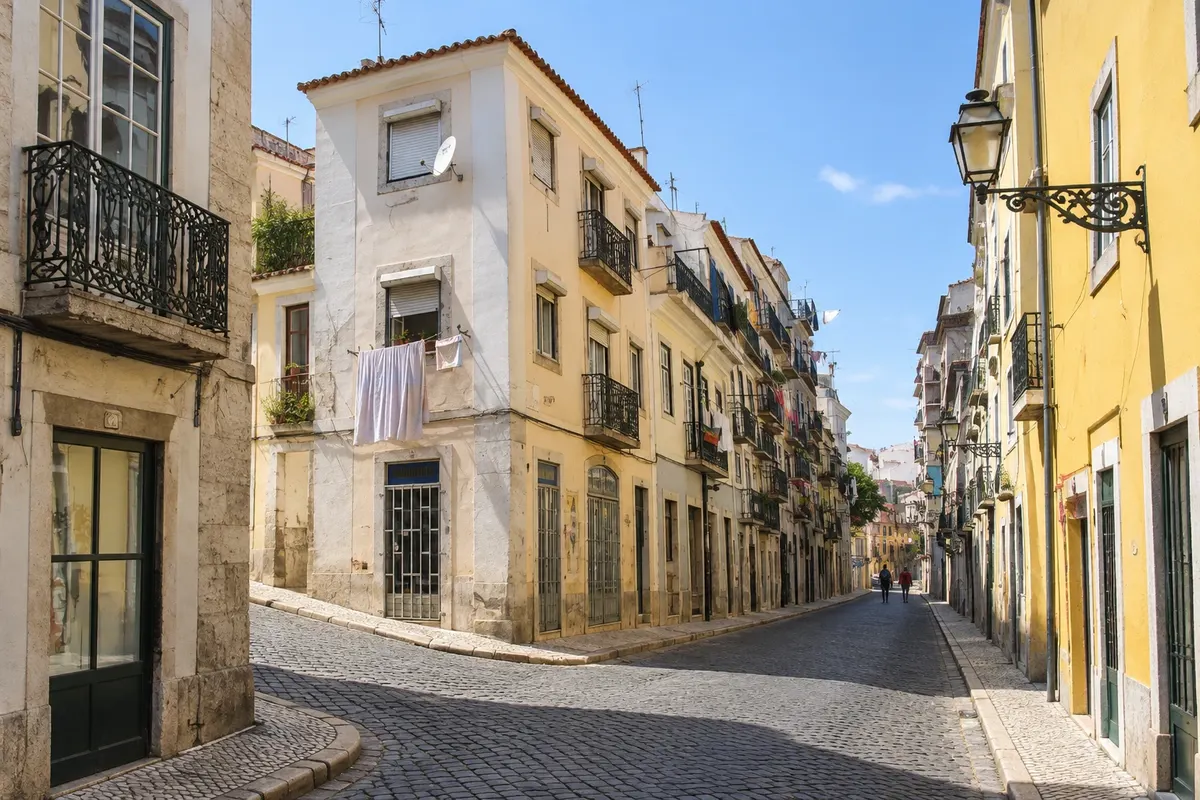
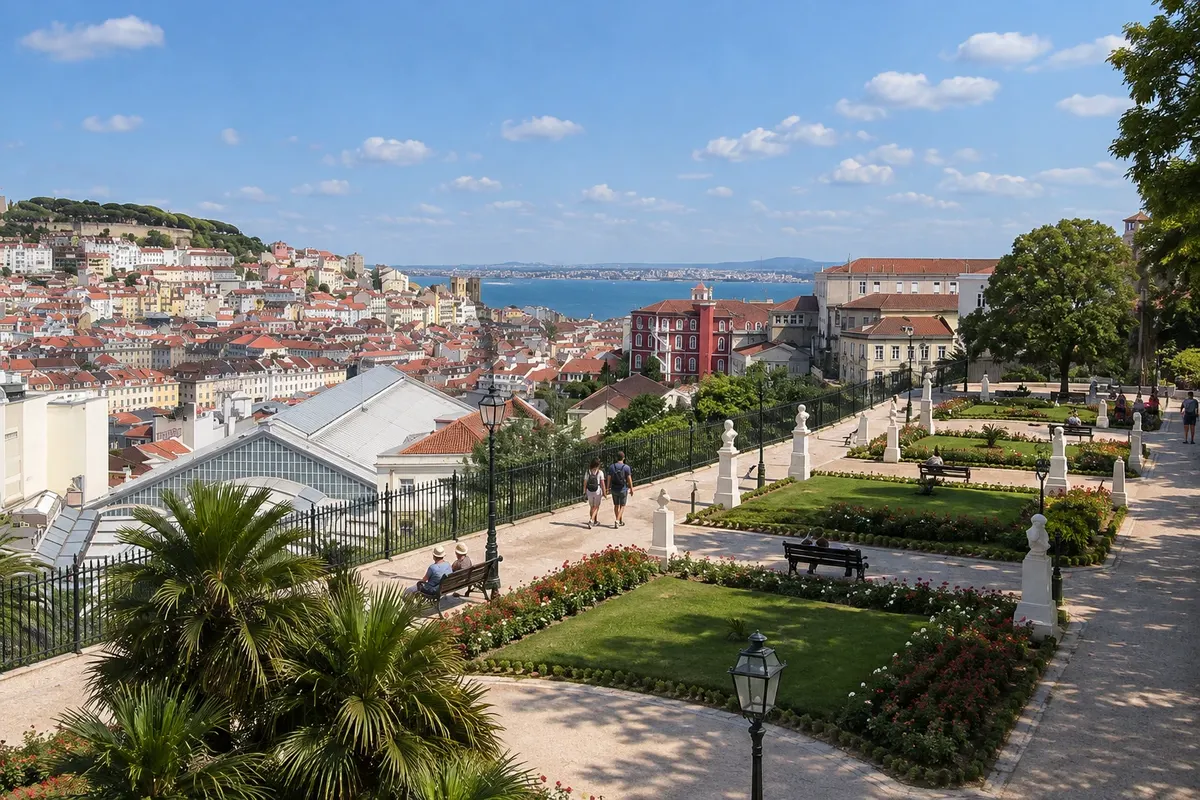
On the east side, Alfama preserves a network of alleys of medieval origin, the Sé, the Panteão Nacional, the Mosteiro de São Vicente de Fora and the Museu do Fado. The miradouros, such as Santa Luzia, Senhora do Monte and São Pedro de Alcântara, open views over the rooftops and the river. Further north, the Museu Calouste Gulbenkian houses one of Europe’s best-known private art collections, and the Parque das Nações, the Expo 98 area, has the Oceanário.

Portuguese is spoken, but with a different accent and vocabulary: the 'bonde' is called elétrico, the 'ônibus' is autocarro and 'trem' is comboio. The city has a metro, and the calçada portuguesa, made of white and black stones, calls for shoes with sturdy soles on the hills.

This destination brings together 1 city: Lisboa.

Share: WhatsApp
Traveler, share your experiences through photos Up to 5 photos of each place you visited.

One destination, many paths

The cities on this trip

Start with one city or combine several in your itinerary.

Where Lisboa is
Lisboa

Contornos: Direção-Geral do Território, CAOP 2025, CC BY 4.0. Adaptação do Cidade Turismo.

How to get there: Lisboa

✈ Aeroporto Humberto Delgado (LIS) · 9 km to Lisboa

Aeroporto Humberto Delgado (LIS) is about 7 km from the city center, linked by metro. Check before booking. From Porto, the comboio takes about three hours; from the Algarve, roughly three and a half hours from Faro.

The local experience

Things to do in Lisboa

Torre de Belém
Lisboa · Lisboa · Monument

Torre de Belém

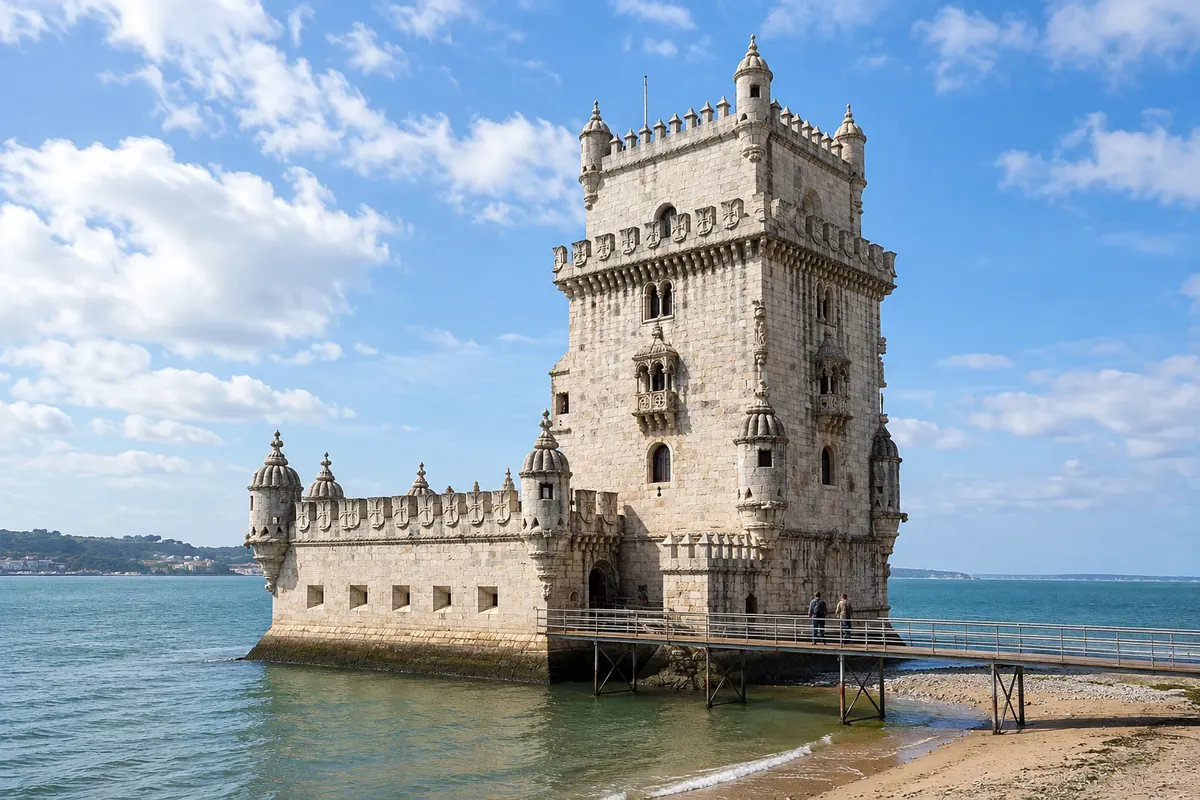
Defensive tower from the early 16th century on the banks of the Tejo, a masterpiece of the Manueline style and a UNESCO World Heritage site since 1983 along with the Mosteiro dos Jerónimos. It has four visitable floors and a terrace at the top.

Mosteiro dos Jerónimos
Lisboa · Lisboa · Monastery

Mosteiro dos Jerónimos

Manueline monastery commissioned by D. Manuel I from 1501, featuring the church of Santa Maria de Belém and the intricately carved cloister. It houses the tombs of Vasco da Gama and Luís de Camões and has been a World Heritage site since 1983.

Padrão dos Descobrimentos
Lisboa · Lisboa · Monument

Padrão dos Descobrimentos

Monument shaped like the bow of a caravel on the banks of the Tagus, with Infante D. Henrique at the front of figures from the Age of Discoveries. It has an observation deck at the top and, on the ground in front, a large compass rose with a world map.

MAAT – Museu de Arte, Arquitetura e Tecnologia
Lisboa · Lisboa · Museum

MAAT – Museu de Arte, Arquitetura e Tecnologia

Museu da Fundação EDP on the banks of the Tagus in Belém, composed of the former Central Tejo—a brick power plant—and a curved 2016 building whose roof can be walked.

See 29 more places in Lisboa
Museu Nacional dos Coches
Lisboa · Lisboa · Museum

Museu Nacional dos Coches

Museum created in 1905 with coaches and carriages from the Portuguese Royal Household, from the 16th to the 19th centuries.

Palácio Nacional da Ajuda
Lisboa · Lisboa · Palace

Palácio Nacional da Ajuda

Neoclassical palace atop Ajuda, residence of King D. Luís I in the 19th century, with furnished state rooms and the Tesouro Real, where the Portuguese Crown jewels are displayed.

Centro Cultural de Belém
Lisboa · Lisboa · Cultural center

Centro Cultural de Belém

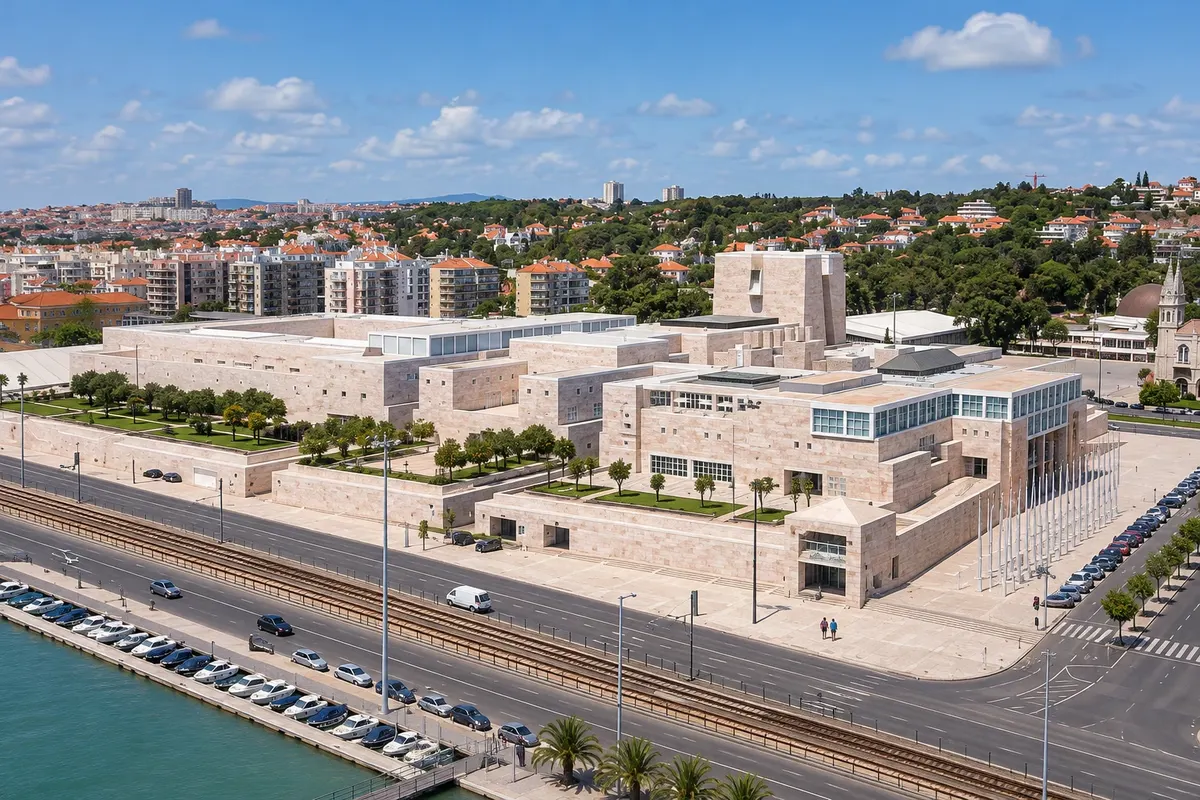
Large light-stone cultural center opposite the Jerónimos, with a theatre, concert halls and the MAC/CCB, a museum of modern and contemporary art. The terraces and gardens have views over the river.

Castelo de São Jorge
Lisboa · Lisboa · Castle

Castelo de São Jorge

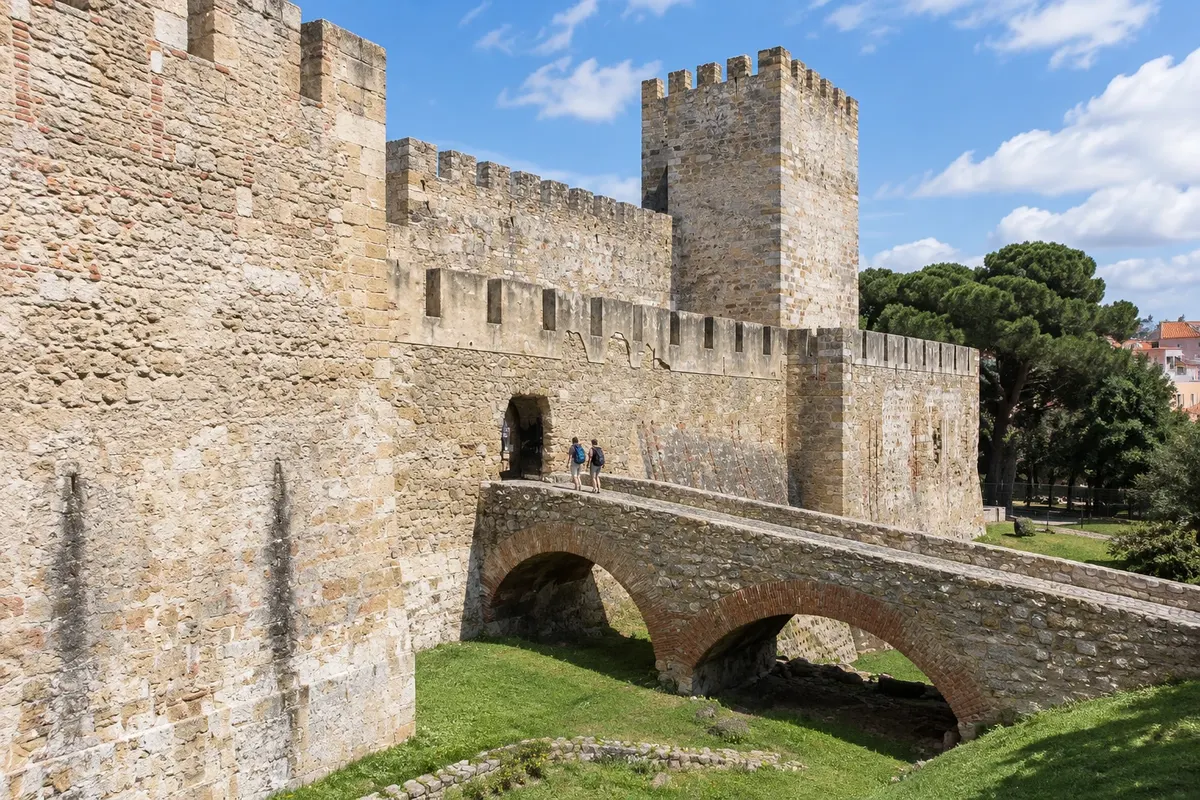
Castle atop the highest hill in Lisbon's city centre, with walls, towers and gardens offering views of the city and the Tejo. It was a royal residence until the 16th century and has been a National Monument since 1910.

Alfama
Lisboa · Lisboa · Historic neighborhood

Alfama

Lisbon's oldest neighborhood, of alleys, stairways and lanes between the Castelo and the Tejo. It's the fado neighborhood, with fado houses, laundry in the windows and, in June, the festas de Santo Antônio.

Sé de Lisboa
Lisboa · Lisboa · Cathedral

Sé de Lisboa

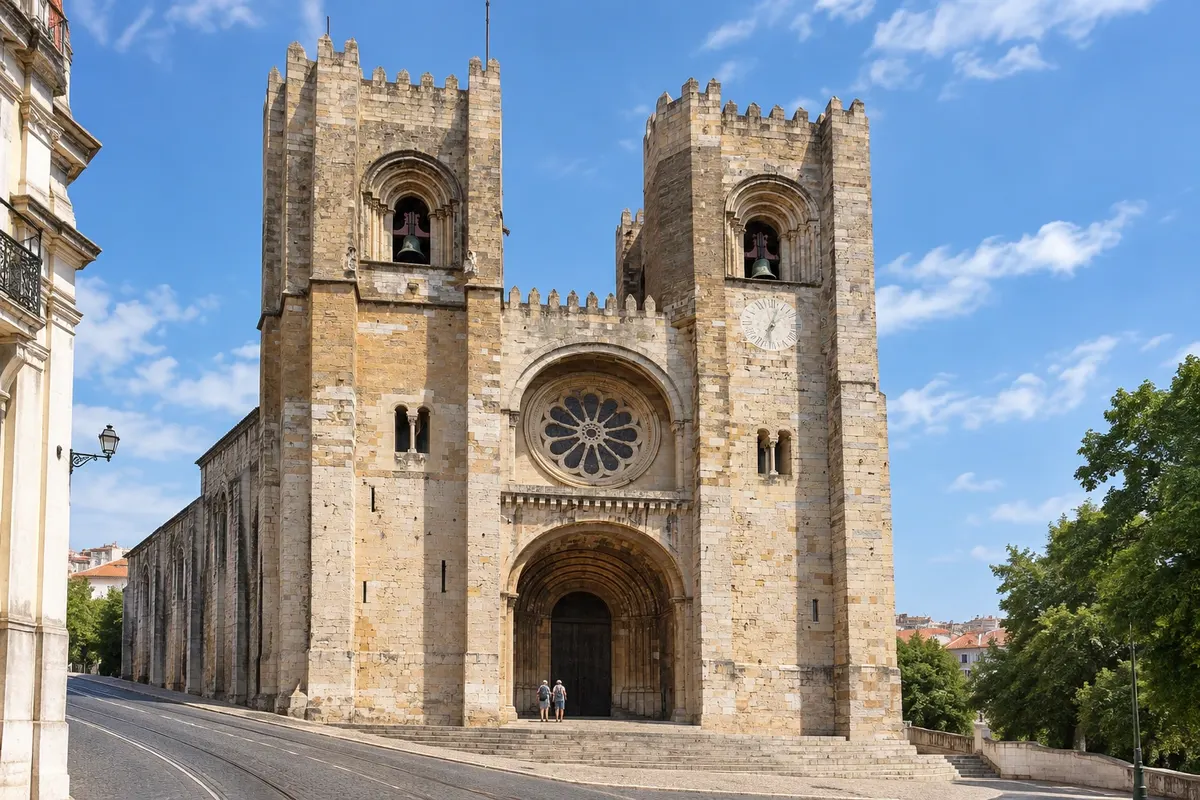
Romanesque cathedral from the 12th century, with a two-tower façade that resembles a fortress. It is the city's oldest church and has a Gothic cloister with archaeological excavations from several periods.

Miradouro de Santa Luzia
Lisboa · Lisboa · Observation deck

Miradouro de Santa Luzia

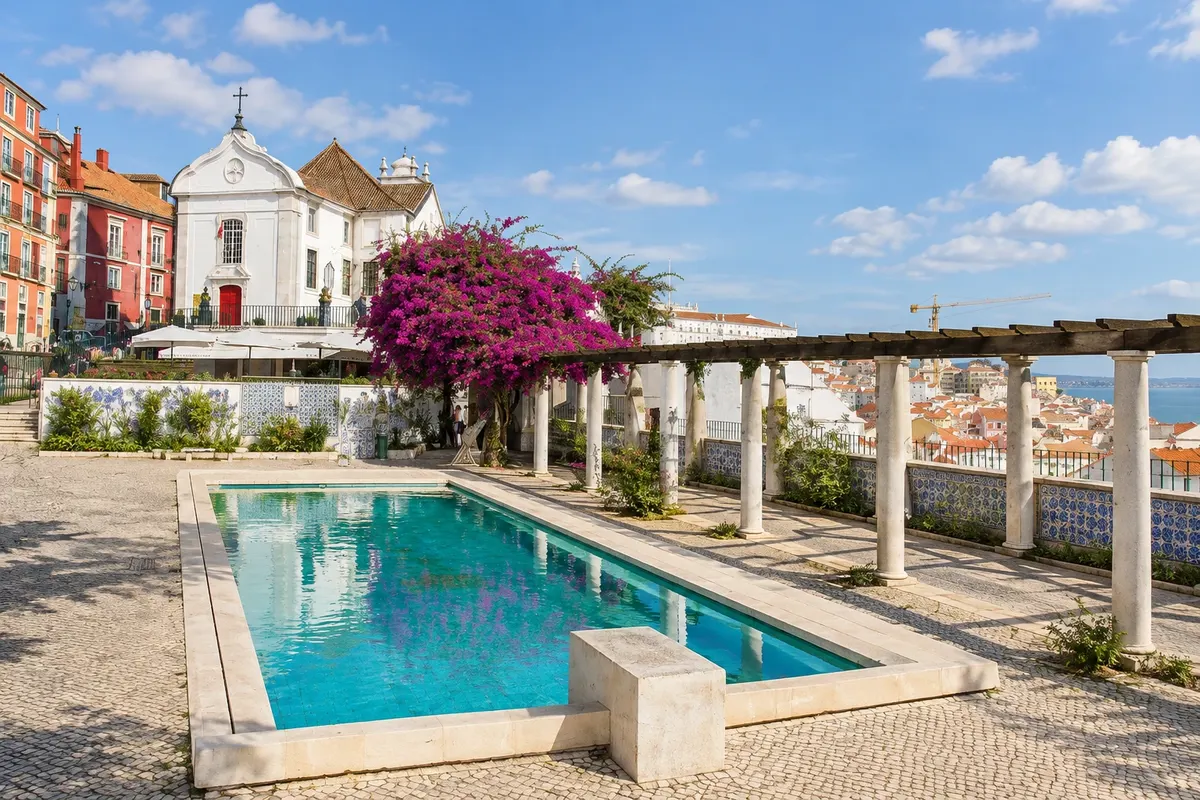
Lookout with a pergola, bougainvillea and azulejo panels on the path to the Castelo, overlooking the roofs of Alfama and the Tejo. Next to it, the Largo das Portas do Sol opens up an even wider view.

Miradouro da Senhora do Monte
Lisboa · Lisboa · Observation deck

Miradouro da Senhora do Monte

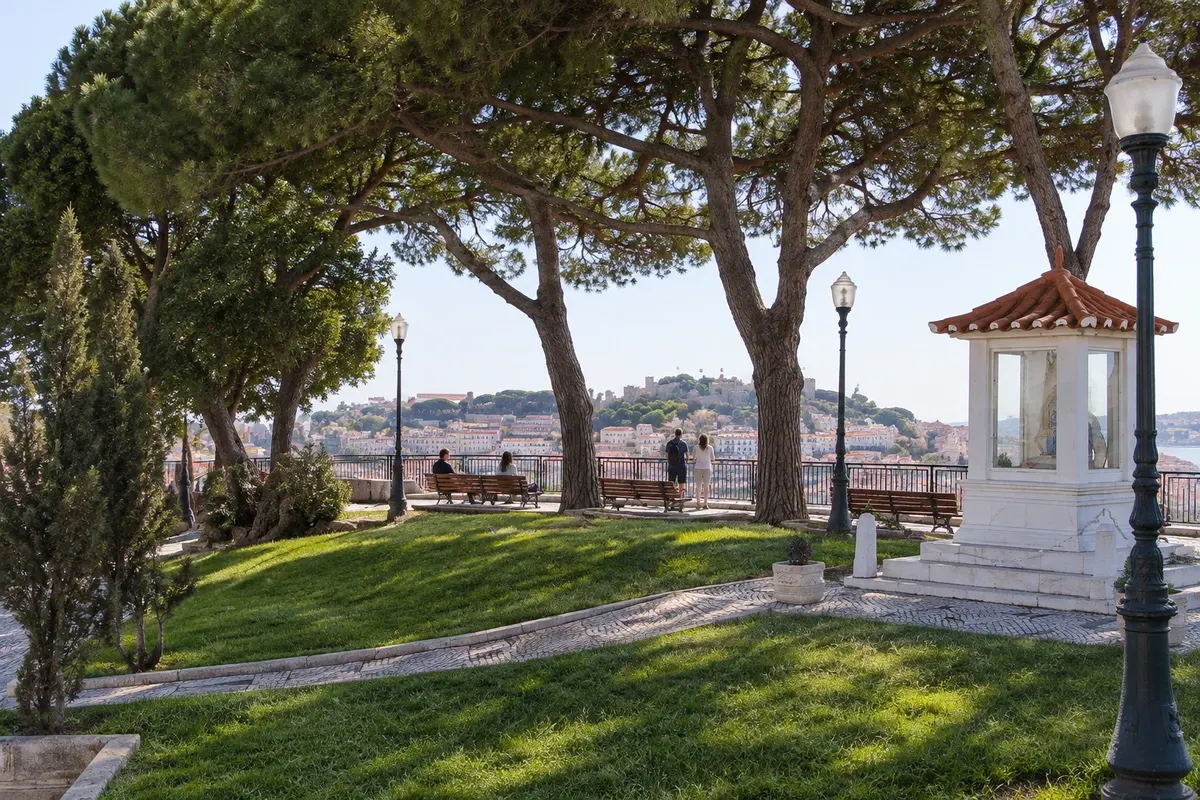
One of the highest miradouros in Lisboa, in the Graça neighborhood, with views of the Castelo, the Baixa, the Tejo and the Ponte 25 de Abril. Nearby, the Miradouro da Graça has a café terrace shaded by pine trees.

Panteão Nacional
Lisboa · Lisboa · Monument

Panteão Nacional

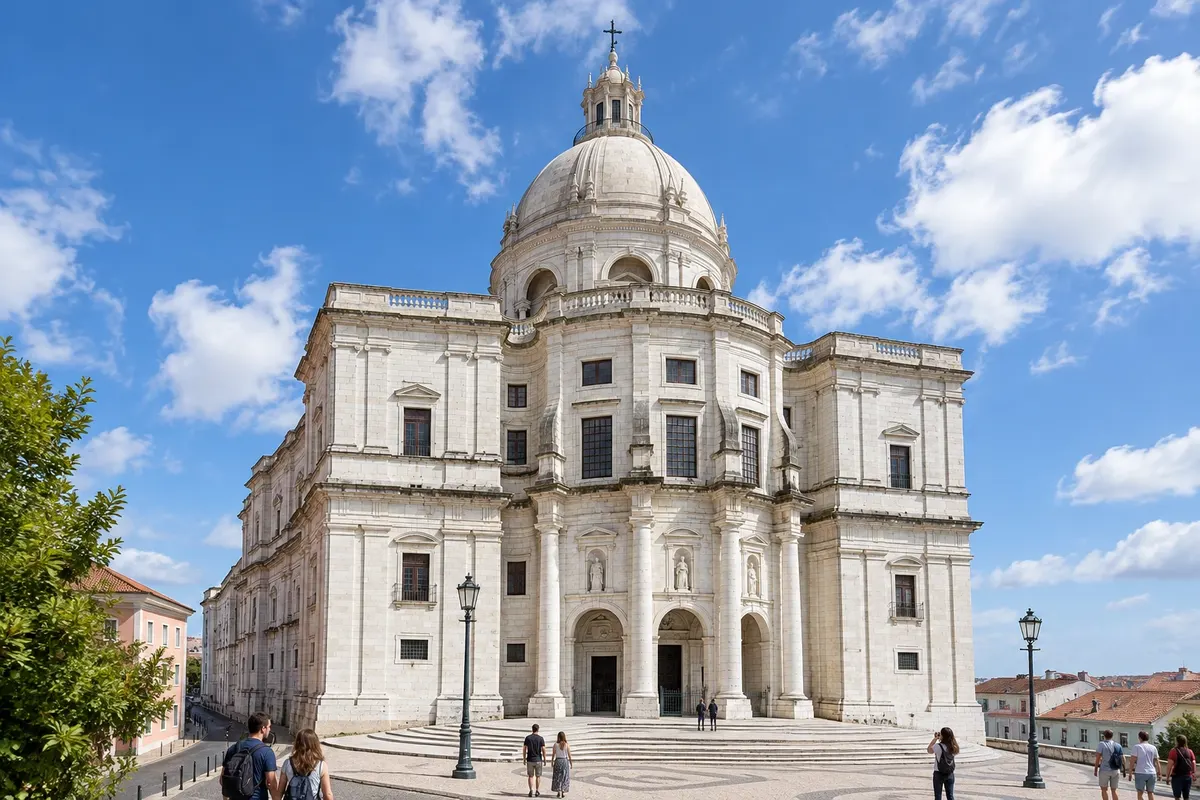
Former Igreja de Santa Engrácia, with a white dome, whose construction took almost three centuries. It houses tombs and tributes to figures such as Amália Rodrigues and Eusébio, and has a terrace with views over the Tejo.

Mosteiro de São Vicente de Fora
Lisboa · Lisboa · Monastery

Mosteiro de São Vicente de Fora

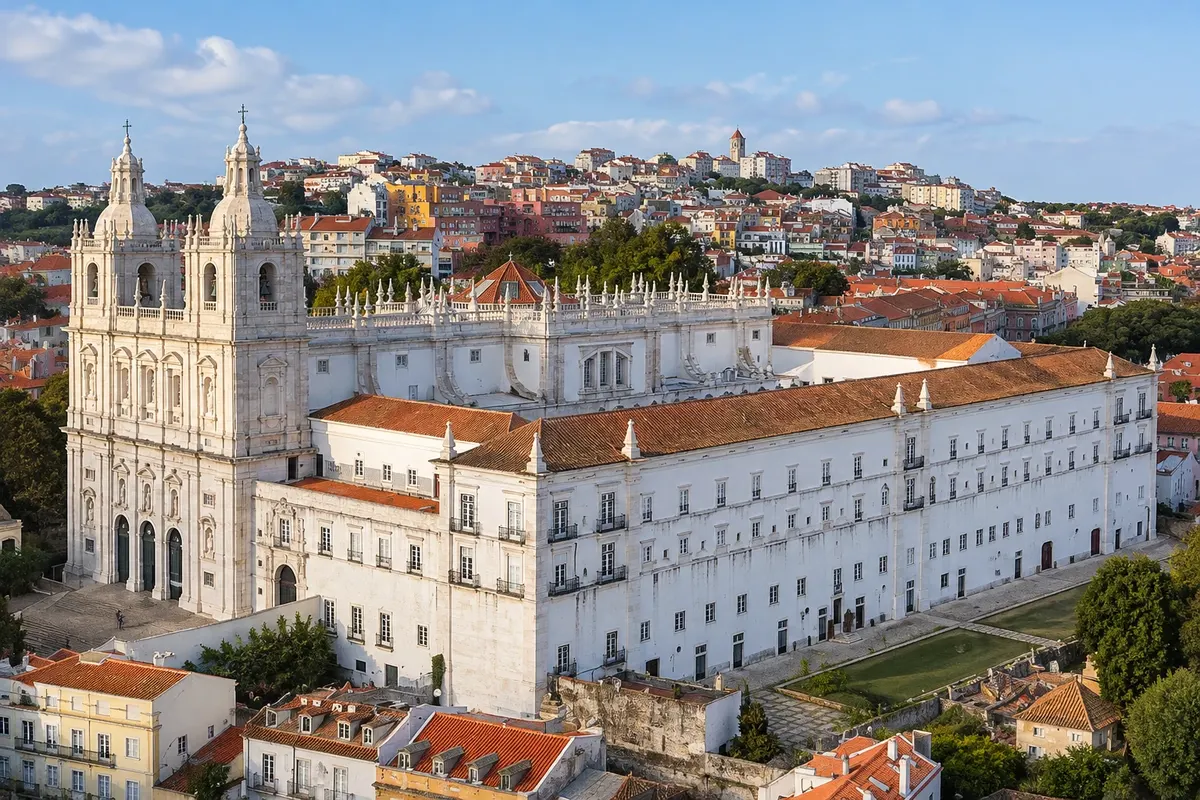
Late 16th-century monastery on the heights of São Vicente, with cloisters covered in azulejos, the Bragança dynasty pantheon and a terrace overlooking Alfama and the river.

Elétrico 28
Lisboa · Lisboa · Stroll

Elétrico 28

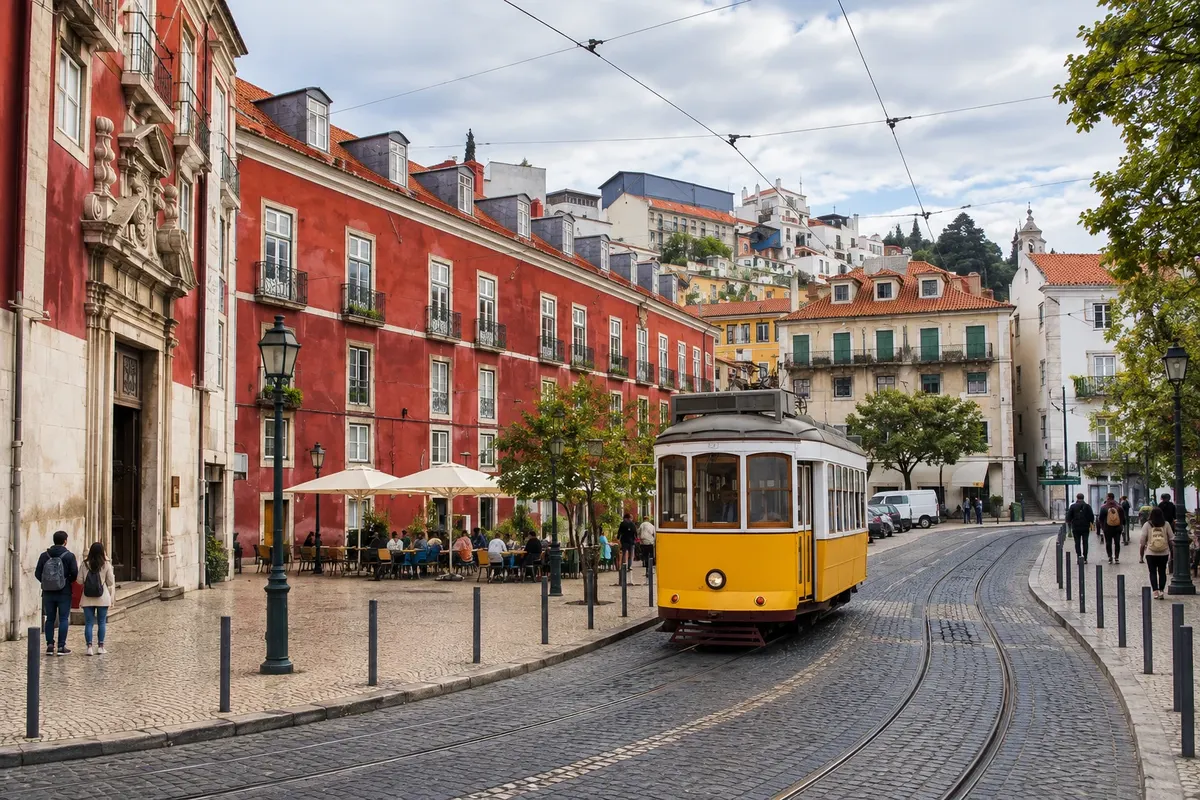
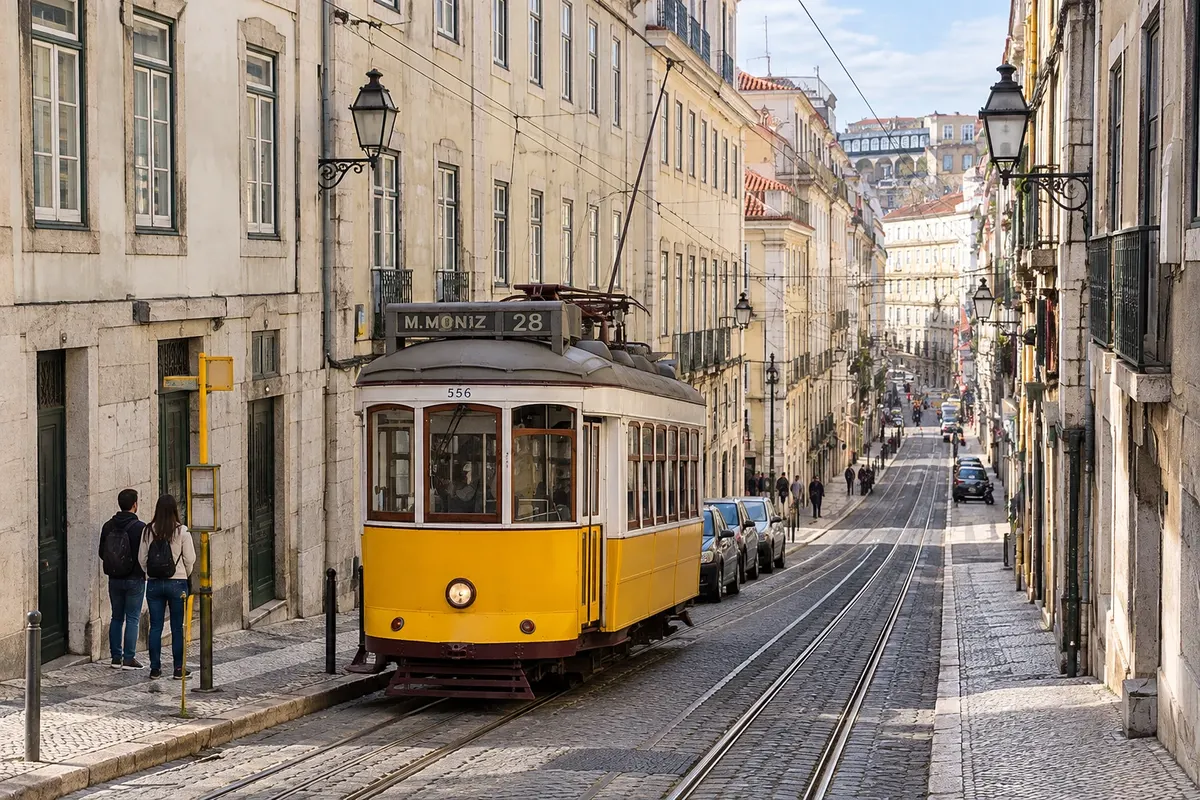
Lisbon’s best-known tram line, with the old yellow cars that climb and descend the hills between Martim Moniz and Campo de Ourique, passing through Graça, Alfama, Baixa, Chiado and Estrela.

Santuário de Cristo Rei
Lisboa · Lisboa · Monument

Santuário de Cristo Rei

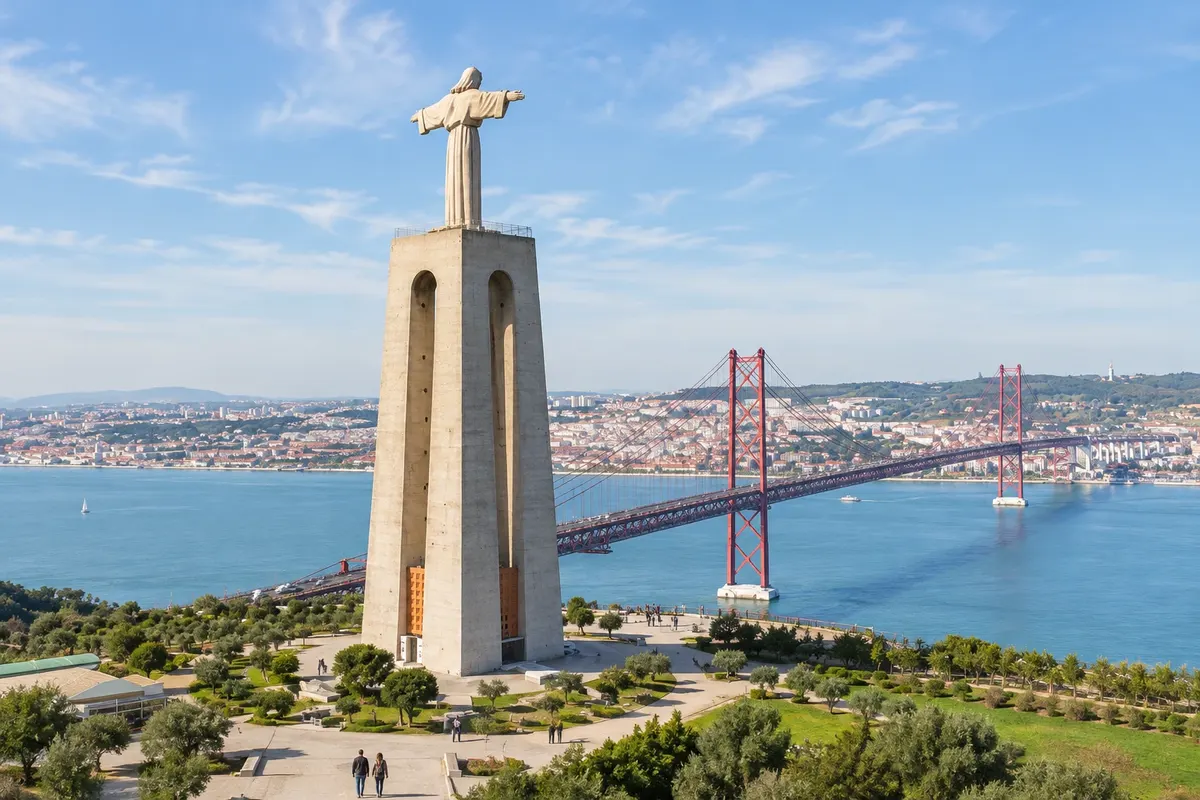
Statue of Christ with outstretched arms atop an 82-metre pedestal in Almada, on the south bank of the Tejo, inaugurated in 1959. An elevator takes you up to the viewpoint, with views over Lisbon and the Ponte 25 de Abril.

LX Factory
Lisboa · Lisboa · Cultural center

LX Factory

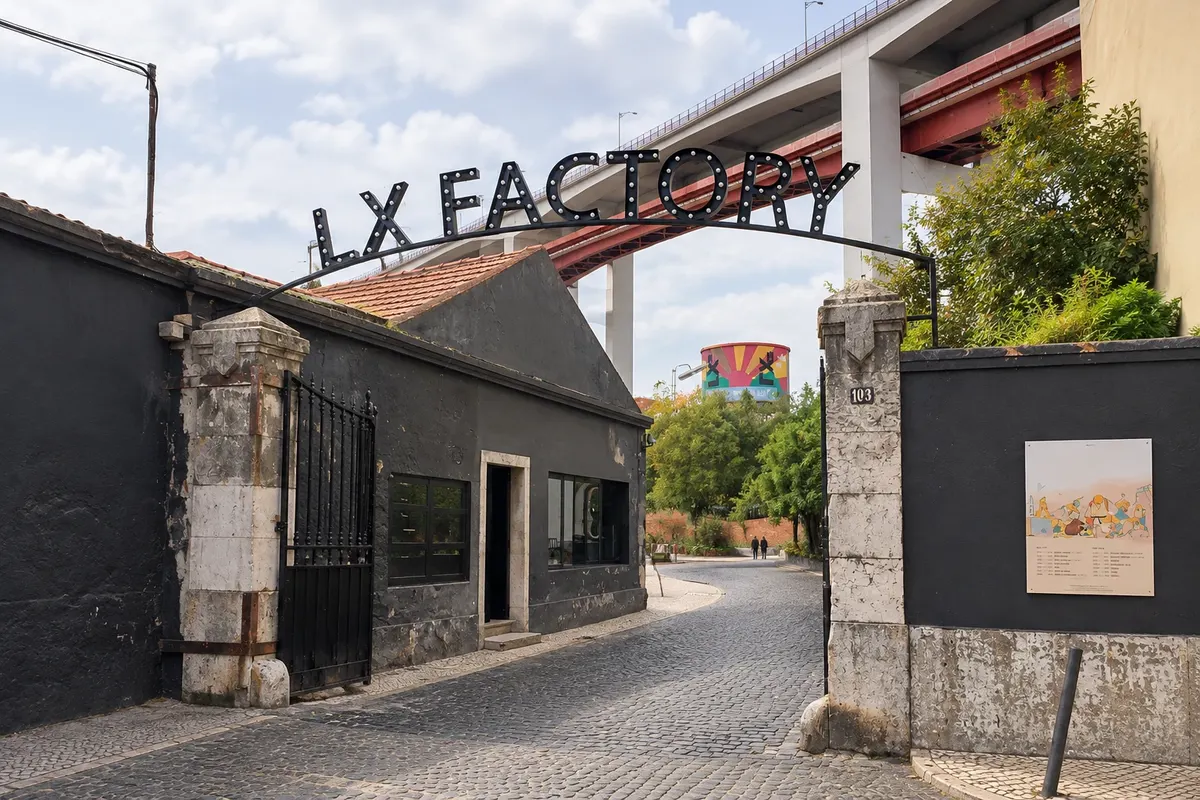
Former factory complex from 1846 in Alcântara, under the Ponte 25 de Abril, converted into a space of shops, restaurants, studios and the Ler Devagar bookstore, set among old machines.

Praça do Comércio
Lisboa · Lisboa · Square

Praça do Comércio

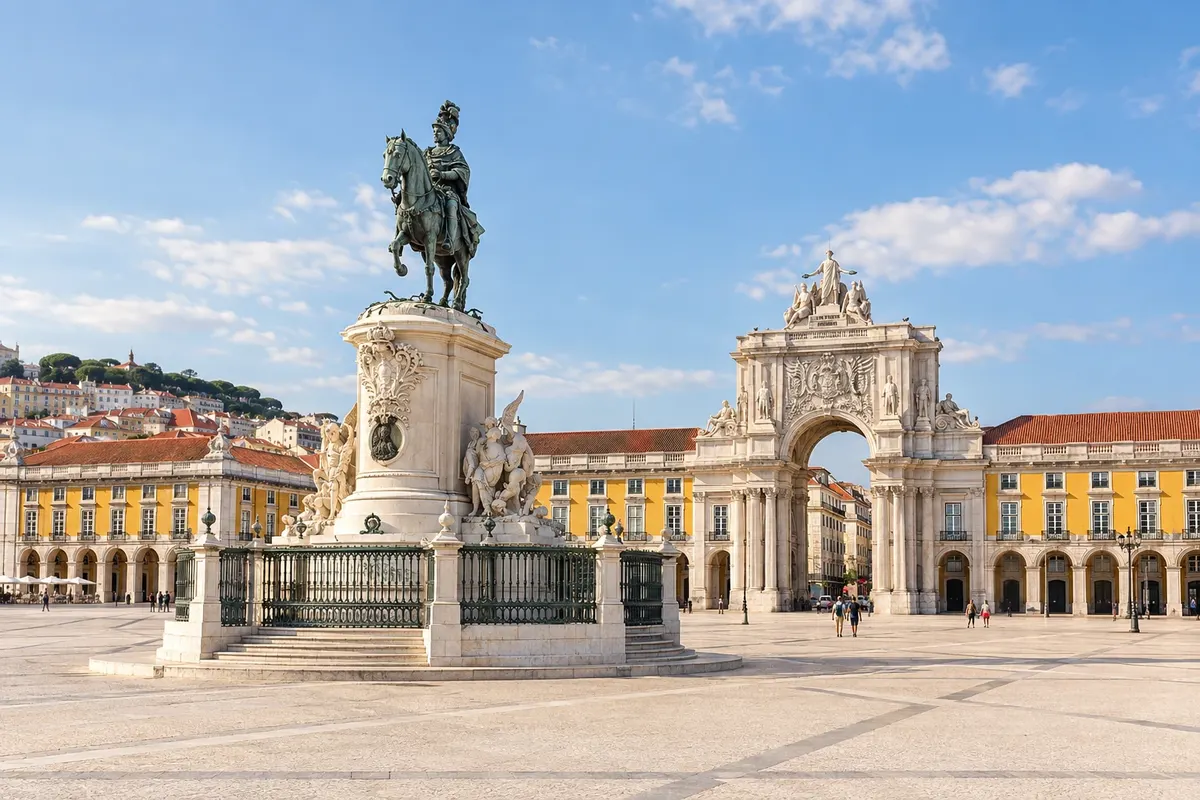
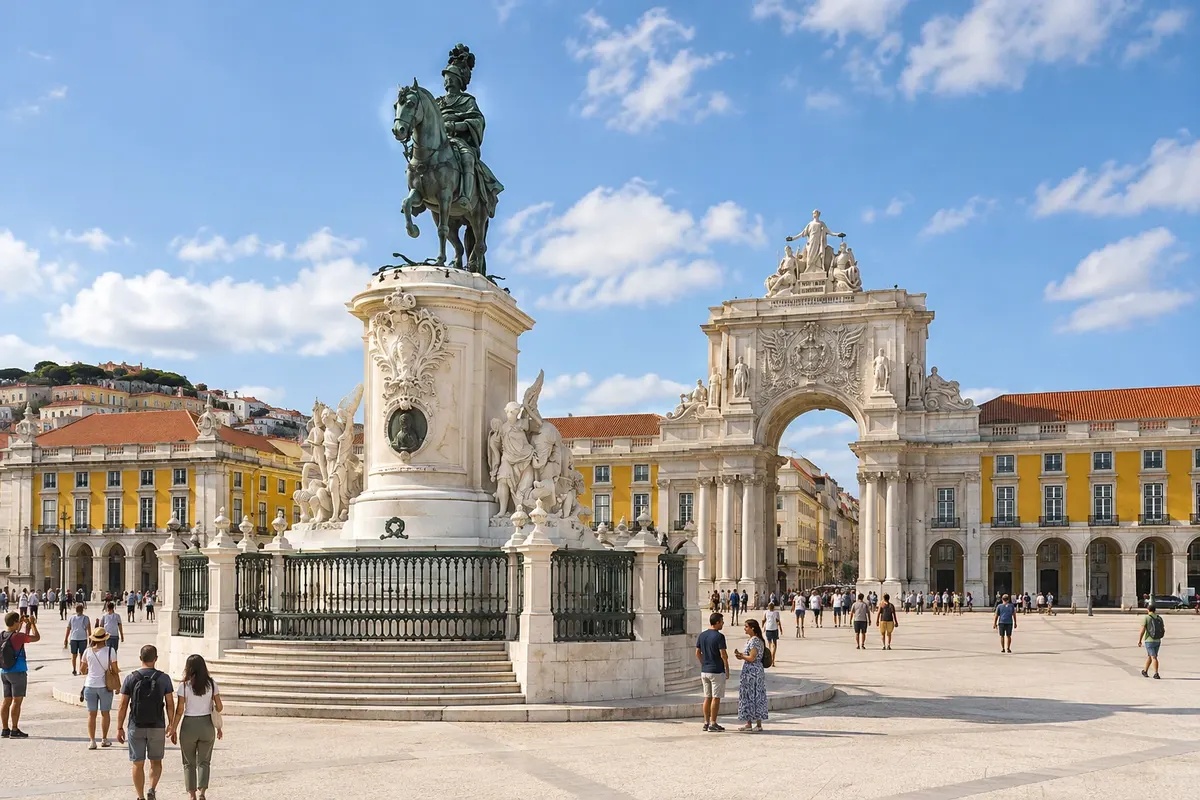
The large square of the Baixa opening onto the Tejo, the former Terreiro do Paço, with the equestrian statue of D. José I, the Arco da Rua Augusta and the Cais das Colunas. The top of the arch has a viewpoint.

Baixa Pombalina
Lisboa · Lisboa · Historic neighborhood

Baixa Pombalina

The center of Lisbon rebuilt after the 1755 earthquake, with straight streets between the Rossio and Praça do Comércio. Rua Augusta, a pedestrian street, is the neighborhood's main axis.

Rossio
Lisboa · Lisboa · Square

Rossio

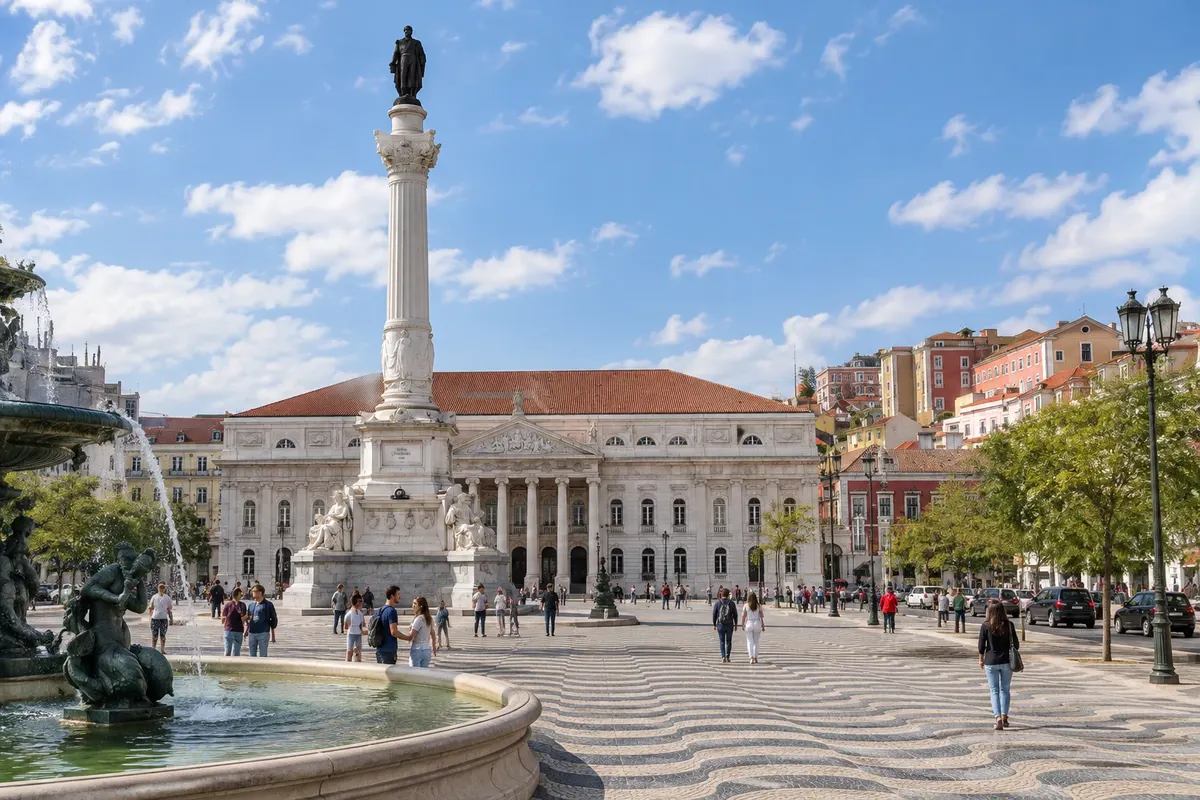
Lisbon's central square since the Middle Ages, officially Praça de D. Pedro IV, with a wavy pavement, two fountains, the Teatro Nacional D. Maria II and the neomanueline Rossio station beside it.

Chiado
Lisboa · Lisboa · Neighborhood

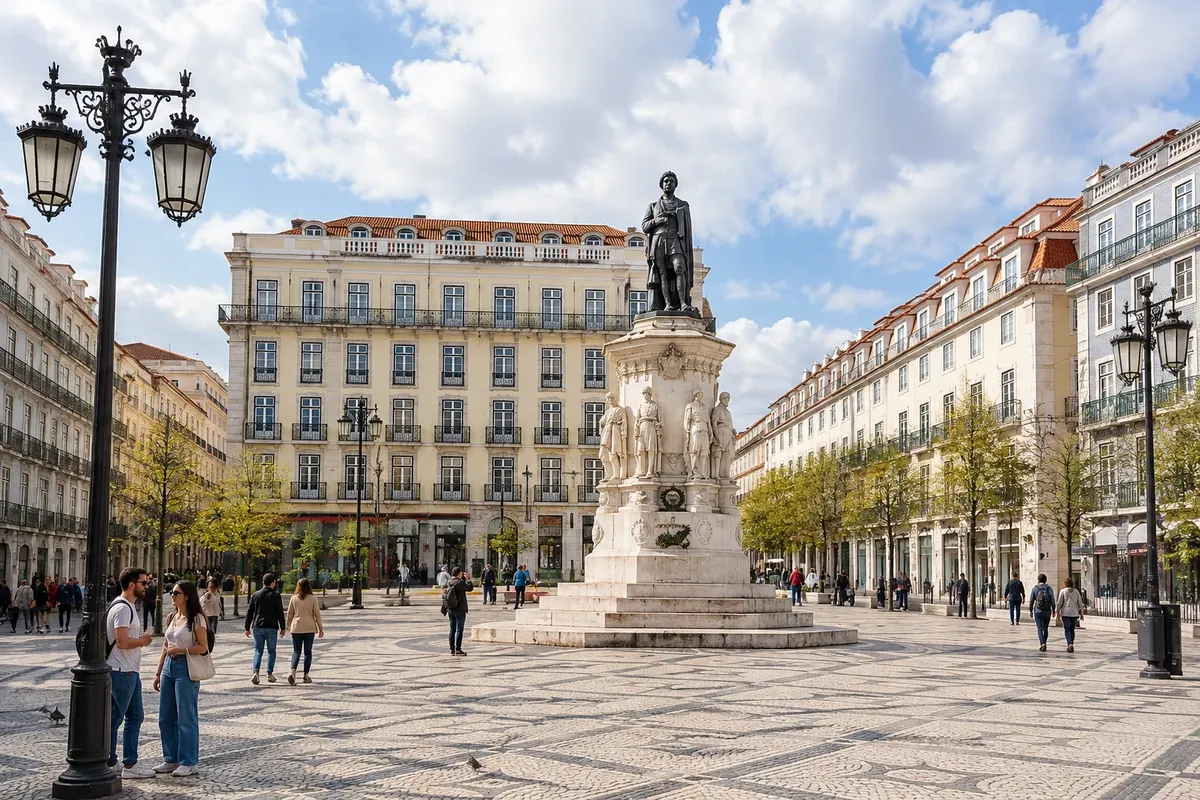
Chiado

Bairro Alto
Lisboa · Lisboa · Neighborhood

Bairro Alto

16th-century neighborhood on the top of the western hill, with narrow grid-like streets, residential by day and filling with bars, restaurants and fado houses at night.

Miradouro de São Pedro de Alcântara
Lisboa · Lisboa · Observation deck

Miradouro de São Pedro de Alcântara

Two-level garden at the top of Bairro Alto, with the best-known view of Castelo de São Jorge, the Baixa and Graça on the other side of the valley.

Igreja de São Roque
Lisboa · Lisboa · Church

Igreja de São Roque

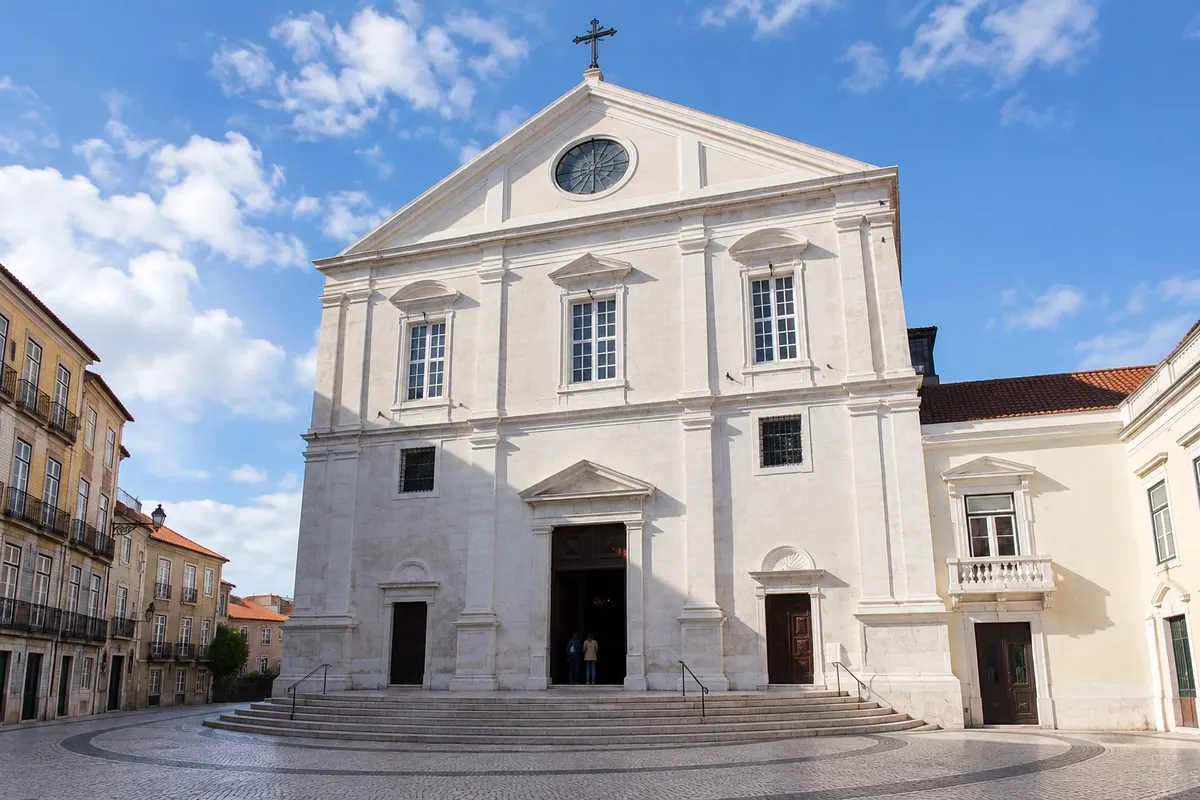
16th-century Jesuit church in Bairro Alto, with a simple façade and a gilded carved interior. It houses the Capela de São João Batista, made in Rome with precious stones and mosaics and assembled in Lisbon.

Convento do Carmo
Lisboa · Lisboa · Monument

Convento do Carmo

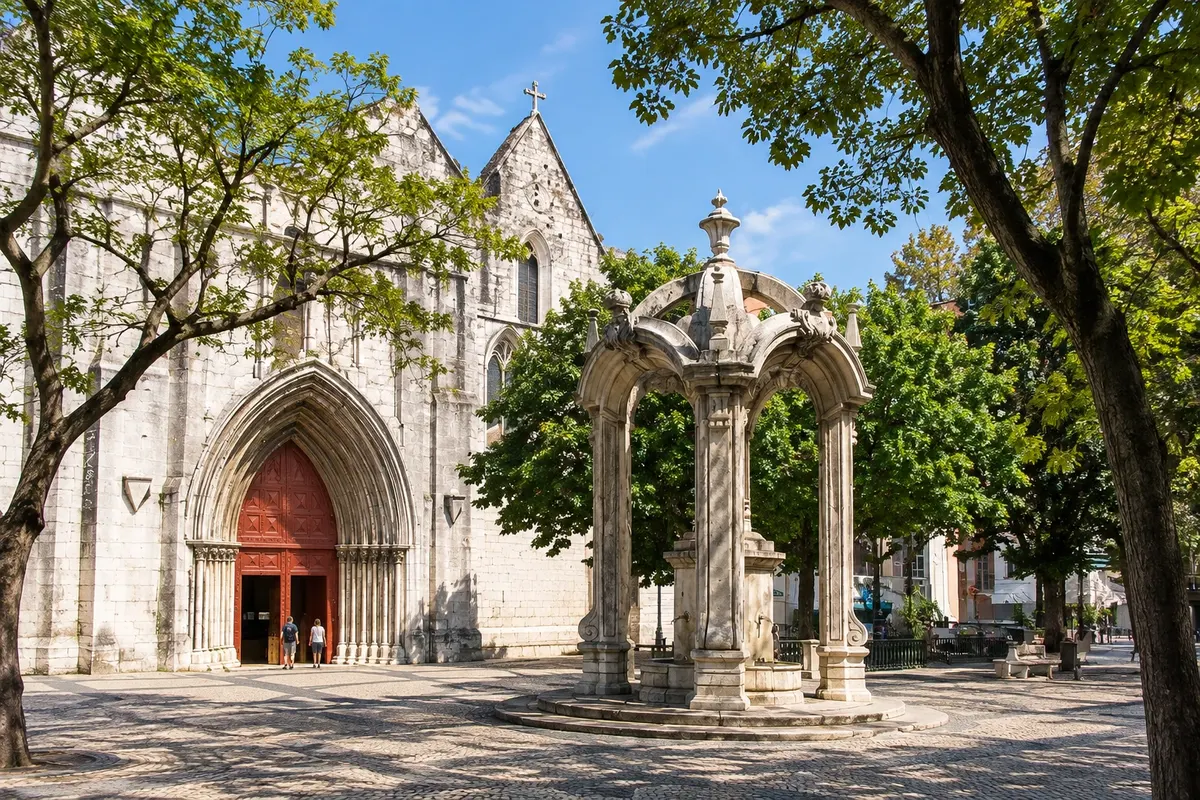
Ruins of the Gothic church of the Convento do Carmo, founded in 1389, which lost its roof in the 1755 earthquake. The arches open to the sky house the Museu Arqueológico do Carmo.

Museu Calouste Gulbenkian
Lisboa · Lisboa · Museum

Museu Calouste Gulbenkian

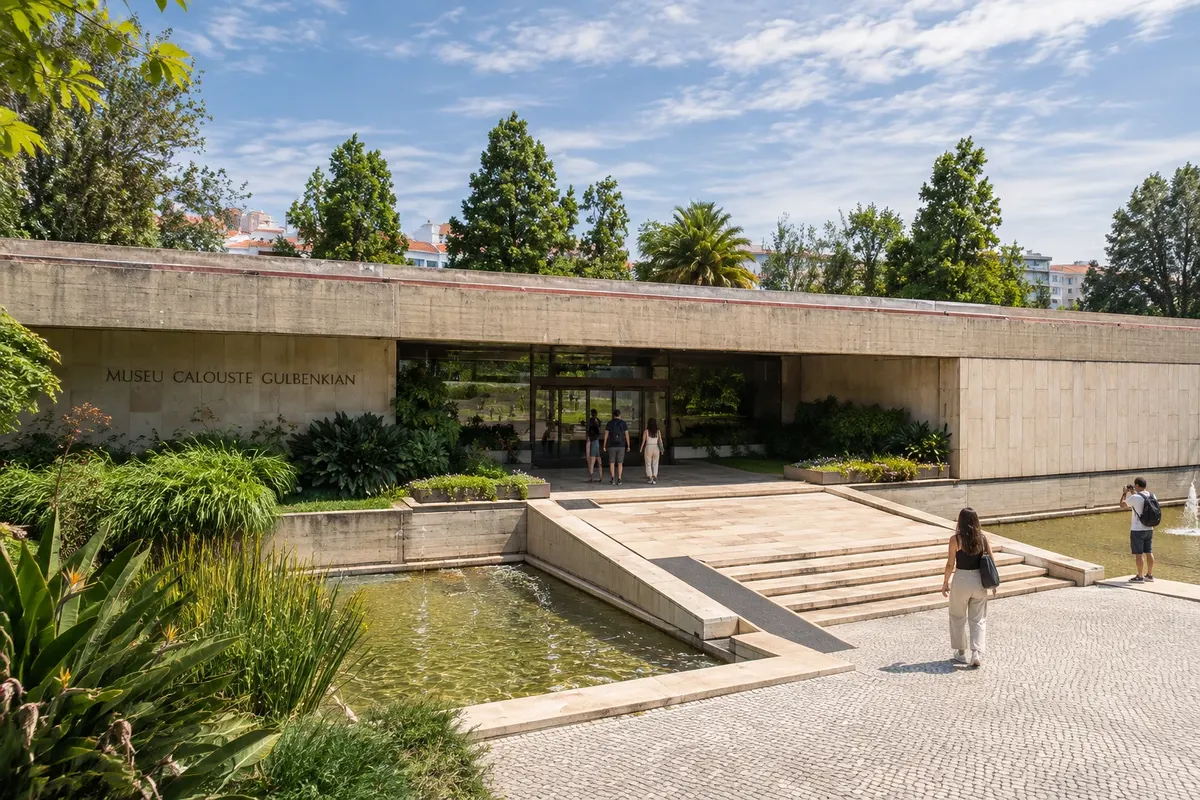
Museum of the foundation created by the collector Calouste Gulbenkian, with art from Ancient Egypt to 20th‑century Europe, René Lalique jewelry and a modernist garden. Next door is the Centro de Arte Moderna.

Parque Eduardo VII
Lisboa · Lisboa · Park

Parque Eduardo VII

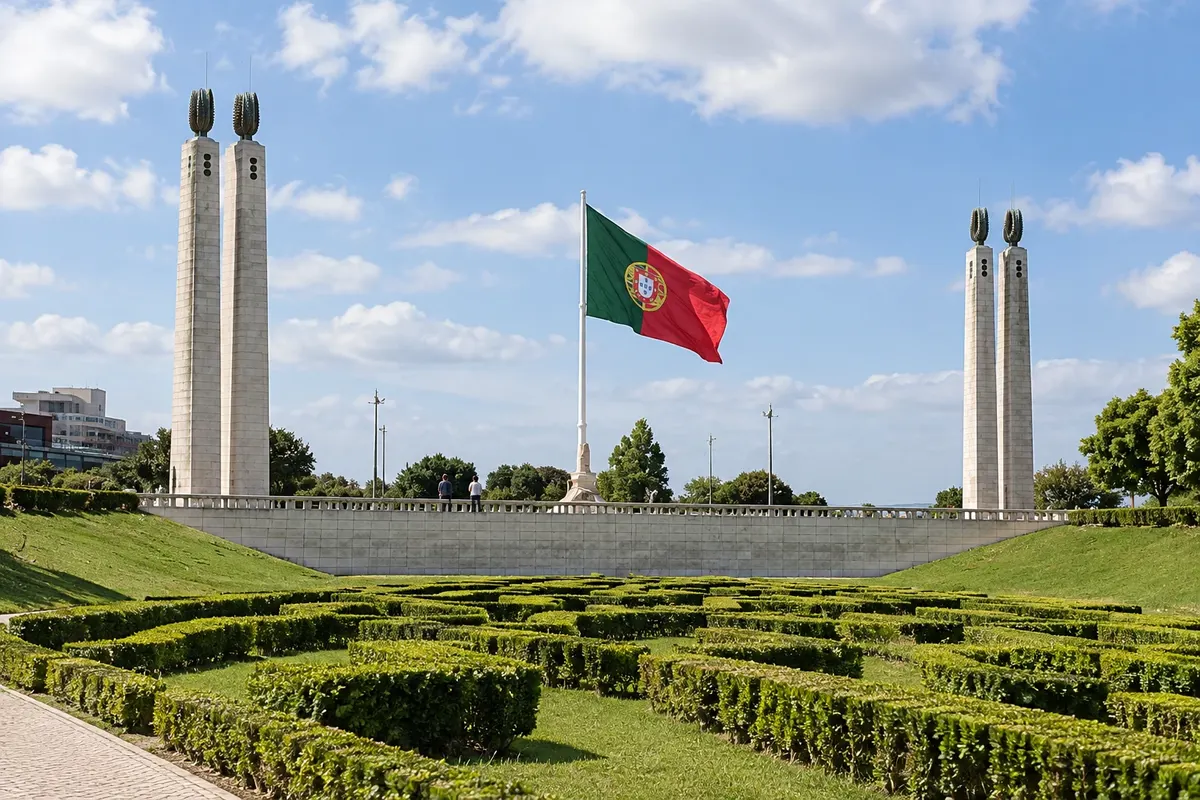
The largest park in central Lisbon, with sloping lawns and trimmed hedges that descend to Praça Marquês de Pombal and Avenida da Liberdade, with views over the Tejo.

Parque das Nações
Lisboa · Lisboa · Neighborhood

Parque das Nações

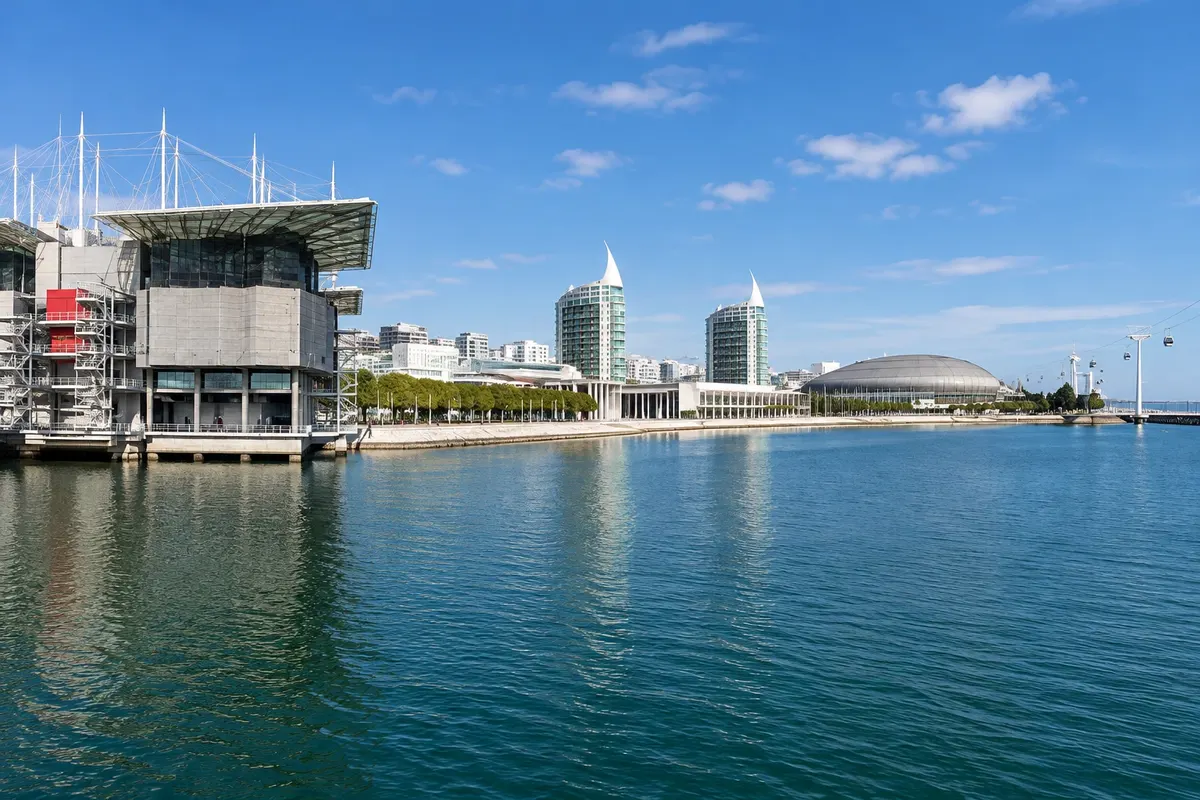
Modern neighborhood on the banks of the Tejo built for Expo 98, with Gare do Oriente, the Oceanário, the Pavilhão de Portugal, the Torre Vasco da Gama and a long riverside promenade.

Oceanário de Lisboa
Lisboa · Lisboa · Aquarium

Oceanário de Lisboa

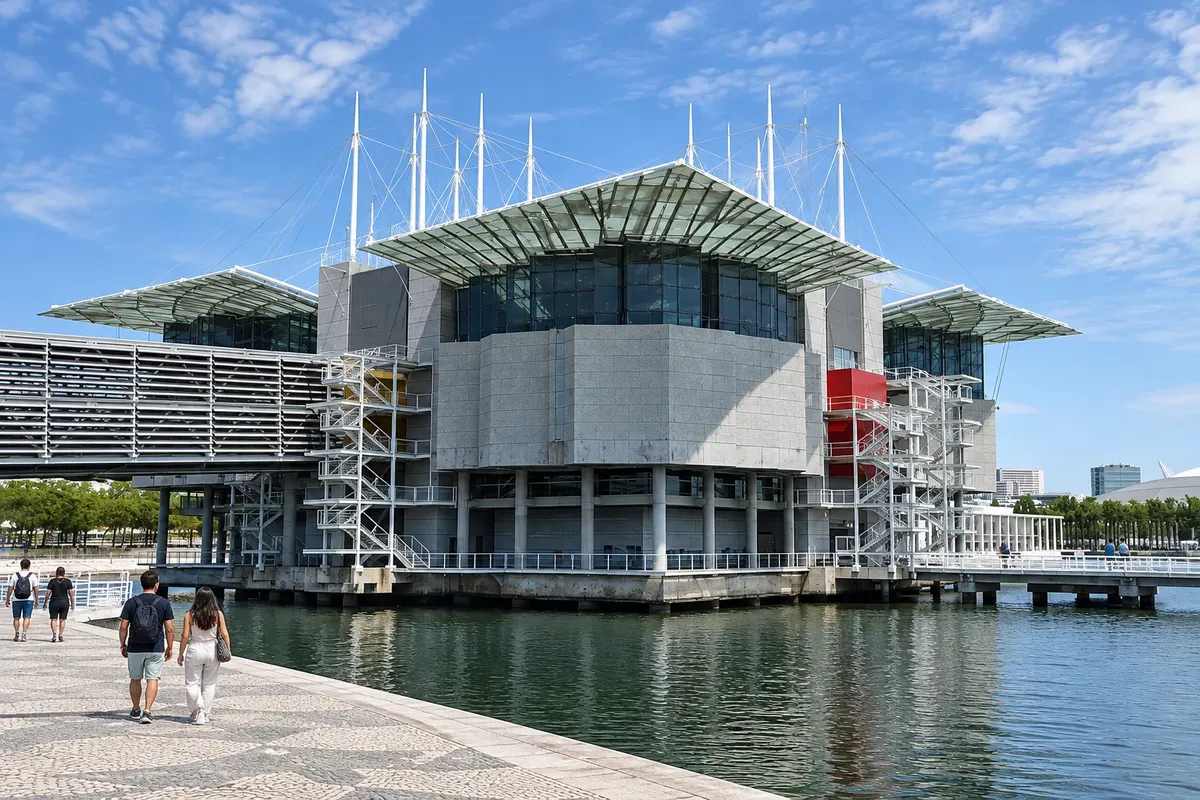
One of the largest aquariums in Europe, built for Expo 98, with a central tank that recreates the open ocean and four areas showcasing the ecosystems of the Atlantic, Pacific, Indian and Antarctic oceans.

Time Out Market Lisboa
Lisboa · Lisboa · Market

Time Out Market Lisboa

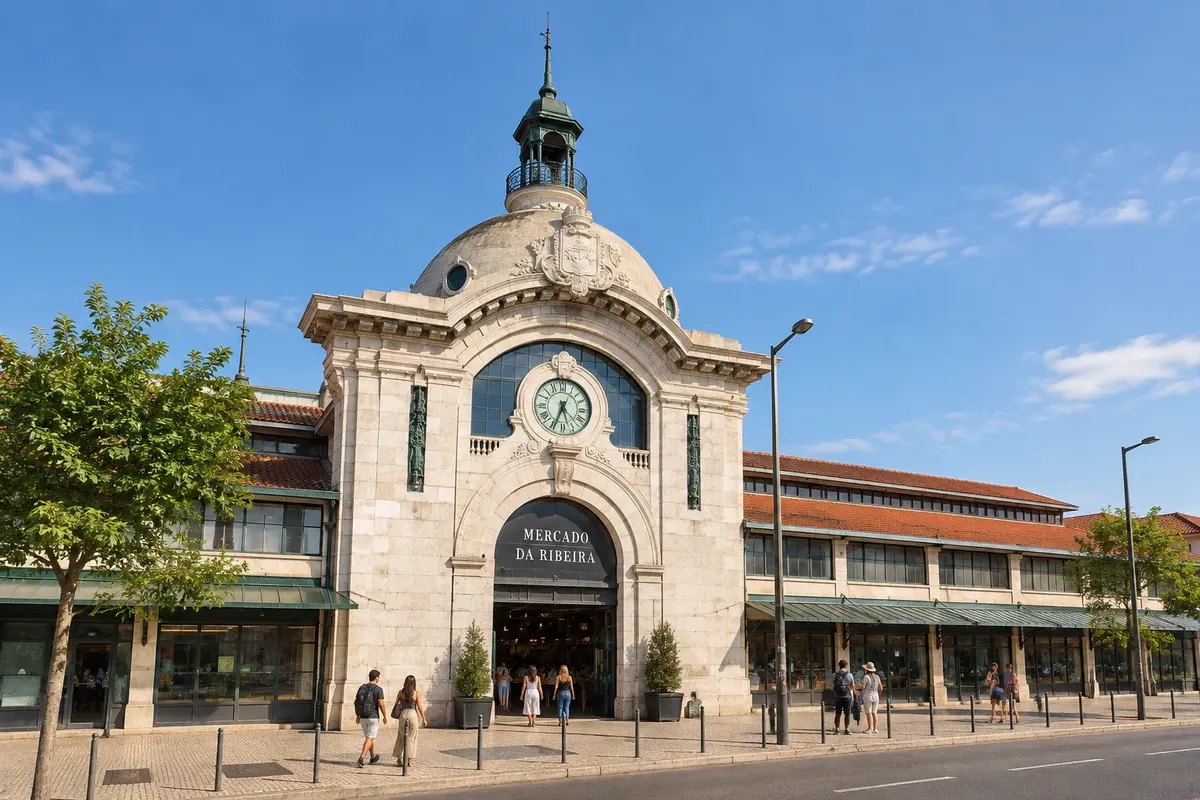
Food court inside Mercado da Ribeira, in Cais do Sodré, with stalls by chefs and well-known Lisbon restaurants. Next door, the traditional market still sells fish, fruit and flowers in the morning.

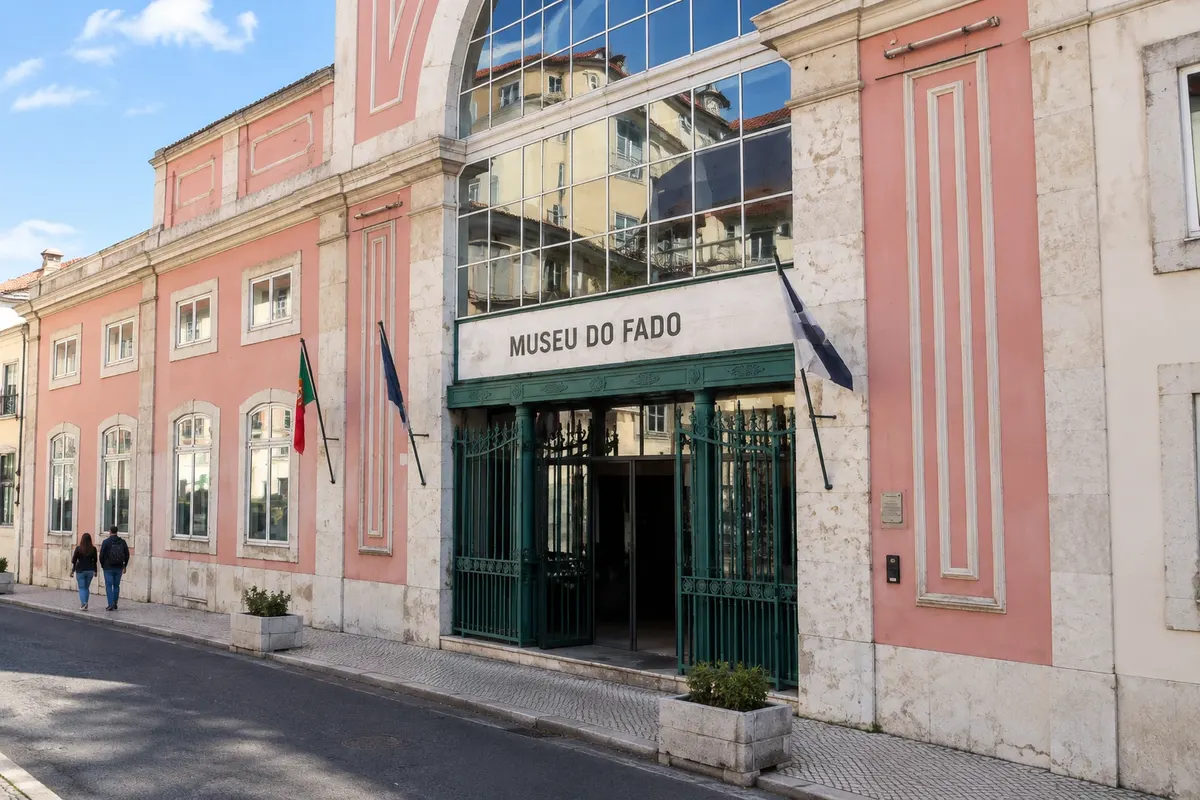
Museu do Fado
Lisboa · Lisboa · Museum

Museu do Fado

Museum in Alfama dedicated to fado, Lisbon's song genre recognized by UNESCO as intangible cultural heritage in 2011, with Portuguese guitars, posters, costumes and recordings to listen to.

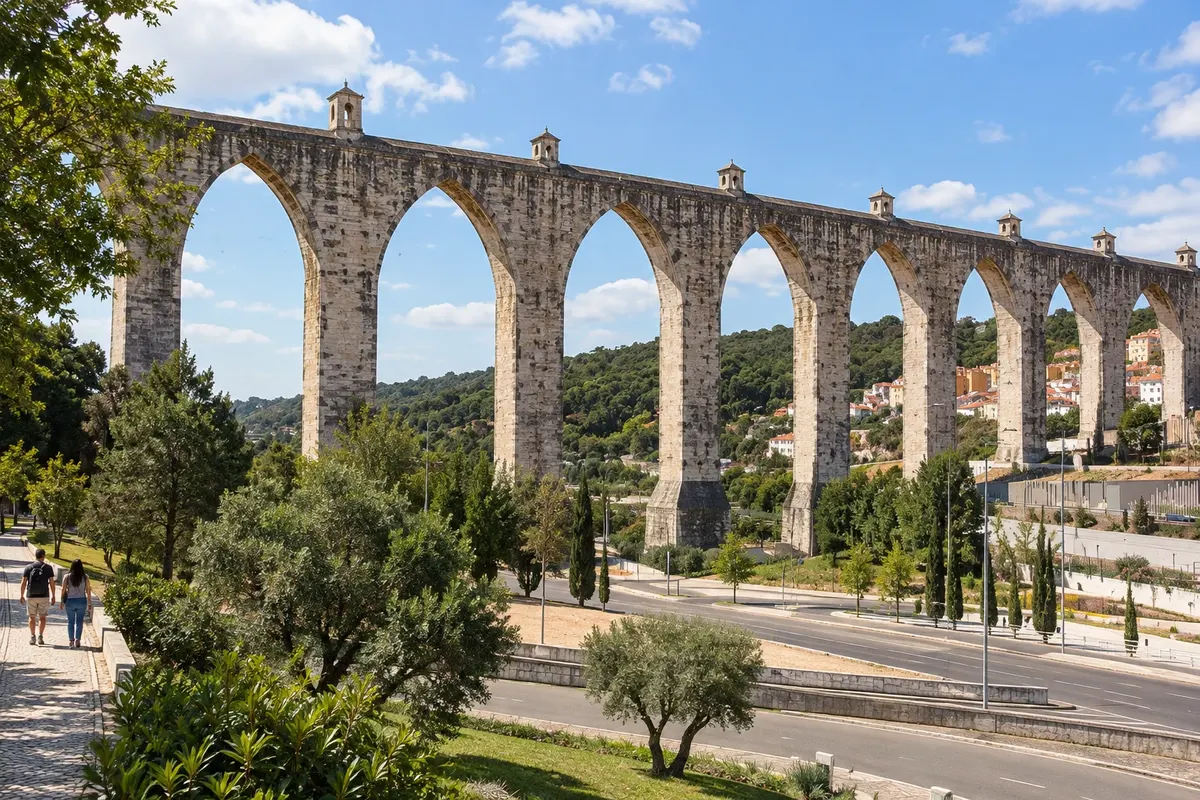
Aqueduto das Águas Livres
Lisboa · Lisboa · Monument

Aqueduto das Águas Livres

18th-century aqueduct that brought water to Lisbon, with 35 arches over the Alcântara valley; the largest is about 65 meters high. It survived the 1755 earthquake and can be walked over on top.

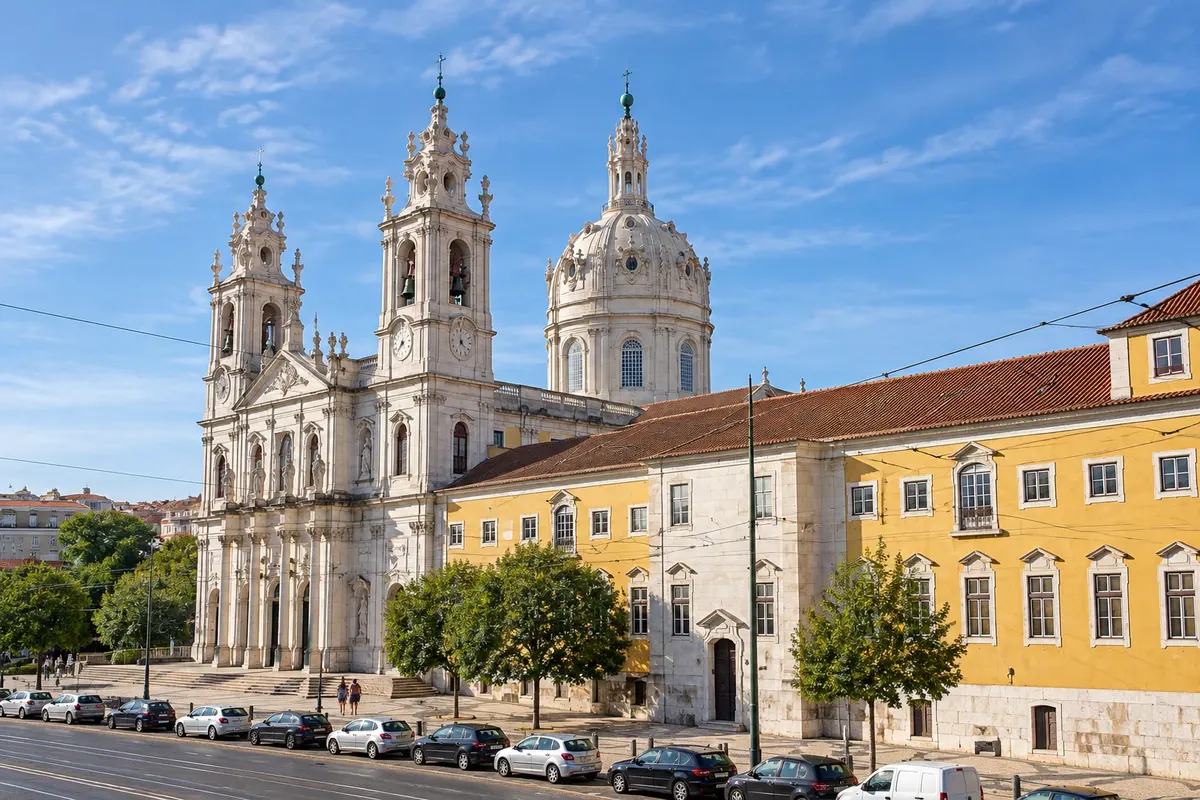
Basílica da Estrela
Lisboa · Lisboa · Church

Basílica da Estrela

Baroque and neoclassical basilica from the late 18th century, with a large white dome visible from afar, commissioned by Queen D. Maria I. In front is the Jardim da Estrela.

Before you go

Practical information

A little planning leaves more time to enjoy the journey.

When to go

Spring (March to May) and autumn (September and October) usually have mild days for walking the hills. Summer, from June to August, is hot and dry, with more visitors; in June the city celebrates Santo Antônio. Winter, from December to February, is wetter and cooler, but it rarely freezes.

The seasons shown are the most usual ones; nature doesn't always follow the calendar.

How many days to stay

Three days cover the Baixa, Alfama and the Castelo, Belém and the Chiado with Bairro Alto. With four or five days you can add the Gulbenkian, the Parque das Nações and a day trip to Sintra and Cascais, which are less than an hour away by comboio.

Which city to stay in

From the Baixa and Chiado you can walk to the Rossio, Praça do Comércio, Alfama and Bairro Alto, and there's metro nearby. Alfama and Graça have narrow streets and steep slopes, with a neighborhood feel. Bairro Alto and Cais do Sodré concentrate bars and are lively at night. Avenida da Liberdade and Marquês de Pombal have larger hotels and good metro links. Parque das Nações, more modern, is close to the airport and Estação do Oriente. Belém is quieter but farther from the center.

Respect the place

Take your trash with you, follow the signs and support local businesses. In natural areas, follow the visiting guidelines.

Get your questions answered

Frequently asked questions about Lisboa

How many days to stay in Lisboa?

Three days allow you to see the Baixa, Alfama and Castelo de São Jorge, Belém and the Chiado with Bairro Alto. With four or five, you can include the Gulbenkian, Parque das Nações and a day in Sintra or Cascais.

Do you need a car in Lisboa?

No. The center is compact, and metro, elétricos, buses, comboios and ferries to the other side of the Tejo cover the city. Traffic and parking downtown are difficult. For Sintra and Cascais, the comboio also serves.

Can you do day trips from Lisboa?

Yes. Sintra is about 40 minutes by comboio from Rossio, and Cascais about 40 minutes from Cais do Sodré. Porto, about three hours by comboio, requires at least one overnight stay.

Explore other destinations Search by state and city
Back