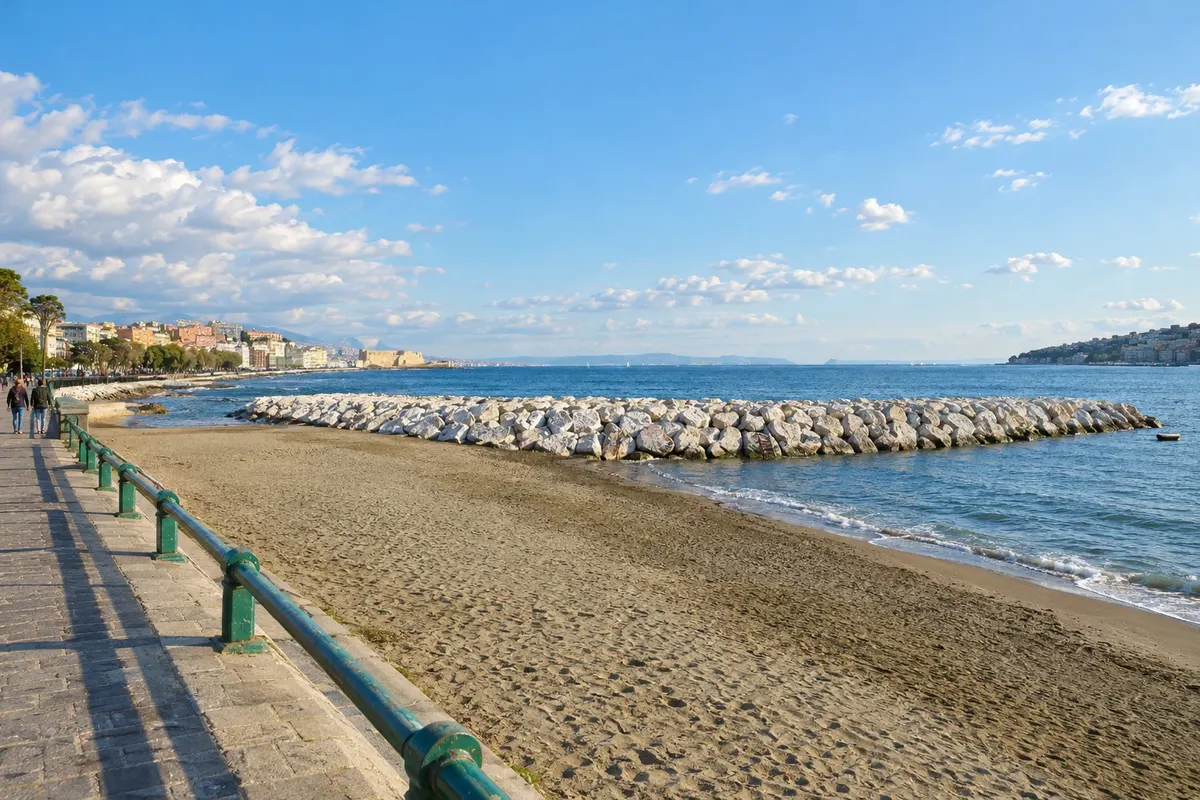
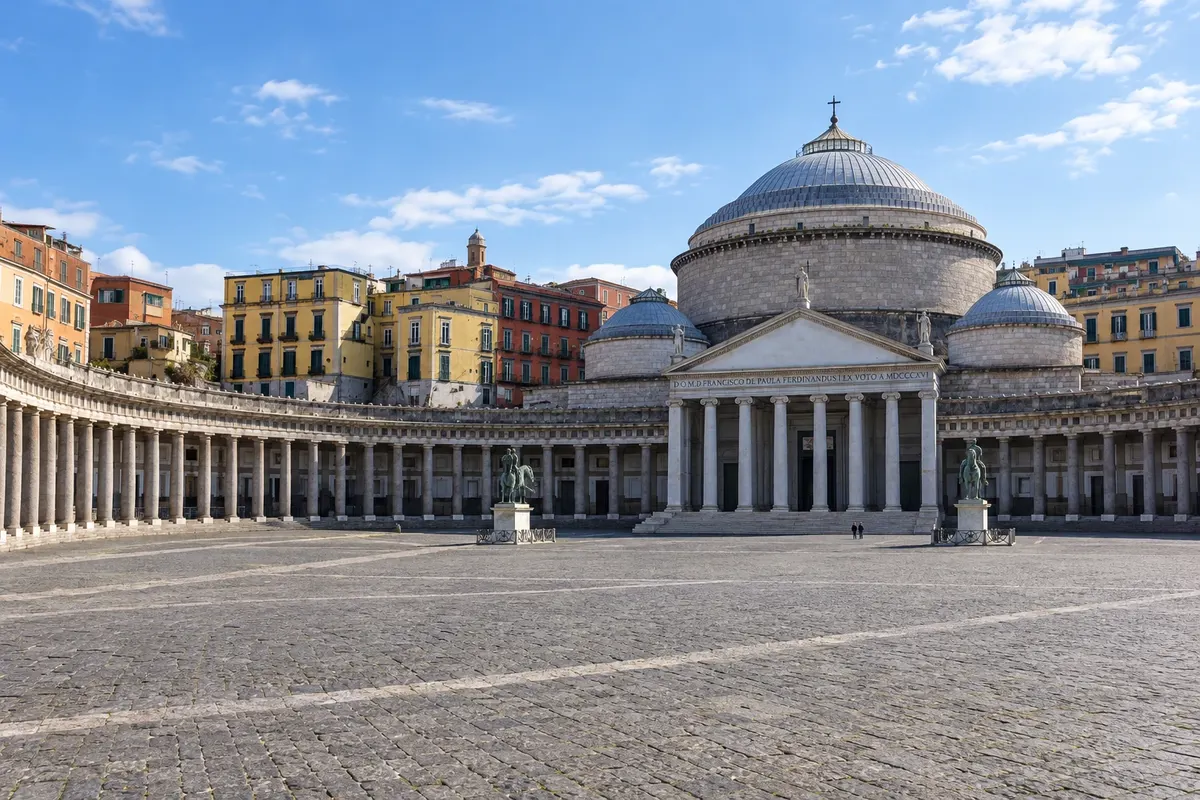
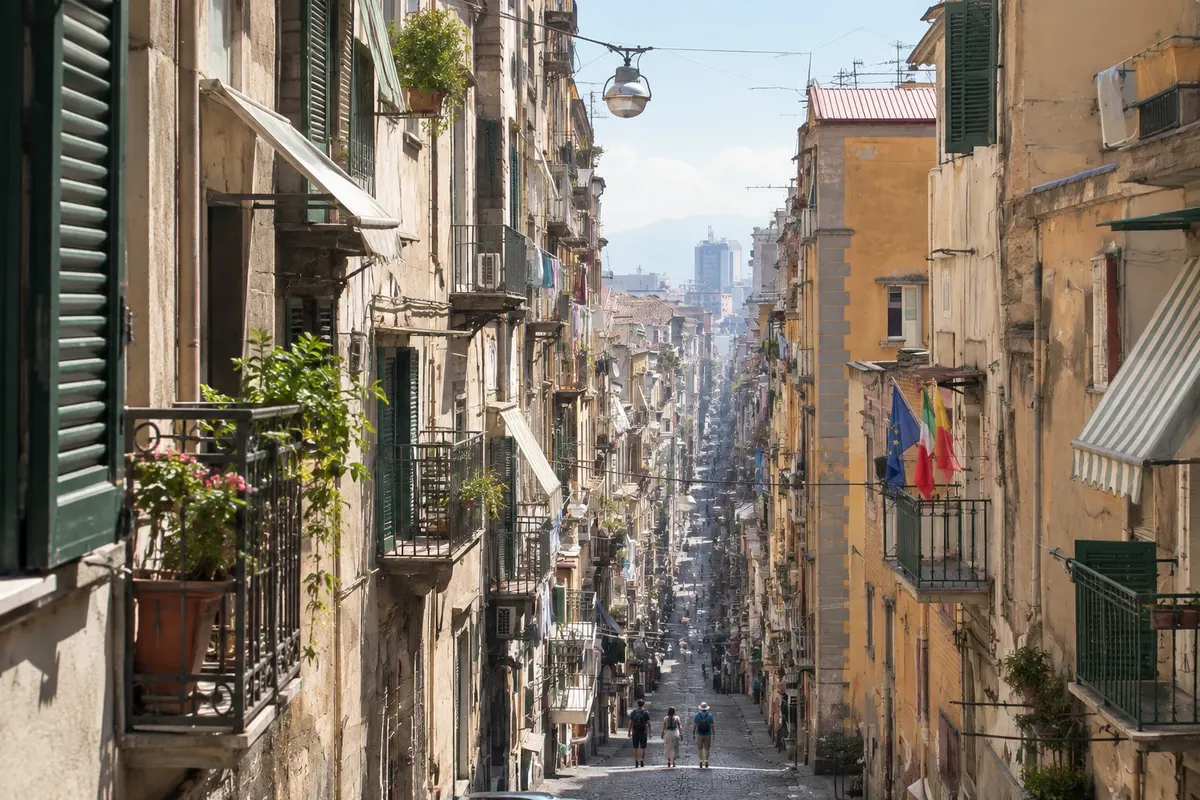
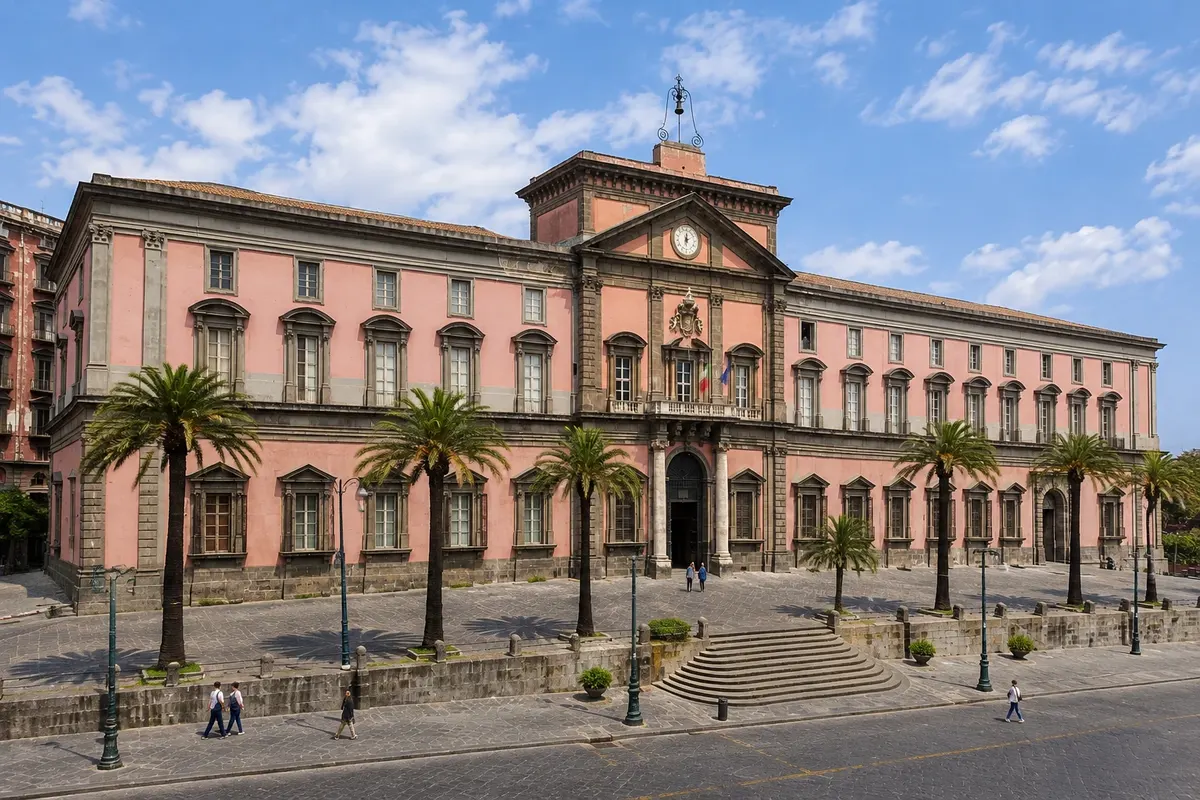
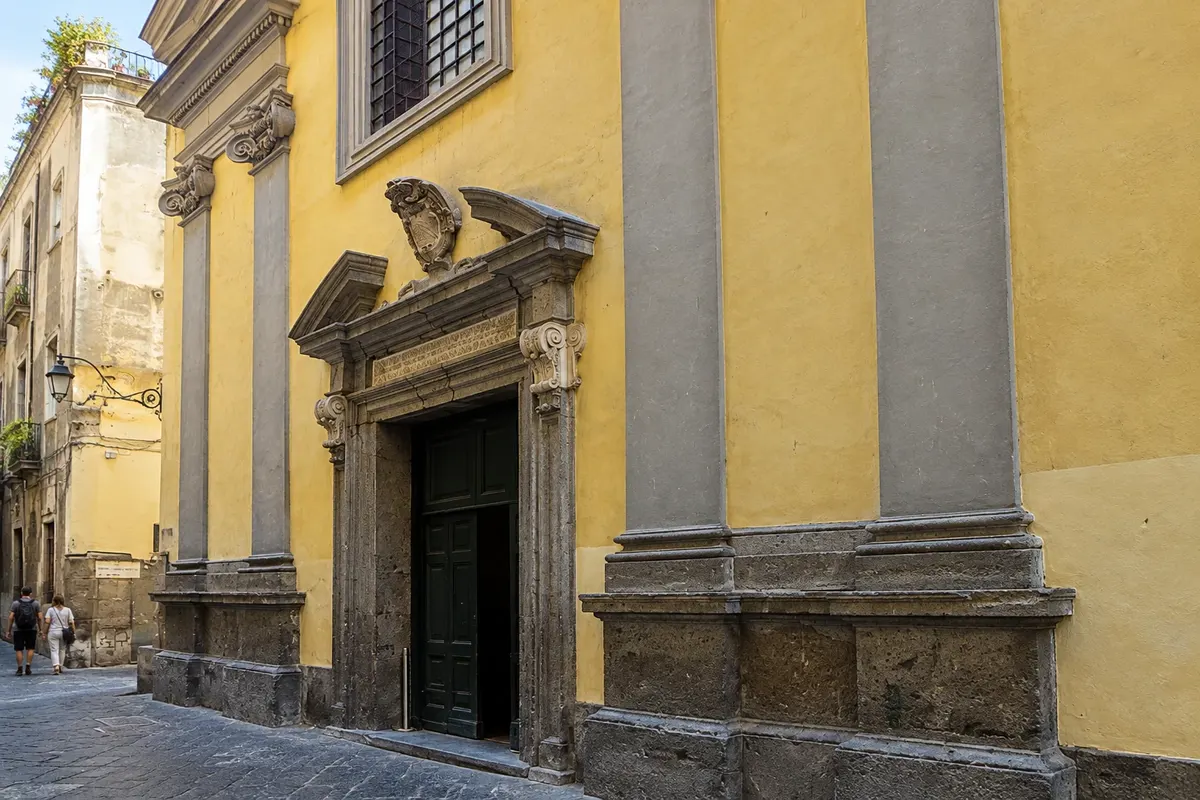
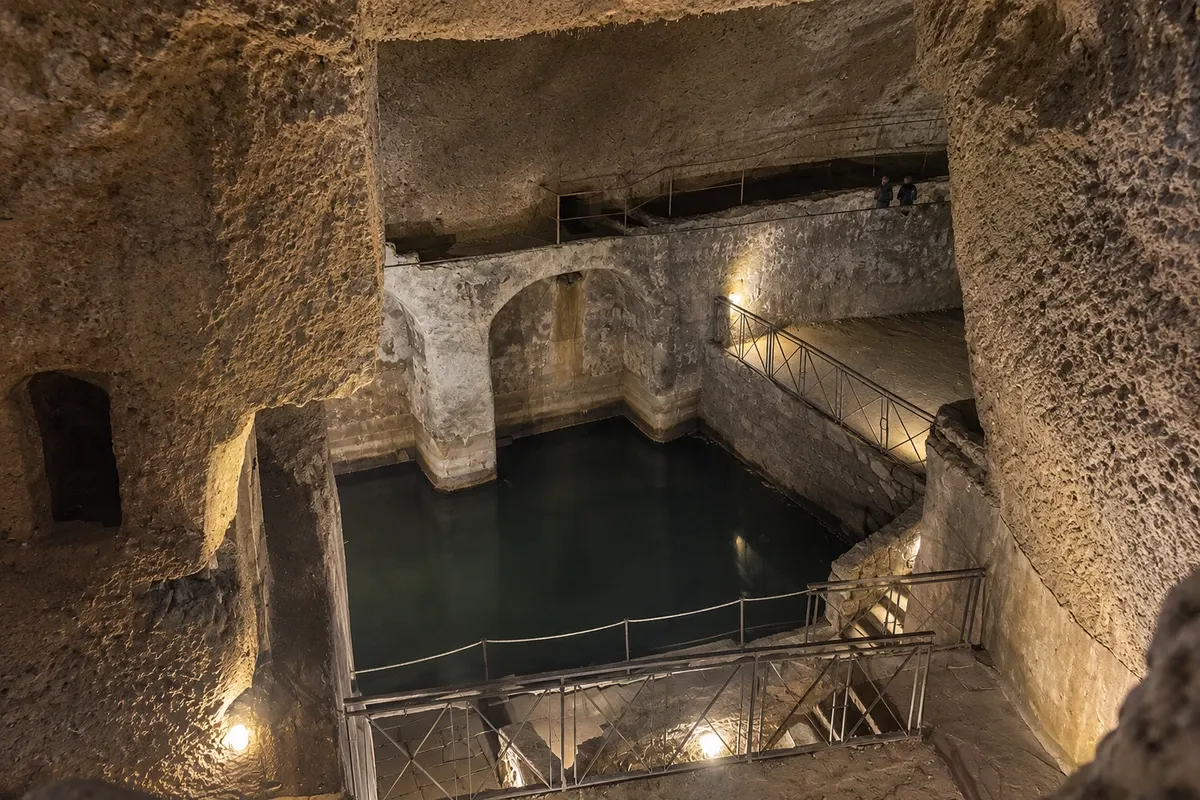
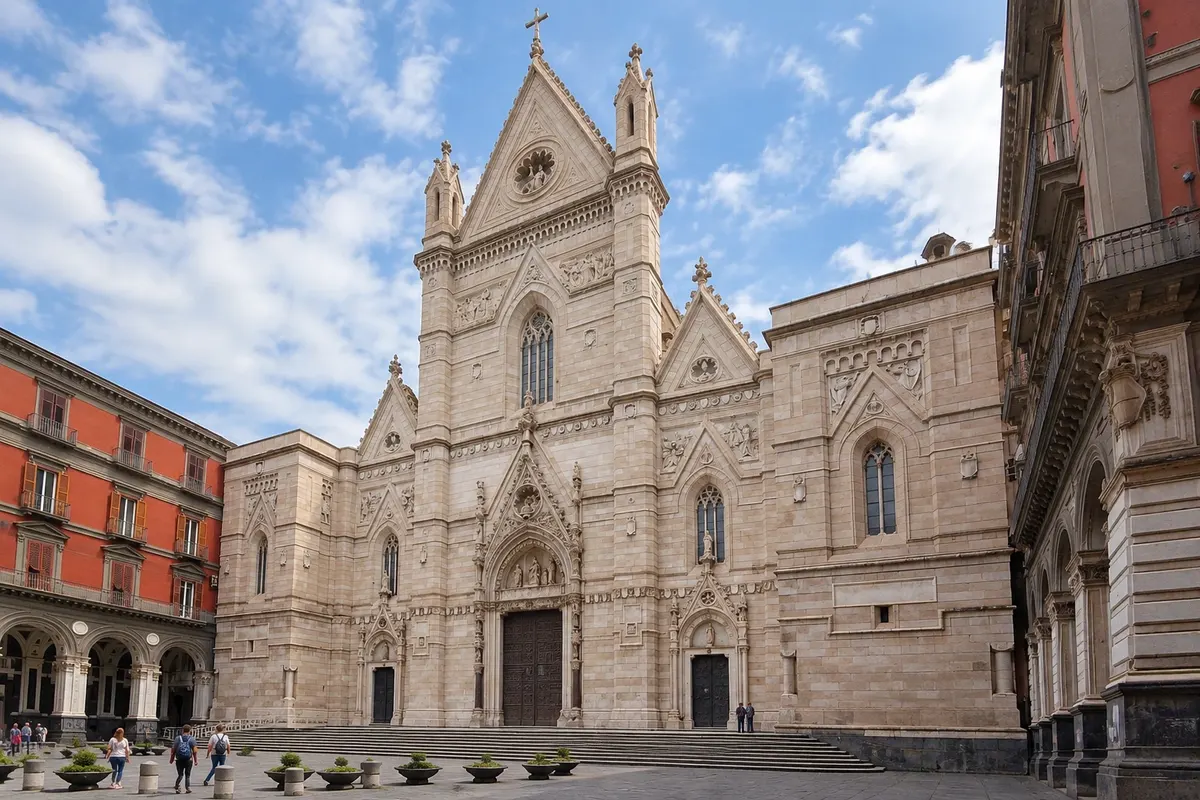
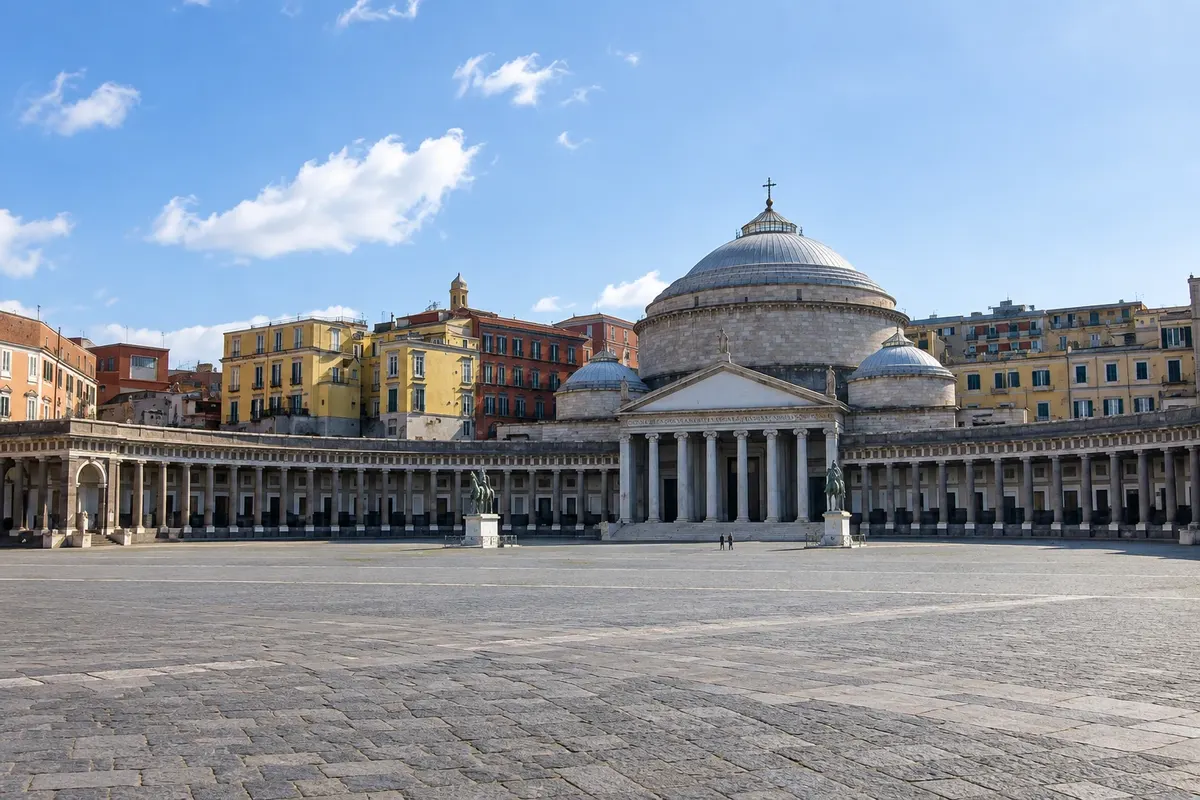
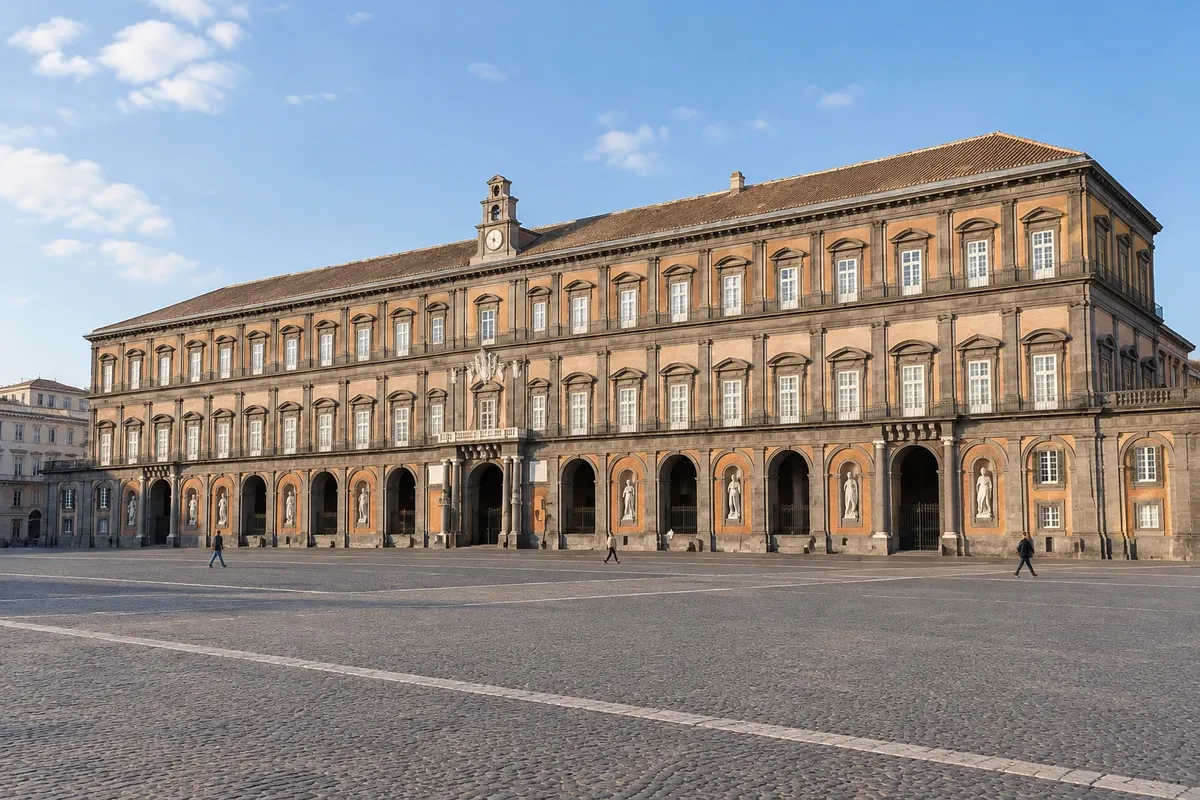
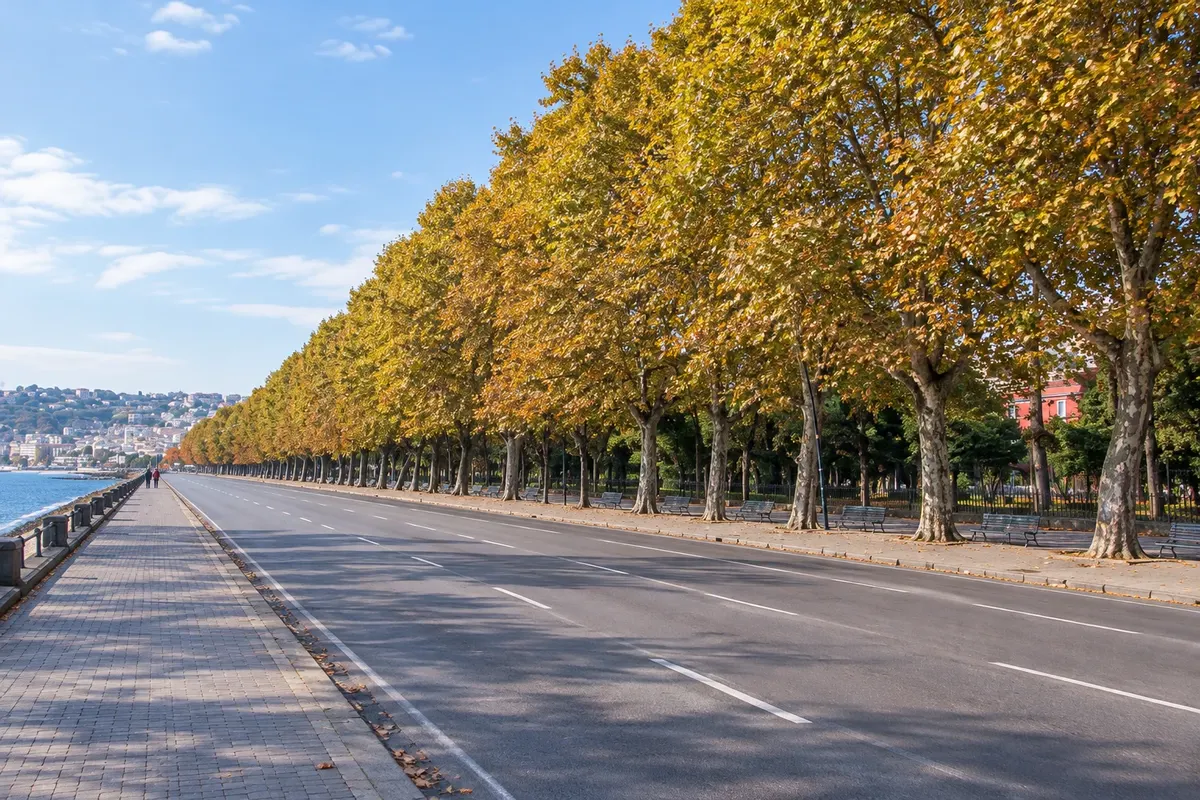
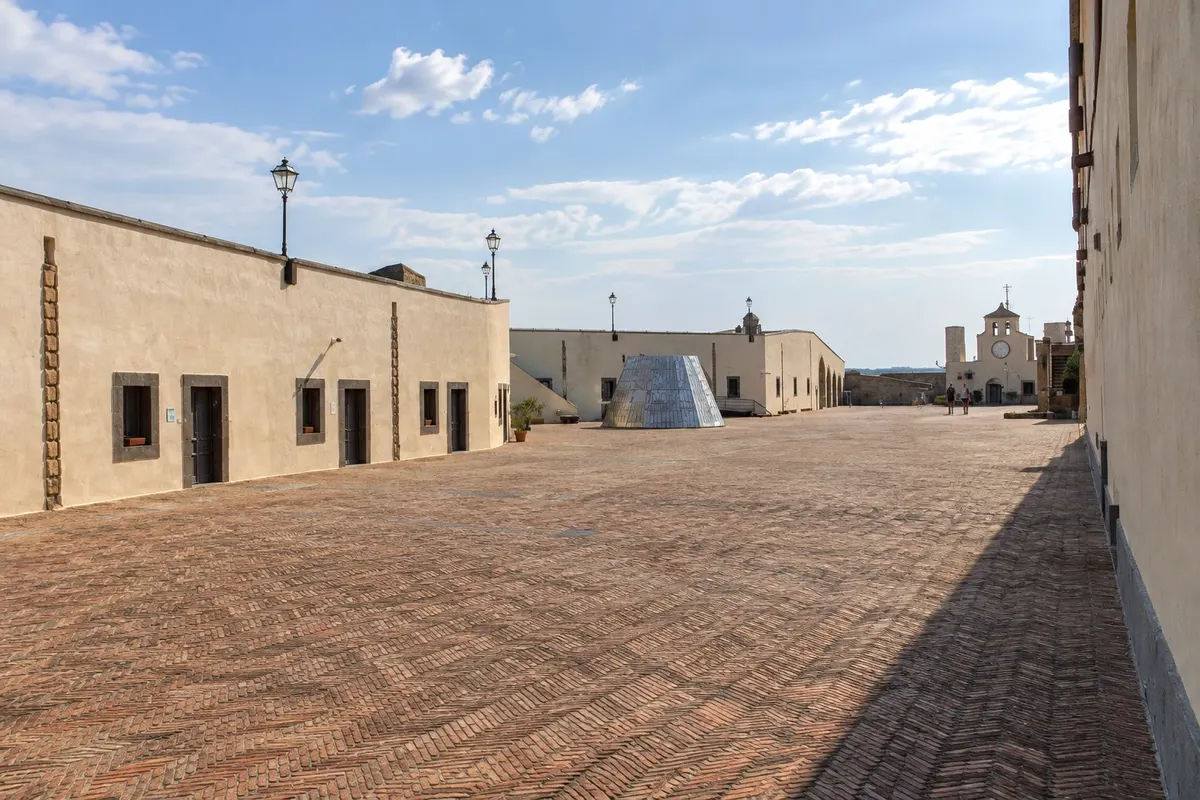
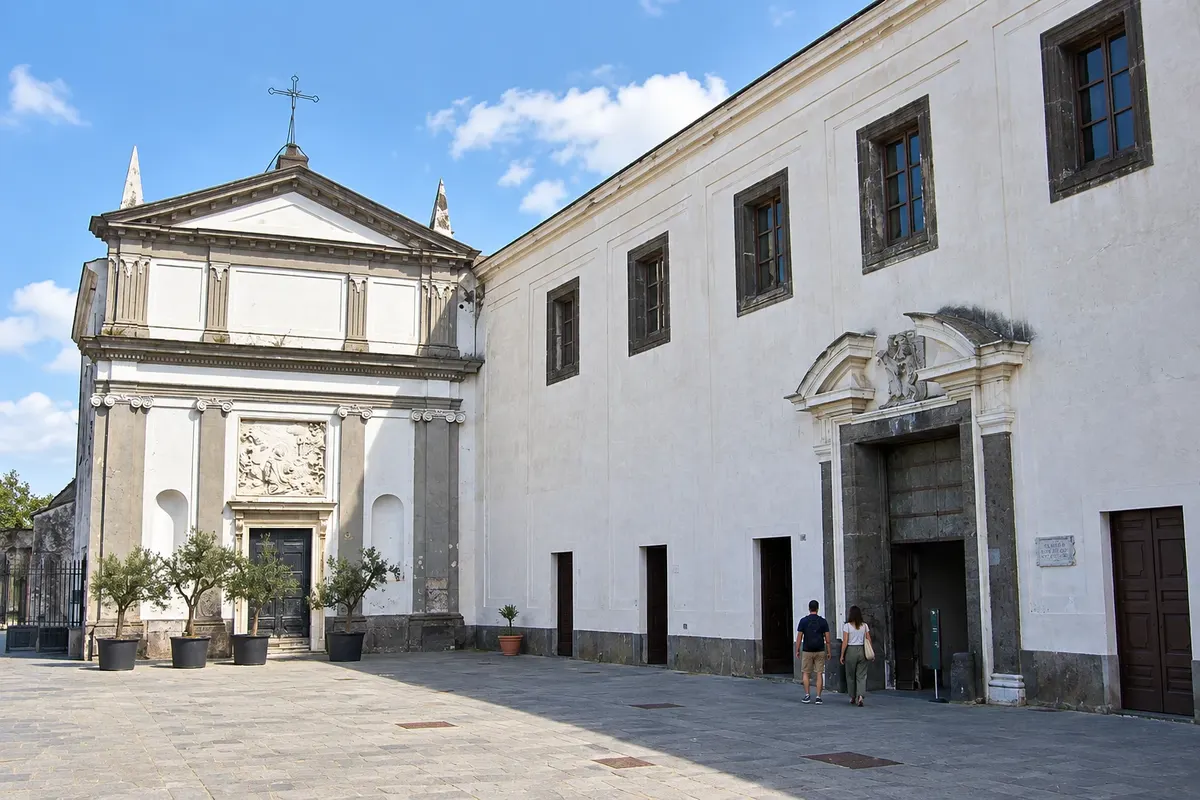
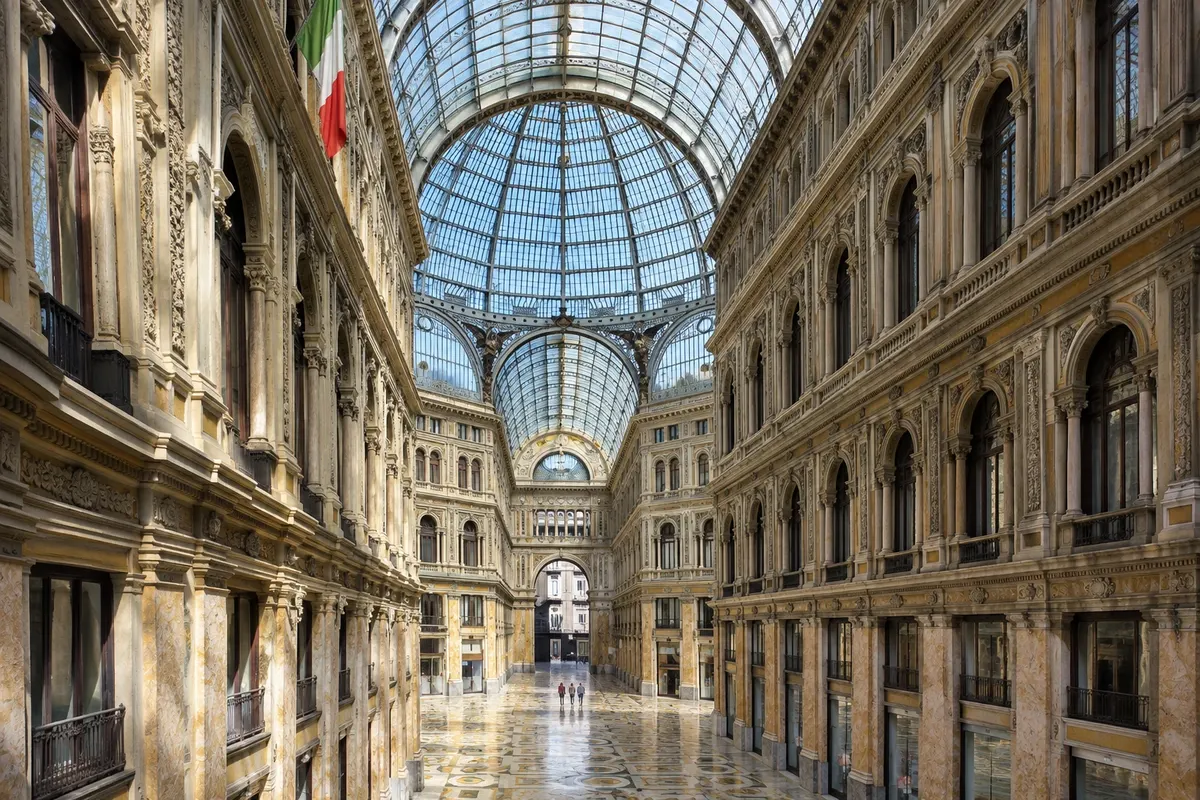
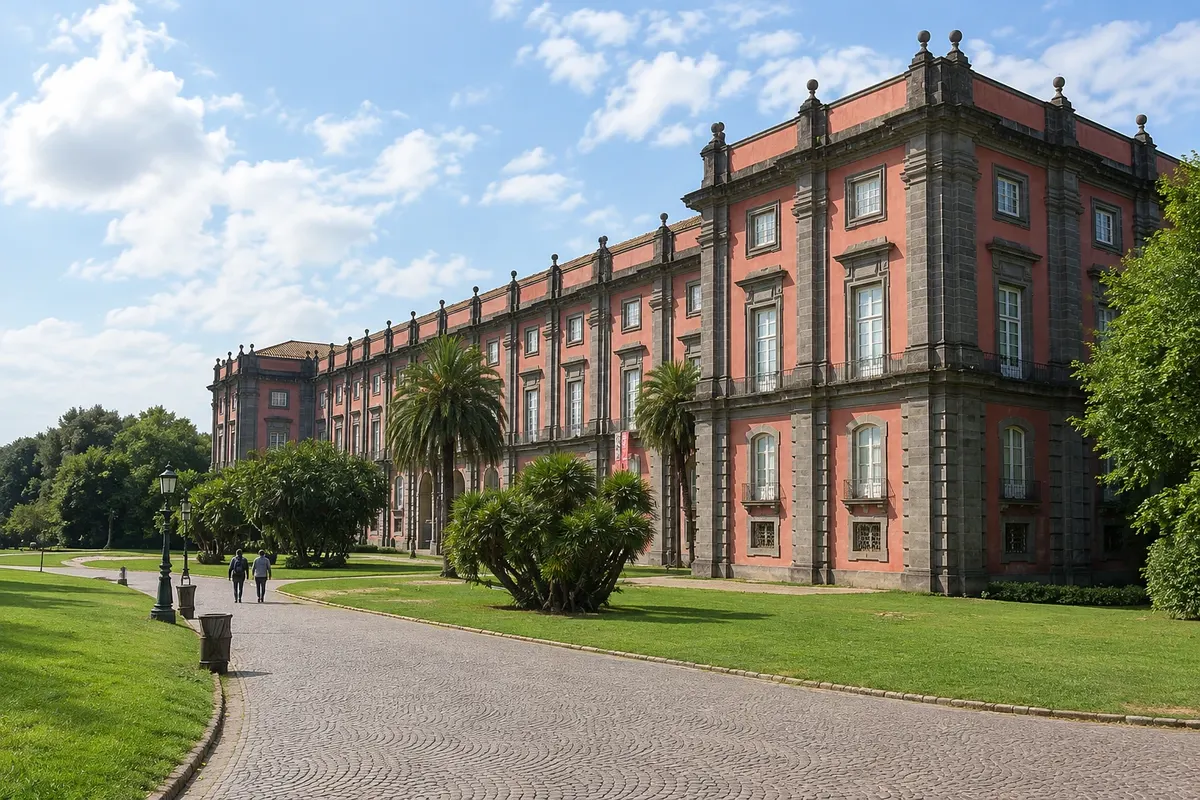
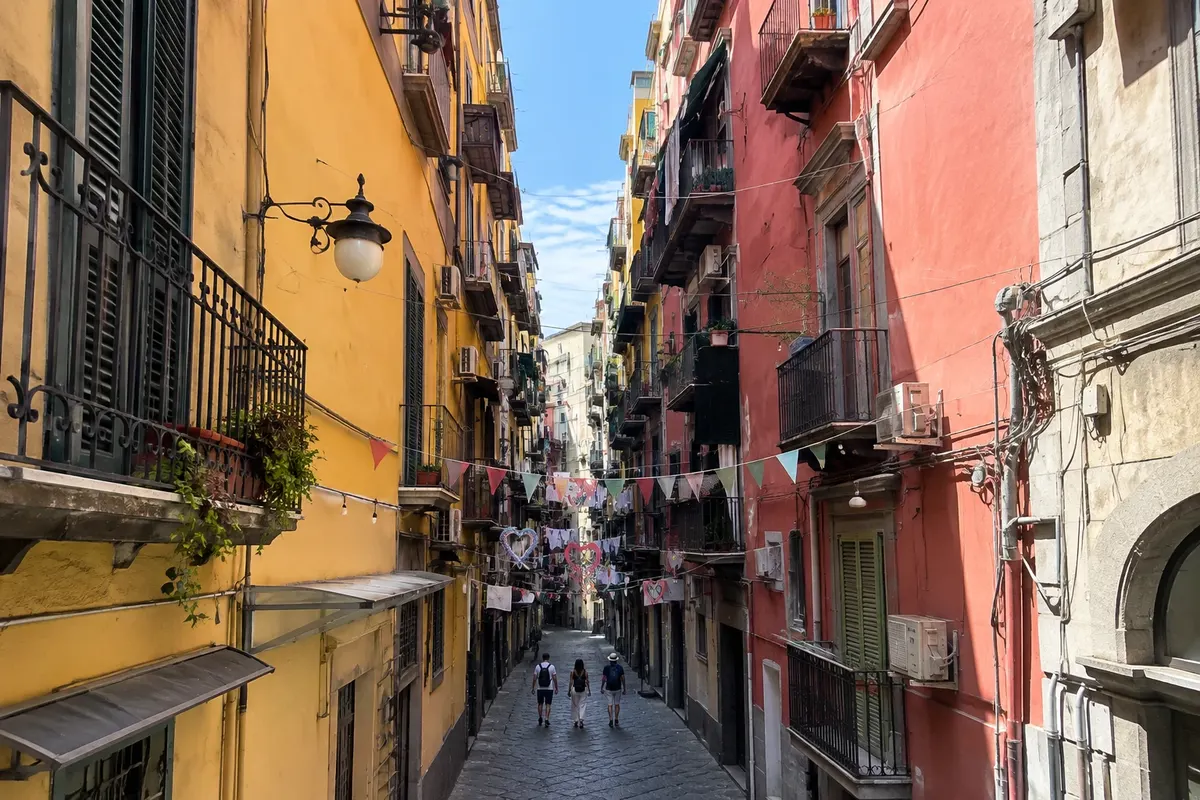
Nápoles is the capital of Campânia in southern Italy and the gateway to a stretch of coast that combines a big city, archaeological sites and an island. The historic centre, a UNESCO World Heritage Site, preserves streets laid out by the Greeks, Baroque churches, the Cappella Sansevero with the Cristo Velado and the Museo Archeologico Nazionale, which houses the mosaics and frescoes taken from Pompeia and Herculano.
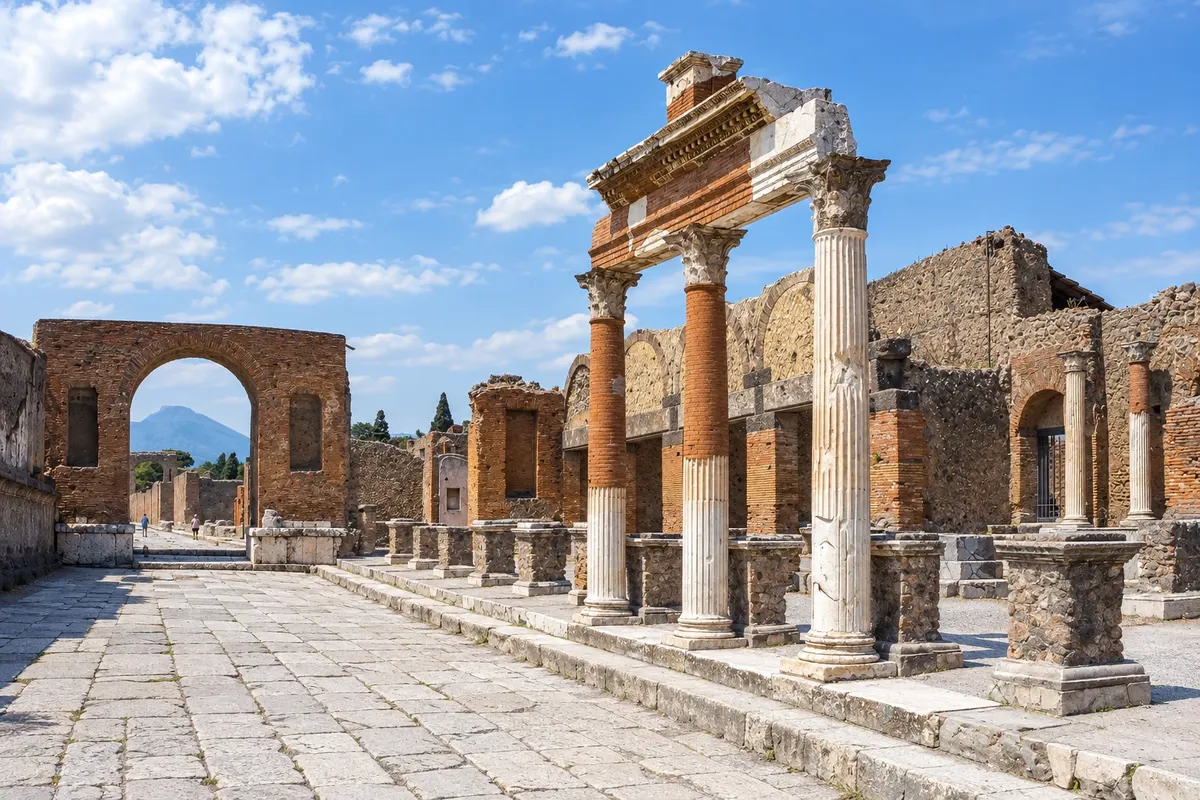
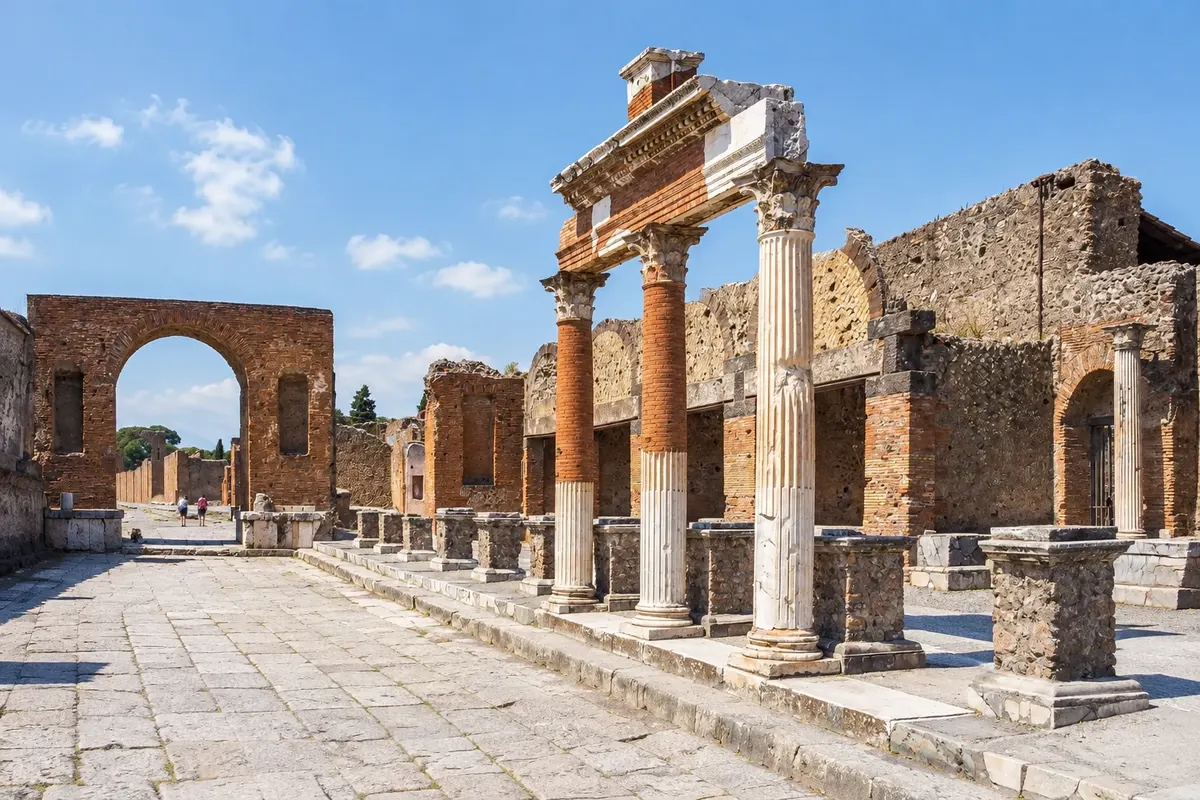
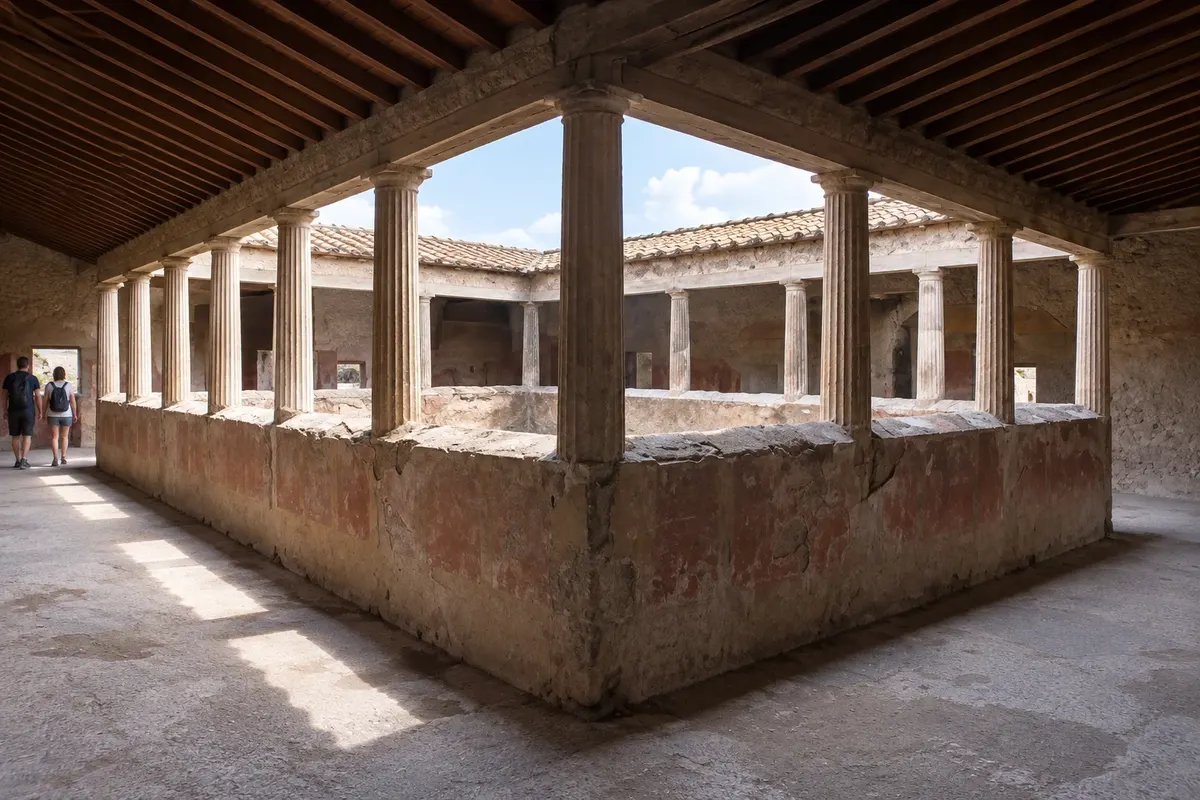
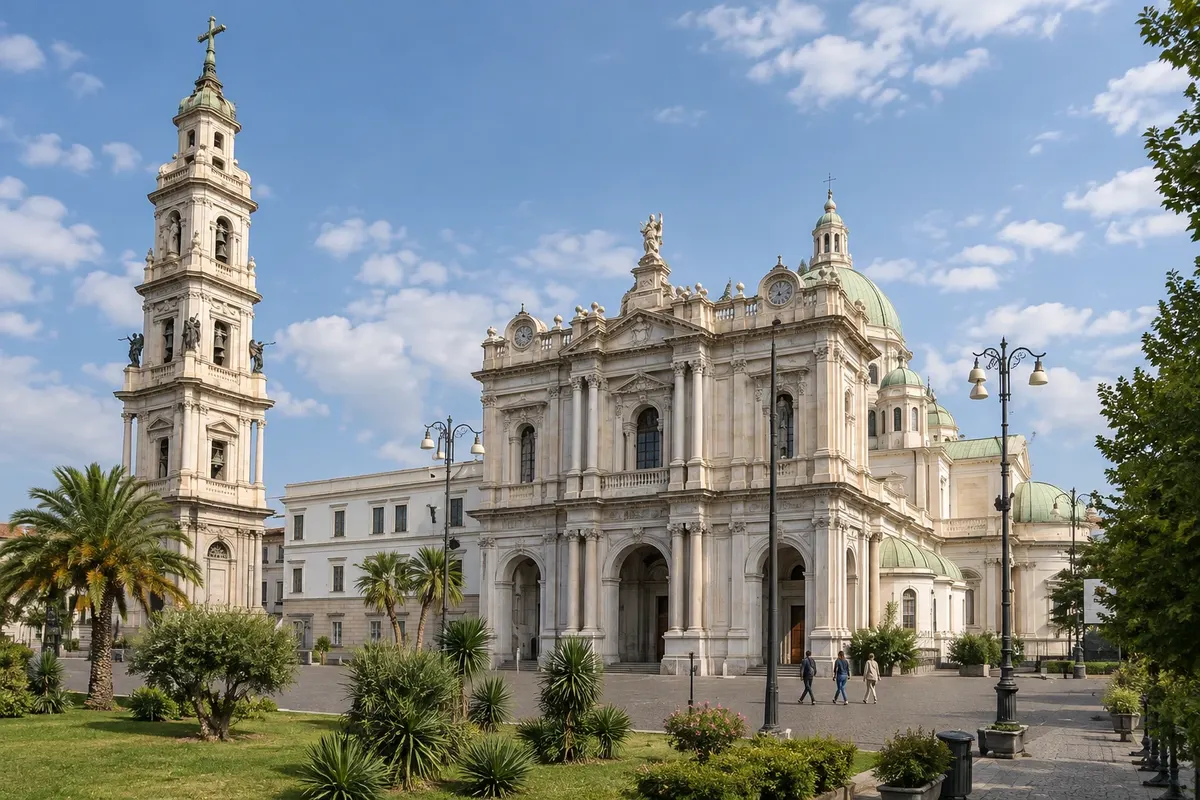
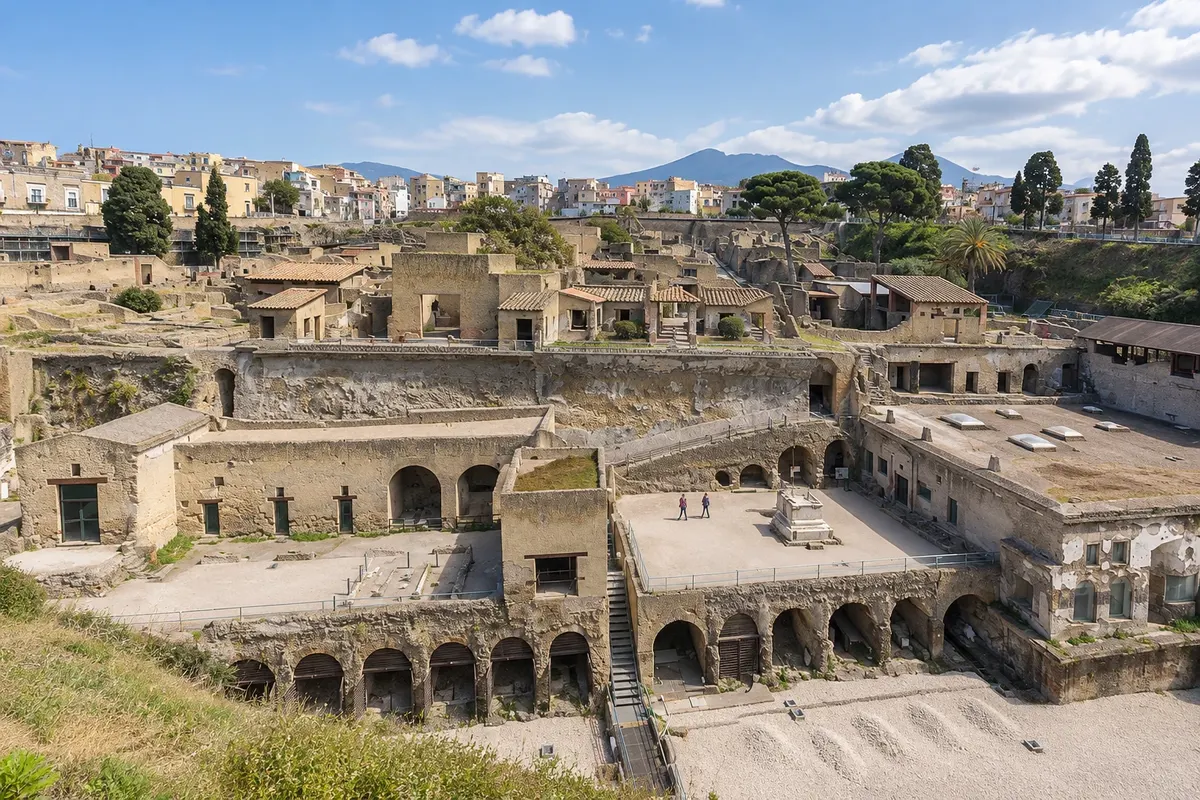
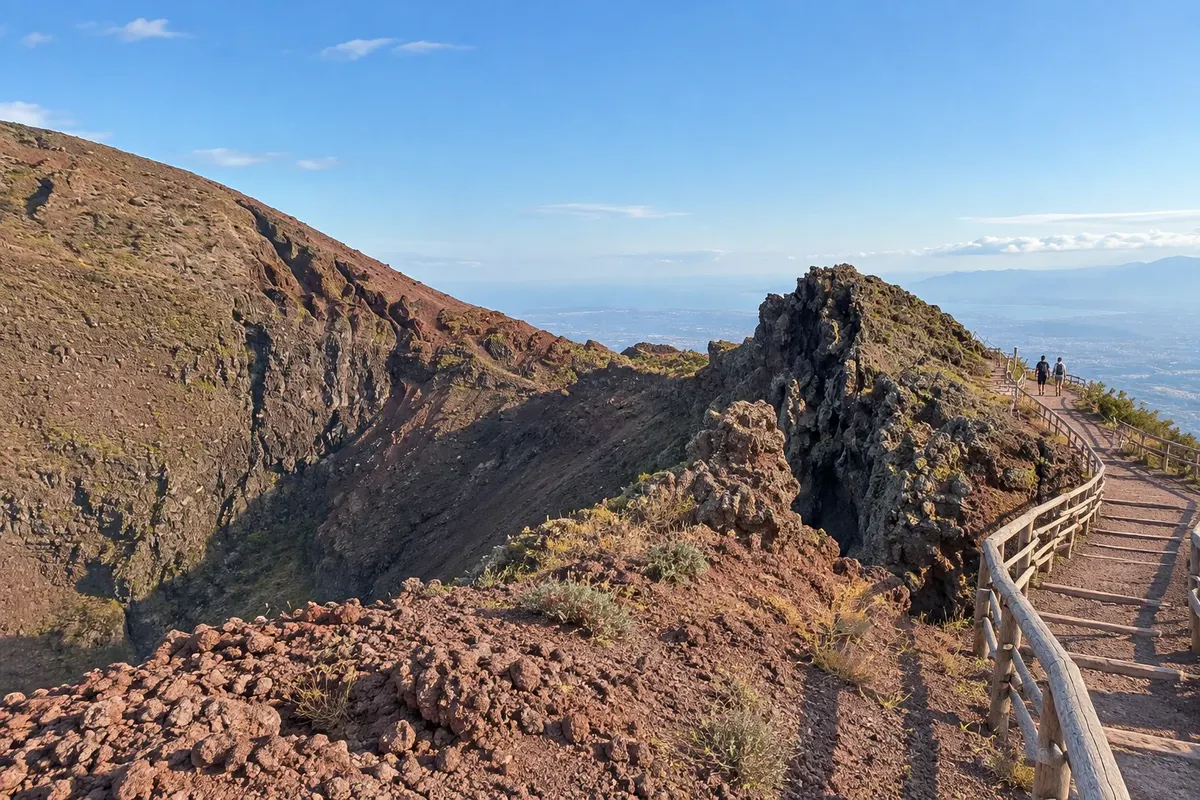
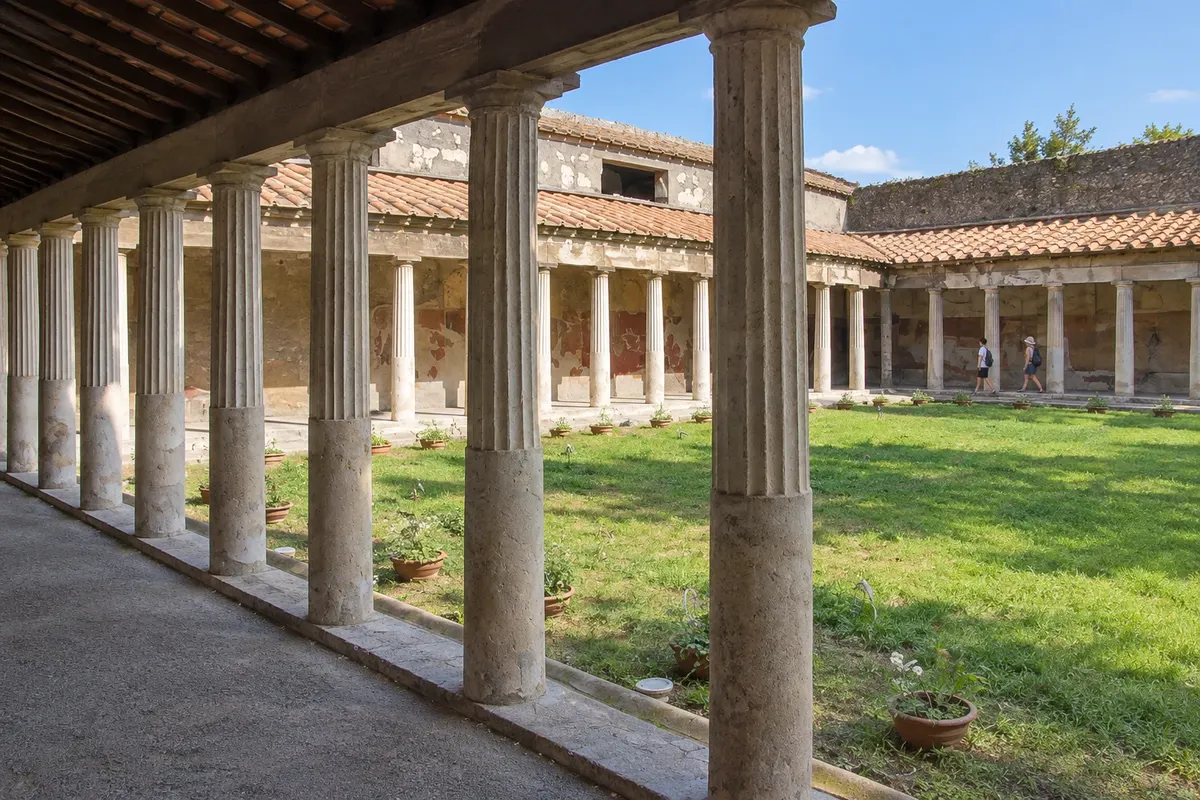
About 25 kilometres away lies Pompeia. The Roman city was buried by the ashes of Vesúvio in 79 AD and today is one of the largest archaeological sites in the world, with streets, houses, baths and an amphitheatre. The modern town next to it revolves around the sanctuary of Nossa Senhora do Rosário. Herculano, the Villa di Poppea in Oplontis and the trail up to the crater of Vesúvio complete the tour of the volcano area.
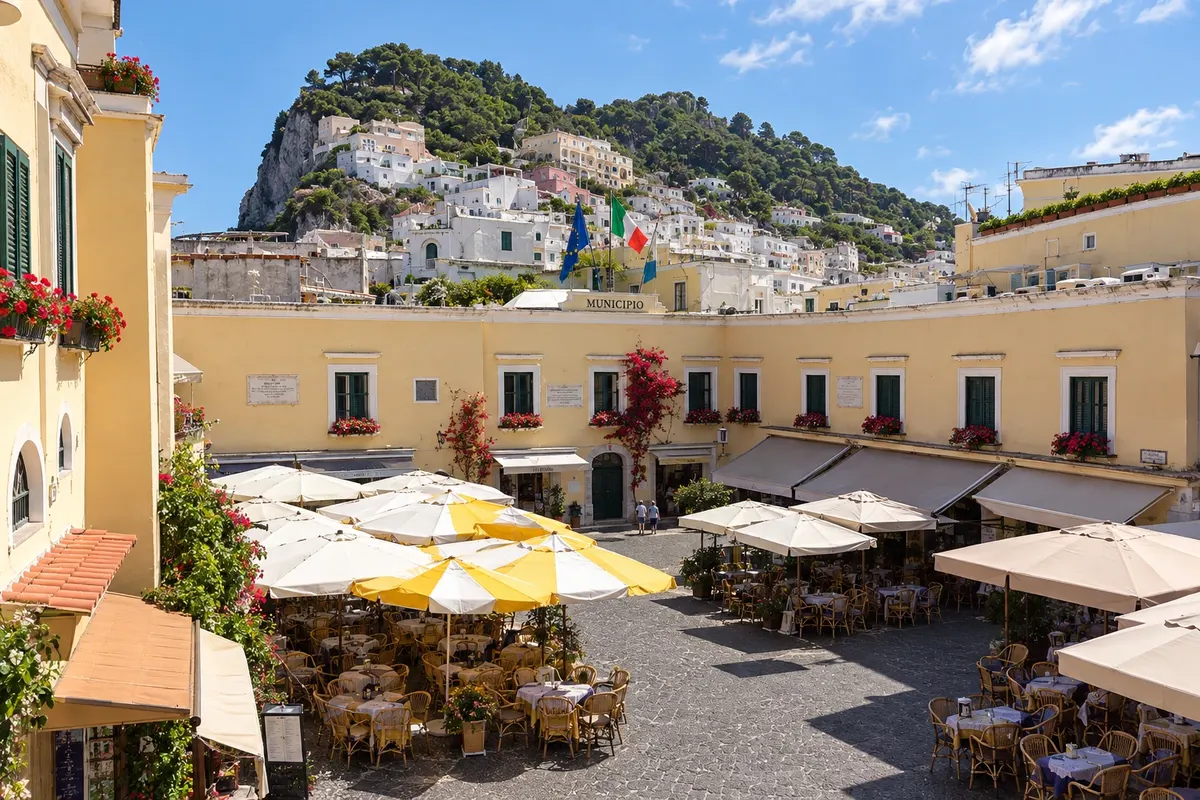
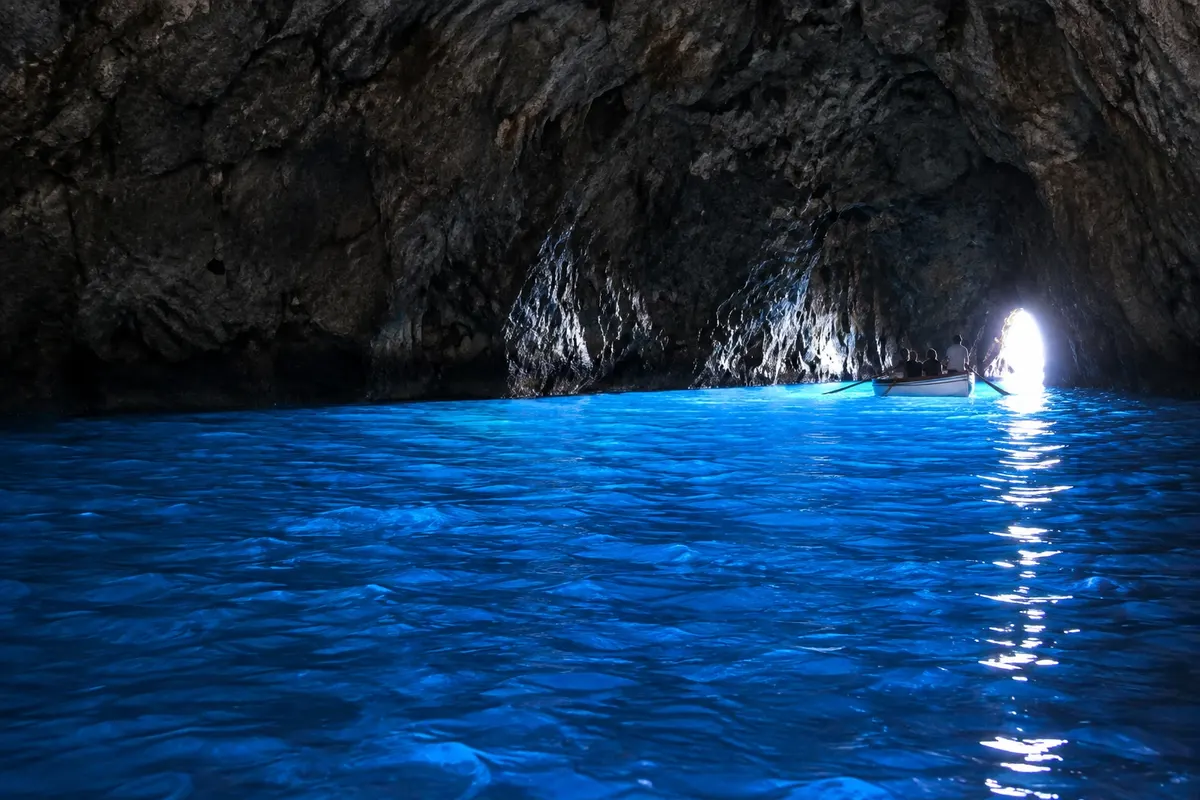
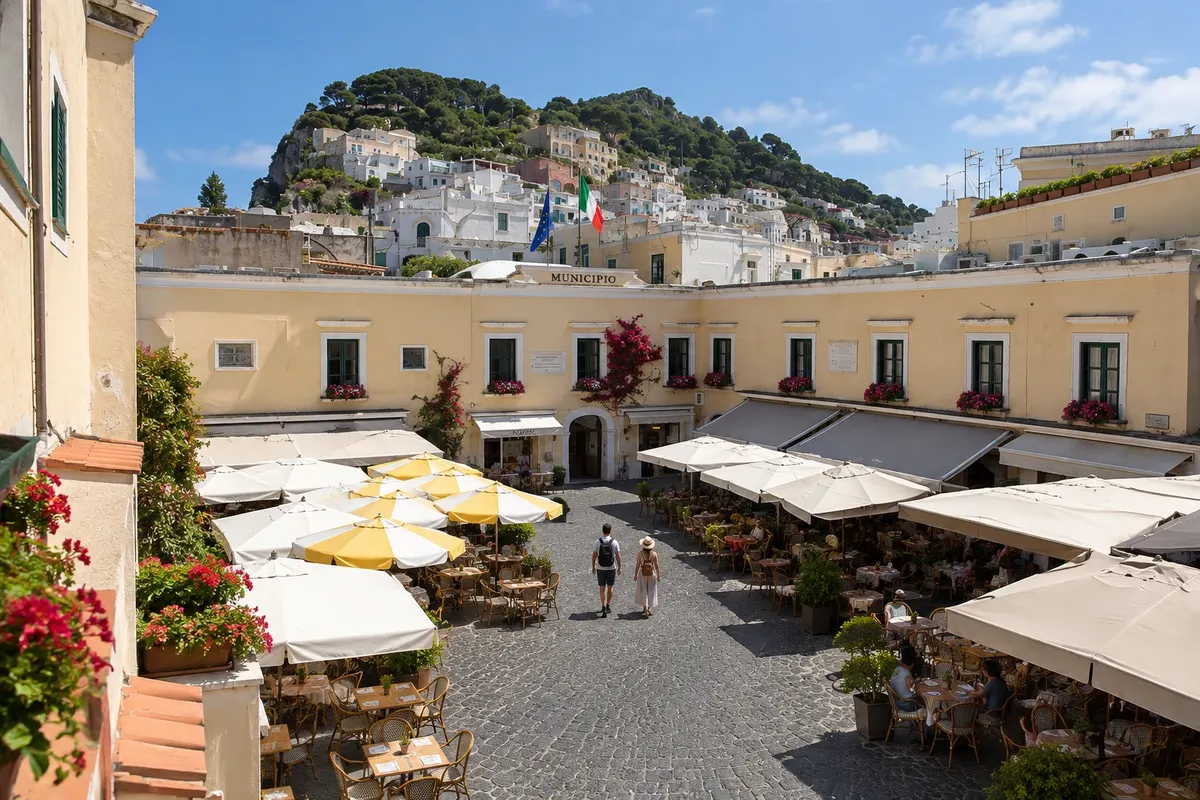
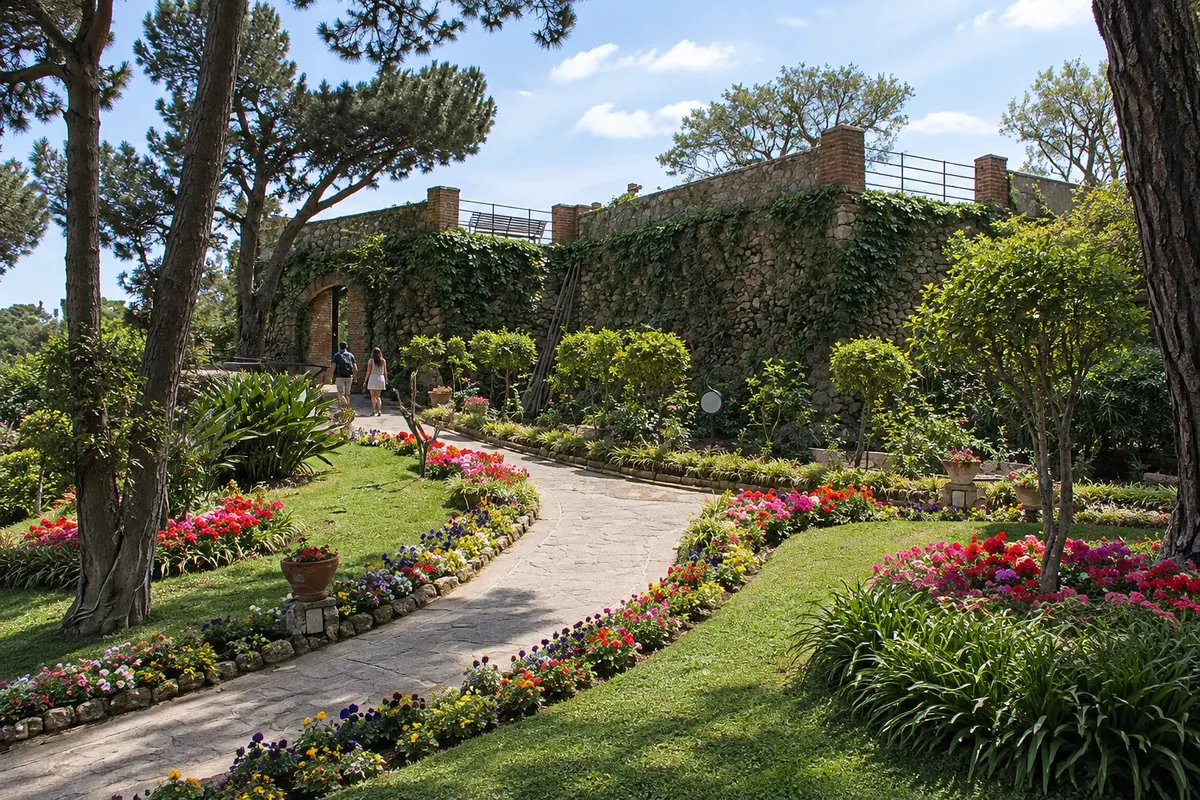
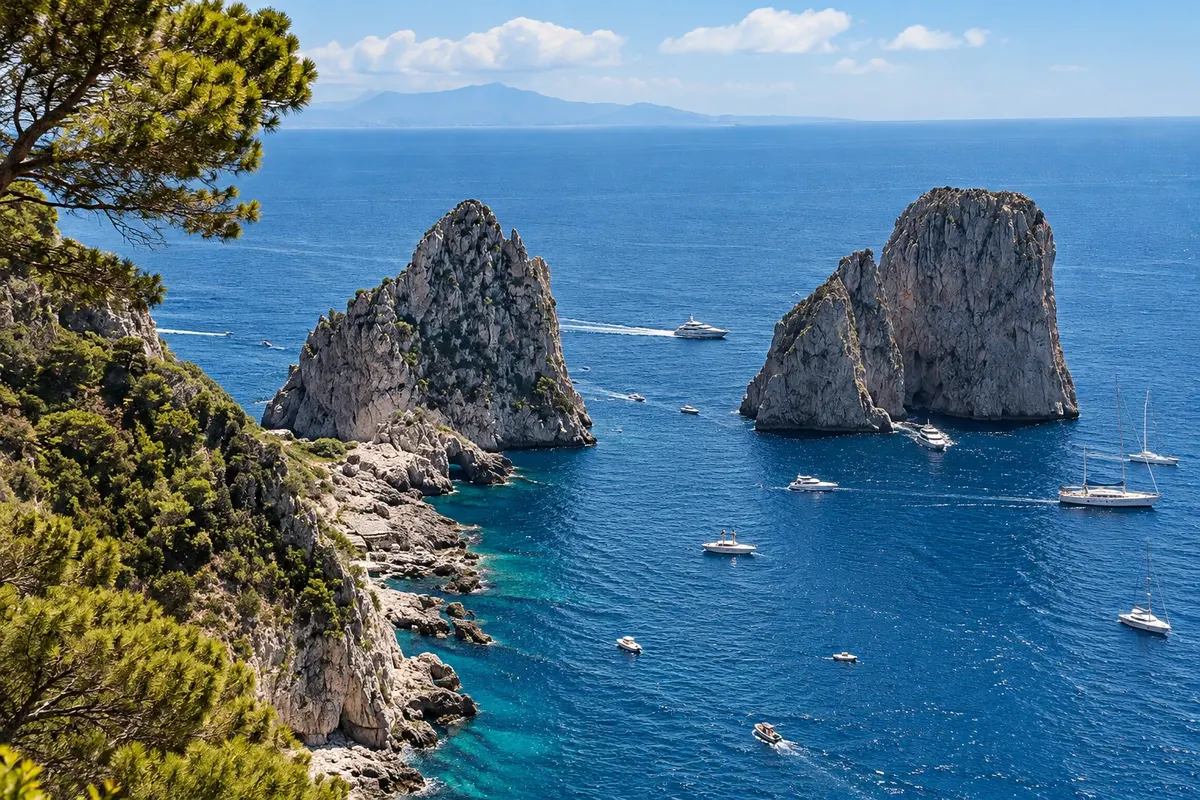
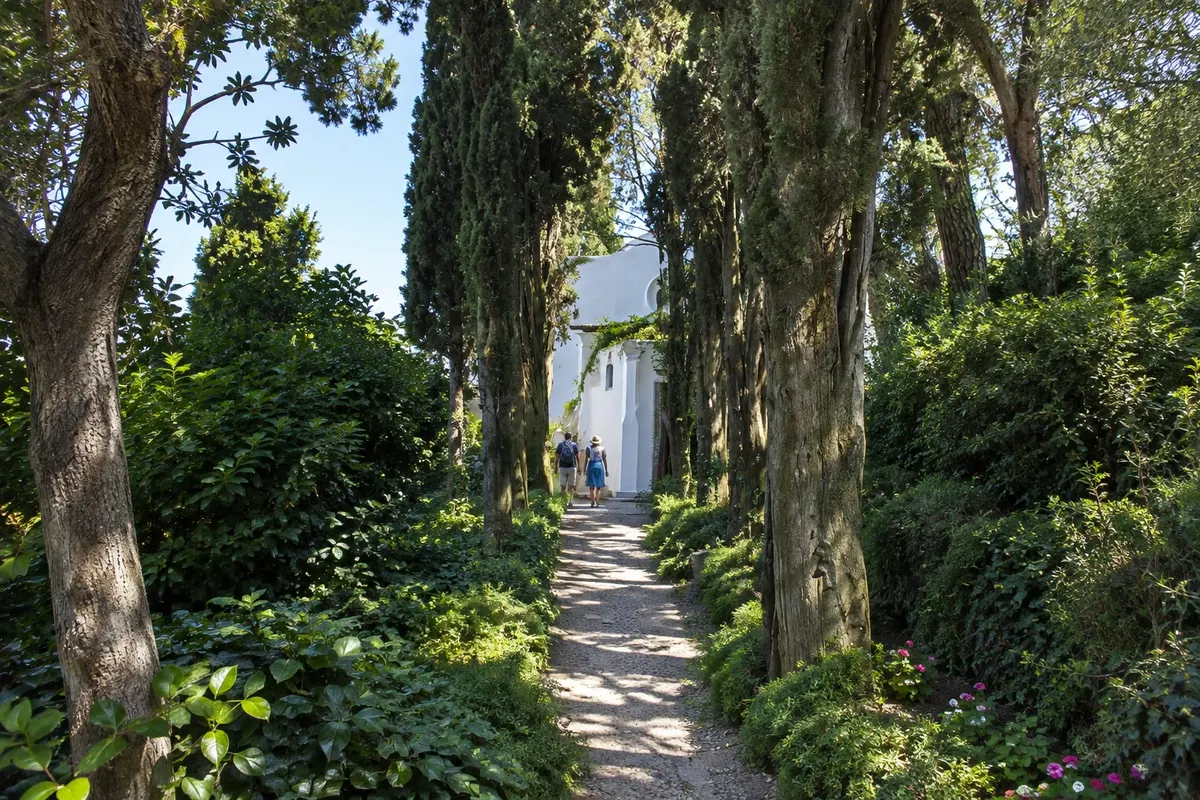
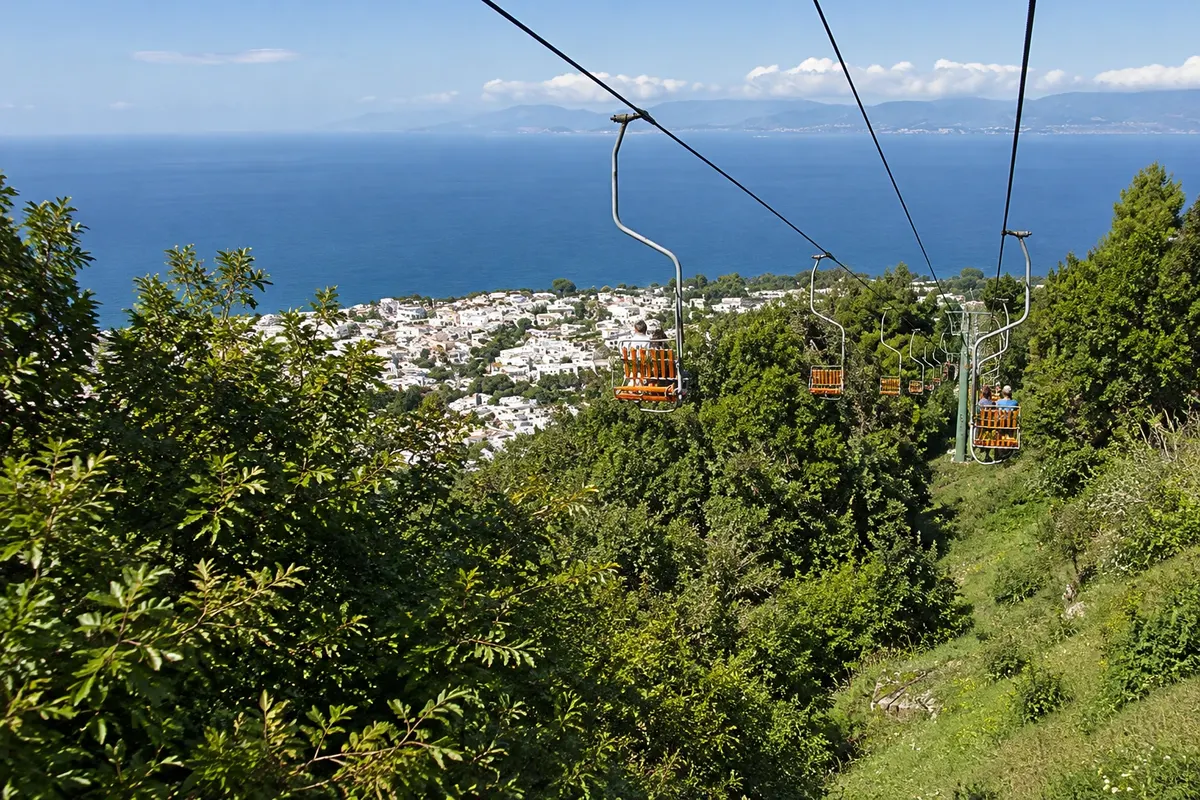
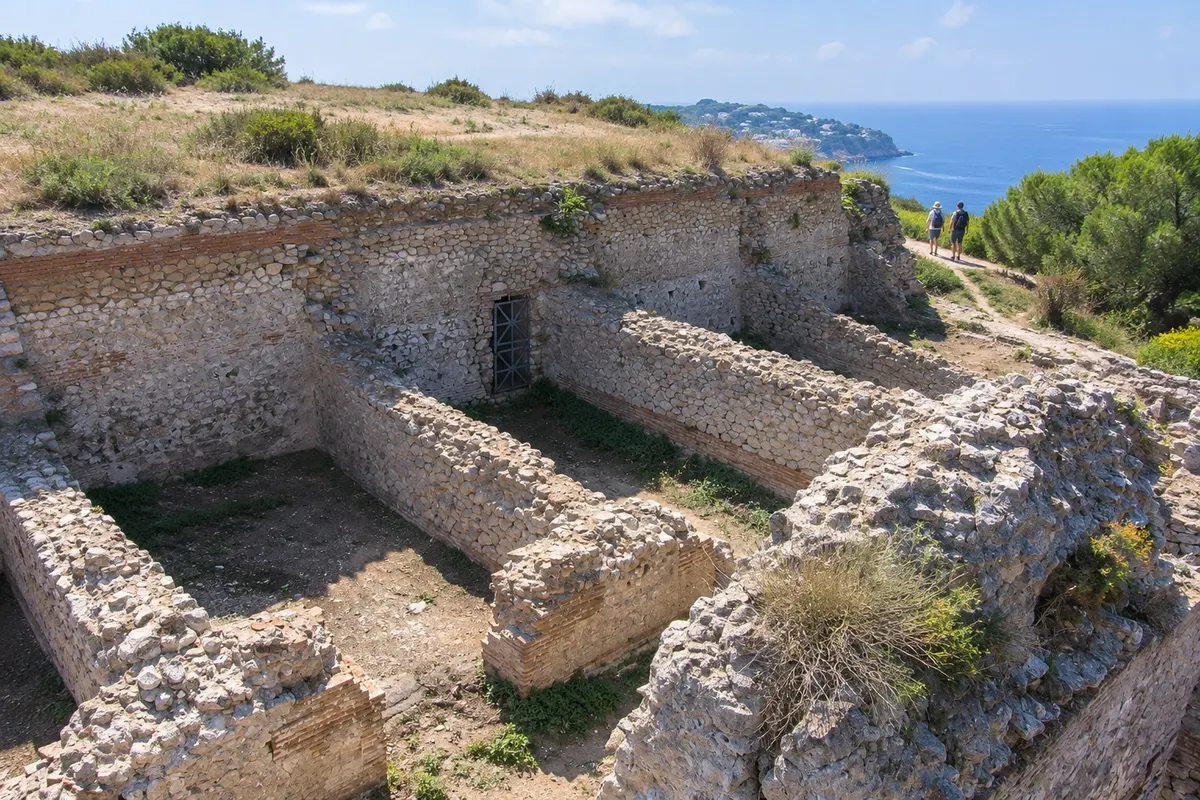
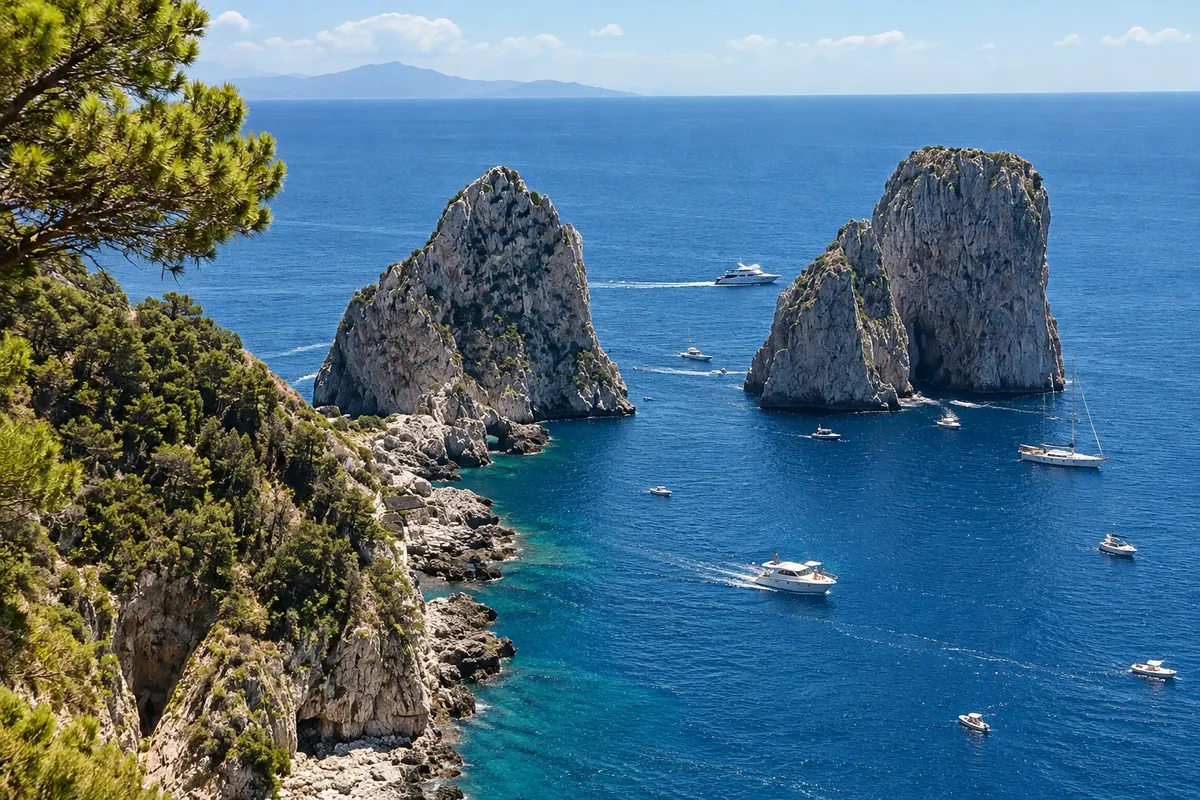
Capri is the island at the end of the gulf, about 50 minutes by aliscafo (fast boat) from Nápoles. It has the Piazzetta, the Giardini di Augusto with views of the Faraglioni, Anacapri with the Villa San Michele and the Monte Solaro chairlift, the ruins of the Villa Jovis of emperor Tibério and the Grotta Azzurra, which is only visited by boat when the sea allows.
Neapolitan pizza, strong coffee and limoncello are part of the local culture.
This destination brings together 3 cities: Nápoles, Capri, Pompeia.


 Brazil
 Argentina
 Chile
Chile Colombia
 Peru
Peru Uruguay
 Germany
 Belgium
 Spain
Spain France
 Greece
 the Netherlands
 Ireland
 Portugal
 the United Kingdom
 Switzerland