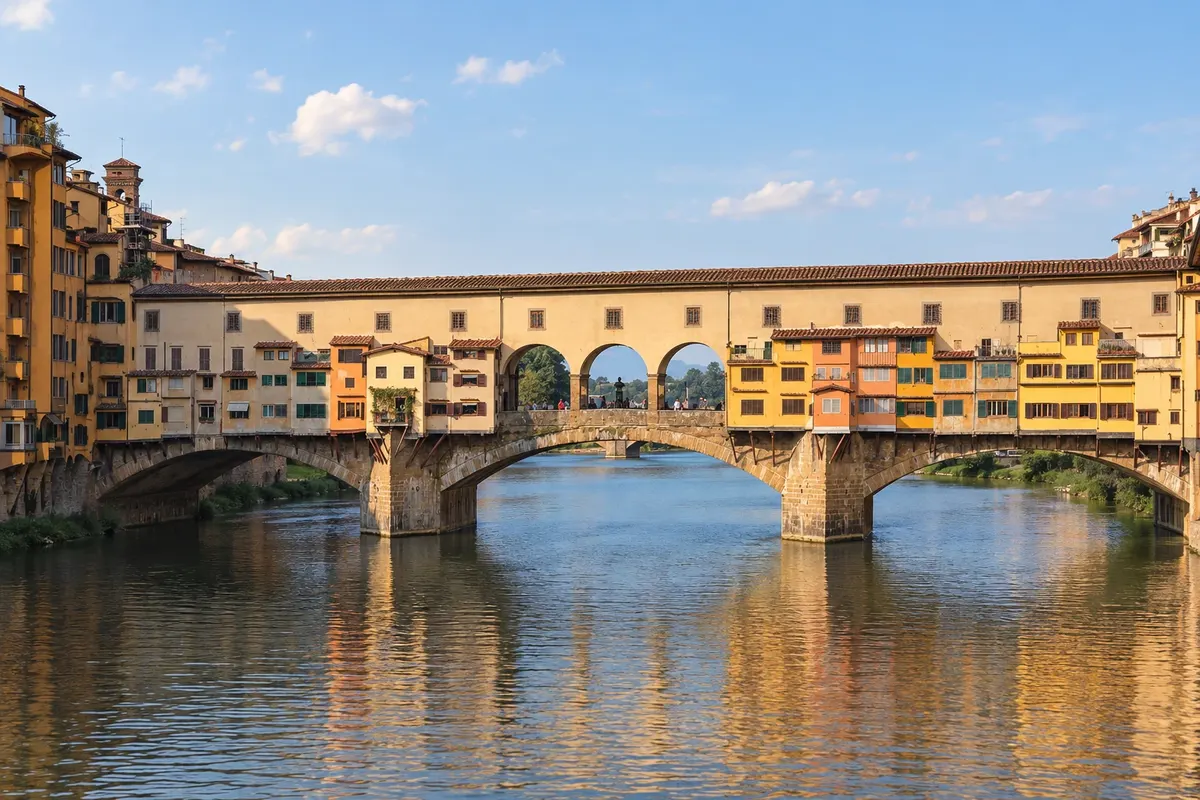
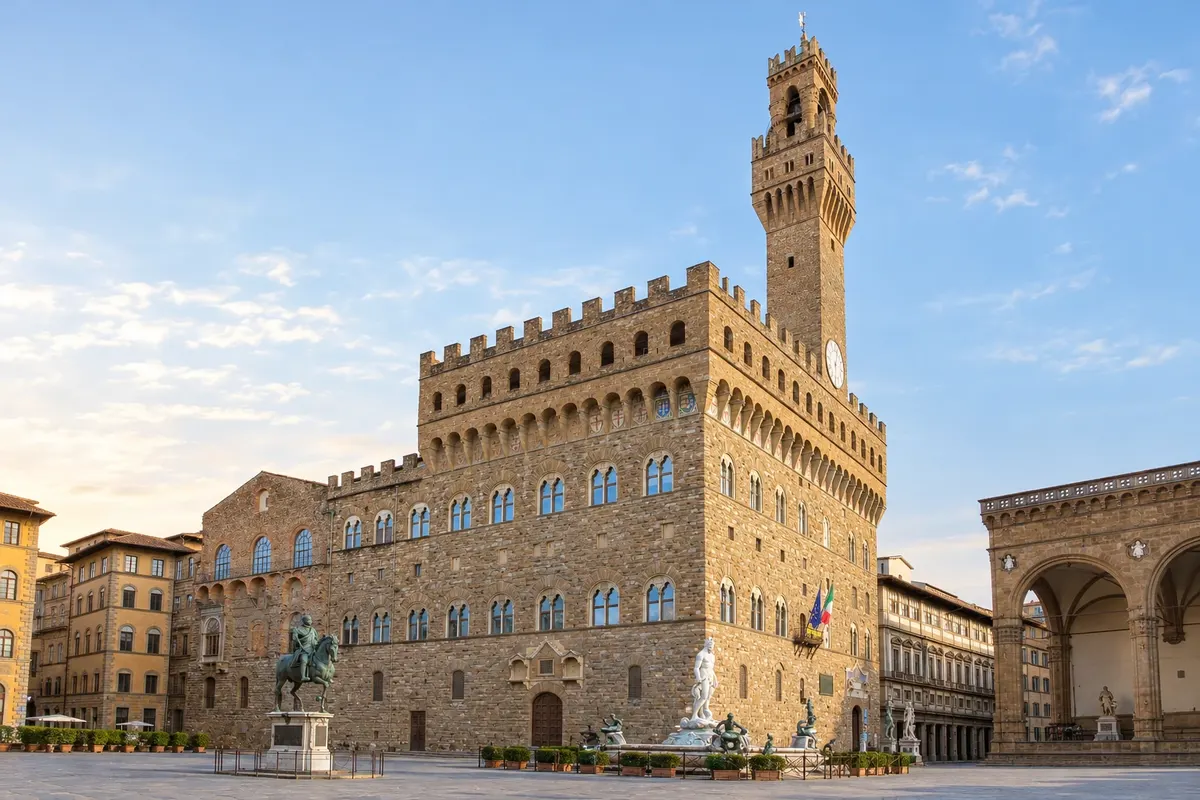
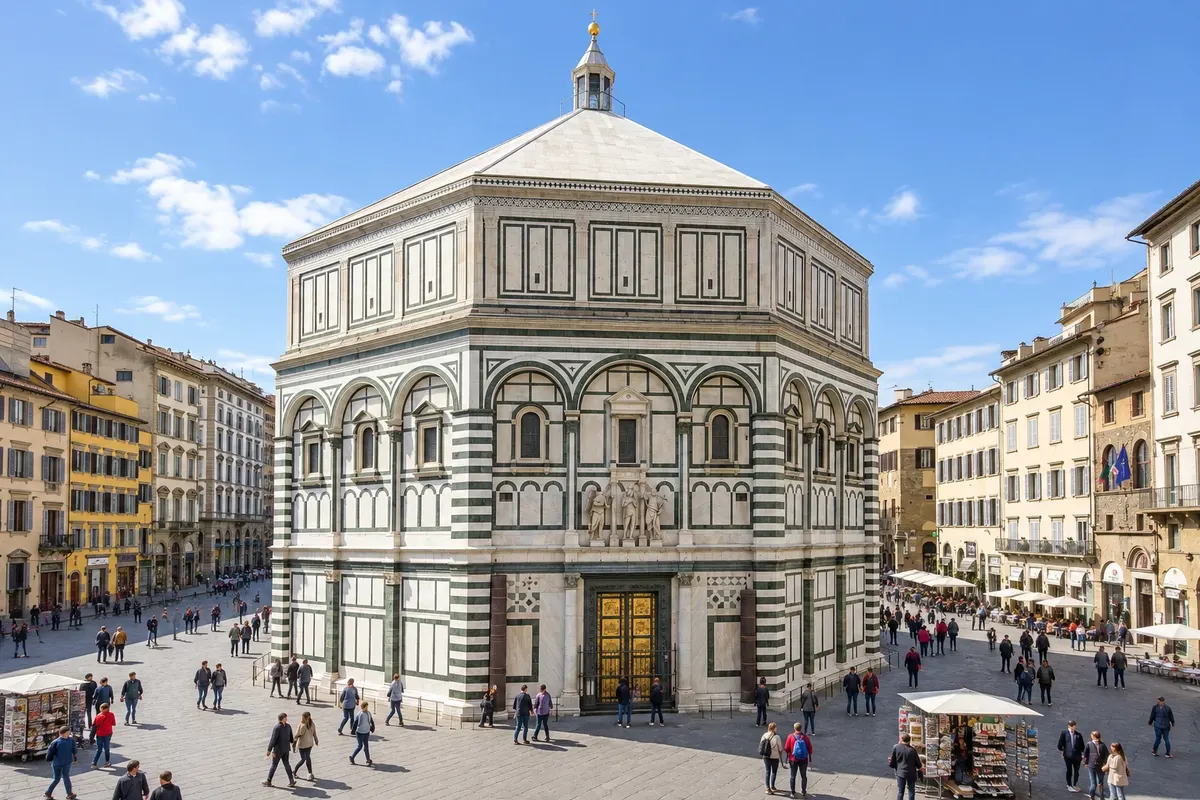
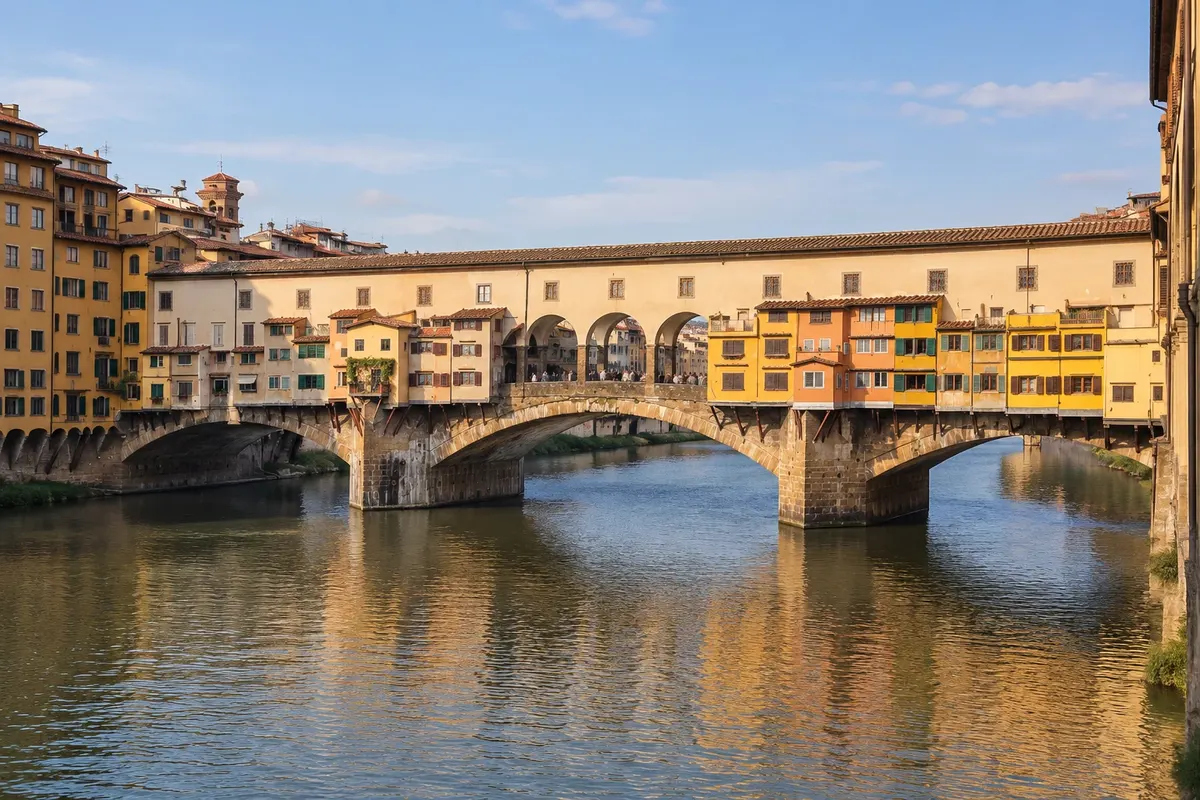
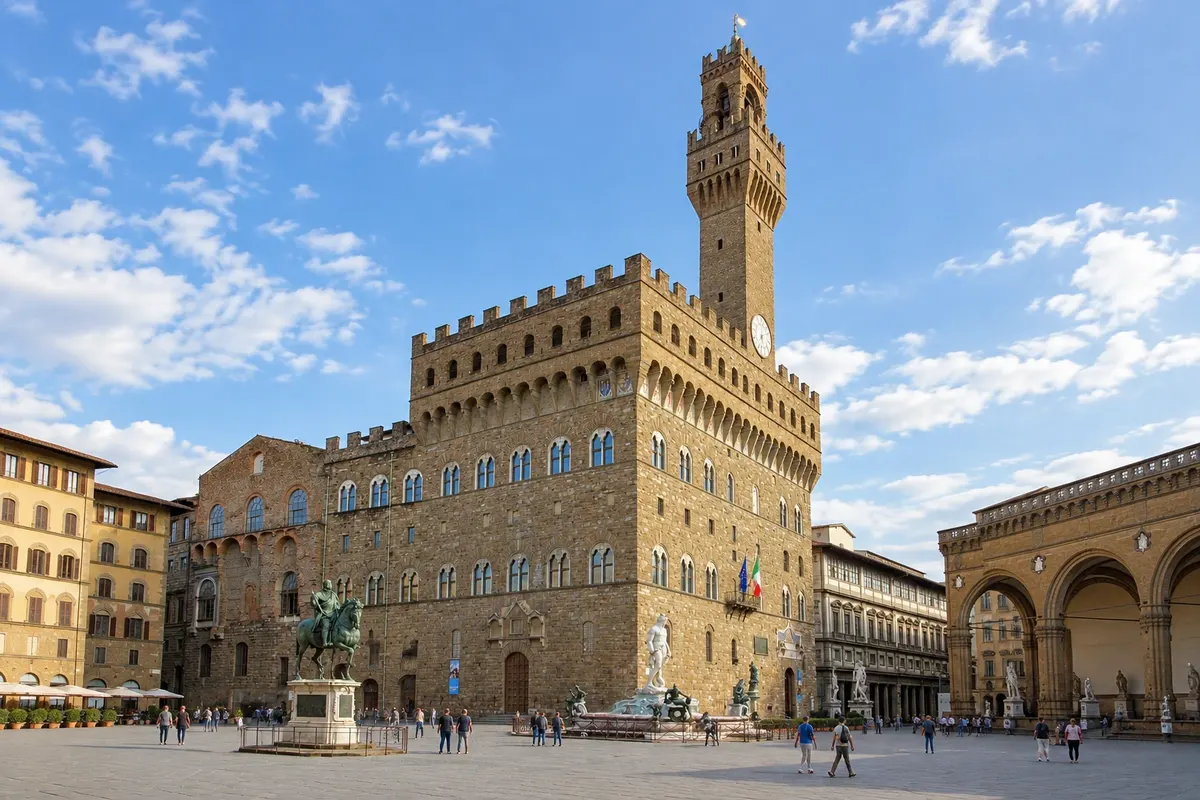
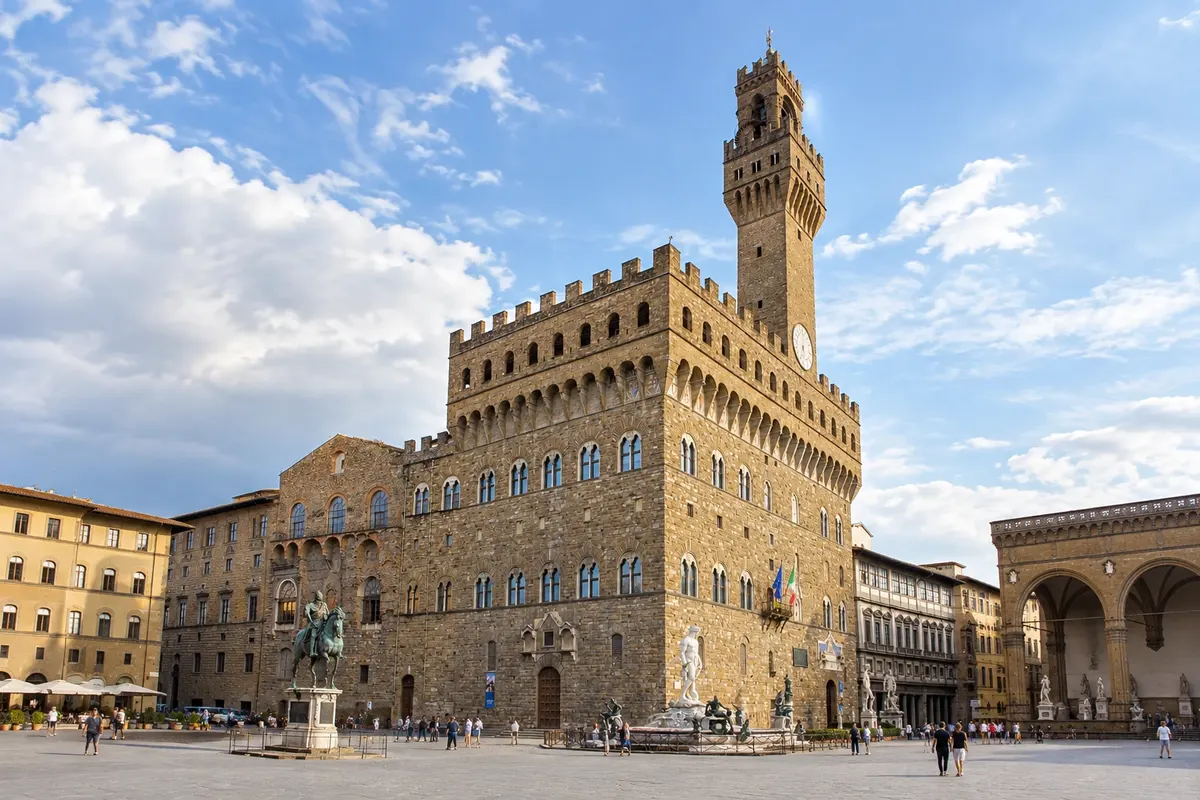
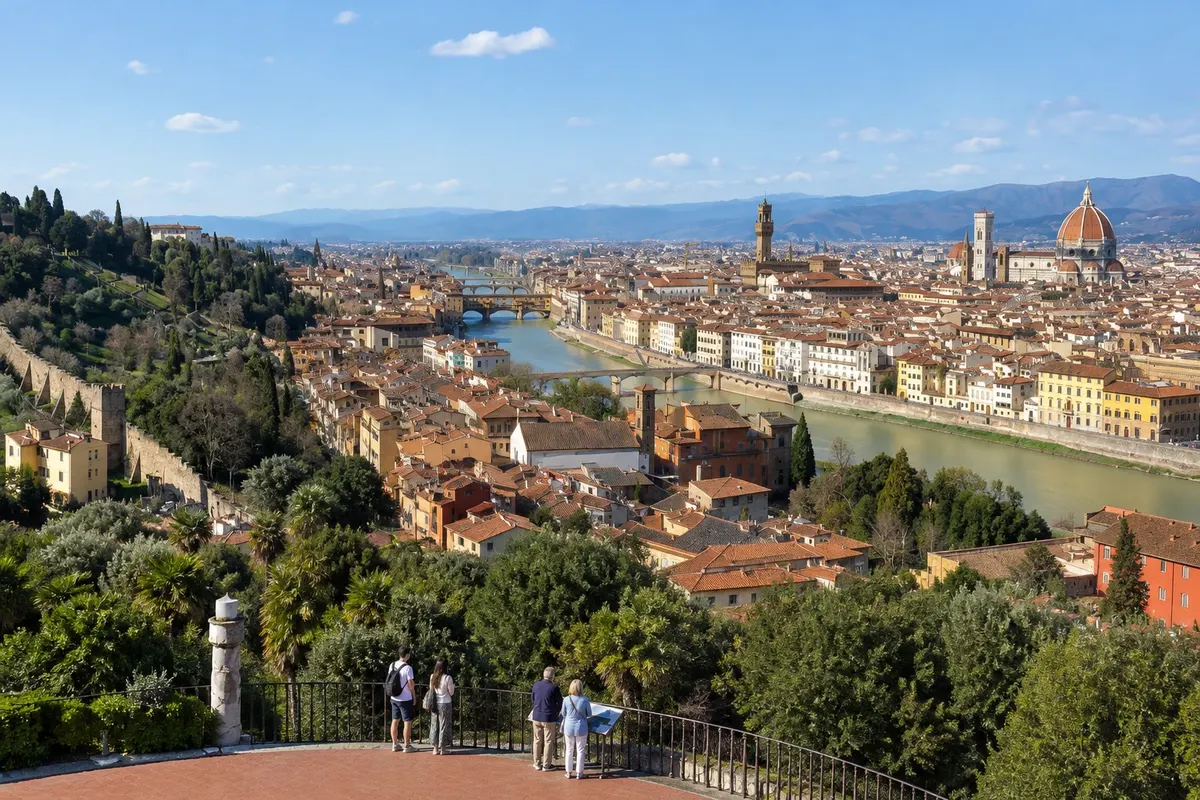
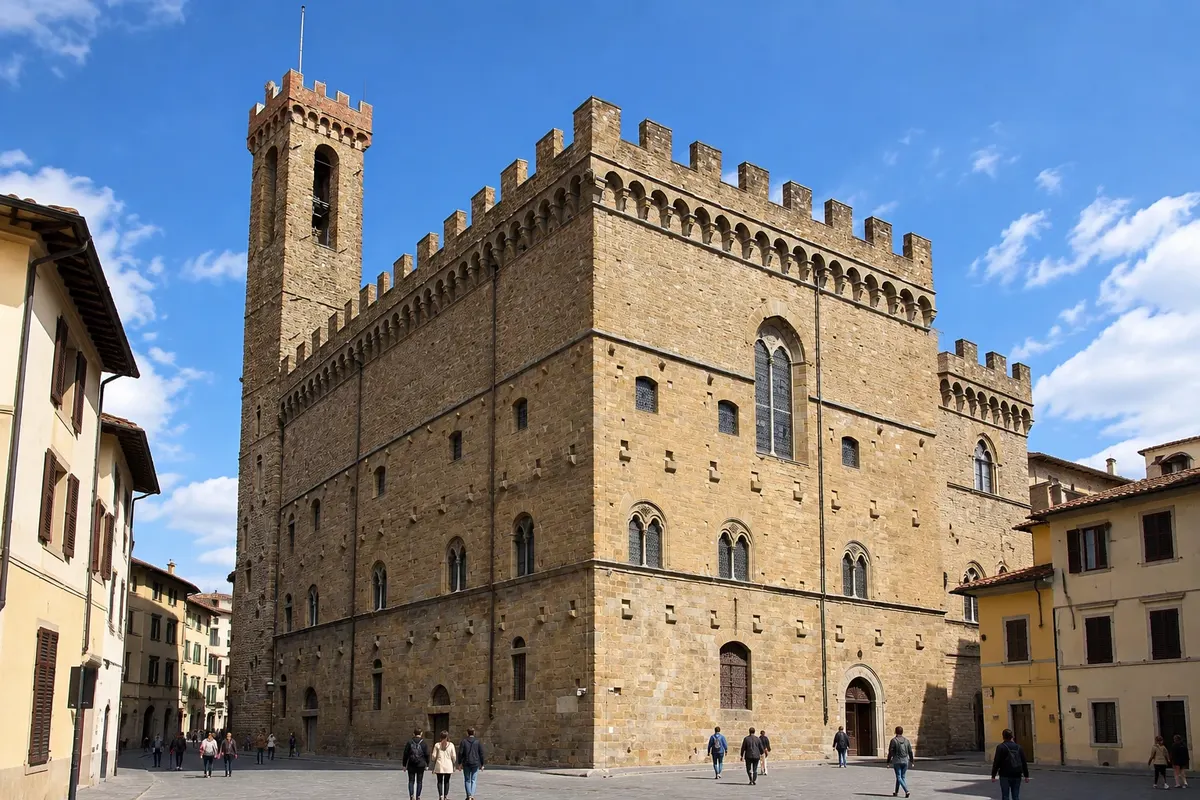
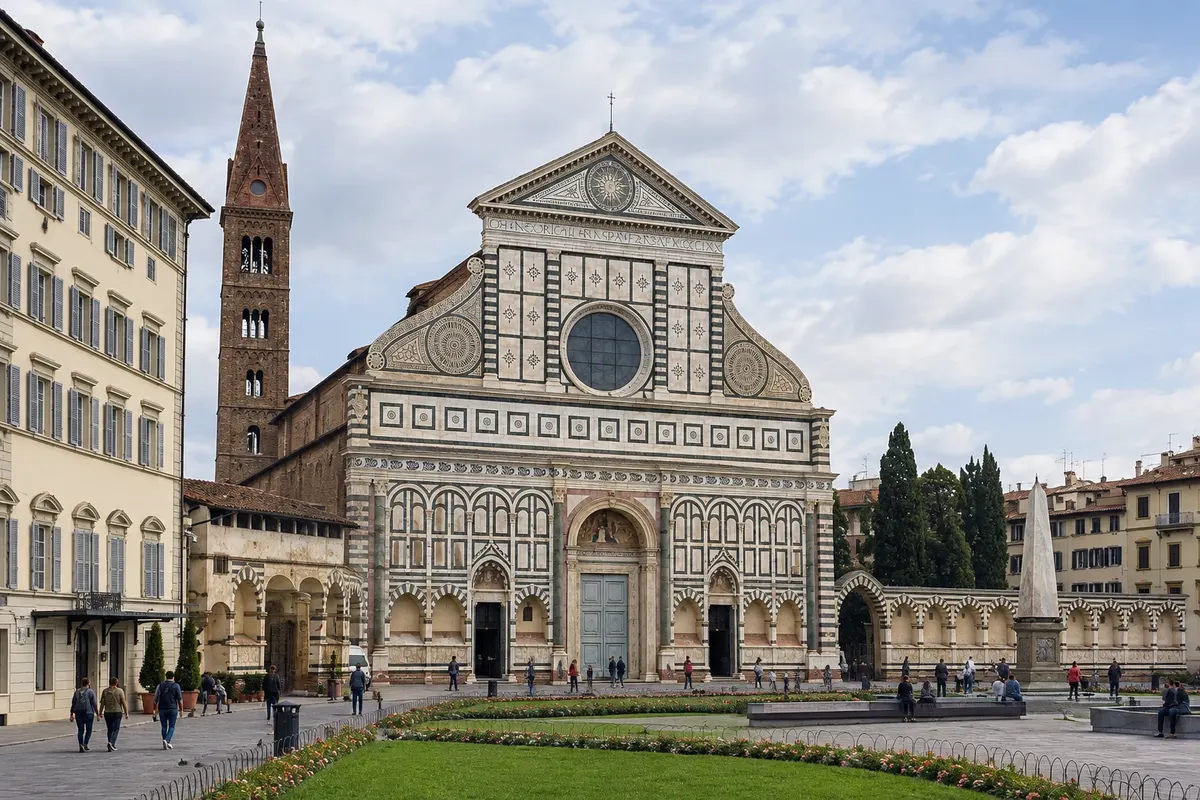
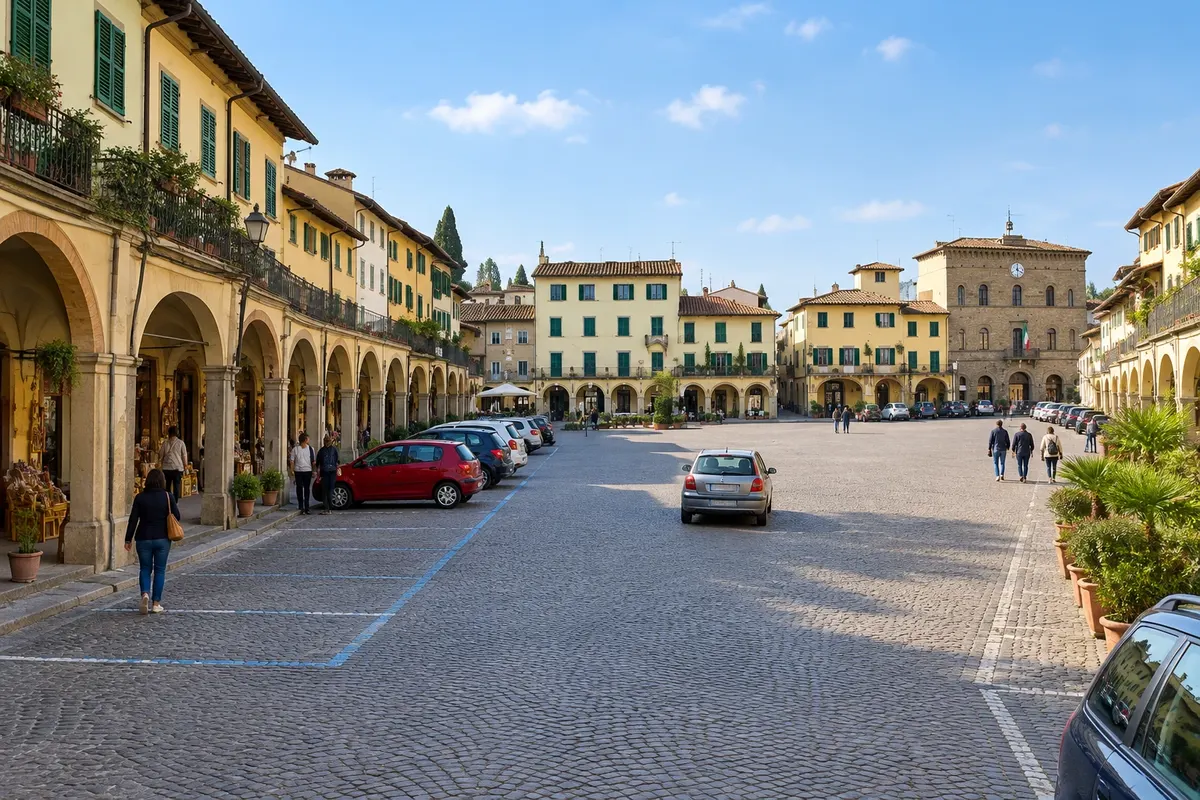
Florença (Firenze, in Italian) is the capital of Tuscany and the city where the Renaissance took shape between the 14th and 16th centuries. The historic center, a UNESCO World Heritage Site, fits into a walk: from the Piazza del Duomo to the Piazza della Signoria is only a few minutes, and from there to the Ponte Vecchio just a little more.
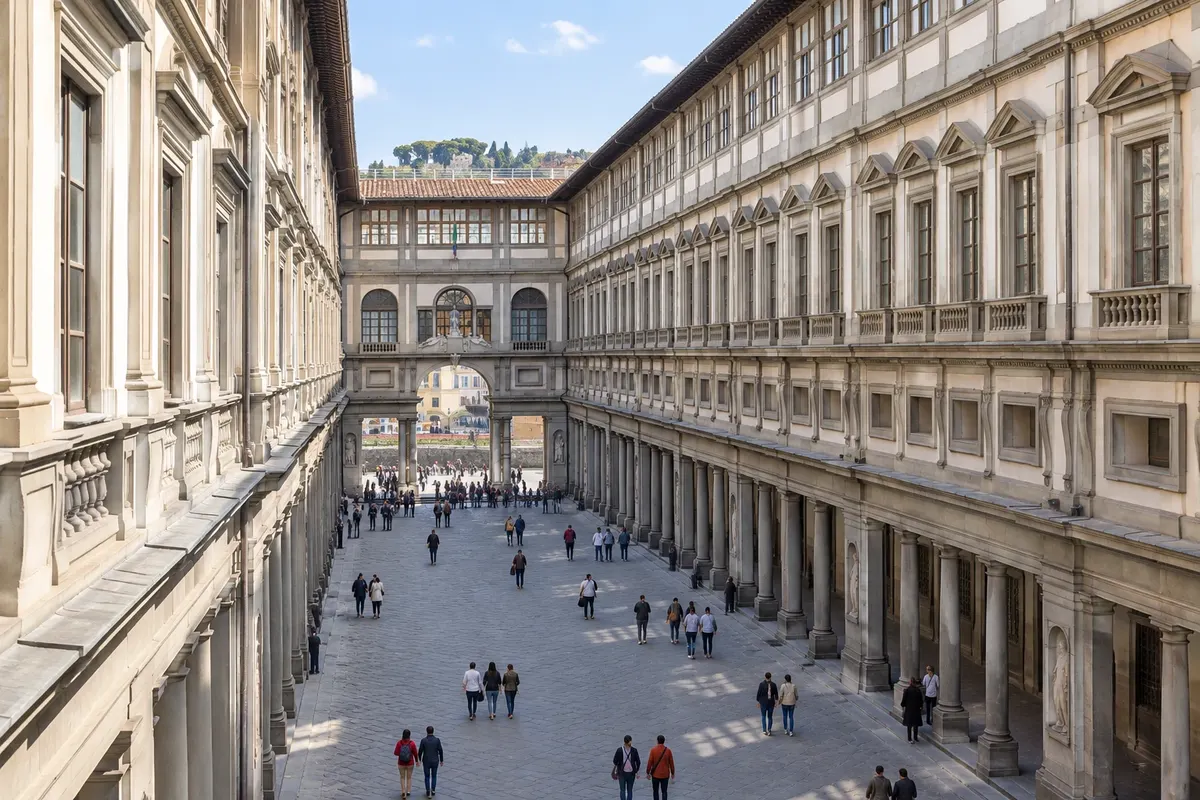
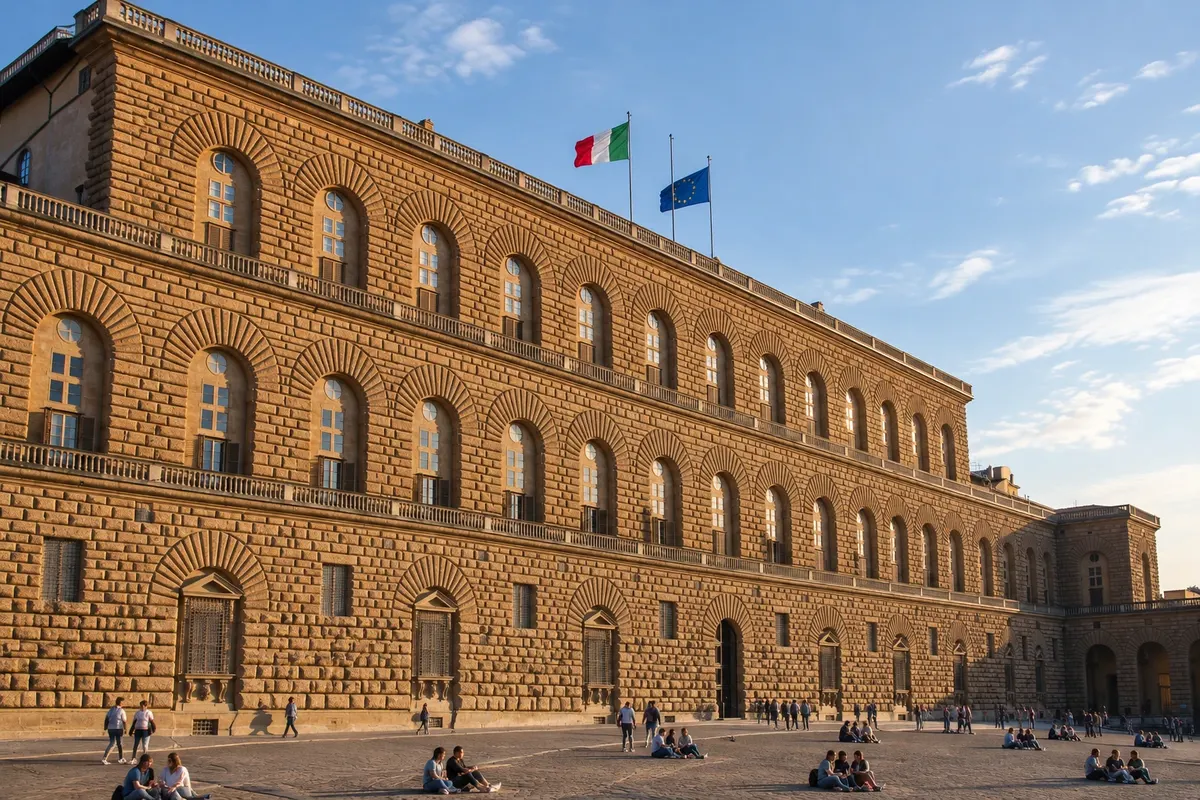
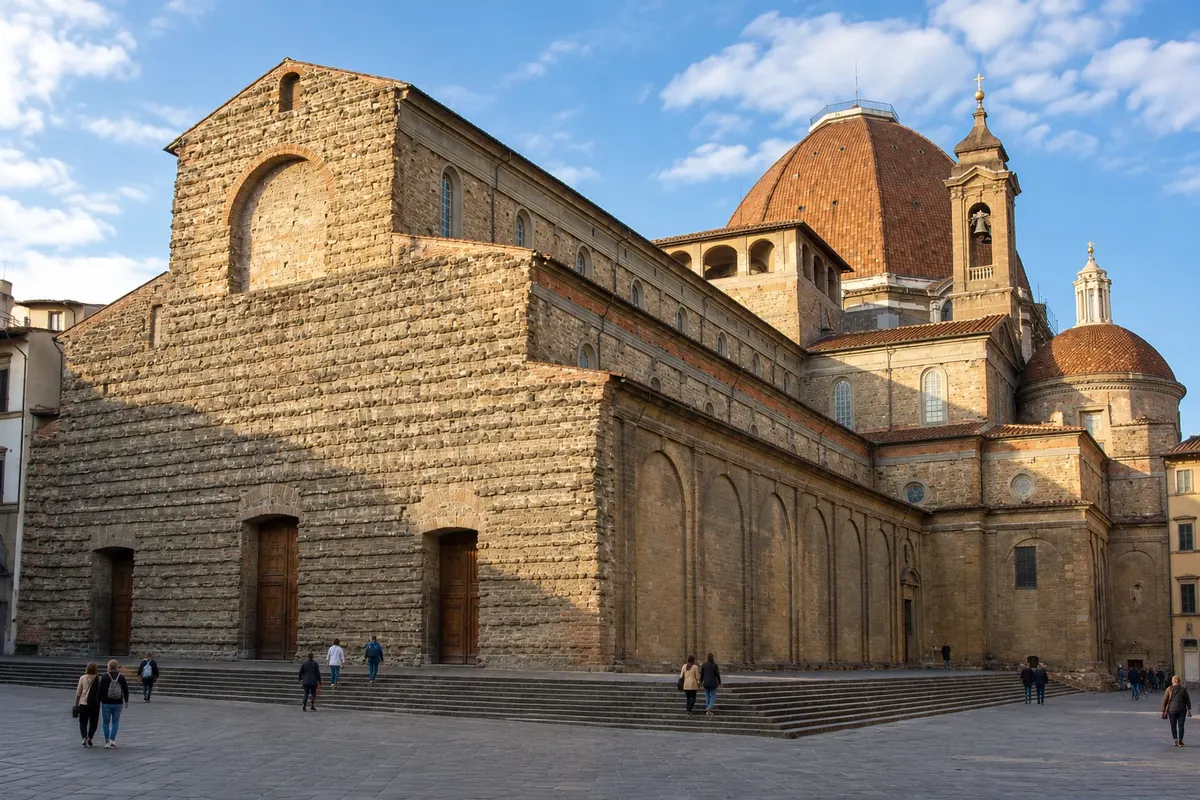
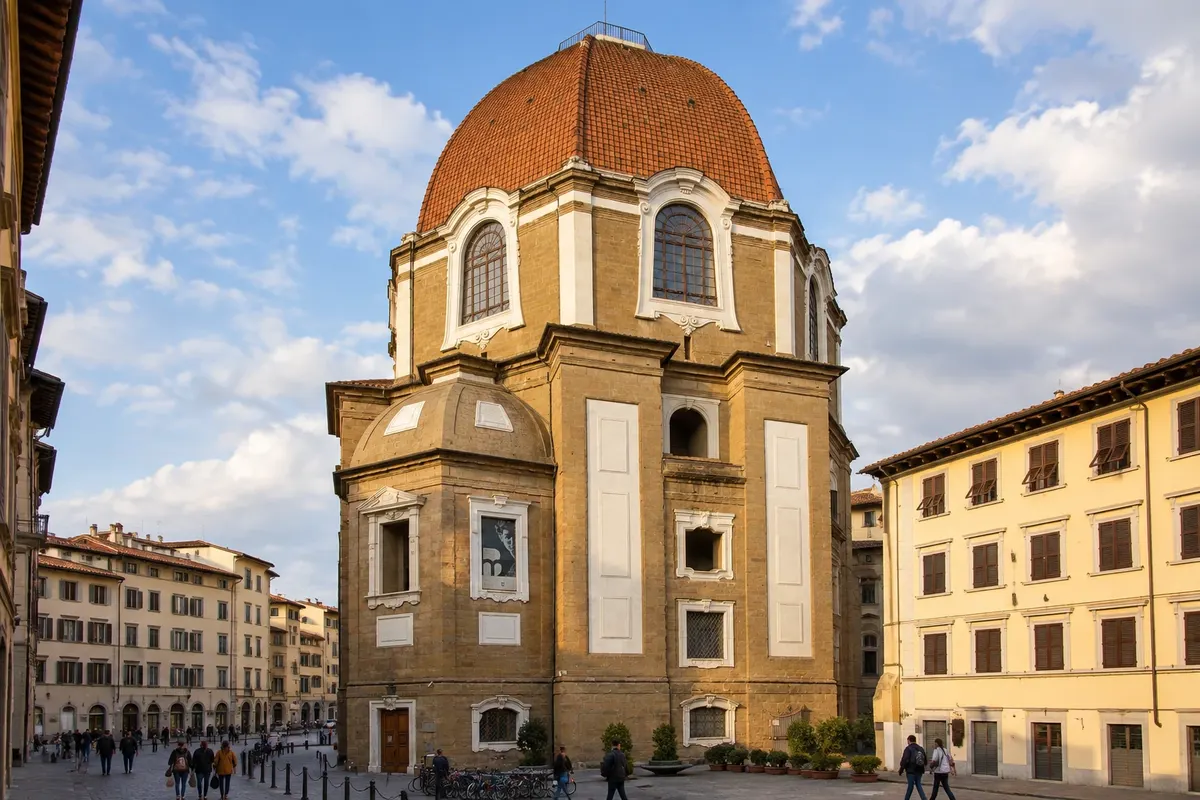
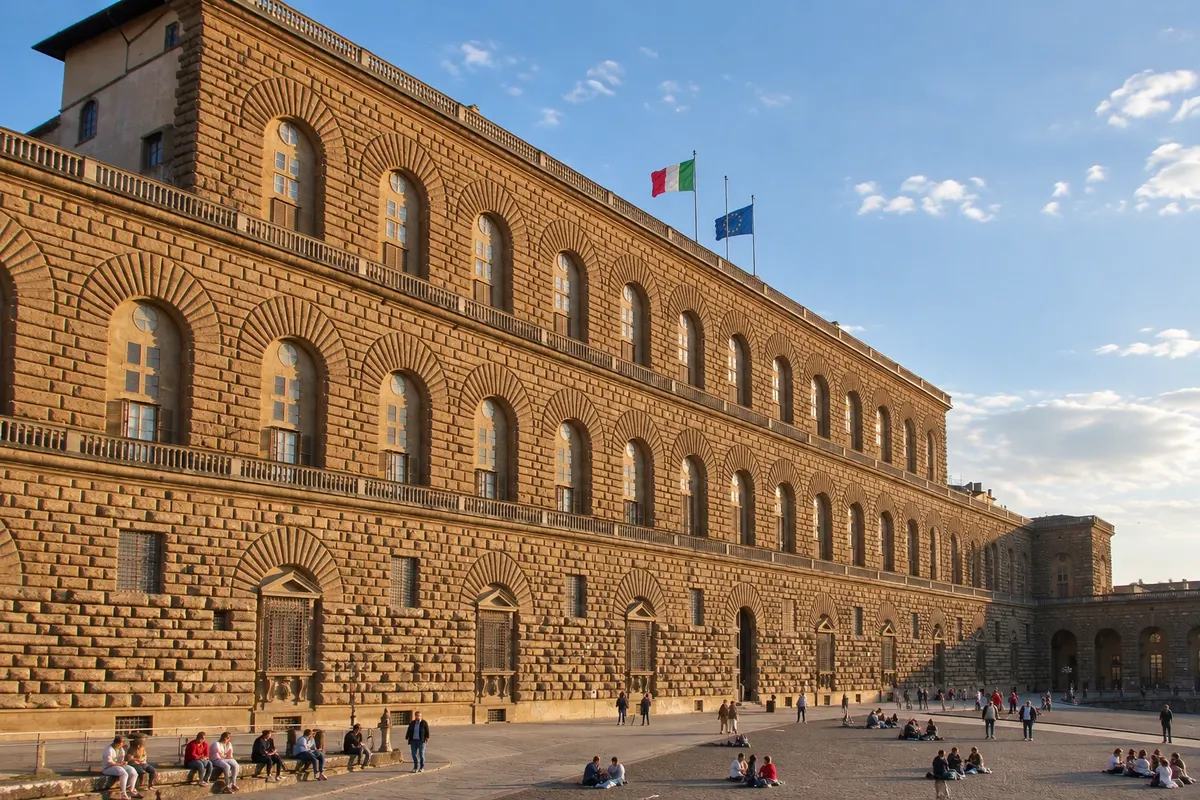
The Médici family, bankers who ruled the city and later the Grand Duchy of Tuscany, commissioned much of what visitors see today. The collections they assembled are in the Galleria degli Uffizi and the Palazzo Pitti; the family's tombs are in the Cappelle Medicee, next to the Basilica di San Lorenzo.
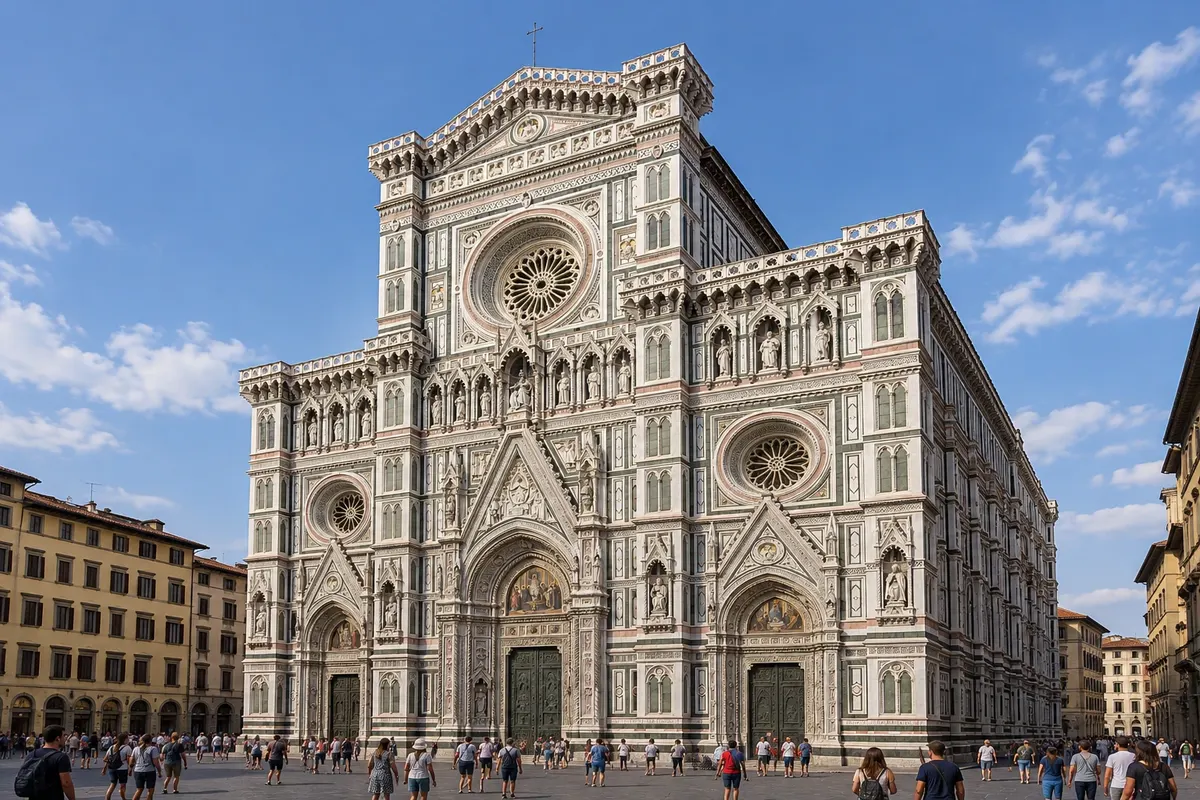
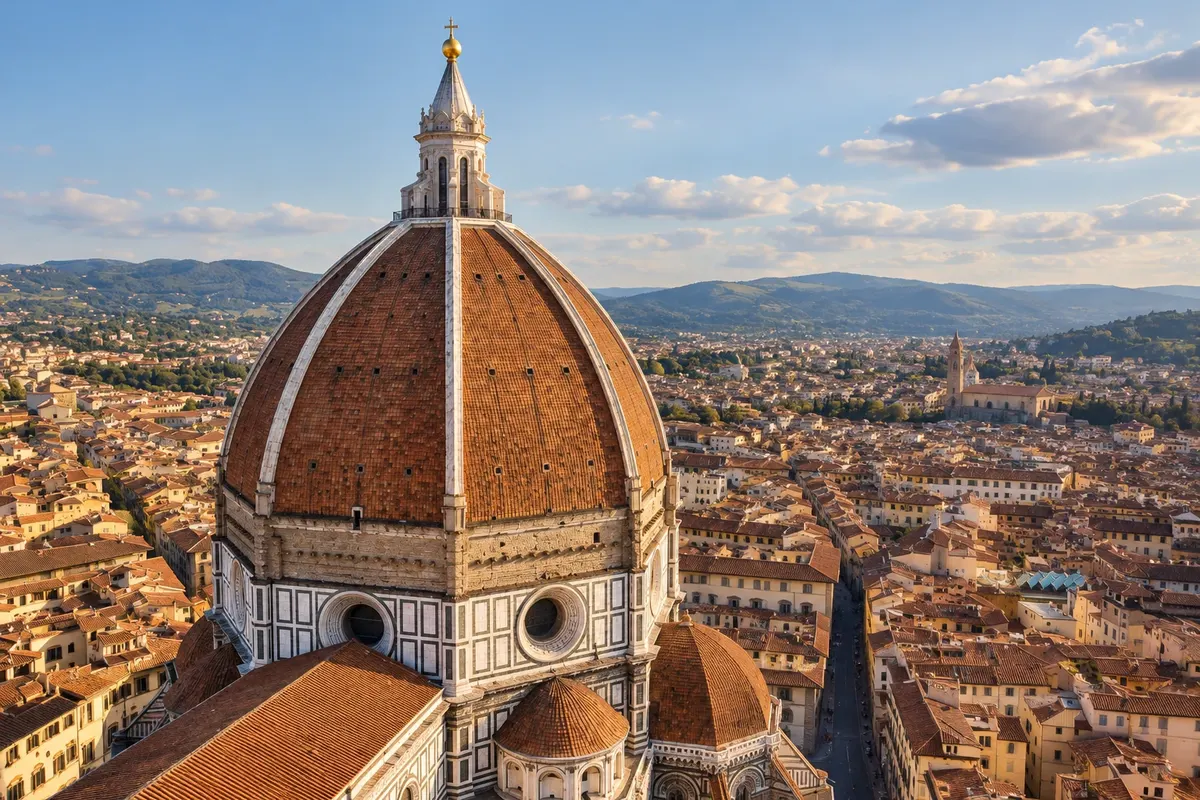
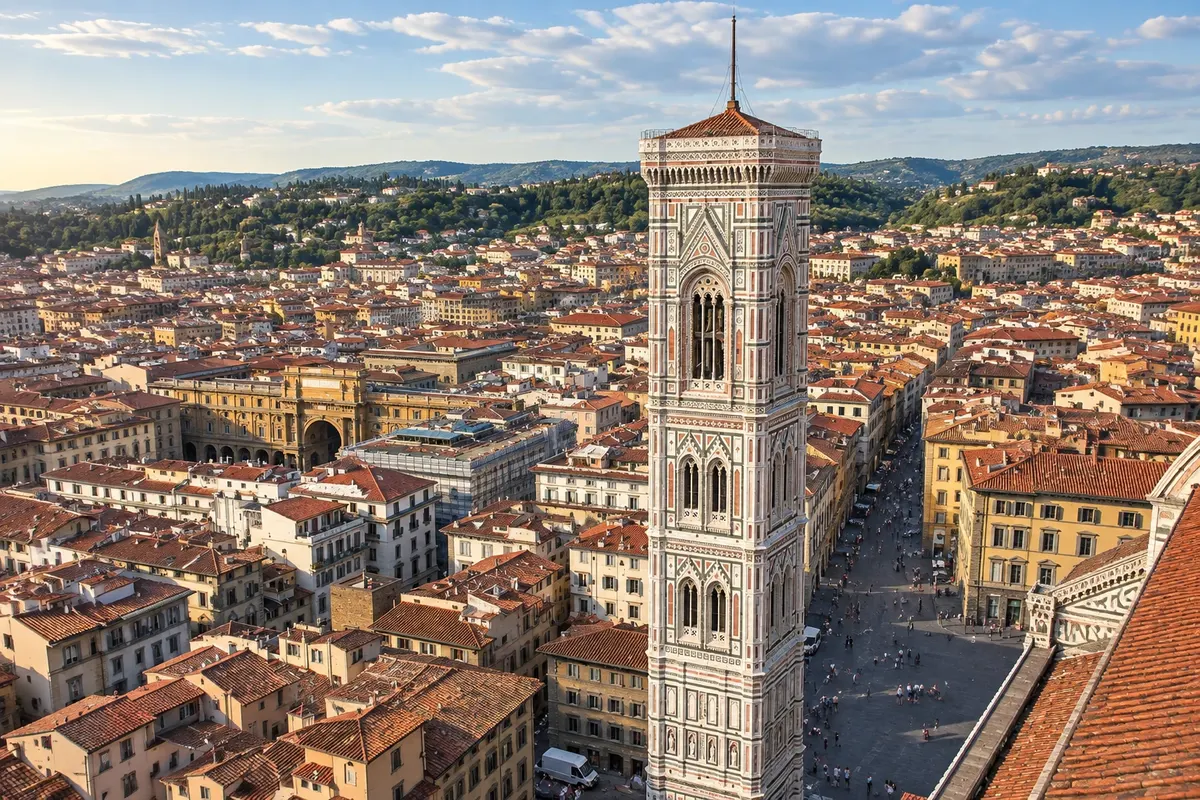
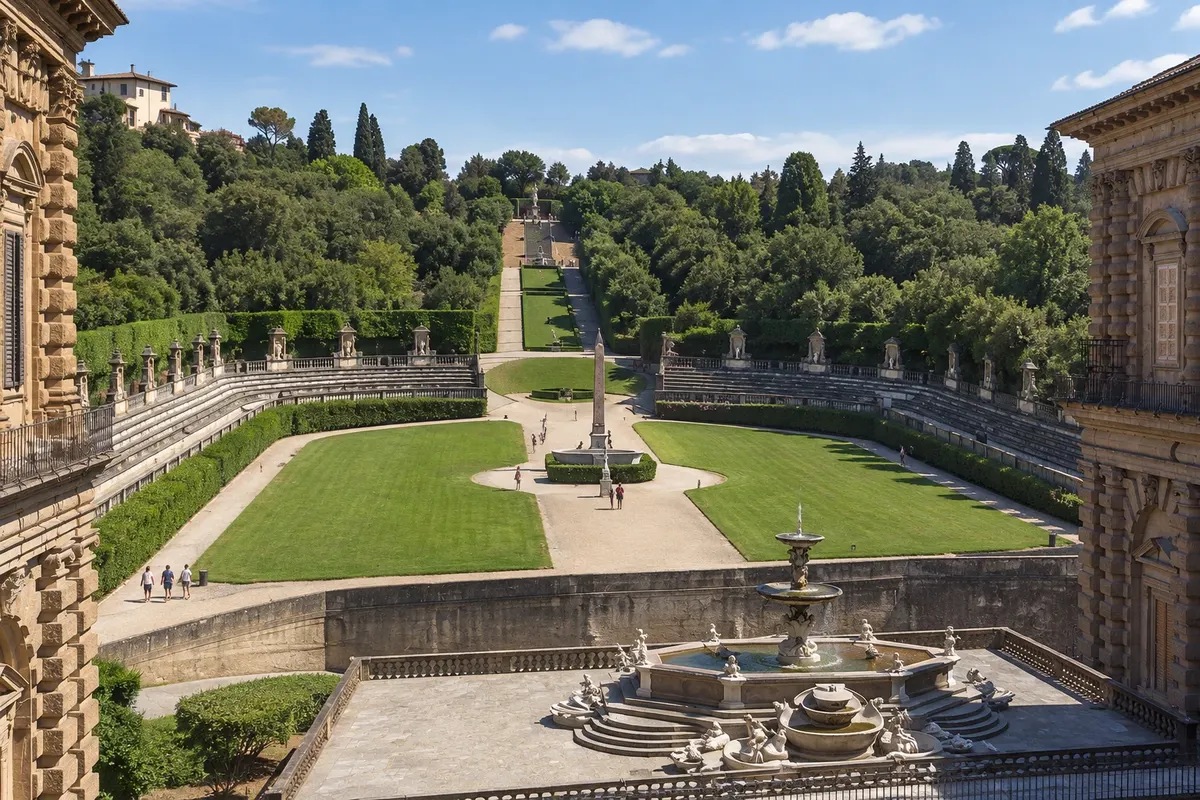
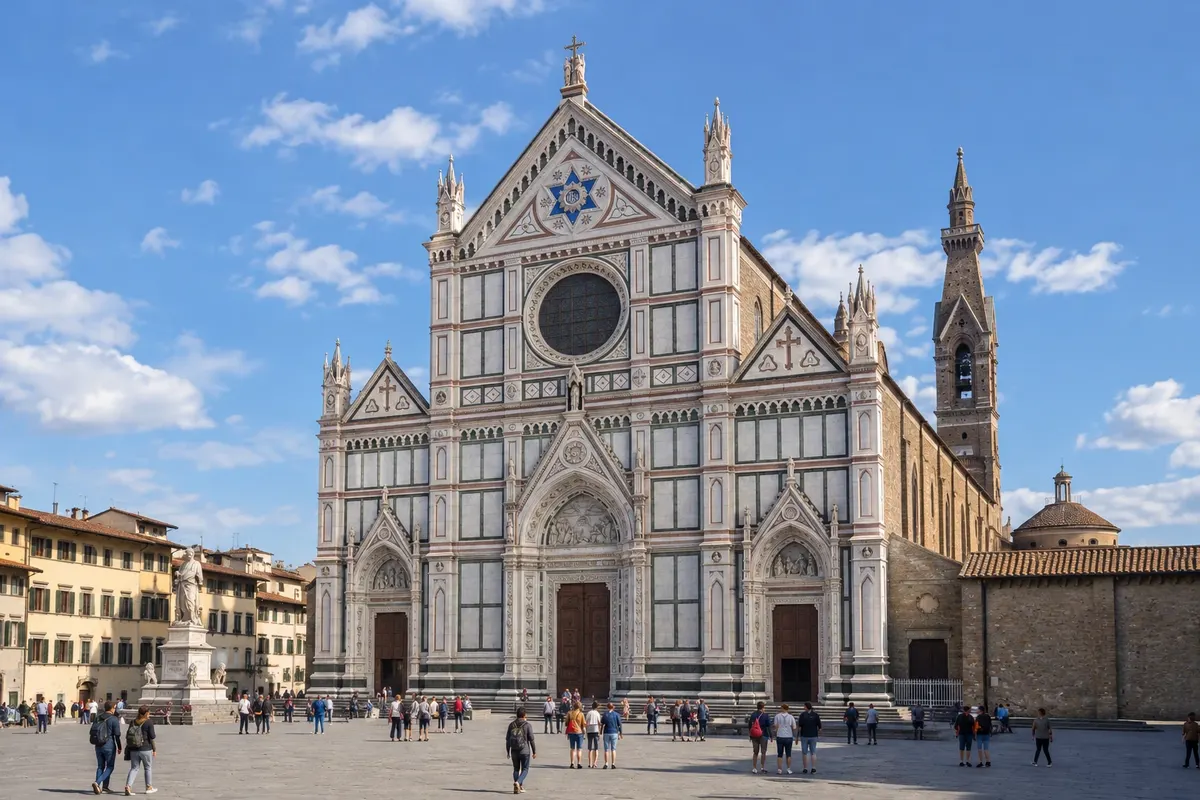
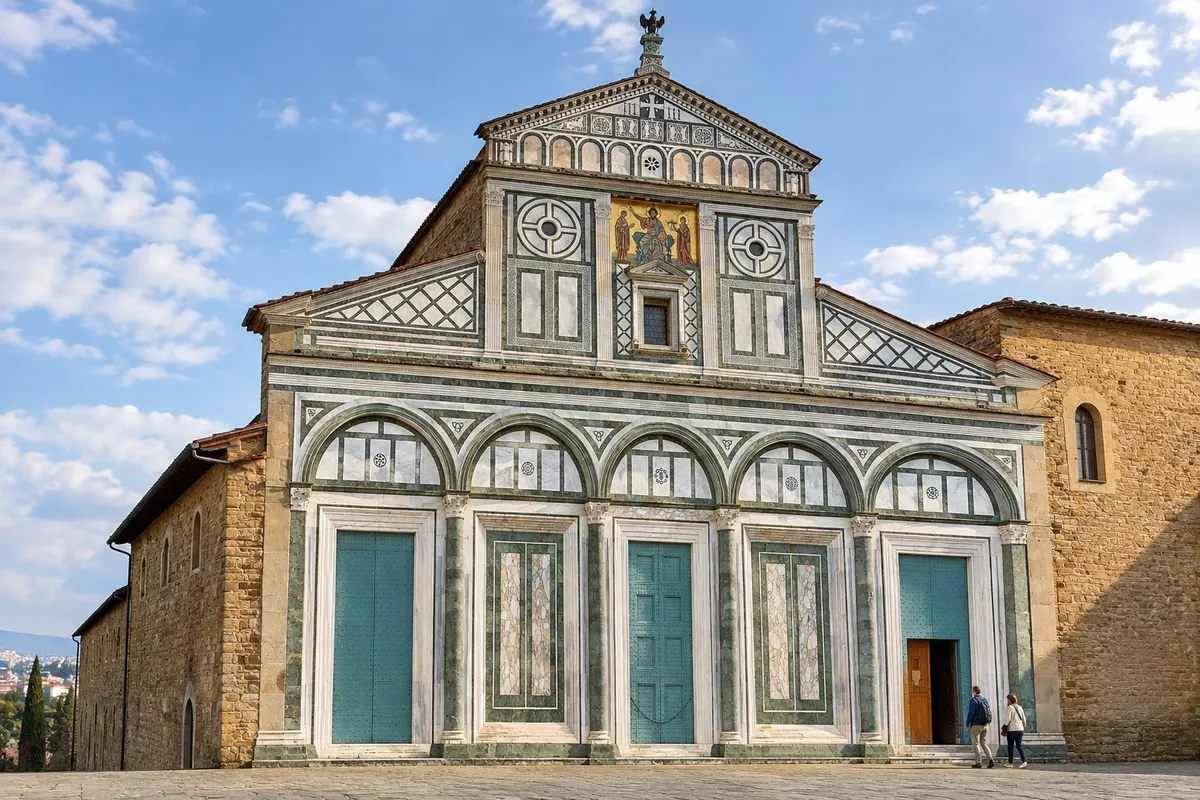
Brunelleschi's dome, atop the Cattedrale di Santa Maria del Fiore, dominates the skyline. Michelangelo is everywhere: the original Davi in the Galleria dell'Accademia, the Sagrestia Nuova in the Cappelle Medicee, the tomb in the Basilica di Santa Croce. On the other side of the Arno, the Oltrarno preserves artisan workshops, the Giardino di Boboli and the viewpoints of the Piazzale Michelangelo and San Miniato al Monte.
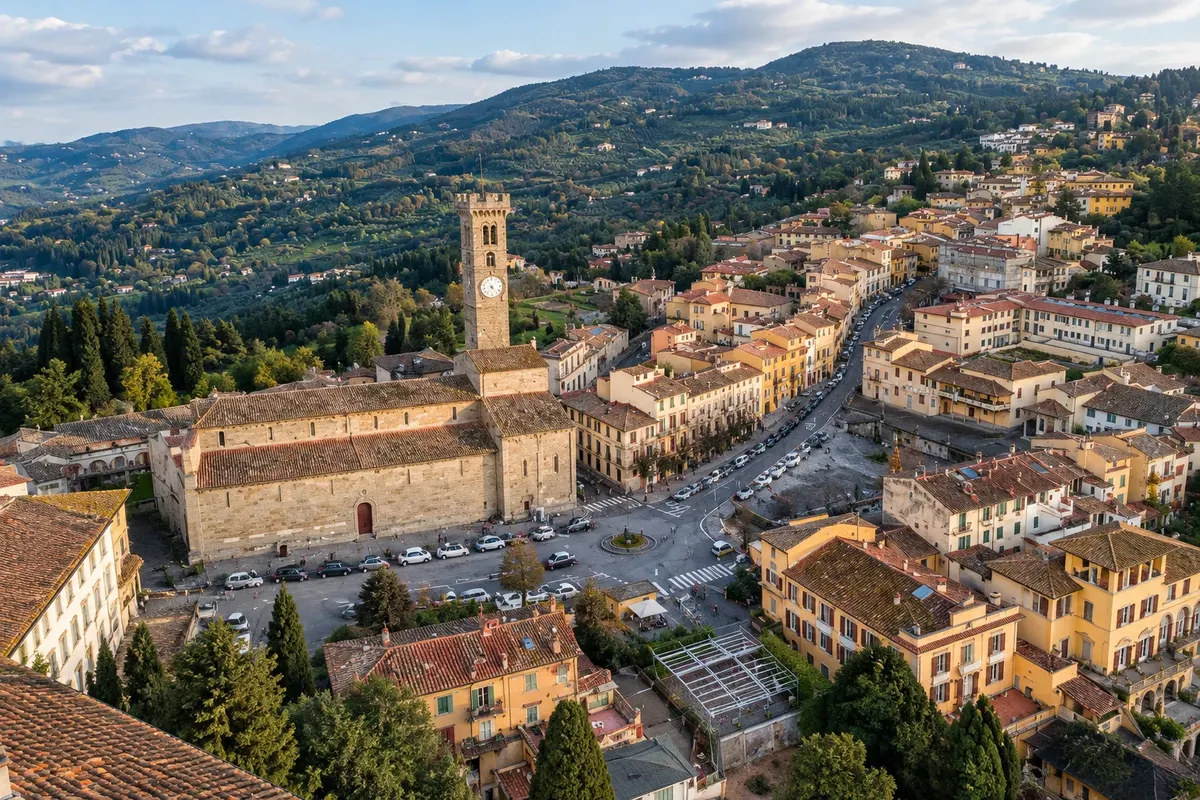
Florença is also the most practical base for exploring the rest of Tuscany. Fiesole sits on the hill just above the city, and the Chianti, a region of vineyards and villages, begins to the south. Siena, Pisa, San Gimignano and Lucca make convenient day trips by train or bus.
This destination brings together 1 city: Florença.


 Brazil
 Argentina
 Chile
Chile Colombia
 Peru
Peru Uruguay
 Germany
 Belgium
 Spain
Spain France
 Greece
 the Netherlands
 Ireland
 Portugal
 the United Kingdom
 Switzerland