Barcelona

Catalunha · Spain

Barcelona

Capital da Catalunha on the shore of the Mar Mediterrâneo, with Gaudí's works, the medieval Bairro Gótico and beaches within the city.

Mediterrâneo

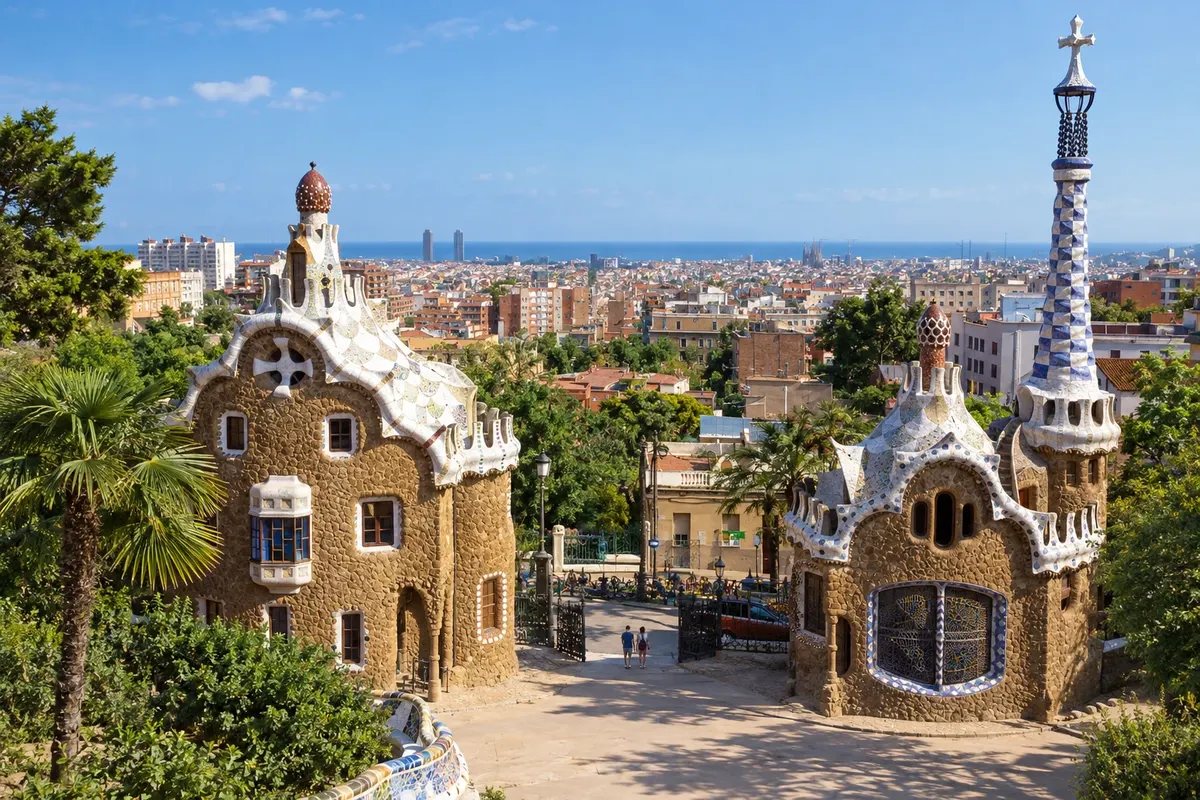
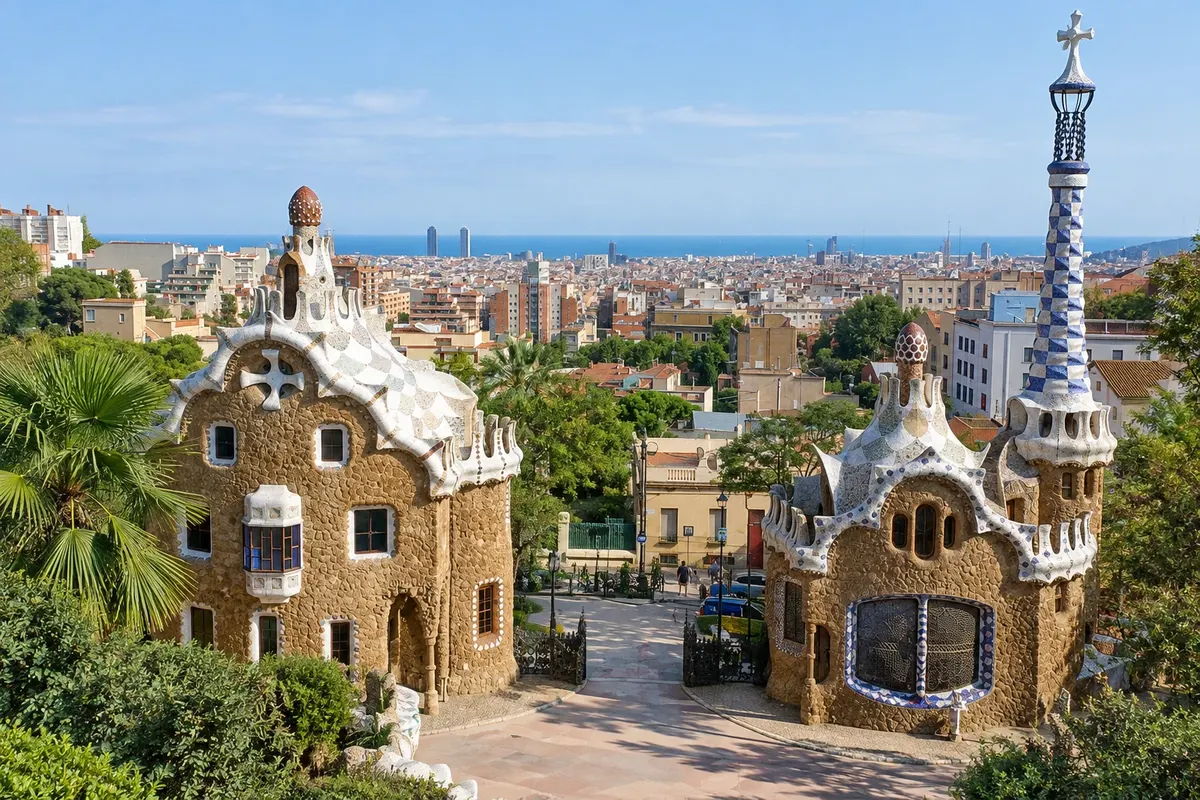
In the photo: Park Güell in Barcelona

Illustrative images. The pictures in this guide are illustrations based on the real place, not photographs, and may differ from it.

Get it on Google Play Send your photos

Get to know the place

A region to enjoy
at your own pace.

Barcelona is the capital da Catalunha and the second largest city in Spain. It is in the northeast of the country, facing the Mar Mediterrâneo, between the rivers Llobregat and Besòs. The Romans called it Barcino, and stretches of the wall from that time still appear in the old centre.

The city has two official languages: Catalan and Spanish (Castilian). Signs, menus and street names often appear in Catalan, such as Plaça, Carrer and Passeig. Portuguese speakers understand much of both languages in writing.

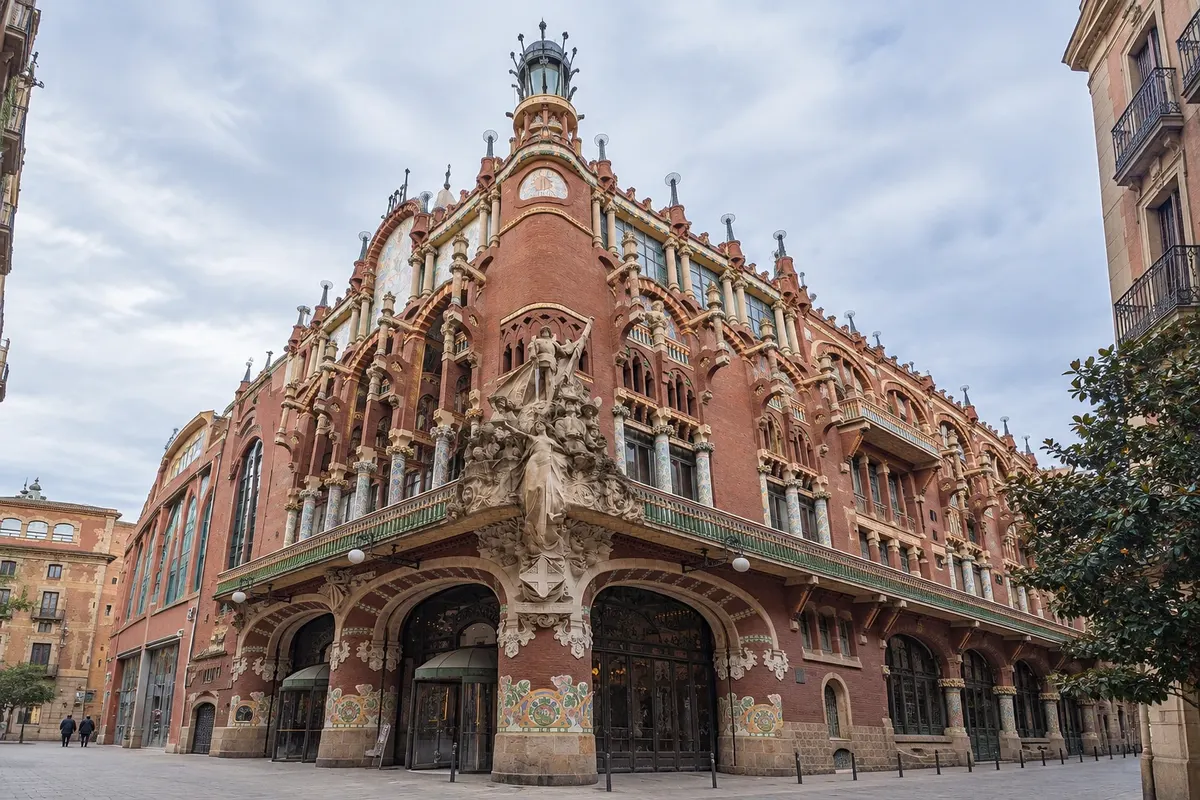
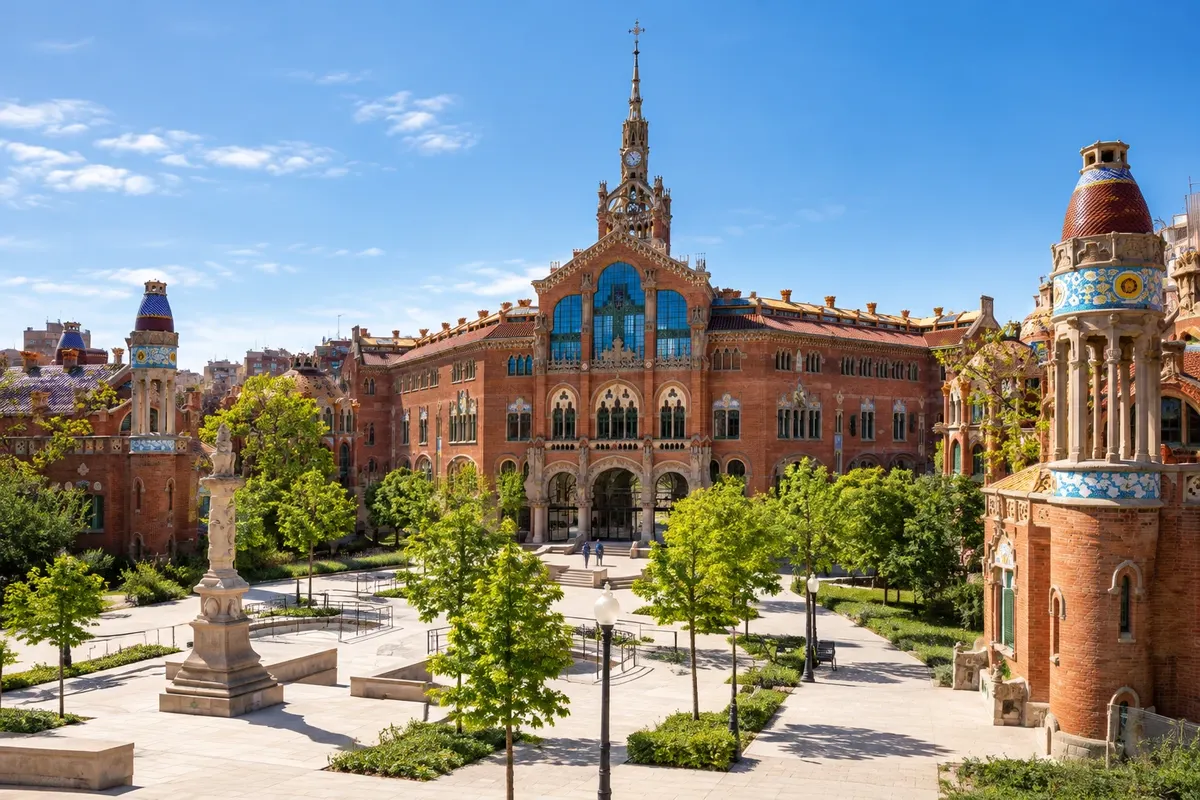
The main attraction is Catalan modernism from the early 20th century. Antoni Gaudí left the Sagrada Família, Park Güell, Casa Batlló, Casa Milà and Palau Güell in the city. Lluís Domènech i Montaner was responsible for the Palau de la Música Catalana and the former Hospital de Sant Pau. Several of these works are UNESCO World Heritage sites.

Beside the modernism is medieval Barcelona: the Barri Gòtic, the Catedral, the church of Santa Maria del Mar and the street Montcada, where the Museu Picasso is located. The Rambla links the Plaça de Catalunya to the port, passing the Boqueria market.

The city also has urban beaches in Barceloneta, the Montjuïc hill with museums and gardens, and the Tibidabo, from where you can see the whole city. The monastery of Montserrat, in the mountains to the northwest, is a very popular day trip.

This destination brings together 1 city: Barcelona.

Share: WhatsApp
Traveler, share your experiences through photos Up to 5 photos of each place you visited.

One destination, many paths

The cities on this trip

Start with one city or combine several in your itinerary.

Where Barcelona is
Barcelona

Contornos: IGN/CNIG, unidades administrativas, CC BY 4.0. Adaptação do Cidade Turismo.

How to get there: Barcelona

✈ Aeroport Josep Tarradellas Barcelona-El Prat (BCN), in El Prat de Llobregat · 15 km to Barcelona

The Aeroporto Josep Tarradellas Barcelona-El Prat (BCN) is in El Prat de Llobregat, southwest of the centre. Confirm before purchasing. From Madri, the high-speed train takes about 2.5 to 3 hours to Barcelona-Sants station.

The local experience

Things to do in Barcelona

Basílica de la Sagrada Família
Barcelona · Catalunha · Church

Basílica de la Sagrada Família

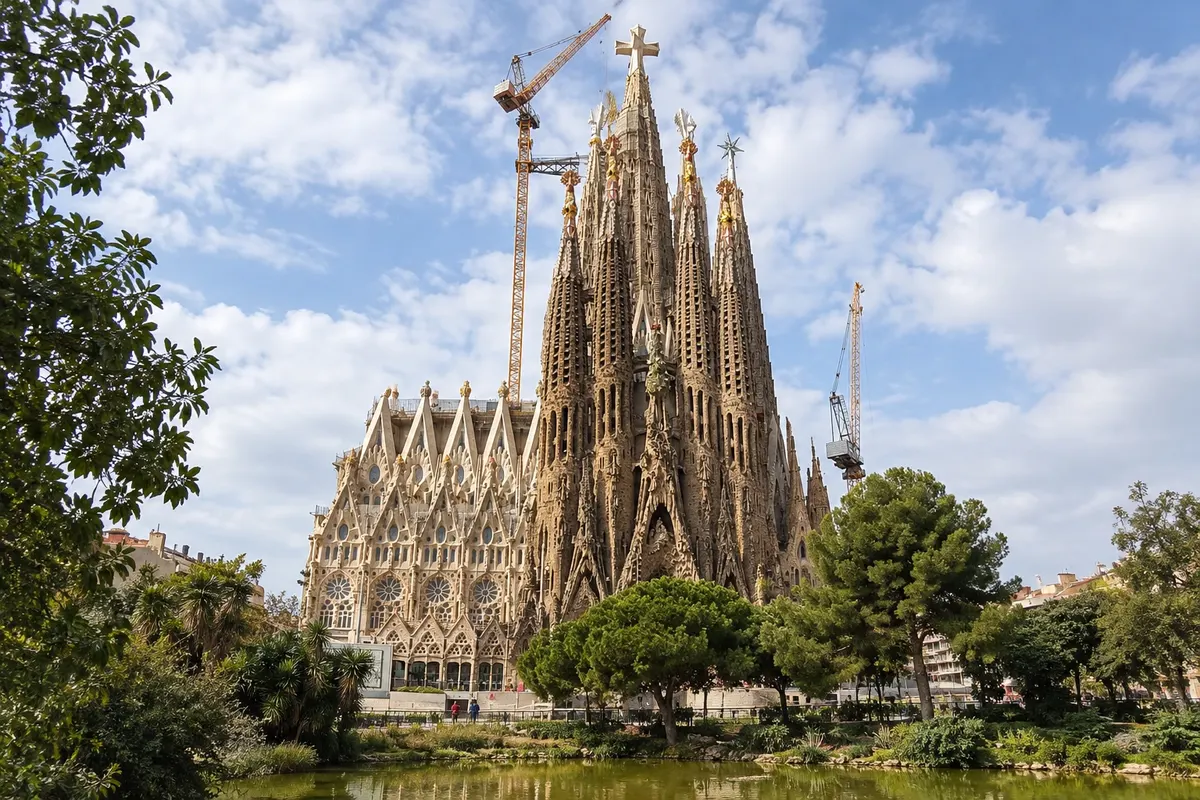
Antoni Gaudí's greatest work, under construction since 1882. It has façades full of sculptures, an interior shaped like a stone forest, and towers that can be visited.

Park Güell
Barcelona · Catalunha · Park

Park Güell

Park created by Gaudí on the heights of the Gràcia neighborhood, between 1900 and 1914, featuring the mosaic salamander, the columned hall, the undulating bench and city views.

Casa Batlló
Barcelona · Catalunha · House museum

Casa Batlló

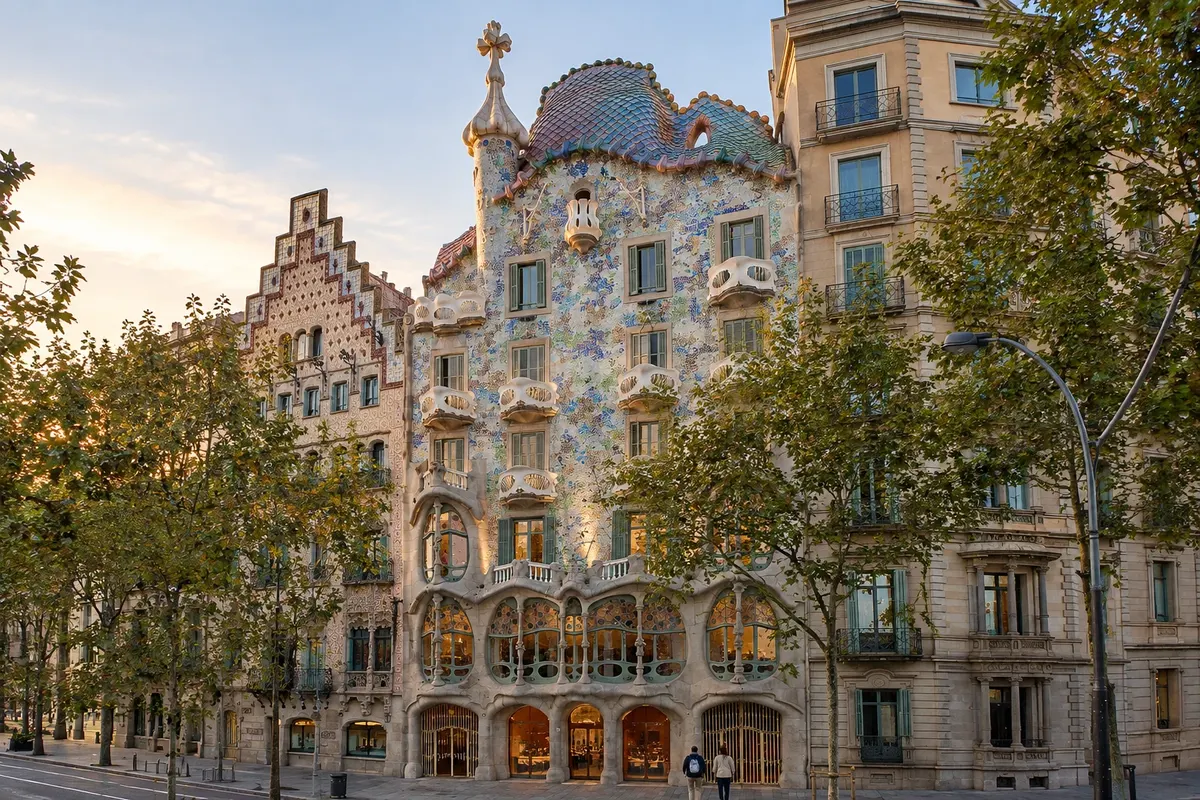
Building on Passeig de Gràcia renovated by Gaudí between 1904 and 1906 for Josep Batlló, with a façade of bones and scales and an interior open to visitors up to the rooftop.

Casa Milà (La Pedrera)
Barcelona · Catalunha · House museum

Casa Milà (La Pedrera)

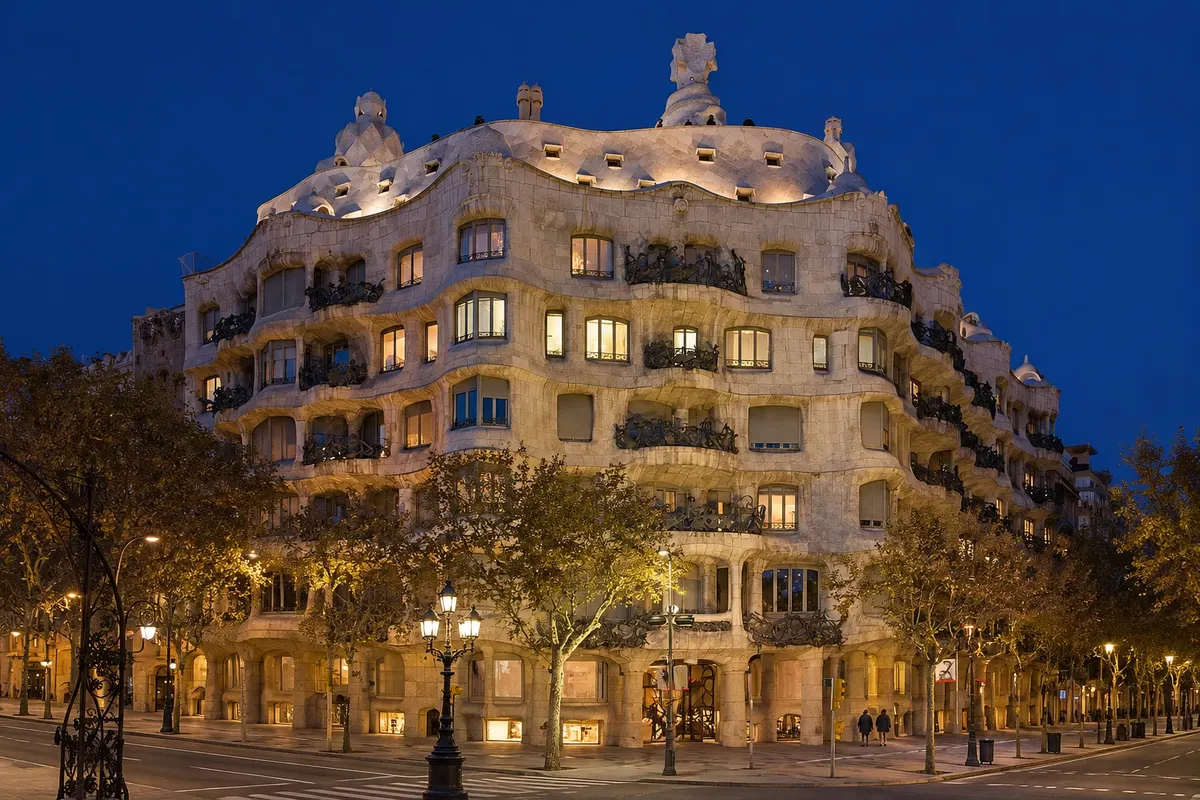
Building by Gaudí constructed between 1906 and 1912 on Passeig de Gràcia, with an undulating stone façade and a rooftop terrace of sculptural chimneys.

See 25 more places in Barcelona
Barri Gòtic
Barcelona · Catalunha · Historic neighborhood

Barri Gòtic

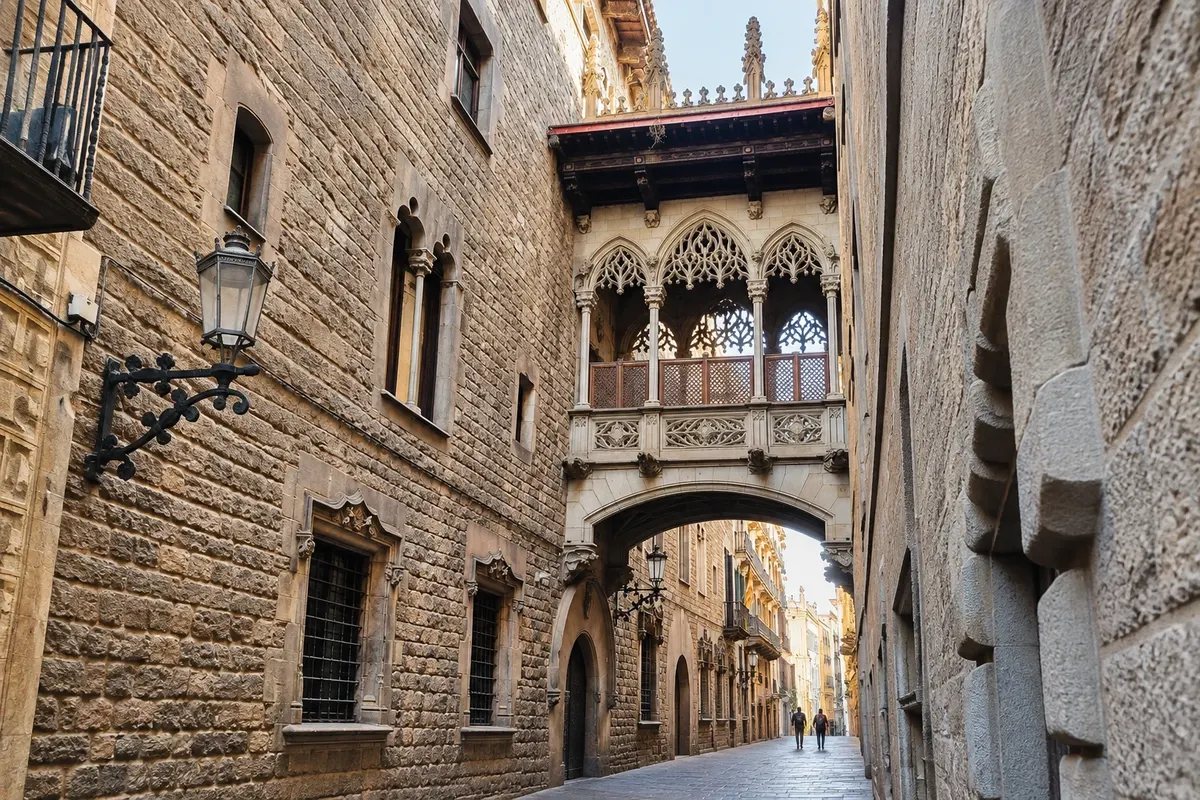
The oldest core of Barcelona, between the Rambla and the Via Laietana, with narrow streets, remains of the Roman wall, the Catedral and medieval squares.

Catedral de Barcelona
Barcelona · Catalunha · Cathedral

Catedral de Barcelona

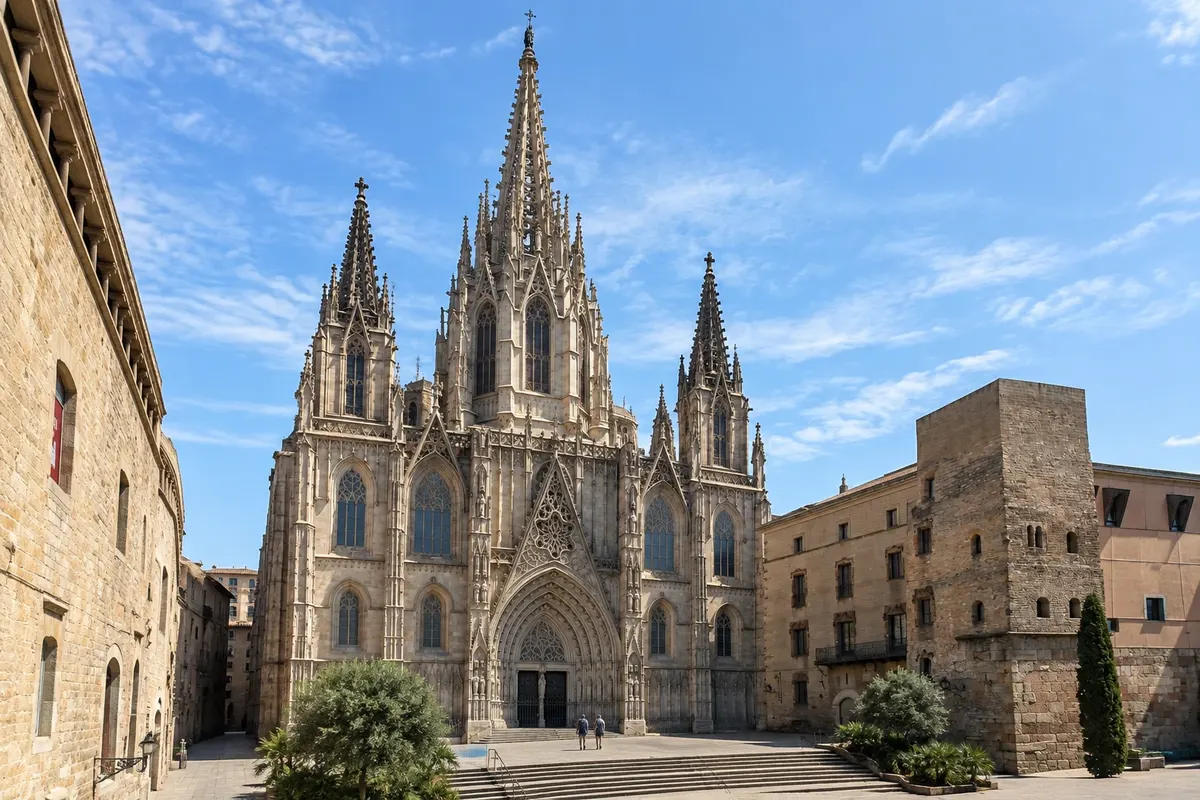
Gothic cathedral dedicated to Santa Cruz e Santa Eulália, with works from 1298 through the 15th century, a neo‑Gothic façade and a cloister with 13 geese.

La Rambla
Barcelona · Catalunha · Street

La Rambla

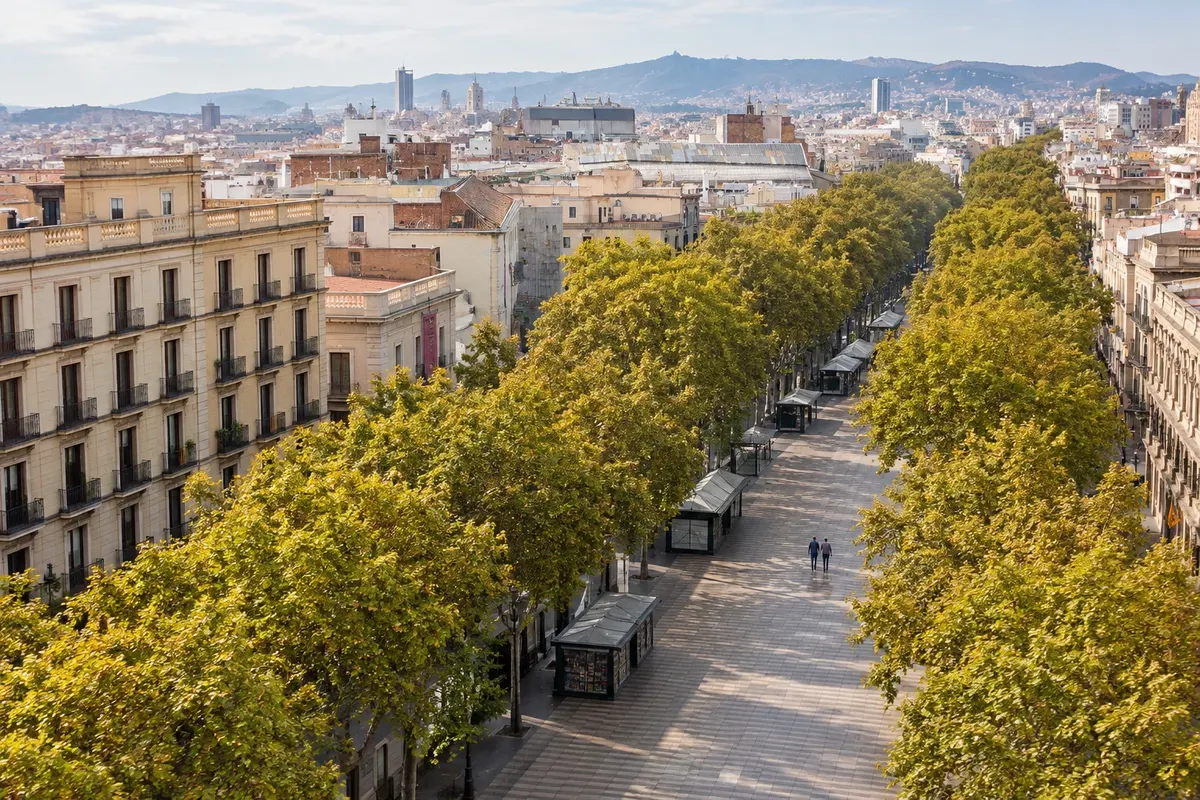
A pedestrian promenade of about 1.2 km that descends from the Plaça de Catalunya to the monument to Colombo by the port, passing the Boqueria and the Liceu theatre.

Mercat de Sant Josep de la Boqueria
Barcelona · Catalunha · Market

Mercat de Sant Josep de la Boqueria

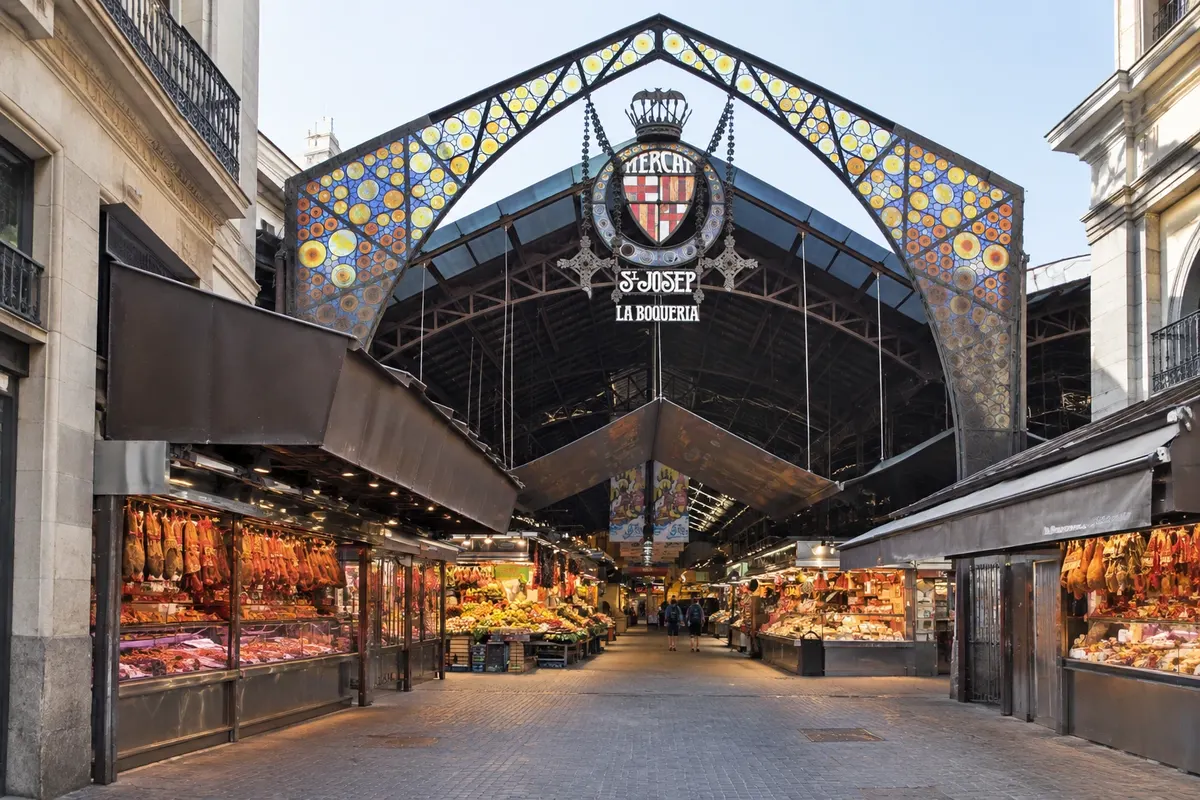
Barcelona's most famous market, on La Rambla, with over 300 stalls selling fruit, seafood, hams and counters where you can eat on the spot.

Basílica de Santa Maria del Mar
Barcelona · Catalunha · Church

Basílica de Santa Maria del Mar

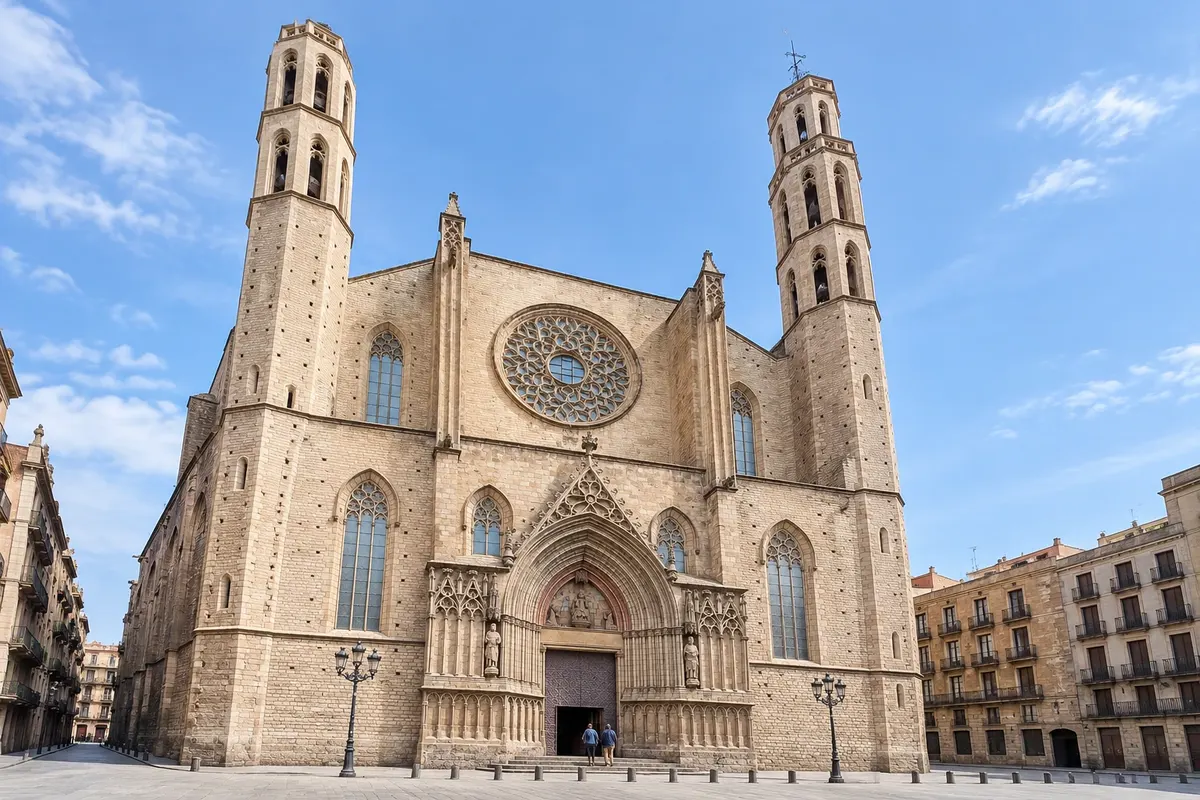
Gothic church built between 1329 and 1383 by the residents of the Ribera neighborhood, in El Born, featuring a wide nave and slender columns.

Museu Picasso
Barcelona · Catalunha · Museum

Museu Picasso

Museum opened in 1963 in five medieval palaces on rua Montcada, with over 3,500 works by Picasso, highlighting his early years and the Las Meninas series.

Palau de la Música Catalana
Barcelona · Catalunha · Concert hall

Palau de la Música Catalana

Modernist concert hall by Lluís Domènech i Montaner, inaugurated in 1908, featuring a stained-glass skylight and a stage decorated with sculptures.

Recinte Modernista de Sant Pau
Barcelona · Catalunha · Modernist complex

Recinte Modernista de Sant Pau

Former hospital by Lluís Domènech i Montaner, built between 1902 and 1930, with brick and ceramic pavilions linked by tunnels and gardens.

Palau Güell
Barcelona · Catalunha · Palace

Palau Güell

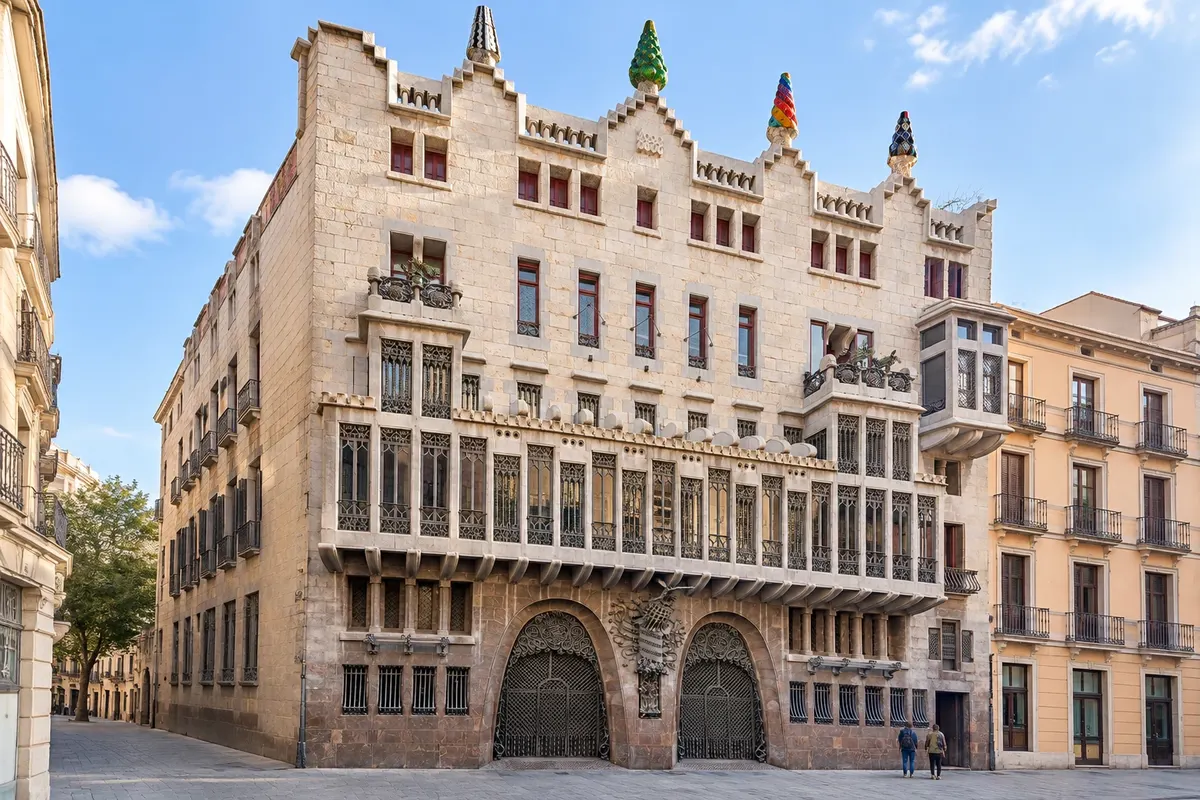
Mansion that Gaudí designed between 1886 and 1888 for Eusebi Güell, next to the Rambla, with a central hall under a dome and a terrace of colorful chimneys.

Castell de Montjuïc
Barcelona · Catalunha · Castle

Castell de Montjuïc

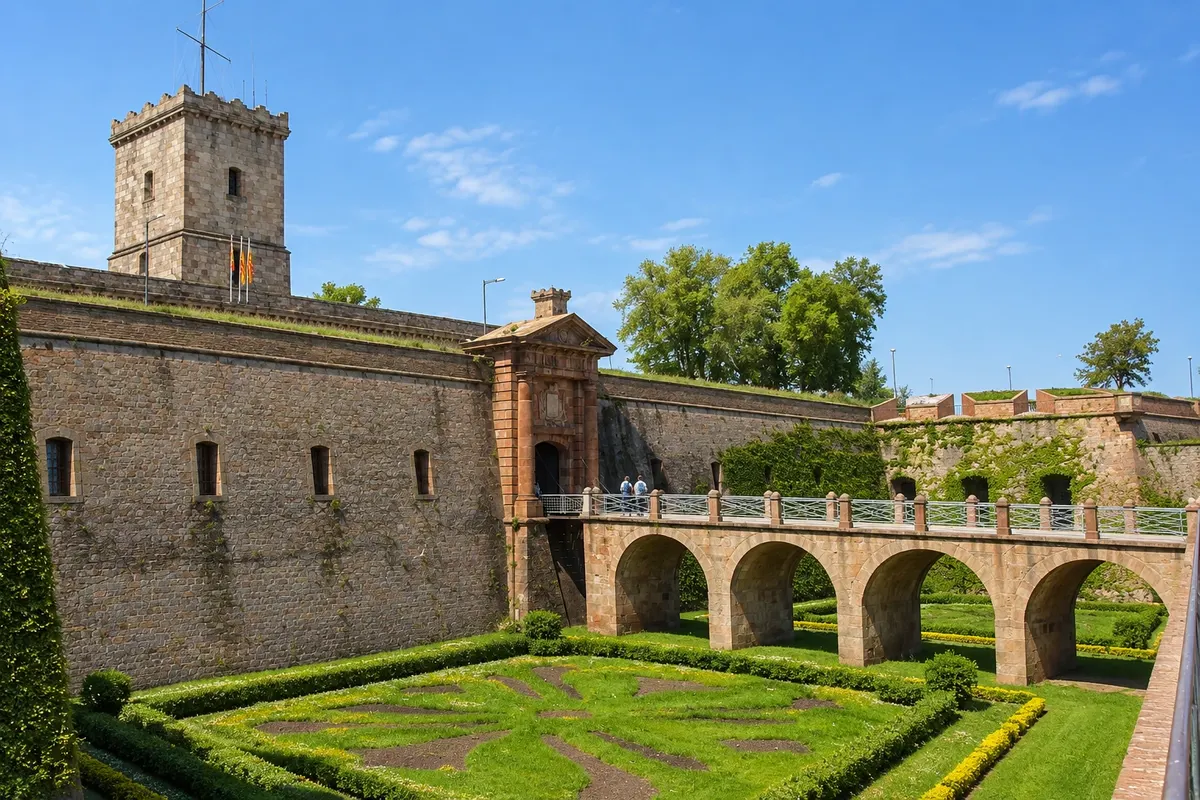
Star-shaped fortress atop the hill of Montjuïc, with a moat, four bastions and views over the port and the city. It began as a fort in 1640 and acquired its present form in the 18th century. It has belonged to the city council of Barcelona since 2007.

Museu Nacional d'Art de Catalunya
Barcelona · Catalunha · Museum

Museu Nacional d'Art de Catalunya

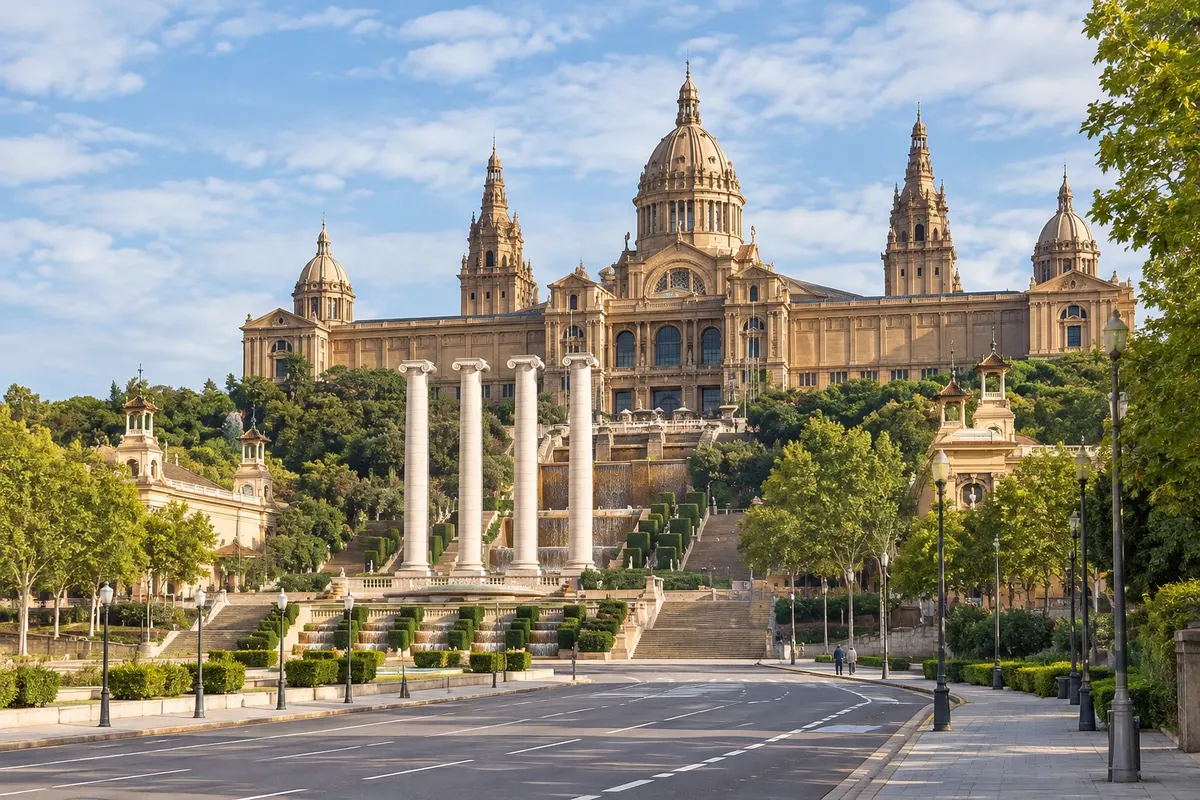
The Catalan art museum occupies the Palau Nacional, at the top of the avenue that rises from Plaça d'Espanya to Montjuïc. It has the largest collection of Romanesque mural painting in the world, as well as Gothic, Renaissance, Baroque and modern Catalan art.

Font Màgica de Montjuïc
Barcelona · Catalunha · Fountain

Font Màgica de Montjuïc

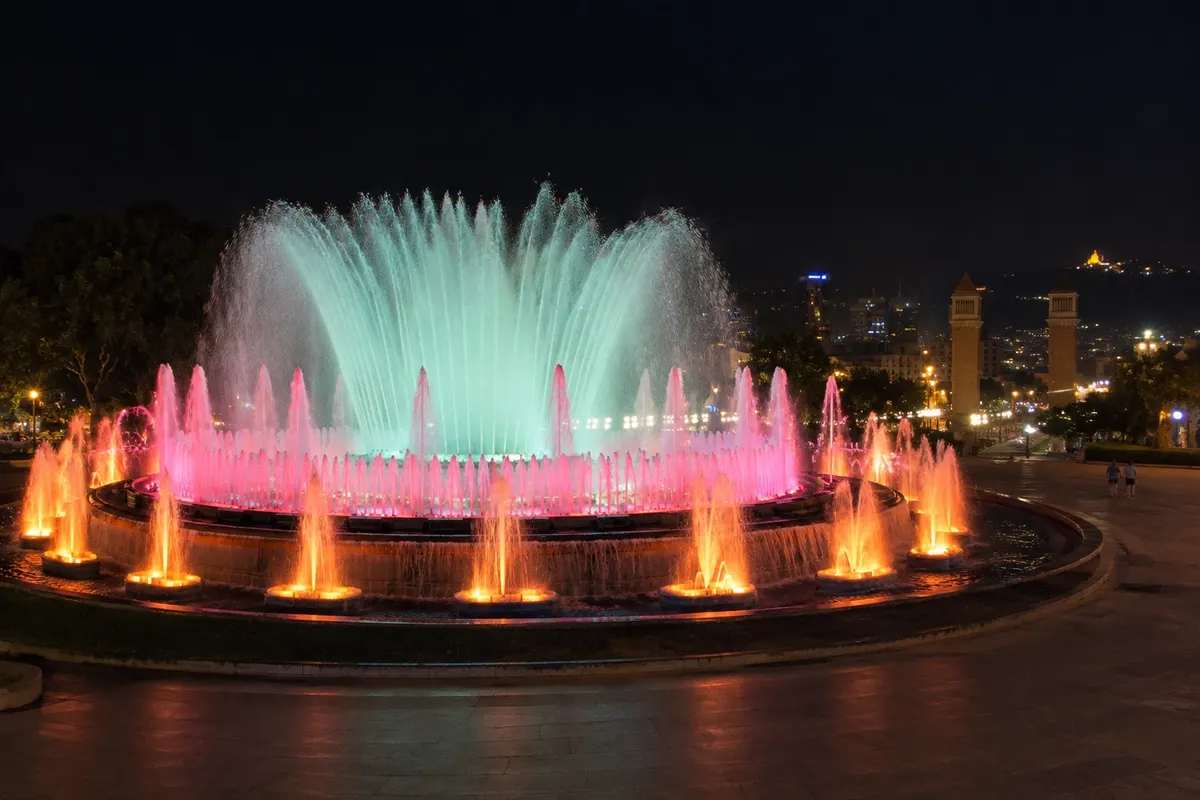
Illuminated fountain at the foot of the Palau Nacional, created by Carles Buïgas for the 1929 Exposition. On show nights, jets of water, light and music form choreographies. The schedule varies by season.

Poble Espanyol de Barcelona
Barcelona · Catalunha · Open-air museum

Poble Espanyol de Barcelona

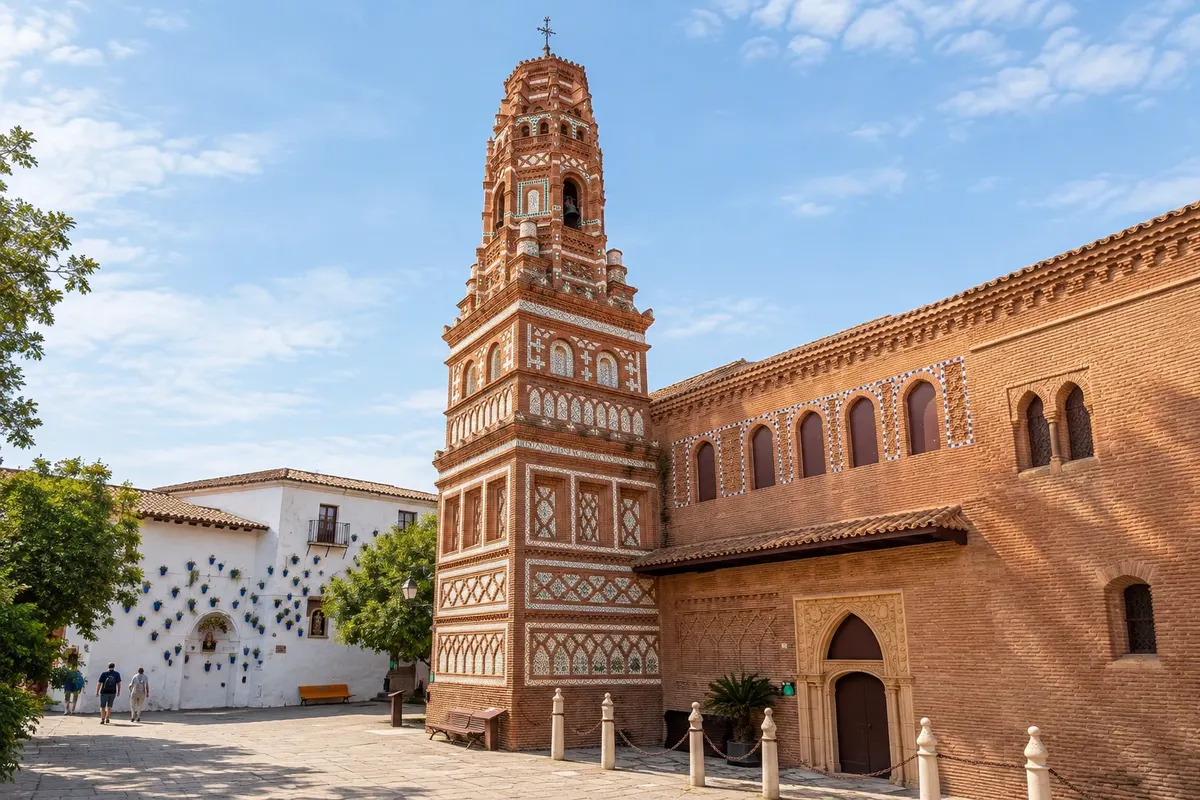
Village built for the 1929 Exposition with 117 life-size replicas of houses, squares and churches from various regions of Spain. It houses artisan workshops, restaurants and a museum of contemporary art.

Platja de la Barceloneta
Barcelona · Catalunha · Beach

Platja de la Barceloneta

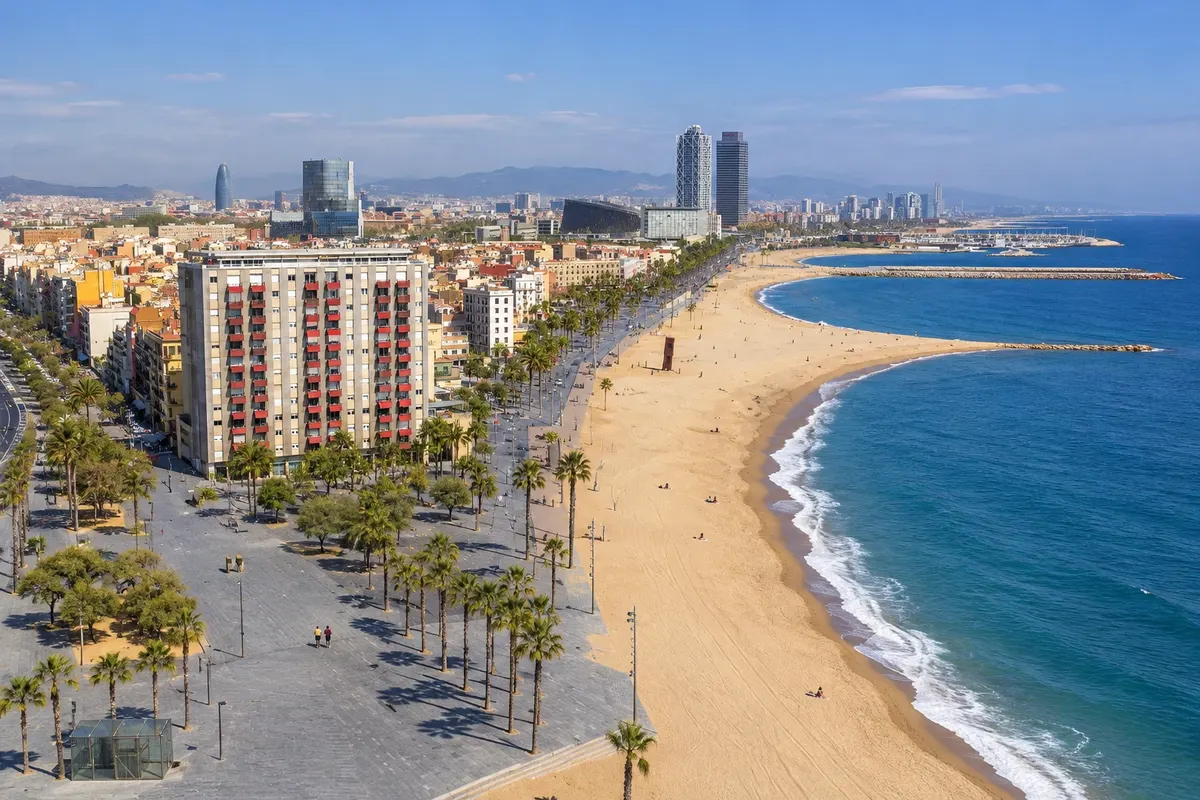
The city's oldest and most traditional beach, next to the fishing neighbourhood of Barceloneta, laid out in the 18th century. The promenade is lined with seafood restaurants and links Port Vell to Port Olímpic.

Mirador de Colom
Barcelona · Catalunha · Observation deck

Mirador de Colom

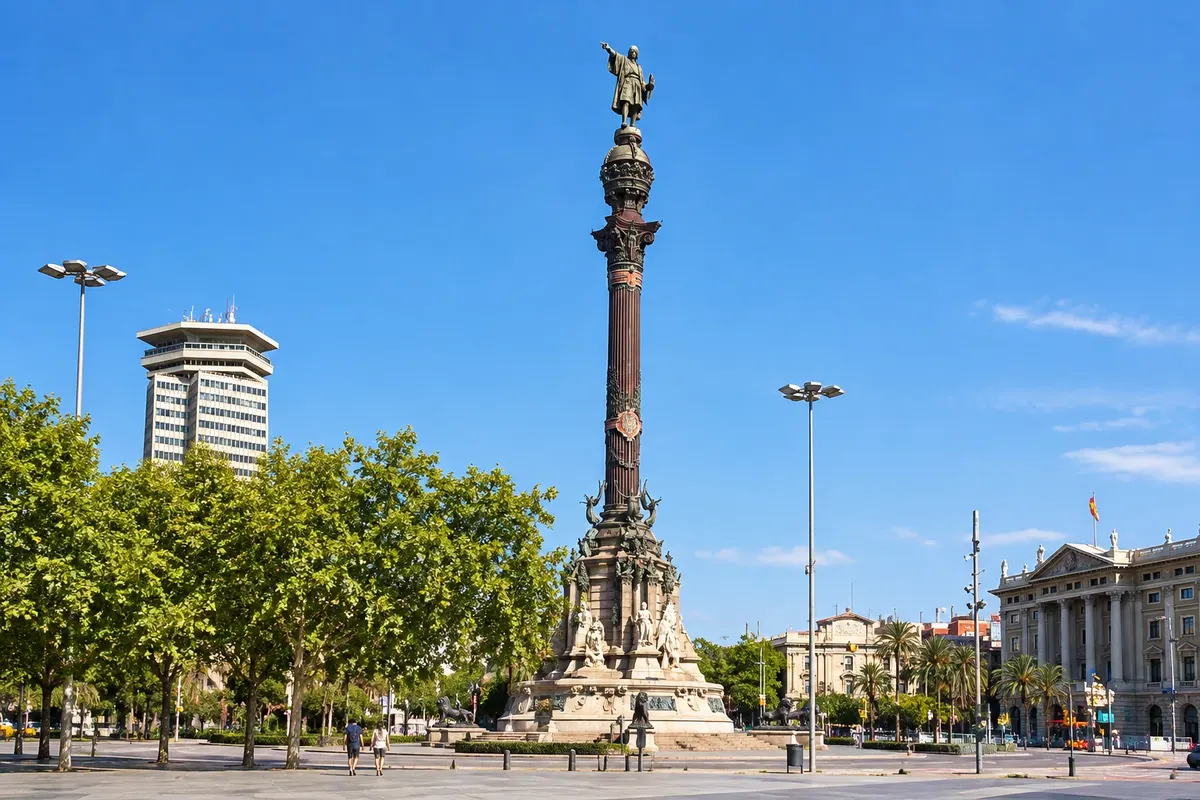
A 60-metre column with a statue of Christopher Columbus at the end of the Rambla, erected for the 1888 Exposition. An internal elevator leads to a viewpoint over Port Vell, Montjuïc and the old town.

Parc de la Ciutadella
Barcelona · Catalunha · Park

Parc de la Ciutadella

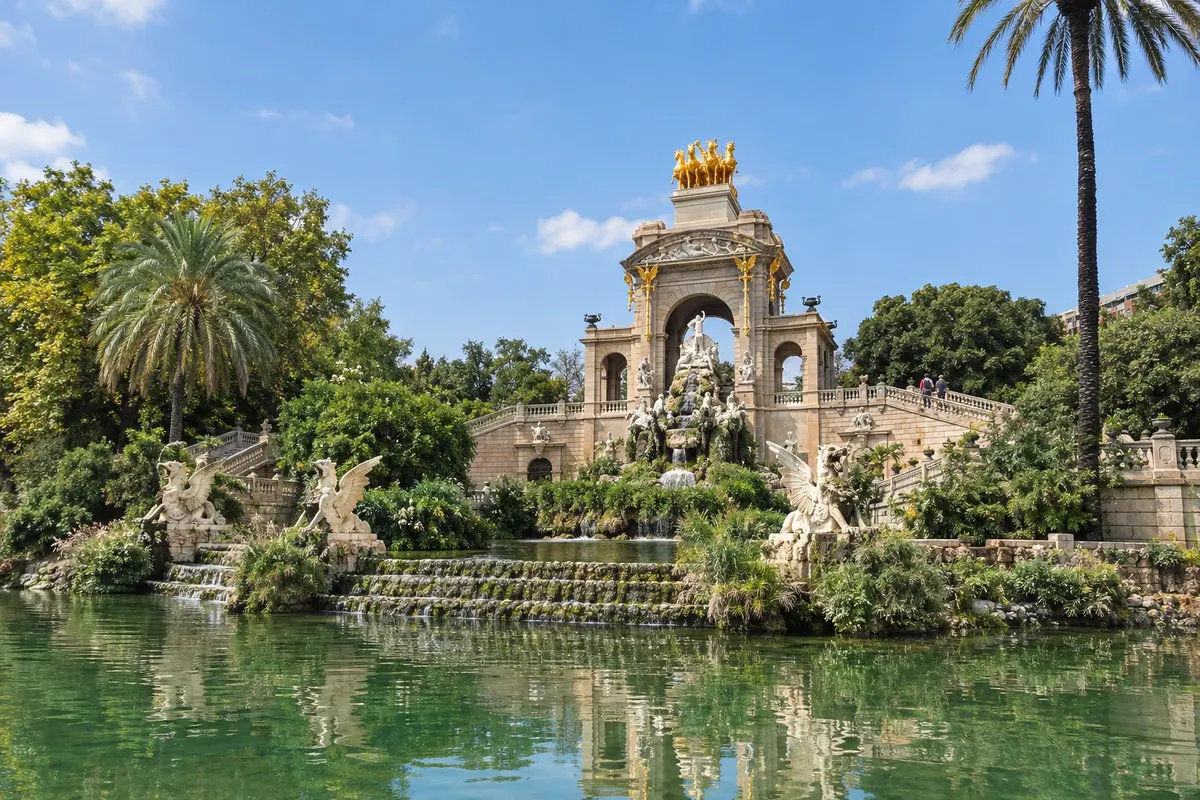
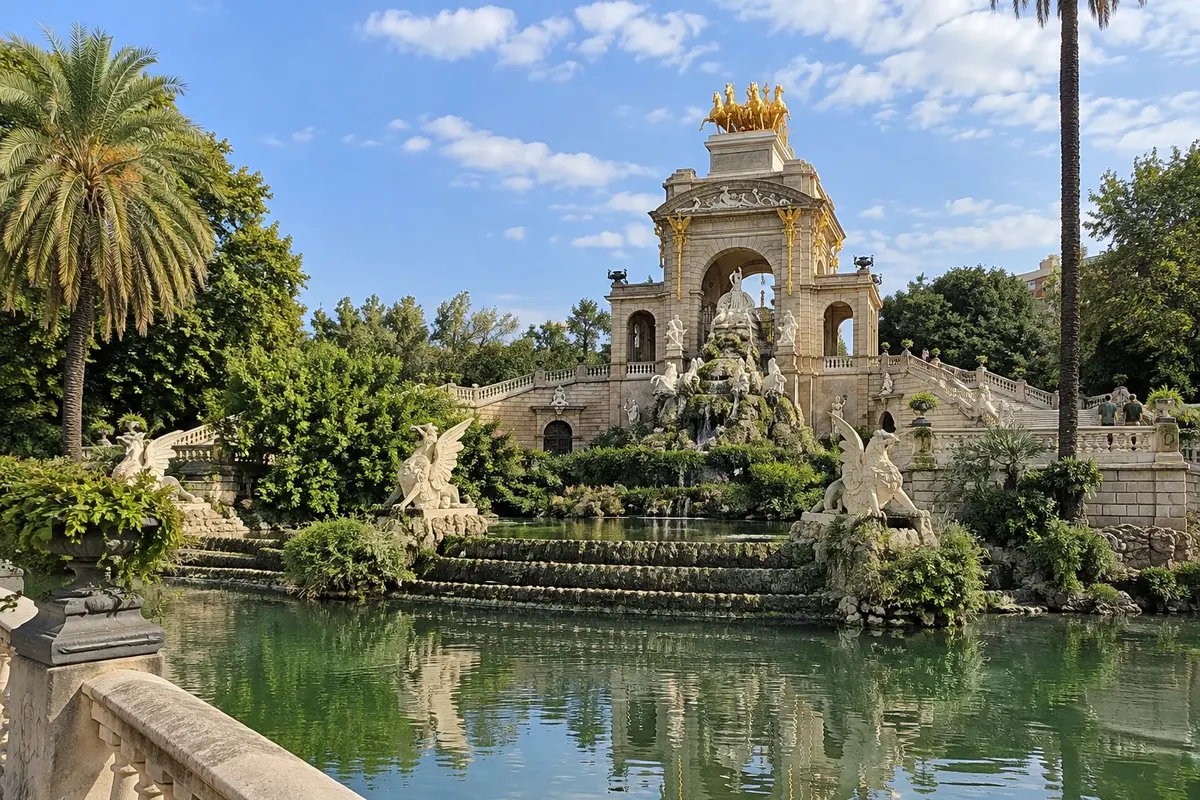
Park created on the site of the former military citadel, venue of the 1888 Universal Exposition. It has a lake with rowboats, the monumental Cascada fountain, the Parliament of Catalonia and the zoo. The Arc de Triomf stands at the entrance.

Tibidabo
Barcelona · Catalunha · Observation deck

Tibidabo

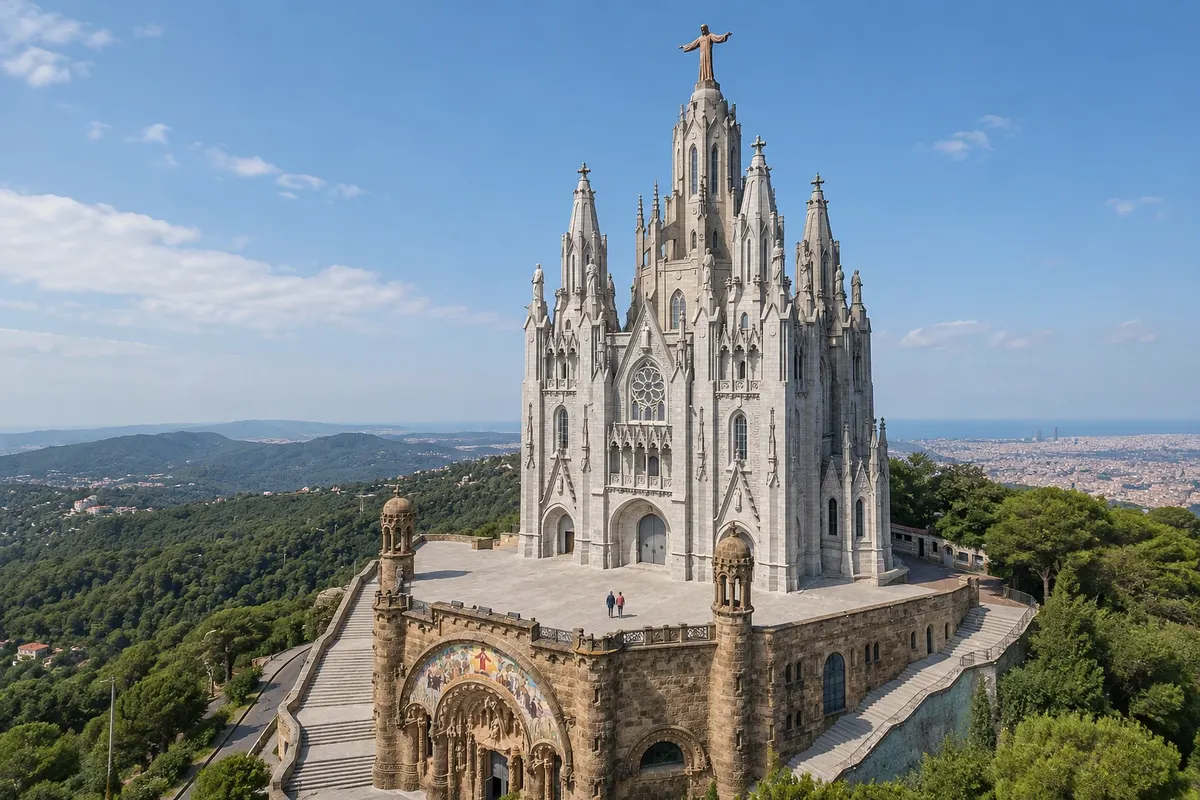
A 512-metre hill, the highest point of the serra de Collserola, with the Sagrat Cor temple and an amusement park opened in 1905. From there you can see the whole city and the sea.

Fundació Joan Miró
Barcelona · Catalunha · Museum

Fundació Joan Miró

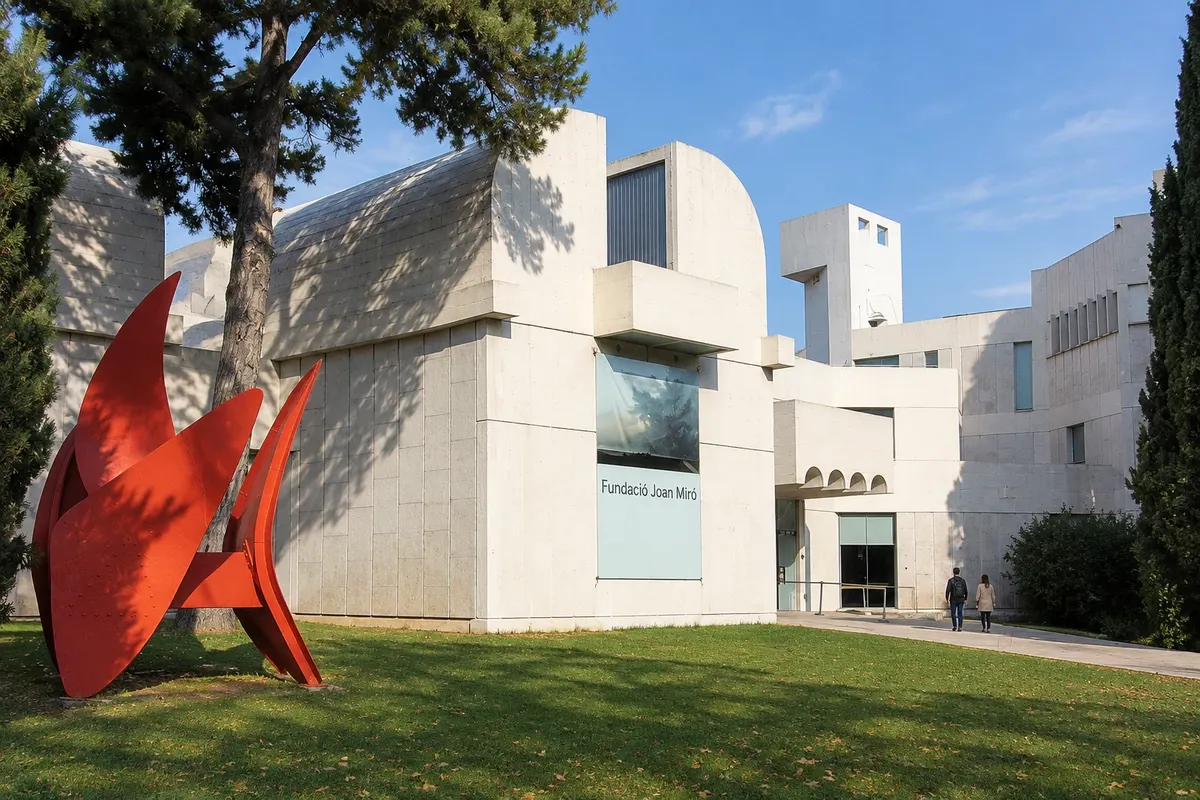
Museum dedicated to Joan Miró in Montjuïc, created by the artist himself and opened in 1975, in a white building by Josep Lluís Sert with courtyards and terraces. It houses the Mercury Fountain by Alexander Calder.

Casa Vicens
Barcelona · Catalunha · House museum

Casa Vicens

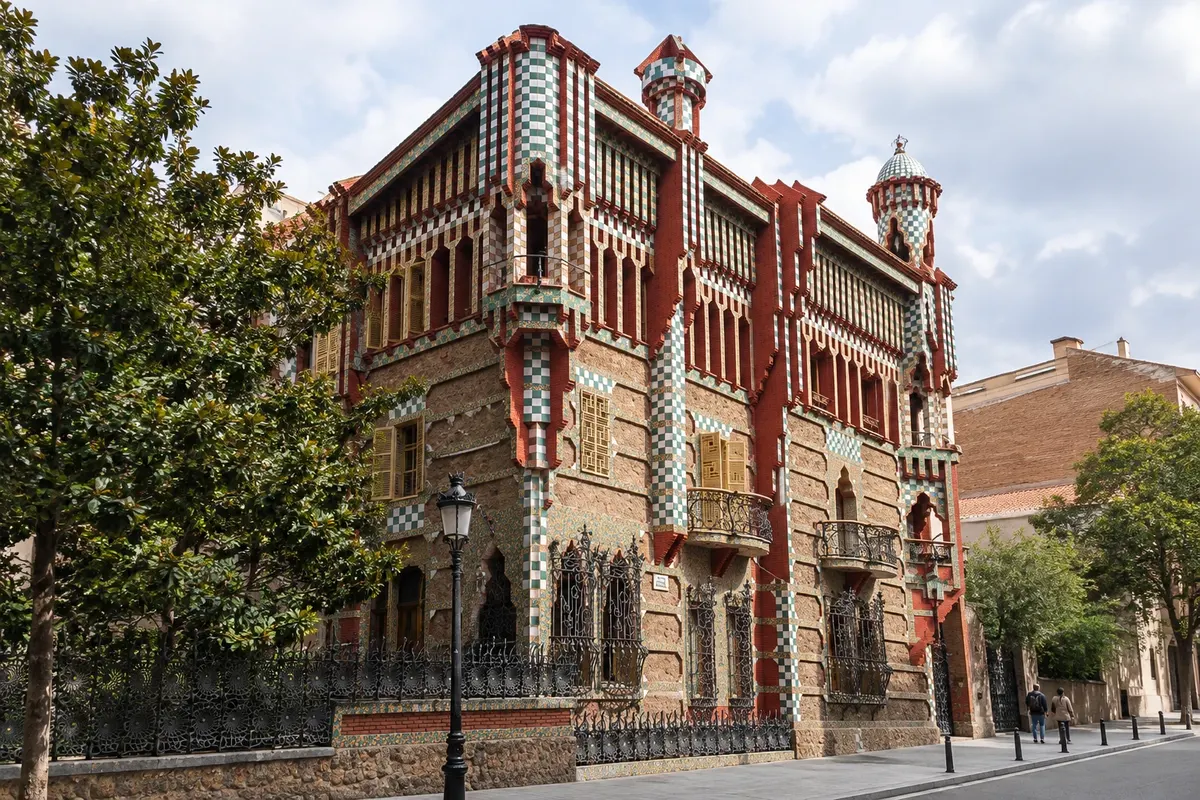
The first house designed by Antoni Gaudí, built between 1883 and 1885 in Gràcia as a summer residence. Tile and brick façade with Eastern-inspired motifs. It is a UNESCO World Heritage Site.

MUHBA Turó de la Rovira
Barcelona · Catalunha · Observation deck

MUHBA Turó de la Rovira

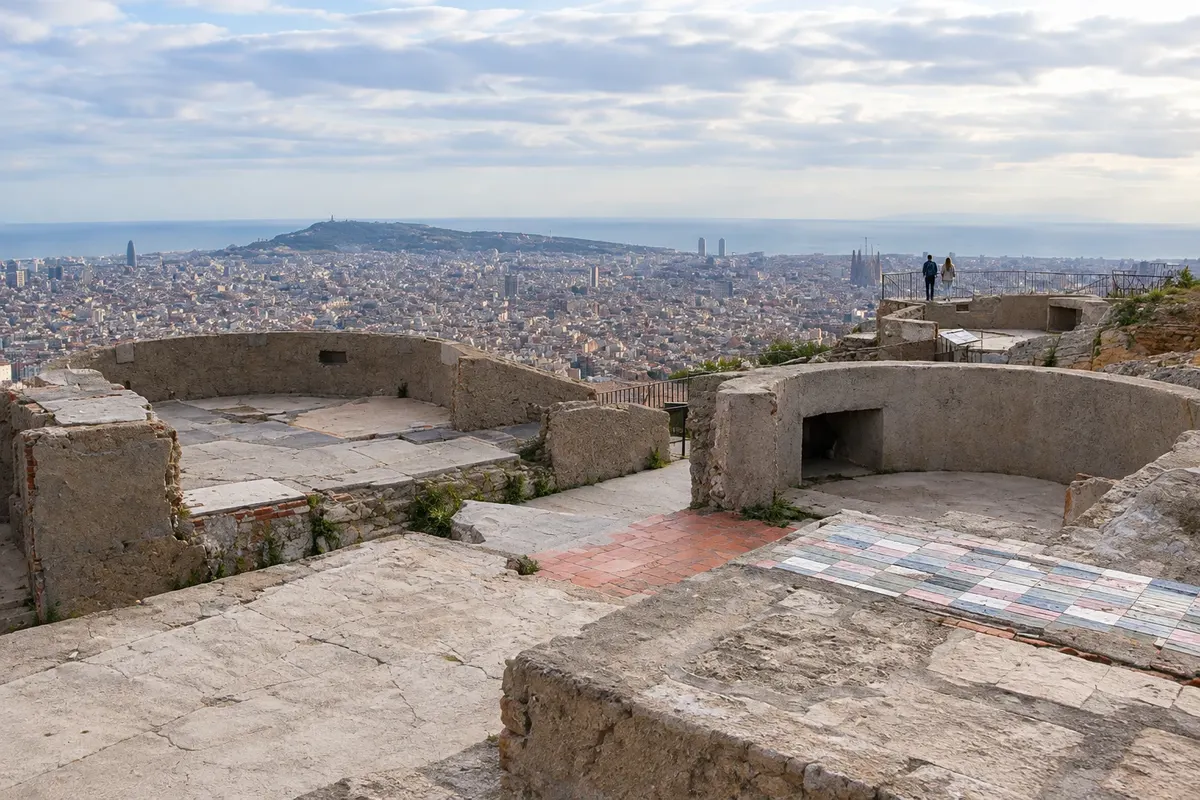
Ruins of an anti-aircraft battery from the Civil War on top of the Turó de la Rovira, at 262 metres, known as the Bunkers del Carmel. The summit provides a 360-degree view of Barcelona.

Reial Monestir de Santa Maria de Pedralbes
Barcelona · Catalunha · Monastery

Reial Monestir de Santa Maria de Pedralbes

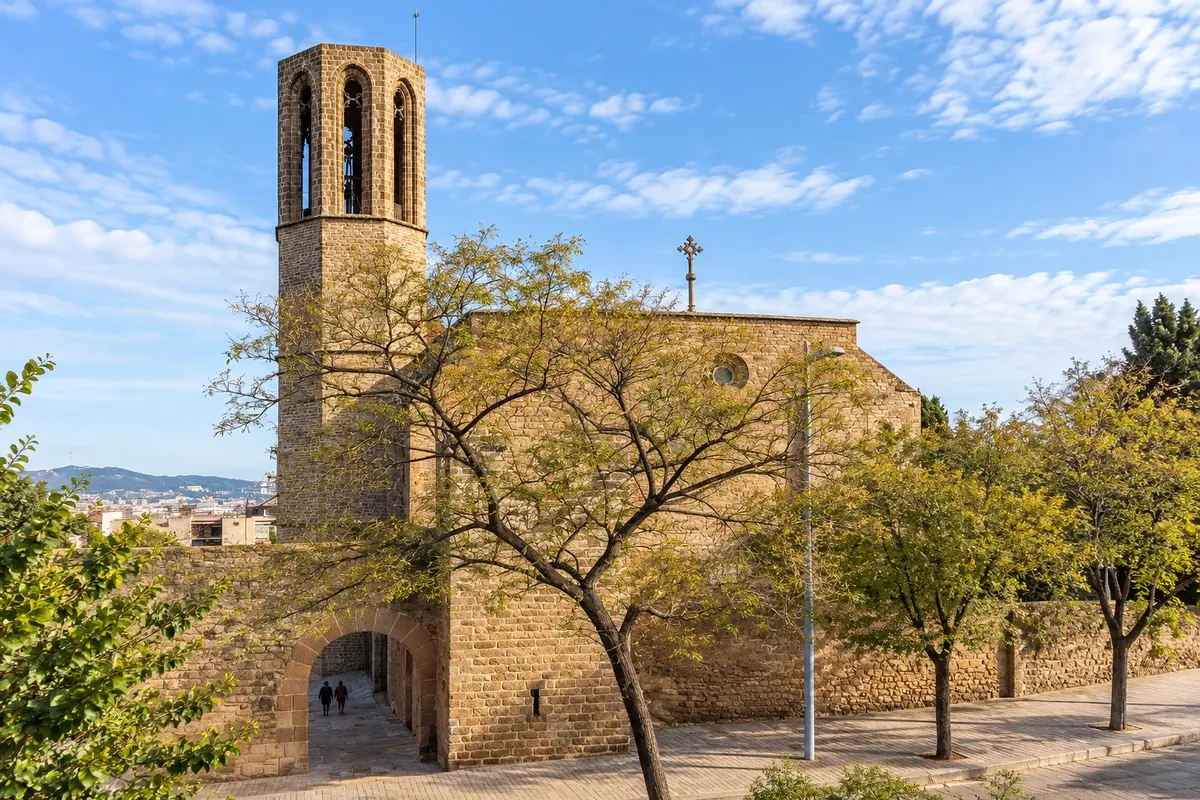
Gothic monastery founded in 1326 by King Jaime II and Queen Elisenda de Montcada, featuring a three-storey cloister, the chapel of Sant Miquel painted by Ferrer Bassa, and the nuns’ kitchen.

CosmoCaixa Barcelona
Barcelona · Catalunha · Science museum

CosmoCaixa Barcelona

Museu d'Art Contemporani de Barcelona
Barcelona · Catalunha · Museum

Museu d'Art Contemporani de Barcelona

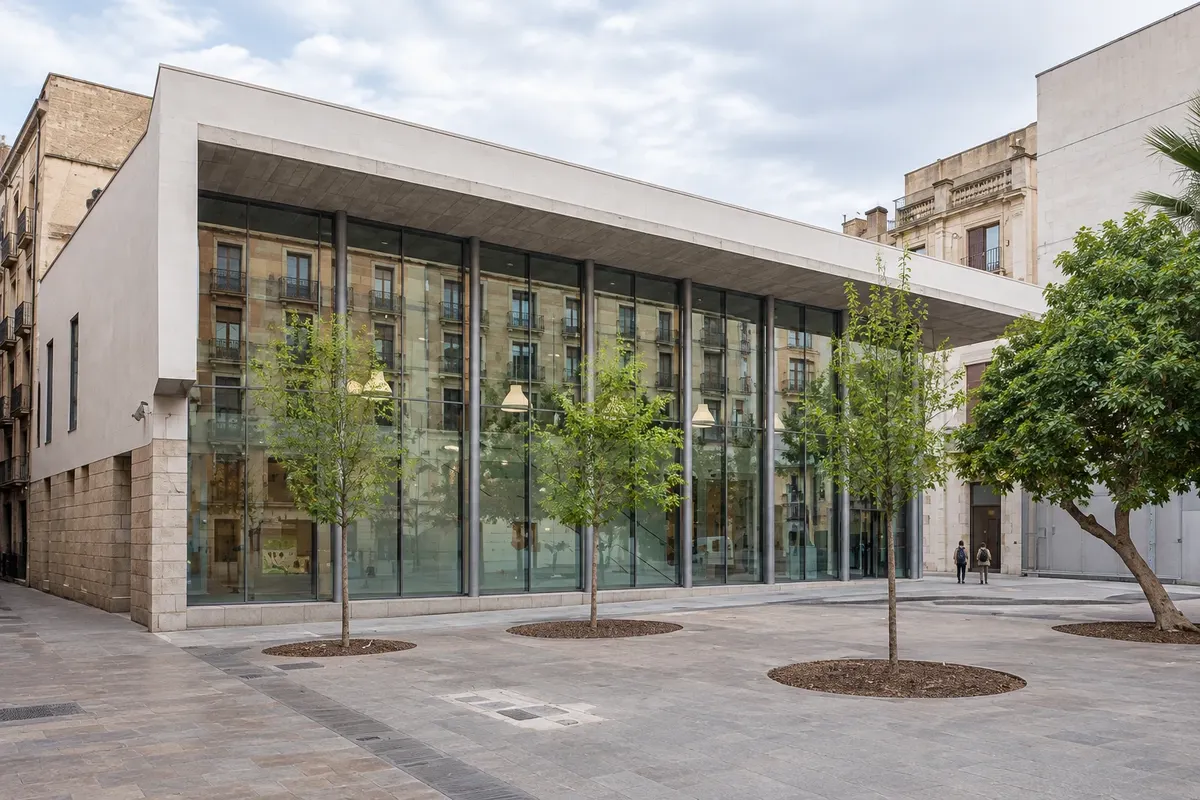
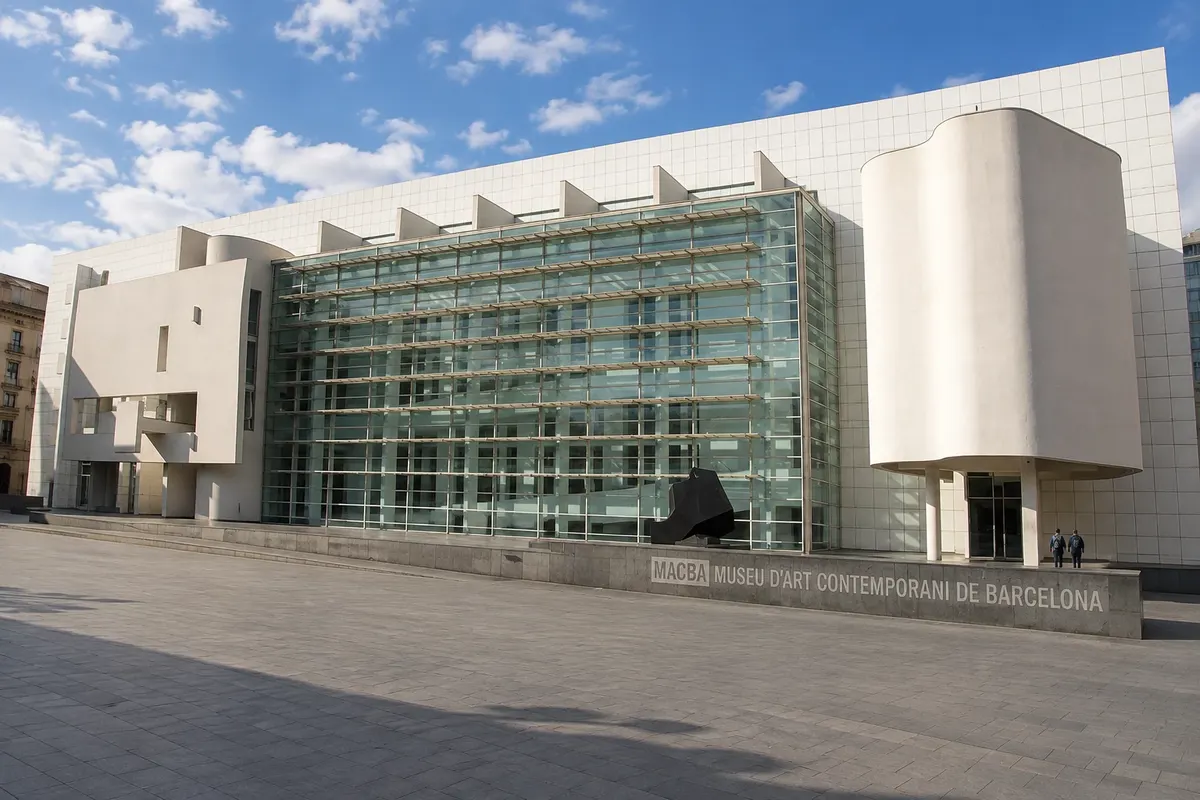
Museum of contemporary art in the Raval, in a white building by Richard Meier opened in 1995, with a collection of about 5,000 works from the mid-20th century onwards, focusing on Catalan and Spanish art.

Gràcia
Barcelona · Catalunha · Neighborhood

Gràcia

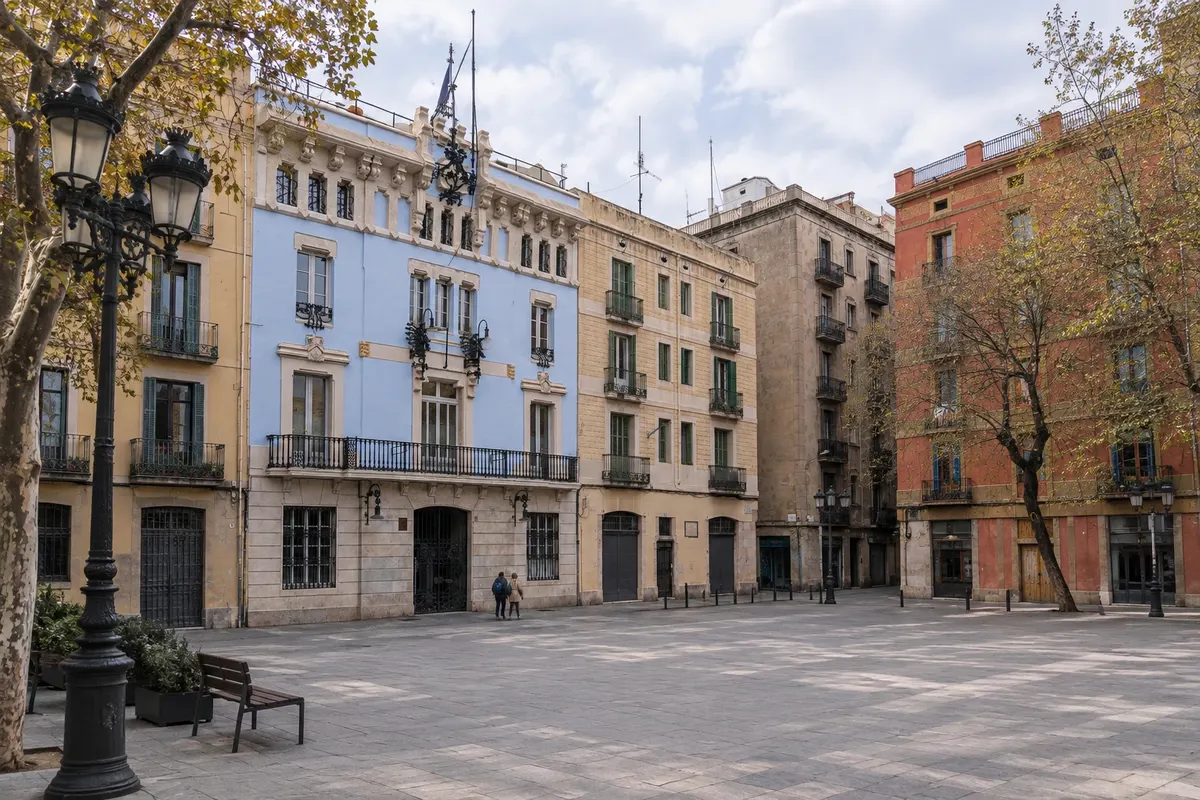
Former independent village, annexed to Barcelona in 1897, with narrow streets, squares full of bars and neighbourhood life. It is home to the Casa Vicens and lies at the foot of Park Güell.

Monestir de Montserrat
Barcelona · Catalunha · Monastery

Monestir de Montserrat

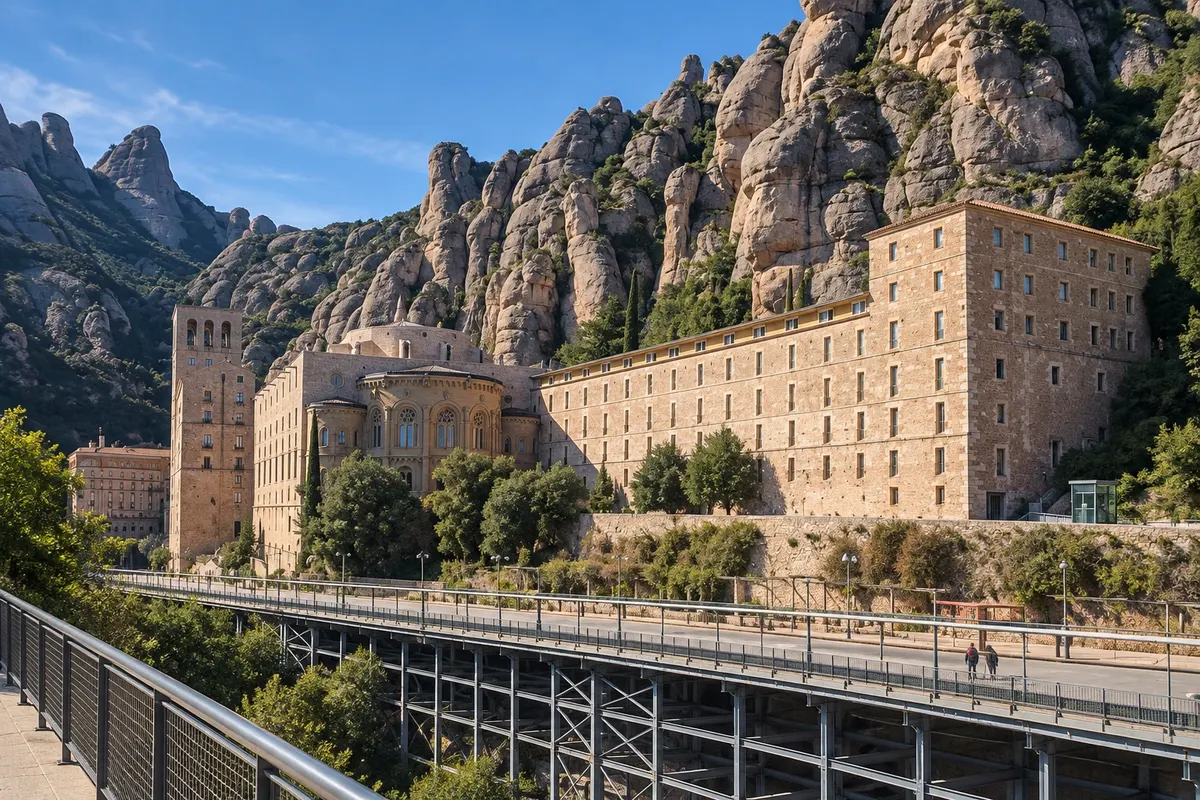
Benedictine abbey set into the jagged rocks of Montserrat, about 50 km from Barcelona, founded in 1025. It houses the Virgem de Montserrat, the Moreneta, patron saint of Catalonia, and has one of the oldest boys' choirs in Europe.

Before you go

Practical information

A little planning leaves more time to enjoy the journey.

When to go

Spring (April to June) and autumn (September and October) usually have mild days. From December to February, highs hover around 14 °C and the days are short.

The seasons shown are the most usual ones; nature doesn't always follow the calendar.

How many days to stay

Three days allow you to see Gaudí's main works, the Barri Gòtic, El Born and an afternoon in Montjuïc or Barceloneta. With four or five days you can visit museums at a relaxed pace, go to the Tibidabo and take a day trip to Montserrat. Two days are only enough for the essentials, with tickets bought in advance.

Which city to stay in

The Eixample, around Passeig de Gràcia, has wide streets, Casa Batlló and Casa Milà, and metro access to the whole city. The Barri Gòtic and El Born put the visitor within walking distance of the medieval sites, but the streets are narrow and busy at night. Gràcia has a neighbourhood feel, with squares and bars, near Park Güell. Barceloneta is by the beach. Near Sants accommodation is practical for those arriving or leaving by train.

Respect the place

Take your trash with you, follow the signs and support local businesses. In natural areas, follow the visiting guidelines.

Get your questions answered

Frequently asked questions about Barcelona

How many days to stay in Barcelona?

Three days is a good minimum for Gaudí, the old town and Montjuïc. Those who want the beach, the Tibidabo or the Montserrat monastery need four or five days. Time-slot tickets for Gaudí's works help plan the itinerary: buy them in advance and organize the days around them.

Do I need a car in Barcelona?

No. The metro, buses and commuter trains cover the city, and the old town is explored on foot. Parking in the centre is difficult. A car only makes sense to explore the Costa Brava or the interior of Catalunha.

What language is spoken in Barcelona?

Catalan and Spanish are official and everyone understands Spanish. Signs and menus often appear only in Catalan. In restaurants and tourist attractions English usually works.

Can you go from Madri to Barcelona by train?

Yes. High-speed trains connect Madrid-Puerta de Atocha station to Barcelona-Sants in about 2.5 to 3 hours, depending on the service. There are several departures per day. Buy in advance to have more schedule options.

Explore other destinations Search by state and city
Back