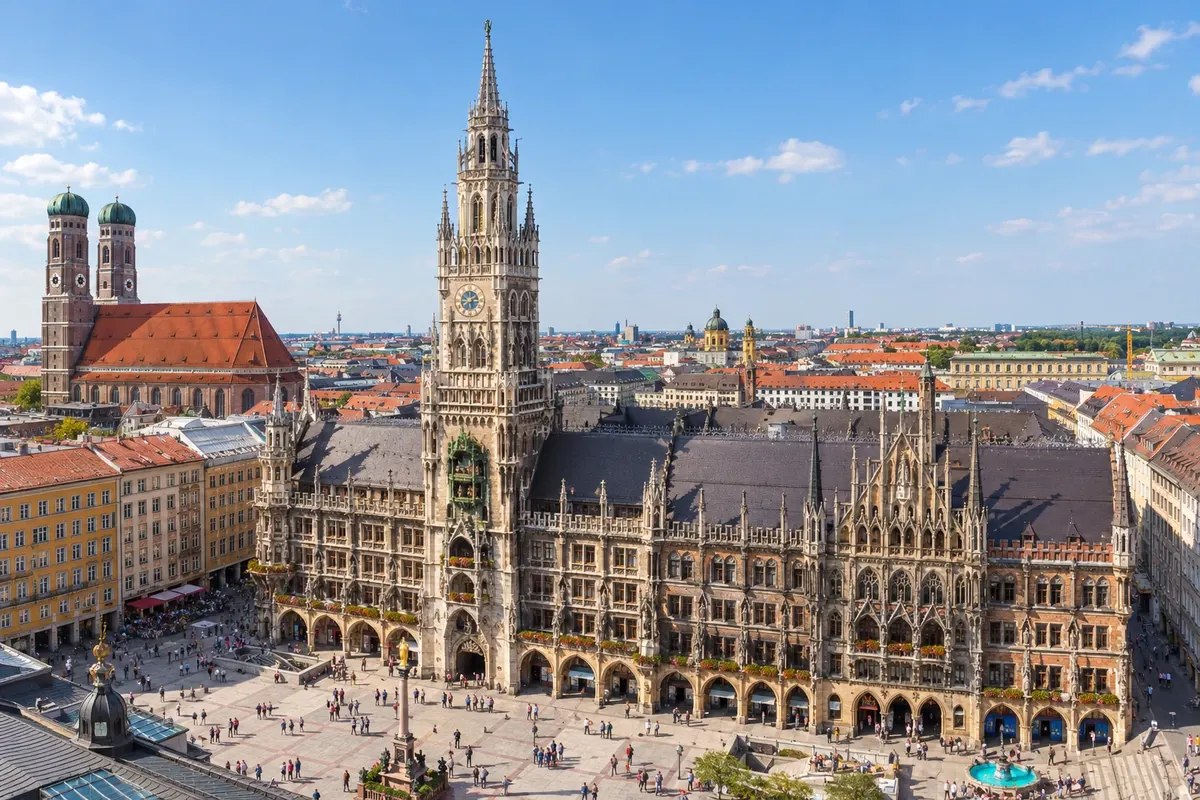
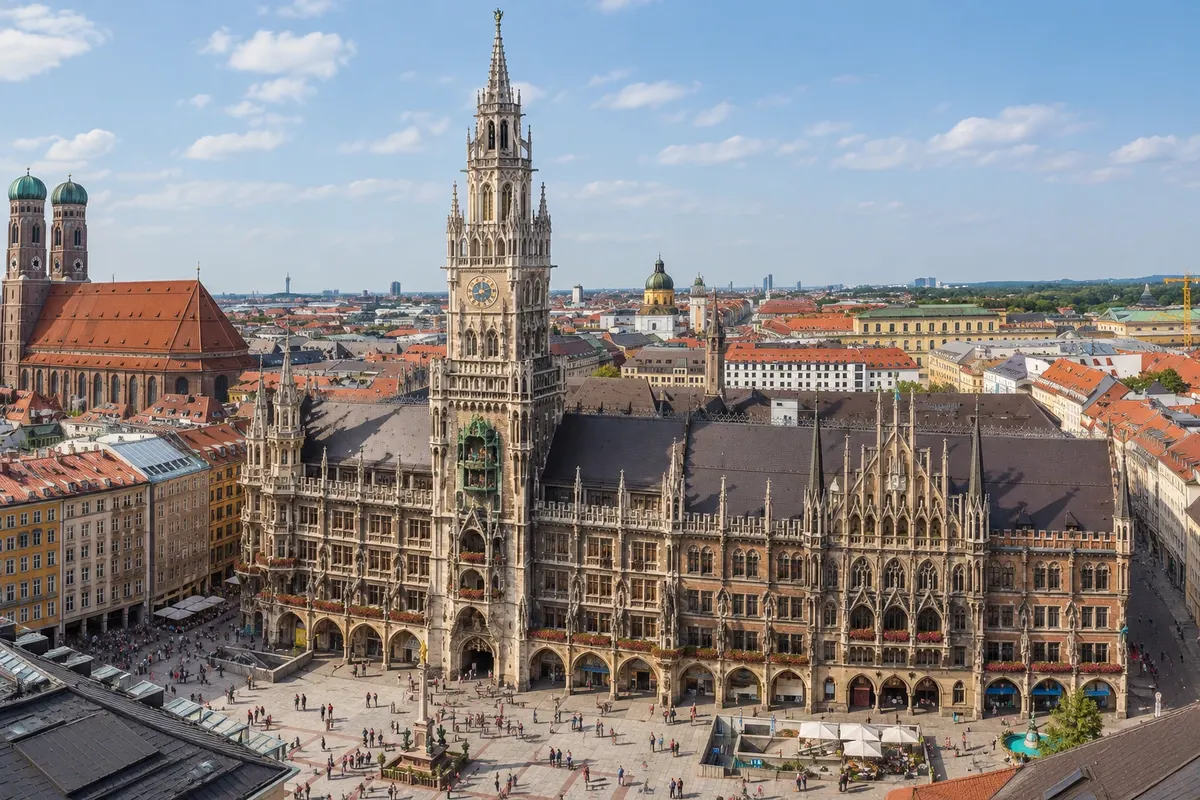
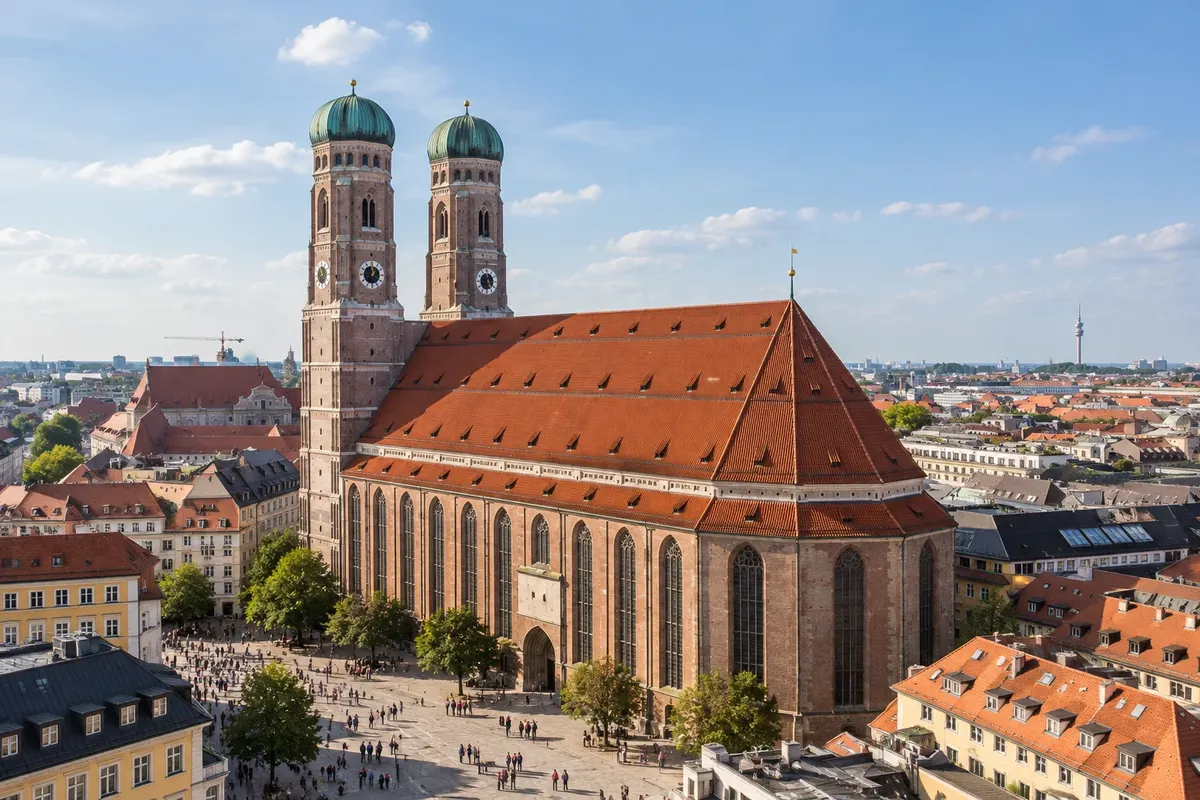
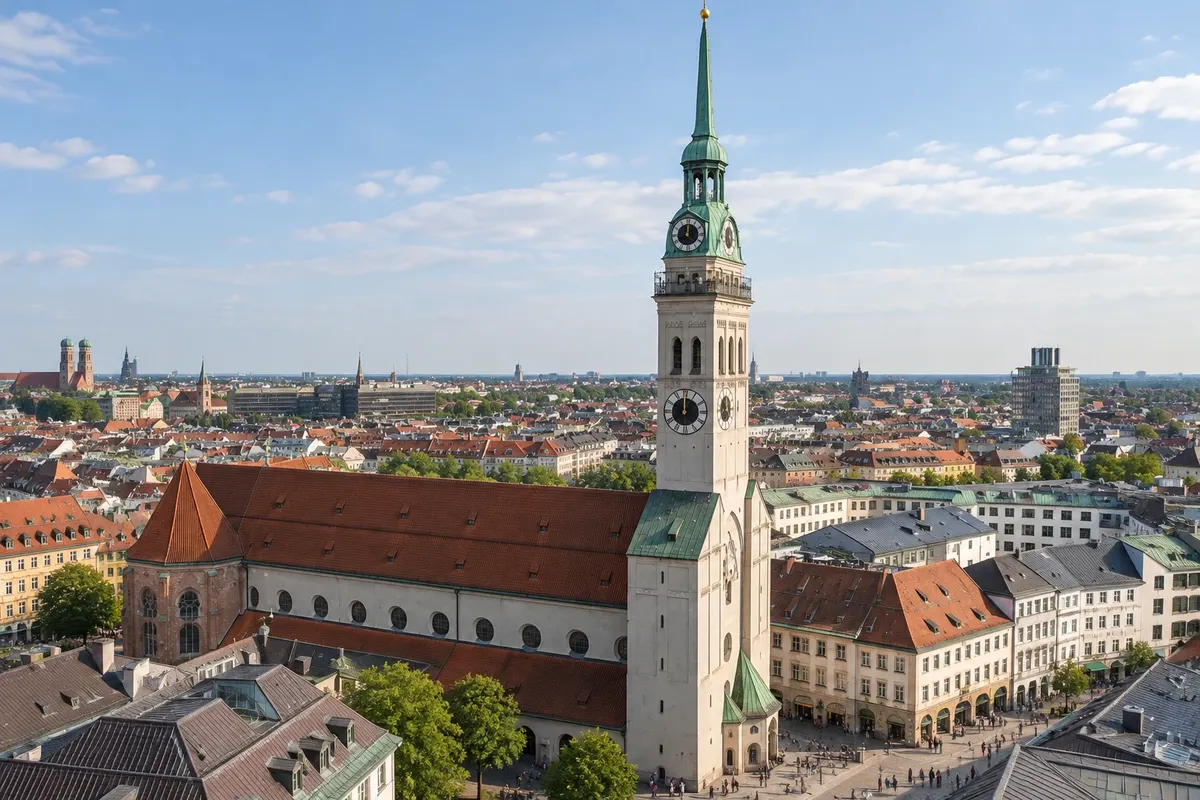
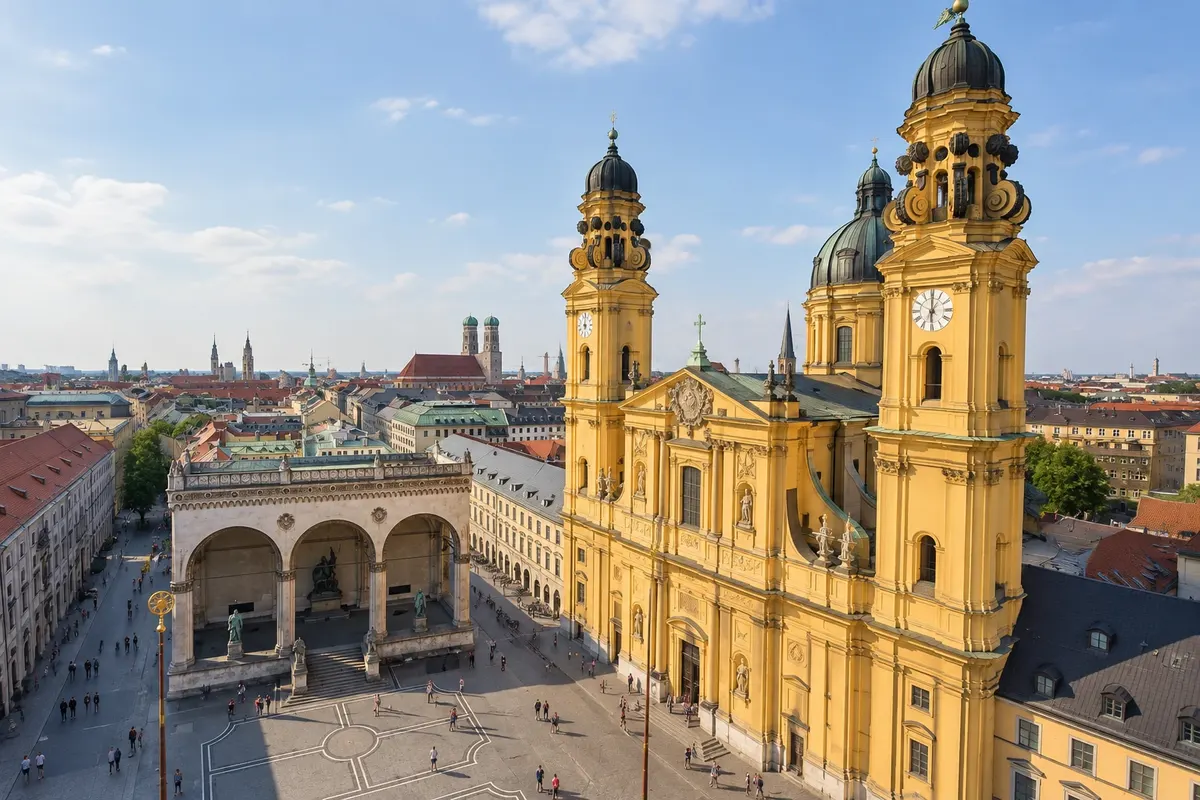
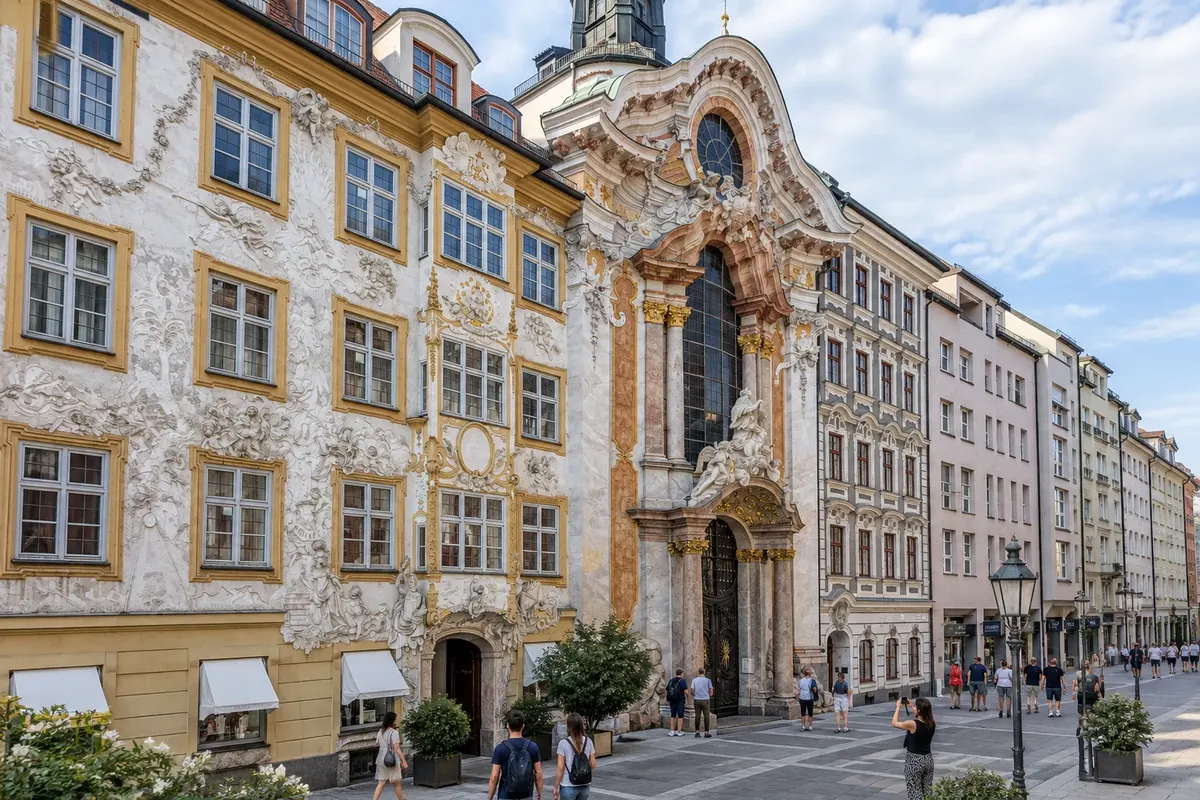
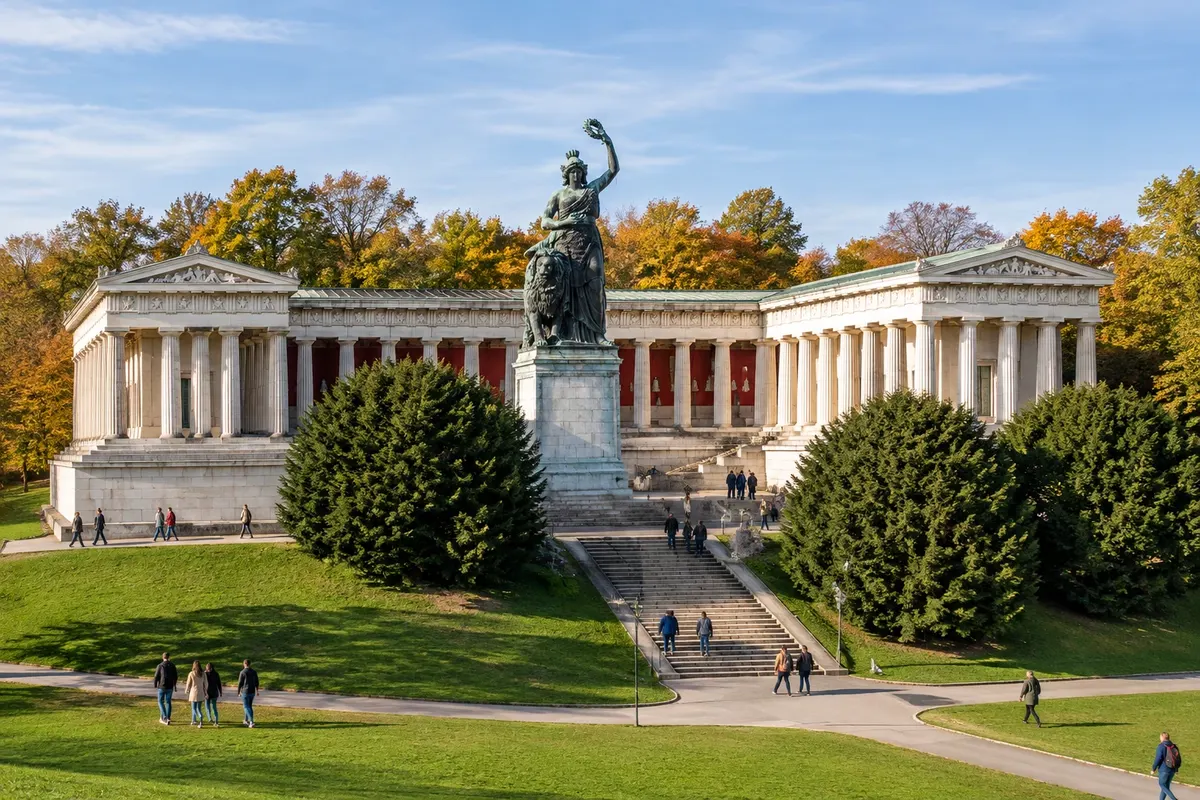
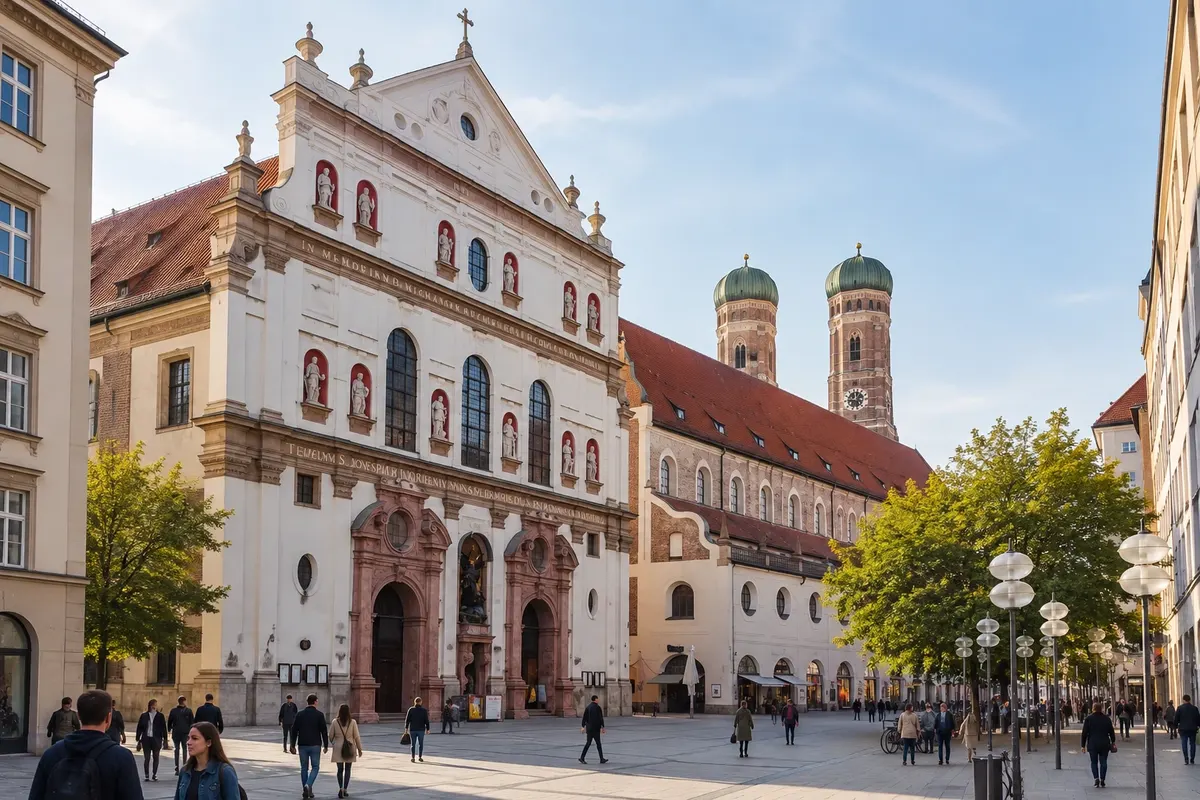
Munique (München in German) is the capital of Bavaria and the largest city in southern Germany. The old town center revolves around the Marienplatz, with the neo-Gothic town hall and the Glockenspiel that usually draws crowds in the late morning, and the rounded-domed towers of the Frauenkirche, the city's emblem.
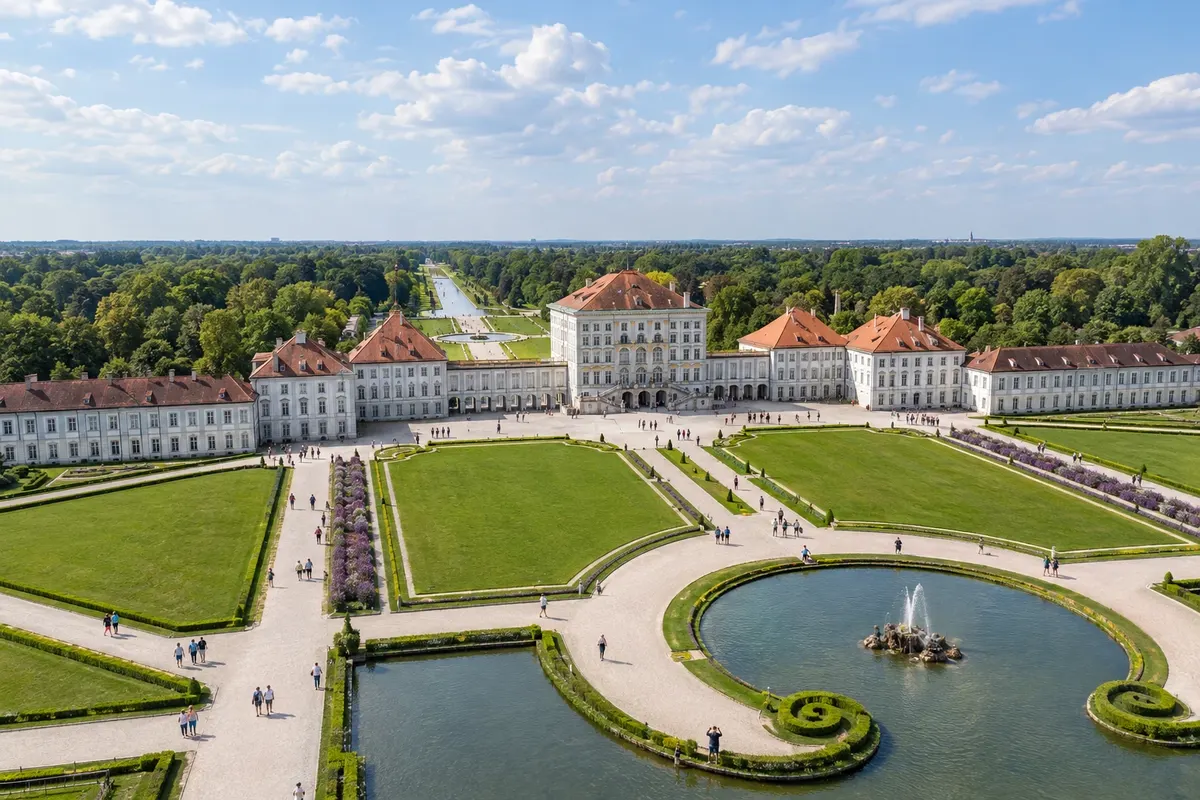
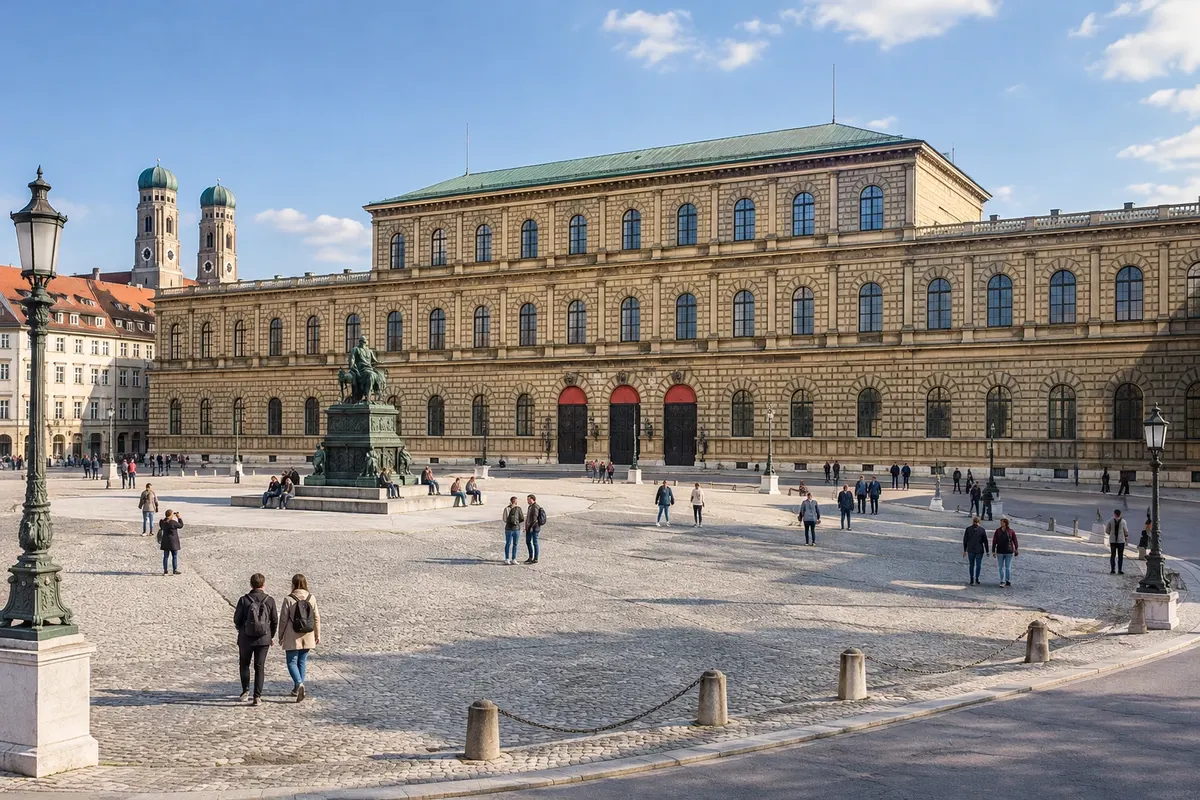
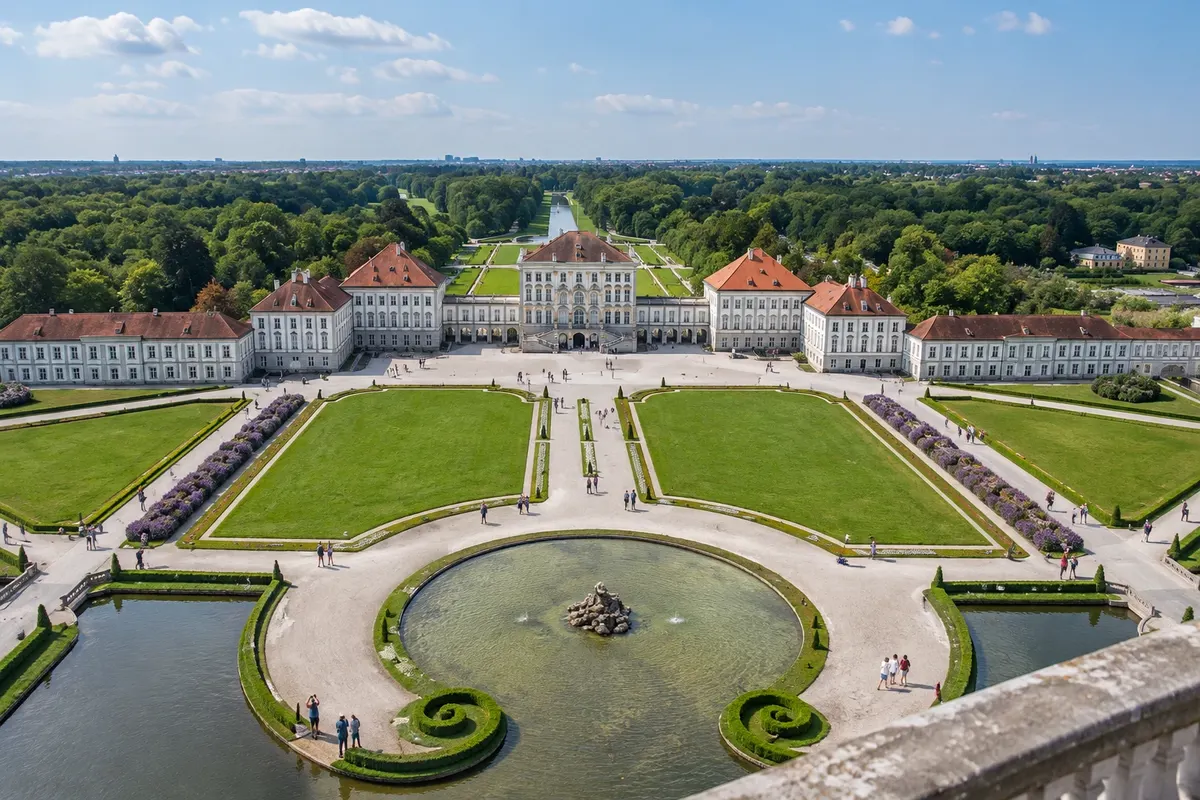
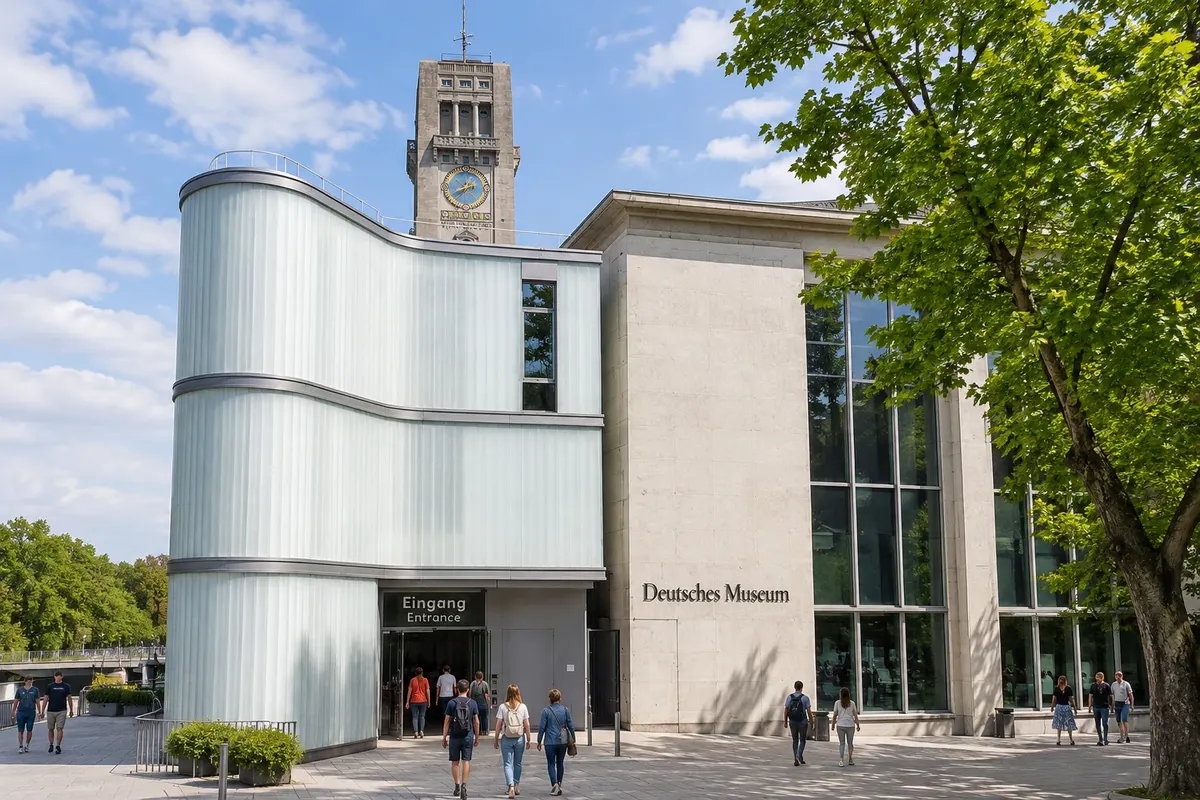
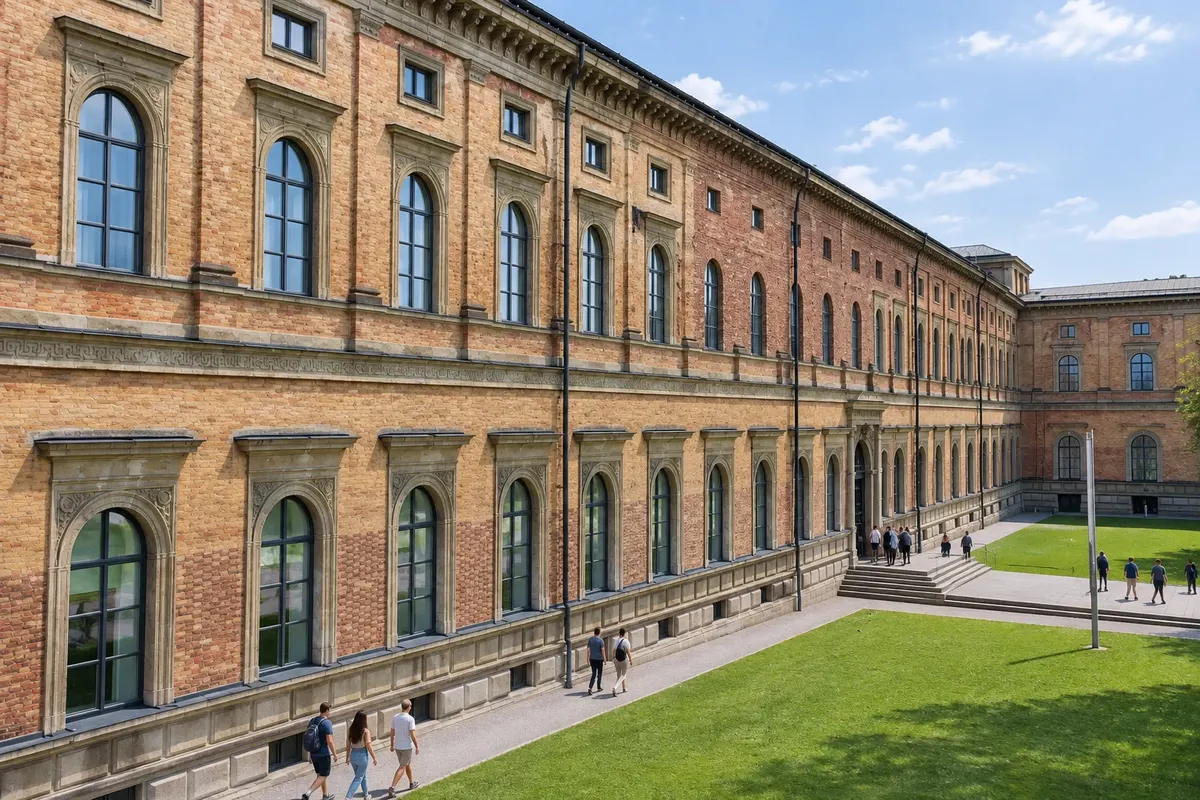
The city was the seat of the Wittelsbach family for centuries, and that shows everywhere: the Residenz in the center, the Schloss Nymphenburg to the west, and the painting collections gathered in the Kunstareal, the museum quarter, where the Alte Pinakothek is located. The Deutsches Museum, on an island in the Isar, is one of the largest science and technology museums in the world.
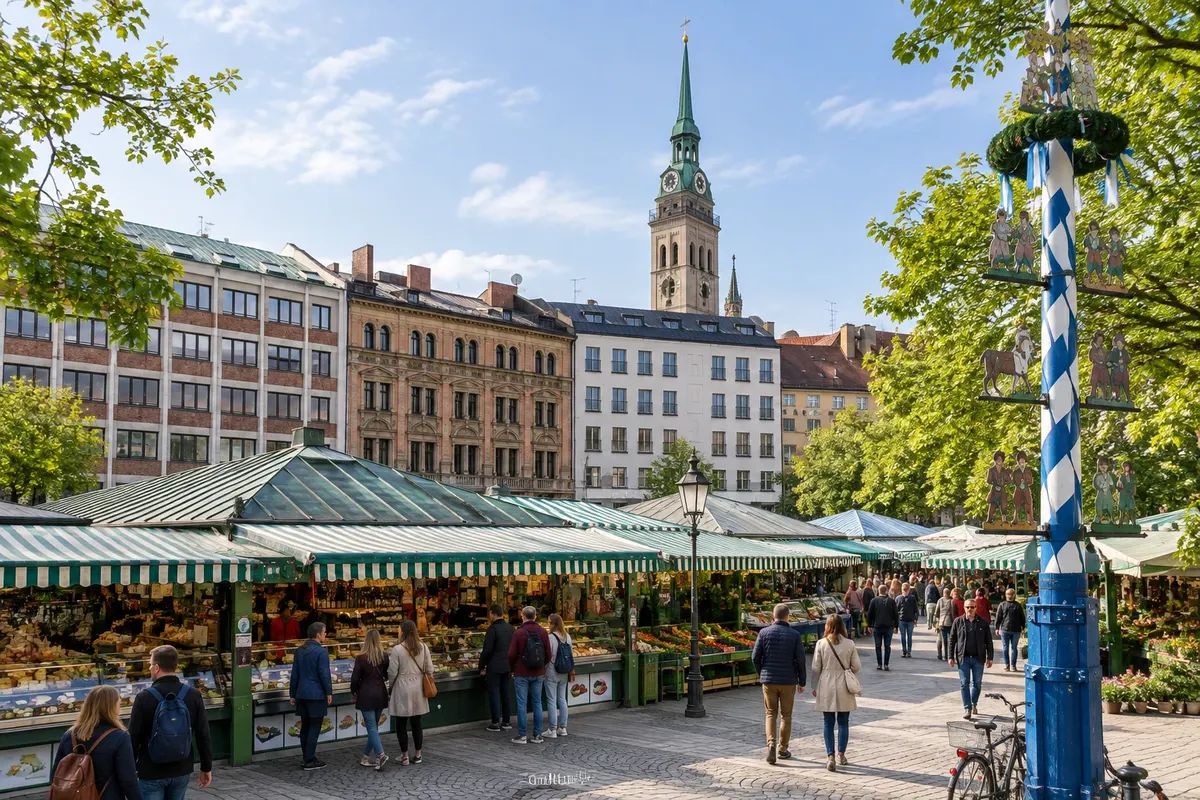
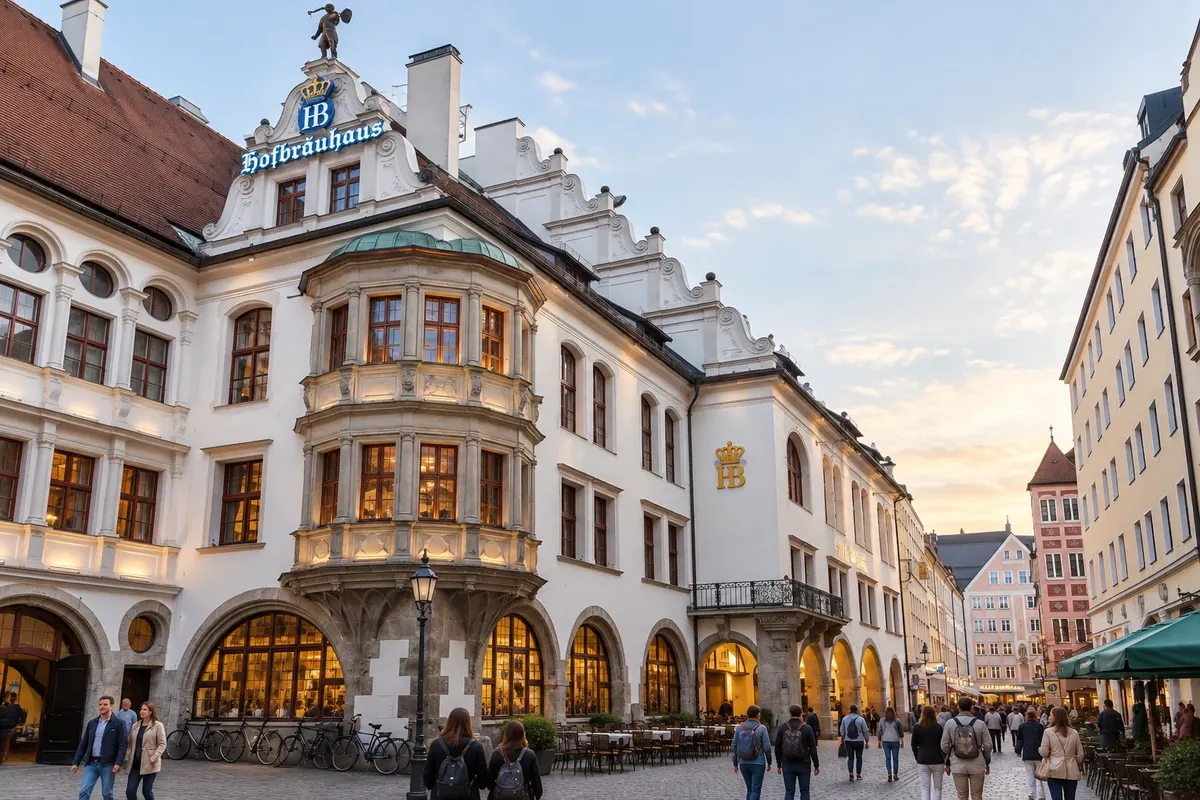
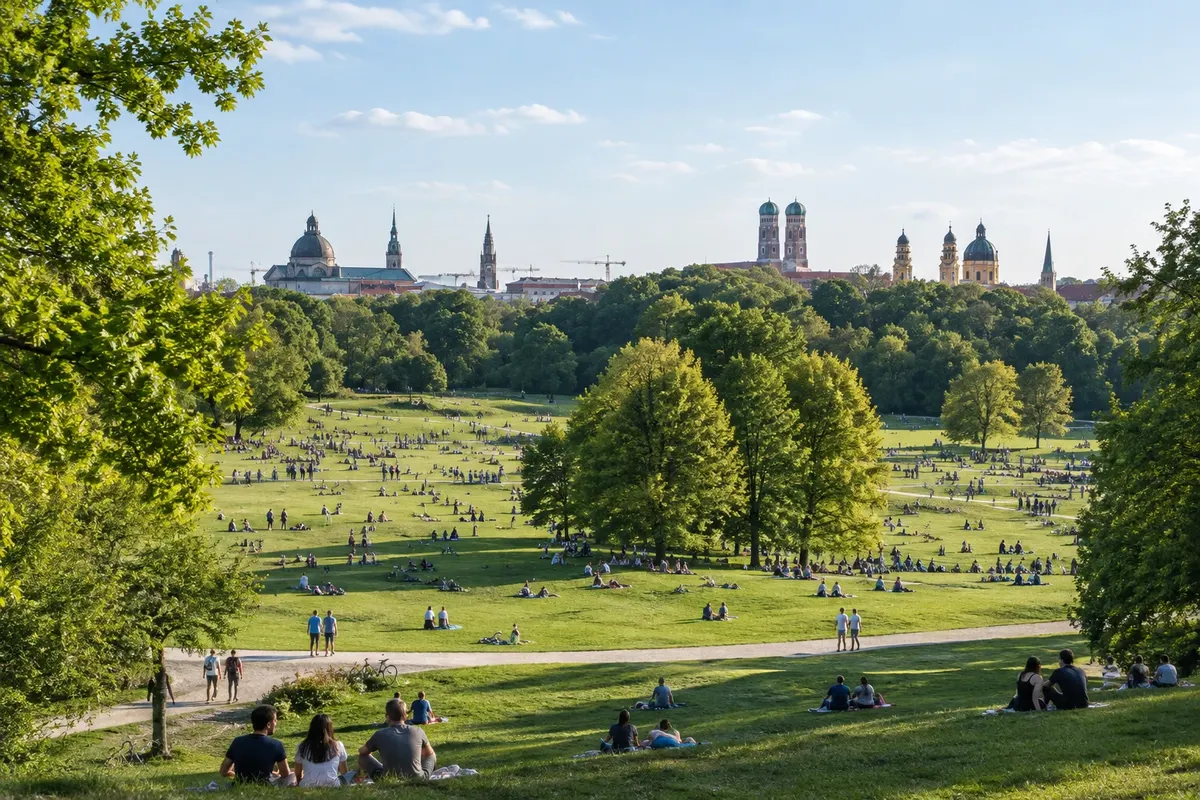
The outdoor side matters a lot: the Englischer Garten is one of the largest urban parks in Europe, with biergärten (the Bavarian beer gardens) and the Eisbach stream. Beer culture is visible at the Hofbräuhaus, the Viktualienmarkt and the Theresienwiese, where the Oktoberfest usually takes place from late September into early October.
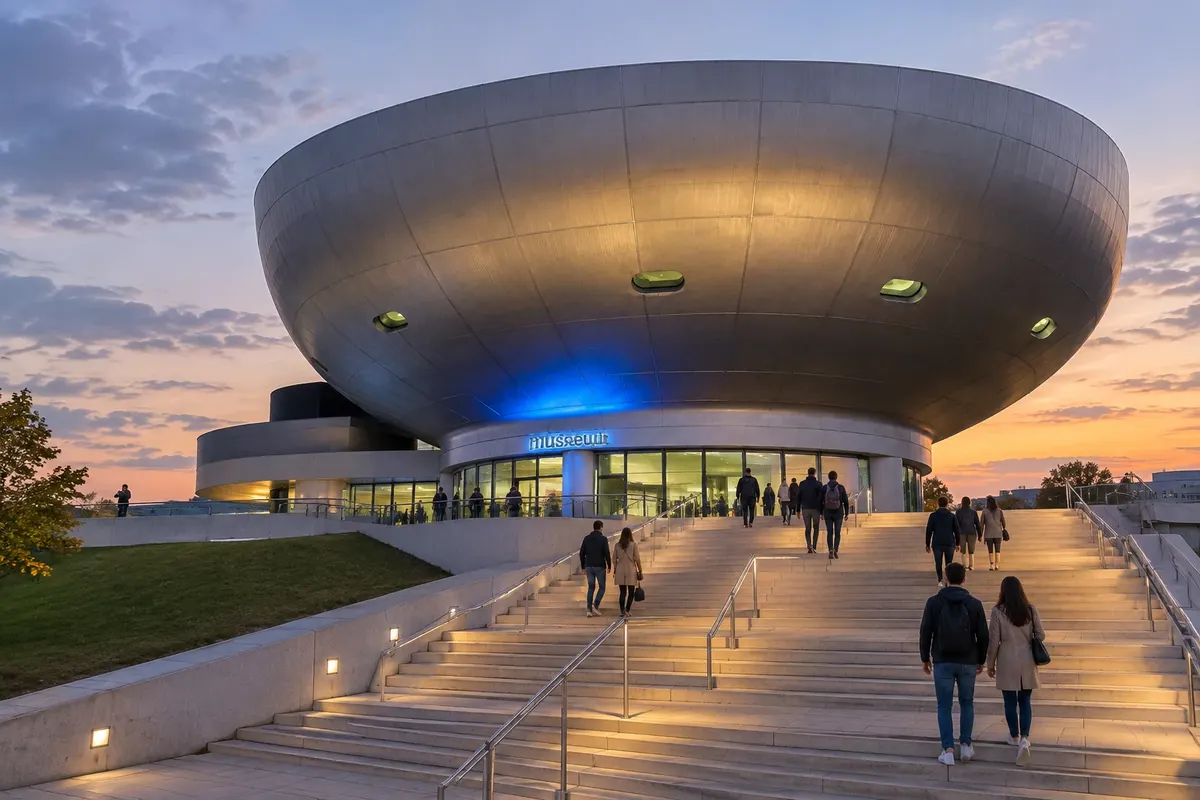
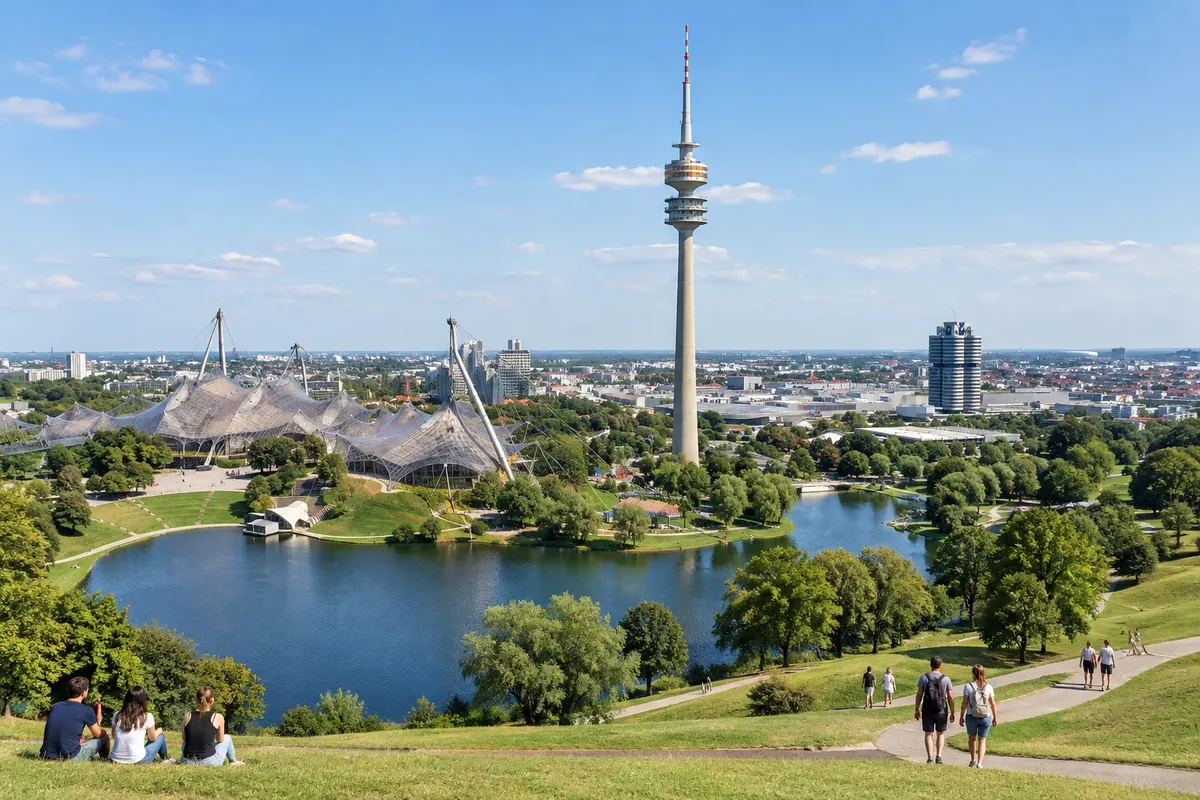
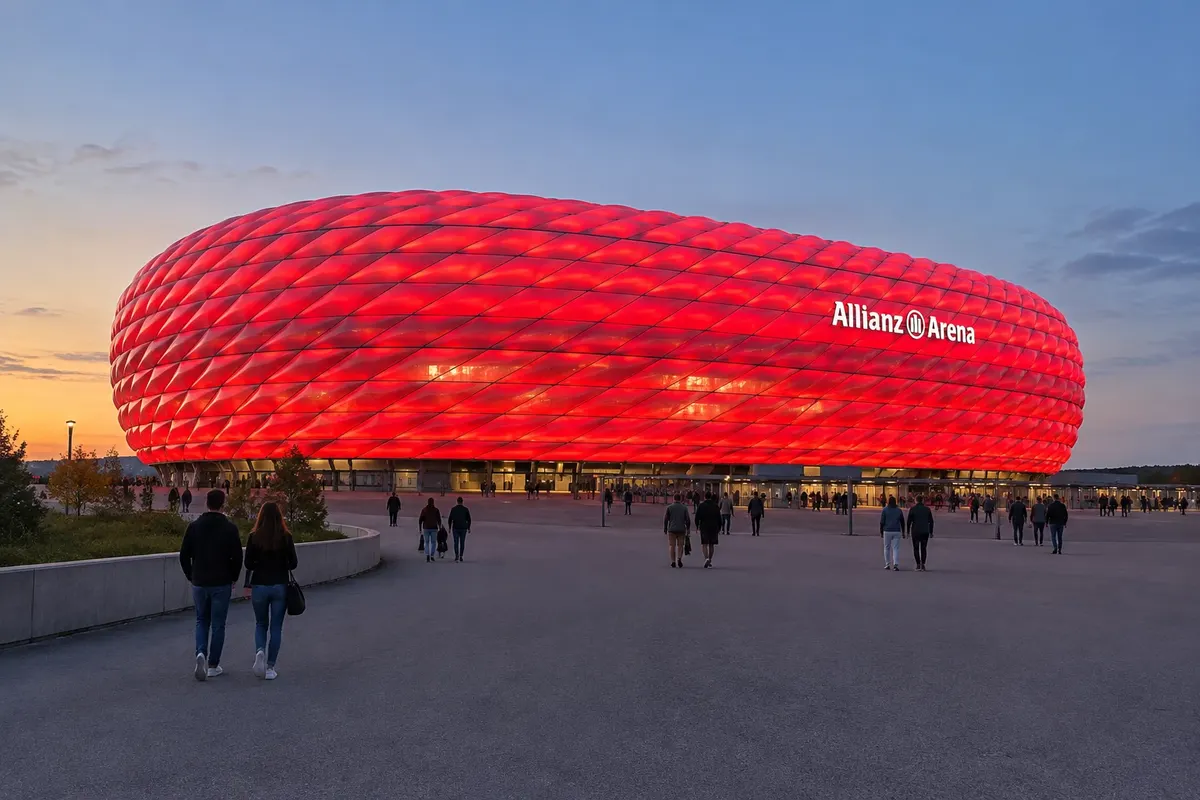
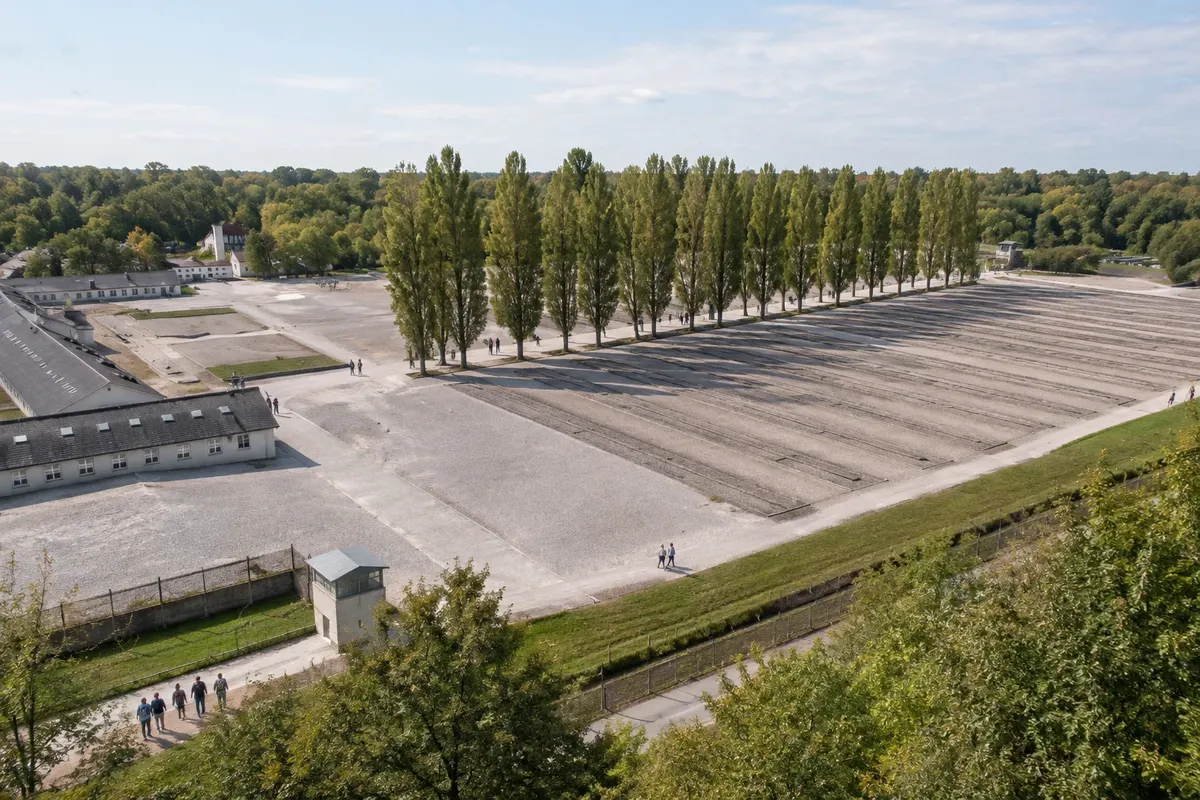
20th-century history is also present. Munique played a central role in the rise of Nazism, and about 20 km from the center lies the Memorial of the Dachau Concentration Camp, a site of remembrance that many visitors include. In the north of the city, the Olympiapark from the 1972 Games, BMW Welt and the Allianz Arena show modern Munique.
This destination brings together 1 city: Munique.


 Brazil
 Argentina
 Chile
Chile Colombia
 Peru
Peru Uruguay
 Belgium
 Spain
Spain France
 Greece
 the Netherlands
 Ireland
 Italy
Italy Portugal
 the United Kingdom
 Switzerland