Leipzig

Saxônia · Germany

Leipzig

The city of Bach and of the 1989 demonstrations in Saxônia: historic churches, memory museums, galleries in former factories and a fast train to Berlim and Dresden.

Leste

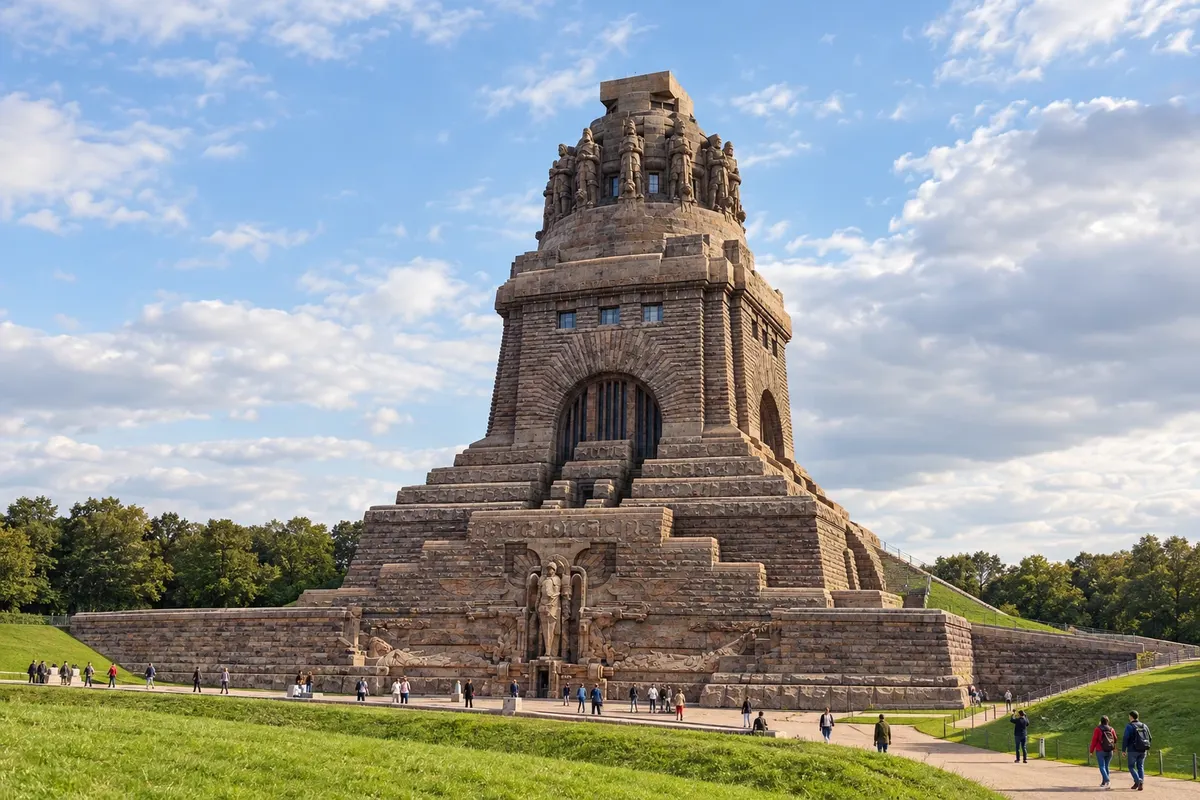
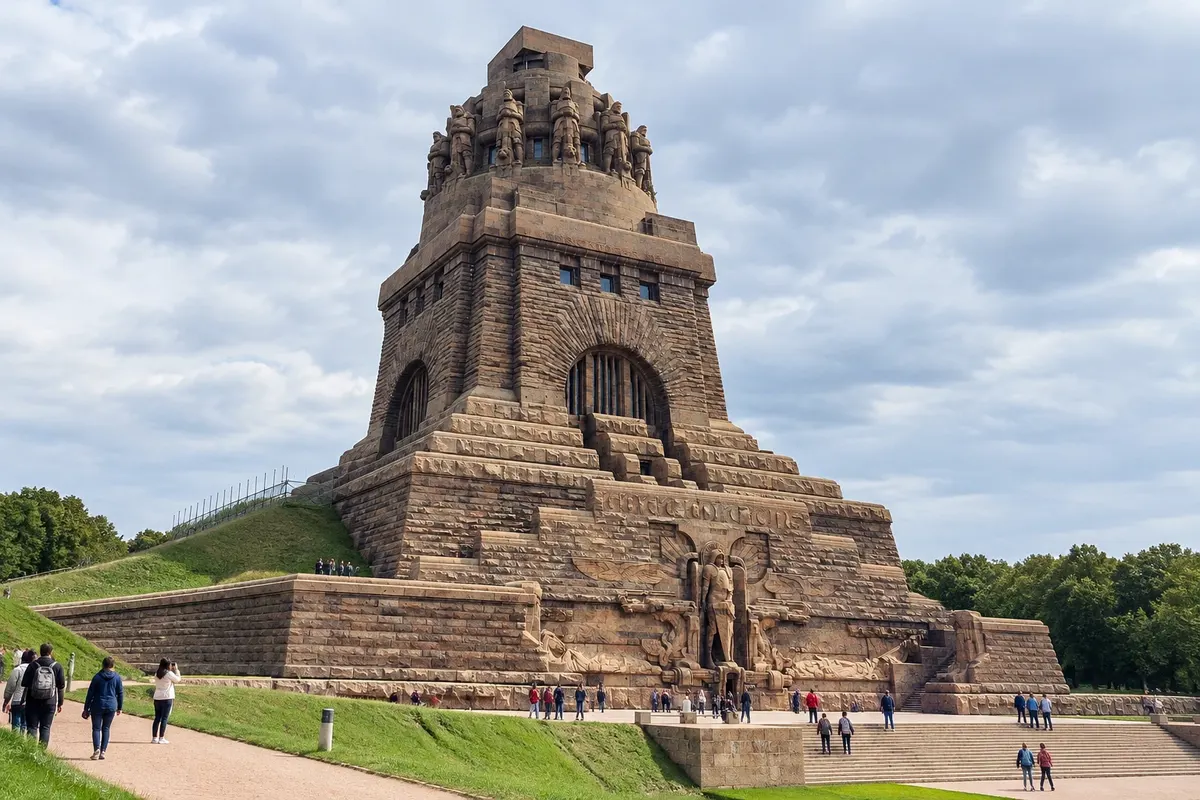
In the photo: Völkerschlachtdenkmal, Leipzig

Illustrative images. The pictures in this guide are illustrations based on the real place, not photographs, and may differ from it.

Get it on Google Play Send your photos

Get to know the place

A region to enjoy
at your own pace.

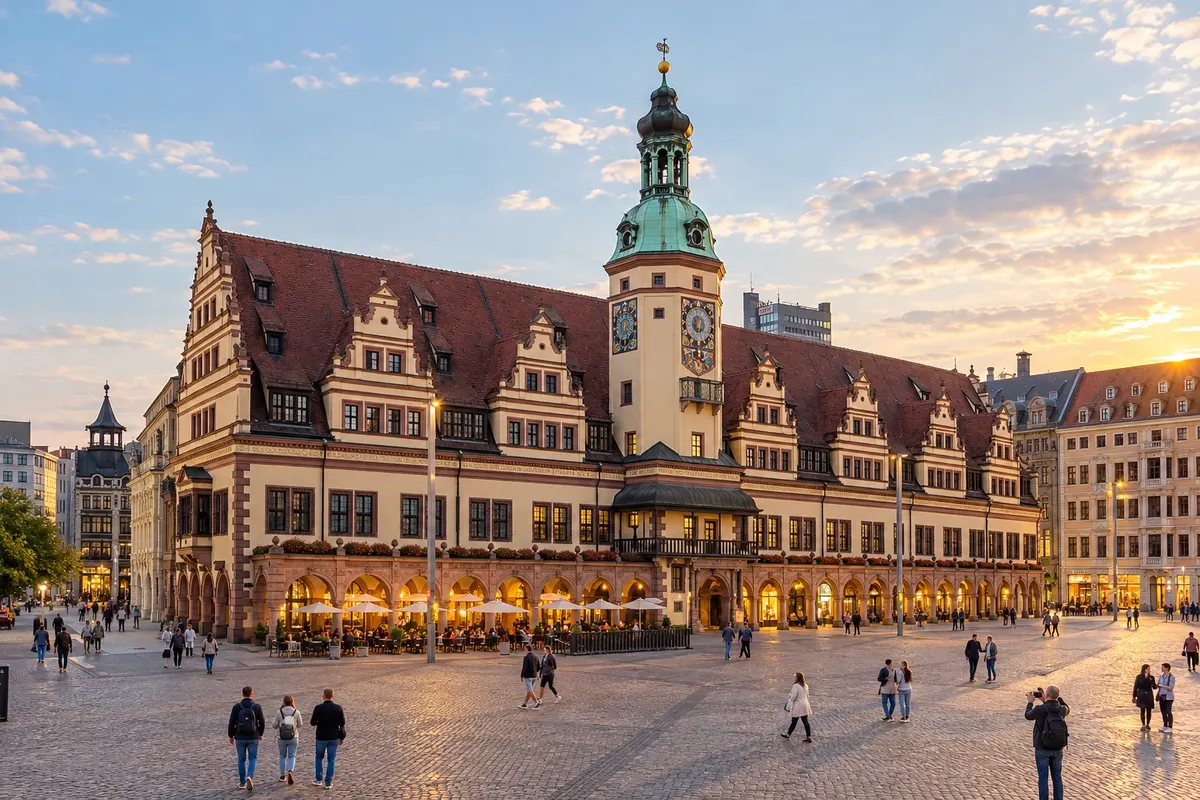
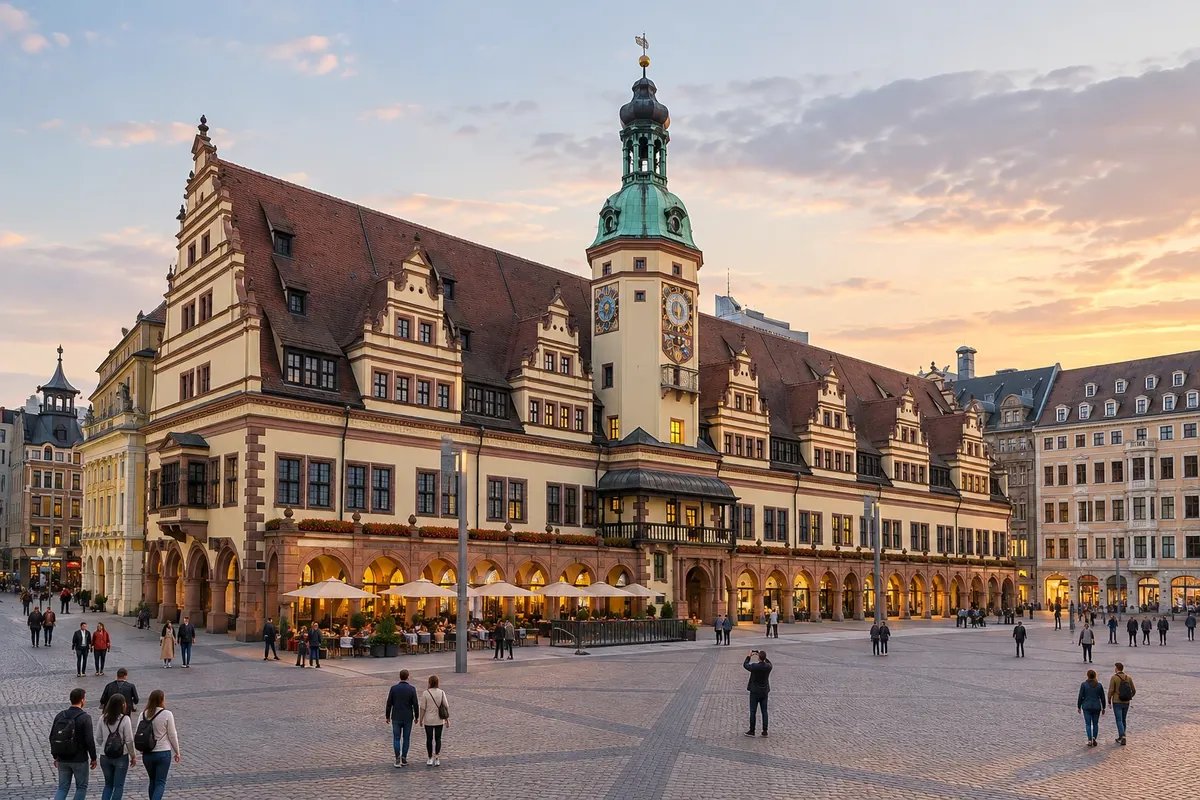
Leipzig is the largest city of Saxônia, in eastern Germany, and grew as a trade-fair and publishing center. The old town fits within a ring of avenues and is best explored on foot: the market square (Markt) with its Renaissance town hall, covered passages like the Mädlerpassage and the city’s two large churches.

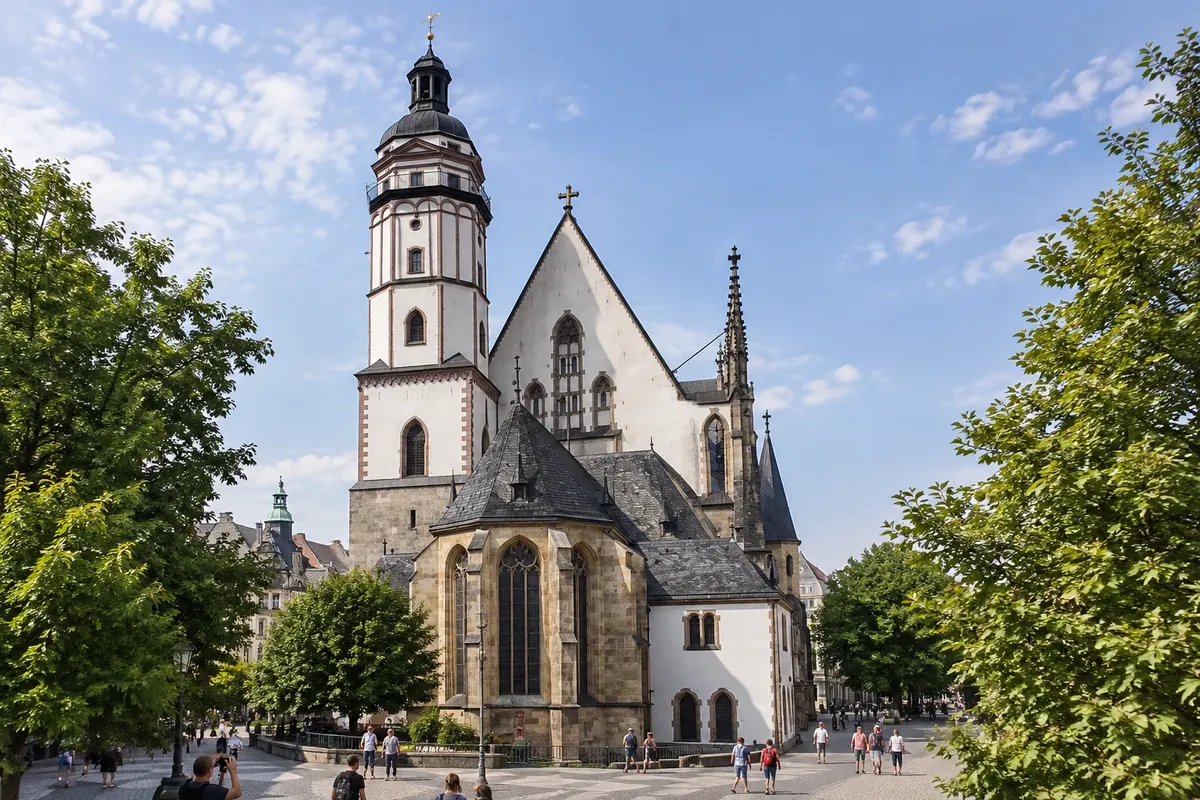
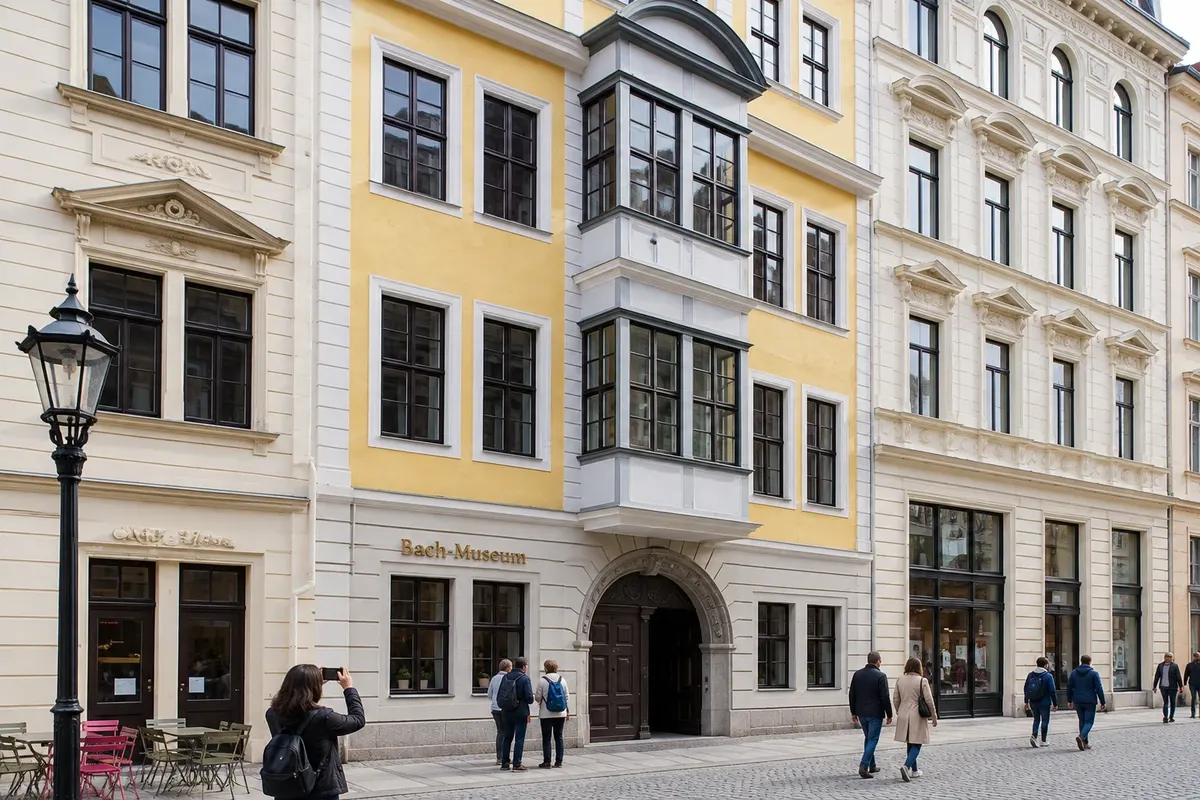
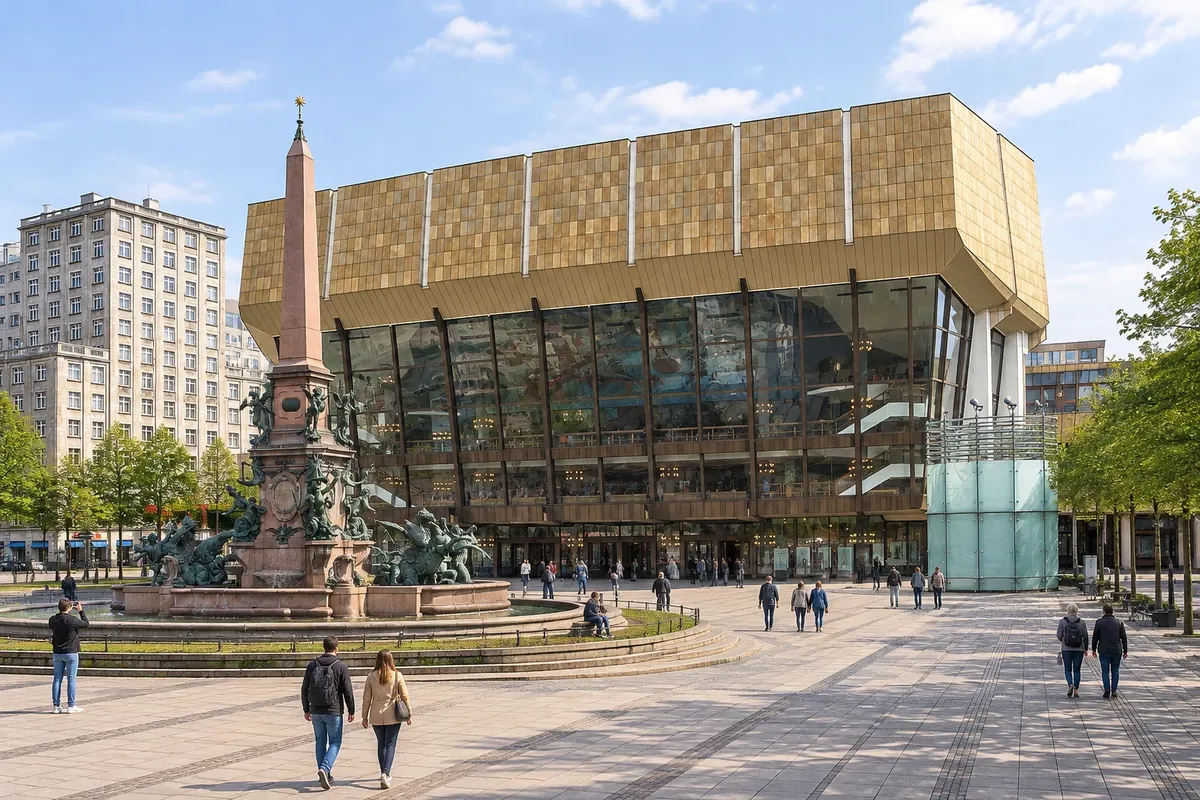
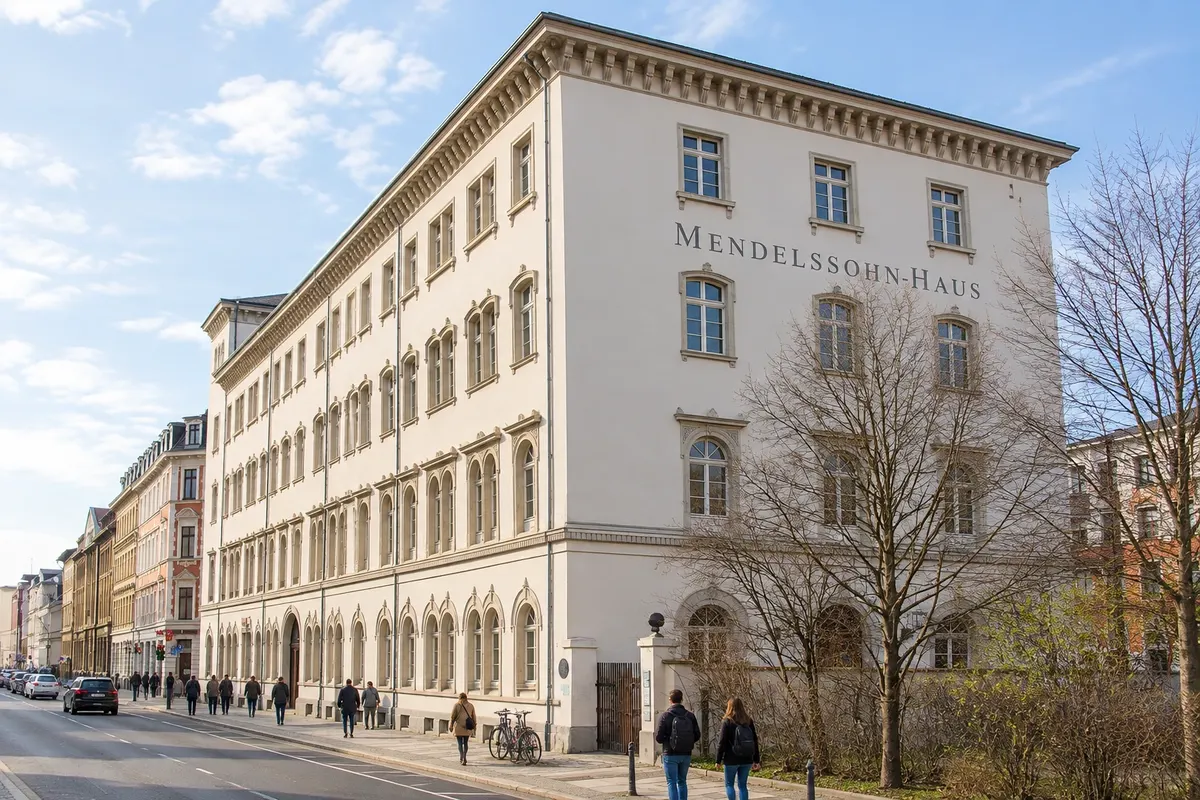
Music is everywhere. Johann Sebastian Bach was cantor at the Thomaskirche for 27 years and is buried there; opposite it is the Bach-Museum. Felix Mendelssohn conducted the Gewandhaus orchestra and spent his last years in the house that is now the Mendelssohn-Haus. The Gewandhaus, on the Augustusplatz, remains one of the country’s most active concert halls.

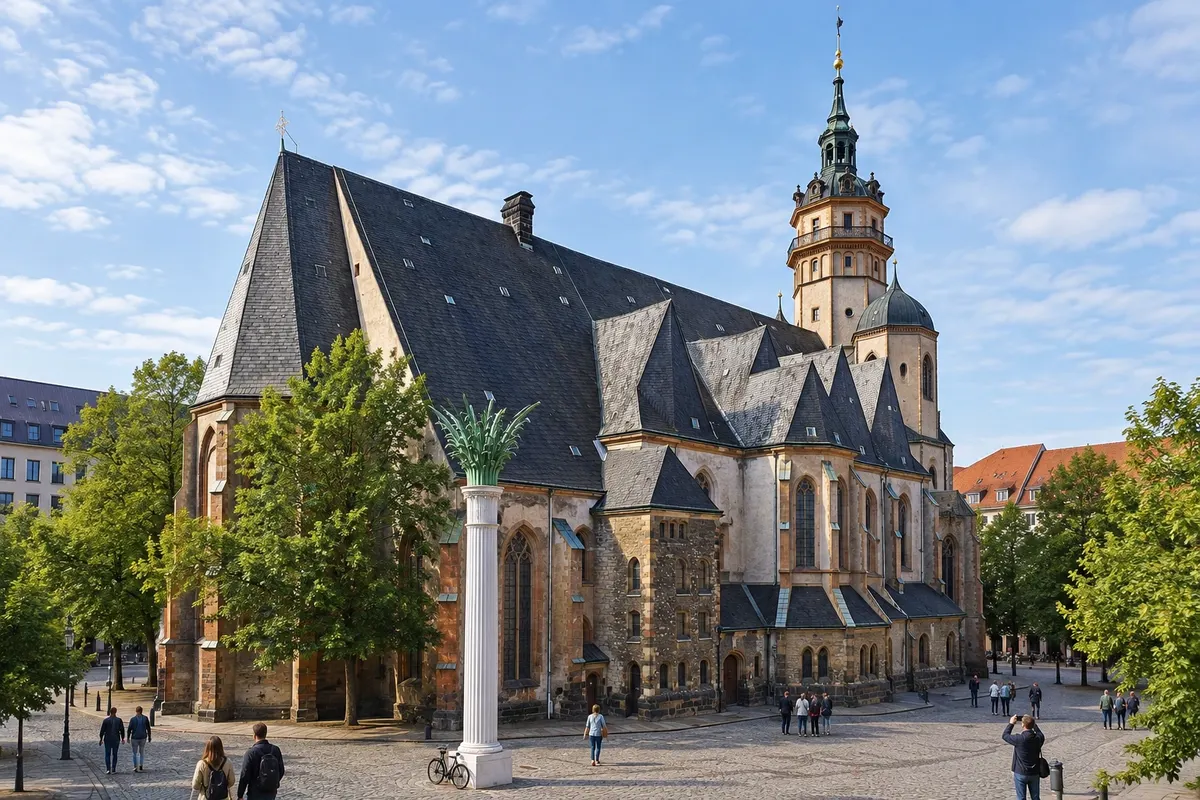
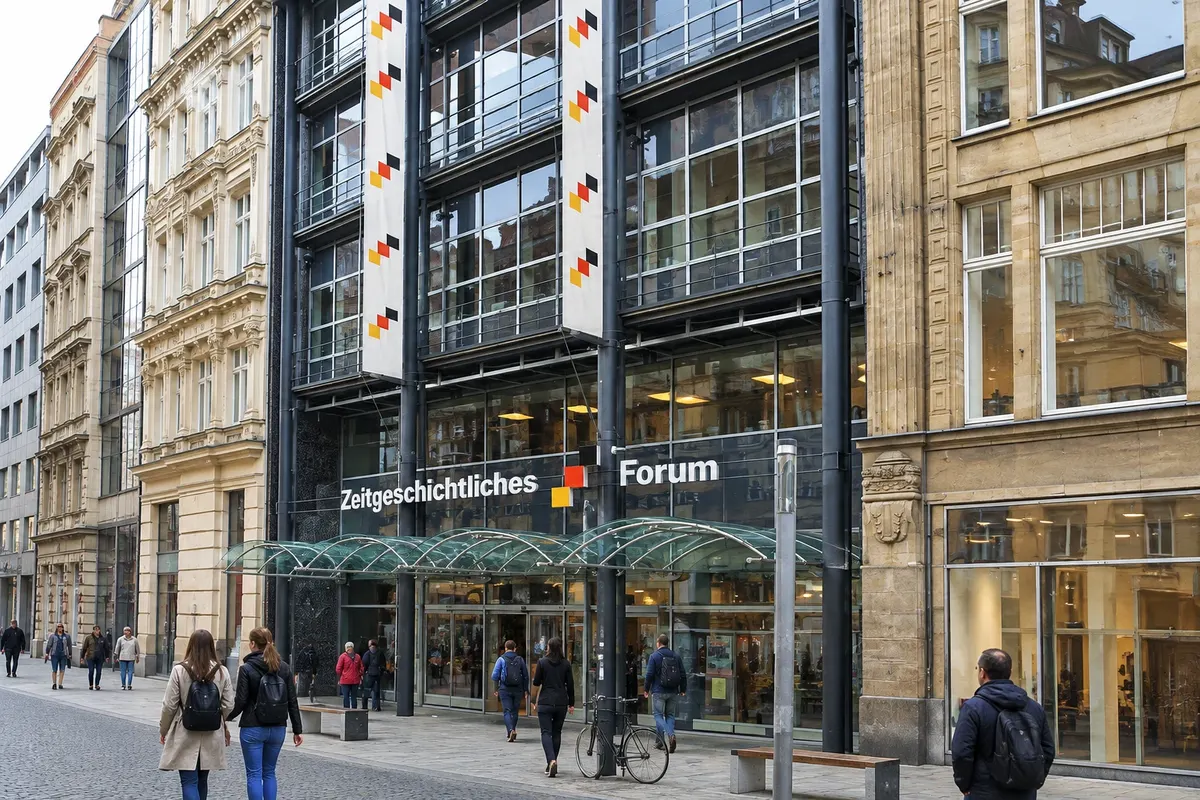
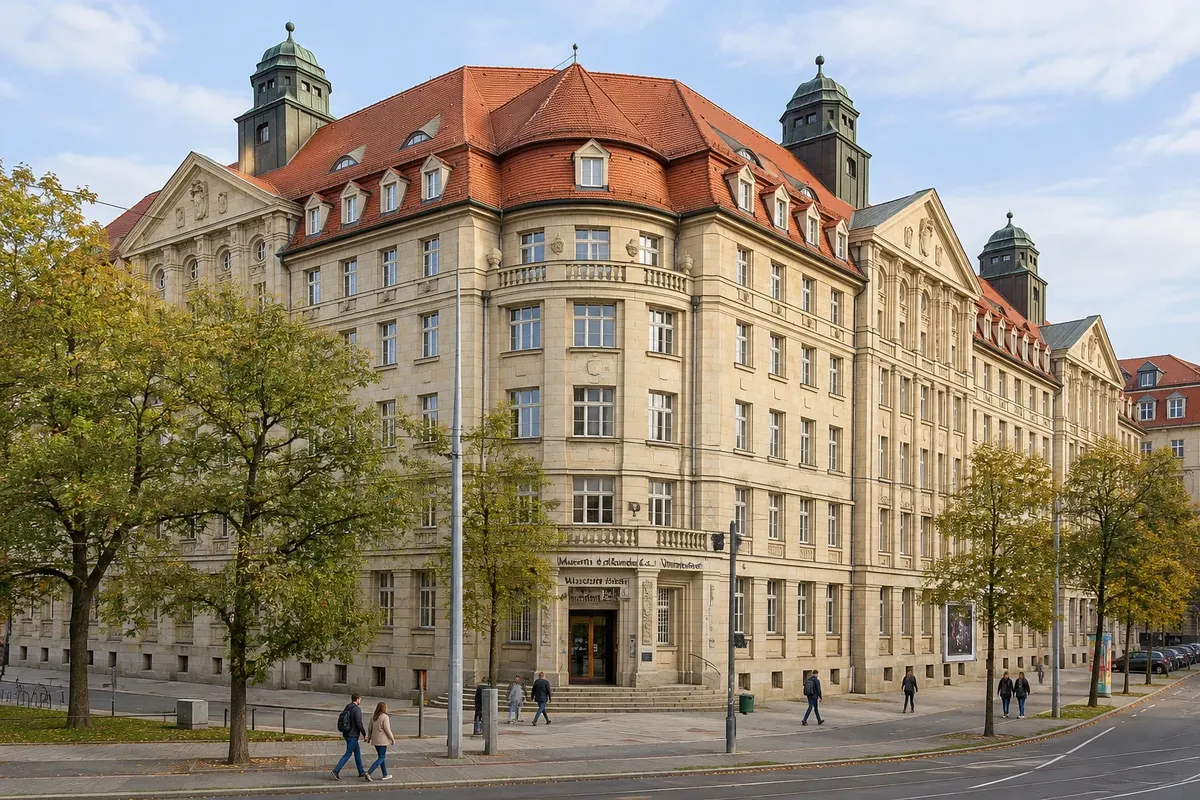
Leipzig is also a place of memory for divided Germany. The peace prayers at the Nikolaikirche grew into the Monday demonstrations of 1989, which helped to topple the regime of the former East Germany. The Zeitgeschichtliches Forum and the Museum in der Runden Ecke, the former political police building, tell that story.

Outside the ring are the Völkerschlachtdenkmal, a 91-metre monument to the battle against Napoleon in 1813, Zoo Leipzig and the industrial neighborhoods to the west. In Plagwitz, old factories have become studios, bars and galleries, and the Spinnerei, a cotton mill, brings together artists of the so‑called New Leipzig School.

This destination brings together 1 city: Leipzig.

Share: WhatsApp
Traveler, share your experiences through photos Up to 5 photos of each place you visited.

One destination, many paths

The cities on this trip

Start with one city or combine several in your itinerary.

Where Leipzig is
Leipzig

Contornos: © BKG (2026), dl-de/by-2-0. Adaptação do Cidade Turismo.

How to get there: Leipzig

✈ Flughafen Leipzig/Halle (LEJ) · 20 km to Leipzig

Check before buying. The most common option is to fly to Berlim or Frankfurt and continue by train: from Berlim it is about 1h15 by ICE; from Frankfurt, around 3 hours. Leipzig/Halle airport (LEJ) handles European flights and is about a 12‑minute S-Bahn ride from the central station.

The local experience

Things to do in Leipzig

Thomaskirche
Leipzig · Saxônia · Church

Thomaskirche

Gothic church where Johann Sebastian Bach was cantor from 1723 to 1750 and where his tomb is located. Home of the Thomanerchor, a boys' choir over 800 years old.

Bach-Museum Leipzig
Leipzig · Saxônia · Museum

Bach-Museum Leipzig

Museum about Johann Sebastian Bach in the Bosehaus, opposite the Thomaskirche, with original manuscripts, interactive rooms and the organ console that the composer examined.

Nikolaikirche
Leipzig · Saxônia · Church

Nikolaikirche

Church where the Monday prayers for peace grew into the 1989 demonstrations. The interior has white columns shaped like palm trees.

Altes Rathaus
Leipzig · Saxônia · Museum

Altes Rathaus

Renaissance town hall from 1556 that occupies an entire side of the market square (Markt) and houses the city history museum.

See 13 more places in Leipzig
Mädlerpassage
Leipzig · Saxônia · Architecture

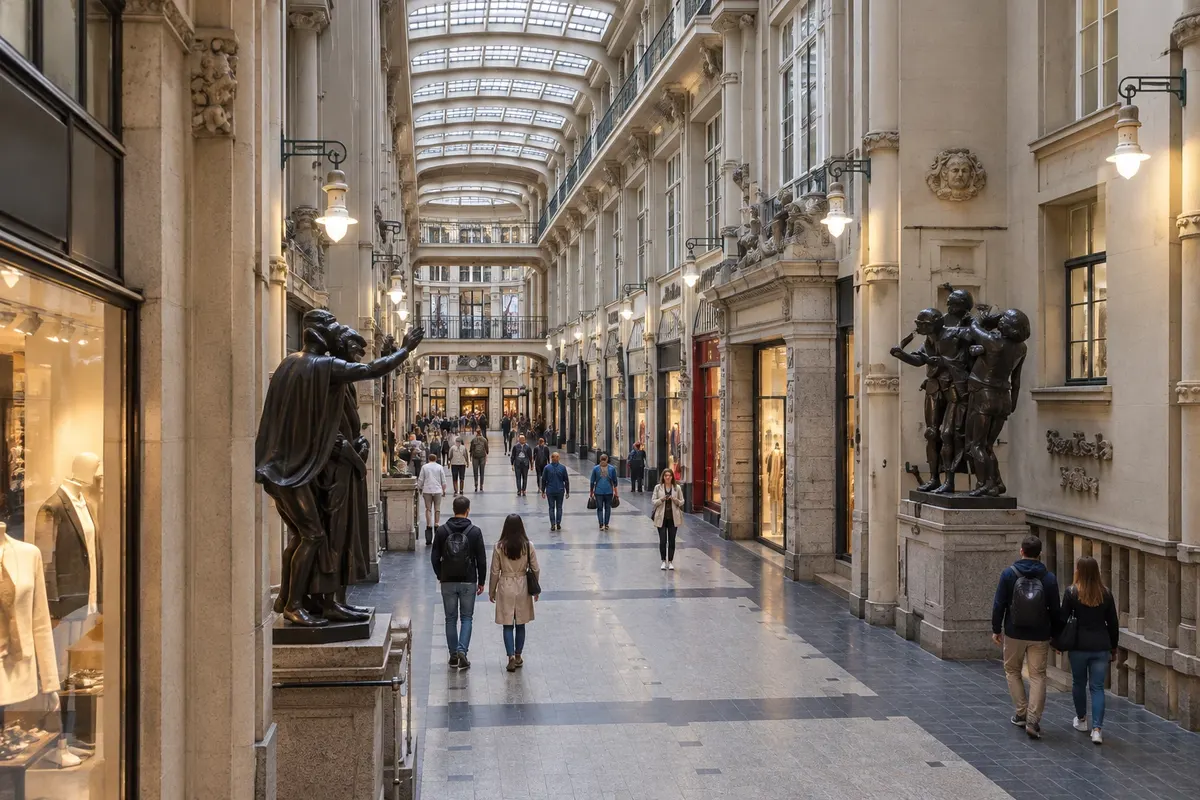
Mädlerpassage

Covered shopping arcade from 1914, with the entrance to the Auerbachs Keller, the tavern of Goethe's Faust, and the bronze statues of Faust and Mephistopheles.

Zeitgeschichtliches Forum Leipzig
Leipzig · Saxônia · Museum

Zeitgeschichtliches Forum Leipzig

Museum about the division of Germany, everyday life in the former East Germany, opposition to the regime and the peaceful revolution of 1989. Admission is free.

Museum in der Runden Ecke
Leipzig · Saxônia · Memorial

Museum in der Runden Ecke

Memorial in the former building of East Germany's secret police (Stasi) in Leipzig, occupied by protesters in December 1989.

Völkerschlachtdenkmal
Leipzig · Saxônia · Monument

Völkerschlachtdenkmal

91-metre monument to the Battle of the Nations of 1813 against Napoleon, with a crypt, an observation platform at the top, and the FORUM 1813 museum.

Museum der bildenden Künste Leipzig
Leipzig · Saxônia · Museum

Museum der bildenden Künste Leipzig

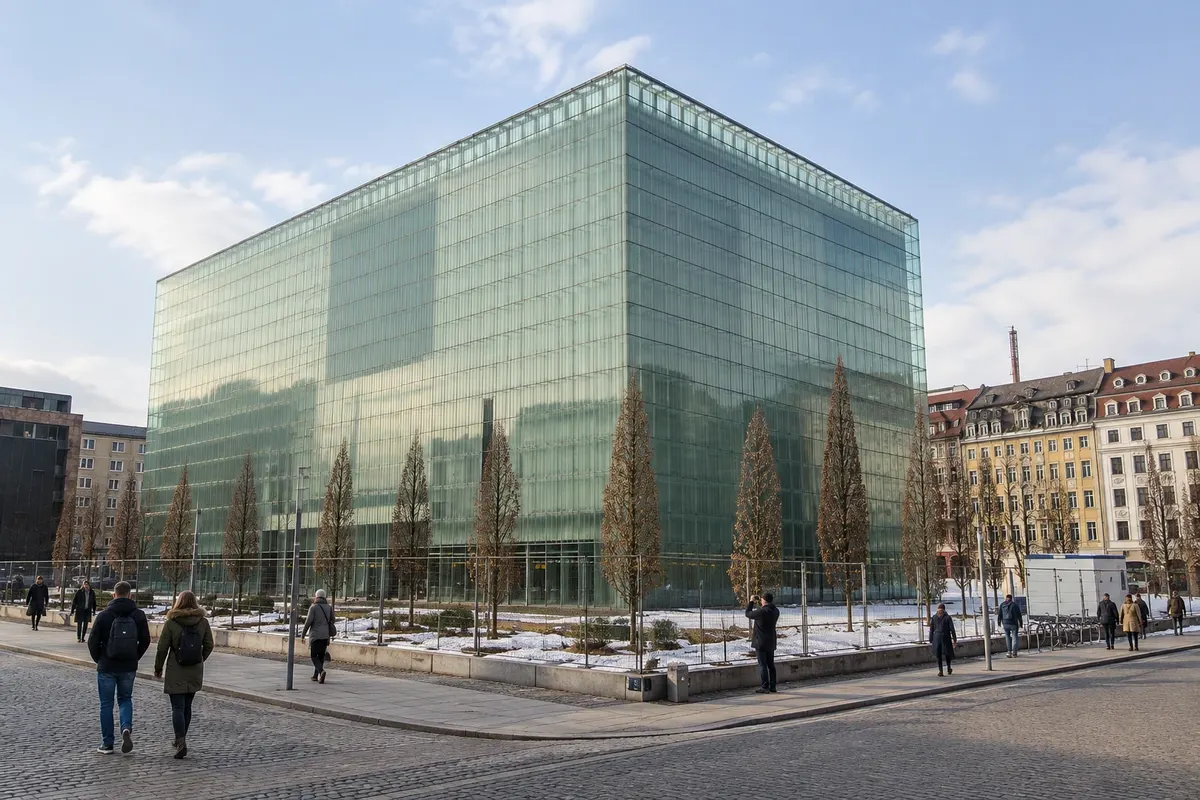
Museum of fine arts in a cube-shaped building in the centre, featuring Cranach, Frans Hals, Caspar David Friedrich, Max Klinger's Beethoven, and painters of the Leipzig School.

Gewandhaus zu Leipzig
Leipzig · Saxônia · Architecture

Gewandhaus zu Leipzig

Concert hall on Augustusplatz, home of the Gewandhausorchester, one of the oldest orchestras in the world, with a 714 m² painted ceiling in the foyer.

Augustusplatz
Leipzig · Saxônia · Square

Augustusplatz

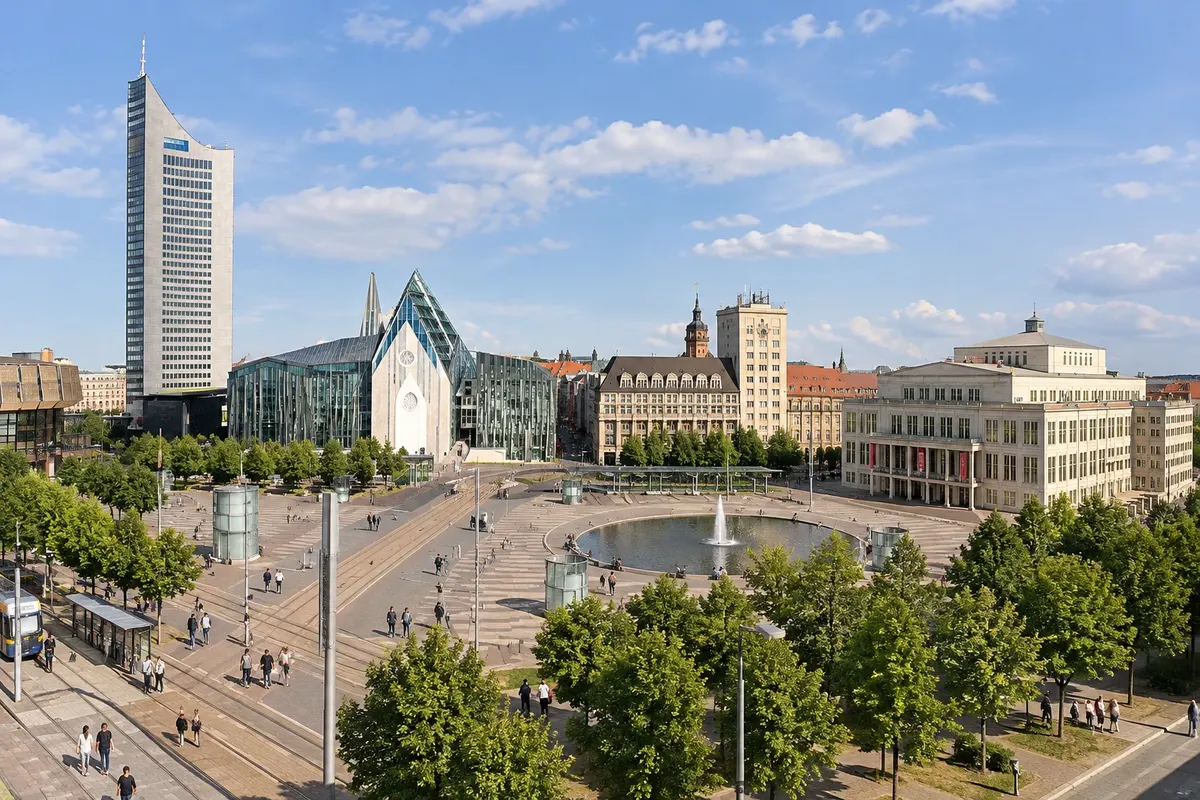
The largest square in the centre, with the opera, the Gewandhaus, the Paulinum of the university and the City-Hochhaus, whose viewing platform on the 31st floor offers panoramic views of the city.

Spinnerei
Leipzig · Saxônia · Architecture

Spinnerei

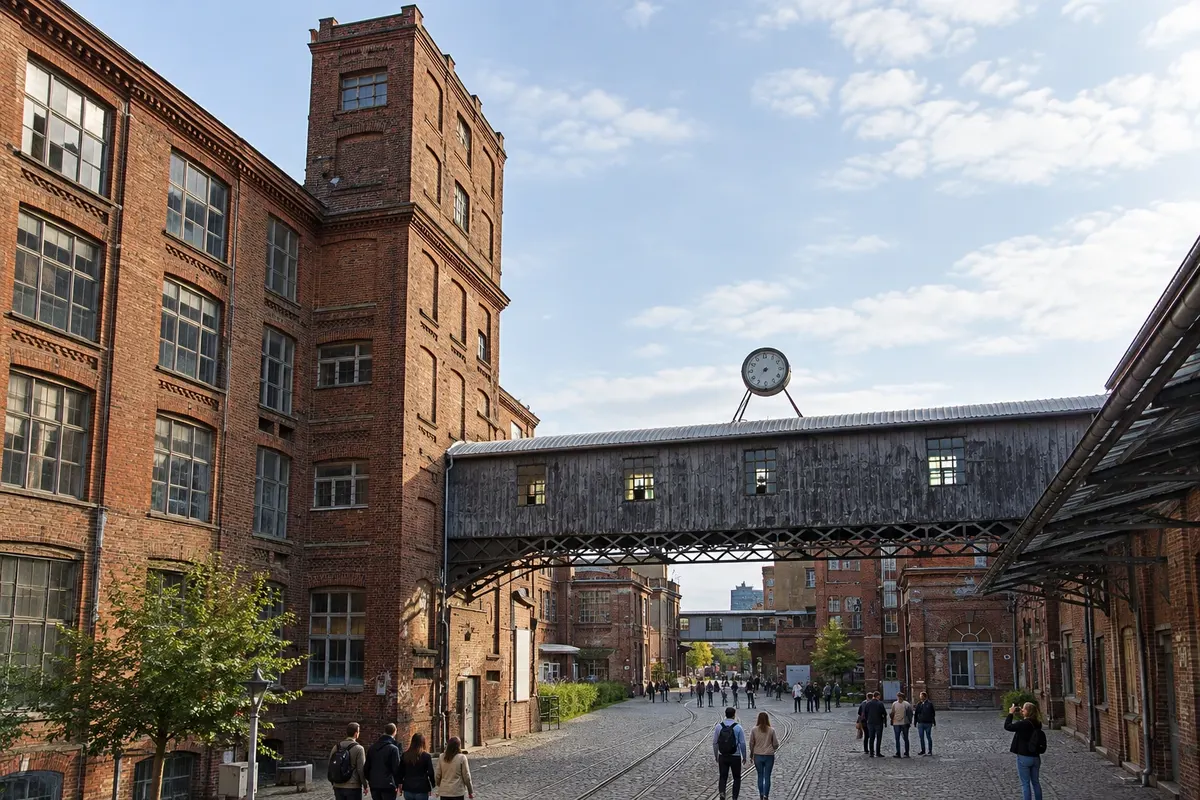
Former cotton-spinning mill from 1884 in Lindenau, today a complex of galleries and studios with around a hundred artists, including Neo Rauch.

Zoo Leipzig
Leipzig · Saxônia · Park

Zoo Leipzig

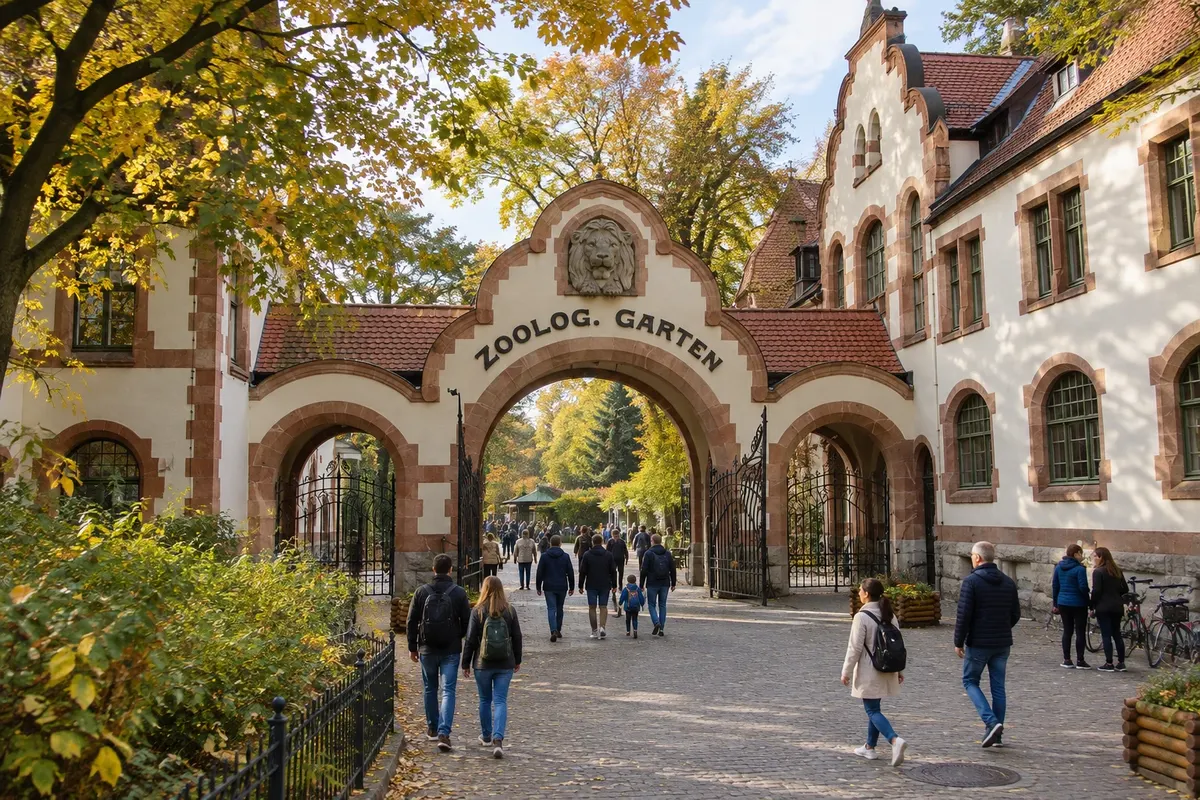
Zoo founded in 1878, next to the city centre, featuring Gondwanaland, a huge tropical greenhouse, and Pongoland, an area for great apes.

Plagwitz
Leipzig · Saxônia · Historic neighborhood

Plagwitz

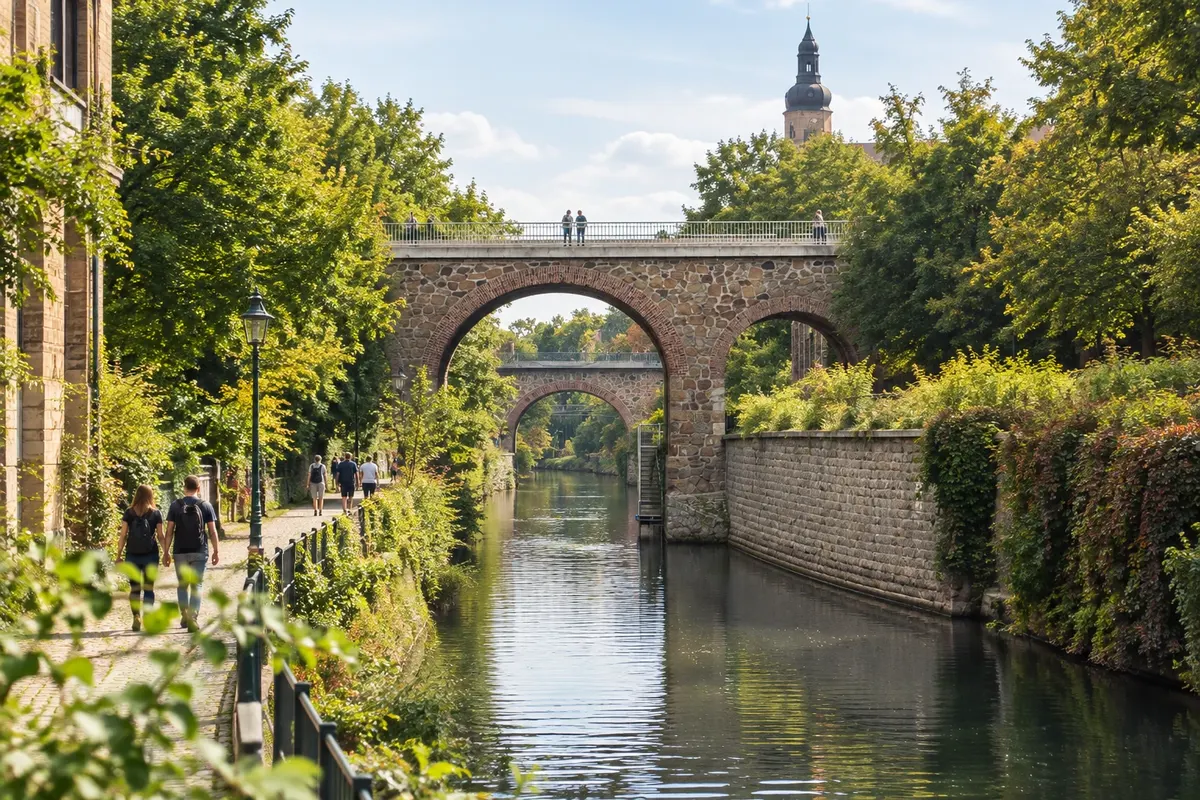
Former industrial neighborhood in the west of Leipzig, cut through by the Karl-Heine-Kanal, with brick factories converted into lofts, studios, bars and restaurants.

Mendelssohn-Haus
Leipzig · Saxônia · House museum

Mendelssohn-Haus

House where Felix Mendelssohn Bartholdy lived from 1845 until his death in 1847, with period furniture, manuscripts, the composer's watercolors and Sunday concerts.

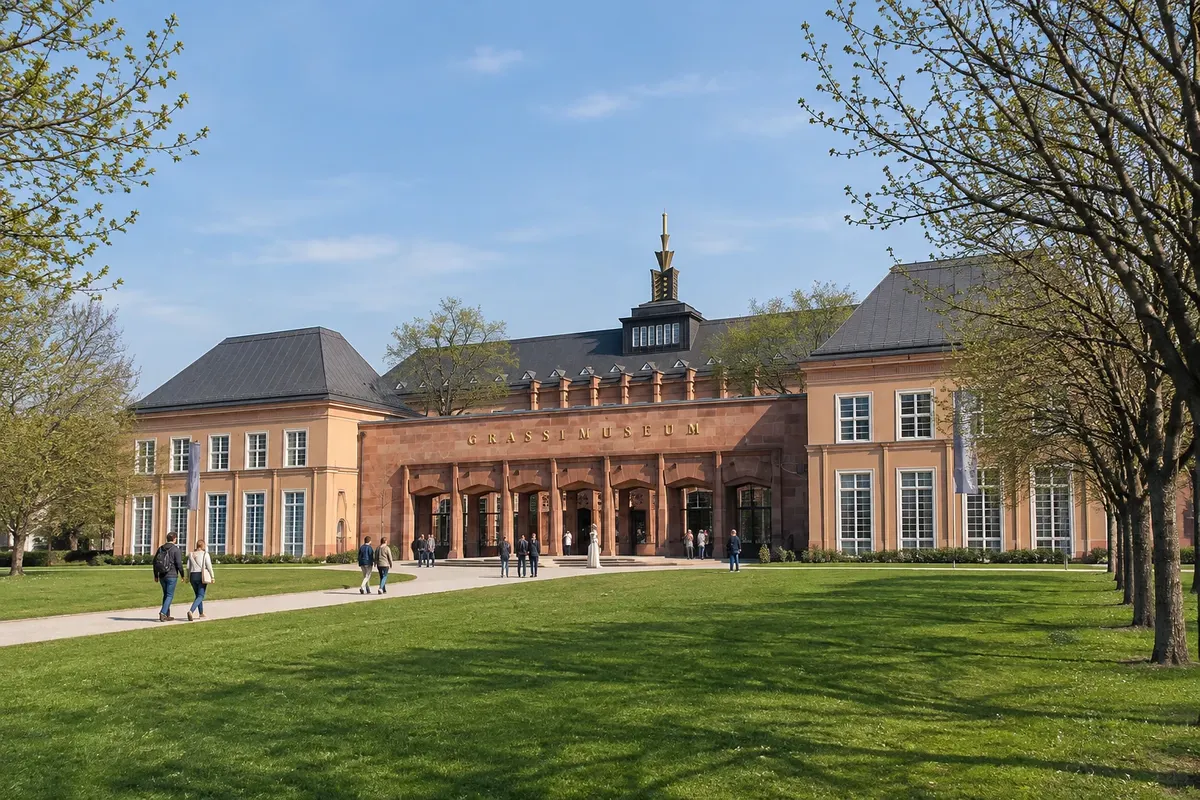
Grassi Museum
Leipzig · Saxônia · Museum

Grassi Museum

Art déco building from the 1920s on Johannisplatz that houses three museums: applied arts, ethnology and musical instruments.

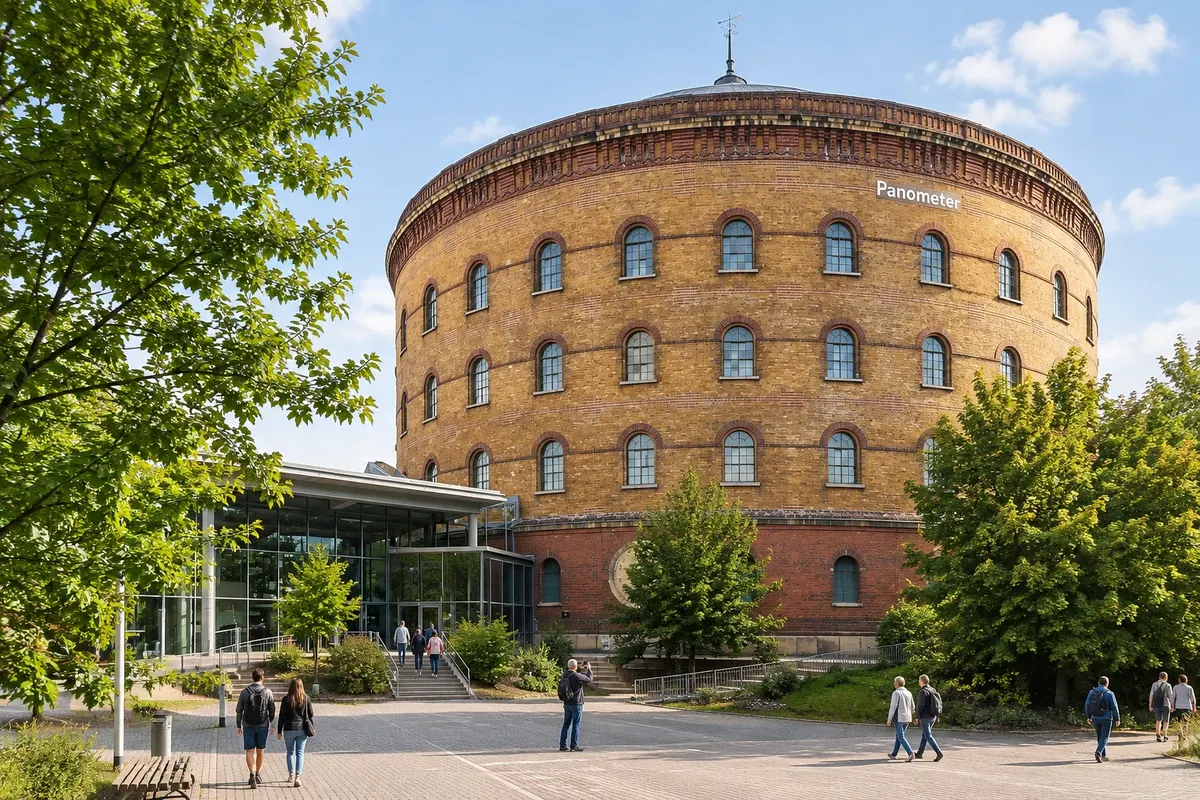
Panometer Leipzig
Leipzig · Saxônia · Museum

Panometer Leipzig

Former gasholder from 1910 that displays giant 360-degree panoramas by the artist Yadegar Asisi, viewed from a tower in the center of the building.

Before you go

Practical information

A little planning leaves more time to enjoy the journey.

When to go

From May to September the days are long and the parks and canals fill up. The Bachfest usually takes place in June. In October the city commemorates the 1989 demonstrations with the Lichtfest. The Christmas market on the market square typically runs from late November until just before Christmas. From December to February it is cold and gets dark early.

The seasons shown are the most usual ones; nature doesn't always follow the calendar.

How many days to stay

One day covers the old town: Thomaskirche, Nikolaikirche, the market square and a museum. With two days you can add the Völkerschlachtdenkmal, the Museum der bildenden Künste and an afternoon in Plagwitz and the Spinnerei. Three days allow for a concert at the Gewandhaus, a visit to the Zoo or a day trip to Dresden.

Which city to stay in

The centre within the ring (Zentrum) puts everything within walking distance and is close to Leipzig Hauptbahnhof, convenient for train arrivals and departures. To the south, the Südvorstadt, around Karl-Liebknecht-Straße, has bars and restaurants and direct trams to the centre. The Waldstraßenviertel, west of the centre, is a residential neighbourhood of late-19th-century buildings, near the Zoo and Rosental park. Plagwitz and Lindenau, a bit farther out, attract those who prefer the gallery and bar scene in former factories.

Respect the place

Take your trash with you, follow the signs and support local businesses. In natural areas, follow the visiting guidelines.

Get your questions answered

Frequently asked questions about Leipzig

How many days to stay in Leipzig?

Two days allow you to see the old town, the museums about 1989, the Völkerschlachtdenkmal and the Plagwitz neighbourhood without rushing. With only one day, focus on the centre: Thomaskirche, Bach-Museum, Nikolaikirche, the market square and the Mädlerpassage.

Can you do a day trip from Berlim or from Dresden?

Yes. From Berlim the fast train takes about 1h15 and from Dresden a little over an hour, with several departures per day. On a day trip it’s best to stay in the old town, which can be explored on foot from the central station. To also see the Völkerschlachtdenkmal and Plagwitz, it’s worth spending a night.

Do I need a car in Leipzig?

No. The centre is walkable and trams, buses and the S-Bahn serve the neighbourhoods and the Völkerschlachtdenkmal. A ticket is valid across the network; validate it when the machine requests. The city has an environmental zone (Umweltzone) for cars, which requires a sticker on the windscreen.

What is the best time to go to Leipzig?

From May to September the days are long and the weather is milder; the Bachfest usually takes place in June. In winter, from December to February, it is cold and gets dark early, but the Christmas market on the market square typically runs from late November until just before Christmas.

Explore other destinations Search by state and city
Back