Heidelberg and the Floresta Negra

Baden-Württemberg · Germany

Heidelberg and the Floresta Negra

Ruined castle above the Neckar, centuries-old spas in Baden-Baden and Freiburg at the gateway to the Floresta Negra in southwestern Germany.

South

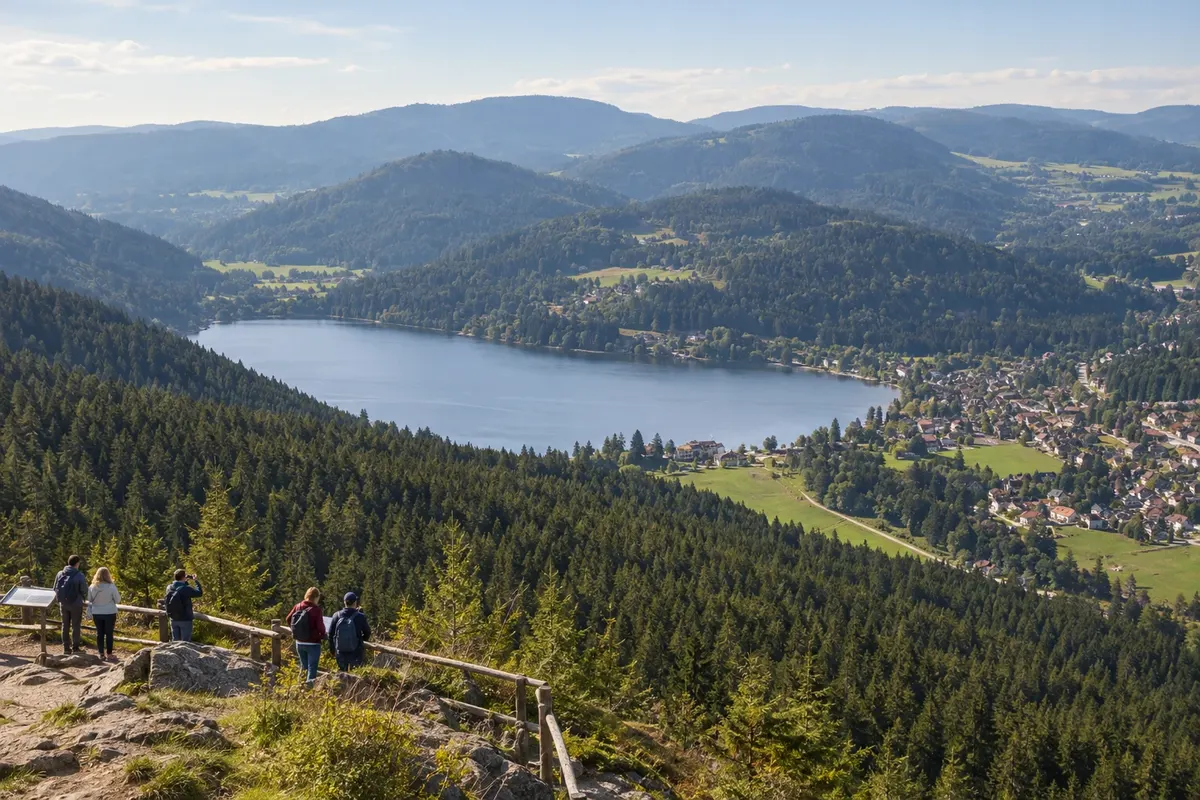
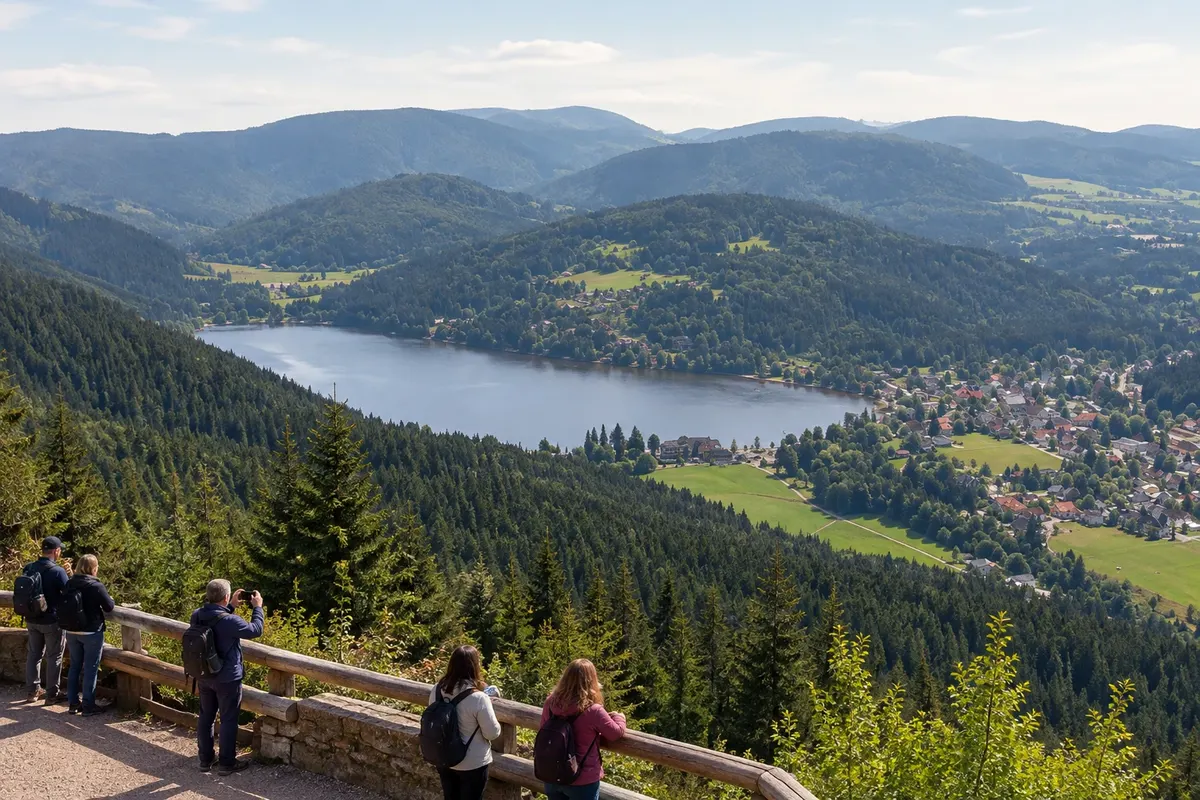
In the photo: Titisee seen from the Hochfirst, Floresta Negra

Illustrative images. The pictures in this guide are illustrations based on the real place, not photographs, and may differ from it.

Get it on Google Play Send your photos

Get to know the place

A region to enjoy
at your own pace.

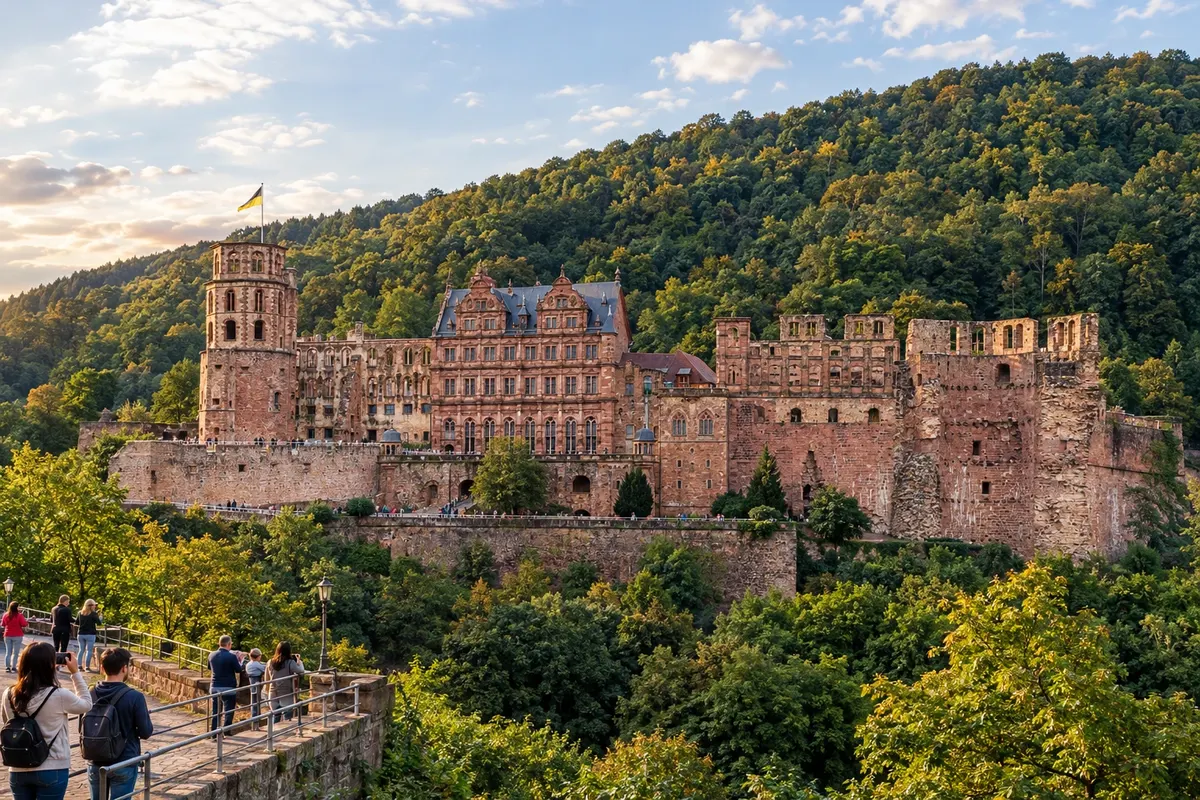
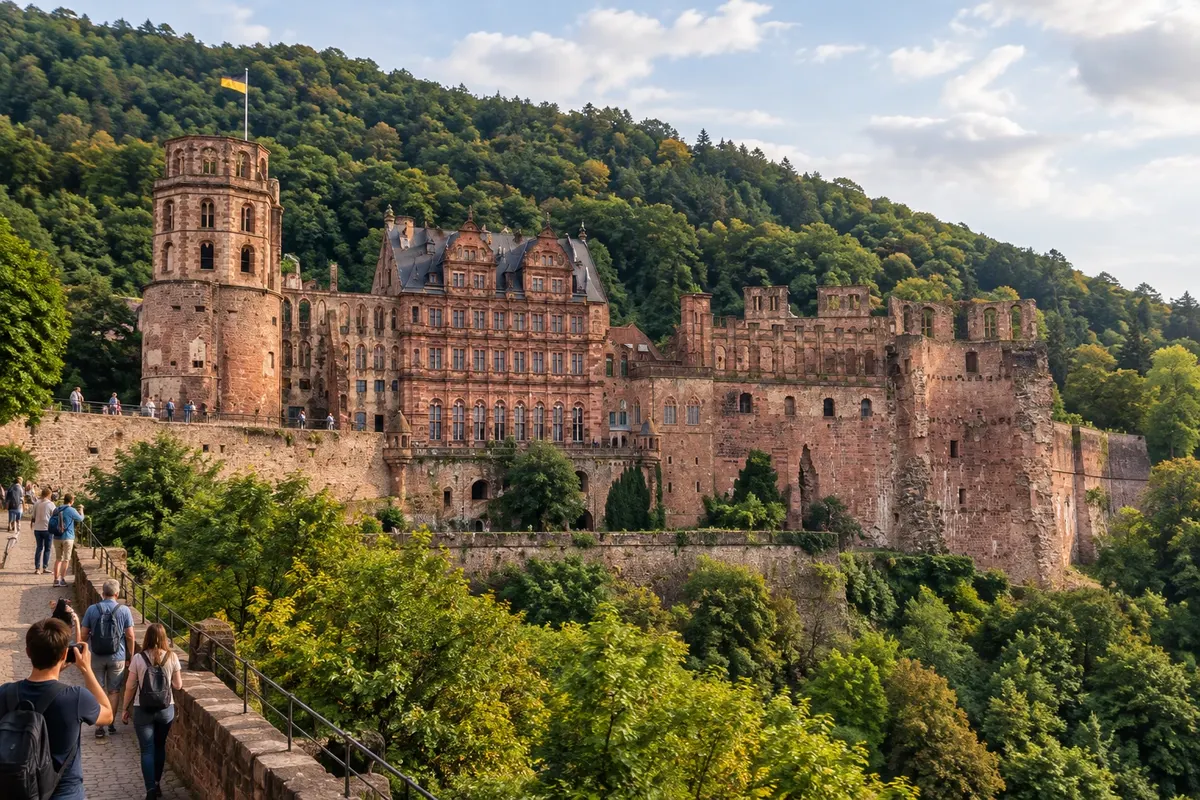
Southwestern Germany, in the state of Baden-Württemberg, brings together three quite different cities linked by train along the Rhine valley. Heidelberg sits on the banks of the Neckar, with the old center (Altstadt) squeezed between the water and the hill and the ruined castle looking down on the town. It is home to the oldest university in the modern country, founded in 1386, and it emerged from World War II almost undamaged.

Further south begins the Floresta Negra (Schwarzwald). It is not a park nor a single forest: it is a region of low mountains, about 160 km from north to south, covered with dark pines and firs (hence the name), cut by valleys, lakes, waterfalls and villages with timber houses. The highest point is the Feldberg, at about 1,490 meters. The region gave the world the cuckoo clock and the cake Floresta Negra (Schwarzwälder Kirschtorte).

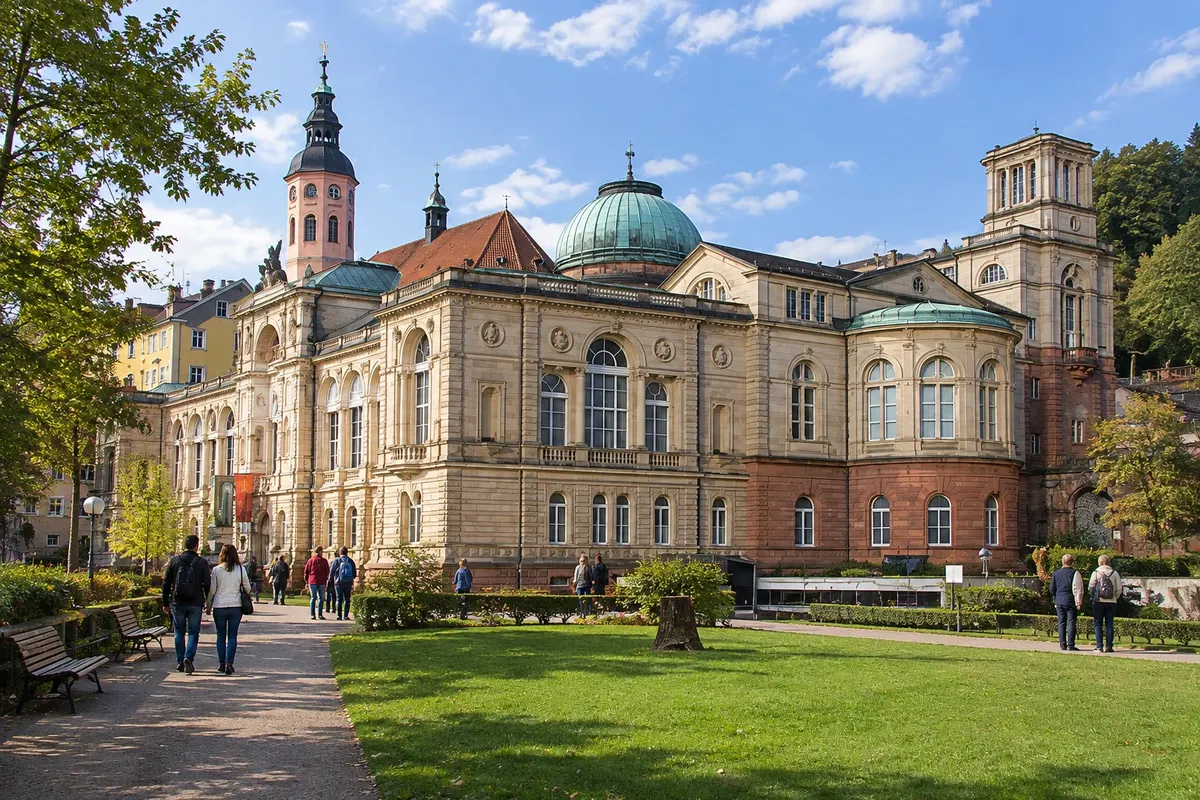
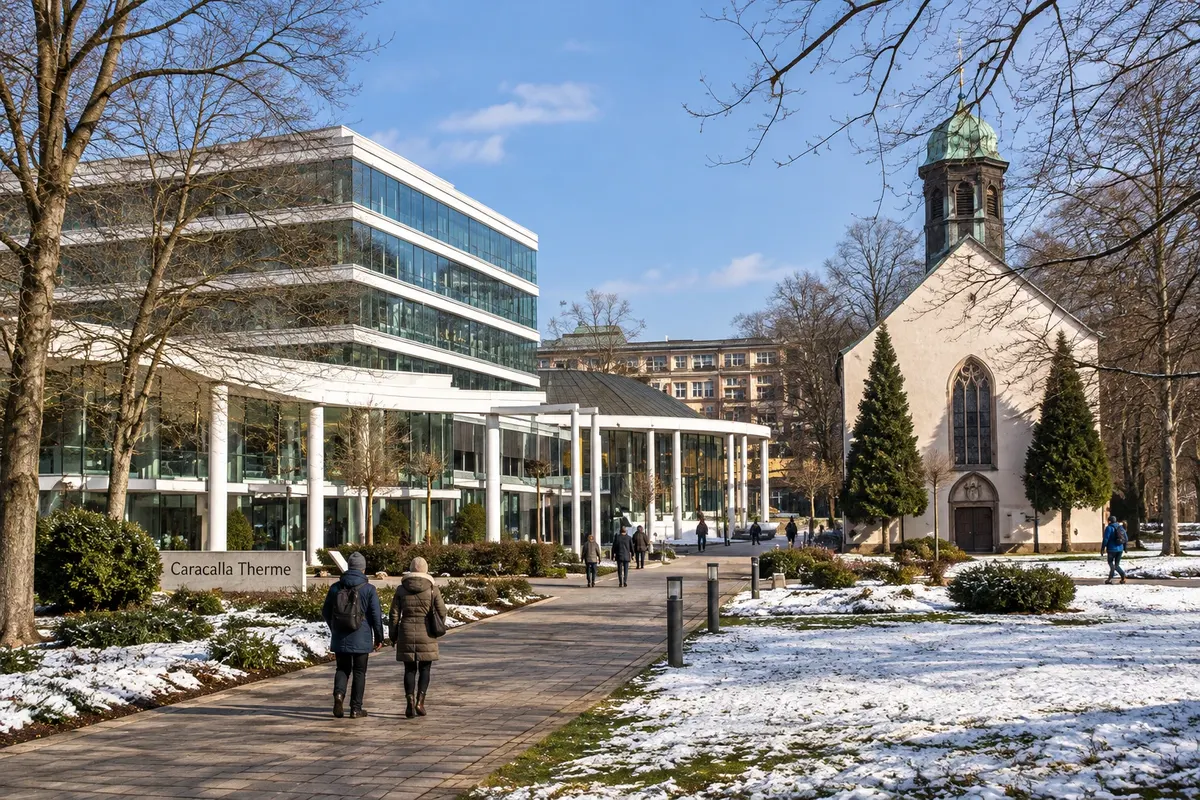
Baden-Baden lies on the northern edge of the Floresta Negra and has relied on hot springs since Roman times. It has the Friedrichsbad, a 19th-century bathhouse, the Caracalla Therme, the Kurhaus with its casino and the Lichtentaler Allee, a park along the Oos stream.

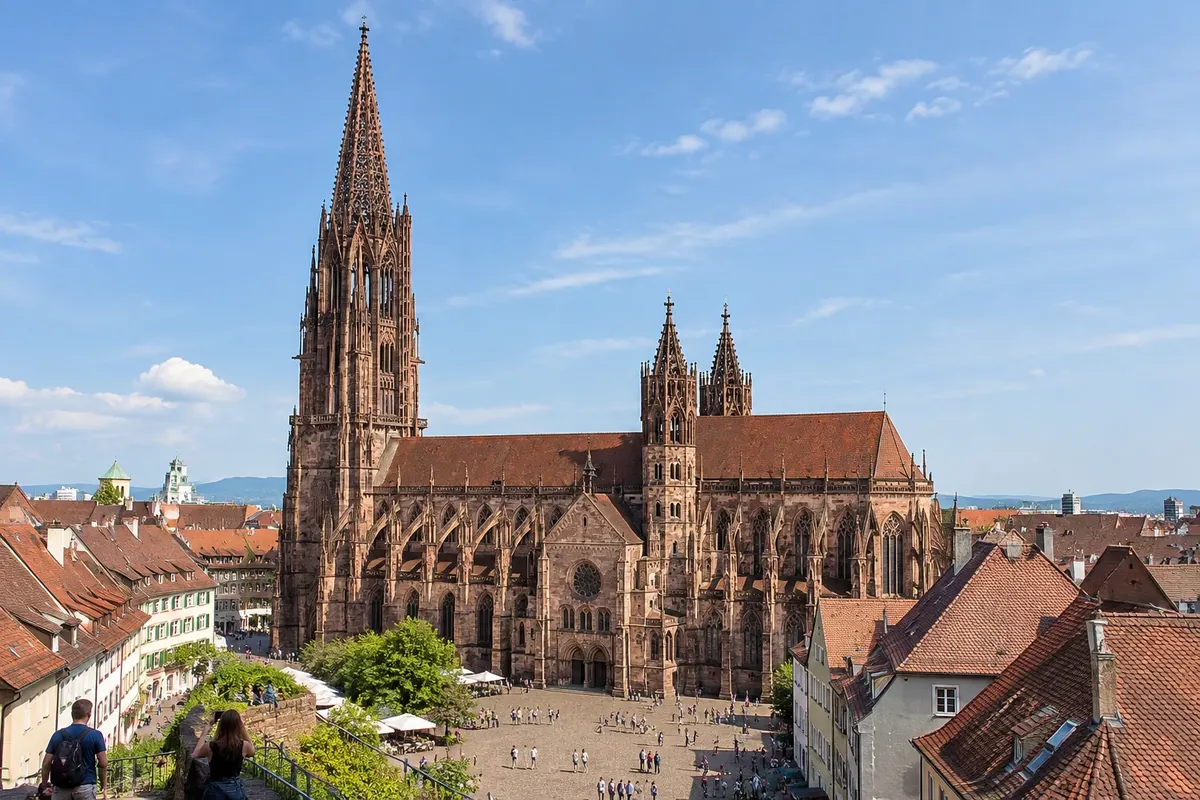
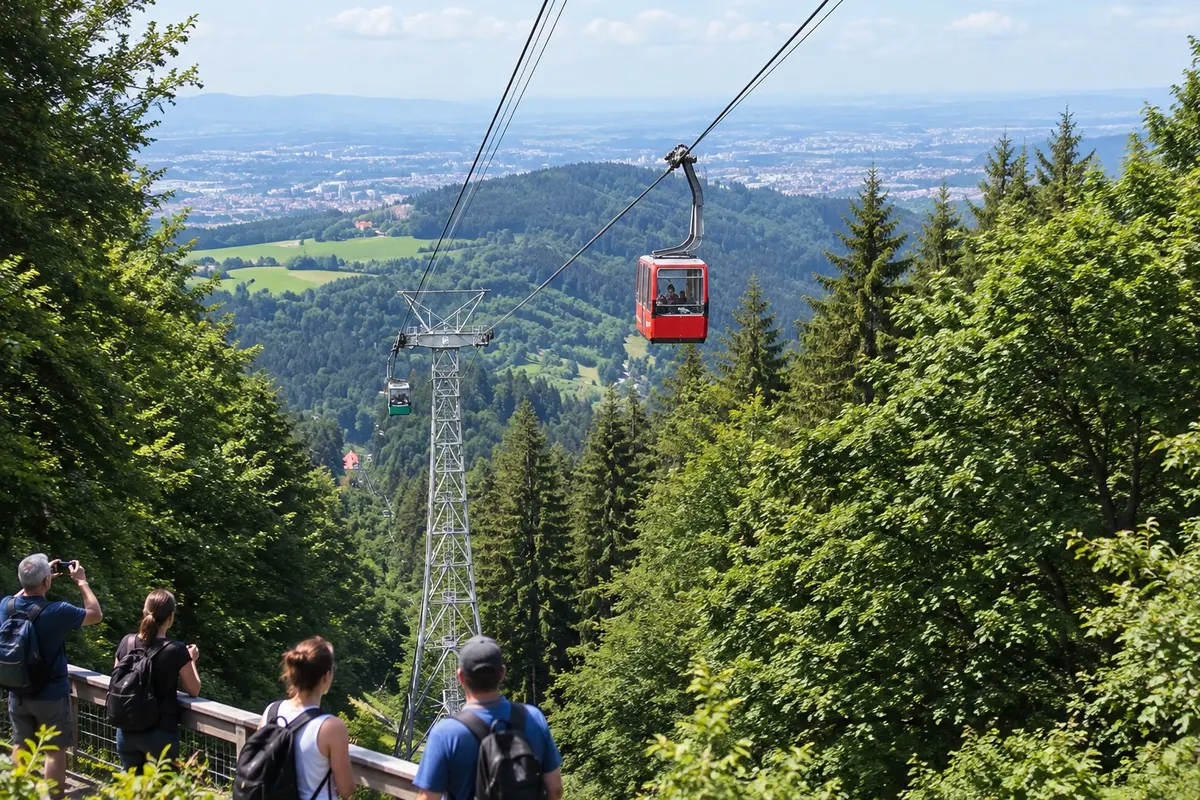
Freiburg im Breisgau, at the southern tip, is a university city with a Gothic cathedral with an openwork tower, a daily market on the square and small water channels running through the streets (the Bächle). From there you can take the cable car up to Schauinsland and reach Titisee by regional train. The Triberg waterfalls, homeland of the cuckoo clocks, are just over an hour away.

This destination brings together 3 cities: Heidelberg, Baden-Baden, Freiburg im Breisgau.

Share: WhatsApp
Traveler, share your experiences through photos Up to 5 photos of each place you visited.

One destination, many paths

The cities on this trip

Start with one city or combine several in your itinerary.

Where Heidelberg and the Floresta Negra is
HeidelbergBaden-BadenFreiburg im Breisgau

Contornos: © BKG (2026), dl-de/by-2-0. Adaptação do Cidade Turismo.

How to get there: Heidelberg and the Floresta Negra

✈ Flughafen Frankfurt am Main (FRA), in Frankfurt am Main · 87 km to Heidelberg

Verify before booking. The most commonly used gateway is Frankfurt Airport (FRA). From Frankfurt, trains run to Heidelberg, Baden-Baden and Freiburg via the Rhine valley line. Those coming from Switzerland or France can use Basel-Mulhouse Airport, near Freiburg.
Suggested arrival point: Heidelberg

Heidelberg
Baden-Württemberg · Heidelberg and the Floresta Negra Suggested arrival point

Heidelberg

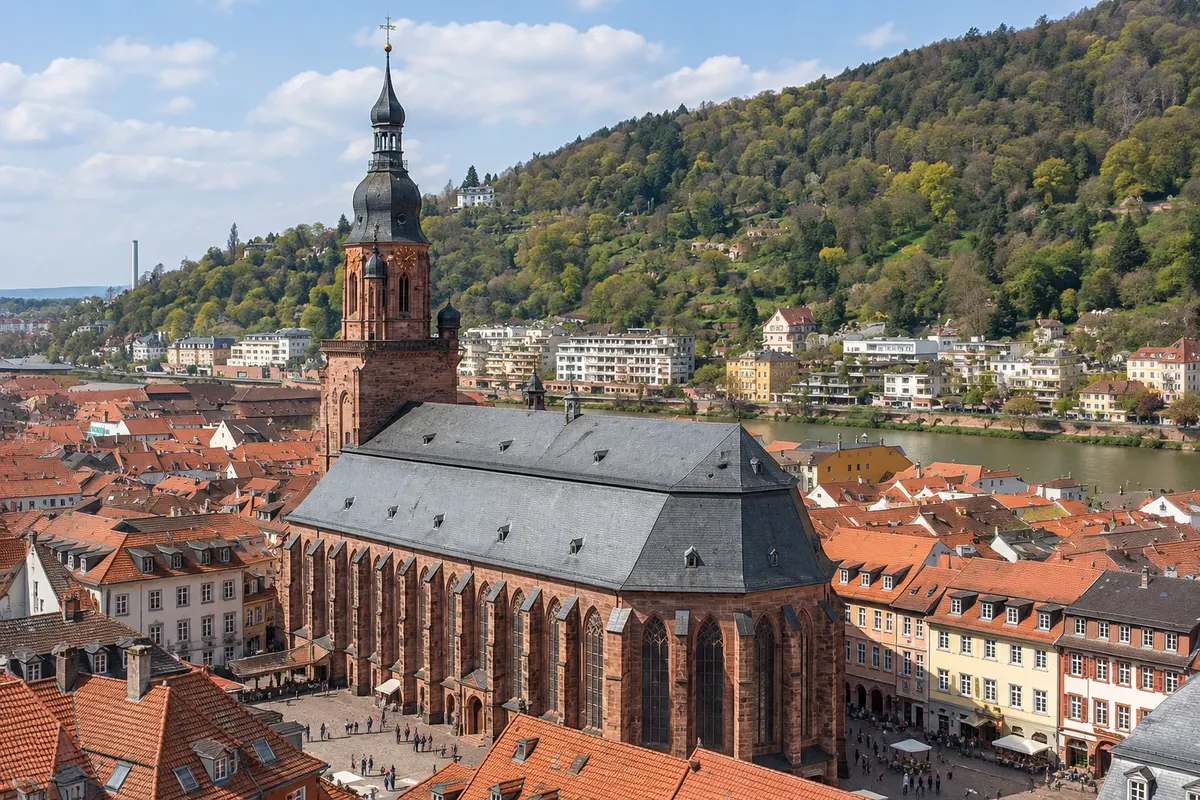
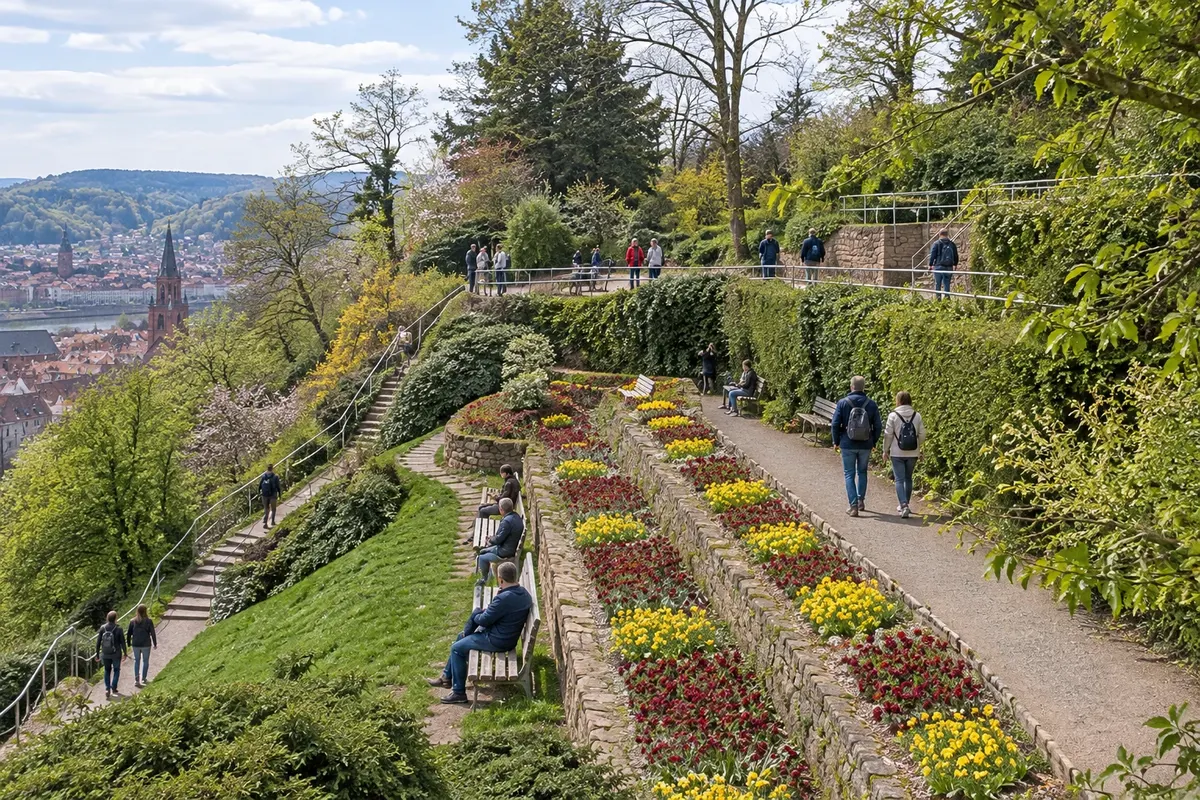
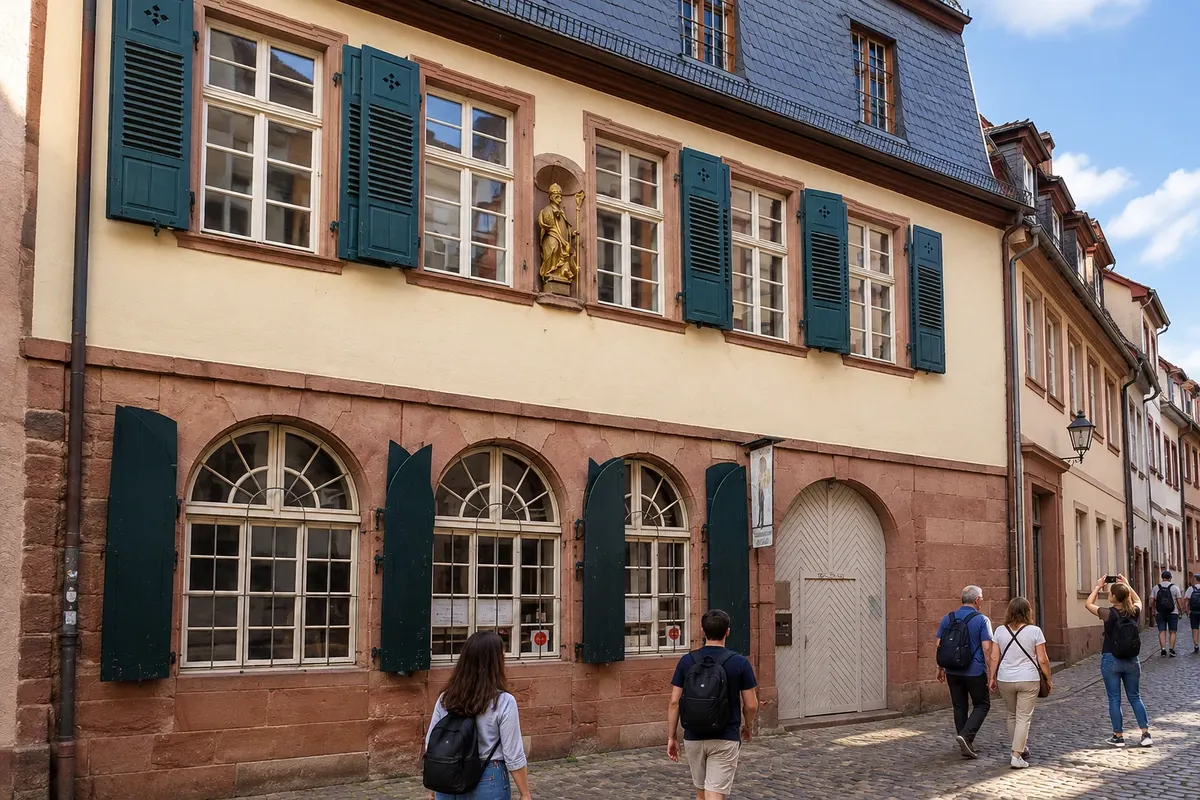
University city on the banks of the Neckar, about an hour by train from Frankfurt. The ruined castle (Heidelberger Schloss) dominates the hillside, and the Bergbahn funicular climbs to it and to the Königstuhl. Below lie the Altstadt, with the Hauptstraße and the Heiliggeistkirche, the Alte Brücke over the river, the Alte Universität with its museum and the Studentenkarzer, and on the other side of the Neckar the Philosophenweg, with the classic view of the town.

Freiburg im Breisgau
Baden-Württemberg · Heidelberg and the Floresta Negra

Freiburg im Breisgau

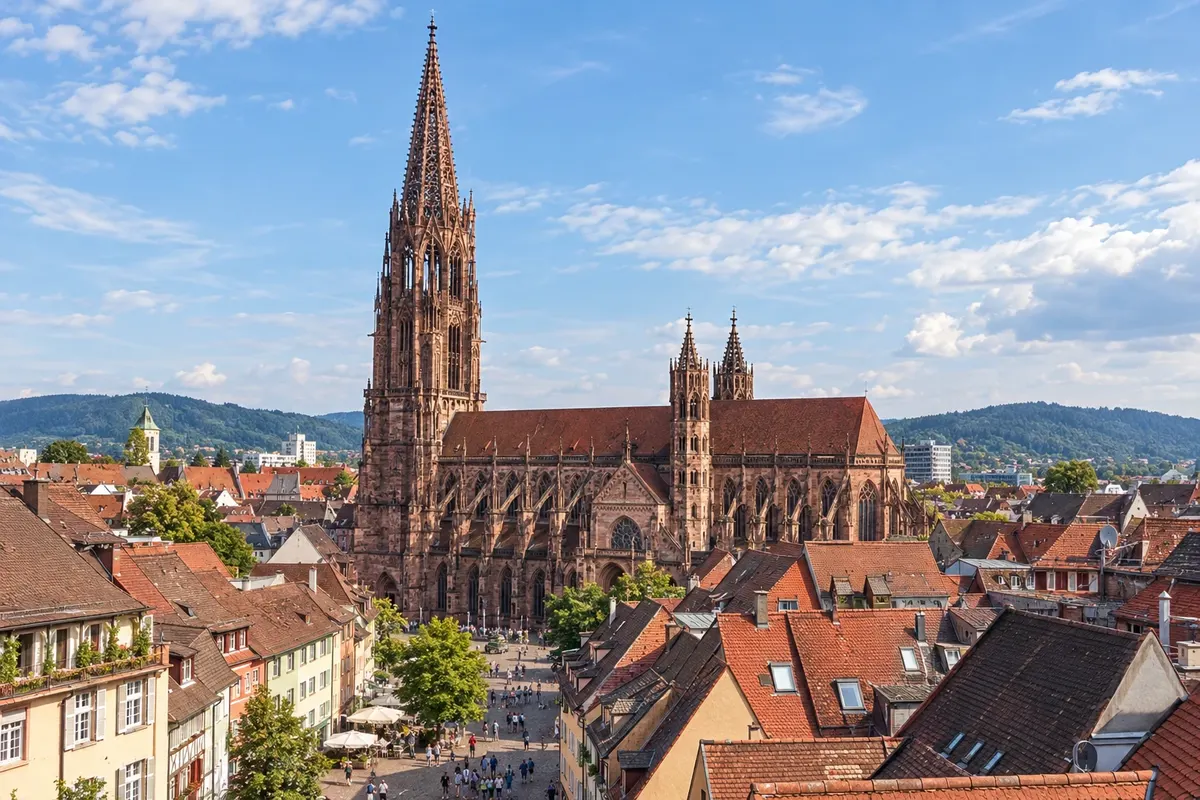
University city in the southwest of the Black Forest, near France and Switzerland. The center revolves around the Freiburger Münster, a Gothic cathedral with an openwork tower, and the Münsterplatz, which has a market Monday through Saturday. Narrow water channels called Bächle run along the streets. The Martinstor and Schwabentor gates, the Augustinermuseum and the Schlossberg hill complete the town. Nearby are Lake Titisee, the Schauinsland cable car and the Triberg waterfalls.

The local experience

Things to do in Heidelberg and the Floresta Negra

Freiburger Münster
Freiburg im Breisgau · Baden-Württemberg · Cathedral

Freiburger Münster

Gothic cathedral in the center of the Altstadt, begun around 1200, with the 116‑metre tower completed in 1330 and the spire pierced like lace in stone. It survived the bombings of 1944.

Friedrichsbad
Baden-Baden · Baden-Württemberg · Thermal baths

Friedrichsbad

Bathhouse opened in 1877 in the old center, over the ruins of Roman baths. The Roman-Irish bath is a circuit of stations with hot air, steam and thermal pools, and it is traditionally done without clothing and in a mixed environment.

Heidelberger Schloss
Heidelberg · Baden-Württemberg · Castle

Heidelberger Schloss

A red sandstone ruin on the slope of the Königsstuhl above the Altstadt. It contains Gothic and Renaissance palaces, the giant wine barrel (Großes Fass), the Deutsches Apotheken-Museum and a terrace with views over the Neckar.

Caracalla Therme
Baden-Baden · Baden-Württemberg · Thermal baths

Caracalla Therme

A complex of thermal-water pools next to the Friedrichsbad, with indoor and outdoor areas, hot and cold baths and a separate sauna area. Swimwear is required in the pools; in the saunas it is not.

See 20 more places in Heidelberg and the Floresta Negra
Heidelberger Bergbahn
Heidelberg · Baden-Württemberg · Funicular

Heidelberger Bergbahn

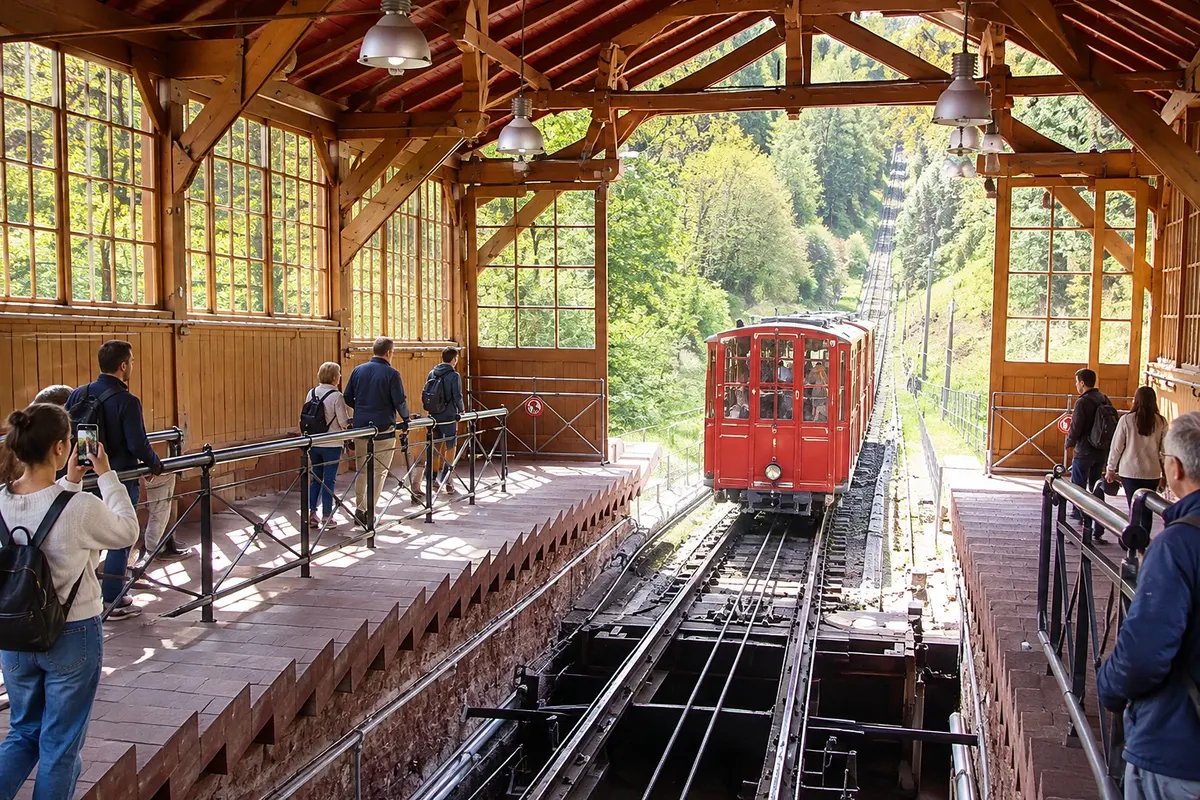
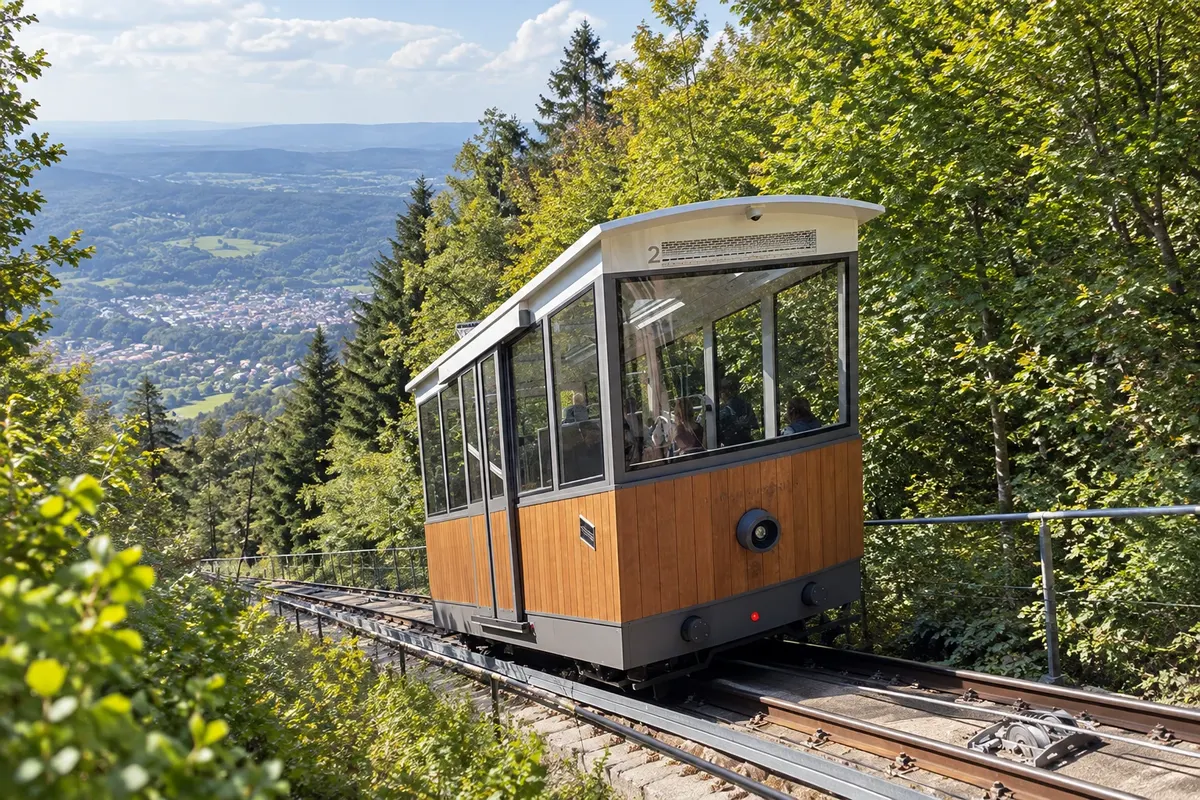
Funicular that departs from Kornmarkt in the Altstadt, stops at the castle and continues to the Molkenkur. There you change to the upper section, with old-style wooden carriages, which climbs to the Königstuhl hill at 568 meters.

Münsterplatz
Freiburg im Breisgau · Baden-Württemberg · Square

Münsterplatz

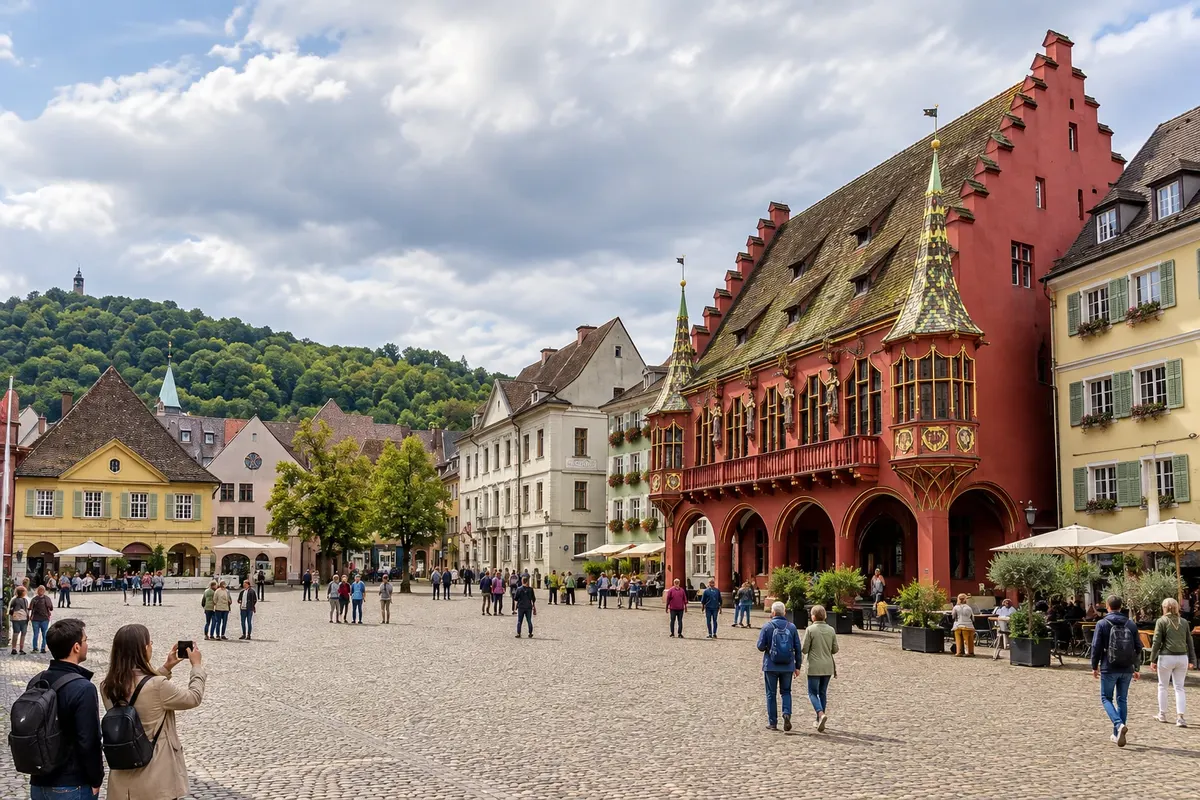
Square around the cathedral, with a daily market (Münstermarkt) from Monday to Saturday: producers from the Floresta Negra and the Kaiserstuhl, flowers, crafts and sausage stalls. On the south side sits the Historisches Kaufhaus, a red 16th-century building.

Alte Brücke
Heidelberg · Baden-Württemberg · Bridge

Alte Brücke

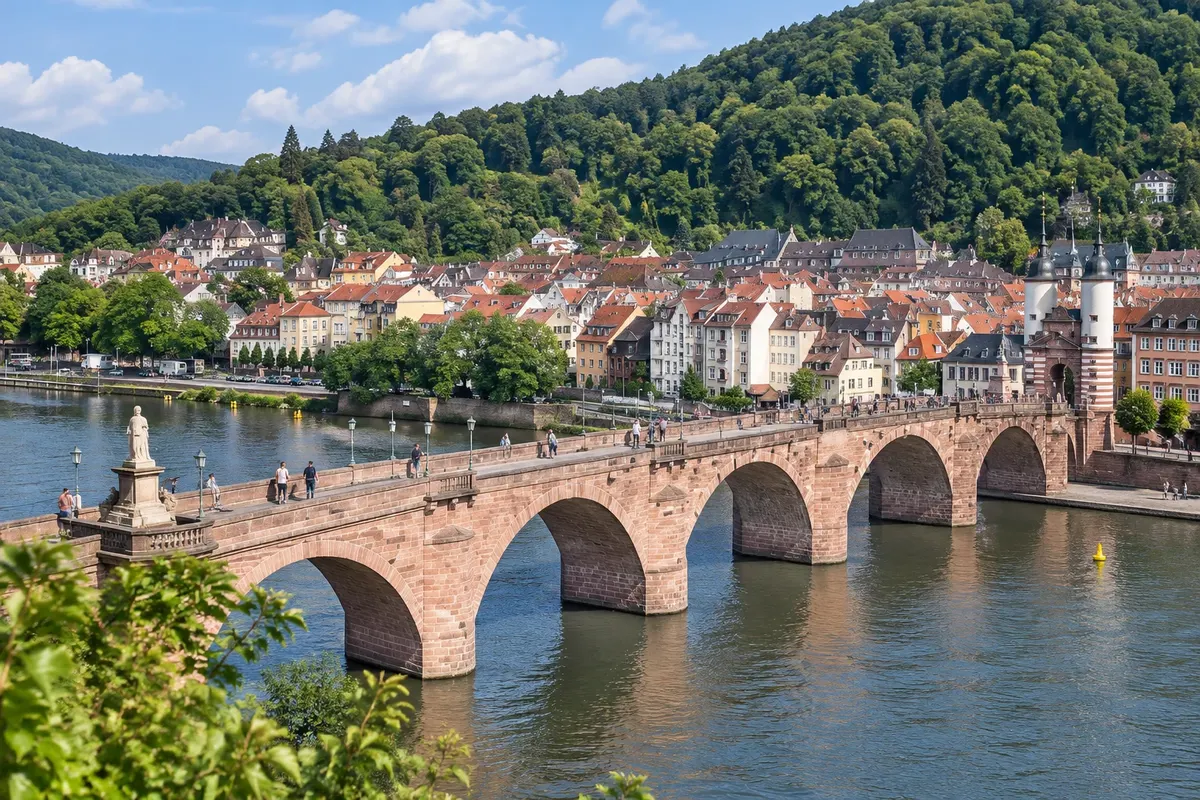
Stone bridge over the Neckar, from 1788, with a medieval two-towered gate at the Altstadt end and the bronze statue of the monkey (Brückenaffe). From the middle of the bridge you can see the castle above the town's roofs.

Freiburger Bächle
Freiburg im Breisgau · Baden-Württemberg · Street

Freiburger Bächle

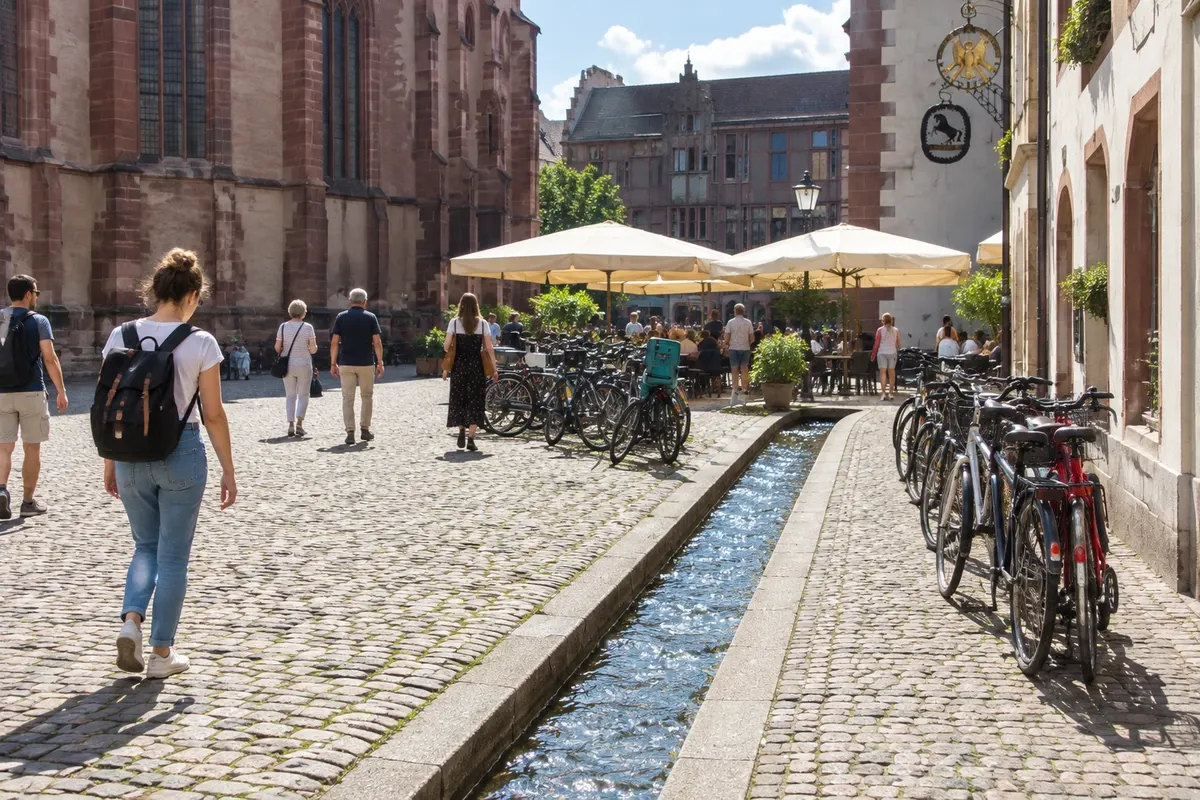
Narrow water channels that run along the streets of the Altstadt since the Middle Ages. They were used to supply the city and fight fires; today they cool the center in summer.

Kurhaus Baden-Baden
Baden-Baden · Baden-Württemberg · Architecture

Kurhaus Baden-Baden

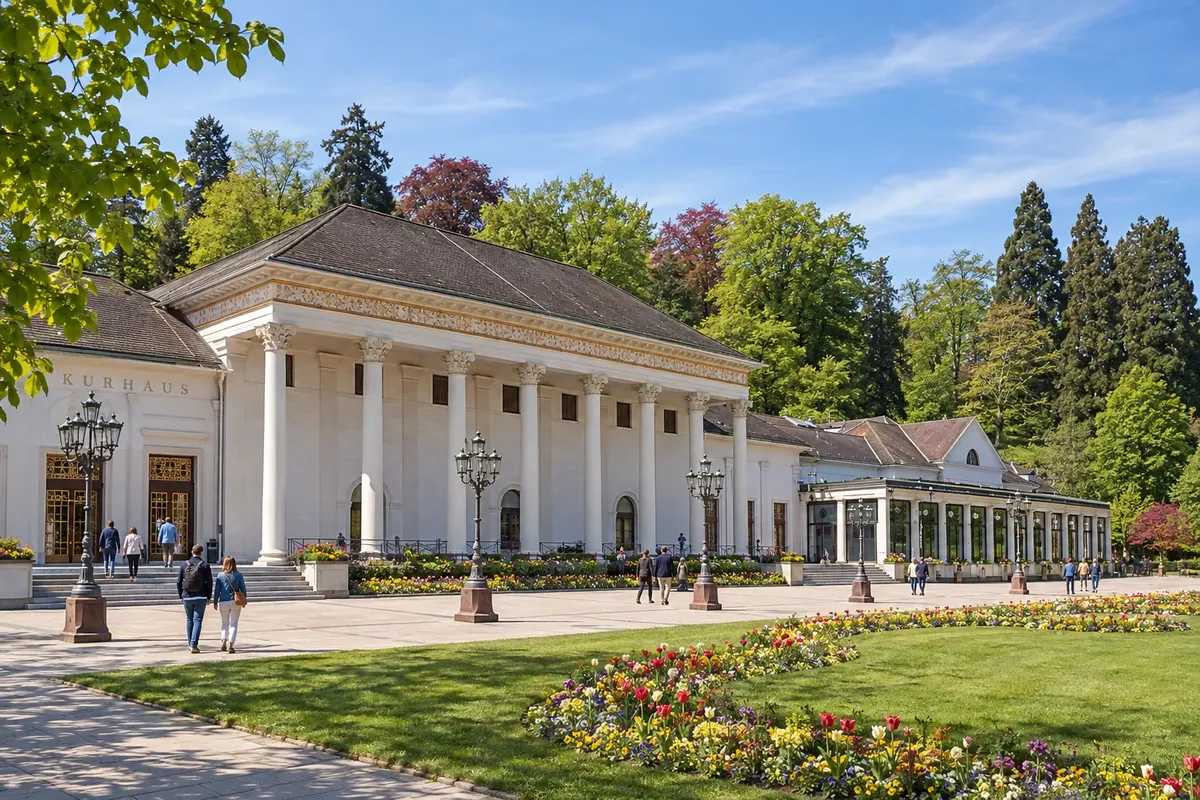
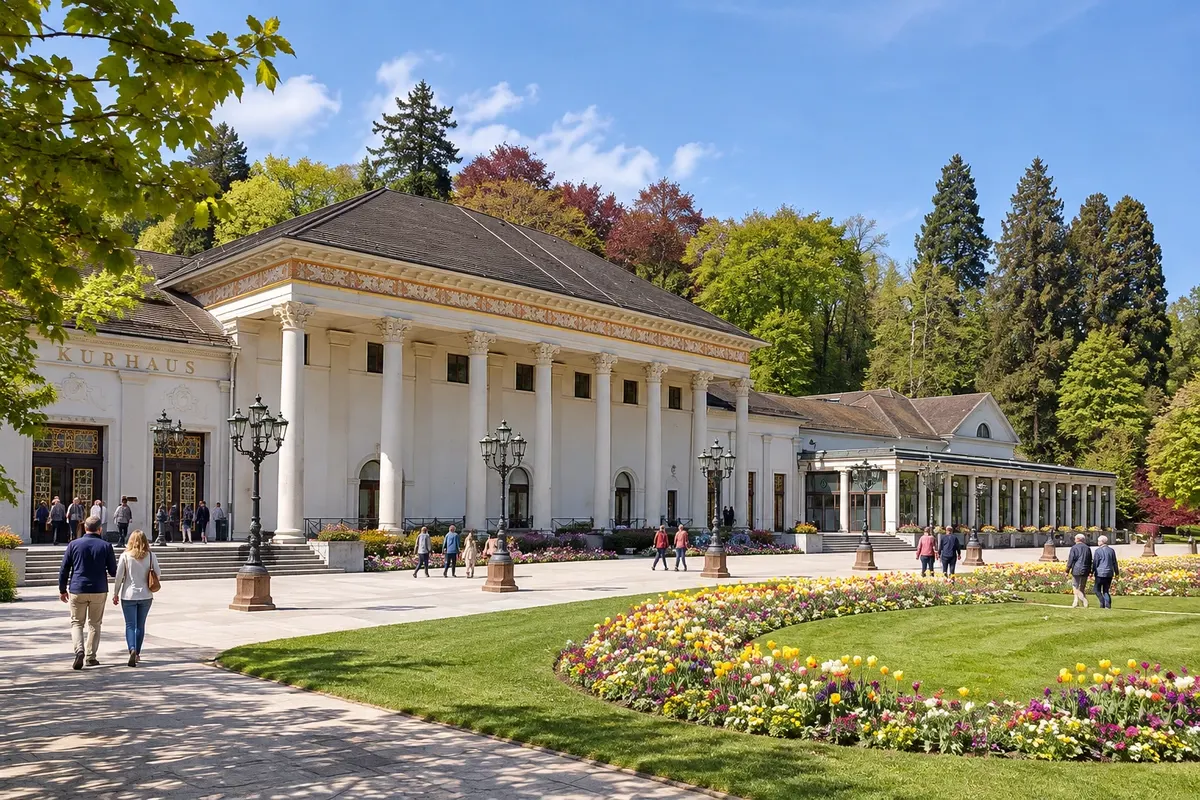
A white-columned building from 1824, the center of the resort's social life, featuring the casino that became famous in the 19th century. Next to it are the Kurpark and the Trinkhalle, a colonnaded gallery with frescoes depicting regional legends.

Altstadt und Hauptstraße
Heidelberg · Baden-Württemberg · Historic neighborhood

Altstadt und Hauptstraße

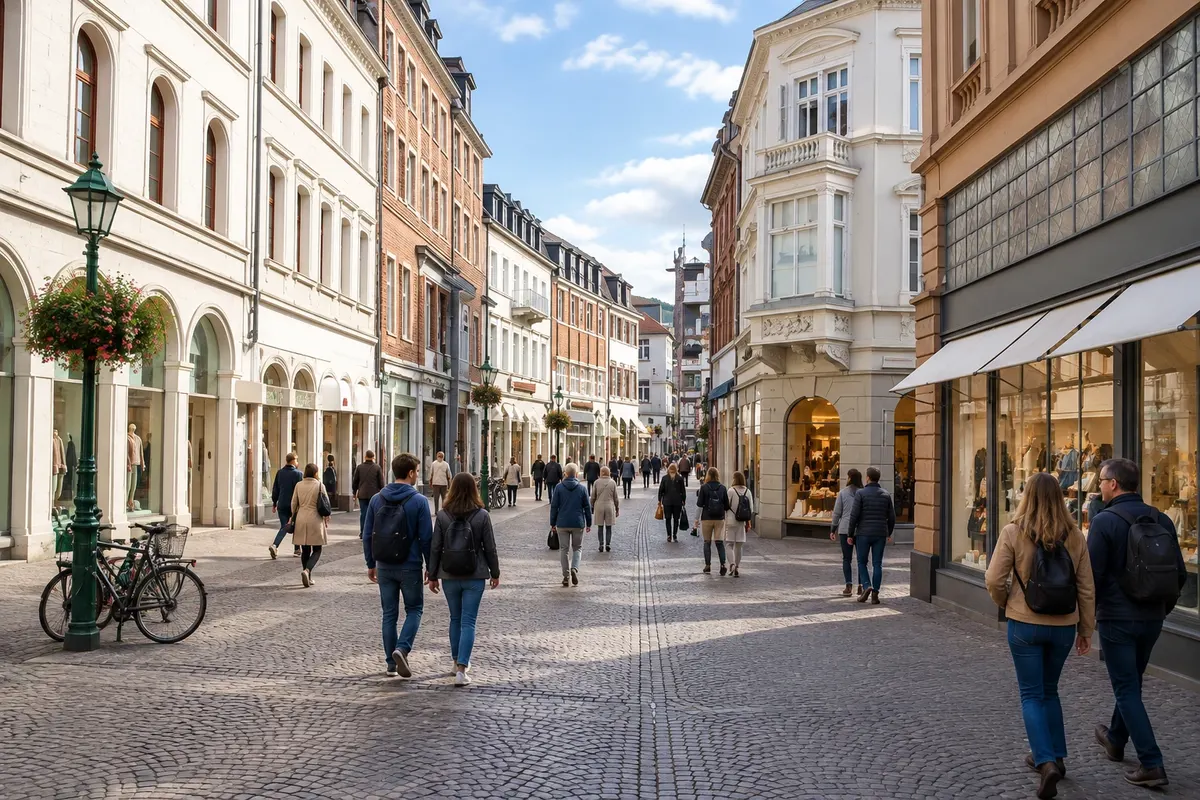
Heidelberg's old town, between the Neckar and the hill, with the Hauptstraße, a 1.6 km pedestrian street between Bismarckplatz and Karlstor, and the squares Marktplatz, Kornmarkt and Universitätsplatz.

Lichtentaler Allee
Baden-Baden · Baden-Württemberg · Park

Lichtentaler Allee

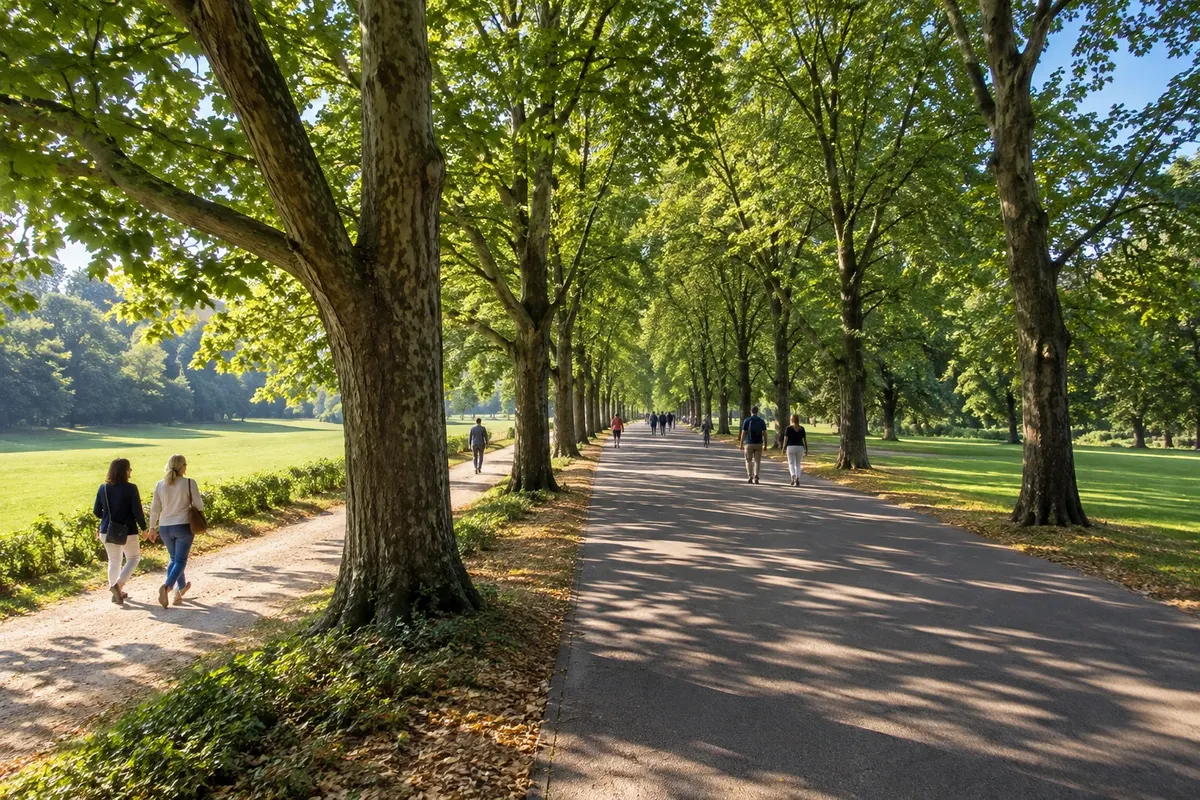
A 2.3 km tree-lined park along the Oos stream, from the Kurhaus to the Lichtenthal monastery, with about 300 species of trees and shrubs, lawns, bridges and flower gardens.

Schlossberg
Freiburg im Breisgau · Baden-Württemberg · Observation deck

Schlossberg

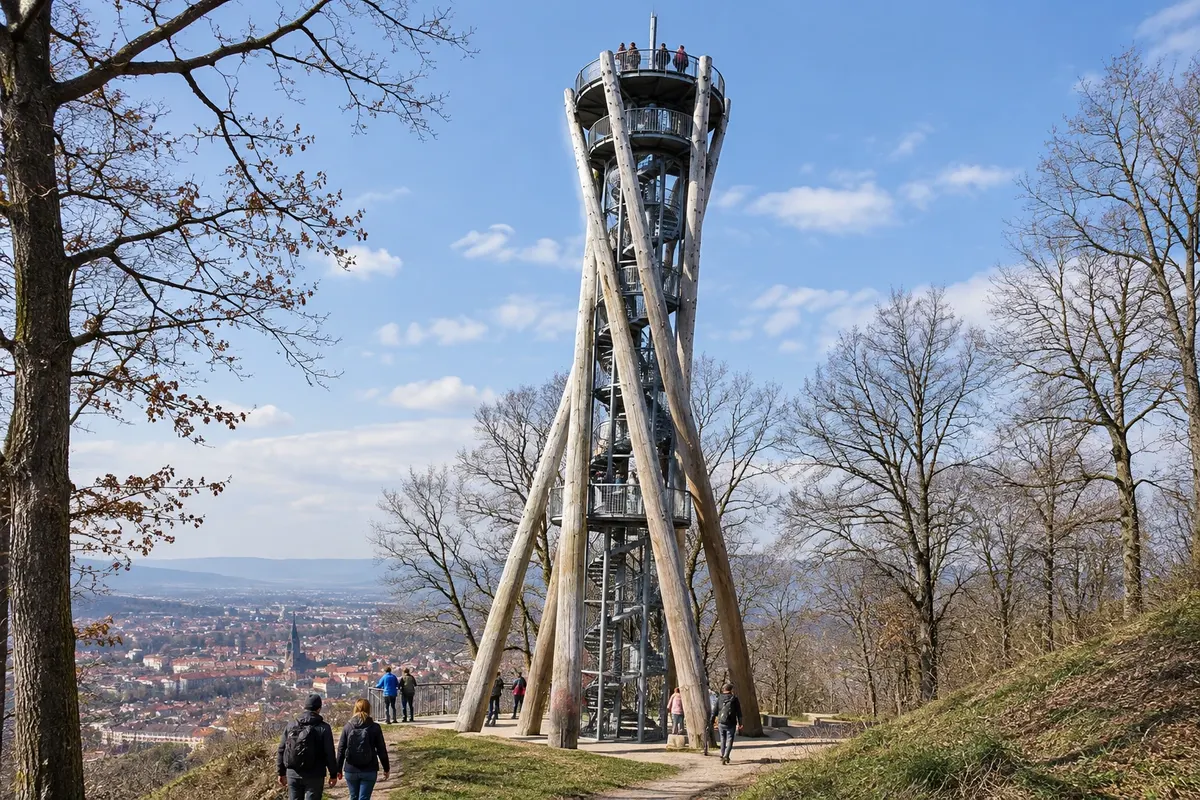
Hill of 456 meters next to the Altstadt, already part of the Floresta Negra, where the city’s castle and fortifications once stood. It has trails, remains of walls, the Schlossbergturm observation tower and a funicular from the Stadtgarten.

Heiliggeistkirche
Heidelberg · Baden-Württemberg · Church

Heiliggeistkirche

Gothic church in the Marktplatz, begun in 1398, which housed the Bibliotheca Palatina and contains the tomb of King Ruprecht. For over two centuries it had a wall dividing Catholics and Protestants. The tower has a viewing platform.

Martinstor
Freiburg im Breisgau · Baden-Württemberg · Monument

Martinstor

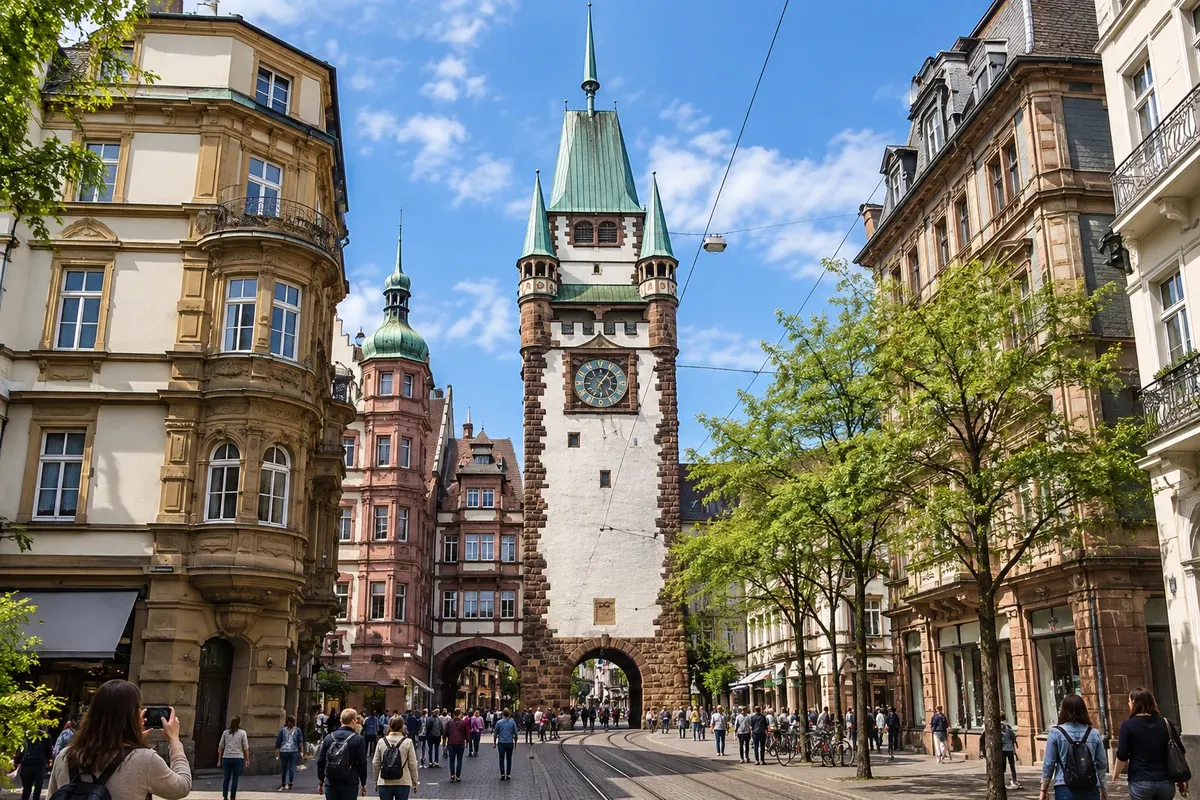
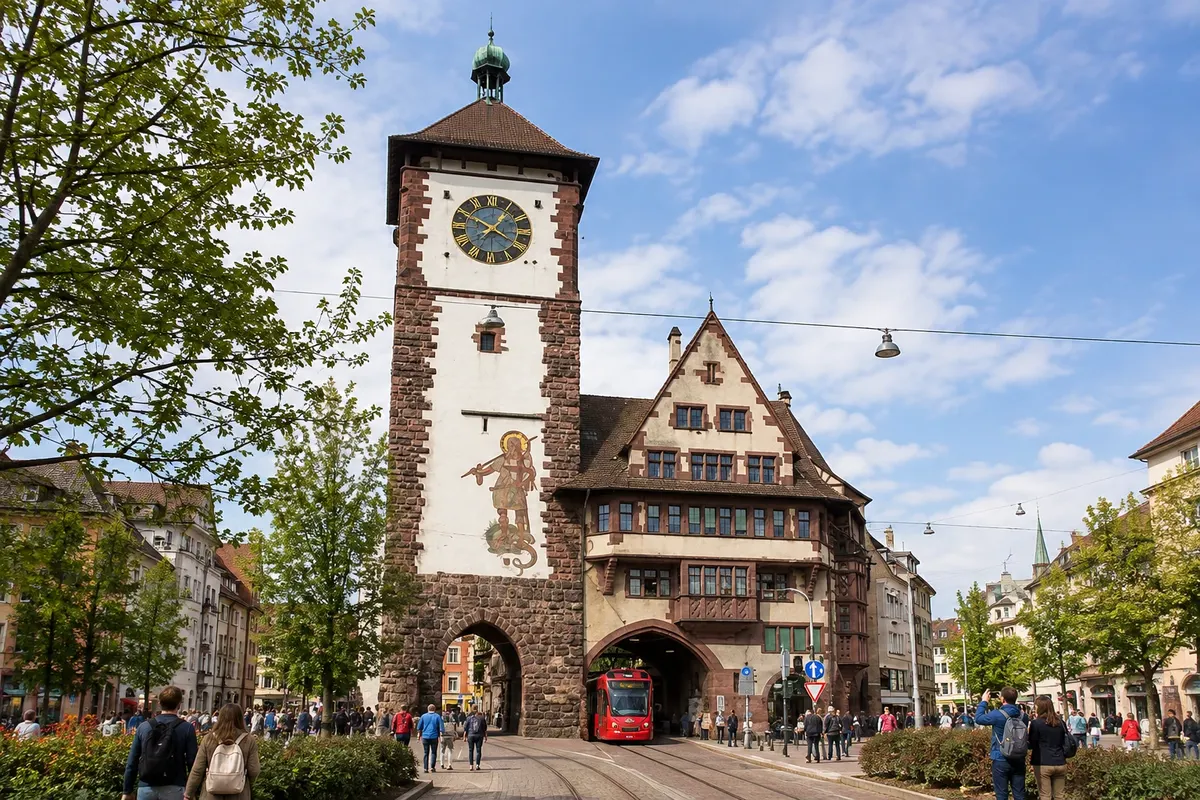
The older of the two gates remaining from Freiburg's medieval wall, dated 1202, on Kaiser-Joseph-Straße. The tower was raised in 1901, and trams pass under the arch.

Museum Frieder Burda
Baden-Baden · Baden-Württemberg · Museum

Museum Frieder Burda

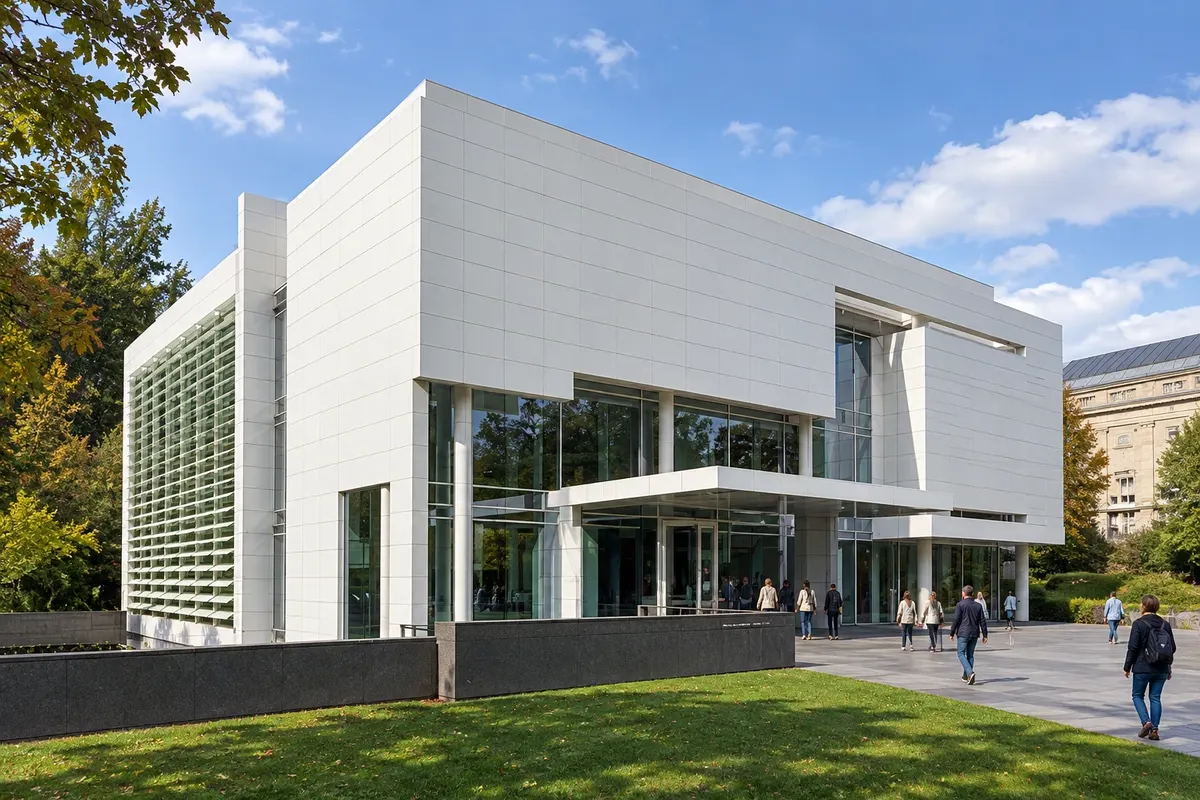
Museum of modern and contemporary art on the Lichtentaler Allee, housed in a white building by architect Richard Meier, with the collection of collector Frieder Burda and temporary exhibitions.

Merkurbergbahn
Baden-Baden · Baden-Württemberg · Funicular

Merkurbergbahn

Funicular from 1913 that climbs the Merkur hill, 669 metres high, on slopes of up to 54%. At the top there is an observation point over Baden-Baden, the Rhine valley and the northern Black Forest, as well as forest trails.

Philosophenweg
Heidelberg · Baden-Württemberg · Observation deck

Philosophenweg

Path along the slope on the north bank of the Neckar, facing the Altstadt and the castle. You climb via the Schlangenweg, a stairway trail between stone walls that starts at the Alte Brücke.

Schwabentor
Freiburg im Breisgau · Baden-Württemberg · Monument

Schwabentor

Medieval gate from around 1250, on the east side of the Altstadt, at the entrance to the old district of Oberlinden. It has paintings on the façade and stands at the foot of the Schlossberg, where the ascent trails begin.

Augustinermuseum
Freiburg im Breisgau · Baden-Württemberg · Museum

Augustinermuseum

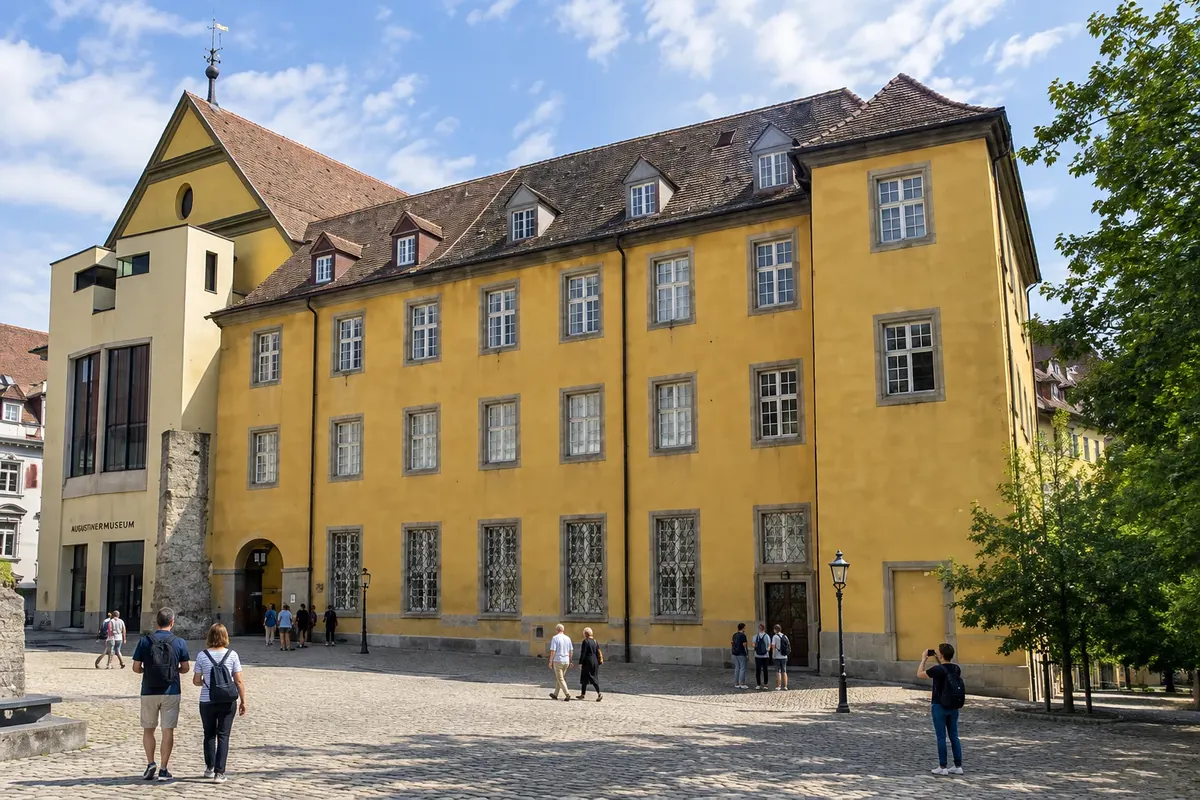
Art museum in a former Augustinian convent, with original sculptures from the Münster, paintings by Grünewald, Hans Baldung Grien and Lucas Cranach, medieval goldsmithing and a baroque organ.

Universitätsmuseum
Heidelberg · Baden-Württemberg · Museum

Universitätsmuseum

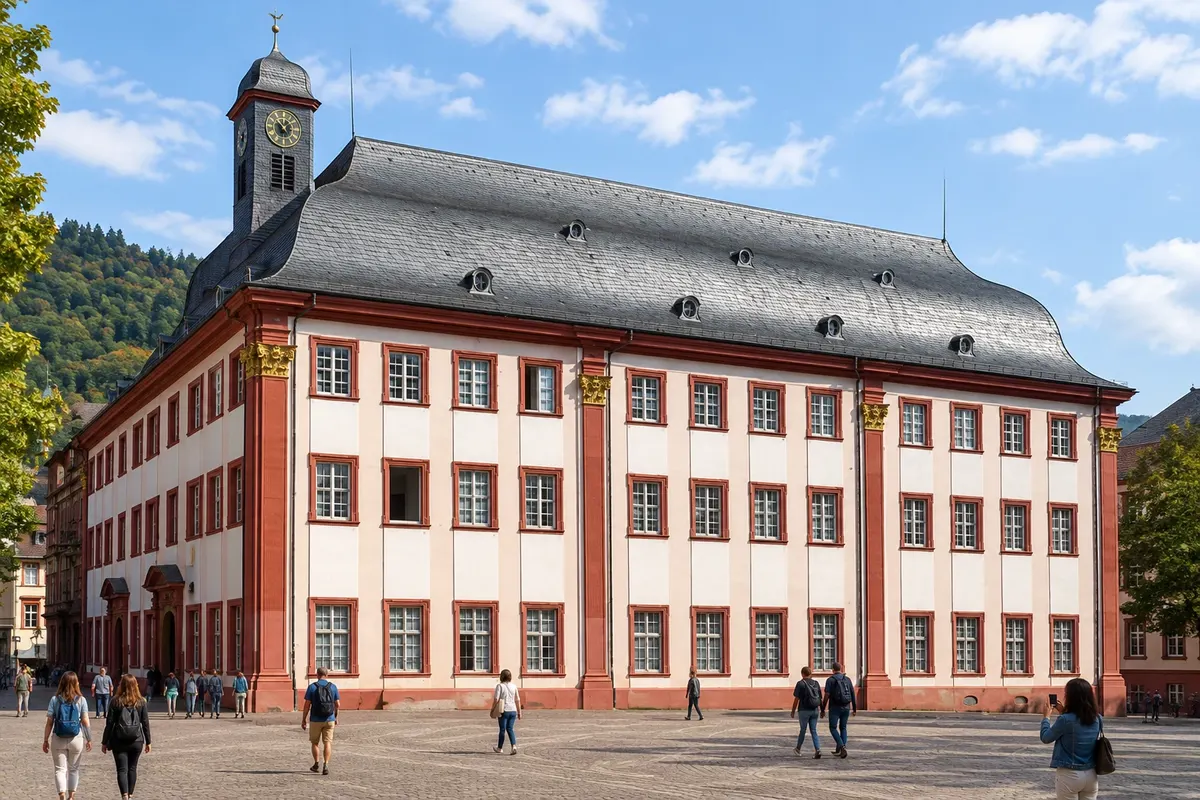
Museum of the University of Heidelberg, the oldest in present-day Germany, founded in 1386. It is housed in the Alte Universität, a Baroque building on Universitätsplatz, and includes the Aula, the university's ceremonial hall.

Schauinslandbahn
Freiburg im Breisgau · Baden-Württemberg · Cable car

Schauinslandbahn

A cabin cable car about 3.6 km long, opened in 1930, that rises from the outskirts of Freiburg to the Schauinsland, a 1,284-metre mountain. At the top there are trails, an observation tower and views of the Black Forest and, on clear days, the Alps.

Studentenkarzer
Heidelberg · Baden-Württemberg · Historic site

Studentenkarzer

The old prison of the Universität de Heidelberg, where students served sentences for rowdiness, duels or disrespect. The five cells, from 1823, have walls and ceilings covered with drawings, names and verses by the inmates.

Titisee
Freiburg im Breisgau · Baden-Württemberg · Lake

Titisee

Glacial-origin lake high in the Black Forest, at about 850 metres altitude, with a promenade, excursion boats in season and a trail around. It's about 40 minutes by train from Freiburg through the Höllental valley.

Triberger Wasserfälle
Freiburg im Breisgau · Baden-Württemberg · Waterfall

Triberger Wasserfälle

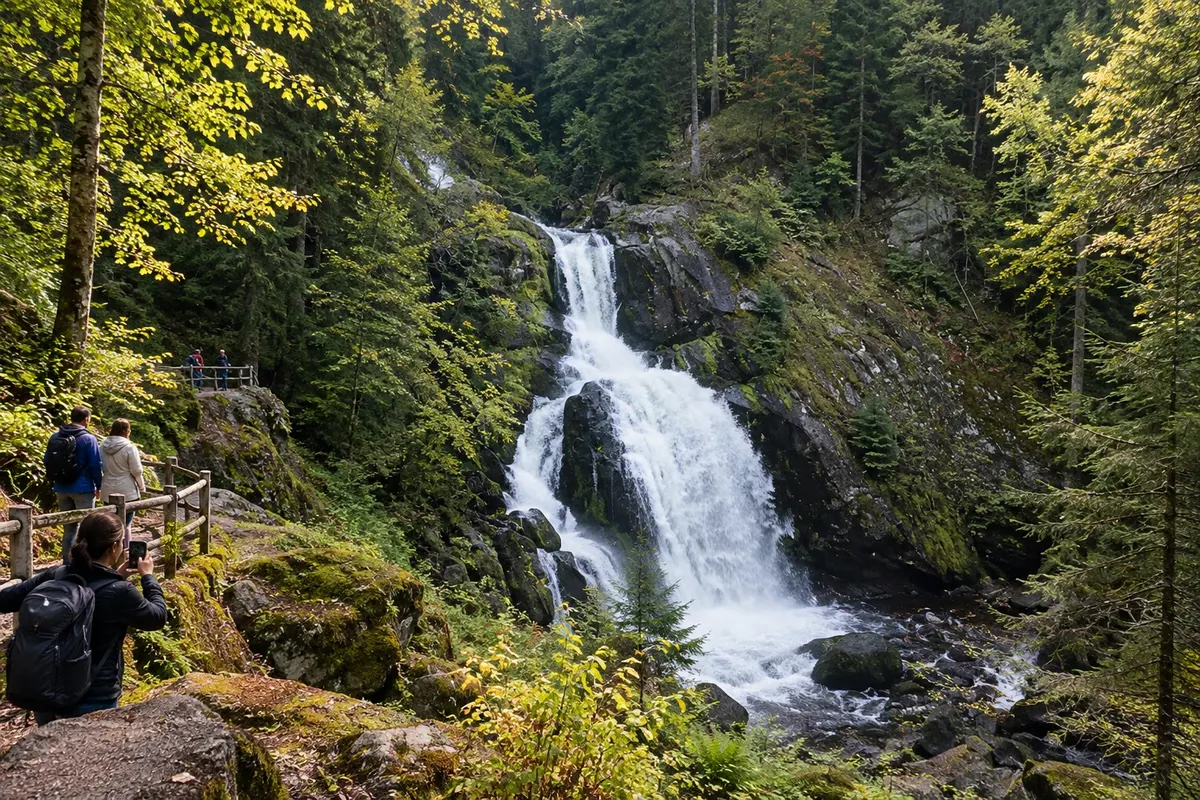
Waterfalls on the Gutach river, which drop about 163 metres in seven falls, in the forest above the town of Triberg, home of cuckoo clocks. There are trails and bridges along the falls.

Before you go

Practical information

A little planning leaves more time to enjoy the journey.

When to go

From May to September the days are long and it's a good time for hikes, lakes and viewpoints. October brings autumn colors in the forests. In winter, from December to February, it's cold and the higher parts of the Floresta Negra usually have snow; Christmas markets typically run from the end of November until close to Christmas. The Baden-Baden spas operate year-round.

The seasons shown are the most usual ones; nature doesn't always follow the calendar.

How many days to stay

With 5 to 7 days you can see the region well: 2 days in Heidelberg, 1 or 2 in Baden-Baden and 2 or 3 in Freiburg, with a day for Titisee and Triberg. With less time, Heidelberg can be done as a day trip from Frankfurt and Baden-Baden as a one-day stop on the way south.

Which city to stay in

In Heidelberg, the Altstadt makes everything walkable; the area around the main station and Bergheim is more practical for those arriving and departing by train. In Baden-Baden, the center between the Kurhaus and the spas is the most convenient, and the Lichtentaler Allee is calmer. In Freiburg, the Altstadt and the streets near the station (Hauptbahnhof) concentrate the options. For nature, there are villages such as Titisee-Neustadt, Hinterzarten and Triberg.

Respect the place

Take your trash with you, follow the signs and support local businesses. In natural areas, follow the visiting guidelines.

Get your questions answered

Frequently asked questions about Heidelberg and the Floresta Negra

Is the Floresta Negra a park? Where exactly is it located?

No. The Floresta Negra (Schwarzwald) is a mountainous region in southwestern Germany, between the Rhine valley and Lake Constance, with towns, villages, roads and trails. Baden-Baden sits at the northern tip, Freiburg at the southwestern tip. Titisee, Triberg, the Feldberg and Schauinsland are within the region. Parts of it are protected as a national park and nature parks, but most of it is inhabited landscape.

How many days to book for the region?

Between 5 and 7 days is ideal to see Heidelberg, Baden-Baden, Freiburg and some of the Floresta Negra landscape (Titisee, Triberg, Schauinsland). With 3 days, choose Heidelberg and Freiburg and make Baden-Baden a few-hour stop on the train route.

Do I need to rent a car?

Not necessary for the three cities: trains connect them all and each city center is done on foot or by tram and bus. A car helps to get around villages and the scenic roads of the Floresta Negra, such as the Schwarzwaldhochstraße. Freiburg, Heidelberg and other towns in the region have an environmental zone (Umweltzone), which requires a sticker on the car; rental cars in Germany usually come with it, but confirm at pickup.

Is a day trip possible from Frankfurt?

For Heidelberg, yes: the train takes about an hour, with a change in Mannheim on most services. Baden-Baden also works, with the ICE taking around an hour and a half. Freiburg is about two hours by ICE, which makes a day trip tiring; it's worth staying at least one night.

Explore other destinations Search by state and city
Back