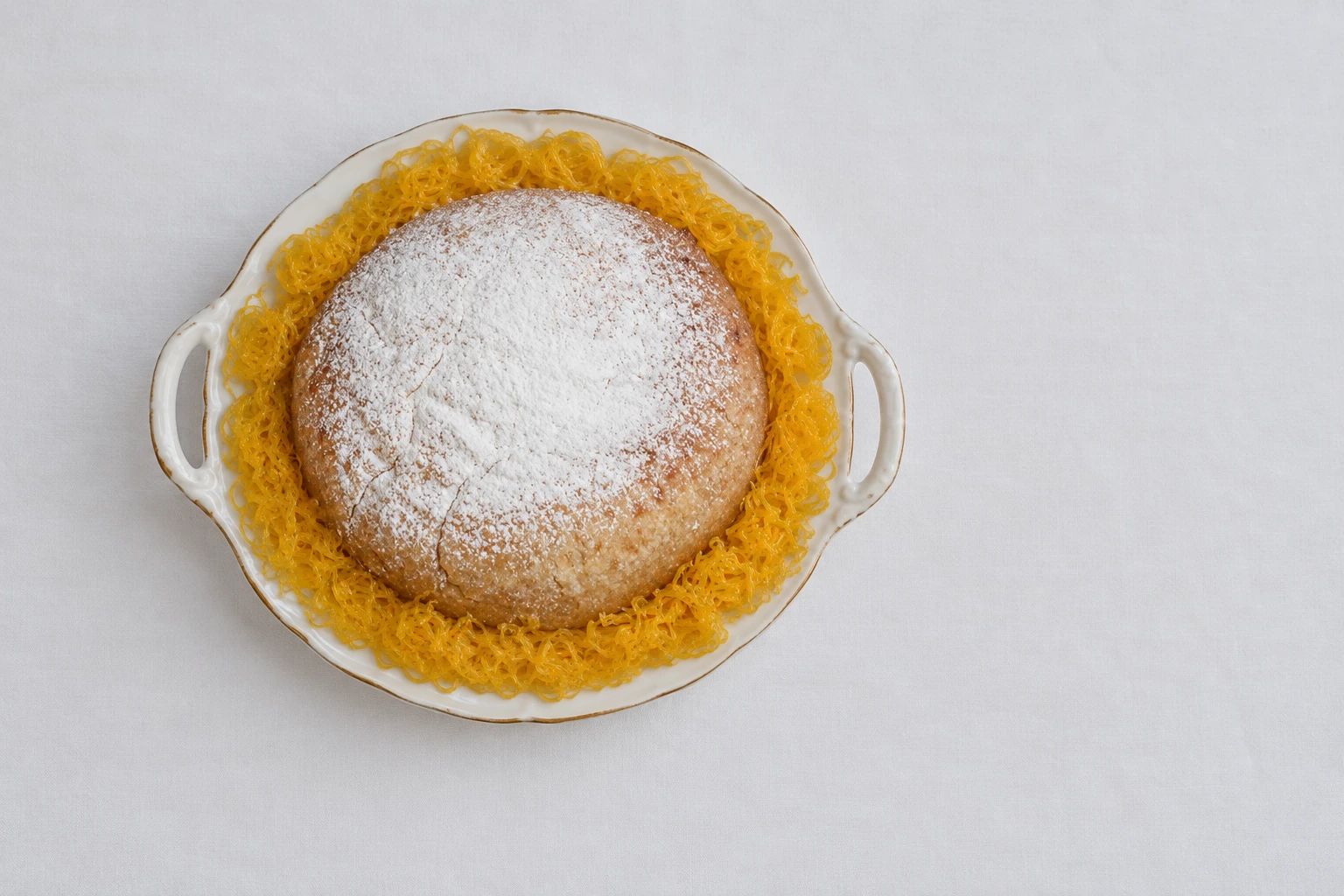
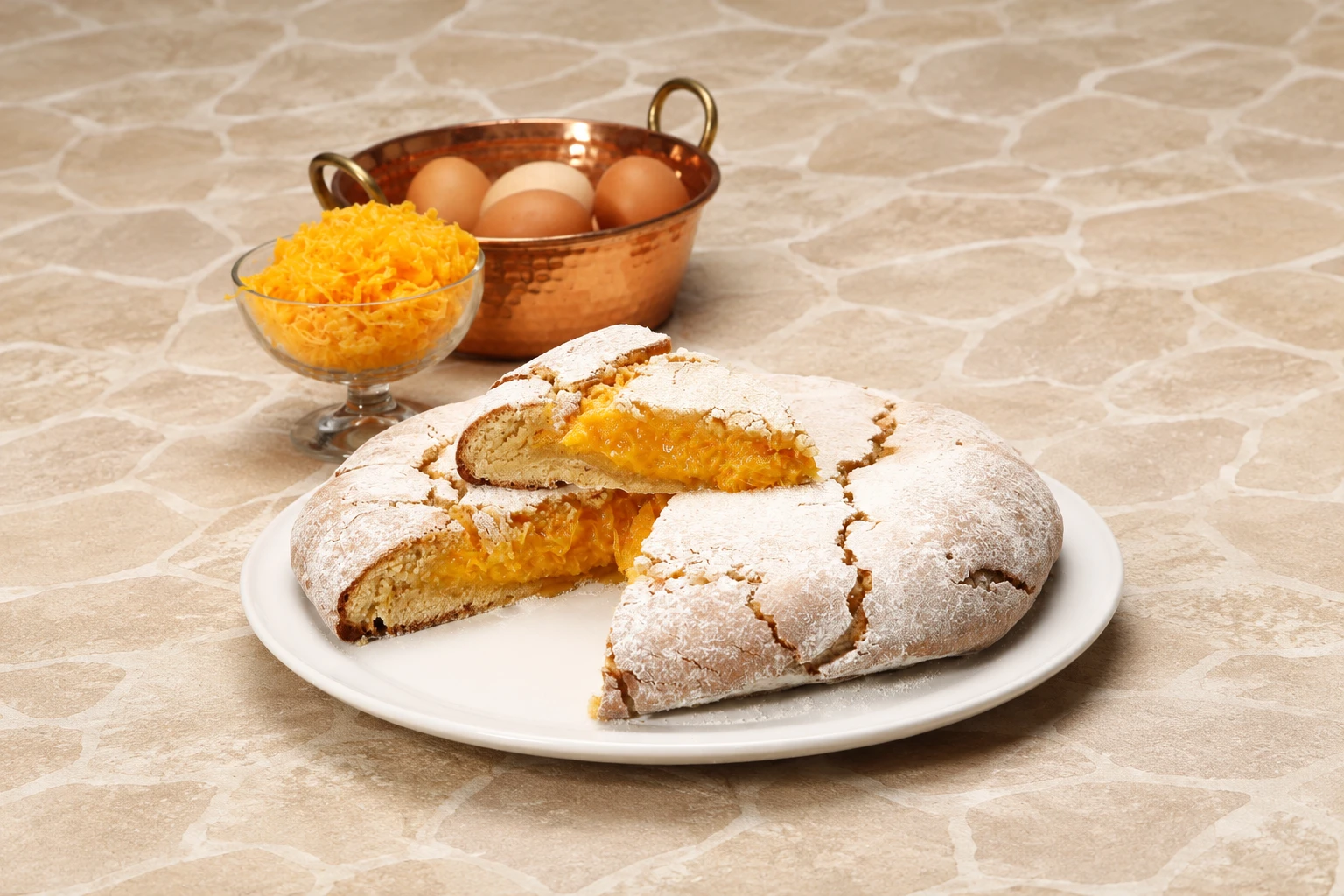
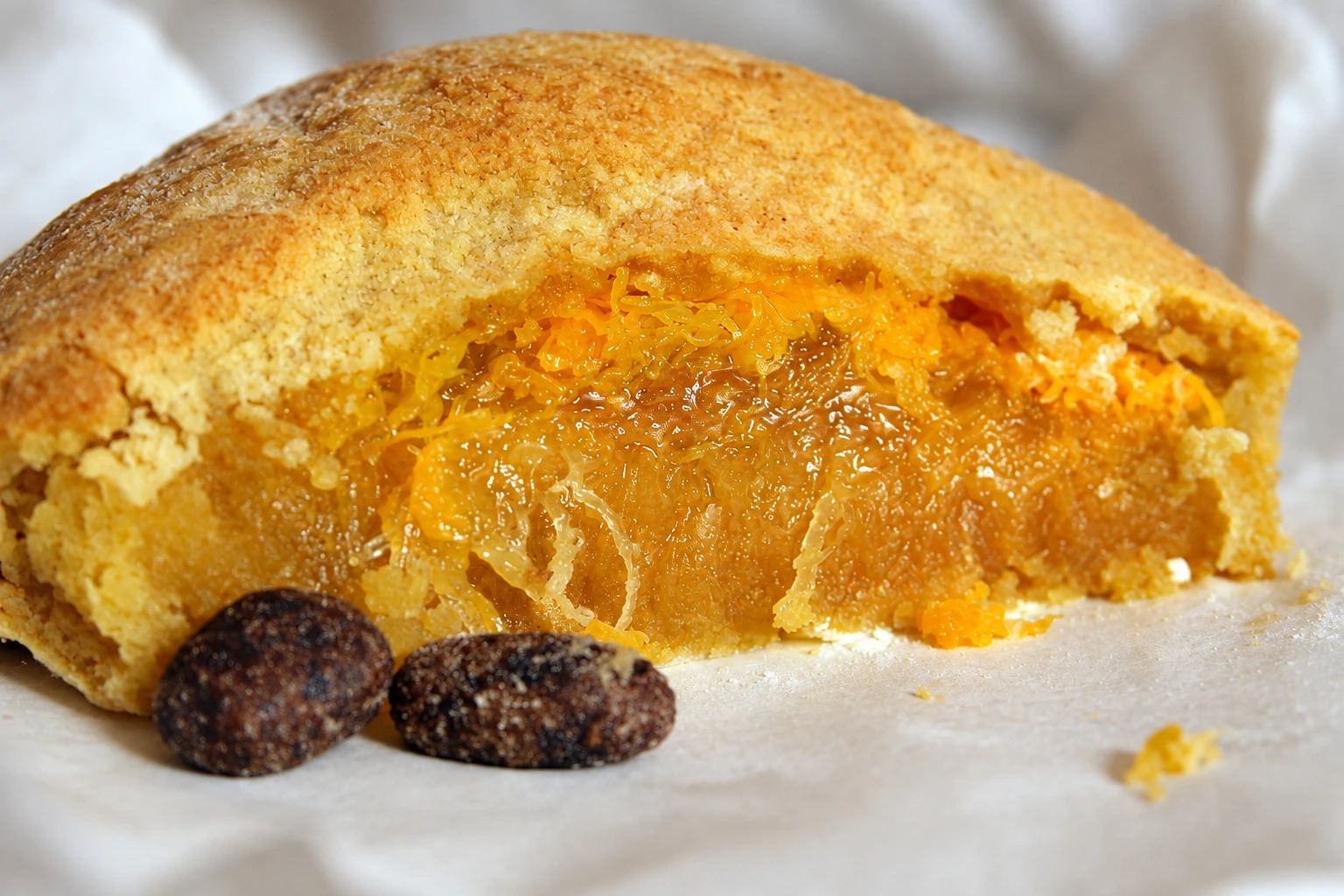
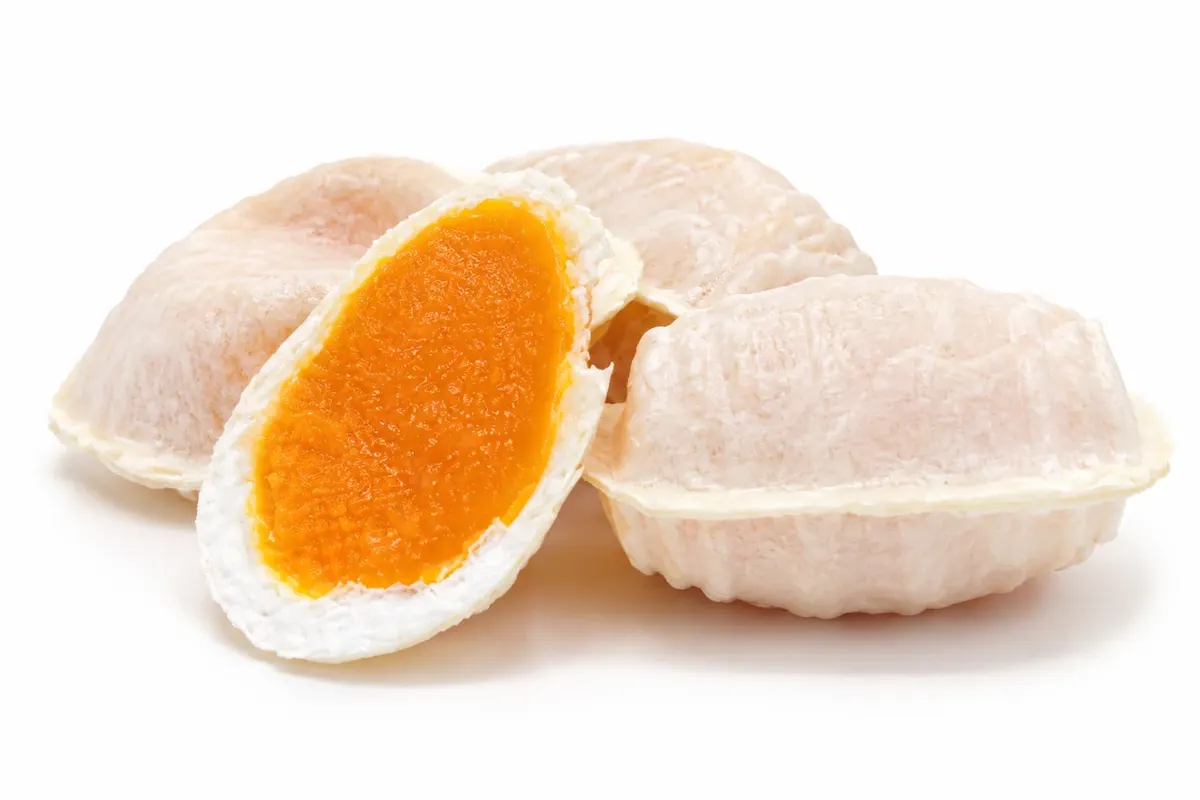
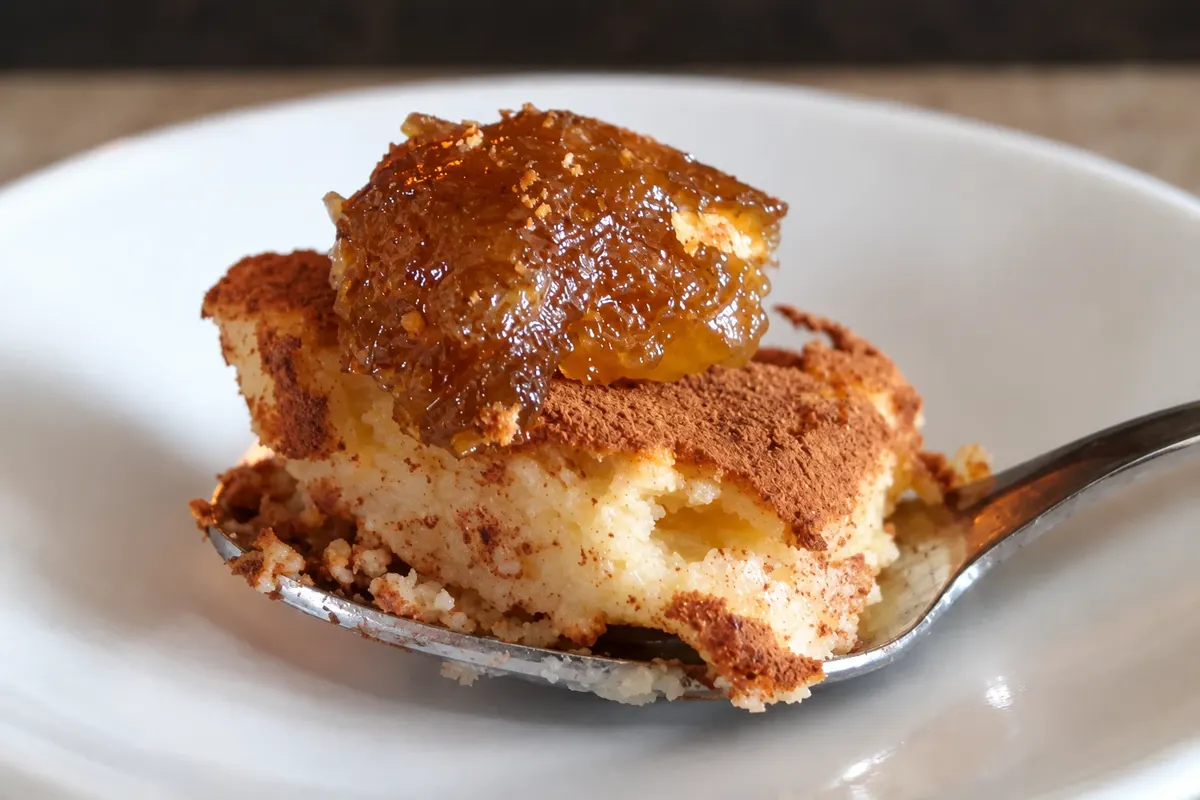
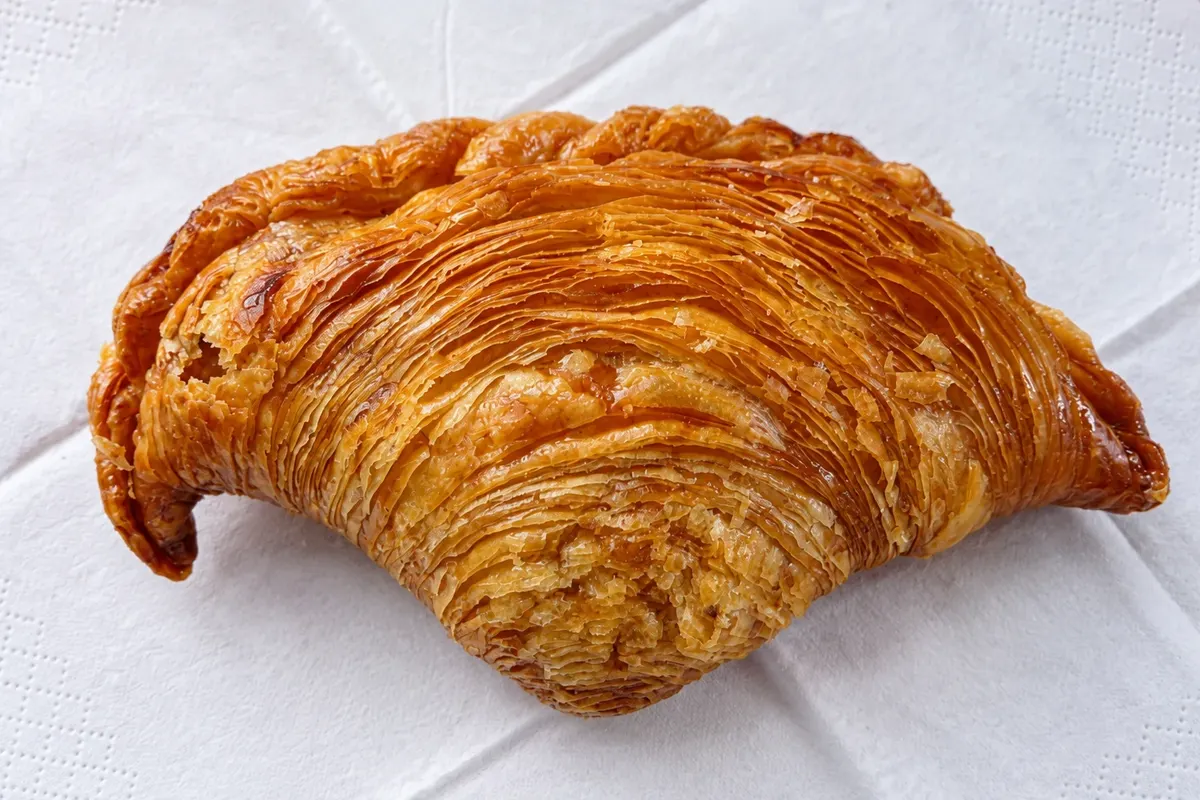
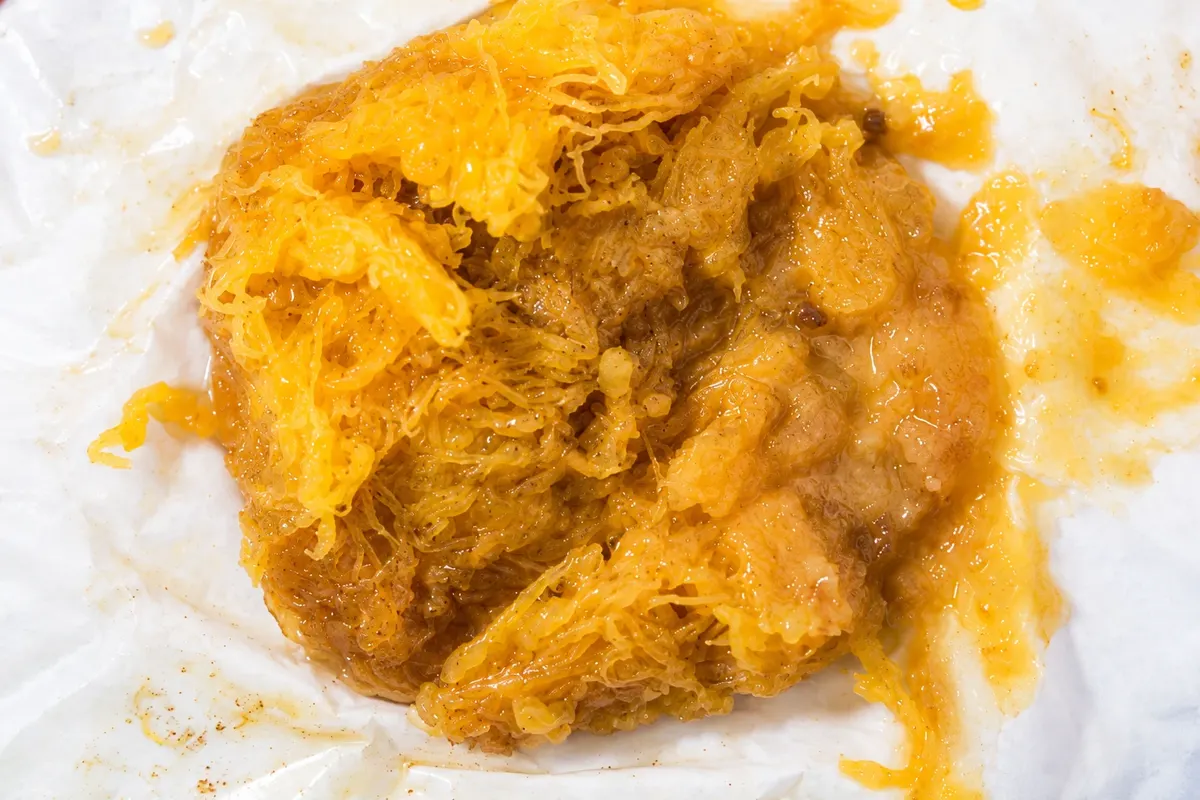
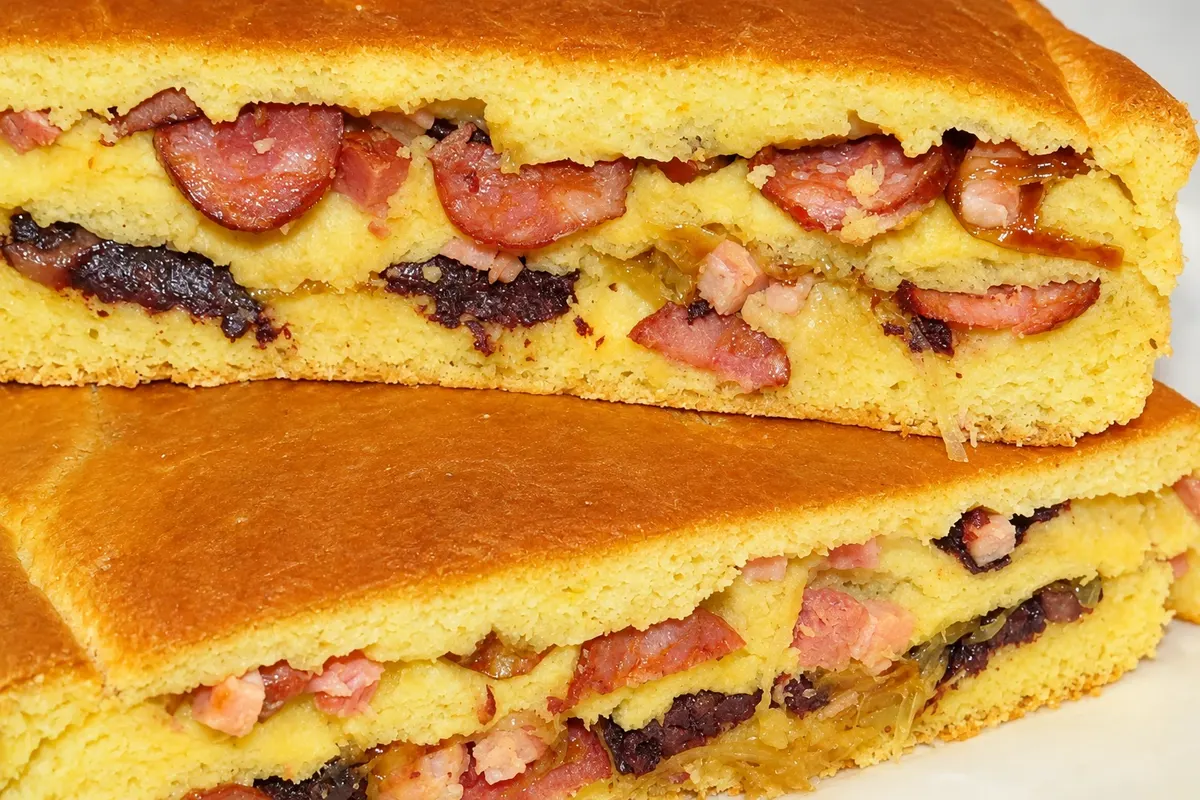
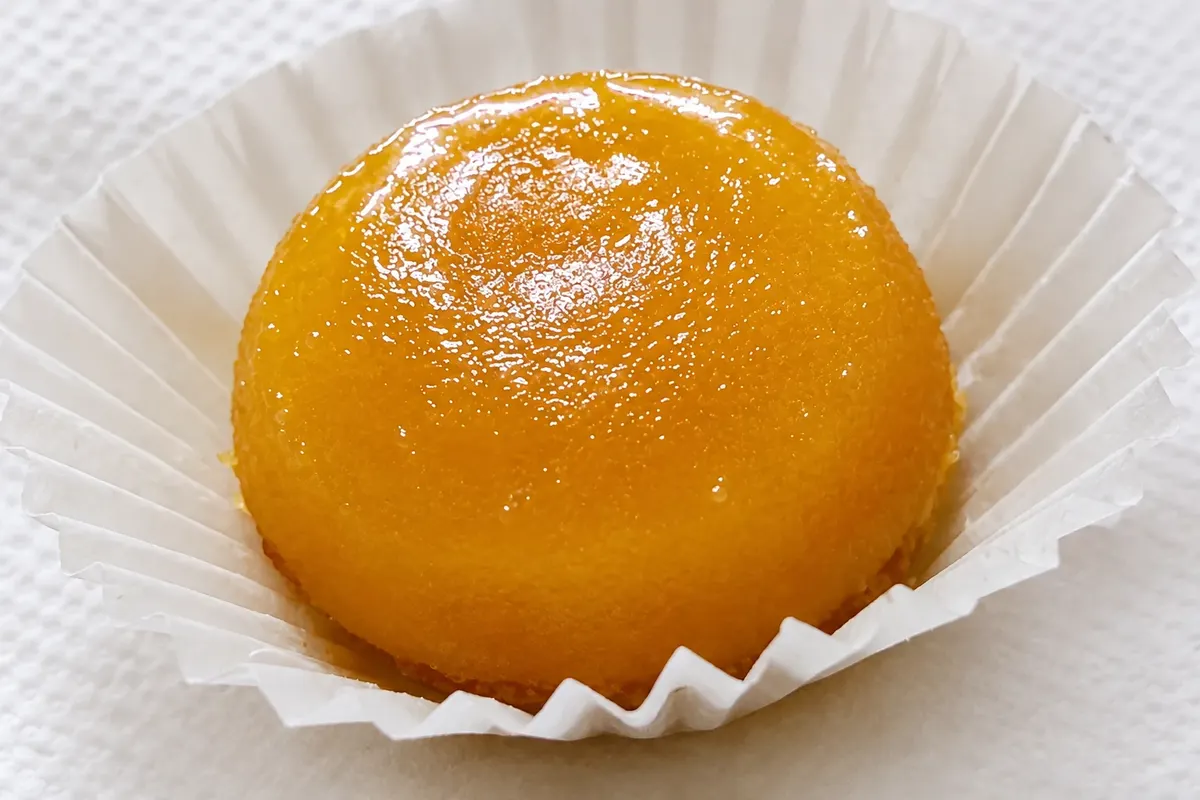
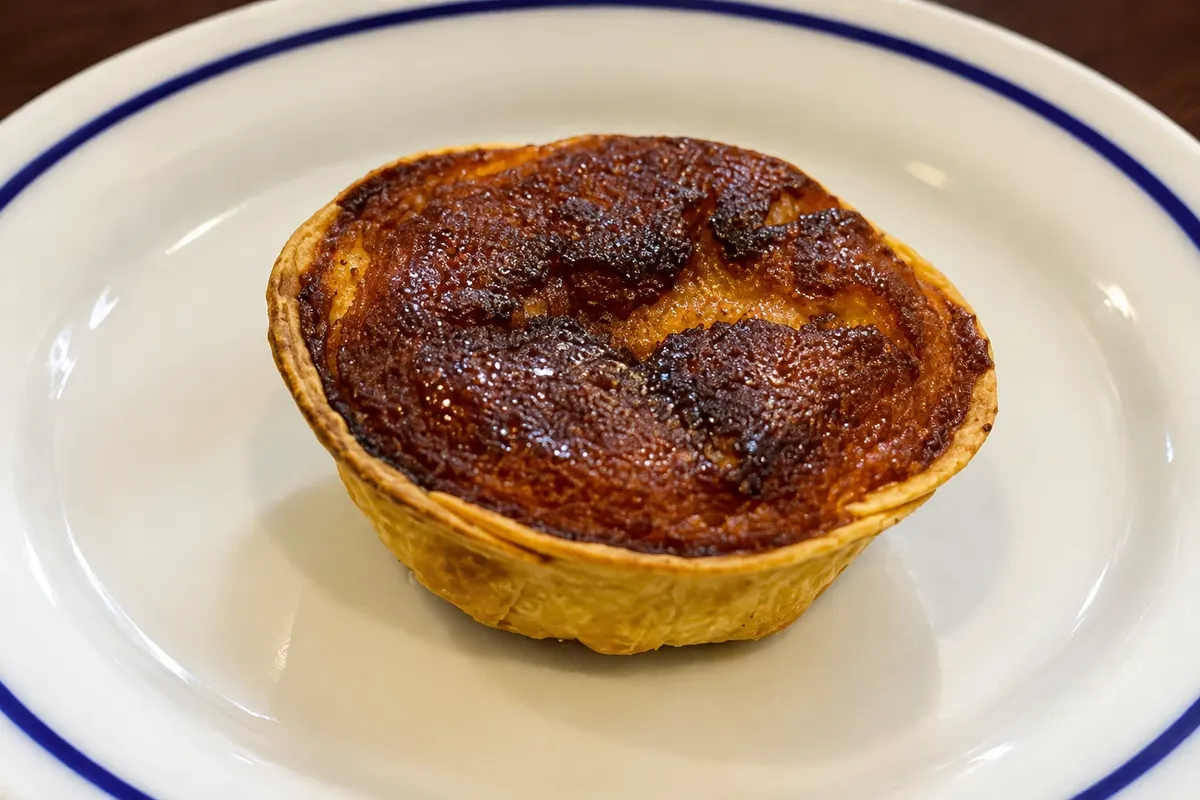
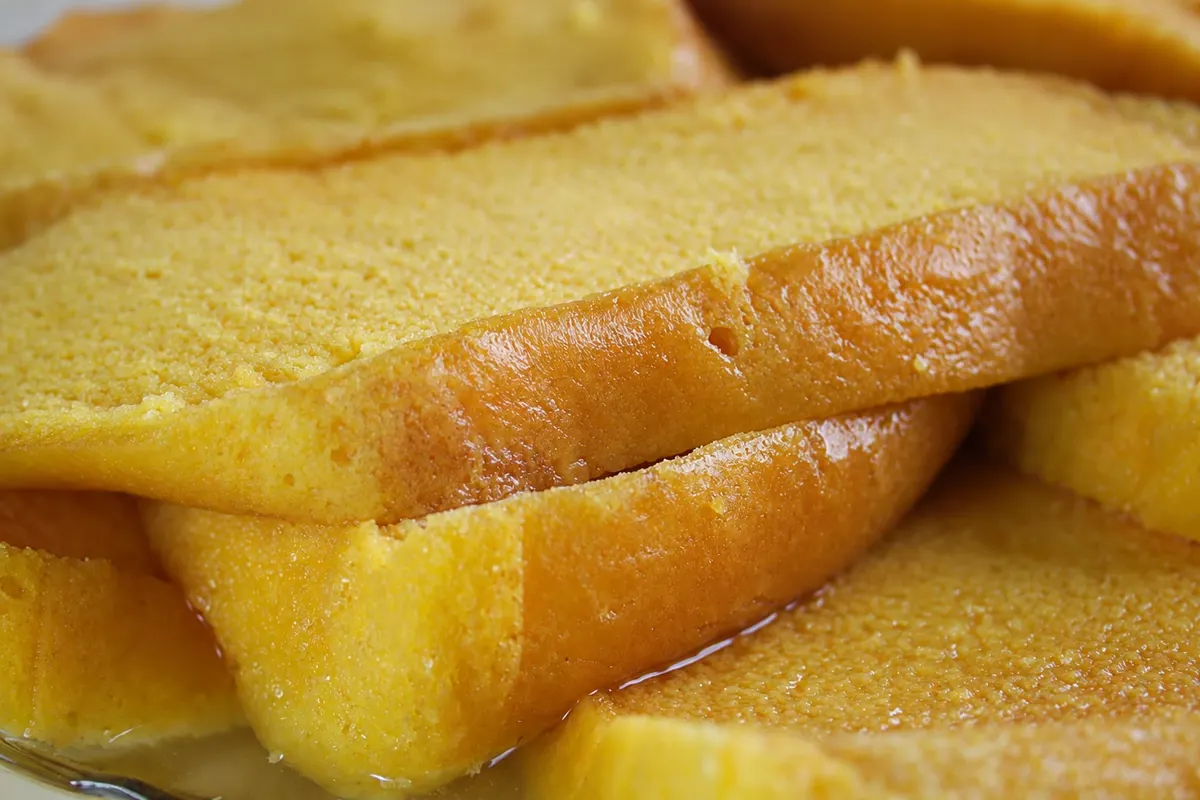
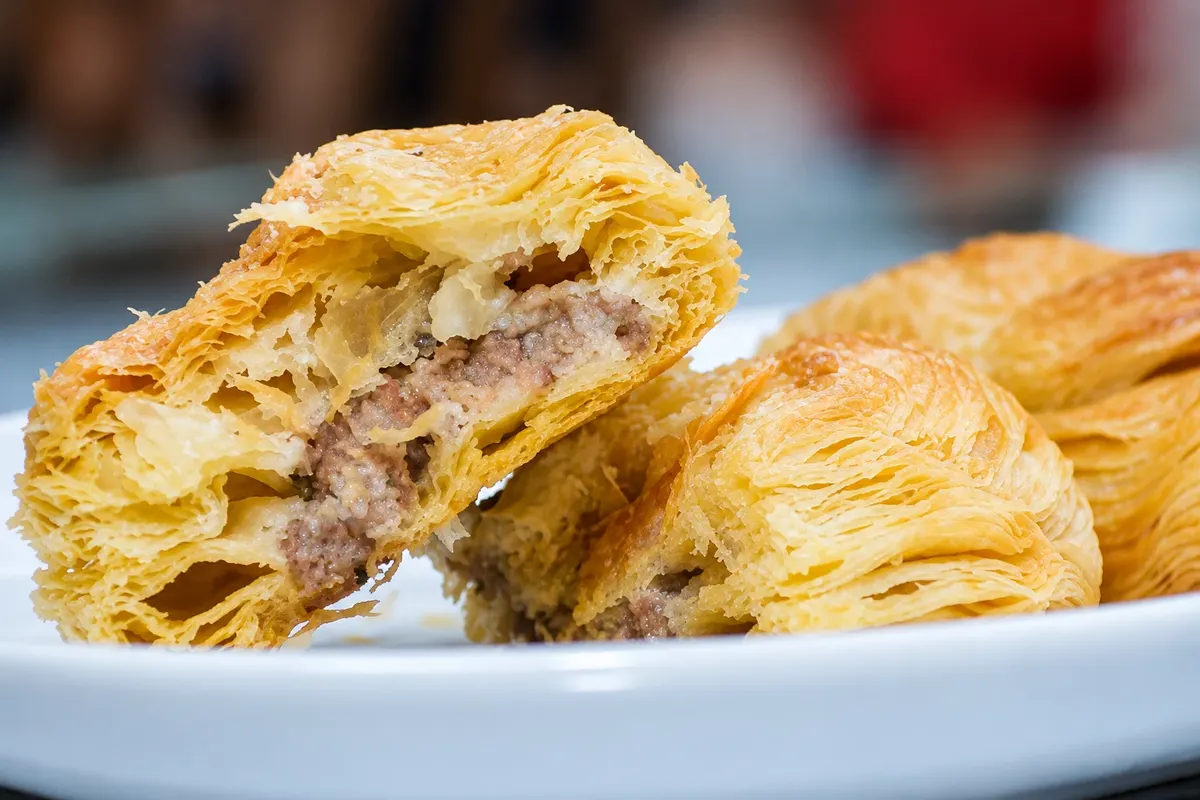
Pão de rala is shaped like an Alentejo loaf of bread, but it is a sweet. The dough is made from grated almond mixed with sugar syrup, with flour used as a handling aid. Inside it has layers of egg sweet, chila (pumpkin jam) and egg threads. On top it is browned in the oven.
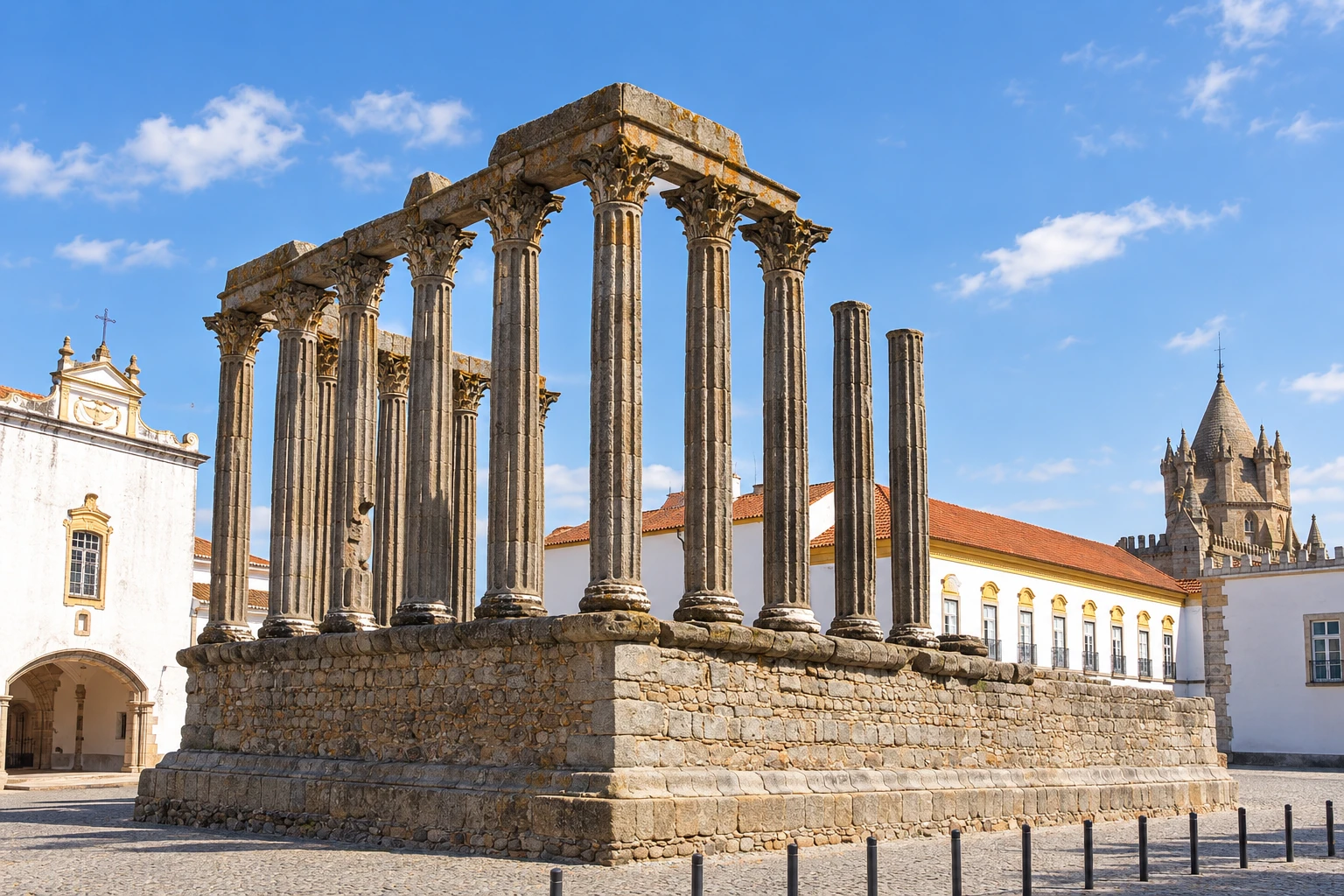
The official catalog of Portuguese traditional products registers pão de rala as a sweet of Évora. The recipe is attributed to the Poor Clare nuns of the Convento de Santa Helena do Calvário in the city, and it is part of Alentejo conventual pastry, rich in eggs, almond and chila.
Legend has it that in the 16th century the young King D. Sebastião visited the convent on a hot June afternoon. The nuns, with nothing else to offer, supposedly served thin bread, olives and water. The king liked it and left a pension to the convent. In gratitude, the nuns created a sweet that imitates that snack: pão de rala, accompanied by marzipan olives darkened with cocoa. It is an origin story without documentary proof.
The marzipan olives continue to accompany the sweet in several pastry shops in Évora and are one of the marks of pão de rala. The sweet also appears in other parts of the Alentejo, with small variations.
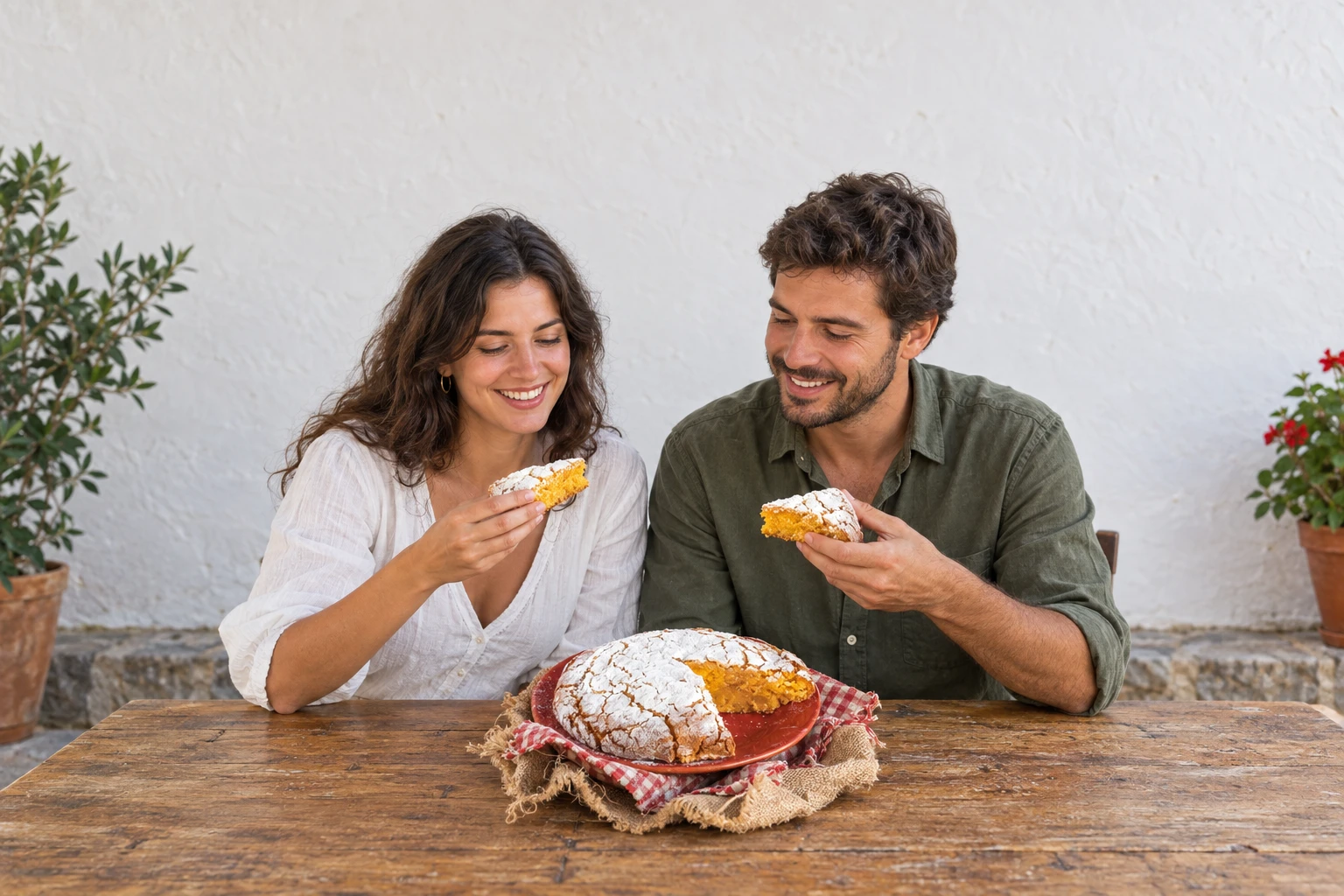
It is served in slices, at room temperature, as a dessert or with coffee.


 Brazilija
 Antarktika
 Argentina
 Bolivija
 Čile
 Kolumbija
 Ekvator
 Gvajana
 Francoska Gvajana
 Falklandski otoki (Malvini)
 Paragvaj
 Peru
 Surinam
 Urugvaj
 Venezuela
 Nemčija
 Avstrija
 Belgija
 Hrvaška
 Danska
 Slovaška
 Slovenija
 Španija
 Finska
 Francija
 Grčija
 Nizozemska
 Madžarska
 Irska
 Islandija
 Italija
 Luksemburg
 Norveška
 Poljska
 Združeno kraljestvo
 Češka
 Švedska
 Švica
 Turčija
 Bermudi
 Kanada
 Združene države Amerike
 Grenlandija
 Mehika
 Sveta Peter in Mihael
 Dominikanska republika
 Japonska
 Južnoafriška republika
 Egipt
 Avstralija
 Fidži
 Nova Zelandija
 Papua Nova Gvineja