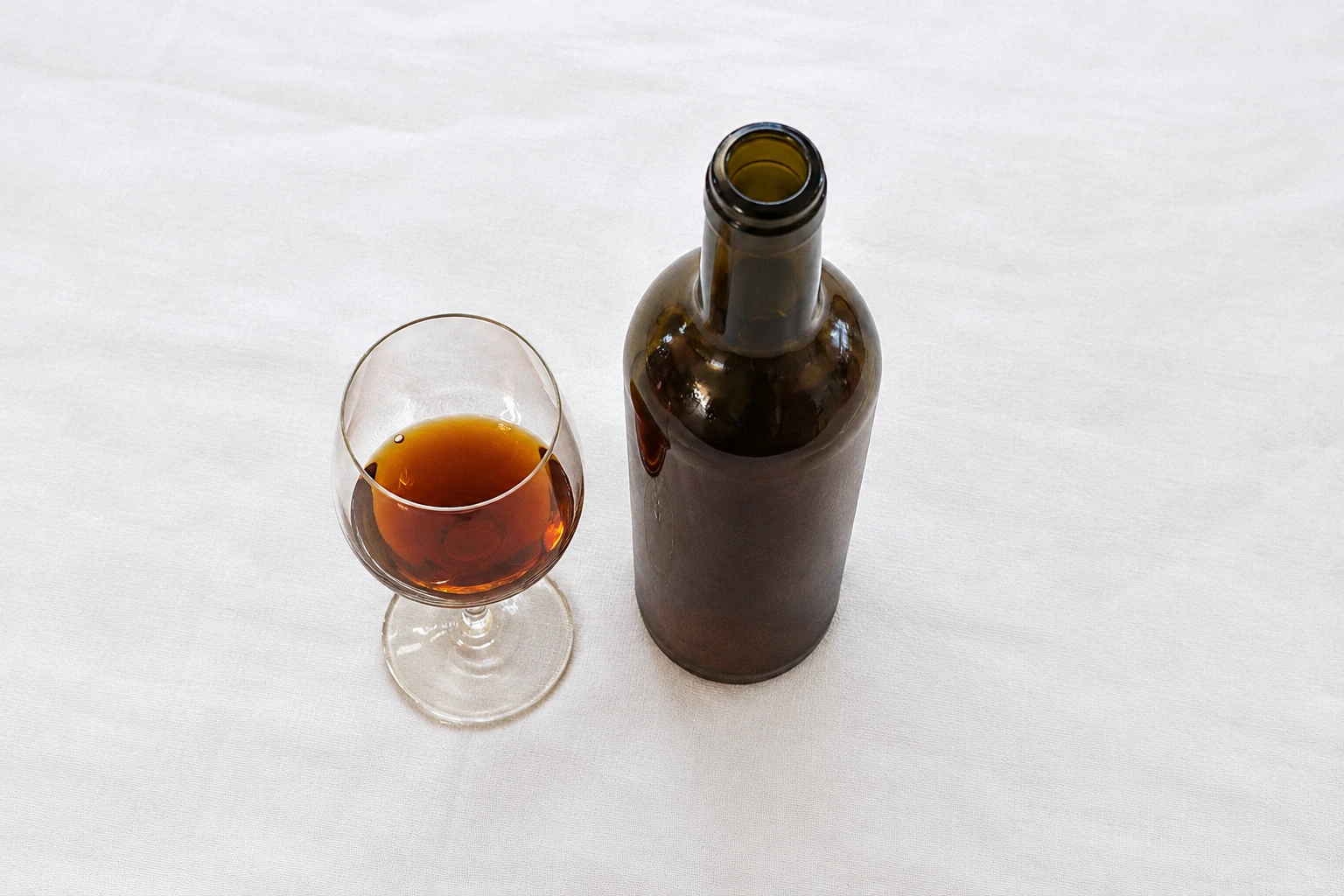
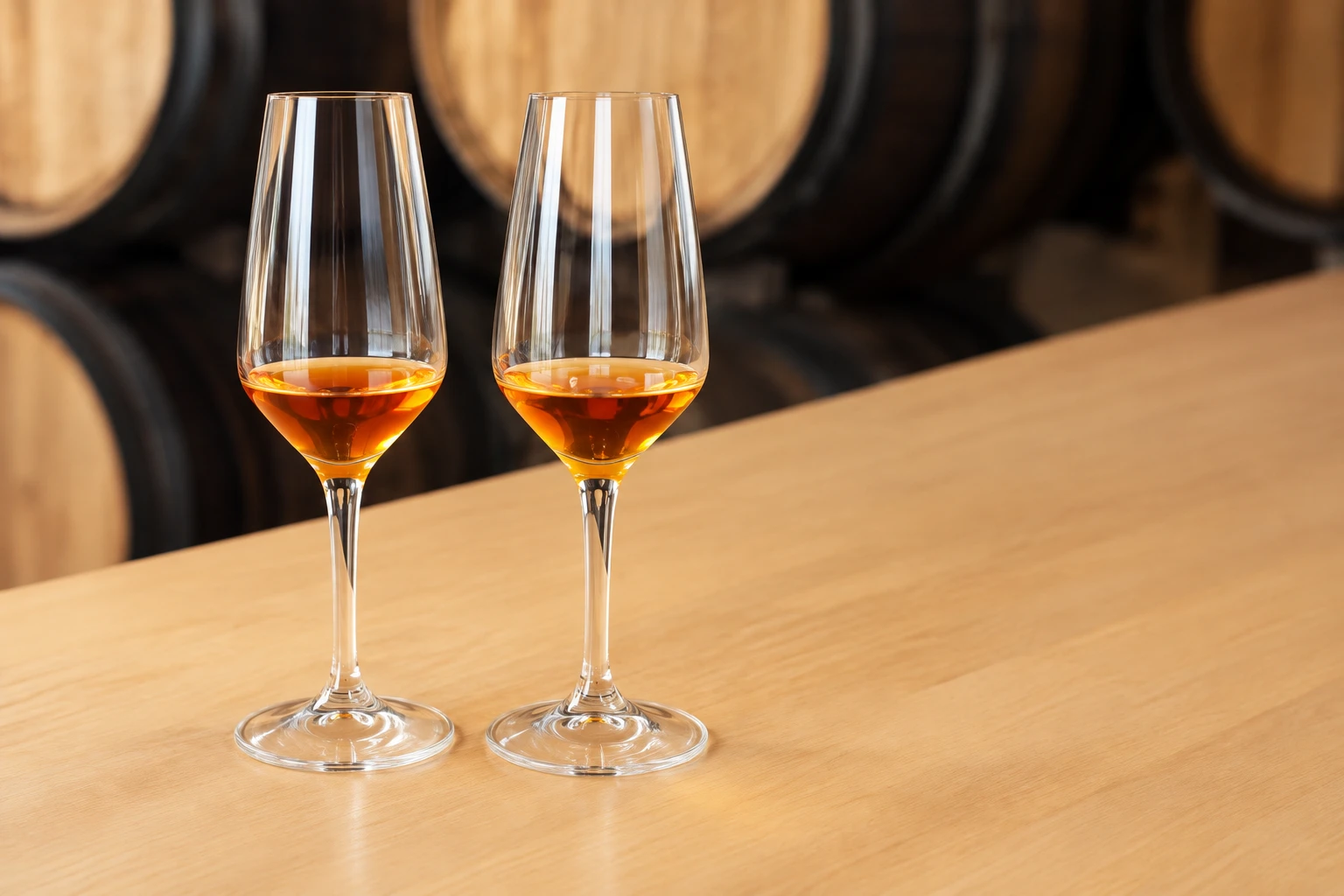
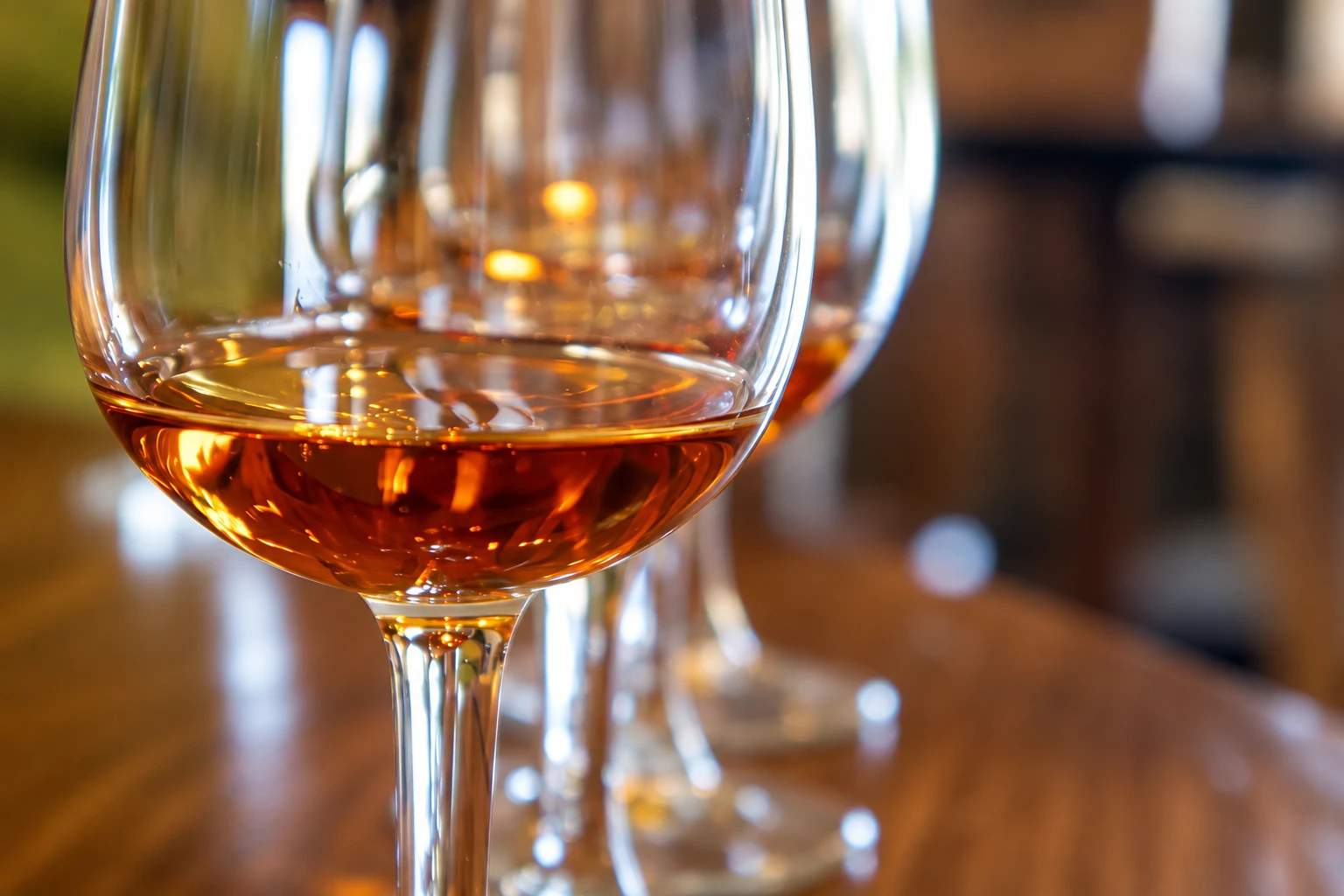
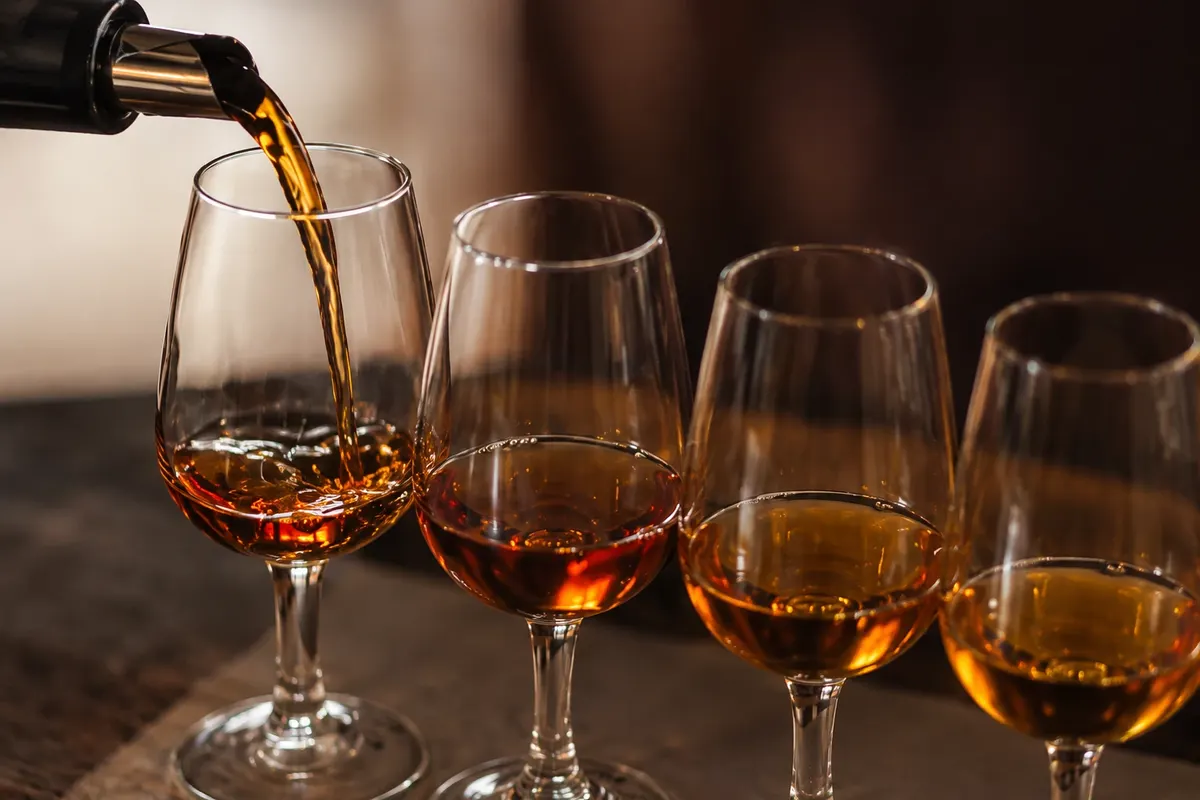
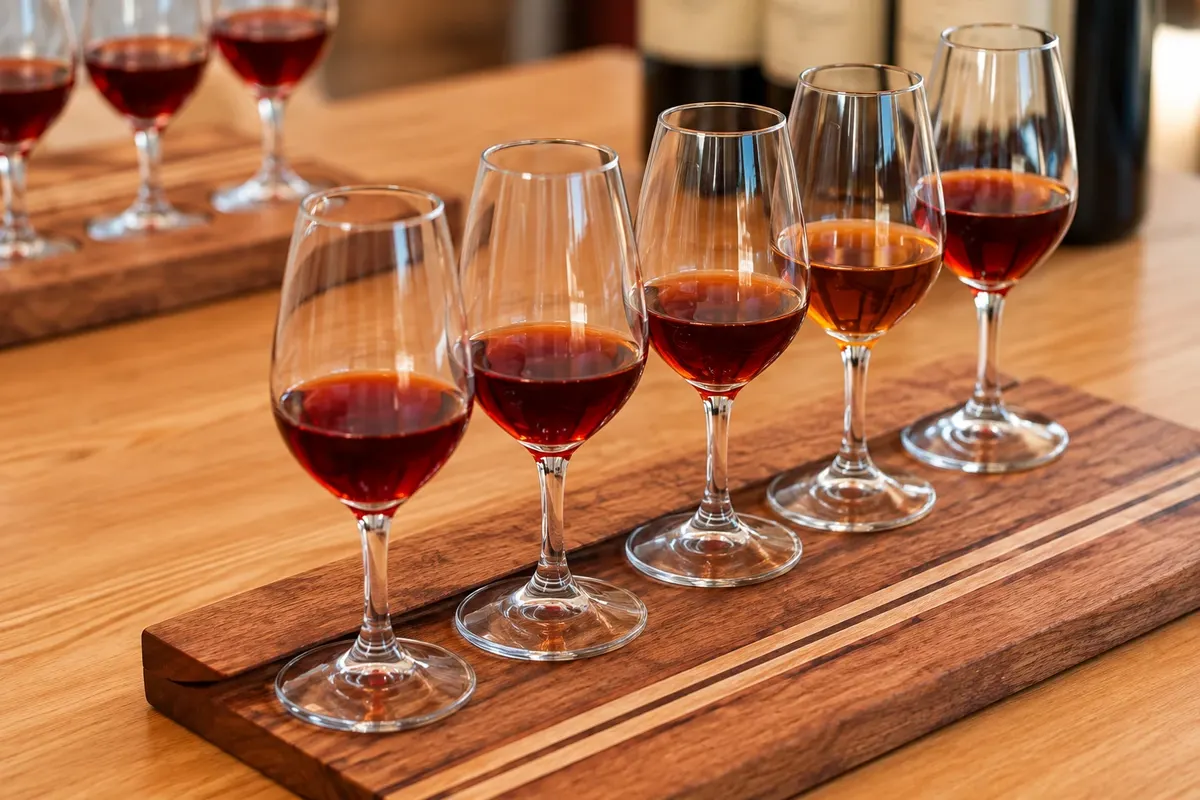
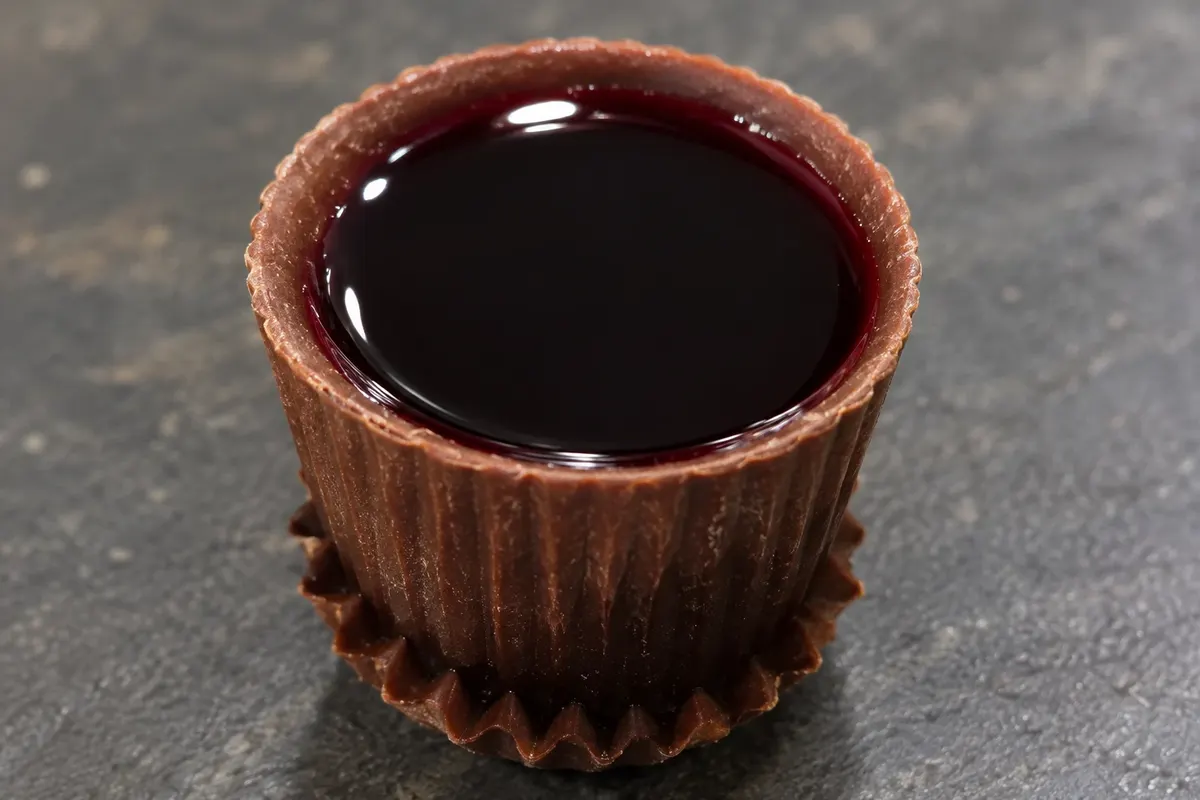
Moscatel de Setúbal is a fortified wine made mainly from Moscatel grapes. Shortly after fermentation begins, brandy (aguardente vínica) is added, which stops the yeast and preserves part of the grape’s natural sugar. The result is a sweet wine, golden in color—between light topaz and amber—with floral and fruity aromas.
The designation of origin is named Setúbal and has two traditional names: Moscatel de Setúbal and Moscatel Roxo de Setúbal, the latter made from the rarer moscatel roxo grape. The region was demarcated in 1907, and the legally defined production area covers the municipalities of Setúbal, Palmela and Montijo and the freguesia do Castelo in Sesimbra. Certification is handled by the regional wine commission of the Setúbal Peninsula.
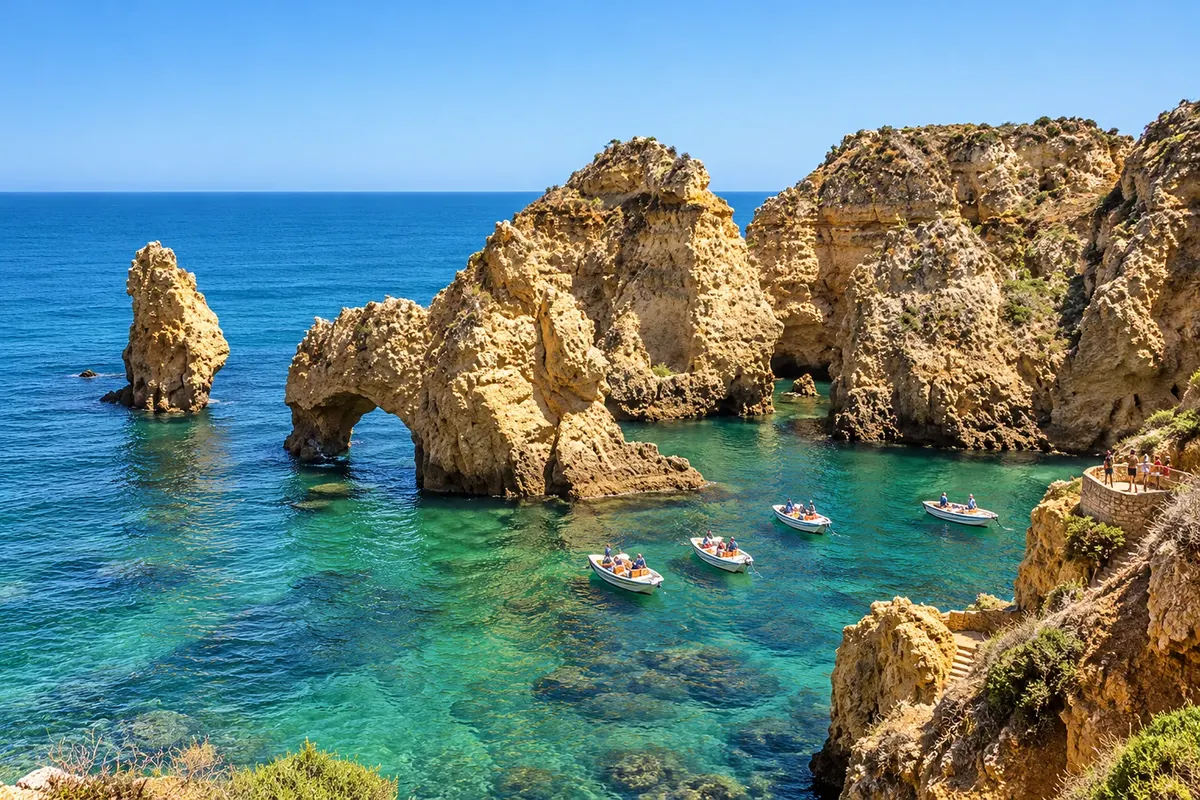
Vineyards stretch between the Serra da Arrábida and the plains beside the rivers Tejo and Sado, with limestone and clay soils on the slopes and sandier soils lower down. Part of the production is kept to age for many years in wooden casks, which darkens the wine and gives it aromas of dried fruit and honey.
The region celebrates the wine with festivals and tastings, such as the Festas das Vindimas and a moscatel festival in Palmela. Several wineries on the Setúbal Peninsula welcome visitors; check before you go.
Moscatel de Setúbal is served chilled, in a small glass, as an aperitif or with desserts. Like all fortified wines, it should be enjoyed in moderation.


 Brazilija
 Antarktika
 Argentina
 Bolivija
 Čile
 Kolumbija
 Ekvator
 Gvajana
 Francoska Gvajana
 Falklandski otoki (Malvini)
 Paragvaj
 Peru
 Surinam
 Urugvaj
 Venezuela
 Nemčija
 Avstrija
 Belgija
 Hrvaška
 Danska
 Slovaška
 Slovenija
 Španija
 Finska
 Francija
 Grčija
 Nizozemska
 Madžarska
 Irska
 Islandija
 Italija
 Luksemburg
 Norveška
 Poljska
 Združeno kraljestvo
 Češka
 Švedska
 Švica
 Turčija
 Bermudi
 Kanada
 Združene države Amerike
 Grenlandija
 Mehika
 Sveta Peter in Mihael
 Dominikanska republika
 Japonska
 Južnoafriška republika
 Egipt
 Avstralija
 Fidži
 Nova Zelandija
 Papua Nova Gvineja