Bergstaden Røros
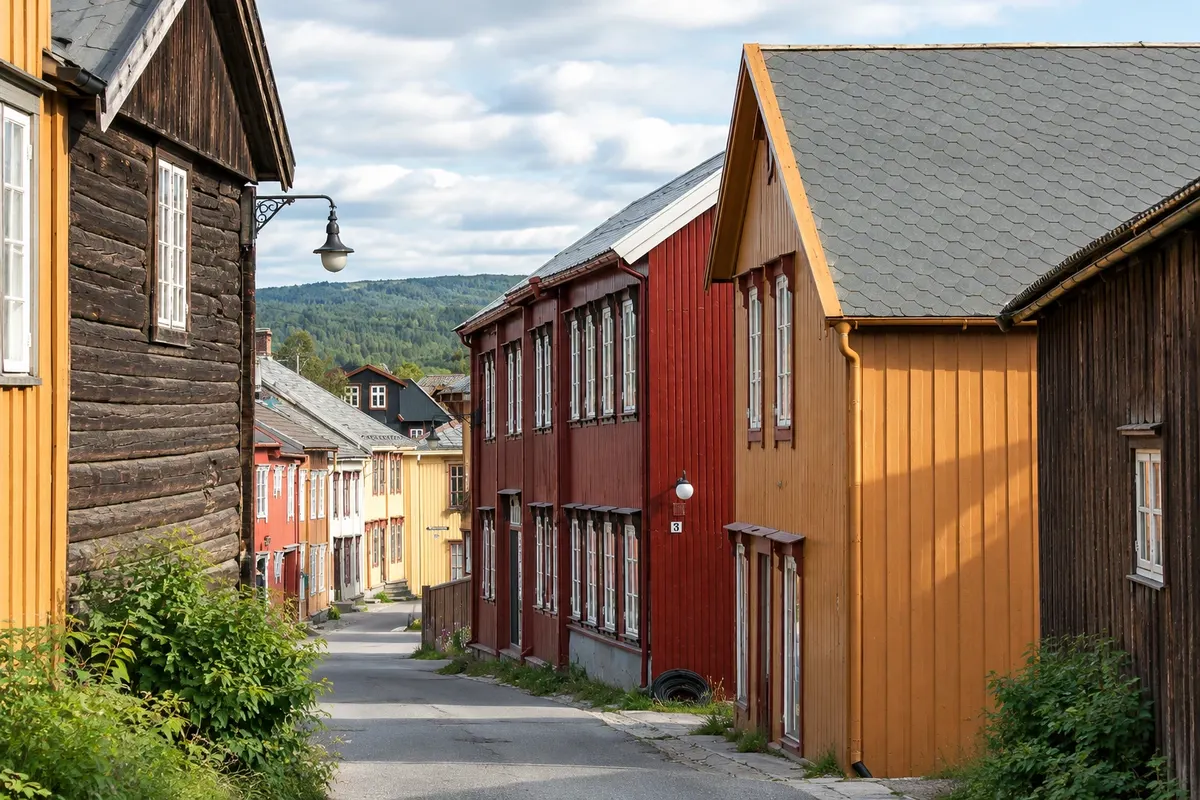
The wooden centre of the former mining town: the streets Bergmannsgata and Kjerkgata, with log houses from the 17th to 19th centuries, courtyards, barns and workshops still in use. UNESCO World Heritage Site.
Antarktika
Trøndelag · Norveška
The mining town of wooden houses in the mountains of Trøndelag, a World Heritage site: streets of darkened log houses, the Baroque stone church, the smelter and copper slag heaps, and the Olavsgruva mine.
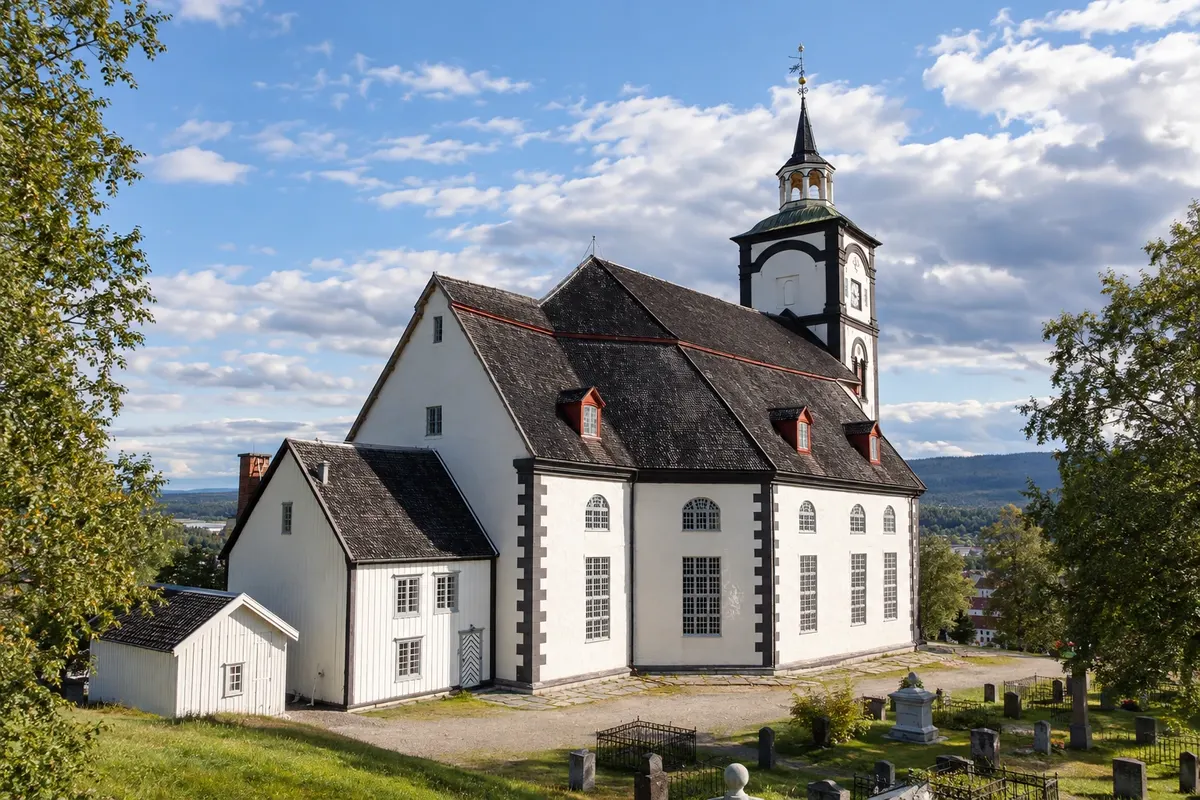
Na fotografiji: Røros Church
Illustrative images. The pictures in this guide are illustrations based on the real place, not photographs, and may differ from it.
Spoznajte kraj
Røros sits on a plateau about 630 metres above sea level, in eastern Trøndelag, near the border with Sweden. The town was founded in 1644 when copper was found in the area, and it relied on mining for more than 330 years until the mining company closed in 1977. During that time, the miners built an entire wooden town, which has survived almost as it was. The town centre and the surrounding mining landscape are a UNESCO World Heritage Site.
The centre has two main streets, Bergmannsgata and Kjerkgata, with log houses darkened by time, inner courtyards, barns and workshops, many still inhabited. Above the town, the stone church called Bergstadens Ziir, the Pride of the Mining Town, dominates the buildings. By the river, the reconstructed smelter, Smelthytta, houses the mining museum, surrounded by black slag heaps left by copper processing.
Thirteen kilometres away, the Olavsgruva mine shows what work inside the mountain was like, on guided tours. Around the town lie plateaus, lakes and low forests, used by southern Sámi families for reindeer, and the Femundsmarka national park next to Sweden.
Winter is often very cold, with temperatures well below zero and snow from November to April; the town holds a winter fair in February and a Christmas market. In summer the days are generally long and mild.
V vodniku še ni nastanitev – Røros.
kako do tja · koliko dni · načrt poti · vprašanja
✈ Røros lufthavn (RRS), kraj: Røros· 2 km do cilja (Røros)
Check before booking. From Trondheim the Røros line train takes about two and a half hours; from Oslo about five hours, via Hamar. The small Røros airport receives domestic flights from Oslo. By car it is about 155 km from Trondheim.
Doživite kraj
The wooden centre of the former mining town: the streets Bergmannsgata and Kjerkgata, with log houses from the 17th to 19th centuries, courtyards, barns and workshops still in use. UNESCO World Heritage Site.
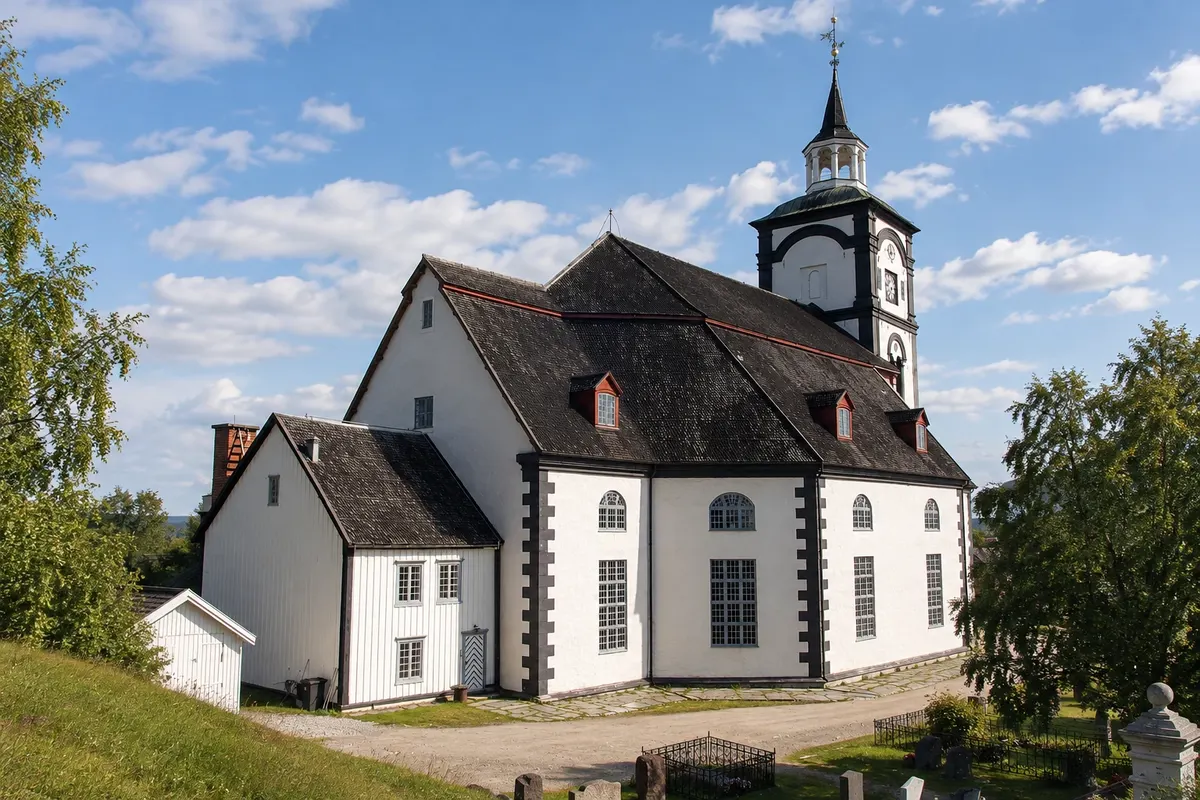
The Baroque stone church of 1784 high above Røros, called Bergstadens Ziir: a white tower above the wooden townscape and an interior with the pulpit above the altar and the mining company's pews.
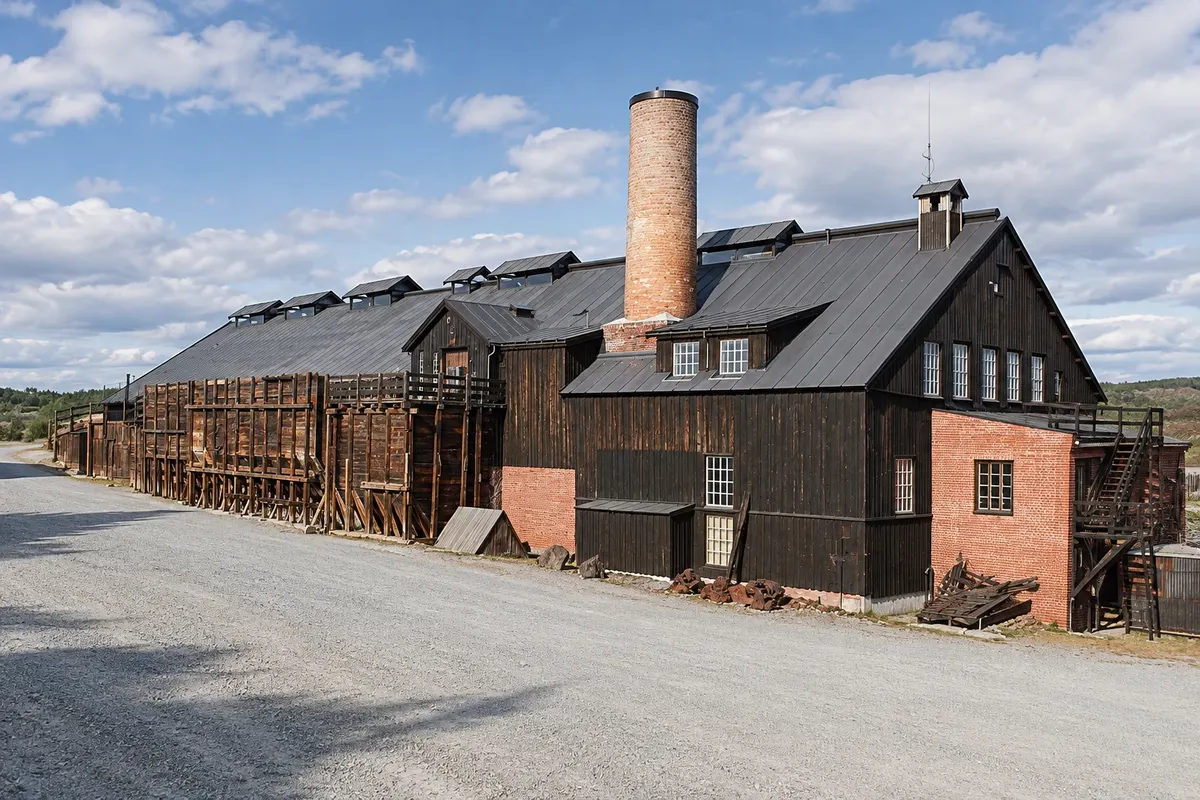
The copper smelter rebuilt over the ruins of the original, by the river, now home to the Røros museum: models of the mines, the history of copper and the miners and, around it, the black slag heaps.
Former copper mine 13 km from Røros, visited with a guide: the descent some 50 metres into the mountain, the galleries with miners' tools and the chamber where concerts are often held.
Kaj izbrati pred odhodom
Izhodišče, trajanje, potek, vključene storitve in okvirna cena vsakega izleta.
The historic centre of Røros, the Bergstaden, the mining town, was laid out in the 17th century around two wide, parallel streets, Bergmannsgata and Kjerkgata, which rise from the Hitterelva river toward the church. Along them are the houses of miners, traders and company staff, built of timber logs, almost all one or two storeys high, with painted façades or wood darkened by time. Behind the façades, the inner courtyards, the gårdsrom, contain barns, stables, storage rooms and workshops, with external staircases and roofs covered with turf. Many courtyards are private, but several now house craft shops, weaving studios, bakeries, cafés and restaurants serving local food, including reindeer meat, lake fish and regional cheeses.
Kraji na poti: Bergstaden Røros.
Vključuje: Arrange access to the site and transport separately. Guided activities and tickets have their own conditions.
Nasvet: Go into the open courtyards, which show what miners’ homes were like behind the façades. Take the guided walking tour that usually departs from the tourist centre in summer.
Najboljši čas za obisk: All year round
Røros church was built between 1780 and 1784, at the top of Kjerkgata, to replace a wooden church that had become too small for the mining town. It is made of stone, painted white, with a tall tower visible from across the town and surrounding area. The miners called it Bergstadens Ziir, the Pride of the Mining Town, and the name stuck. The interior is Baroque, with wooden galleries on two levels around the nave and seating for about 1,600 people, far more than the town's population at the time. The altar, pulpit and organ are stacked on the same wall, one above the other, a rare arrangement in Norwegian churches. In the galleries, reserved pews reveal the town's hierarchy: the directors of the mining company had their own seats, facing the pulpit.
Kraji na poti: Røros kirke.
Vključuje: Arrange access to the site and transport separately. Guided activities and tickets have their own conditions.
Nasvet: Walk up Kjerkgata from the station to see the tower rise at the end of the street. Notice the altar, the pulpit and the organ, one above the other.
Najboljši čas za obisk: From June to August, when the church is usually open for guided visits
Smelthytta is the smelting works where Røros copper ore was melted. The original operated for almost three centuries on the banks of the Hitterelva River, using water power, and burned down more than once. The current building was rebuilt on the old foundations, following the plans and photos of the last smelter, and houses the Rørosmuseet, the town and mining museum. The exhibition shows how the copper chain worked: extraction in the mountain mines, transport of ore on horse-drawn sleds in winter, burning of firewood and charcoal, and the smelting process. Mechanical models, some powered by water, explain the machinery, water wheels and bellows. Other rooms tell the lives of the miners and their families, child labor and the relationship with the southern Sámi, who lived in the same region.
Kraji na poti: Smelthytta.
Vključuje: Arrange access to the site and transport separately. Guided activities and tickets have their own conditions.
Nasvet: See the models that move with the water, which explain the smelting process better than any text. Then climb the slag heaps for a view of the town center and the church.
Najboljši čas za obisk: All year round, with extended hours from June to August
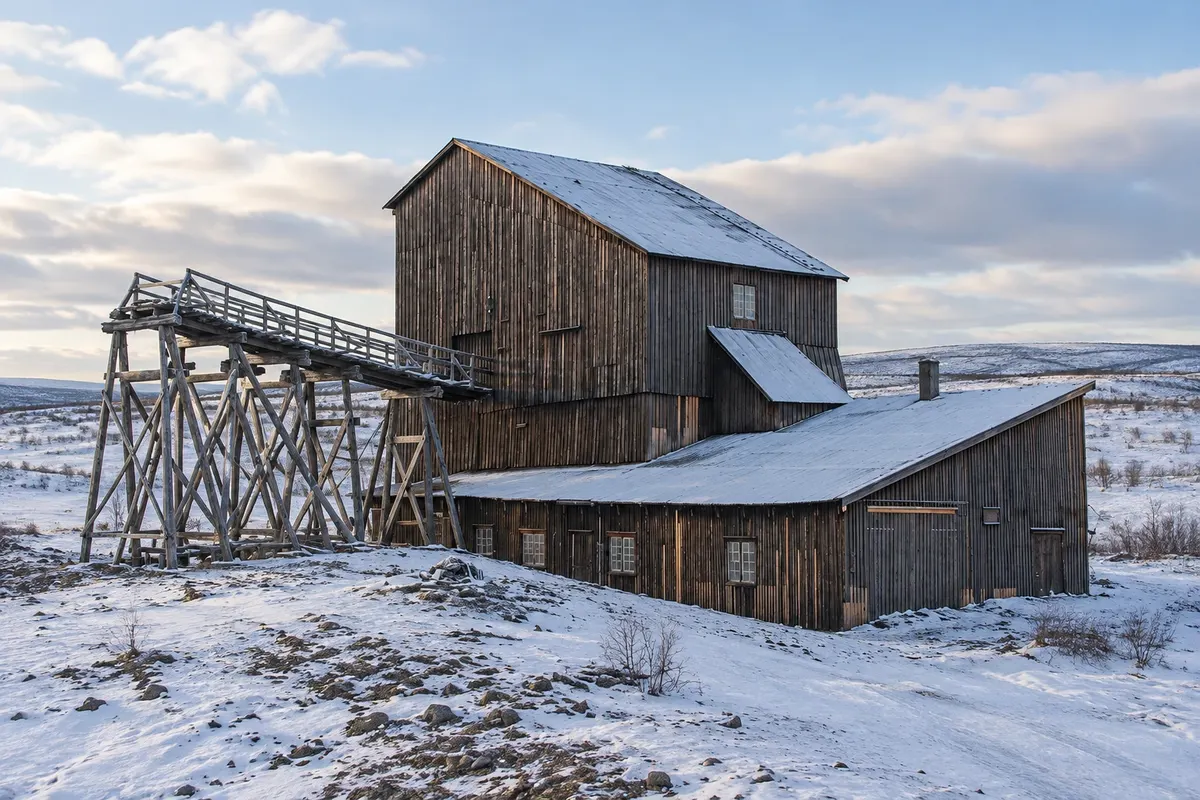
Olavsgruva is a copper mine that operated until the second half of the 20th century, on the plateau east of Røros in the Kojedalen area. It is part of the UNESCO-recognized mining landscape and is the most direct way to understand the work that sustained the town. Visits are always guided. The group enters through the mine gallery and descends via stairs and passages to about 50 meters depth, walking sections of gallery excavated at different times. Guides show the tools, the fire-setting marks used to break rock in older mines, the ore carts, the rails and the water shafts. The temperature inside the mountain is usually around 5 °C year-round.
Kraji na poti: Olavsgruva.
Vključuje: Arrange access to the site and transport separately. Guided activities and tickets have their own conditions.
Nasvet: Bring a coat and closed shoes even in July. If you can, combine the visit with one of the concerts in the mine hall.
Najboljši čas za obisk: From June to August, when there are usually multiple guided tours per day

Po dnevih
Predlogi za načrtovanje poti. Vrstni red dni prilagodite vremenu in razpoložljivosti izletov.
Walk the wooden streets of the old mining town and visit the church when it is open to tourists. Notice the relationship between the houses, the terrain, and the areas associated with mining.
Visit Smelthytta to learn about copper processing and its connection to Røros. The rest of the day can be spent at studios and enjoying local cuisine, without any further long transfers.
Leave the town centre for Olavsgruva. Entry to the mine is by guided visit, with its own reservations and operating times; arrange transport according to the session you choose.
Najboljši čas za obisk
From June to August the days are usually long and mild, with the mine and museums on summer hours. From December to March the town is often snow-covered, with intense cold; the winter fair, Rørosmartnan, usually takes place at the end of February, and the Christmas market in December. Confirm dates.
The seasons shown are the most usual ones; nature doesn't always follow the calendar.
Winter · plan your travel
The monthly average at the reference station is usually around -8.5 °C. Typical monthly precipitation is about 38 mm, combining rain and snow in water equivalent. Cold is often persistent and days tend to be short. Prioritize tours with confirmed access for the period.
Winter · plan your travel
The monthly average at the reference station is usually around -8.1 °C. Typical monthly precipitation is about 34 mm, combining rain and snow in water equivalent. Cold is often persistent and days tend to be short. Prioritize tours with confirmed access for the period.
Spring · plan your travel
The monthly average at the reference station is usually around -4.7 °C. Typical monthly precipitation is about 28 mm, combining rain and snow in water equivalent. Daylight usually increases through the season, while snow often remains in the mountains. High-altitude routes follow their own seasonal schedule.
Spring · plan your travel
The monthly average at the reference station is usually around 0.2 °C. Typical monthly precipitation is about 23 mm, combining rain and snow in water equivalent. Daylight usually increases through the season, while snow often remains in the mountains. High-altitude routes follow their own seasonal schedule.
Spring · long days
The monthly average in the reference season is usually around 5.4 °C. Normal monthly precipitation is about 38 mm, combining rain and snow in water equivalent. Daylight usually increases during the season, while snow often remains in the mountains. High‑altitude routes follow their own schedules.
Summer · long days
The monthly average in the reference season is usually around 9.6 °C. Normal monthly precipitation is about 58 mm, combining rain and snow in water equivalent. The weather is typically mild and the days are often very long. There is higher demand for outdoor activities; book reservations in advance.
Summer · long days
The monthly average in the reference season is usually around 12.4 °C. Normal monthly precipitation is about 70 mm, combining rain and snow in water equivalent. The weather is typically mild and the days are often very long. There is higher demand for outdoor activities; book reservations in advance.
Summer · long days
The monthly average in the reference season is usually around 11.0 °C. Normal monthly precipitation is about 81 mm, combining rain and snow in water equivalent. The weather is typically mild and the days are often very long. There is higher demand for outdoor activities; book reservations in advance.
Autumn · plan your travel
The monthly average in the reference season is usually around 6.9 °C. Normal monthly precipitation is about 48 mm, combining rain and snow in water equivalent. Temperatures and day length tend to fall. Long hikes and mountain transfers require planning before departure.
Autumn · plan your travel
The monthly average at the reference station is usually around 1.2 °C. Typical monthly precipitation is about 40 mm, combining rain and snow in water equivalent. Temperatures and day length tend to fall. Long hikes and mountain transfers require planning before you set out.
Autumn · plan your travel
The monthly average at the reference station is usually around -4.1 °C. Typical monthly precipitation is about 38 mm, combining rain and snow in water equivalent. Temperatures and day length tend to fall. Long hikes and mountain transfers require planning before you set out.
Winter · plan your travel
The monthly average at the reference station is usually around -8.2 °C. Typical monthly precipitation is about 35 mm, combining rain and snow in water equivalent. Cold is often persistent and days tend to be short. Prioritize tours with confirmed access for the period.
Načrtujte pot
Check train, bus and boat connections to Røros for your travel date. Verify each leg and the return connection before combining different services. On boat routes, confirm the pier and the direction of travel.
It does not stop in the town center, which is reached on foot from the station. For Olavsgruva, there are summer tours, taxi or car.
Pred odhodom
Z nekaj načrtovanja boste imeli več časa za uživanje na poti.
From June to August the days are usually long and mild, with the mine and museums on summer hours. From December to March the town is often snow-covered, with intense cold; the winter fair, Rørosmartnan, usually takes place at the end of February, and the Christmas market in December. Confirm dates.
The seasons shown are the most usual ones; nature doesn't always follow the calendar.
One day is enough for the centre, the church, Smelthytta and the slag heaps. With two days you can include the Olavsgruva mine and an outing around the area: dog sledding in winter or hiking and canoeing in summer.
The historic centre has hotels and guesthouses in old wooden buildings, just a short walk from the church and the smelter. Around the town there are cabins and farms that host guests. For the winter fair and the Christmas market, book well in advance.
Odnesite svoje odpadke, upoštevajte oznake in podprite lokalne ponudnike. V naravi upoštevajte navodila za obiskovalce.
Odgovori na vaša vprašanja
Yes, by train or car, with about two and a half hours each way. Staying one night lets you see the centre without rushing and visit the Olavsgruva mine.
For the wooden town built by copper miners from the 17th century and for the surrounding mining landscape, preserved almost as they were.
Not for the centre, which is walkable. For Olavsgruva and the surroundings there are organised tours in summer, taxis or a car.
In winter, yes: Røros often records some of Norway’s lowest temperatures, well below zero. Bring thermal clothing and footwear for snow.
June to August for the mine and excursions; December to February for the town under snow, the Christmas market and the winter fair.
Več kot vodnik