Kyoto

Kyoto · Japonska

Kyoto

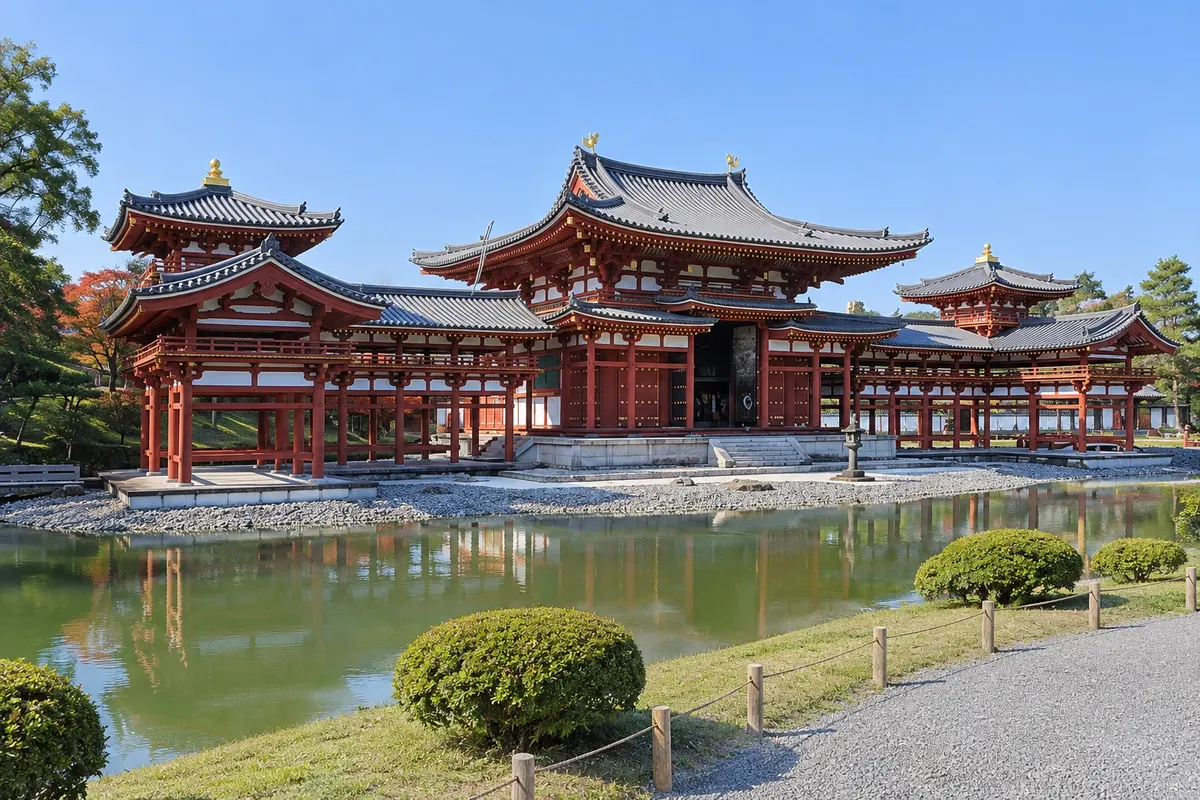
The ancient imperial capital brings together World Heritage temples and shrines, the geisha quarter of Gion, the red torii of Fushimi Inari and the bamboos of Arashiyama; to the south, Uji holds the Byodo-in.

Kansai

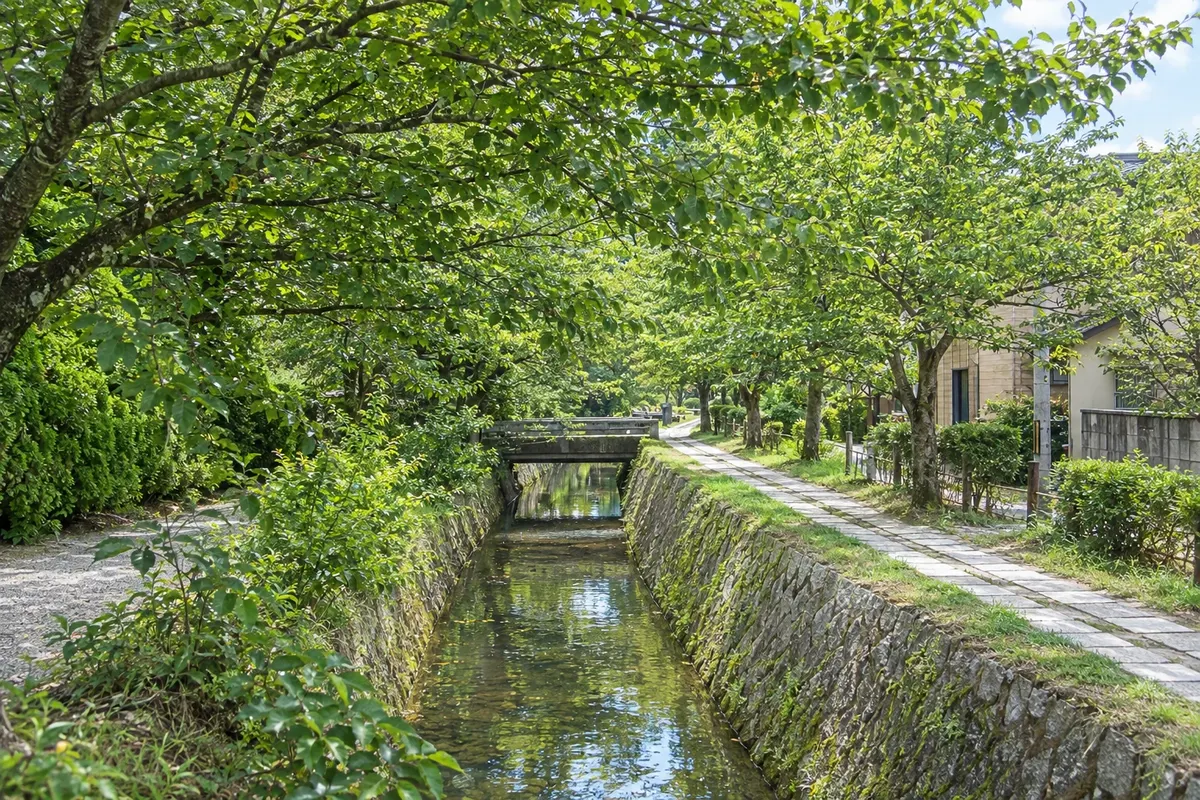
Na fotografiji: Philosopher’s Path, in Kyoto.

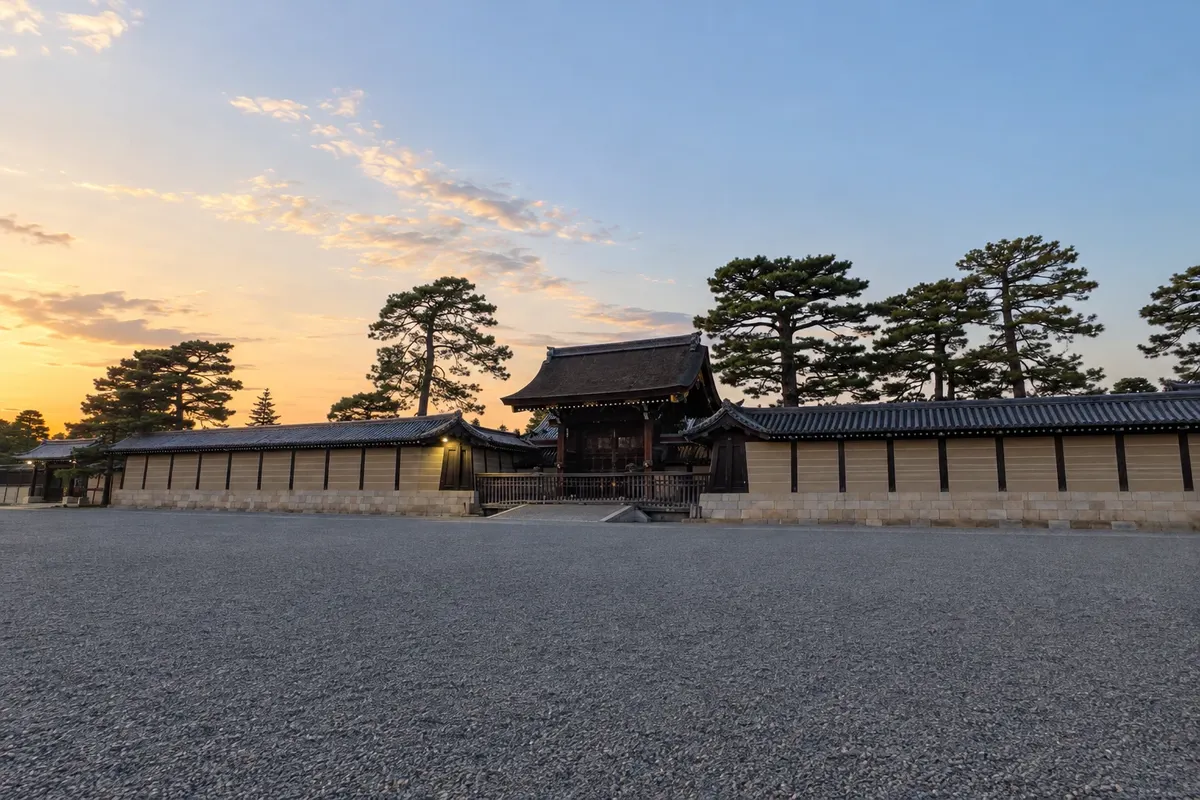
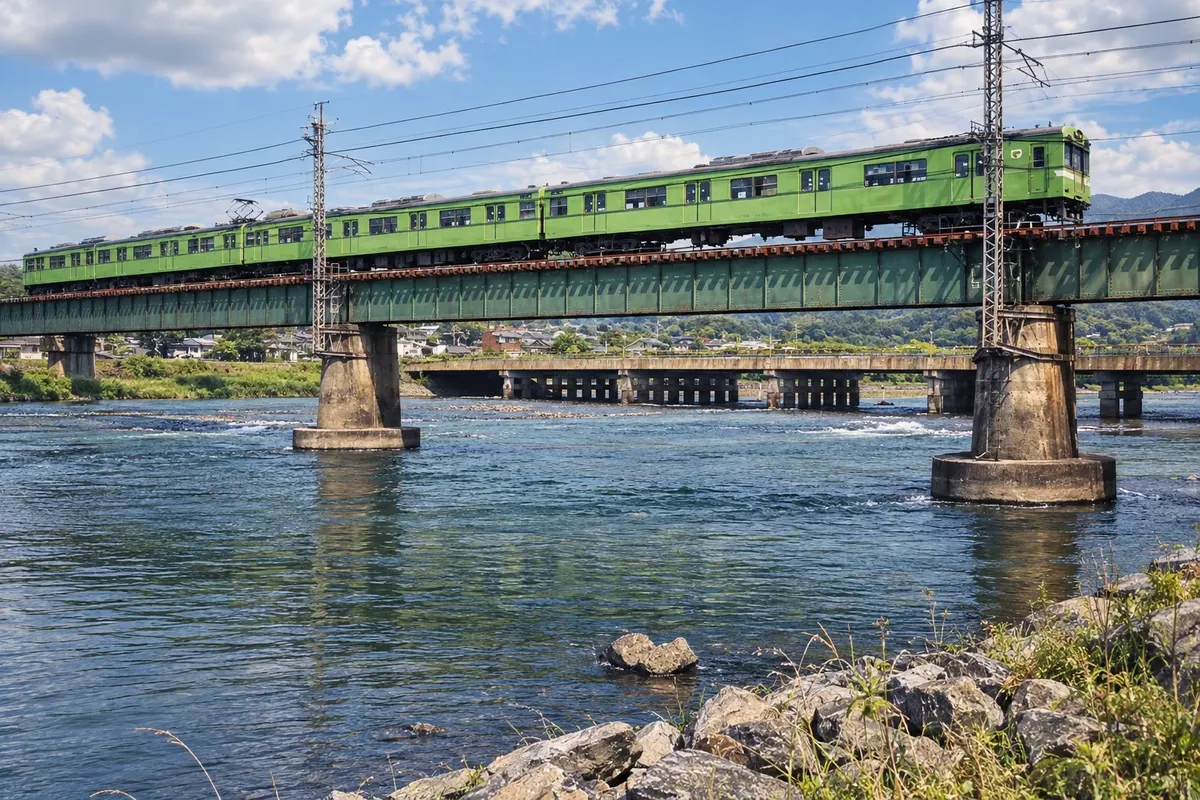
Illustrative images. The pictures in this guide are illustrations based on the real place, not photographs, and may differ from it.

Na voljo v trgovini Google Play Pošljite svoje fotografije

Spoznajte kraj

Pokrajina, ki jo doživite
v svojem ritmu.

Kyoto was Japan’s capital for more than a thousand years, from 794 to 1868, and the residence of the emperors. The city escaped the major bombings of World War II and preserves hundreds of Buddhist temples, Shinto shrines, gardens and wooden houses. Seventeen of its monuments, together with others in Uji and Otsu, form the Historic Monuments of Ancient Kyoto World Heritage site.

The center follows a grid layout inherited from the ancient capital, with Kyoto Station to the south and the Kamo River to the east. On the other side of the river is Higashiyama, the most visited area: Kiyomizu-dera, the slopes of Sannenzaka and Ninenzaka, the Gion district and Yasaka Shrine. To the north, Ginkaku-ji opens onto the Philosopher’s Path; to the northwest is Kinkaku-ji; to the west, Arashiyama with its bamboo grove; and to the south, the thousands of torii at Fushimi Inari.

Kyoto is also the city of traditional arts: the tea ceremony, the geisha—called geiko there—and the apprentice maiko, kaiseki cuisine and temple vegetarian cuisine, the Nishijin textiles and the Nishiki Market, with pickles, sweets and kitchenware. On the calendar, the Gion Matsuri festival occupies the whole month of July.

About 20 minutes by train to the south, Uji is the city of green tea and the Byodo-in, the Phoenix Hall temple. Nara, Osaka and Kobe are less than an hour away, which makes Kyoto a base for the Kansai region.

This destination brings together 2 cities: Kyoto, Uji.

Delite: WhatsApp
Delite svoja popotniška doživetja s fotografijami Pošljite fotografije vsakega kraja, ki ste ga obiskali. Največje število fotografij na kraj: 5.

Ena destinacija, več poti

Mesta na tej poti

Začnite v enem mestu ali v načrt poti vključite več mest.

Kyoto – lega
QuiotoUji

Dados cartográficos: © sodelavci OpenStreetMap, via Wambacher / geoBoundaries (ODbL 1.0). Priredba: Cidade Turismo.

Kako do tja:Kyoto

✈ Aeroporto Internacional de Kansai (KIX), kraj: Izumisano· 100 km do cilja (Kyoto)

✈ Aeroporto Internacional de Osaka (Itami) (ITM), kraj: Itami· 45 km do cilja (Kyoto)

The Tokaido shinkansen connects Tokyo to Kyoto Station in about 2h15. Kansai Airport is about 1h20 away by the Haruka limited express; Itami Airport, in Osaka, handles domestic flights and has buses to Kyoto. From Osaka, trains take 15 to 45 minutes depending on the line.

Predlagana točka prihoda:Kyoto

Doživite kraj

Kaj početi – Kyoto

Byodo-in
Uji · Kyoto · Temple

Byodo-in

The Uji temple with the 11th-century Phoenix Hall reflected in a pond, and a museum housing the original sculptures; World Heritage site.

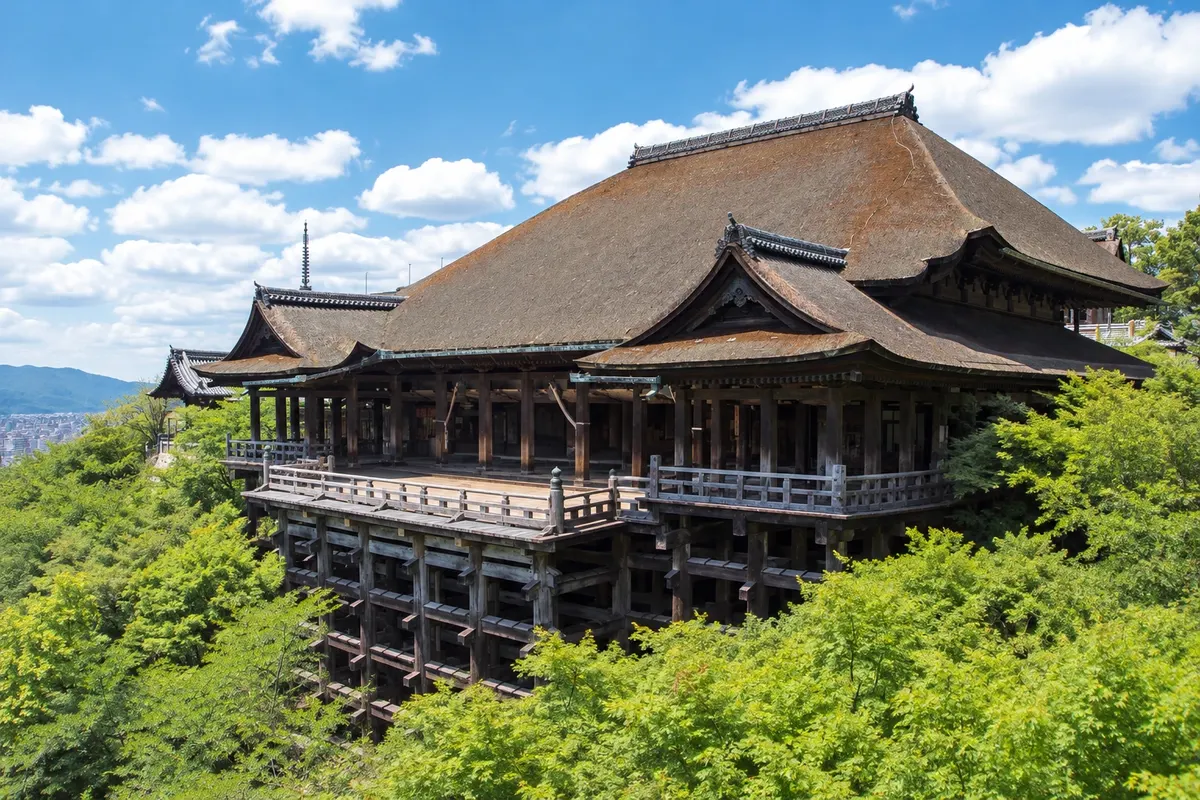
Kiyomizu-dera
Kyoto · Kyoto · Temple

Kiyomizu-dera

Temple on the Higashiyama slope, with a large wooden terrace on columns, the Otowa waterfall and a view of the city; UNESCO World Heritage Site.

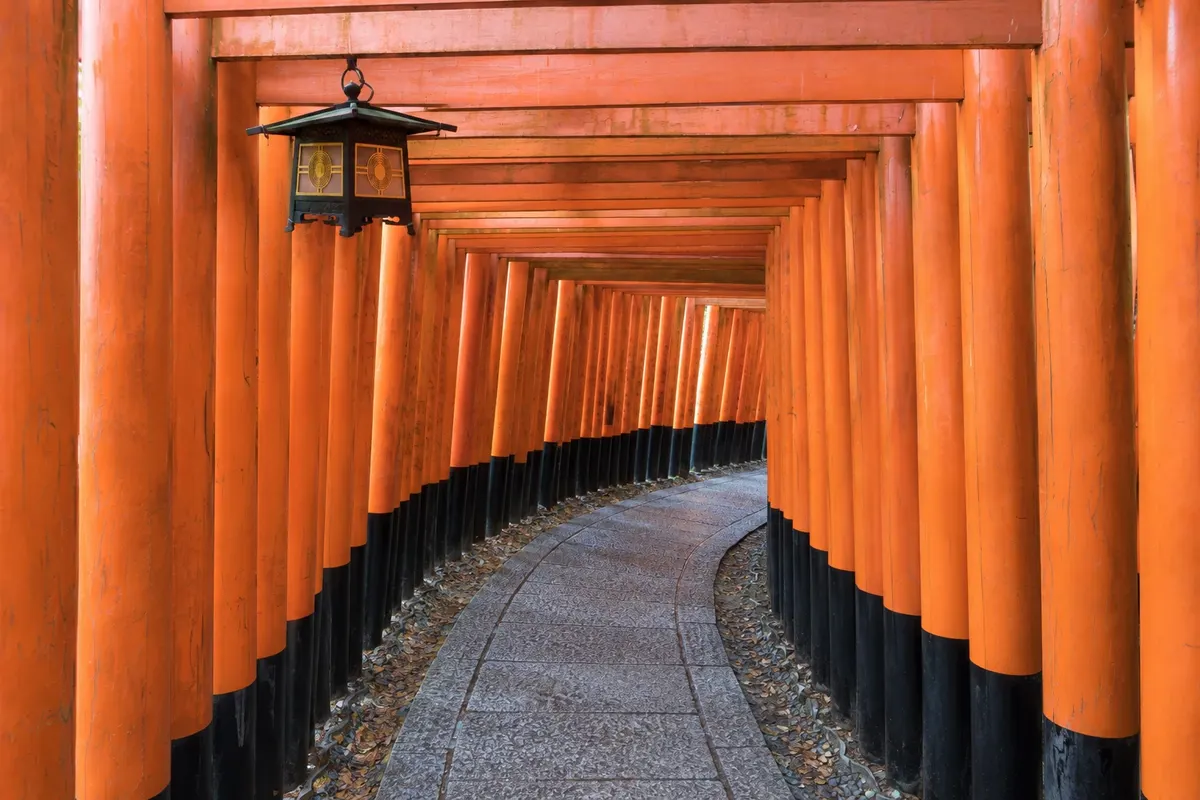
Fushimi Inari Taisha
Kyoto · Kyoto · Romarsko svetišče

Fushimi Inari Taisha

The main Inari shrine in southern Kyoto, with thousands of red torii forming tunnels up the slope of Mount Inari.

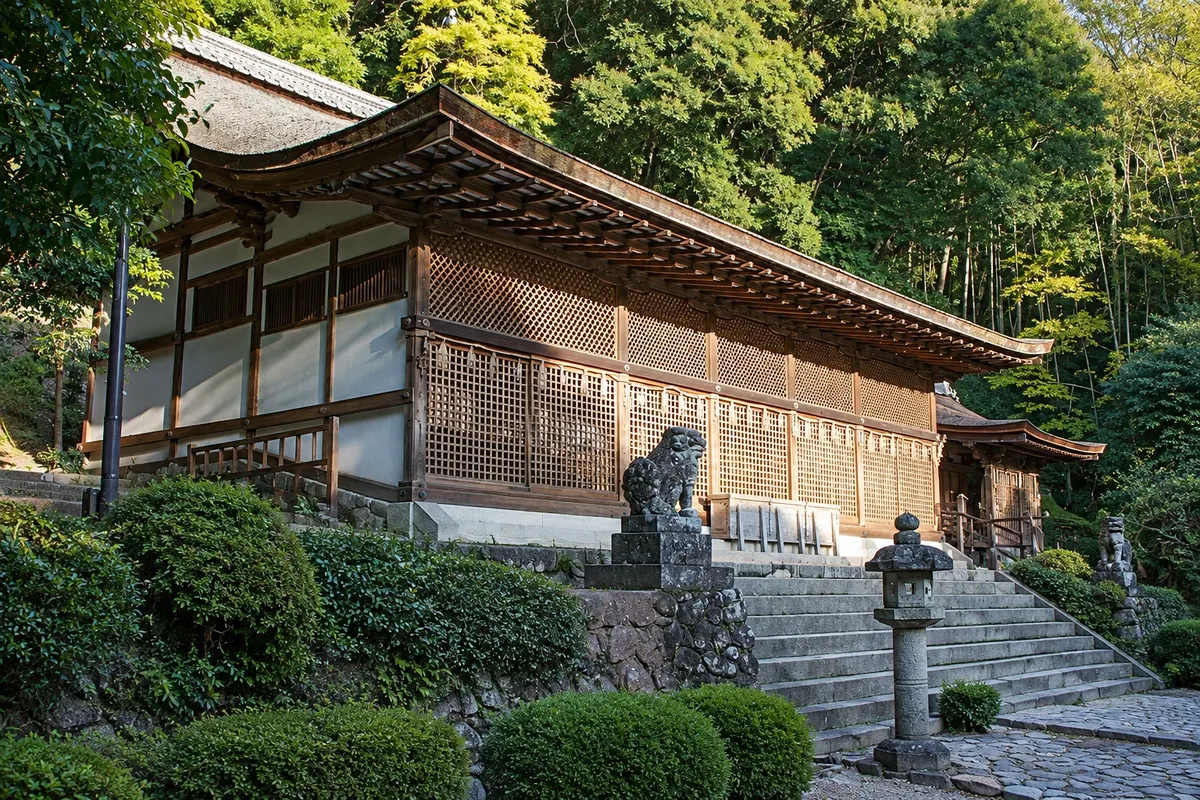
Ujigami Shrine
Uji · Kyoto · Romarsko svetišče

Ujigami Shrine

Small shrine on the east bank of the Uji River, with the oldest preserved Shinto shrine building in Japan; World Heritage site.

Kyoto – prikaži dodatne kraje (6)
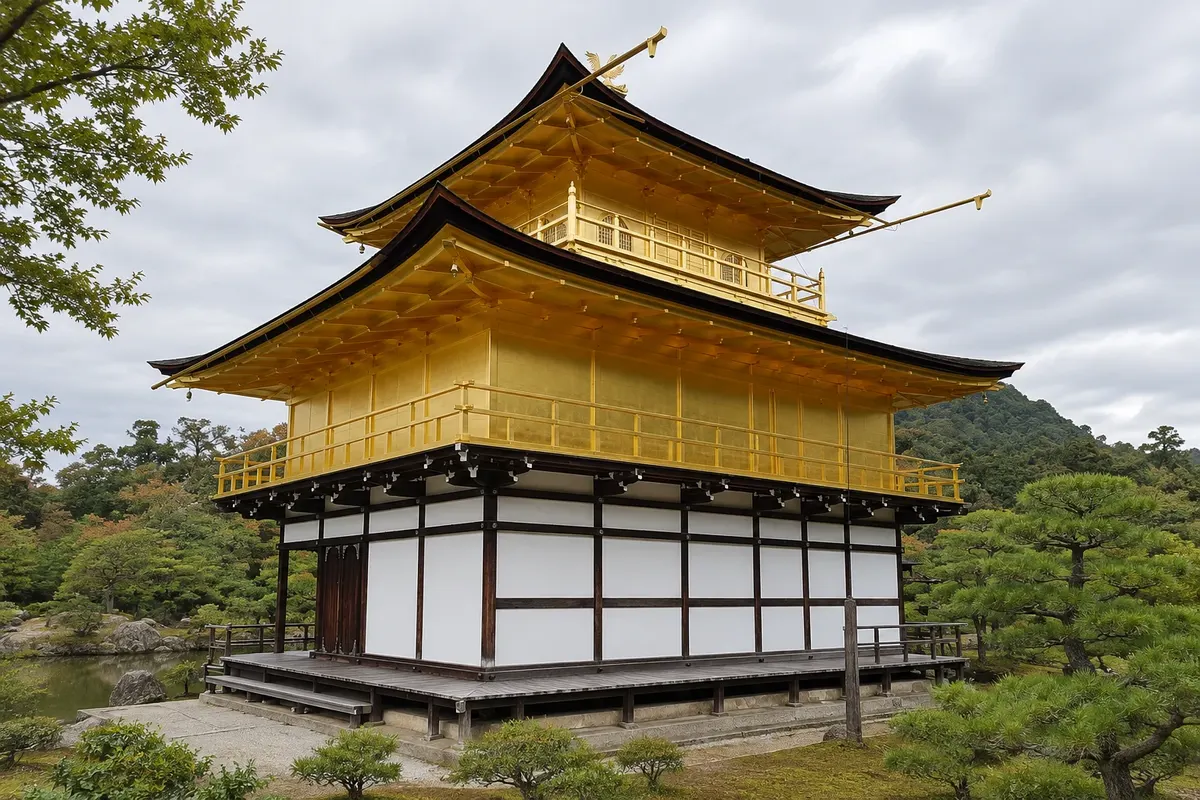
Kinkaku-ji (Golden Pavilion)
Kyoto · Kyoto · Temple

Kinkaku-ji (Golden Pavilion)

The Golden Pavilion, a northern Kyoto zen temple whose two upper floors are covered in gold leaf and reflected in the garden pond; World Heritage site.

Ginkaku-ji (Silver Pavilion)
Kyoto · Kyoto · Temple

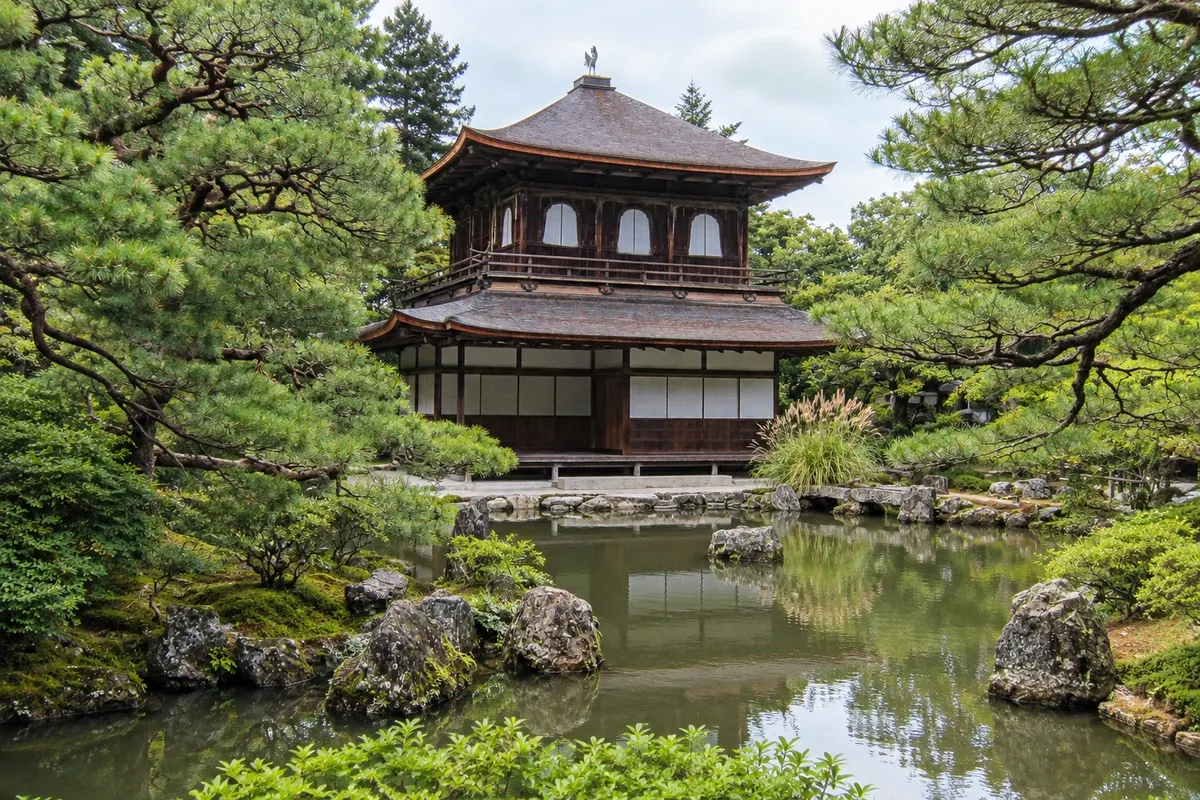
Ginkaku-ji (Silver Pavilion)

The Silver Pavilion, a zen temple at the foot of Kyoto’s eastern hills, with a sand garden, moss garden and the start of the Philosopher’s Path.

Gion
Kyoto · Kyoto · Neighborhood

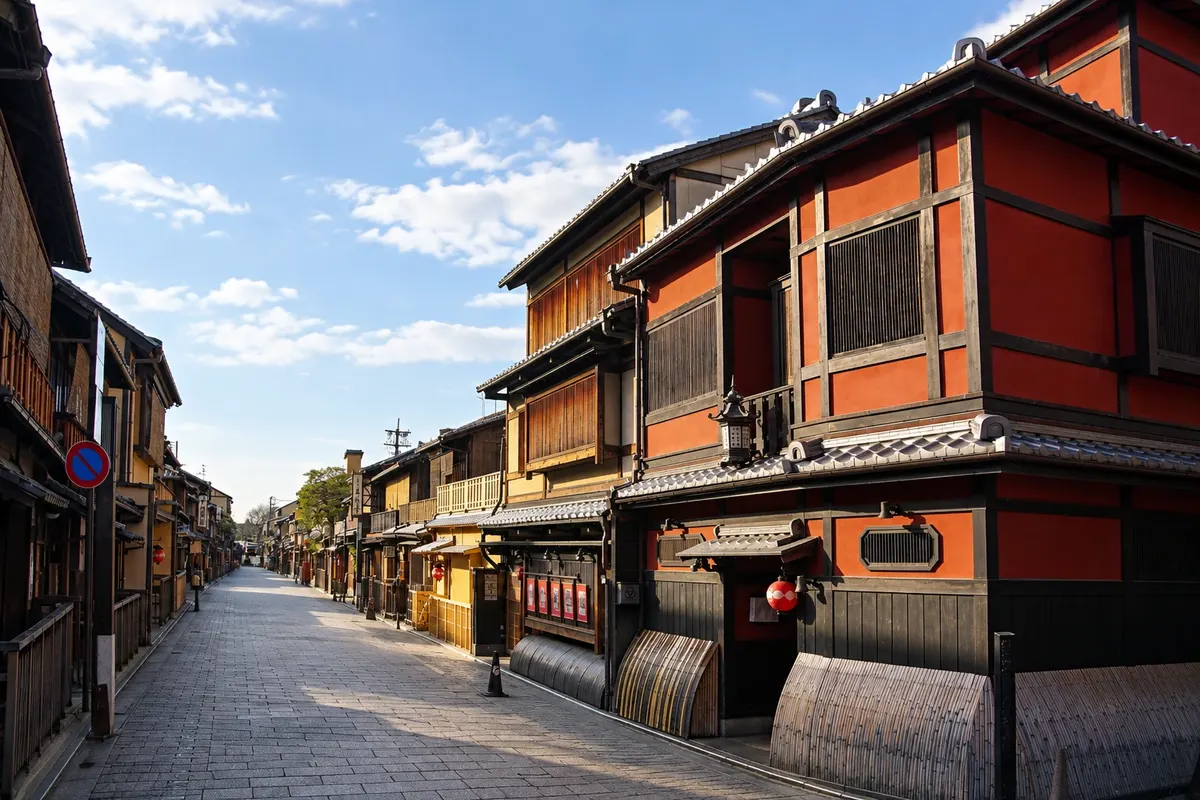
Gion

Kyoto’s geisha district, with wooden teahouses on Hanamikoji Street, the Shirakawa canal, Yasaka Shrine and the Minamiza theater.

Arashiyama
Kyoto · Kyoto · Neighborhood

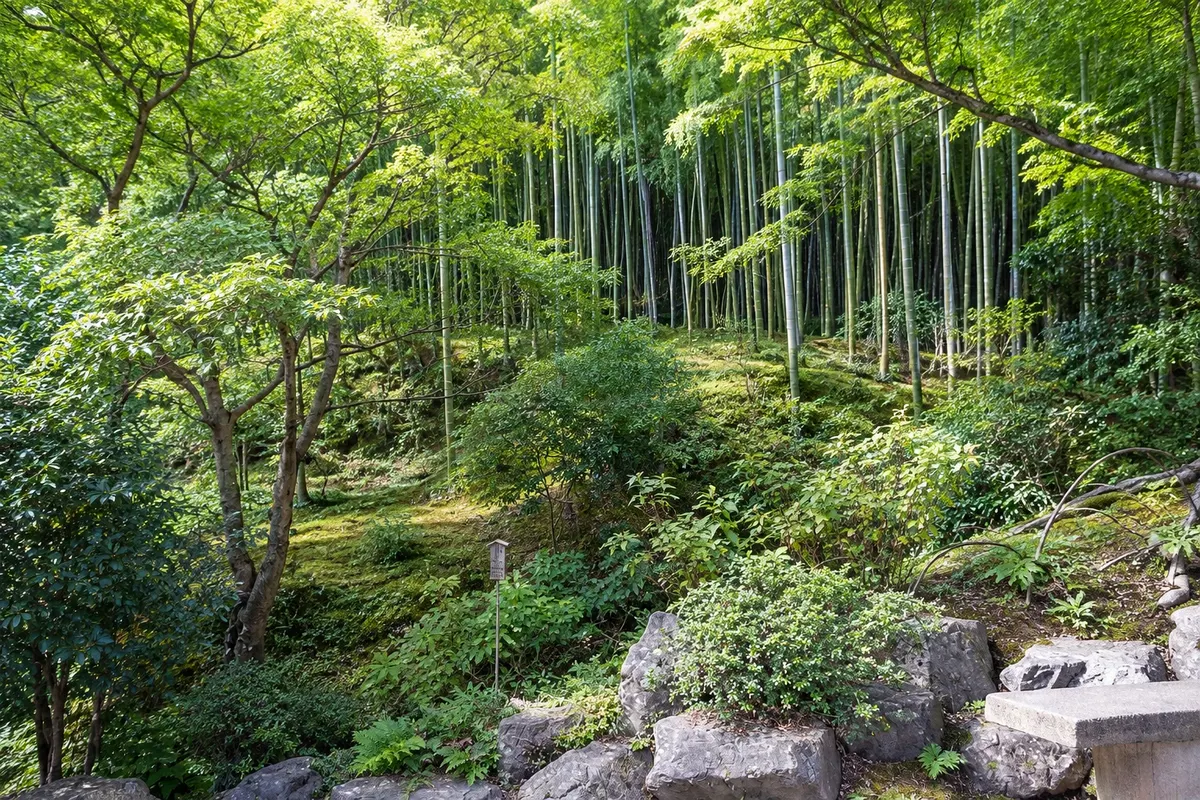
Arashiyama

The western Kyoto district with the Sagano bamboo grove, the Zen temple Tenryu-ji, the Togetsukyo Bridge over the river and maple-covered mountains.

Nijo Castle
Kyoto · Kyoto · Grad

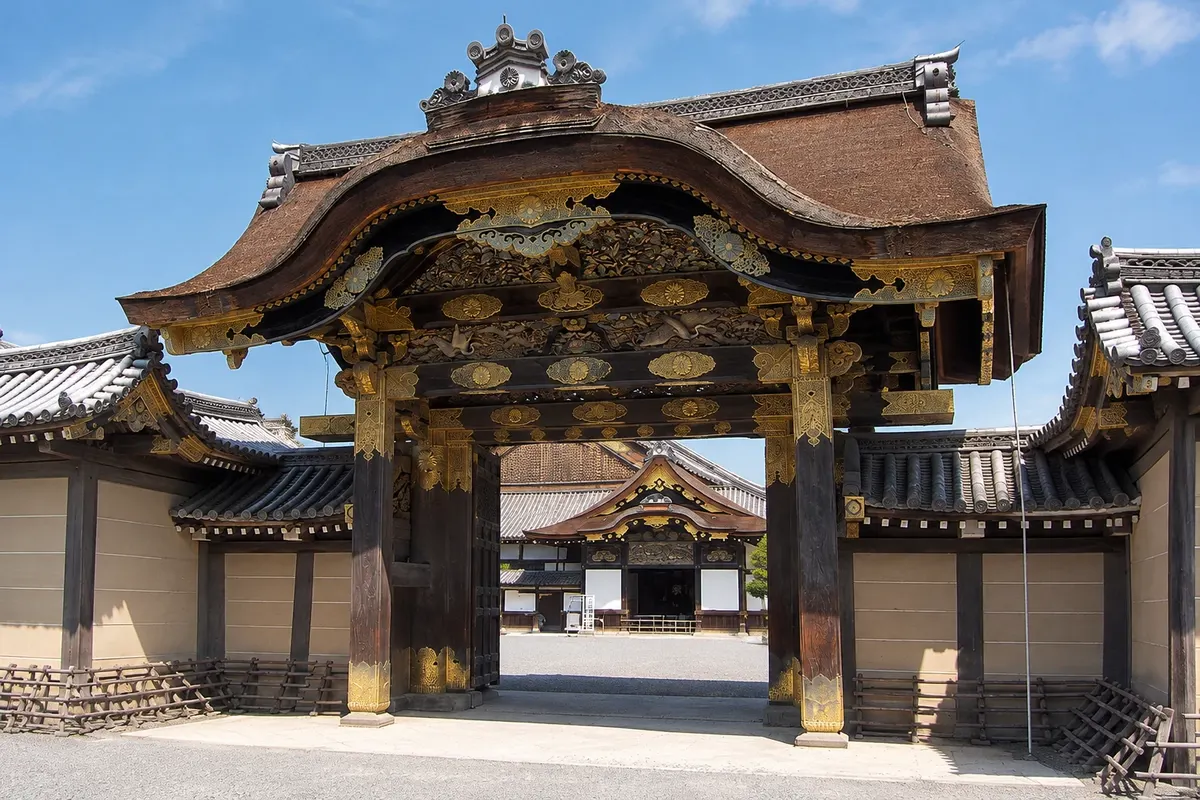
Nijo Castle

The Tokugawa shoguns’ residence in Kyoto, with the Ninomaru Palace of “singing” floors, Kano school paintings and gardens; World Heritage site.

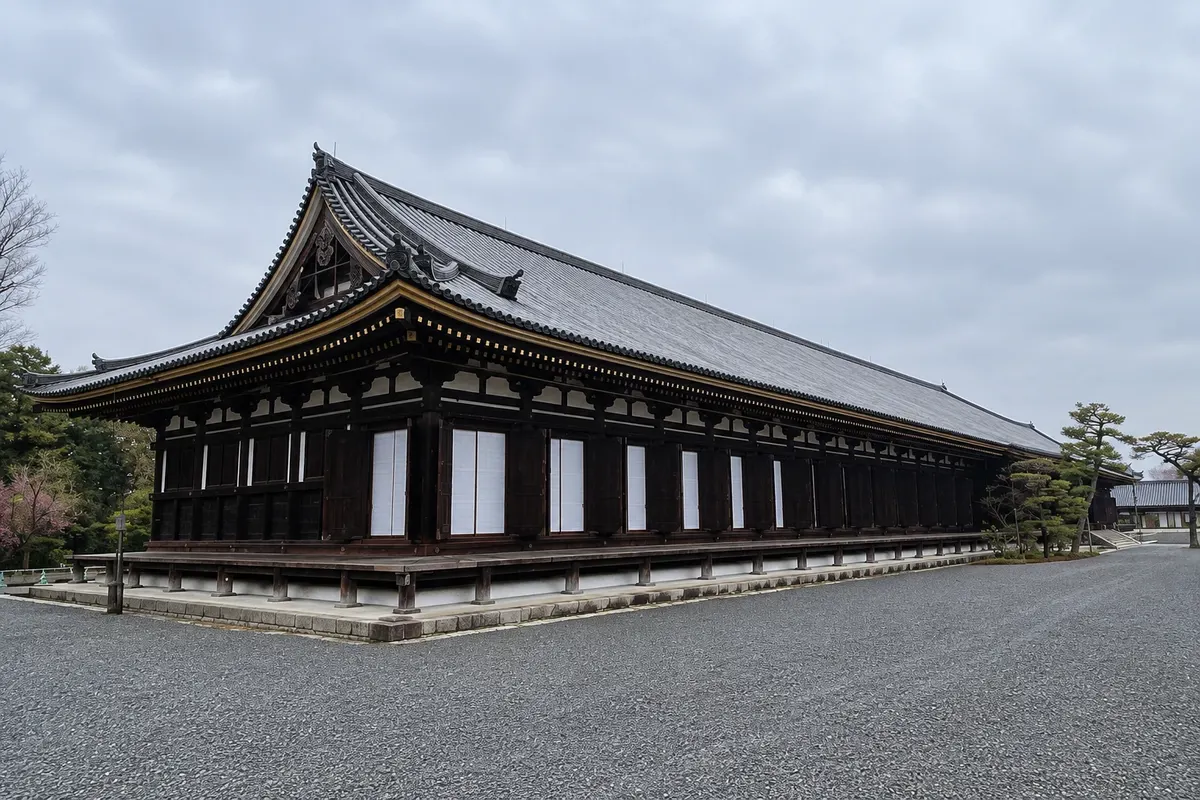
Sanjusangen-dō
Kyoto · Kyoto · Temple

Sanjusangen-dō

Temple with a wooden hall about 120 meters long that houses a thousand standing Kannon statues in rows around a large seated Kannon.

Pred odhodom

Praktične informacije

Z nekaj načrtovanja boste imeli več časa za uživanje na poti.

Kdaj se odpraviti

April, with cherry trees generally in bloom at the beginning of the month, and November, with red maples, are the most sought-after and busiest times. May and October have mild days and fewer crowds. Summer is hot and humid, with rain from June until mid‑July. Winter is cold, with occasional snow on the temples.

The seasons shown are the most usual ones; nature doesn't always follow the calendar.

Koliko dni ostati

The city requires at least three days, one for each side: the eastern Higashiyama and Gion, the southern Fushimi Inari and the western Kinkaku-ji and Arashiyama. Four or five days allow time for the northeast around the Silver Pavilion, the castle, Uji (which takes half a day) and Nara.

V katerem mestu prenočiti

Near Kyoto Station, a base there is practical for arriving, departing and doing day trips. In the Shijo and Kawaramachi area, the commercial center, you’ll find restaurants and Nishiki Market, a few minutes from Gion. Higashiyama and Gion have traditional inns, the ryokan, and quiet streets at night. Arashiyama is more remote and peaceful once day visitors leave.

Spoštujte kraj

Odnesite svoje odpadke, upoštevajte oznake in podprite lokalne ponudnike. V naravi upoštevajte navodila za obiskovalce.

Odgovori na vaša vprašanja

Pogosta vprašanja – Kyoto

How many days should you stay in Kyoto?

At least three days for Higashiyama, Gion, Fushimi Inari, Kinkaku-ji and Arashiyama. With four or five days you can include Ginkaku-ji, Nijo Castle, Uji and a day trip to Nara.

How do you get to Kyoto from Tokyo?

By the Tokaido shinkansen, which takes about 2h15 from Tokyo or Shinagawa Station to Kyoto Station. There are also overnight buses, which are slower.

How do you get around Kyoto?

City buses reach almost all temples, but they become crowded in cherry blossom and autumn foliage seasons. The two subway lines, JR trains, Keihan and Hankyu trains and the Randen tram are faster on many routes. Bicycles work well in the flat city center.

Can you do a day trip from Kyoto to Nara?

Yes. JR and Kintetsu trains take 35 to 50 minutes to Nara, and one day is enough for Tōdai-ji, the deer park and Kasuga Taisha.

Where can you see geisha in Kyoto?

In Gion, especially on Hanamikoji Street and the Shirakawa canal area, and in Pontocho, at dusk. Geisha—called geiko in Kyoto—and apprentice maiko go to work appointments: do not stop them or photograph them up close. In private streets of Gion, photography is prohibited.

When is cherry blossom and red-leaf season in Kyoto?

Cherry trees usually bloom between late March and early April; the red leaves typically appear from mid‑November to early December. Dates vary each year.

Odkrijte druge destinacije Iskanje po zvezni državi in mestu

Več kot vodnik