Kumano Kodo (Tanabe; Nachikatsuura)

Wakayama · Japonska

Kumano Kodo (Tanabe; Nachikatsuura)

The pilgrimage trails over a thousand years old across the mountains of the Kii Peninsula, leading to the three major Kumano shrines and Nachi Falls, a World Heritage Site.

Kansai

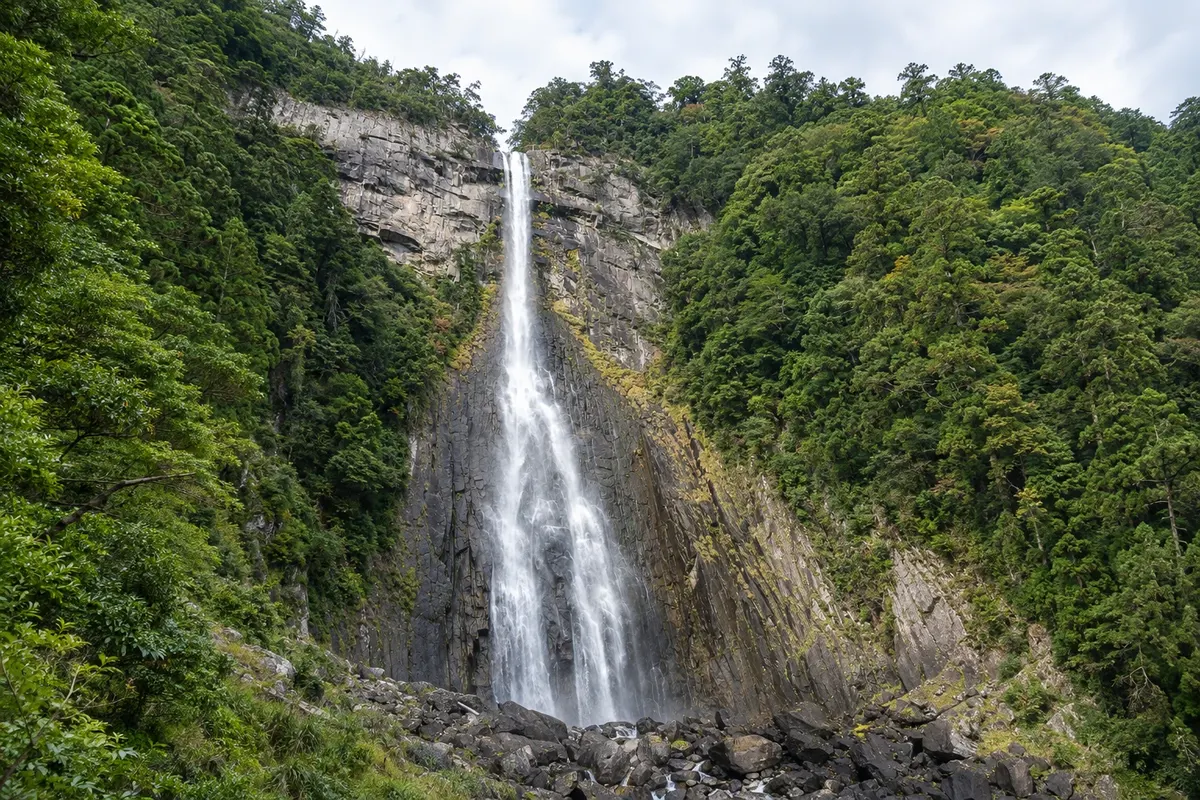
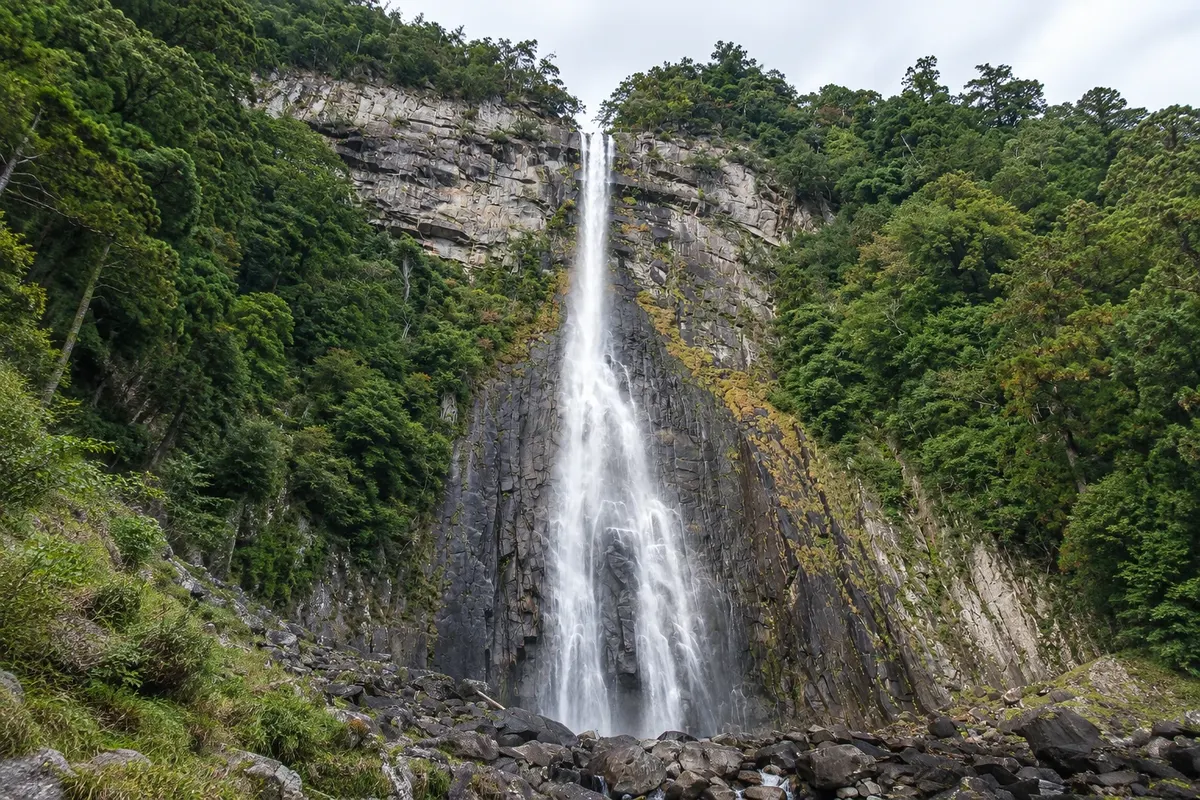
Na fotografiji: Nachi Falls amid the mountains and forests of Kumano.

Illustrative images. The pictures in this guide are illustrations based on the real place, not photographs, and may differ from it.

Na voljo v trgovini Google Play Pošljite svoje fotografije

Spoznajte kraj

Pokrajina, ki jo doživite
v svojem ritmu.

Kumano Kodo is the network of ancient pilgrimage routes that crosses the forested mountains of the southern Kii Peninsula in Wakayama Prefecture, leading to the three major Kumano shrines: Hongu Taisha, Hayatama Taisha and Nachi Taisha. Since the 10th century, retired emperors, nobles from Kyoto, monks and later ordinary people have made the journey on foot as an act of purification. The region blends Shinto nature worship — mountains, rivers and waterfalls — with Buddhism.

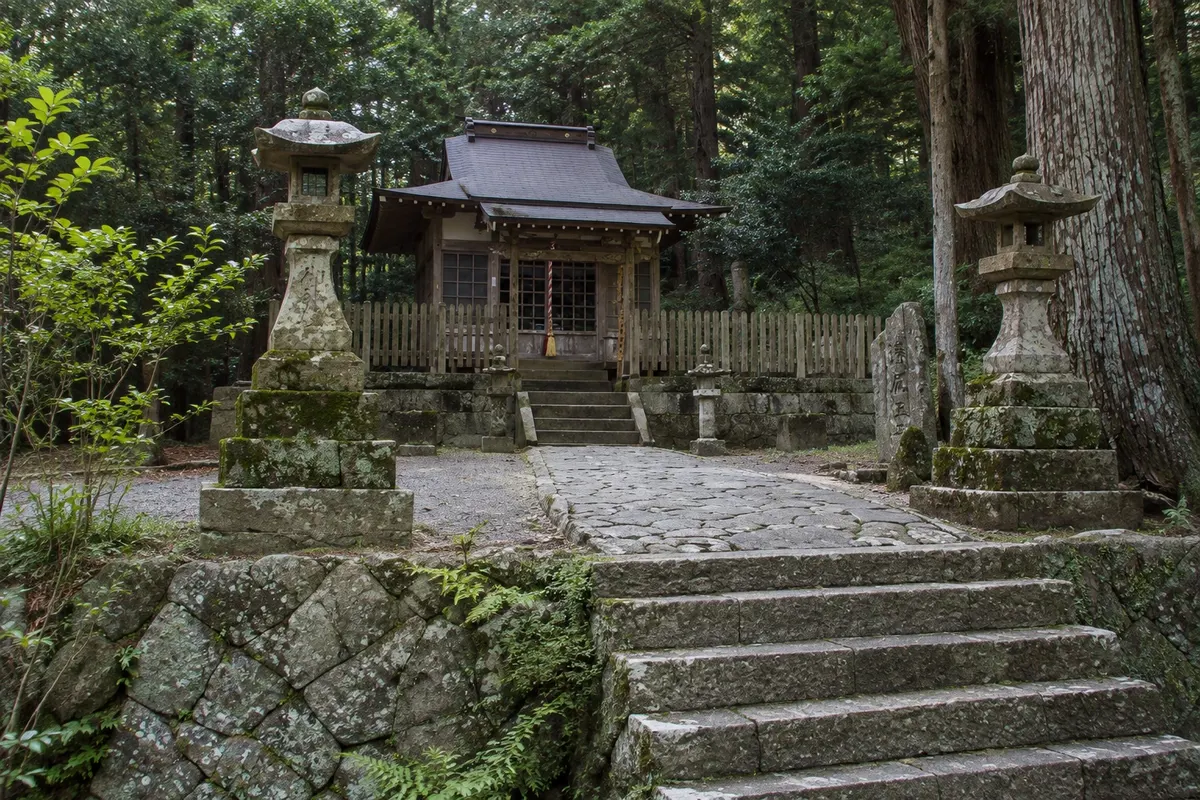
The routes are part of the Sacred Sites and Pilgrimage Routes in the Kii Mountain Range, a UNESCO World Heritage Site since 2004, one of the two pilgrimage routes in the world on that list, alongside the Camino de Santiago, with which it maintains a dual-pilgrim program. The most traveled route is the Nakahechi, the former imperial route, which starts in the Tanabe area and crosses the mountains to Hongu, with small shrines called oji along the way, guesthouses in villages and hot-spring inns at day’s end.

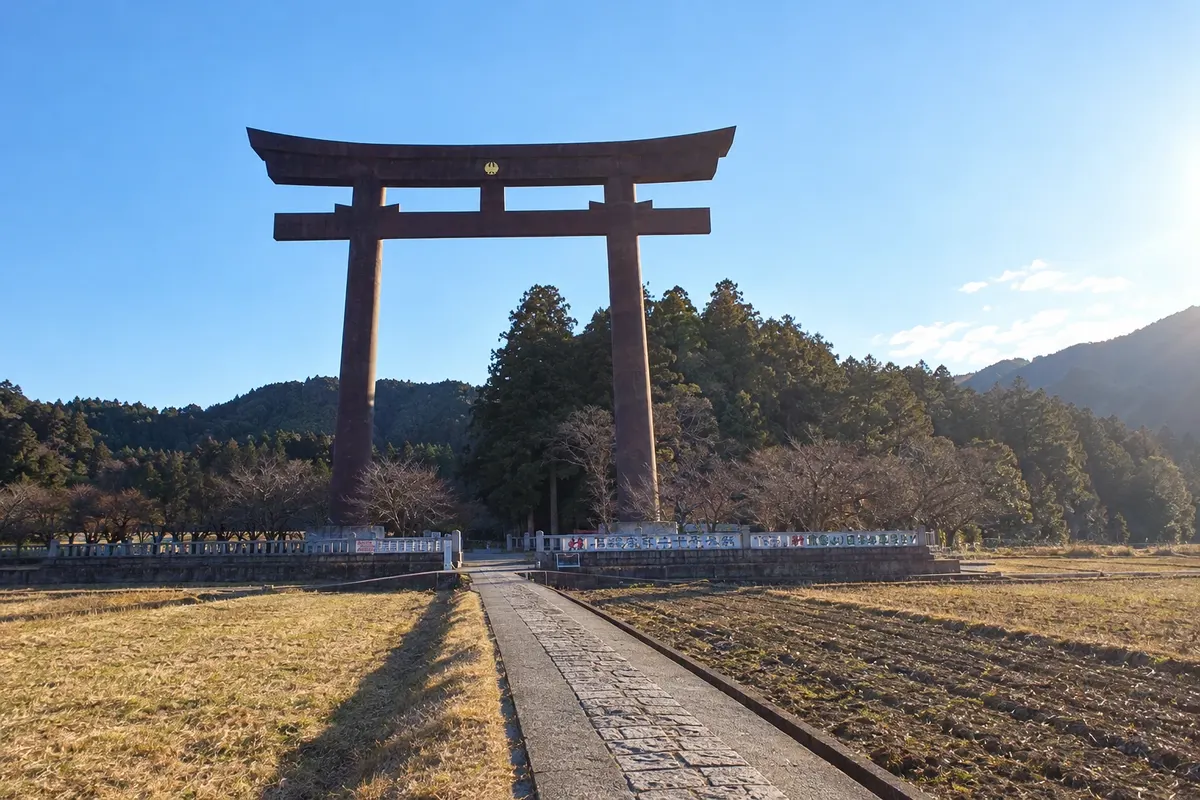
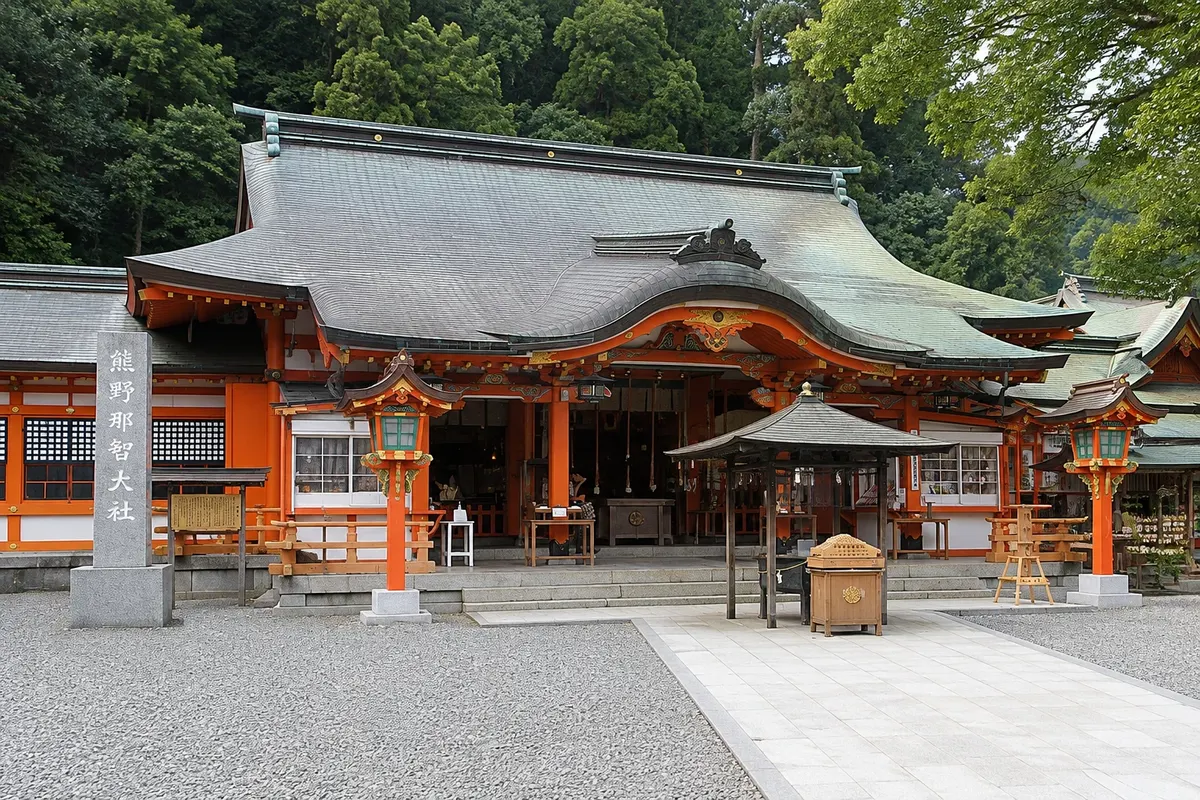
Tanabe is the gateway, with a train station and the pilgrims’ information center. In Hongu, Hongu Taisha and the former shrine site, Oyunohara, with the largest torii gate in Japan, are near the hot-spring villages of Yunomine and Kawayu. On the coast, Nachikatsuura houses Nachi Taisha, the Seiganto-ji temple and Nachi Falls, 133 meters high, while nearby Shingu is home to Hayatama Taisha.

The walk requires preparation: trails climb and descend stone steps and roots, and the villages are small, with limited lodging that requires booking. Those who don’t hike can visit the shrines by bus and walk short sections on foot.

This destination brings together 2 cities: Tanabe, Nachikatsuura.

Delite: WhatsApp
Delite svoja popotniška doživetja s fotografijami Pošljite fotografije vsakega kraja, ki ste ga obiskali. Največje število fotografij na kraj: 5.

Ena destinacija, več poti

Mesta na tej poti

Začnite v enem mestu ali v načrt poti vključite več mest.

Kumano Kodo (Tanabe; Nachikatsuura) – lega
TanabeNachikatsuura

Dados cartográficos: © sodelavci OpenStreetMap, via Wambacher / geoBoundaries (ODbL 1.0). Priredba: Cidade Turismo.

Kako do tja:Kumano Kodo (Tanabe; Nachikatsuura)

✈ Aeroporto de Nanki-Shirahama (SHM), kraj: Shirahama· 15 km do cilja (Tanabe)

From Osaka, the Kuroshio express train reaches Kii-Tanabe in about 2h10 and Kii-Katsuura in about 3h30 to 4 hours. Nanki-Shirahama Airport (SHM) receives flights from Tokyo and is about 15 km from Tanabe. From Kii-Tanabe, buses run to the Nakahechi trailheads and to Hongu in about 2 hours.

Predlagana točka prihoda:Tanabe

Doživite kraj

Kaj početi – Kumano Kodo (Tanabe; Nachikatsuura)

Kumano Hongu Taisha
Tanabe · Wakayama · Romarsko svetišče

Kumano Hongu Taisha

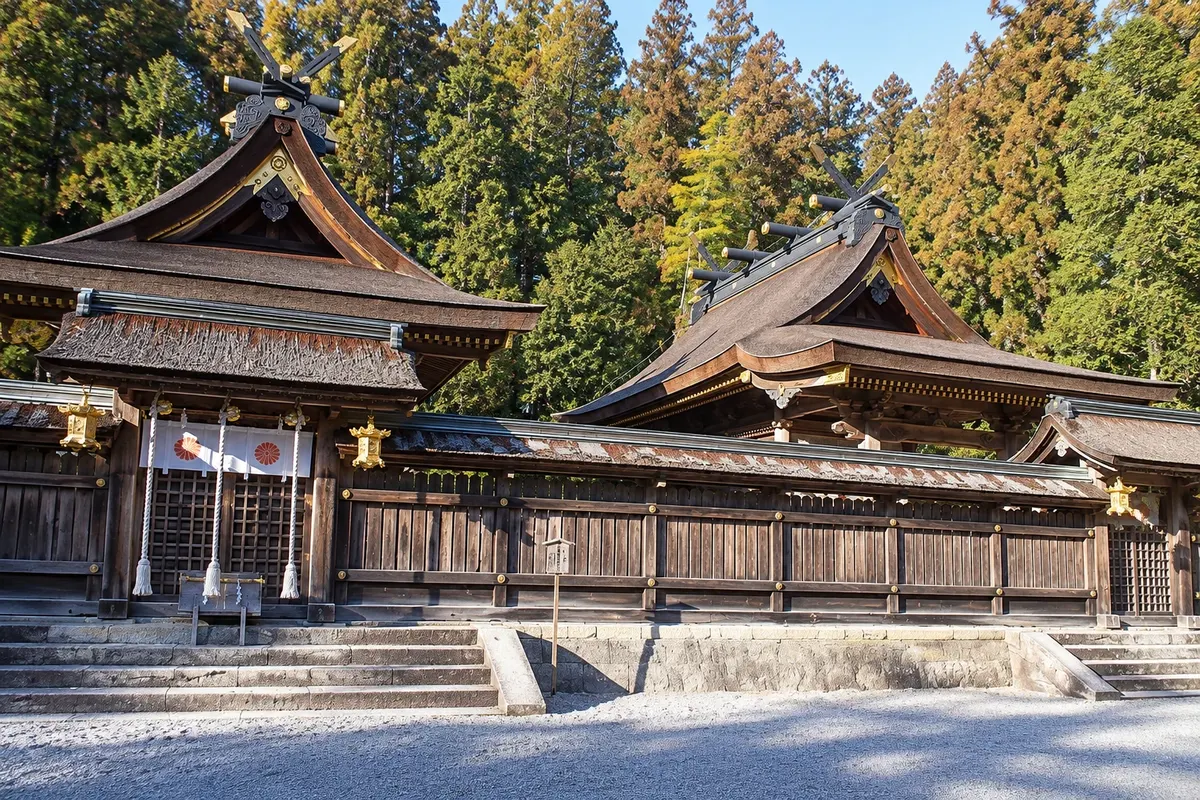
The main of the three grand Kumano shrines and the final destination of the Nakahechi, perched above a stone stairway among cedars. A few minutes away is Oyunohara, the shrine’s former site, with a torii gate about 34 meters tall.

Kumano Nachi Taisha and Seiganto-ji
Nachikatsuura · Wakayama · Romarsko svetišče

Kumano Nachi Taisha and Seiganto-ji

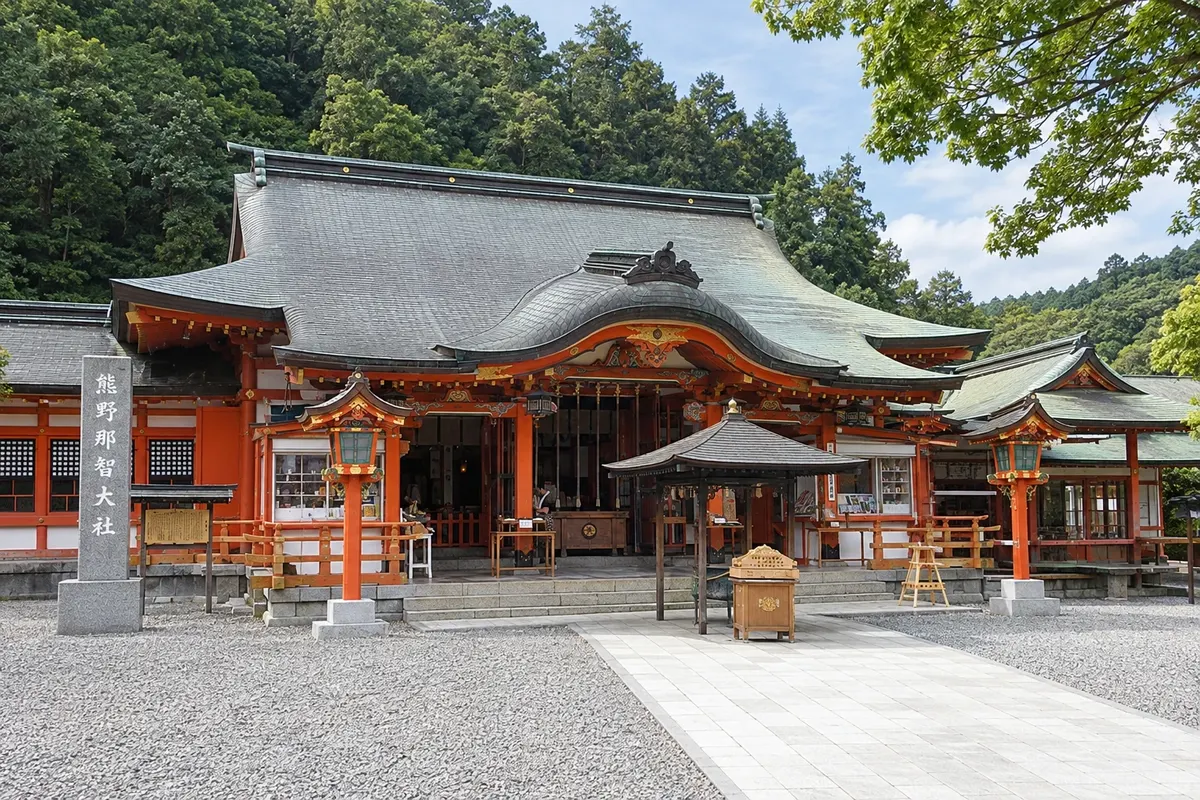
A Shinto shrine and a Buddhist temple side by side on the slope of Mount Nachi, one of the three great shrines of Kumano. The three-story red pagoda of Seiganto-ji, with Nachi Falls behind it, is the region’s best-known view.

Nachi Falls (Nachi no Taki)
Nachikatsuura · Wakayama · Slap

Nachi Falls (Nachi no Taki)

A waterfall with a 133-meter continuous drop, the tallest of its kind in Japan, venerated as a deity. At its base is Hiro-jinja shrine, with a platform that offers a close view of the fall.

Nakahechi Trail (Kumano Kodo)
Tanabe · Wakayama · Kolesarska in pešpot

Nakahechi Trail (Kumano Kodo)

The ancient imperial route of the Kumano Kodo, about 38 km between Takijiri-oji and Kumano Hongu Taisha, through the forests of the Kii mountains, with small oji shrines, villages and inns along the way.

Kumano Kodo (Tanabe; Nachikatsuura) – prikaži dodatne kraje (2)
Kumano Hayatama Taisha
Nachikatsuura · Wakayama · Romarsko svetišče

Kumano Hayatama Taisha

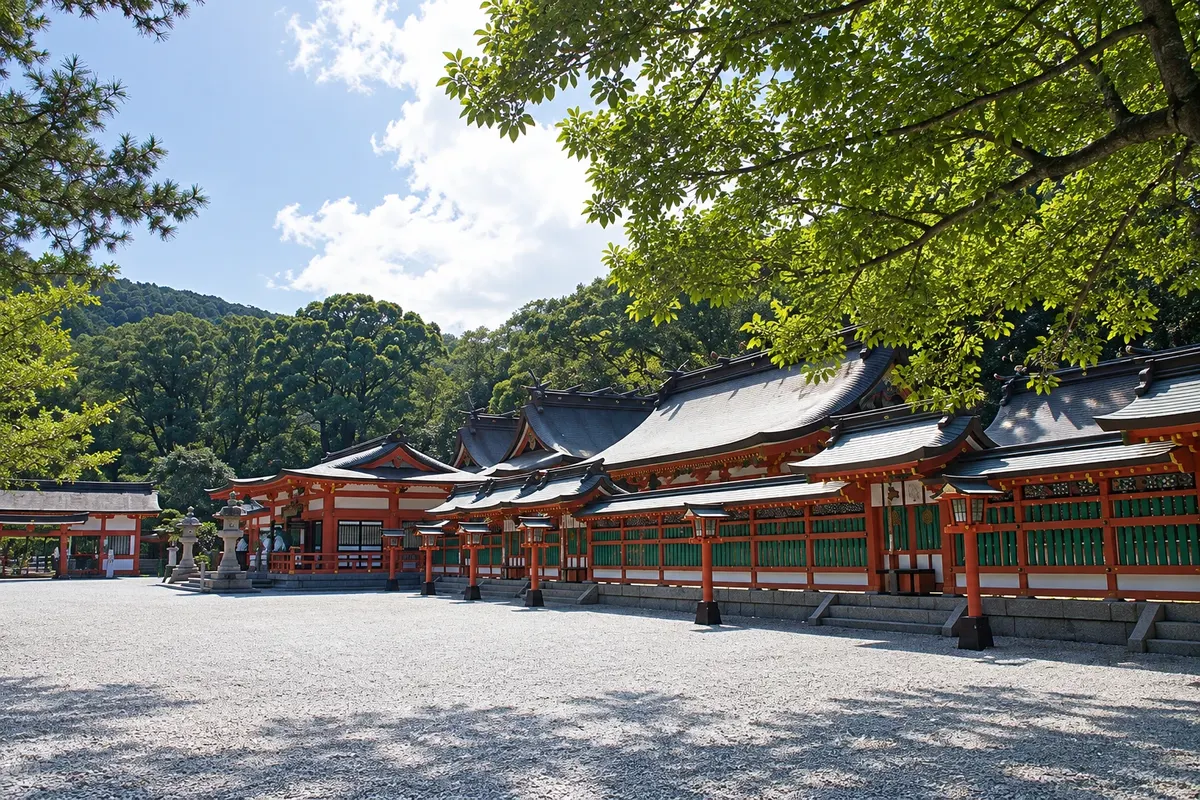
One of the three great shrines of Kumano, in Shingu at the mouth of the Kumano River, with buildings painted bright red and a nagi tree about a thousand years old. Nearby, the Gotobiki-iwa rock of Kamikura Shrine dominates the town.

Yunomine Onsen
Tanabe · Wakayama · Hot-spring village

Yunomine Onsen

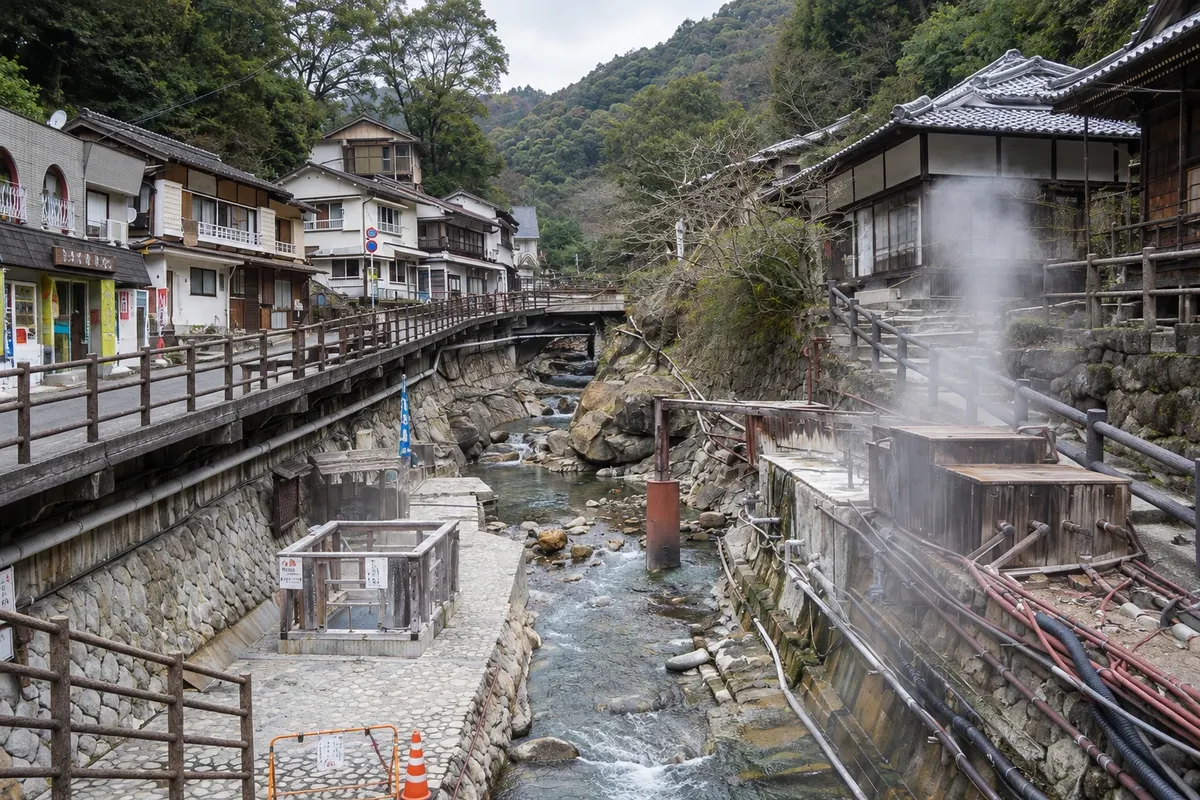
Hot spring village in a narrow valley near Hongu Taisha, used for centuries by pilgrims for purification. The Tsuboyu, a stone bath cabin by the stream, is the only hot spring listed as a World Heritage site.

Pred odhodom

Praktične informacije

Z nekaj načrtovanja boste imeli več časa za uživanje na poti.

Kdaj se odpraviti

From March to May and from October to November temperatures are more pleasant for walking; cherry trees usually bloom in late March and the autumn foliage peaks in November. June is the rainy season, and summer is hot and humid, with typhoons more frequent from August to October. Winters are mild on the coast and cold in the mountains, with frost on some sections.

The seasons shown are the most usual ones; nature doesn't always follow the calendar.

Koliko dni ostati

Three to four days: two or three to hike the Nakahechi to Hongu, with nights in guesthouses and hot-spring inns, and one day for Nachi and Shingu. By bus, without long hikes, two days are enough for the three shrines and the waterfall.

V katerem mestu prenočiti

Tanabe has hotels near the station, useful on arrival and departure. On the trail, small family-run guesthouses in villages such as Takahara and Chikatsuyu welcome walkers with dinner and breakfast. In Hongu, the hot-spring villages of Yunomine, Kawayu and Watarase are the most popular bases. On the coast, Kii-Katsuura has hot-spring hotels and is close to Nachi.

Spoštujte kraj

Odnesite svoje odpadke, upoštevajte oznake in podprite lokalne ponudnike. V naravi upoštevajte navodila za obiskovalce.

Odgovori na vaša vprašanja

Pogosta vprašanja – Kumano Kodo (Tanabe; Nachikatsuura)

Do I need experience to hike the Kumano Kodo?

Technical experience is not required, but good physical fitness is necessary: trails rise and fall over stone steps and roots, with steep and wet sections. Trail footwear and a light backpack help.

How many days does the Nakahechi take?

From Takijiri-oji to Kumano Hongu Taisha is about 38 km, typically done in two or three days. It’s possible to shorten sections by bus.

Can you see Kumano without doing a long hike?

Yes. Buses connect Tanabe, Hongu, Shingu and Nachi, and short sections, such as the Daimon-zaka climb up to Nachi Taisha or the final approach to Hongu, allow one- to two-hour walks.

Do I need to book accommodation on the Kumano Kodo?

Yes, in advance. The trail villages have few guesthouses and rooms, and luggage transport between them also requires reservation.

Is there a connection between Kumano Kodo and the Camino de Santiago?

Both are the only pilgrimage routes inscribed as World Heritage Sites and maintain a dual-pilgrim program that recognizes those who complete both.

Odkrijte druge destinacije Iskanje po zvezni državi in mestu

Več kot vodnik