Kumamoto and Aso

Kumamoto · Japonska

Kumamoto and Aso

The large Kumamoto Castle and Suizenji Garden in central Kyushu, and Mount Aso’s caldera, with grasslands, villages and an active volcano in the middle.

Kyushu

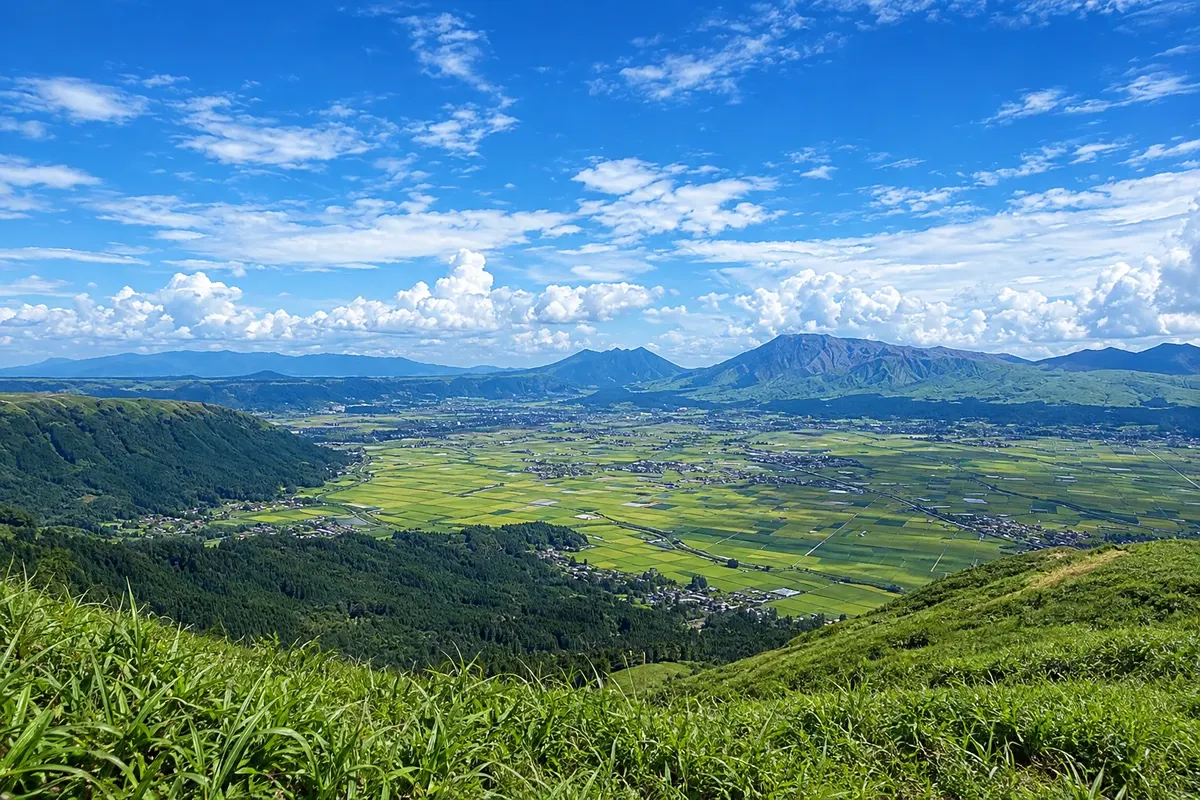
Na fotografiji: Aso caldera landscape

Illustrative images. The pictures in this guide are illustrations based on the real place, not photographs, and may differ from it.

Na voljo v trgovini Google Play Pošljite svoje fotografije

Spoznajte kraj

Pokrajina, ki jo doživite
v svojem ritmu.

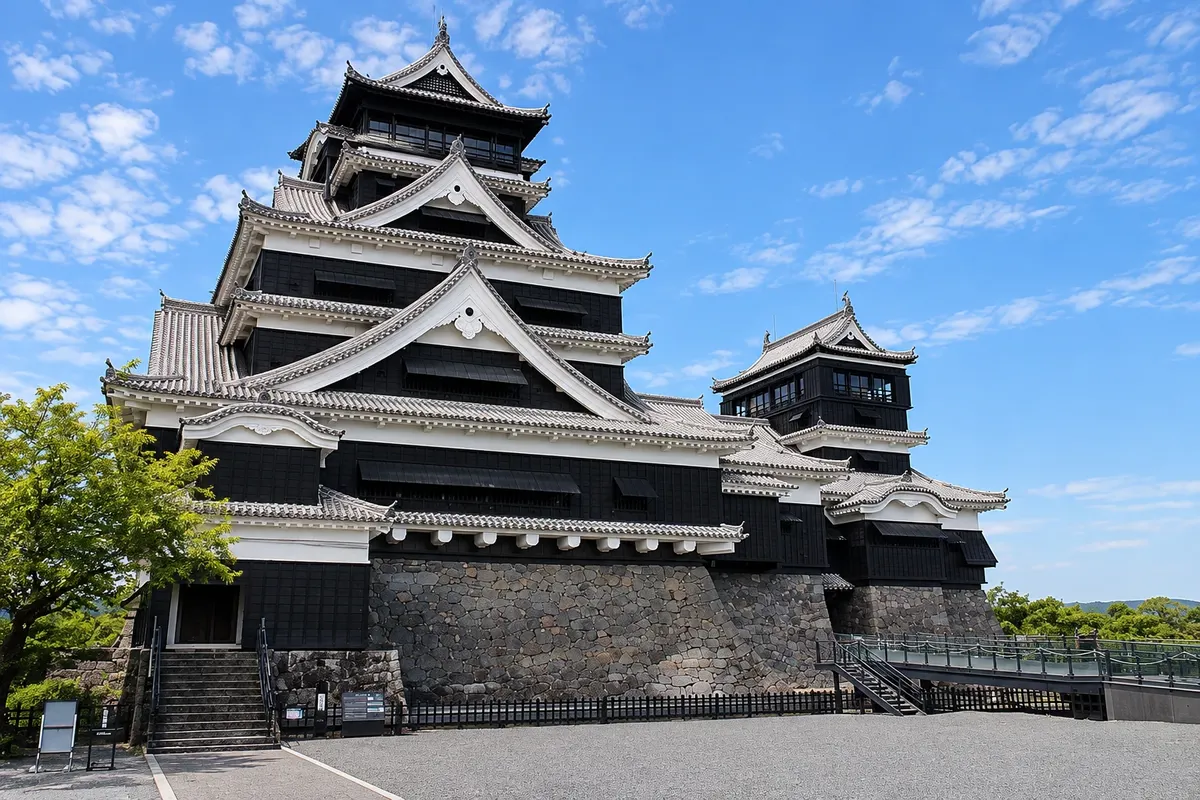
The capital of the prefecture of the same name, in central-west Kyushu, Kumamoto is one of the stops on the shinkansen between Fukuoka and Kagoshima. The city grew up around the castle built by Kato Kiyomasa in the early 17th century, one of the largest in the country, with curved stone walls and black towers. The 2016 earthquakes damaged walls and towers; the main keep has been restored, and the rest of the complex is still under reconstruction, which visitors can observe from an elevated walkway.

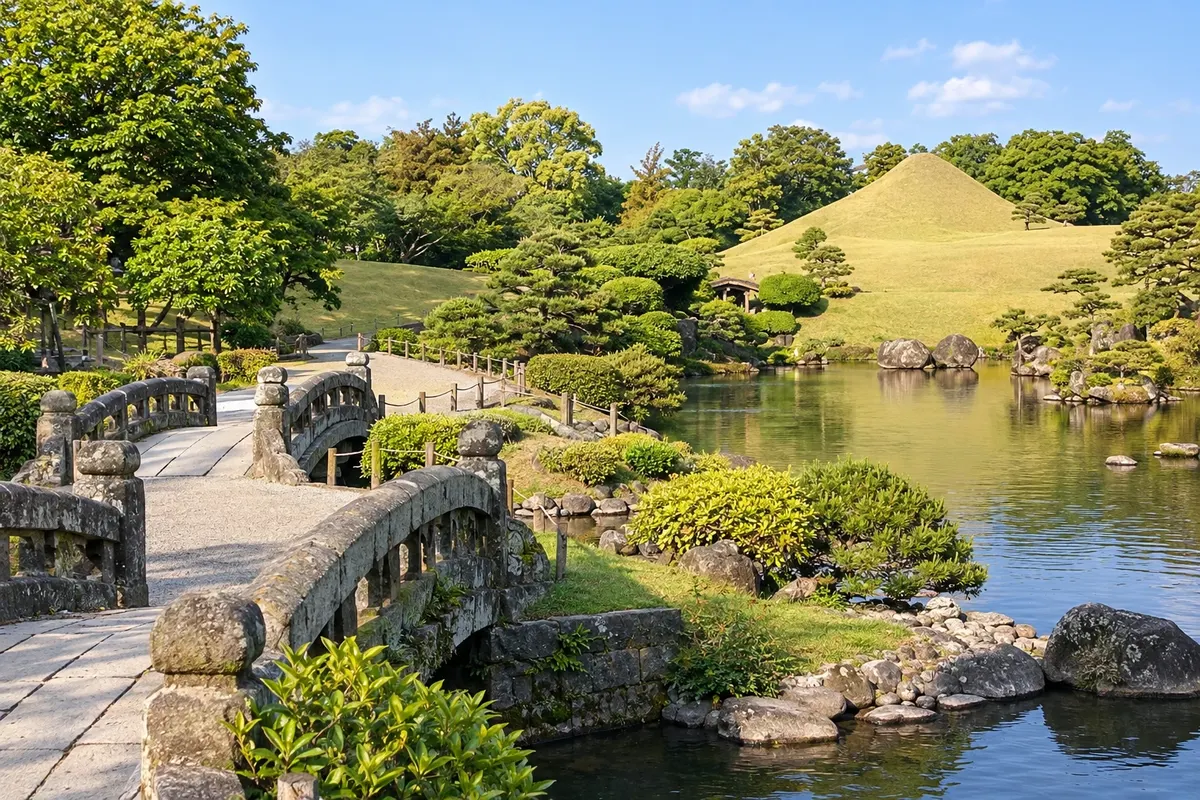
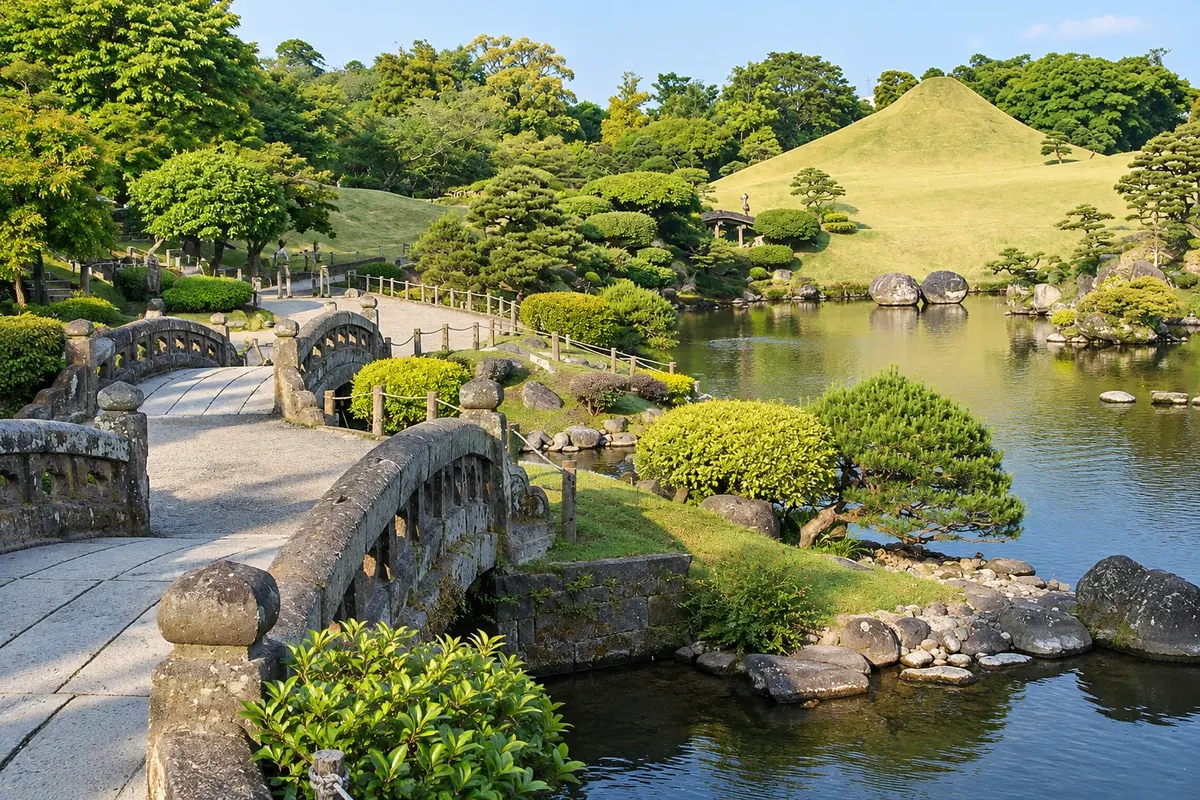
The city is known for its water: the supply comes almost entirely from underground springs that originate in Aso. In Suizenji Garden, created by the Hosokawa lords, this clear water forms the pond around a small hill that resembles Mount Fuji. At the table, Kumamoto’s specialties include ramen with garlic oil, lotus root stuffed with mustard, and raw horse meat, a regional traditional dish.

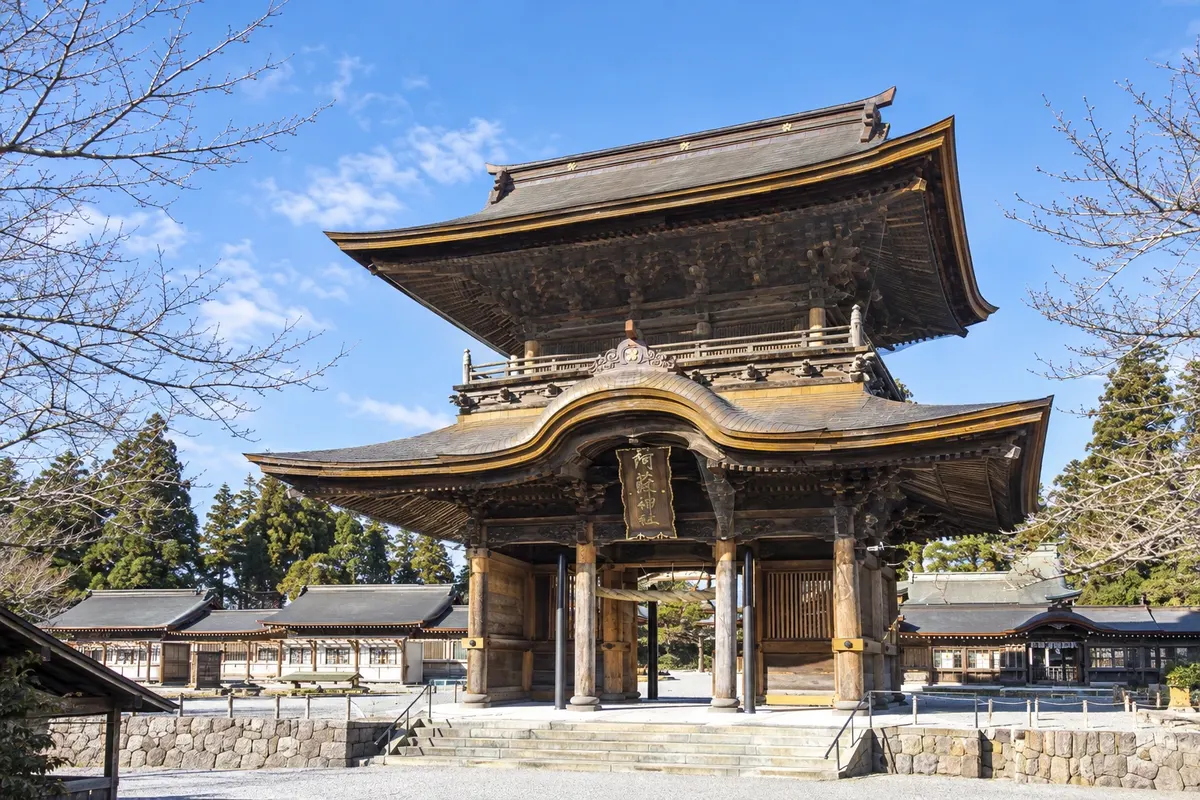
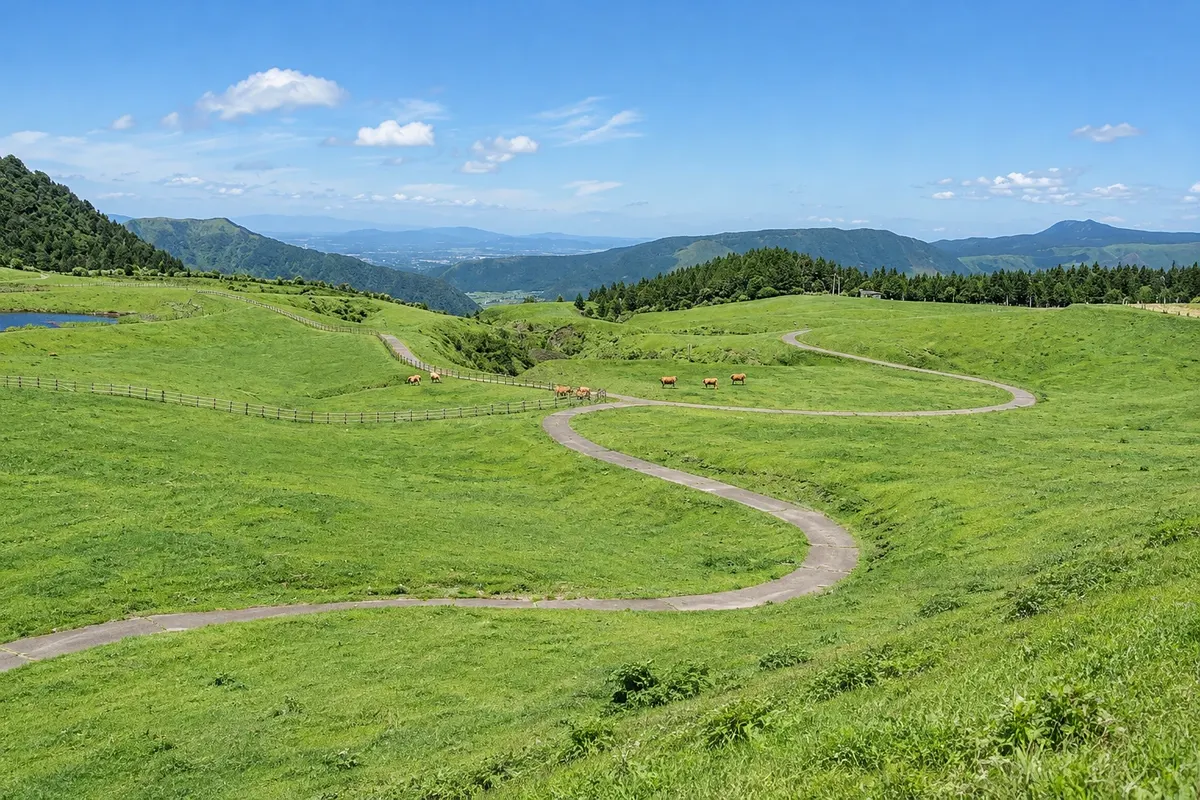
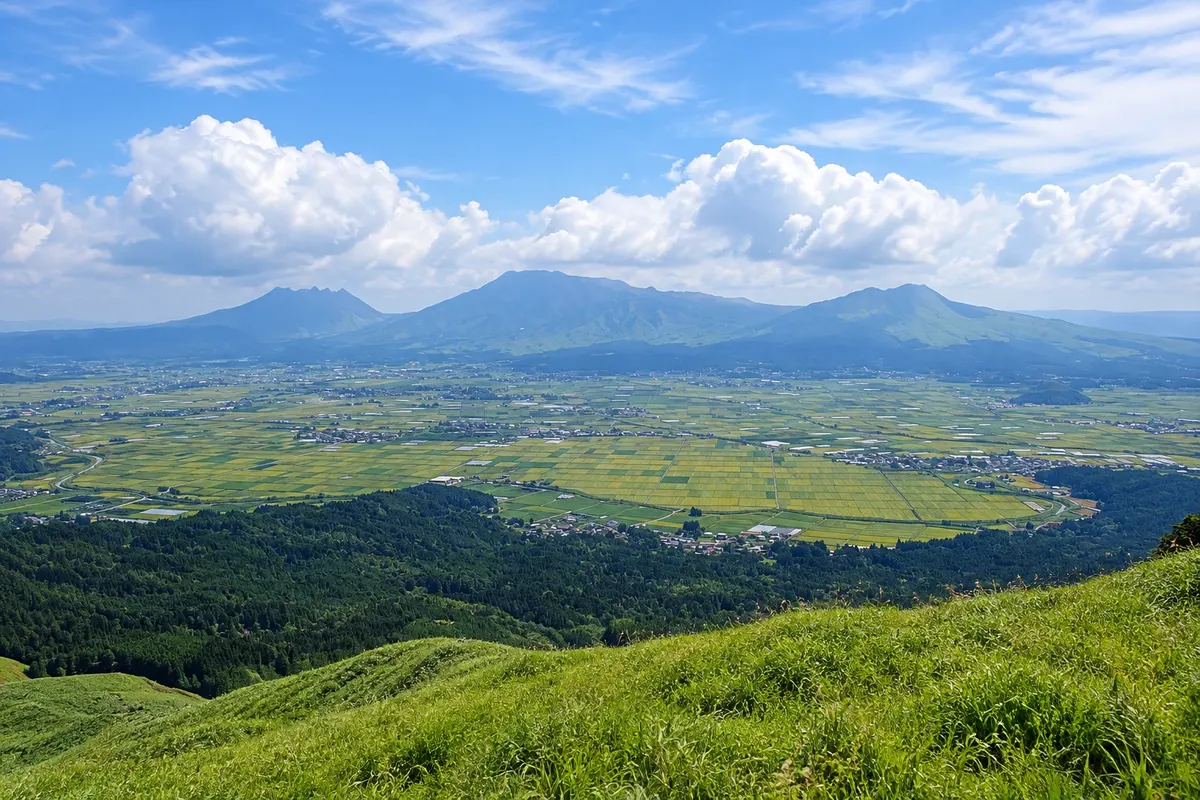
About 50 km to the east, Mount Aso has one of the world’s largest calderas, measuring about 25 km from north to south; inside are towns, rice paddies and pastures, and at the center are five peaks, including Nakadake, an active volcano. The Kusasenri grasslands, the Daikanbo viewpoint on the northern rim, and the historic Aso Shrine are the main sights.

The Nakadake crater is only open to visitors when the volcanic alert level allows, and it is often closed for long periods; check before you go. The Yamanami Road links the Aso area to Yufuin and Beppu, and many travelers cross Kyushu along it.

This destination brings together 2 cities: Kumamoto, Aso.

Delite: WhatsApp
Delite svoja popotniška doživetja s fotografijami Pošljite fotografije vsakega kraja, ki ste ga obiskali. Največje število fotografij na kraj: 5.

Ena destinacija, več poti

Mesta na tej poti

Začnite v enem mestu ali v načrt poti vključite več mest.

Kumamoto and Aso – lega
AsoKumamoto

Dados cartográficos: © sodelavci OpenStreetMap, via Wambacher / geoBoundaries (ODbL 1.0). Priredba: Cidade Turismo.

Kako do tja:Kumamoto and Aso

✈ Aeroporto de Kumamoto (KMJ), kraj: Mashiki· 17 km do cilja (Kumamoto)

The Kyushu shinkansen links Hakata in Fukuoka to Kumamoto in a little over 30 minutes. Kumamoto Airport is about 17 km from the city center and about 37 km from Aso. From Kumamoto to Aso, the Hohi Line express train takes about 1 hour 15 minutes; there are also long-distance buses.

Predlagana točka prihoda:Kumamoto

Doživite kraj

Kaj početi – Kumamoto and Aso

Kumamoto Castle
Kumamoto · Kumamoto · Grad

Kumamoto Castle

One of Japan’s largest castles, with curved stone walls and black towers; damaged in the 2016 earthquakes, its main keep has been restored and is visited by elevated walkways over the reconstruction.

Kusasenri
Aso · Kumamoto · Natural landscape

Kusasenri

A grass plain in an old crater at about 1,100 meters, with ponds, horses and the Aso Volcano Museum in front; from there you can see Nakadake emitting smoke.

Daikanbō
Aso · Kumamoto · Razgledišče

Daikanbō

The highest point on the north rim of Aso caldera, at 936 meters, with views of the five peaks, the plain and the pastures; on cold mornings the caldera often fills with mist.

Suizenji Garden (Suizenji Jōju-en)
Kumamoto · Kumamoto · Garden

Suizenji Garden (Suizenji Jōju-en)

A strolling garden of the Hosokawa lords, created in the 17th century around a spring-fed pond, featuring a Mount Fuji–shaped hill, a shrine and a tea house brought from Kyoto.

Kumamoto and Aso – prikaži še 1 kraj
Aso Shrine
Aso · Kumamoto · Romarsko svetišče

Aso Shrine

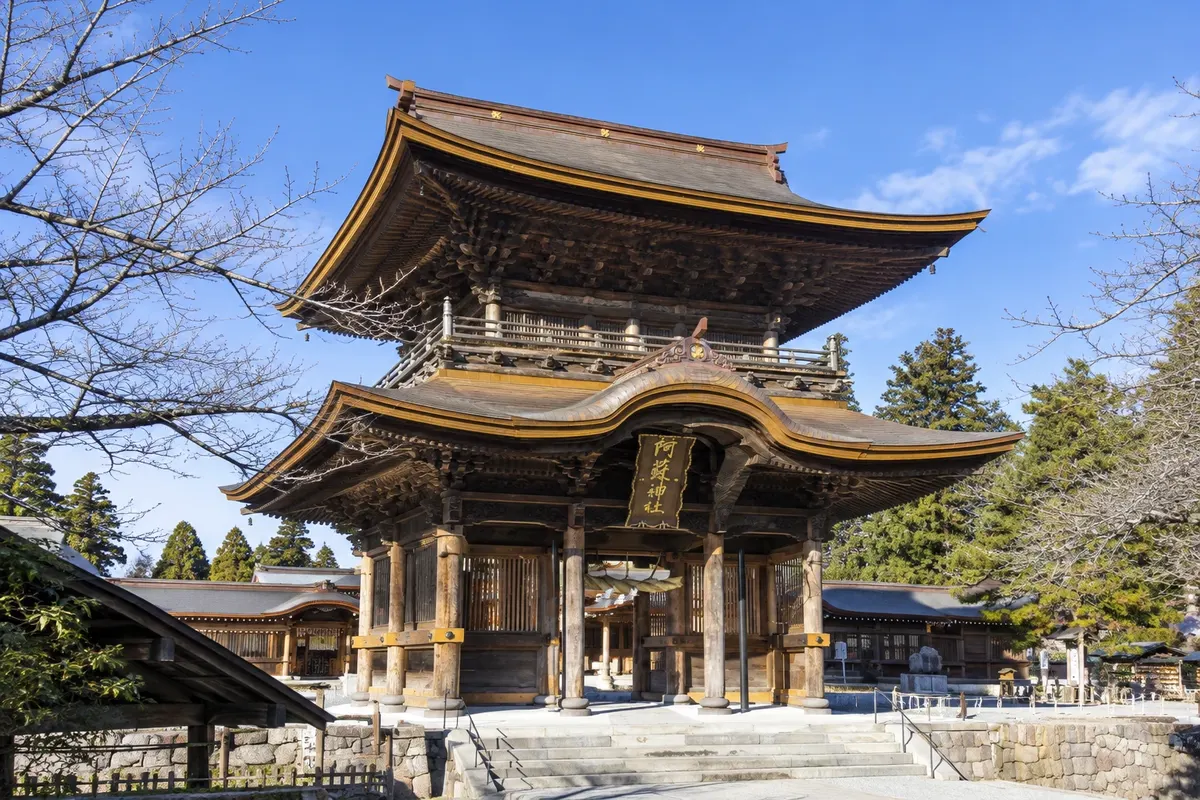
A Shinto shrine dedicated to the volcano’s deities, one of the oldest in Kyushu, with a two-storied torii gate rebuilt after the 2016 earthquake and a row of springs in front.

Pred odhodom

Praktične informacije

Z nekaj načrtovanja boste imeli več časa za uživanje na poti.

Kdaj se odpraviti

March to May and October to November are the months with the most pleasant temperatures. From April to June, Aso’s fields turn green after the annual grass burn; in October and November the grass turns golden, and mist often fills the caldera on cold mornings. Heavy rains are concentrated in June and July, and typhoons occur between August and October.

The seasons shown are the most usual ones; nature doesn't always follow the calendar.

Koliko dni ostati

Two days: one for the castle and Suizenji, another for the Aso caldera. With three days, spend a night in Aso at a hot-spring inn to see the morning mist at Daikanbo and follow the Yamanami Road to Yufuin or Takachiho.

V katerem mestu prenočiti

In Kumamoto, the station area has hotels with shinkansen access; the city center, between the Shimotori and Kamitori shopping arcades, is close to the castle and restaurants and is linked to the station by tram. In Aso, there are hot-spring inns in Uchinomaki and around Aso Station, and rural lodgings on the southern caldera rim in Minamiaso.

Spoštujte kraj

Odnesite svoje odpadke, upoštevajte oznake in podprite lokalne ponudnike. V naravi upoštevajte navodila za obiskovalce.

Odgovori na vaša vprašanja

Pogosta vprašanja – Kumamoto and Aso

Can you see Mount Aso’s crater?

Only when the volcano’s alert level allows it. Access to Nakadake’s crater is frequently restricted and sometimes closed for months. Check the level with the Japan Meteorological Agency and local information before you go. Kusasenri, the volcano museum and Daikanbo are often outside the restricted area.

Can you visit Aso as a day trip from Kumamoto?

Yes, with a train to Aso Station and a bus to Kusasenri, but timetables are sparse. With one night in Aso you can see Daikanbo at dawn and visit the shrine at a relaxed pace.

Do I need a car in the Aso area?

It helps a lot, because attractions are spread across the caldera and the Yamanami Road is one of the region’s scenic drives. Without a car, use the train to Aso Station, the buses to Kusasenri and Daikanbo, which have few services, or taxis.

Is Kumamoto Castle open after the earthquake?

The main keep has been restored and is open to visitors, with a museum and observation deck. Parts of the walls and towers are still under repair and can be seen from an elevated walkway. Check at the ticket office what is open on the day.

Does Kumamoto go well with Takachiho and Beppu?

Yes. Takachiho is about a 3-hour bus ride from Kumamoto, and the Aso area lies on the route. From Aso, the Yamanami Road continues to Yufuin and Beppu, crossing Kyushu toward the east.

Odkrijte druge destinacije Iskanje po zvezni državi in mestu

Več kot vodnik