

Kochi · Kochi · Grad
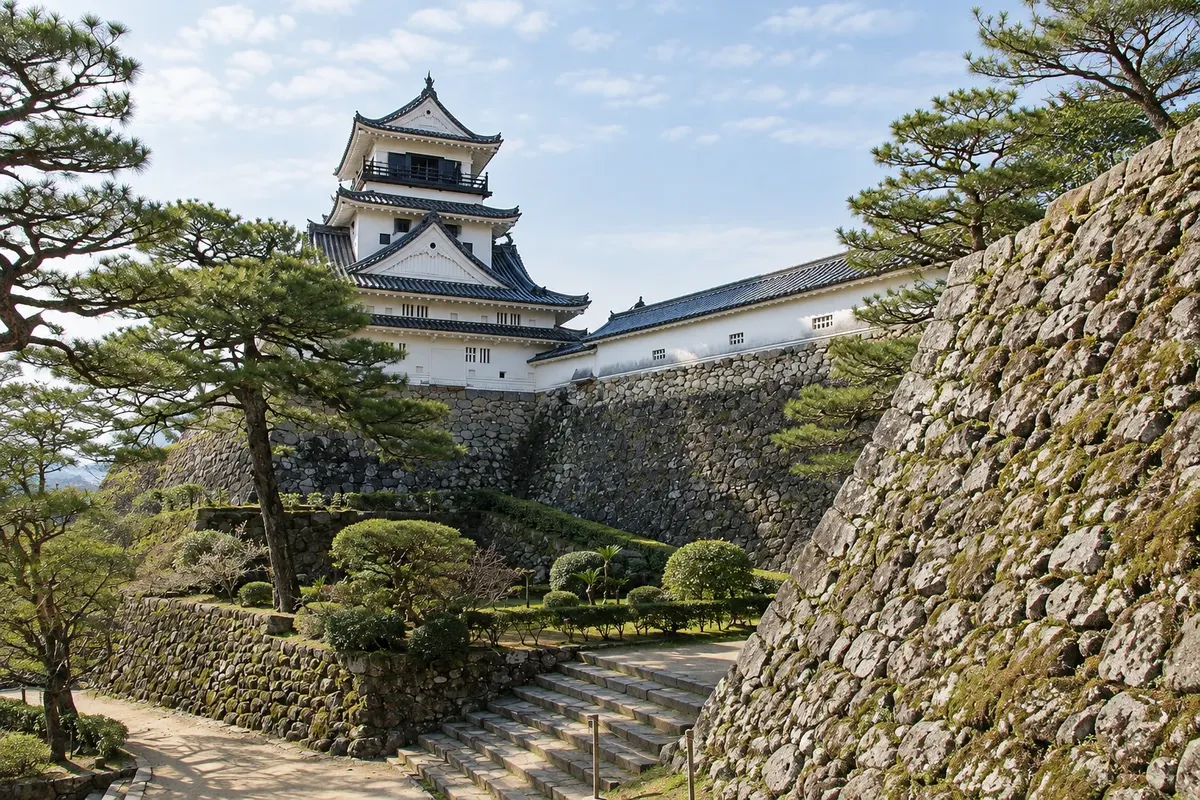
Kochi Castle
A castle atop Otakasa Hill in central Kochi, with the original main keep from the 18th century and the only original lord’s palace still standing in a main castle compound in Japan.

 Išči
 Brazilija
 Antarktika
 Argentina
 Bolivija
 Čile
 Kolumbija
 Ekvator
 Gvajana
 Francoska Gvajana
 Falklandski otoki (Malvini)
 Paragvaj
 Peru
 Surinam
 Urugvaj
 Venezuela
 Nemčija
 Avstrija
 Belgija
 Hrvaška
 Danska
 Slovaška
 Slovenija
 Španija
 Finska
 Francija
 Grčija
 Nizozemska
 Madžarska
 Irska
 Islandija
 Italija
 Luksemburg
 Norveška
 Poljska
 Portugalska
 Združeno kraljestvo
 Češka
 Švedska
 Švica
 Turčija
 Bermudi
 Kanada
 Združene države Amerike
 Grenlandija
 Mehika
 Sveta Peter in Mihael
 Dominikanska republikaJaponskaTurčija
 Južnoafriška republika
 Egipt
 Avstralija
 Fidži
 Nova Zelandija
 Papua Nova Gvineja
Kochi · Japonska
The city on Shikoku’s south coast, with a castle that preserves its original keep and palace, the Sunday street market, bonito seared over straw, and Katsurahama Beach facing the Pacific.
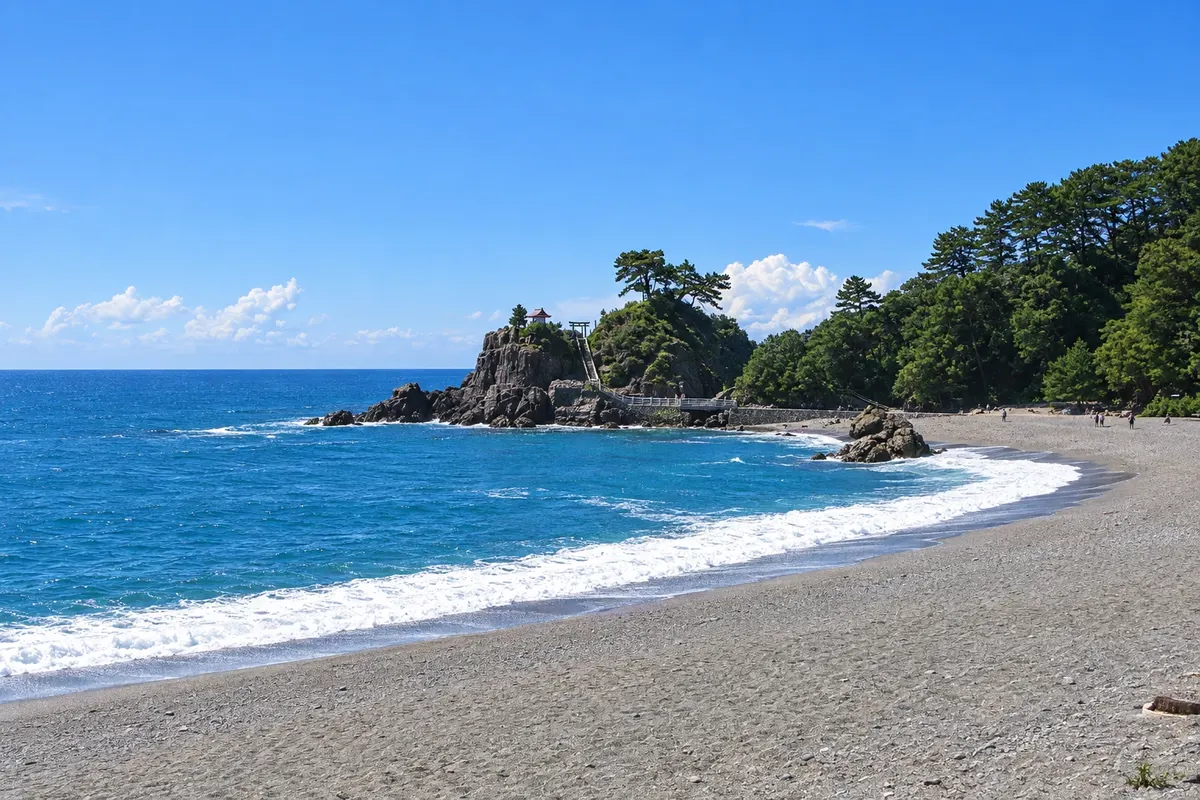
Na fotografiji: Katsurahama Beach, in Kochi.
Illustrative images. The pictures in this guide are illustrations based on the real place, not photographs, and may differ from it.
Spoznajte kraj
On Shikoku’s south coast, facing the Pacific Ocean, Kochi is the capital of the province of the same name, separated from the rest of the island by high mountains. The isolation gave the region its own character: plentiful food, lively festivals, a taste for sake and pride in Sakamoto Ryoma, a Tosa samurai who played a central role in ending the shogunate in the 19th century and is remembered in statues and museums.
In the city center, Kochi Castle preserves the keep from the Edo period and, uniquely in the country, also the lord’s palace in the main courtyard. At the foot of the castle, Otesuji Street hosts a Sunday street market that has existed for more than three hundred years, with hundreds of stalls selling vegetables, fruits, plants and tools. Nearby, the covered Hirome Ichiba market gathers food stalls and shared tables.
The signature dish is katsuo no tataki, bonito quickly seared over straw fire and served in thick slices with salt or a citrus sauce. In August the city holds the Yosakoi festival, with groups dancing through the streets to their own music while holding wooden castanets.
Outside the center, Katsurahama Beach lies in a cove of pines and rocks, with a statue of Ryoma looking out to sea, and the Makino Botanical Garden occupies Mount Godai, beside Chikurin-ji Temple, part of the Shikoku pilgrimage. Kochi is a base for the southern coast, the Shimanto River and Cape Ashizuri, which are farther away.
V vodniku še ni nastanitev – Kochi.
kako do tja · koliko dni · načrt poti · vprašanja
✈ Aeroporto de Kochi (KCZ), kraj: Nankoku· 17 km do cilja (Kochi)
The Nanpu express connects Okayama, on the shinkansen line, to Kochi in about 2 hours 40 minutes, crossing the mountains through the Oboke valley. Kochi Airport is about 17 km from the center, with flights from Tokyo, Osaka and Fukuoka. Express buses link Kochi with Matsuyama, Takamatsu and Osaka.
Doživite kraj
A castle atop Otakasa Hill in central Kochi, with the original main keep from the 18th century and the only original lord’s palace still standing in a main castle compound in Japan.
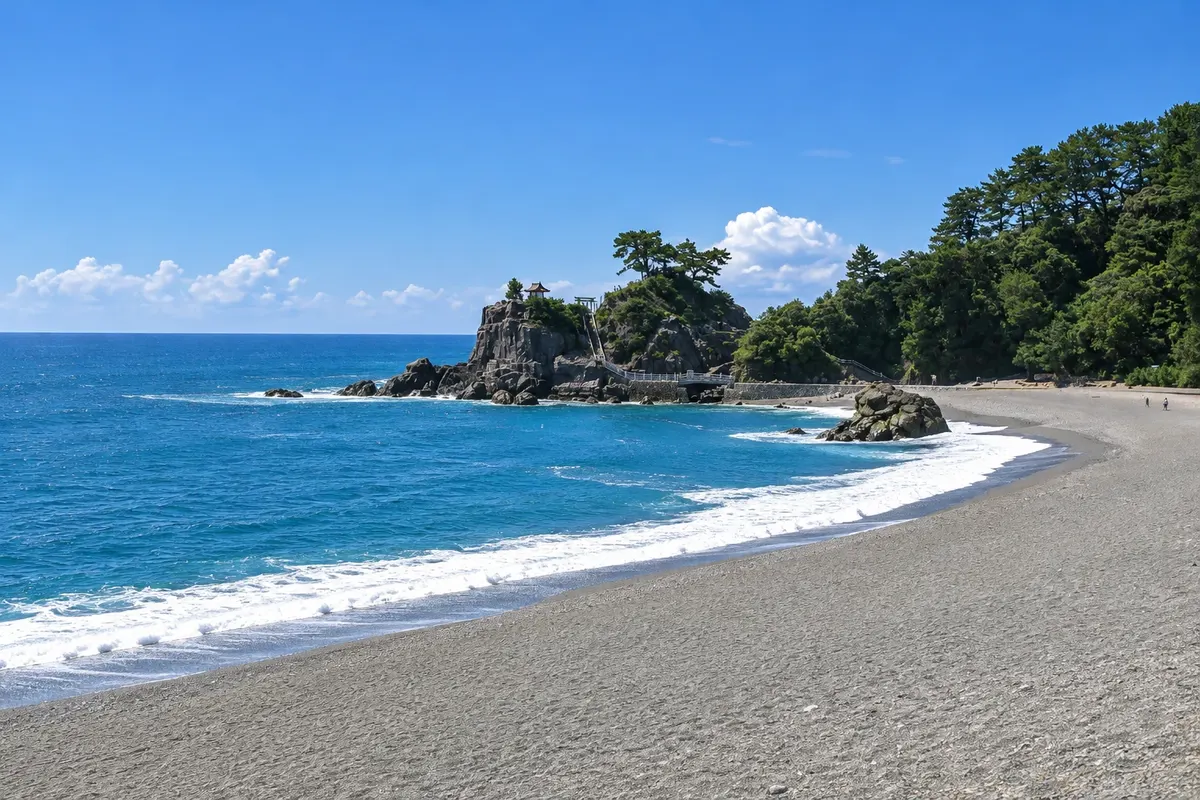
A sandy cove with pine trees south of Kochi, between two rocky capes, featuring the statue of Sakamoto Ryoma facing the Pacific, a shrine on a rock, and the Ryoma museum on the hill.
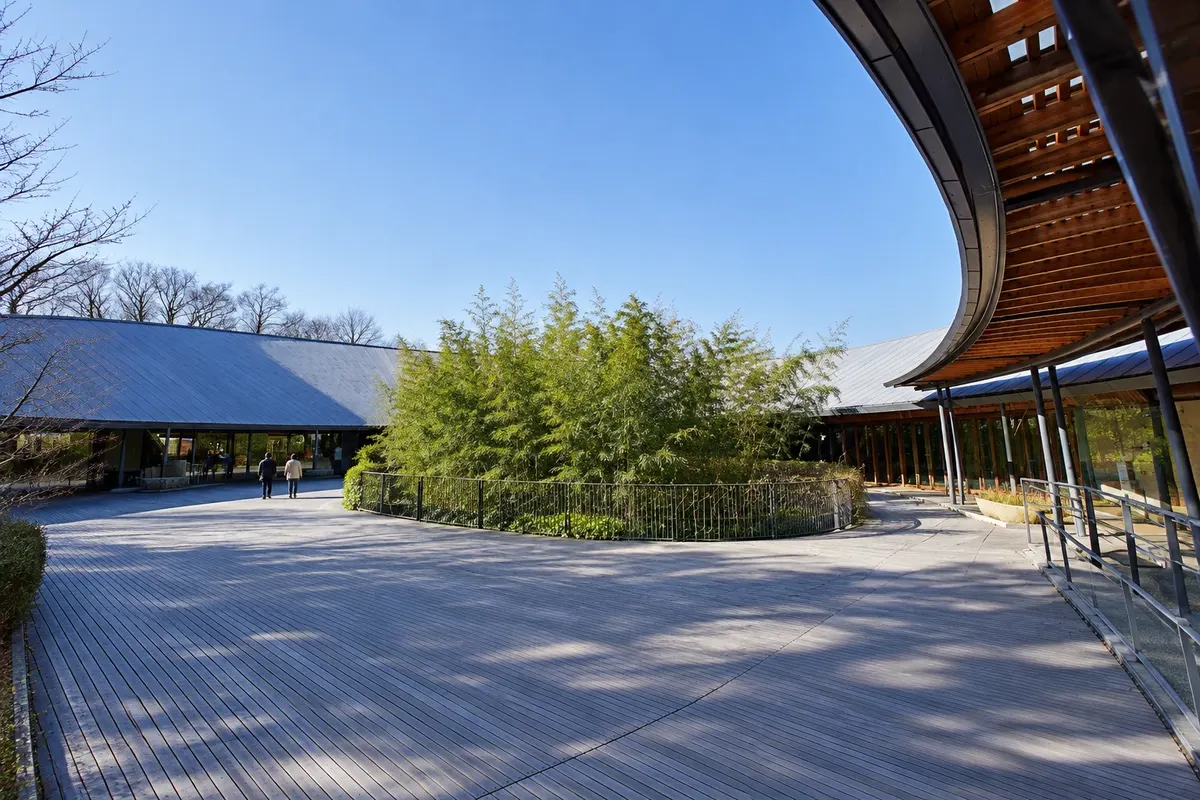
A botanical garden on Mount Godai dedicated to botanist Makino Tomitaro, a Kochi native, with Shikoku plants, a tropical greenhouse and wooden buildings integrated into the forest; Chikurin-ji Temple is next to it.
Pred odhodom
Kochi – Kochi Capital
Razdalje so približne. Pred potovanjem preverite lete in vozne rede avtobusov, vlakov ali ladij.
Kochi Station receives the Nanpu express from Okayama in about 2 hours 40 minutes, and trains from Takamatsu and the coast. Kochi Airport is about 17 km away, with buses to the station. Express buses connect the city to Matsuyama, Takamatsu, Osaka and Tokyo.
Two days: one for the castle, the center and Hirome Ichiba, another for Mount Godai and Katsurahama. Plan to be in the city on a Sunday to see the street market.
From March to May and from October to November days are usually mild. Summer is hot, with heavy rains and frequent typhoons from August to October. The Yosakoi festival normally takes place in August. Winter is sunny and mild, drier than northern Shikoku.
The seasons shown are the most usual ones; nature doesn't always follow the calendar.
No. The Tosaden trams cross the center, and the My Yu tourist bus links the station with Mount Godai and Katsurahama. A car only helps for the coast and the interior.
Predlog poti
Pot povezuje znamenitosti na tej strani. Za oglede boste imeli dovolj časa.
Climb up to the castle, visit the original palace in the main courtyard and the keep, with views over the city and the mountains. On Sundays, stop first at the Otesuji street market.
Have lunch at Hirome Ichiba, with katsuo no tataki seared to order, and walk through the center to Harimayabashi Bridge.
Take the tourist bus to Katsurahama, see Ryoma’s statue and walk to the shrine on the rock above the sea.
Return to the center for dinner at an izakaya, with Pacific fish and Kochi sake.
Dan 1
If it’s Sunday, explore the Otesuji street market and climb the castle; on other days, start with the castle and the history museum beside it.
Have lunch at Hirome Ichiba and stroll along Obiyamachi arcade and Harimayabashi Bridge.
Ride a stretch of the Tosaden tram, one of the oldest tram lines in Japan still in operation.
Try the tataki with salt and sawachi ryori, large platters of fish and side dishes for sharing.
Dan 2
Take the bus to Mount Godai and explore the Makino Botanical Garden, with greenhouses and Shikoku’s native plants.
Visit Chikurin-ji Temple, next to the garden, with its five-story pagoda and moss garden, and have lunch at the botanical garden café.
Continue by bus to Katsurahama for a late-afternoon visit to the cove, with the Sakamoto Ryoma museum atop the hill.
Return to the center for the final dinner or take the train to Oboke and the Iya Valley.
Check before you go. Opening hours and days change, and places may close for renovations, holidays or events. This itinerary is a suggestion from Cidade Turismo, not a commitment: plan yours by checking directly with each place you intend to visit.
Pred odhodom
Every Sunday during the day, on Otesuji Street at the foot of the castle, with hundreds of stalls spread over about 1 km. It closes on some New Year dates and during the Yosakoi festival.
A covered food market in downtown Kochi with dozens of stalls and shared tables. It’s the most common place to try katsuo seared tataki prepared on the spot.
A samurai from Tosa, the old Kochi domain, who helped bring together the domains that overthrew the shogunate in the 19th century. He is a popular hero, with a statue at Katsurahama and a museum nearby.
Because of a popular song about a forbidden love between a monk and a young woman. The bridge is small and red in the city center and is known in Japan for disappointing those who expect something grand.
Pred odhodom
Z nekaj načrtovanja boste imeli več časa za uživanje na poti.
March to May and October to November usually bring the most pleasant weather. Summers are hot and humid, and Kochi’s coast is among the rainiest in Japan, with typhoons commonly arriving from August to October. The Yosakoi festival takes place in August. In winter the coast is sunny and mild.
The seasons shown are the most usual ones; nature doesn't always follow the calendar.
Two days: one for the castle, possibly the Sunday market, and Hirome Ichiba; another for Katsurahama, Mount Godai and the botanical garden. With three days, add the Iya Valley, en route by train to Okayama.
The center, between the station, the castle and Obiyamachi Street, concentrates hotels, restaurants and Hirome Ichiba, and is walkable or served by tram. The station area is convenient for trains. On the coast, near Katsurahama, there are few hotels with sea views.
Odnesite svoje odpadke, upoštevajte oznake in podprite lokalne ponudnike. V naravi upoštevajte navodila za obiskovalce.
Odgovori na vaša vprašanja
Two days cover the castle, the center, Katsurahama and the Makino Botanical Garden. If your trip falls on a Sunday, include the Otesuji street market.
Yes. The Nanpu express, between Kochi and Okayama, stops at Oboke, the gateway to the valley, about 1 hour from Kochi. Many people visit Kochi and Iya on the same trip.
Not for the city, which has trams, nor for Katsurahama and Mount Godai, served by the tourist bus. A car helps for the southern coast and the Shimanto River.
It is a dance festival held in Kochi in August, with groups parading through the streets dancing with wooden castanets, the naruko. The dance has spread to other cities in Japan.
Katsuo no tataki, bonito seared over straw fire; Pacific fish; citrus fruits like yuzu; and local sake, enjoyed at festivals and at the counters of Hirome Ichiba.
Več kot vodnik


