


Jed · Irska
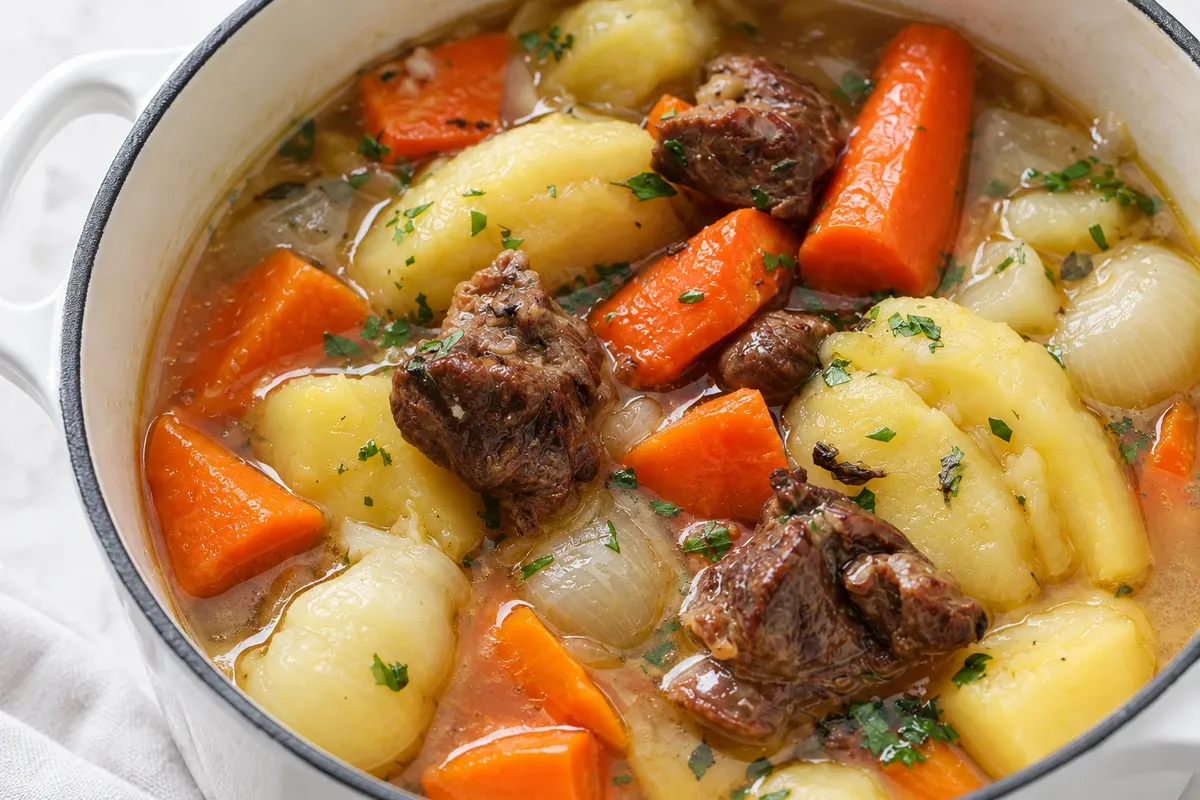
Irish stew
Mutton or lamb stew with potato and onion, slowly cooked in a single pot until the broth thickens. It originated as simple rural food and is considered one of Ireland’s most representative dishes.

 Išči
 Brazilija
 Antarktika
 Argentina
 Bolivija
 Čile
 Kolumbija
 Ekvator
 Gvajana
 Francoska Gvajana
 Falklandski otoki (Malvini)
 Paragvaj
 Peru
 Surinam
 Urugvaj
 Venezuela
 Nemčija
 Avstrija
 Belgija
 Hrvaška
 Danska
 Slovaška
 Slovenija
 Španija
 Finska
 Francija
 Grčija
 Nizozemska
 MadžarskaIrska
 Islandija
 Italija
 Luksemburg
 Norveška
 Poljska
 Portugalska
 Združeno kraljestvo
 Češka
 Švedska
 Švica
 Turčija
 Bermudi
 Kanada
 Združene države Amerike
 Grenlandija
 Mehika
 Sveta Peter in Mihael
 Dominikanska republika
 JaponskaTurčija
 Južnoafriška republika
 Egipt
 Avstralija
 Fidži
 Nova Zelandija
 Papua Nova Gvineja
Okusi · Dublin
Stew of pork sausage, bacon, potato and onion, slowly cooked in a covered pot in a clear broth. It is the working‑class food of Dublin and appears in references to the city in the work of James Joyce.
Traditional jed izDublin, Dublin
Druga imena: coddle
Illustrative images. The pictures in this guide are illustrations based on the real place, not photographs, and may differ from it.
Kliknite fotografijo za povečavo.

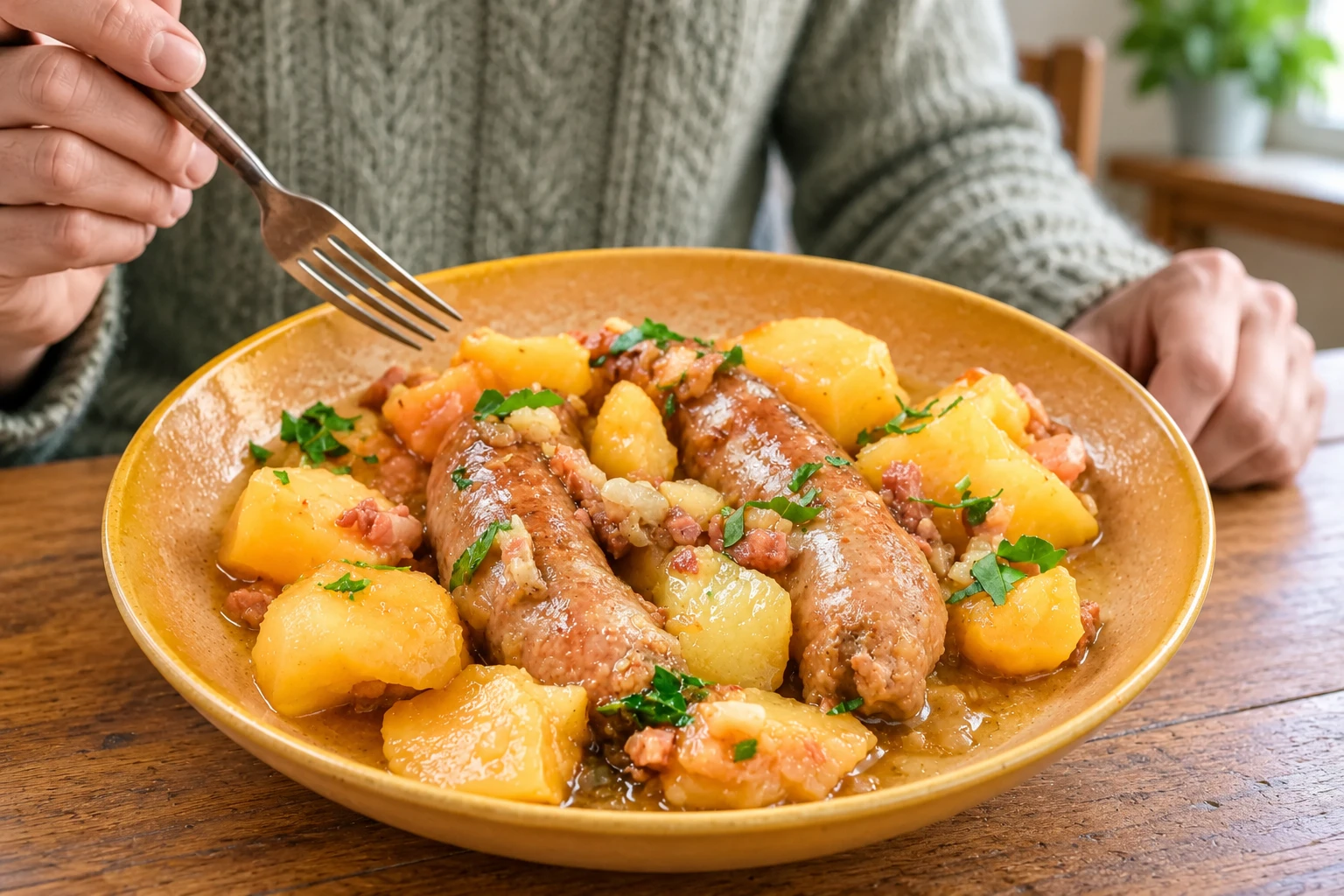
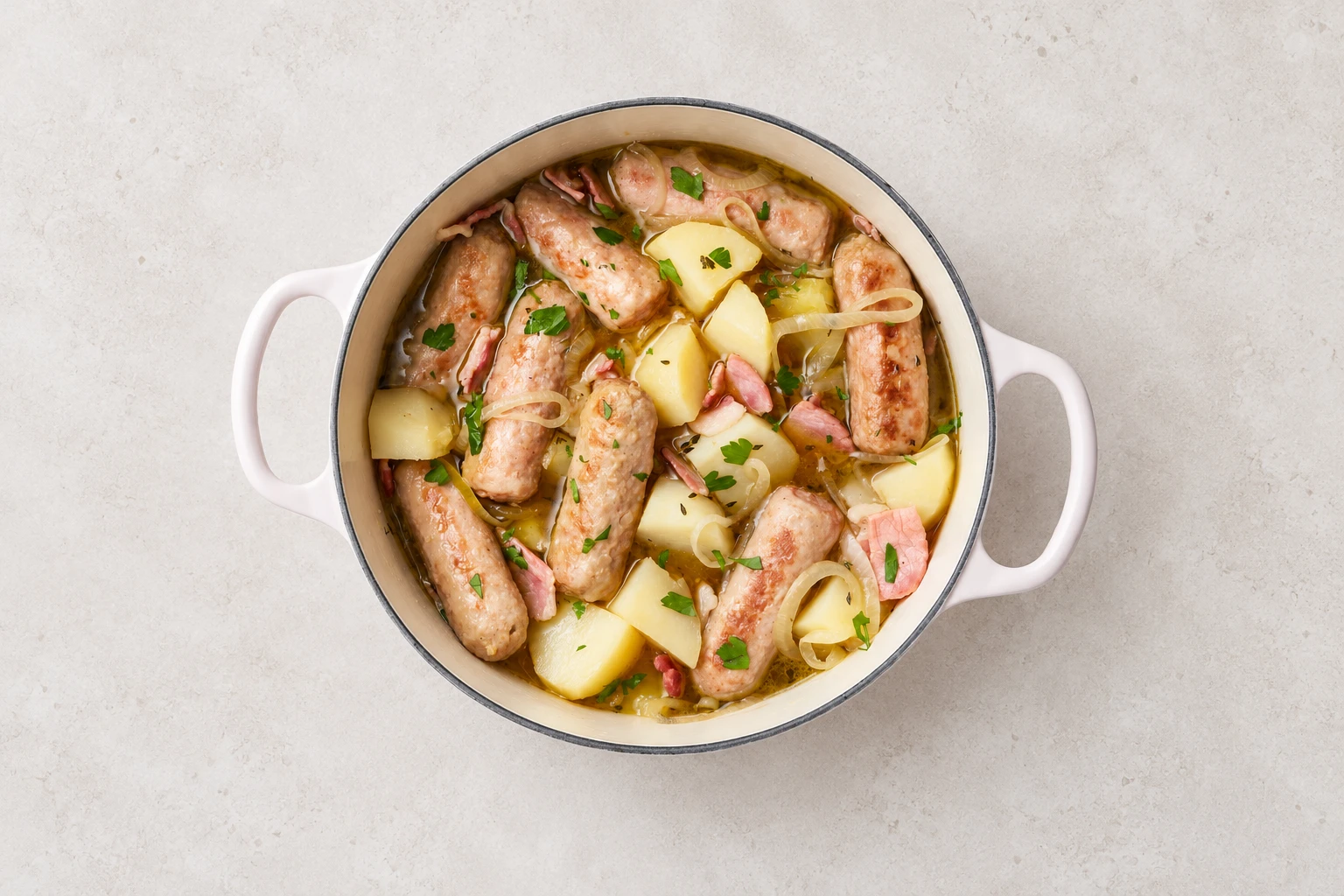
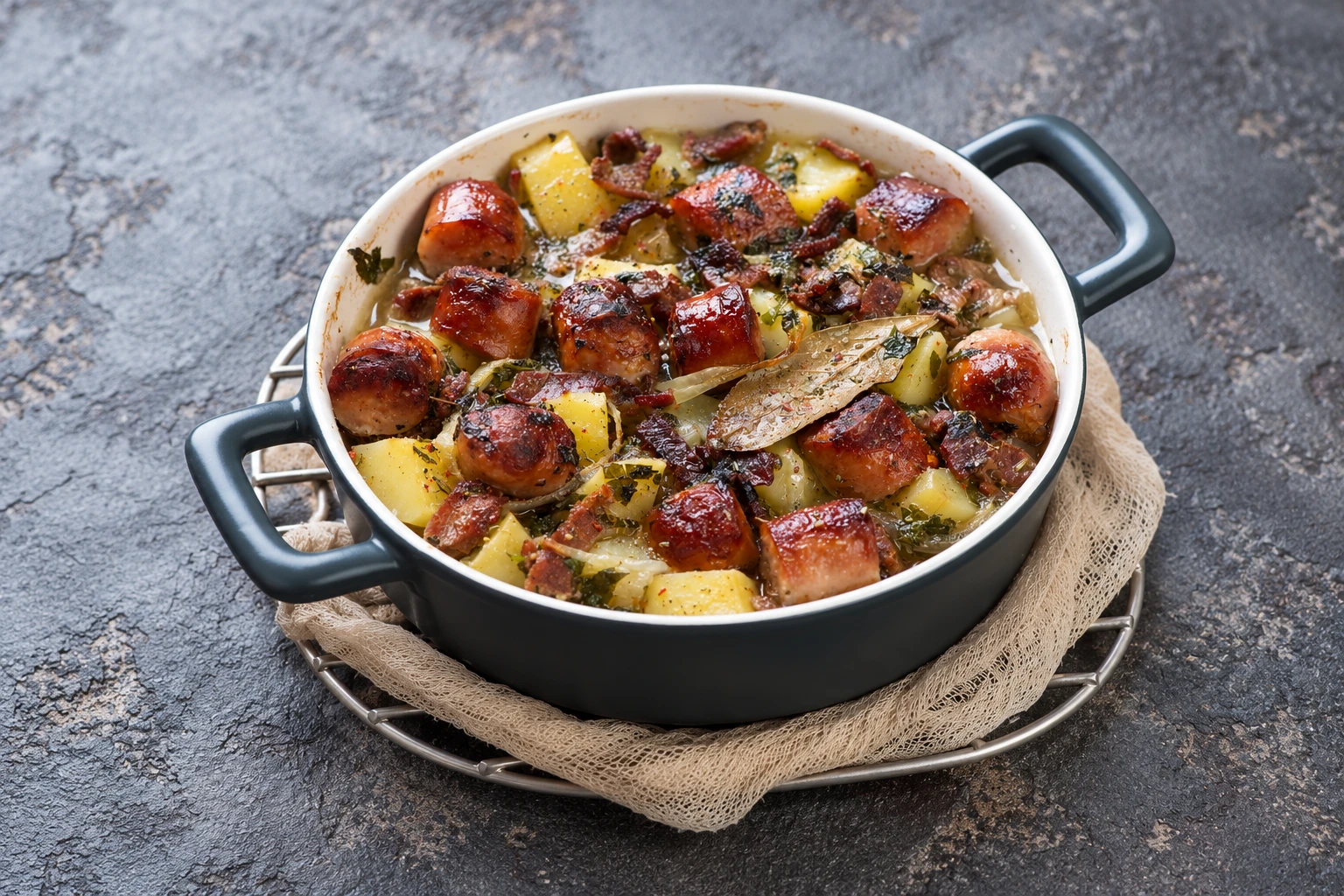
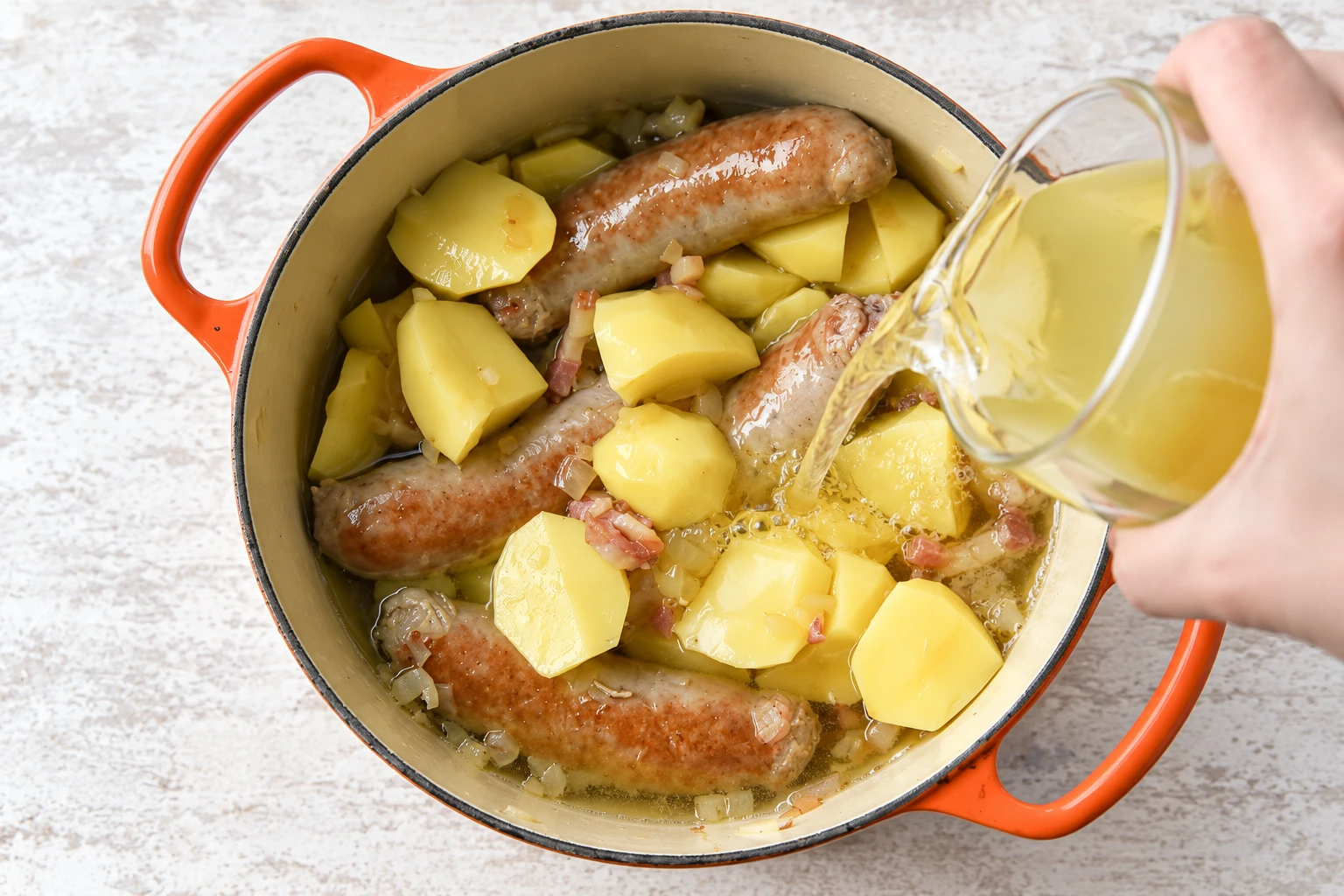
Dublin coddle — Dublin, Irska
Dublin coddle is a one‑pot stew: pork sausage and slices of bacon (the Irish rashers) slowly cooked with potatoes in large pieces and sliced onion, in a clear broth, with the lid tightly closed so the steam cooks what the liquid does not cover. The clear broth gives the dish a pale appearance, which often surprises people seeing it for the first time.
Dublin’s public library describes coddle as working‑class food of the city. The most told story links the dish to rural families who moved to Dublin seeking work and brought chickens and pigs to raise; after slaughter, the leftover pork became sausage. Because coddle was born to use what was on hand, there is no fixed recipe, which fuels debate: purists say traditional coddle does not include carrot.
The word likely comes from the French caudle, related to the idea of cooking over low heat. According to the same library, the dish was said to be a favorite of writers Jonathan Swift and Seán O'Casey, and it appears in references to Dublin in the work of James Joyce.
Before take‑away restaurants, it was customary to prepare the pot in the morning, let it cool and reheat it in the evening after returning from work, the cinema or the pub. Some families made coddle on Thursdays to use up meat before the Catholic meatless Friday.
Many Dubliners defend the dish as part of local identity. It appears on menus of traditional pubs and, above all, in home kitchens in the cold months.
Dublin , Dublin
A working‑class dish of Dublin, linked to families who migrated from the countryside to the city, according to the public library.
Pork sausage, sliced bacon (rashers), potato, onion, broth or water, salt, pepper and parsley. Some modern recipes add carrot or barley; the traditional version does not include carrot.
In a deep hot bowl, with bread for dipping in the broth, usually soda bread. It is commonly served with a beer.
Everyday dinner, especially in autumn and winter, from September to February.
Odgovori na vaša vprašanja
A stew of pork sausage, bacon, potato and onion, slowly cooked in a covered pot in a clear broth. It is a traditional working‑class dish of Dublin.
The traditional version does not include it, according to Dublin’s public library. Some modern recipes add carrot or barley, and the topic is a point of debate among locals.
With bread for dipping in the broth, usually soda bread. It is a winter dish, served very hot.
Lokalni okusi – of Irska
Mutton or lamb stew with potato and onion, slowly cooked in a single pot until the broth thickens. It originated as simple rural food and is considered one of Ireland’s most representative dishes.

Whiskey distilled from malted cereals and aged for at least three years in wooden casks on the island of Ireland. It is protected by a geographical indication that defines four types, including pot still, an Irish specialty.
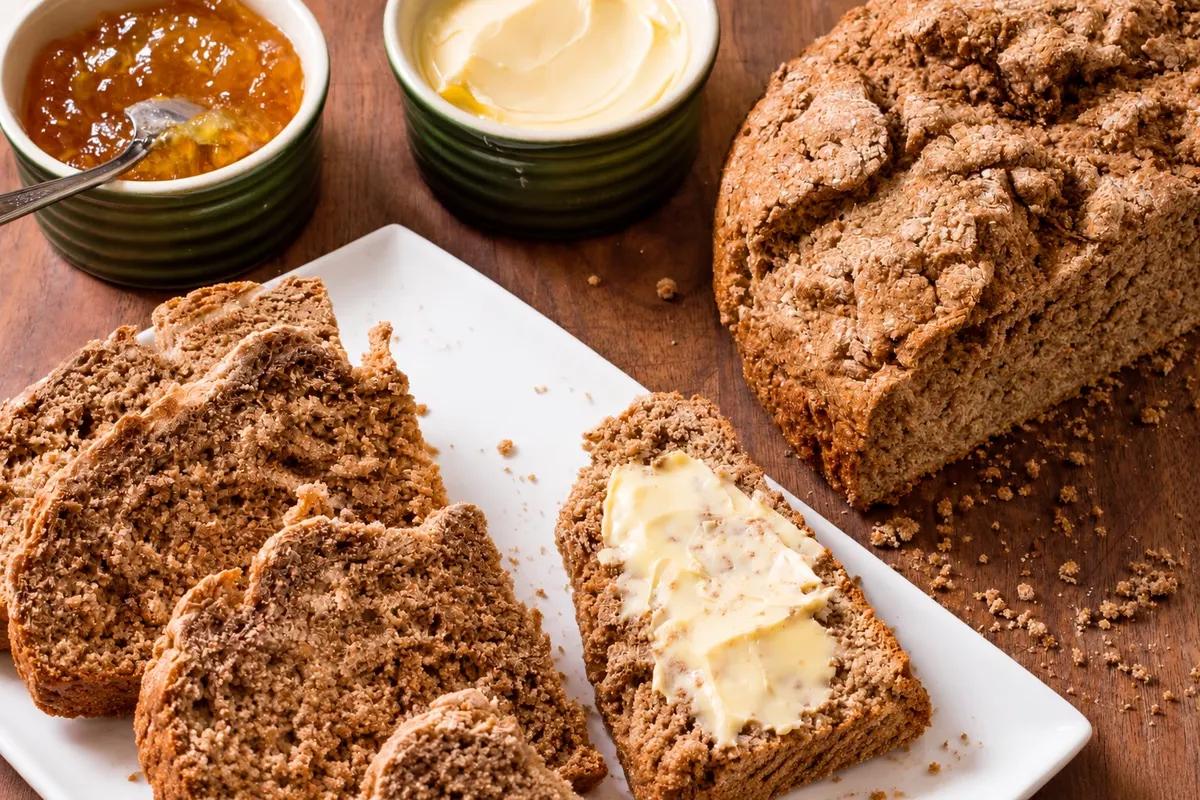
Quick, unleavened bread made with flour, buttermilk, salt and baking soda, baked in a round loaf with a cross cut on top. Since the 19th century it has been the home bread of Ireland.
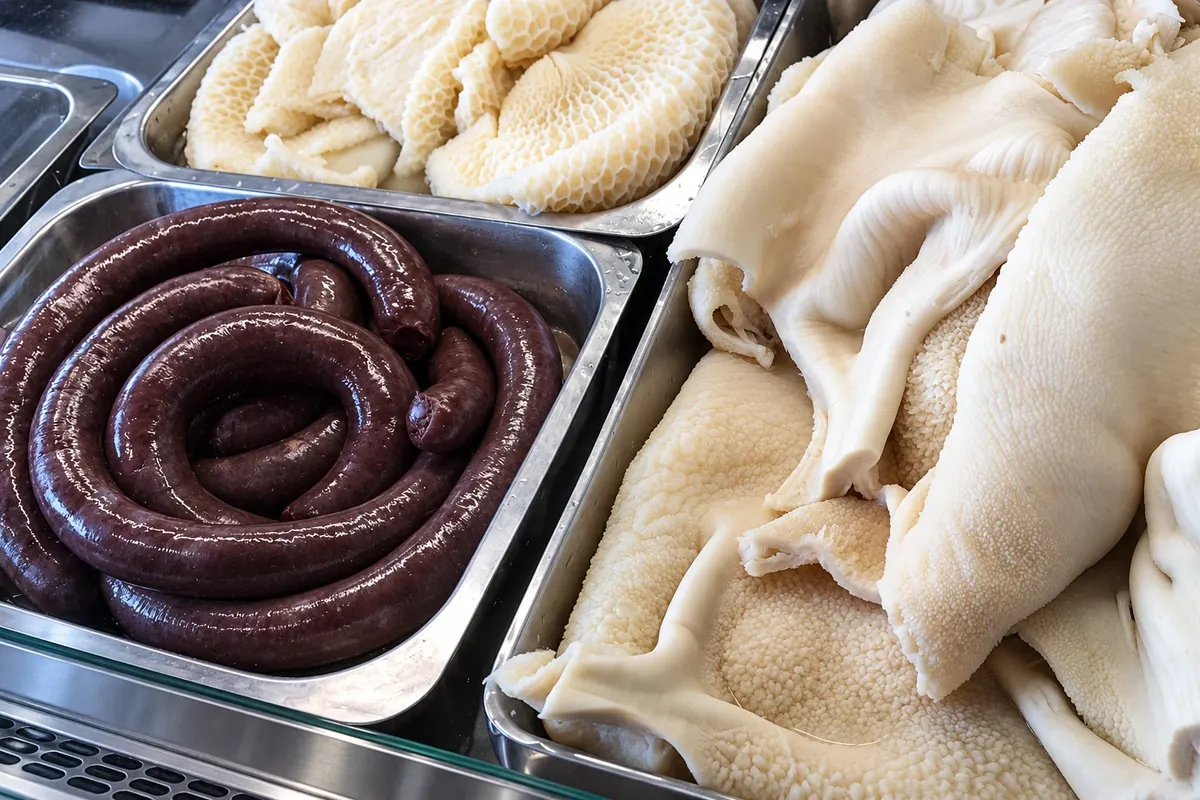
Beef tripe slow-cooked in milk with onion and served with drisheen, a blood sausage. It is a traditional dish of Cork, tied to the city’s history as a meat-exporting port.
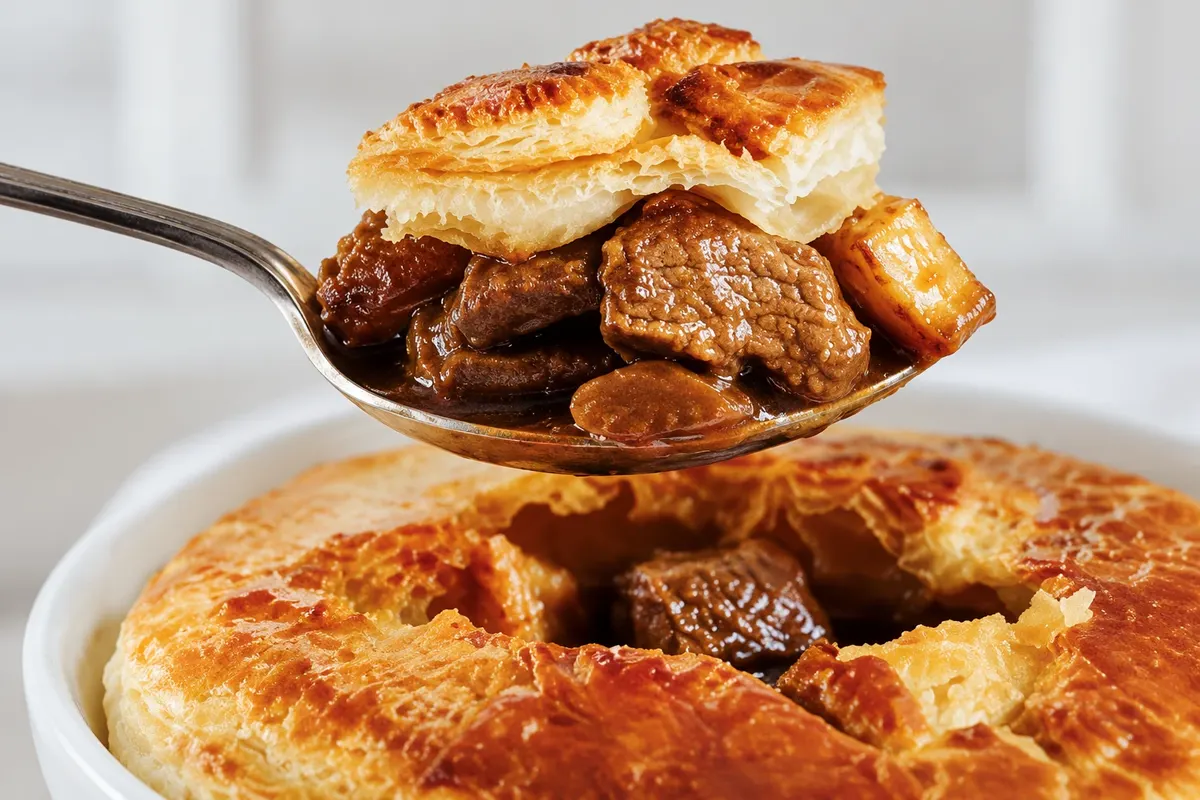
Small lamb pie with a firm crust, traditional at the markets and festivals of County Kerry, also called Dingle pie. It was served with a little of the cooking broth and is still made for the Pattern of Castlegregory in August.
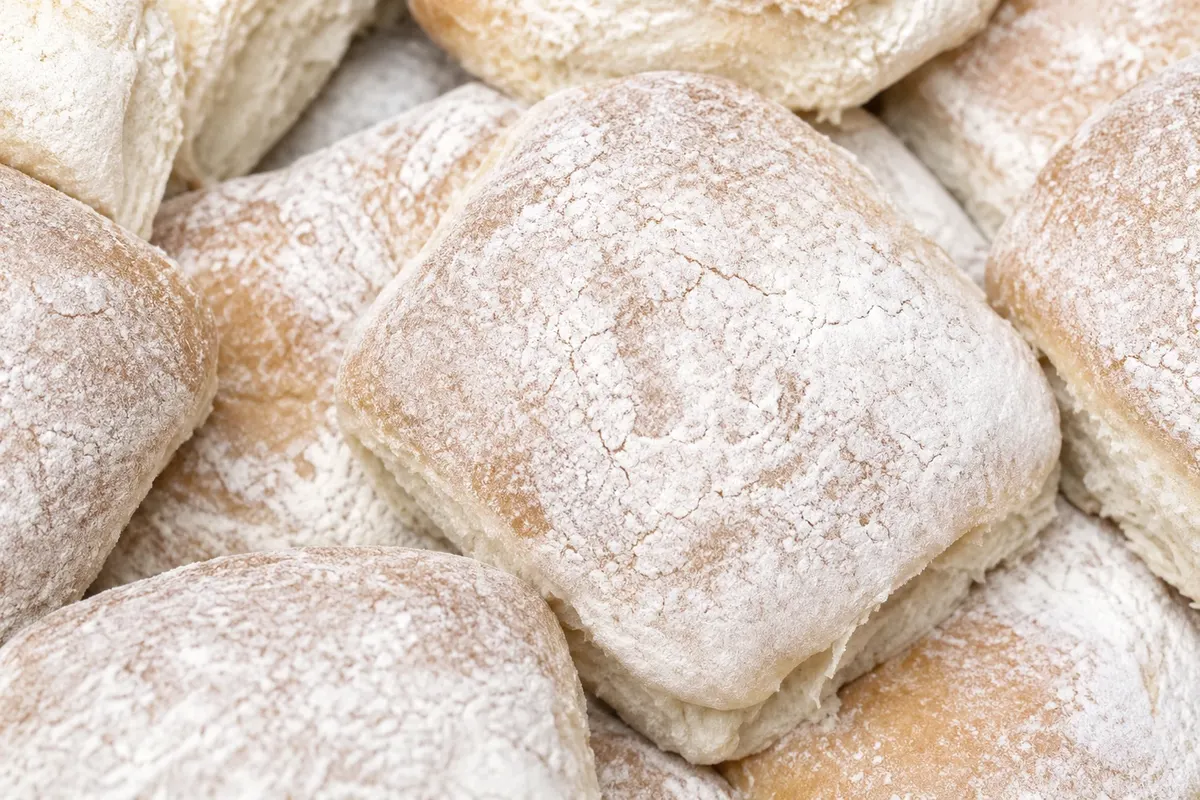
Soft white roll, dusted with flour, baked in batches with the rolls touching each other. It is Waterford’s specialty, has European Union protected geographical indication status since 2013, and is usually eaten at breakfast.
Več kot vodnik


