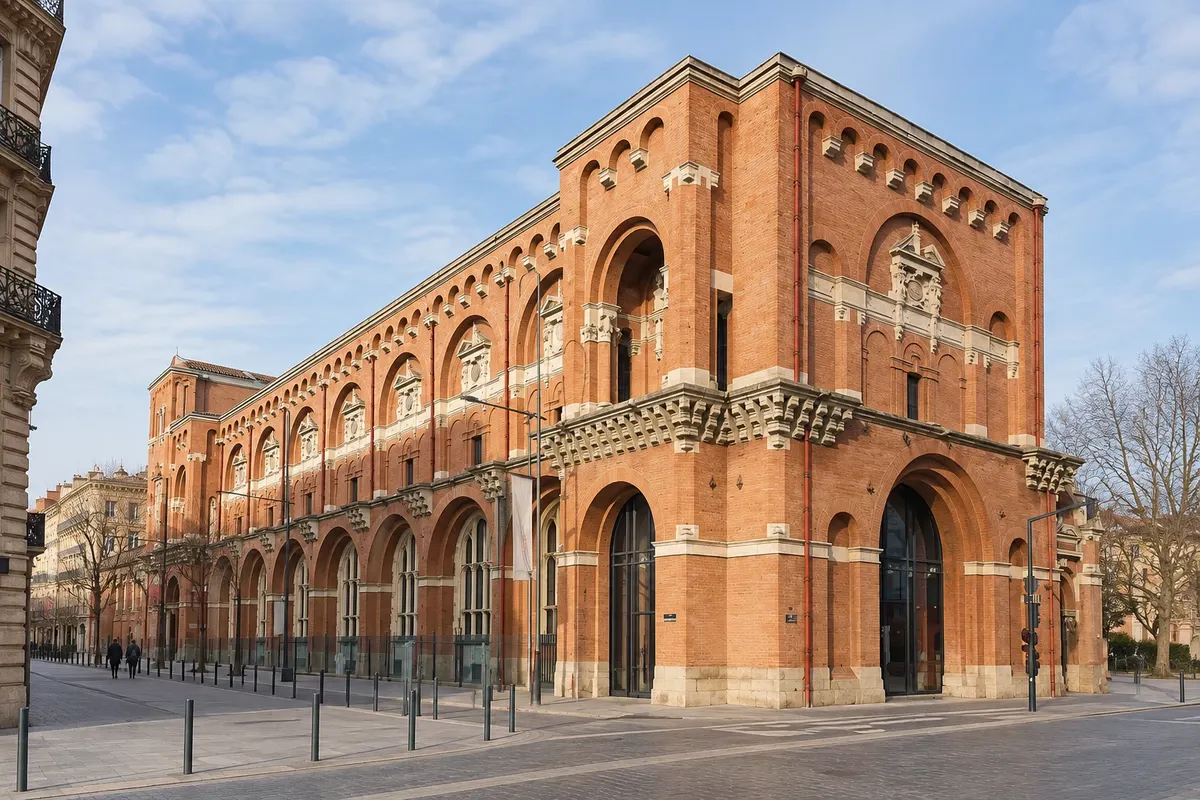
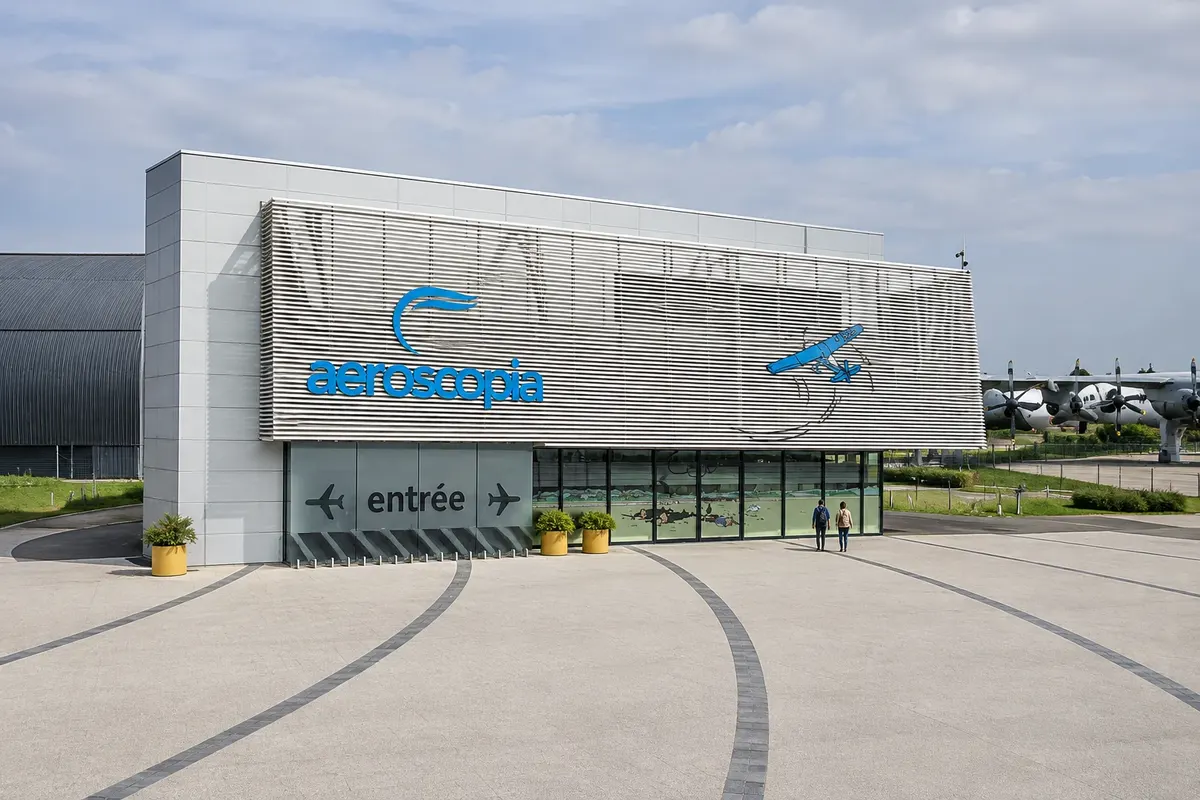
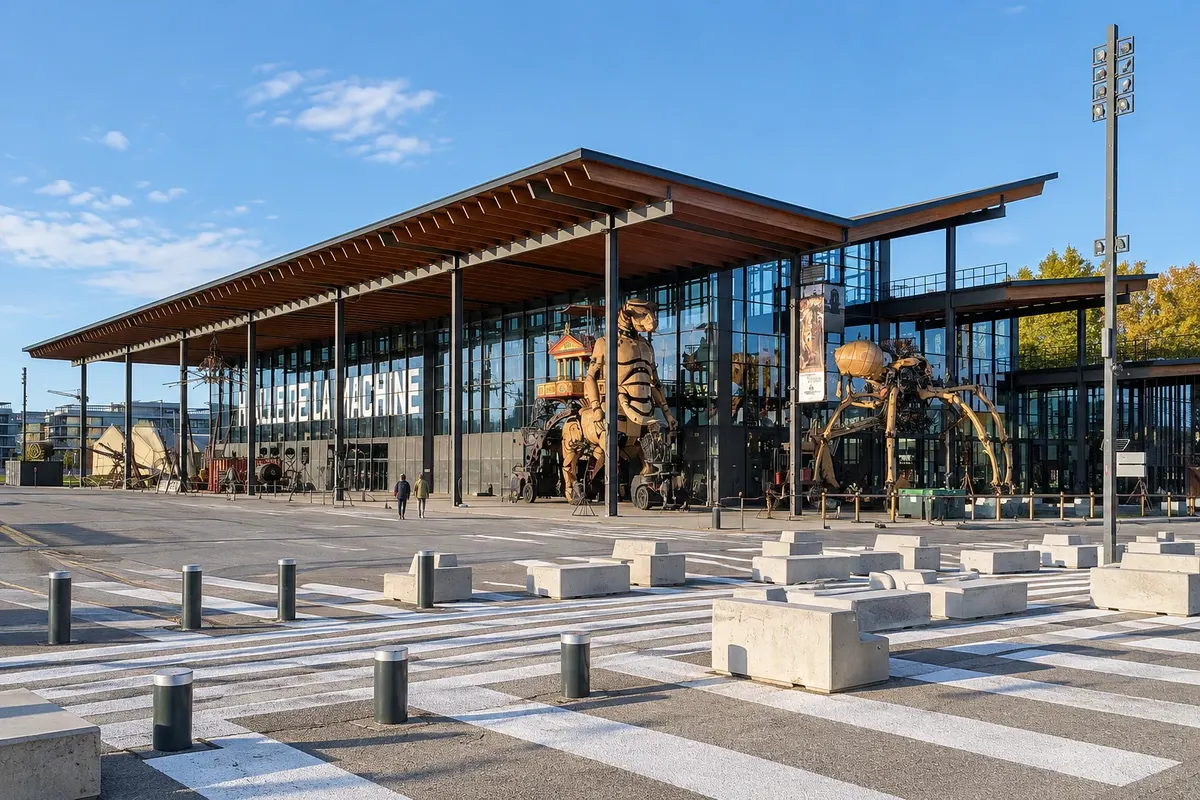
Halle de La Machine and the Minotauro ride, on the Piste des Géants
Odhod: Toulouse (Montaudran neighborhood) Linéo L12 bus, regional train to Montaudran or bicycle about 2 to 3 hours Dopoldne ali popoldne Lahko
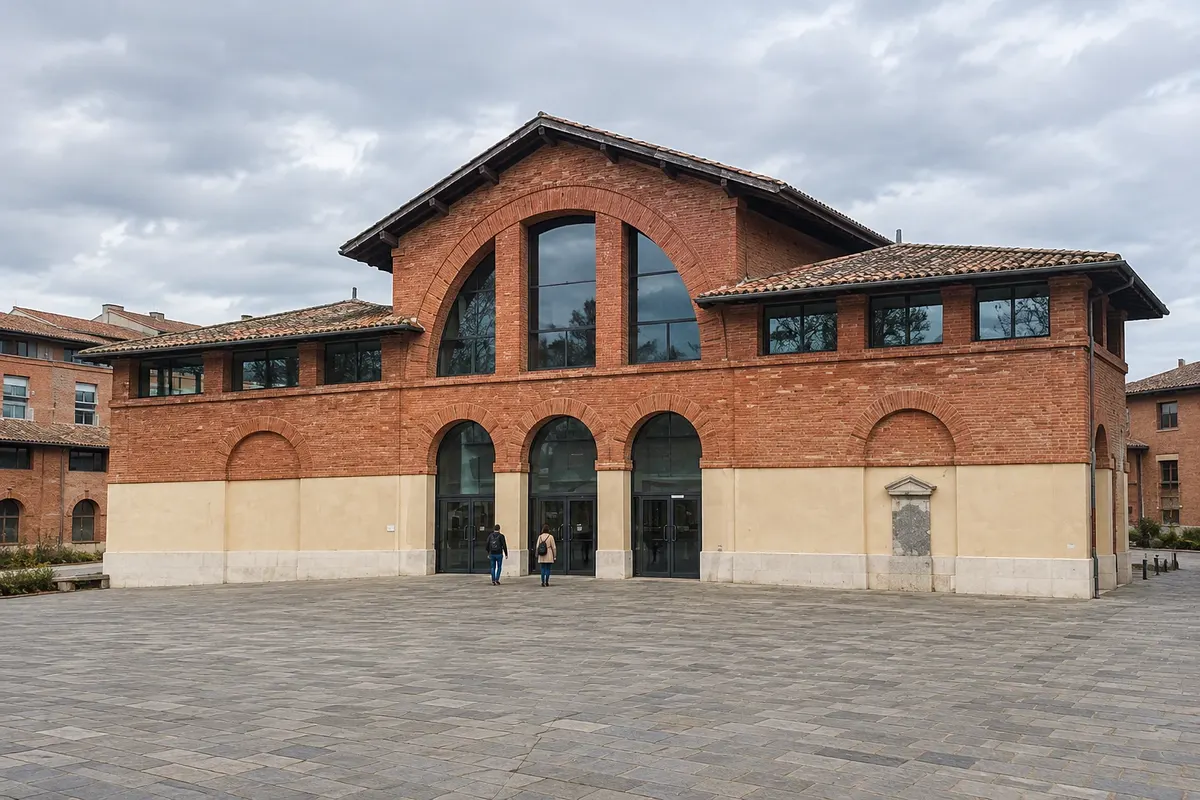
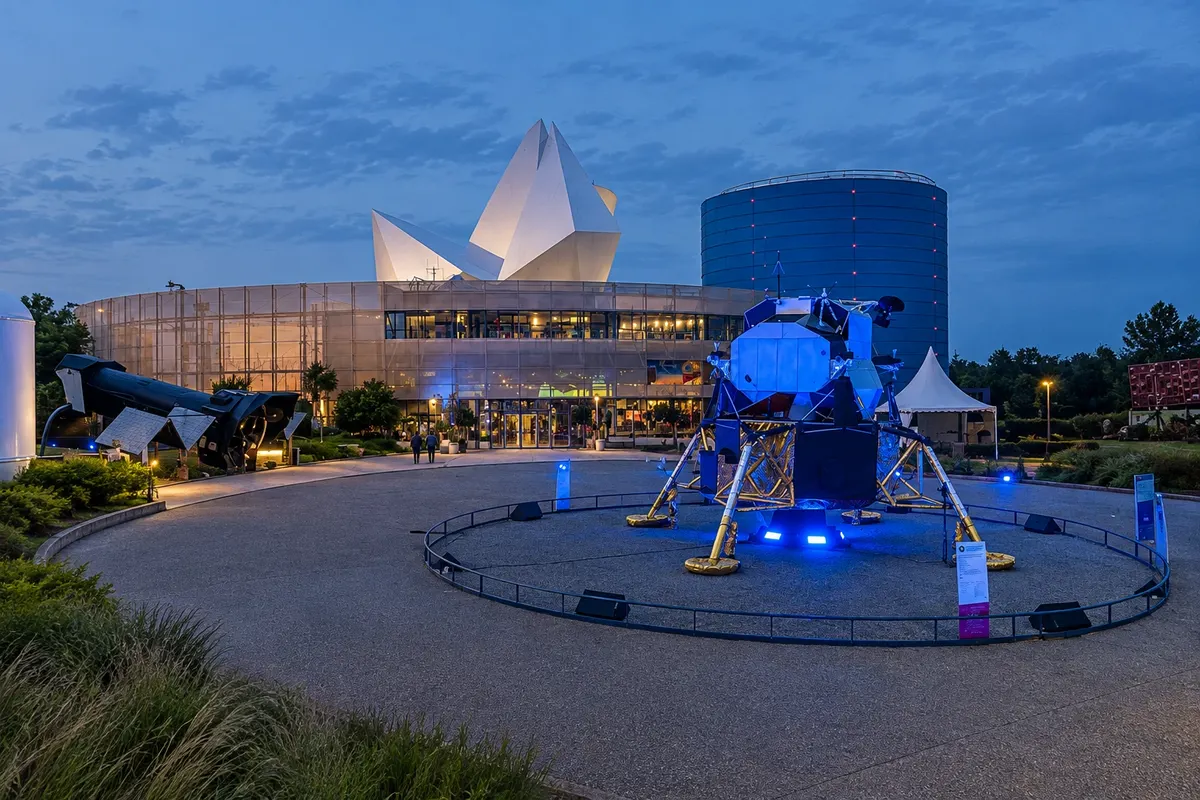
The Halle de La Machine is the 4,000 m² shed where the company La Machine, led by François Delarozière, stores and operates the machines used in its street performances. It is in Montaudran, next to the Piste des Géants, the former runway of the aerodrome from which Aéropostale flights departed. The star is Astérion, the Minotaur, created for Toulouse: made of wood and steel, weighing 47 tons and 14 m tall, it gallops, rears and can carry up to 49 passengers on its back for roughly 30-minute rides along the Piste des Géants. Inside the Halle, the visit is self-guided: the machinists, who are actors, musicians and builders, run the machines in front of the public, and there are scheduled demonstrations during the day. In the same shed are the giant spider Ariane and the Manège Carré Sénart carousel, with mechanical buffalo and insects. The visit appeals to children and to anyone interested in mechanics and street theatre.
Kraji na poti: Halle de La Machine, Astérion le Minotaure, Piste des Géants, Montaudran.
Vključuje: There is an entrance fee for the Halle and a separate ticket for the Minotauro ride, with a combined offer on the same day. Seats on the Minotauro are limited and online reservation is recommended. Check the current fees.
Nasvet: The Halle is open Tuesday through Sunday and closed in January. From the center you can reach it by bicycle following the Canal du Midi. In summer there are night trips on the Minotauro on Fridays and Saturdays.
Najboljši čas za obisk: From February to December; in summer and school holidays the program is longer and there are more Minotauro departures.
Canal du Midi in Toulouse: Port de l'Embouchure, Ponts-Jumeaux and cycling on the greenway
Odhod: Toulouse (gare Matabiau or Port de l'Embouchure) On foot or by bicycle (VélôToulouse or rental) from 2 hours to half a day Dopoldne ali popoldne Lahka, ravna pot
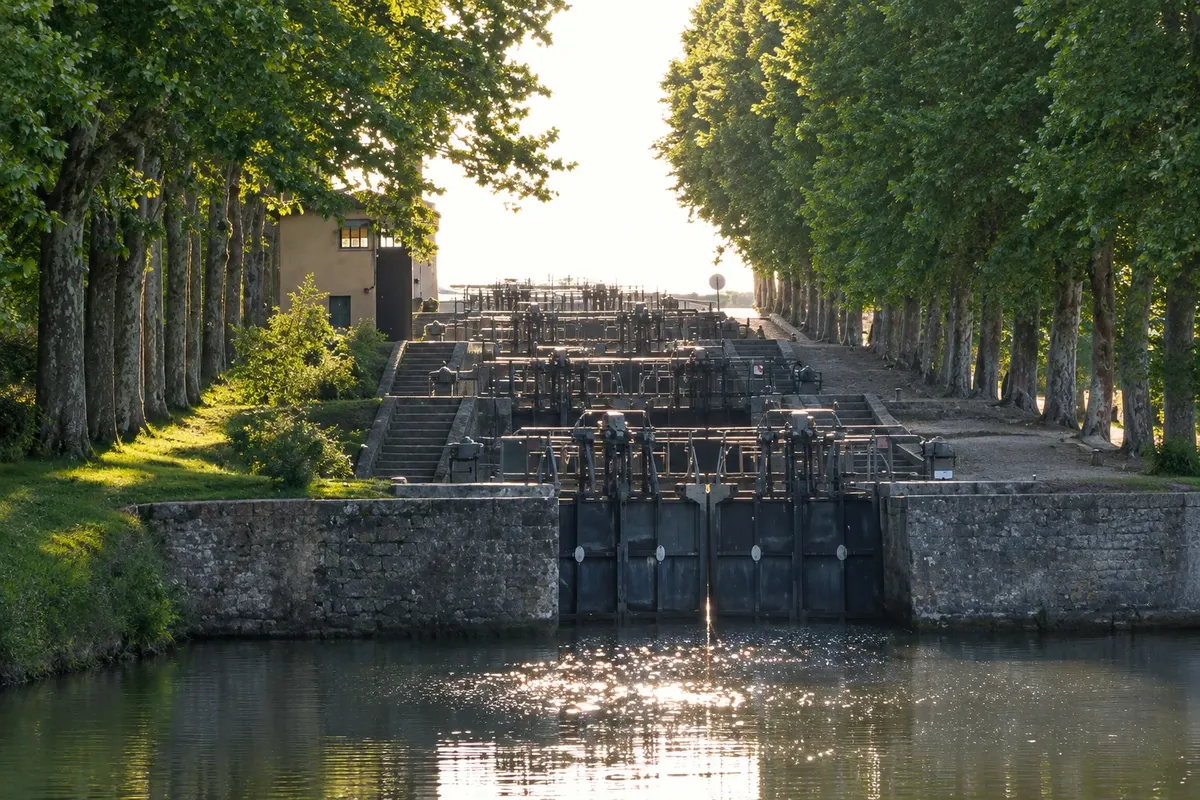
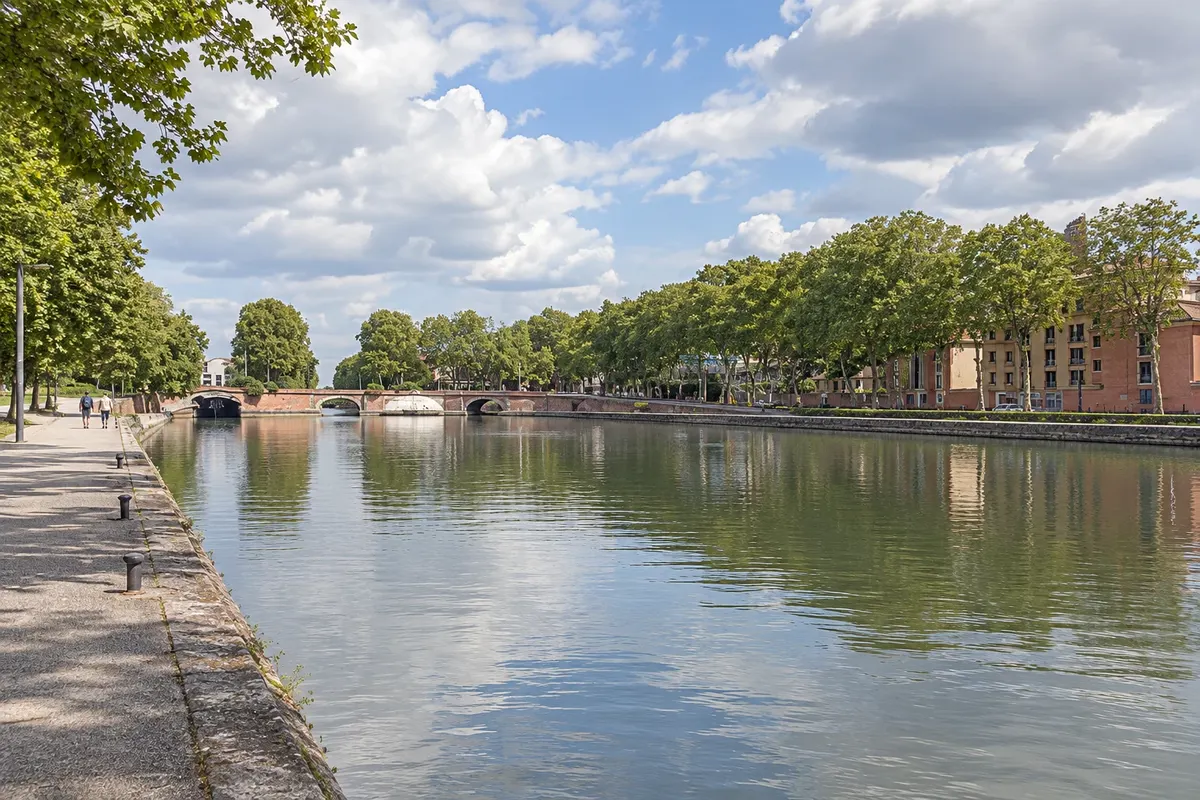
The Canal du Midi links Toulouse to the Étang de Thau, near Sète on the Mediterranean: it is 241 km, built between 1666 and 1681 under the direction of Pierre-Paul Riquet, who brought water from the Montagne Noire to the seuil de Naurouze, the canal's highest point. It has been a UNESCO World Heritage Site since 1996. In Toulouse the canal runs in front of Matabiau station, shaded by plane trees. The classic starting point is Port de l'Embouchure, where three canals meet: the Canal du Midi, the Canal de Brienne, which connects it to the Garonne, and the Canal latéral à la Garonne, which continues toward Bordeaux. Between the Ponts-Jumeaux, the twin bridges, there is a Carrara marble bas-relief made by François Lucas between 1773 and 1775. Those who want to cycle farther can follow the greenway of the old towpath: it is 50 km of flat terrain from Toulouse to Avignonet-Lauragais, about 3½ hours by bike, with locks, bridges and brick villages along the way. Riquet died in 1680, before the inauguration, and is buried in the Cathédrale Saint-Étienne.
Kraji na poti: Canal du Midi, Port de l'Embouchure, Ponts-Jumeaux, Canal de Brienne, Canal latéral à la Garonne.
Vključuje: The towpath along the canal is open and does not require an entrance fee. VélôToulouse bikes and rentals are paid separately; check the current price list.
Nasvet: For a short outing, walk from Matabiau station to Port de l'Embouchure along the canal bank and return via the Canal de Brienne. Bring water in summer: there is shade, but it gets hot.
Najboljši čas za obisk: From April to October. In spring and early autumn temperatures are milder for cycling.
Boat on the Canal du Midi in Carcassonne: locks, aqueduct and view of the Cité
Odhod: Port de Carcassonne (in front of the train station) Sightseeing boat with commentary about 1½ to 2 hours Dopoldne ali popoldne Lahko
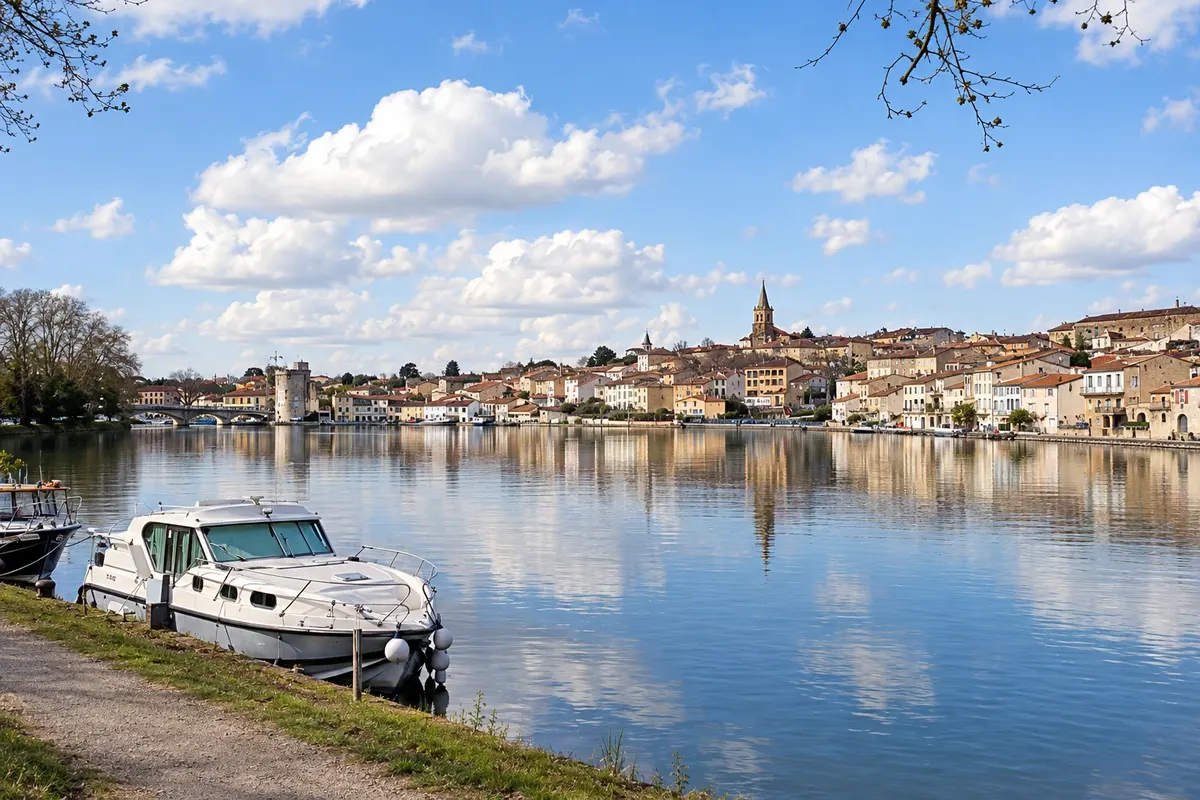
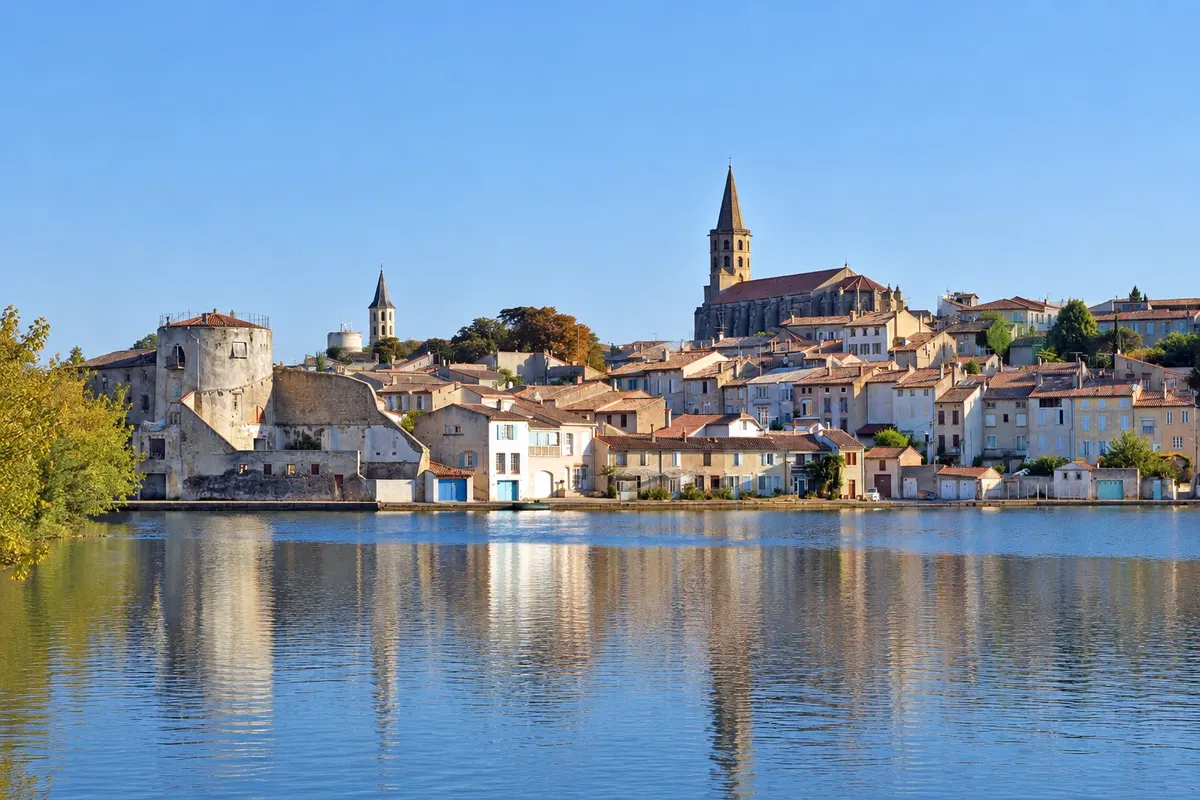
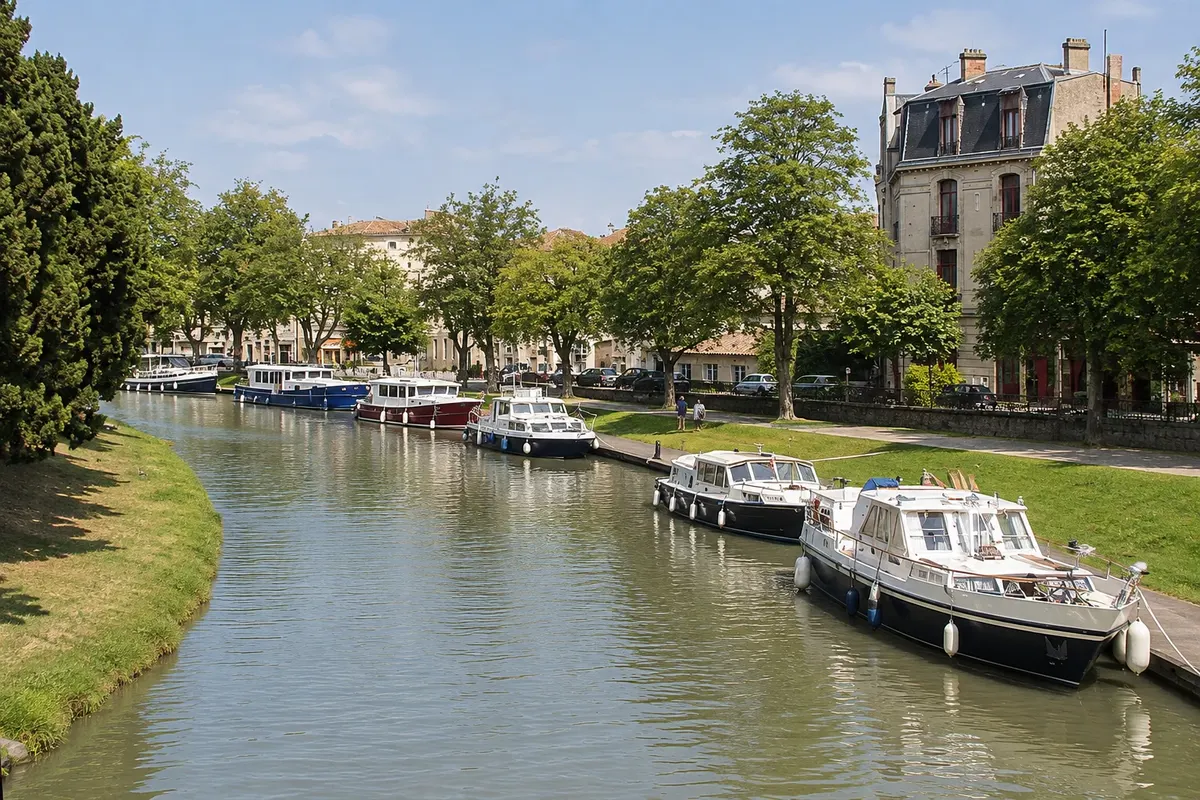
In Carcassonne, the Canal du Midi runs north of the lower town, between the train station and the André-Chénier garden, next to the Bastide Saint-Louis. Sightseeing boats with commentary depart from Port de Carcassonne, such as those of Lou Gabaret, on routes of 1.5 to 2 hours. The boat passes through locks, which show how the canal overcomes changes in elevation, the Épanchoir de Foucaud, a spillway, and an aqueduct where the boat crosses a river above it. In some stretches the silhouette of the Cité appears in the distance. There are also boat rentals without a license for those who want to spend several days on the canal, departing from Carcassonne toward Castelnaudary or the Mediterranean. The canal has 63 locks in total and has been a UNESCO World Heritage Site since 1996.
Kraji na poti: Canal du Midi, Port de Carcassonne, Écluse de Carcassonne, Épanchoir de Foucaud.
Vključuje: Boat tours are paid separately, with fares for adults and children. In July and August there is also a tour with a stop for a picnic in a garden and a visit to a lock keeper's house. Check the current rates.
Nasvet: The port is a few steps from the station: you can take the boat tour on arrival or before catching the train. Book in July and August.
Najboljši čas za obisk: The sightseeing boat season generally runs from April to October; July and August have more departures.
Bastide Saint-Louis and Pont-Vieux: the lower town of Carcassonne
Odhod: Carcassonne (Place Carnot) Peš Približno 2 uri Dopoldne ali popoldne Lahko
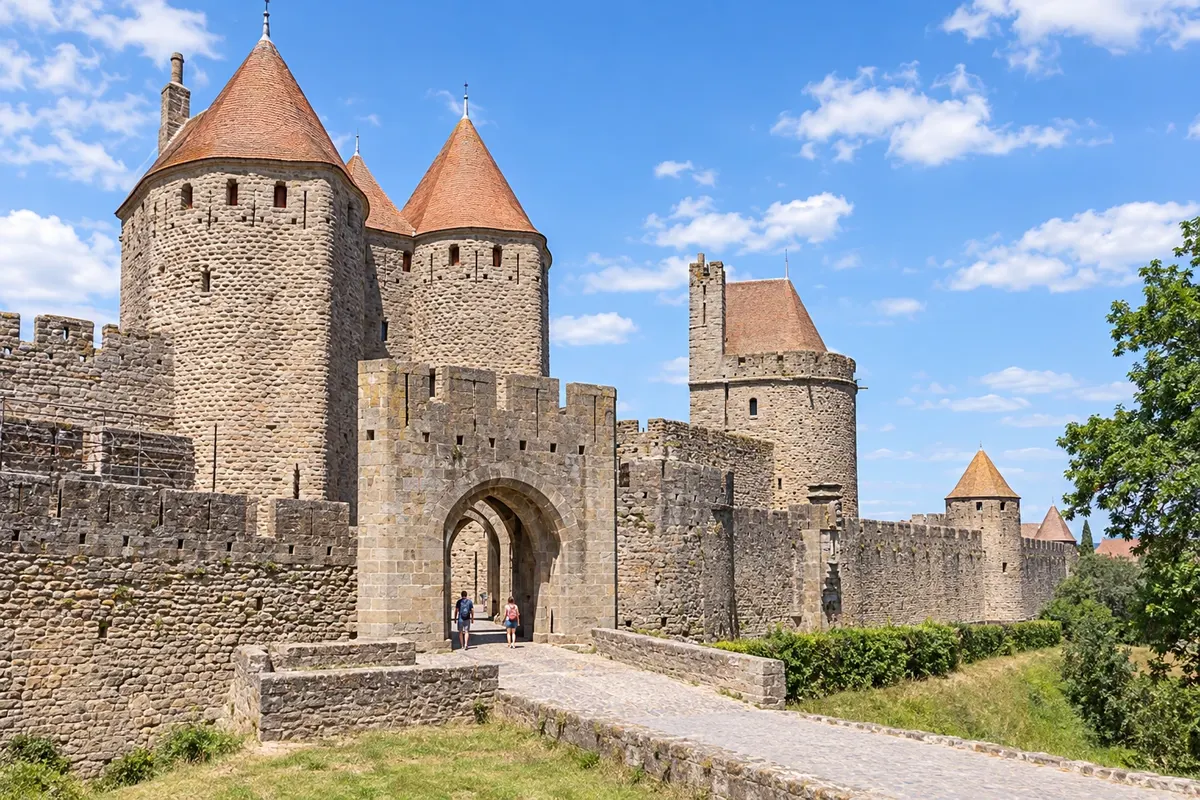
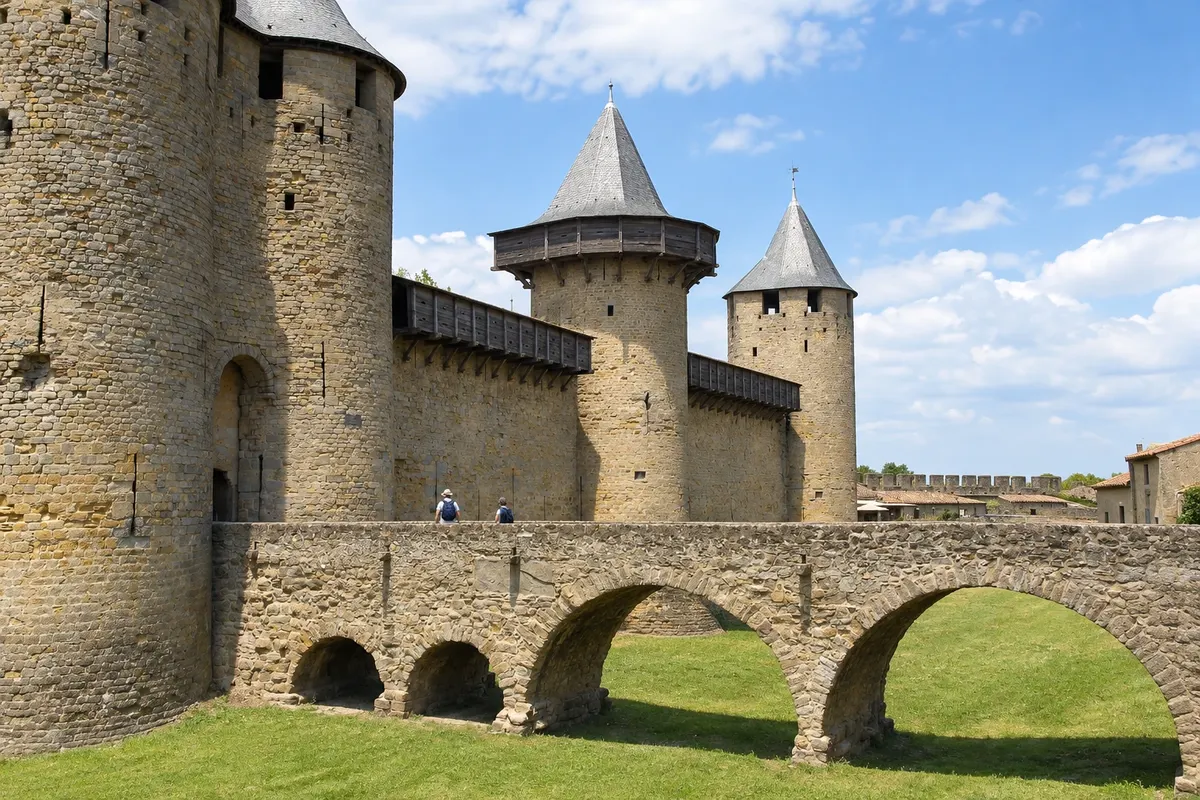
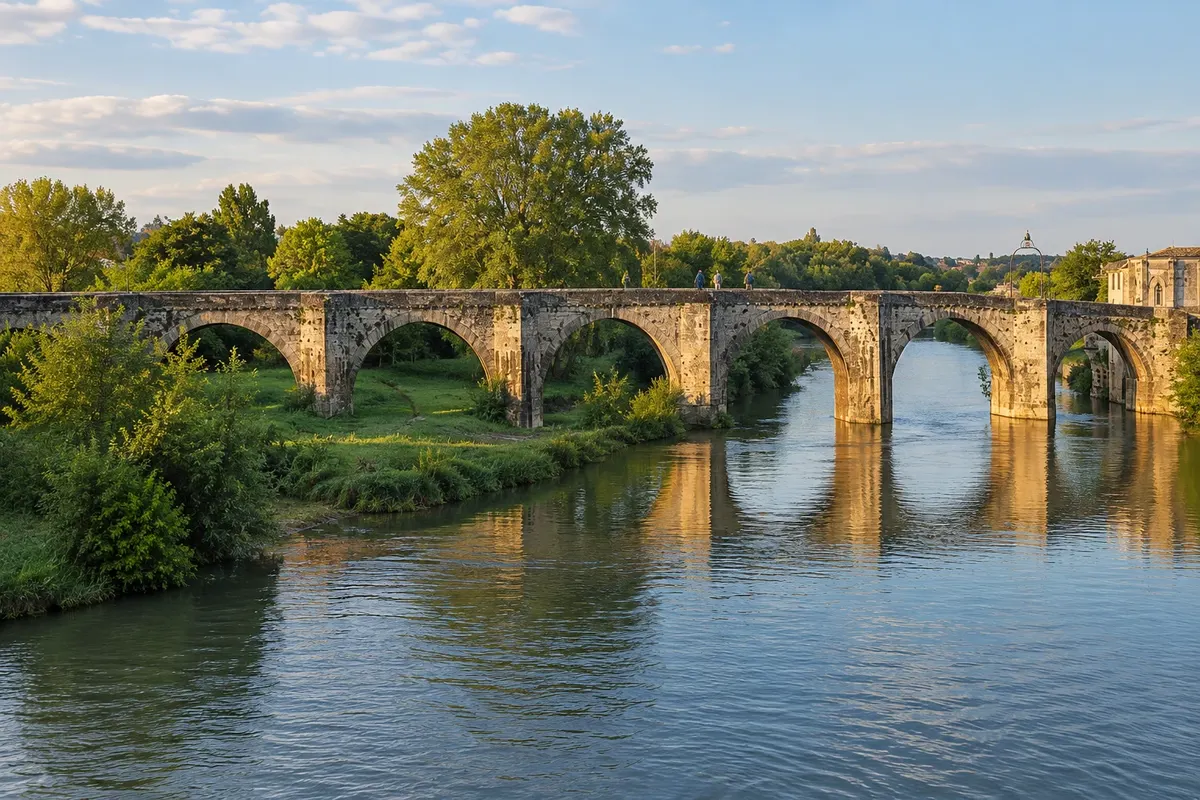
The Bastide Saint-Louis, or lower town, is the everyday center of Carcassonne, founded in the 13th century on the other side of the Aude, opposite the Cité. The streets form a right-angle grid around a central square, Place Carnot, where the market takes place; several streets are pedestrian. The boulevards surrounding the neighborhood follow the line of the old walls, demolished in 1764. The wealth from the woolen cloth trade left townhouses (hôtels particuliers) and churches throughout the neighborhood. To go to the Cité, walk across the Pont-Vieux, a pedestrian bridge over the Aude with a direct view of the ramparts, then through the Trivalle quarter. At number 77 Rue Trivalle, the Maison de la Laine et du Drap tells the story of Carcassonne’s textile industry, from merino sheep wool to dyeing, including the Carcassonne blue. From the Bastide to the Cité is about a 15-minute walk; from the Canal du Midi to the Cité via the Pont-Vieux is about 25 minutes.
Kraji na poti: Bastide Saint-Louis, Place Carnot, Pont-Vieux, Trivalle, Maison de la Laine et du Drap.
Vključuje: Walk without an entrance fee. The Maison de la Laine et du Drap has a separate admission fee; check the current rates.
Nasvet: Take the Pont-Vieux route late in the afternoon, when the light hits the ramparts. In the Bastide, try the cassoulet at restaurants: the region contests with Castelnaudary and Toulouse the origin of the dish.
Najboljši čas za obisk: All year. On market days, Place Carnot is busier.
Musée des Augustins: fine arts in a Gothic convent in Toulouse
Odhod: Toulouse center (metro A, Esquirol station) Visit with admission Približno 2 uri Dopoldne ali popoldne Lahko
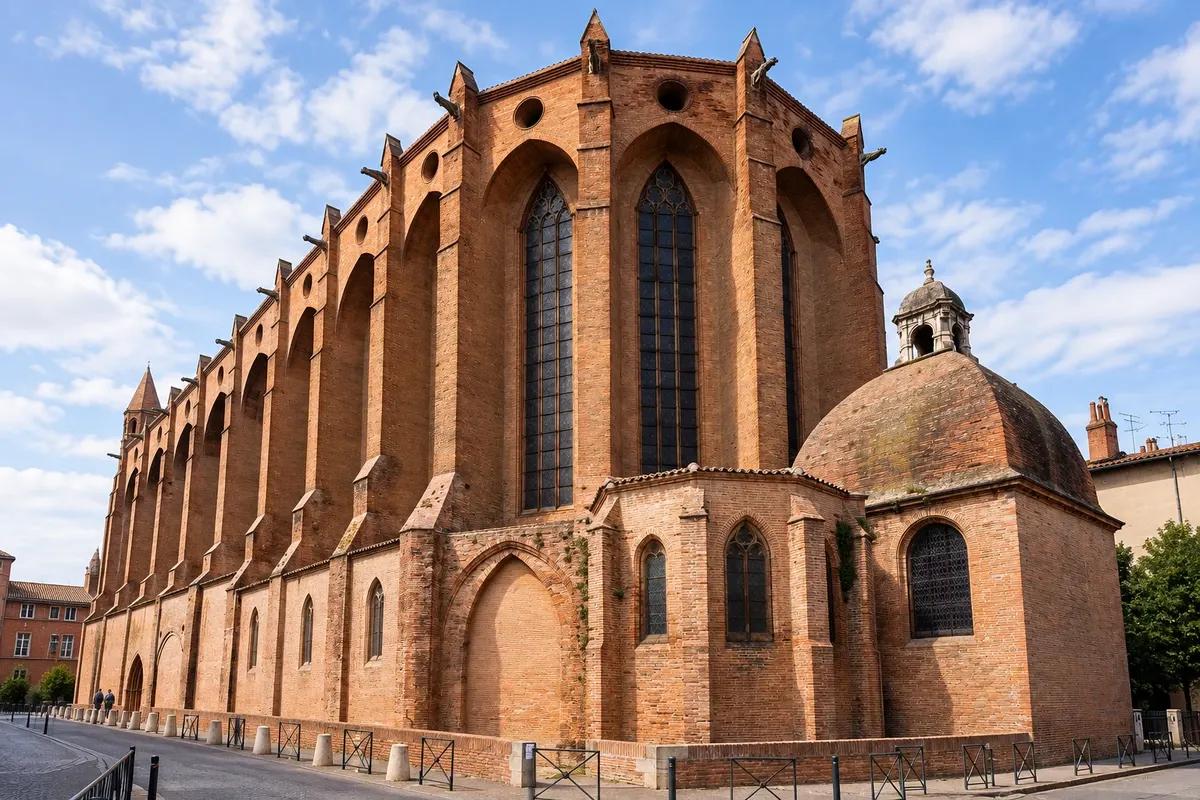
The Musée des Augustins is Toulouse’s fine arts museum, opened in 1795 in the former Augustinian convent, built from the 14th century. It is one of the oldest museums in France. The complex mixes brick and stone: the Gothic church, with a single nave, and the large cloister with garden are part of the visit. The collection holds over 4,000 works, from the Middle Ages to the early 20th century, including paintings and sculptures. The highlight is the room of Romanesque capitals, one of the most important collections of carved capitals in Europe, presented with a colored light installation by the artist Jorge Pardo. The monumental staircase created by Viollet-le-Duc and Denis Darcy in the 19th century, the Escalier Darcy, leads to the painting galleries, where large canvases from the 17th and 18th centuries sit alongside sculptures.
Kraji na poti: Musée des Augustins, Grand cloister, Escalier Darcy, Room of Romanesque capitals.
Vključuje: There is an admission fee; entry is included in the Toulouse Pass Tourisme. Check the current rate table.
Nasvet: Some rooms may be closed: check in advance what is open. Combine it with the Hôtel d'Assézat and the Collection Bemberg, a few minutes' walk away.
Najboljši čas za obisk: All year round; a good option for rainy days or very hot weather.
Collection Bemberg at the Hôtel d'Assézat: Bonnard and European painting
Odhod: Toulouse center (Place d'Assézat) Visit with admission around 1 hour and a half Dopoldne ali popoldne Lahko
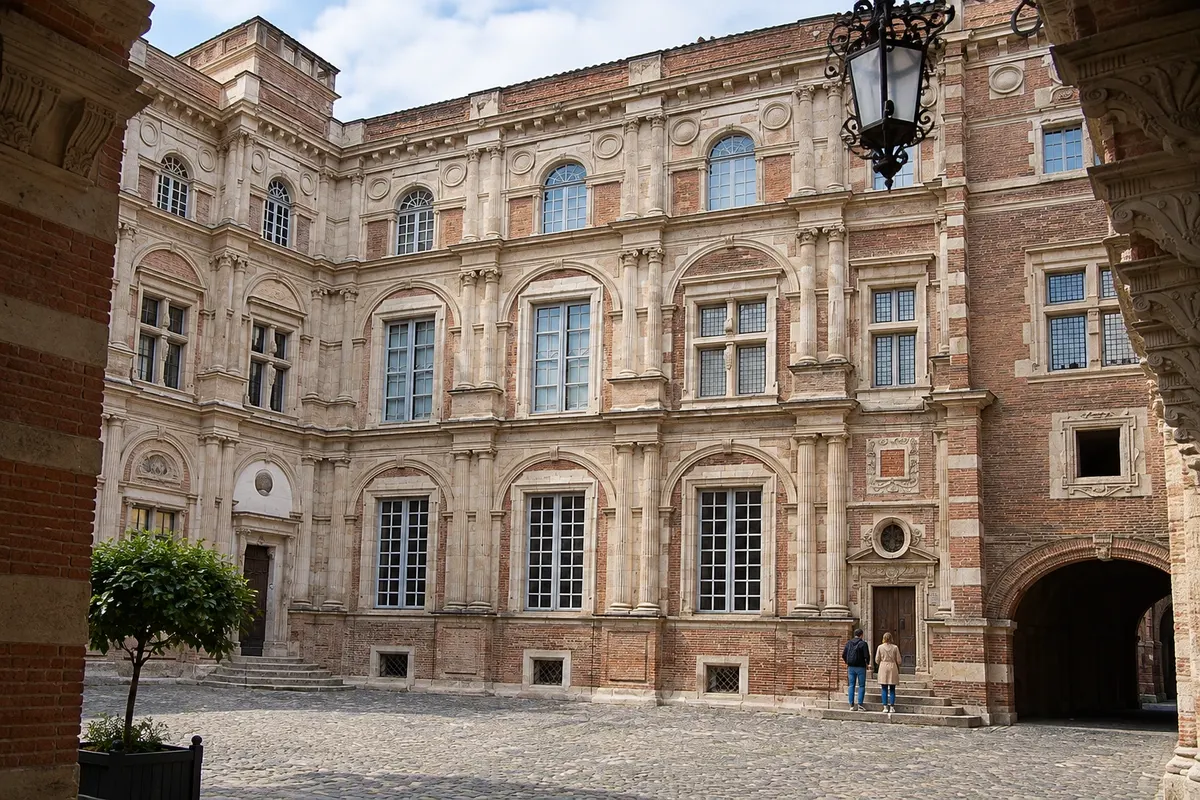
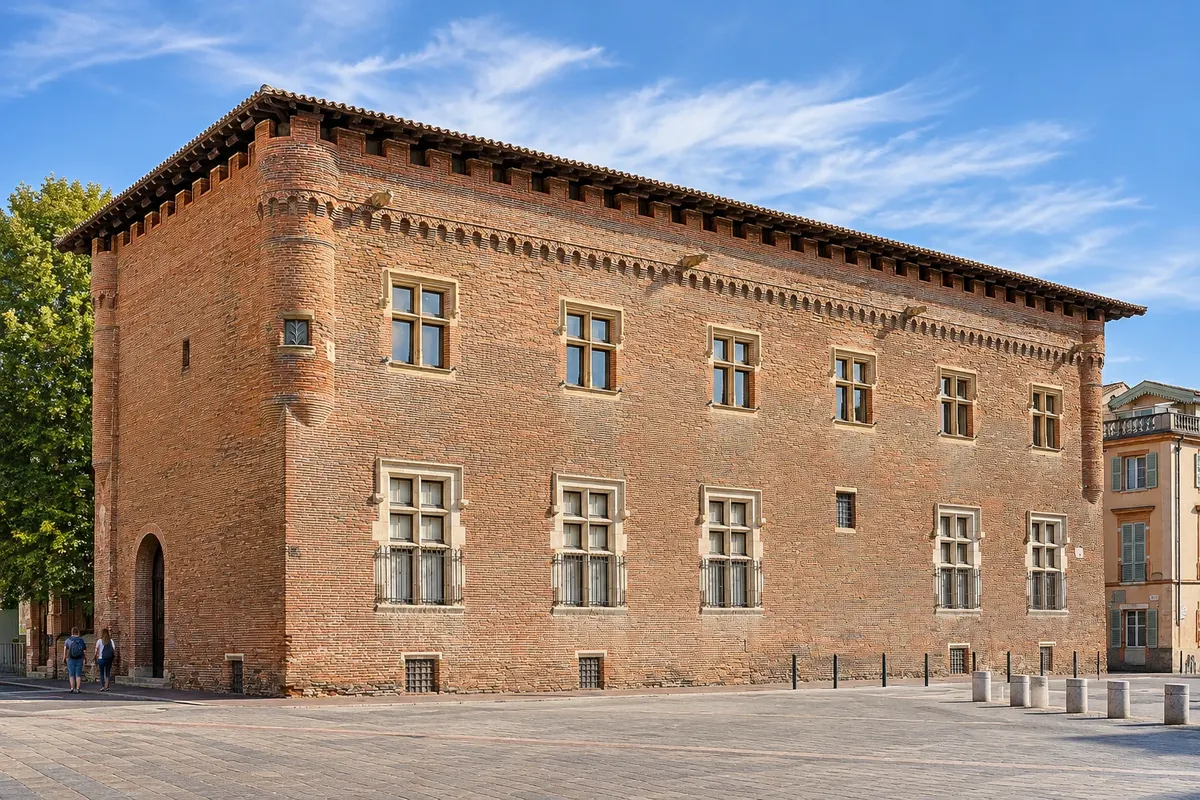
The Collection Bemberg (formerly Fondation Bemberg) is housed in the Hôtel d'Assézat, a Renaissance townhouse commissioned in 1555 by the merchant Pierre d'Assézat, who made his fortune from woad, the plant that produced blue dye. The design is by Nicolas Bachelier, a Renaissance architect in Toulouse; the ceremonial courtyard has facades with the three classical orders superimposed, a loggia and a tower topped by a lantern. The collection was assembled by the Argentine Georges Bemberg and lent to the city in 1994: paintings, sculptures, furniture and art objects from the 15th century to the mid-20th century. The highlight is the group of more than thirty canvases by Pierre Bonnard; there are also works from different European schools, a Venetian room and a Renaissance gallery occupying the entire north wing of the building. The museum underwent renovation and gained space for temporary exhibitions.
Kraji na poti: Hôtel d'Assézat, Collection Bemberg.
Vključuje: There is an entrance fee; entry is included with the Toulouse Pass Tourisme. The courtyard of the Hôtel d'Assézat can be seen without a ticket. Check the current schedule.
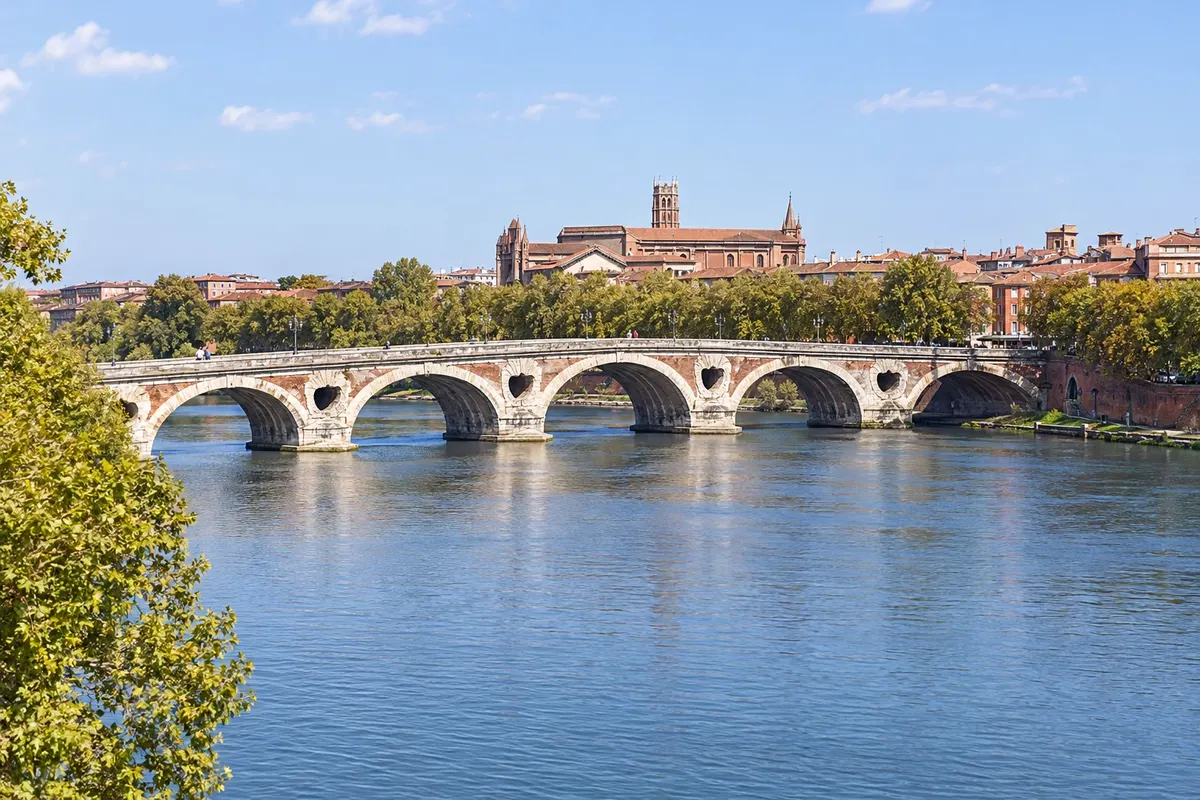
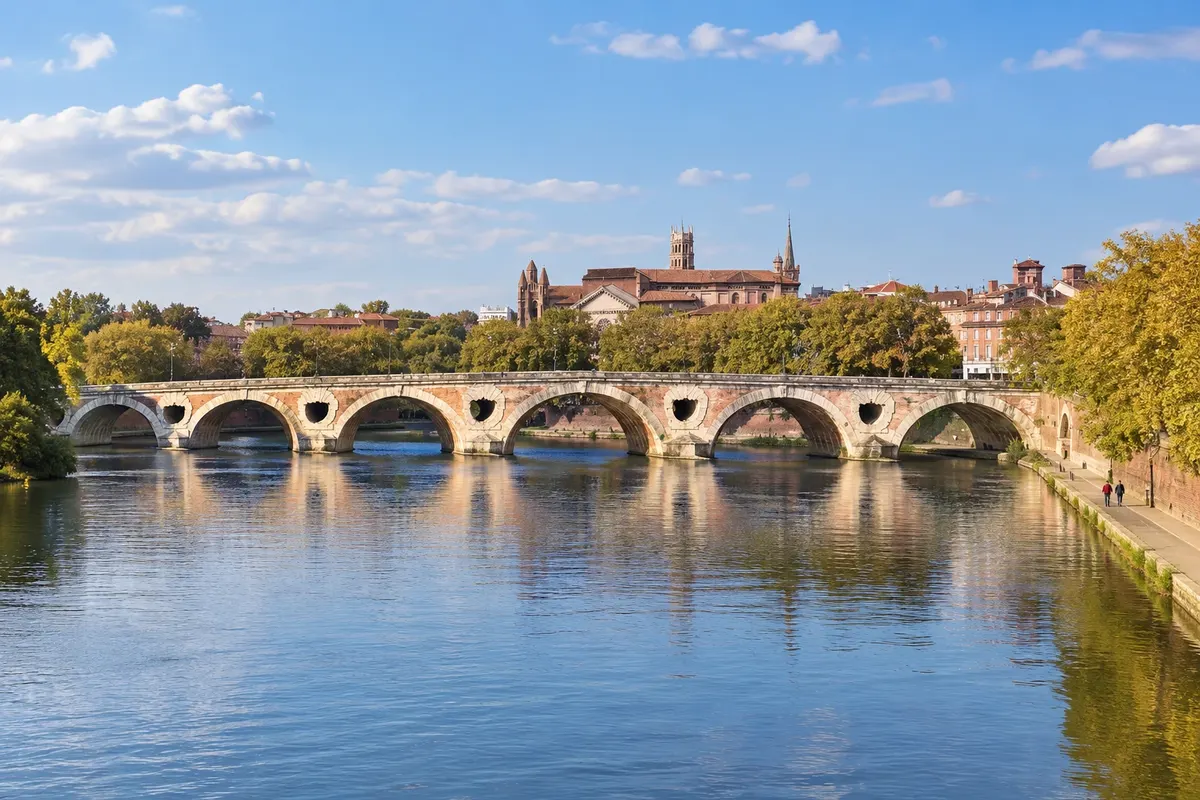
Nasvet: It’s just steps from the Pont Neuf: can be combined the same day with a walk along the banks of the Garonne.
Najboljši čas za obisk: Vse leto.
Châteaux de Lastours: four castles above the Orbiel valley
Odhod: Carcassonne (to the north, in the Montagne Noire) Z avtom about 4 hours, round trip Dopoldne ali popoldne moderate (trail with uphill)
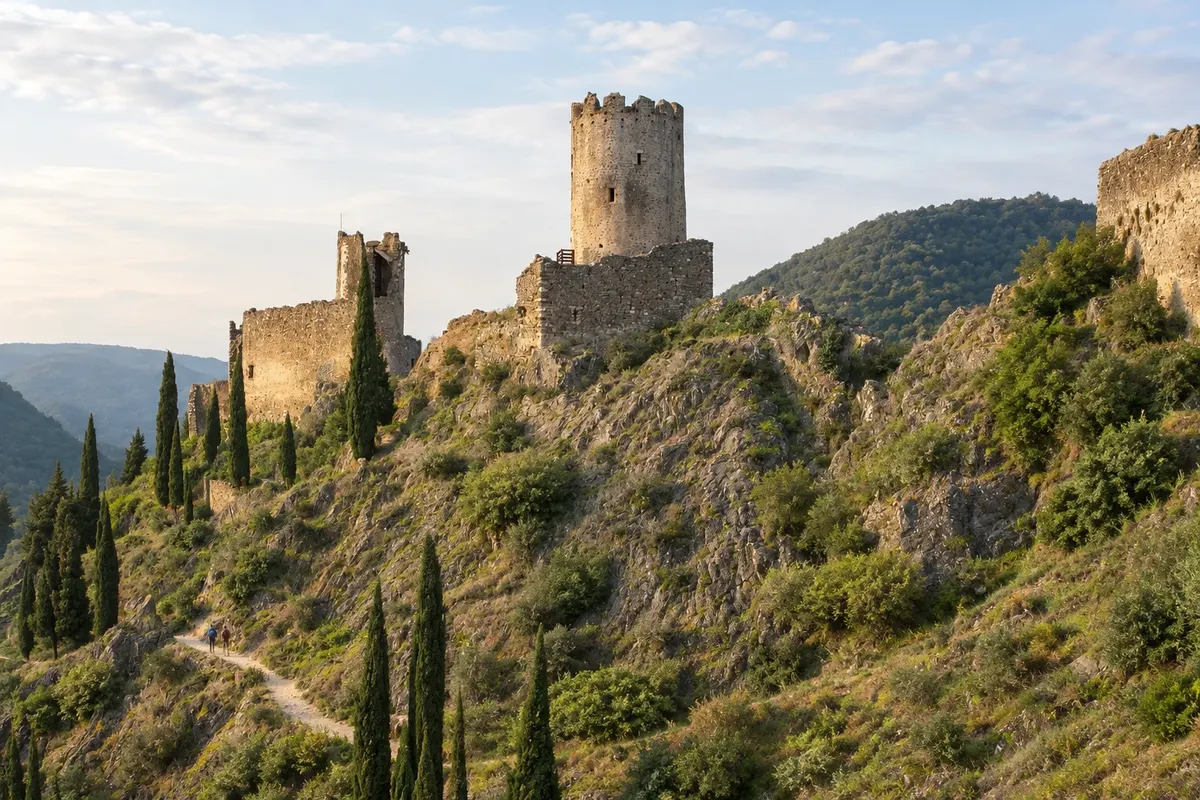
The Châteaux de Lastours are four ruined castles aligned on a rocky spur above the village of Lastours, north of Carcassonne in the Montagne Noire, between the Orbiel and Grésillou valleys. From north to south: Cabaret, the main castle; the Tour Régine, the smallest and most recent, built by the king’s order; Surdespine; and Quertinheux, isolated on a peak. In the time of the Cathars, Cabaret belonged to Pierre Roger de Cabaret, an ally of the Trencavel; the castles were besieged several times and surrendered in 1229. After the conquest they became part of the king’s defenses and today are included in the Forteresses royales capétiennes du Languedoc, a UNESCO World Heritage site. There are two ways to visit: the trail that climbs and crosses the four castles, about 2.5 hours, and the Belvédère, a viewpoint on the opposite side of the valley, accessible to everyone and offering a view of the whole ensemble.
Kraji na poti: Châteaux de Lastours, Cabaret, Tour Régine, Surdespine, Quertinheux, Belvédère de Lastours.
Vključuje: Visiting the castles and the belvédère requires an admission ticket. Check the current schedule/prices.
Nasvet: Wear sneakers with good soles; the trail has stones and steep sections. In summer climb early and carry water. Without a car, access is difficult: there are agencies and drivers in Carcassonne that run the excursion.
Najboljši čas za obisk: From April to October. In winter opening hours are shorter and there may be closures on bad-weather days.
Cathar castles of the Corbières: Peyrepertuse and Quéribus
Odhod: Carcassonne By car, via the Citadelles du vertige route about 9 hours Ves dan moderate (ascents and rock steps)
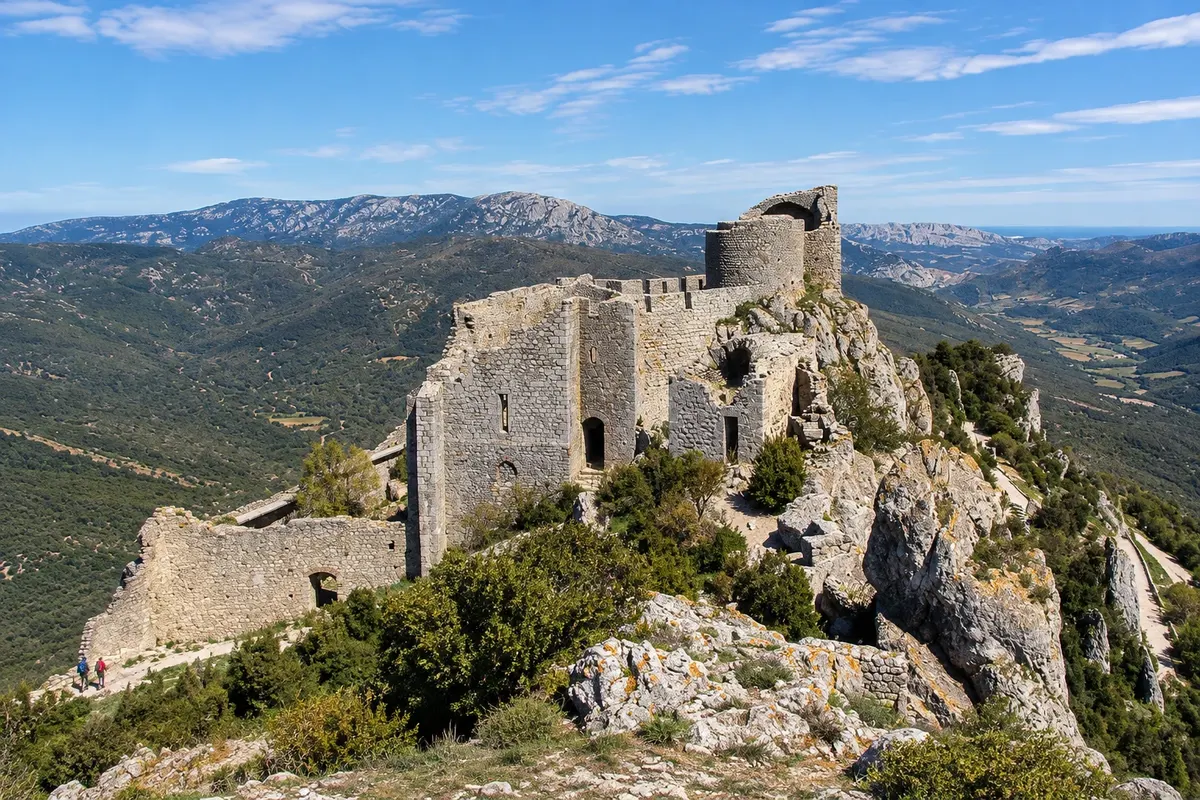
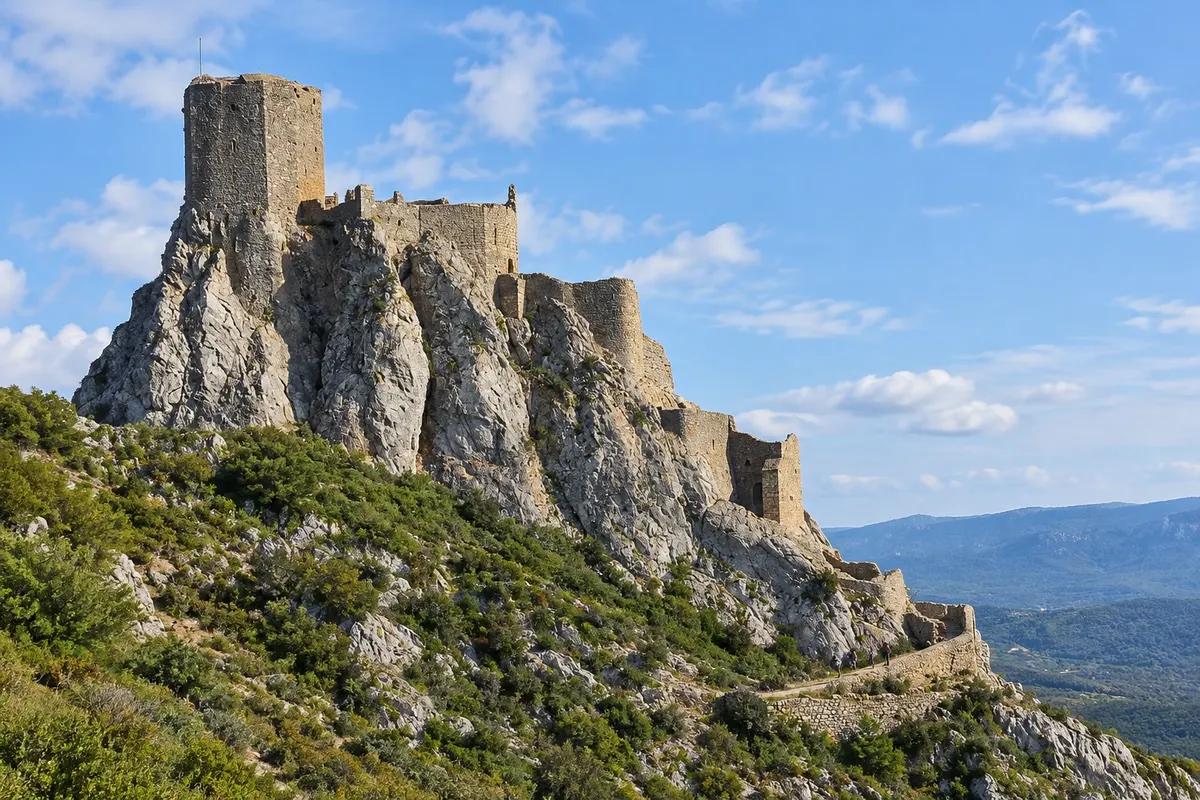
Peyrepertuse and Quéribus are castles high in the Corbières, southeast of Carcassonne, called Cathar because of the history of the Albigensian Crusade; after that conflict they became royal fortresses on the border with the Kingdom of Aragon until 1659. The Office de Tourisme route leaves Carcassonne via Lagrasse and Villerouge-Termenès to Cucugnan, about 74 km and 1 hour 40 minutes by road. Quéribus is 3.7 km from Cucugnan, on a peak at 728 m altitude, with views over the plain of Roussillon, the sea and the Pyrenees. The donjon contains a Gothic chamber with a single central pillar that supports the vault, and from the high terrace you can see the whole region. Peyrepertuse lies nearby above Duilhac-sous-Peyrepertuse, on a limestone crest at about 800 m: the fortress is 300 m long, shaped like a ship of stone. From the car park, a path of about 15 minutes leads to the entrance; inside, the Saint Louis stairway, carved into the rock, climbs to the donjon Sant Jordi, the highest part. Both castles are part of the Forteresses royales capétiennes du Languedoc, a UNESCO World Heritage site.
Kraji na poti: Château de Peyrepertuse, Duilhac-sous-Peyrepertuse, Château de Quéribus, Cucugnan, Lagrasse, Villerouge-Termenès.
Vključuje: Each castle has its own ticket. Agencies and drivers based in Carcassonne run the tour; transportation and entrance fees are paid separately. Check the current pricing.
Nasvet: Wear closed shoes. On stormy days or in strong winds, the ascent to Peyrepertuse is often closed and the Saint Louis stairway becomes slippery: check the forecast beforehand. On the return, the route continues through the Gorges de Galamus and past Limoux.
Najboljši čas za obisk: From April to June and in September and October. In July and August, start early because of the heat; in winter the opening hours are limited.
Albi: Cathédrale Sainte-Cécile, Palais de la Berbie and Musée Toulouse-Lautrec
Odhod: Toulouse (Gare Matabiau) liO regional train to Albi-Ville about 8 hours, including the train Ves dan Lahko
Albi is northeast of Toulouse, on the banks of the Tarn River. The regional train departs from Gare Matabiau and reaches Albi-Ville in 55 minutes to 1 hour 15 minutes. The Cité épiscopale, the historic brick center, has been a UNESCO World Heritage Site since 2010, and the city is nicknamed the "ville rouge" for the color of its buildings. The Cathédrale Sainte-Cécile, built between 1282 and 1480, is a brick fortress on the outside; inside, the walls and vaults are covered with paintings, including the large Last Judgment painting and Renaissance frescoes. Beside it, the Palais de la Berbie, the former fortified palace of the bishops from the 13th century, houses the Musée Toulouse-Lautrec, with more than a thousand works by the painter, who was born in Albi: paintings, drawings, lithographs and Paris cabaret posters. The palace garden overlooks the Tarn. The visit is completed by the Collégiale Saint-Salvi with its cloister, the streets of the center and the Pont-Vieux, from which you can see the cathedral and palace complex over the river.
Kraji na poti: Albi, Cité épiscopale d'Albi, Cathédrale Sainte-Cécile, Palais de la Berbie, Musée Toulouse-Lautrec, Collégiale Saint-Salvi, Pont-Vieux d'Albi, Tarn.
Vključuje: The Musée Toulouse-Lautrec requires an admission ticket, and parts of the cathedral also charge; the train is paid separately. Check the current pricing schedule.
Nasvet: From Albi-Ville station to the historic centre you can walk. Visit the museum in the morning and leave the cathedral and the banks of the Tarn for the afternoon. By car you can combine it with Cordes-sur-Ciel.
Najboljši čas za obisk: All year. In spring and autumn the heat is milder for walking around the centre.
Cordes-sur-Ciel: medieval hilltop village overlooking the Cérou valley
Odhod: Albi or Toulouse By car, or on regional bus liO 707 from Albi about 3 hours in the village Dopoldne ali popoldne moderate (steep slopes)
Cordes-sur-Ciel is a bastide, a medieval new town, founded in 1222 by Count Raymond VII of Toulouse on a hilltop above the Cérou valley in the Tarn. The village was an important center in the time of the Cathars and retains medieval houses along winding streets that rise and fall with the terrain, between 159 m and 320 m in elevation. The visit is on foot, climbing the streets to the upper part, with views over the valley. Without a car, access is by regional bus liO 707, which links Cordes to Albi; the nearest train station, Vindrac, is 4.7 km away. By car, Cordes fits well on the same day as Albi. On July 14 the village hosts the medieval Grand Fauconnier festival.
Kraji na poti: Cordes-sur-Ciel, Cérou valley, Albi.
Vključuje: Walkable without an entrance fee. Museums and exhibitions in the village charge separately; check the current fee schedule.
Nasvet: Wear sturdy footwear: the streets are stone and steep. In summer, go early in the morning or late in the afternoon, when it is cooler and less crowded.
Najboljši čas za obisk: From April to October; on July 14 the Grand Fauconnier festival fills the village.
Corbières: Lagrasse and the Abbaye de Fontfroide
Odhod: Carcassonne Z avtom about 8 hours Ves dan Lahko
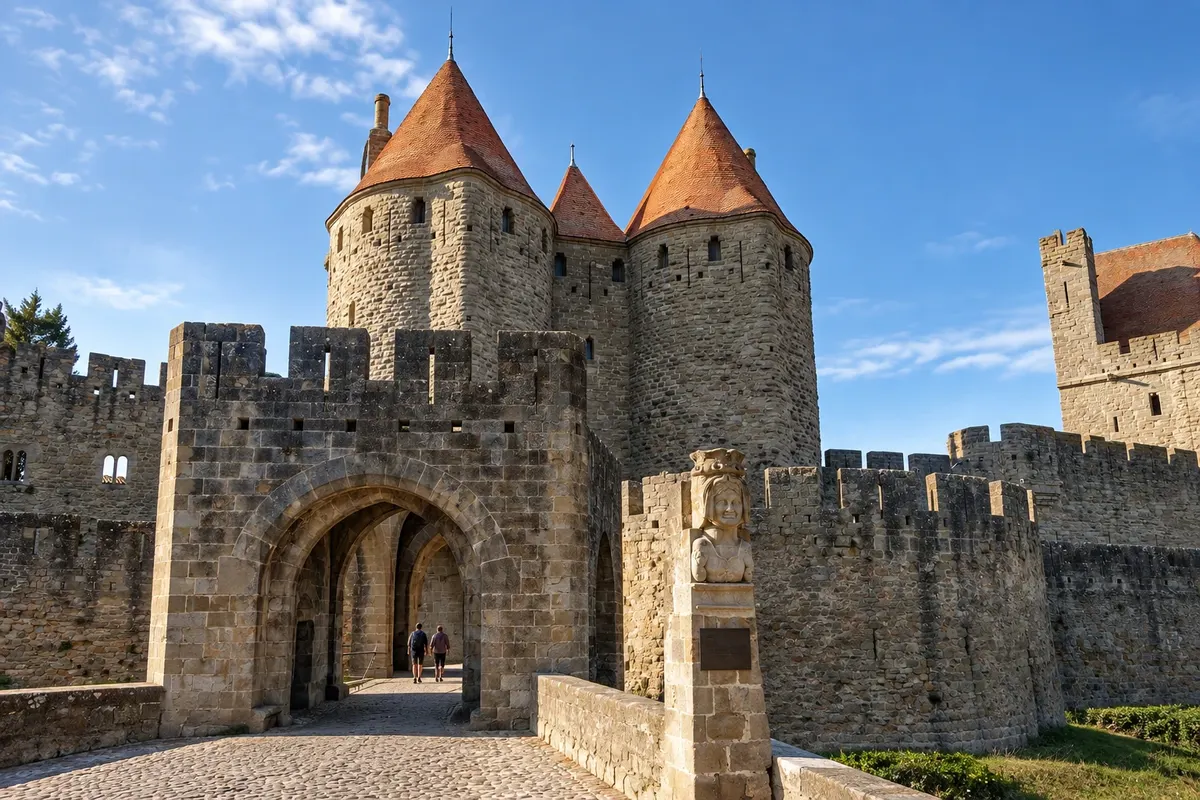
Lagrasse is a village in the Corbières, east of Carcassonne, at the bottom of the Orbieu valley, and carries the Les Plus Beaux Villages de France label. From Carcassonne, the route heads toward Narbonne, exits at Trèbes and continues via Fontiès-d'Aude. The Abbaye de Lagrasse, founded in the time of Charlemagne in 779, was the largest abbey in the Aude department. The visit displays structures from the 8th to the 18th century: the abbatial palace courtyard, the cellar, chapels, the pre-Romanesque tower, the ceremony hall and the dormitory. From the bridge over the Orbieu you can see the abbey in front of the village.
In the afternoon, continue to the Abbaye de Fontfroide, 10 minutes from Narbonne: founded in 1093 and Cistercian from 1144, it sits isolated in a valley of the Corbières. The abbey is privately owned; in 1908 it was bought by artist and patron Gustave Fayet, who hosted musicians and painters there, such as Odilon Redon, and commissioned stained glass for the church. The visit goes through the cloister, the church and the monastery buildings, and includes the rose garden and the grounds, classified as a Jardin Remarquable.
Kraji na poti: Lagrasse, Abbaye de Lagrasse, Orbieu, Abbaye de Fontfroide, Narbonne.
Vključuje: Both abbeys require tickets; the Abbaye de Fontfroide sells visits online. Check the current schedule.
Nasvet: Without a car, the outing is difficult: there are agencies and drivers in Carcassonne that run tours through the Corbières. To return, the A61 motorway connects Narbonne to Carcassonne.
Najboljši čas za obisk: From April to October, with longer days suited for the drive.


 Brazilija
 Antarktika
 Argentina
 Bolivija
 Čile
 Kolumbija
 Ekvator
 Gvajana
 Francoska Gvajana
 Falklandski otoki (Malvini)
 Paragvaj
 Peru
 Surinam
 Urugvaj
 Venezuela
 Nemčija
 Avstrija
 Belgija
 Hrvaška
 Danska
 Slovaška
 Slovenija
 Španija
 Finska
 Grčija
 Nizozemska
 Madžarska
 Irska
 Islandija
 Italija
 Luksemburg
 Norveška
 Poljska
 Portugalska
 Združeno kraljestvo
 Češka
 Švedska
 Švica
 Turčija
 Bermudi
 Kanada
 Združene države Amerike
 Grenlandija
 Mehika
 Sveta Peter in Mihael
 Dominikanska republika
 Japonska
 Južnoafriška republika
 Egipt
 Avstralija
 Fidži
 Nova Zelandija
 Papua Nova Gvineja