Mazapán de Toledo
Sweet made from ground sweet almonds and sugar, shaped into figures and baked, with Protected Geographical Indication. The most cited tradition places its origin in a convent in Toledo in the 13th century.

Antarktika
Castela-Mancha · Španija Capital
Destinacija: Toledo, Segovia and Ávila.
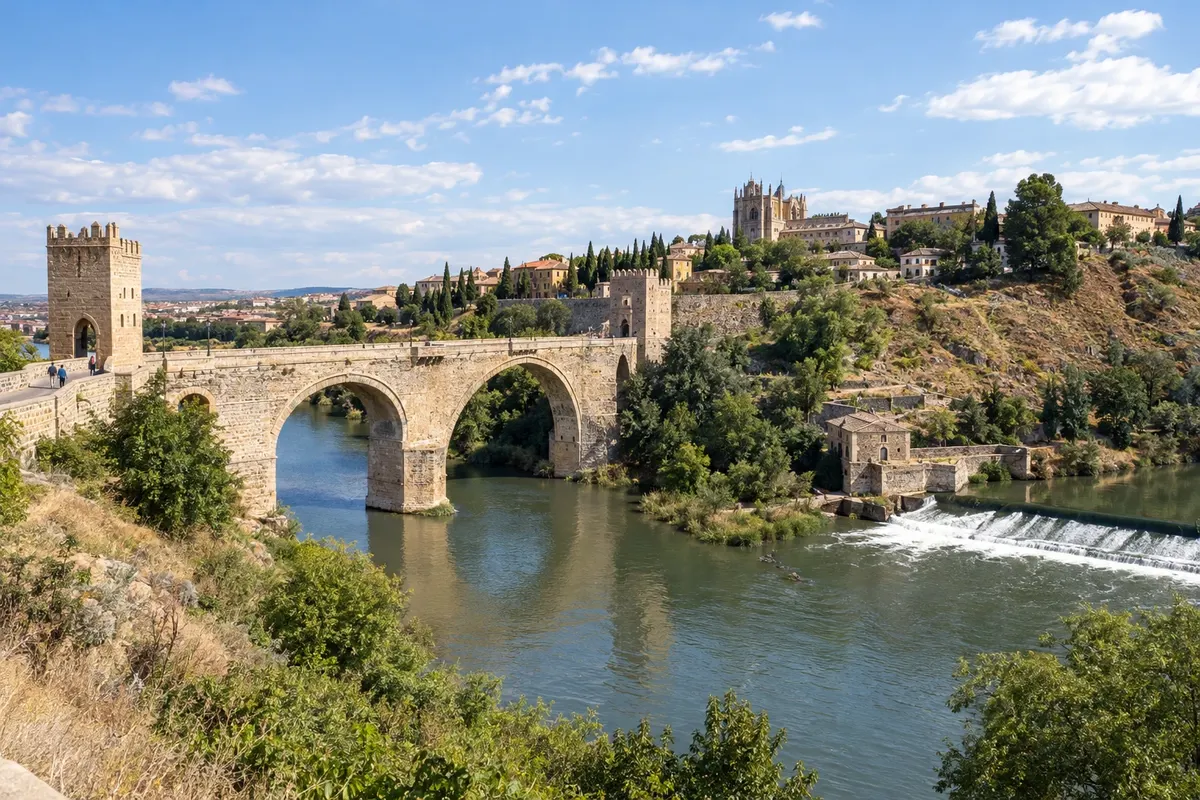
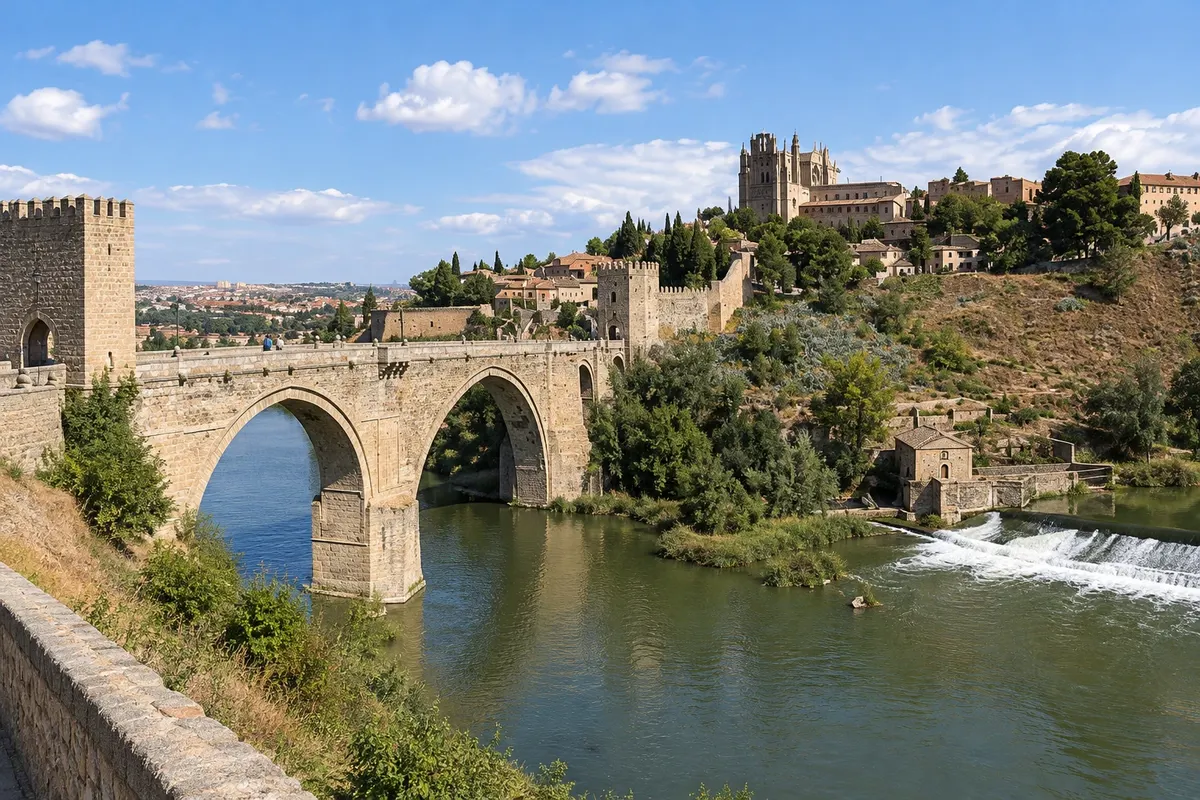
Na fotografiji: Puente de San Martín en Toledo
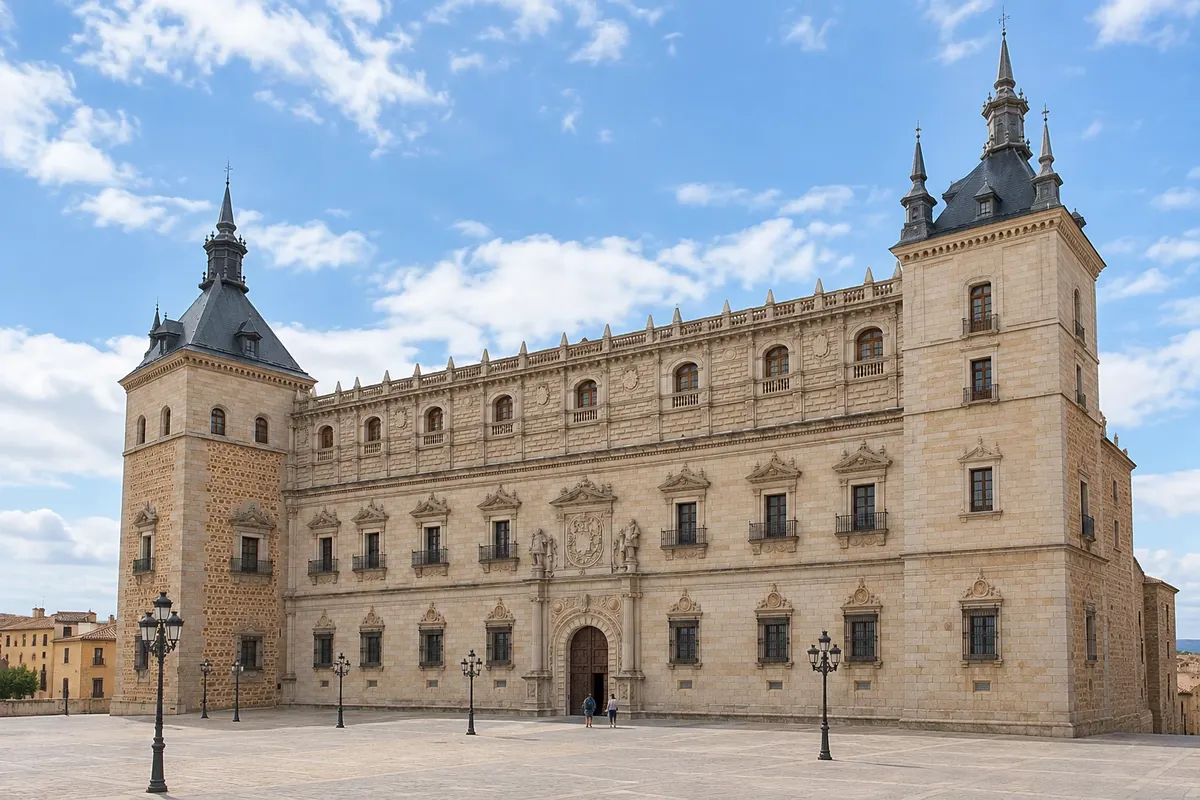
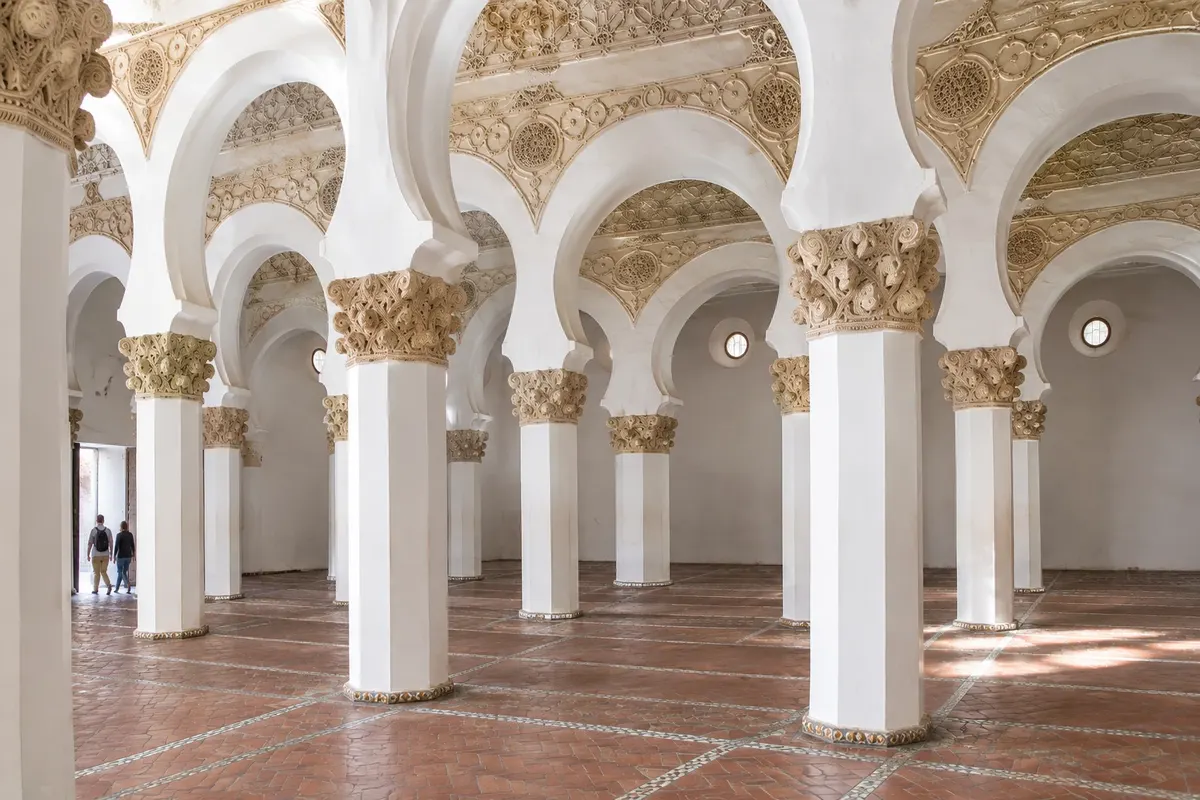
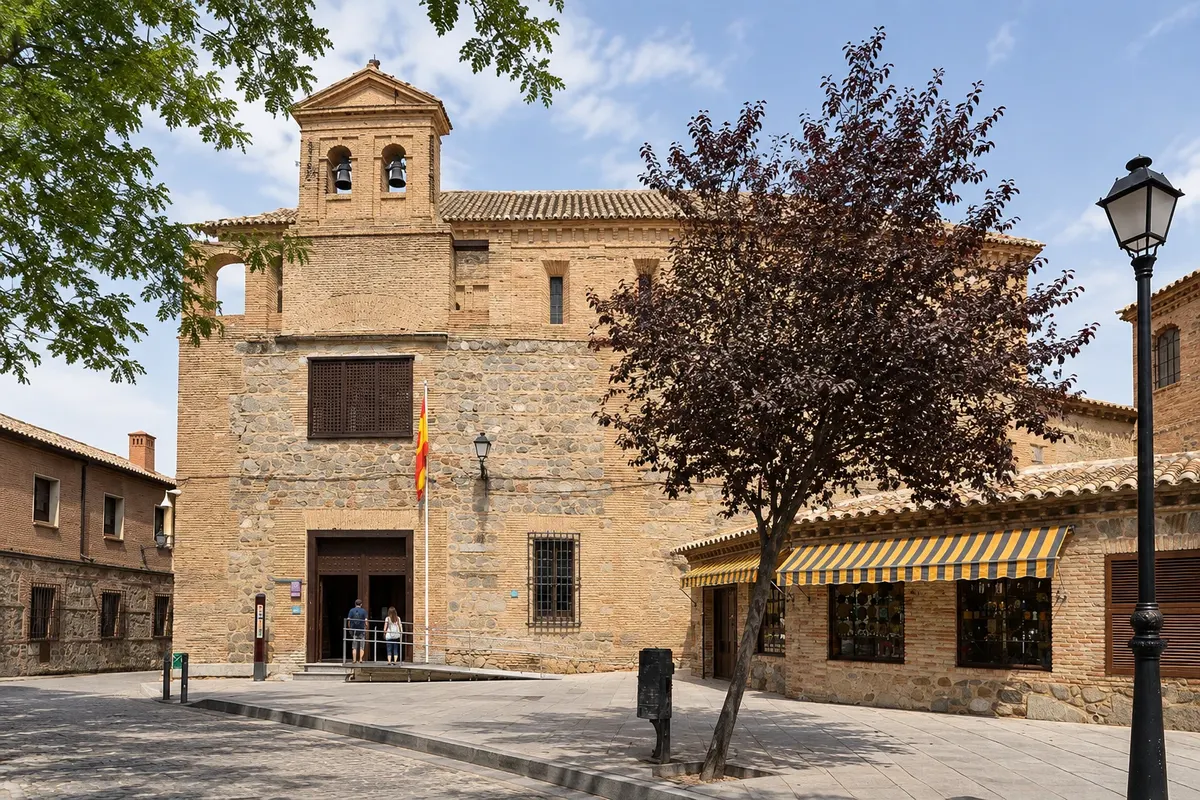
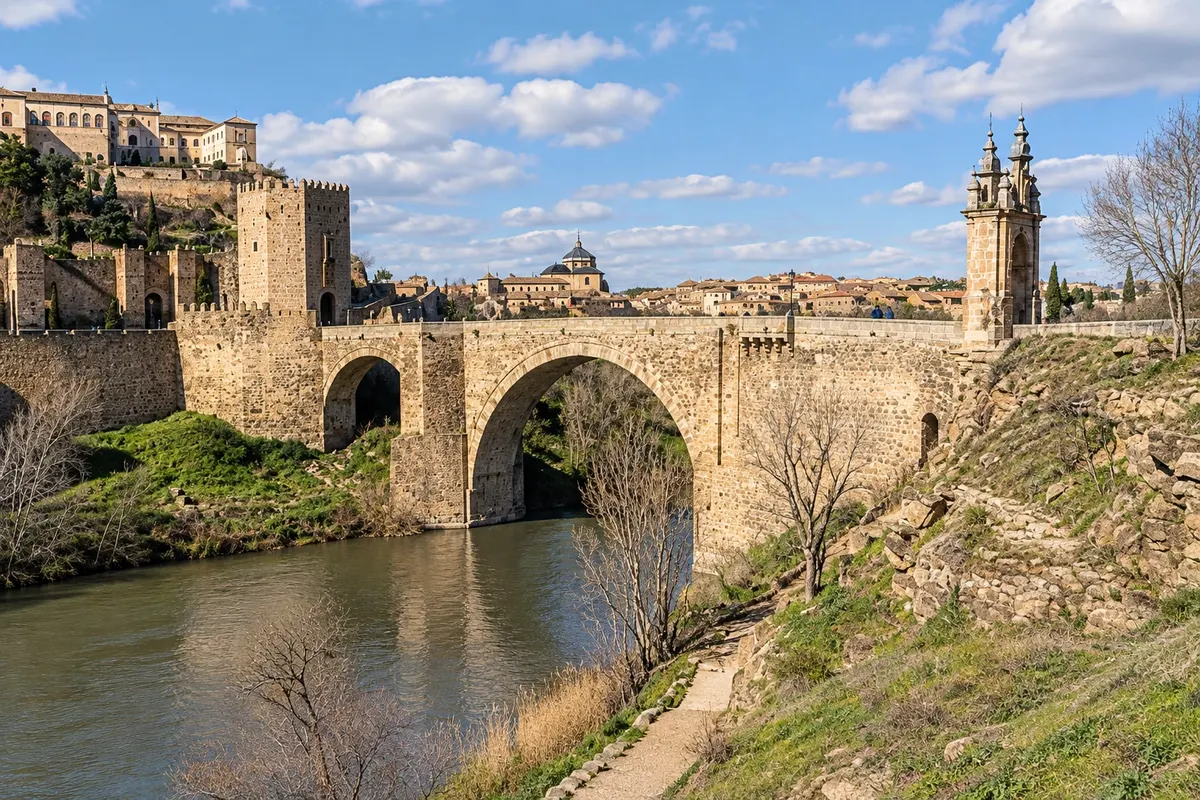
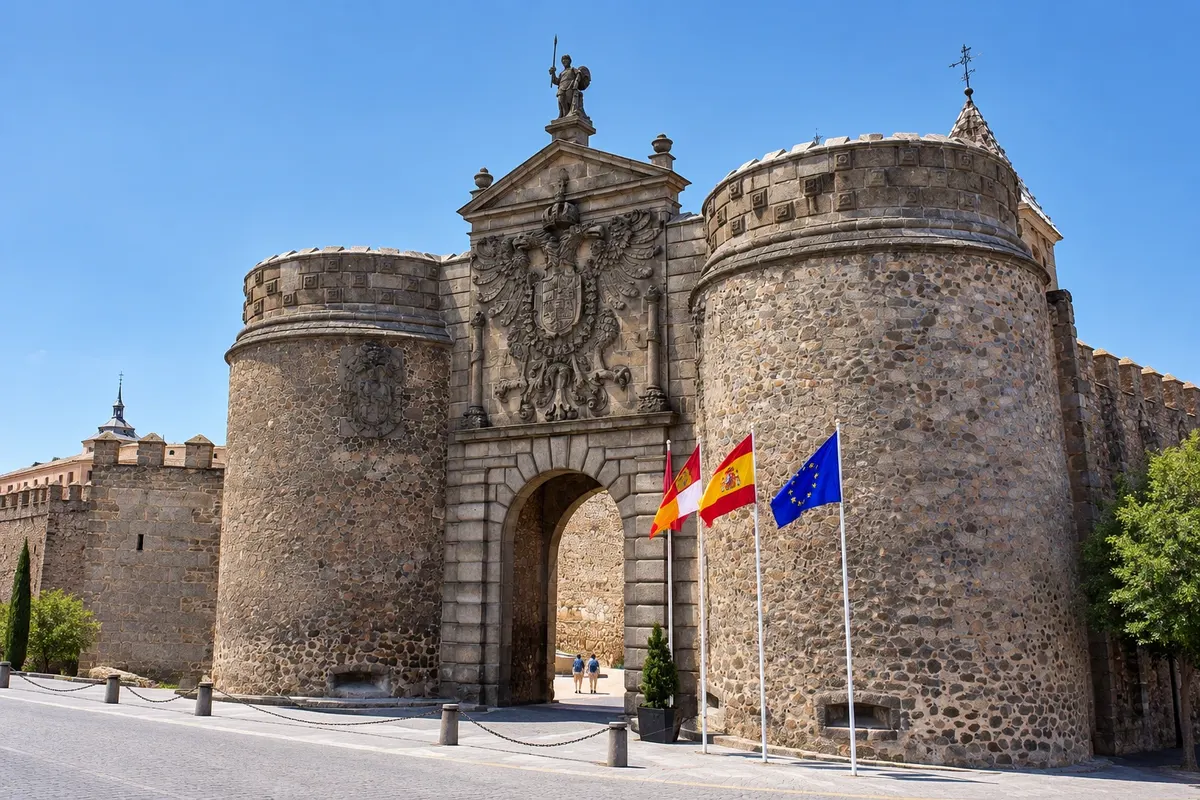
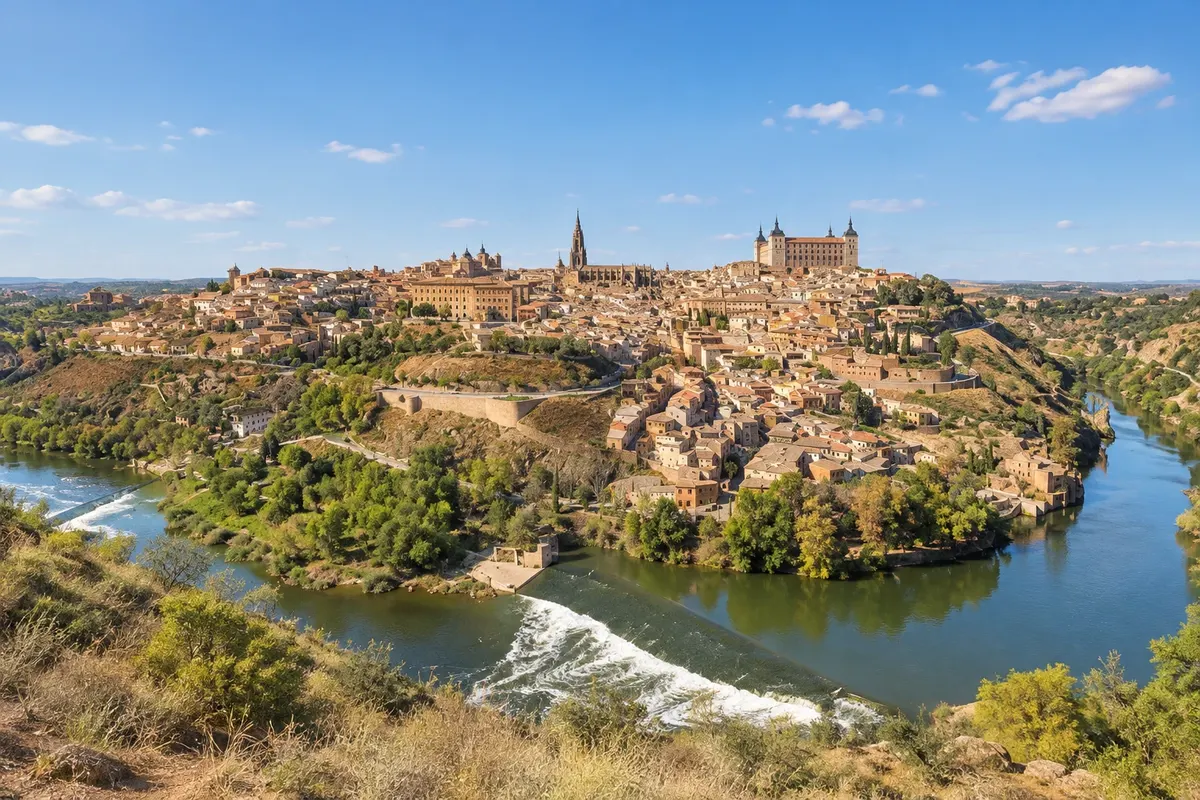
Illustrative images. The pictures in this guide are illustrations based on the real place, not photographs, and may differ from it.
Mesto
Capital of Castela-Mancha, on a hill surrounded on three sides by a bend of the rio Tejo, about 70 km south of Madri. It was the capital of the Visigothic kingdom and a Muslim city, and it preserves the Catedral Primada, the Alcázar, the synagogues of Santa María la Blanca and del Tránsito, the Mezquita del Cristo de la Luz, San Juan de los Reyes and works by El Greco in Santo Tomé and in the Museo del Greco. The language is Spanish (Castilian). The historic center has been a UNESCO World Heritage Site since 1986.
V vodniku še ni nastanitev – Toledo.
kako do tja · koliko dni · načrt poti · vprašanja
Lokalni okusi – of Španija

Sweet made from ground sweet almonds and sugar, shaped into figures and baked, with Protected Geographical Indication. The most cited tradition places its origin in a convent in Toledo in the 13th century.

Partridge braised with onion, garlic, bay leaf, thyme, wine and, in some versions, vinegar, in a sauce known as Toledo-style. It is the chosen dish for Castilla–La Mancha and one of the symbols of Toledan cuisine, land of hunting in the Montes de Toledo.
Doživite kraj
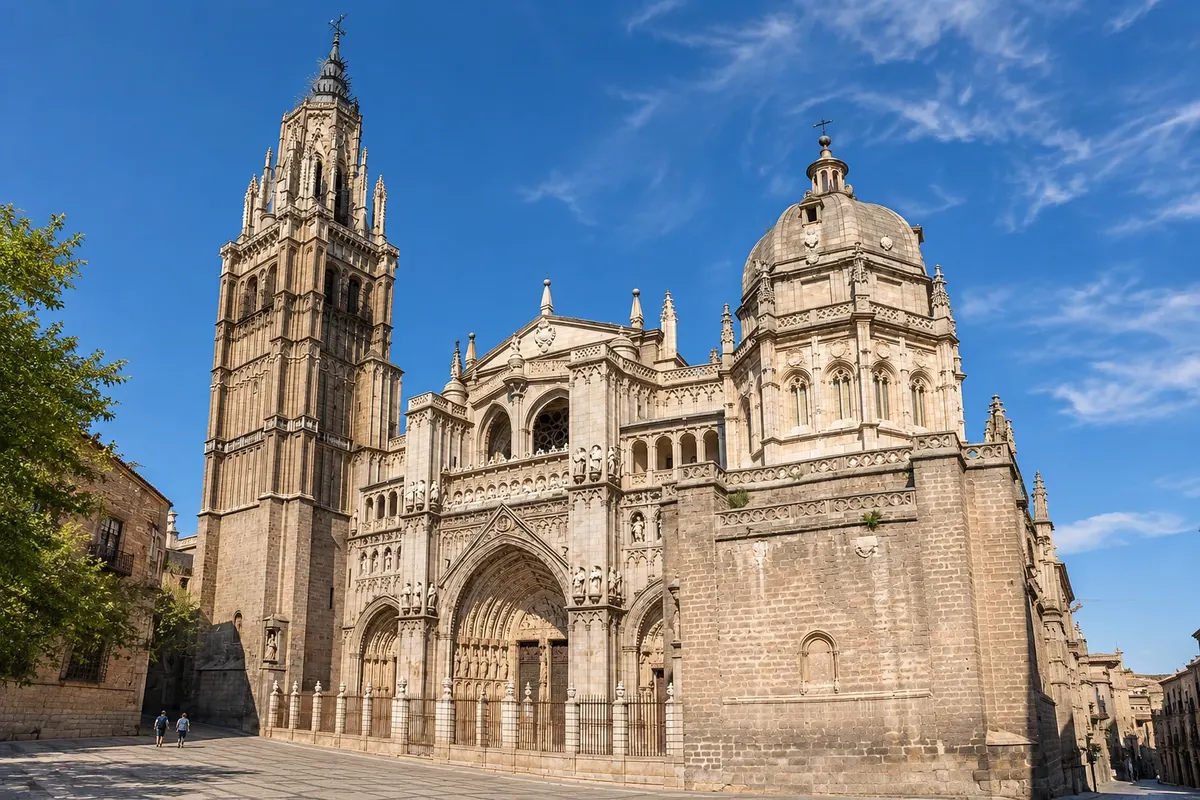
Gothic cathedral begun in 1226, seat of the Primate Archbishop of Spain. It houses the Transparente by Narciso Tomé, the choir by Berruguete and Vigarny, El Expolio by El Greco and the monstrance by Enrique de Arfe.
Square fortress at the highest point of the city, with four corner towers. Renovated by Carlos V and Felipe II, it now houses the Museo del Ejército and the Biblioteca de Castilla-La Mancha.
Old Sinagoga Mayor de Toledo, dating from 1180, with five naves of horseshoe arches on white pillars. Built by Muslim craftsmen for Toledo's Jewish community and later converted into a church.
Mudéjar synagogue dated to 1357, commissioned by Samuel ha‑Leví, treasurer to King Pedro I. The prayer hall features carved plasterwork with inscriptions in Hebrew and Arabic. It houses the Museo Sefardí.
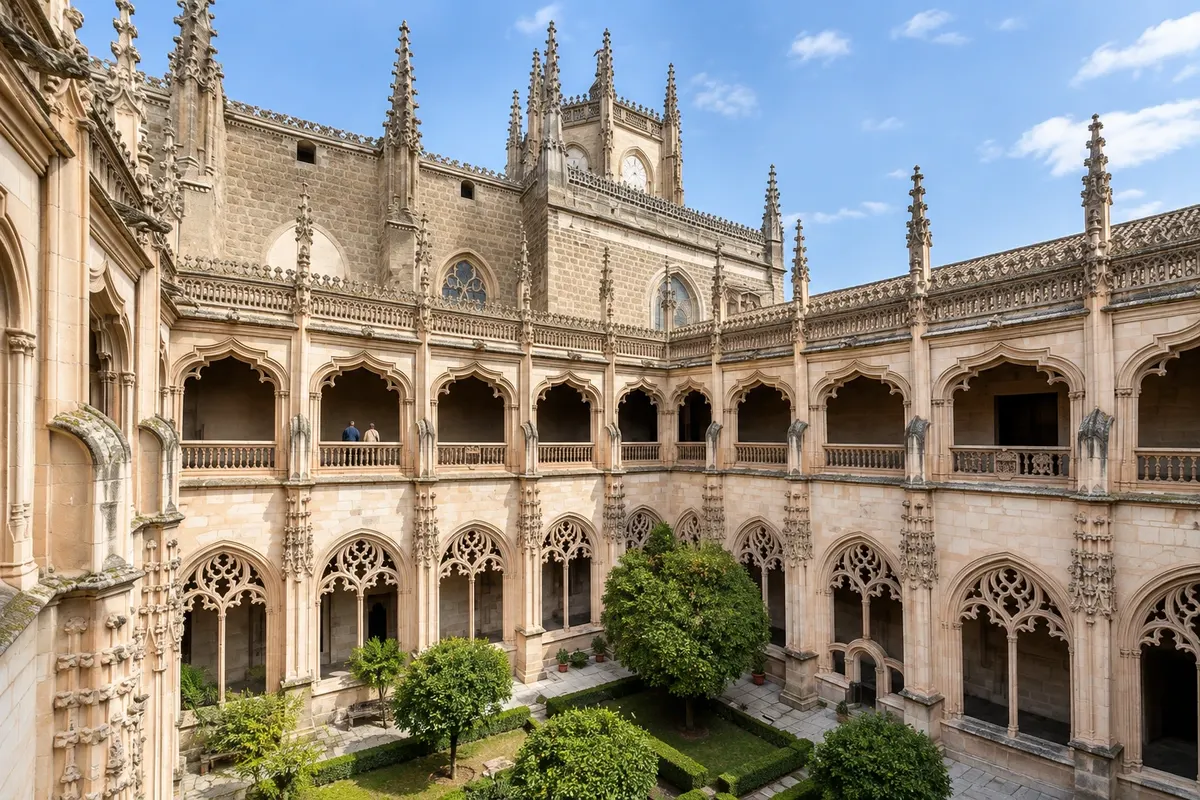
Franciscan monastery ordered built by the Catholic Monarchs to commemorate the Battle of Toro and the birth of Prince Juan. Work by Juan Guas, in the Isabelline Gothic style, with a two-storey cloister.
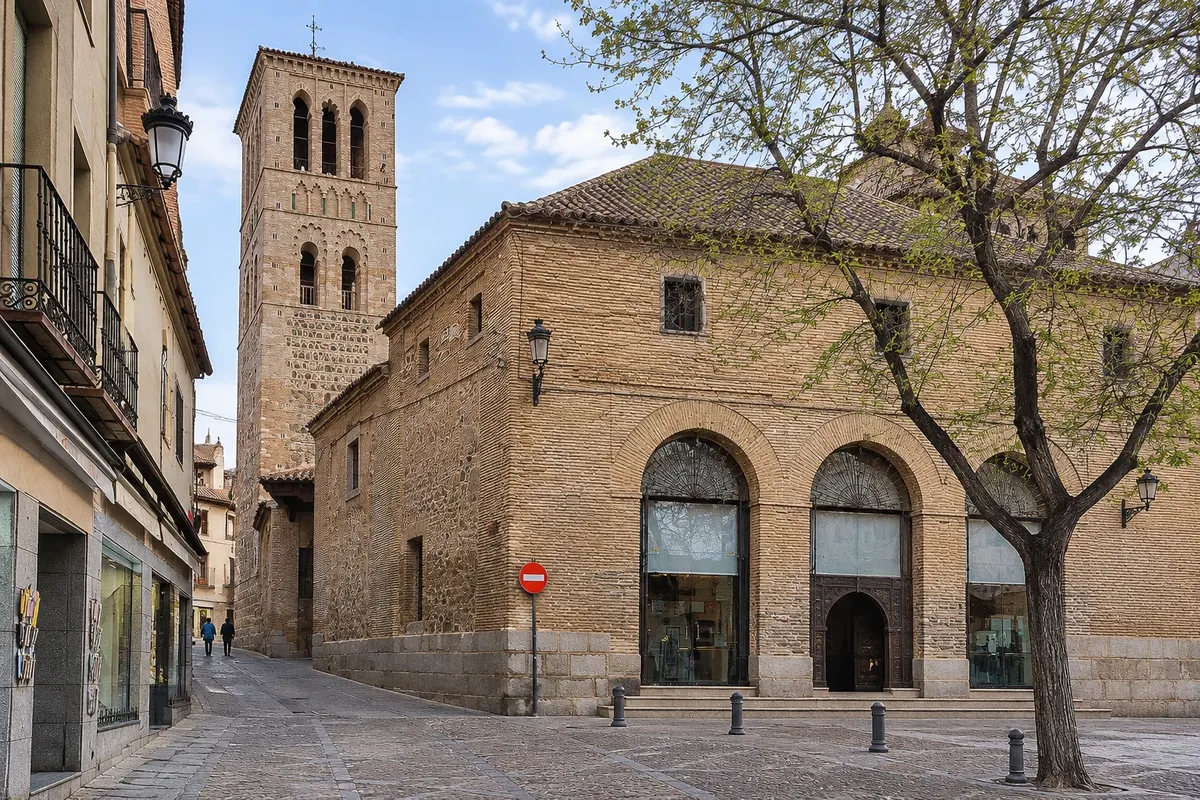
Mudejar-tower church that houses The Burial of the Lord of Orgaz, painted by El Greco in 1586 for the chapel where the lord of Orgaz himself was buried.
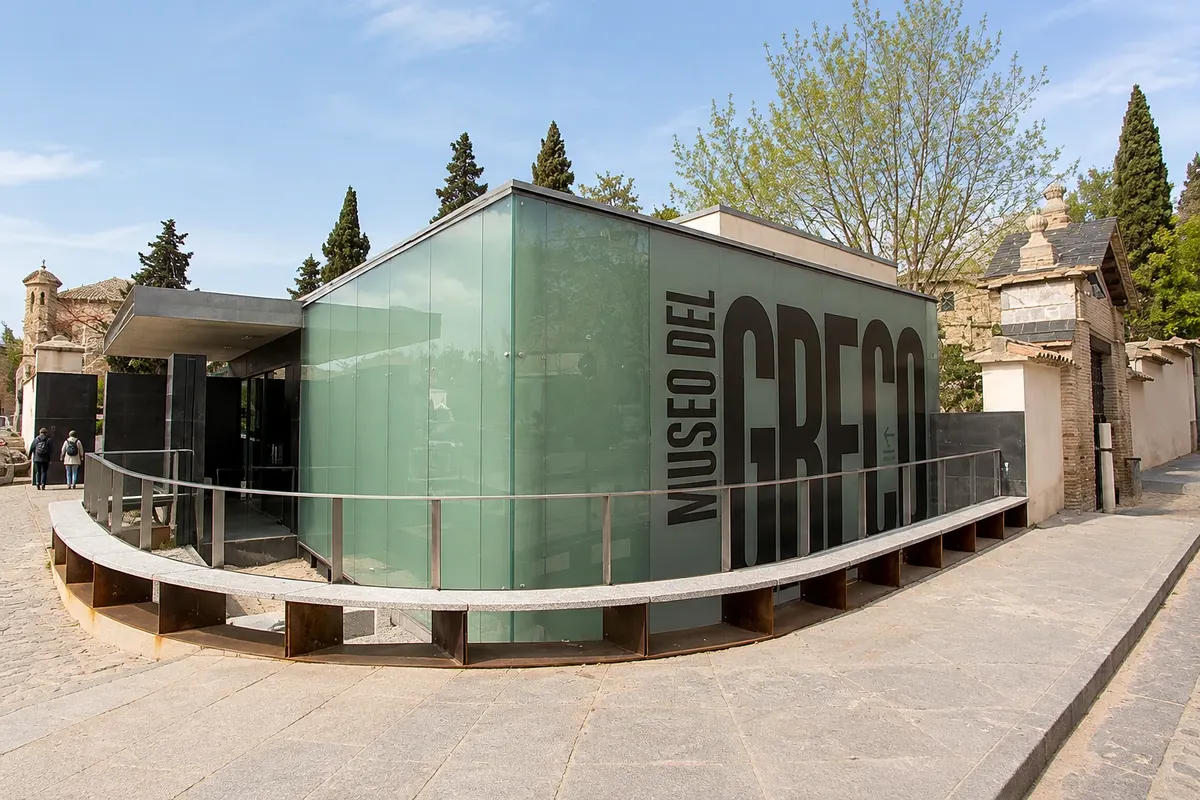
House-museum opened in 1910 in the old judería, recreating the atmosphere of the painter's time. It houses the complete Apostolado and the View and Plan of Toledo by El Greco.
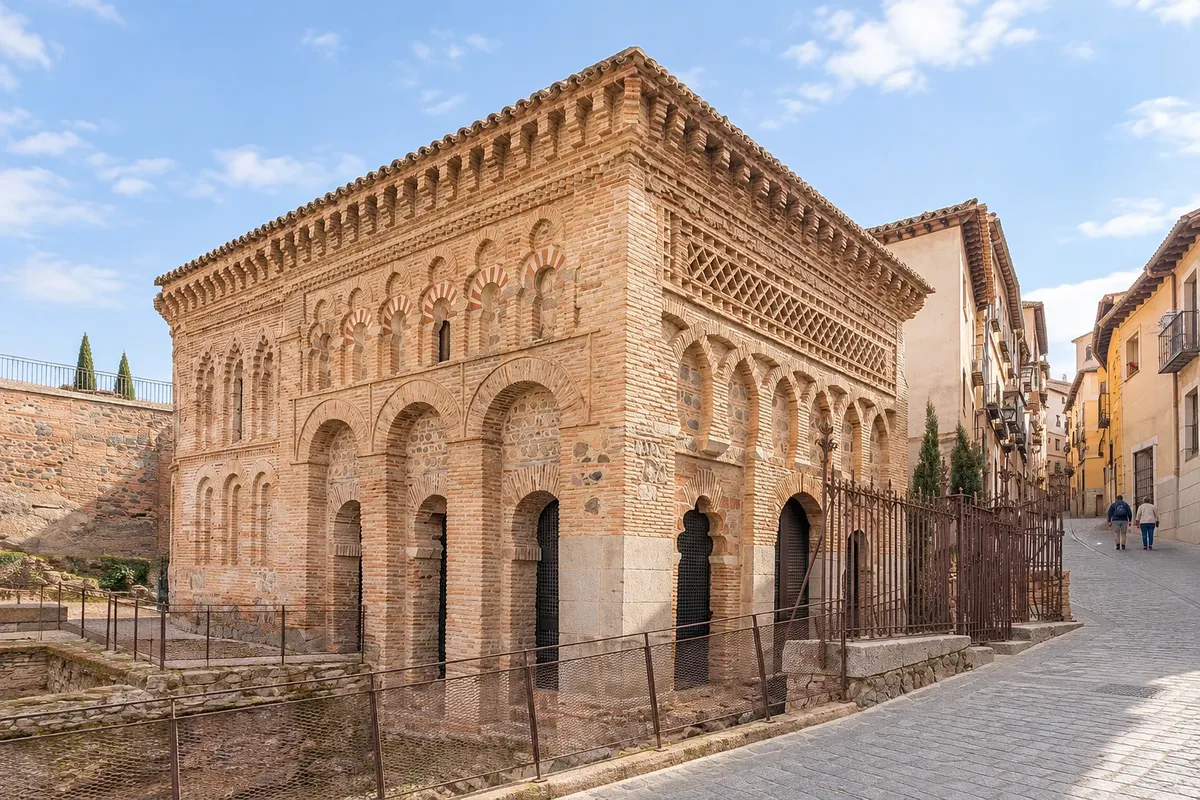
Small mosque completed in December 999, the best-preserved of the ten that Toledo once had. It has nine ribbed vaults and a Christian apse added in the 12th century.
Medieval stone bridge over the Tagus at the western tip of the city, with a large central arch and a tower on each side. It was rebuilt around 1390 by Archbishop Pedro Tenorio.
Bridge of Roman origin over the Tagus at the eastern entrance to the city, at the foot of the Castillo de San Servando. It has a tower with the coats of arms of the Catholic Monarchs and a Baroque arch from 1721.
Main gate of Toledo's walls, rebuilt between 1540 and 1576 with the participation of Alonso de Covarrubias. It has two round towers, the two-headed eagle of the imperial city, and a statue of Charles V in the courtyard.
Viewpoint on the south bank of the Tejo, on the road that skirts the city, offering the classic view of Toledo: the historic quarter atop the hill, the Cathedral, the Alcázar and the river wrapping around it.
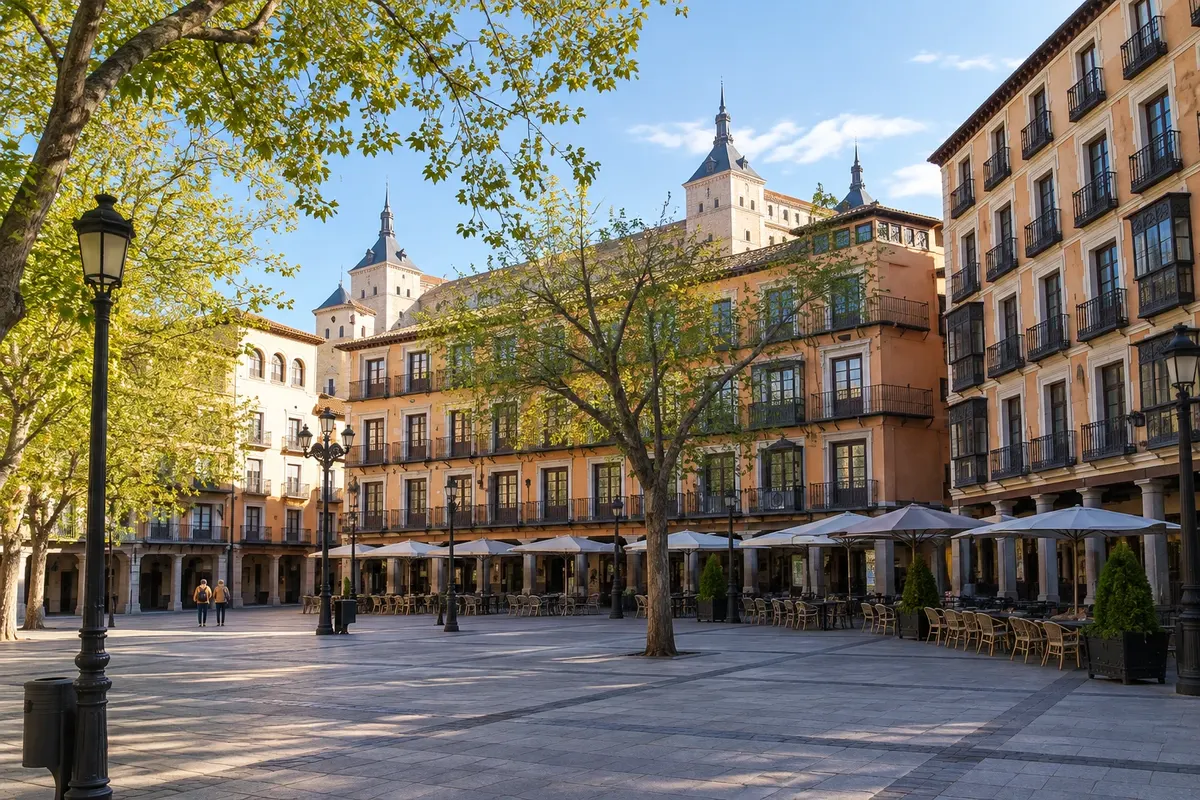
Main square of the old town, whose name comes from Arabic and means market for pack animals. It is a meeting point for locals, featuring the Arco de la Sangre and the terminus for the buses that climb up from the station.
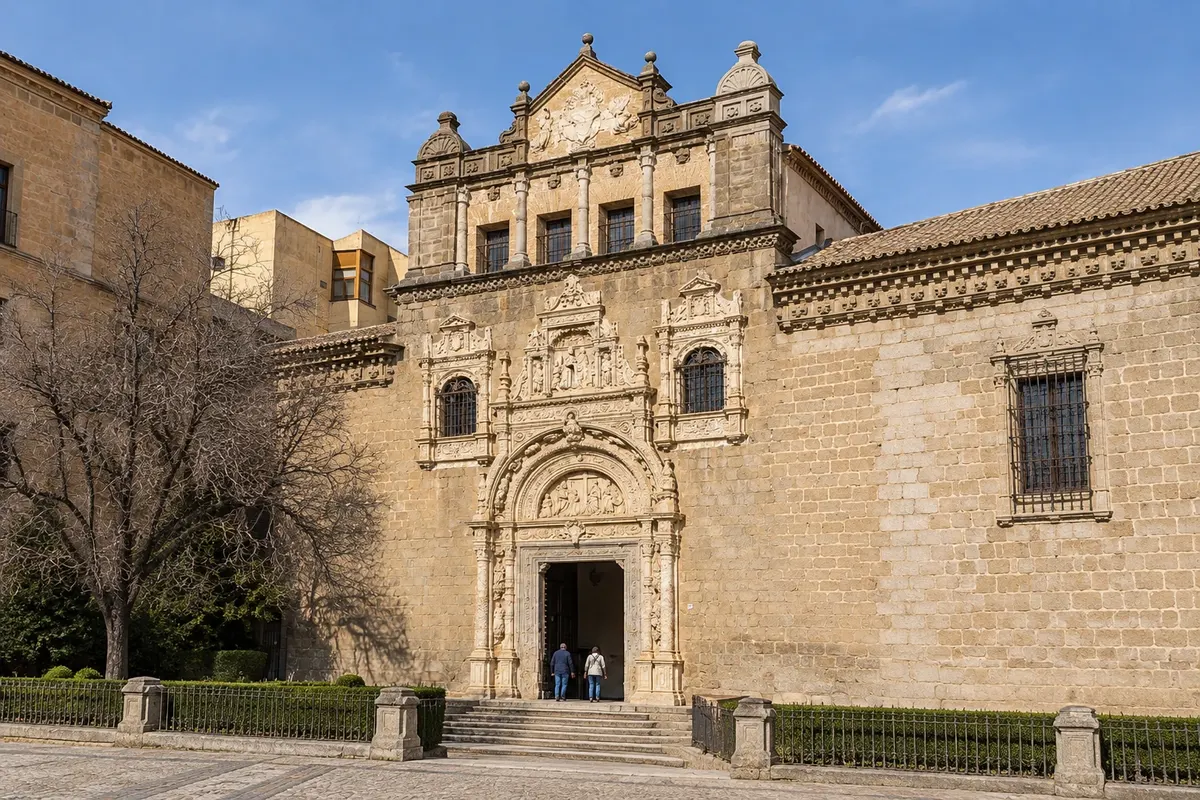
Museum in a former hospital from the early 16th century, with a plateresque portal by Alonso de Covarrubias. It contains paintings by El Greco from various periods, ceramics, tapestries and archaeological finds.
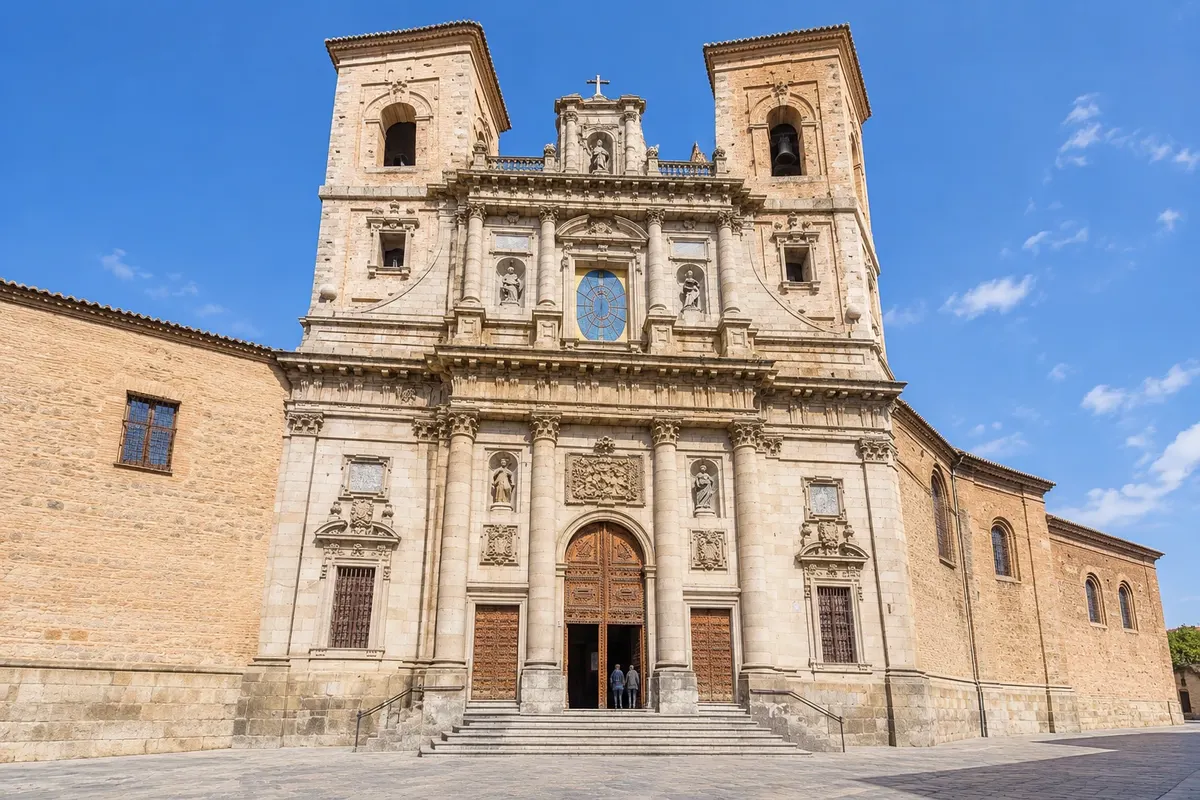
Baroque church of the Jesuits, built between 1629 and 1765 in the center of the old town. From the two towers on the façade you get one of the broadest views over the roofs of Toledo.
Pred odhodom
Toledo – Castilla-La Mancha Destinacija Toledo, Segovia and Ávila Capital
Razdalje so približne. Pred potovanjem preverite lete in vozne rede avtobusov, vlakov ali ladij.
The nearest airport is Madri-Barajas, about 86 km by road. Check before buying. From Madri, the Avant train departs from Puerta de Atocha station and reaches Toledo station in about half an hour. There are also buses from Plaza Elíptica.
On a one-day trip from Madri you can see the Catedral, the Jewish quarter and Santo Tomé. Two days allow a more relaxed visit to the Alcázar, the museums and the synagogues, and seeing the city lit up at night without the tour groups.
From March to May and from September to November the weather is usually good for walking. From December to February it is cold and the days are short.
The seasons shown are the most usual ones; nature doesn't always follow the calendar.
No. The train links Toledo with Madri, and the historic center is explored on foot. The streets are narrow and steep, and parking uphill is difficult. A car is only useful to reach the Mirador del Valle without walking up or to continue traveling around the region.
Predlog poti
Pot povezuje znamenitosti na tej strani. Za oglede boste imeli dovolj časa.
From the train station, take the bus up to Plaza de Zocodover. Walk along Calle del Comercio to the Catedral Primada and allow about two hours for the choir, the Transparente and the sacristy with El Greco.
After lunch, see The Burial of the Lord of Orgaz in the Iglesia de Santo Tomé. Continue through the Jewish Quarter to the Sinagoga del Tránsito and the Sinagoga de Santa María la Blanca, and finish at the cloister of San Juan de los Reyes.
Walk down from San Juan de los Reyes to the Puente de San Martín and cross the Tejo to see the bridge and the city from below. Return to the center by bus or taxi.
If the return train is late, take a taxi to the Mirador del Valle to see the city illuminated. If you stay overnight in Toledo, dine near Zocodover, keeping in mind that dinner usually starts after 21:00.
Dan 1
Start at the Catedral Primada right at opening, with tickets bought in advance. Then climb the towers of the Iglesia de San Ildefonso to see the city from above.
Have lunch near Zocodover. Visit the Museo del Ejército in the Alcázar or, if you prefer art, the Museo de Santa Cruz with paintings by El Greco, two minutes from the square.
Pass by the Mezquita del Cristo de la Luz and go down via the Puerta del Sol to the Puerta Nueva de Bisagra, viewing the outside of the walls.
Return to Plaza de Zocodover to dine in the surrounding streets after the tour groups have left.
Dan 2
See The Burial of the Lord of Orgaz in Santo Tomé as soon as it opens. Then go to the Museo del Greco and, next to it, the Sinagoga del Tránsito and the Museo Sefardí.
After lunch in the Jewish Quarter, visit the Sinagoga de Santa María la Blanca and the Monasterio de San Juan de los Reyes, taking time to enjoy the cloister.
Go down to the Puente de San Martín. Then, by taxi or bus, go to the Puente de Alcántara, the Roman-origin bridge on the east side at the foot of the Alcázar.
Finish at the Mirador del Valle, on the other side of the river, to see the whole city at dusk. Go by car, taxi or tourist train and arrange your return in advance.
Check before you go. Opening hours and days change, and places may close for renovations, holidays or events. This itinerary is a suggestion from Cidade Turismo, not a commitment: plan yours by checking directly with each place you intend to visit.
Pred odhodom
Yes. Toledo is the seat of the government and parliament of the autonomous community of Castela-Mancha, as well as the capital of the province of Toledo.
The quickest way is the Avant train, which departs from Puerta de Atocha station and takes about half an hour. From Toledo station the city bus goes up to Plaza de Zocodover. There are also buses from Plaza Elíptica in Madri.
You can see the Catedral, Santo Tomé and the Jewish Quarter in one day. With two days you can include the Alcázar, the museums and the city at night.
Spanish (Castilian), the language of all Spain. Outside the monuments, in bars and shops, it's useful to know some Spanish.
The streets are narrow, paved and very steep in places. Wear comfortable shoes. The city bus connects Plaza de Zocodover with the train station and saves you the steepest part.
Več kot vodnik