Monument
Roman Wall of Lugo
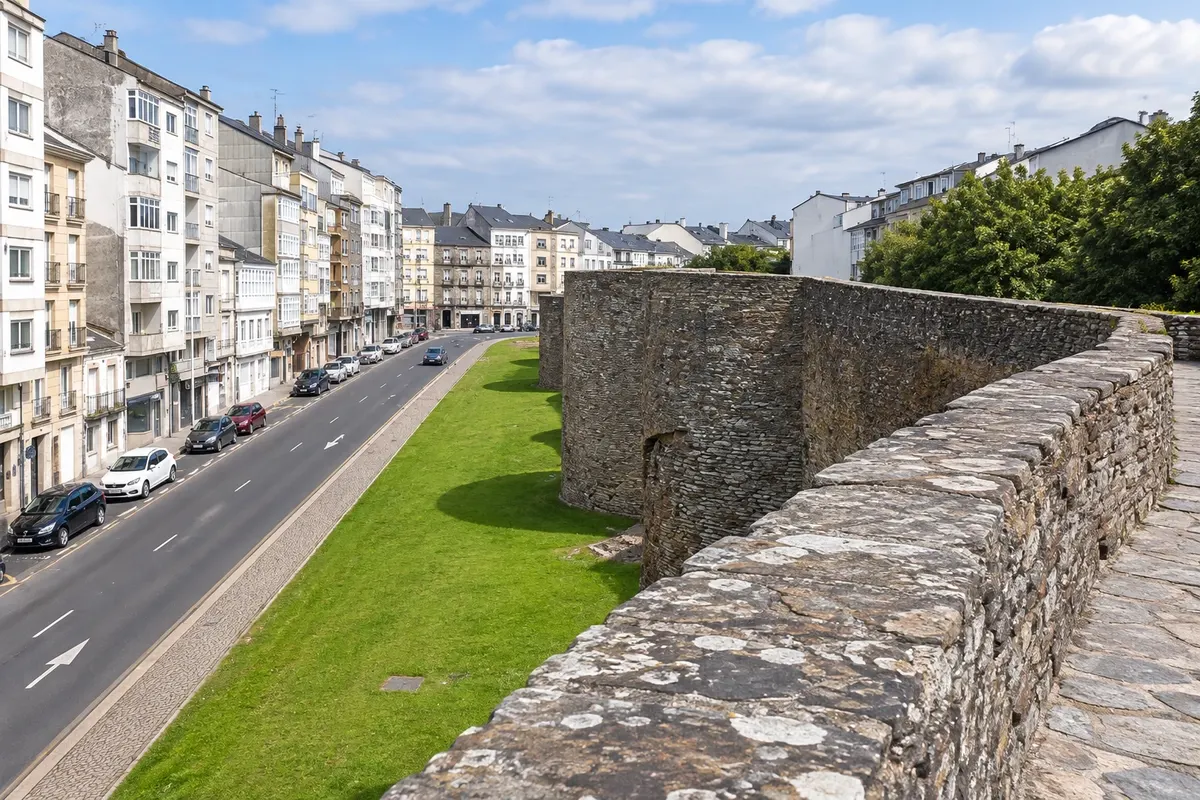
Roman wall from the late 3rd century that surrounds the center of Lugo, about 2 km long, with 71 towers and ten gates; the only one preserved intact; a World Heritage site since 2000.

 Išči
 Brazilija
 Antarktika
 Argentina
 Bolivija
 Čile
 Kolumbija
 Ekvator
 Gvajana
 Francoska Gvajana
 Falklandski otoki (Malvini)
 Paragvaj
 Peru
 Surinam
 Urugvaj
 Venezuela
 Nemčija
 Avstrija
 Belgija
 Hrvaška
 Danska
 Slovaška
 SlovenijaŠpanija
 Finska
 Francija
 Grčija
 Nizozemska
 Madžarska
 Irska
 Islandija
 Italija
 Luksemburg
 Norveška
 Poljska
 Portugalska
 Združeno kraljestvo
 Češka
 Švedska
 Švica
 Turčija
 Bermudi
 Kanada
 Združene države Amerike
 Grenlandija
 Mehika
 Sveta Peter in Mihael
 Dominikanska republika
 JaponskaTurčija
 Južnoafriška republika
 Egipt
 Avstralija
 Fidži
 Nova Zelandija
 Papua Nova Gvineja
Galícia · Španija
Destinacija: Santiago de Compostela and Galicia.
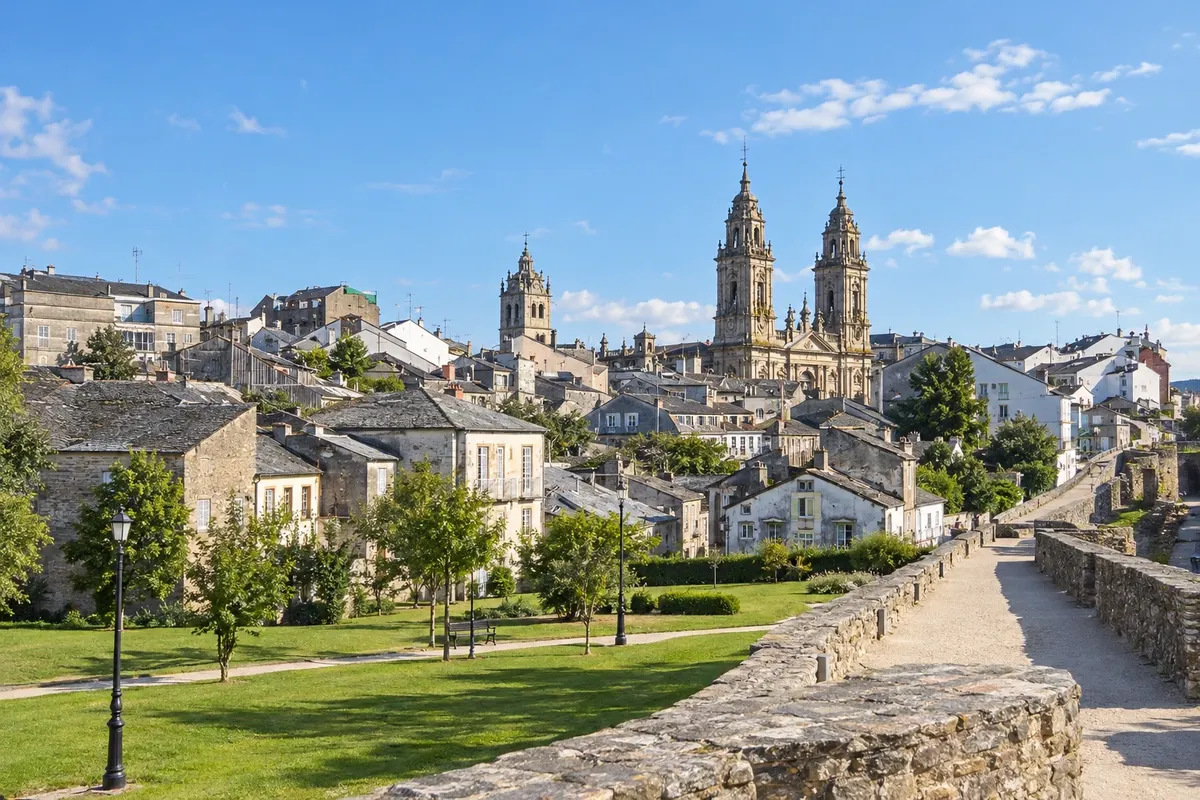
Na fotografiji: Catedral de Lugo seen from the Roman wall
Illustrative images. The pictures in this guide are illustrations based on the real place, not photographs, and may differ from it.
Mesto
Lugo is an inland city in Galicia that began as the Roman Lucus Augusti around 15 BC. It is surrounded by a complete Roman wall of about 2 km and 71 towers, a World Heritage site; you can walk along the top of it around the entire circuit. Inside are the cathedral, Praça Maior, the Museu Provincial and the museum of the Domus do Mitreo, with remains of a Roman house. By the river Minho are the thermal baths and a bridge of Roman origin, and 14 km away is the Roman temple of Santa Eulalia de Bóveda. It is a stop on the Caminho Primitivo, about 100 km from Santiago, and in June the Arde Lucus festival revives its Roman past.
V vodniku še ni nastanitev – Lugo.
kako do tja · koliko dni · načrt poti · vprašanja
Doživite kraj
Roman wall from the late 3rd century that surrounds the center of Lugo, about 2 km long, with 71 towers and ten gates; the only one preserved intact; a World Heritage site since 2000.
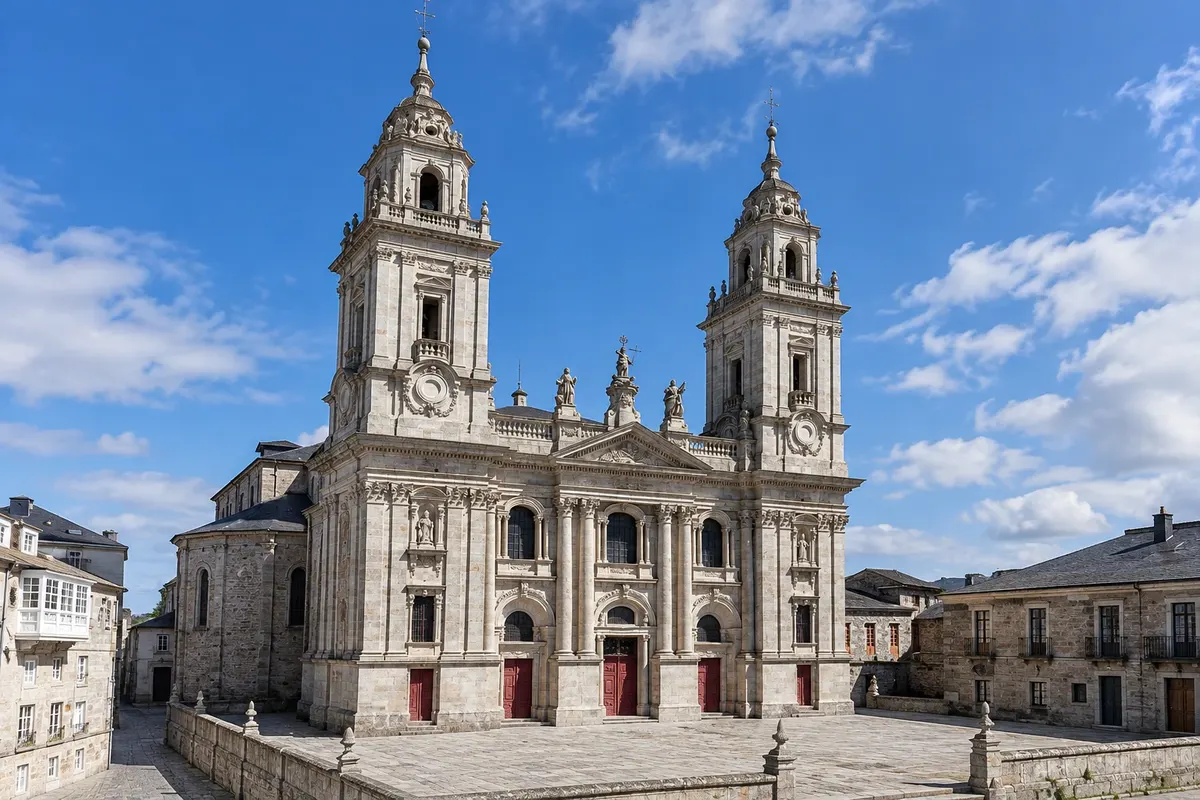
Romanesque cathedral begun in 1129, with Gothic and Baroque additions and a Neoclassical façade, where the Blessed Sacrament is exposed day and night; part of the World Heritage of the Caminho de Santiago.
Museum of the Museu da Universidade de Santiago next to the wall, above the remains of a Roman house that was converted into a temple of the god Mitra, with an altar bearing an inscription dedicated by a centurion.
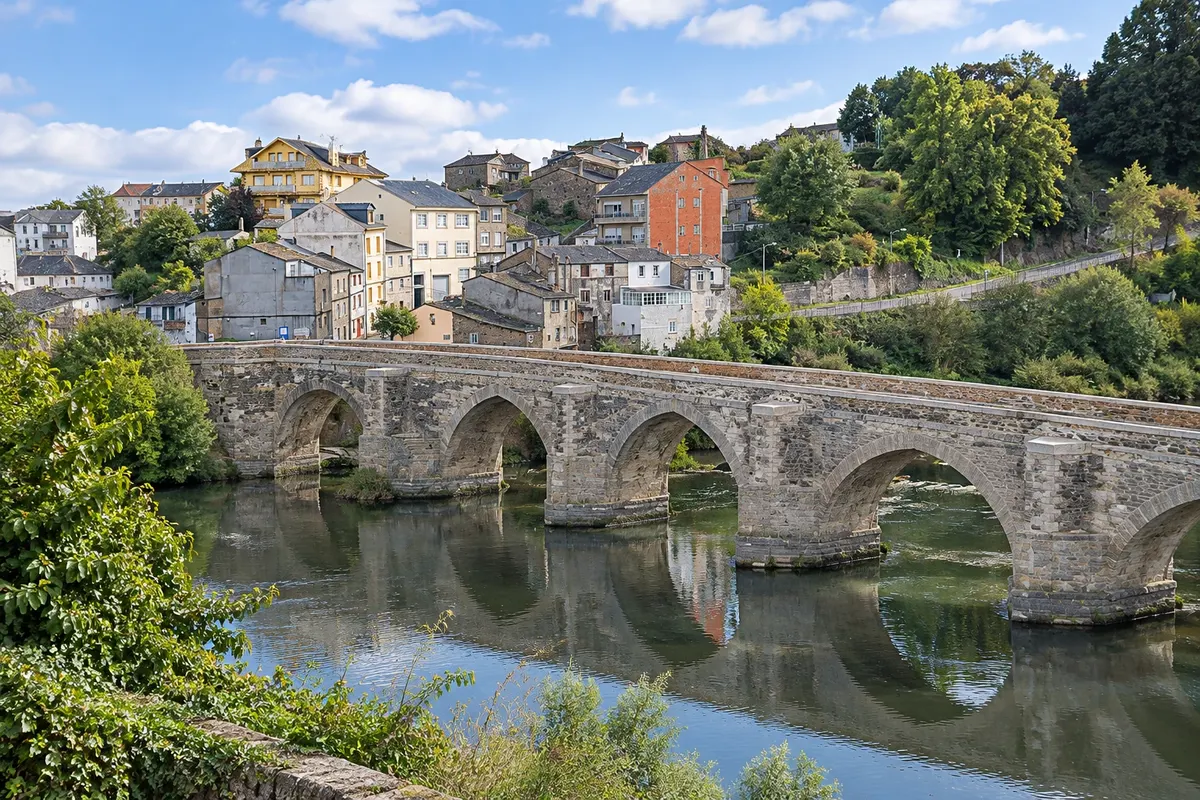
Remains of the Roman baths from the foundation of Lucus Augusti, by the river Minho, with the changing room preserved inside a spa hotel, and next to it the bridge of Roman origin, now for pedestrians.
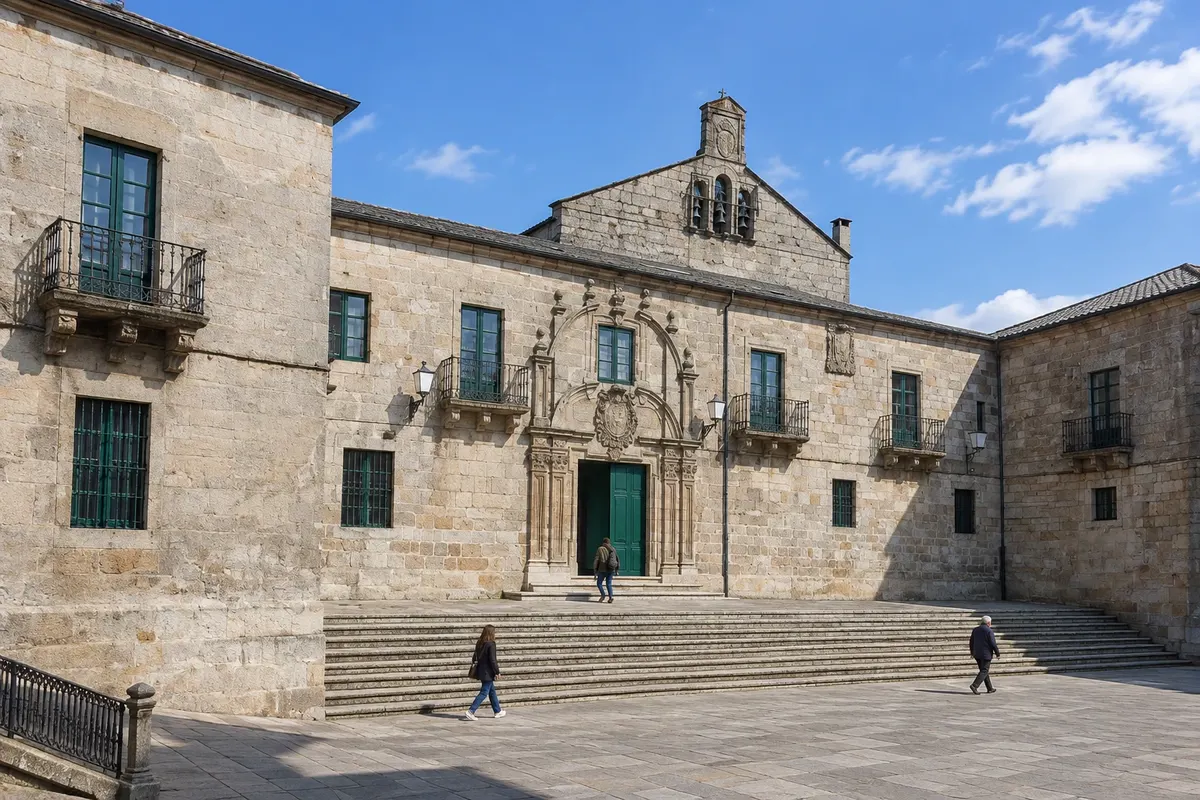
Provincial museum in the former convent of San Francisco, with a 15th-century cloister, 18th-century kitchen and refectory, Roman mosaics, castreja metalwork and Sargadelos ceramics.
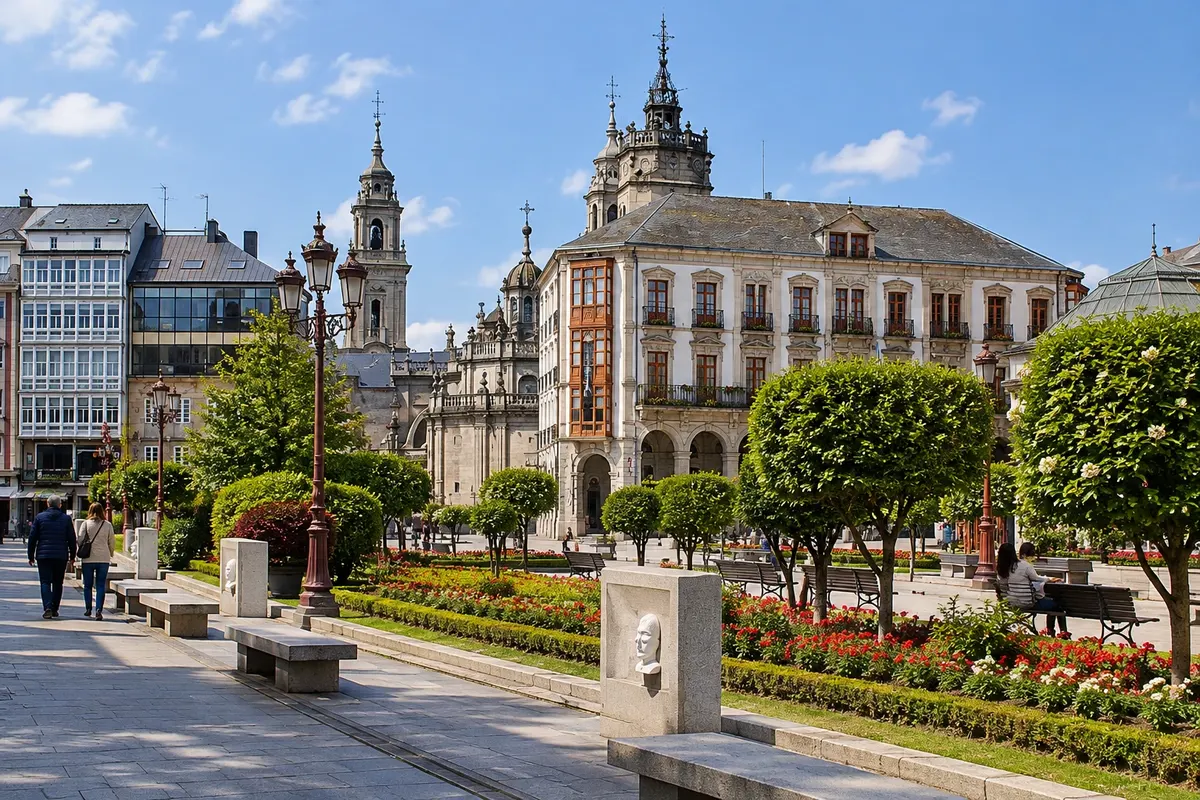
Main square of Lugo, inside the wall, with gardens, a bandstand and the 18th-century Baroque town hall, a meeting point for locals and the starting point for the central tapas bars.
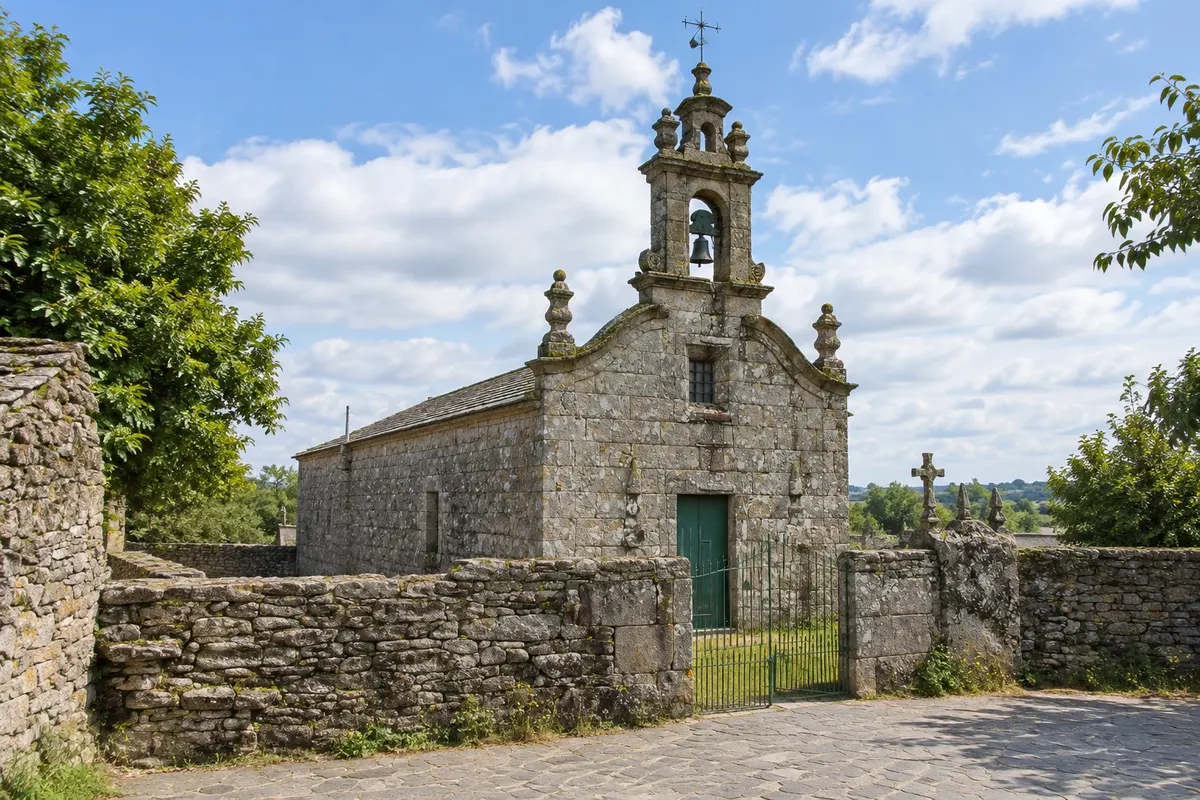
Roman temple from the 3rd century, 14 km from Lugo, probably dedicated to the goddess Cybele and later Christianized, with a central pool, bird paintings and the oldest horseshoe arch used as a structural element in Spain.
Pred odhodom
Lugo – Galicia Destinacija Santiago de Compostela and Galicia približno 100 km stran (izhodišče: Santiago de Compostela)
Razdalje so približne. Pred potovanjem preverite lete in vozne rede avtobusov, vlakov ali ladij.
Confirm before booking. The nearest airports are Santiago and A Coruña, about 100 km away. Lugo's station has trains to A Coruña, Ourense and Madrid. There are buses to Santiago (about 1h30) and to other Galician cities. By car, take the A-6 motorway, which links Madrid with Galicia.
In one day you can walk the wall circuit, visit the cathedral, Praça Maior, the Domus do Mitreo and the Museu Provincial. With two days you can add the thermal baths and the Roman bridge by the Minho, and the temple of Santa Eulalia de Bóveda.
From May to October it usually rains less. In mid-June the Arde Lucus takes place, a Roman and castrejan reenactment festival, and in October the San Froilán festivities feature octopus served at the stalls. Winters are cold and damp, with fog.
The seasons shown are the most usual ones; nature doesn't always follow the calendar.
You don't need a car for the city, which is explored on foot inside and atop the wall. For Santa Eulalia de Bóveda, 14 km away, a car or taxi makes access easier.
Predlog poti
Pot povezuje znamenitosti na tej strani. Za oglede boste imeli dovolj časa.
Climb up to the wall via one of the stairways and complete the full circuit, about 2 km, observing the towers, gates and the town from above.
Visit the catedral de Santa María and, next to it, the museum of the Domus do Mitreo, which houses the remains of the Roman house.
Walk to Praça Maior, with its Baroque town hall, and enter the Museu Provincial, housed in the former convent of San Francisco.
Do a tapas crawl along the streets Cruz and Nova, where bars typically serve a portion with the drink.
Dan 2
Descend via the porta Miñá to the Roman baths by the river Minho, and cross the bridge of Roman origin.
Go by car or taxi to the Roman temple of Santa Eulalia de Bóveda, 14 km away, which has paintings of birds.
Check before you go. Opening hours and days change, and places may close for renovations, holidays or events. This itinerary is a suggestion from Cidade Turismo, not a commitment: plan yours by checking directly with each place you intend to visit.
Pred odhodom
Yes, the walkway on the wall is open, with various stairways and ramps for access, and it completes the full circuit of about 2 km.
Yes, since the year 2000. It is the only Roman wall that has been preserved intact.
Yes, the Caminho Primitivo crosses the wall and the center of Lugo, about 100 km from Santiago.
In mid-June, with residents dressed as Romans and castrejan inhabitants in the streets.
Galician and Spanish.
Poti – in Španija
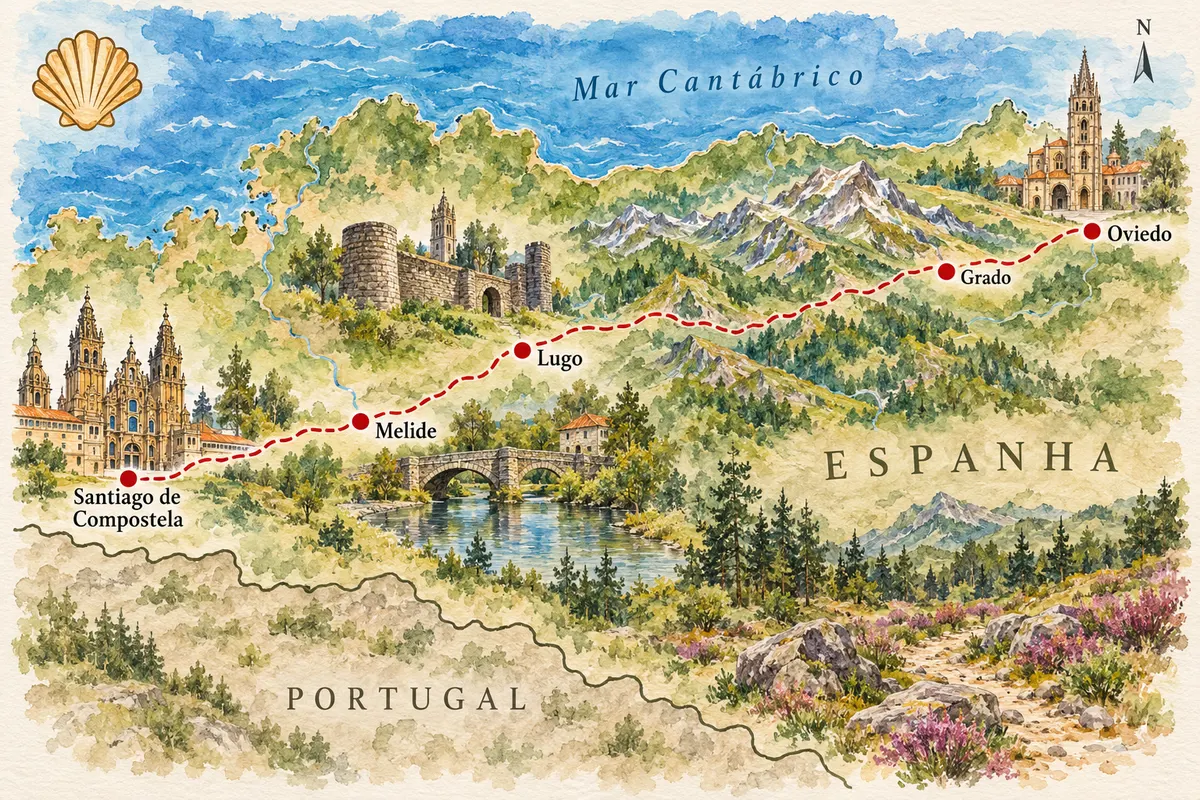
The oldest route to Santiago: from Oviedo, through the mountains of Asturias and via Lugo and its Roman walls, on foot to the cathedral of Compostela.
Več kot vodnik