Cusco was the capital of the Inca Empire, the Tawantinsuyu, which in the 15th century stretched from southern Colombia to central Chile. The city sits in a valley of the southern Peruvian Andes, at about 3,400 meters altitude, and preserves Inca stone walls beneath churches and colonial mansions built by the Spanish after 1534. The historic center has been a UNESCO World Heritage Site since 1983.
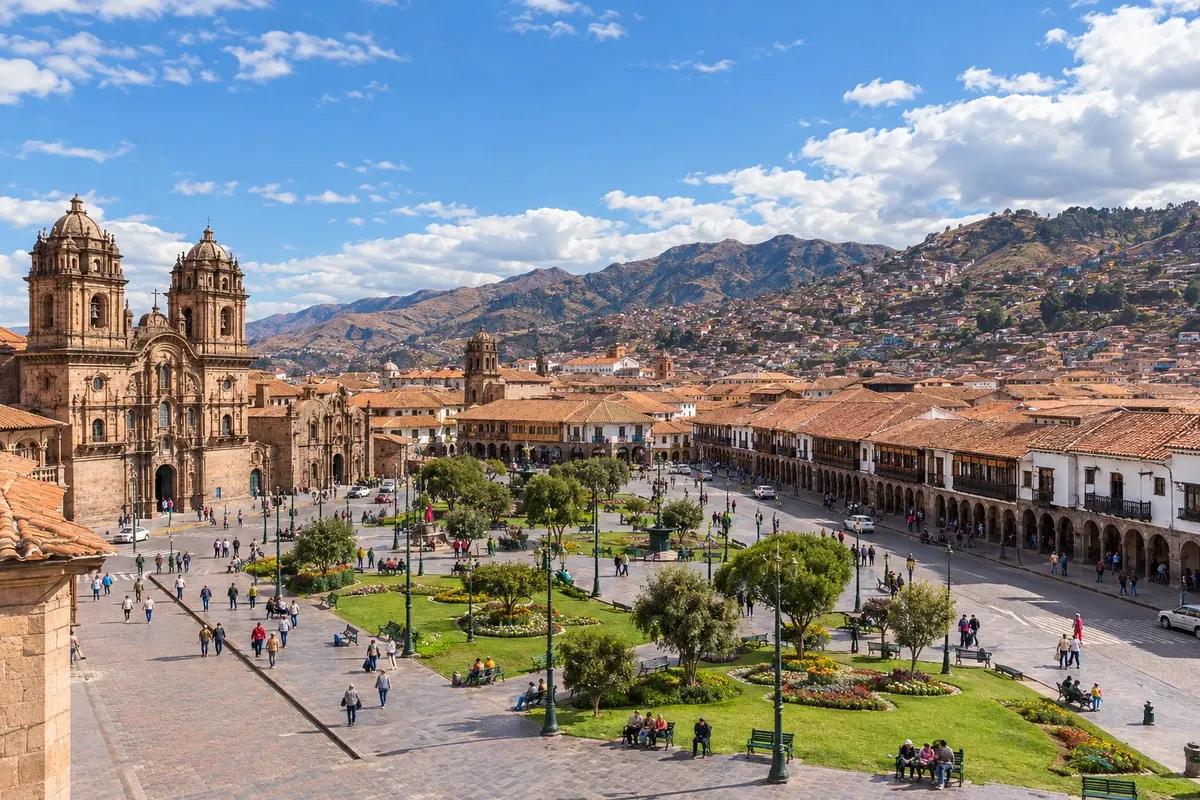
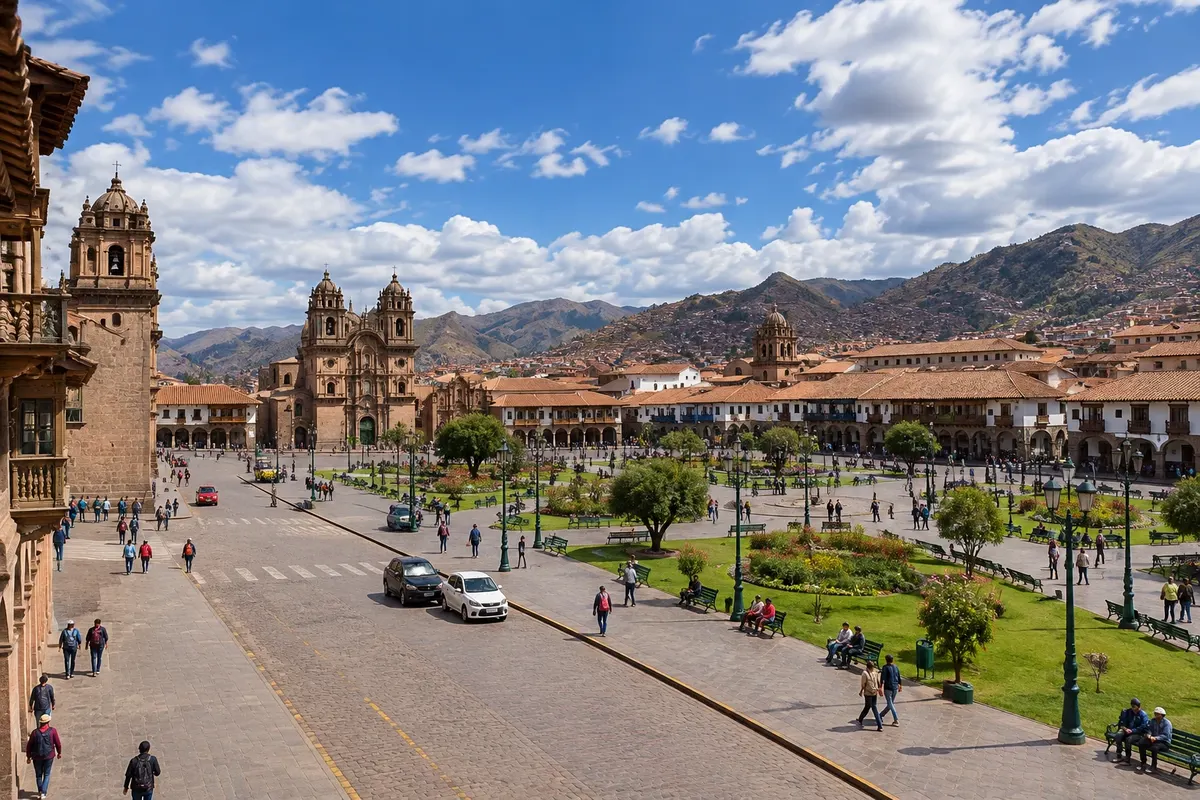
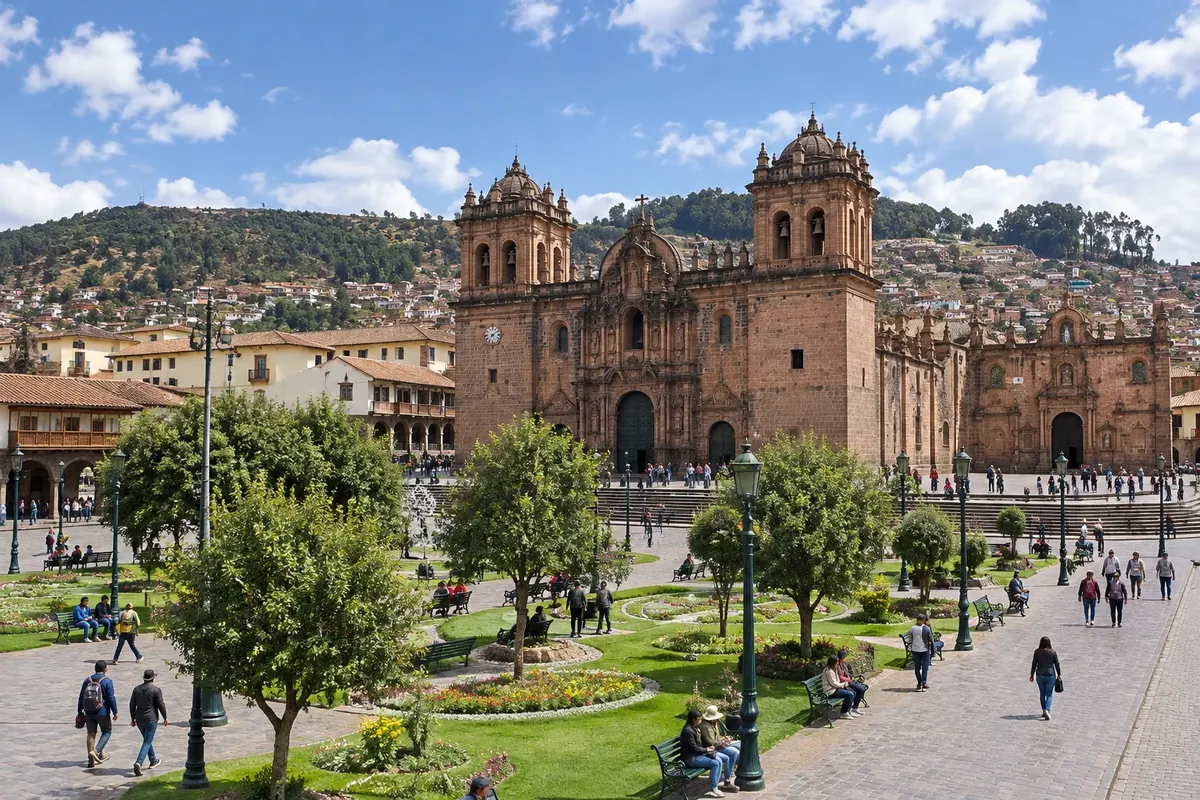
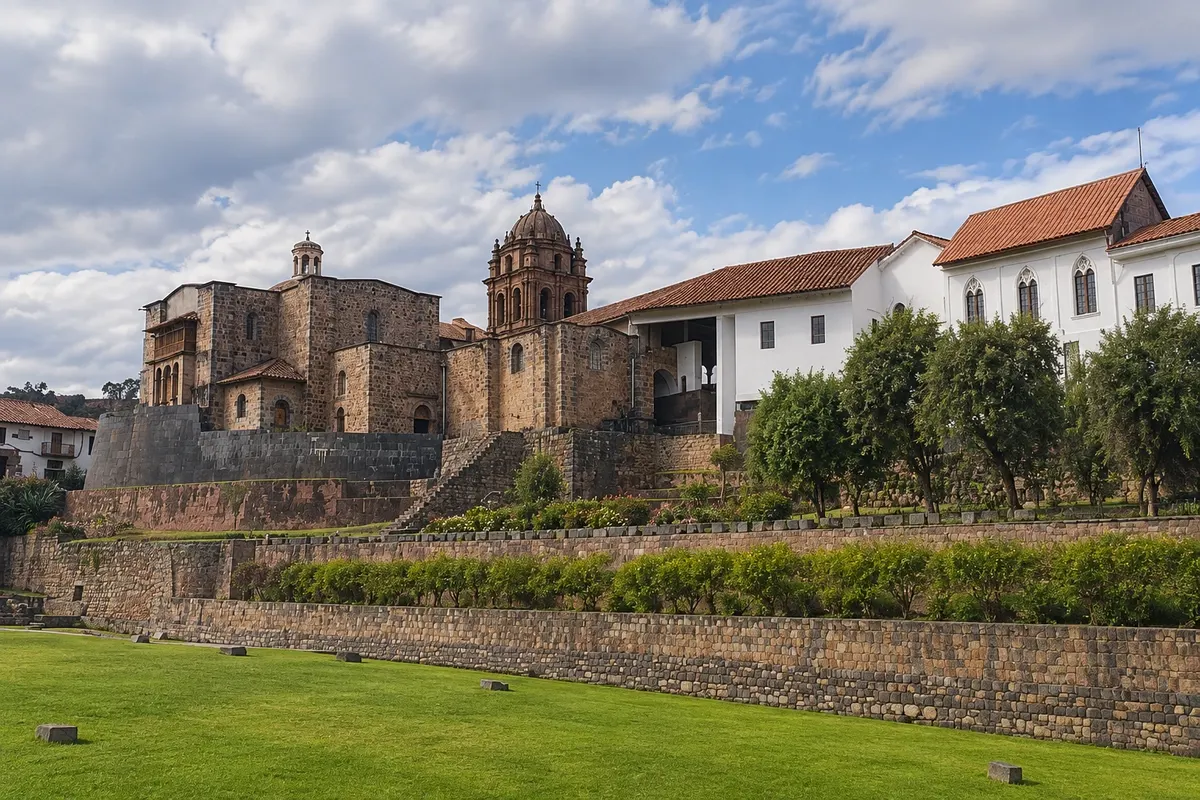
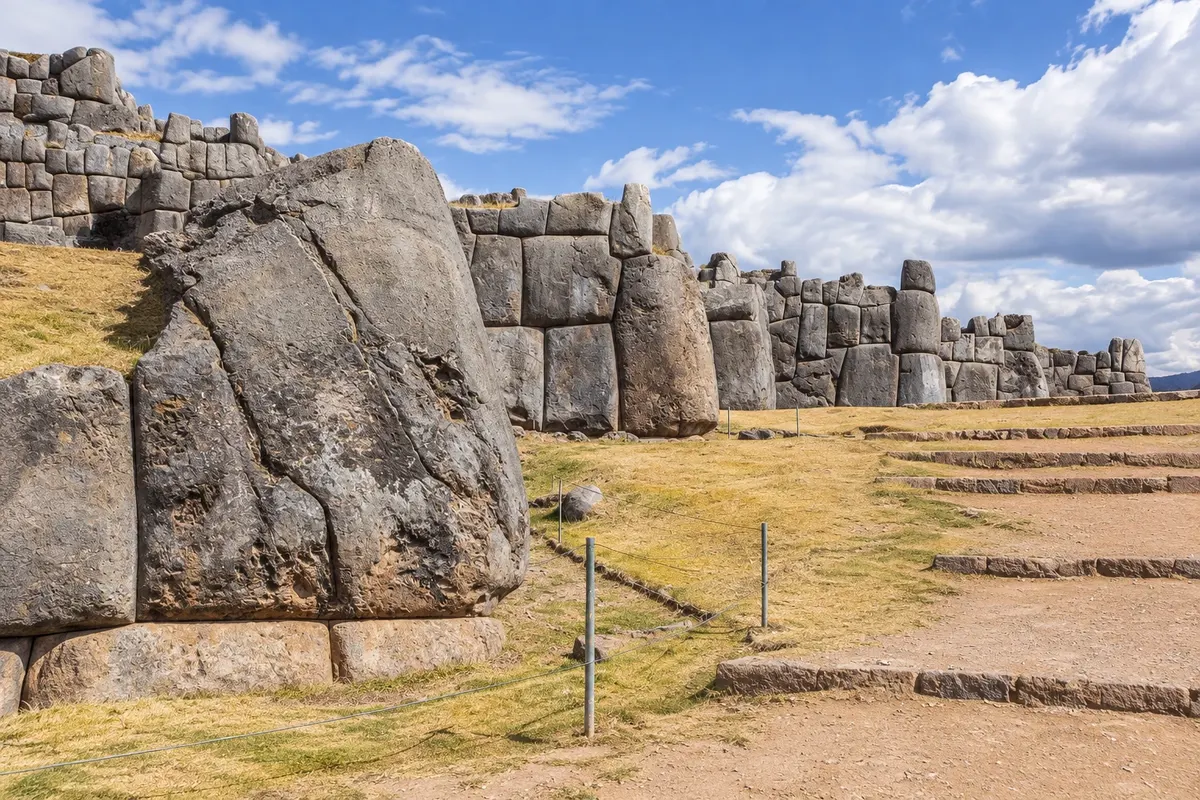
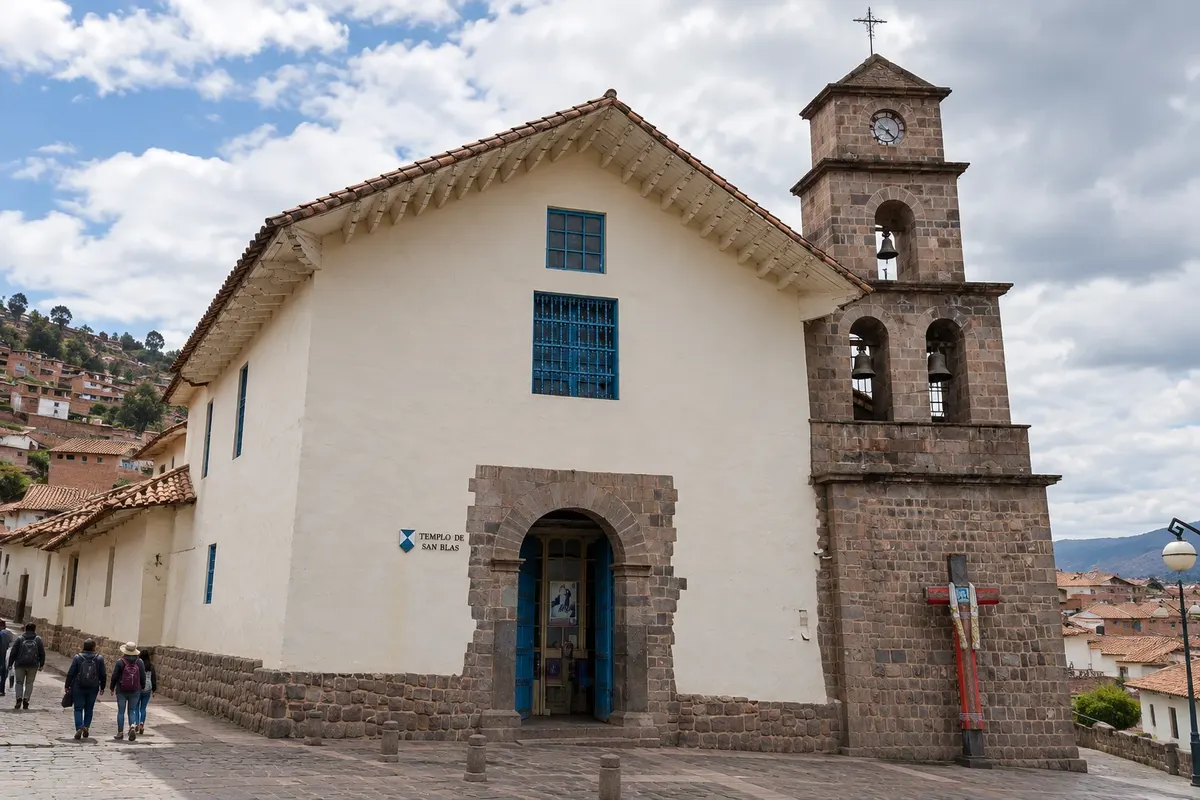
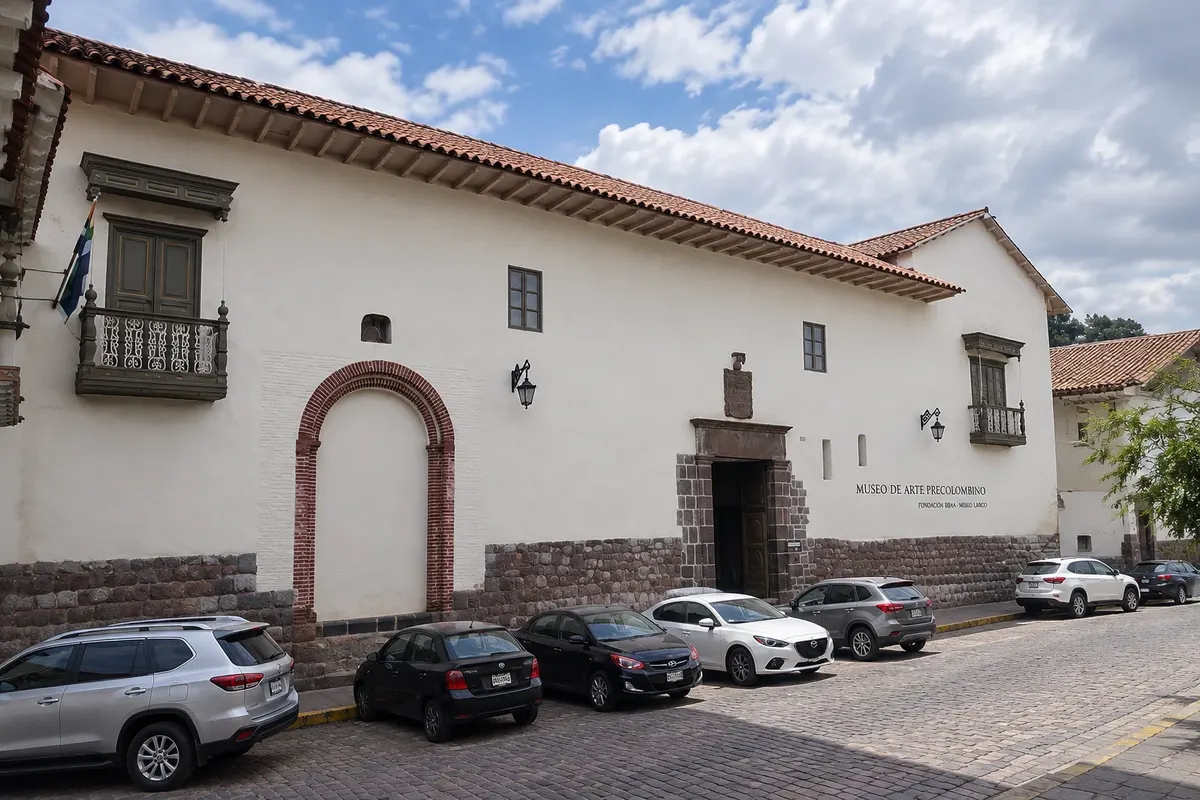
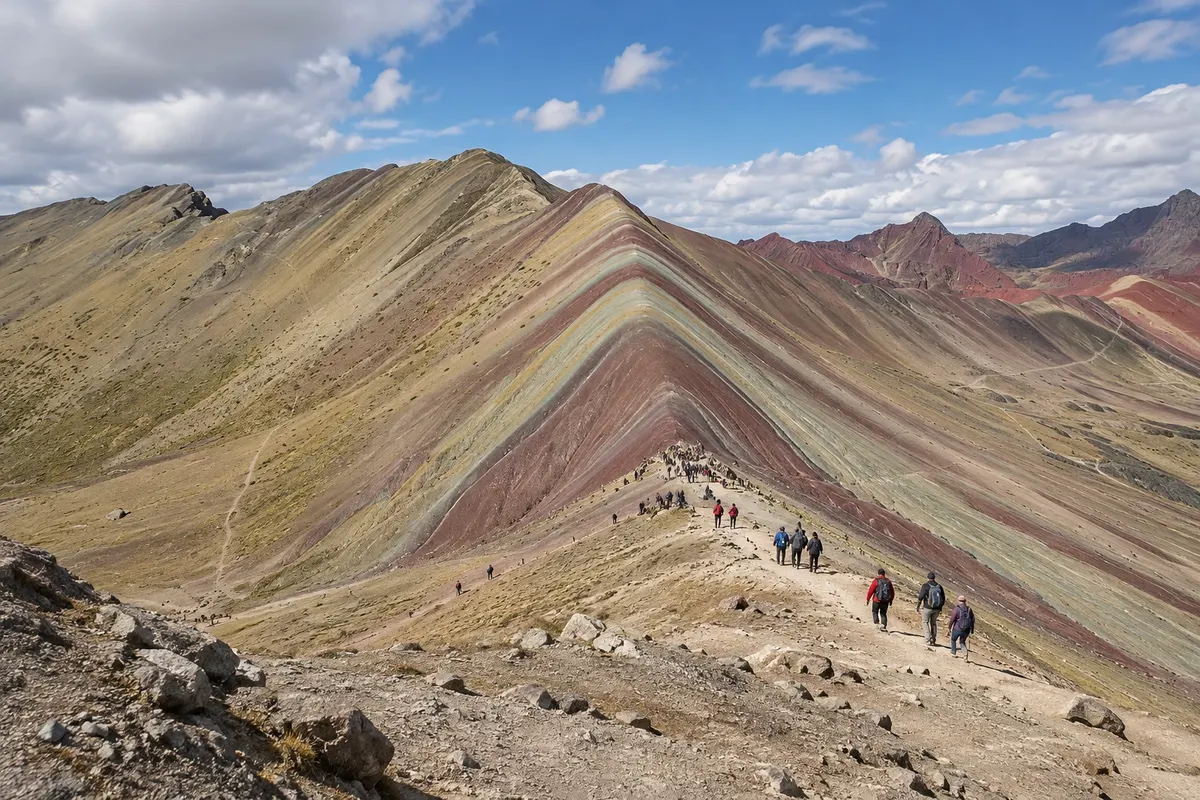
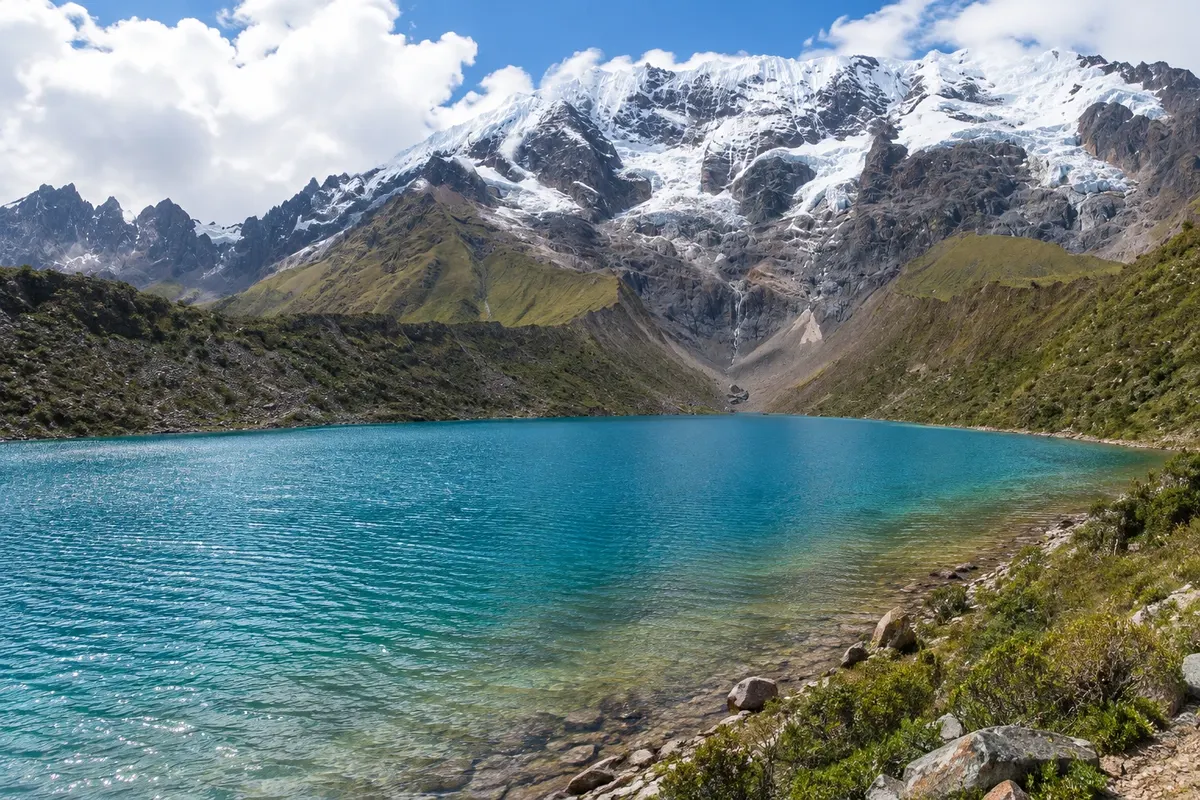
The Plaza de Armas, with the Cathedral and the church of La Compañía, is the starting point. From there you can walk to Qorikancha, the Inca Temple of the Sun, the San Blas neighborhood, the San Pedro Market and the museums. Above the city, the fortress of Sacsayhuamán has stone walls of more than 100 tons fitted together without mortar. Cusco is also the base for high-altitude day trips, such as Vinicunca, the Rainbow Mountain, and Laguna Humantay.
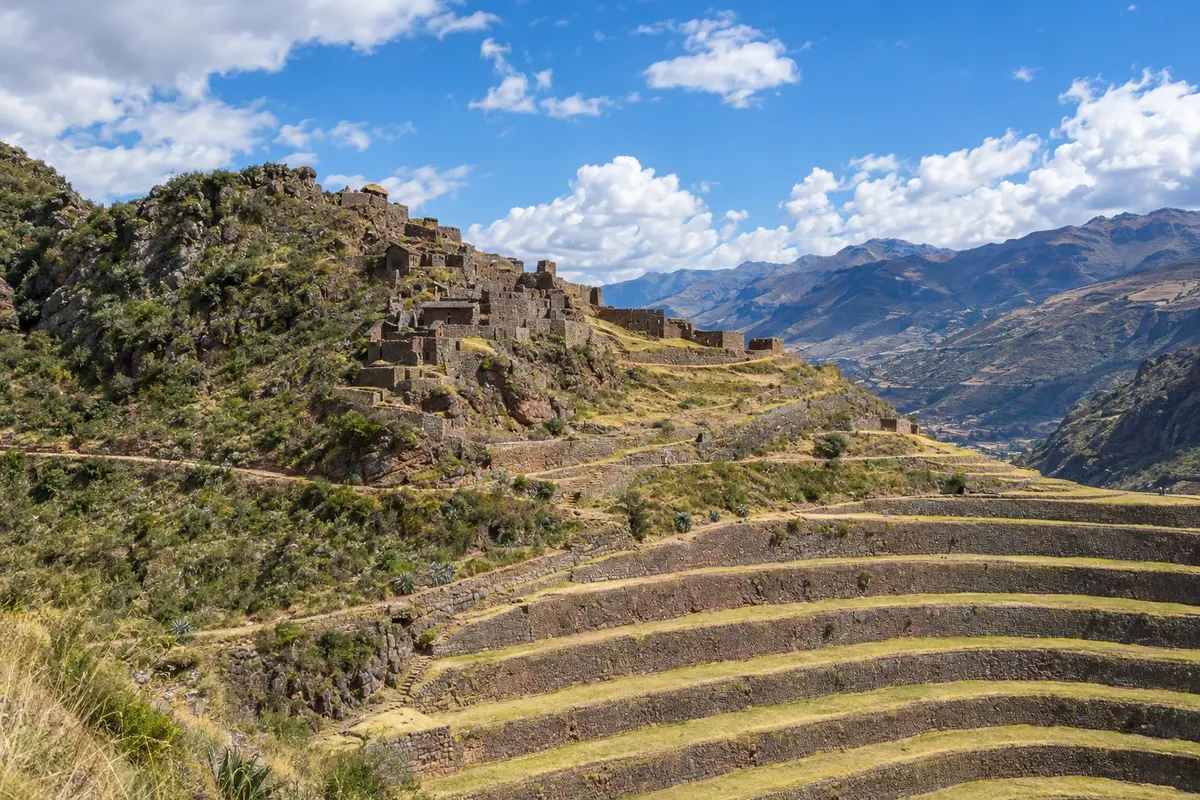
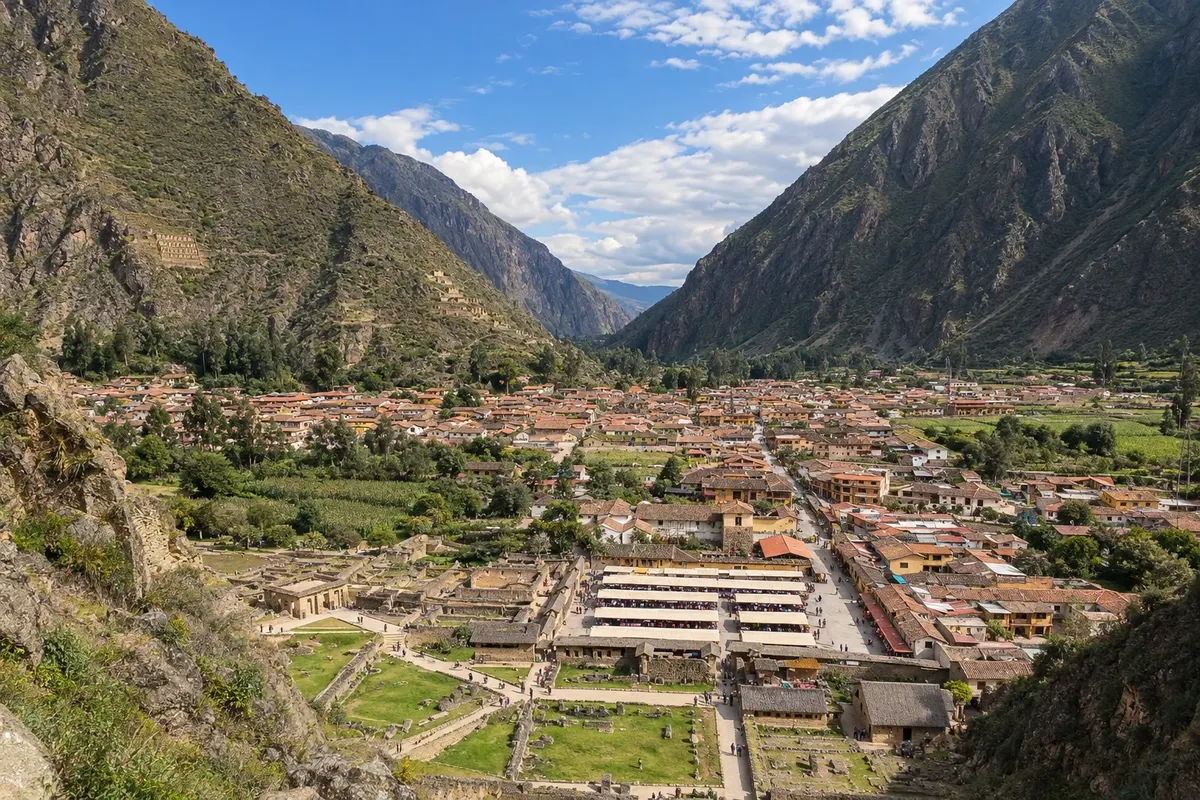
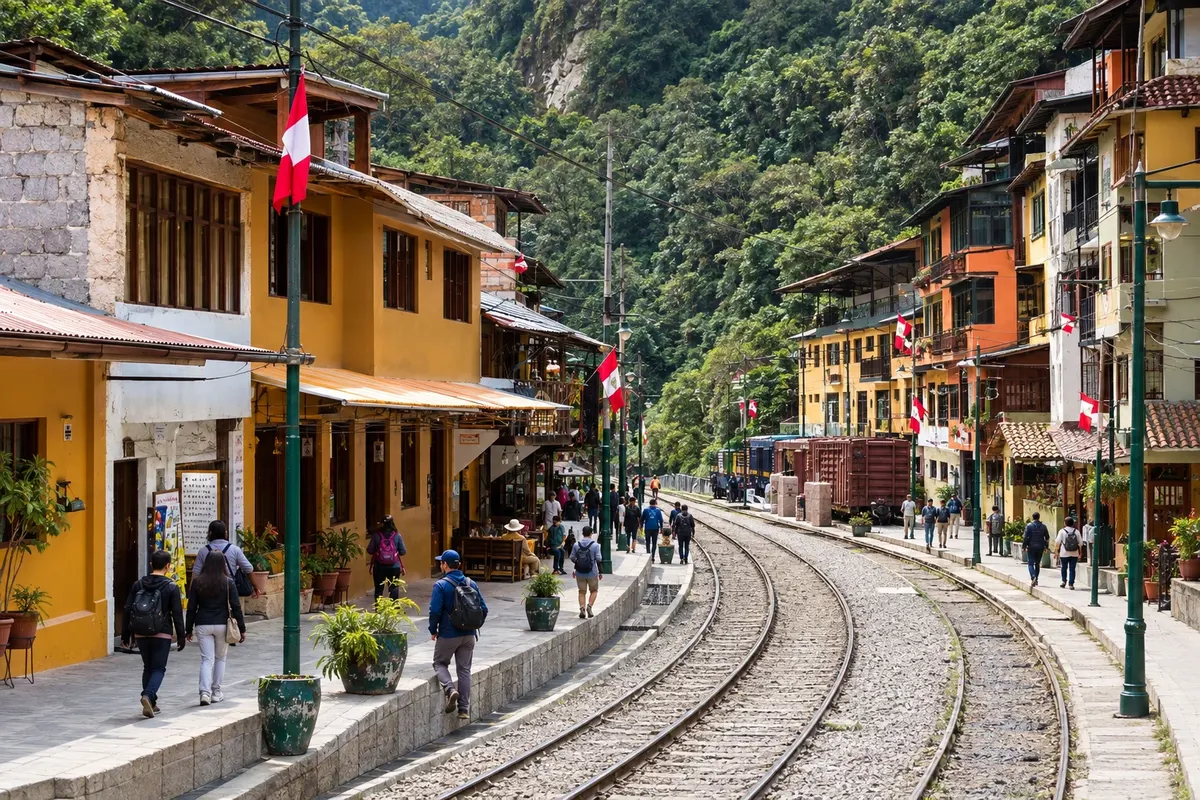
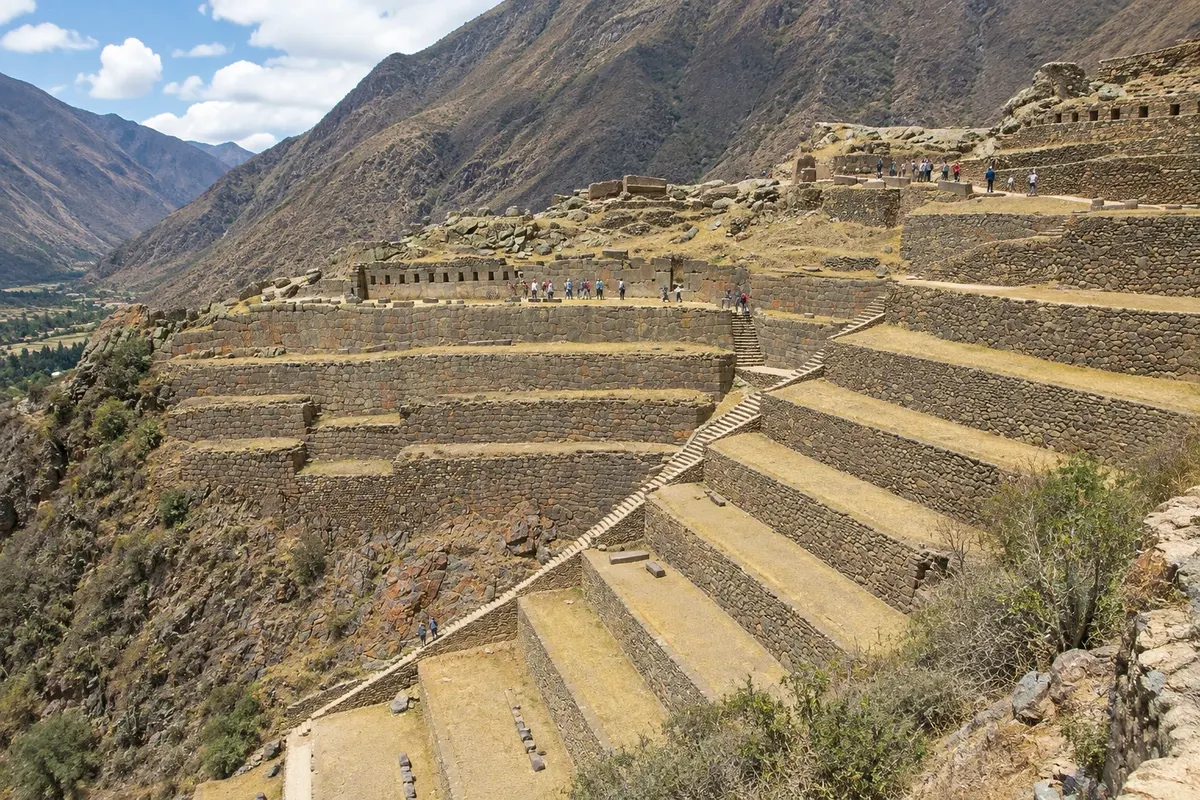
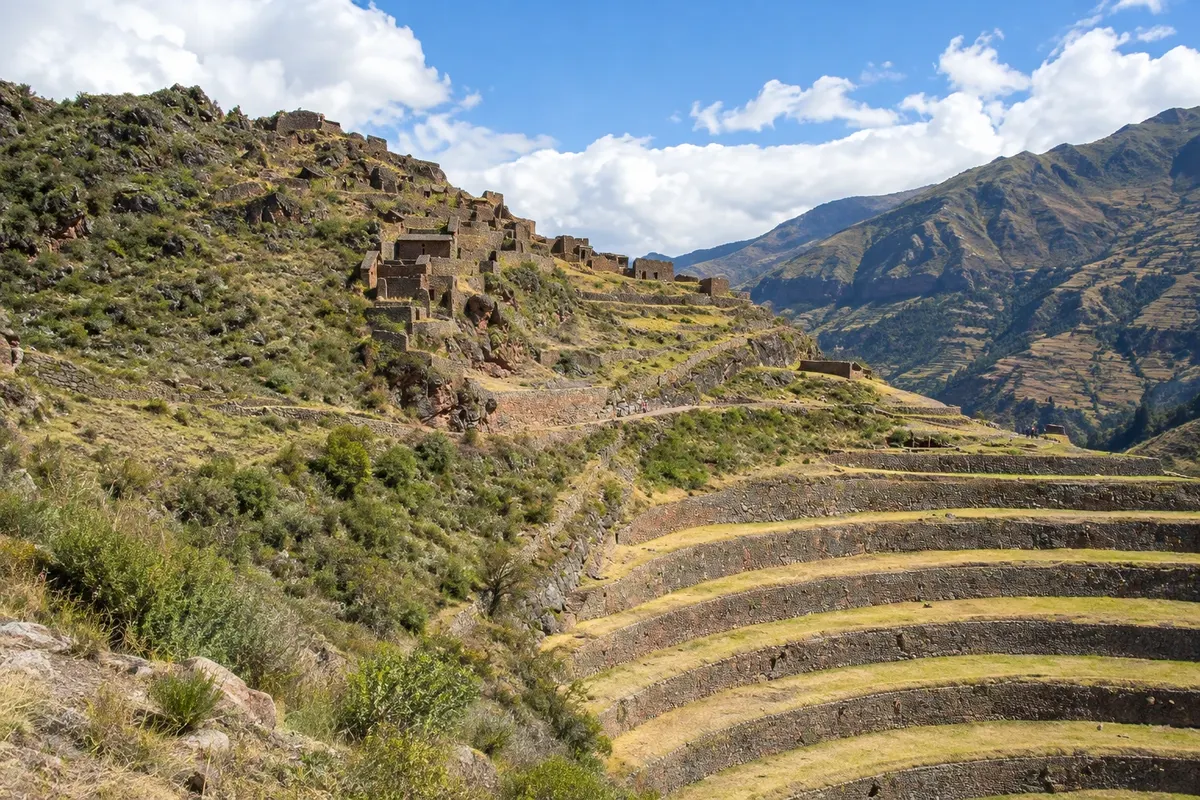
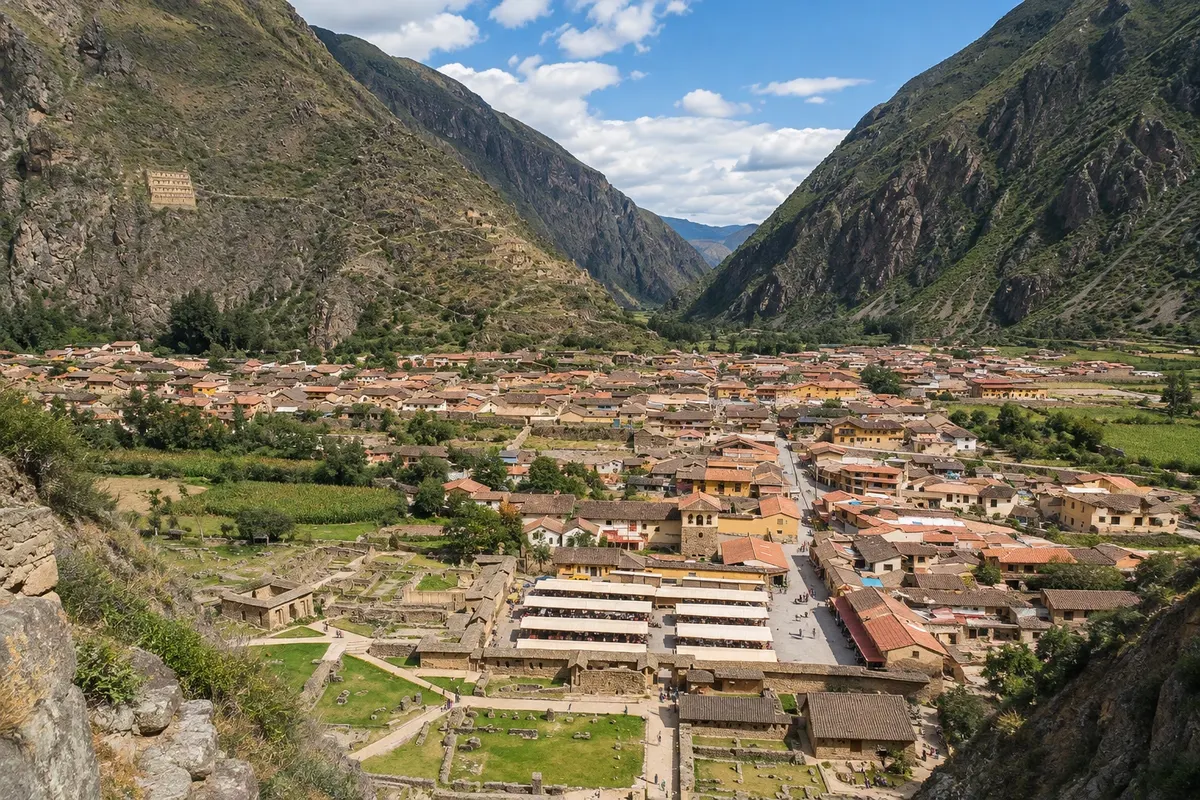
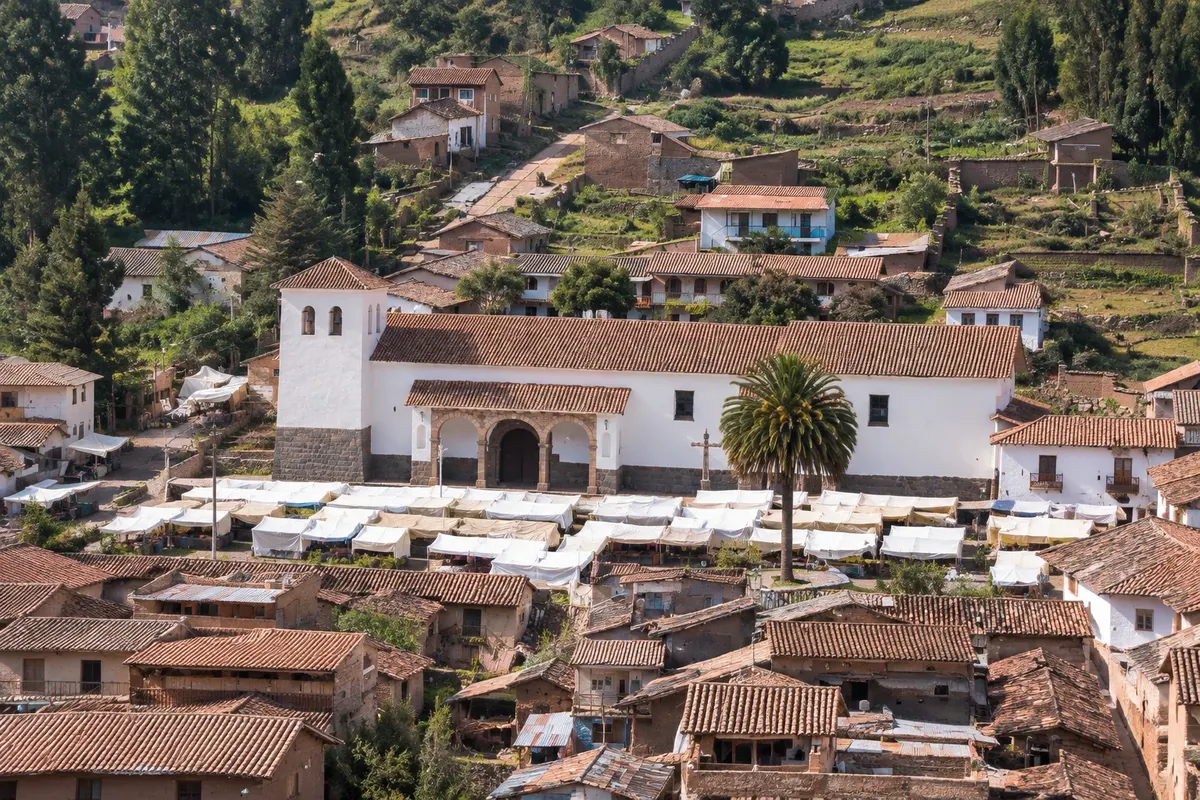
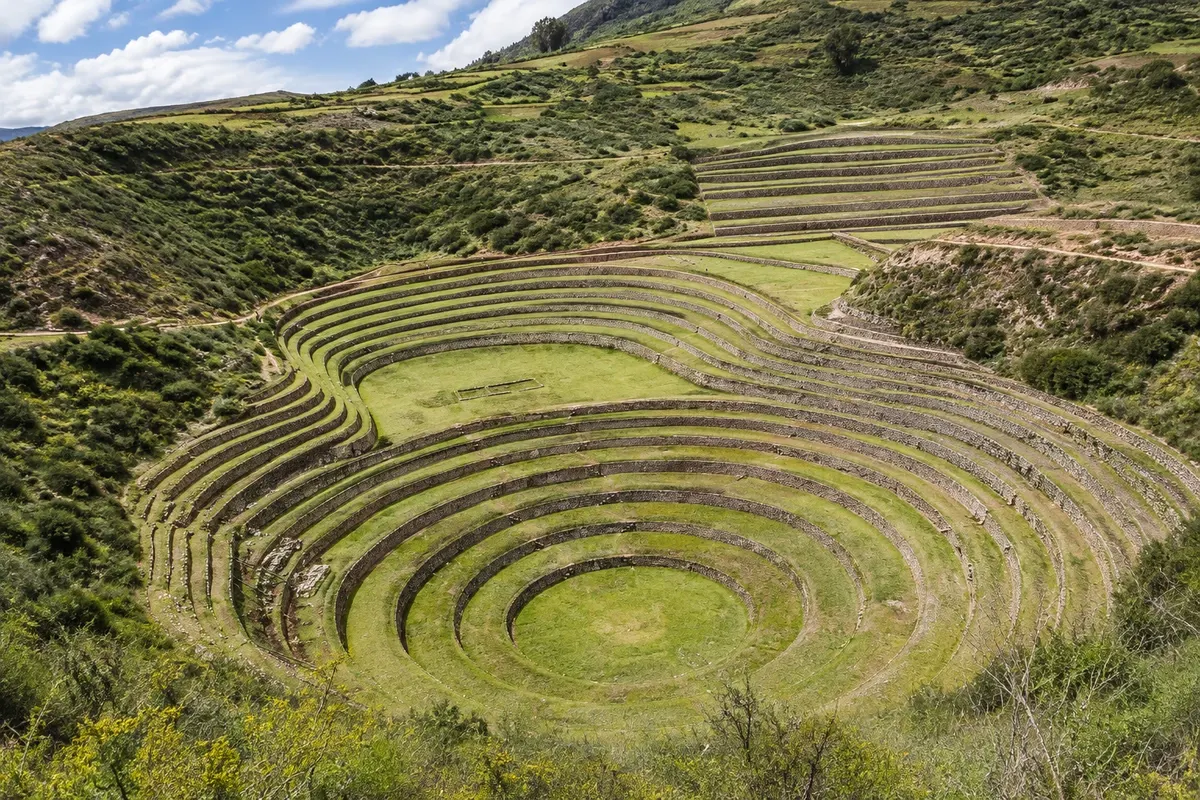
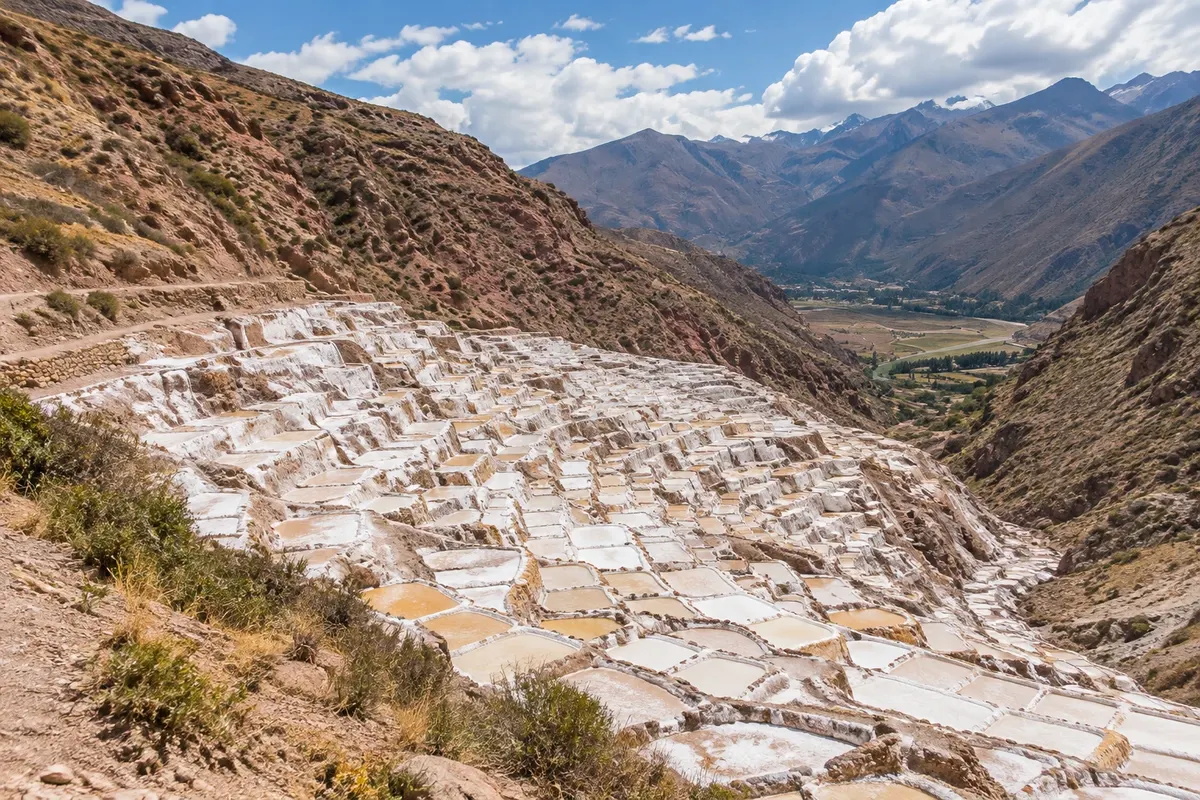
The Sacred Valley of the Incas, which the Urubamba River runs through north of Cusco, is lower, between 2,800 and 3,000 meters. In Pisac, the archaeological site occupies a terraced mountain above the village and the market. Ollantaytambo is an inhabited Inca village, with the fortress over the terraces, and is near Moray and the Maras Salt Mines. From the valley a train departs to Aguas Calientes, the village at the foot of Machu Picchu.
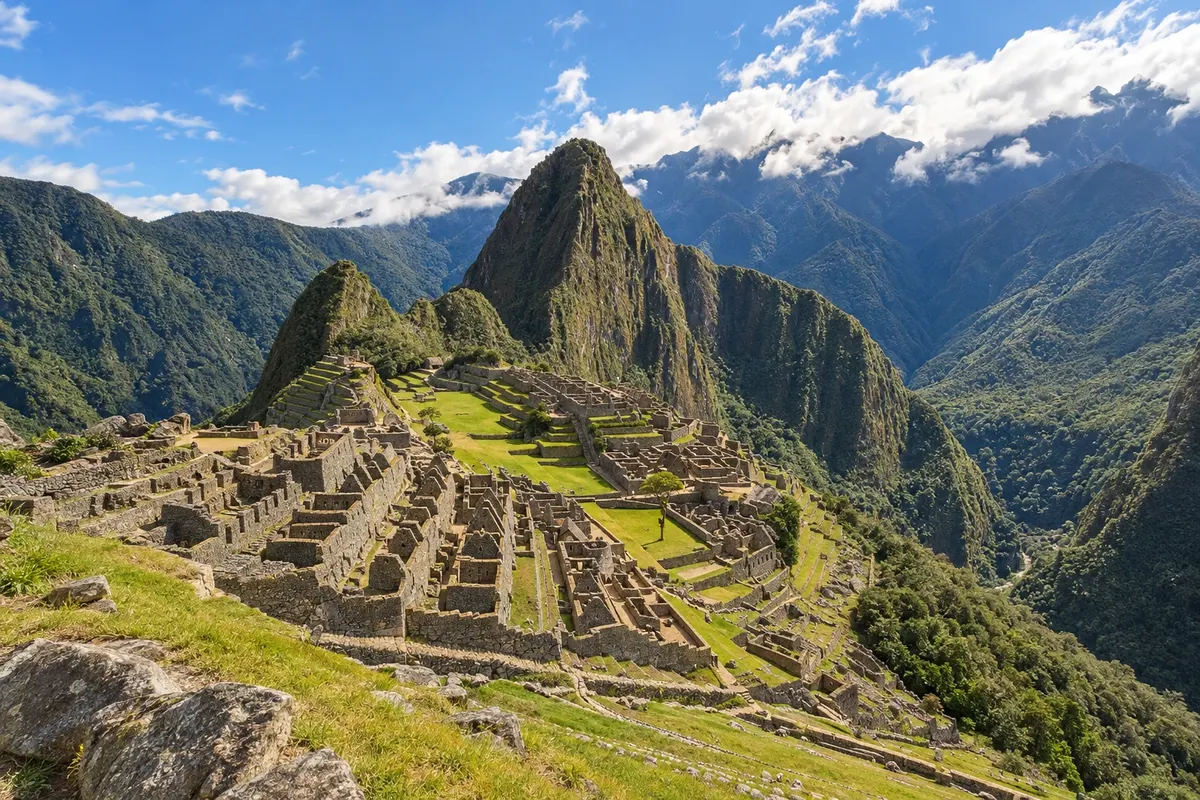
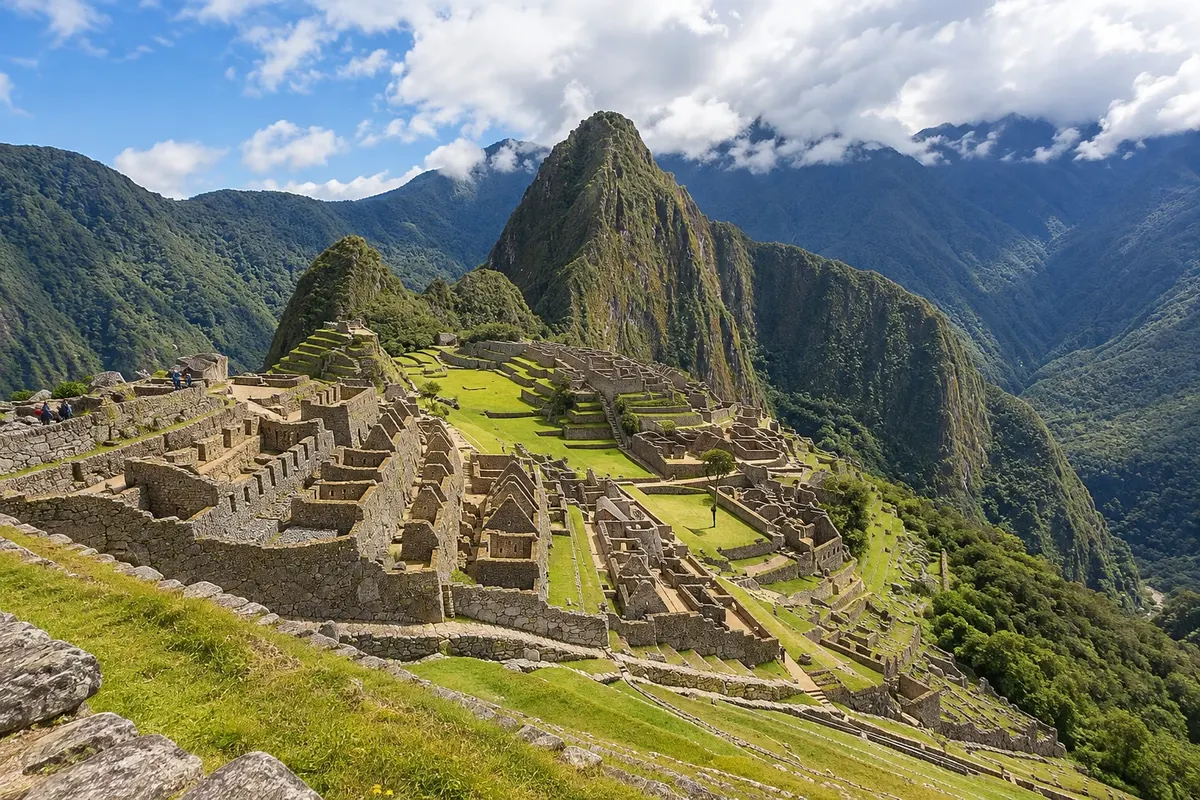
Machu Picchu, the citadel built in the 15th century on a ridge between forested mountains, is Peru’s most sought-after visit. Tickets are limited by date, time and circuit, and there is no road to Aguas Calientes: you reach it by train or on foot.
This destination brings together 4 cities: Cusco, Pisac, Ollantaytambo, Aguas Calientes.


 Brazilija
 Antarktika
 Argentina
 Bolivija
 Čile
 Kolumbija
 Ekvator
 Gvajana
 Francoska Gvajana
 Falklandski otoki (Malvini)
 Paragvaj
 Surinam
 Urugvaj
 Venezuela
 Nemčija
 Avstrija
 Belgija
 Hrvaška
 Danska
 Slovaška
 Slovenija
 Španija
 Finska
 Francija
 Grčija
 Nizozemska
 Madžarska
 Irska
 Islandija
 Italija
 Luksemburg
 Norveška
 Poljska
 Portugalska
 Združeno kraljestvo
 Češka
 Švedska
 Švica
 Turčija
 Bermudi
 Kanada
 Združene države Amerike
 Grenlandija
 Mehika
 Sveta Peter in Mihael
 Dominikanska republika
 Japonska
 Južnoafriška republika
 Egipt
 Avstralija
 Fidži
 Nova Zelandija
 Papua Nova Gvineja