Cajueiro da Praia

Piauí · Brazilija

Cajueiro da Praia

Destinacija: Costa do Delta.

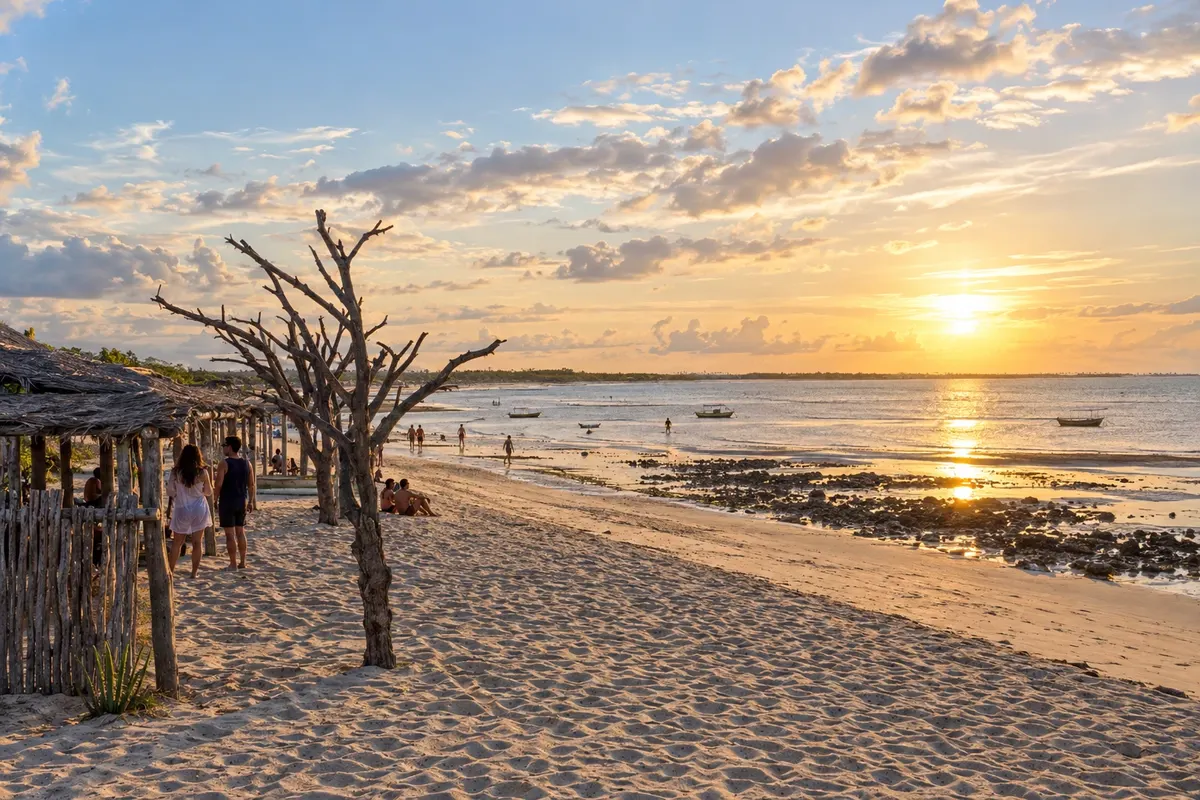
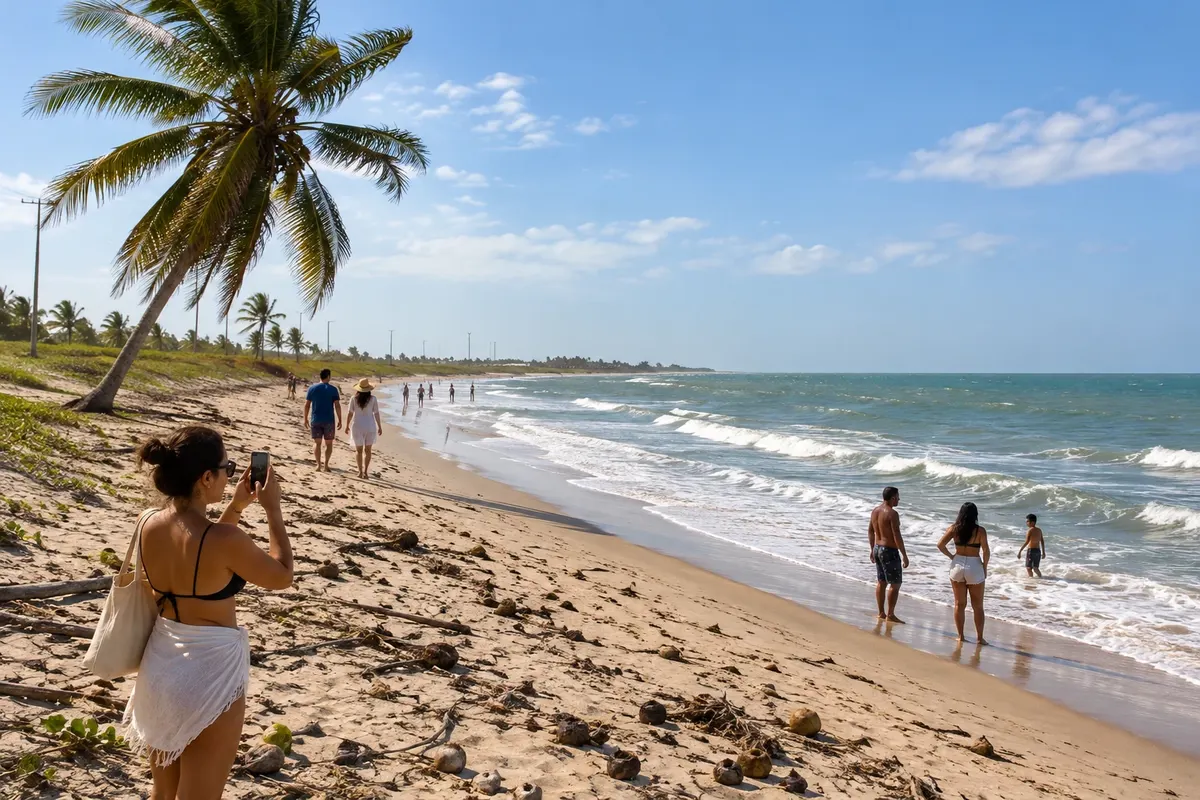
Na fotografiji: Praia de Barra Grande, Cajueiro da Praia, PI

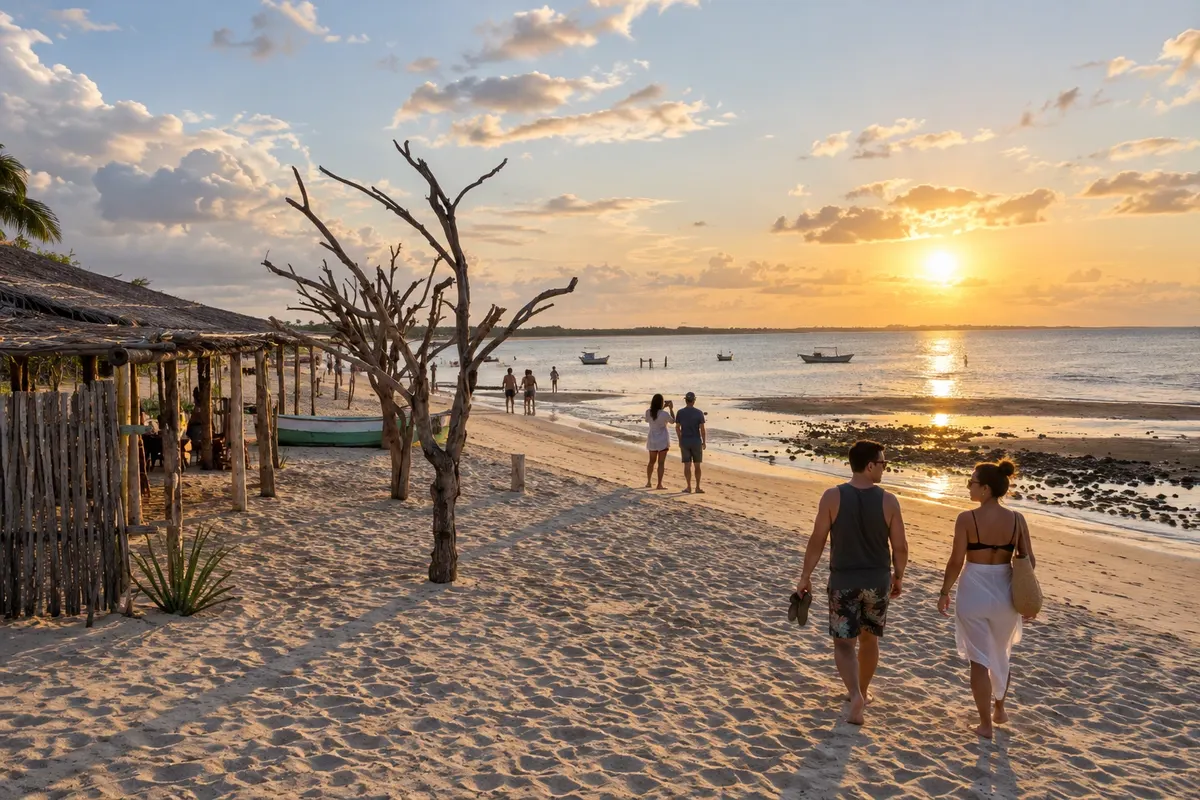
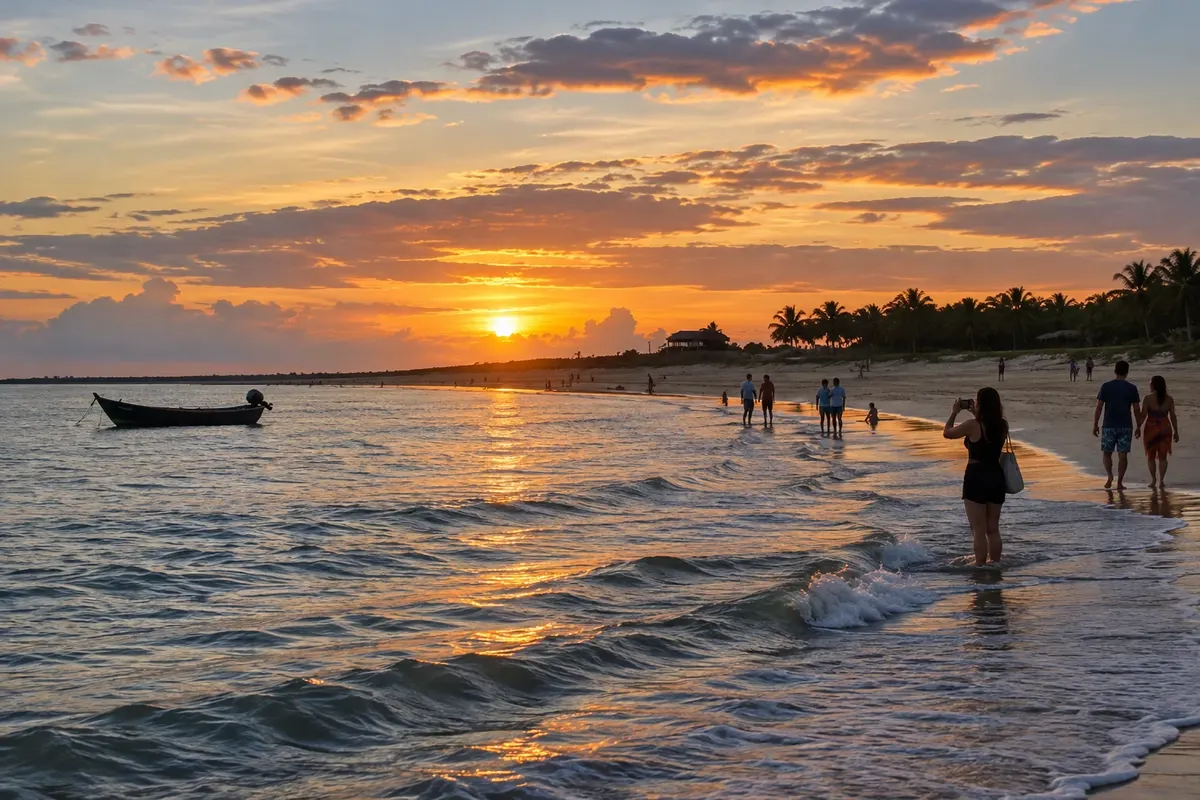
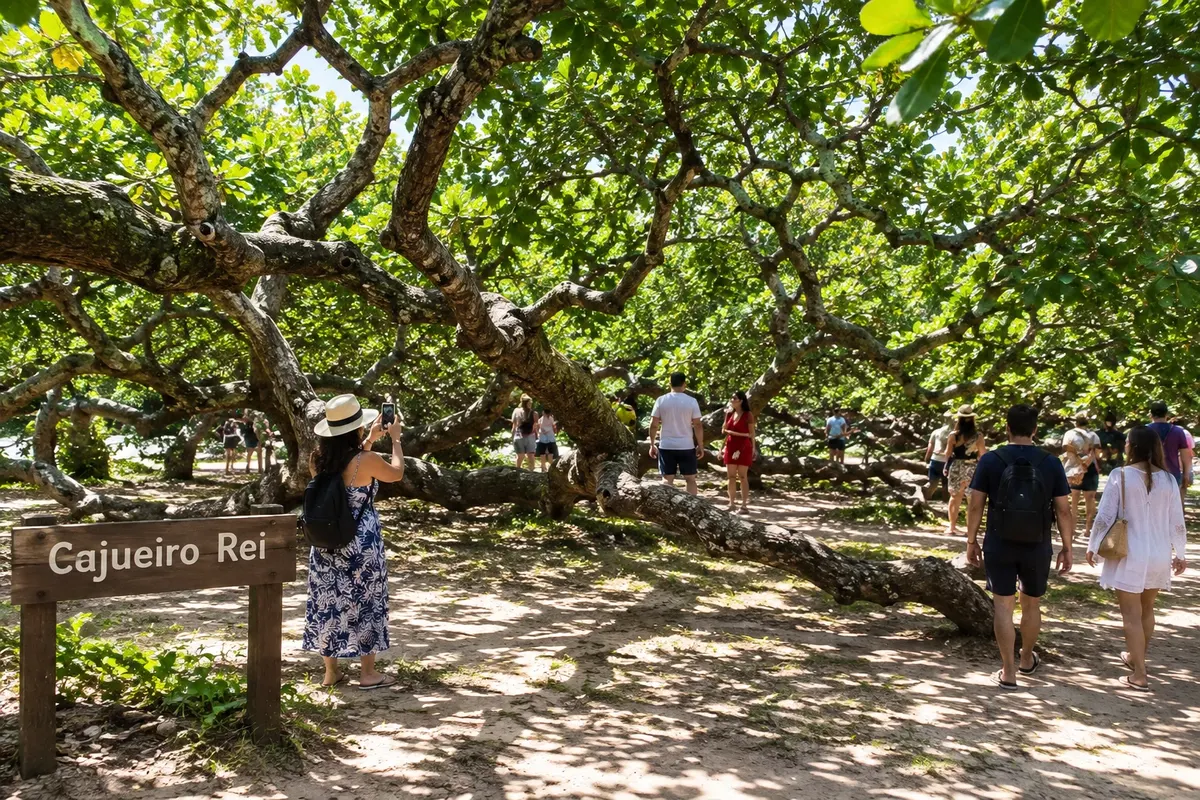
Illustrative images. The pictures in this guide are illustrations based on the real place, not photographs, and may differ from it.

Na voljo v trgovini Google Play Pošljite svoje fotografije

Mesto

Kaj lahko pričakujete – Cajueiro da Praia.

Cajueiro da Praia includes the village of Barra Grande, associated with kitesurfing, and the Cajueiro Rei, whose canopy spreads through the natural multiplication of its branches. Praia do Cajueiro and Barrinha offer other slices of the municipal coastline. The trip combines coastal life and natural heritage, distinguishing Barra Grande from the municipal seat when choosing a base.

Cajueiro da Praia is the last municipality on Piauí’s coast before the Ceará border, at the eastern end of a roughly 66 km coastline, the shortest among Brazil’s coastal states. It was separated from Luís Correia and became its own municipality in 1997. The territory lies within the Delta do Parnaíba Environmental Protection Area and includes shallow-sea beaches, mangroves, the mouth of the Camurupim River and the estuary of the Timonha and Ubatuba rivers.

In practice, travelers find two different places. The seat, also called Cajueiro da Praia, is a small fishing town with the main church of the Sacred Heart of Jesus, Praia do Cajueiro and, about 1 km from downtown, the Cajueiro Rei, a tree whose crown covers roughly 8,800 m². Barra Grande, about 8–9 km away, is the village where almost all the accommodation and most restaurants are located. It was a fishing colony until kitesurfers arrived in the 2000s, and it kept its sand streets, a small center you can walk, and a beach without car traffic.

Barra Grande Beach is an almost 5 km cove. The tide changes the landscape twice a day: at low tide the sea withdraws, there are almost no waves and shallow, warm pools form; at high tide the water comes close to the beach shacks and gets deep quickly. The kitesurfing zones are to the left and right of the village, and the stretch in front of the center concentrates the older beach tents. About 2–3 km away is Barrinha, a fishing village with coconut trees and little infrastructure; further east are Ponta do Sardim, Morro Branco, the seat’s beach and, at the mouth of the Timonha and Ubatuba, Itam.

The year has two halves. From February to May it rains a lot, peaking in March and April; the wind eases, the village empties and the mangroves turn green. From June to December it hardly rains, and between August and December the trade winds blow strong and steady: this is kitesurfing season, which can extend into January, and also the busiest time, together with New Year’s Eve, January, July and Carnival. Temperatures vary little, with lows near 22 °C and highs just above 30 °C in any month.

Besides the beach, the most typical activity is the seahorse tour, a canoe trip through the Camurupim River mangrove, always scheduled according to the tide. The municipality also hosts ICMBio’s marine manatee base; sightings depend on the day and water conditions. Parnaíba, about 70 km away, is the region’s support city, with the nearest airport and, in the neighboring municipality of Ilha Grande, the port from which boats depart for the Parnaíba Delta.

Delite: WhatsApp

Kje prenočiti

Cajueiro da Praia – število nastanitev: 85.

Kje jesti

Cajueiro da Praia – število lokalov: 4.

Brazilske poti

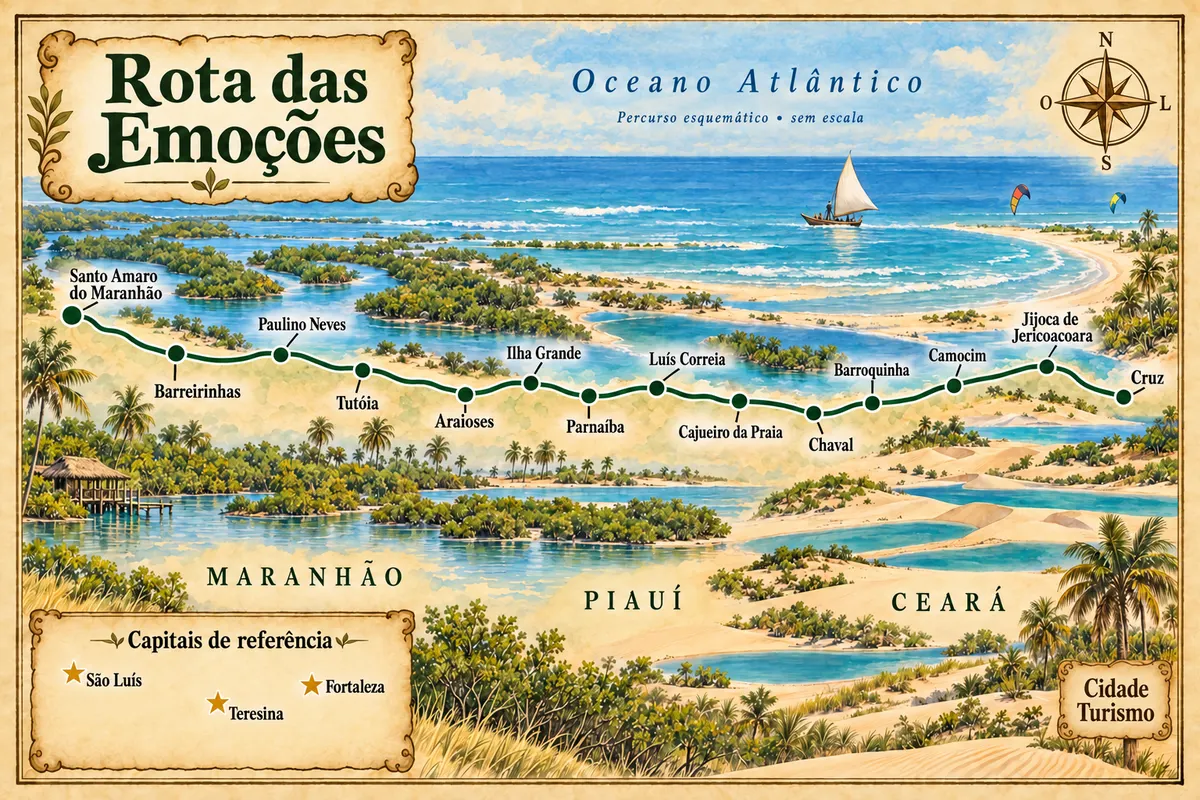
Cajueiro da Praia – del poti z imenom Route of Emotions

From the coast of Jericoacoara to the Parnaíba Delta and the Lençóis Maranhenses, through fourteen municipalities.

Zemljevid je ilustrativen in ni v merilu. Dotaknite se mesta, da odprete njegovo stran.
Route of Emotions – ilustrirani zemljevid
Več o poti – Route of Emotions

Doživite kraj

Cajueiro da Praia: kaj si ogledati

Plaža

Praia de Barra Grande

Barra Grande is a beach and village of Cajueiro da Praia, connected to fishing and kitesurfing. A visit can combine the stretch of sand with the everyday life of the locality, distinguishing bathing areas from those used for sports maneuvers.

Raziščite Praia de Barra Grande

Plaža

Praia do Cajueiro

Praia do Cajueiro is a coastal reference for the municipal seat of Cajueiro da Praia. The outing presents another facet of the municipality, distinct from the village of Barra Grande, with time spent guided by sea conditions.

Raziščite Praia do Cajueiro

Plaža

Praia de Barrinha

Barrinha is a beach on the coast of Cajueiro da Praia and an alternative to visiting the village of Barra Grande. The program is coastal scenery, with access and return arranged in advance.

Raziščite Praia de Barrinha

Narava

Cajueiro Rei

The Cajueiro Rei is a wide-crowned tree in Cajueiro da Praia. Its branches multiply through a natural process of air-layering, forming a structure that should be observed from the visitor access points.

Raziščite Cajueiro Rei

Kaj izbrati pred odhodom

Izleti – Cajueiro da Praia

Izhodišče, trajanje, potek, vključene storitve in okvirna cena vsakega izleta.

Barra Grande beach and the village on foot

Odhod: Barra Grande town center on foot from 3 hours up to a full day morning, afternoon, or full day easy

Barra Grande fits within a walk. The town center has few streets, much of it is sand, located between the access road and the sea, and can be crossed in about ten minutes. Rua Pontal da Barra, the one closest to the beach, concentrates restaurants, bars and shops that stay open at night; the square by the Church of Nossa Senhora da Conceição is the other village landmark. The beach is a cove of almost 5 km, with no cars on the sand. In front of the town center are the oldest stalls, run by fishermen and locals. To the left and right are the areas used for kitesurfing, and on the right side as you face the sea are the beach bars connected to the pousadas. Swimming depends on the tide. At low tide, the sea recedes a lot, there are hardly any waves and shallow, warm pools form: you must walk a good distance before the water reaches waist depth. At high tide, the water comes close to the stalls and becomes deep quickly. Outside the sailing areas, swimming is calm; inside them, boards pass at speed and it’s wise to keep your distance. In the second half of the year, the wind raises sand in the afternoon and fills the sky with colorful kites. Evenings usually gather locals and visitors on the sand to watch the sun set over the cove.

Kraji na poti: Barra Grande Beach, Rua Pontal da Barra, Square by the Church of Nossa Senhora da Conceição.

Vključuje: Self-guided visit. Purchases at kiosks and beach bars are paid separately; some establishments require a minimum spend on weekends and holidays. Check each place’s current price list.

Nasvet: Check the tide table at your pousada before choosing the time for the beach. Bring sunscreen and a hat: there is little natural shade on the sand. At night, some streets away from the center have limited lighting; a flashlight helps.

Najboljši čas za obisk: From June to December, the months with little rain. From August to December it is windier.

Kitesurfing in Barra Grande: lessons and wind season

Odhod: Barra Grande beach lesson with a local school or your own equipment lessons of a few hours; course of 3 to 5 days morning or afternoon, depending on the wind moderate

Brazil’s northern coast receives steady trade winds, and Barra Grande sits in the middle of that corridor. Combined with shallow water and no big waves, this made the village one of the country’s best-known kitesurfing spots: the wind is predictable and the water is waist-deep across much of the riding area. The sport transformed the former fishing settlement into a destination for travelers from many countries, who often stay for one or two weeks. There are several schools in the village offering lessons for those who have never stood on a board. The basic course usually takes 3 to 5 days until the student sails alone, and equipment is provided by the school. Travelers with their own gear will find storage, repair shops and water rescue services. Pousadas often recommend instructors. On the beach, the kite areas are to the left and right of the village center. The Barrinha, 2 to 3 km away, also attracts kiters. Local operators also organize downwind runs between Barra Grande and the beaches of Luís Correia, the neighboring municipality; these are for sailors who are already competent. Non-practitioners can watch from the sand or the beach bars. Sources vary slightly on the months: the season starts between July and August and runs until December, possibly into January.

Kraji na poti: Barra Grande beach, Barrinha beach.

Vključuje: For lessons, equipment is usually provided by the school. Lessons, rental, storage and downwind runs are paid separately; check the current price list with the provider.

Nasvet: Book accommodation and lessons in advance for the windy season: the village has few rooms and demand from abroad comes early. Ask the school which tide it uses for beginners.

Najboljši čas za obisk: Wind season: August to December, possibly starting in July and extending to January.

Seahorses on the Camurupim River, by carriage and canoe

Odhod: Barra Grande horse-drawn carriage or walk and canoe 2 to 3 hours morning or afternoon, depending on the tide easy

This is Cajueiro da Praia’s most traditional outing and also draws visitors from Parnaíba and Luís Correia. It starts in the village with a horse-drawn carriage that follows the beach to the Camurupim River bank. If you prefer, you can walk: it’s more than thirty minutes under the sun. On the river, the group boards a canoe piloted by local residents and enters the mangrove. The area has four kinds of mangrove (red, white, button and black), and along the way you’ll see crabs, herons and other birds. In the area where the seahorses live, the guides locate the animals and show them for a few moments in a glass container with river water, before returning them to the same spot. Some operators only observe without removing the animals from the water; if this matters to you, ask how it’s done before booking. At low tide, some departures end with a floating segment following the current, with a life jacket. The schedule changes every day because the canoe only goes into the mangrove when the water level is right. Guides usually announce the departure time the day before. The seahorses live free in the river and don’t always let themselves be seen up close.

Kraji na poti: Barra Grande, Camurupim River, Camurupim Mangrove.

Vključuje: Usually includes the carriage, the canoe, the life jacket and the local operator. Food, drinks and transfer for those not staying in Barra Grande are paid separately; check the current price list of operators.

Nasvet: Confirm the schedule the day before. Bring a hat, sunscreen, water and a waterproof bag for your phone; wear swimwear and footwear that can get wet.

Najboljši čas za obisk: All year; times are defined by the day’s tide.

Cajueiro Rei and the town center of Cajueiro da Praia

Odhod: Barra Grande or Cajueiro da Praia town center car, taxi, or organized tour 2 to 3 hours morning or late afternoon easy

Cajueiro Rei is about 1 km from the center of Cajueiro da Praia and 8–9 km from Barra Grande. It is a single tree: the branches grow horizontally, reach the ground, form roots and become new trunks, all connected to the original. A 2016 study by the State University of Piauí confirmed the same genetic sequence throughout its extent and measured a 8,832 m² canopy; other measurements report about 8,800 m², which is expected for a tree that keeps growing. The Cajueiro of Pirangi, in Rio Grande do Norte, remains listed in the record books, and the two trees vie for the title of largest cashew tree in the world. The visit takes around an hour and is done on foot, in the shade of the canopy. Locals who work as guides point out the original trunk and the branches that are taking root. Recent publications differ about the facilities: some describe a boardwalk and a lookout to view the canopy from above, others mention a simple visit in a rural setting. Ask locally what is open that day. Near the tree, artisans sell baskets and bags made from carnaúba straw. Take the trip as an opportunity to see the municipal seat. The Igreja Matriz do Sagrado Coração de Jesus, from 1934, is a simple building facing the square. At the entrance roundabout are the city name sign and a statue of the Sagrado Coração de Jesus. Praia do Cajueiro, in front of the center, has calm water, a wide sand strip and fishing boats, with much less activity than Barra Grande.

Kraji na poti: Cajueiro Rei, Igreja Matriz do Sagrado Coração de Jesus, Praia do Cajueiro.

Vključuje: Travel on your own or as part of an organized tour, paid separately. Sources consulted do not record an entrance fee at Cajueiro Rei; hiring a local guide is arranged on site. Check before you go.

Nasvet: Go early morning or late afternoon: at midday the heat is strong. Do not climb the branches or lean objects on the tree. You can combine this visit with the seahorse tour on the same day, depending on the tide.

Najboljši čas za obisk: All year; little rain from June to December.

East beaches: Barrinha, Ponta do Sardim and Morro Branco

Odhod: Barra Grande car or organized tour 3 to 4 hours morning or afternoon easy

To the east of Barra Grande, the Cajueiro da Praia coastline becomes increasingly empty. The first stop is Barrinha, 2 to 3 km away: a fishing village with coconut palms, simple houses, a wide sand strip and calm sea. It has little beach infrastructure and is also used by kitesurfers. Next come Ponta do Sardim and Praia do Sardim, with coconut trees and fishing boats, almost without visitors, and Morro Branco, with light dunes and native vegetation. None of these beaches have regular tourist facilities: the plan is to walk, look at the scenery and swim where the tide allows. At the far eastern end of the municipality, already at the mouth of the Timonha and Ubatuba rivers and on the border with Ceará, lies Praia de Itam, without stalls or restaurants, with mangrove right up to the sea. Access is more difficult and requires local information about the route and the tide. Local operators run this itinerary by car in about three hours from Barra Grande, a scenic tour that passes Barrinha and Sardim and ends at Cajueiro Rei. If you go on your own, ask your pousada about the condition of access roads, which can include dirt and sand sections.

Kraji na poti: Praia da Barrinha, Ponta do Sardim, Praia do Sardim, Praia de Morro Branco.

Vključuje: On organized tours, a vehicle with a driver is provided. Food and drinks are paid separately, and the price differs between shared and private departures; check the current rate table with the operator offering the tour.

Nasvet: Bring water, a snack, and sun protection: after Barrinha there are almost no places to buy supplies. Arrange the return time in advance if you’ll be taking a taxi.

Najboljši čas za obisk: From June to December, when rainfall is low; check the tide for swimming.

Parnaíba Delta and red ibis (guarás) flocking departing from Barra Grande

Odhod: Barra Grande; boarding at Porto dos Tatus, on Ilha Grande car or transfer and launch about 6 hours, including the transfer afternoon, returning at night easy

The Parnaíba Delta is not in Cajueiro da Praia: boats leave from Porto dos Tatus, in the municipality of Ilha Grande, on the other side of Parnaíba. From Barra Grande it’s about 80 to 90 km to the port, a little under 1h30 of road each way. Still, it’s the excursion outside the municipality most often done from the village. The most sought-after version is the guarás flocking. The group leaves Barra Grande after lunch, boards a fast speedboat and navigates the delta channels to Baía do Caju, with a stop to walk on the dunes and bathe in the river. At dusk, the boat positions at a distance from the islet where the guarás, red-plumaged birds, usually arrive in flocks to roost. The return to the port is in the dark, and arrival back to the village is at night. There are also full-day tours on a large boat, with lunch, and speedboat circuits to islands and waterways. Anyone planning to do more than one delta tour saves time by sleeping one or two nights in Parnaíba, before or after Barra Grande, instead of repeating the road. The tour is offered shared or private, with or without transport from Barra Grande.

Kraji na poti: Porto dos Tatus, Baía do Caju, Ilha dos Guarás.

Vključuje: According to the operator: speedboat and driver, with or without round-trip transfer from Barra Grande. Food, drinks and the boarding fee, when charged, are paid separately; check the current price list from whoever sells the tour.

Nasvet: Book the tour and the transfer together and confirm the departure time, which follows the tide and the sunset. Bring insect repellent, sunscreen and a change of dry clothes for the return.

Najboljši čas za obisk: From June to December, with less rain; in the rainy months the birds spread out more.


Po dnevih

Cajueiro da Praia – načrt poti. Število dni: 1, 2in3

Predlogi za načrtovanje poti. Vrstni red dni prilagodite vremenu in razpoložljivosti izletov.

1 dni · Cajueiro da Praia in 1 day: Cajueiro Rei and Barra Grande

Zathose who are in Parnaíba or Luís Correia and are spending the day, or passing through the region on the Rota das Emoções · Izhodišče:Barra Grande
  1. Dan 1 · The tree in the morning, the beach in the afternoon

    Leave early: from Parnaíba it’s about 70 km, roughly an hour on the road. Start at the municipal seat with a visit to the Cajueiro Rei while the sun is still low. Allow an hour to walk under the canopy with a local guide and a few more minutes for the main church and Praia do Cajueiro. Continue to Barra Grande, 8 or 9 km away, and have lunch in the village or at a beach kiosk. In the afternoon, stay in the cove: swim depending on the tide, walk along the sand and, in the second half of the year, watch the kitesurf sails. If the day’s tide allows and you booked the day before, you can swap part of the afternoon for the seahorse ride on the Camurupim River, which takes 2 to 3 hours. Don’t try to fit both hurriedly: the canoe’s schedule is not negotiable. Stay on the beach until late afternoon and return afterward. The stretch of road at night requires attention for animals on the track.

2 dni · Cajueiro da Praia in 2 days: beach, mangrove and the tree
Zathose making a short stop between the Parnaíba Delta and Jericoacoara · Izhodišče:Barra Grande
  1. Dan 1 · Arrival, village and Praia de Barra Grande

    Arrive in the morning and leave your luggage at the pousada. Ask immediately for the tide time and the schedule for the seahorse ride the next day: that tour will organize the rest of your agenda. Spend the day at Praia de Barra Grande. At low tide, walk to the shallow pools; at high tide, swim near the kiosks. Have lunch on the sand or in the village center. At late afternoon, watch the sun set over the cove. At night, stroll along Rua Pontal da Barra, where the restaurants and shops are located.

  2. Dan 2 · Seahorses and Cajueiro Rei

    Take the seahorse tour at the tide time it indicates: carriage or walk to the Rio Camurupim and canoe through the mangrove, 2 to 3 hours in total. In the other half of the day, go by car, taxi or organized tour to the Cajueiro Rei, 8 to 9 km away, preferably early morning or late afternoon. The visit takes about an hour. On the way back, stop at Barrinha, 2 to 3 km from Barra Grande, for a walk on the sand. If your departure is the same day, schedule the transfer with extra time: the road to Parnaíba takes around one hour.

3 dni · Cajueiro da Praia in 3 days: Barra Grande at a relaxed pace and the Delta
Zawho wants to use Barra Grande as a base without changing accommodation · Izhodišče:Barra Grande
  1. Dan 1 · Barra Grande: beach and first sailing lesson

    Day to settle in and explore the village on foot. Spend the morning at the beach and ask your pousada about the week’s tides and the times of the tours. In the windy season, anyone curious can book an introductory kitesurfing lesson with one of the village schools; the remaining lessons of the course are spread over the following days. Those who don’t sail watch from the sand. Reserve the seahorse tour and the Delta do Parnaíba trip for the coming days.

  2. Dan 2 · Seahorses, Cajueiro Rei and east-side beaches

    Fit the seahorse tour into the tide schedule. In the other half of the day, drive or join an organized tour to the municipality’s east side: Barrinha, Ponta do Sardim and, in town, the Cajueiro Rei, the main church and Praia do Cajueiro. Bring water and snacks, because after Barrinha there’s little infrastructure. The full route takes 3 to 4 hours. Return to Barra Grande by late afternoon.

  3. Dan 3 · Morning at the beach and the guarás’ flight

    Keep the morning free for the beach. After lunch, head to Porto dos Tatus on Ilha Grande, about 80 to 90 km away: this is where the boat for the guarás’ evening flight departs in the Delta do Parnaíba. The tour, including transfer, takes about 6 hours and ends at night. If you plan to continue to Parnaíba, an option is to take your luggage, do the tour and sleep there, avoiding the night return to Barra Grande. Arrange this with the operator when booking.

Najboljši čas za obisk

Kdaj se odpraviti:Cajueiro da Praia po mesecih

The seasons shown are the most usual ones; nature doesn't always follow the calendar.

januar Zmerne padavine

Rains starting · End of wind season · School holidays

January marks the change from the dry season to the rainy season. Rain falls in showers, with more cloudy days, and kitesurfing wind can still appear early in the month. Lows are around 22 °C and highs just above 30 °C. The village stays busy in the first weeks during New Year and the holidays. Book accommodation and tours in advance and allow flexibility to change a day’s plan.

februar Veliko padavin

Frequent rain · Carnival, in February or March

The rainy season begins. Rain is frequent and can disrupt beach days and reduce visibility on excursions. The wind weakens and kitesurfing becomes less consistent. Carnival, in February or March depending on the year, fills pousadas for a few days; outside Carnival activity is low. The seahorse tour continues to run according to the tide.

marec Veliko padavin

A very rainy month · Village empty

March is among the two rainiest months of the year. The mangroves become very green, the village empties and some services slow down. The heat continues, with high humidity. Travelers in this season find quiet and more availability, but must accept whole days of overcast weather. Reserve outdoor plans for the mornings.

april Veliko padavin

Pico da chuva · Low season

April is usually the month with the heaviest rainfall. The sea stays warm and swimming is possible between showers, but it’s not the best time if you have only a few days. The dirt roads to the east beaches can become difficult. Check with your operator whether tours are running and bring a raincoat and protection for your phone.

maj Zmerne padavine

Rains easing · Green mangrove

Rain decreases over the month but still occurs with some frequency. Clear days return gradually, the landscape is at its greenest and the village remains quiet. It’s a transition month for those who prefer empty beaches and accept some risk of unstable weather. Strong winds have not yet arrived.

junij Malo padavin

Start of the dry season · Stable days

Rain becomes much rarer and stable days become the norm. Winds start to strengthen during the month. Demand grows, though not yet at the level of the second semester. It’s a comfortable time for the beach, the seahorse tours and a visit to Cajueiro Rei, with mornings of clear skies.

julij Malo padavin

Holidays · Wind arriving

July is dry, with rare rain, and brings midyear holidays: the village fills and pousadas require advance booking. The wind already blows steadily, and some sources consider this the first month of the kitesurfing season. On weekdays there are fewer people on the beach. In the afternoons the wind lifts sand; mornings are calmer for swimming.

avgust Malo padavin

Kitesurf season · Almost no rain

The phase of strong, steady wind begins, with clear skies almost every day. Kitesurf schools operate at full pace and travelers arrive from many countries, many staying one or two weeks. The wind eases the heat but bothers those who want calm seas: prefer the low tide in the morning. Book lodging and lessons in advance.

september Malo padavin

Wind peak · Dry weather

September is one of the driest months with the most consistent wind. It's peak season for sailors. For non-practitioners, the beach is better earlier in the day before the wind increases. Traffic among sport practitioners is high but without the holiday peak. Delta do Parnaíba tours depart in stable weather.

oktober Malo padavin

Wind peak · Dry weather

Dry and windy conditions continue, with rain very rare. Clear skies favor late afternoons on the beach and the red ibis flight in the delta. The sun is strong and there is little shade on the sand: hat, sunscreen and water are necessary for any activity. Seafront guesthouse rooms are the first to sell out.

november Malo padavin

Kitesurf season · Dry weather

November keeps the wind and lack of rain. The village is a little calmer than in September and October, with increased demand on long holidays. It’s a good month to combine a morning at the beach, sailing or an afternoon trip, and dinner in the town center. Access roads to the eastern beaches are dry.

december Malo padavin

New Year’s · Coastal wind · Holidays

December is still dry, with the first isolated showers at the end of the month, and the wind continues. The second half of the month is the most sought-after time of year: Barra Grande’s New Year’s attracts many people, pousadas sell out months in advance and prices rise. Tours and transfers have specific rules between Christmas and early January; confirm everything before you travel.

Načrtujte pot

Kako do tja:Cajueiro da Praia

By plane: Parnaíba, Jericoacoara or Teresina

Cajueiro da Praia has no airport. The nearest is Parnaíba International Airport, about 70 km from Barra Grande, roughly an hour on the road. It receives few scheduled flights on certain days of the week, and the network changes between low and high season: confirm with the airline before planning your itinerary.

The second option is Jericoacoara Regional Airport, in the municipality of Cruz, Ceará, about 175 km from Barra Grande, around three hours on paved roads. It usually has more frequencies and serves well those combining the two destinations.

The third is Teresina, Piauí’s capital, about 400 km away, five to six hours by car. It receives flights from several Brazilian capitals and usually offers more schedule options.

At any of these airports, book your transfer or rental car before arrival: there is no regular transport from the airport directly to the village.

By bus: Parnaíba and Teresina services to Barra Grande

There are regular buses between Parnaíba bus station and Barra Grande, a trip of about one hour. Departures are few each day, and times do not always match flight arrivals or the boats’ departures for the delta.

From Teresina there is a direct bus to Barra Grande that takes seven to eight hours. Another option is to take a bus to Parnaíba — which has ten to twelve departures daily from Teresina — and complete the final leg by transfer, taxi or the local bus.

There is no direct service from Jericoacoara: that stretch is done by transfer or by car.

Schedules and fares change often. Check with the bus company or the station before travelling and confirm with your pousada where to get off.

By car: via PI-116 from Parnaíba, or along the Ceará coast

From Parnaíba to Barra Grande it’s about 70 km, approximately one hour. There are two routes of similar length, one inland and the other along the coast via PI-116, which passes through Luís Correia; both meet near the final stretch. From Luís Correia it’s about 60 km, roughly 50 minutes.

From Teresina it’s about 400 km, five to six hours, via BR-343 to the Parnaíba region.

Coming from Ceará, the stretch between Jijoca de Jericoacoara and Barra Grande is about 160 km of paved road and takes around three hours; the surface is irregular on parts of the Ceará side. From Fortaleza it’s about 436 km, a little over six hours. Avoid driving at night on these stretches because of potholes and animals on the road.

Those coming from Lençóis Maranhenses travel about 245 km from Barreirinhas, via Paulino Neves and Tutóia, in about four hours.

The road is paved up to the entrance to Barra Grande. Accesses to the eastern beaches and to Cajueiro Rei can have dirt stretches; ask your pousada about current conditions.

By transfer: shared or private, along the Rota das Emoções

Transfer is the most used option for those who don’t rent a car. Local operators run the Parnaíba – Barra Grande leg in shared vans or minibuses, with pickup and drop‑off at accommodations, in about one hour. Taxis from Parnaíba and the pousadas themselves also organize the trip from the airport.

There are shared transfers on fixed days of the week between Jericoacoara and Barra Grande and between Barreirinhas, in Lençóis Maranhenses, and Parnaíba, plus private pickup versions in pickup trucks for small groups. This is how most travelers do the Rota das Emoções, the itinerary that links Lençóis Maranhenses, the Parnaíba Delta, Barra Grande and Jericoacoara.

On shared services the usual limit is one piece of luggage per person; kitesurf equipment may incur an extra charge. Book before arrival, give your flight time and check the operator’s current schedule.

How to get around: on foot in the village, by car for the rest of the municipality

Inside Barra Grande you don’t need a car: the village is small, the streets are sand or cobblestone, and the beach is a few minutes from any pousada. Many people use bicycles.

For the rest of the municipality, the scene changes. Barrinha is 2 or 3 km away, Cajueiro Rei and the seat of Cajueiro da Praia are 8 or 9 km, and the beaches to the east are even farther. Those outings require a car, taxi, or organized tour. Don’t count on ride‑hailing apps in the village, and there’s no rental agency in Barra Grande: if you want a car you must pick it up at the arrival airport.

The seahorse tour departs from the village itself, by cart or on foot. For the Parnaíba Delta, boarding is at Porto dos Tatus, on Ilha Grande, about 80 to 90 km away; operators sell the tour with or without transport.

Renting a car pays off if you arrive via Teresina or Jericoacoara, want to split the trip between Parnaíba, Barra Grande and Ceará, or plan to explore Luís Correia’s beaches on your own.

Odgovori na vaša vprašanja

Frequently asked questions about Cajueiro da Praia

Is Barra Grande a municipality separate from Cajueiro da Praia?

No: the village and its beach belong to Cajueiro da Praia, but they are located separately from the municipal seat.

What to observe at the Cajueiro Rei?

The canopy extends through a natural process of branch multiplication. Observe the whole from the designated visitor areas, without climbing or leaning objects on the tree.

What other beach to visit besides Barra Grande?

Barrinha and Praia do Cajueiro are part of the municipal coast. Choose the visit according to access and the tide conditions at the time.

What is the best time to go to Cajueiro da Praia and Barra Grande?

It depends on what you’re looking for. From June to December it hardly rains, and this is the recommended season for beach time and outings. Between August and December the wind is strong and steady: it’s kitesurf season, with the village full of riders and accommodations more in demand. If you prefer calm sea and fewer people, June and July are better, before the stronger winds, or you can accept low-tide mornings during the windy months. From February to May it rains a lot, peaking in March and April; the village becomes empty and the weather unstable. New Year’s Eve is the busiest period of the year.

How many days should you stay in Barra Grande?

Two nights are enough for the beach, the seahorse boat tour, and the Cajueiro Rei. With three nights you can include the beaches on the municipality’s east side and a trip to the Parnaíba Delta without rushing. If you come to learn kitesurfing, plan for at least five days, because the basic course takes 3 to 5 days and depends on wind and tide. Many travelers on the Rota das Emoções find the stop too short: the village pace invites free time.

Is it better to stay in Barra Grande or in the municipal seat of Cajueiro da Praia?

Almost all lodging in the municipality is in Barra Grande, as are the restaurants, kitesurf schools, and the departure point for the seahorse tour. It’s the natural base for tourists who don’t want to rely on a car. The municipal seat of Cajueiro da Praia, 8 or 9 km away, is a small fishing town, quieter, near the Cajueiro Rei and Praia do Cajueiro, with few lodging and service options. Barrinha, 2 or 3 km from Barra Grande, also has some accommodations in a more isolated setting.

Do I need a car in Barra Grande?

If you stay in the village, no: everything is within walking distance, and the seahorse tour departs from there. A car helps if you want to explore Barrinha, Cajueiro Rei, the east-side beaches, and the beaches of Luís Correia on your own, or if you arrive via Teresina or Jericoacoara. Without a car, those outings can be done by taxi or organized tour. There’s no rental agency in the village, and relying on ride-hailing apps is not advisable.

Can you see manatees in Cajueiro da Praia?

The West Indian manatee lives in the estuary of the Timonha and Ubatuba rivers, in the municipality’s east, and ICMBio maintains a base for the species in Cajueiro da Praia. Sightings in the wild are not guaranteed: they depend on tide, water conditions, and animal behavior. Local fishers and guides run boat trips through the estuary, where manatees are sometimes seen, along with birds and turtles. Before you go, ask at your pousada or with the guides whether tours are running and confirm if the ICMBio base is receiving visitors on your date.

Is the Cajueiro Rei really the largest cashew tree in the world?

It’s one of two contenders. A 2016 study by the State University of Piauí measured a 8,832 m² canopy and confirmed it is a single tree, with the same genetic sequence across its extent. The Cajueiro de Pirangi, in Rio Grande do Norte, still holds the record in the book of records, with a similar area according to measurement. Because both trees continue to grow, the figures change. For the visitor, what matters is walking beneath a canopy the size of a city block formed by a single individual.

What is the sea like in Barra Grande? Is it safe to swim with children?

The beach is a sheltered bay with warm water and few waves. At low tide the water recedes considerably and shallow pools form, good for small children with an adult nearby. At high tide the water becomes deep near the shore and requires more attention. Keep away from kitesurfing areas, to the left and right of the village center, where boards can pass at speed. In the second half of the year afternoon winds lift sand; mornings are usually more comfortable.

Can you learn kitesurfing in Barra Grande with no previous experience?

Yes. The village has several schools offering lessons for beginners, and the shallow sea plus steady wind help learning. The basic course usually takes 3 to 5 days until a person can sail alone, using the school’s equipment. The wind season runs from August to December, possibly starting in July and extending to January; outside that period, lessons depend on the day’s wind. Lessons and rentals are paid separately: check each school’s current rates and book in advance during the windy months.

How do you go from Barra Grande to the Parnaíba Delta?

Delta boats depart from Porto dos Tatus, in the municipality of Ilha Grande, about 80 to 90 km from Barra Grande, a little under 1h30 by road. You can drive and buy the trip at the port or book an excursion that includes transportation from the village, which usually makes the program more expensive. The scarlet ibis flight at dusk is the most sought-after option by visitors from Barra Grande, with a nighttime return. If you want to do more than one delta tour, it’s worth staying overnight in Parnaíba.

How do you go from Jericoacoara to Barra Grande?

There is no direct bus. The route is done by transfer, shared or private, or by rental car. From the village of Jericoacoara to Jijoca the way is over sand, in adapted vehicles; from Jijoca to Barra Grande it’s about 160 km of paved road, around three hours. Jericoacoara airport, in Cruz, is about 175 km from Barra Grande. Prefer to travel by day and book the transfer beforehand, because shared services do not run every day.

Is Barra Grande do Piauí the same Barra Grande as in Bahia?

No. The tourist village of Barra Grande is on the coast within the municipality of Cajueiro da Praia. There are other places in Brazil with the same name, including a beach on the Maraú Peninsula in Bahia. When buying tickets, booking accommodation or arranging transfers, confirm the destination is Barra Grande in Cajueiro da Praia, Piauí, near Parnaíba.

Delite svoja popotniška doživetja s fotografijami Pošljite fotografije vsakega kraja, ki ste ga obiskali. Največje število fotografij na kraj: 5.
Ogled destinacije Costa do Delta Poiščite drugo mesto

Več kot vodnik