Plaža
Praia da Concha
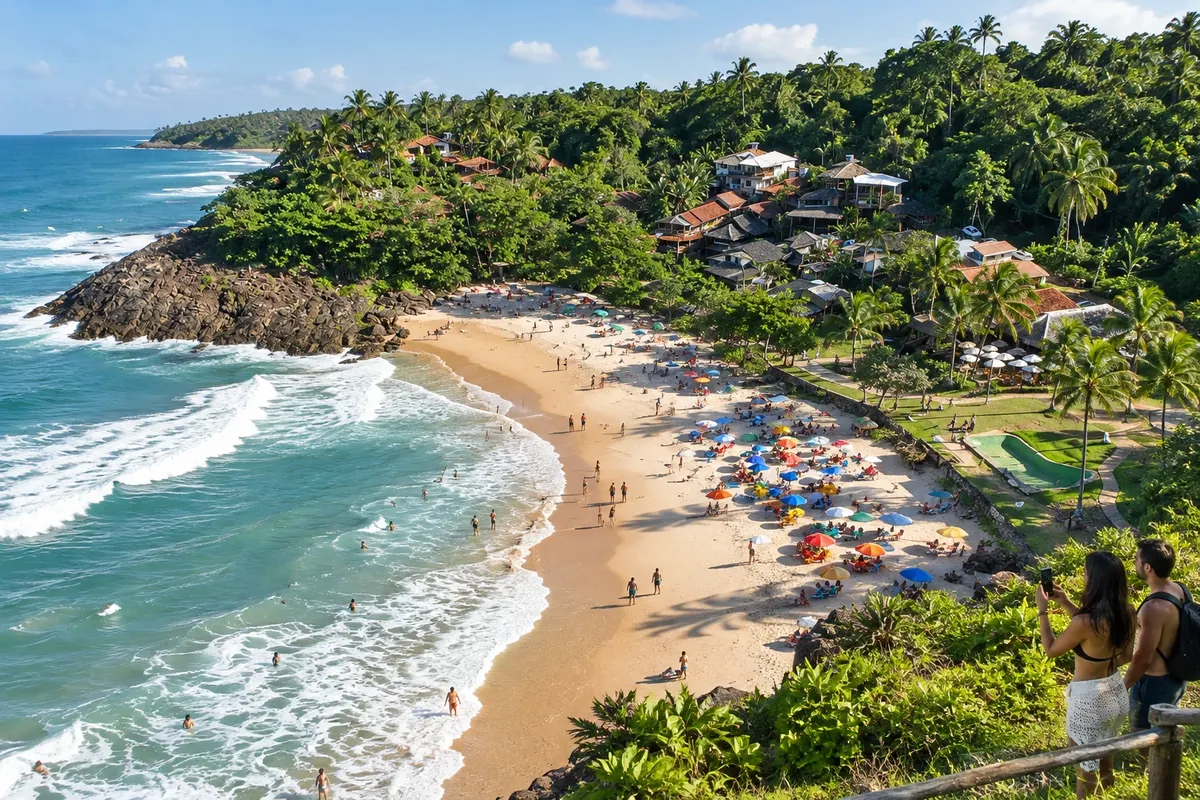
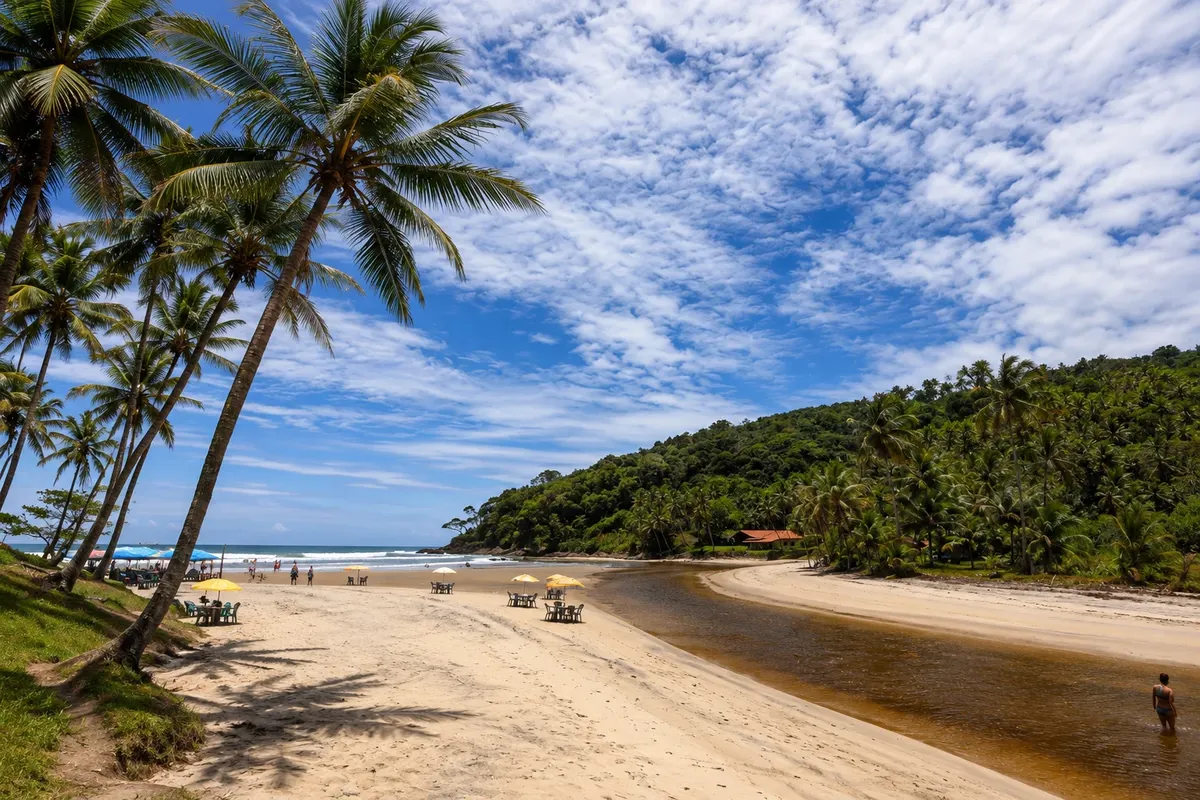
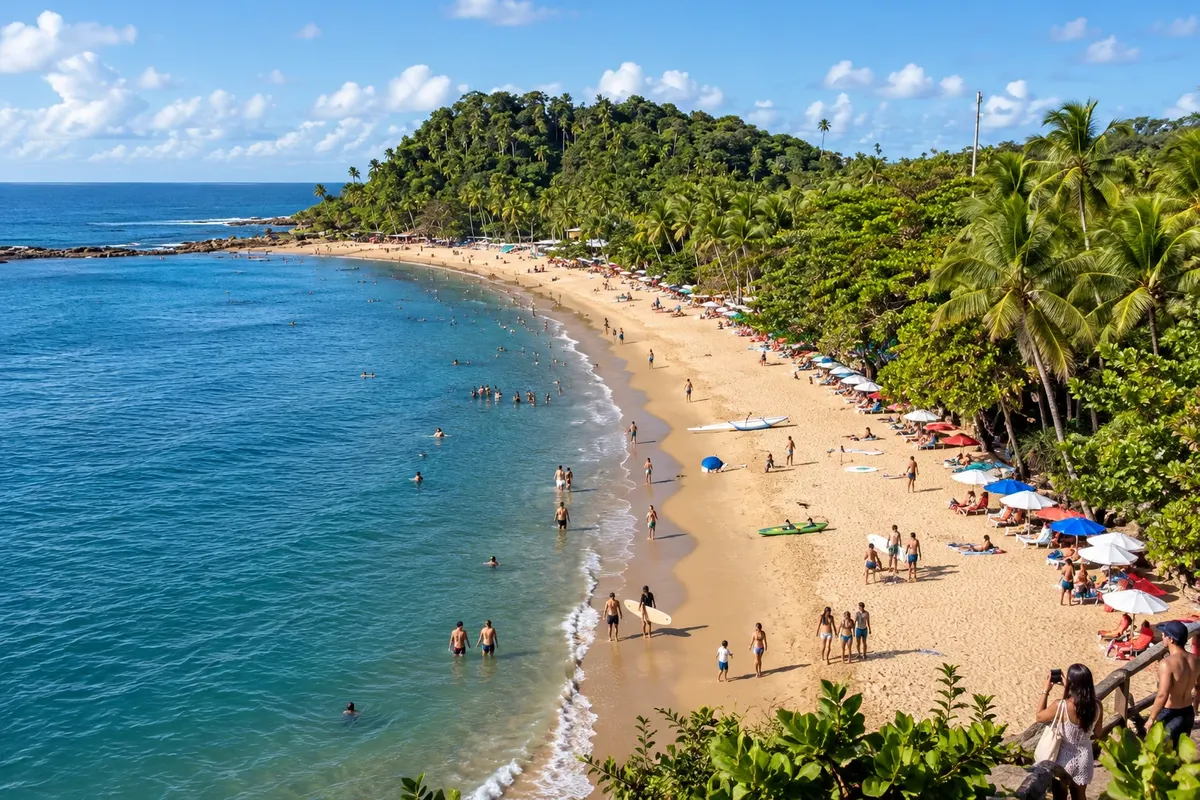
Praia da Concha is close to Itacaré's center and is one of the municipality's urban beaches. The scenery allows combining the seafront stroll with walking through the town's streets.

 Išči
Brazilija
 Antarktika
 Argentina
 Bolivija
 Čile
 Kolumbija
 Ekvator
 Gvajana
 Francoska Gvajana
 Falklandski otoki (Malvini)
 Paragvaj
 Peru
 Surinam
 Urugvaj
 Venezuela
 Nemčija
 Avstrija
 Belgija
 Hrvaška
 Danska
 Slovaška
 Slovenija
 Španija
 Finska
 Francija
 Grčija
 Nizozemska
 Madžarska
 Irska
 Islandija
 Italija
 Luksemburg
 Norveška
 Poljska
 Portugalska
 Združeno kraljestvo
 Češka
 Švedska
 Švica
 Turčija
 Bermudi
 Kanada
 Združene države Amerike
 Grenlandija
 Mehika
 Sveta Peter in Mihael
 Dominikanska republika
 JaponskaTurčija
 Južnoafriška republika
 Egipt
 Avstralija
 Fidži
 Nova Zelandija
 Papua Nova Gvineja
Bahia · Brazilija
Destinacija: Costa do Cacau.
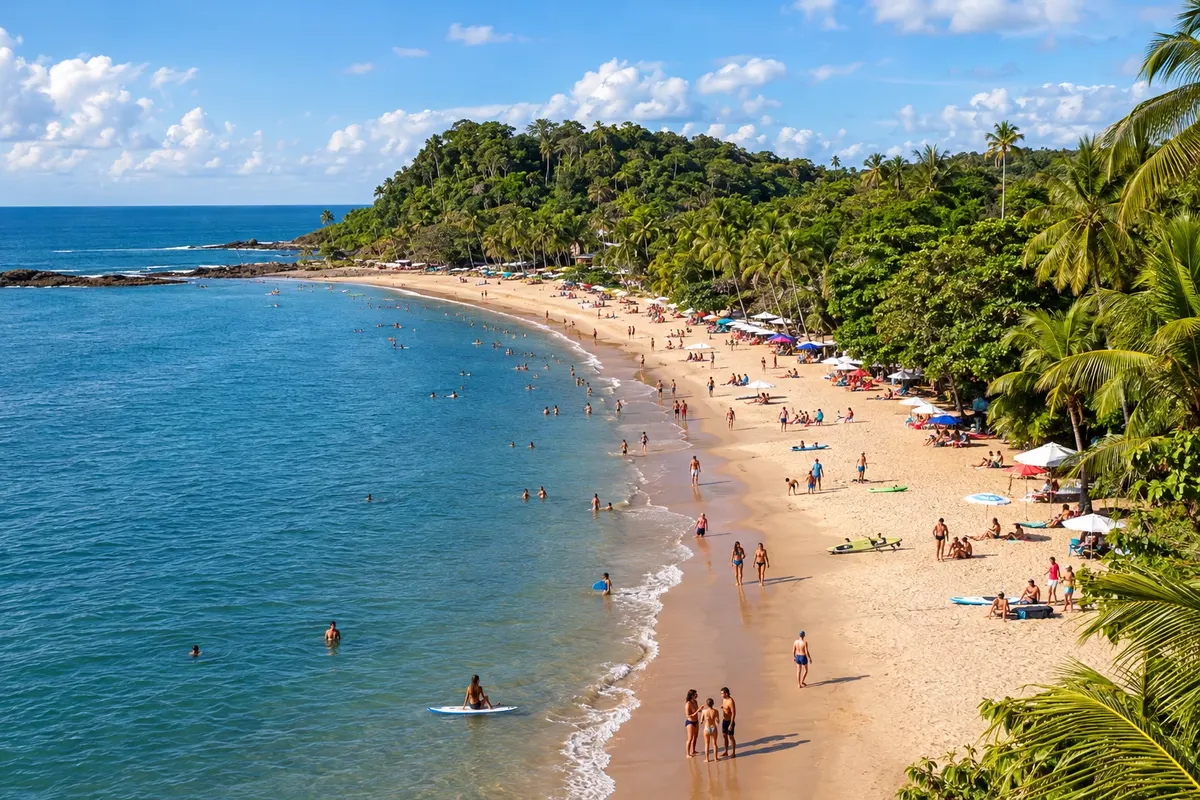
Na fotografiji: Praia da Concha, in Itacaré
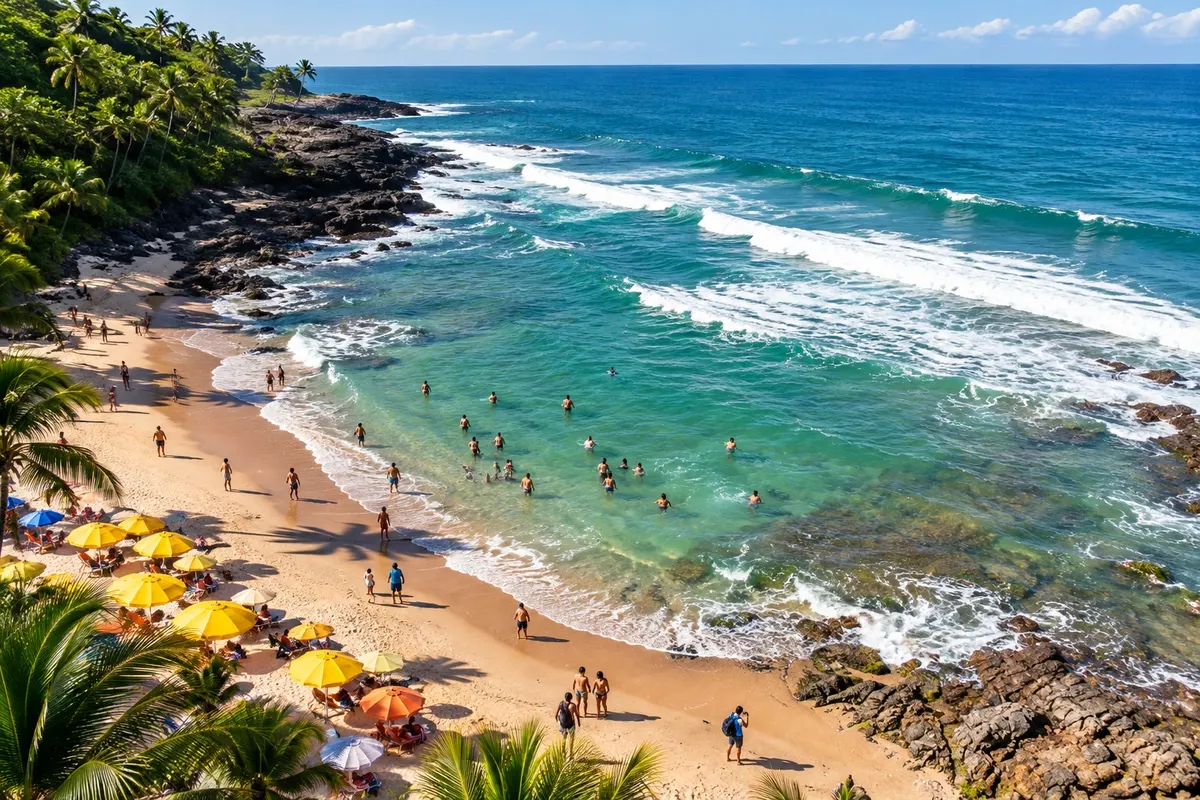
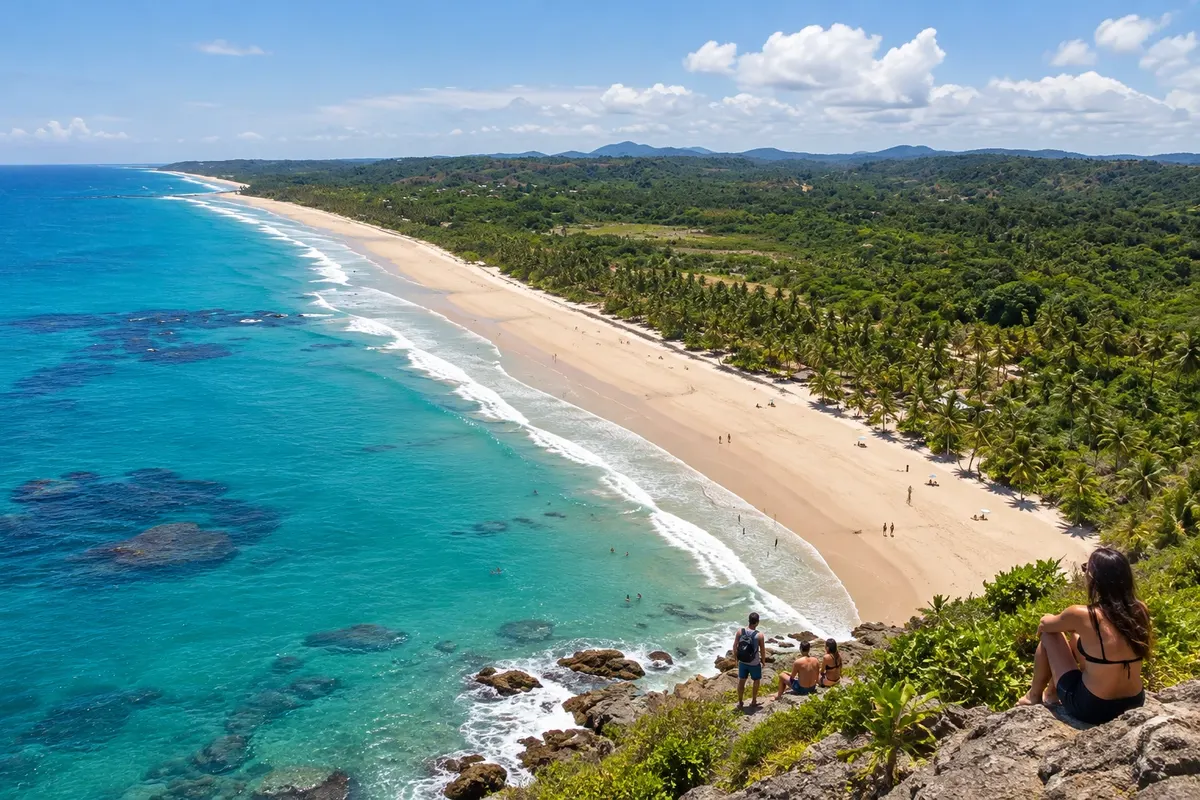
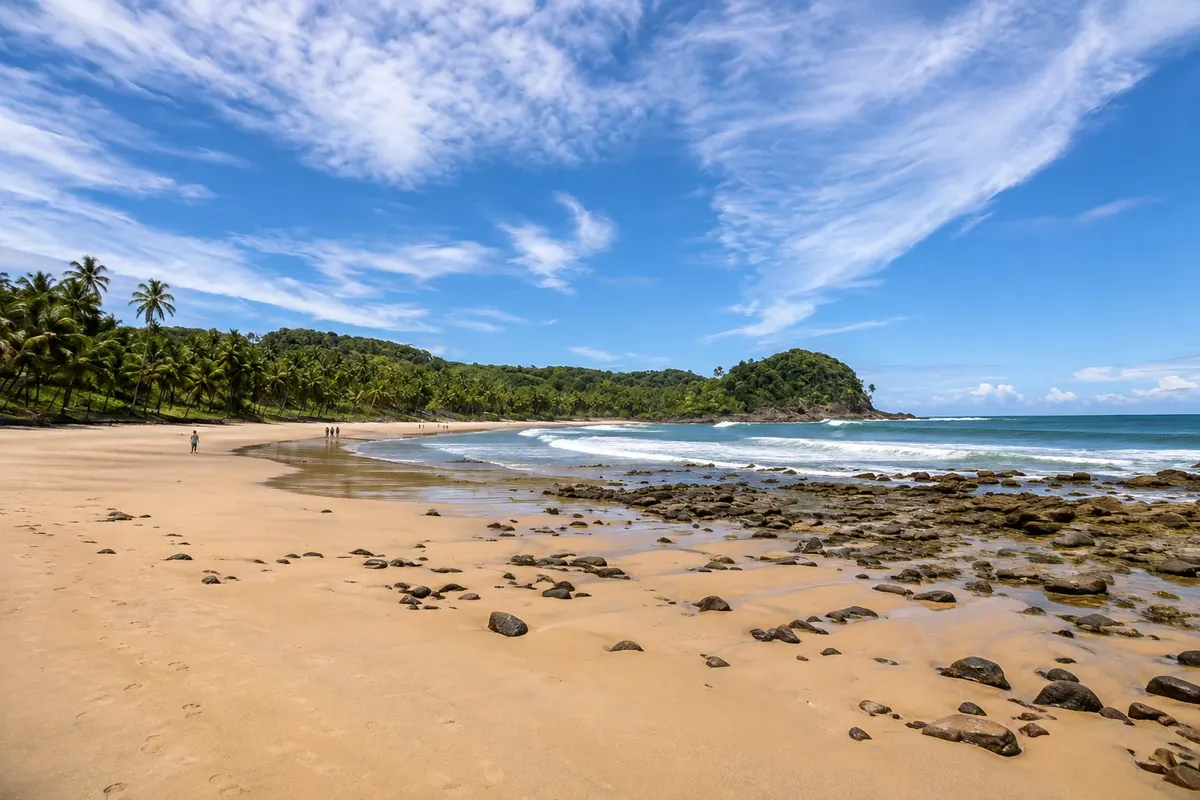
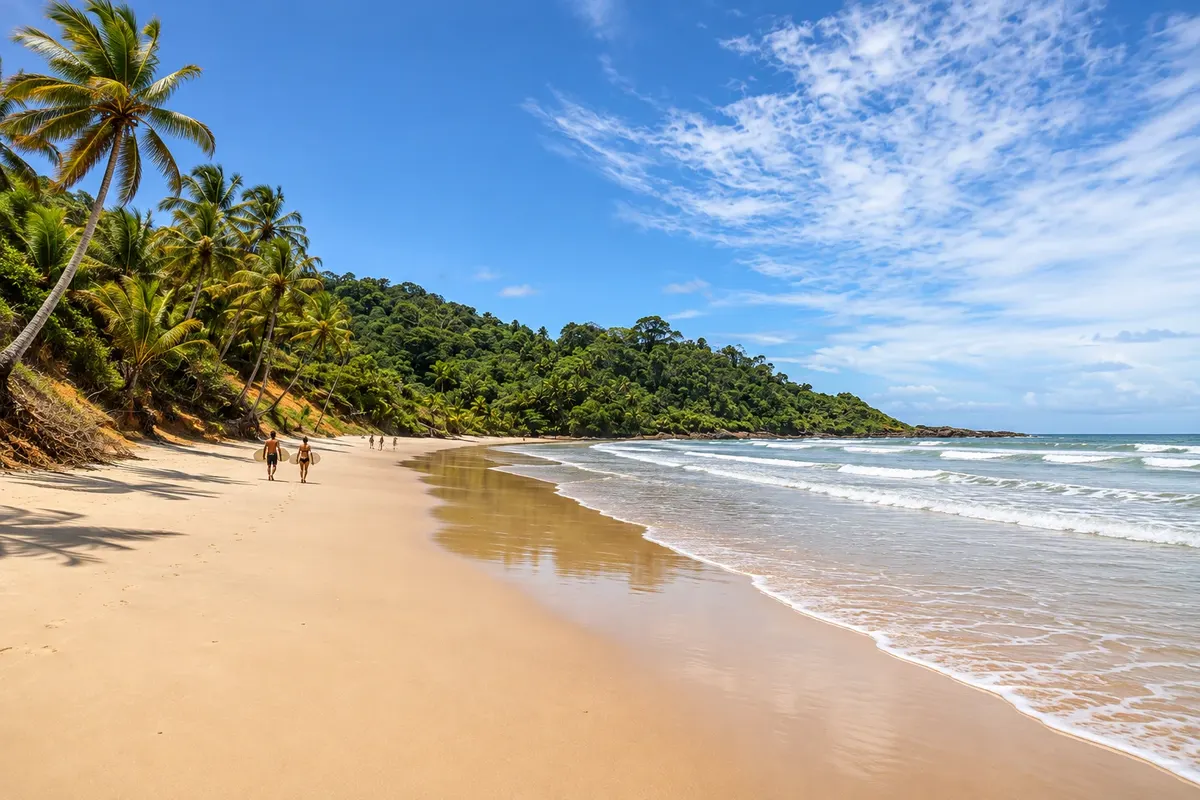
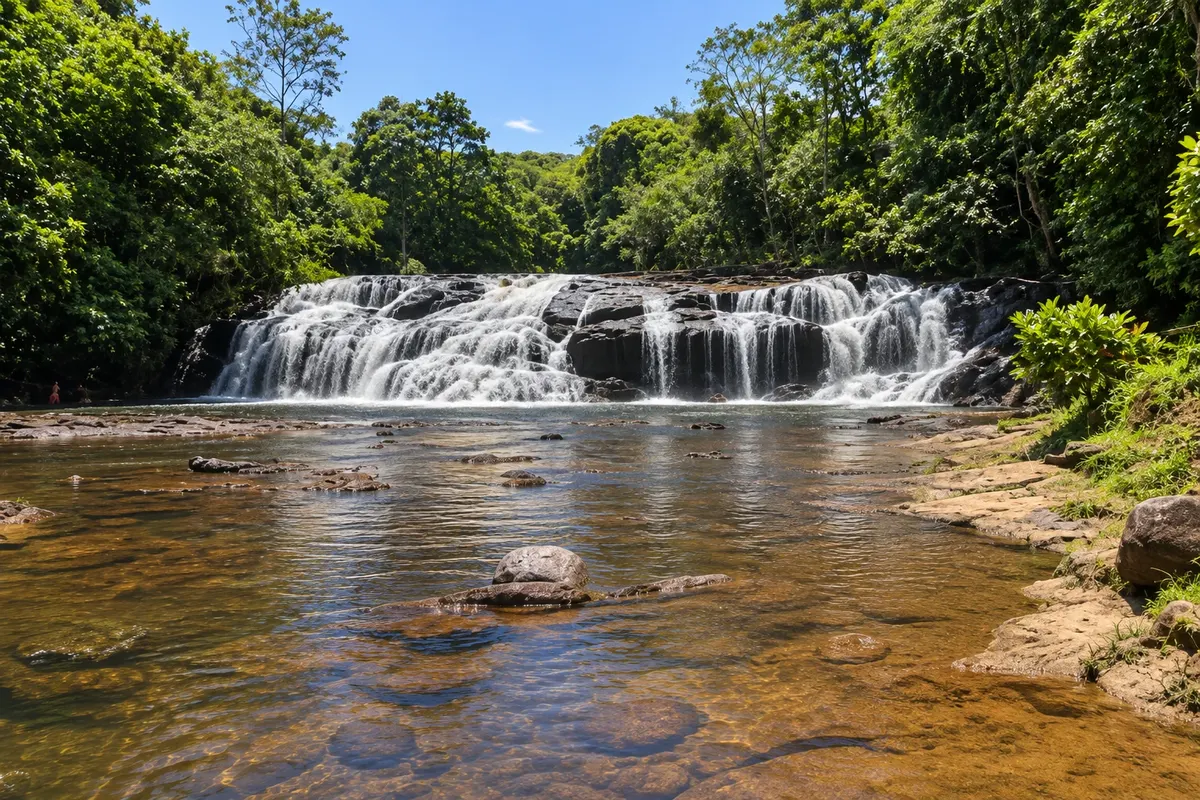
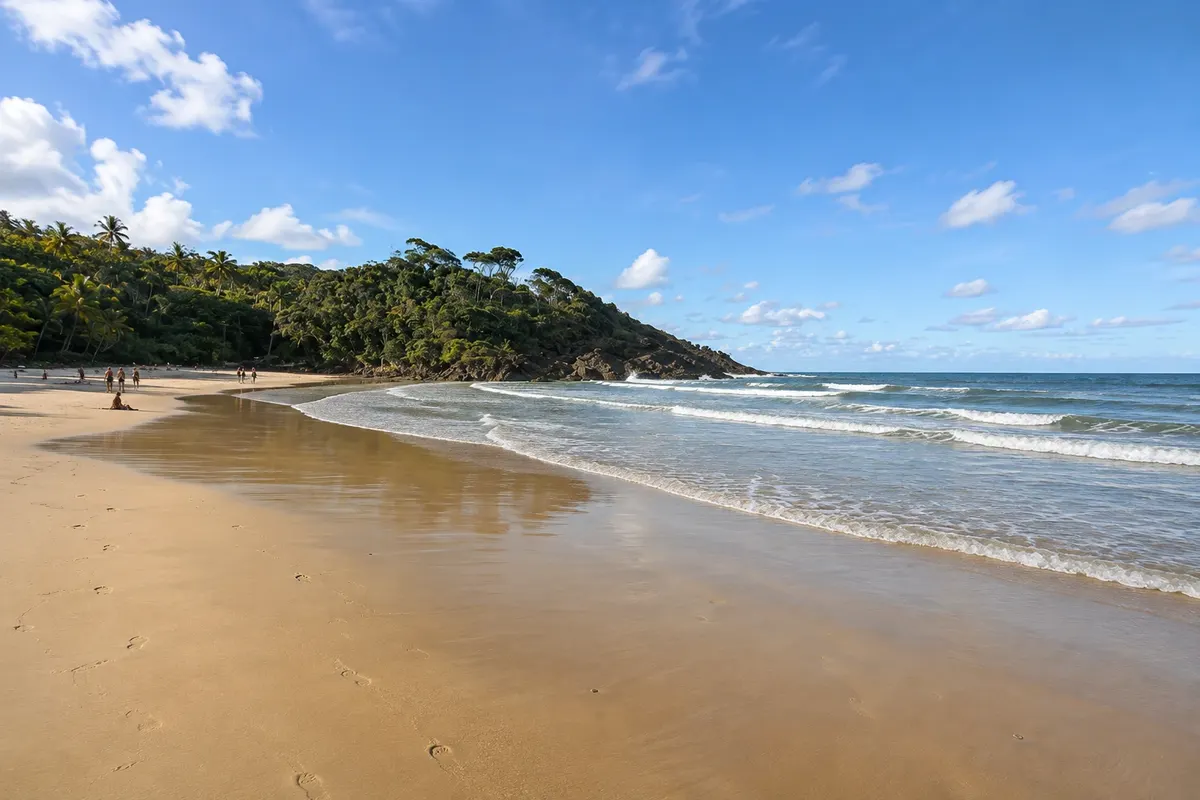
Illustrative images. The pictures in this guide are illustrations based on the real place, not photographs, and may differ from it.
Mesto
Itacaré combines beaches, Mata Atlântica and walks through the town center. Concha, Tiririca and Resende allow starting with the beaches near the urban area; Itacarezinho expands the route along the coast. Allow time for travel, watch the sea and choose each outing according to the pace of your trip.
Itacaré is on the southern coast of Bahia at the mouth of the Contas River, about 70 km north of Ilhéus, where the nearest airport is. It’s a small town surrounded by the Itacaré Serra Grande Environmental Protection Area: here Atlantic Forest descends the hills to the sand, and the coastline alternates short coves between rocky headlands and long coconut-fringed beaches, some of them reachable only by trail.
The settlement grew around a chapel dedicated to Saint Michael, built by Jesuits, and became a municipality in 1732 under the name São Miguel da Barra do Rio de Contas; the name Itacaré dates from 1931. It grew as a cocoa port in the second half of the 19th century and lost importance when exports shifted to Ilhéus. It remained isolated for decades as a fishing village until surfers began to arrive in the 1980s. The paved road to Ilhéus, completed in 1998, opened the town to tourism, which became the main activity.
The town is divided into a few areas, all close to each other. The old center faces the river along the Coroinha waterfront, with the fishing port, the main church from 1723 and manor houses from the cocoa era. Pedro Longo Street, known as Pituba, concentrates shops, bars and restaurants and is the evening meeting point, together with the Vila Boardwalk and the waterfront. Concha Beach, at the river mouth, has calm water and hosts most of the inns and beach huts. South of there, the Path of the Beaches links four coves a few minutes from each other: Resende, Tiririca, Costa and Ribeira. From Ribeira a trail leads to Prainha.
The more remote beaches lie along the BA-001, the road to Ilhéus: Jeribucaçu, Engenhoca, Havaizinho and Itacarezinho. Almost all require a walk through the forest from the highway. Upstream is Taboquinhas, a district 28 km from town, where the Contas River forms rapids for rafting and old cocoa plantations receive visitors. On the other side of the river, Pontal Beach is accessible only by boat.
Surfing is part of the town’s identity. Tiririca has strong waves year-round and hosts competition stages; Ribeira, with gentler waves, is recommended for beginners. Capoeira is also strong here, with traditional groups that train daily and hold open rodas.
The climate is hot and humid year-round, with highs between 24 °C and 28 °C and rain in every month. From April to July it rains more often and trails can be muddy. From August to October there is less rain and the town is quieter. From December until Carnival is high season, with heat, sudden showers and heavy crowds.
Three days allow you to see Concha, the beaches of the Path of the Beaches and a stretch of the BA-001. With four or five days you can include Prainha, the Contas River and Taboquinhas. Bring secure footwear for trails, insect repellent and cash for beach stalls. In several beaches the sea has strong currents: check conditions and ask local staff before entering the water.
Itacaré – število nastanitev: 111.
Itacaré – število lokalov: 13.
Doživite kraj
Praia da Concha is close to Itacaré's center and is one of the municipality's urban beaches. The scenery allows combining the seafront stroll with walking through the town's streets.
Tiririca is a beach in Itacaré associated with surfing and where the sea meets coastal vegetation. A visit can be devoted to watching the waves and the scenery, without needing to enter the water.
Praia do Resende is part of the circuit of beaches near Itacaré's urban area. The stretch of sand between vegetation and coastal rock formations provides a stop to get to know the coastline and walk at a relaxed pace.
Itacarezinho is located outside the center of Itacaré and features an extensive beach and surrounding vegetation. It is an option for spending a longer period on the coast, with planning for transport and access to the sand.
Raziščite Praia de Itacarezinho
Small cove surrounded by Atlantic Forest south of Itacaré’s center, reached by a trail of about 40 minutes from Praia da Ribeira. It has coconut trees, light sand and open sea.
A beach south of Itacaré where the Jeribucaçu River meets the sea, surrounded by Atlantic Forest and coconut palms. You reach it by a trail that starts from an unpaved road near the highway to Ilhéus.
A surf beach south of Itacaré, the first of the Four Beaches Trail. It is reached by a short jungle trail from the highway to Ilhéus, and a shallow stream flows into the sea.
A wide, low waterfall beside the highway between Itacaré and Ilhéus, already within the municipality of Uruçuca. It forms a broad natural pool for swimming, a few minutes' walk from the entrance.
The last of Itacaré’s urban beaches, in a calm bay where the Ribeira River meets the sea. It’s the trailhead for the hike to Prainha.
Kaj izbrati pred odhodom
Izhodišče, trajanje, potek, vključene storitve in okvirna cena vsakega izleta.
Concha is the closest beach to town and the calmest in terms of water. It sits where the Contas River meets the sea, in a small cove with less salty water, sheltered from the waves. For that reason it’s popular with families with children and with people who want to paddle: there are kayak and stand-up paddleboard rentals on the sand, and the outrigger canoes that go up the river at the end of the day also depart from here. The waterfront groups most of the town’s beachfront pousadas and several beach huts that serve drinks and local dishes by the sea. It’s the most structured beach in Itacaré and the busiest in summer and on holidays. On the left side, looking at the sea, is Ponta do Xaréu, a cluster of rocks with ledges that works as a viewpoint. From there you can see Concha, Pontal Beach across the river, Coroinha and the mouth of the Contas River. In the late afternoon the spot fills up: it’s the town’s traditional sunset point, almost always with music. On the right side, near the lighthouse, locals usually watch the moonrise.
Kraji na poti: Concha Beach, Ponta do Xaréu Viewpoint, Itacaré Lighthouse, Mouth of the Contas River.
Vključuje: There is no entrance fee for the beach or the viewpoint. Purchases at the beach huts and rental of kayaks, stand-up paddleboards, and chairs are paid separately; check each provider’s current price list.
Nasvet: Arrive at the viewpoint a little before sunset to find a spot on the rocks, and wear sturdy shoes: the rock is uneven. The walk back to town at night is short but uphill.
Najboljši čas za obisk: All year. From August to October it rains less; in summer and on holidays the beach and the viewpoint get crowded.
Itacaré’s four urban beaches lie in sequence, south of Concha, linked by the street locals call Caminho das Praias. They are small coves separated by headlands, a few minutes from one another: you can visit all of them in the same morning and pick one to stay at. The first is Resende, about a 20-minute walk from Concha. Access is via a short trail from the street. It has tall coconut trees, a shaded grassy area and rustic stalls; on the right-hand side, low tide forms pools among the rocks. The name recalls the Countess of Resende, the grantee of the Ilhéus captaincy, who elevated the settlement to a municipality. Tiririca, less than 1 km from the center, is the surf beach: fast, strong waves year-round, a short strip of sand, pousadas, a skatepark facing the sea and a stream that flows down the hill and serves as an outdoor shower. From Resende you reach it in a few minutes across the rocks. The next beach, Costa, is the quietest. It has light sand and coconut palms, no facilities and strong currents: it’s a beach for looking and photographing, not for swimming. Ribeira is the last one you reach by car. Surrounded by forest, it has cabins that serve lunch, gentler waves and a stream that forms a freshwater pool next to the sand. A zip line from the tree-climbing circuit crosses the beach overhead. The trail to Prainha leaves from there.
Kraji na poti: Resende Beach, Tiririca Beach, Costa Beach, Ribeira Beach.
Vključuje: No entrance fee is charged at any of the beaches. Purchases at the stalls, chair rentals, surf lessons and the Ribeira tree-climbing and zip-line circuit are paid separately; check the current price list.
Nasvet: Finish at Ribeira, which has the most structured beach stalls for lunch. At low tide, Resende reveals natural tide pools. Ribeira’s parking lot is small, and the beach fills up on weekends; on foot, the whole route is short. At Costa and Tiririca the sea pulls strongly: stay on the sand if you don’t know the place.
Najboljši čas za obisk: All year round, preferably at low tide and outside heavy-rain days. Weekends and holidays make Ribeira crowded.
Prainha is the most reproduced image of Itacaré: a cove with an almost symmetrical shape, a forested hill at each tip and a coconut grove by the sand. You can’t reach it by public road. The route from town is the trail that leaves Praia da Ribeira and crosses the Atlantic Forest, passing streams and small waterfalls. It’s about a 40-minute walk each way, on a medium-difficulty trail. The path has several forks and is not signposted; for that reason the local recommendation is to go with a guide. There are guides offering the service at the Ribeira parking area, and town agencies sell the hike as a tour. On the beach, facilities are minimal: a stall that sells coconut water, fruit and drinks, a shower and toilets. The sea has waves, stronger on the left side, and is frequented by surfers. From the same Ribeira there’s another trail, about 15 minutes, to Siriaco, a small rocky cove with little sand that almost disappears at high tide. Beyond Prainha lies Praia de São José, inside a complex of hotels and residences: those coming by trail pass through a gated identification entrance.
Kraji na poti: Praia da Ribeira, Prainha, Praia do Siriaco, Praia de São José.
Vključuje: Guide service is arranged and paid separately, directly with the guide or the agency; check the current rate table. Purchases at the beach stall are not included. There is no fee to enter the beach via the trail.
Nasvet: Leave early with water, repellent and closed shoes or sandals that stay on your feet. After rain the trail becomes slippery. Agree the return time with the guide before they leave, and don’t plan to return in low light.
Najboljši čas za obisk: Dry days, most common from August to October. After heavy rain, postpone.
Itacaré’s town center is small and walkable. The oldest part faces the Rio de Contas, along the Coroinha waterfront. That used to be the dock for boats carrying cocoa; today it’s a fishing port, and the avenue along the river has old houses, bars and restaurants. Coroinha is not for swimming: at low tide the sand turns into a football and volleyball field. It’s also the setting for the town’s festivities, from Carnival to the São João bonfires. The two historic landmarks are the Igreja Matriz de São Miguel, from 1723, listed as a state heritage site, and the Casa dos Jesuítas. Local tradition says a tunnel once connected the two. Nearby streets still have two‑story houses and mansions from the era when the port shipped the region’s cocoa; today they house guesthouses and shops. The town also includes Porto de Trás, a neighborhood recognized as an urban quilombo, with a cultural center that hosts shows and festivals. Nightlife is concentrated in three nearby spots: the waterfront, the Passarela da Vila and Rua Pedro Longo, commonly called Pituba. Pituba gathers artisan shops, ice‑cream parlors, bars and restaurants; in summer it becomes a promenade with live music, forró, samba, reggae and capoeira circles.
Kraji na poti: Praia da Coroinha, Igreja Matriz de São Miguel, Casa dos Jesuítas, Porto de Trás, Passarela da Vila, Rua Pedro Longo (Pituba).
Vključuje: No fee to walk around the center, the Coroinha waterfront and Pituba. Check locally whether the church is open to visitors. Purchases in bars and restaurants are paid separately.
Nasvet: Start along the waterfront while there’s still light to see the fishing boats and the river, then head to Pituba at dusk. The city’s capoeira groups perform publicly on weekends; ask at your pousada where the roda will be.
Najboljši čas za obisk: All year. In summer, on holidays and during the June festivals the activity lasts late into the night.
Pontal is on the other side of the Rio de Contas, opposite the town, and can be reached only by boat. Small boats make the crossing daily from the Coroinha port, and there are also departures from Concha. The trip is short. The beach has two sides. The river side has calm water, good for swimming and stand-up paddleboarding. The ocean side is the start of a stretch of kilometers of sand and coconut trees that continues north; there the waves are strong and there is considerable current, conditions sought by surfers and not recommended for swimming. From the sandy point you can see Itacaré straight ahead: the waterfront, the Concha, the lighthouse and Ponta do Xaréu. In the late afternoon the sun sets over the river. About 6 km to the north is Barra do Piracanga, where the river of the same name flows into the sea and the municipality ends, in an area of mangrove, beach and coconut grove. The boat tour that goes up the Rio de Contas to Cachoeira do Cleandro usually ends at Pontal; the simple crossing is the option for those who want only the beach.
Kraji na poti: Praia do Pontal, Mouth of the Rio de Contas, Barra do Piracanga.
Vključuje: The crossing is paid to the boatman, per person or per boat; check the price before boarding. There is no charge to stay on the beach.
Nasvet: Arrange the return time with the boatman before disembarking, especially if you want to stay until dusk. Take water, a hat and sunscreen, and ask the boatman what food and drinks are available on the other side.
Najboljši čas za obisk: Clear-weather days, year-round. At sunset, the sun sets over the river.
The beaches along the road to Ilhéus are the most preserved in the municipality, and the three most visited can be reached without a tour operator if you have a car. Engenhoca and Havaizinho share the same starting point: a lay-by signposted on BA-001 near km 12, where you leave the car. From there, a flat trail through the forest leads to Engenhoca in 30 to 40 minutes; Havaizinho is about 20 minutes from the parking area, and part of the route is common to both. The path is well marked and is usually done without a guide. Engenhoca has strong waves, a freshwater stream that meets the sand, and simple beach stalls with chairs and umbrellas. Havaizinho is smaller, with coves separated by reefs and a rustic beach stall that operates mainly in high season. Itacarezinho lies further along the same road and is a long beach with water slightly calmer than its neighbors. It does not require a trail: you descend from the road down a steep slope, by car or on foot, about a 15-minute walk. On the sand there is a beach restaurant that works by reservation and day use; outside of it there are no stalls. If you prefer to go with a guide and transport, the town agencies offer a four-beach tour that visits the same beaches plus Camboinha by trail.
Kraji na poti: Engenhoca Beach, Havaizinho Beach, Itacarezinho Beach, BA-001.
Vključuje: There is no charge to enter the beaches. Taxi fares, parking at the Itacarezinho trailhead and purchases at the beach stalls are paid separately; the restaurant at Itacarezinho has its own reservation and consumption rules. Check the current schedule.
Nasvet: Do Engenhoca and Havaizinho in the morning and leave Itacarezinho for the afternoon. If you take a taxi, agree the return with the driver before starting the trail. Bring water, insect repellent and closed shoes; the trail gets muddy when it rains. At Engenhoca, the calmest bathing spot is the stream.
Najboljši čas za obisk: Days without rain, more common from August to October. From April to July the trail is often muddy.
Itacaré became known among surfers before it had a paved road, and surfing remains central to the town’s life. The reason lies under the sea: along this stretch of Bahia the continental shelf is narrow, and swell reaches the coast with strength and regularity. The municipality’s coastline has about a dozen peaks, from the urban coves to the long northern beaches across the river. For those who have never stood on a board, the town has schools with instructors who provide equipment and choose the day’s beach according to the sea. Ribeira, with gentler waves, is the urban beach recommended for beginners. Schools also rent boards and offer multi-day packages. Tiririca is another story: fast, hollow, short waves in a cove surrounded by headlands, and it’s always crowded in the water. The city guide does not recommend it for beginners. This is where the Itacaré Surf Association organizes competitions, with stages of municipal, Bahian, and Brazilian circuits, and the beach has already hosted world tour stages. Those who don’t surf watch from the sand or the skatepark. Resende, Prainha, and Engenhoca also have waves frequented by experienced surfers.
Kraji na poti: Ribeira Beach, Tiririca Beach, Resende Beach, Engenhoca Beach.
Vključuje: Lessons usually include a board and instructor; confirm with the school what else is included, the class size, and transport to the beach. Rates and packages vary by school and season; check the current price list.
Nasvet: Tell the school your level honestly and ask which beach the lesson will be at. Wear a lycra shirt and water-resistant sunscreen. Before entering the sea on your own, watch where the local surfers enter and exit.
Najboljši čas za obisk: There are waves year-round. Competitions are usually concentrated between October and December; confirm the schedule for the year.
Taboquinhas is a district of Itacaré, 28 km from the center, upriver. When the economy was based on cocoa, it served as the municipality’s real seat; the seaside village only gained importance with tourism. The route already reveals a different landscape: leave via the BA-001, take the BA-654 at the roundabouts after km 6 and follow the paved, winding road through forest and cocoa plantations, alongside the Contas River. The region’s cocoa is grown in the cabruca system, in the shade of Atlantic Forest trees, and this is one reason the forest has been preserved. Old farms opened their gates to visitors. The best known, Fazenda Vila Rosa, shows artisanal chocolate production, from bean to bar, with a trail through the forest, an orchard, natural pools, a visit to the manor house and tasting points; it has a restaurant open to the public. Taboquinhas is also where the Contas River rapids used for rafting are located, with a zip line over the river—an activity sold by Itacaré agencies with or without transport. The district preserves popular traditions such as marujada and samba de roda, and local young people lead hikes along the tropeiros’ trail, the old route between the interior and the port of São Miguel da Barra do Rio de Contas.
Kraji na poti: Taboquinhas, Contas River, Fazenda Vila Rosa, BA-654.
Vključuje: The farm visit and the rafting are paid separately, each with its own price list; check current rates and whether you need to book. The regular bus is paid when you board.
Nasvet: This is the plan for a cloudy day or light rain: part of the farm visit takes place under cover. Drive slowly; the road has many curves. If you go by bus, confirm the time of the last return at the bus station.
Najboljši čas za obisk: All year. After rains the river swells and the rapids get stronger.
Po dnevih
Predlogi za načrtovanje poti. Vrstni red dni prilagodite vremenu in razpoložljivosti izletov.
Arrive early and leave the car near downtown. Walk the Beach Trail: Resende first, with its pools among the rocks if the tide is low; then Tiririca, to watch the surfers; and Costa, just to look. End the morning at Ribeira, where you can swim in the sea and in the stream and have lunch at one of the beach shacks. After lunch, return to downtown and walk along the Coroinha waterfront, with the fishing port, the main church and the old cocoa-era mansions. Reserve late afternoon for Praia da Concha. If you want, you can kayak or stand up paddle on the calm water of the cove. Before sunset, climb the rocks at Ponta do Xaréu for a view over the mouth of the Contas River and Praia do Pontal. At night, dine at Pituba before hitting the road, or stay overnight in the city. The beaches along BA-001 and Prainha don’t fit into this itinerary.
Use the morning for the Beach Path on foot: Resende, Tiririca, Costa and Ribeira. Stay longer at the one you like most; Ribeira has the more structured beach bars for lunch. In the afternoon, relax at Concha, with calm water, or cross by boat to Pontal Beach on the other side of the river, arranging the return with the boatman. At the end of the day, go to Ponta do Xaréu for the sunset. Then walk along the Coroinha waterfront and finish the night in Pituba, where the bars and restaurants are, and in high season there is street music.
Road and trail day. Leave early on BA-001 toward Ilhéus and stop at the marked pullout for the Engenhoca trail. Walk to Havaizinho, about 20 minutes, then continue to Engenhoca, with a creek swim in front of the beach. In early afternoon, continue on the highway to Itacarezinho, with slightly calmer sea, and go down the slope to the sand. If you don’t have a car you can swap the day for the four‑beaches tour sold by agencies with a guide and transport. If it rains, reverse the plans: go to Taboquinhas to visit a cacao farm and leave the trails for another trip.
Start with the urban beaches on foot: Resende, Tiririca, Costa and Ribeira. If you want to try surfing you can book a lesson for this morning; the schools usually take beginners to spots with gentler waves, such as Ribeira. Have lunch in Ribeira or Concha and spend the afternoon in Concha bay. At sunset, go up to Ponta do Xaréu for the view. At night, walk along the Coroinha waterfront and Pituba.
Leave early for the Ribeira and, with a local guide, hike to Prainha: about 40 minutes through the forest each way. Stay on the beach until late morning and return to town for lunch. In the afternoon, the program is the Rio de Contas. the agencies and the boatmen on the waterfront run the trip that goes up the river through the mangrove to Cachoeira do Cleandro and ends at Praia do Pontal at dusk. The alternative is the simple crossing to Pontal, or a canoe paddle (outrigger canoe) from the Concha.
With stable weather, dedicate the day to the beaches along the road to Ilhéus: Havaizinho and Engenhoca in the morning, via the trail that leaves the highway, and Itacarezinho in the afternoon. If you prefer a guide, there’s the four-beaches tour or the Jeribucaçu trail, with the Cachoeira da Usina. If the weather is unstable or you want adrenaline, go to Taboquinhas, 28 km away: rafting on the rapids of the Rio de Contas and a visit to a cacao farm with chocolate tasting. With a fourth day, agencies take visitors to Baía de Camamu and the pools of Taipu de Fora on the Península de Maraú in a full-day tour that depends on the tide.
Najboljši čas za obisk
The seasons shown are the most usual ones; nature doesn't always follow the calendar.
High season · City anniversary on January 26
Hot, with maximums around 27 °C, and showers that usually pass quickly. This is the busiest month, with Brazilian school holidays: book accommodation and transfer in advance. The city celebrates its anniversary on January 26 with shows in the square. The Ribeira and the Concha get crowded; for quieter beaches, leave early for the BA-001 trails.
Water Festival (Iemanjá) on February 2 · Carnival
Highs around 28 °C and less rain than in January. On February 2 the Water Festival honoring Iemanjá takes place, with the boats departing from Coroinha. When Carnival falls in February, trios elétricos and concerts take the waterfront. Outside these dates, activity already decreases.
End of summer · More frequent showers
Still warm, with highs around 28 °C, and showers become more frequent. The town empties after Carnival. Trails to Prainha, Engenhoca and Jeribucaçu can be muddy: check the forecast and have a plan for a rainy day, such as visiting a cocoa farm in Taboquinhas.
Start of the rainy season · Holy Week
One of the rainiest months, with highs around 27 °C. Trails become slippery and the sea rougher. There is sun between showers, and the urban beaches remain walkable. Holy Week, when it falls in April, brings more bookings to pousadas. After heavy rain, the Rio de Contas rises and the rafting rapids gain strength.
Low season · Frequent rain
Highs around 26 °C and frequent rain, alternating with clear days. It’s one of the quietest times, with more accommodation options. Decide activities day by day: urban beach and Xaréu when it clears, Taboquinhas and the center when it’s closed. On trails, wear footwear with good grip.
June festivals, with bonfire on the Coroinha waterfront
Highs around 25 °C and lows near 22 °C, still with rain. All month long there are June festivals: neighborhoods set up their arraiais with forró and corn-based foods, and a large bonfire is kept lit on the Coroinha waterfront. Evenings call for a light sweater. A good month for those who like popular festivities and empty beaches.
Sabores de Itacaré Festival · July 2 parade · School holidays
It is the coolest month, with temperatures between 21 °C and 24 °C and passing showers. On July 2 the waterfront hosts the Bahia Independence parade. The Sabores de Itacaré food festival usually occupies the waterfront in July, with dishes from local restaurants and concerts. Brazilian school holidays increase visitors, without the full crowds of summer. Between July and October, boats run to watch humpback whales that pass along the coast.
Less rain · Quiet town
It rains less and temperatures stay between 21 °C and 24 °C. Trails are usually firmer, and it’s a good time for Prainha, Engenhoca and Jeribucaçu. The town is calm and pousadas have availability. Bring a light jacket for boat trips and the evenings.
One of the driest months · Empty beaches
One of the driest months of the year, with temperatures between 22 °C and 25 °C. It combines more stable weather and fewer people: a good time for hikes and full days at the beaches along the BA-001. Still, it can rain: check the forecast the day before. Humpback whale season continues until October.
Stable weather · Surf stages at Tiririca
Highs around 26 °C and little rain. The surf season usually gains strength between October and December, with stages of Bahian and municipal circuits at Tiririca. Long holiday weekends fill the town for a few days; the rest of the month is quiet. It’s the end of the whale season.
Dance Festival · Quilombola Culture Festival · Pre-summer
Highs around 26 °C. Regional historical averages indicate showers this month, although local guides still treat it as part of the drier period: variation between years is large. November features cultural events, such as the Itacaré Dance Festival and the Quilombola Culture Festival at Porto de Trás. Outside holidays, the town remains calm.
Start of high season · New Year’s Eve · Stage of the municipal surf circuit
Highs around 27 °C, with showers. Activity grows through the month and peaks in the week of New Year’s Eve, with parties at the Concha and Pontal that last several days. Book months ahead for New Year’s. Tiririca usually hosts a stage of the municipal surf circuit.
Načrtujte pot
Itacaré has no airport. The closest is Jorge Amado Airport (IOS) in Ilhéus, about 70 km along the BA-001, with regular flights from São Paulo, Campinas, Belo Horizonte and Salvador. Routes and frequencies change with the season: check with the airline before buying.
From the airport continue by road: transfer or taxi in about 1h15 to 1h30; rental car, picked up at the airport; or bus, from Ilhéus bus station, about 5.5 km from the airport terminal.
Salvador (SSA) is the nearest international airport. From there the trip is long: ferry crossing to the island of Itaparica and road to Itacaré, or the entire route by highway. Travelers arriving in Salvador can also take a flight to Ilhéus.
From Ilhéus: the company Rota runs the line to Itacaré with departures throughout the day, from early morning to early evening, leaving from Ilhéus bus terminal. The trip takes 1h40 to 2 hours. Tickets are usually sold at the counter; on holidays, buy in advance.
From Salvador: take the ferry to Bom Despacho on Itaparica Island. From the Bom Despacho terminal, Águia Branca and Cidade Sol have buses to Itacaré, a trip of about 5 hours. Add the waiting and ferry crossing time, which increases on holidays and during school vacations.
From other cities: there are lines to Itacaré from Itabuna, Feira de Santana, Vitória da Conquista and Porto Seguro.
Confirm schedules with the company the day before: timetables change and are not always up to date online.
From Ilhéus: the BA-001 runs along the coast to Itacaré for about 70 km of paved road, with no tolls. The final stretch is the Estrada Parque, which cuts through the Atlantic Forest and passes Serra Grande, where there is a sea-facing viewpoint. Allow 1h15 to 1h30, plus stops; the pavement has potholes in some spots.
From Salvador: the most used route combines the ferry to Bom Despacho and the BA-001, via Camamu, totaling about 250 km. Without the ferry, by highway, the distance exceeds 350 km.
From the south and the interior: the paved route goes through Itabuna and Ilhéus and then up the BA-001. Route apps often show a shortcut via Ubaitaba on the BR-101; the city’s portal warns that this route has an unpaved section and takes longer.
In town, park near your accommodation: the downtown and the urban beaches are walkable, and the car is useful for the highway beaches and for Taboquinhas.
Agencies in Itacaré, guesthouses and private drivers provide transfers between Ilhéus airport and the town by car or van, taking about 1h15 to 1h30. There are private and shared services, and transfers to and from Salvador and Camamu, from where boats leave for the Península de Maraú.
Book before you travel and give your flight number, especially in summer and on holidays. Taxis are available outside the airport.
If you arrive by transfer you won’t have a car in town. That’s not a problem for the urban beaches and the center; for the beaches along the BA-001 you’ll need a taxi, an agency tour or the public bus.
On foot: the center, the Coroinha waterfront, Pituba, Praia da Concha and the four beaches of the Caminho das Praias are short distances apart. From Concha to Resende is about a 20-minute walk; Tiririca is less than 1 km from the center. There are hills.
By car or taxi: the BA-001 beaches (Jeribucaçu, Engenhoca, Havaizinho, Itacarezinho) are several kilometers away and are accessed by trails that start from the highway. With a taxi, arrange the return before entering the trail. Scheduled buses that go to Ilhéus travel the highway; ask the driver where it’s possible to get off.
With an agency: guided tours include transport and solve the day for those without a car.
By boat: boatmen on the waterfront and in Concha run crossings to the Pontal and excursions on the Rio de Contas.
To Taboquinhas, 28 km away, there is a paved road and regular bus service at various times.
Odgovori na vaša vprašanja
Start with Praia da Concha and organize the other visits by area, leaving time for transport and rest.
As a suggestion, three days allow a visit with more breaks. In one or two days, choose fewer places and concentrate excursions by area.
Ilhéus airport is the region's air hub, with onward travel by road to Itacaré. The city also receives buses at the bus station. For beaches outside the urban core, arrange round-trip transport and check access conditions.
Check the actual distance between your accommodation and the chosen places. Walk where feasible and arrange the return before traveling to another area.
Check the forecast, access conditions and the operation of inland visits. On the beaches, pay attention to the tide, the waves and local guidance.
It depends on your itinerary. The town center, Pituba, Praia da Concha and the beaches along the Caminho das Praias (Resende, Tiririca, Costa and Ribeira) can be reached on foot. For the beaches along the BA-001, such as Engenhoca, Havaizinho, Itacarezinho and Jeribucaçu, you need a car, taxi or an agency tour with transportation. If you plan to visit several of those beaches on your own, a rental car picked up at Ilhéus airport will save you time.
Praia da Concha hosts most of the beachfront pousadas, has calm water and is a short walk from the center; it’s the choice for families and for those who want the beach at the doorstep. Pituba and the streets of the center put bars, restaurants and shops within easy reach, with more nightlife. Tiririca and Resende have pousadas aimed at surfers. Farther away, Praia de São José offers upscale lodging inside a gated complex.
Praia da Concha, at the mouth of the Rio de Contas, is a protected cove with still water and shallow areas near the sand. Ribeira has gentler waves than neighboring beaches and a stream that forms a freshwater pool. Itacarezinho, outside town, usually has slightly calmer water than the other BA-001 beaches. Tiririca, Costa and Engenhoca have strong waves and currents. At any beach, check the day’s conditions before entering the water.
Yes. The town has surf schools with instructors who provide boards and choose the beach according to the day’s surf. Ribeira, with gentler waves, is the recommended urban beach for beginners. Tiririca has strong, fast waves and is not recommended for newcomers. Schools also rent boards and offer multi-day packages. Prices are per lesson or per package; check the current rates.
It’s recommended. The trail starts at Praia da Ribeira and takes about 40 minutes through the forest each way, with several forks and no signage, which makes it easy to lose the way. Local guides offer the service at Ribeira’s parking area, and agencies sell the hike as a tour. Wear closed shoes or sandals that stay on your feet and bring water.
Six: Coroinha, which is the riverfront and not suitable for swimming; Concha; and the four along the Caminho das Praias — Resende, Tiririca, Costa and Ribeira. From Concha to Resende is about a 20-minute walk, and the next ones are only a few minutes apart. Trails from Ribeira lead to Siriaco (15 minutes) and to Prainha (40 minutes). The others lie along the BA-001 or on the far side of the river.
From August to October it rains less, trails are firmer and the town is quiet. From December until Carnival is high season, with heat, sudden showers, more parties and more people. From April to July it rains more often, but there are clear days, and June is lively with festa junina celebrations. It’s warm year-round, and it can rain in any month: leave flexibility in your itinerary.
The traditional spot is the lookout at Ponta do Xaréu, on the rocks at the left end of Praia da Concha, with views over the mouth of the Rio de Contas and Praia do Pontal. It fills up every late afternoon, almost always with music. Another option is to cross by boat to Pontal and watch the sun set over the river, arranging the return with the boatman. The BA-001 bridge over the Rio de Contas, on the road to Camamu, also offers an open view of the sunset.
Options are limited because most activities are outdoors. The best choice is a visit to a cacao farm in Taboquinhas, 28 km away, where part of the route is covered and there is chocolate tasting. Rafting on the Rio de Contas runs with light rain, and the river is fuller. In town, you can still go to Pituba, restaurants and craft shops. Trails to Prainha, Engenhoca and Jeribucaçu get slippery: postpone them.
Between July and October humpback whales pass along the south coast of Bahia, and boats depart from Itacaré for open-sea watching. Sightings depend on the day and sea conditions. Book with a local agency, ask about the trip duration and bring a light jacket and seasickness medicine if you normally need it. The tour is paid separately; check the current rates.
There is activity every day, heavier in summer and on holidays. Meeting points are Rua Pedro Longo (known as Pituba), the Passarela da Vila and the waterfront, with bars, restaurants and live music: samba, forró and reggae are the most common rhythms. Beach cabanas at Praia da Concha also host parties. The schedule changes weekly; the city portal’s agenda lists events.
Več kot vodnik