Ilhéus

Bahia · Brazilija

Ilhéus

Destinacija: Costa do Cacau.

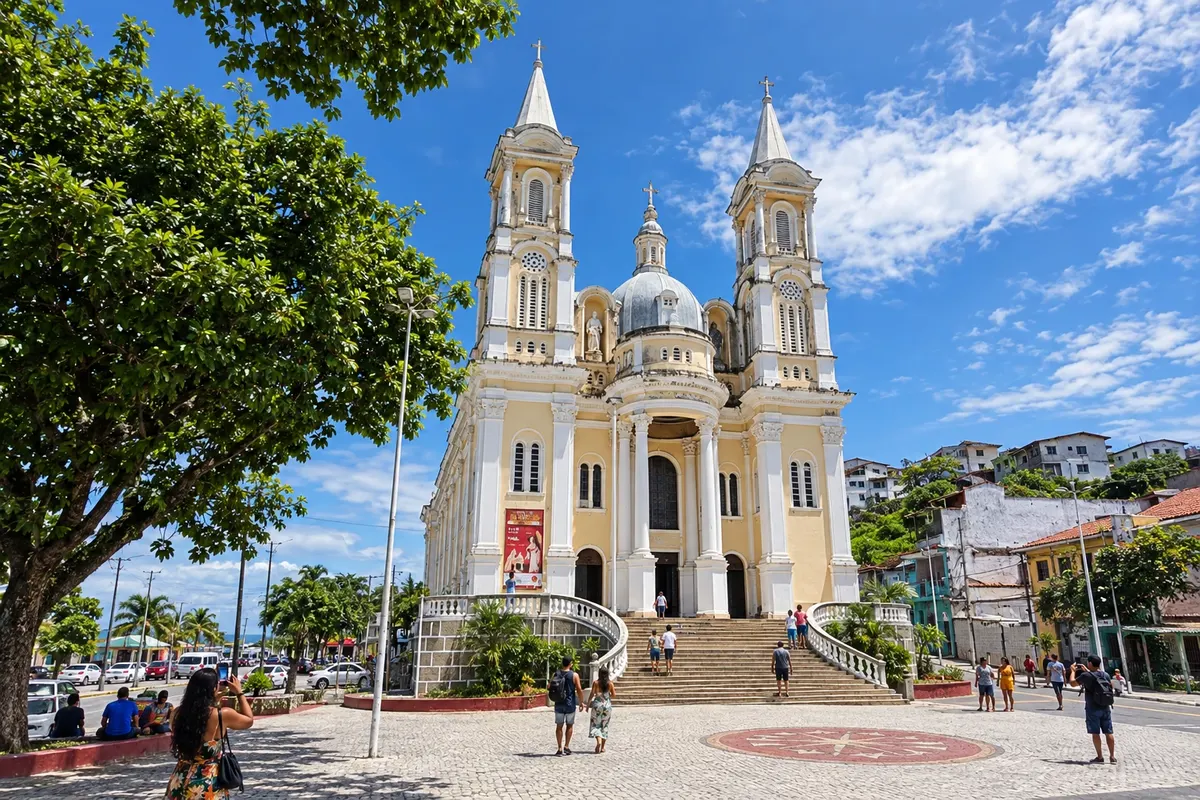
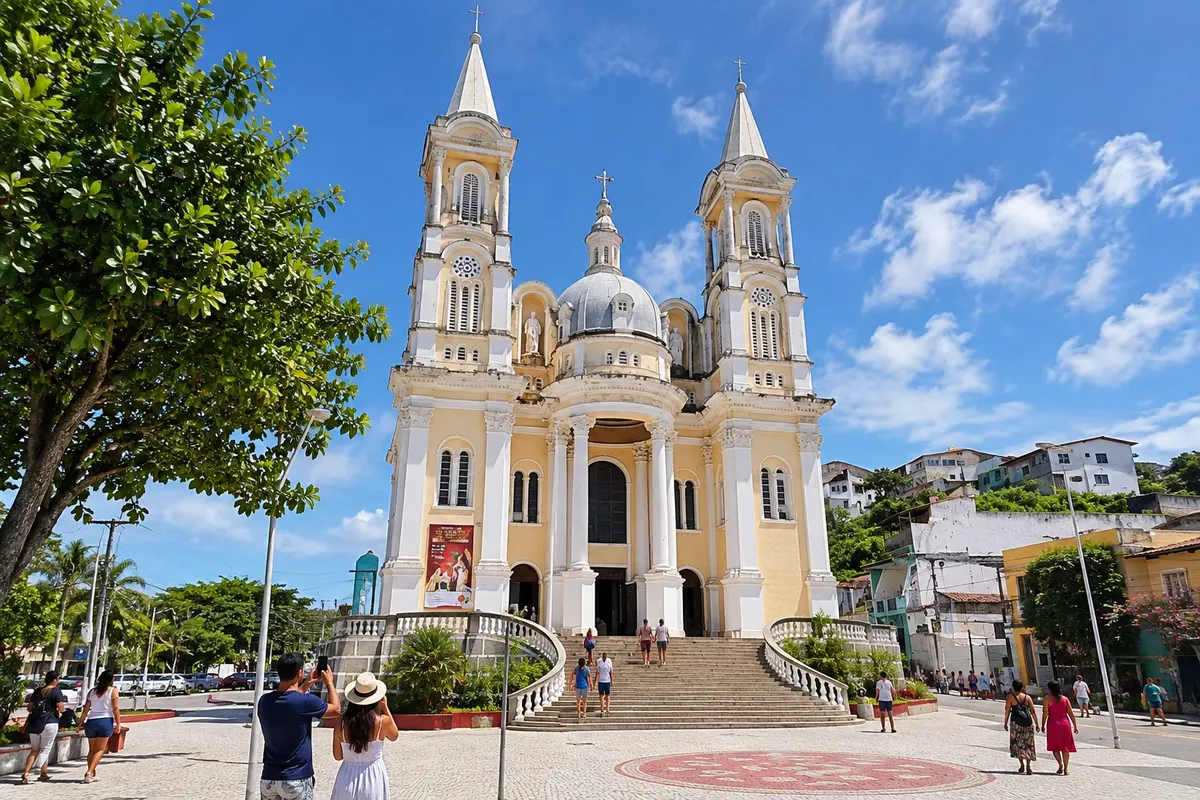
Na fotografiji: Catedral de São Sebastião, in the historic center of Ilhéus

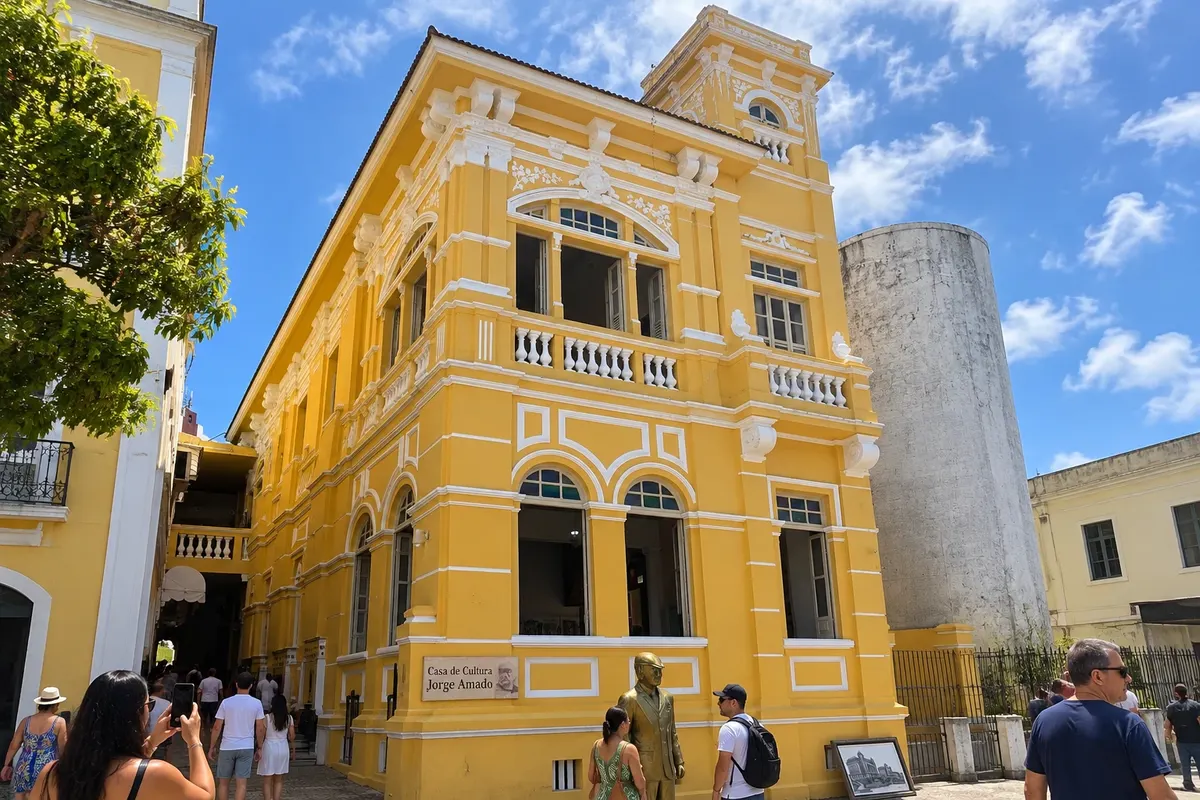
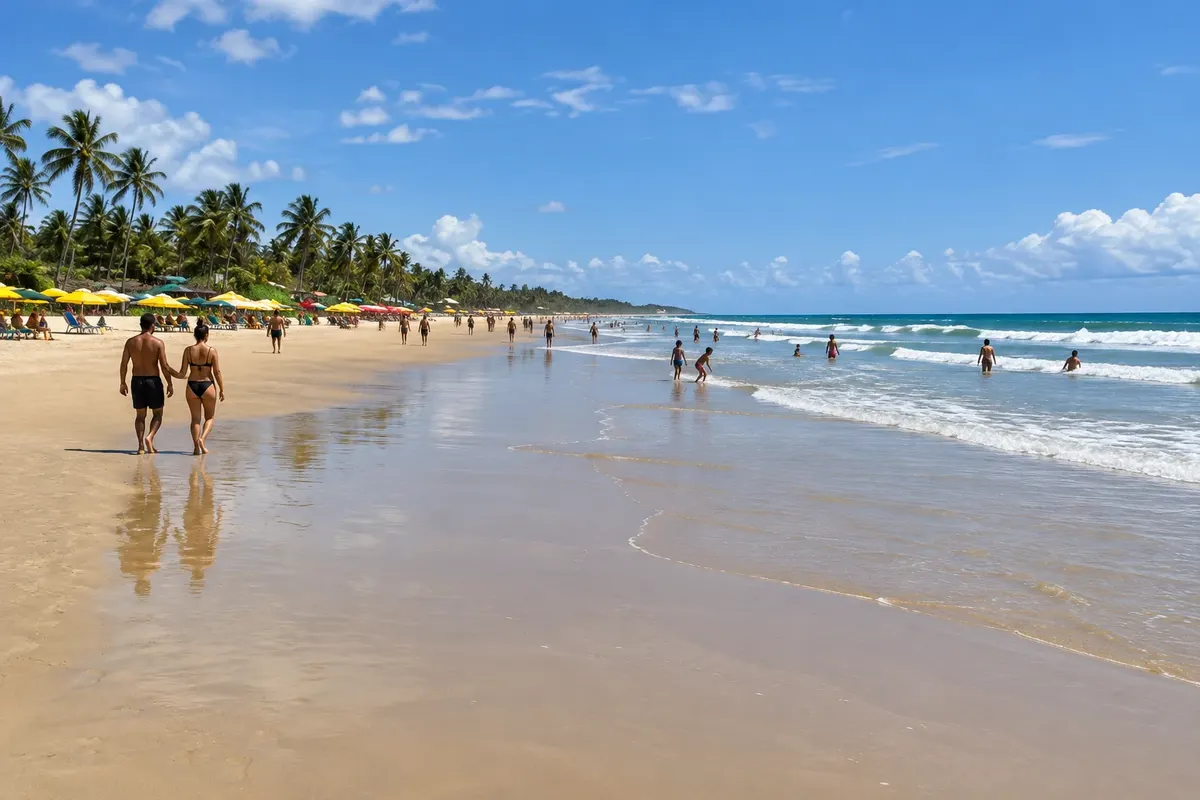
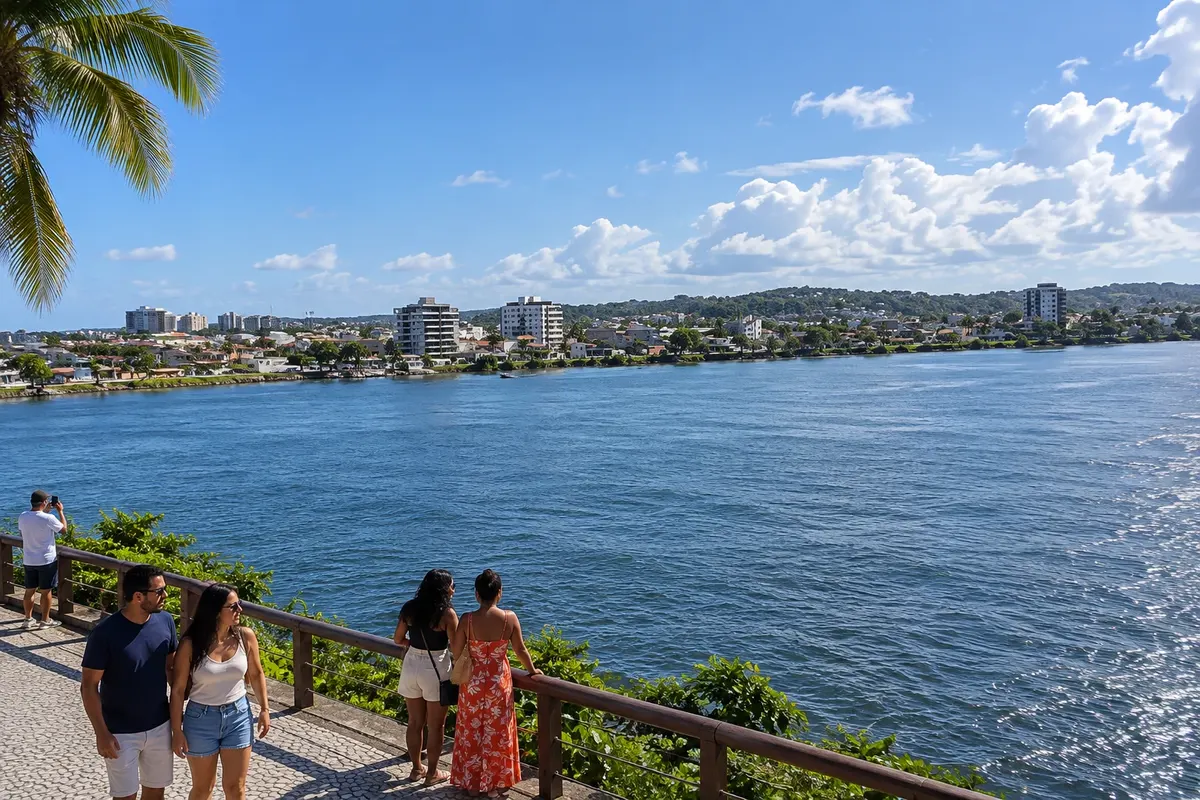
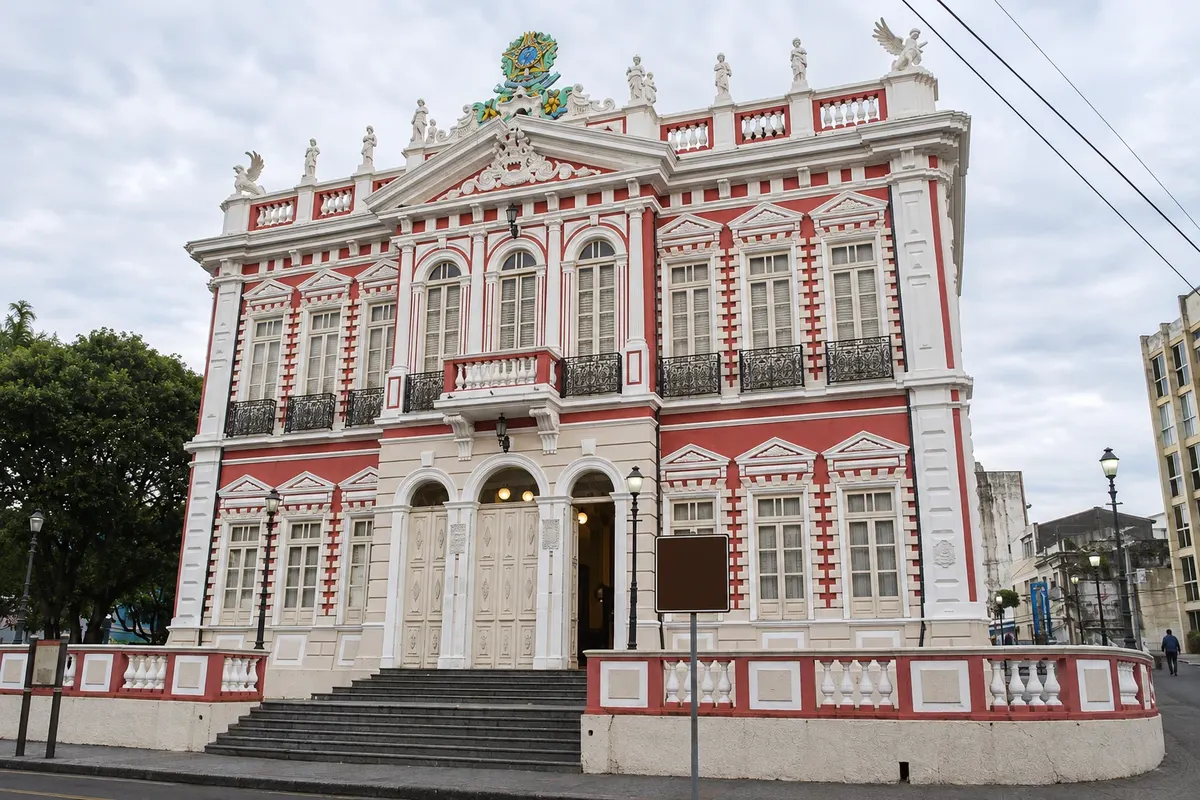
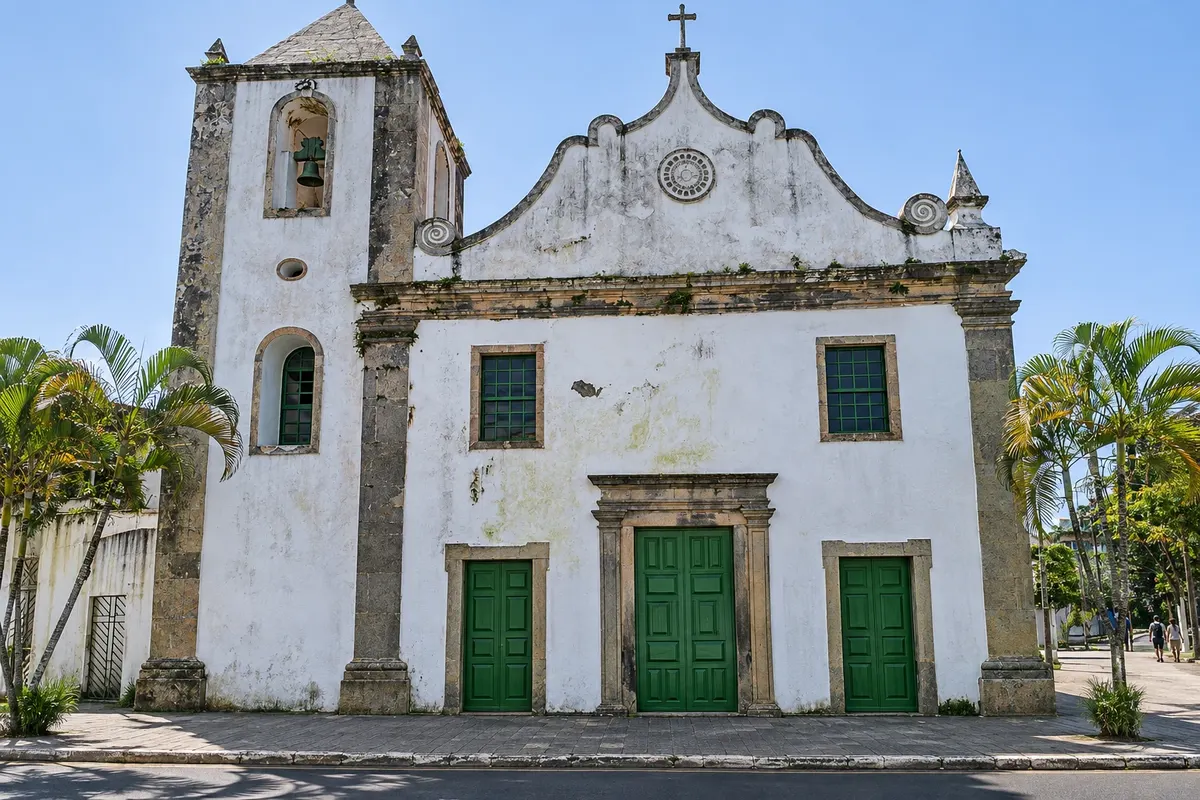
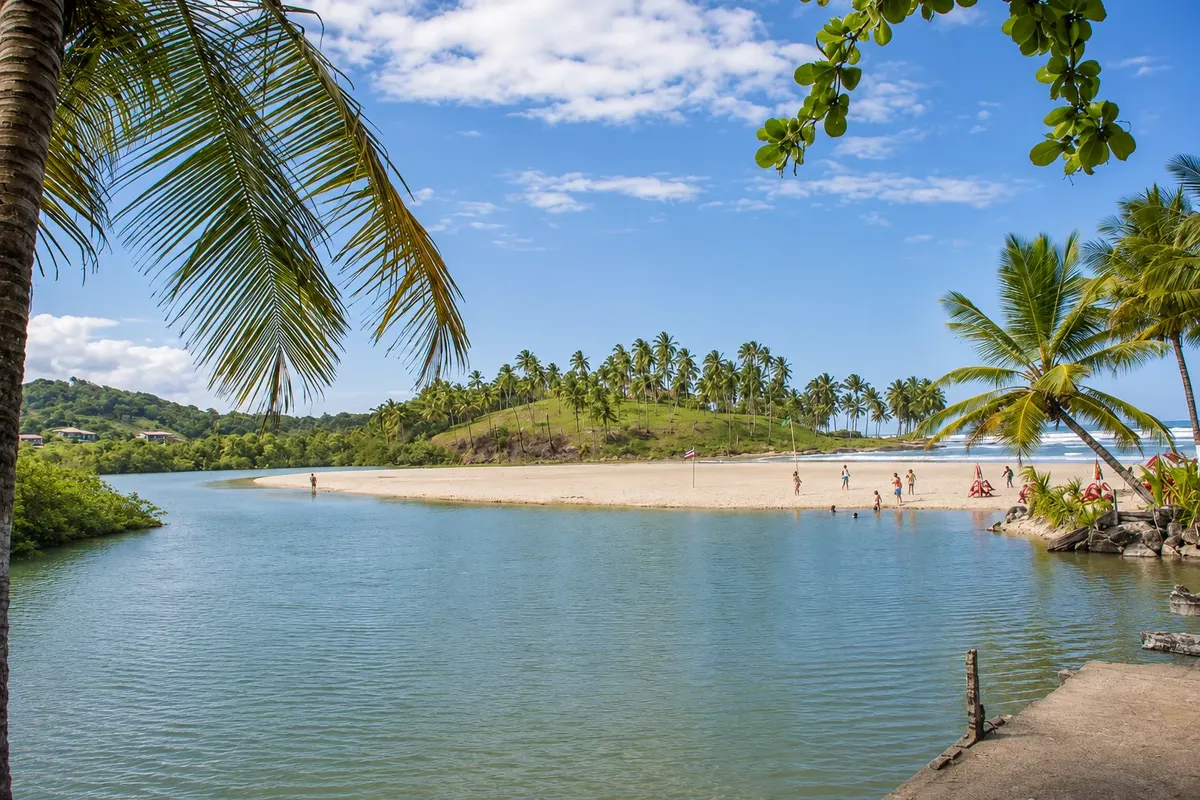
Illustrative images. The pictures in this guide are illustrations based on the real place, not photographs, and may differ from it.

Na voljo v trgovini Google Play Pošljite svoje fotografije

Mesto

Kaj lahko pričakujete – Ilhéus.

Ilhéus brings beaches, historic houses and the literary memory of Jorge Amado closer. The center gathers the Catedral de São Sebastião and the Casa de Cultura Jorge Amado, while the Praia dos Milionários and the Baía do Pontal broaden coastal outings. Alternate culture and sea to discover different landscapes.

Ilhéus is on the southern coast of Bahia, at the mouth of the Cachoeira and Almada rivers, and is the largest city on the Cocoa Coast. It has an airport with regular flights about 3 km from downtown, so it’s the gateway for visitors heading to Itacaré, about 70 km north, and to the Maraú Peninsula. It’s worth more than a quick stop: it combines a historic center linked to the cocoa era and Jorge Amado’s novels, plantations that show how cocoa becomes chocolate, and the state’s longest stretch of coastline.

The village of São Jorge dos Ilhéus was founded in 1534 as the seat of a hereditary captaincy and was poor for centuries, living off sugarcane. Cocoa changed everything from the late 19th century: plantation owners, known as coronéis, built mansions, a theater, palaces and later a cathedral. Jorge Amado, who spent part of his childhood and adolescence in the city, set that era in novels like Gabriela, Cravo e Canela and Terras do Sem Fim. In the late 1980s, the witch’s broom disease devastated production. Recovery came with fine cocoa and single-origin chocolate, celebrated each July in a festival.

The city is arranged around Pontal Bay. On the north shore is the center: the Jorge Amado Block, with the writer’s house, the Municipal Theater and Bar Vesúvio, the Cathedral of São Sebastião, the Church of São Jorge and the Paranaguá Palace, all within a few blocks that are walked on foot. Around them are hills with viewpoints and Avenida Soares Lopes along the seafront. Across the bridge are the Pontal neighborhood, the airport and the start of the southern coast: Milionários Beach, Cururupe and, less than 20 km from downtown, Olivença.

Olivença is a district of Ilhéus of indigenous origin that became a seaside resort in the cocoa era. It is a coastal mineral spring resort known for the iron-rich waters of the Tororomba Bathing Resort, for surfing beaches and for the Puxada do Mastro de São Sebastião, a January celebration with strong participation from the Tupinambá people.

To the north, the road to Itacaré gives access to beaches with strong waves and to Lagoa Encantada, inside a protected area, with waterfalls and floating vegetation islands. Inland, the roads from Uruçuca and Itabuna pass by cocoa plantations open to visitors.

The climate is hot and humid with well-distributed rainfall. Highs are around 28 °C in summer and about 24 °C in July and August. April is usually the wettest month; September and October tend to be the driest. From June to October humpback whales pass offshore, and there are boat trips to watch them.

One day is enough for the historic center. With two or three days you can add a cocoa plantation, the southern beaches and Olivença or a boat tour. The center is explored on foot; for other sites, count on a car, taxi or an organized tour, because areas are separated by bridges and distances that don’t invite walking.

Delite: WhatsApp

Kje prenočiti

Ilhéus – število nastanitev: 80.

Kje jesti

Ilhéus – število lokalov: 23.

Doživite kraj

Ilhéus: kaj si ogledati

Bay

Baía do Pontal

The Baía do Pontal is part of Ilhéus’s landscape and can be enjoyed on sightseeing tours and in nautical activities. The relationship between the water and the city provides another viewpoint of the local coast.

Raziščite Baía do Pontal

See 3 more places in Ilhéus
Palace

Paranaguá Palace

Neoclassical building from the early 20th century in Ilhéus’ historic center, seat of the city hall. Erected at the height of the cocoa boom, it stands in a square next to the Cathedral of Saint Sebastian and the Church of Saint George.

Raziščite Paranaguá Palace

Plaža

Cururupe Beach

A beach on the southern coast of Ilhéus, about 10 km from the center, on the way to Olivença. The Cururupe River meets the sea there, and the sand strip has coconut trees and beach stalls.

Raziščite Cururupe Beach

Kaj izbrati pred odhodom

Izleti – Ilhéus

Izhodišče, trajanje, potek, vključene storitve in okvirna cena vsakega izleta.

Historic center on foot: from Palácio Paranaguá to Jorge Amado’s house

Odhod: J. J. Seabra Square, downtown Ilhéus on foot, on your own 2 to 3 hours morning easy

Ilhéus’ historic center is compact: the places mentioned in Jorge Amado’s novels and the buildings from the cocoa boom fit into a few blocks and a morning’s walk. Start at Palácio Paranaguá, in J. J. Seabra Square. Built in 1907, it has four neoclassical facades, is listed as a state heritage site and houses the Museu da Capitania de Ilhéus. Continue to the Igreja Matriz de São Jorge, in Rui Barbosa Square, a small late‑17th‑century building with a pyramid‑shaped tower and a sacred‑art museum beside it. On the same square stands the Palacete Misael Tavares, which a cocoa coronel began building in 1914. Along Rua Antônio Lavigne de Lemos, with its old townhouses, you reach the Teatro Municipal, whose 1932 facade still bears the city’s old spelling. Opposite is Bar Vesúvio, opened around 1920 and transformed by Jorge Amado into the Arab Nacib’s bar in Gabriela, Clove and Cinnamon. One of the sidewalk tables has a statue of the writer, seated. A few steps further is the Catedral de São Sebastião, completed in 1967 after about thirty years of construction, with a central vault 48 meters high. Going up the pedestrian street you reach the Casa de Cultura Jorge Amado, the 1926 palacete where the writer lived with his family. It preserves original floors, stained glass and tiles, editions of his books in several languages and personal objects. The walk ends at the Bataclan, a few minutes away: the former coronéis’ cabaret became a restaurant and cultural space, with a reconstruction of Maria Machadão’s room, a character from Gabriela.

Kraji na poti: Palácio Paranaguá, Igreja Matriz de São Jorge, Palacete Misael Tavares, Teatro Municipal de Ilhéus, Bar Vesúvio, Catedral de São Sebastião, Casa de Cultura Jorge Amado, Bataclan.

Vključuje: There is no charge to walk the streets and squares or to enter the cathedral. The Casa de Cultura Jorge Amado and the Bataclan museum charge admission, and each site has its own opening days and times; check the current schedule. Food and drinks at Vesúvio and Bataclan are paid separately.

Nasvet: Go on a weekday or Saturday morning: some places close on Sundays. Check in advance whether the Casa de Cultura and Palácio Paranaguá are open for visits. If you prefer to hear the coronéis’ stories, hire a guided city tour from a local agency—these cover the same sights.

Najboljši čas za obisk: All year. In July, during the chocolate festival, the center is busier and has more programming.

Ilhéus viewpoints and Pontal Bay

Odhod: Ilhéus city center car, taxi or rideshare app, with some walking sections 2 to 3 hours late afternoon easy

Ilhéus was born among hills on the edge of a bay, and it’s from above that the city makes sense. Three viewpoints, all close to downtown, each show a different side. The Mirante do Canhão is considered the landmark of the town’s founding. From there you can see Pontal Bay, where the Cachoeira River meets the sea, the Jorge Amado Bridge, a cable-stayed bridge that connects the center to the Pontal neighborhood, and the port. It was this bay that led the first settlers to establish the captaincy seat there. At Outeiro de São Sebastião, another hill near the center, stands the small Capela de Nossa Senhora de Lourdes, with exposed stone and mosaic, overlooking the avenue beach and the city rooftops. Mirante da Piedade looks over Avenida Soares Lopes, the central waterfront, and much of the urban area. Beside it is the Convent and Church of Nossa Senhora da Piedade, which maintains a small museum. To finish, go down to the edge of the bay. Praia do Cristo, with the statue that gives it its name, is a spot for kayaking and other water sports; restaurants and bars along the bay, with views of the bridge, are the place to watch the late afternoon.

Kraji na poti: Mirante do Canhão, Outeiro de São Sebastião, Capela de Nossa Senhora de Lourdes, Mirante da Piedade, Convent and Church of Nossa Senhora da Piedade, Pontal Bay, Jorge Amado Bridge, Avenida Soares Lopes.

Vključuje: There is no charge to go up the viewpoints. The museum at the Convent of Piedade may charge an entrance fee and has specific opening days; check in advance. Transport and food/drinks are paid separately.

Nasvet: The slopes are steep: the most practical option is to drive or take a taxi from one viewpoint to another and walk only on flat stretches. The central beaches are not always suitable for swimming; check the bathing water bulletin from the state environmental agency.

Najboljši čas za obisk: All year round, on clear days. September and October usually have the most stable weather.

Southern beaches: Milionários and Cururupe

Odhod: Ilhéus town center, across the bridge and along the BA-001 heading south car, taxi or ride app 4 to 6 hours morning and early afternoon easy

Ilhéus’s swimming beaches lie south of downtown, after the bridge and the airport, along the road that continues to Olivença and Canavieiras. The coast there is straight and open, with coconut trees and a wide sand strip. Praia dos Milionários is the town’s best-known and most visited beach. The name goes back to the cocoa barons who built summer houses along the shore. It has many beach huts with kitchens, chairs and shade, hotels and pousadas, and a calmer sea, which makes it a family beach. It is only a few kilometers from downtown. Further south, about 10 to 12 km from downtown, Praia do Cururupe marks where the Cururupe River meets the sea. It is a straight beach with coconut groves, soft sand and strong waves, popular with surfers; the river flows into the sand. The place has weight in local history: in 1559 it was the scene of the Battle of the Swimmers, part of the conflict between colonizers and indigenous peoples. Between downtown and Milionários is the Morro de Pernambuco, which has a lighthouse. Continuing past Cururupe you reach the Olivença district, with the Back Door surf beach.

Kraji na poti: Praia dos Milionários, Praia do Cururupe, Rio Cururupe, Morro de Pernambuco.

Vključuje: There is no entrance fee for the beaches. Purchases at the beach huts, chair rentals and transport are paid separately; check each hut’s current price list before ordering.

Nasvet: For a beach day with facilities, stay at Milionários. At Cururupe the sea is rough: check conditions before entering the water. On summer weekends the beach huts fill early. Guests staying in town reach it by taxi or ride-hailing app in a few minutes.

Najboljši čas za obisk: September to March on sunny days. April tends to be the rainiest month.

Olivença: Tororomba waters, church and surf beaches

Odhod: Ilhéus center, via BA-001 heading south car or taxi 5 to 7 hours all day easy

Olivença is a district of Ilhéus, less than 20 km south of the center via the Canavieiras road. It has indigenous origins, and the Tupinambá people of Olivença live in the region; in the cacao era it became the vacation area of the local coronels. It’s the base for those who want to stay on the southern beaches and has a village atmosphere. The title of spa town comes from the iron-rich waters, which tradition attributes medicinal qualities to. They feed the Tororomba Balneário, with natural pools, a small waterfall, a bar and a restaurant, the district’s most traditional attraction. At Praça Cláudio Magalhães stands the Church of Nossa Senhora da Escada. It is there that the Puxada do Mastro de São Sebastião ends in January: on the second Sunday a trunk cut from the forest is dragged to the square to the sound of zabumba drums, and on the 20th, the saint’s day, it is raised with a flag. The festival dates from the 17th–19th centuries and is kept alive by residents, with a strong presence of the Tupinambá people of Olivença. The district’s beaches alternate between headlands, reefs and stretches of sand. Back Door, the first beach for those coming from Ilhéus, has coarse sand and high waves, is a surfers’ favorite and hosts competitions; at low tide the reefs form natural warm pools. Batuba, quieter, is also a wave beach. Milagres and Cai n'Água are close to the village and have food stalls.

Kraji na poti: Olivença, Tororomba Balneário, Church of Nossa Senhora da Escada, Back Door Beach, Batuba Beach, Praia dos Milagres, Praia do Cai n'Água.

Vključuje: The Tororomba Balneário may charge an entrance fee and has its own opening hours; check the current rates and opening days. There is no charge to enter the beaches. Transport and food/drinks are paid separately.

Nasvet: Plan visits to the Back Door pools for low tide: check Ilhéus tide tables. Outside the pools, the sea there is strong and not recommended for swimming. In January, on the days of the Puxada do Mastro festival, the village fills up and traffic is slow.

Najboljši čas za obisk: September to March for the beaches. The Puxada do Mastro takes place in January, on the second Sunday and on the 20th.

Cocoa and chocolate farms on your own

Odhod: Ilhéus city center car, with visits booked 4 to 7 hours, depending on the number of stops morning and afternoon easy

The cocoa farms that receive visitors are located on two roads that leave Ilhéus inland, and if you have a car you can create your own route, arranging visits by phone. On Rodovia Jorge Amado, which links Ilhéus to Itabuna, Fazenda Yrerê is at km 11. It is a working farm and the most visited for a first contact: a short walk through the forest to the cacao trees, opening the pod to taste the pulp, the drying racks where the beans dry in the sun, and finally a tasting of cacao juice, roasted beans, nibs and chocolates made on site. The road from Ilhéus to Uruçuca, promoted by the state as the Estrada do Chocolate, concentrates the others. Right outside the city there is an artisanal chocolate factory open to the public, with a shop. At km 20, Fazenda Riachuelo shows all stages, from the cabruca cultivation under the forest canopy to the chocolate factory, seen through glass rooms. At km 27, Fazenda Provisão, on the banks of the Rio Almada, has belonged to the same family since the 19th century and opens the main house, with objects from the coronel era, and the chapel. Nearby, in the locality of Rio do Braço, the old 1911 train station became a gastronomic space, and the farm of a chocolate brand receives guided visits. At all of them, the basic explanation is similar: planting, harvesting, fermentation and drying. What differs is what each one shows beyond that.

Kraji na poti: Fazenda Yrerê, Fazenda Provisão, Fazenda Riachuelo, Rio do Braço, Estrada do Chocolate.

Vključuje: Each farm charges the visit separately, per person, usually including a tasting; lunch, when available, is charged separately. Days of operation and prices change: check the current table when booking.

Nasvet: Call a few days ahead: several farms only receive visitors by appointment, and some do not open on Sundays. Two visits in the same day are enough. Bring insect repellent and closed shoes. If you don’t have a car, you can find the ready-made tour at agencies in Ilhéus, with transport and a guide.

Najboljši čas za obisk: All year round; a good option for cloudy days. In July, the chocolate festival adds programming in town.

Lagoa Encantada: boat, waterfalls and floating islands

Odhod: Ilhéus center, via BA-001 toward Itacaré agency tour; or car and boat hired locally 6 to 8 hours all day easy to moderate

Lagoa Encantada is in the northern part of the municipality, about 30 km from the center, inside the Lagoa Encantada and Rio Almada Environmental Protection Area, created in 1993. It is a water mirror of about 15 km², surrounded by Atlantic Forest, with a fishing and farming village on the shore. The tour combines boat, waterfall bathing and a walk. The lagoon is fed by the Apepique and Caldeiras rivers, which reach it in waterfalls; the best known is Cachoeira do Apepique, and Véu de Noiva is often included in the itinerary, with free time for swimming in the pools. Another curiosity is the floating islands, masses of aquatic vegetation that move with the wind and feed the legends told by the boatmen. There are two routes. By car, follow about 16 km on BA-001 toward Itacaré, then 13 km on a dirt road to the village, where the boats depart; with rain, that stretch can be difficult for low-clearance cars. By boat, the trip starts in the Sambaituba district and goes up the Rio Almada to the lagoon, so the journey itself is part of the tour. Ilhéus agencies sell the full-day tour, including transportation.

Kraji na poti: Lagoa Encantada, Rio Almada, Sambaituba, Cachoeira do Apepique, Cachoeira Véu de Noiva.

Vključuje: Agency tours usually include transportation, the boat, and a guide; lunch and drinks are paid separately. If you go on your own, you pay for the boat on site. Check the current price list and what is included.

Nasvet: Confirm the tour in advance: departures depend on group size and weather. Bring swimwear, insect repellent, footwear that can get wet and cash for lunch in the village. After days of rain, ask about the condition of the dirt road.

Najboljši čas za obisk: Days without rain, more common in September and October. After rain the waterfalls have more water, and the dirt road worsens.


Po dnevih

Ilhéus – načrt poti. Število dni: 1, 2in3

Predlogi za načrtovanje poti. Vrstni red dni prilagodite vremenu in razpoložljivosti izletov.

1 dni · Ilhéus in 1 day: historic center and late afternoon at the bay

Zathose passing through to Itacaré or Maraú, or on a cruise stopover · Izhodišče:Ilhéus
  1. Dan 1 · The city of Jorge Amado

    Start early in the downtown area, on foot: Palácio Paranaguá, Igreja Matriz de São Jorge, Teatro Municipal, Bar Vesúvio and Catedral de São Sebastião are all a few blocks from each other. Enter the Casa de Cultura Jorge Amado, the townhouse where the writer lived, and finish at the Bataclan. Lunch can be there or at Vesúvio. After lunch, take a taxi to the viewpoints: Mirante do Canhão, with a view over Baía do Pontal and the bridge, and Outeiro de São Sebastião, with its stone chapel. If you have the afternoon free, cross the bridge to Praia dos Milionários for a swim and an end-of-day at a beach shack. If you prefer to bring chocolate home, skip the beach and visit the artisanal factory on the road to Uruçuca or the shops downtown. At night there are bars and restaurants along the bay. If you’re continuing to Itacaré, leave with daylight: it’s about 70 km via BA-001.

2 dni · Ilhéus in 2 days: center, cacao and southern beaches
Zafirst-time visit, interested in history and chocolate · Izhodišče:Ilhéus
  1. Dan 1 · Historic center and viewpoints

    Spend the morning in the historic center on foot, from Paranaguá Palace to the Jorge Amado House of Culture, stopping at Vesúvio and the cathedral. Have lunch downtown. In the afternoon, drive or take a taxi up to the viewpoints of Canhão, Outeiro de São Sebastião and Piedade. End the day by the shore of Pontal Bay. Between June and October, if you prefer you can swap the afternoon for a whale-watching boat trip that departs from the yacht club and lasts about four hours; book in advance.

  2. Dan 2 · Cacao farm and Praia dos Milionários

    In the morning, visit a cacao farm. Yrerê, on the Itabuna road, is the closest; on the Uruçuca road are Riachuelo and Provisão. Book ahead and allow about two hours for each visit, including a tasting. Without a car, agencies run the tour with transport. Return for lunch at a beach bar on Praia dos Milionários and spend the afternoon there. If you want more open sea, continue to Cururupe, where the river meets the beach. If it rains, keep the farm visit, which has covered areas, and replace the beach with chocolate shops and the craft market.

3 dni · Ilhéus in 3 days: downtown, cocoa, Olivença and a boat trip
Zafor those who make Ilhéus the base of the trip or add the city to Itacaré · Izhodišče:Ilhéus
  1. Dan 1 · Historic center, viewpoints and bay

    In the morning, do the walking tour of the center: Paranaguá Palace, São Jorge Mother Church, Municipal Theater, Vesúvio, cathedral, Jorge Amado House of Culture and Bataclan. In the afternoon, visit the viewpoints of Canhão, Outeiro and Piedade by car or taxi, and then go down to Soares Lopes Avenue. At the end of the day, have dinner by the bay, with a view of the bridge.

  2. Dan 2 · Cacao in the morning, Olivença in the afternoon

    Reserve the morning for a cacao farm visit, booked in advance: a walk among the cacao trees, tasting the fruit, drying beds and chocolate tasting. Then follow BA-001 south. Stop at Cururupe to see the river meeting the sea and continue to Olivença. Visit the Tororomba bathing area, with iron‑rich waters, the Church of Our Lady of Escada and, if the tide is low, the Back Door natural pools. Return late afternoon; on the way, Praia dos Milionários has beach bars for dinner.

  3. Dan 3 · Lagoa Encantada or Rio do Engenho

    Boat day and fresh water. The longest option is Lagoa Encantada, to the north, with waterfalls and floating islands: leave early, either on an agency tour or by car to the village, and spend the whole day there. The nearer alternative is the boat trip through the Baía do Pontal to the village of Rio do Engenho, with the old church of Sant'Ana, a visit to a cacao farm and a river swim. In whale season, from June to October, the whale-watching departure is the third choice for this day. Those continuing their trip can sleep in Itacaré, about 70 km away, or in Camamu, from where the launches depart to the Península de Maraú.

Najboljši čas za obisk

Kdaj se odpraviti:Ilhéus po mesecih

The seasons shown are the most usual ones; nature doesn't always follow the calendar.

januar Zmerne padavine

Puxada do Mastro de São Sebastião, in Olivença · High season and cruise ships

Maximums around 27 °C and average rainfall of about 108 mm, in showers. It is high season, with Brazilian school holidays and cruise ship calls at the port. In Olivença, the Puxada do Mastro de São Sebastião takes place on the second Sunday of the month, and the mast is raised on the 20th. The Milionários beach huts fill early; book accommodation in advance.

februar Malo padavin

Carnival · Less rain

Highs around 28 °C and an average of about 95 mm of rain. A good month for the beach. Carnival, when it falls in February, brings street blocks and parties in the center and increases activity; outside Carnival, the town is calmer. Cruise ships continue to call.

marec Zmerne padavine

End of summer · Rain showers

Highs around 28 °C and an average of about 124 mm of rain, in showers that usually pass quickly. Visitor numbers decrease. The historic center and the cocoa farms, some of which have covered areas, work well on unstable days; leave the beaches for sunny mornings.

april Veliko padavin

Rainiest month · Saint George’s Day, patron saint, on April 23

Usually the rainiest month, with an average of about 141 mm and highs around 27 °C. There are fully overcast days. On April 23 the town celebrates Saint George, its patron. The dirt road to Lagoa Encantada can become difficult: prefer the center, the museums and the farms, and confirm boat tours the day before.

maj Zmerne padavine

Low season · Frequent rain

Highs around 26 °C and an average of about 118 mm of rain, alternating with clear days. It’s a low-traffic period with more accommodation availability. Build your itinerary with flexibility and always have a covered activity as backup, such as the Casa de Cultura Jorge Amado or a cocoa farm visit.

junij Zmerne padavine

June festivals · Start of the humpback whale season

Highs around 25 °C and lows around 22 °C, with an average of about 109 mm of rain. The city usually celebrates São João, with concerts on Avenida Soares Lopes, and the Olivença mast is burned during the June festivities. Boat trips to see humpback whales begin, which pass along the coast until October. Bring a light jacket for the sea.

julij Zmerne padavine

Chocolat Bahia, cocoa and chocolate festival · Humpback whales

It is one of the coolest months, with temperatures between 21 °C and 24 °C and about 108 mm of rain. Chocolat Bahia, the cocoa and chocolate festival, fills the Convention Center for four days and hotels book up: reserve early. whale watching enters its period of more sightings, which runs from mid-July to September.

avgust Malo padavin

Peak humpback whale season · Cool days

Average of about 82 mm of rain, one of the lowest of the year, and temperatures between 21 °C and 24 °C. It is peak period for whale watching. The sea is cooler and the beaches are empty; on the other hand, stable weather favors exploring the town on foot, the viewpoints and Lagoa Encantada.

september Malo padavin

Driest month · Humpback whales

With about 73 mm, it is the month of least rain, with temperatures between 22 °C and 25 °C. It combines stable weather and low crowds: a good time to mix beach, cocoa farm visits and boat trips. The whales are still along the coast. The dirt road to Lagoa Encantada is usually in better condition.

oktober Malo padavin

Stable weather · End of whale season

Average rainfall of about 96 mm and maximums around 26 °C. It remains a good month for beaches and tours. Whale season ends: confirm with the operator whether departures still run. Long holiday weekends fill the southern beaches for a few days.

november Veliko padavin

Pre-summer · Rain varies year to year

The historical average is high, about 142 mm, with highs around 26 °C, but travel guides still treat the month as having little rain: variation between years is large. Check the forecast close to your trip. The month’s holidays increase activity.

december Veliko padavin

Start of high season · New Year’s Eve

Average around 133 mm of rain, falling in showers, with highs around 27 °C. Activity grows through the month and peaks at New Year’s Eve, with the official city celebration and events on the beaches. Book accommodation, car rentals and transfers in advance.

Načrtujte pot

Kako do tja:Ilhéus

By plane: Jorge Amado Airport

Jorge Amado Airport (IOS) is inside the city, on the south side of Baía do Pontal, about 3 km from the center and next to the southern beaches. It receives regular flights from São Paulo (Guarulhos and Congonhas), Campinas, Belo Horizonte and Salvador. Routes and frequencies change with the season: check with the airline.

From the airport to the center or beach hotels it’s a few minutes by taxi or rideshare. There are car rental agencies in the terminal; in summer and in July, book in advance.

Salvador (SSA) is the nearest international airport. International arrivals there can continue by flight to Ilhéus or by road, a trip of about 310 km via the ferry-boat route.

The IOS code comes from the old spelling of the city name, São Jorge dos Ilheos.

By bus: Ilhéus bus station

Ilhéus bus station receives lines from Salvador, Itabuna, Porto Seguro and other towns in Bahia. From Salvador, the bus trip takes around 6 to 8 hours, depending on route and traffic.

For nearby coastal towns, the company Rota runs the line to Itacaré with departures throughout the day and a travel time of 1h40 to 2 hours, and there are buses to Camamu, from where boats depart for the Península de Maraú.

The bus station is about 5.5 km from the airport, roughly 15 to 20 minutes by taxi. If you arrive by plane and continue by bus, include this transfer time.

Buy tickets in advance for holidays and confirm schedules with the company: timetables change over the year.

By car: BR-101, Rodovia Jorge Amado and BA-001

From the interior and other states: access is via BR-101 to Itabuna and from there on the Rodovia Jorge Amado to Ilhéus. It’s on this final stretch that some cocoa farms open to visitors are located.

From the south of Bahia (Porto Seguro, Trancoso): follow BR-367 to Eunápolis, BR-101 to Itabuna and then enter to Ilhéus.

From Salvador: the shortest route, about 310 km, combines a ferry crossing to the island of Itaparica and the BA-001, passing Camamu and Itacaré; allow 5 to 6 hours driving, plus ferry waiting time. Without the ferry, by road the route is longer.

Along the coast: BA-001 links Ilhéus to Itacaré, about 70 km to the north, and, to the south, to Olivença, Una and Canavieiras.

In the city, leave the car parked and explore the historic center on foot.

By cruise ship: Ilhéus Port

Ilhéus Port is at Ponta do Malhado, north of downtown, and receives cruise ships, especially in summer.

If you disembark with only a few hours, the simplest plan is the historic center: the Cathedral of São Sebastião, Bar Vesúvio, the Jorge Amado House of Culture and the Bataclan are close to one another and can be visited on foot. From the port to the center, use a taxi, ride-hailing app or the transport provided by the ship.

With a bit more time, you can take a taxi to Praia dos Milionários or, with an agency, visit a cacao farm; schedule your return with extra time before boarding.

How to get around in Ilhéus

On foot: only the historic center. Cathedral, Vesúvio, Casa de Cultura Jorge Amado, the theater, Palácio Paranaguá and Bataclan are within a few blocks.

By taxi or rideshare: the practical way to reach the viewpoints, the Pontal, the airport and Praia dos Milionários. The city has rideshare service.

By city bus: there are lines that leave the urban terminal, including to the airport; ask at the terminal which serves the southern beaches and Olivença.

By rental car: useful for those who want to visit Olivença, the cocoa farms, Lagoa Encantada and the northern beaches at their own pace, or continue later to Itacaré.

With an agency: city tours, cocoa farm visits, Rio do Engenho, Lagoa Encantada and whale-watching are sold with transport from the hotels.

The center, Baía do Pontal and the beaches lie in areas separated by bridges and busy avenues: don’t count on long walks between them.

Odgovori na vaša vprašanja

Frequently asked questions about Ilhéus

How to start the itinerary?

Start with Catedral de São Sebastião and organize the other visits by area, allowing time for transport and rest.

How many days to reserve?

As a suggestion, three days allow a visit with more breaks. In one or two days, choose fewer places and concentrate excursions by area.

How to get to the city?

Ilhéus has an airport and a bus station for arriving to the city. Arrange transport from your accommodation depending on whether you plan to explore the center, Baía do Pontal, or the beaches of the southern coast. Avoid relying on long walks between areas separated by bridges and busy roads.

Is it necessary to arrange transportation for each excursion?

Check the actual distance between your accommodation and the chosen places. Walk where feasible and arrange the return before traveling to another area.

What to check before leaving?

Check the forecast, access conditions and the operation of inland visits. On the beaches, pay attention to the tide, the waves and local guidance.

Is Olivença a town or part of Ilhéus?

Olivença is a district of the municipality of Ilhéus, less than 20 km south of the city centre via BA-001. It has a village, a church, guesthouses and its own beaches, so many people treat it as a separate destination. It is known for the iron-rich waters of the Tororomba Bathing Resort, for surf beaches such as Back Door, and for the Puxada do Mastro de São Sebastião, in January.

Where to stay in Ilhéus: downtown, southern beaches, or Olivença?

Downtown hosts hotels for those who want to explore the historic centre on foot and leave early for other towns. On the southern beaches, starting with Praia dos Milionários near the airport, are beachfront hotels and pousadas with beach huts; this is the choice for people who want beach days. Olivença, farther south, has a village feel and suits those seeking quiet and surf. In the last two cases, expect to need a car, taxi or ride-hailing app to get to downtown.

Do you need a car in Ilhéus?

For the historic centre, no: everything is within a few blocks. For other places, you’ll need some transport. Taxis and ride-hailing apps cover the viewpoints, the airport and Praia dos Milionários. For Olivença, the cocoa farms and Lagoa Encantada, a rented car gives freedom, and agencies offer the same tours with transport. If you’re heading to Itacaré you can pick up the car at the airport.

What is the best time to go to Ilhéus?

September and October usually have less rain and fewer visitors. December to March is beach season, with heat, short rain showers and a busier city. April tends to be the rainiest month. From June to October there is humpback whale watching, and in July the chocolate festival takes place. Rain is well distributed: in any month you can have sun and rain on the same day.

Which places from Gabriela, Cravo e Canela are in Ilhéus?

Several, all in the centre. Bar Vesúvio, which in the novel belongs to the Arab Nacib, operates next to the cathedral, with a statue of Jorge Amado at one of the tables. The Bataclan, Maria Machadão’s cabaret, is now a restaurant and cultural space, with a small museum. The Church of São Jorge, the Cathedral of São Sebastião and the old port also appear in the books. The Jorge Amado House of Culture occupies the mansion where the writer lived.

Can you visit a cocoa farm in Ilhéus without an agency?

Yes, with a car and prior arrangement. Farms that receive visitors are on the road to Itabuna, like Yrerê, and on the road to Uruçuca, like Riachuelo and Provisão. Call ahead: many only open by appointment. The visit shows the plantation, the drying of the beans and ends with a tasting. It is paid separately; check each farm’s current price list. Without a car, agencies run the tour with transport from the hotel.

Which Ilhéus beach is good for swimming?

Praia dos Milionários, on the southern coast, is the most popular with families: it has calmer waters and many beach huts. At Cururupe and Back Door the waves are strong, good for surf; at Back Door, swimming is in the natural pools formed by the reefs at low tide. The beaches near the centre are not always suitable for swimming: check the state environmental agency’s water quality bulletin.

When does Ilhéus’s chocolate festival take place?

Chocolat Bahia, the cocoa and chocolate festival created in Ilhéus in 2009, takes place in July for four days at the city’s Convention Centre. It brings together producers, single-origin chocolate brands, classes and tastings, and attracts tens of thousands of visitors. The exact date changes each year; on event days hotels are nearly full, so book in advance.

I have only a few hours in Ilhéus before heading to Itacaré or Maraú: what to see?

The historic centre. In two to three hours you can see the Cathedral of São Sebastião, Bar Vesúvio with the Jorge Amado statue, the Jorge Amado House of Culture and the Bataclan, all close together. The airport is about 3 km from the centre. If your destination is the Maraú Peninsula, check the schedule of the last boat from Camamu; for Itacaré it’s about 70 km by road.

How to go from Ilhéus to Itacaré?

Via BA-001 northbound: it’s about 70 km of paved road, taking around 1h15 to 1h30 by car, taxi or transfer. By bus, the company Rota departs from Ilhéus bus station throughout the day, with a journey time of 1h40 to 2 hours. The bus station is about 5.5 km from the airport. Arrange transfers before arriving, especially in summer and on holidays.

Delite svoja popotniška doživetja s fotografijami Pošljite fotografije vsakega kraja, ki ste ga obiskali. Največje število fotografij na kraj: 5.
Ogled destinacije Costa do Cacau Poiščite drugo mesto

Več kot vodnik