Luxembourg City

Luxembourg · Luksemburg

Luxembourg City

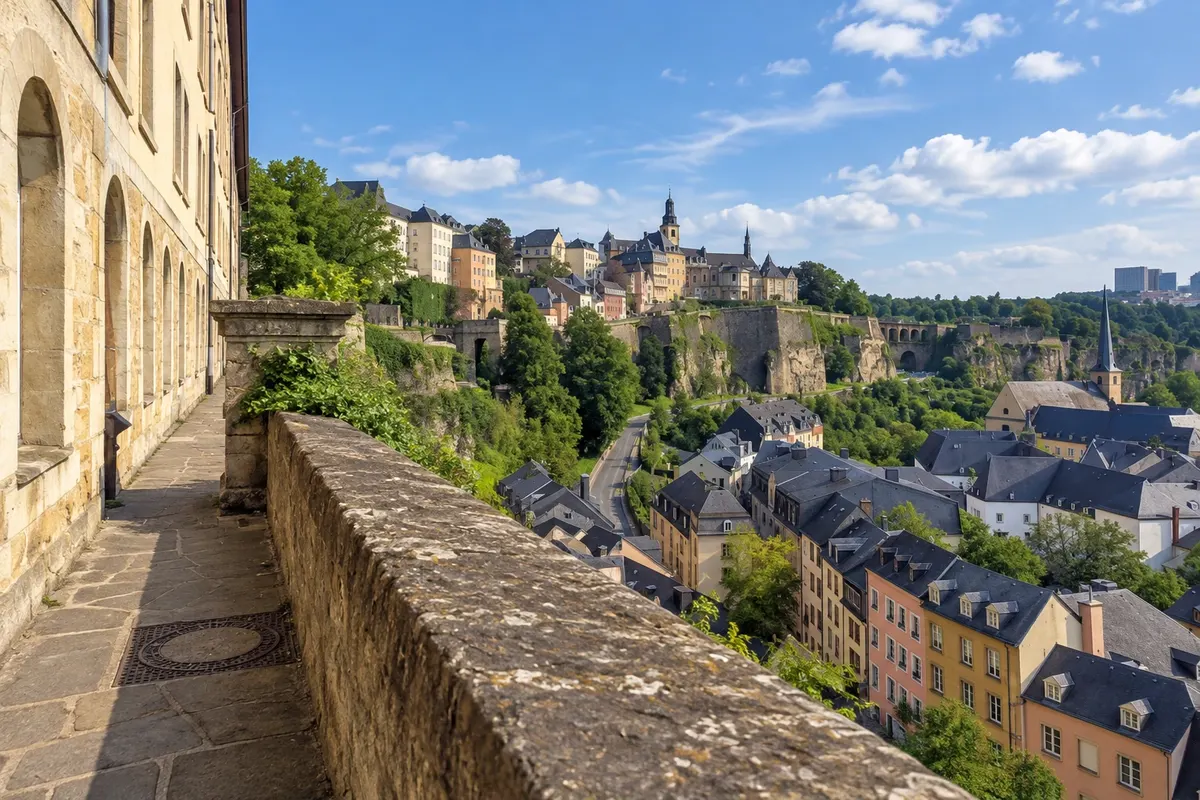
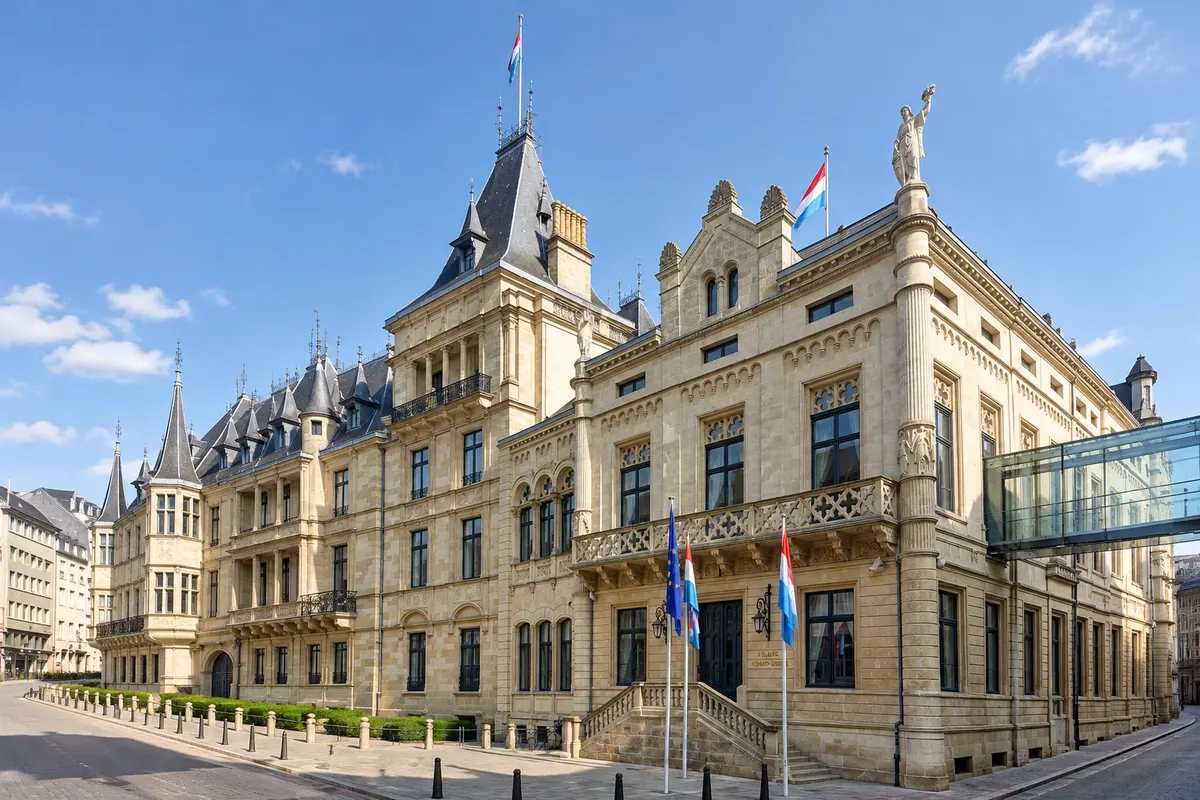
The capital of the Grand Duchy on cliffs: the casemates of the Bock, the Chemin de la Corniche, the Grund neighborhood in the Alzette valley, the Palácio Grão-Ducal and the museums of Kirchberg.

Luxembourg City

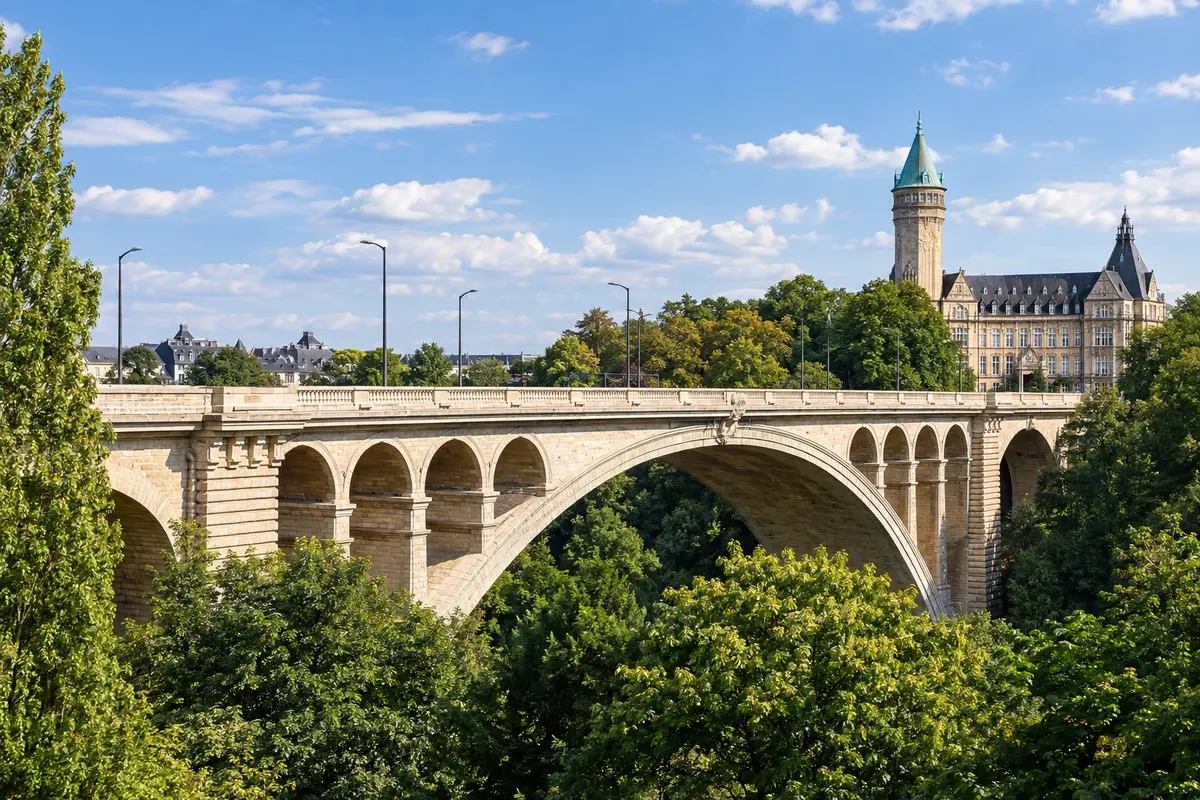
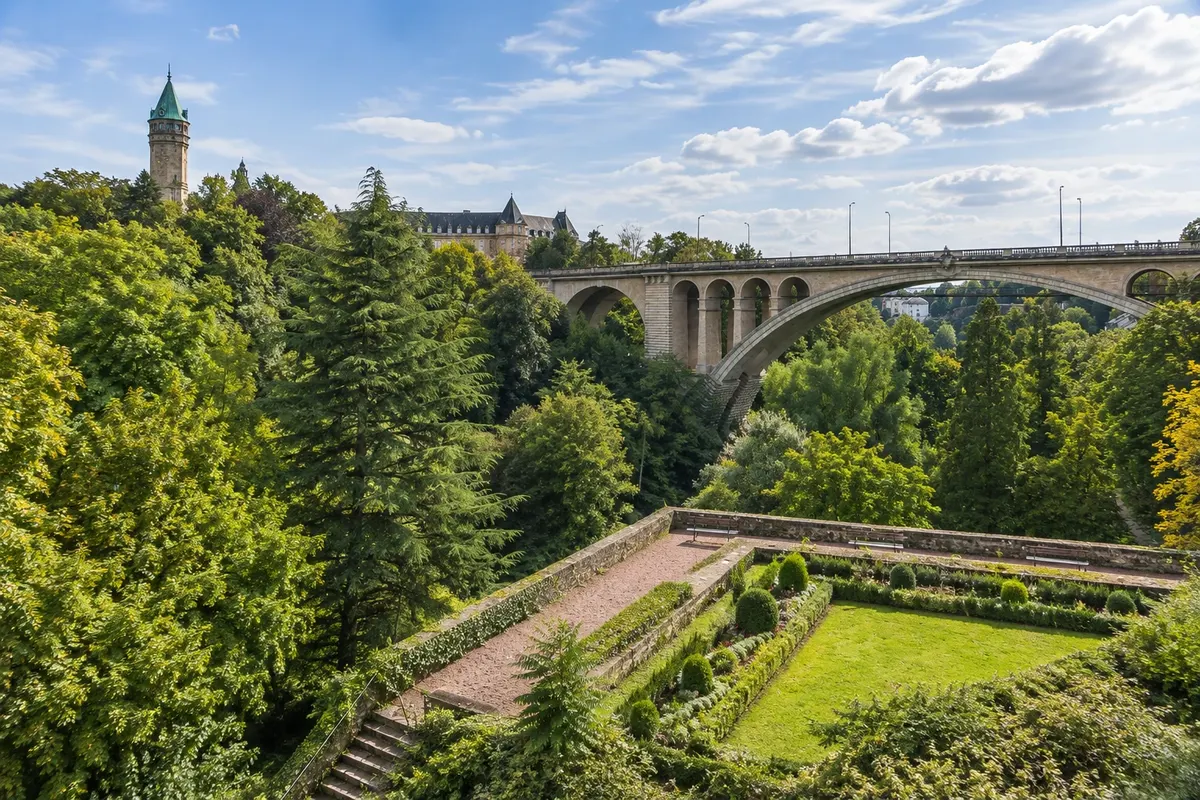
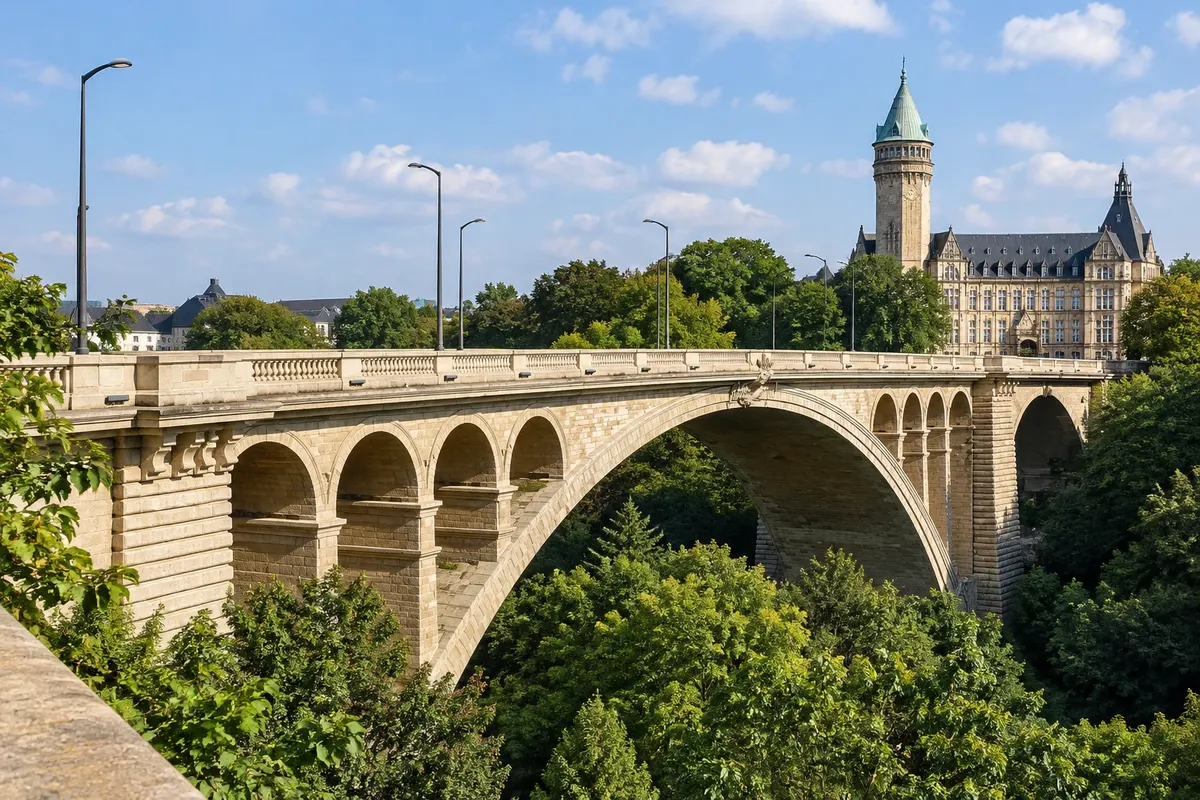
Na fotografiji: Ponte Adolphe

Illustrative images. The pictures in this guide are illustrations based on the real place, not photographs, and may differ from it.

Na voljo v trgovini Google Play Pošljite svoje fotografije

Spoznajte kraj

Pokrajina, ki jo doživite
v svojem ritmu.

A Cidade de Luxemburgo (Lëtzebuerg, in Luxembourgish; Luxembourg, on signs in French) is the capital of the Grand Duchy and the arrival point for almost every trip to the country. The old city occupies a rocky plateau surrounded by the Alzette and Pétrusse valleys, and for nearly a thousand years it was a fortress contested by Spaniards, French, Austrians and Prussians. What remains of the walls, bastions and tunnels carved into the rock, together with the old quarters, form the ensemble that UNESCO declared a World Heritage Site in 1994.

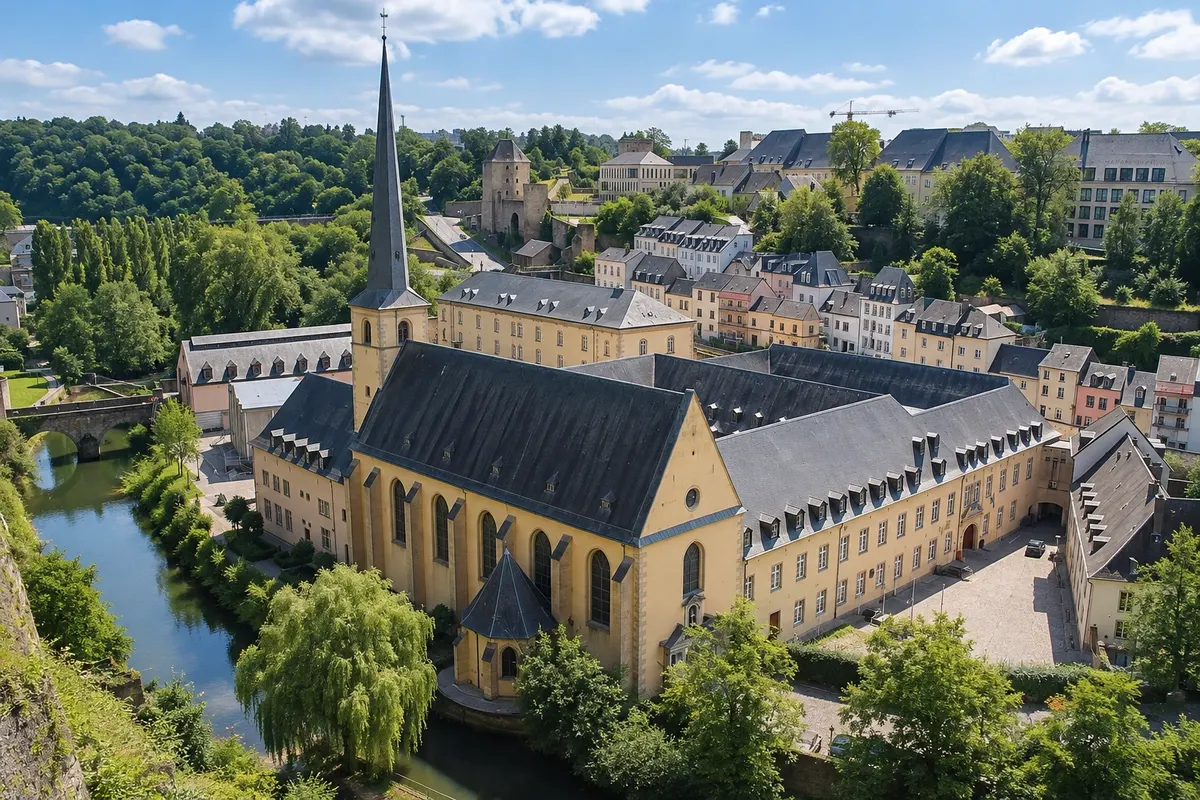
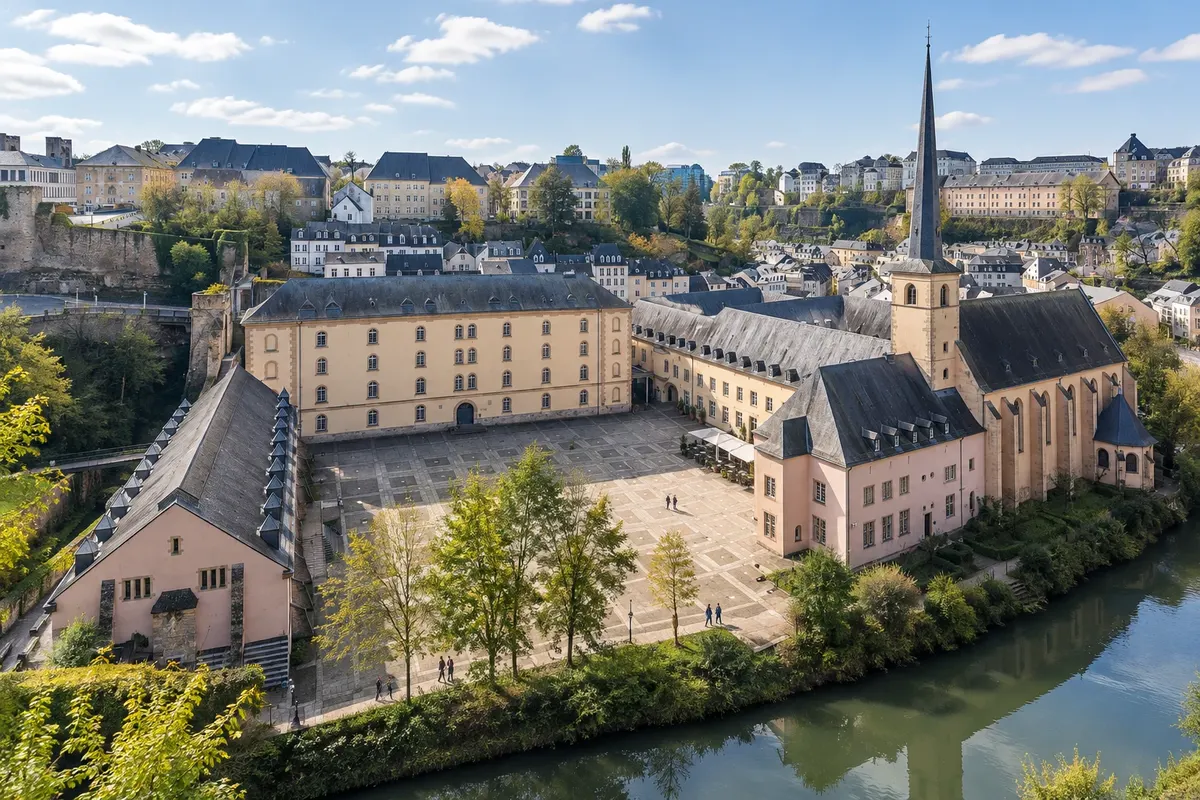
In the Ville Haute, the upper part, are the Catedral de Notre-Dame, the Palácio Grão-Ducal, the Place Guillaume II and the Place d'Armes, the shopping street Grand-Rue and the main history museums. The edge of the plateau is the Chemin de la Corniche, a walkway along the ramparts with views over the Grund, the lower neighborhood by the Alzette, where the former Neumünster abbey and the natural history museum are located. On the other side of the valley, the Bock rock shelters the casemates, galleries open to visitors. The Ponte Adolphe and the viaduct connect the old town to the Gare area, to the south, over the Pétrusse valley, which is a park.

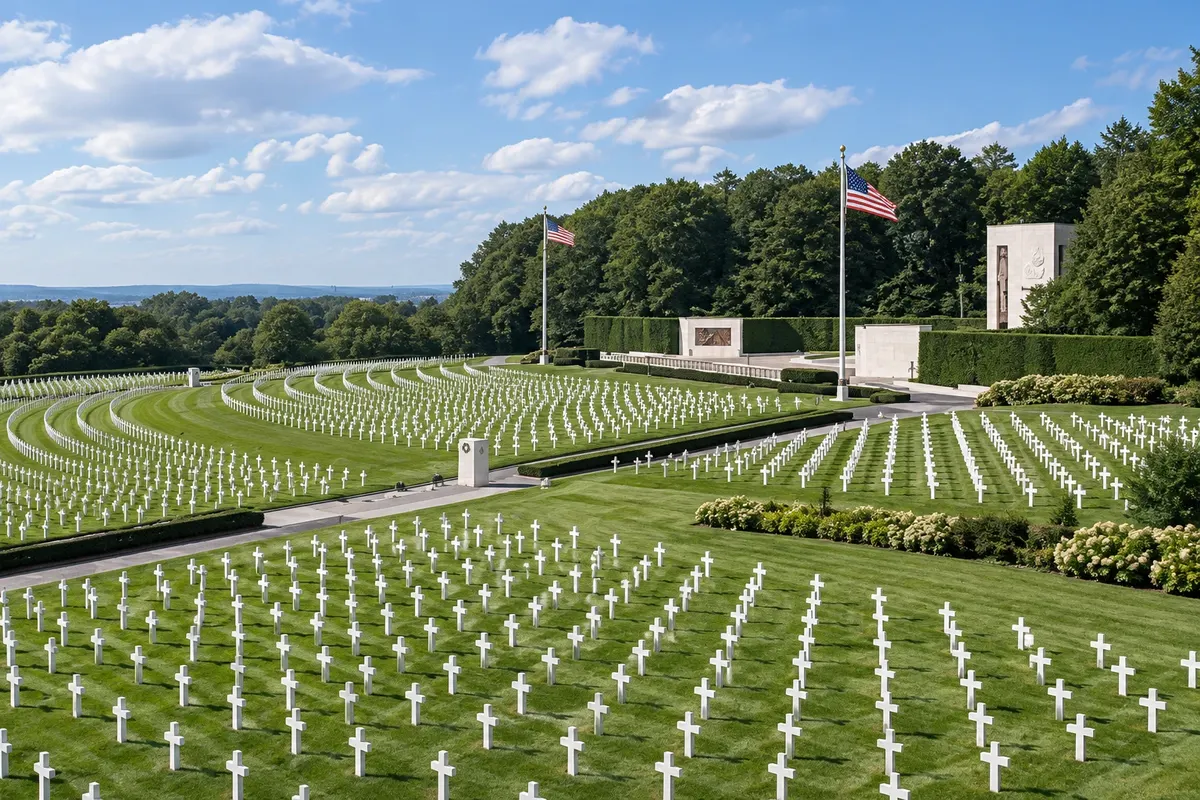
To the east, the Kirchberg plateau brings together European Union institutions and the modern quarter: the Philharmonie, the Mudam of contemporary art, and the Musée Dräi Eechelen at Fort Thüngen. The Pfaffenthal panoramic elevator and the funicular link the upper city to the valley and to the Kirchberg. In the surroundings, in Hamm, is the Cemitério Americano, where General Patton is buried.

Public transport is free, only first class on trains requires a ticket; check before travelling. Luxembourgish, French and German are spoken, and English is common.

This destination brings together 1 city: Luxembourg.

Delite: WhatsApp
Delite svoja popotniška doživetja s fotografijami Pošljite fotografije vsakega kraja, ki ste ga obiskali. Največje število fotografij na kraj: 5.

Ena destinacija, več poti

Mesta na tej poti

Začnite v enem mestu ali v načrt poti vključite več mest.

Luxembourg City – lega
Luxemburgo

Obrisi: Administration du cadastre et de la topographie (Luxemburgo), CC0 1.0. Priredba: Cidade Turismo.

Kako do tja:Luxembourg City

✈ Aeroporto de Luxemburgo-Findel (LUX), kraj: Findel· 7 km do cilja (Luxembourg)

Check before you buy. Findel airport is about 7 km from the center, with buses and tram to the city. By train, Brussels, Paris, Metz and Trier are just a few hours away, and Frankfurt too, with a change. Public transport is free, only first class on trains requires a ticket; check before boarding.

Doživite kraj

Kaj početi – Luxembourg City

Bock Casemates
Luxembourg · Luxembourg · Fortification

Bock Casemates

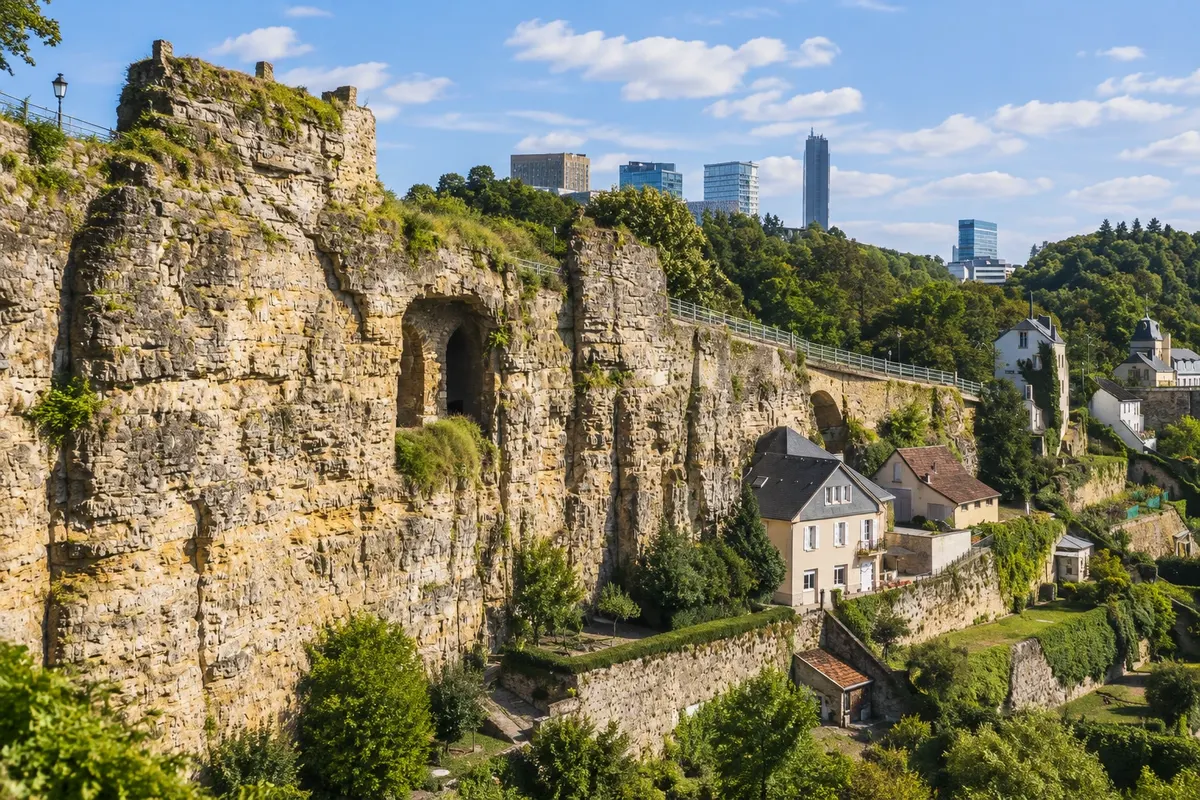
Galleries carved into the rock of the Bock promontory, where Count Sigefredo built the first castle in 963. The tunnels housed cannons, soldiers and horses, and open out in embrasures over the Alzette valley. Part of the fortress designated a World Heritage Site.

Pétrusse Casemates
Luxembourg · Luxembourg · Fortification

Pétrusse Casemates

17th-century galleries excavated beneath the Bastion Beck, where Place de la Constitution stands today. The visit descends via the Vauban and Austrian staircases to the gun openings over the Pétrusse valley.

Corniche (Chemin de la Corniche)
Luxembourg · Luxembourg · Razgledišče

Corniche (Chemin de la Corniche)

Walk along the old rampart of the upper town, with views of the Grund, Neumünster Abbey, the Alzette valley and the Bock rock. It links Place du Saint-Esprit to the entrance of the casemates.

Grund
Luxembourg · Luxembourg · Zgodovinska mestna četrt

Grund

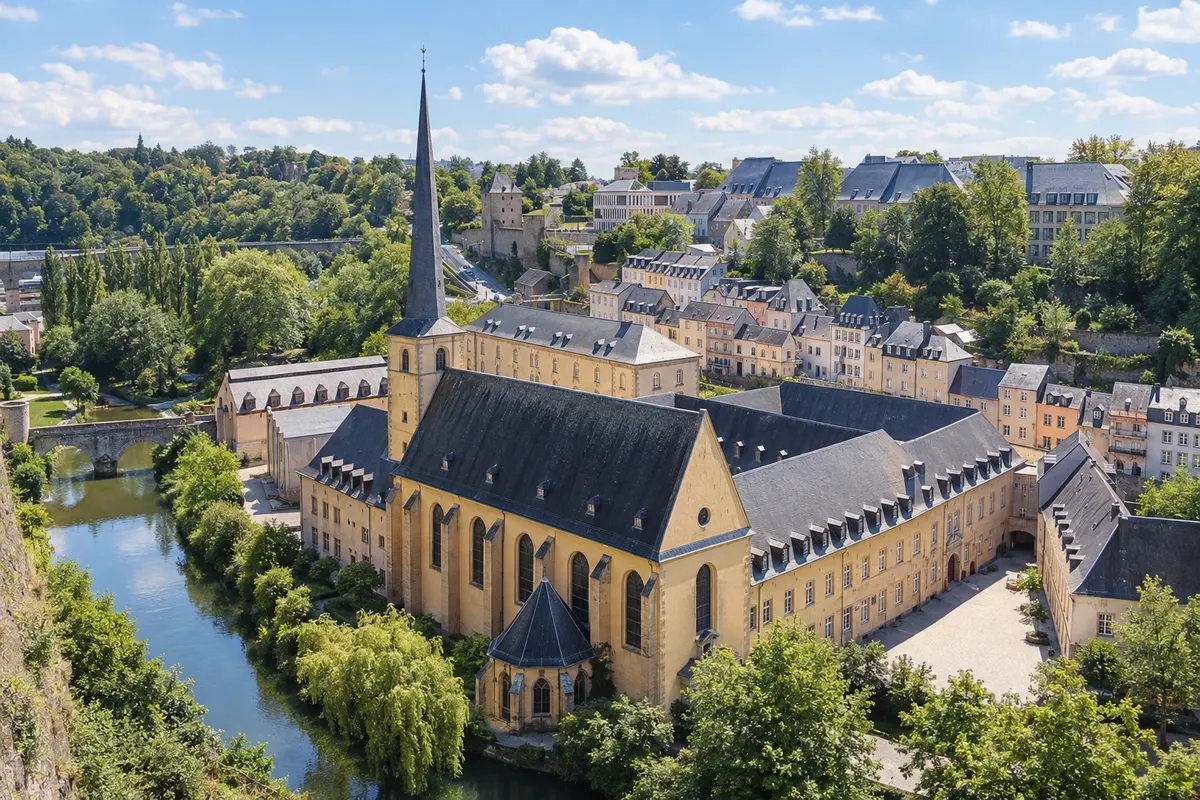
Old quarter at the bottom of the Alzette valley, beneath the Corniche, with stone houses, the bridge over the river, the abbey of Neumünster, the natural history museum and bars. Linked to the upper town by a lift and stairways.

Luxembourg City – prikaži dodatne kraje (15)
Abbaye de Neumünster (Neimënster)
Luxembourg · Luxembourg · Historic building

Abbaye de Neumünster (Neimënster)

Former Benedictine abbey in the Grund, on the banks of the Alzette, which served as a prison for more than a century and is today a cultural centre with exhibitions, concerts, a cloister and a terrace overlooking the Corniche.

Grand Ducal Palace (Palais grand-ducal)
Luxembourg · Luxembourg · Palace

Grand Ducal Palace (Palais grand-ducal)

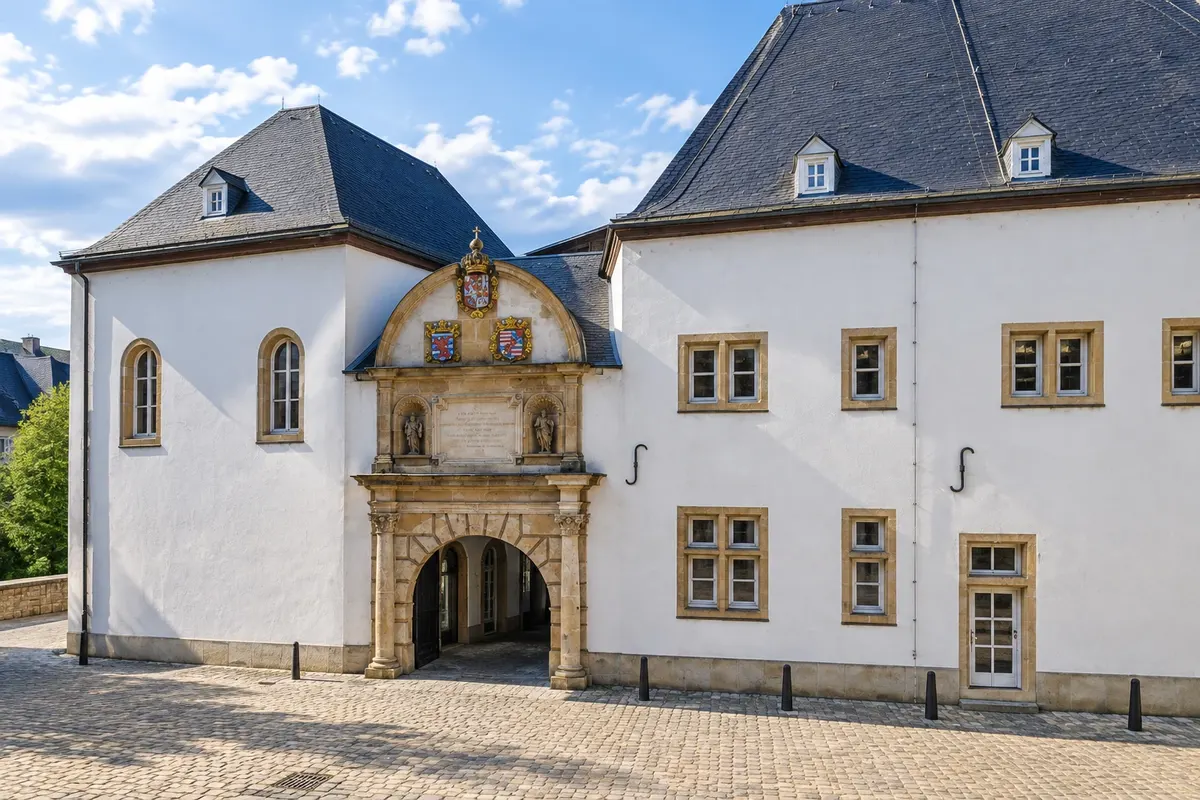
Official residence of the Grand Duke, in the center of the upper town. The 16th-century Renaissance façade, with the guard at the door, can be seen from the street; the interior usually opens for guided visits only in summer.

Notre-Dame Cathedral (Cathédrale Notre-Dame)
Luxembourg · Luxembourg · Cerkev

Notre-Dame Cathedral (Cathédrale Notre-Dame)

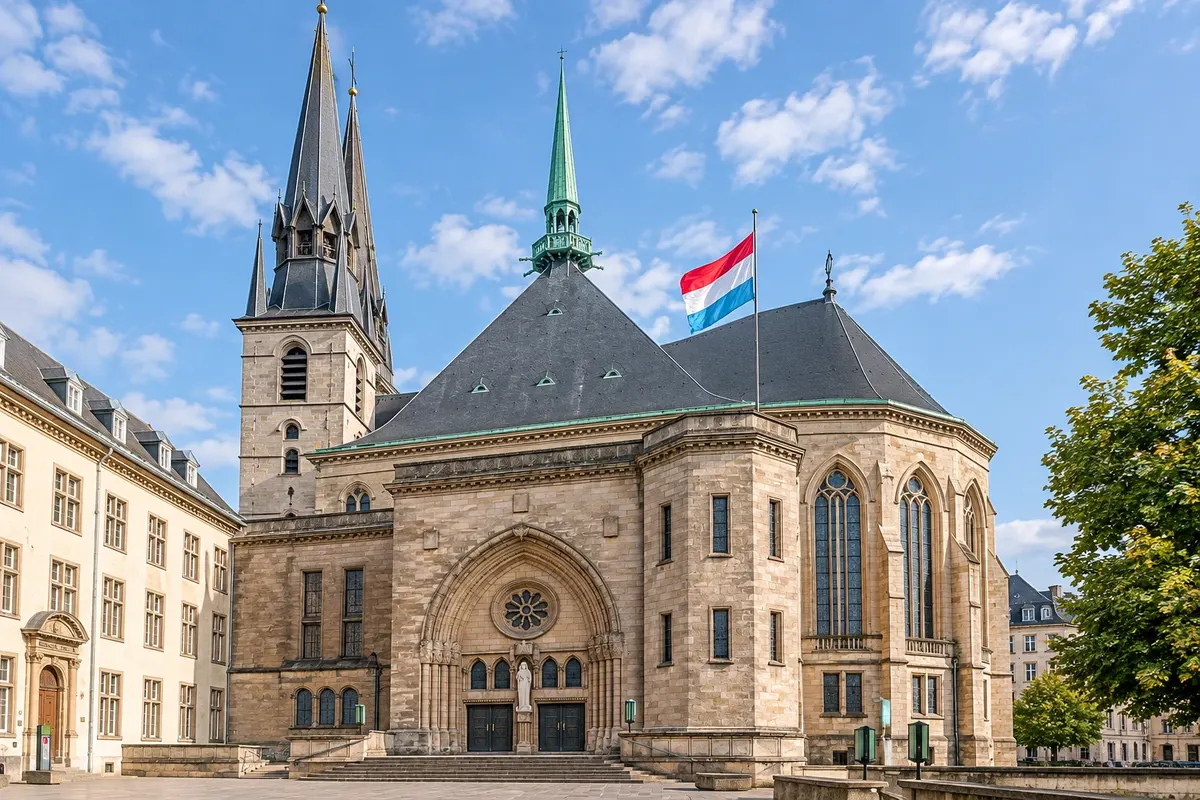
The city’s cathedral, built by the Jesuits in the early 17th century, with a late Gothic façade, a Renaissance portal and the crypt that houses the tomb of John the Blind, Count of Luxembourg and King of Bohemia.

Place Guillaume II (Knuedler)
Luxembourg · Luxembourg · Trg

Place Guillaume II (Knuedler)

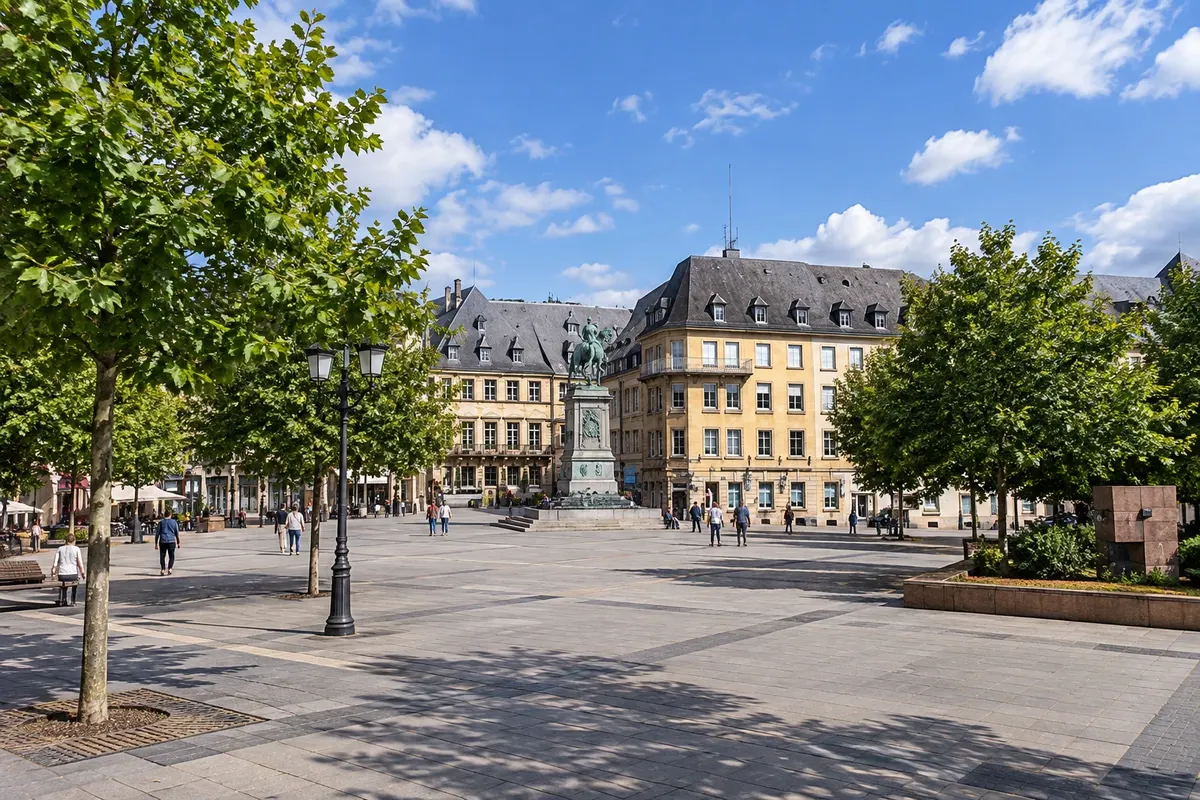
The main square of the upper town, called Knuedler by locals, with the equestrian statue of William II and the town hall. It hosts the Wednesday and Saturday market and, nearby, Place d'Armes with the bandstand and cafés.

Monument of Remembrance — Gëlle Fra (Monument du Souvenir)
Luxembourg · Luxembourg · Monument

Monument of Remembrance — Gëlle Fra (Monument du Souvenir)

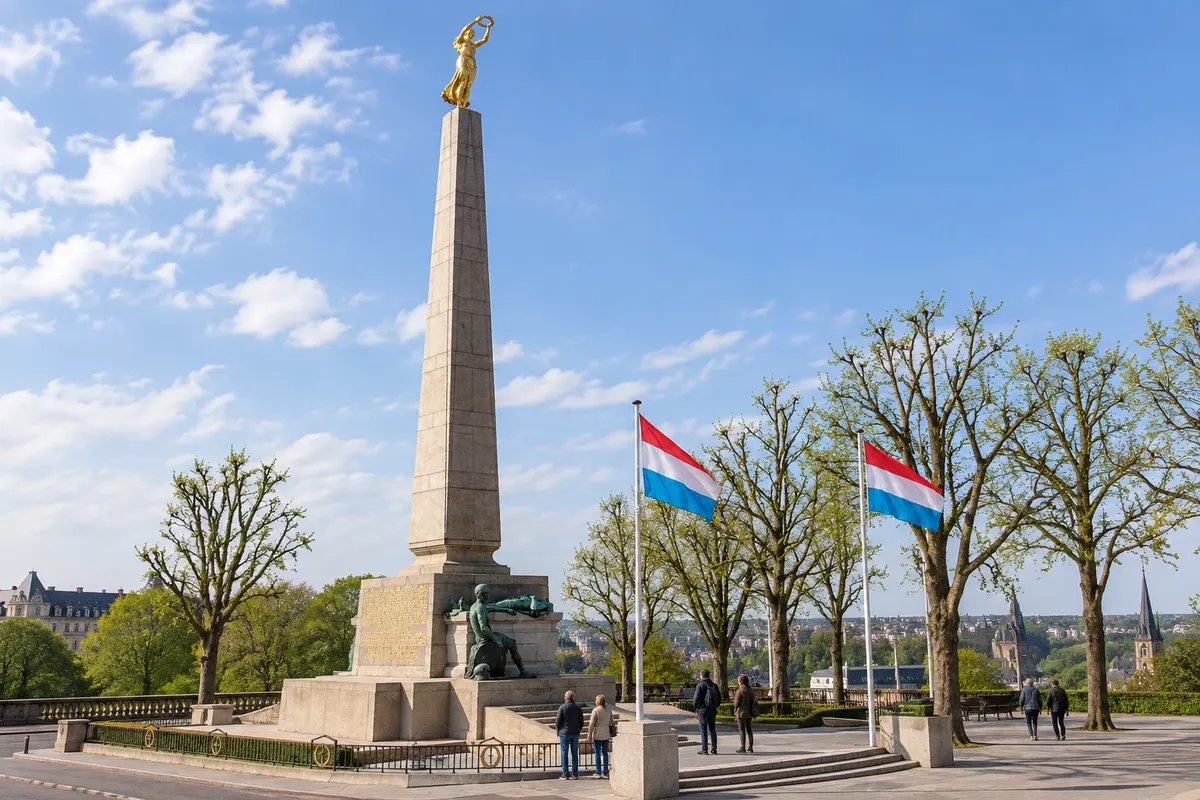
An obelisk topped by a gilded statue of a woman holding a laurel wreath, in tribute to Luxembourgers who died in wars. It stands on Place de la Constitution, on Bastion Beck, overlooking the Pétrusse valley.

Adolphe Bridge (Pont Adolphe)
Luxembourg · Luxembourg · Most

Adolphe Bridge (Pont Adolphe)

Early-20th-century stone-arch bridge over the Pétrusse valley, linking the upper city to the train station district. Cars and the tram pass over it; under the deck there is a suspended walkway for pedestrians and bicycles.

National Museum of Archaeology, History and Art (Musée national d'archéologie, d'histoire et d'art)
Luxembourg · Luxembourg · Muzej

National Museum of Archaeology, History and Art (Musée national d'archéologie, d'histoire et d'art)

The national museum at Marché-aux-Poissons, with prehistoric finds, the country’s Gallo-Roman art, weapons, coins, painting and modern art. Known by the acronym MNAHA or as Nationalmusée um Fëschmaart.

Luxembourg City Museum (Lëtzebuerg City Museum)
Luxembourg · Luxembourg · Muzej

Luxembourg City Museum (Lëtzebuerg City Museum)

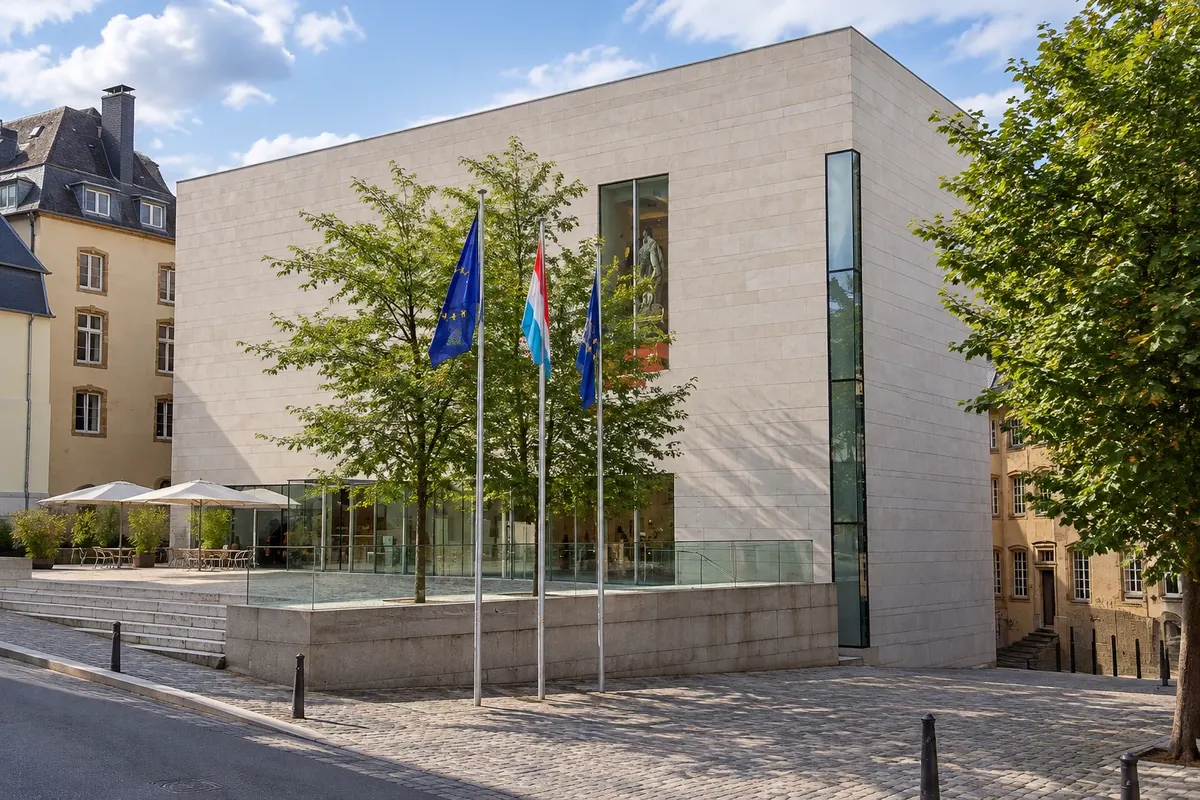
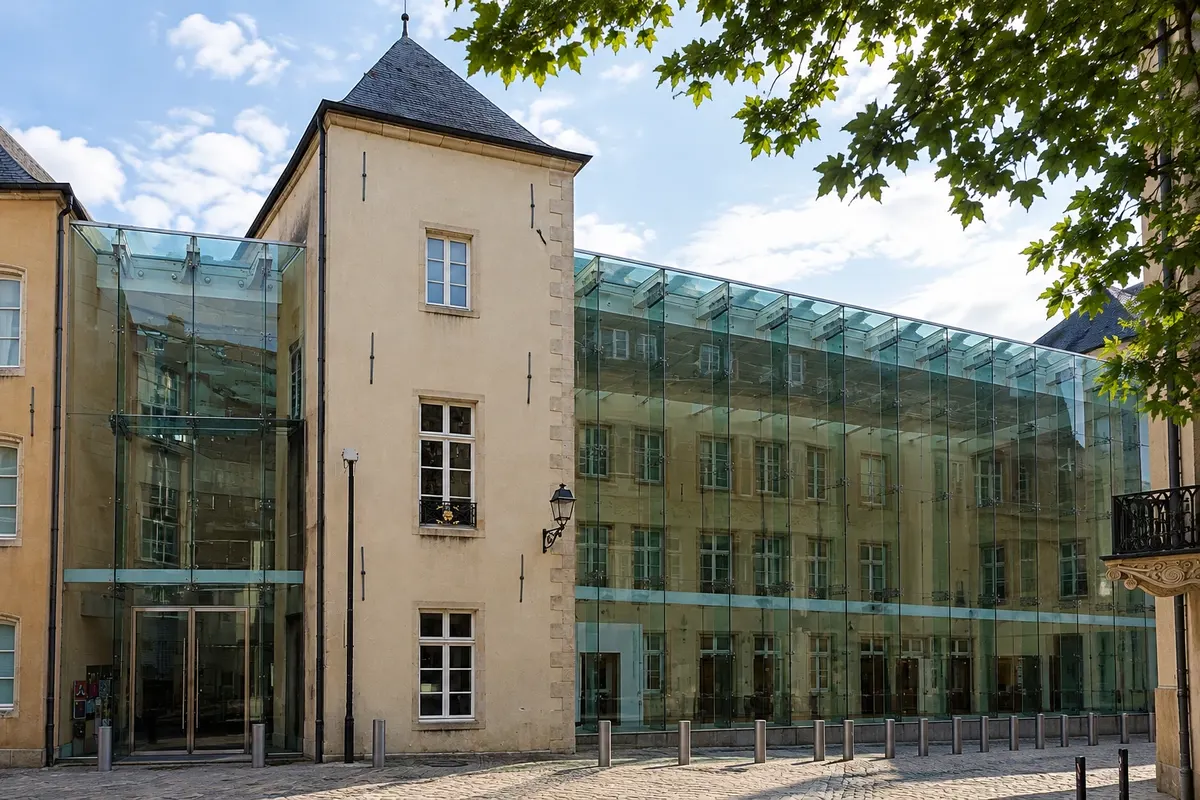
City history museum housed in four old houses on rue du Saint-Esprit, with models of the fortress, everyday objects and a glass elevator that descends the building’s levels with a view over the valley.

Mudam (Musée d'Art Moderne Grand-Duc Jean)
Luxembourg · Luxembourg · Muzej

Mudam (Musée d'Art Moderne Grand-Duc Jean)

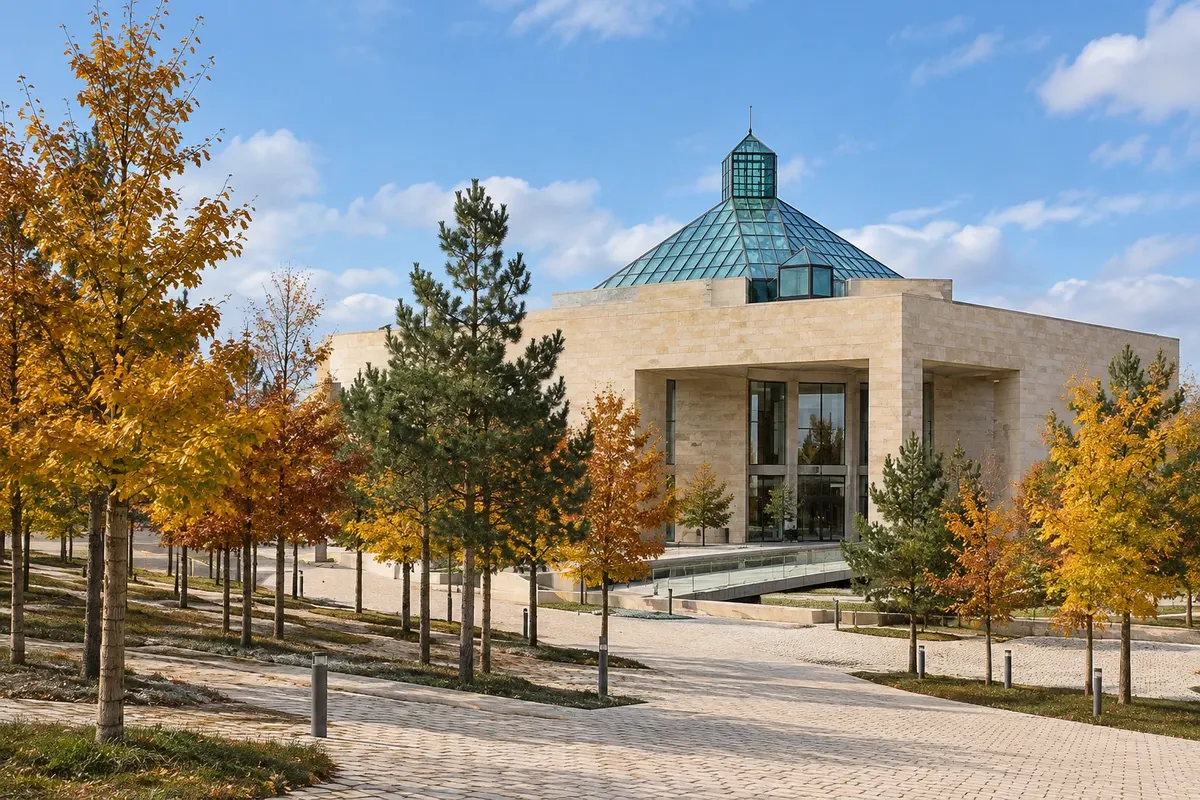
Contemporary art museum in Kirchberg, housed in a glass-and-stone building by architect I. M. Pei, built over the ramparts of Fort Thüngen. Temporary exhibitions, its own collection and a large glass atrium.

Musée Dräi Eechelen (Fort Thüngen)
Luxembourg · Luxembourg · Muzej

Musée Dräi Eechelen (Fort Thüngen)

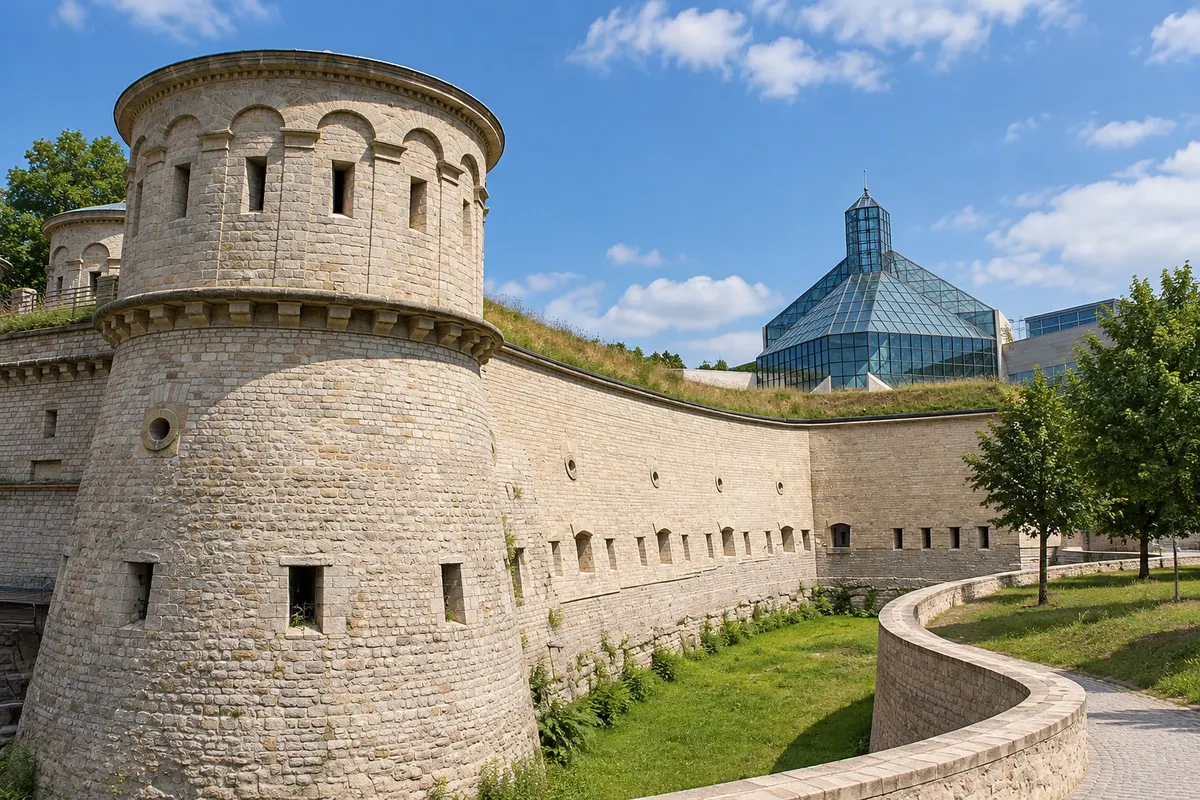
Fortress and national history museum, inside Fort Thüngen on Kirchberg, whose three towers topped with stone acorns give the name Three Acorns. It displays the fortress, the treaties and the formation of Luxembourg.

Philharmonie Luxembourg (Philharmonie)
Luxembourg · Luxembourg · Venue

Philharmonie Luxembourg (Philharmonie)

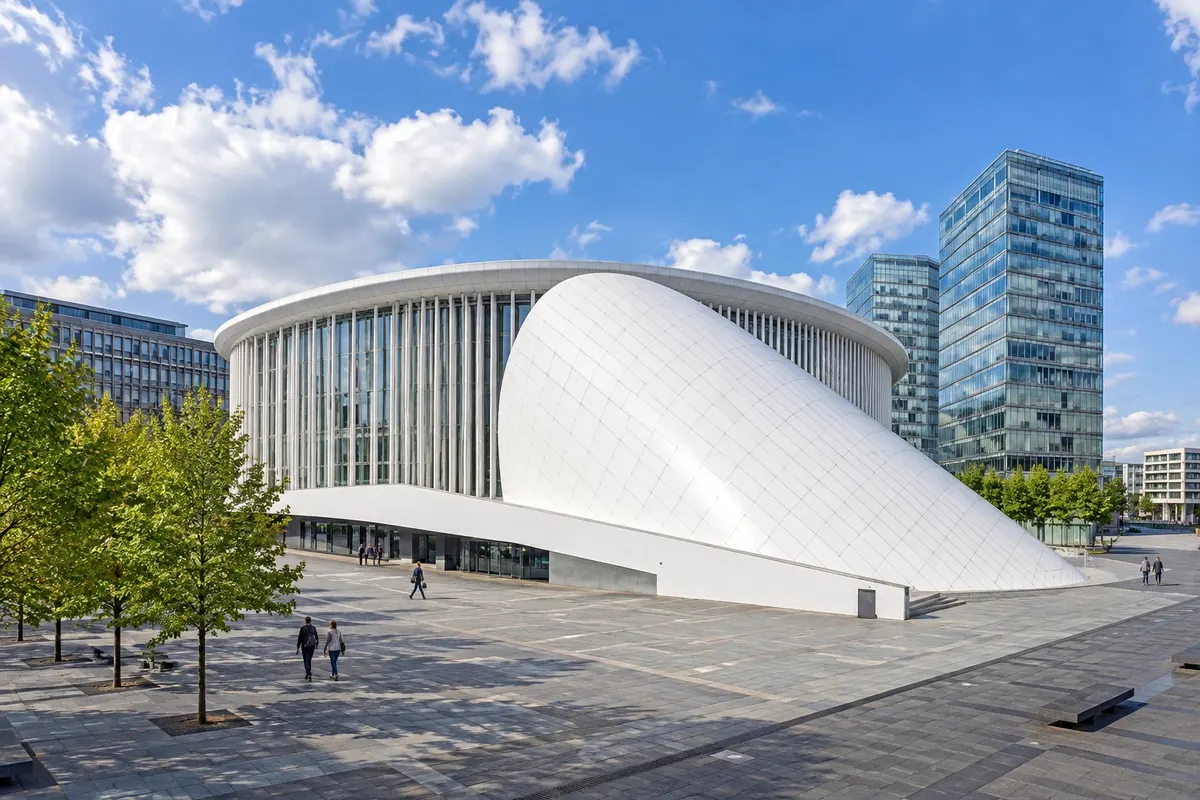
Concert hall in the Kirchberg by Christian de Portzamparc, with a façade of hundreds of white columns on Place de l'Europe. Home of the Luxembourg Philharmonic Orchestra.

Pfaffenthal Panoramic Elevator (Ascenseur panoramique du Pfaffenthal)
Luxembourg · Luxembourg · Razgledišče

Pfaffenthal Panoramic Elevator (Ascenseur panoramique du Pfaffenthal)

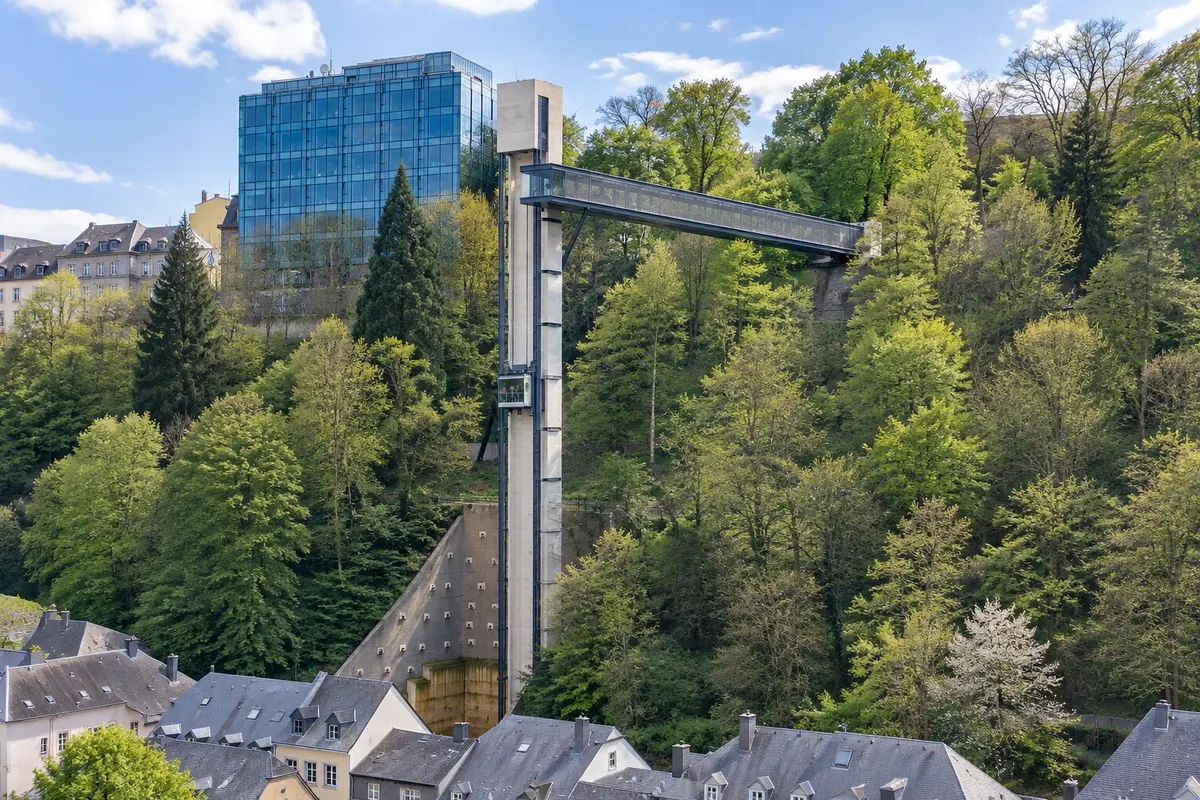
A glass elevator that descends from Pescatore Park in the upper town to the Pfaffenthal neighborhood in the Alzette valley. The cabin and the glass-floored platform at the top provide views of the valley and Kirchberg.

Villa Vauban (Villa Vauban)
Luxembourg · Luxembourg · Muzej

Villa Vauban (Villa Vauban)

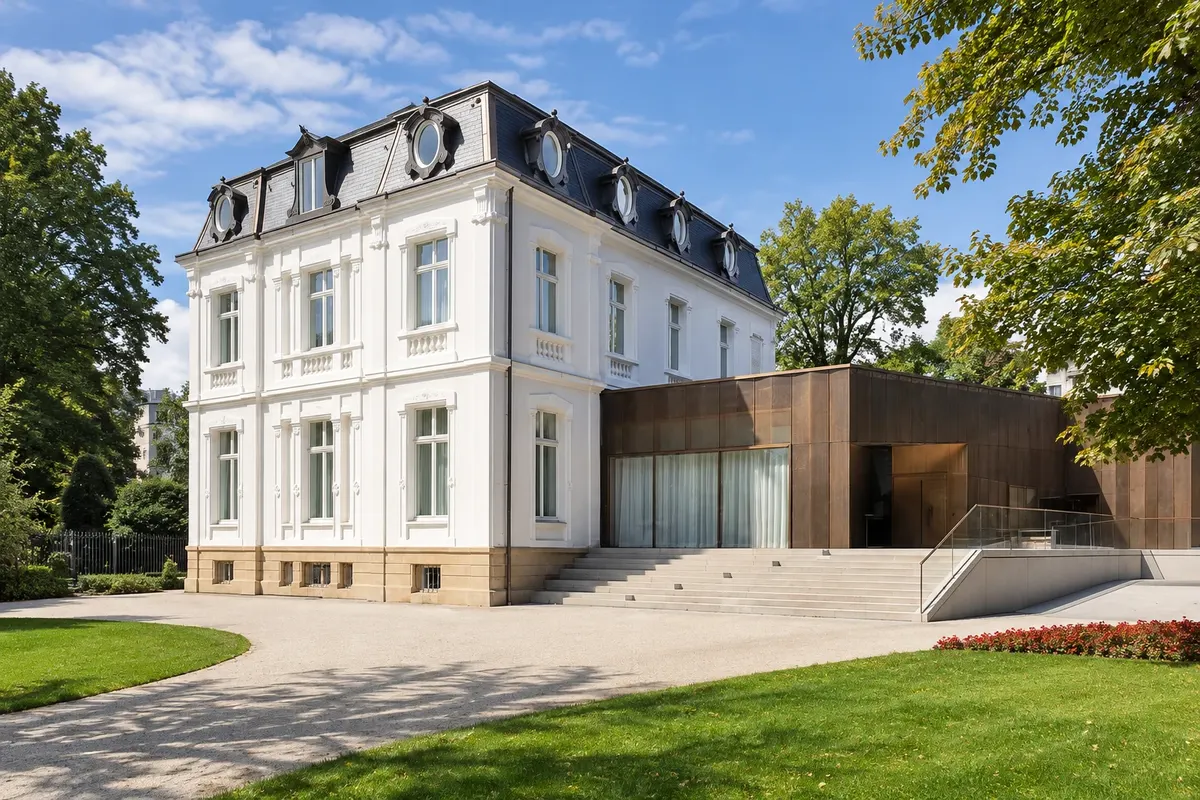
The city's art museum housed in a 19th-century villa in the municipal park, built atop remains of Vauban's fortifications. Dutch and Flemish painting of the 17th and 18th centuries, 19th-century French painting, and temporary exhibitions.

natur musée (National Museum of Natural History)
Luxembourg · Luxembourg · Muzej

natur musée (National Museum of Natural History)

National natural history museum in the Grund, with geology, fossils, animals, plants and the country’s natural environments, in interactive galleries designed also for children.

Luxembourg American Cemetery and Memorial (Luxembourg American Cemetery and Memorial)
Luxembourg · Luxembourg · Spominsko obeležje

Luxembourg American Cemetery and Memorial (Luxembourg American Cemetery and Memorial)

Military cemetery in Hamm, east of the capital, where 5,076 American soldiers are buried, mostly killed in the Battle of the Bulge in 1944–1945, and the grave of General George S. Patton.

Pred odhodom

Praktične informacije

Z nekaj načrtovanja boste imeli več časa za uživanje na poti.

Kdaj se odpraviti

From May to September the days are long and the weather is usually mild, good for the Corniche, the Grund and walking tours; July and August are the busiest months. Guided tours of the Palácio Grão-Ducal typically take place only in summer, from mid-July to the end of August. From November to March it is cold, it gets dark early and it can snow; in December there is a Christmas market.

The seasons shown are the most usual ones; nature doesn't always follow the calendar.

Koliko dni ostati

Two days are enough for the upper city, the Corniche, the casemates, the Grund and one museum. With three days there's time left for the Kirchberg, the Mudam and the Cemitério Americano. Since the country is small, the capital serves as a base for day trips to Vianden, Echternach, Remich and Esch-sur-Alzette, each less than an hour away; to see the country people usually allow five to seven days in total.

V katerem mestu prenočiti

The Ville Haute, between the Place d'Armes and the cathedral, keeps everything within walking distance and has hotels in old buildings. The Gare area, around the station, has more hotels of all kinds, a 15-minute walk or two tram stops from the upper city, and is convenient for those taking day trips by train. The Grund and Clausen in the valley have few accommodations and more bars and restaurants at night. The Kirchberg concentrates business hotels near the Philharmonie and the Mudam, and it empties out at the weekend.

Spoštujte kraj

Odnesite svoje odpadke, upoštevajte oznake in podprite lokalne ponudnike. V naravi upoštevajte navodila za obiskovalce.

Odgovori na vaša vprašanja

Pogosta vprašanja – Luxembourg City

How to get from Findel airport to the center?

The tram leaves the airport and goes via the Kirchberg to the upper city and the station, and there are buses to the center and to the Gare. The journey takes about 20 to 30 minutes. Public transport is free, only first class on trains requires a ticket; check before boarding. Taxis are available outside the terminal.

How many days to stay in Cidade de Luxemburgo?

Two days are enough for the upper city, the Corniche, the Bock casemates and the Grund. With a third day you can fit in the Kirchberg, the Mudam and the Cemitério Americano. If you want to see the country, you can base yourself in the capital and make day trips, since almost everything is less than an hour away.

Do I need a car in Luxemburgo?

Not in the capital: the upper city is walkable, and the tram, buses, the Pfaffenthal elevator and the funicular link the neighborhoods. For Vianden, Echternach, Remich and Esch there are trains or buses. A car helps in more isolated places in the north and the Mullerthal, and to combine several castles in one day.

What is the best time to go?

From May to September, with long days and usually mild weather. Visits to the interior of the Palácio Grão-Ducal usually take place only from mid-July to the end of August. Winter, from November to March, is cold and it gets dark early, but December has the Christmas market.

What language is spoken in Cidade de Luxemburgo?

Luxembourgish, French and German are the official languages; signs and street names are often in French, and English is common in hotels, museums and restaurants. Many people who work in the city also speak Portuguese, because of the large Portuguese community in the country.

Rotas entre países

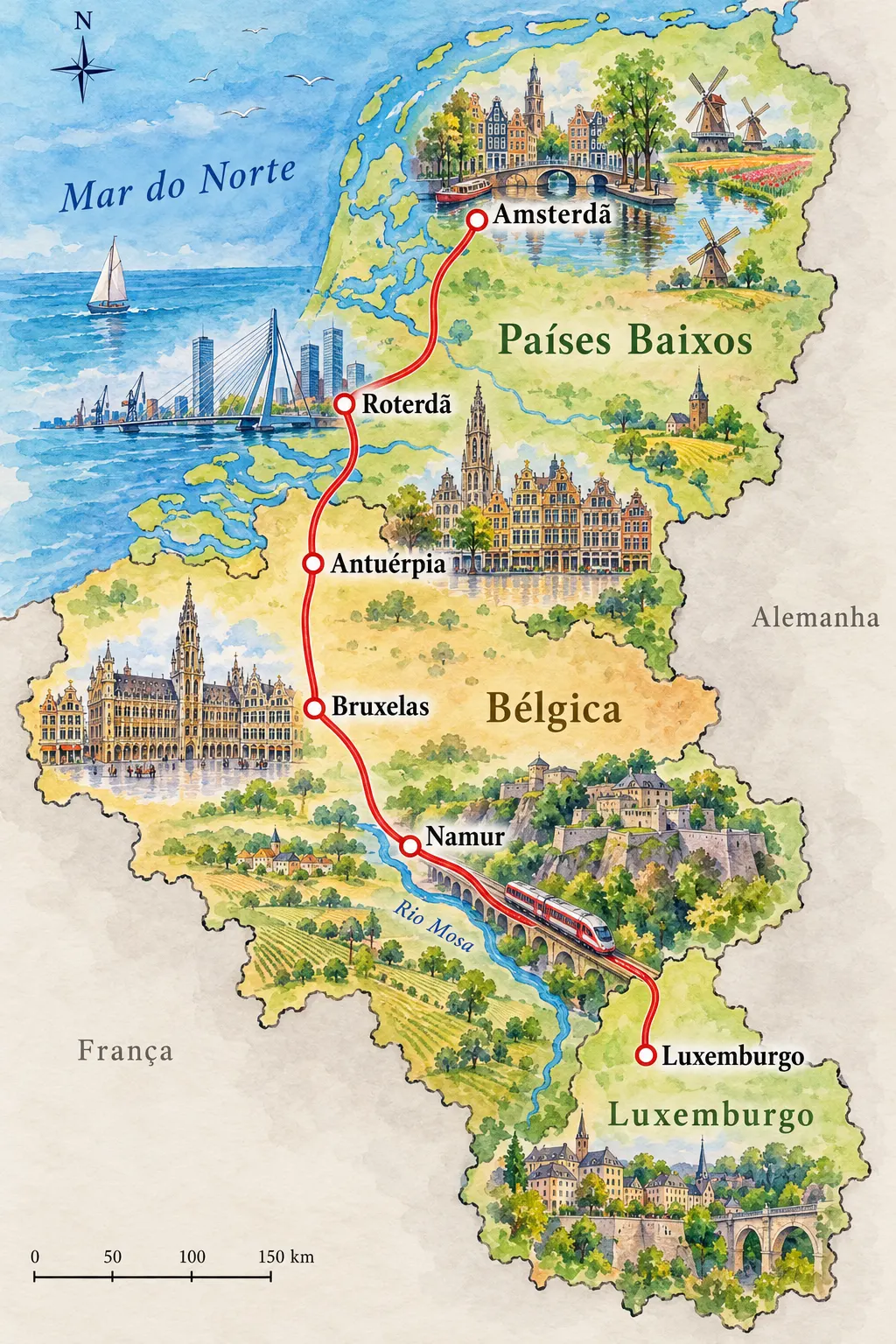
Luxembourg City – na poti z imenom Benelux by train: Amsterdam–Brussels–Luxembourg

The three Benelux countries by train: from Amsterdam to Brussels in about two hours, and from Brussels to Luxembourg via the Ardennes, with Rotterdam, Antwerp and Namur along the way.

Zemljevid je ilustrativen in ni v merilu. Dotaknite se mesta, da odprete njegovo stran.
Benelux by train: Amsterdam–Brussels–Luxembourg – ilustrirani zemljevid
Več o poti – Benelux by train: Amsterdam–Brussels–Luxembourg

Rotas entre países

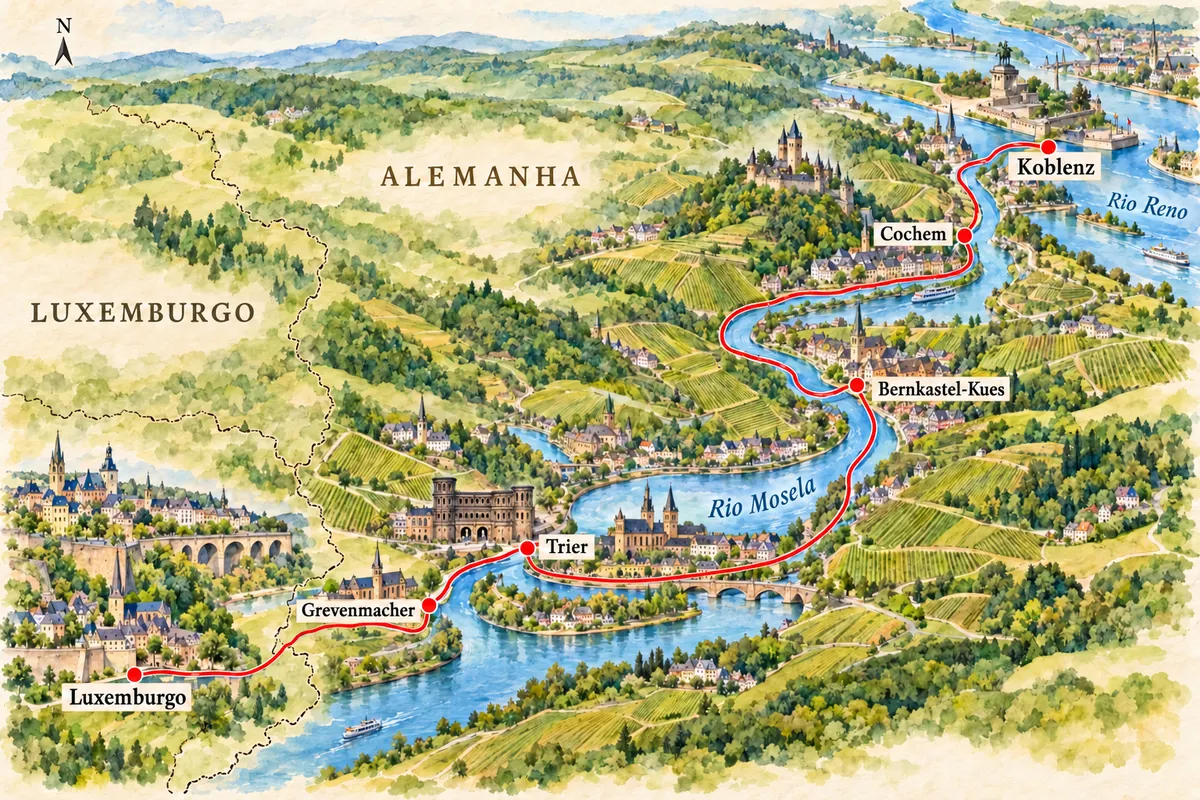
Luxembourg City – na poti z imenom Moselle Valley: Luxembourg–Trier–Cochem–Koblenz

Along the Moselle River, from Luxembourg to Germany: vineyards on slopes, half-timbered villages, Roman Trier, Cochem Castle, and the confluence with the Rhine in Koblenz.

Zemljevid je ilustrativen in ni v merilu. Dotaknite se mesta, da odprete njegovo stran.
Moselle Valley: Luxembourg–Trier–Cochem–Koblenz – ilustrirani zemljevid
Več o poti – Moselle Valley: Luxembourg–Trier–Cochem–Koblenz
Odkrijte druge destinacije Iskanje po zvezni državi in mestu

Več kot vodnik