Antwerpse handjes
Butter cookie with almond slices, or chocolate bonbon, shaped like a hand. It recalls the legend of the hero Brabo and the giant Antigoon, which explains the name Antwerpen, and has been a city specialty since 1934.
Antarktika
Antwerp · Belgija Capital
Destinacija: Antwerp and Mechelen.
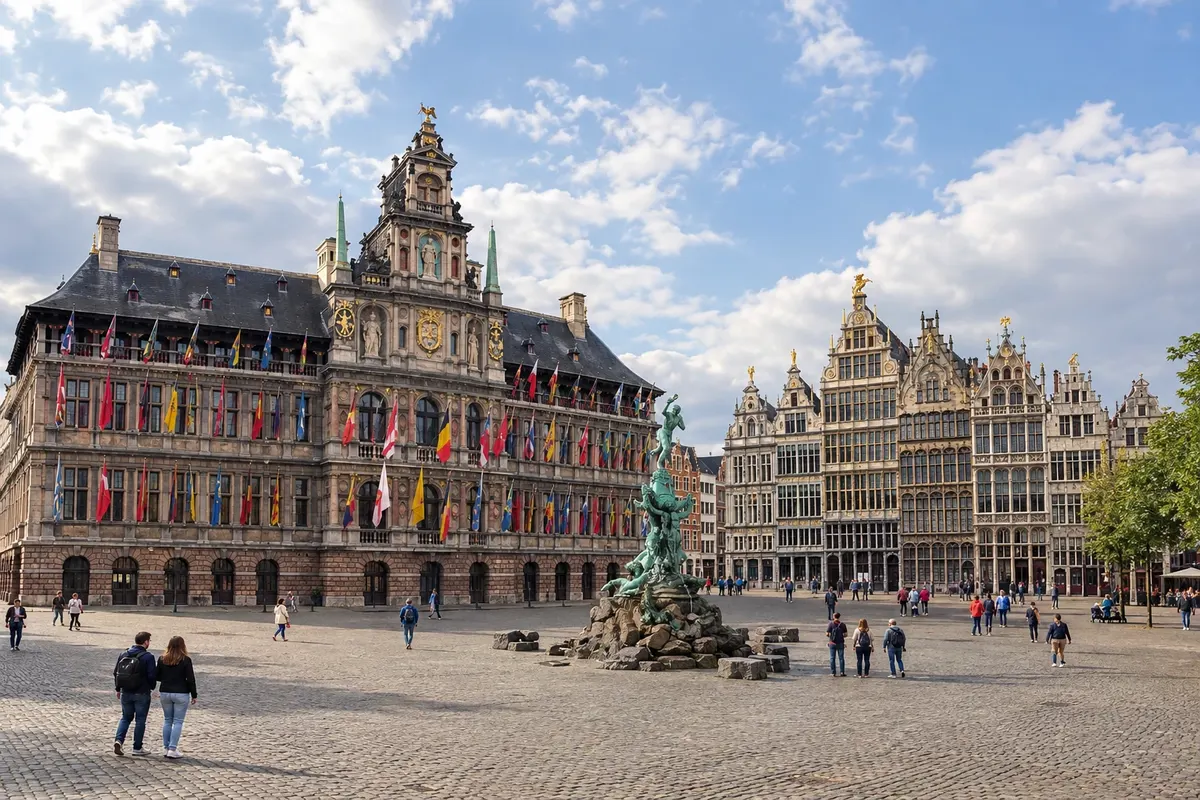
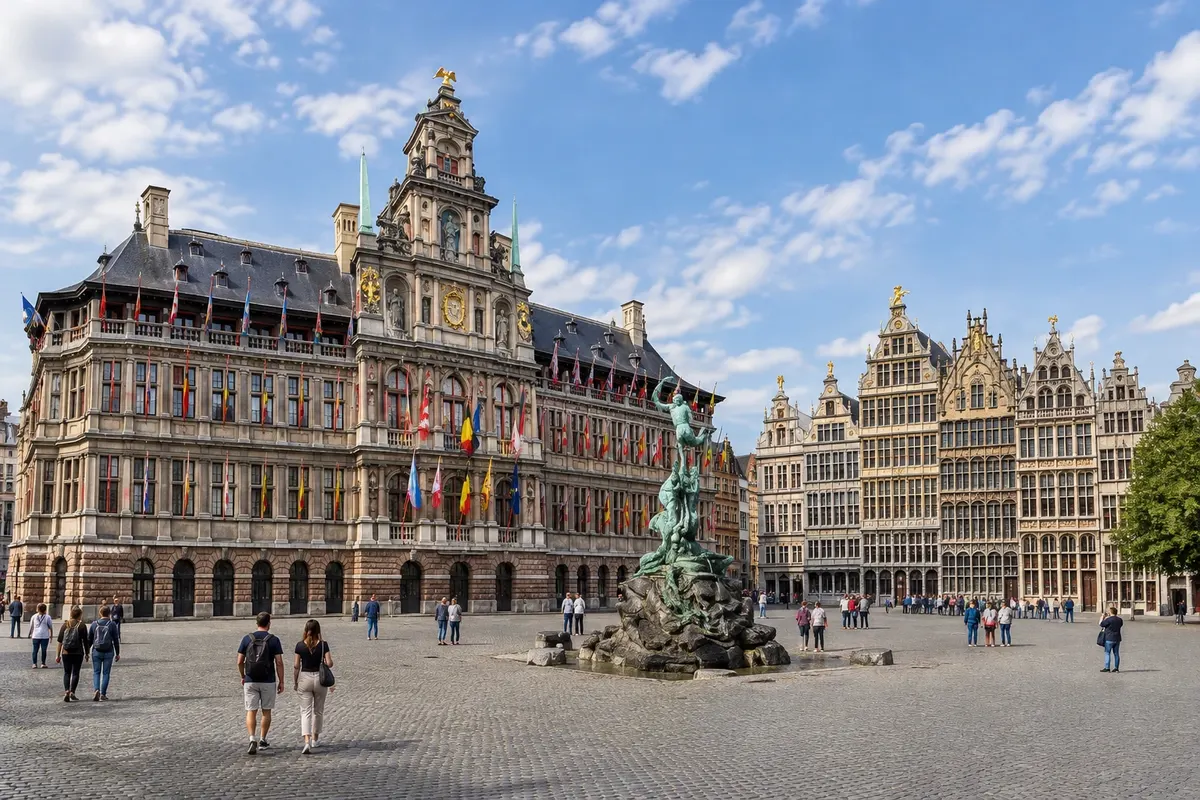
Na fotografiji: Grote Markt de Antuérpia
Illustrative images. The pictures in this guide are illustrations based on the real place, not photographs, and may differ from it.
Mesto
Antuérpia is the largest city in Flanders and capital of the province of the same name, on the banks of the river Escalda. Flemish is spoken, the Dutch of Belgium; in tourist areas English will do. The city has the second-largest port in Europe, is a world center for the diamond trade and was Rubens’s homeland. The historic center revolves around the Grote Markt and the cathedral, and museums such as the MAS, the Plantin-Moretus and the KMSKA are located in different neighborhoods.
V vodniku še ni nastanitev – Antwerp.
kako do tja · koliko dni · načrt poti · vprašanja
Poti – in Belgija
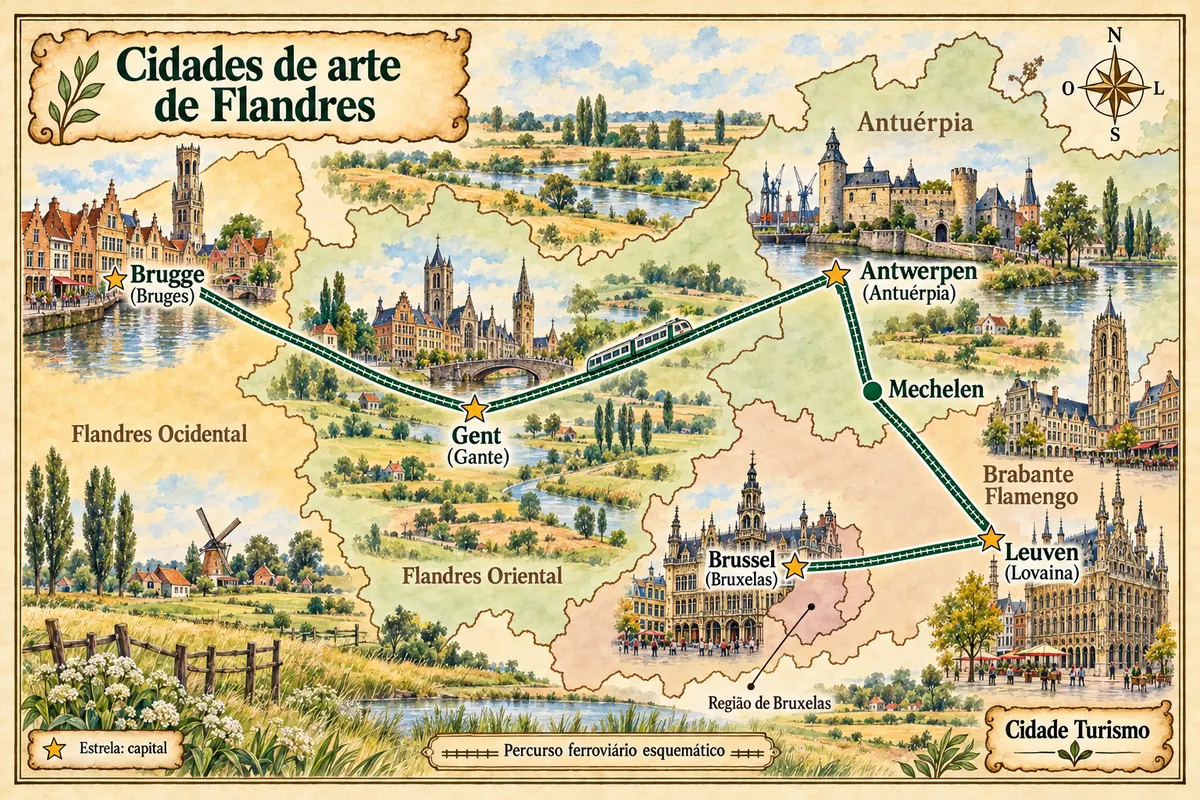
Six historic cities linked by train: Brussels, Leuven, Mechelen, Antwerp, Ghent and Bruges, with Flemish painting, cathedrals and medieval centres less than an hour apart.
Rotas entre países
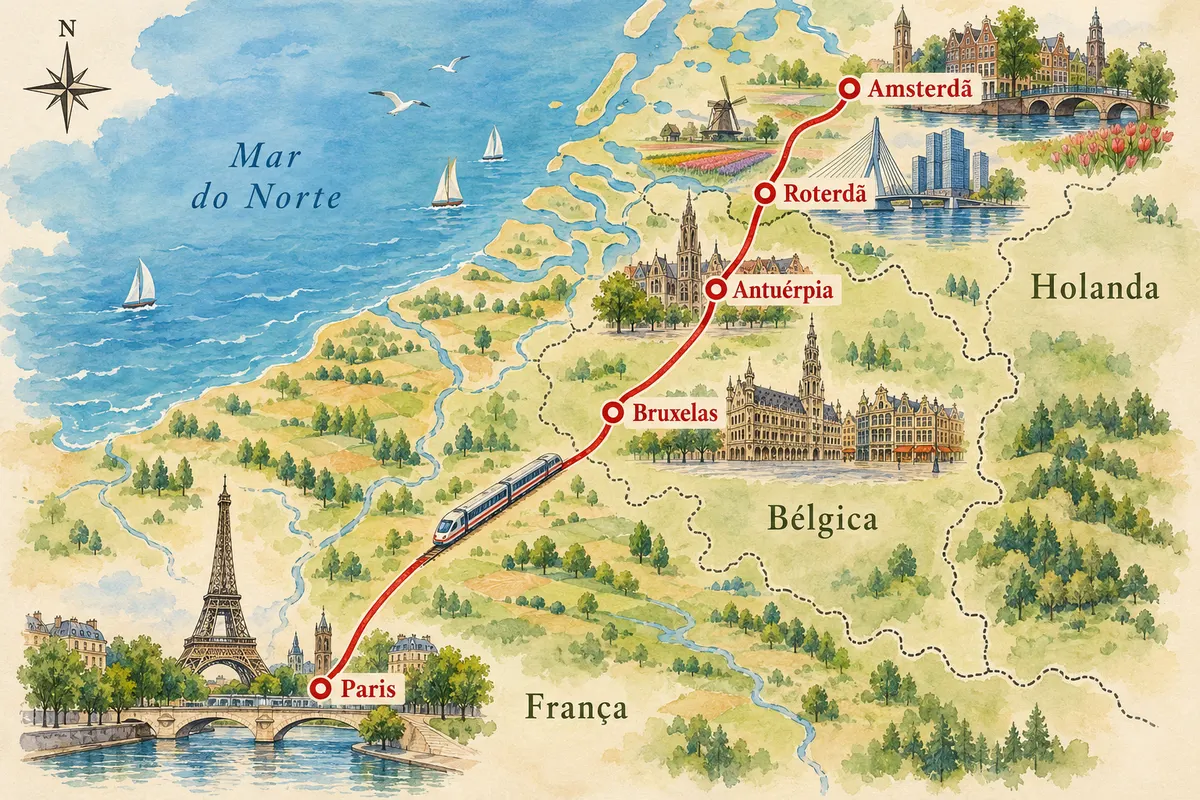
By train through the centers of Paris, Brussels, Antwerp, Rotterdam and Amsterdam: three countries in just over three hours, from central station to central station.
Rotas entre países
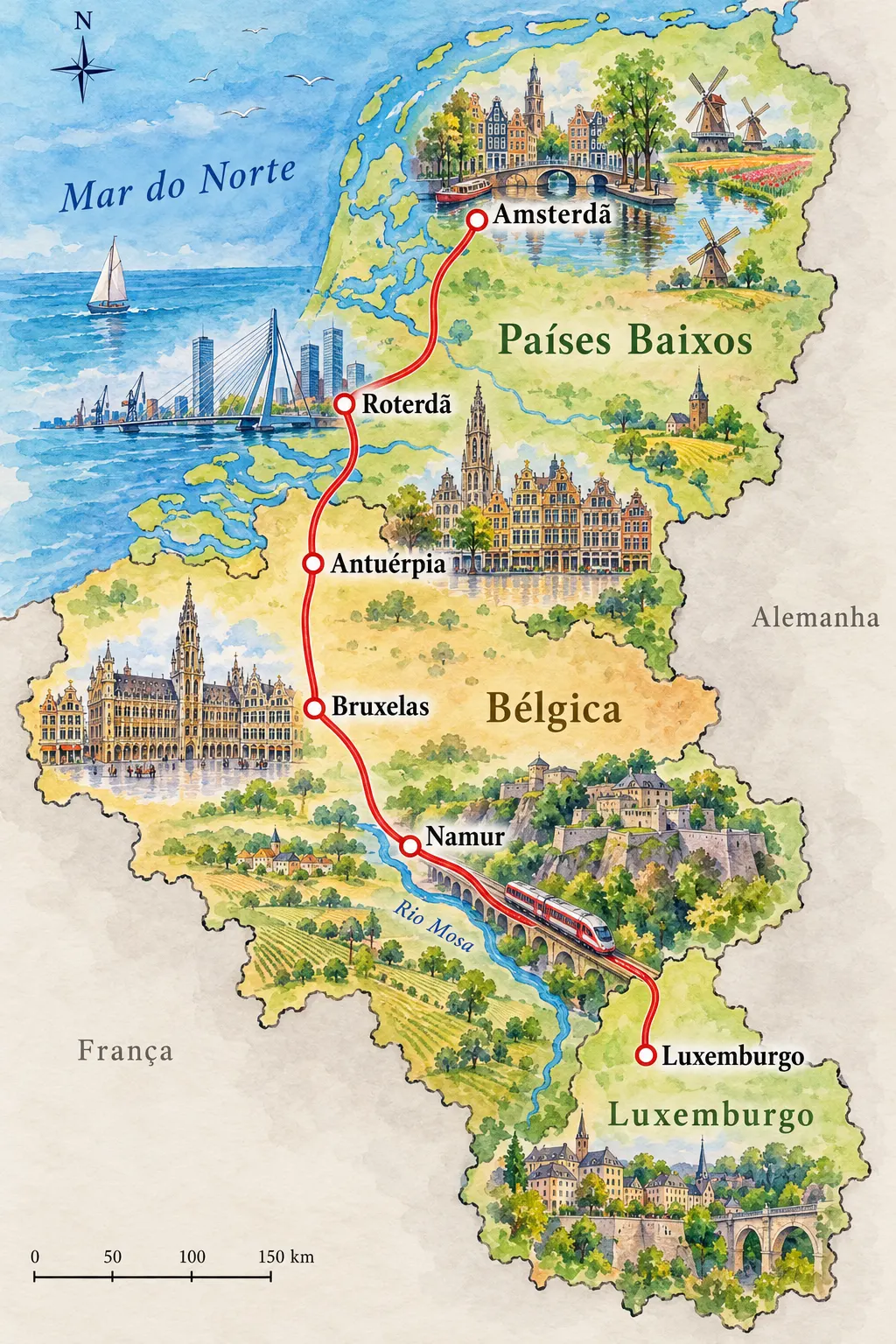
The three Benelux countries by train: from Amsterdam to Brussels in about two hours, and from Brussels to Luxembourg via the Ardennes, with Rotterdam, Antwerp and Namur along the way.
Lokalni okusi – of Belgija
Doživite kraj
Antwerp's central square, with the Renaissance Stadhuis, the guild houses with stepped façades, and the Brabofontein, the fountain that tells the legend behind the city's name.
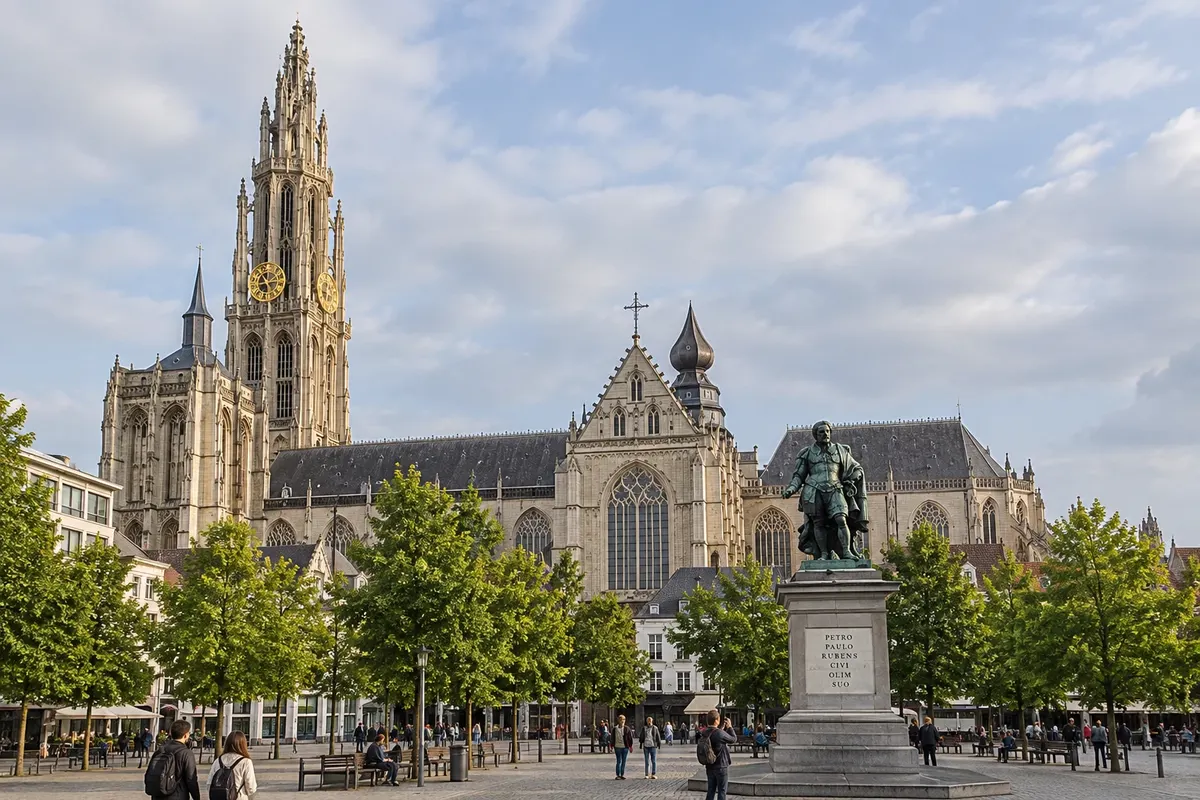
Gothic cathedral with a 123-meter tower, the tallest church in the Netherlands and Belgium, and four paintings by Rubens inside, including The Descent from the Cross.
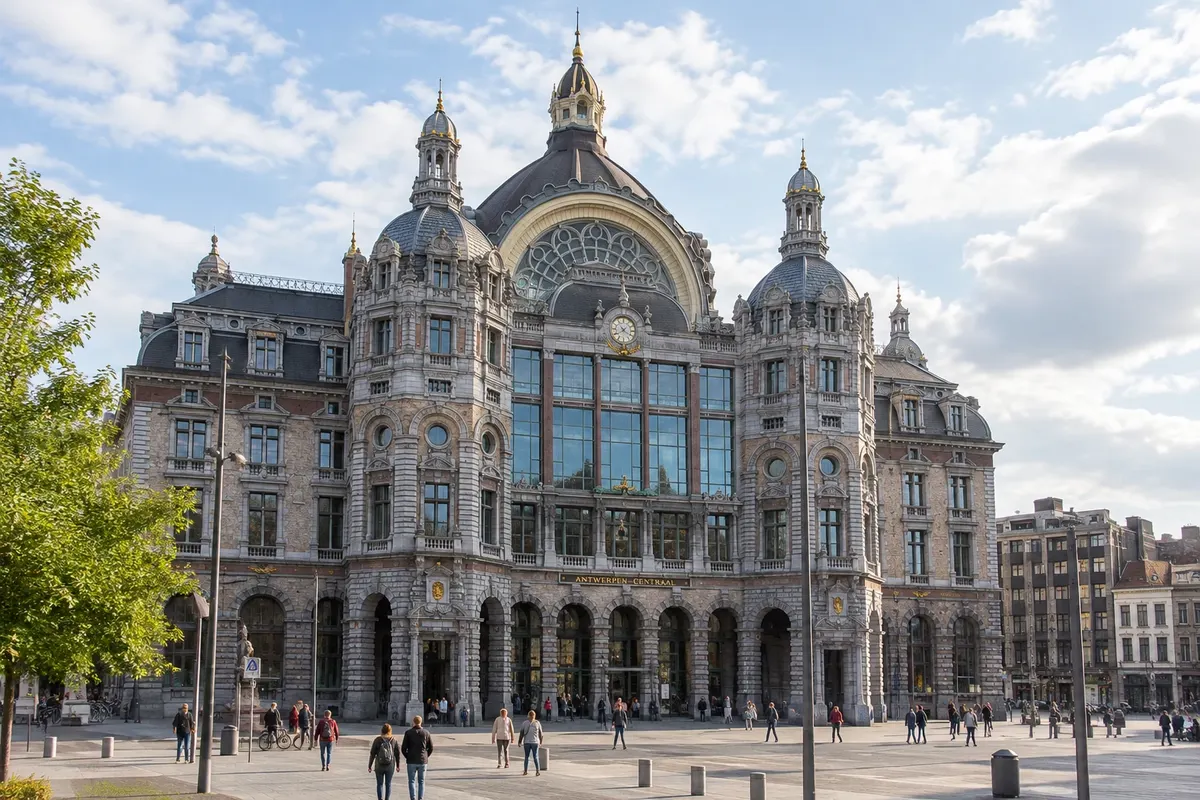
Train station opened in 1905, with an entrance hall of stone and marble beneath a large dome. The Belgians call it the railway cathedral.
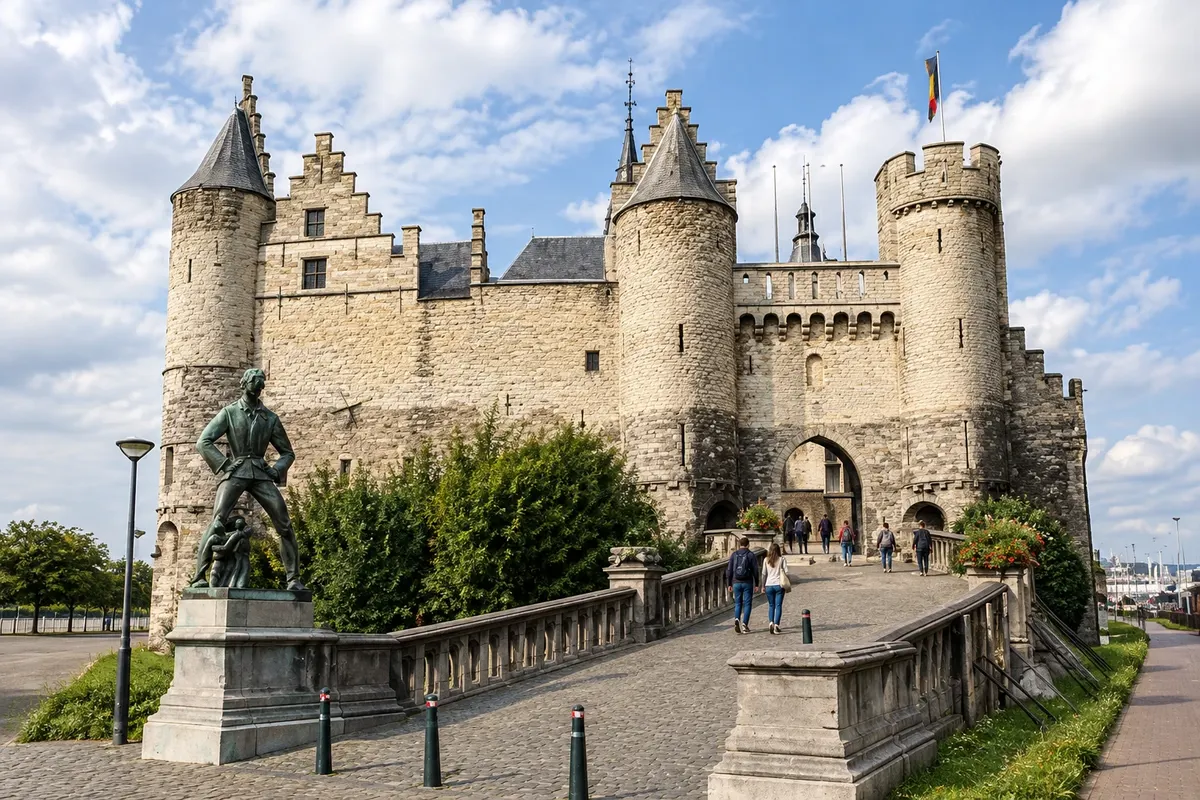
Small medieval castle on the banks of the Escalda, the oldest building in Antuérpia. It houses the city's visitor centre and the interactive Antwerp Story exhibition.
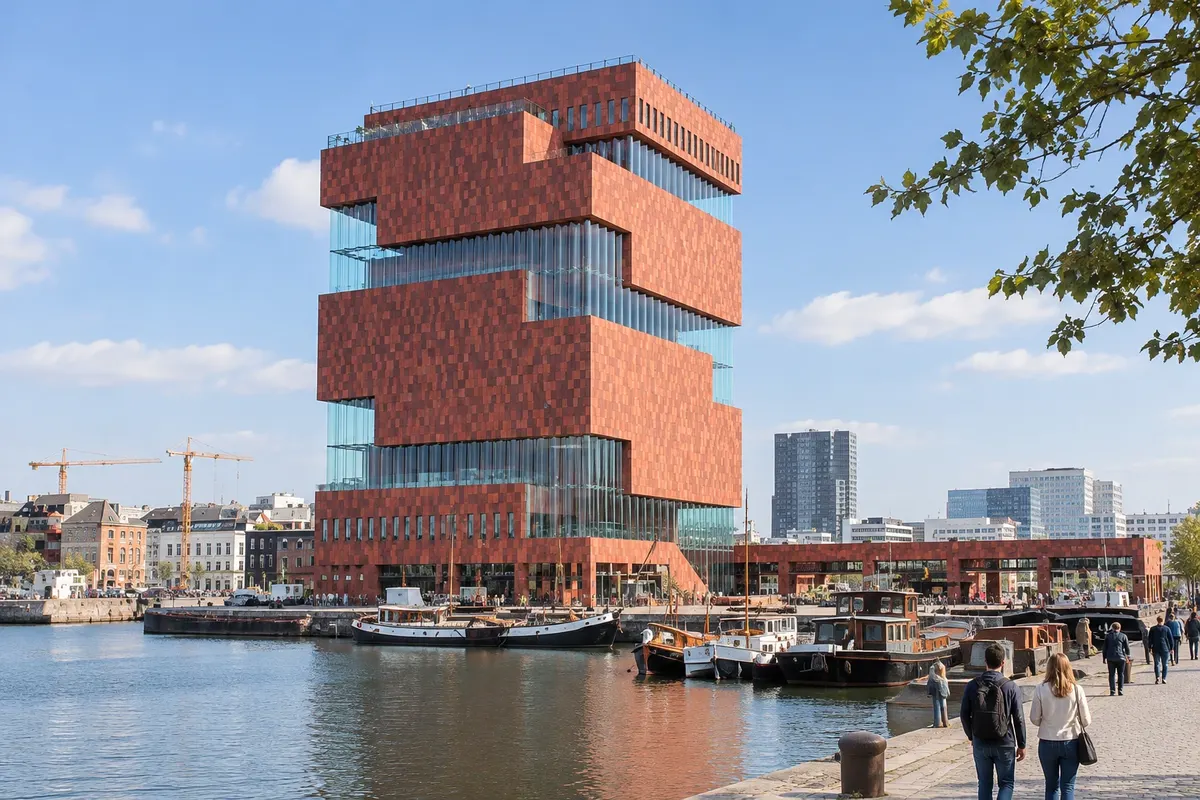
A 60-metre tower of red stone and undulating glass in the Eilandje neighbourhood. The museum tells the story of Antuérpia, the port and the world; at the top a panoramic terrace opens over the city.
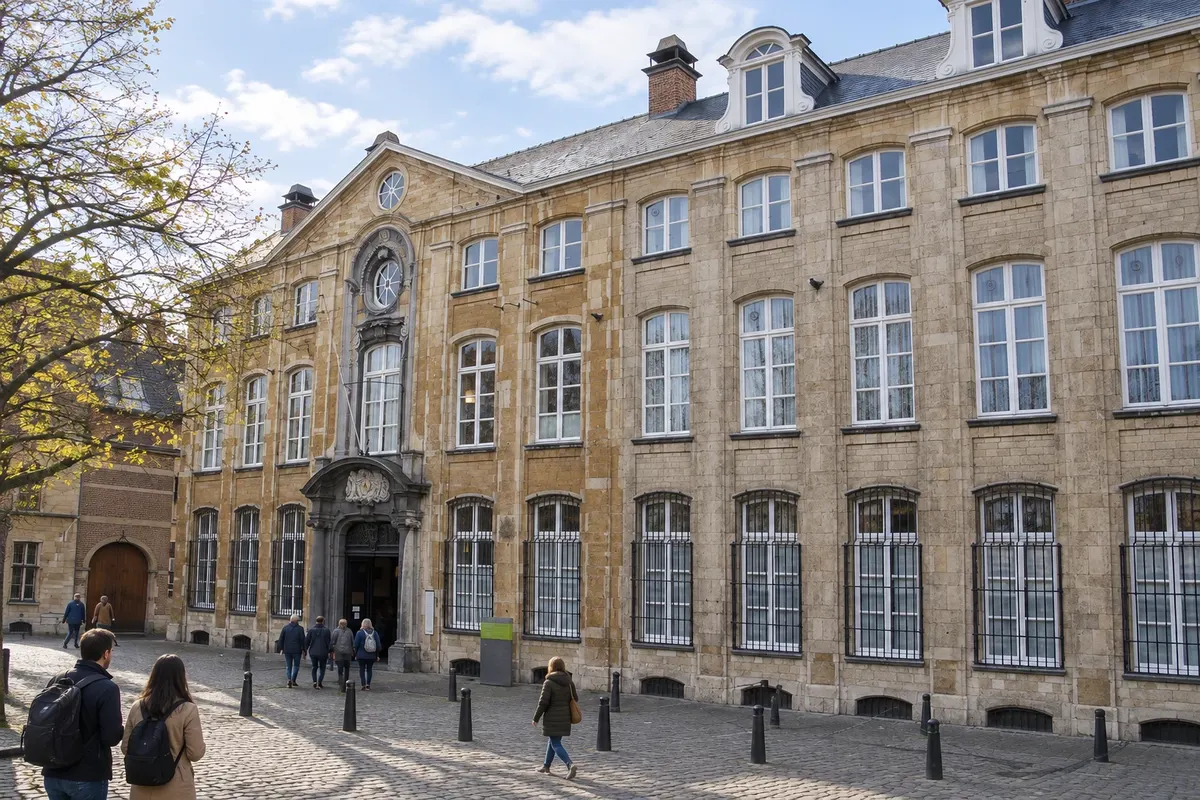
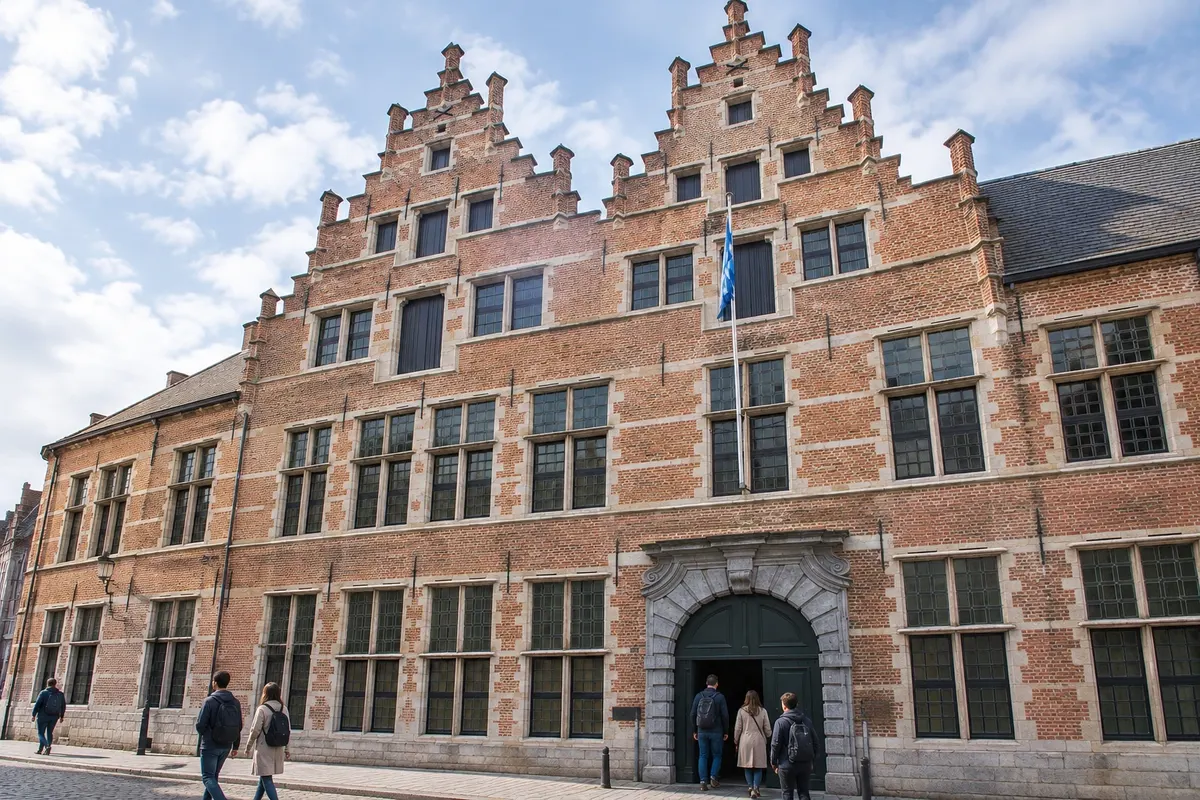
House and workshop of a family of printers from the 16th to the 19th centuries, a UNESCO World Heritage Site, with the two oldest surviving printing presses.
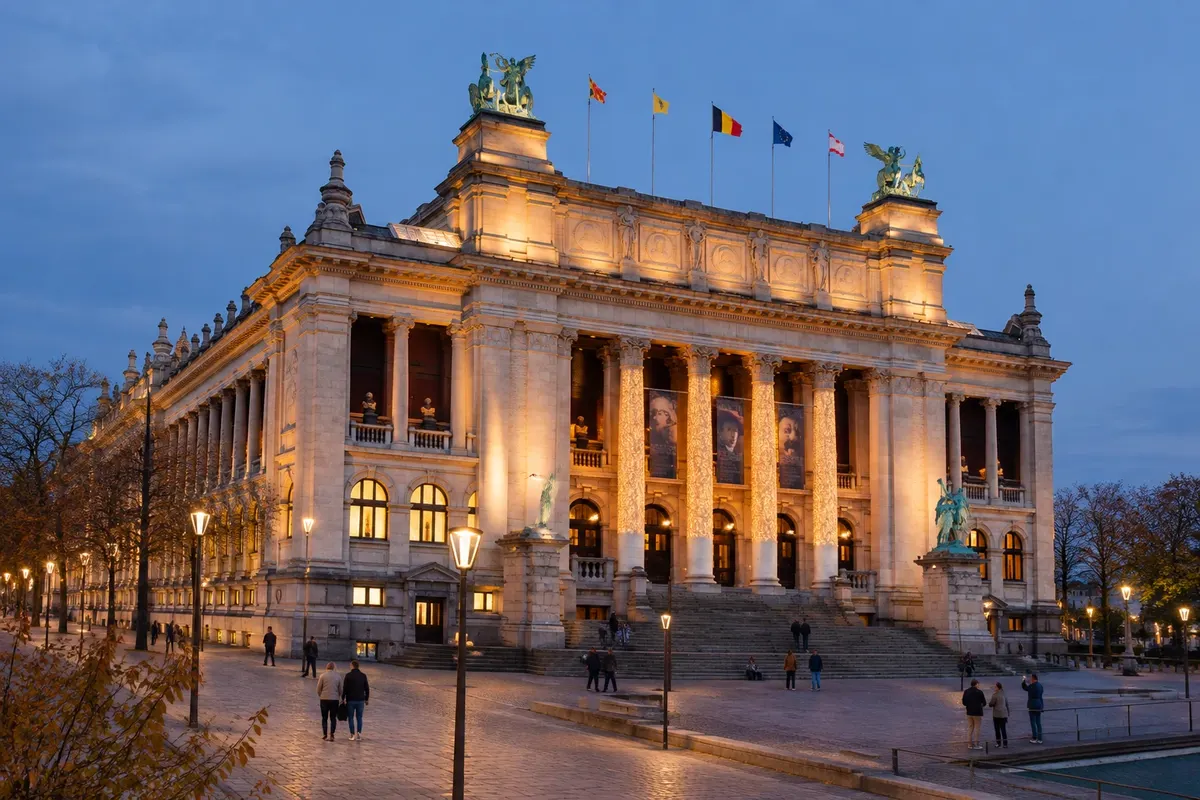
Museu Real de Belas Artes de Antuérpia, in the Zuid neighbourhood, with works by Jan van Eyck, Rubens, Jean Fouquet and James Ensor in a 19th-century neoclassical building.
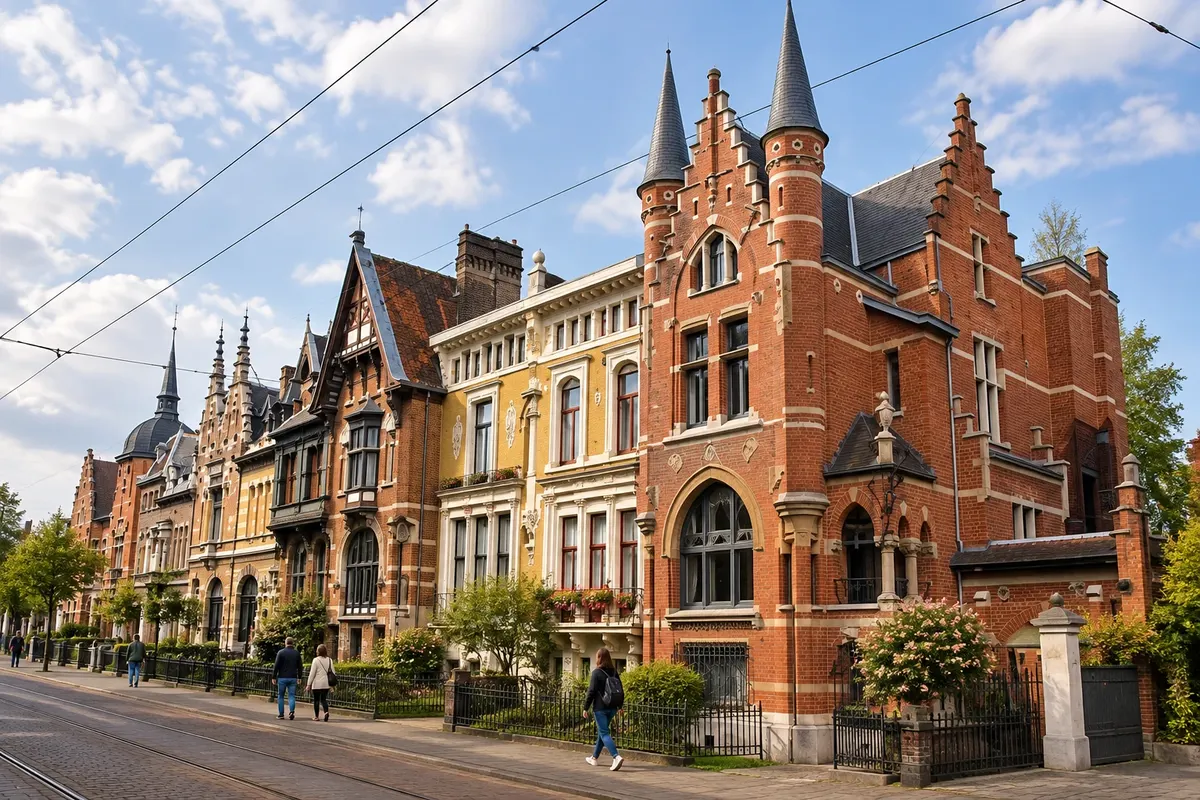
Residential neighbourhood from the late 19th century with Art Nouveau and eclectic houses, concentrated on Cogels-Osylei street, near Antwerpen-Berchem station.
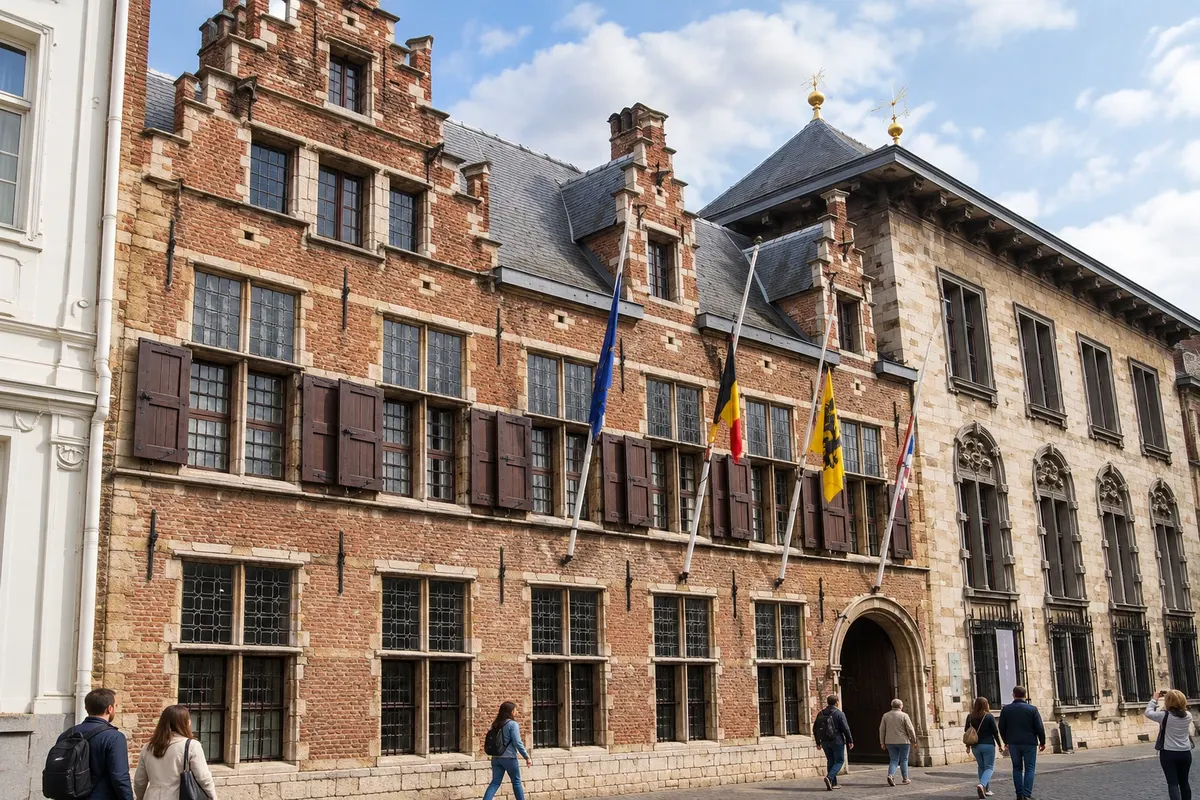
Pieter Paul Rubens’ house-museum in Antwerp city centre. The visit enters from Hopland and goes through the Rubens Experience, which includes the painter’s self-portrait, and the baroque garden with a portico and pavilion; beside it is the study library on Rubens.
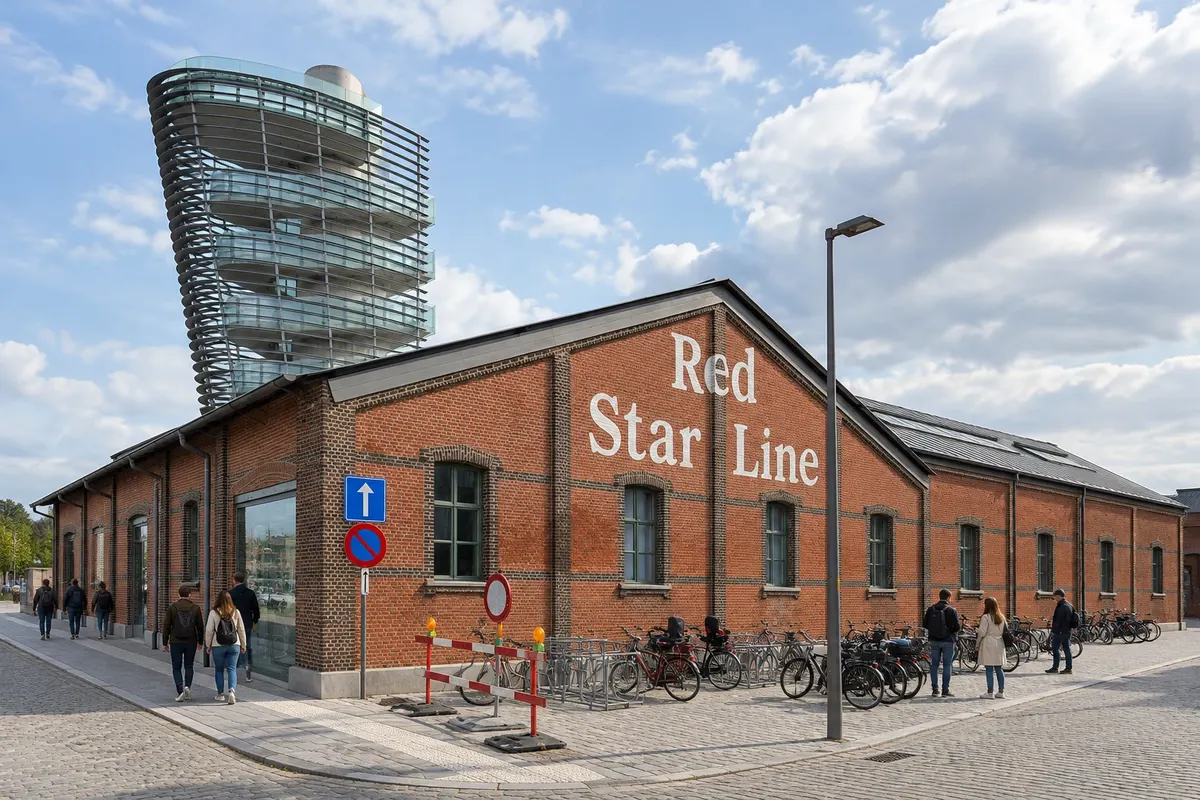
Museum of emigration in the port district, housed in the warehouses of the Red Star Line company, from which around two million passengers left Antuérpia bound for the United States and Canada.
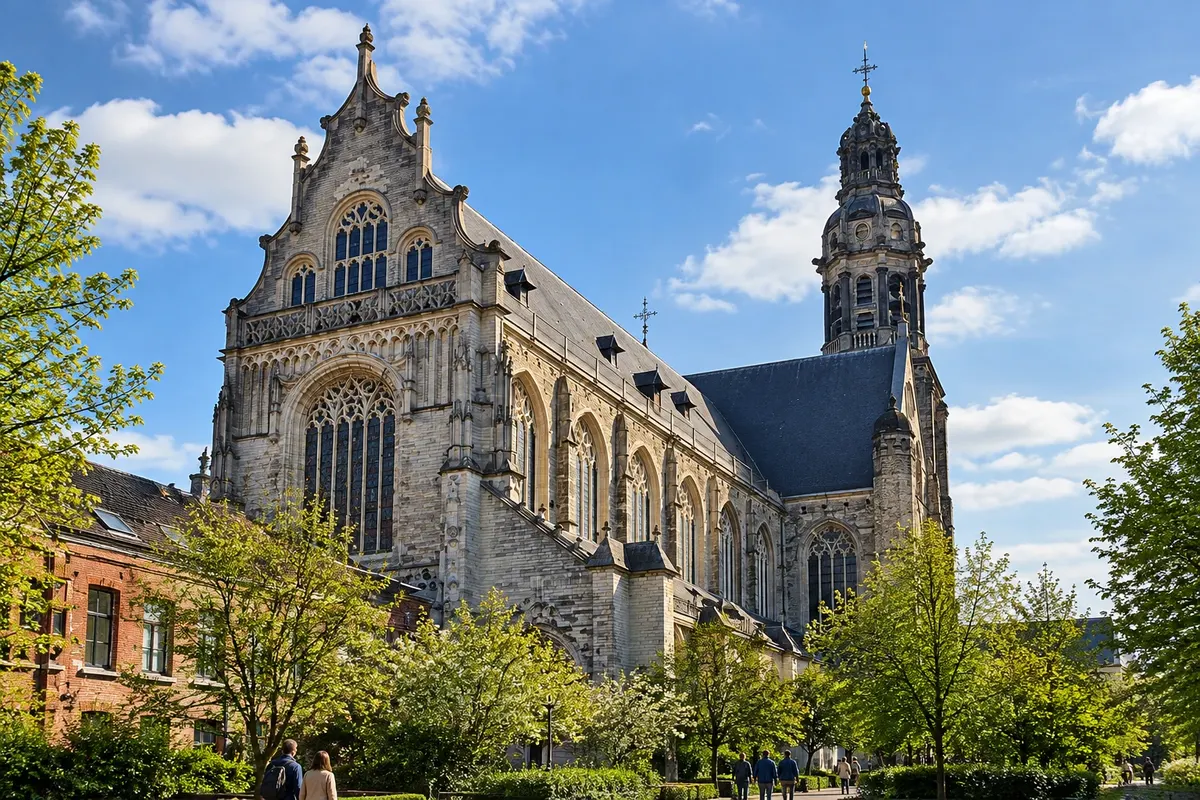
Dominican church on Veemarkt, near the old port, with paintings by Rubens, Van Dyck and Jordaens and, in the side courtyard, a Baroque Calvary with 63 life-size statues.
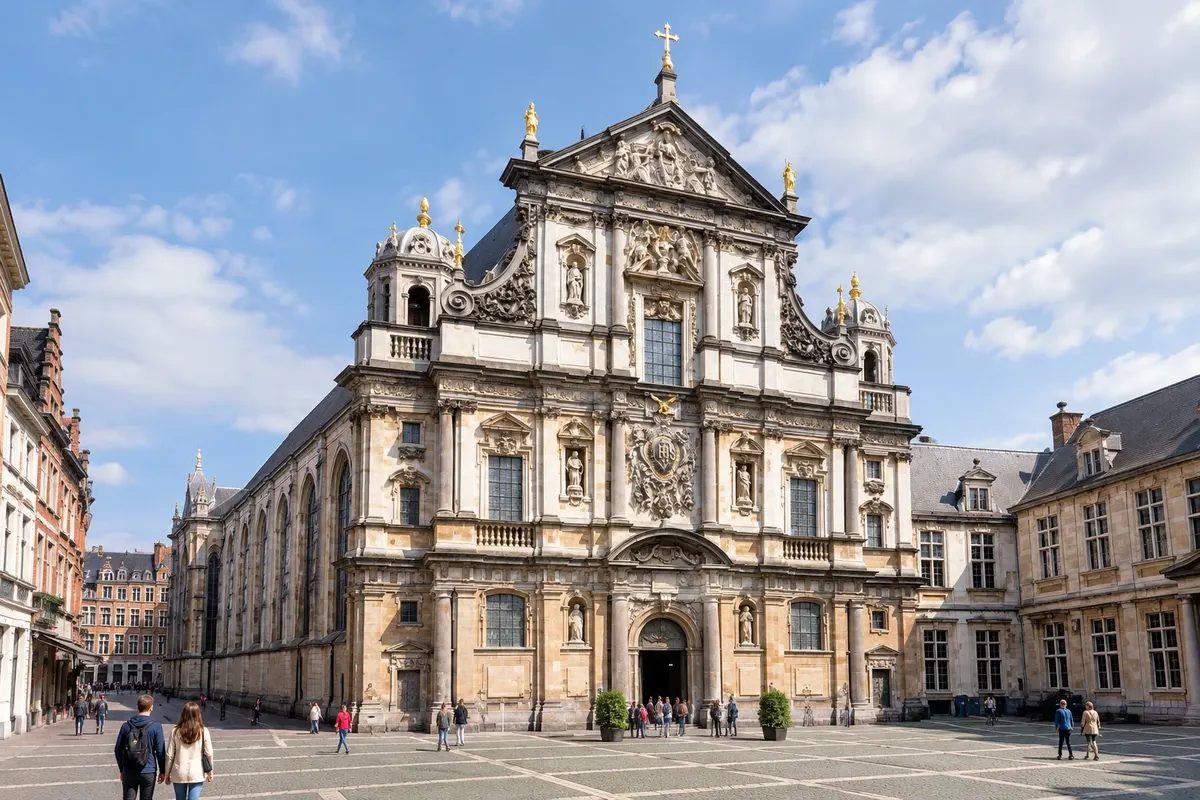
Baroque Jesuit church on Hendrik Conscienceplein, built between 1615 and 1621, with a façade and an altar connected to Rubens.
Two neighbouring houses on Keizerstraat, that of mayor Nicolaas Rockox, a friend of Rubens, and that of animal painter Frans Snijders, featuring 17th-century Flemish painting and a reconstructed garden.
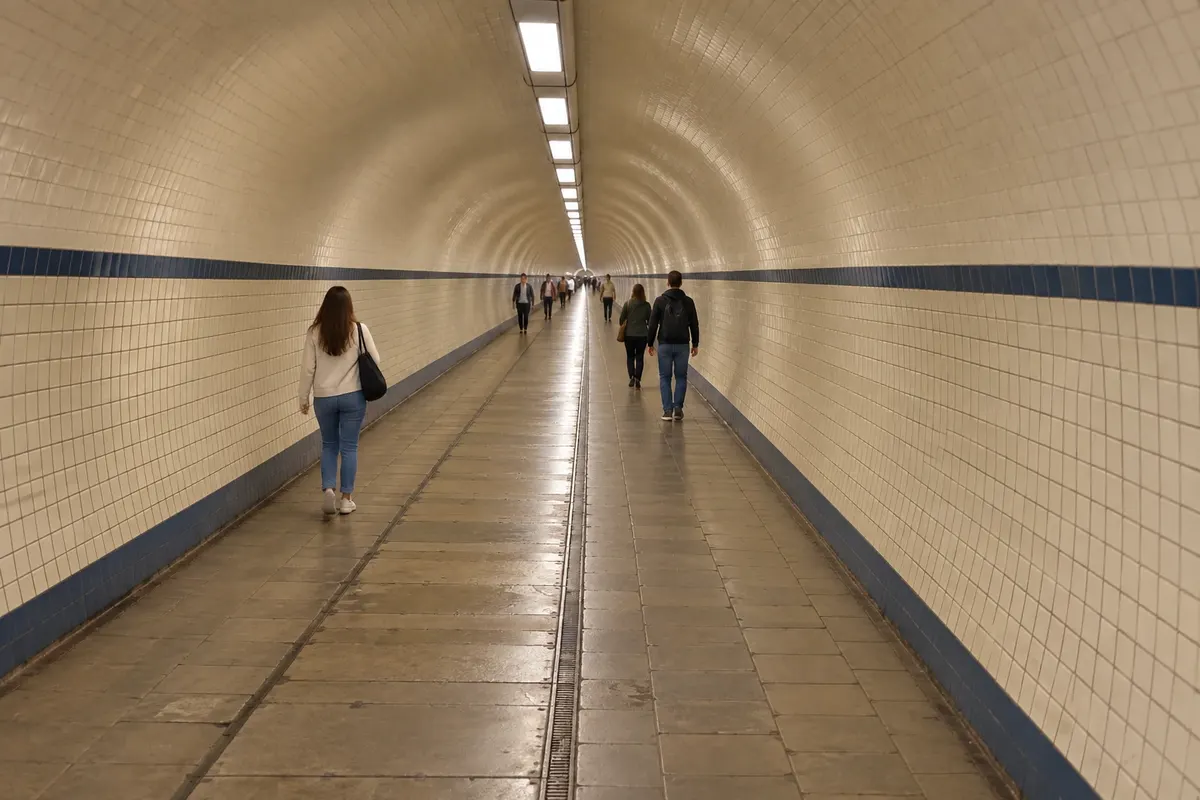
572-metre pedestrian and cyclist tunnel under the river Escalda, opened in 1933, with original wooden escalators and entrance buildings in Art Deco style.
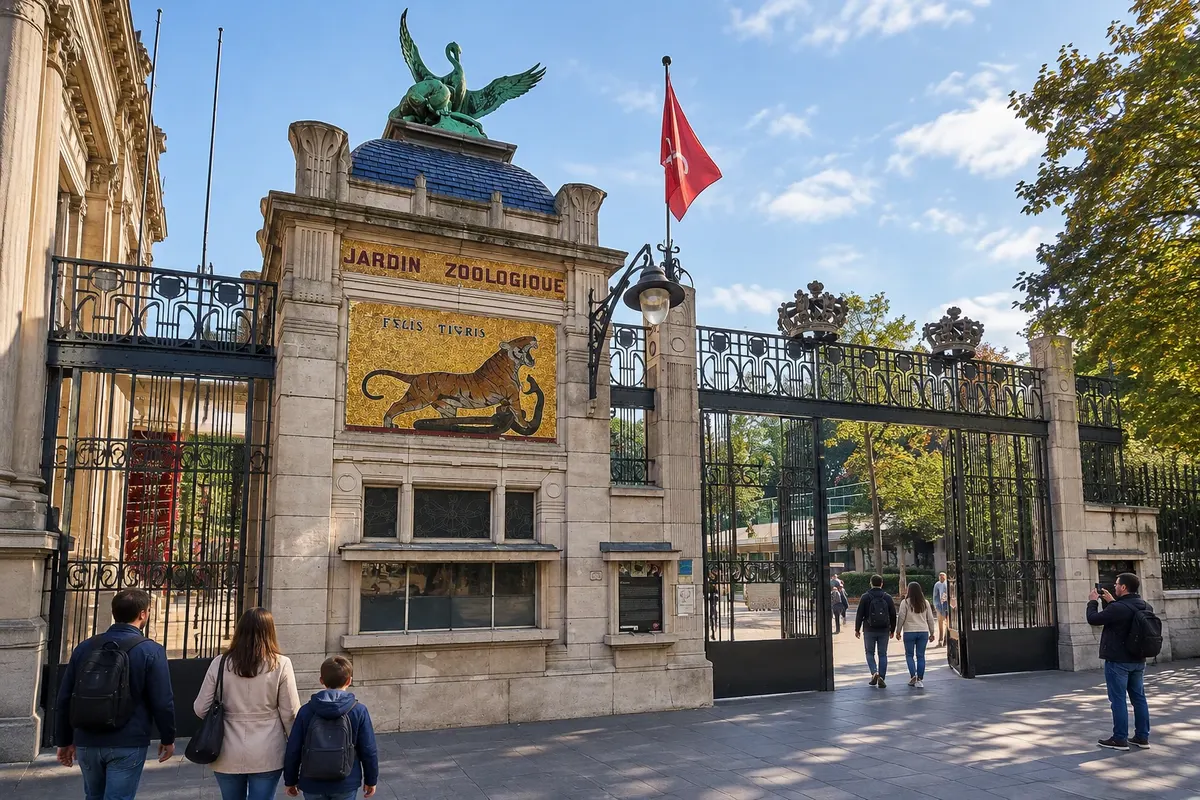
Zoo from 1843 adjacent to Antwerpen-Centraal station, with about 5,000 animals and historic buildings such as the Egyptian temple, the winter garden and the aquarium.
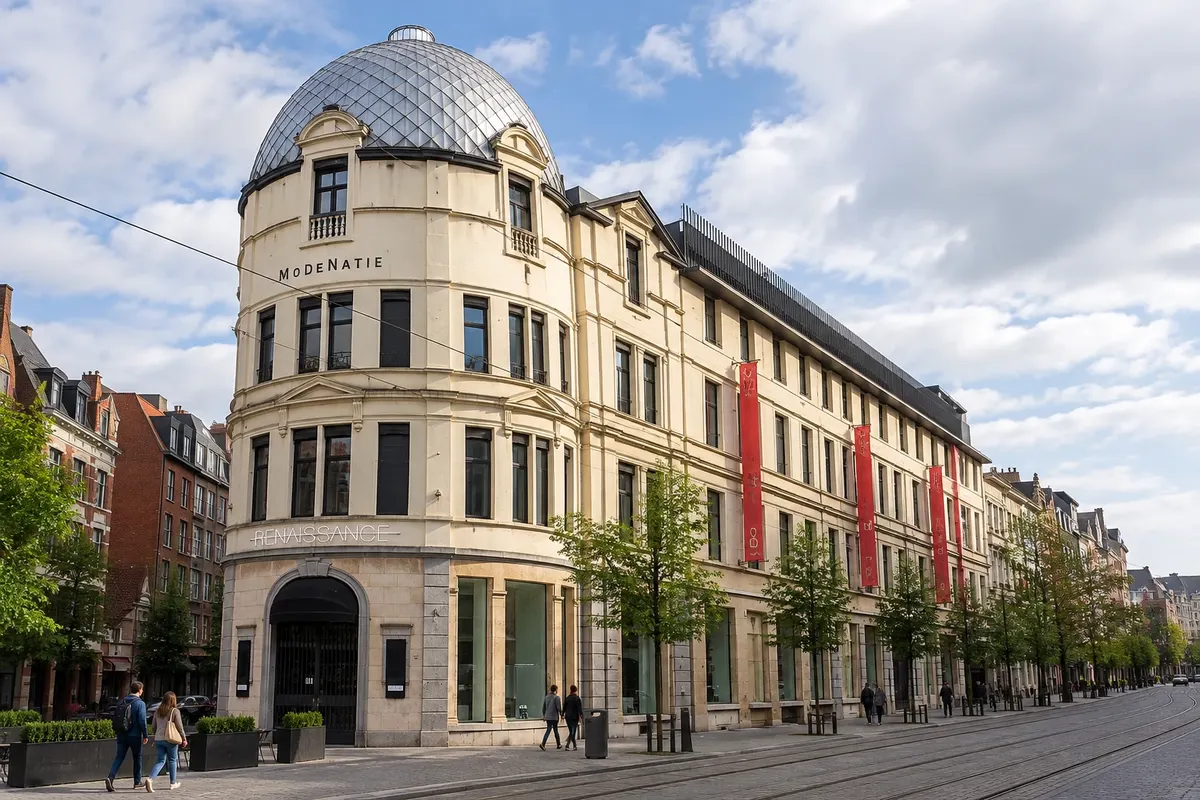
Antwerp's fashion museum, on Nationalestraat, dedicated to Belgian fashion and to designers trained at the city’s Royal Academy of Fine Arts, such as the group known as the Antwerp Six.
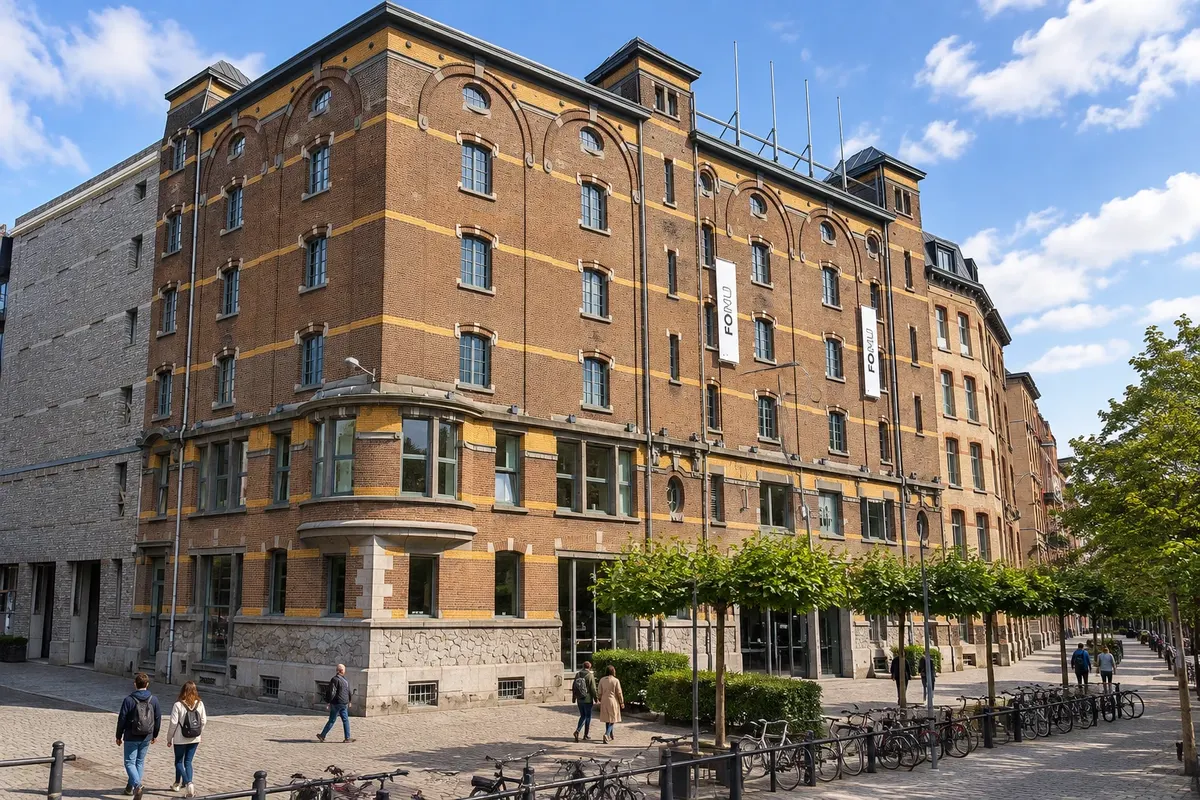
Antwerp photography museum, in a former warehouse on the Waalsekaai in the Zuid district, with exhibitions by Belgian and international photographers and a collection that ranges from early cameras to contemporary photography.
Pred odhodom
Antwerp – Antwerp Destinacija Antwerp and Mechelen Capital
Razdalje so približne. Pred potovanjem preverite lete in vozne rede avtobusov, vlakov ali ladij.
From Brussels there are frequent trains to Antwerpen-Centraal, with a journey of about 40 minutes to 1 hour depending on the type of train. From Brussels airport there is a direct train in about 30 to 40 minutes. From Gante it’s about 50 minutes by train. Confirm before buying.
Two days allow you to see the historic center, the station, the MAS and one or two museums without rushing. With one day, focus on the Grote Markt, the cathedral, Het Steen and the station. With three days, include the KMSKA, Zurenborg and a half-day trip to Mechelen.
From May to September the days are long and the weather is milder, good for walking along the docks and through neighborhoods. From November to February it’s cold, it rains frequently and it gets dark in the late afternoon, but museums hold up well as an option.
The seasons shown are the most usual ones; nature doesn't always follow the calendar.
No. The center is compact and walkable, and the tram and premetro cover the more distant neighborhoods like Zuid and Zurenborg. The center has a low-emission zone and parking is difficult. For going to Mechelen, Brussels or Gante, the train is more practical than a car.
Predlog poti
Pot povezuje znamenitosti na tej strani. Za oglede boste imeli dovolj časa.
Start at the hall of Antwerpen-Centraal station and the view of the layered platforms. Walk along the Meir, the shopping street, on foot to the historic center.
See Rubens’s paintings in the Onze-Lieve-Vrouwekathedraal, pass by the Grote Markt and the Brabofontein and visit the Museum Plantin-Moretus at the Vrijdagmarkt.
Walk down to Het Steen on the banks of the Escalda, and stroll along the river to the Eilandje. Ride the MAS escalators up to the panoramic terrace.
Dine at one of the restaurants on the docks of the Eilandje or return to the streets around the cathedral, with the façades lit up.
Dan 1
Visit Antwerpen-Centraal station and walk along the Meir to Groenplaats, with a view of the cathedral tower.
Enter the cathedral to see Rubens, head to the Grote Markt and finish at Het Steen, with the Antwerp Story exhibition and the terrace overlooking the river.
Walk along the banks of the Escalda to the MAS and enjoy the view from the terrace at the end of the day.
Stay for dinner at the Willemdok and Bonapartedok docks, in former warehouses converted into restaurants.
Dan 2
Spend the morning visiting the presses, the library and the rooms of the Museum Plantin-Moretus.
Walk or take the tram to the KMSKA in the Zuid neighborhood to see Van Eyck, Rubens and Ensor. Take a break at a café on one of the neighborhood squares.
Take the tram or train to Berchem and walk along Cogels-Osylei and Waterloostraat, among art nouveau houses.
End the day at one of the tables on Dageraadplaats, the square frequented by Zurenborg residents.
Check before you go. Opening hours and days change, and places may close for renovations, holidays or events. This itinerary is a suggestion from Cidade Turismo, not a commitment: plan yours by checking directly with each place you intend to visit.
Pred odhodom
Flemish, the Dutch spoken in Belgium. In museums, shops and restaurants in the center, English is widely understood. French is used less than in Brussels.
At the Onze-Lieve-Vrouwekathedraal, which houses four of his paintings, at the KMSKA and at the Museum Plantin-Moretus, which holds portraits of the Moretus family painted by him.
Yes. Mechelen is about 20 minutes by train, Brussels less than 1 hour and Ghent about 50 minutes.
It's the area next to Antwerpen-Centraal station where the city's diamond trade is concentrated, with many jewelry shops on the nearby streets.
On foot in the historic center. For Zuid, Zurenborg and the Eilandje, use the tram and premetro, which also depart from the central station.
Več kot vodnik