Bruges and the coast

West Flanders · Belgija

Bruges and the coast

Medieval Bruges, with canals and the Belfort, the village of Damme at the end of a poplar-lined canal and the North Sea at Ostende — all close by train, bicycle or tram.

Flanders

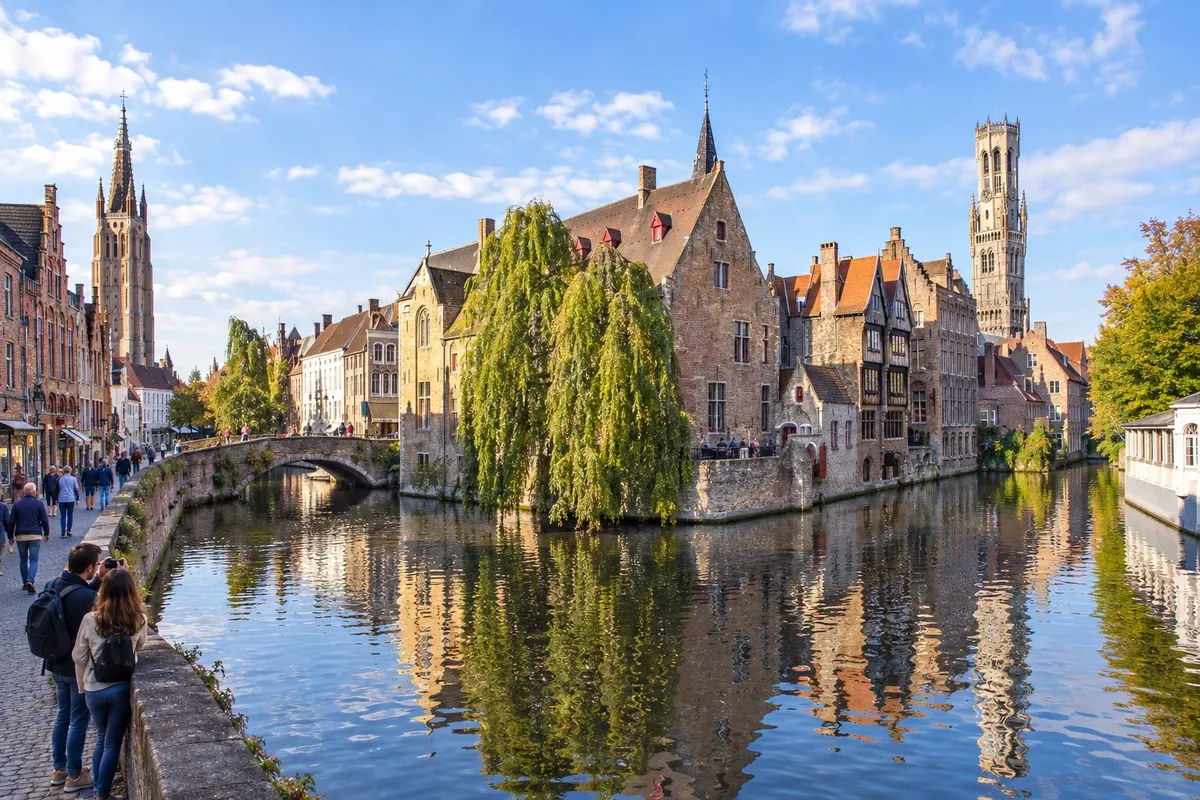
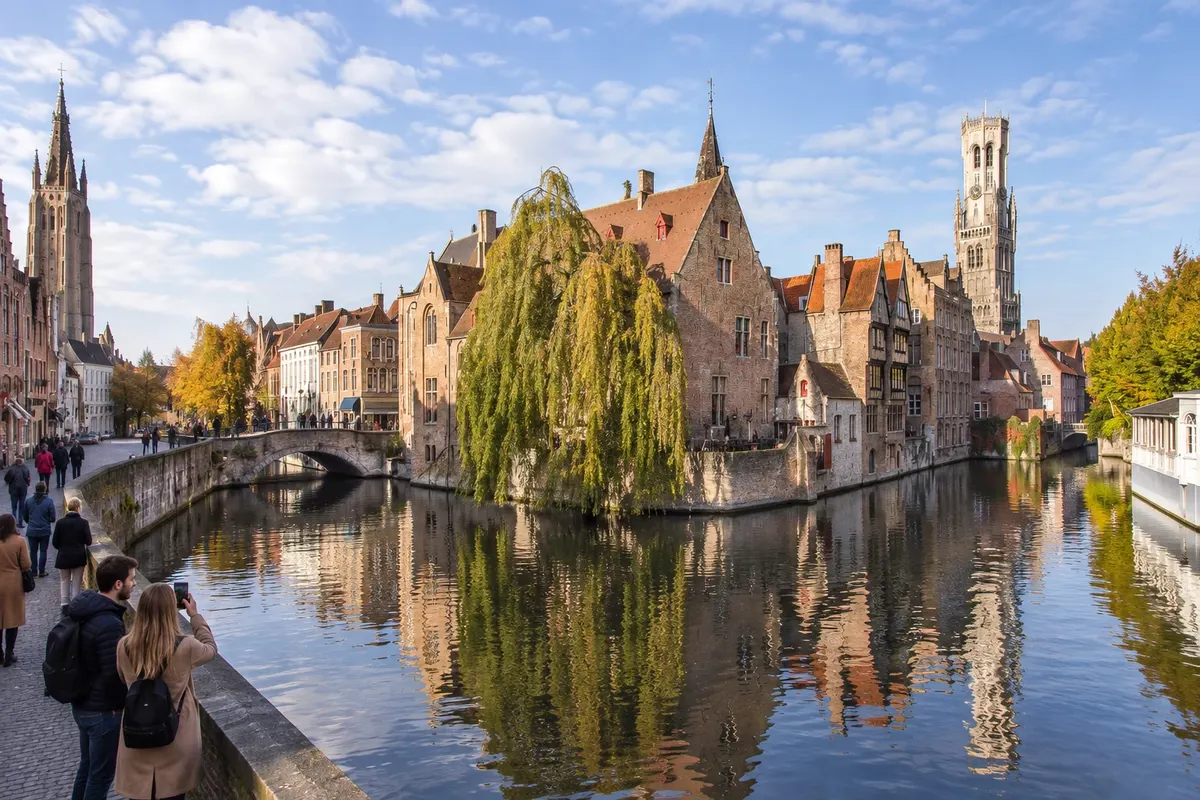
Na fotografiji: Rozenhoedkaai of Bruges

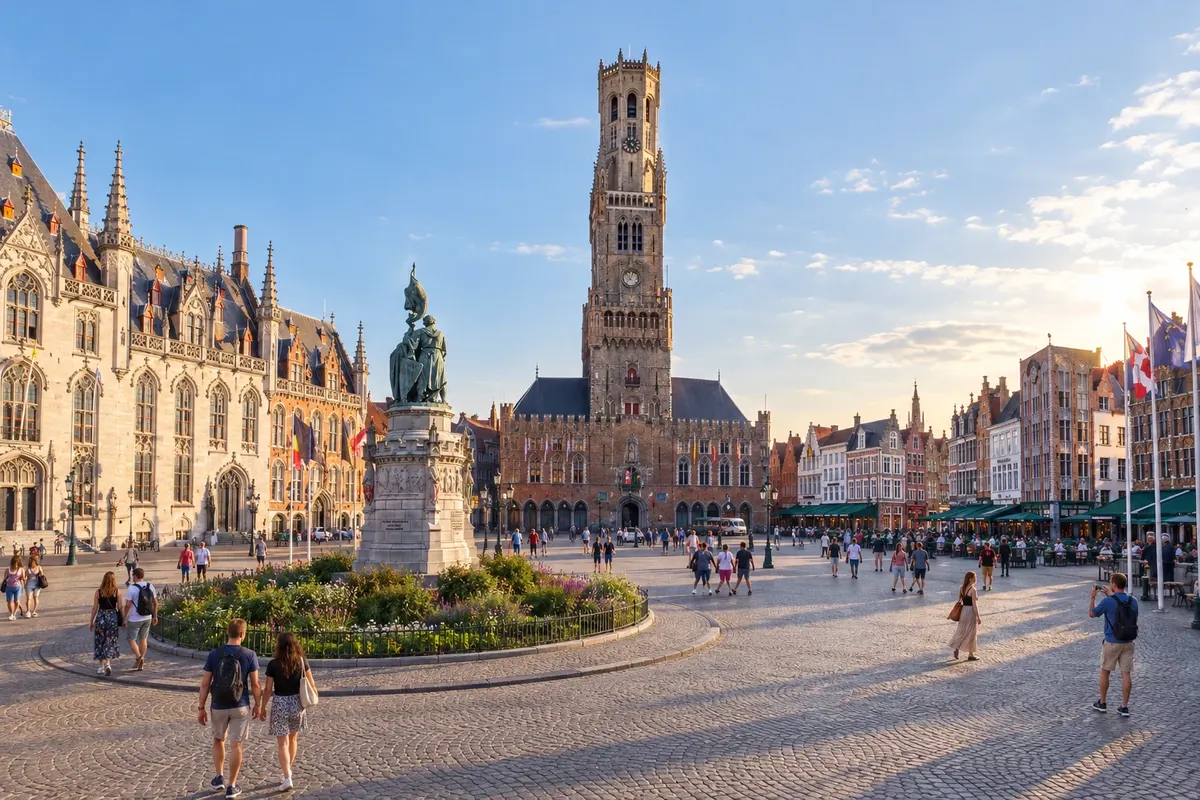
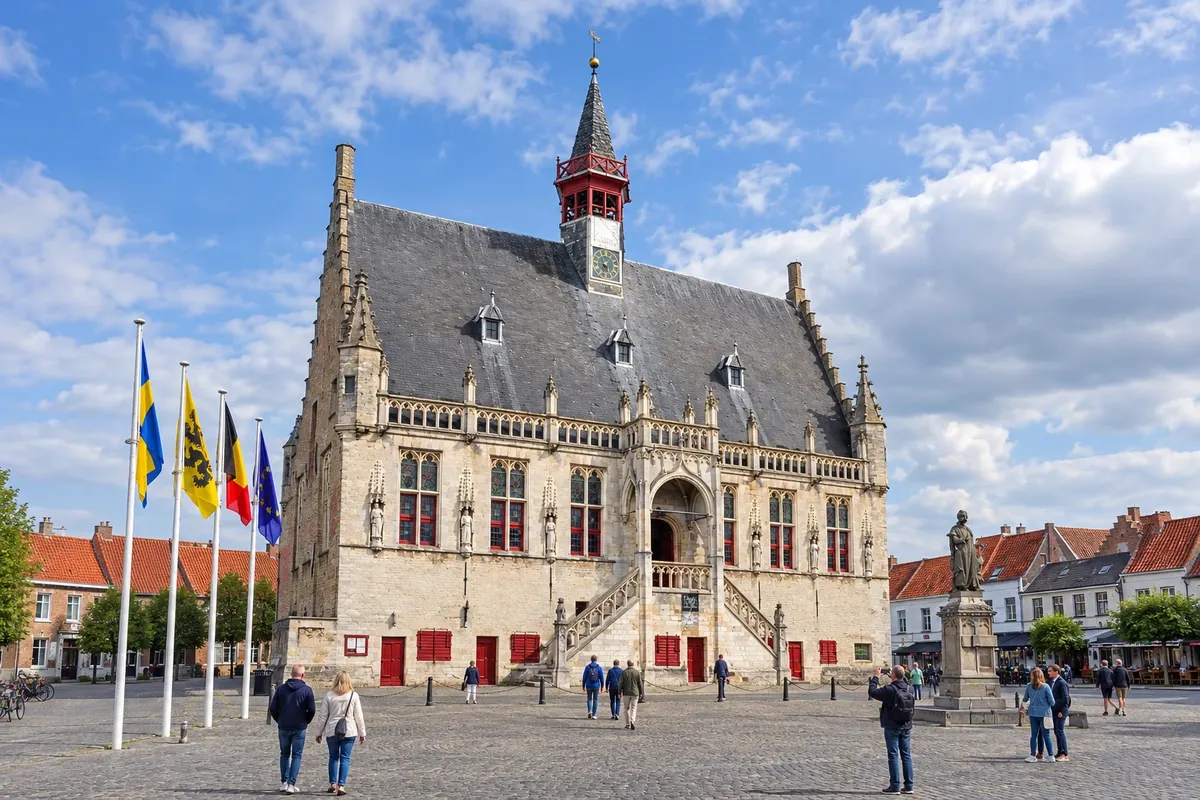
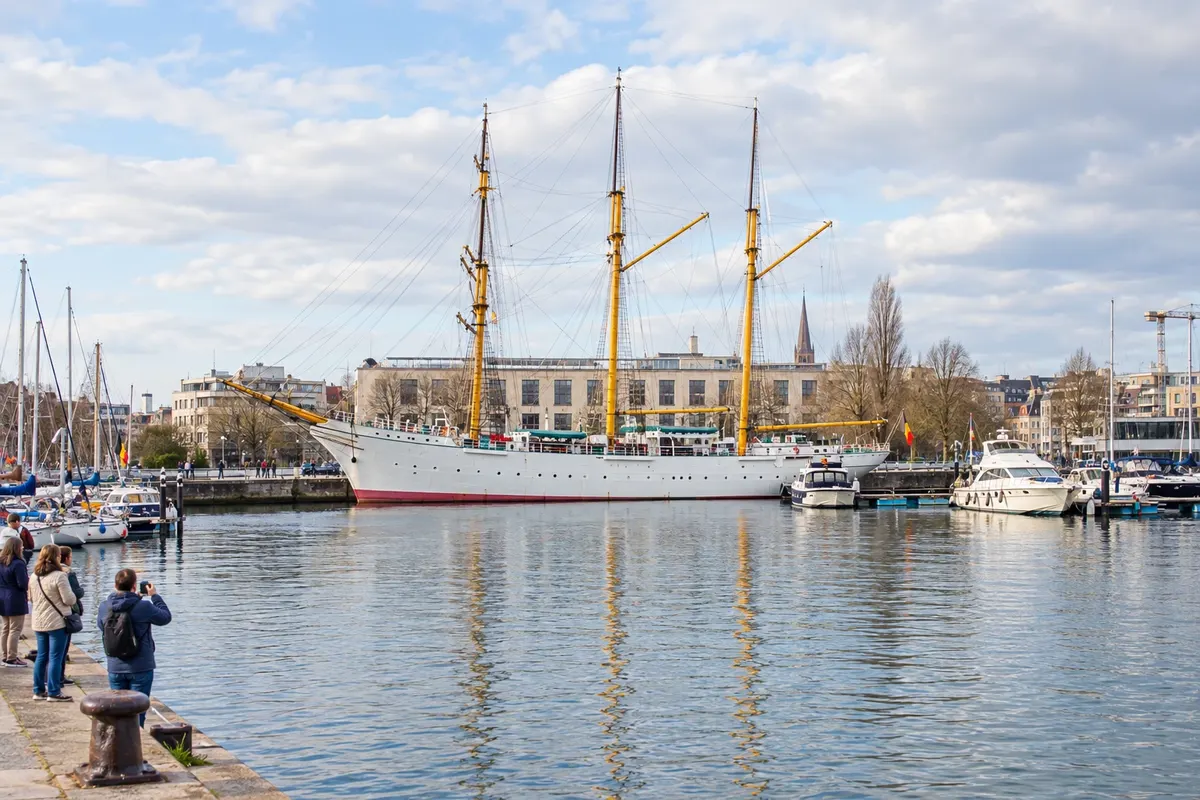
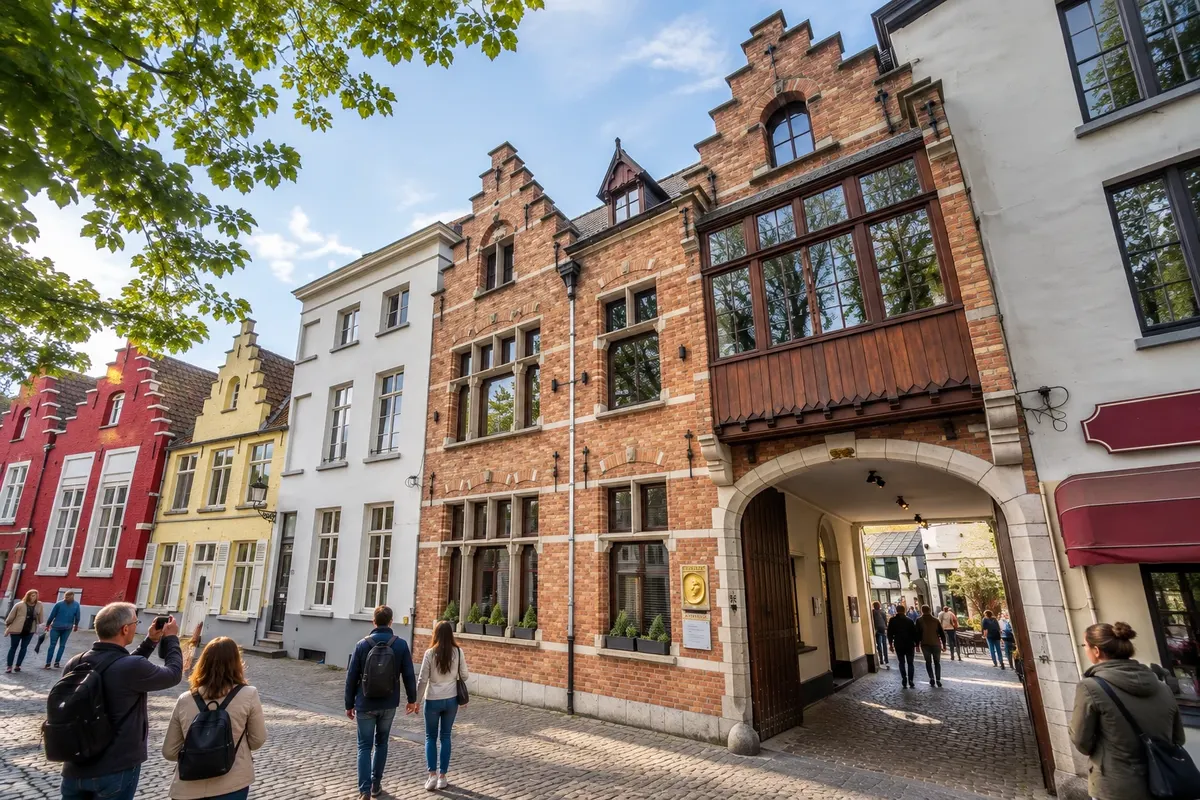
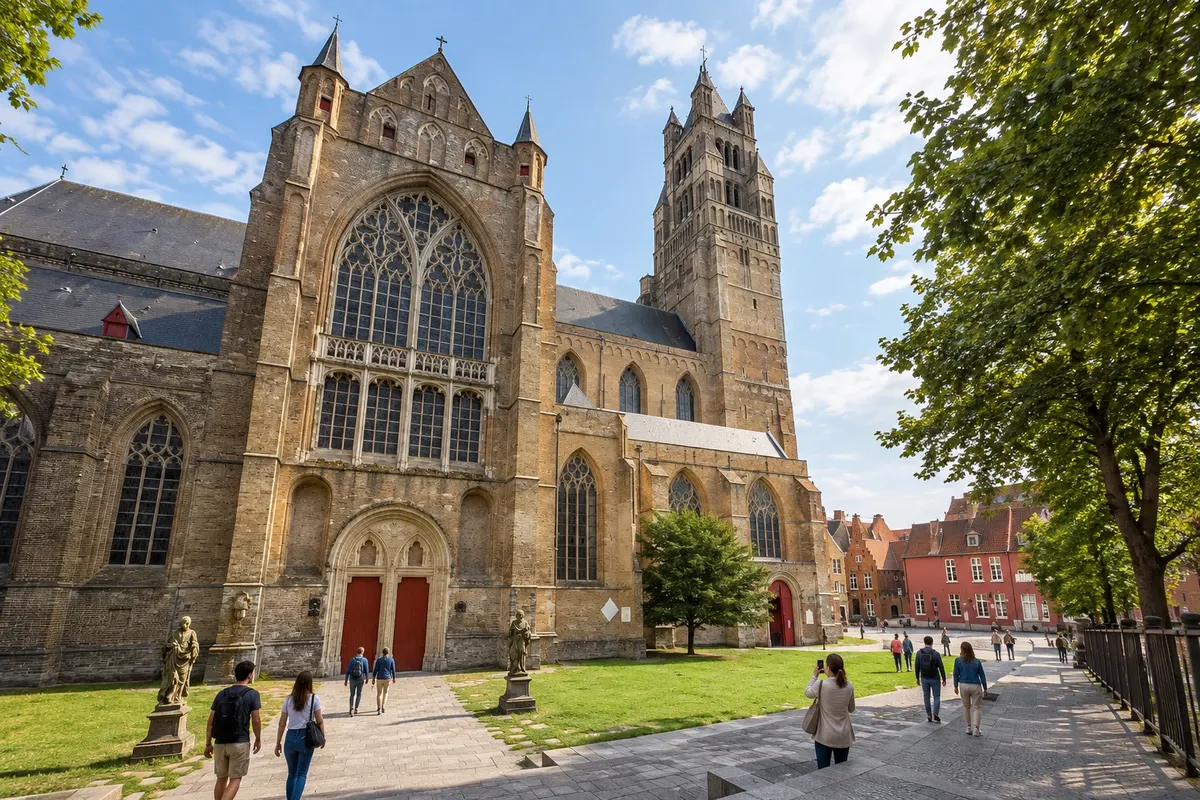
Illustrative images. The pictures in this guide are illustrations based on the real place, not photographs, and may differ from it.

Na voljo v trgovini Google Play Pošljite svoje fotografije

Spoznajte kraj

Pokrajina, ki jo doživite
v svojem ritmu.

Bruges is the capital of West Flanders, in northwest Belgium, about an hour by train from Brussels. Throughout the region people speak Flemish, the Dutch spoken in Belgium. English is usually understood in shops, museums and restaurants in the center.

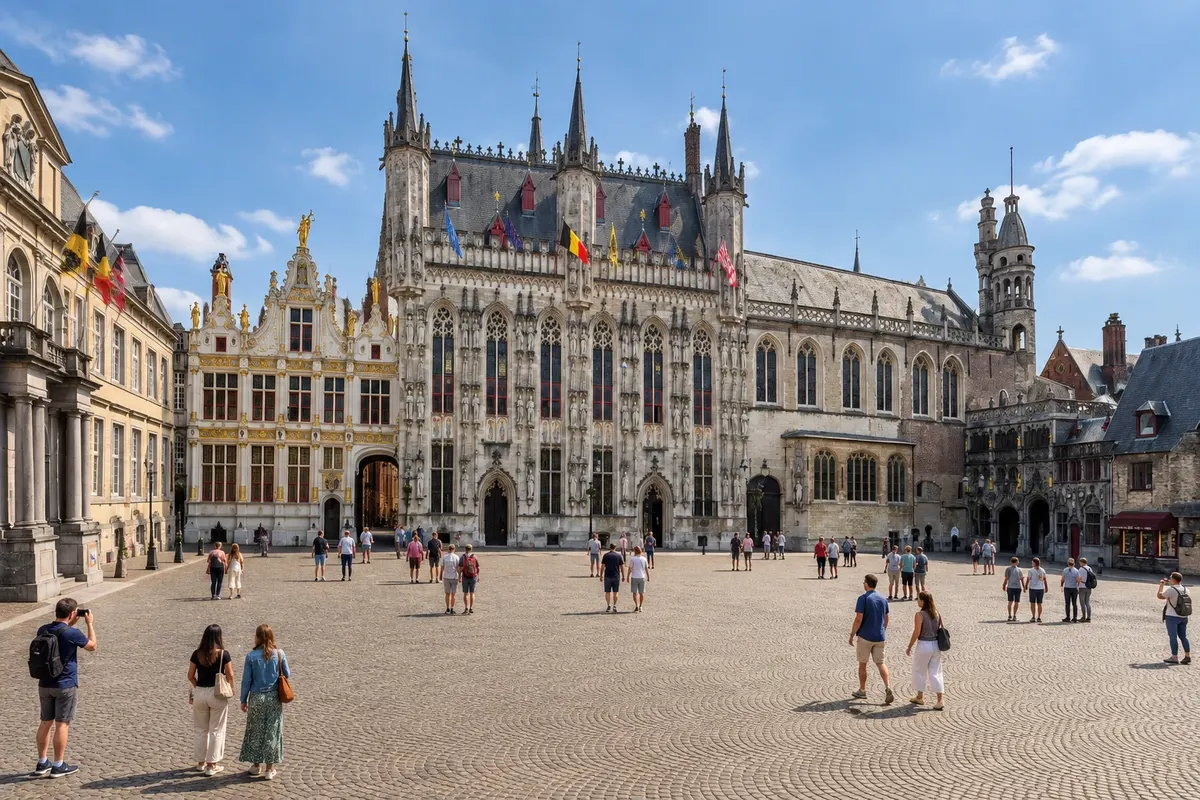
The historic center of Bruges has been a UNESCO World Heritage Site since 2000. The city grew wealthy from the cloth trade in the Middle Ages and declined when the Zwin, the sea arm that connected it to the coast, began silting up from around 1500. That is why the traveler finds the medieval houses to walk among: the Markt square with the Belfort, the Burg square with the Basílica do Sangue Sagrado, the canals and the Begijnhof.

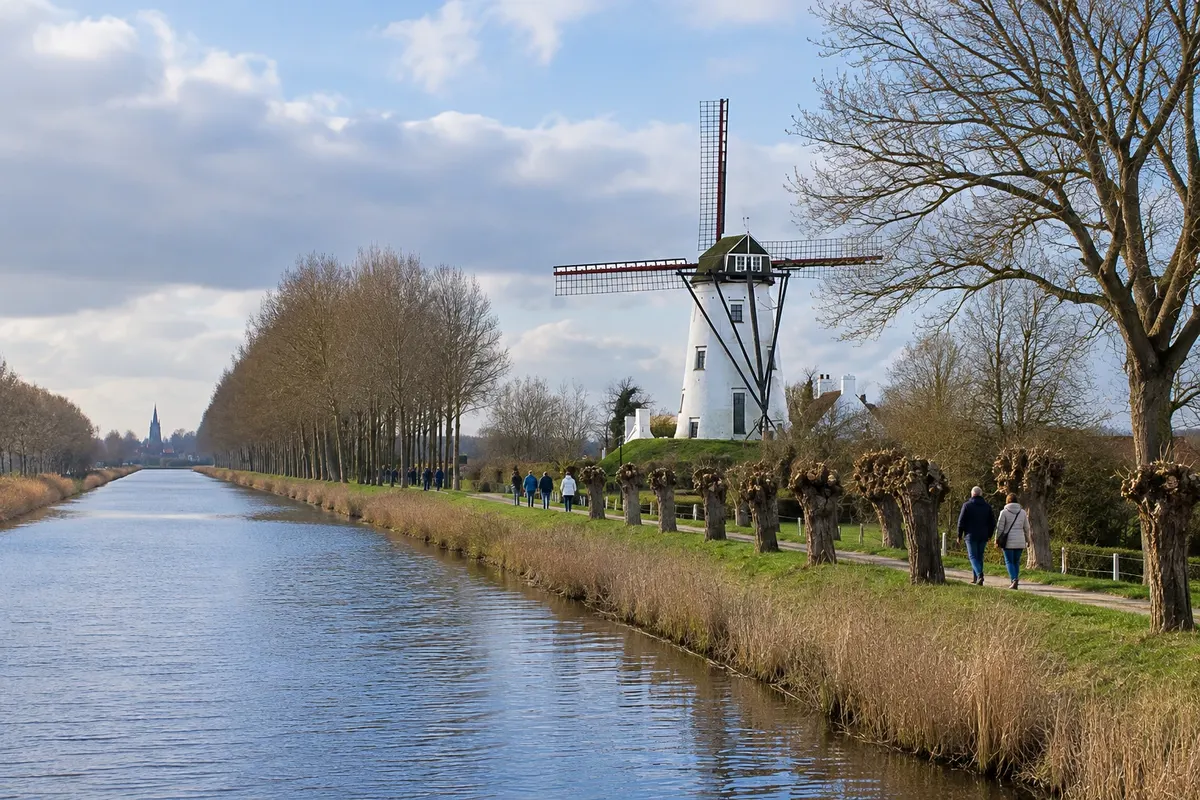
A few kilometers from Bruges, Damme was Bruges’ port in the 13th century. The village is reached along the Damse Vaart canal, by bicycle or on foot, and preserves the Gothic town hall on the square and the tower of the church of Nossa Senhora.

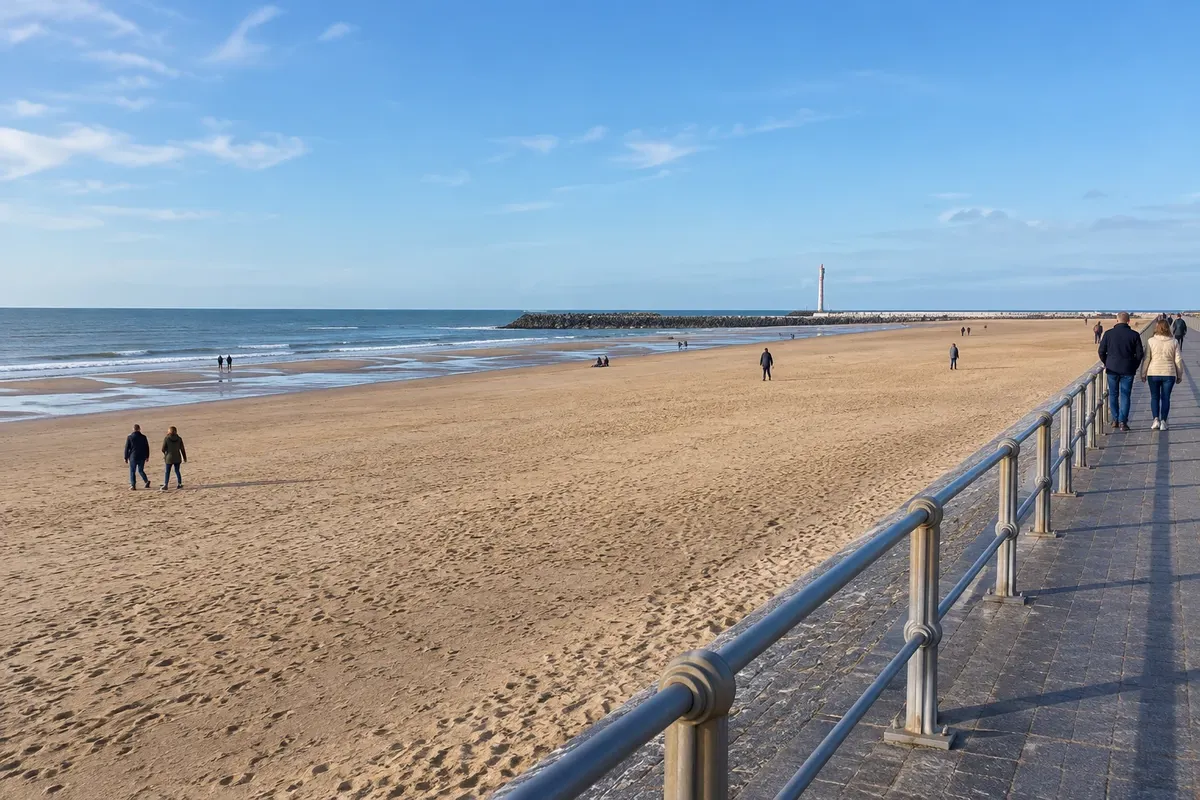
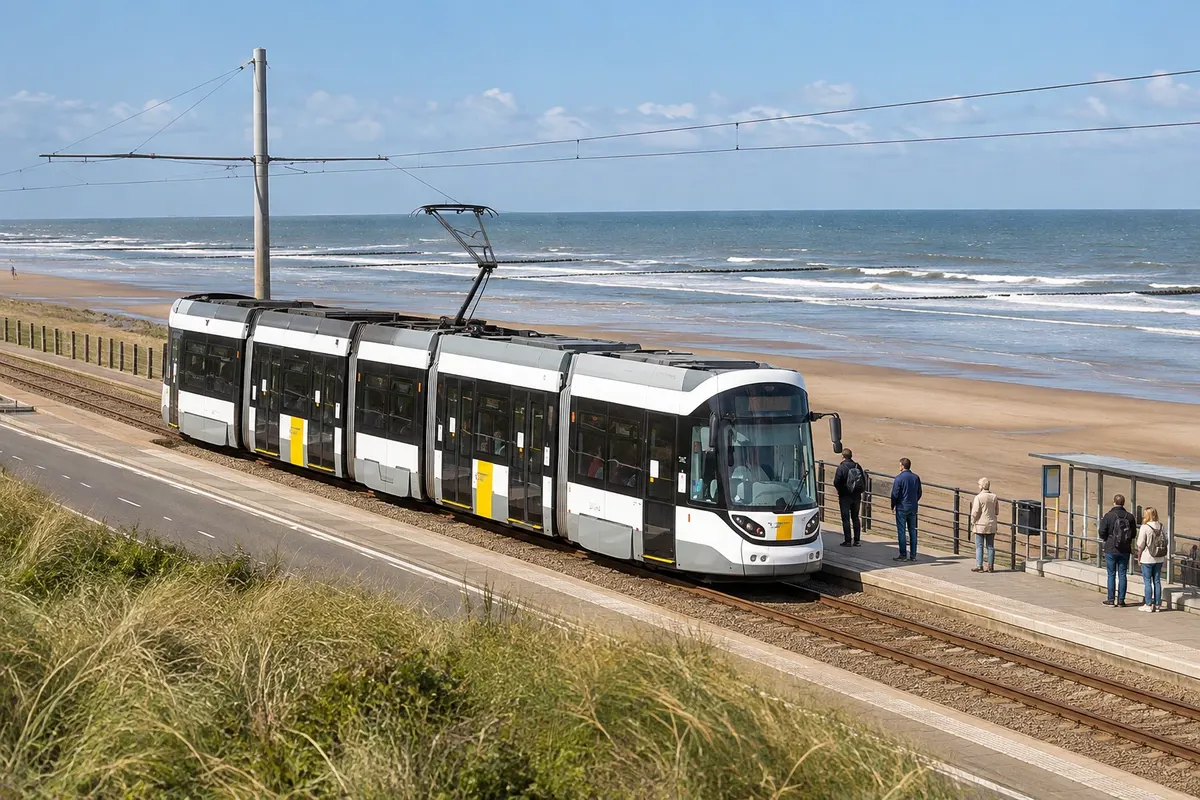
Ostende lies on the coast, a few minutes by train from Bruges. There you find the Zeedijk promenade overlooking the beach, Fort Napoleon, the open-air museum of the Muralha do Atlântico in Raversyde and the Kusttram, the tram that runs the entire Belgian coast from Knokke-Heist to De Panne.

This destination brings together 8 cities: Bruges, Damme, Ostend, De Panne, De Haan, Blankenberge, Knokke-Heist, Nieuwpoort.

Delite: WhatsApp
Delite svoja popotniška doživetja s fotografijami Pošljite fotografije vsakega kraja, ki ste ga obiskali. Največje število fotografij na kraj: 5.

Ena destinacija, več poti

Mesta na tej poti

Začnite v enem mestu ali v načrt poti vključite več mest.

Bruges and the coast – lega
Knokke-HeistNieuwpoortBrugesOstendeDe PanneDe HaanBlankenbergeDamme

Obrisi: © NGI-IGN, AdminVector, CC BY 4.0. Priredba: Cidade Turismo.

Kako do tja:Bruges and the coast

Confirm before booking. From Brussels, direct trains reach Bruges in about an hour and continue to Ostende. Damme is reached from Bruges by road or via the canal cycle path.

Predlagana točka prihoda:Bruges

Ostend
Flandres Ocidental · Bruges and the coast

Ostend

The largest city on the Belgian coast, Ostende speaks Flemish, the Dutch spoken in Belgium. It became a seaside resort in the 19th century with kings Leopoldo I and Leopoldo II. The Zeedijk promenade runs along the beach, the neo-Gothic church of São Pedro e São Paulo marks the center, and Fort Napoleon lies by the port. To the west, Raversyde holds bunkers of the Muralha do Atlântico, and the Kusttram takes you to the other beaches along the coast.

Praznovanja in dogodki

Praznovanja – vBruges and the coast

Datumi se vsako leto spreminjajo. Pred potovanjem preverite letošnji datum.

Koledar praznovanj – in Belgija

Doživite kraj

Kaj početi – Bruges and the coast

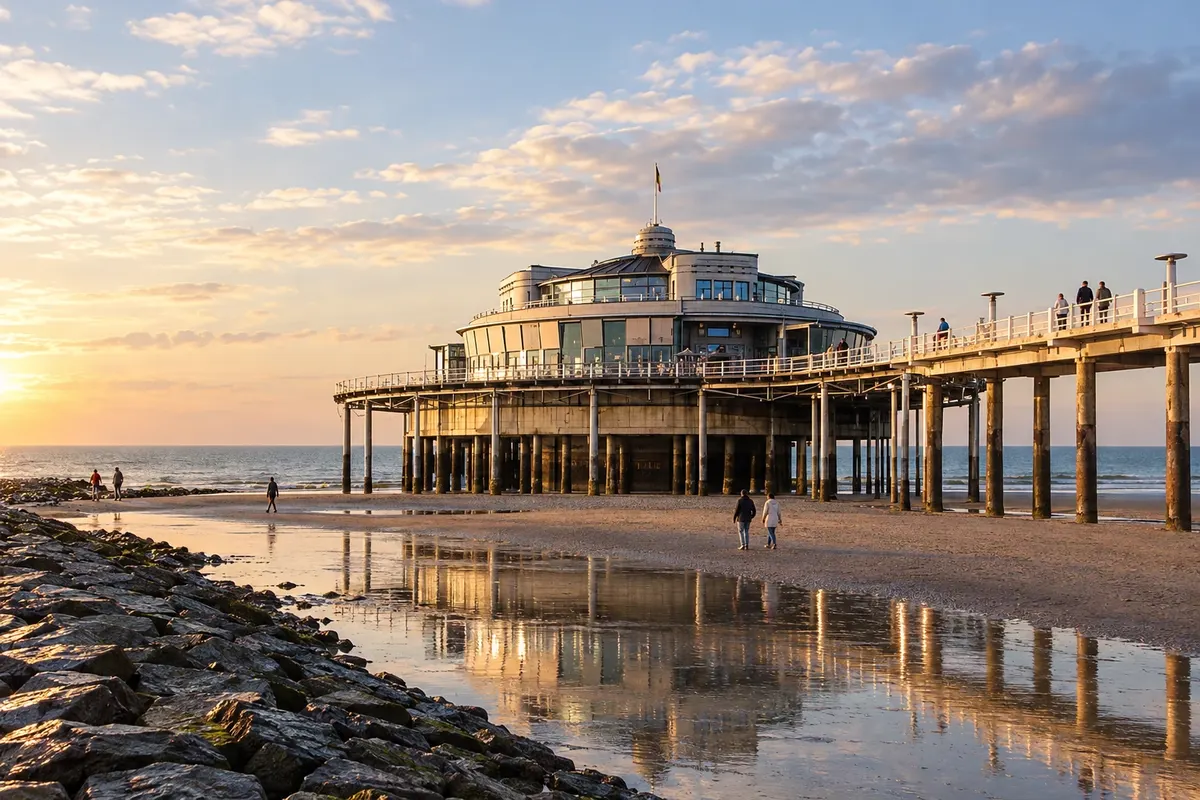
Belgium Pier
Blankenberge · West Flanders · Monument

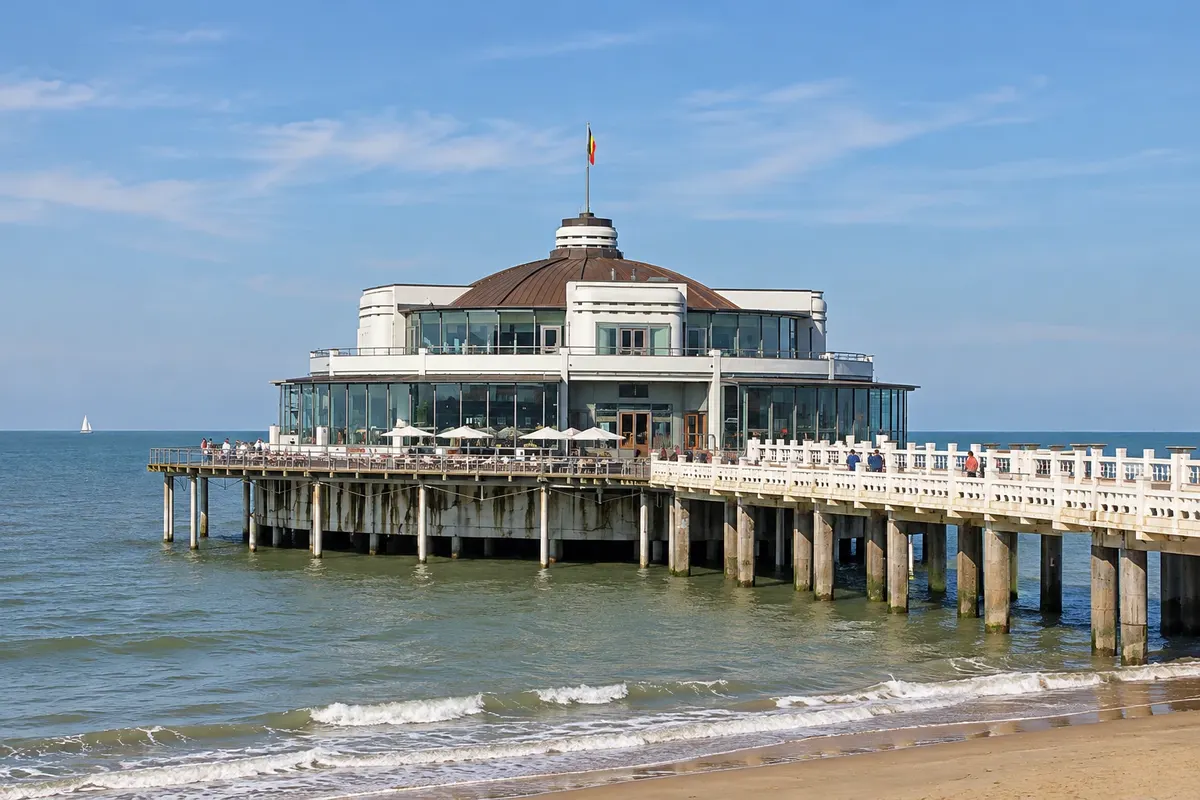
Belgium Pier

Art-déco concrete pier from 1933, extending 350 metres into the North Sea from Blankenberge's promenade, successor to the iron pier of 1894, the first of that size on the European continent.

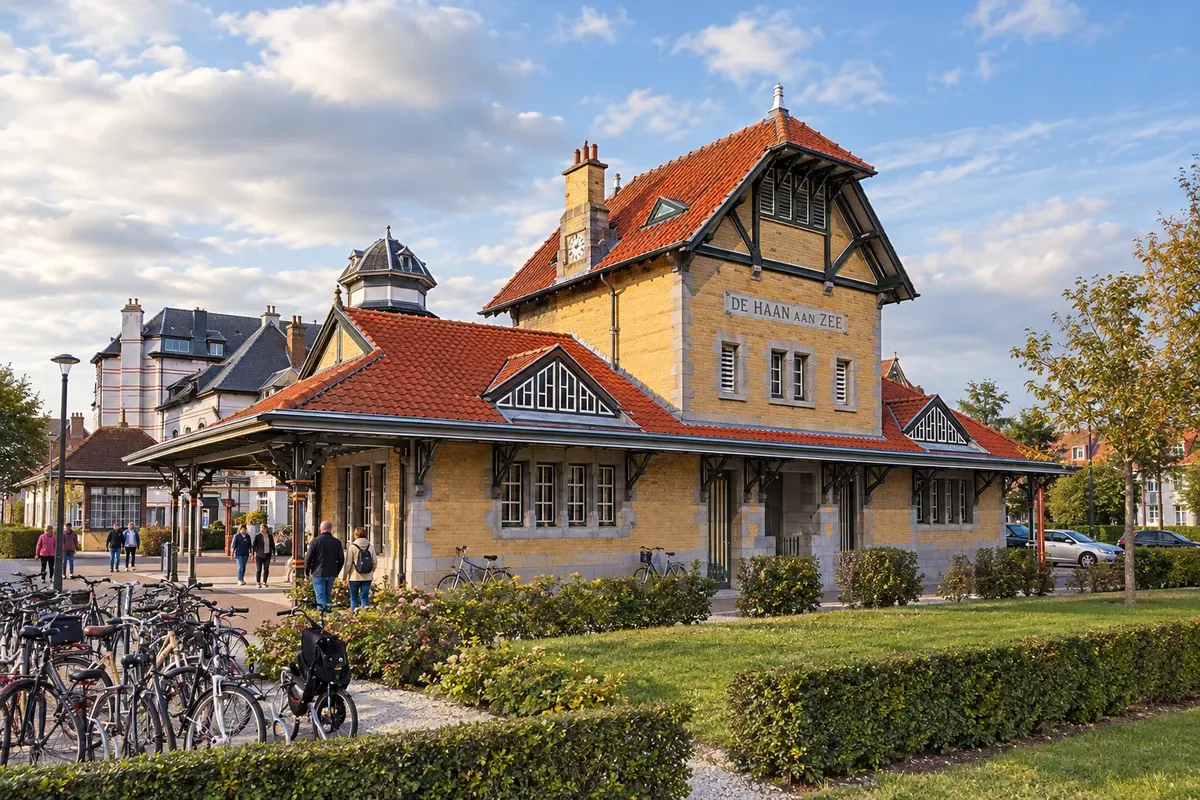
Concessie (Belle Époque district)
De Haan · West Flanders · Zgodovinska mestna četrt

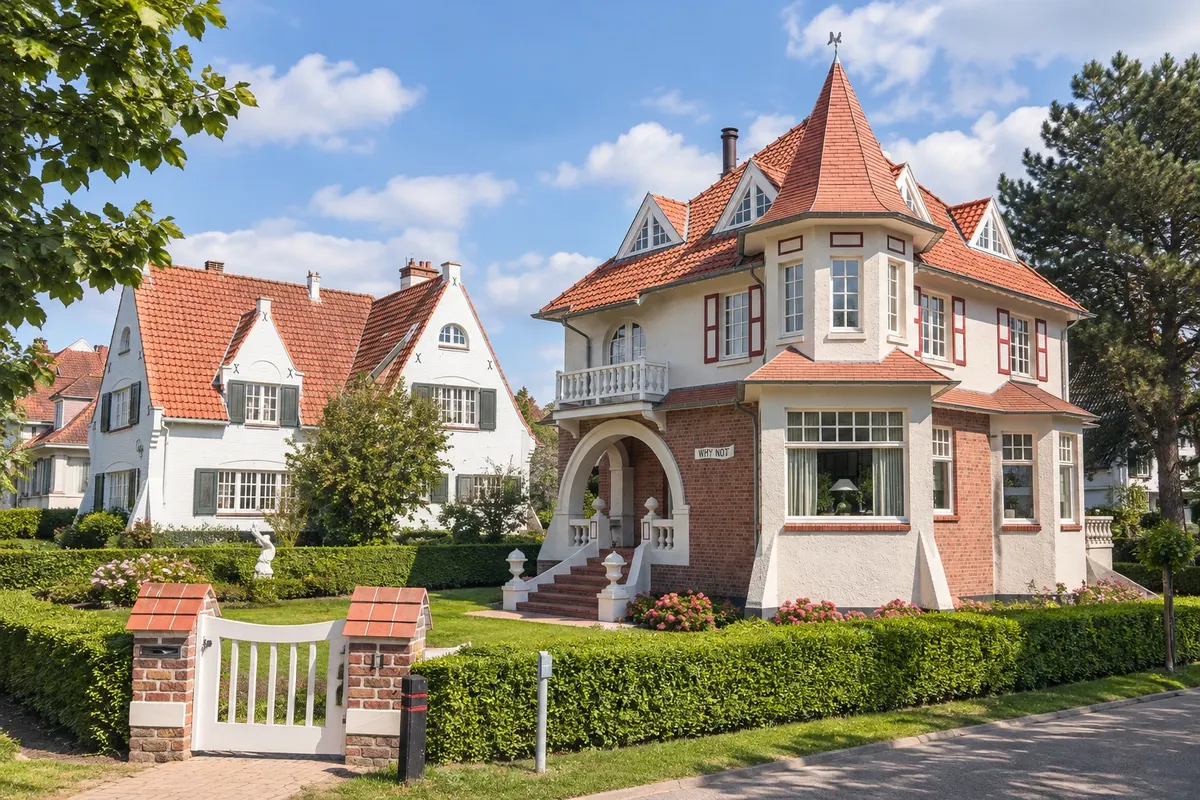
Concessie (Belle Époque district)

The original neighborhood of De Haan, planned at the end of the 19th century among the dunes, with curved streets, Anglo-Norman and Belle Époque style houses, gardens and the tram pavilion De Haan aan Zee.

De Westhoek (Nature Reserve)
De Panne · West Flanders · Naravni rezervat

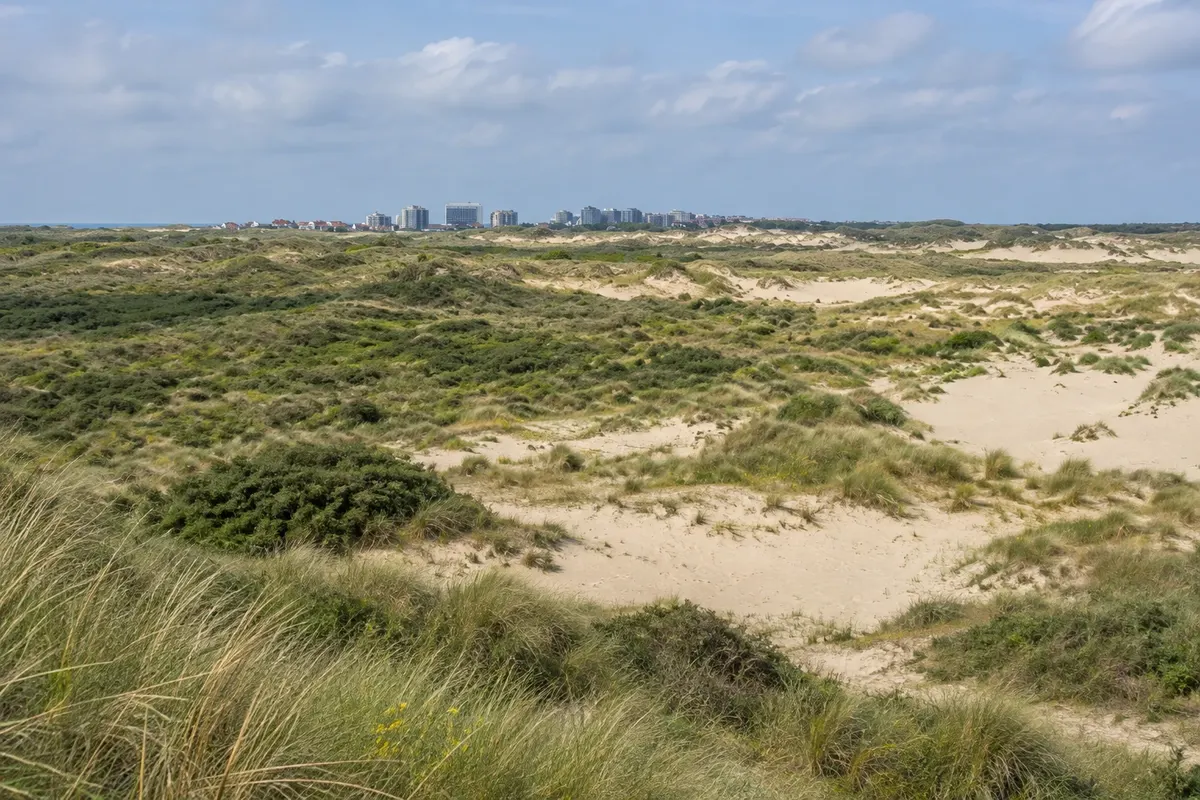
De Westhoek (Nature Reserve)

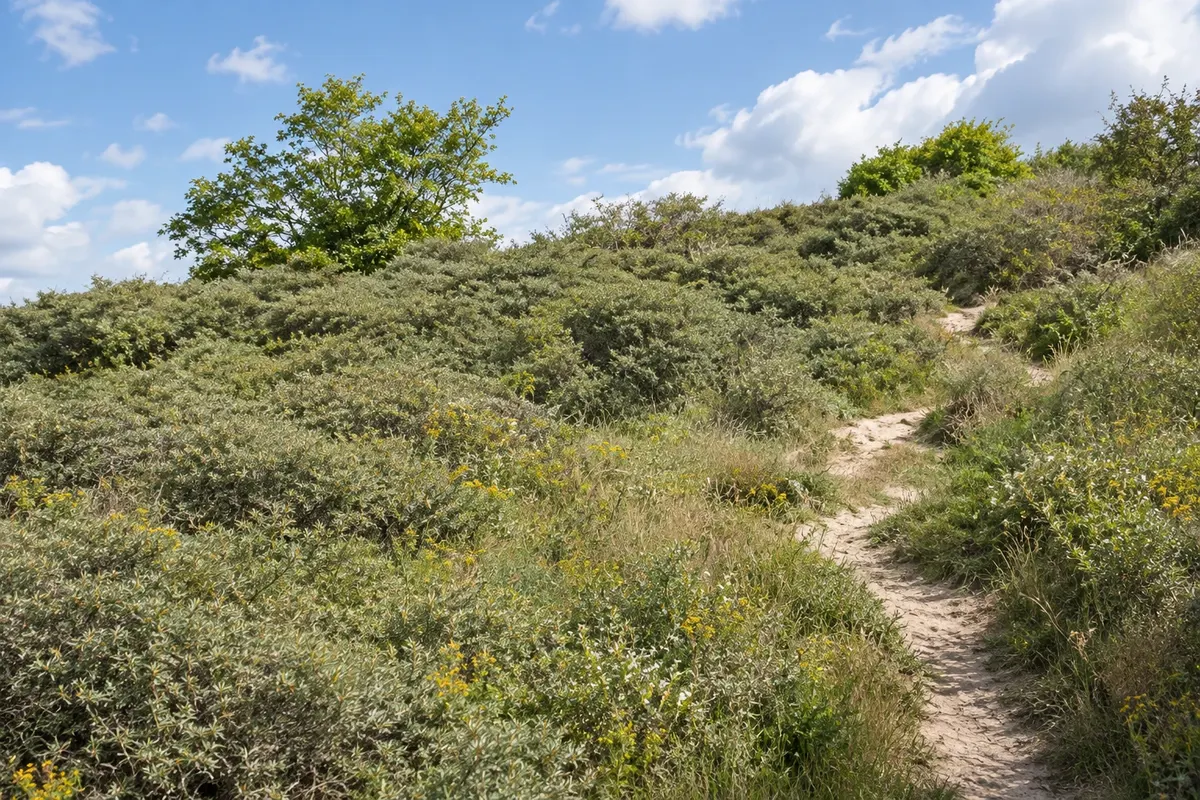
A dune reserve of about 340 hectares between De Panne and the French border, the oldest state nature reserve in Flanders, featuring moving white dunes, wet hollows and waymarked trails.

Markt (Den Bosch Market Square)
Bruges · West Flanders · Trg

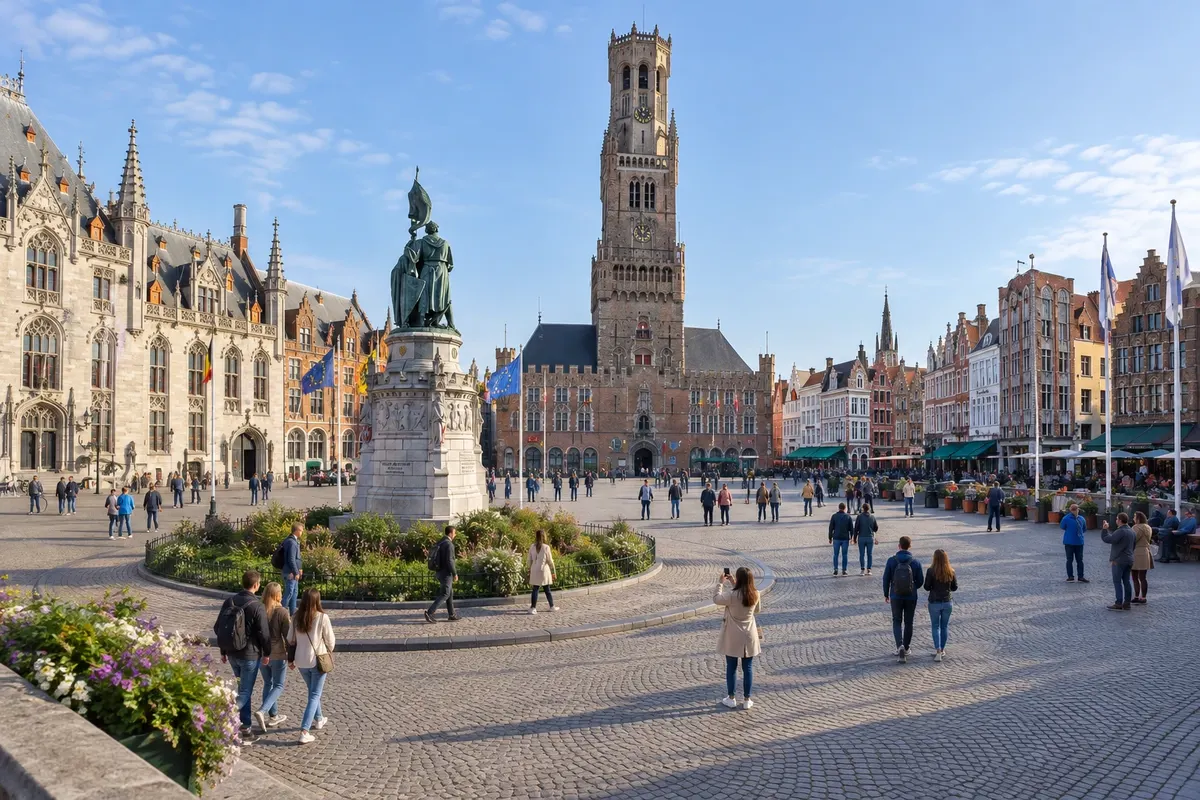
Markt (Den Bosch Market Square)

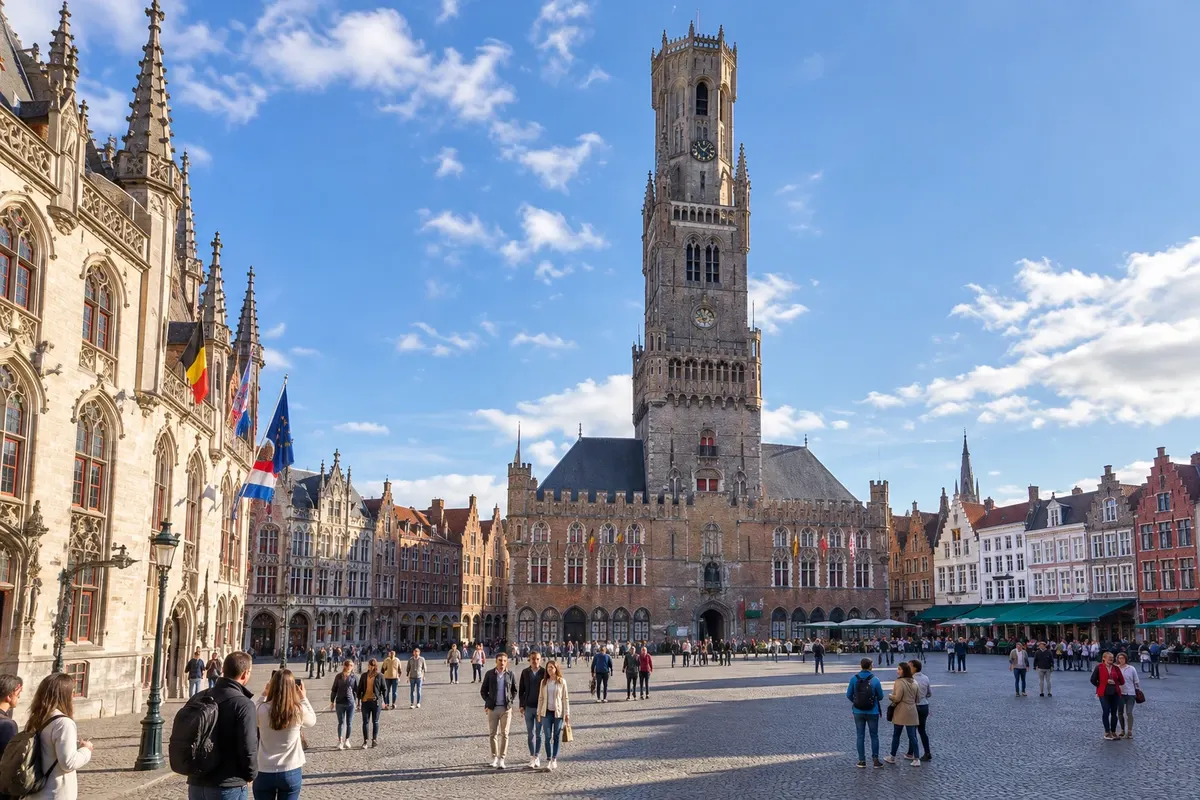
The central square of Bruges, lined with houses with stepped gables, overlooked by the Belfort and the neo-Gothic provincial palace. Starting point for nearly all walking tours.

Bruges and the coast – prikaži dodatne kraje (39)
Stadhuis van Damme (Damme Town Hall)
Damme · West Flanders · Monument

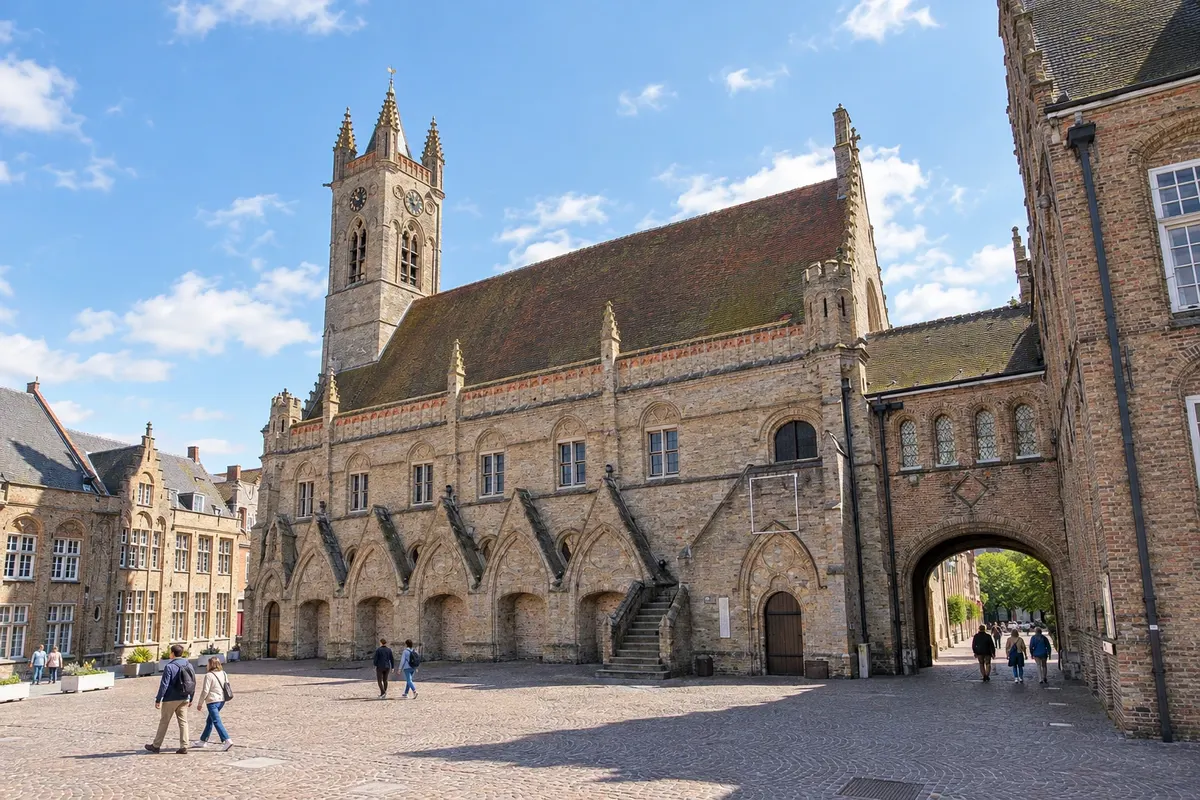
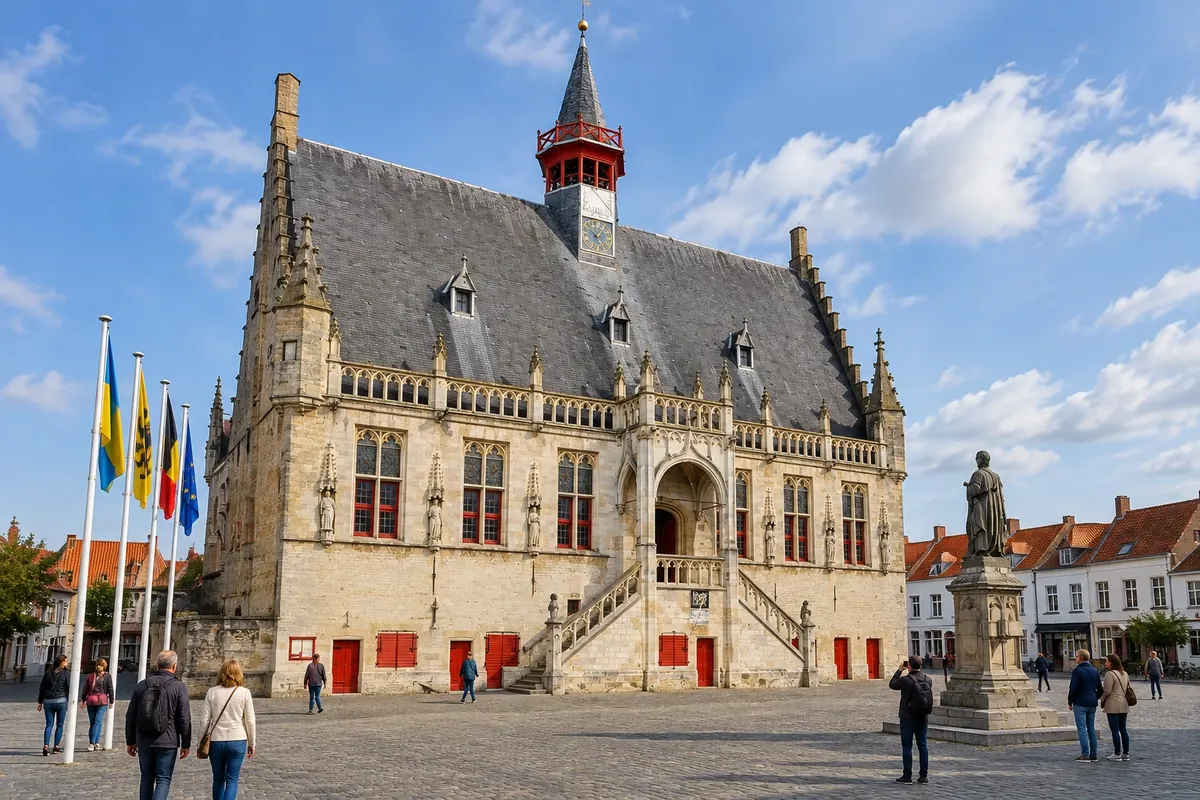
Stadhuis van Damme (Damme Town Hall)

Gothic town hall completed in 1464 in Damme's central square. In front of it, the statue of the medieval poet Jacob van Maerlant.

King Albert I Monument
Nieuwpoort · West Flanders · Museum and monument

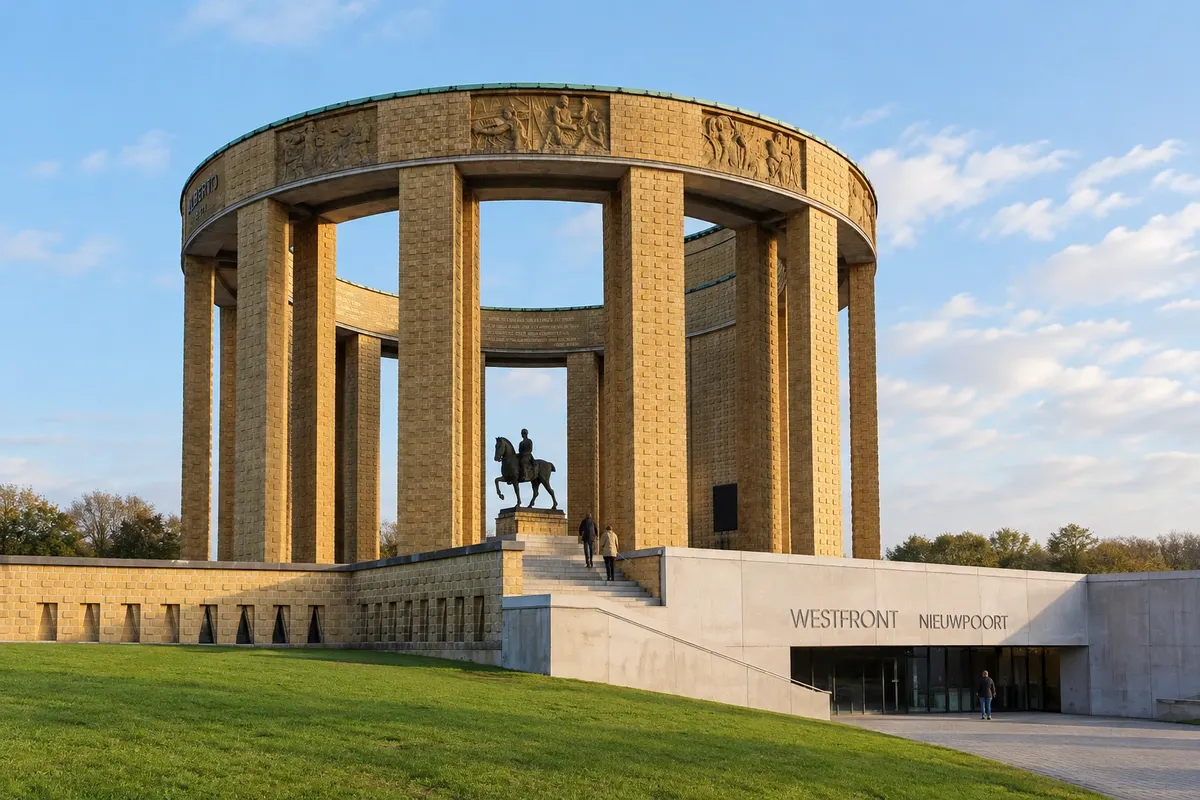
King Albert I Monument

Visitor centre beneath the monument to King Albert I, beside the Ganzepoot sluices. It tells the story of the 1914 flooding of the IJzer plain and has an upper gallery with views over the polder.

Zeedijk (Albert I Promenade)
Ostend · West Flanders · Plaža

Zeedijk (Albert I Promenade)

Ostende's seaside promenade atop the dyke, with a sandy beach on one side and buildings, cafés and the Kursaal on the other. It passes the Venetiaanse Gaanderijen and the statue of Leopoldo II.

Zwin Nature Park
Knokke-Heist · West Flanders · Naravni rezervat

Zwin Nature Park

Nature reserve in the former Zwin inlet, on the border with the Holanda, featuring a tidal plain, dunes, a visitor centre, viewpoint, stork nests and trails for birdwatching.

Ghent Belfry
Bruges · West Flanders · Monument

Ghent Belfry

13th-century tower on the Markt, 83 metres high with 366 steps to the top. Along the way you pass the medieval treasury room and the carillon of 47 bells; from up there you can see the whole city.

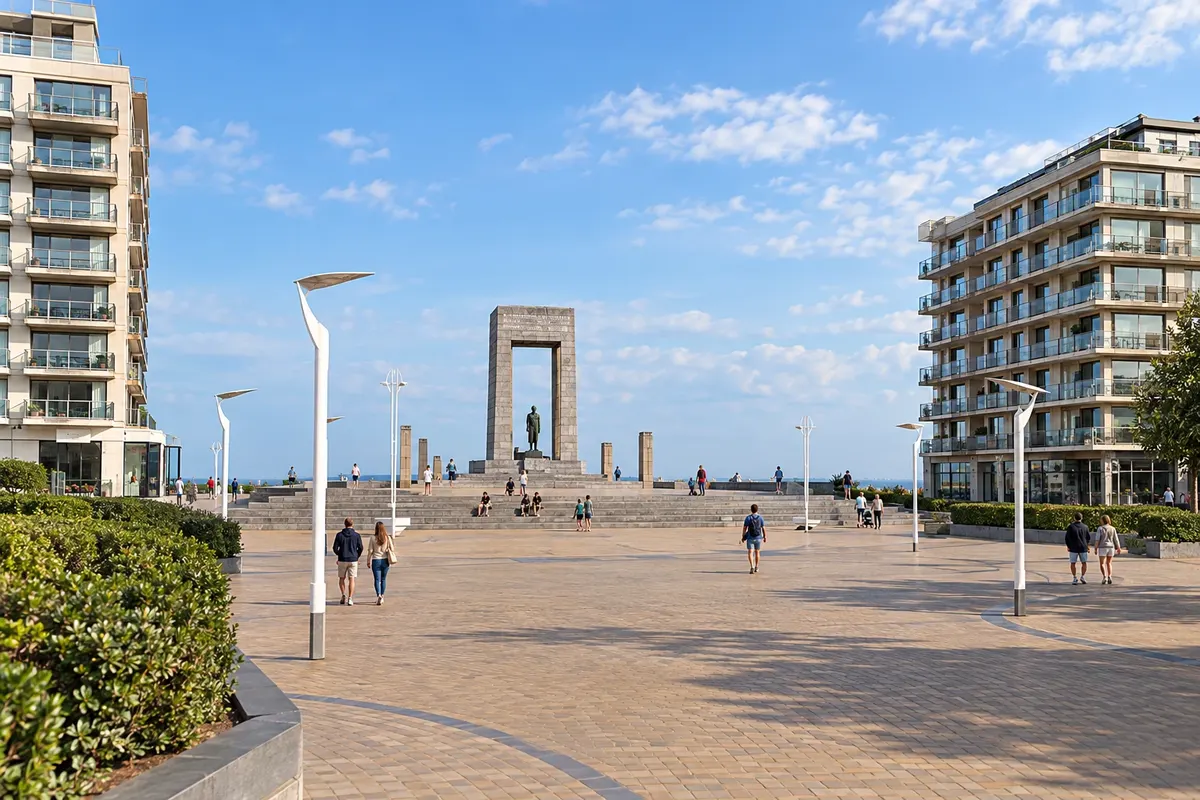
Leopold I Esplanade and De Panne Beach
De Panne · West Flanders · Plaža

Leopold I Esplanade and De Panne Beach

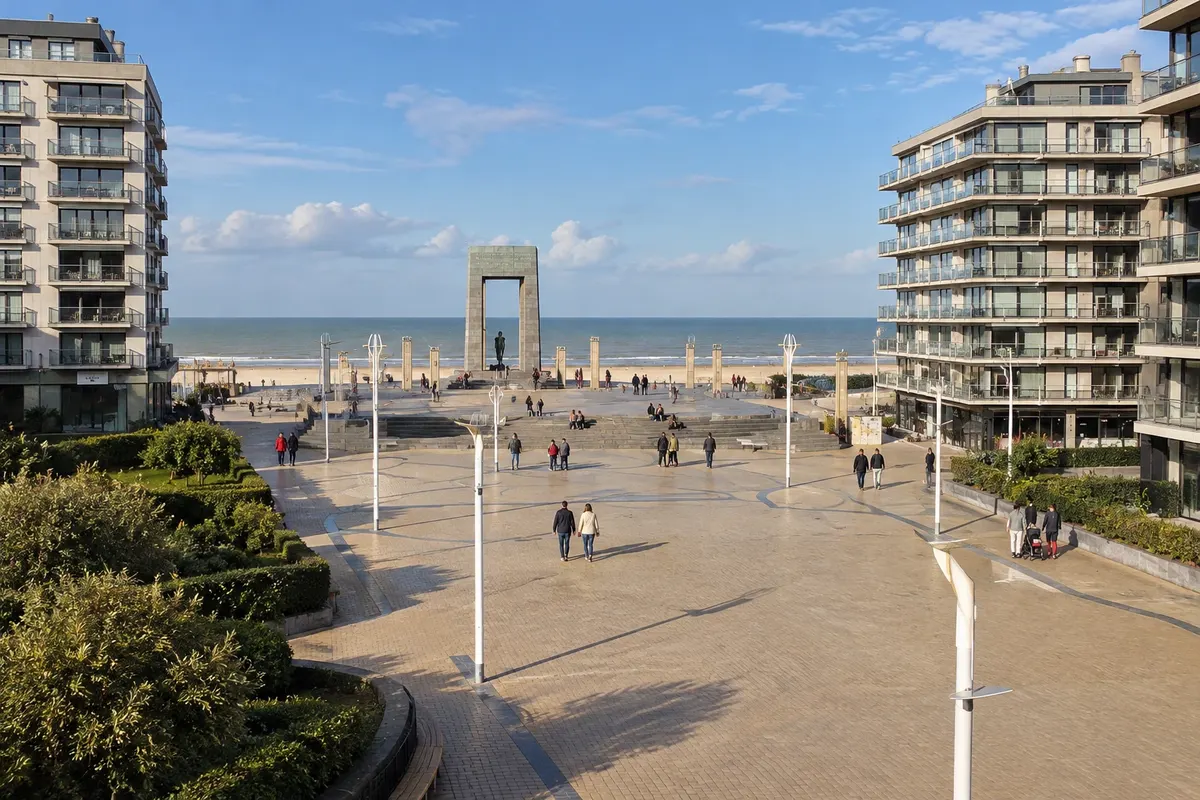
De Panne’s waterfront, with the Esplanada Leopoldo I and the monument to Belgium’s first king, who landed there in 1831, and the wide beach where sand yachts race at low tide.

Het Zoute
Knokke-Heist · West Flanders · Neighborhood

Het Zoute

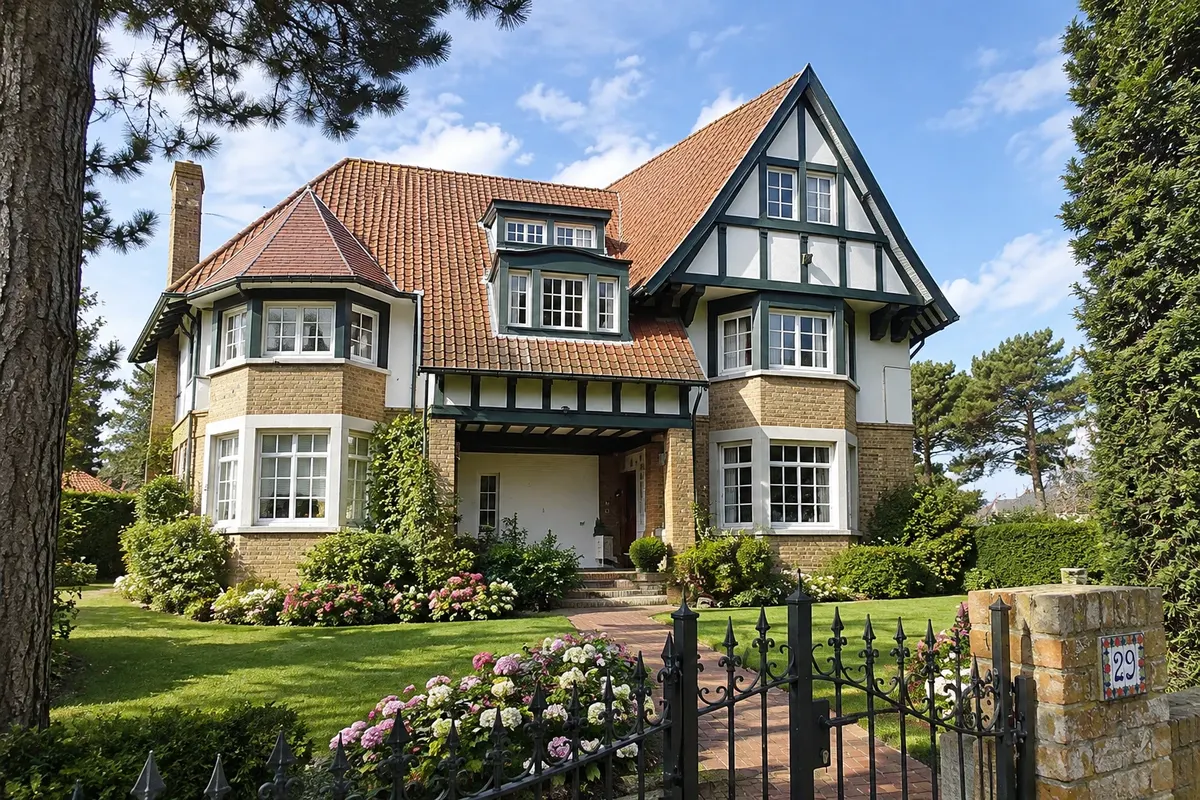
Residential neighborhood on the east side of Knokke, with Anglo-Norman style villas among gardens and dunes, the commercial avenue Kustlaan and dozens of art galleries.

Onze-Lieve-Vrouw-Hemelvaartkerk (Church of Our Lady of Damme)
Damme · West Flanders · Cerkev

Onze-Lieve-Vrouw-Hemelvaartkerk (Church of Our Lady of Damme)

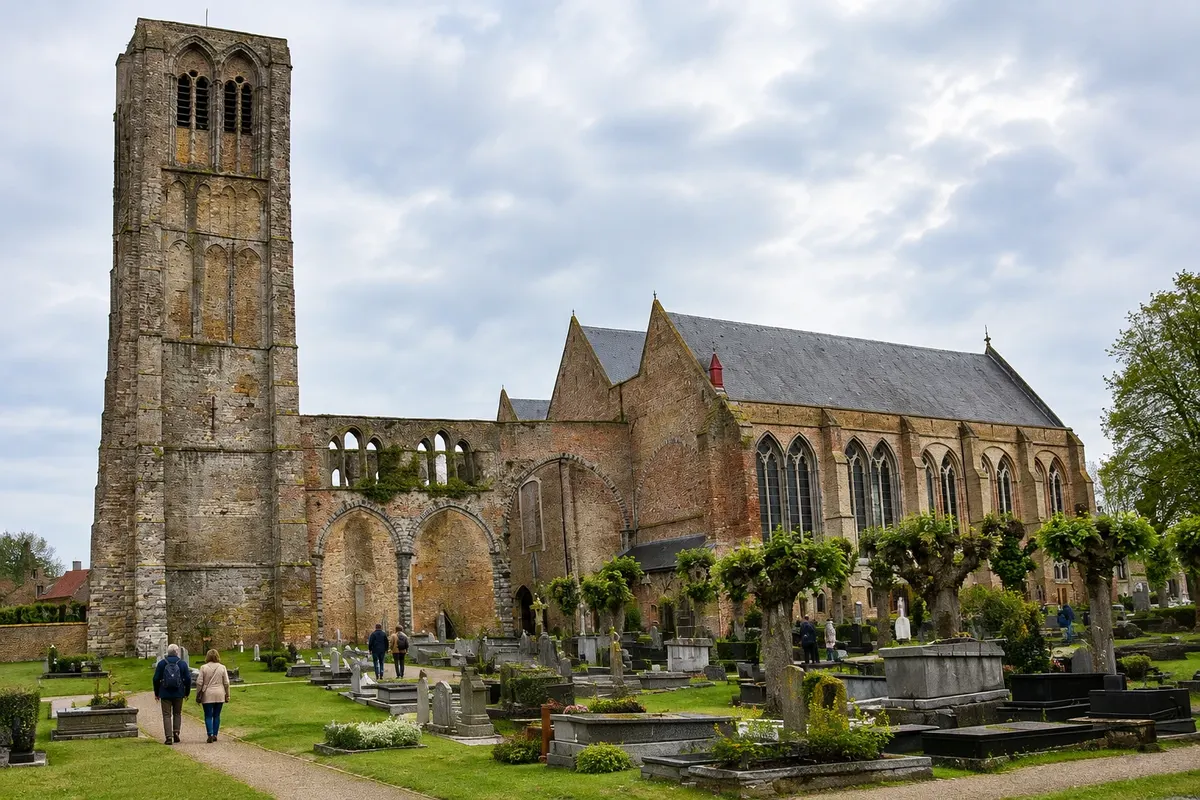
13th-century church with a massive brick tower that can be climbed from April to September. The original nave was partially demolished and ruins remain alongside.

Blankenberge · West Flanders · Aquarium

Sea Life Blankenberge

Aquarium on the east side of Blankenberge's seafront, with tanks of North Sea and tropical species, sharks and an outdoor seals area.

Saint Peter and Paul Church
Ostend · West Flanders · Cerkev

Saint Peter and Paul Church

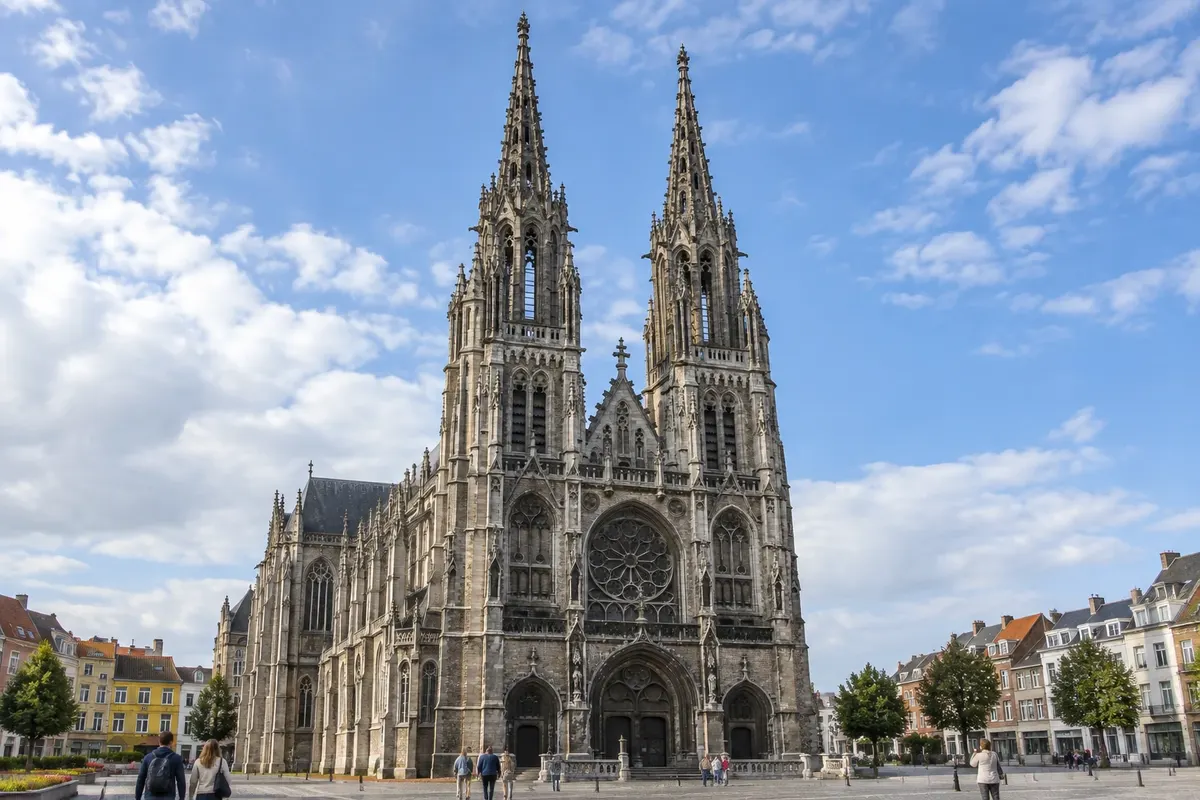
Neo-Gothic church from 1908 in the center of Ostende, with 72-meter towers and stained glass. It houses the chapel in memory of Luísa Maria, the first queen of Belgium.

Spioenkop (Wenduine)
De Haan · West Flanders · Razgledišče

Spioenkop (Wenduine)

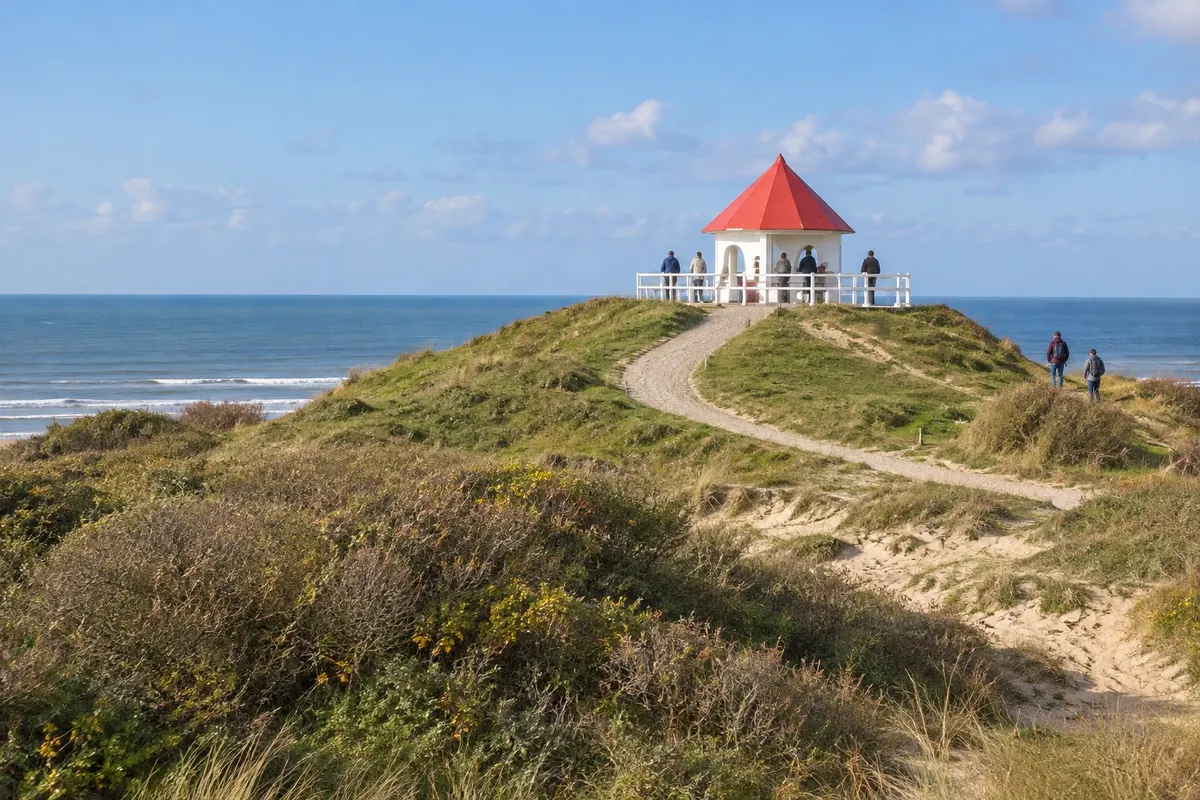
A high dune in Wenduine, the De Haan hamlet northeast of the centre, with a pavilion on top and views of the sea, the beach and the coast.

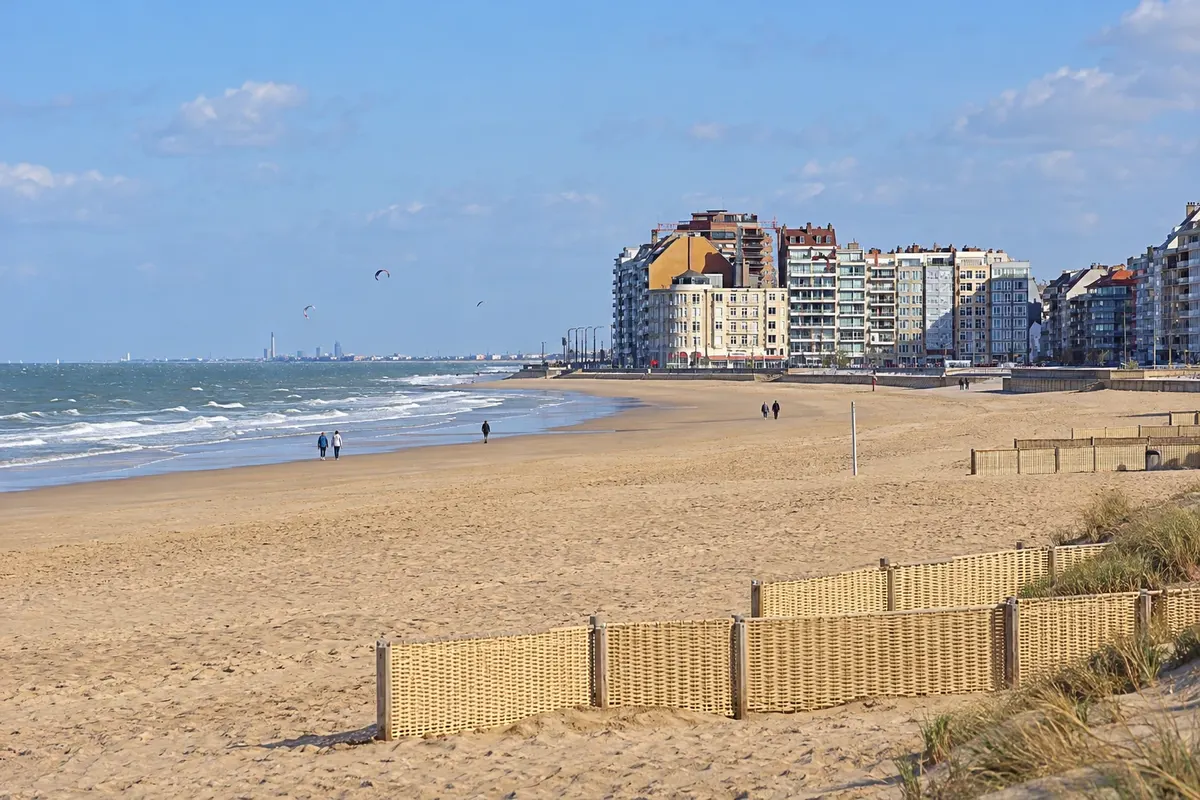
Knokke-Heist · West Flanders · Plaža

Albertstrand and Casino Knokke

A section of seafront in central Knokke, with a beach, promenade and the Albertplein, where the 1920s casino stands, known for René Magritte's murals in the ballroom.

Burg
Bruges · West Flanders · Trg

Burg

Square next to the Markt where Bruges was born, with the Gothic town hall, the former Brugse Vrije courthouse and the Basílica do Sangue Sagrado at one corner.

Damse Vaart (Damme Canal)
Damme · West Flanders · Canal

Damse Vaart (Damme Canal)

Straight canal between Bruges and Damme, lined with century-old poplars and cycle paths on both banks. It is the classic route to reach the village by bicycle.

Fort Napoleon
Ostend · West Flanders · Grad

Fort Napoleon

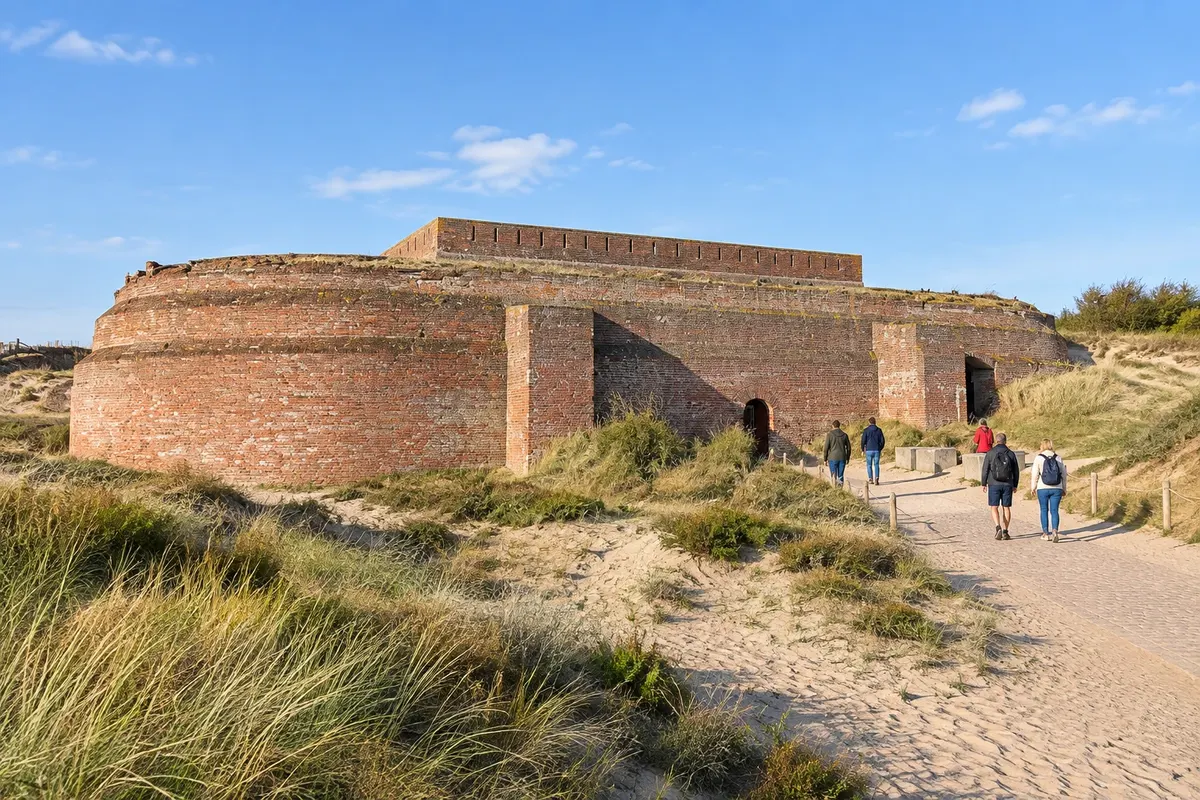
Fort from 1811 in the dunes by the entrance to the port of Ostende, built in the Napoleonic era against a British attack. Restored, it welcomes visitors with a route that tells two centuries of history.

Kijkuit (dune reserve)
De Haan · West Flanders · Naravni rezervat

Kijkuit (dune reserve)

A natural area of old dunes and fields on the west side of De Haan, with walking trails, near the dune woods and the historic golf course.

De Panne · West Flanders · Amusement park

Plopsaland De Panne

Amusement park in the south of De Panne, aimed mainly at families with children, featuring attractions tied to characters from the Belgian production company Studio 100, roller coasters and shows.

Blankenberge · West Flanders · Promenade

Zeedijk and Casino Blankenberge

Blankenberge's seaside promenade along the beach, with the 1930s art-déco casino, cafés, seafront buildings and stairs leading down to the sand.

Atlantikwall Raversyde (Atlantic Wall)
Ostend · West Flanders · Muzej

Atlantikwall Raversyde (Atlantic Wall)

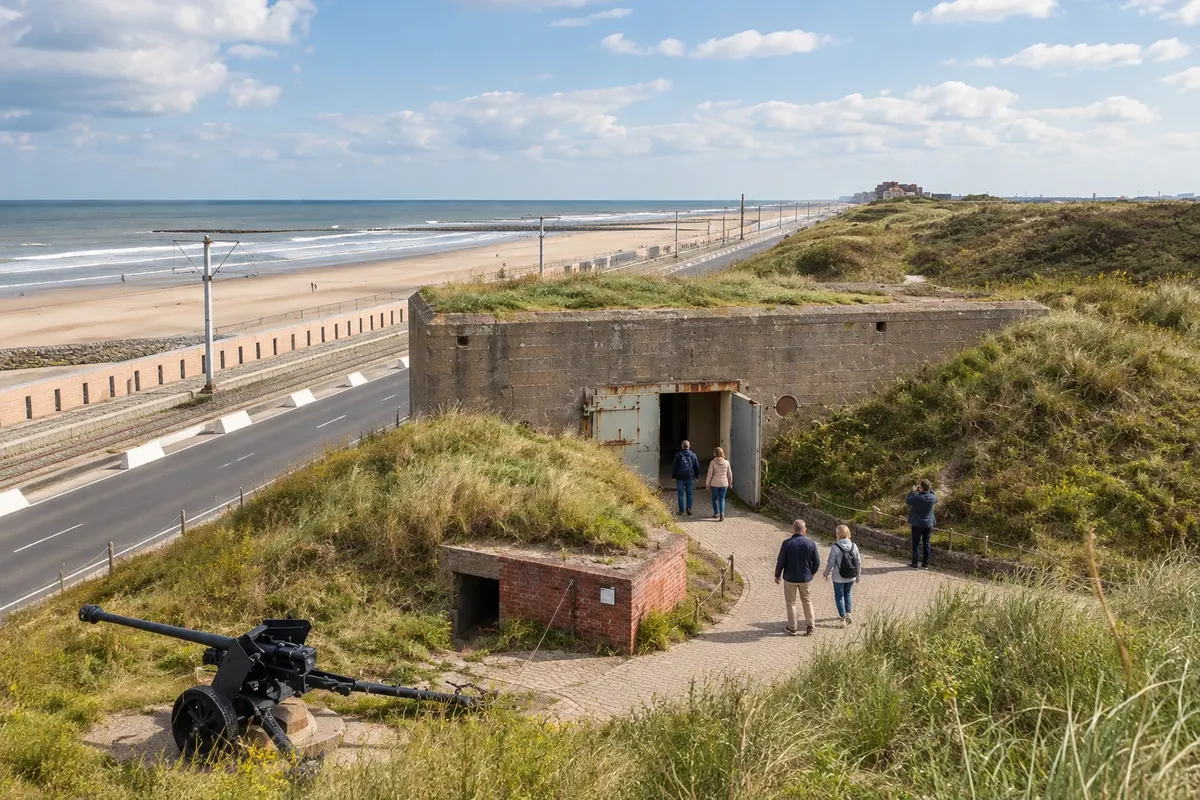
Open-air museum in the dunes of Raversyde, west of Ostende, with more than 60 bunkers and about three kilometers of trenches from the two world wars. Open from mid-March through autumn.

De Fonteintjes (nature reserve)
Blankenberge · West Flanders · Naravni rezervat

De Fonteintjes (nature reserve)

A reserve of dunes and wetlands on the east side of Blankenberge, near Zeebrugge, with small ponds fed by springs, trails and birds.

Knokke-Heist · West Flanders · Muzej

HEY Knokke-Heist (museum)

Local museum in a former neogothic school building from 1899 in the fishermen's quarter of Heist, about the history of the Zwin region, fishing and the lives of fishing families.

Basilica of the Holy Blood
Bruges · West Flanders · Cerkev

Basilica of the Holy Blood

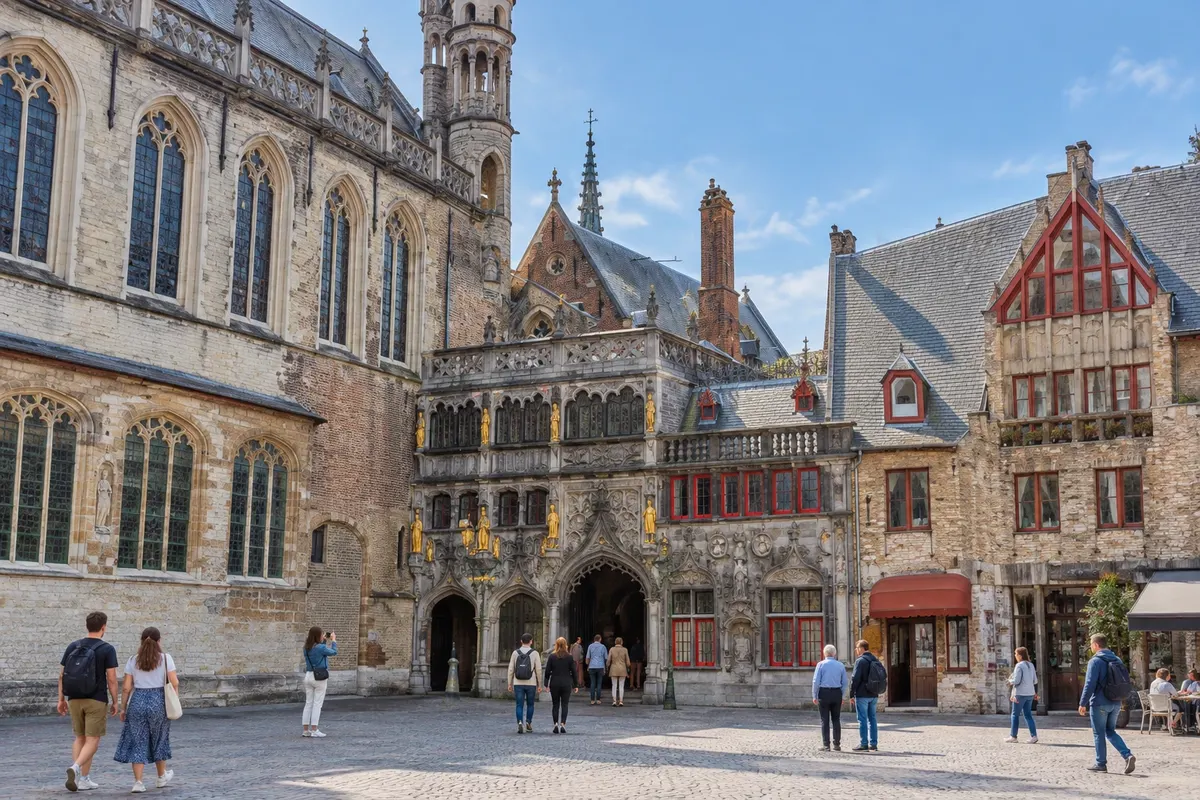
Two-chapel basilica on the Burg: below, the Romanesque chapel of São Basílio from the 12th century; above, the neo-Gothic chapel that houses the relic of the Holy Blood.

Schellemolen
Damme · West Flanders · Monument

Schellemolen

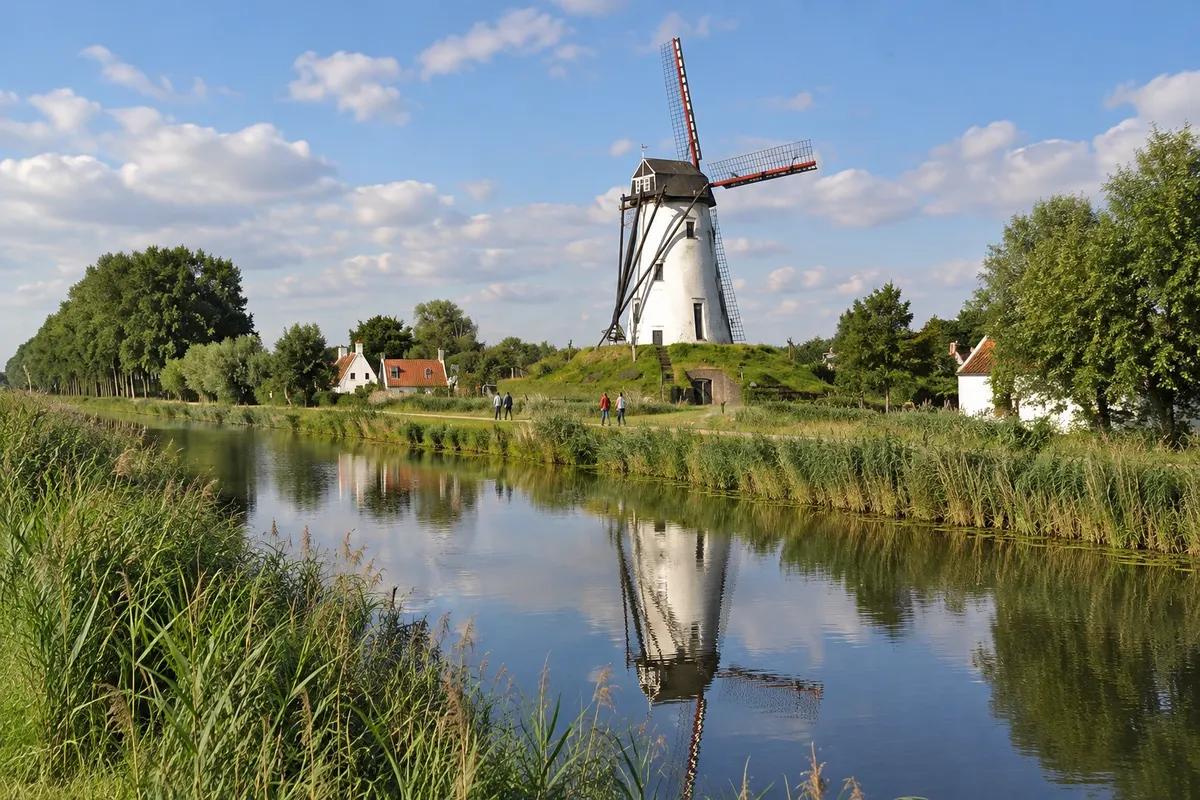
Windmill from 1867 on the banks of the Damse Vaart, at the approach to Damme. A mill has stood on the same site since 1479; it resumed milling in 1977.

Kusttram (Coast Tram)
Ostend · West Flanders · Ride

Kusttram (Coast Tram)

Tram that runs the 67 kilometres of the Belgian coast, from Knokke-Heist near the Netherlands to De Panne near France, with 67 stops. It passes through Ostende and links the city to other beaches.

Reien (Bruges canal boat tours)
Bruges · West Flanders · Boat tour

Reien (Bruges canal boat tours)

Half-hour open-boat rides along the central canals, the Reien, departing from five quays between the Burg and the Onze-Lieve-Vrouwekerk. The season runs from early March to mid-November.

Uilenspiegel Museum
Damme · West Flanders · Muzej

Uilenspiegel Museum

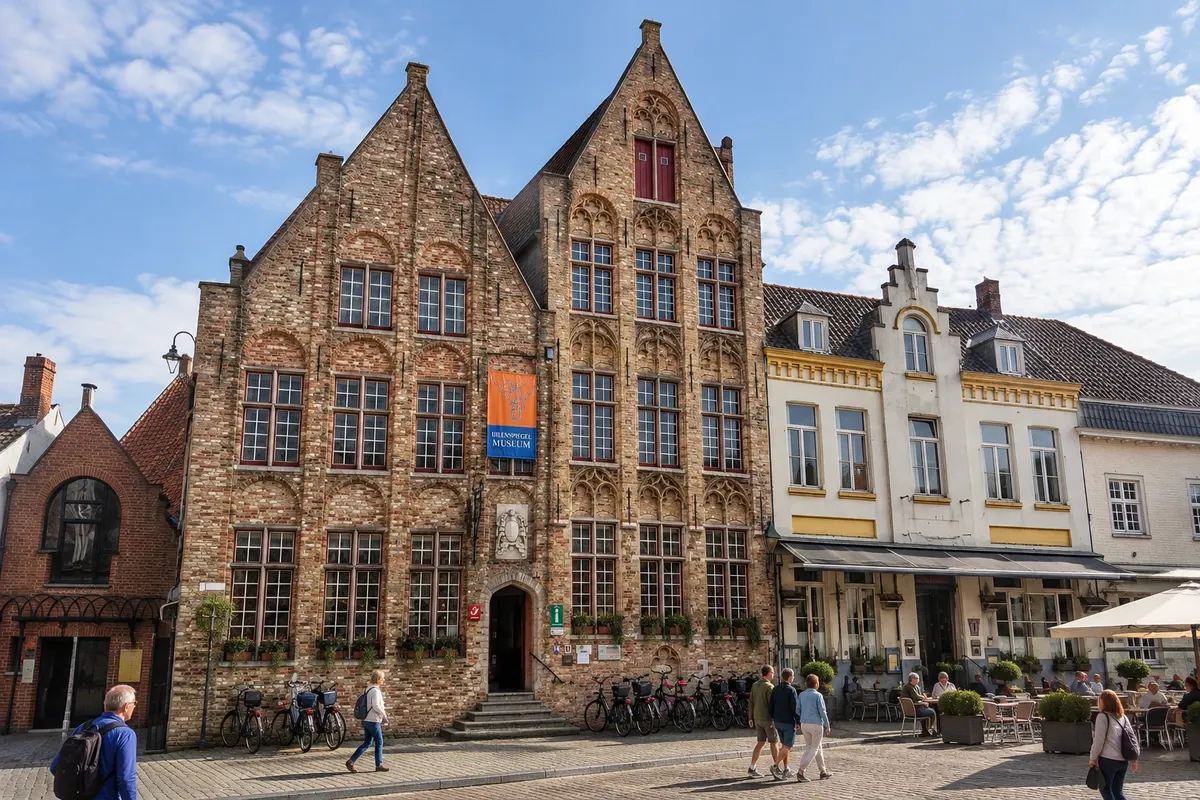
Small museum about Tijl Uilenspiegel, the mischievous character that writer Charles De Coster made be born in Damme. It is housed in the historic Huyse de Grote Sterre, next to the tourist information office, near the square.

Mercator (tall ship)
Ostend · West Flanders · Muzej

Mercator (tall ship)

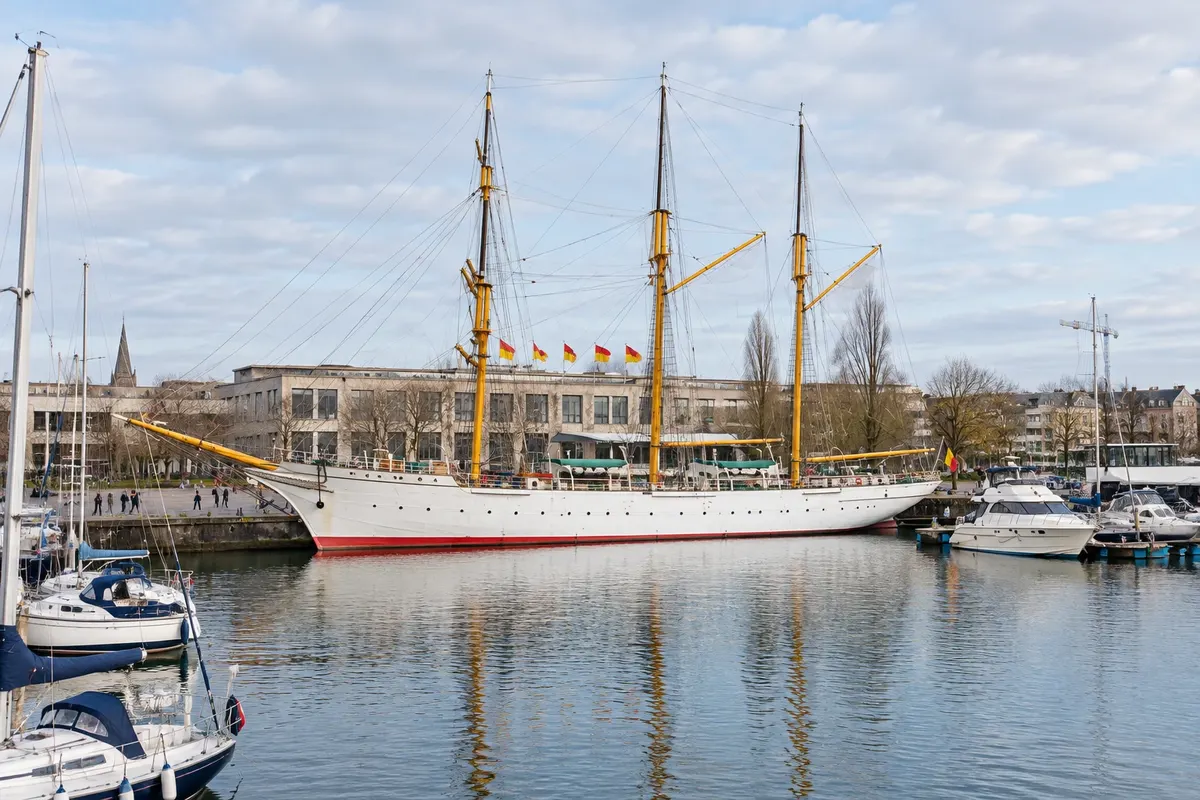
Three-masted sailing ship built in Scotland in 1932 to train the Belgian merchant navy. It is moored in the centre of Ostende, in front of the town hall, and can be visited from the deck to the cabins.

Prinselijk Begijnhof Ten Wijngaerde (Beguinage)
Bruges · West Flanders · Monument

Prinselijk Begijnhof Ten Wijngaerde (Beguinage)

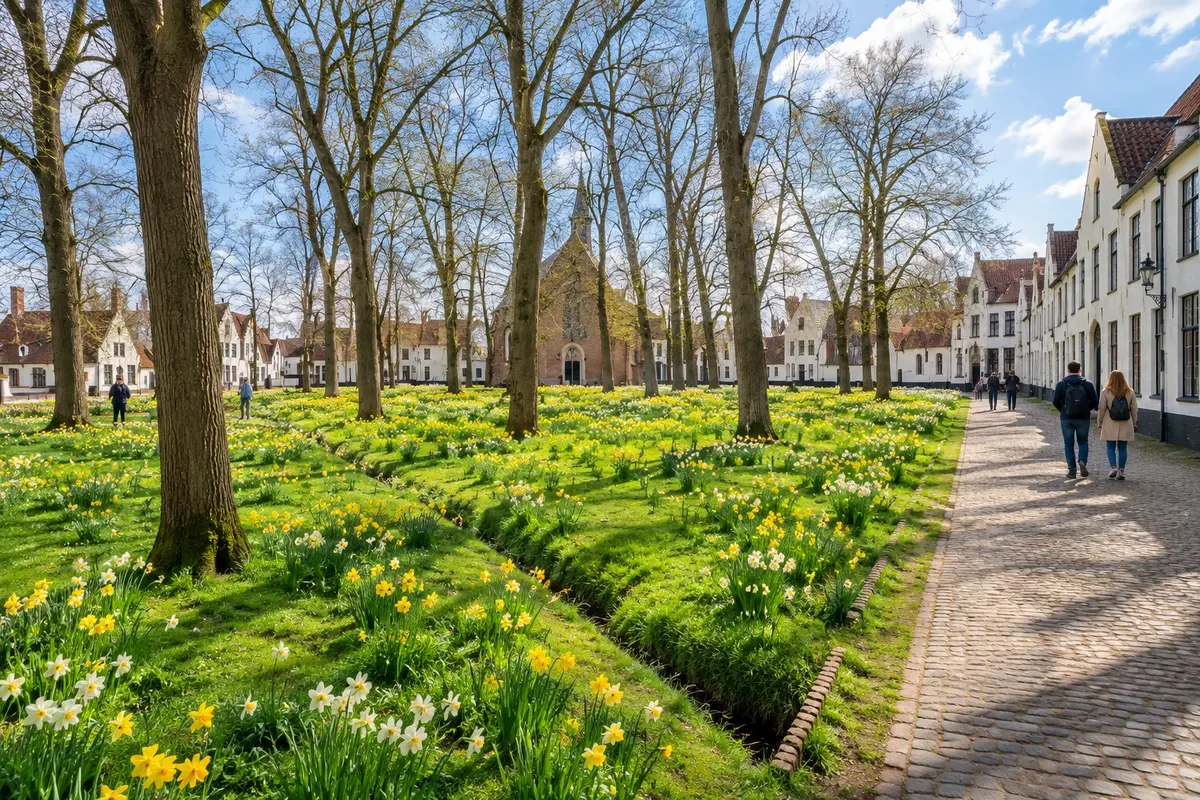
Group of white houses around a lawn with trees, founded around 1245 for the beguines. A UNESCO World Heritage Site, it asks visitors to be quiet.

James Ensor House
Ostend · West Flanders · Muzej

James Ensor House

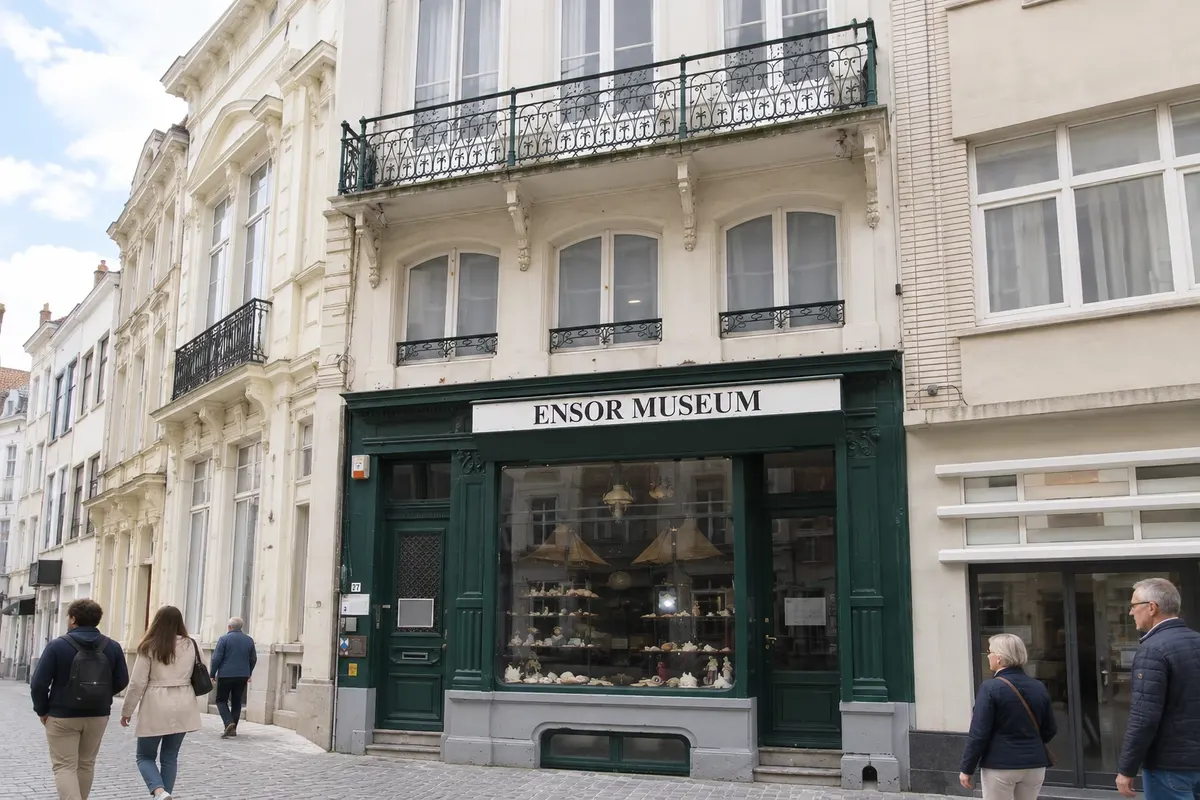
House where the painter James Ensor lived and worked from 1917 until his death in 1949, on Vlaanderenstraat, near the sea. It displays the preserved blue-walled salon and an experience centre with interactive rooms about masks, skeletons and his work.

Minnewater
Bruges · West Flanders · Park

Minnewater

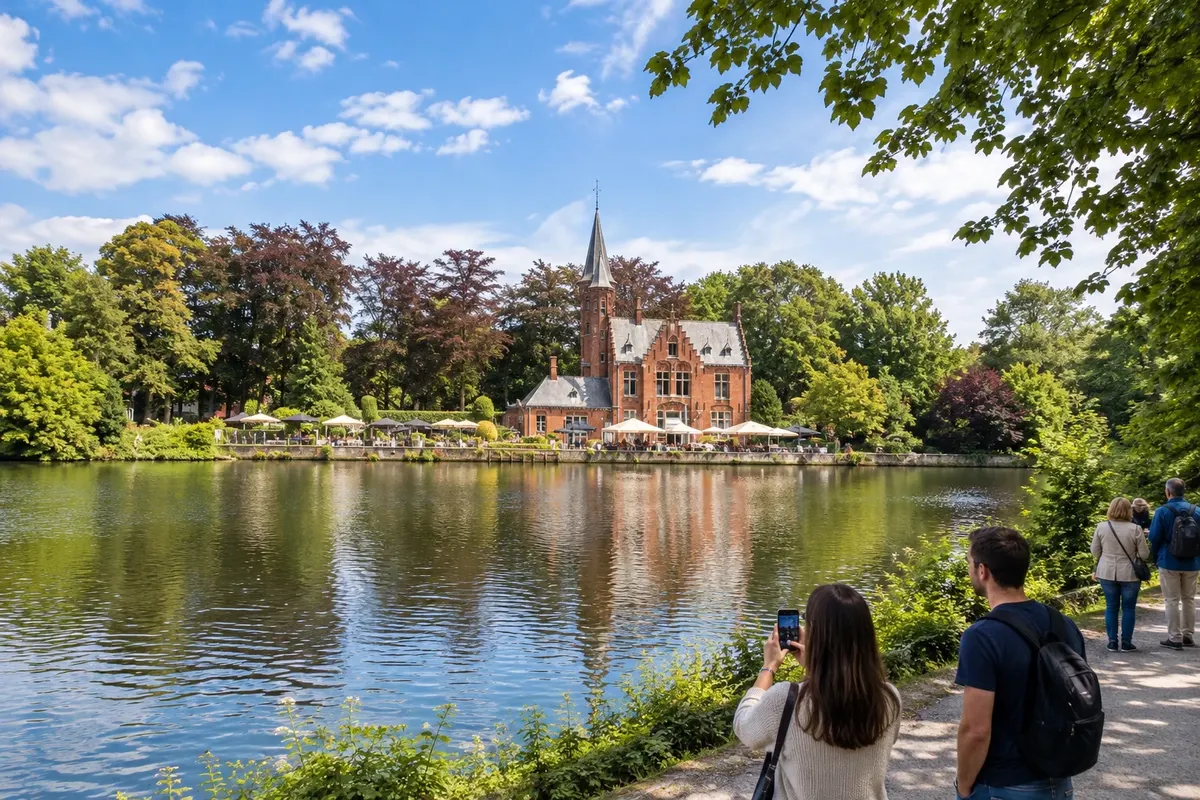
Lake south of the center, with swans, the 16th-century lock house and the surrounding Minnewaterpark. It's adjacent to the Begijnhof.

Church of Our Lady (Onze-Lieve-Vrouwekerk)
Bruges · West Flanders · Cerkev

Church of Our Lady (Onze-Lieve-Vrouwekerk)

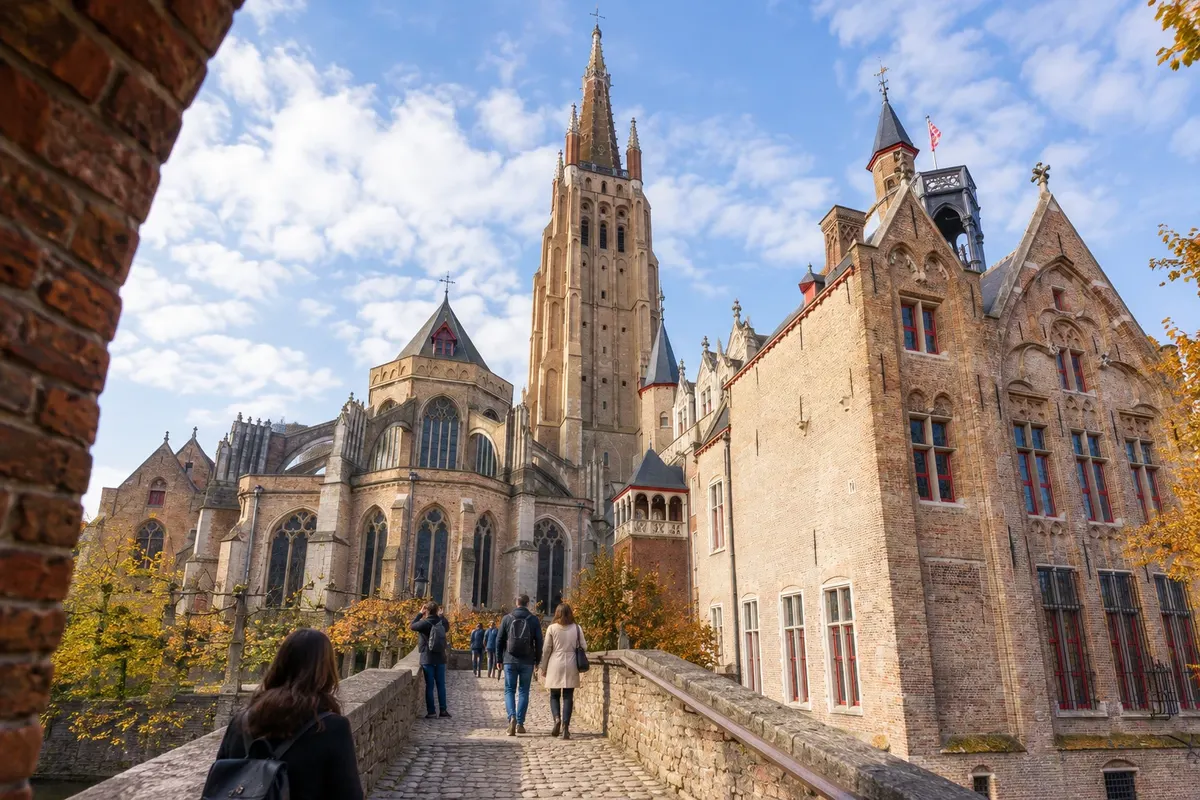
Church with a 115-metre brick tower, the tallest in Bruges. It houses the Madonna and Child, a marble sculpture by Michelangelo, and the tombs of Charles the Bold and Mary of Burgundy.

Groeninge Museum
Bruges · West Flanders · Muzej

Groeninge Museum

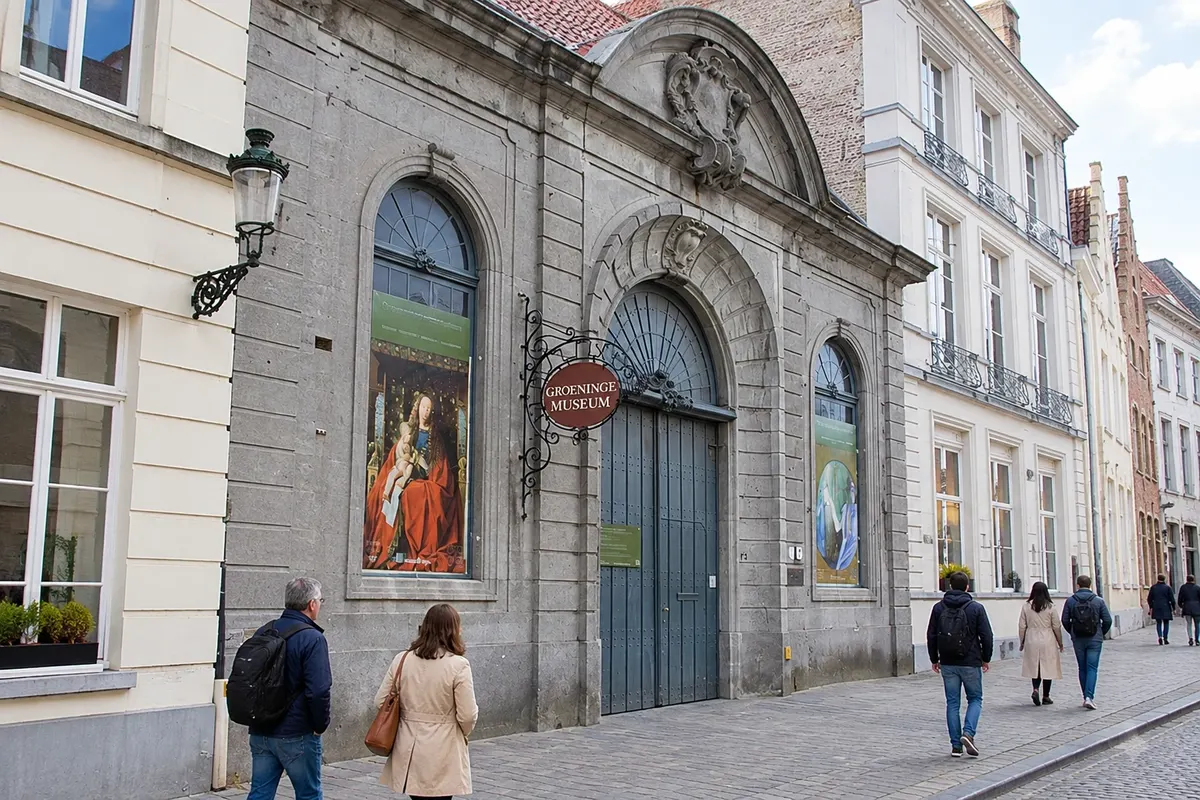
Bruges' municipal museum of fine art, on the Dijver, with six centuries of Belgian painting and a collection of Flemish Primitives: Jan van Eyck, Hans Memling, Hugo van der Goes, Gerard David and the Last Judgment from the workshop of Hieronymus Bosch.

Gruuthuse Museum
Bruges · West Flanders · Muzej

Gruuthuse Museum

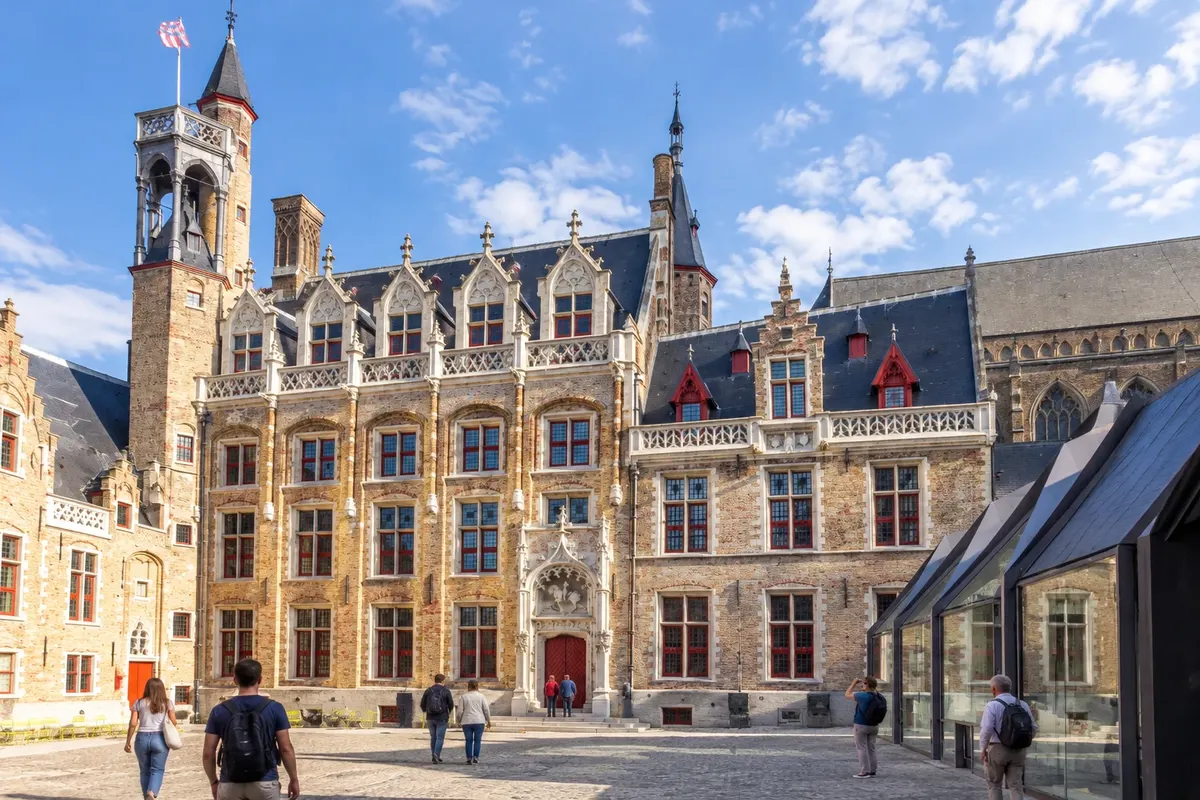
Urban palace of the lords of Gruuthuse, on the Dijver next to the Onze-Lieve-Vrouwekerk. It showcases five centuries of Bruges' history in tapestries, stained glass, wooden sculptures, lace and manuscripts, and has an oratory that opens onto the choir of the neighbouring church.

Old St. John's Hospital
Bruges · West Flanders · Muzej

Old St. John's Hospital

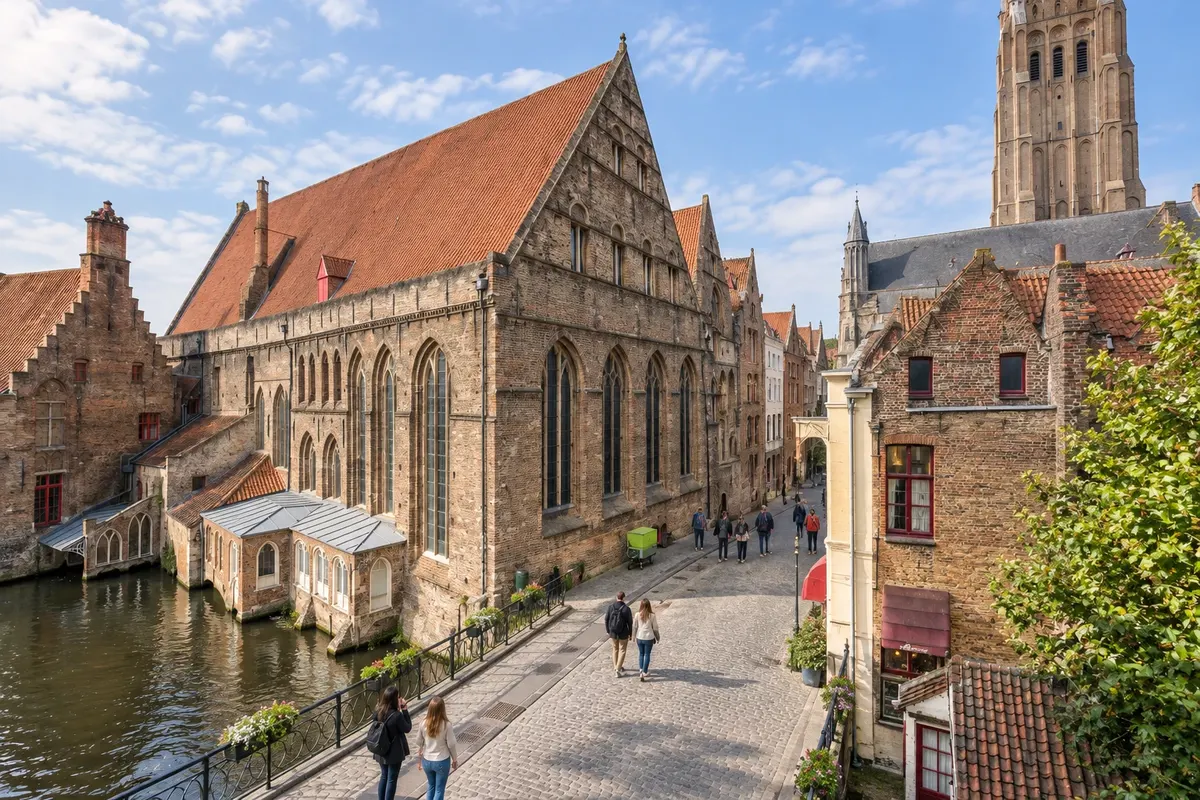
Former medieval hospital in Bruges, on Mariastraat, converted into a museum. It houses works by Hans Memling painted for the hospital itself, such as the Relicário de Santa Úrsula, as well as a 17th-century pharmacy and an attic with oak beams.

Sint-Janshuismolen
Bruges · West Flanders · Windmill

Sint-Janshuismolen

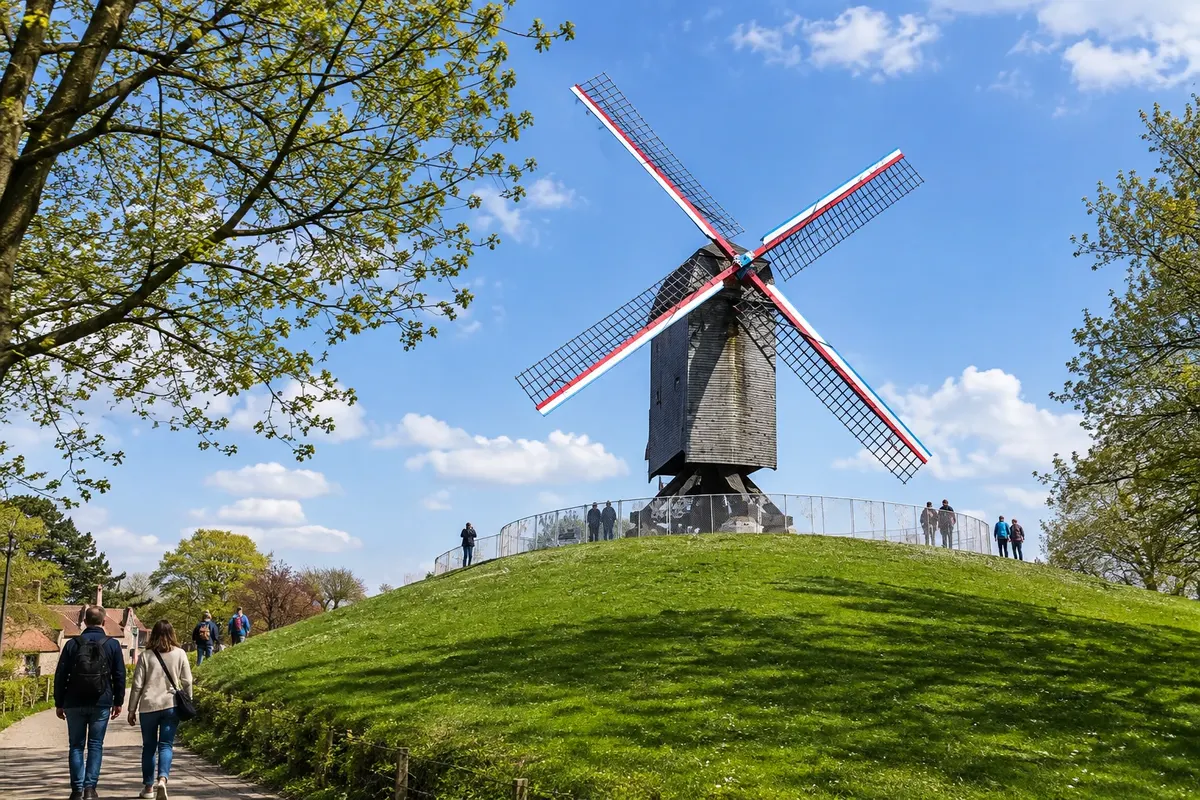
A wooden windmill from 1770 sitting on the old Kruisvest city wall, in the east of Bruges. It still grinds grain and, with favorable wind, shows the mechanism in operation; from the top of the stairs you can see the green belt of the ramparts.

Jeruzalemkerk (Jerusalem Church)
Bruges · West Flanders · Cerkev

Jeruzalemkerk (Jerusalem Church)

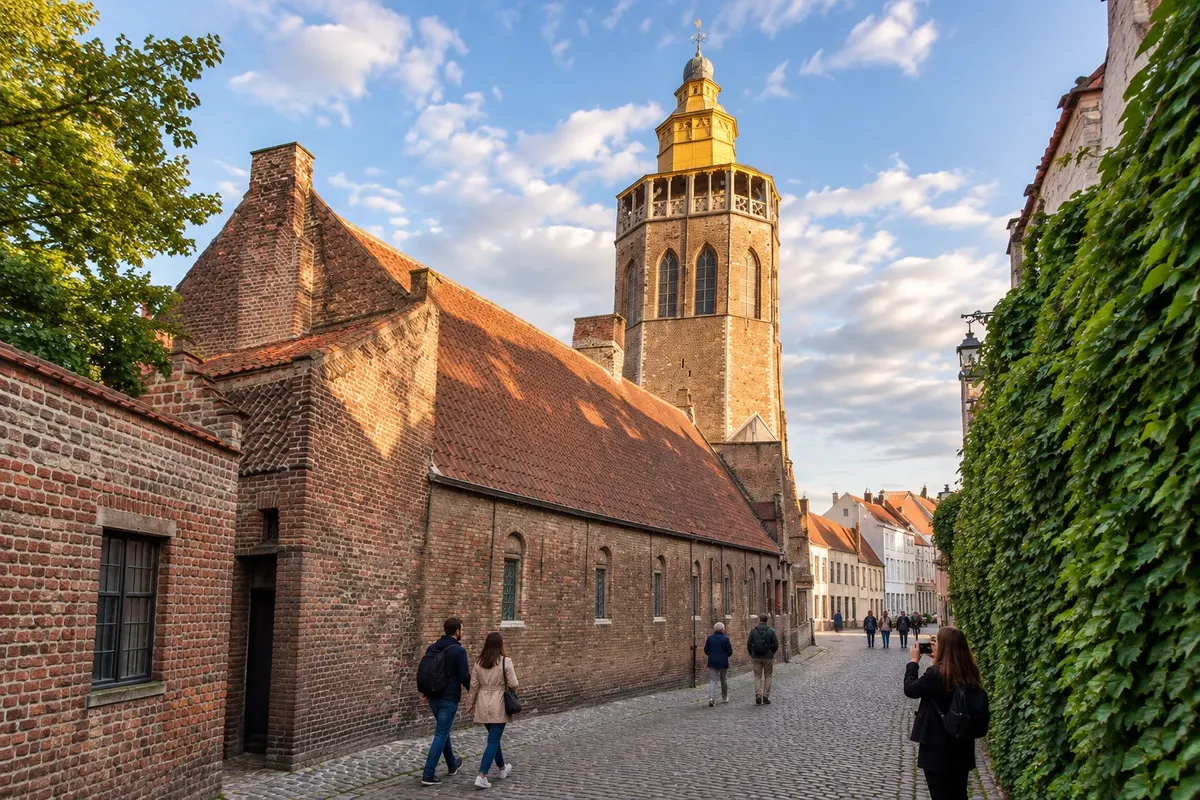
Private chapel of the Adornes family, merchants of Genoese origin, built from 1428 and inspired by the Holy Sepulchre of Jerusalem. It houses the tomb of Anselm Adornes and his wife, a crypt with a replica of Christ’s tomb and a museum in the former almshouses.

Choco-Story Bruges
Bruges · West Flanders · Muzej

Choco-Story Bruges

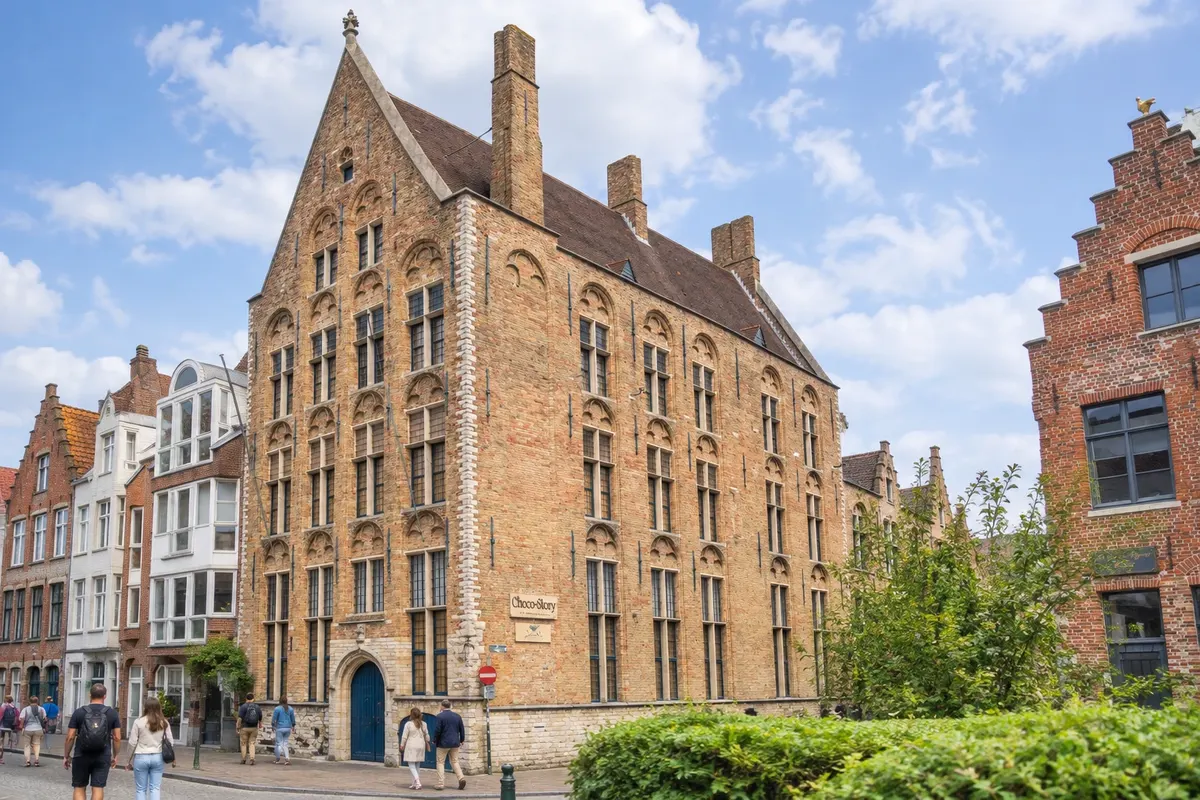
Chocolate museum in a 16th-century house just a few steps from the Markt. It tells the story of cacao from the Mayas and Aztecs to Belgian pralines and ends with a demonstration of chocolate-making.

Brouwerij De Halve Maan (De Halve Maan Brewery)
Bruges · West Flanders · Brewery

Brouwerij De Halve Maan (De Halve Maan Brewery)

Family-run brewery operating in central Bruges since 1856, located on the Walplein. The guided tour goes through the brewhouse and old equipment and climbs to the roof, with 360-degree views over the city.

St. Salvator's Cathedral (Sint-Salvatorskathedraal)
Bruges · West Flanders · Cerkev

St. Salvator's Cathedral (Sint-Salvatorskathedraal)

Bruges cathedral since 1834, on Steenstraat between the Markt and 't Zand. A medieval-origin brick church with a fortress-like tower, 18th-century Brussels tapestries and a baroque organ.

Kaj izbrati pred odhodom

Izleti – Bruges and the coast

Izhodišče, trajanje, potek, vključene storitve in okvirna cena vsakega izleta.

Markt and climb up the Belfry

Odhod: Brugge city centre Peš Približno uro in pol Dopoldne moderate (366 steps)

The Markt is Brugge’s central square, the capital of West Flanders, where Flemish—the Dutch spoken in Belgium—is used. Around it are stepped‑gabled houses, cafés with sidewalk seating and the Belfry, the tower that dominates the city. The Belfry is 83 meters tall and dates from the 13th century. It is part of the set of belfries of Belgium and France listed as a UNESCO World Heritage Site in 1999. The climb involves 366 steps up a narrow staircase. Midway is the treasury room, where the city stored seals, stamps and money in the Middle Ages. One floor above is the carillon of 47 bells, with the keyboard used by the carillonneur. From the top you can see the whole centre, with church towers and the canals. On clear days the view often reaches the sea. The city carillonneur plays on Wednesdays, Saturdays and Sundays late in the morning, and in summer there are special concerts.

Kraji na poti: Markt, Belfort, Historium.

Vključuje: Admission to the tower, with access to the treasury room, the carillon and the viewing platform. There is a separate paid ticket; check the current fare. There are no group visits.

Nasvet: Buy a timed ticket online to help avoid queues, and go up right at opening. The staircase has two long flights without a landing and is not suitable for people with reduced mobility; for them there is a model of the tower in the square. In strong winds the tower may be closed.

Najboljši čas za obisk: All year round. From April until early November the tower stays open later, and the long days of May through August keep the view clear for longer.

Burg: Stadhuis and Heilig-Bloedbasiliek

Odhod: Brugge city centre Peš Približno uro in pol Dopoldne Lahko

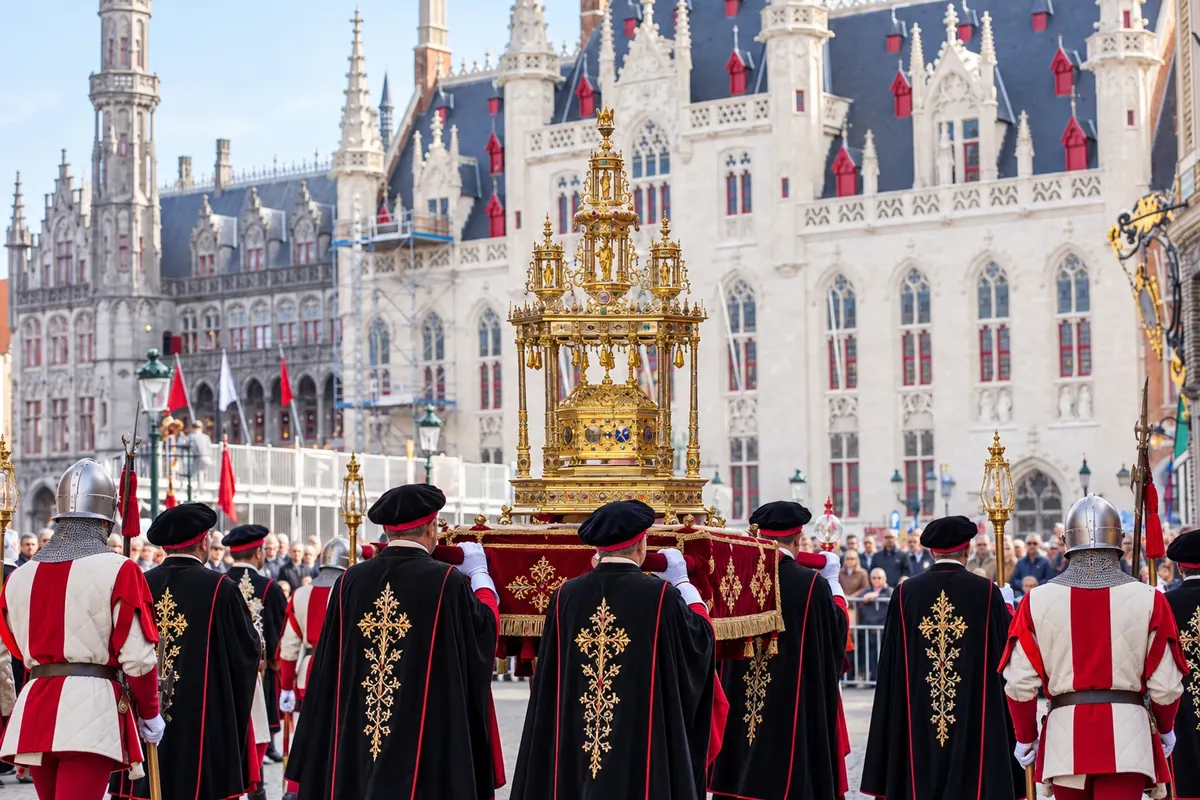
The Burg is a few steps from the Markt and was, for centuries, the city’s seat of power. On the square are the town hall and the Basilica of the Holy Blood, side by side. The Stadhuis, the town hall, began construction in 1376 and was completed in 1421. On the upper floor, reached by a staircase, is the Gothic Hall, with a wooden vault and polychrome corbels from the 14th century and murals from the early 20th century that narrate Brugge’s history. In the adjoining room, a model with augmented reality and art objects show the city’s relationship with the sea. The Heilig-Bloedbasiliek has two superimposed chapels. The lower one, dedicated to Saint Basil, is Romanesque, from the 12th century, with rounded arches and thick pillars. The upper chapel acquired Gothic and Renaissance elements over the centuries. There is the relic of the Holy Blood, which tradition says was brought from the Second Crusade by Thierry of Alsace, Count of Flanders. The relic is displayed to the faithful at certain times of the day. On Ascension Day, it processes through the streets in the Heilig-Bloedprocessie.

Kraji na poti: Burg, Stadhuis, Heilig-Bloedbasiliek.

Vključuje: Admission to the Stadhuis, including the Gothic Hall and the historic room, is with a separate paid ticket. The basilica can be visited without a ticket; the small basilica museum has paid entry. Check the current pricing.

Nasvet: The Stadhuis hosts weddings and may be closed on some weekday mornings and afternoons; confirm in advance. In the basilica, speak softly and respect those who are praying, as it is a place of worship.

Najboljši čas za obisk: All year. The Procession of the Holy Blood takes place on Ascension Day, which falls in May or early June.

Boat tour of the canals (reien)

Odhod: Central Brugge quay (Rozenhoedkaai and others) Open boat with guide about 30 minutes Dopoldne ali popoldne Lahko

Brugge’s canals, called reien, show the city from an angle you don’t get on foot: backs of medieval houses, low bridges, gardens and church towers reflected in the water. The trip lasts about half an hour and goes from the Jan van Eyckplein area to near the Begijnhof. Five companies operate the route, each with its own quay in the center, such as those at Rozenhoedkaai, Huidenvettersplein, Wollestraat, Nieuwstraat and Katelijnestraat. The boats are open, carry 35–40 people, and the boatman comments on the route in the languages of the passengers on board. There is no individual reservation: tickets are bought at the quay. On rainy days, the boats usually provide umbrellas. Rozenhoedkaai, where one of the quays is located, is also one of the city’s postcards.

Kraji na poti: Rozenhoedkaai, Huidenvettersplein, Jan van Eyckplein, Begijnhof.

Vključuje: Boat trip of about 30 minutes with commentary from the boatman. The ticket is paid separately at the quay; check the current pricing. People with disabilities have a reduced fare and one companion.

Nasvet: Go early, before the groups, or in the late afternoon. Sit at the sides to photograph and lower your head under the lower bridges. Bring a coat: it’s windier on the water.

Najboljši čas za obisk: The season runs from early March to mid-November. Outside that period, each company decides whether to operate.

Begijnhof (Ten Wijngaarde) and Minnewater

Odhod: Brugge city centre Peš Približno 1 uro late afternoon Lahko

The Begijnhof (beguinage) is a tree-filled courtyard surrounded by white houses, south of the centre. The beguines, religious women who lived in community without perpetual vows, are recorded there from 1242, on low ground outside the first wall, then called Wijngaard. In 1299 King Philip the Fair placed the site under his jurisdiction, hence the princely beguinage name. The last beguines joined a convent in 1927. Since then Benedictine sisters and a few single women from the city have lived there. In 1998 the Begijnhof was added to the UNESCO World Heritage List, together with 12 other Flemish beguinages. House number 30, of the former grand mistress, is the largest and the only one with a Baroque façade. Through the gate beside the lock-keeper’s house you reach the Minnewater, the lake of love, lined with trees. A walk along the bank continues to the surrounding park and completes the visit.

Kraji na poti: Begijnhof Ten Wijngaarde, Minnewater.

Vključuje: Free admission to the courtyard during the day. The beguinage church and a house-museum, when open, may have separate opening hours and tickets; check ahead.

Nasvet: Keep your voice low: the courtyard is a residence and a place of prayer. Gates close at dusk. Early morning and late afternoon are less crowded.

Najboljši čas za obisk: All year round. From April to September, the long days make late-afternoon walks still light.

Onze-Lieve-Vrouwekerk (Madonna by Michelangelo) and Gruuthusemuseum

Odhod: Brugge city centre Peš Približno 2 uri Dopoldne Lahko

The Onze-Lieve-Vrouwekerk, the Church of Our Lady, has a 115.5 m brick tower visible from almost the entire center. The nave can be visited freely. The museum section, which requires a ticket, houses the two pieces that draw most visitors. The first is the Madonna and Child, a marble sculpture by Michelangelo, created for an altar in Siena Cathedral and eventually ending up in Brugge. The second are the tombs of Charles the Bold and his daughter Mary of Burgundy, from the 15th and 16th centuries, located in the church choir. Next door is the Gruuthusemuseum, in the palace of the Gruuthuse family. The museum presents 500 years of the city’s history with tapestries, stained glass, sculptures, lace, manuscripts and Chinese porcelain. The highlight is the late 15th-century oratory that links the palace to the church and overlooks the Gothic choir.

Kraji na poti: Onze-Lieve-Vrouwekerk, Gruuthusemuseum.

Vključuje: The church nave is free to enter. The church museum section and the Gruuthusemuseum have separate tickets and are paid separately; church tickets are sold at the Museumpavilion. Check the current schedule.

Nasvet: Book the museum section of the church in advance. The Gruuthusemuseum is closed on Mondays. Visits to the church are suspended during religious services.

Najboljši čas za obisk: All year. It’s a good option for rainy days.

Groeningemuseum: the Flemish Primitives

Odhod: Brugge city centre Peš Približno 2 uri Dopoldne Lahko

The Groeningemuseum is Brugge’s fine arts museum and the place to see the Flemish Primitives, the painters who worked in the region in the 15th and early 16th centuries. Several of them lived in the city, which was then a major trading centre in northern Europe. The collection includes works by Jan van Eyck, Hans Memling, Hugo van der Goes, Gerard David and Hieronymus Bosch, among others. The details of fabrics, jewellery and background landscapes show the oil-painting technique these artists developed. The route continues through Belgian art of the following centuries up to the modern period. The museum is on the Dijver, the street along the canal between the Markt and the Onze-Lieve-Vrouwekerk, which makes it easy to combine the visit with the church and the Sint-Janshospitaal in the same morning.

Kraji na poti: Groeningemuseum, Dijver.

Vključuje: Museum admission, with a separately paid ticket. There is a pass that covers Brugge’s municipal museums; check the current price list.

Nasvet: Start with the rooms of the Primitives before they get crowded. Check the weekly closing day before you go. If you plan to visit several municipal museums, a pass often pays off.

Najboljši čas za obisk: All year. Good option for rainy days, especially from October to March.

Prikaži dodatne izlete (14)

Sint-Janshospitaal and the works of Memling

Odhod: Brugge city centre Peš Približno uro in pol Popoldne Lahko

The Sint-Janshospitaal is a preserved medieval hospital. It began in the 12th century and for centuries cared for the sick and welcomed travellers of any origin or class. Today the medieval wards, with their wooden ceilings, house a museum on the history of caring for the sick. The highlight is Hans Memling. Four of the museum’s seven main works were painted by him for the hospital itself and have been there since the late 15th century. In the old hospital church stands the reliquary of Saint Ursula, a small gilded wooden chapel with painted scenes of the saint’s life. The visit ends in the old apothecary, with its 17th-century interior preserved, and in the adjoining medicinal herb garden.

Kraji na poti: Sint-Janshospitaal, Hospitaalkerk.

Vključuje: Museum admission, with ticket paid separately. The municipal museums pass is valid here; check the current pricing.

Nasvet: The museum is closed on Mondays, except Easter Monday and Whit Monday. Combine the visit with the Onze-Lieve-Vrouwekerk across the street.

Najboljši čas za obisk: All year. A good option for rainy days.

Sint-Salvatorskathedraal

Odhod: Brugge city centre Peš Približno 45 minut Popoldne Lahko

The Sint-Salvatorskathedraal sits between the Markt and the station, near Steenstraat, the city centre’s shopping street. It served as a parish church from the 10th century and became a cathedral in 1834, shortly after Belgium’s independence, when the city received a new bishop. The west tower, in Neo-Romanesque style, is 99 meters high and was designed by the English architect Robert Chantrell. Inside, the entrance tapestries were woven in Brussels by Jasper van der Borcht in 1731, and the paintings that served as their models are also in the church. The organ, dating from 1717–1719, has been enlarged several times and is used in a concert series established in 1952. The visit is quick and fits on the route between the station and the Markt.

Kraji na poti: Sint-Salvatorskathedraal, Steenstraat.

Vključuje: The church is a place of worship and is usually open for visits during the day. Check opening times before you go.

Nasvet: Respect silence and avoid moving around during masses. If there is an organ concert the week you visit, it’s worth fitting it into your itinerary.

Najboljši čas za obisk: Vse leto.

Kruisvest windmills and bobbin lace in the Sint-Anna neighborhood

Odhod: Brugge city centre Peš ali s kolesom Približno 3 ure Popoldne Lahko

East of the centre, the Sint-Anna neighborhood is quieter and residential. Along its edge runs the Kruisvest, a section of the old walls turned into a park, with four windmills on the embankment. The Sint-Janshuismolen dates from 1770 and stands on its original site. It is the only one of the four that still grinds grain: in favorable wind you can see the mechanism at work. The ascent to the mill is via a steep staircase. In the middle of the neighborhood, on Balstraat, is the Kantcentrum, the bobbin-lace centre, next to the Jeruzalemkerk. The small museum displays cushions, old bobbins, templates and finished pieces of Brugge lace. In the afternoons from Monday to Saturday, lacemakers often work in front of the public and explain the technique.

Kraji na poti: Kruisvest, Sint-Janshuismolen, Sint-Anna, Kantcentrum, Jeruzalemkerk.

Vključuje: Admission to Sint-Janshuismolen and to the Kantcentrum, each with its own ticket, paid separately. The mill is included in the municipal museums pass. Check the current price list.

Nasvet: Leave the Kantcentrum for the afternoon, when there is usually a demonstration. The mill is closed on Mondays. The walk along the Kruisvest, among the mills, is open year‑round.

Najboljši čas za obisk: From April until early November, when the mill is open. From November to March it is closed, except for some Sundays.

Choco-Story: the chocolate museum

Odhod: Brugge city centre Peš Približno uro in pol Popoldne Lahko

Choco-Story tells about 5,500 years of cacao and chocolate history, from the origins of cacao in the Americas to Belgian production. The collection includes roughly a thousand objects—vessels, tools, molds and posters—in rooms with interactive features. The museum is housed in the De Croon house, dating from around 1480, which was once a wine tavern and a confectioners’ house. It opened in 2004 at the initiative of a Belgian family. The visit ends with a demonstration: a chocolatier shows how a traditional praline is made, and visitors taste the result. There are other tastings along the route.

Kraji na poti: Choco-Story.

Vključuje: Museum admission, demonstration and tasting, with separate ticket. Check the current schedule.

Nasvet: Buy tickets online on weekends and holidays, when the museum fills up. It’s a good activity with children and on rainy days.

Najboljši čas za obisk: Vse leto.

Brewery De Halve Maan

Odhod: Brugge city centre On foot, with guided tour Približno 1 uro Popoldne easy (steep stairs)

De Halve Maan is a family brewery operating in the center of Brugge since 1856; the sixth generation of the family now runs it. This is where Brugse Zot, the city’s beer, is brewed. The guided tour walks through the brewery rooms and explains production, from the ingredients to fermentation. One topic is the roughly 3 km underground pipeline, installed in 2016, that carries beer from the city brewery to the bottling facility on the outskirts. The tour ends with a tasting. Children receive a soft drink instead of beer. Beer here is part of the city’s culture and history: taste it slowly, in small amounts.

Kraji na poti: De Halve Maan.

Vključuje: Guided tour and a beer tasting (soft drink for children), with separate admission. There is a longer version on weekends. Check the current schedule.

Nasvet: Book the tour in advance during high season. The stairs are narrow and steep. If you’ve been drinking, don’t drive: in the city, walk.

Najboljši čas za obisk: Vse leto.

Historium: medieval Bruges in themed rooms

Odhod: Markt, in Bruges Peš Približno 1 uro Popoldne Lahko

Historium occupies a neo‑Gothic building on the Markt and tells the story of 15th‑century Bruges, the city’s golden age when Jan van Eyck was painting there. The route goes through seven themed rooms with films, music and effects, framed by a love story, and an audio guide explains life in the city. With virtual‑reality goggles, visitors take a flight over medieval Bruges that passes the old covered market by the water and over the Church of Saint Donatian, which no longer exists. On the second floor a terrace overlooks the Markt. The Historium Tower, the building’s 35‑meter neo‑Gothic tower, offers 360‑degree views over the roofs and the Belfry.

Kraji na poti: Historium, Markt.

Vključuje: Admission to the route, with a separately paid ticket; virtual reality and the tower may have combined tickets. Check the current price list.

Nasvet: Works well as a first visit to understand the city before walking, and on a rainy day. It is a visit that appeals to children.

Najboljši čas za obisk: Vse leto.

Bike to Damme along the canal

Odhod: Brugge city centre Rented bicycle or steam boat in season about 4 hours, round trip Dopoldne easy (flat route)

Damme is about 6 km northeast of Brugge. In the 13th century it was one of Europe’s major ports and Brugge’s outlet to the sea, until the Zwin arm silted up. Today it is a small, quiet village with secondhand bookshops and restaurants. The most used route is the road alongside the Damse Vaart, a straight canal from the early 19th century commissioned by Napoleon. The banks are lined with tall poplars, some more than a hundred years old, and the route is flat, which makes it easier for those who don’t cycle often. In Damme, the medieval poet Jacob van Maerlant served as town clerk, and the writer Charles De Coster made it the birthplace of Tijl Uilenspiegel, the playful figure of Flemish folklore. On the second Sunday of each month the village usually hosts a book market. In season, the paddle steamer Lamme Goedzak runs between the Noorweegse Kaai in Brugge and Damme, allowing you to cycle there and return by water.

Kraji na poti: Damse Vaart, Damme, Noorweegse Kaai.

Vključuje: Bicycle rental and the Lamme Goedzak boat are paid separately. Check the current rates.

Nasvet: Rent a bicycle in town and follow the numbered bike path network. Bring a rain poncho and windbreaker: the canal is exposed and windy. If you go by boat, confirm the seasonal schedule.

Najboljši čas za obisk: From April to September, with long days and the boat in operation. In autumn, in October, the canal trees change color.

Oostende: seafront, Vistrap and the sailing ship Mercator

Odhod: Brugge (train) or Oostende Train to Oostende and on foot Približno 5 ur Ves dan Lahko

Oostende (Ostende) is the main city on the Belgian coast and is about 25 km from Brugge. The station is near the port, and from there you can walk to the main sights. On the Visserskaai, the fishermen’s quay, is the Vistrap, an open-air fish market that appeared in the 19th century when the port gained commercial activity. The stalls sell North Sea fish and Oostende’s gray shrimp, preferably early in the morning. In the marina is the Mercator, a three-masted sailing ship built in Scotland and put into service in 1932 as a training ship for the Belgian merchant navy. In 1936 it brought the mortal remains of Father Damien from Panama to Antwerp. It has been moored in Oostende since 1960 and became a museum, keeping its original interior. Afterward, follow the Zeedijk, the seaside promenade, with the wide beach on one side and the city on the other.

Kraji na poti: Oostende, Vistrap, Visserskaai, Mercator, Zeedijk.

Vključuje: Train fare and Mercator admission are paid separately. The Vistrap and the promenade are freely accessible. Check the current schedule.

Nasvet: Arrive early at the Vistrap when there’s more fish at the stalls, and try the grey shrimp. The Mercator is closed on Mondays; from November to March it only opens on weekends and during Belgian school holidays. Bring a windbreaker.

Najboljši čas za obisk: From May to September, with long days and the Mercator open Tuesday to Sunday. In winter the seafront is cold and windy, but the Vistrap operates for most of the year.

Atlantikwall Raversyde

Odhod: Oostende Kusttram (coastal tram) or car about 2 hours and 30 minutes Popoldne easy (trails on the dune)

The Atlantikwall open-air museum is on the provincial domain of Raversyde, near Oostende, in the dunes by the sea. It is one of the preserved stretches of the defensive line that Germany built along the coast during the two world wars. The route features more than 60 bunkers, open trenches and underground passages, observation posts and artillery positions. Battery Aachen dates from World War I and has been restored to show the daily life of soldiers on the coast. Battery Saltzwedel-neu, from World War II, is a textbook example of the Atlantikwall. In the reception area there are restored objects, including an Enigma machine. The subject is war and the lives it affected; the visit calls for a respectful tone.

Kraji na poti: Raversyde, Atlantikwall.

Vključuje: Admission to the open-air museum, with a separate ticket required. Check the current price list.

Nasvet: Wear closed shoes: the route goes over sand, stairs and narrow corridors. The last admission is well before closing, so arrive early in the afternoon. The surrounding park is open year-round.

Najboljši čas za obisk: In season, which runs from spring until mid-November. Confirm opening dates before you go.

Kusttram and De Haan, the belle époque village

Odhod: Oostende Kusttram (coastal tram) Približno 4 ure Dopoldne Lahko

The Kusttram, the coastal tram, runs about 67 km along the Belgian coast, from De Panne, near France, to Knokke‑Heist, near the Netherlands, with 68 stops. The line began in 1885 between Ostend and Nieuwpoort, and is now operated by De Lijn. It’s a practical way to go from one beach to another. De Haan lies east of Ostend on the tram line and is notable for having no tall buildings. The old tram station is the arrival point. From there begins the Concessie, the planned neighborhood laid out from 1889 over 50 hectares, with chalets and belle époque villas on curved streets under strict building rules. The ensemble has been protected since 1995. In 1933, Albert Einstein lived for about six months in the Villa Savoyarde after leaving Nazi Germany. A statue of him sitting on a bench commemorates his stay. On the dune stands the Spioenkop, a red‑and‑white pavilion 31 meters high that was formerly used by the military and customs.

Kraji na poti: Kusttram, De Haan, Concessie, Spioenkop.

Vključuje: Kusttram ticket paid separately; there are one‑day and multi‑day passes. Check the current fare table.

Nasvet: Sit on the sea side when the route runs along the dunes. In De Haan, explore the Concessie on foot and follow the dune path to the beach.

Najboljši čas za obisk: From May to September. In summer the tram runs more frequently; in winter the intervals are longer.

Knokke‑Heist and Het Zwin

Odhod: Bruges (train) or Knokke‑Heist Train to Knokke and then bus, bicycle or car Približno 4 ure Dopoldne Lahko

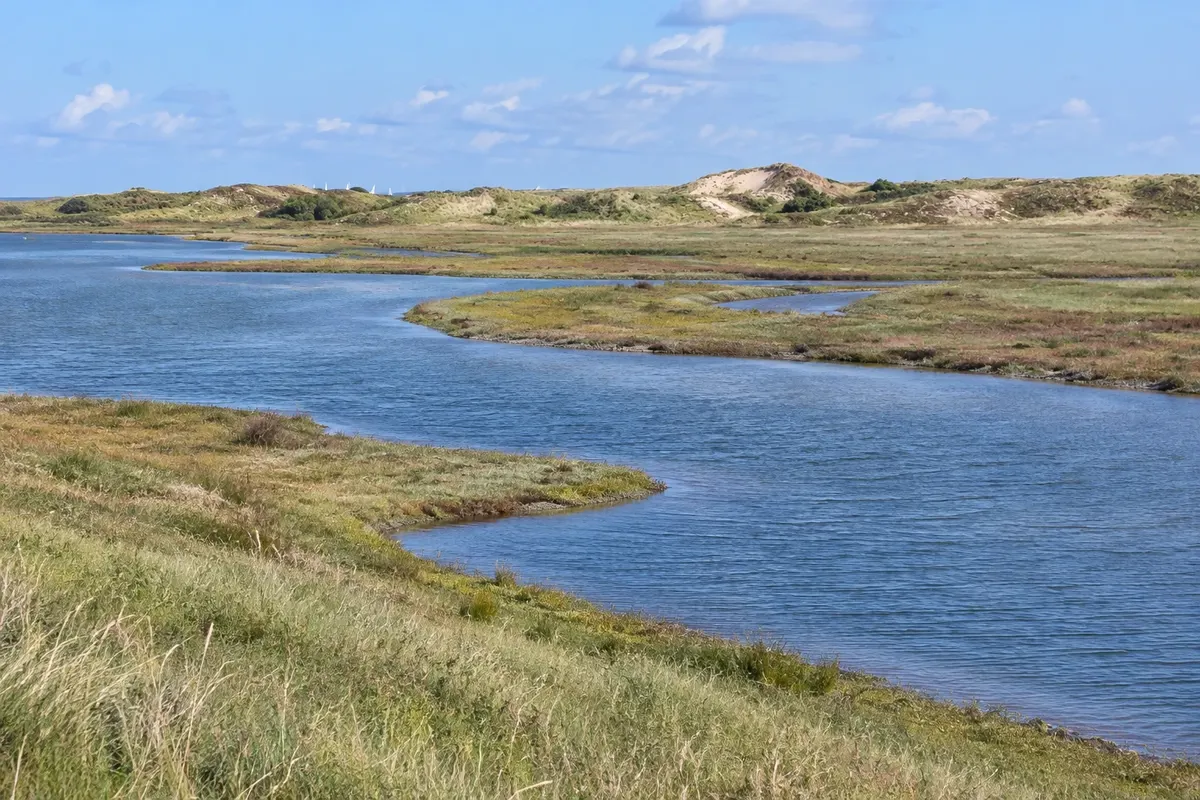
Knokke‑Heist is the last town on the Belgian coast before the Netherlands and the terminus of the Kusttram. East of it lies Het Zwin, an area of salt marshes and mudflats where North Sea water enters through the Zwin channel twice a day with the tide. Zwin Natuur Park is the gateway to the reserve. The visitor center has an exhibition on bird migration, and a panoramic tower provides 360‑degree views over the plain. From a covered viewpoint you can see the islets where birds breed and rest, such as oystercatchers and spoonbills. The region is also a breeding area for storks. The Zwin is the same sea arm that, as it silted up, cut Bruges and Damme off from the sea.

Kraji na poti: Knokke‑Heist, Zwin Natuur Park, Het Zwin.

Vključuje: Entry to Zwin Natuur Park requires a separate paid ticket. Check the current schedule/pricing.

Nasvet: Bring binoculars and a windbreaker. The park is closed on Mondays. In spring and autumn, during migration, there are usually more birds, but sightings depend on the season and the tide.

Najboljši čas za obisk: From March to May and from September to October, during migration seasons. In summer, combine it with Knokke beach.

De Panne and the Westhoek dunes

Odhod: Oostende Kusttram (coastal tram) or train to Adinkerke-De Panne Približno 4 ure Popoldne easy to moderate (soft sand)

De Panne is the town at the western end of the Belgian coast, near France, and the other terminus of the Kusttram. The beach is wide, good for walking and for the sand yacht, the sport of sailing over the sand. On the western edge of town is the Westhoek nature reserve, with 340 hectares of dunes. Many visitors call it the Sahara because of the sandy landscape. Waymarked trails cross the reserve. On the return trip, the tram passes the other beaches in the area, allowing you to stop at Koksijde or Nieuwpoort.

Kraji na poti: De Panne, Westhoek, Kusttram.

Vključuje: The reserve has free access via the trails. Kusttram, train and beach activities are paid separately. Check the current rates.

Nasvet: Stay on marked trails, because dune vegetation is fragile. Bring water, sunscreen and sunglasses: sand reflection is strong even on cloudy days.

Najboljši čas za obisk: From May to September. In winter the reserve remains open, but it is windy and it gets dark early.

Nieuwpoort: Westfront and the King Albert I monument

Odhod: Oostende Kusttram (coastal tram) or car Približno 2 uri Dopoldne Lahko

In Nieuwpoort, the river IJzer meets the sea at a set of locks called Ganzepoot, the goose foot. In October 1914, during the early months of the First World War, opening those locks flooded the IJzer plain and halted the advance of the German army. The front line remained there until the end of the war. The Westfront Nieuwpoort visitor centre is located under the King Albert I monument, beside the locks. Objects, interactive resources, personal stories and a panoramic projection, based on a 115‑metre panel, tell this episode. An elevator takes you to the top of the monument, with views of the sea, the coast and the polders. It is a short, respectful visit that helps to understand the coast. Further south, the front continues around Ieper (Ypres).

Kraji na poti: Nieuwpoort, Westfront Nieuwpoort, Koning Albert I Monument, Ganzepoot.

Vključuje: Admission to the visitor centre and to the viewing platform, with tickets paid separately. Check the current price list.

Nasvet: Combine the visit with the Kusttram stop at Nieuwpoort and a walk to the marina. There is a special activity for children aged 8 to 12.

Najboljši čas za obisk: Open year‑round. On a clear day the view from the top of the monument reaches farther.

Blankenberge: Belgium Pier and Sea Life

Odhod: Brugge (train) or Blankenberge Train to Blankenberge and on foot Približno 4 ure Popoldne Lahko

Blankenberge is a seaside town on the Belgian coast and is less than half an hour by train from Brugge. The station provides walking access to the town center and the promenade. The town’s postcard is the Belgium Pier, built in 1933 in an Art Deco style, designed by architect Jules Soete. It extends 350 meters over the North Sea and was restored according to the original design. At the end there is a brasserie with a 360-degree view over the waves. For travelers with children, Sea Life Blankenberge has penguins, seals, turtles, seahorses, and a glass tunnel with sharks and rays. The aquarium also works on seal rescue: more than 400 have been treated and returned to the sea since it opened.

Kraji na poti: Blankenberge, Belgium Pier, Sea Life Blankenberge.

Vključuje: The walk along the pier and promenade is free. Sea Life has a separate paid admission; check the current pricing.

Nasvet: Buy your Sea Life ticket online on weekends and during Belgian school holidays. Combine it with De Haan, just a few tram stops away.

Najboljši čas za obisk: All year for Sea Life. From June to August for the beach; in winter the waterfront is cold and windy.


Po dnevih

Bruges and the coast – načrt poti. Število dni: 3, 5in7

Predlogi za načrtovanje poti. Vrstni red dni prilagodite vremenu in razpoložljivosti izletov.

3 dni · Brugge in three days, with Damme and Oostende

ZaFor those short on time who want the historic centre of Brugge: a bike ride and an afternoon by the sea. · Izhodišče:Brugge
  1. Dan 1 · Arrival, Markt and Burg

    Arrive at Brussels Airport and take the train to Brugge, a journey of about 1 hour 30 minutes. After dropping your bags, walk to the Markt and the Burg at a relaxed pace to recover from the flight. In season, finish with the boat tour along the canals, departing from the Rozenhoedkaai.

  2. Dan 2 · Belfort, museums and Begijnhof

    Climb the Belfort right at opening. Continue along the Dijver to the Groeningemuseum and, after lunch, visit the Onze-Lieve-Vrouwekerk, housing Michelangelo’s Madonna, and the Sint-Janshospitaal, with works by Memling. Late afternoon, walk through the Begijnhof and the Minnewater.

  3. Dan 3 · Damme by bike and an afternoon in Ostend

    In the morning, cycle to Damme along the Damse Vaart and return the same way or, in season, by the Lamme Goedzak boat. In the afternoon, take the train to Ostend: Vistrap, the sailing ship Mercator and a walk along the Zeedijk promenade.

5 dni · Brugge at a relaxed pace and the Belgian coast
ZaWho wants to see Brugge’s museums without rushing and spend a whole day in Ostend. · Izhodišče:Brugge
  1. Dan 1 · Arrival and first walk

    Train from Brussels Airport to Brugge. In the afternoon, visit the Historium to understand the medieval city and walk around the Markt and the Burg. Keep the evening free to rest from the flight.

  2. Dan 2 · Belfort, Burg and canals

    Start with the climb up the Belfort. Visit the Stadhuis, with the Gothic Hall, and the Heilig-Bloedbasiliek. In the afternoon, take the boat tour of the canals and finish at the Begijnhof and the Minnewater.

  3. Dan 3 · Flemish Primitives and chocolate

    Morning at the Groeningemuseum. Then, Onze-Lieve-Vrouwekerk and Gruuthusemuseum, and the Sint-Janshospitaal. Late afternoon, choose between Choco-Story and a visit to the De Halve Maan brewery.

  4. Dan 4 · Damme and the Sint-Anna neighborhood

    In the morning, cycle to Damme along the Damse Vaart. In the afternoon, walk the Kruisvest, enter the Sint-Janshuismolen in season and watch the bobbin lace demonstration at the Kantcentrum. Pass by Sint-Salvatorskathedraal on the return.

  5. Dan 5 · Oostende and Raversyde

    Train to Oostende early to catch the Vistrap with fresh fish. Visit the sailing ship Mercator and follow the Zeedijk promenade. In the afternoon, take the Kusttram to the Atlantikwall Raversyde in season, or stay on the seafront outside the season.

7 dni · Brugge, Damme and the coast from end to end
ZaWho wants to combine the medieval city with the beaches, dunes and coastal nature, using train and tram. · Izhodišče:Brugge, with train departures and the Kusttram
  1. Dan 1 · Arrival in Brugge

    Train from Brussels Airport to Brugge. In the afternoon, an easy walk around the Markt, the Burg and the Rozenhoedkaai. In season, take the boat tour of the canals.

  2. Dan 2 · The classic center

    Climb the Belfort early in the morning, Stadhuis and Heilig-Bloedbasiliek. In the afternoon, Historium and Choco-Story. At the end of the day, Begijnhof and Minnewater.

  3. Dan 3 · Museums and beer

    Groeninge Museum in the morning. In the afternoon, Onze-Lieve-Vrouwekerk, Gruuthuse Museum and Sint-Janshospitaal. Finish with a visit to the De Halve Maan brewery and pass by Sint-Salvatorskathedraal.

  4. Dan 4 · Damme and Sint-Anna

    Cycle to Damme along the Damse Vaart in the morning. In the afternoon, back in Brugge, follow the Kruisvest with its windmills and attend the lace demonstration at the Kantcentrum.

  5. Dan 5 · Knokke-Heist, Het Zwin and Blankenberge

    Train from Brugge to Knokke in the morning and visit the Zwin Natuur Park. After lunch, take the Kusttram to Blankenberge for the Belgium Pier and, if you are with children, Sea Life. On the return, get off at De Haan to see the villas of the Concessie.

  6. Dan 6 · Oostende and Raversyde

    Train to Oostende: Vistrap in the morning, the sailing ship Mercator and the Zeedijk promenade. In the afternoon, Kusttram to the Atlantikwall Raversyde, in season.

  7. Dan 7 · Nieuwpoort and De Panne

    Kusttram from Oostende westward. Stop at Nieuwpoort for the Westfront and the King Albert I monument. Continue to De Panne and walk the dunes of the Westhoek. Return to Brugge by train from Adinkerke-De Panne or from Oostende.

Najboljši čas za obisk

Kdaj se odpraviti:Bruges and the coast po mesecih

From May to September the days are long and temperatures are milder — a good time for cycling and the beach. July and August make Bruges and the coast busy. In winter, from December to February, it’s cold, often rainy and it gets dark early in the afternoon. Rain can occur in any month.

The seasons shown are the most usual ones; nature doesn't always follow the calendar.

januar Zmerne padavine

cold winter · empty museums

In Oostende, average highs are around 7 °C and lows about 1 °C. It rains on roughly 12 days, and the sea wind increases the feeling of cold. Days are short and it gets dark in the mid-afternoon. A good month for museums, with few people.

februar Zmerne padavine

damp cold · quiet town

Still winter: average highs around 8 °C and lows of 1 °C on the coast, with rain on about 10 days. Days are starting to get longer but remain short. Brugge is quiet; the coast is very windy. Many seasonal tours and activities have not yet opened.

marec Malo padavin

early spring · boats return

European spring begins: average highs around 10 °C and lows of 3 °C in Oostende, with rain on about 9 days. At the start of the month the boat season on the canals usually resumes.

april Malo padavin

cool spring · mill open

One of the driest months: average highs around 14 °C and lows of 5 °C on the coast, with rain on about 8 days. Days become considerably longer. The Sint-Janshuismolen reopens in April, and the season for outdoor tours gains momentum. Bring a jacket for the mornings.

maj Malo padavin

long days · Procession of the Holy Blood

Stable spring: average highs around 17 °C and lows of 9 °C on the coast, with rain on about 9 days. It gets dark late, which is good for bike and tram outings. On Ascension Day, in May or early June, Brugge usually holds the Procession of the Holy Blood. Belgian public holidays fill the city.

junij Zmerne padavine

early summer · bright nights

Start of the European summer: average highs around 19 °C and lows of 12 °C in Oostende, with rain on about 9 days. These are the longest days of the year, with daylight late into the night. The North Sea remains cold for swimming. Brugge welcomes many visitors.

julij Zmerne padavine

high season · crowded beaches

Hottest month together with August: average highs around 22 °C and lows of 13 °C on the coast, with rain on about 9 days, usually as showers. Belgian school holidays: beaches, the Kusttram and Brugge’s center get crowded. Extra trains to the coast usually run in July and August.

avgust Veliko padavin

coastal summer · rain showers

Average highs around 22 °C and lows of 13 °C in Oostende. It is the wettest month of the summer, about 84 mm of rain, usually in short-lived showers. The high season on the beaches continues, with extra trains to the coast. Buy tickets in advance.

september Zmerne padavine

end of summer · fewer people

Average highs around 19 °C and lows of 11 °C on the coast, with rain on about 10 days. Holidays end and Brugge and the beaches become calmer, with seasonal activities still open. Bird migration season at the Zwin.

oktober Veliko padavin

autumn · colors on the Damme canal

European autumn: average highs near 15 °C and lows of 8 °C in Oostende, with rain on about 12 days. The trees along the Damse Vaart change color. Bring a raincoat.

november Veliko padavin

rainy autumn · end of the seasons

The rainiest month: about 88 mm in Oostende, with rain on about 14 days, average highs near 11 °C and lows of 5 °C. The canal boats, the Kruisvest windmill and the Atlantikwall Raversyde close their season between early and mid-month. It gets dark early.

december Veliko padavin

winter · Christmas market

Start of the European winter: average highs around 7 °C and lows of 2 °C on the coast, with rain on about 14 days. These are the shortest days of the year. Brugge usually sets up a Christmas market and lighting in the squares. Museums are open, with closures at Christmas and New Year’s.

Načrtujte pot

Kako do tja:Bruges and the coast

From the airport and from Brussels by train

From Brussels to Brugge, direct trains take about 1 hour and run frequently from Brussel-Zuid (Bruxelles-Midi), Brussel-Centraal and Brussel-Noord, towards Ostend or to Knokke and Blankenberge. From Brussels Airport there are direct trains to Brugge at some times of day, with a journey time of about 1 hour 20 minutes to 1 hour 30 minutes; at other times you must change trains at one of the Brussels stations. Tickets to or from the airport include an additional airport supplement, charged with the fare. From Brugge station the centre is within walking distance, and De Lijn buses run to the Markt.

By train from Paris, London, Amsterdam or Cologne

International trains arrive at Brussel-Zuid (Bruxelles-Midi): the Eurostar comes from Paris, London and Amsterdam, and the ICE comes from Cologne and Frankfurt. At the same station, take the SNCB/NMBS train to Brugge, with a journey time of about 1 hour. Compare timetables and connections before buying.

Z avtom

The E40 motorway links Brussels with Ghent, Brugge and Ostend. From Brussels to Brugge is about 100 km; from Brugge to Ostend about 25 km, and from Brussels to Ostend about 120 km. From France, Ostend is about 89 km from Lille and 97 km from Calais. In Brugge the historic centre has restricted traffic: leave your car in a car park, such as 't Zand or the station car park, and walk. On the coast the Kusttram makes a car unnecessary between the beaches.

How to get between Brugge and the coast

Brugge’s center is explored on foot, and a bicycle helps around the outskirts, such as the route to Damme. From Brugge, trains reach Oostende, Blankenberge and Knokke in under 25 minutes. In July and August, SNCB/NMBS usually reinforces coastal lines with extra trains. Along the sea, the Kusttram, operated by De Lijn, covers about 67 km between De Panne and Knokke-Heist, with 68 stops; it runs every 10 to 15 minutes during the day and takes just over 2 hours end to end. The western tip also has a train at Adinkerke-De Panne station.

Tickets and passes

Brugge’s municipal museums, such as the Groeningemuseum, Sint-Janshospitaal, Gruuthusemuseum, Belfort and Sint-Janshuismolen, have separate tickets, and there is a pass that combines several of them. Churches usually allow free entry to the nave, with charges for museum areas and treasures. On the coast the Kusttram offers single tickets and one- or multi-day passes. Check the current fare table before you go.

Pred odhodom

Praktične informacije

Z nekaj načrtovanja boste imeli več časa za uživanje na poti.
Kdaj se odpraviti

From May to September the days are long and temperatures are milder — a good time for cycling and the beach. July and August make Bruges and the coast busy. In winter, from December to February, it’s cold, often rainy and it gets dark early in the afternoon. Rain can occur in any month.

The seasons shown are the most usual ones; nature doesn't always follow the calendar.

Koliko dni ostati

Two days in Bruges are enough to see the center, the canals and a museum at a relaxed pace. Add half a day to cycle to Damme and a day for Ostende and the coast. With three or four days the region fits well into a trip around Belgium, since Ghent and Brussels are less than an hour and a half away by train.

V katerem mestu prenočiti

In Bruges, the historic center within the ring of canals is walkable; the streets near the Markt and the Burg are busy by day and calm at night. The area between the station and the Begijnhof is convenient for those arriving and departing by train. In Ostende, the Zeedijk promenade overlooks the sea, and the streets behind the station are close to the port and the tram. Damme is small and quiet, good for travelers by car or bicycle.

Spoštujte kraj

Odnesite svoje odpadke, upoštevajte oznake in podprite lokalne ponudnike. V naravi upoštevajte navodila za obiskovalce.

Odgovori na vaša vprašanja

Pogosta vprašanja – Bruges and the coast

What language is spoken in Bruges, Damme and Ostende?

Flemish, the Dutch spoken in Belgium. Signs, menus and notices are in that language, often with English alongside. French is understood by part of the population, but it is not the local language.

Can you visit the region without a car?

Yes. Bruges and Ostende have train stations with frequent services between them and to Brussels and Ghent. Damme is reachable by bicycle or on foot along the Damse Vaart, or by bus. The Kusttram runs the coast from end to end.

Can you swim in the sea at Ostende?

Yes, in summer, when lifeguards are on duty and flags indicate sea conditions. North Sea water is cold even in July and August, and some stretches of the beach do not allow swimming.

Poti – in Belgija

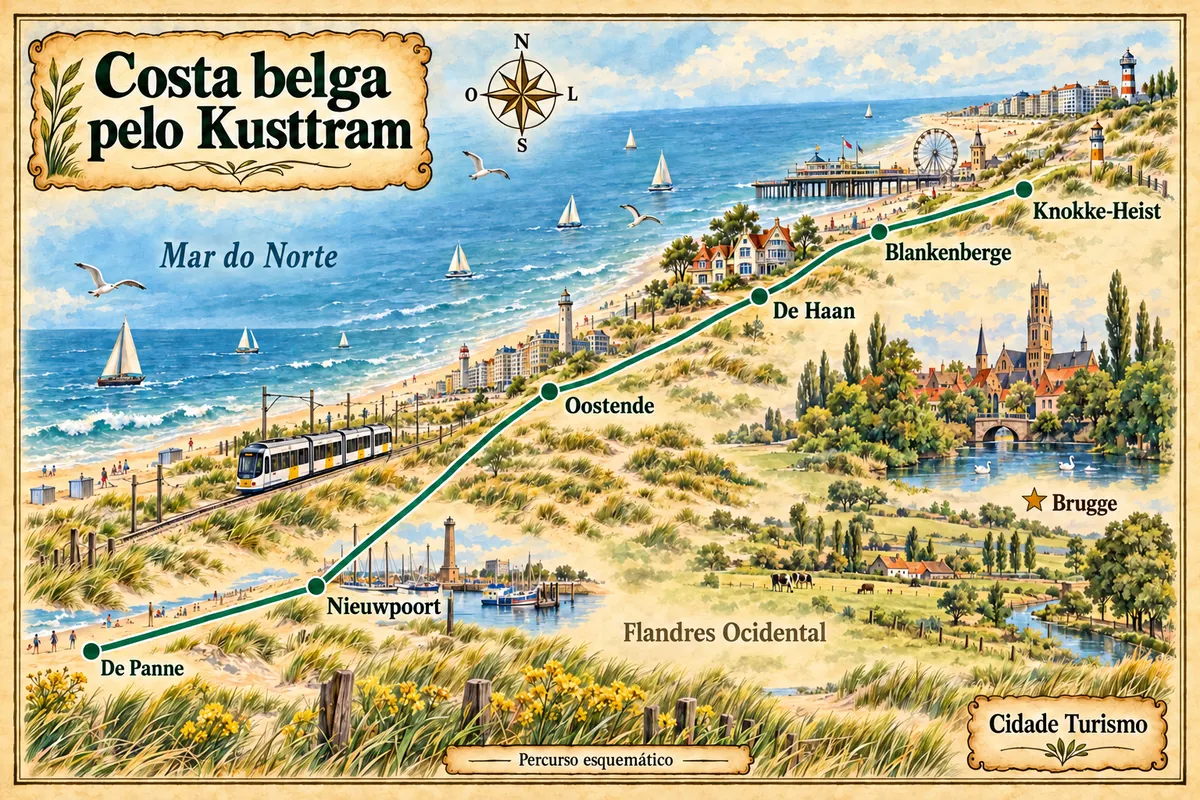
Bruges and the coast – na poti z imenom Belgian coast by the Kusttram

Between De Panne, near France, and Knokke-Heist, near the Netherlands, a tram runs along the entire Belgian coast, with dunes, seaside resorts and the North Sea beside it.

Zemljevid je ilustrativen in ni v merilu. Dotaknite se mesta, da odprete njegovo stran.
Belgian coast by the Kusttram – ilustrirani zemljevid
Več o poti – Belgian coast by the Kusttram

Poti – in Belgija

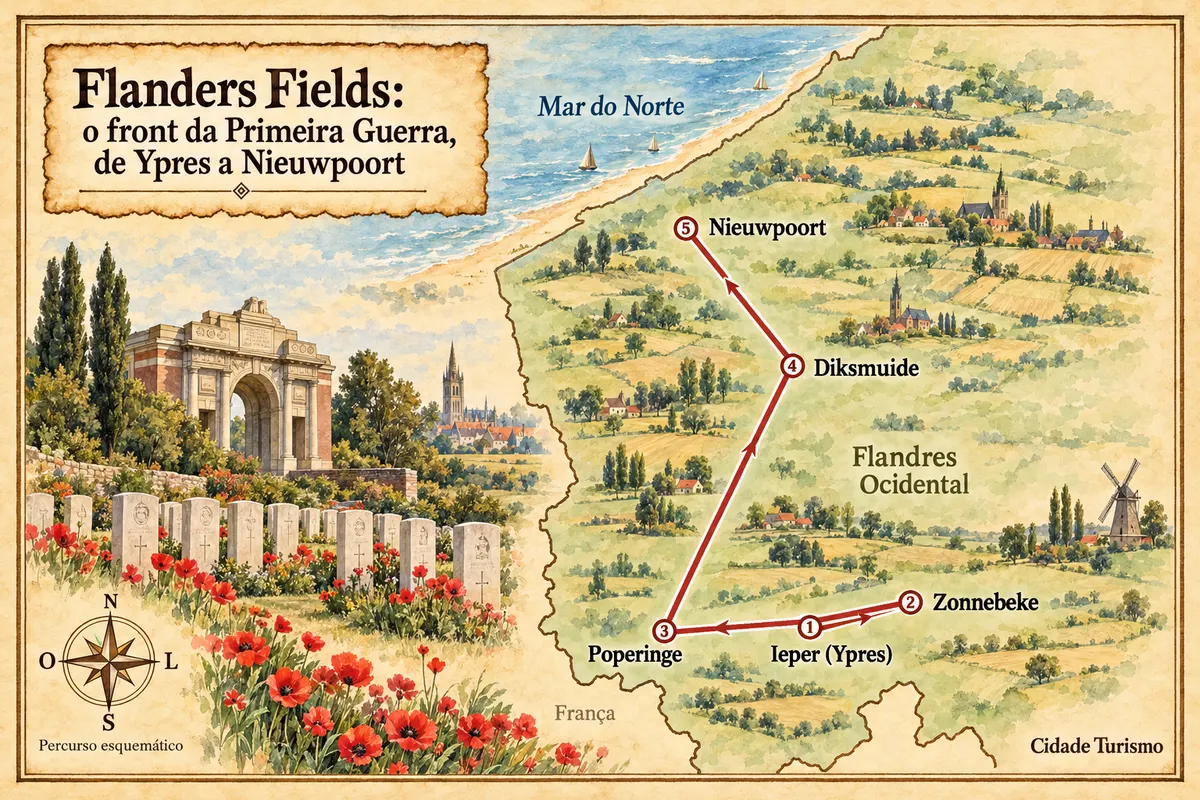
Bruges and the coast – na poti z imenom Flanders Fields: the First World War front, from Ypres to Nieuwpoort

Cemeteries, museums and trenches of the First World War in West Flanders, from the Ypres salient to the mouth of the IJzer River near the North Sea.

Zemljevid je ilustrativen in ni v merilu. Dotaknite se mesta, da odprete njegovo stran.
Flanders Fields: the First World War front, from Ypres to Nieuwpoort – ilustrirani zemljevid
Več o poti – Flanders Fields: the First World War front, from Ypres to Nieuwpoort

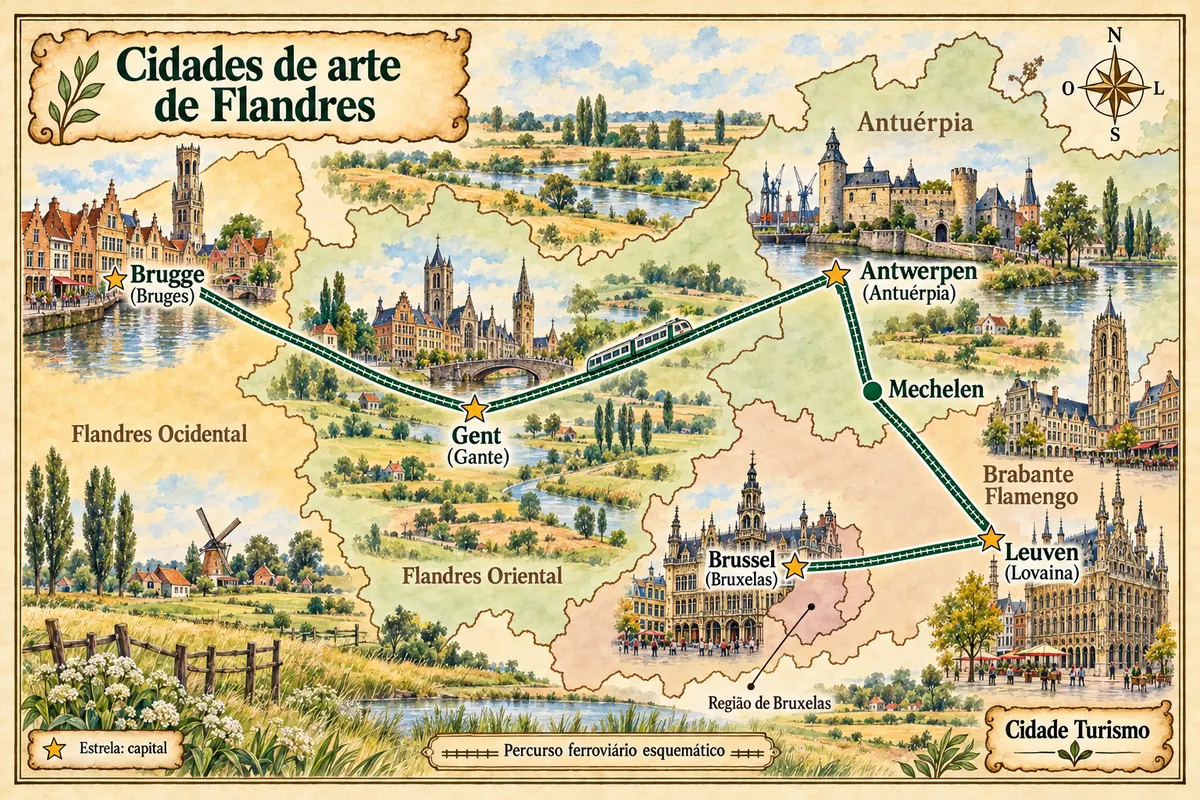
Poti – in Belgija

Bruges and the coast – na poti z imenom Flemish art cities

Six historic cities linked by train: Brussels, Leuven, Mechelen, Antwerp, Ghent and Bruges, with Flemish painting, cathedrals and medieval centres less than an hour apart.

Zemljevid je ilustrativen in ni v merilu. Dotaknite se mesta, da odprete njegovo stran.
Flemish art cities – ilustrirani zemljevid
Več o poti – Flemish art cities
Odkrijte druge destinacije Iskanje po zvezni državi in mestu

Več kot vodnik