Santarém
Santarém grew up at the meeting of the Tapajós and Amazon rivers and combines beaches with historic heritage. The waterfront, the downtown churches and the riverside communities show different sides of the municipality.
Antarktika
PA · Brazilija
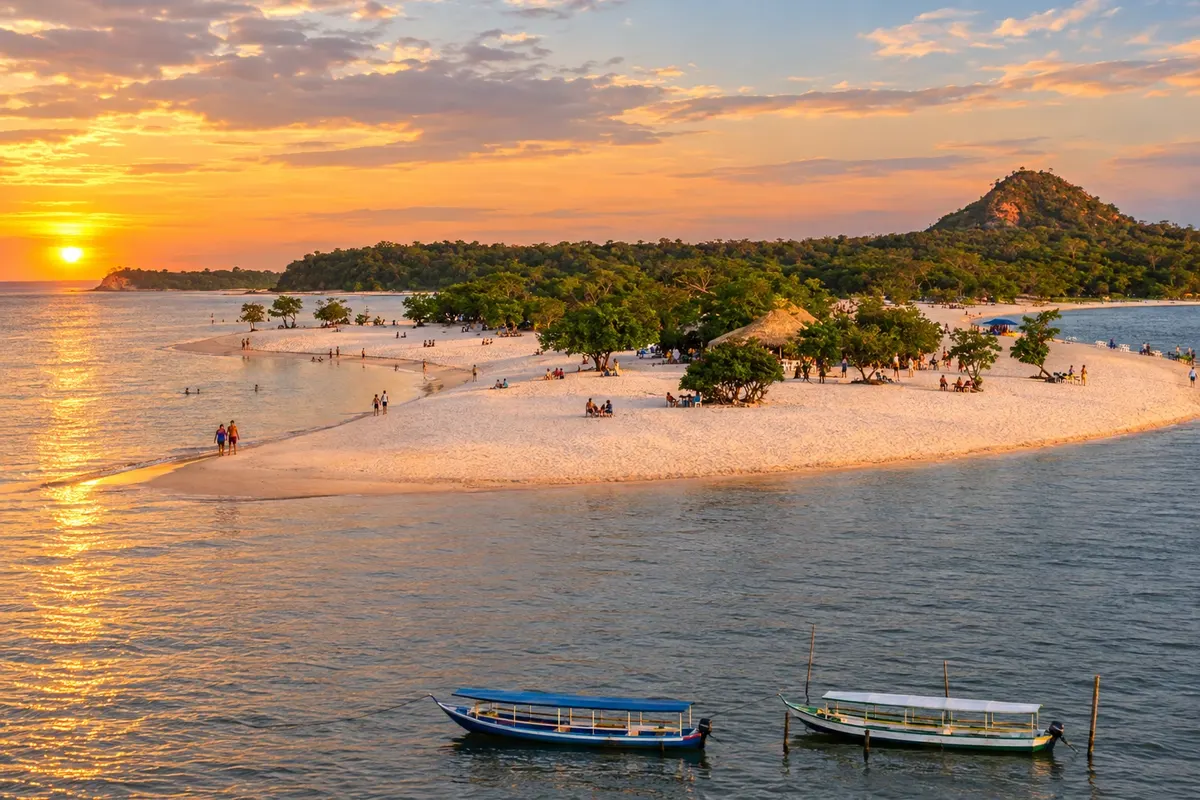
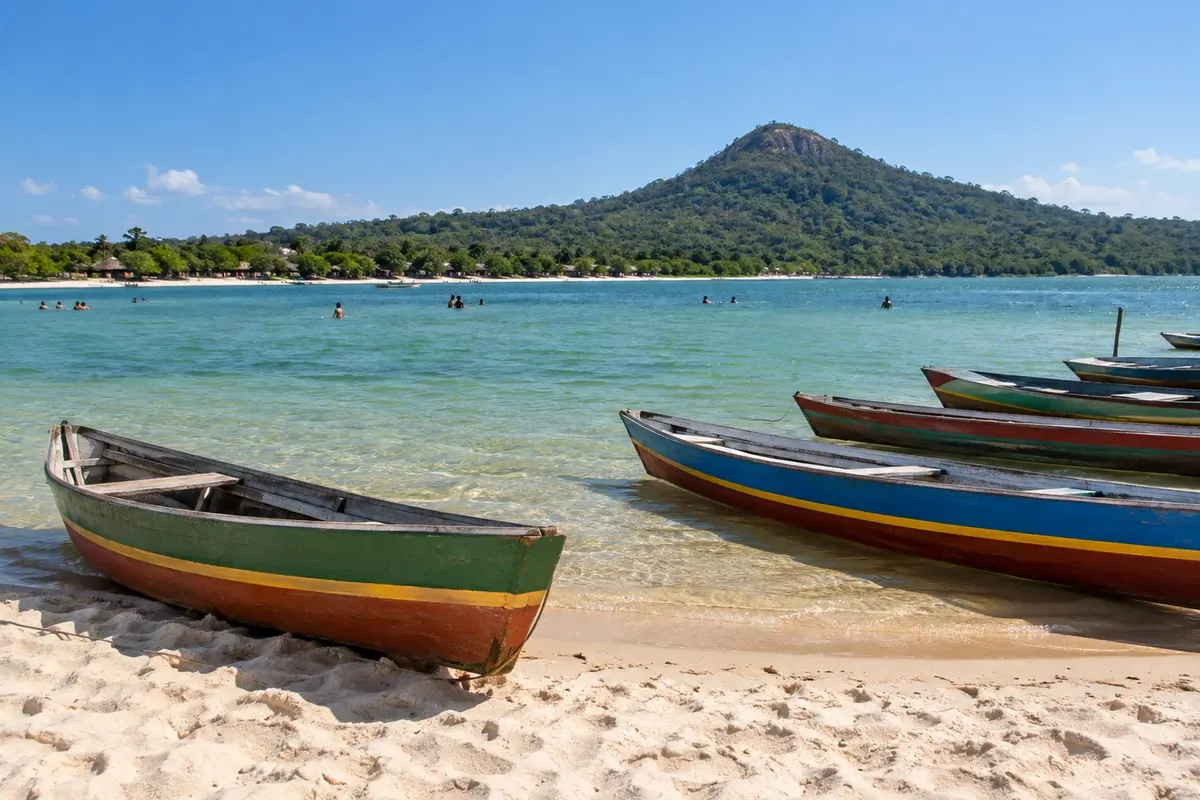
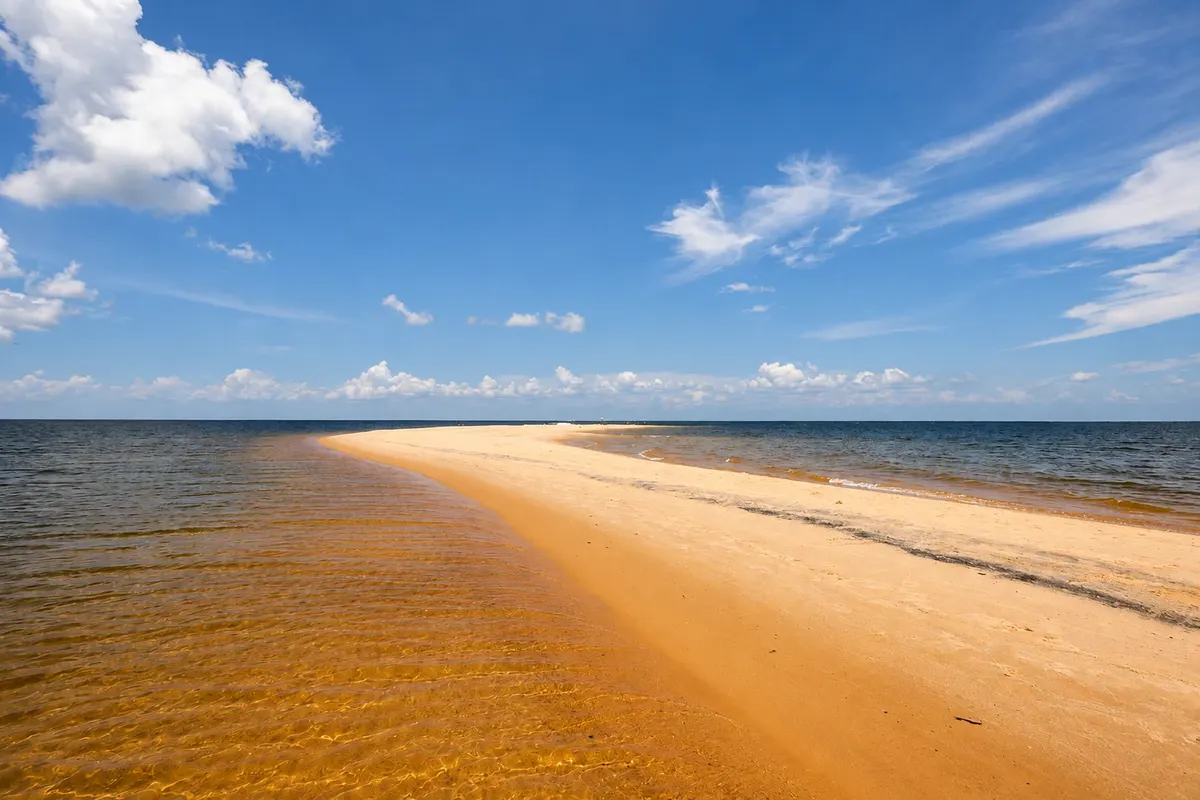
Na fotografiji: Ilha do Amor — tropical paradise
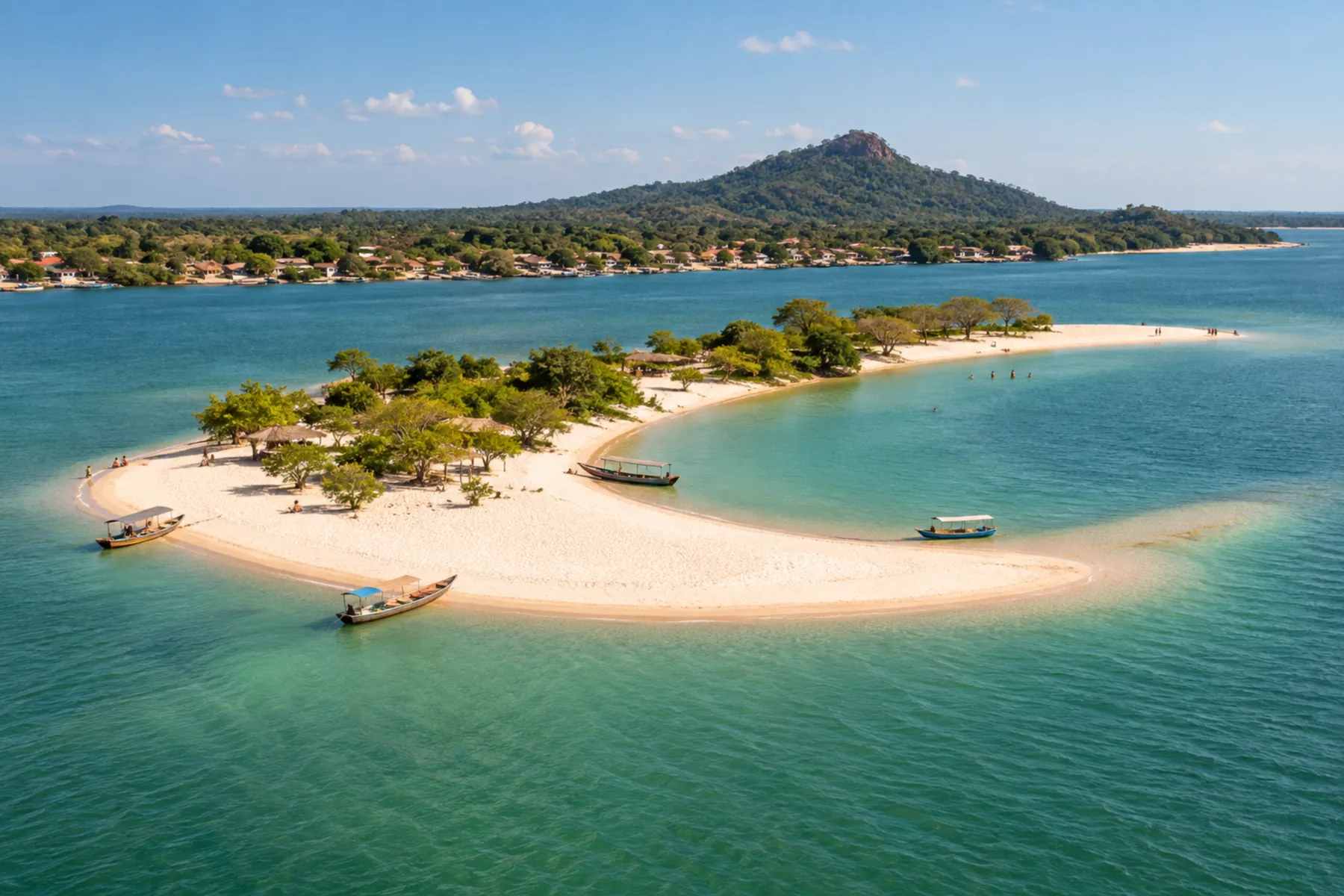
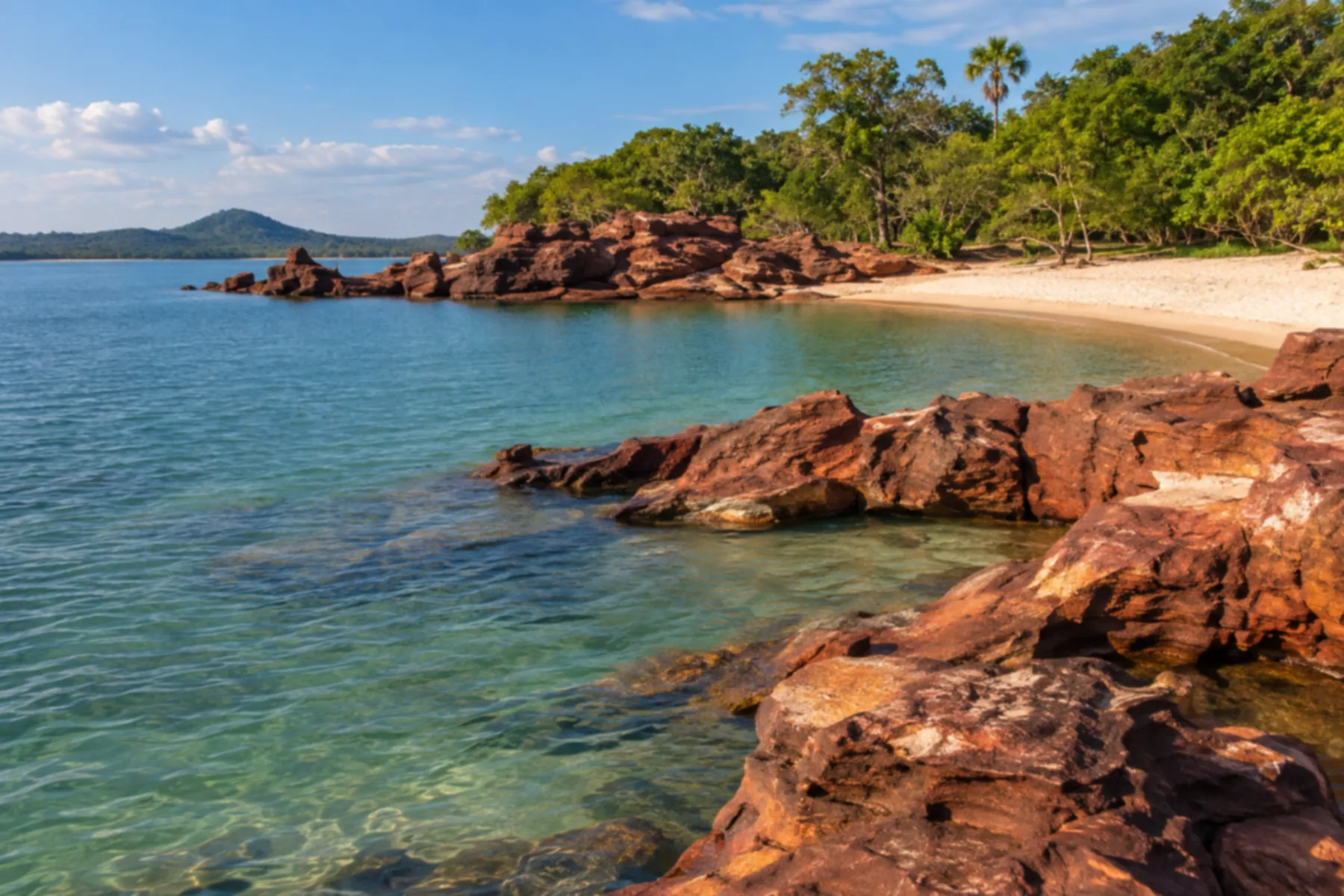
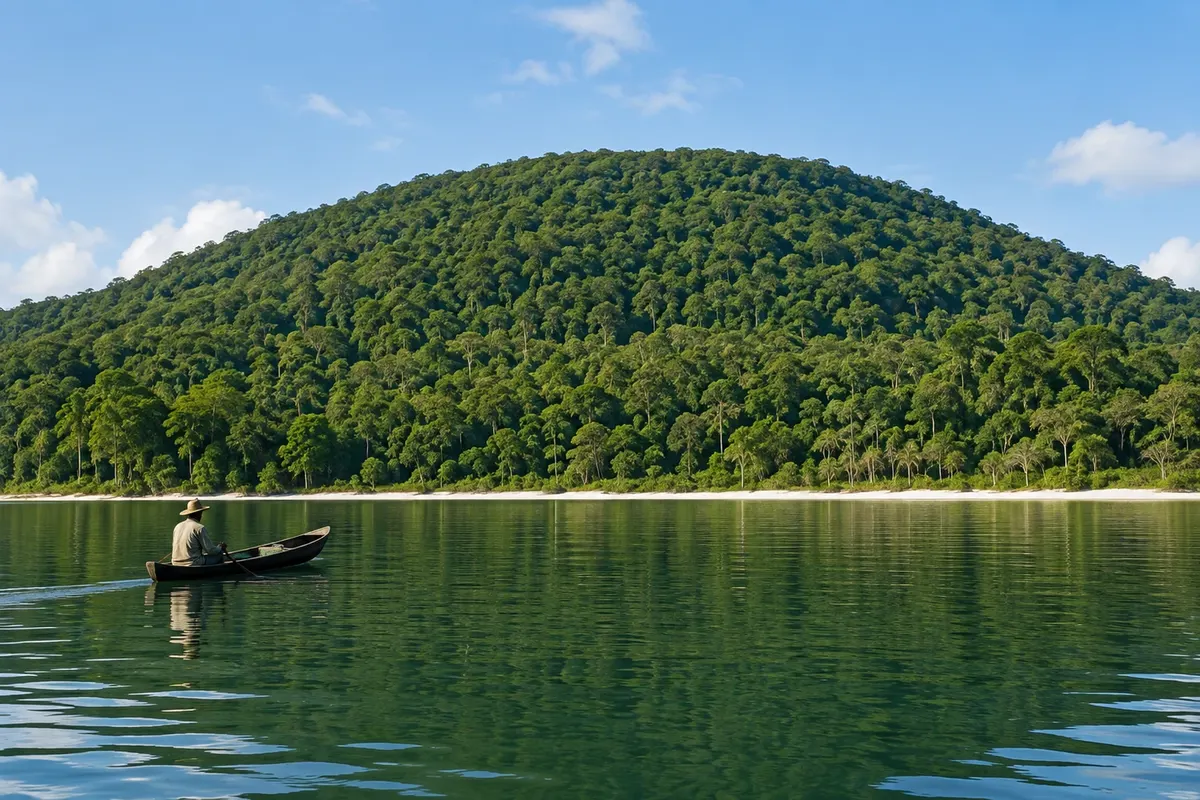
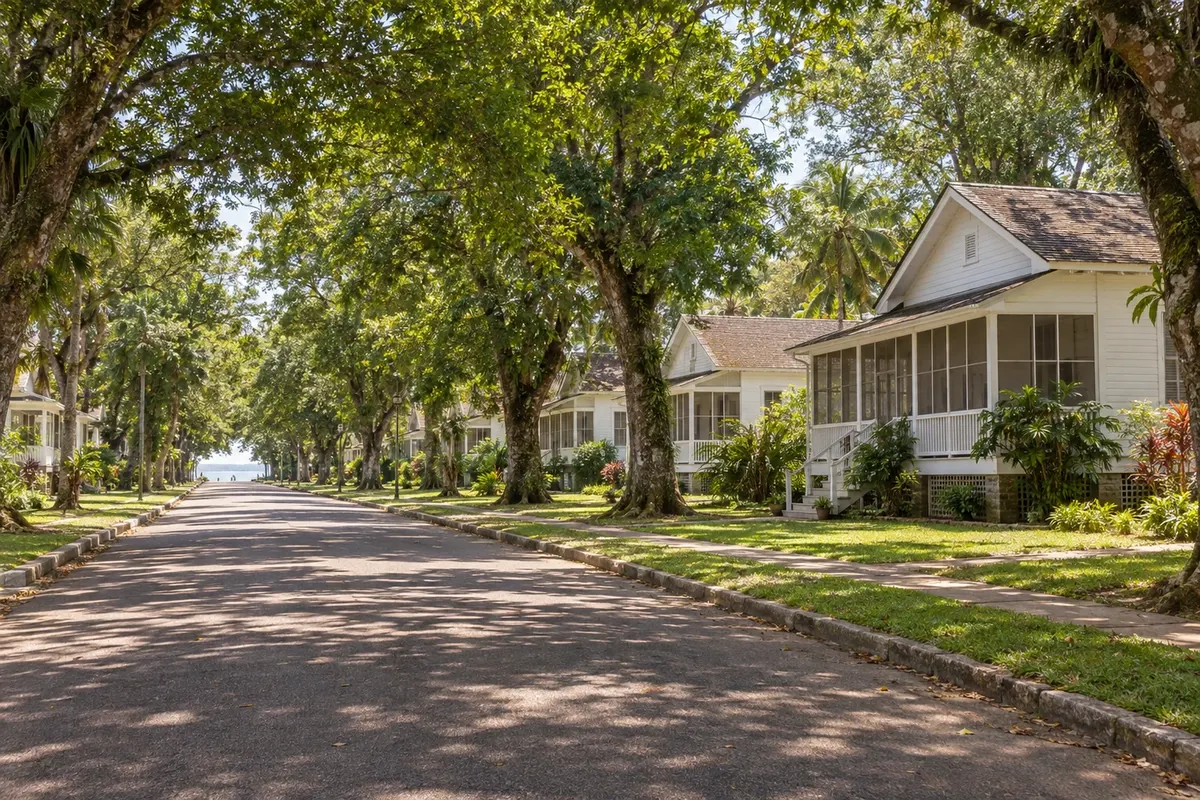
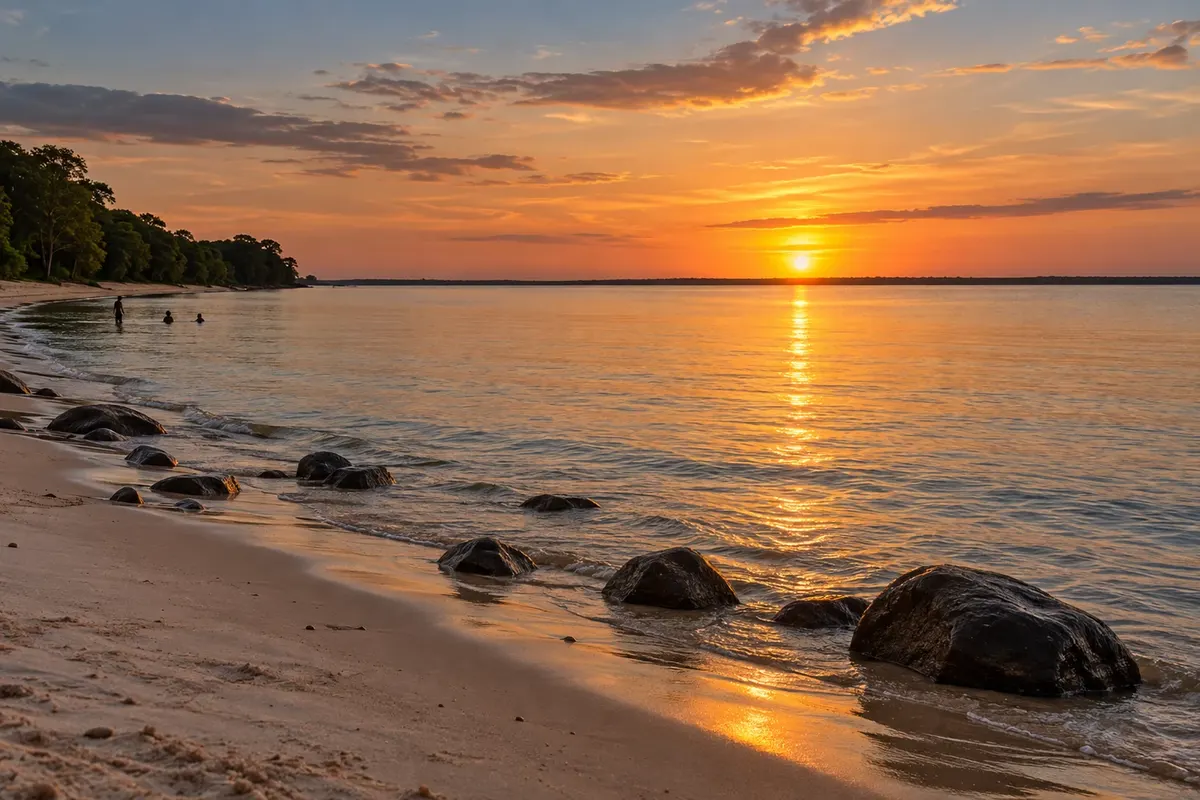
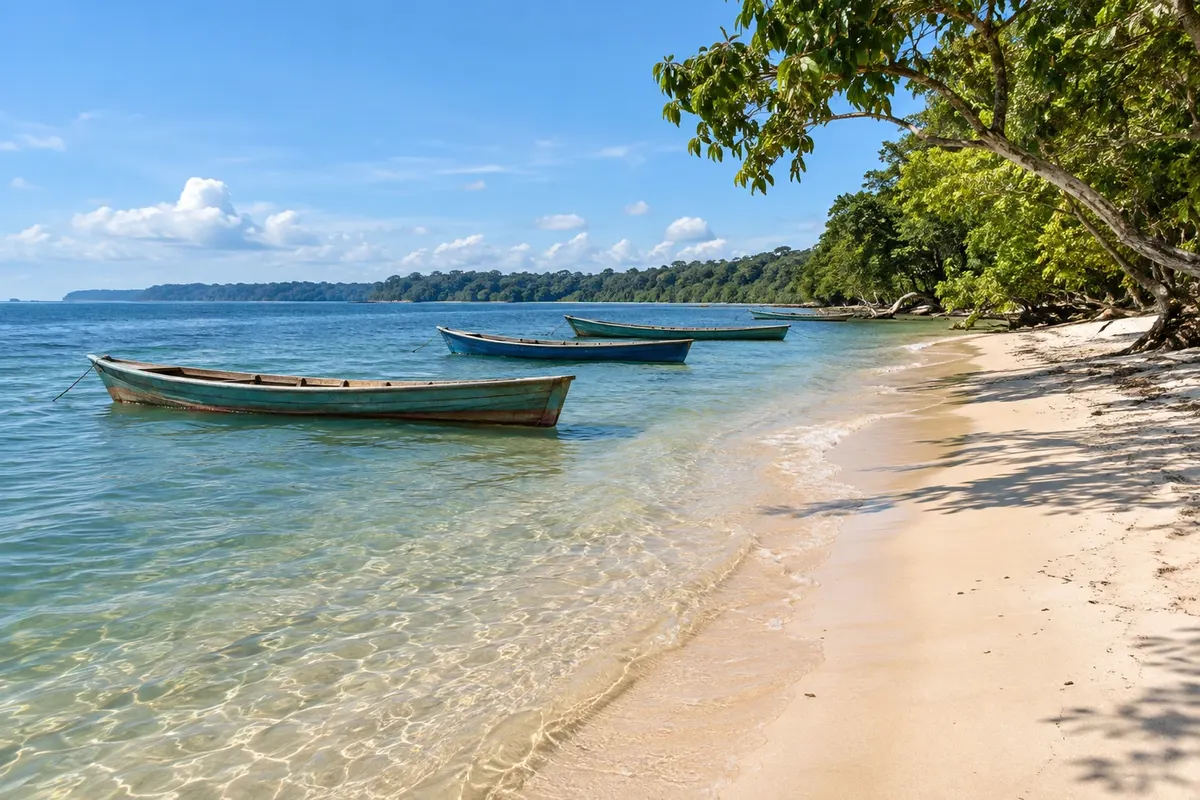
Illustrative images. The pictures in this guide are illustrations based on the real place, not photographs, and may differ from it.
Spoznajte kraj
Known as the Amazon Caribbean, Alter do Chão has bright white sand and blue-green water that appear when the Tapajós River drops. Around the village there are flooded-forest lakes, hill trails and riverside communities that welcome visitors to eat fish on the riverbank. It is a freshwater beach surrounded by forest, and the sunset here is one of the most beautiful in Brazil.
This destination brings together 3 cities: Santarém, Belterra, Aveiro.
Pogled na kraj
These pictures are illustrations based on the real place, not photographs. They may differ from the place.
Kliknite fotografijo za povečavo.
Fotografije popotnikov
Ena destinacija, več poti
Začnite v enem mestu ali v načrt poti vključite več mest.
Zemljevid: @svg-maps/brazil, CC BY 4.0
✈ Aeroporto Internacional de Santarém (STM)· 15 km do cilja (Santarém)
Fly into Santarém Airport (STM) and drive about 35 km on the Everaldo Martins highway (PA-457) to the village of Alter do Chão.
Predlagana točka prihoda:Santarém
Santarém grew up at the meeting of the Tapajós and Amazon rivers and combines beaches with historic heritage. The waterfront, the downtown churches and the riverside communities show different sides of the municipality.
Belterra preserves traces of the rubber plantation project Henry Ford created in the Amazon. Its urban heritage and landscapes along the Tapajós bring visitors close to history and the forest.
Aveiro stretches along the banks of the Tapajós River, among river beaches and Amazon communities. The riverside town and the heritage of Fordlândia reveal landscapes and stories tied to the river and to rubber.
Doživite kraj
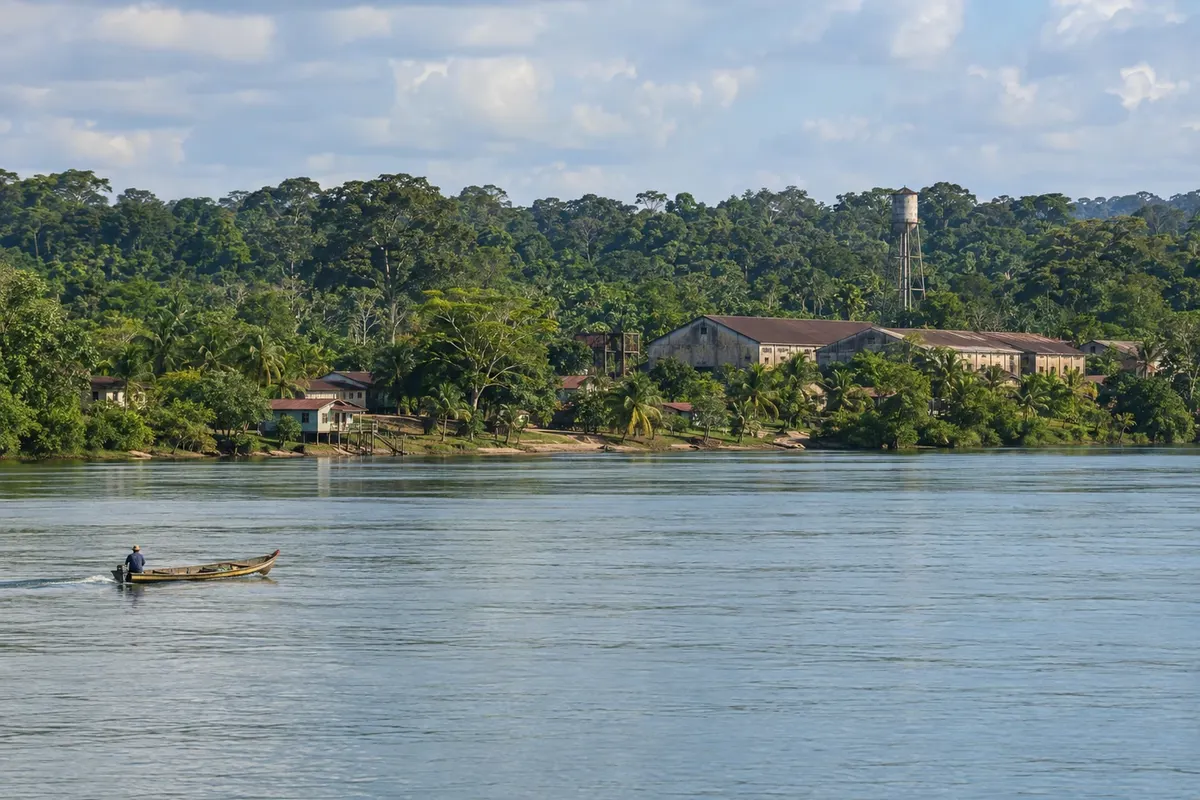
Created in the late 1920s by Henry Ford's company to produce rubber, the village was abandoned by the company in 1945, after the rubber plantations failed. Still inhabited, it preserves American-style houses and industrial structures on the banks of the Tapajós River.
A sandbank in front of the village, reached by canoe in a few minutes, with warm, shallow water on both sides. Its size changes with the level of the Tapajós.
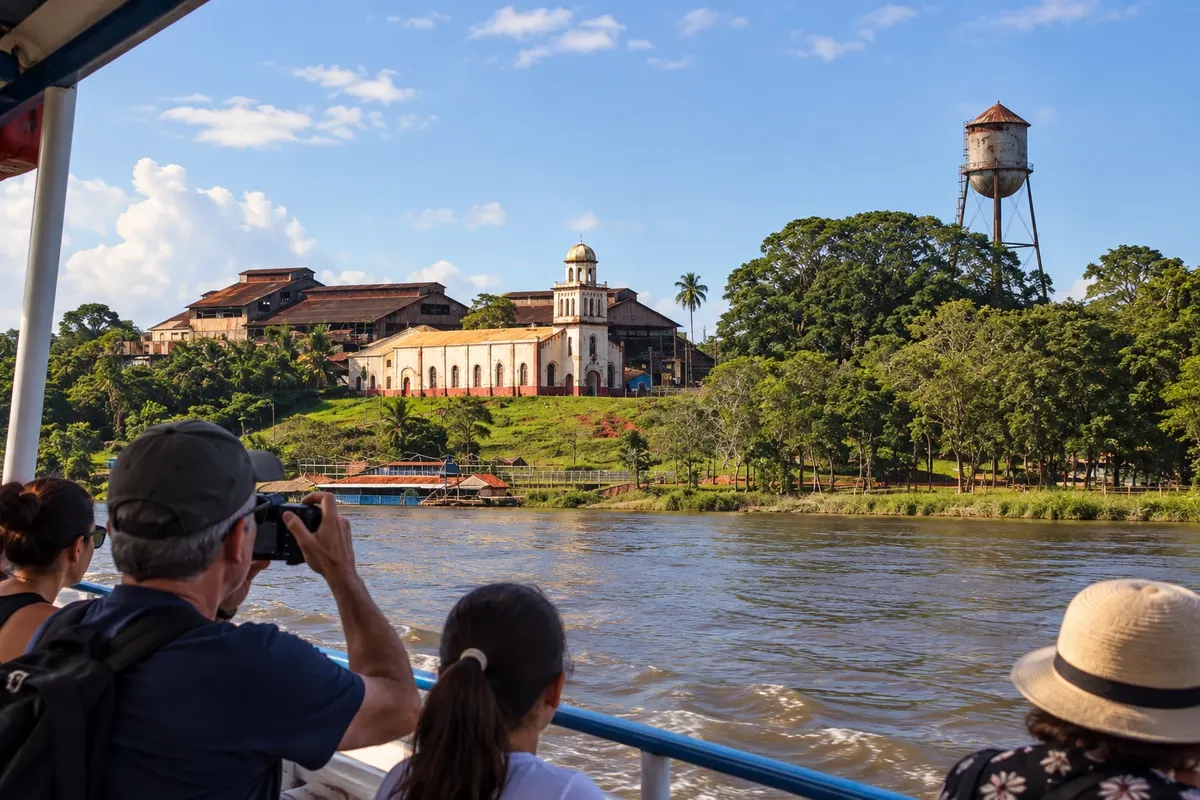
About 50 meters tall, the water tower was made in Michigan and shipped to the village, becoming the symbol of Henry Ford's old project. Around it, the sawmill and the three-story workshop building are still standing.
Raziščite Caixa d'água e oficinas de Fordlândia
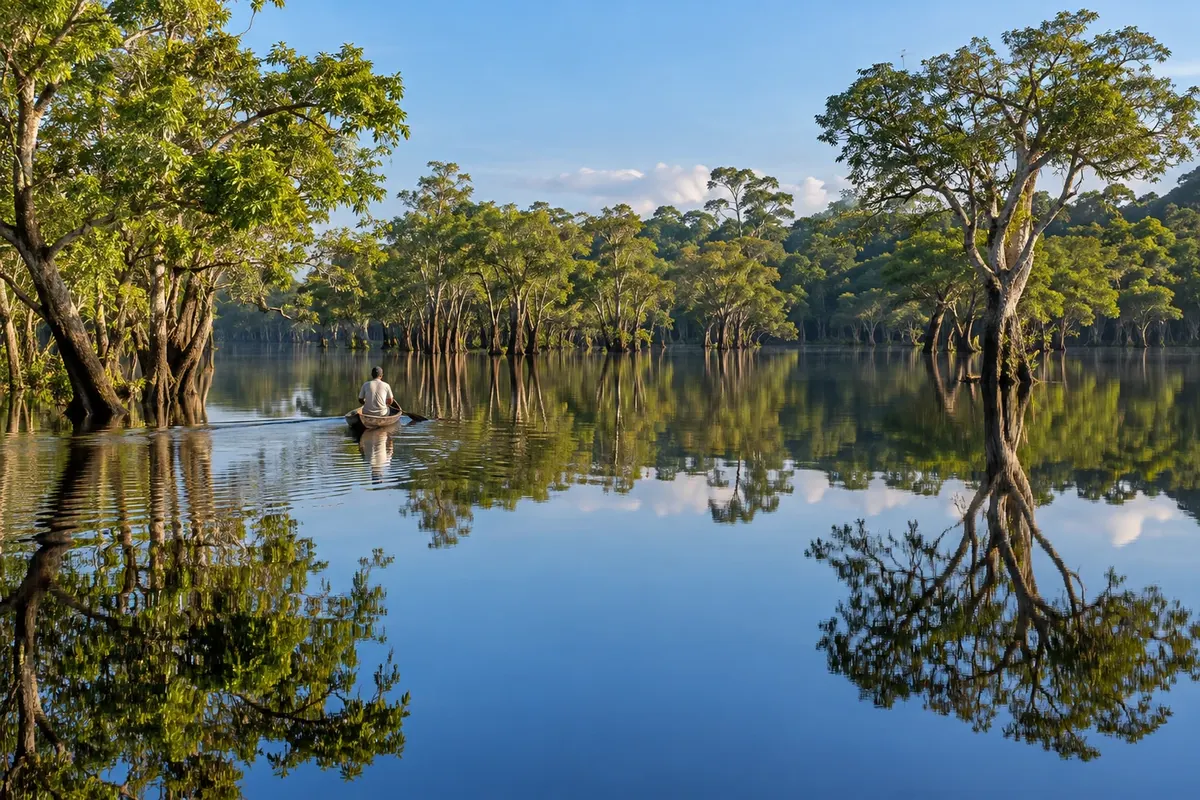
A shallow lake next to the village, explored by canoe through areas of flooded forest. The route passes the so-called Floresta Encantada, with trees standing in the water.
It is on the bank of the Tapajós River, about 9 km from the village of Alter do Chão, and can be reached by dirt road or by boat. Thatched huts line the sand, and the sun sets over the water right in front of the beach.
A short, steep trail ending at a natural viewpoint over Lago Verde and the Tapajós. Best done very early or late in the afternoon because of the heat.
A residential complex built by Henry Ford's company from 1934 on for senior staff, with American-inspired houses, left by the company in 1945. A large water tower marks the entrance to the village, whose buildings are being restored.
A Tapajós beach marked by reddish rock formations that reach out over the water. A good full-day option, away from the bustle of the village.
The first beach on the way from the town center to Alter do Chão, it lies on the banks of the Tapajós River, next to a riverside community. Residents keep up religious festivals and lead nature walks to springs in the forest.
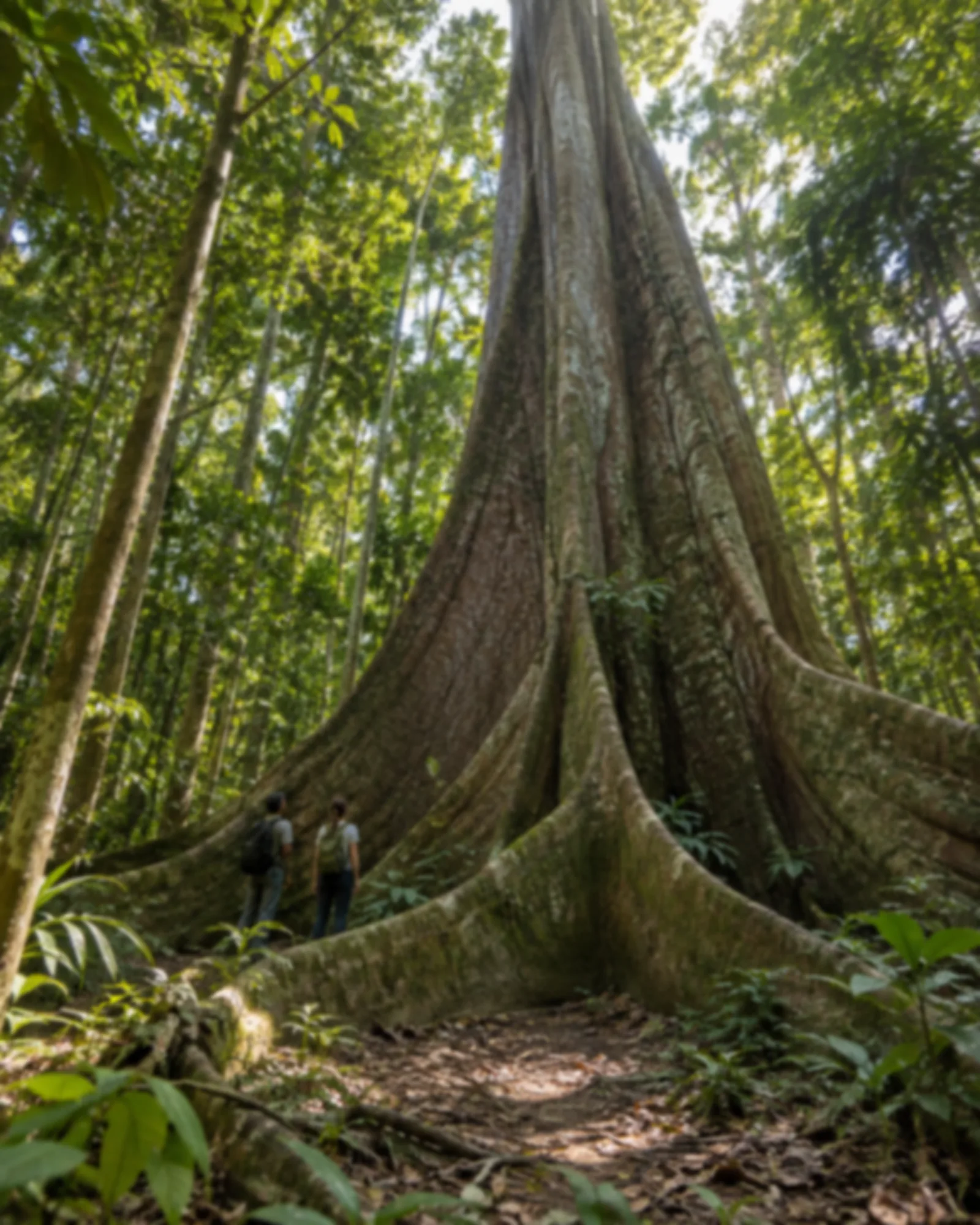
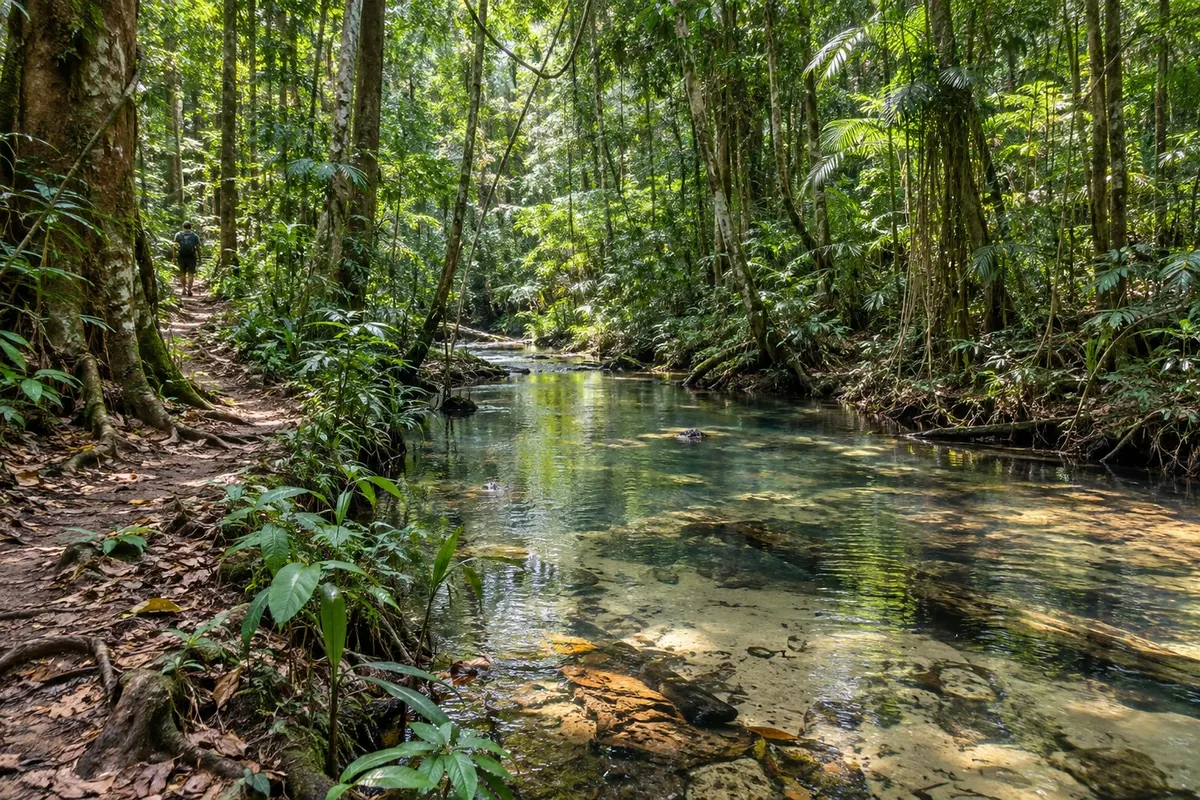
A conservation area with trails among giant trees, igarapés (creeks) and communities such as Maguari and Jamaraquá. Visits are guided by local residents.
Raziščite Floresta Nacional do Tapajós
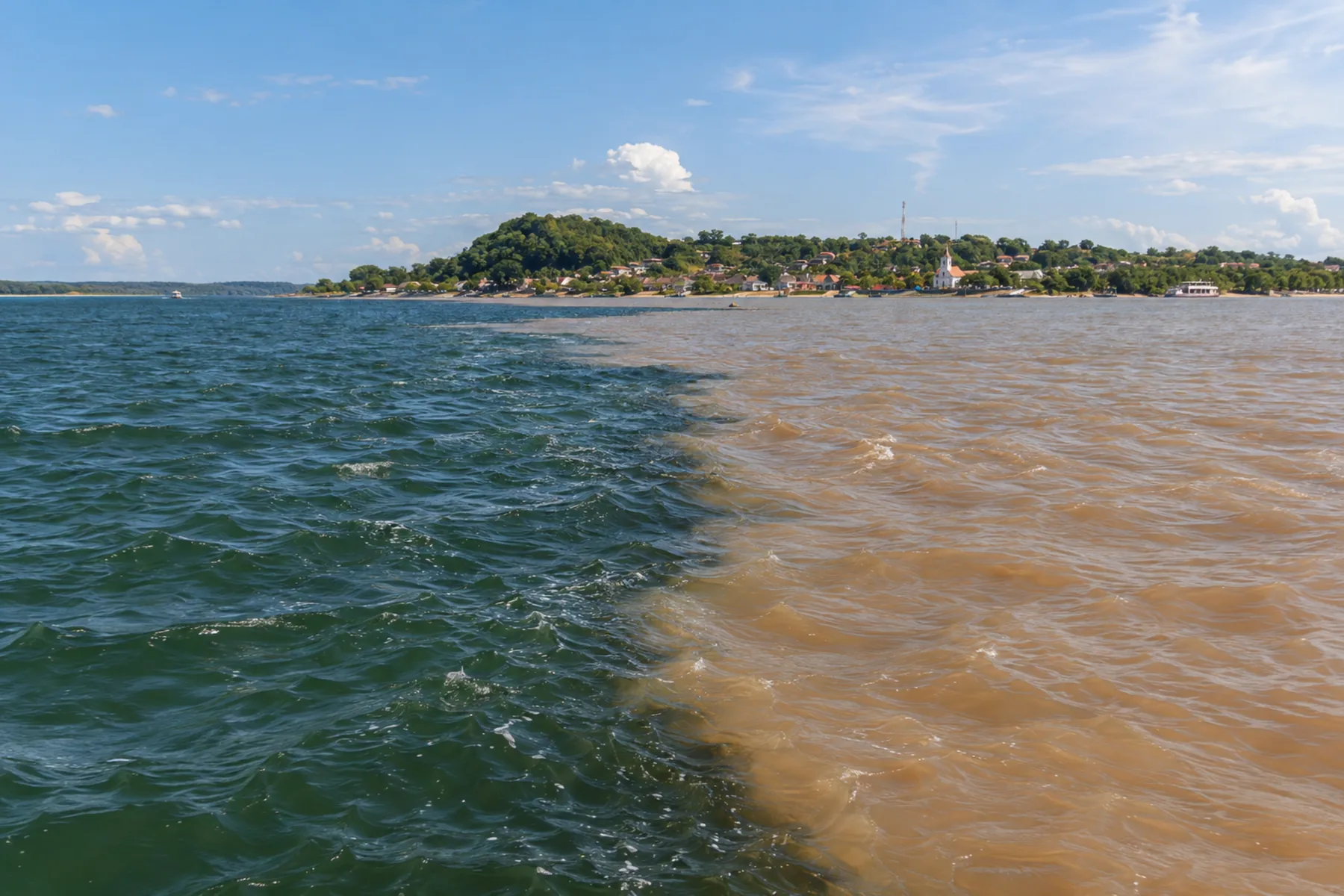
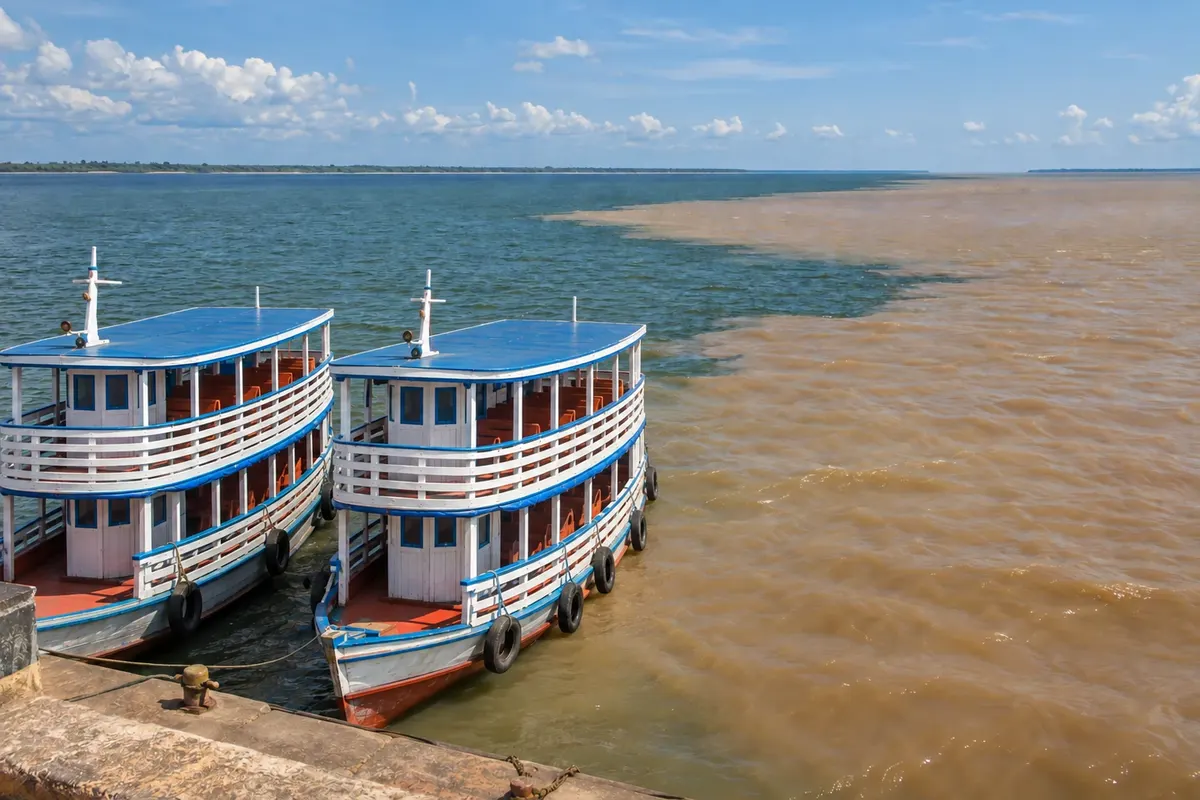
In front of the Santarém waterfront, the greenish water of the Tapajós meets the muddy water of the Amazon without mixing. You can see it from the shore or by boat.
Raziščite Encontro dos rios Tapajós e Amazonas
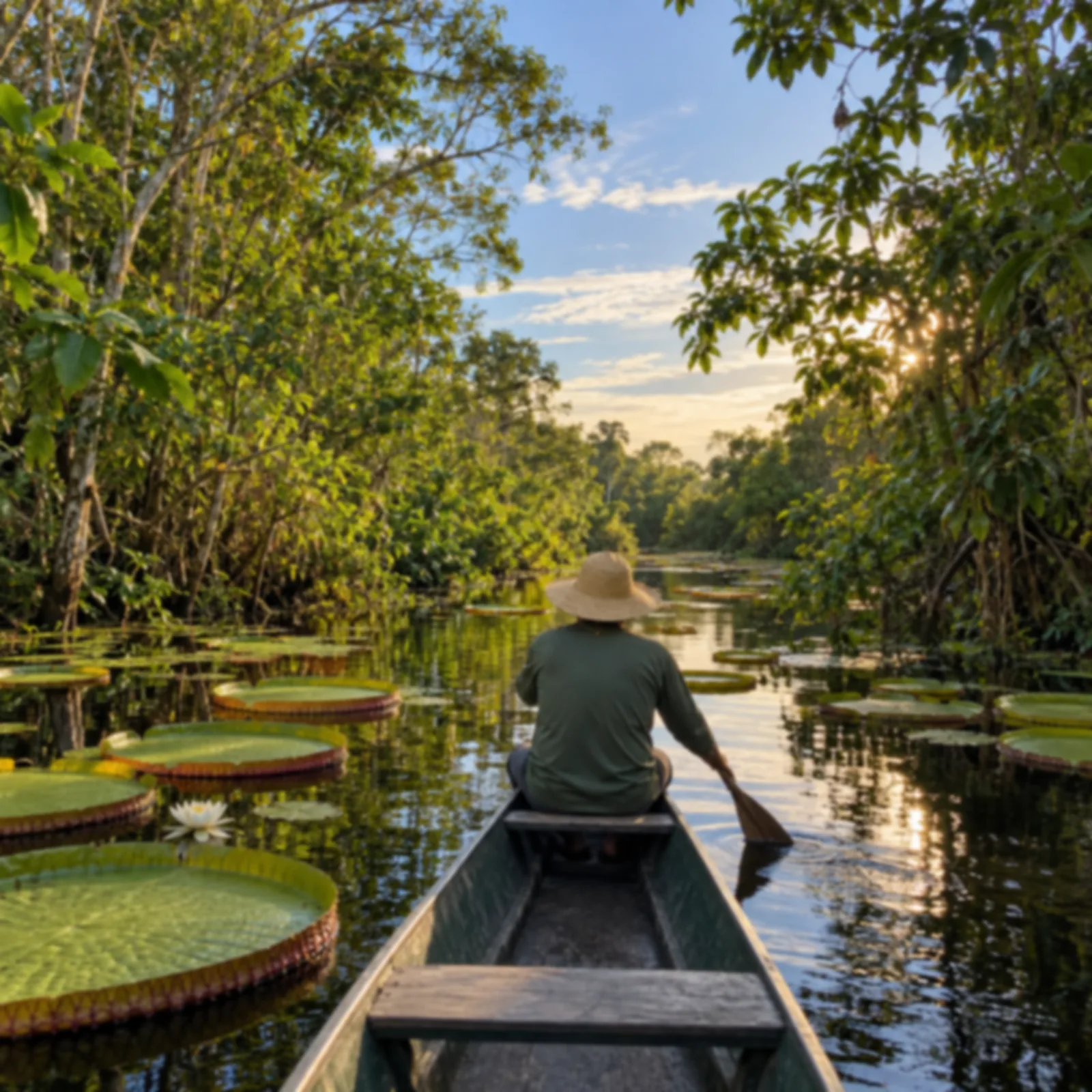
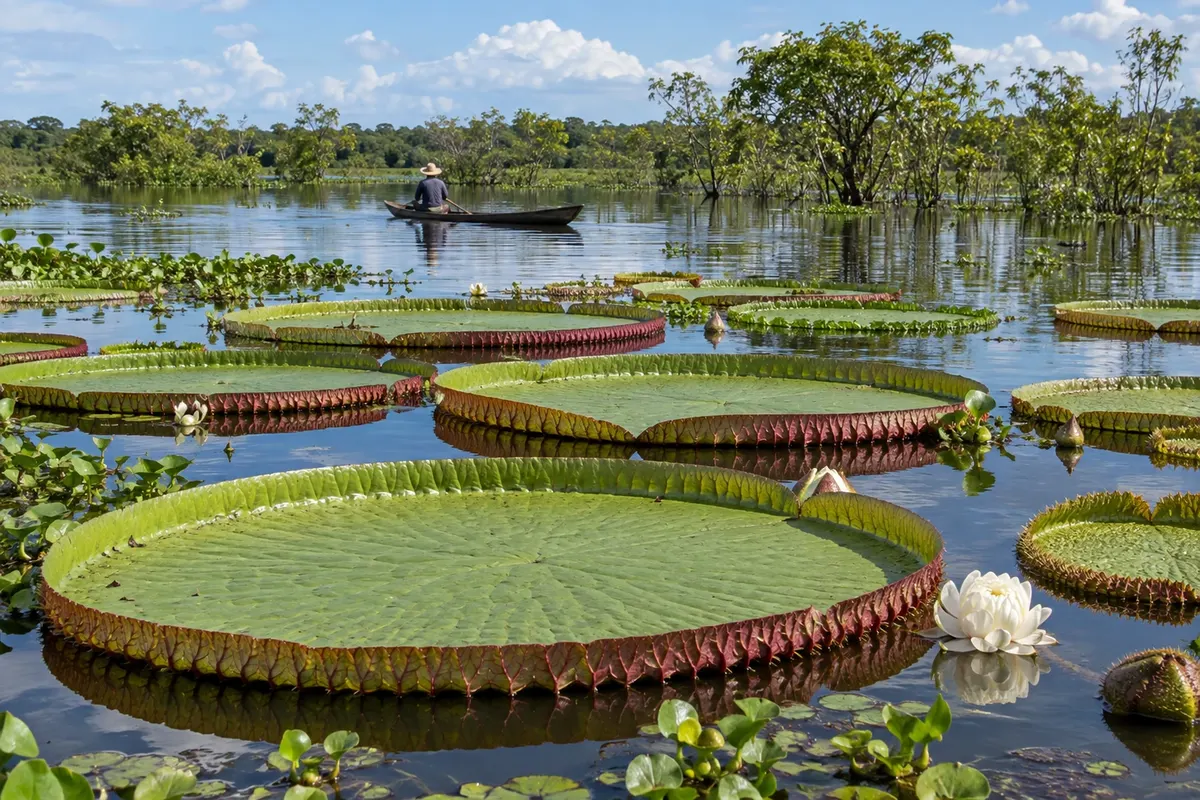
A canoe trip through floodplain corridors where the landscape changes completely between the high-water and dry seasons. A good place to see birds and giant water lilies.
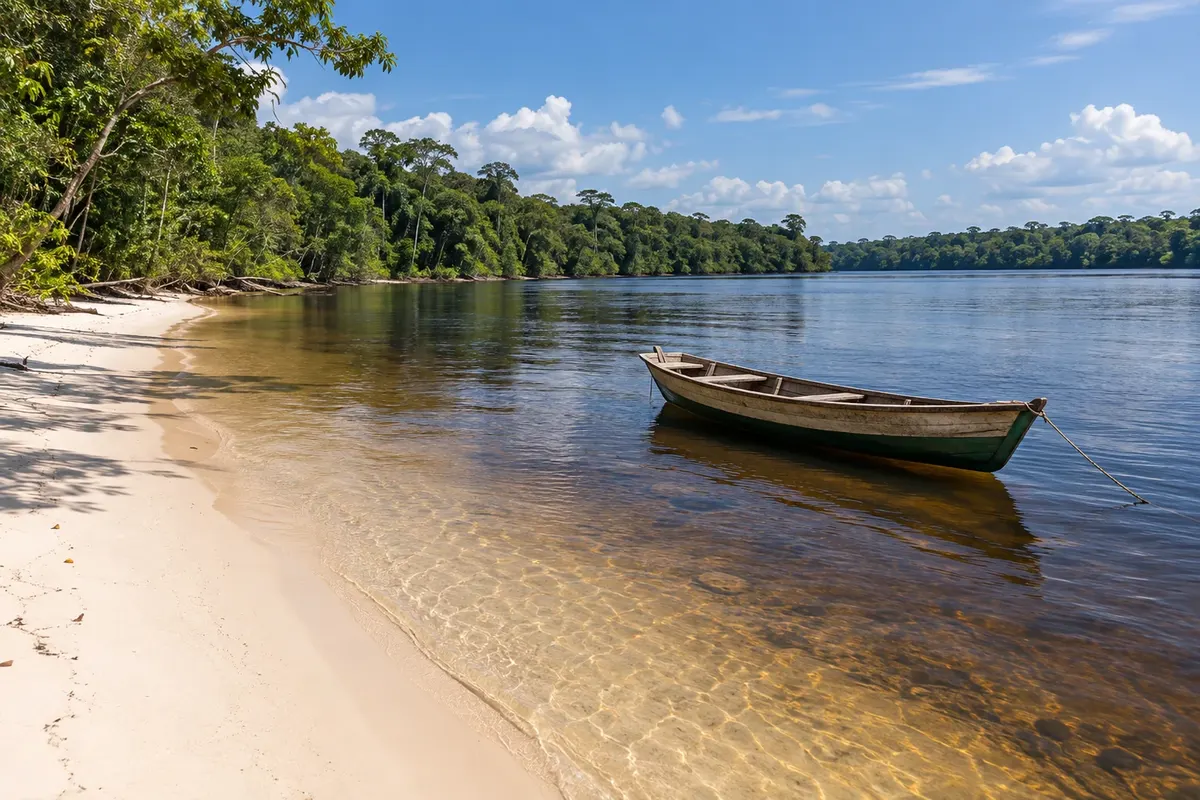
A clear-water river with deserted beaches and communities that welcome visitors in family-run pousadas. It is the route for anyone who wants to spend days on the water.
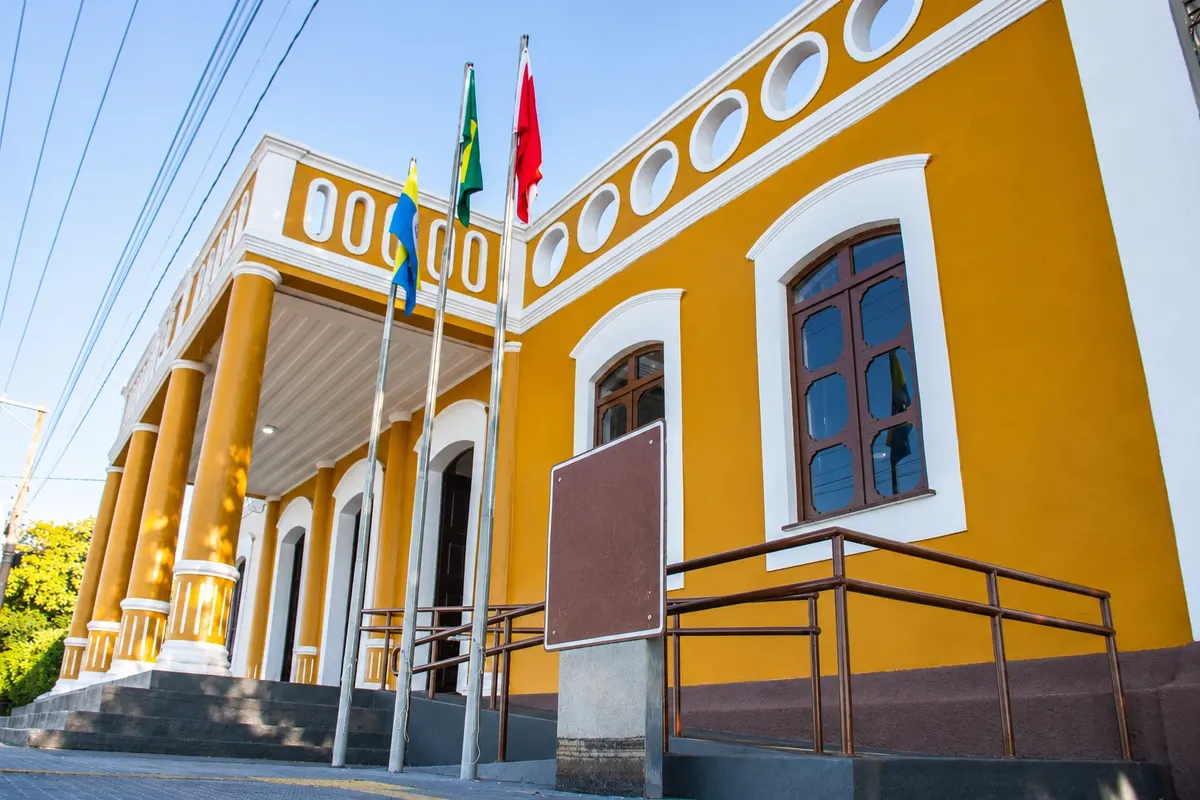
The Santarém Museum is housed in a 19th-century building on the Tapajós waterfront, originally built for the city council and mayor’s office. It preserves a collection of Tapajonic archaeological ceramics, as well as paintings, period furniture and exhibitions about the region’s history.
Raziščite João Fona Cultural Center
White sand point that juts into the Tapajós near Alter do Chão, reached by boat. It’s the most popular spot in the area to watch the late afternoon, with the sun setting over the river.
House-museum in downtown Santarém with clothing, textiles and pieces created by Dica Frazão from roots, fibers, seeds and tree inner bark from the Amazon, including an outfit made for Queen Fabiola of Belgium.
Kaj izbrati pred odhodom
Izhodišče, trajanje, potek, vključene storitve in okvirna cena vsakega izleta.
Ilha do Amor sits opposite the village waterfront. The catraia crossing takes less than five minutes. The island is a sandbar between the Tapajós River and Lago Verde, which appears in the low water season. In the center there are kiosks with thatched roofs, tables and chairs with their feet in the water. Each side has a different vibe. The Lago Verde side has more kiosks and restaurants. The Tapajós side is more open and quieter, and it’s where you watch the sunset. People spending the day usually stay on the lake side and switch sides in the late afternoon. In very strong dry season you can walk there across the sand. The trail to Serra da Piraoca also starts from there. Kiosk service ends in the late afternoon.
Kraji na poti: Ilha do Amor, Lago Verde, Tapajós River, Alter do Chão Waterfront.
Vključuje: There is no beach entrance fee. The crossing is paid separately, per person or per boat, depending on the boatman. Kiosks charge for what you consume. Renting a sunshade and chair is optional and paid separately.
Nasvet: Bring cash for the crossing and confirm the price before boarding. Internet signal is weak. Weekends fill up, so prefer a weekday. For lunch, reserve a table early in high season.
Najboljši čas za obisk: August to December, during low water, when the sandbar is wide. In high water the island is covered by the river.
Agencije, ki ponujajo izlet: Vivalá, Pisa Trekking.
The tour is done in a small canoe, piloted by a local canoeist, among the treetops of the igapó, the flooded forest along the banks of Lago Verde. The motorboat does not enter the igapó, so the crossing is by canoe only. From the village to the embarkation point it is under ten minutes by taxi or motorcycle taxi, or about twenty minutes by rented bicycle. There are two versions: the short one, around 30 minutes, without a beach stop, and the 1-hour one, which includes a stop and river swim at a beach at the end of the route. Those who leave by speedboat on full-day tours also usually change boats at Lago Verde for this stretch. Charging is per canoe, not per person, and the fee is split among occupants (about four or five). Boatmen accept cash or Pix, but the signal is weak.
Kraji na poti: Enchanted Forest, Lago Verde, Caranazal Restaurant, Enchanted Forest Beach.
Vključuje: The guide (canoeist) is usually included in the canoe fee. Charging is per canoe, paid on site in cash or Pix. Transport from the village to the embarkation point, lunch and drinks are paid separately.
Nasvet: Arrive early to join a group and split the canoe cost. Bring cash. Arrange the version with a beach stop if you want to bathe. Ask the canoeist whether the river level allows entering the igapó that day.
Najboljši čas za obisk: When the river is high (approx. January to July) the igapó becomes navigable among the treetops. At the start of the falling water period there may be a trip depending on the level.
Agencije, ki ponujajo izlet: Vivalá.
The trail starts at the end of Ilha do Amor. After crossing by small ferry, you walk on the sand along the left side when facing the Tapajós, passing behind the kiosks until a sign marks the entrance. The first kilometers are flat, through lower forest, and the final section is short and steep, in a zig-zag, with loose rocks and smooth parts. It’s about 2 km each way and 110 m of elevation gain, taking 40 to 45 minutes to climb. At the top there is an iron cross and, a little further on, a second viewpoint that is usually less busy. From the ridge you can see the Tapajós River, Lago Verde, Ponta do Cururu and the village. The trail is marked and does not require a guide, but there are boatmen and local guides who offer transport.
Kraji na poti: Serra da Piraoca, Mirante da Serra da Piraoca, Ilha do Amor.
Vključuje: There is no entrance fee. The guide is optional and paid separately. The catraia crossing to the island is paid separately.
Nasvet: Wear closed shoes, bring water and sunscreen, since there is little shade. If you go to watch the sunset, bring a flashlight for the descent, as the trail gets dark quickly. Tell someone your itinerary.
Najboljši čas za obisk: All year. August to December is the dry season, with less rain. Prefer early morning or late afternoon.
Agencije, ki ponujajo izlet: Vivalá, Pisa Trekking.
This is the best-selling full-day trip on the Tapajós River. The boat departs from the CAT and goes past Lago Verde and Ilha do Amor, with Morro da Piraoca in view. It continues to Lago das Piranhas and stops at Ponta do Cururu for a river swim. Then it goes to Lago do Jacaré and Ponta de Pedras, where there is a stop for lunch. After that it crosses the Tapajós to the Canal do Jari, which links the Tapajós to the Amazon. The channel has stilt houses, water lilies, iguanas, parrots and, with luck, caimans and river dolphins. Tours often include the Trilha das Preguiças on local residents’ land and a water lily garden with tastings of dishes made from the plant. In the dry season the channel is shallow and you need to switch to a smaller boat. Routes vary according to river level and the operator.
Kraji na poti: Canal do Jari, Lago Verde, Ilha do Amor, Morro da Piraoca, Lago das Piranhas, Ponta do Cururu, Lago do Jacaré, Ponta de Pedras, Trilha das Preguiças, Water lily garden, Praia de Carapanari.
Vključuje: Generally: speedboat or boat, guide, water and fruit. Paid separately: entrance fees to private sites (Trilha das Preguiças and water lily gardens), boat change during the dry season, lunch, drinks, and transport to the Tourist Center (CAT). Fees and lunches are usually paid in cash.
Nasvet: Bring cash, insect repellent, a cap, and sunscreen. Ask the operator which stops are included in the day’s itinerary. Book in advance during high season.
Najboljši čas za obisk: All year. In the high water season (February to August) the channel is navigable farther. In the dry season (September to January) it becomes shallow and beaches appear.
Agencije, ki ponujajo izlet: Vivalá, Pisa Trekking.
From Alter do Chão, the motorboat takes about one hour along the Tapajós to the Jamaraquá community, inside the Tapajós National Forest. On arrival, visitors sign the ICMBio access control, choose the return lunch and hire a community guide, which is mandatory. The main trail is Piquiá Trail, also called Samaúma Trail. It is about 9.1 km round trip and takes around 4 hours. It crosses secondary forest and reaches primary forest, with large trees and a samaúma hundreds of years old. The guide points out medicinal plants, ants and birds. The ascent on the way out and the descent on the return require good stamina. At the end there is a swim in the cold, clear igarapé. There is also a shorter trail and canoe rides in the igapó or igarapé. Lunch is in the community.
Kraji na poti: Tapajós National Forest, Jamaraquá Community, Piquiá Trail, Samaúma, Jamaraquá Igarapé.
Vključuje: Entrance to the Flona has no fee, only registration with ICMBio. The community guide, the speedboat and lunch are paid separately. Many agencies sell everything as a package. Check the current price list of local providers.
Nasvet: Bring closed shoes, insect repellent, water, swimwear and a change of clothes. Large groups should request authorization from ICMBio in advance. From Santarém it is also possible to go by car or regular bus to the community.
Najboljši čas za obisk: All year. From September to December, with low rivers, access and beach stops during the trip are easier.
Agencije, ki ponujajo izlet: Pisa Trekking.
The boat departs from Alter do Chão, crosses the Tapajós and enters the Arapiuns. It’s about 20 km to the mouth, between one and a half and two hours, depending on the river. Stops vary, but usually include sandbanks such as Ponta do Icuxi and Praia do Toronó, where there are botos. The central point is the Coroca Community, inside the Tapajós-Arapiuns Extractive Reserve. There is a stingless bee meliponary, crafts and a community lunch. On Lago Coroca the guide throws feed into the water, and Amazon turtles surface near the non-motorized ferry. Some itineraries also pass the Urucureá Community and finish with the sunset at Ponta do Cururu on the return trip.
Kraji na poti: Arapiuns River, Ponta do Icuxi, Praia do Toronó, Coroca Community, Lago Coroca, Praia de Caracaraí, Ponta Grande, Ponta do Cururu.
Vključuje: Usually: boat, guide and water. Paid separately: community fee, lunch in the community and purchases at the shop. Check the current chart of who charges.
Nasvet: Bring cash to pay the community fee and lunch. It's a long day on the boat: wear a cap, sunscreen and lightweight clothing. Ask in advance which beaches are on the itinerary.
Najboljši čas za obisk: August to December, in the low-water season, when the Arapiuns beaches form.
Alter do Chão boatmen arrange beach routes along the Tapajós, and the itinerary depends on the river level. South of the village are Muretá Lake, with its beach, and Pindobal Beach, linked to the region’s rubber history. To the north is the community of Ponta de Pedras, about 27 km from the village center, with a beach and restaurants. Ponta do Cururu is usually the last stop of the day. The Tapajós beaches have warm, clear water and little infrastructure beyond community points. Ponta de Pedras and Pindobal are also accessible by road. Boat trips to these spots can be done in a group or by private speedboat, and the price depends on the distance and group size.
Kraji na poti: Ponta do Muretá, Pindobal Beach, Ponta de Pedras, Ponta do Cururu, Jurucuri Lake.
Vključuje: The speedboat fare is usually split among the passengers. Lunch, drinks, community fees and the guide, when hired, are paid separately. Check the current list of who charges.
Nasvet: Finalize the itinerary and the price before boarding. If you are alone, join a group on the waterfront or at the pousada. Bring sunscreen, a cap and swimwear.
Najboljši čas za obisk: August to December, during the low water season, when the white-sand beaches form.
This is a short speedboat ride to Ponta do Cururu, a beach with sandbanks that extend tens of meters into the Tapajós. It’s where many tour boats anchor at the end of the day. Visitors bathe in the river and watch the sunset with their feet in the water. The beach has no tourist infrastructure, so bring whatever you need. It is also a spot where pink river dolphins (botos) often appear. Ponta do Cururu also appears as the final stop on full-day itineraries, such as the Jari Channel and the Arapiuns River. Some operators sell the trip separately, lasting one to four hours.
Kraji na poti: Ponta do Cururu, Tapajós River.
Vključuje: Generally: speedboat and guide, when booked through an operator. Drinks and snacks are paid separately. Check the current list of who charges.
Nasvet: Bring water, snacks, insect repellent and a towel, because the beach has no support infrastructure. The return trip takes place in the dark, so arrange your return before you leave.
Najboljši čas za obisk: August to December, during the low water season, when the sandbanks are formed.
Agencije, ki ponujajo izlet: Pisa Trekking.
In front of the city of Santarém, the green waters of the Tapajós flow side by side with the muddy waters of the Amazon for several kilometers without mixing. The phenomenon can be seen from the waterfront, but up close only by boat. The shortest tour leaves from Santarém’s port or pier, passes the waterfront and the Fish Market, where river dolphins often appear, and reaches the meeting point. One- to three-hour trips can continue up the Tapajós River to a community, such as Igarapé Açu, or to an island for swimming. operators in Alter do Chão sell the meeting as full-day tours, with views of Mercadão 2000 and the cathedral, a visit to the João Fona Cultural Center and a stop at Maicá Lake. You can swim in both rivers and feel the difference in temperature.
Kraji na poti: Meeting of the Waters, Tapajós River, Amazon River, Fish Market, Cathedral of Our Lady of the Conception, Maicá Lake, Igarapé Açu.
Vključuje: Generally: boat, guide, and water. Lunch, drinks, and community fees are paid separately, and what’s included varies by operator. Check the current fee table for who charges.
Nasvet: Prefer late afternoon, when the temperature is milder. If you depart from Alter, check the itinerary with the operator: some include a city tour and Maicá Lake. Combine the trip with the Santarém waterfront.
Najboljši čas za obisk: All year. The giant water lilies in Igarapé Açu show best from January to August.
Maguari is one of the communities that support visits to the Tapajós National Forest, together with Jamaraquá and São Domingos. The Vovó Samaúma trail, of moderate to difficult level, leads to a millenary samaúma, the tree that gives the trail its name. The guide is from the community. In the community, visitors can see cassava flour production in a farinha house, learn about the use of medicinal plants, see stingless bee keeping and follow seed collection. Ponta do Maguari is a sandy beach with few people, where tours usually stop. Speedboats from Alter do Chão generally go to Jamaraquá, so the Maguari destination should be agreed with the boatman before departure. Those who prefer the land route can go by regular bus or car via Santarém and Belterra.
Kraji na poti: Maguari community, Vovó Samaúma trail, Ponta do Maguari, Maguari farinha house, Tapajós National Forest.
Vključuje: Community guide, lunch, transport, and fees are paid separately. Many agencies sell it as a package. Check the current fee table for who charges.
Nasvet: Arrange Maguari with the boatman before departing, as the standard route goes to Jamaraquá. Register your entry at the ICMBio stations. Bring insect repellent, water, and closed-toe shoes.
Najboljši čas za obisk: All year. During low water (September to December) Ponta do Maguari has more sand.
Agencije, ki ponujajo izlet: Vivalá.
This is a full‑day itinerary with residents of riverside communities on the Arapiuns River, operated by Pérola Ecotour. The motorboat takes about one and a half hours to reach Costa do Macaco, crossing the Tapajós. There, the Trilha do Breu Branco is about 950 meters, from easy to moderate. The itinerary includes canoeing on Lago Azul and ancestral healing experiences: the “puxada de mãe,” about 40 minutes per person, the secret tea and a medicinal herb bath. Lunch is at Comunidade Arimum, with a swim in an igarapé and a tucumã‑palm straw craft workshop. The return passes by Ponta do Cururu for sunset, about one hour of navigation to get there.
Kraji na poti: Costa do Macaco, Trilha do Breu Branco, Lago Azul, Comunidade Arimum, Ponta do Cururu.
Vključuje: Generally: local guide, trail, canoeing, healing experiences and a craft workshop. Lunch in the community is paid separately. Check the operator’s current price list.
Nasvet: Book directly with the operator. Bring lightweight clothing, insect repellent, sunscreen, a towel and cash for lunch. This is a relaxed‑paced itinerary, away from the faster beach tours.
Najboljši čas za obisk: All year; confirm river conditions with the operator.
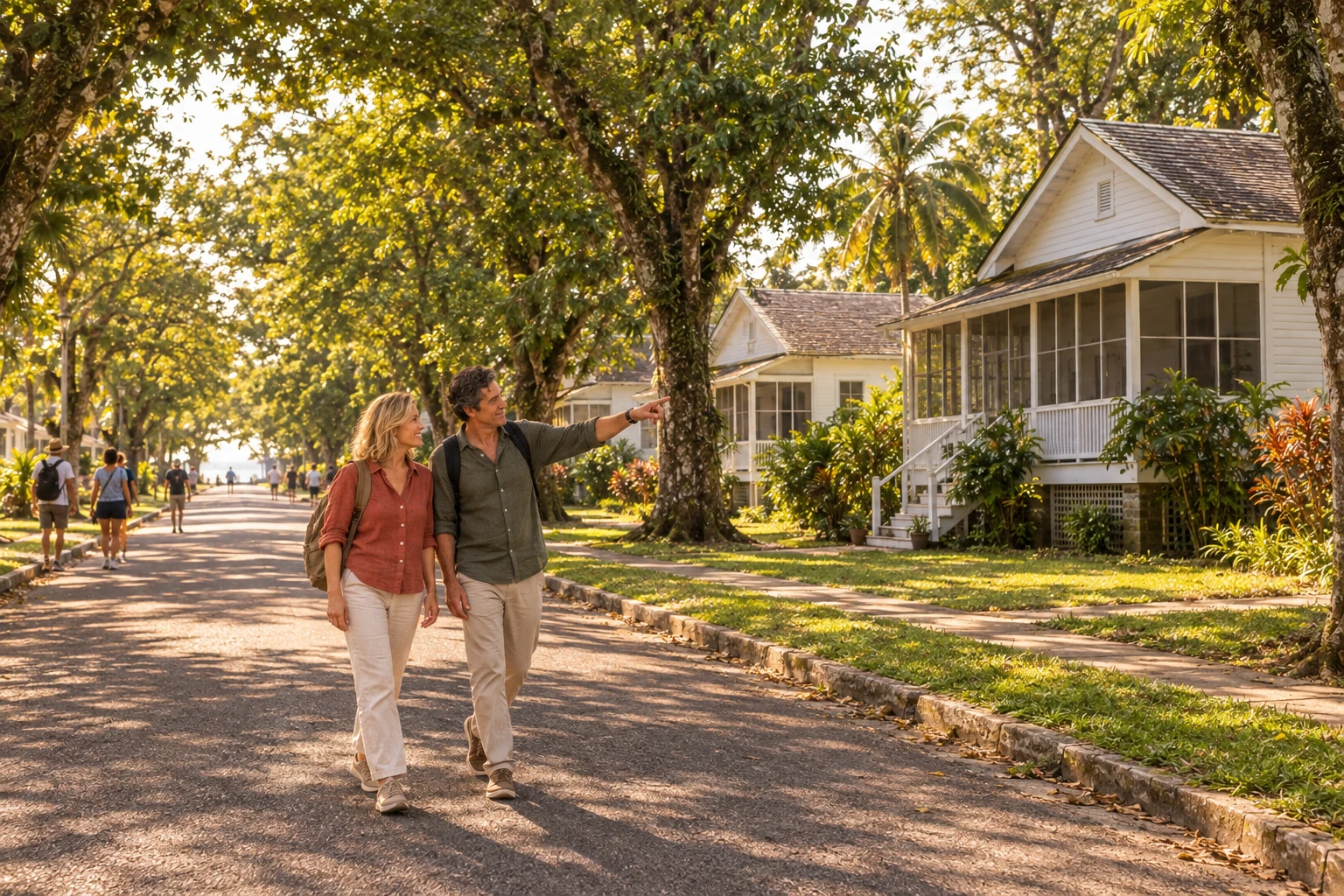
Belterra was founded in 1934 as Henry Ford’s second attempt to cultivate rubber trees in the Amazon, after Fordlândia. The town is about 45 km from Santarém via BR-163, or by the tourist route: PA-457 to Alter do Chão and then a local road through Pindobal. The visit is on foot through the historic center. There are wooden houses painted green and white, still inhabited, red fire hydrants, the period’s metal water tower, the Church of Saint Anthony, Praça Brasil and the Bosque das Seringueiras. The Centro de Memória, in a house that belonged to a doctor in the 1930s, holds photos and objects from the Ford period. The Platô da Vila Americana serves as a lookout with views of the forest and the Tapajós, and is a good choice at late afternoon. Santarém agencies offer the tour with a guide, and you can fit a beach, such as Pindobal, into the same day.
Kraji na poti: Belterra, Vila Americana, Centro de Memória de Belterra, Platô da Vila Americana, Igreja de Santo Antônio, Praça Brasil, Bosque das Seringueiras, Praia de Pindobal.
Vključuje: The tour with guide, transport and lunch is paid separately. Check the current list of providers and the opening hours of the Centro de Memória before you go.
Nasvet: Respect the residents, as the houses of the Vila Americana are private homes. Go to the Platô in the late afternoon. If you travel by bus, check the time of the last return trip.
Najboljši čas za obisk: All year. In the low-water season, from August to December, you can add Belterra’s beaches to the visit.
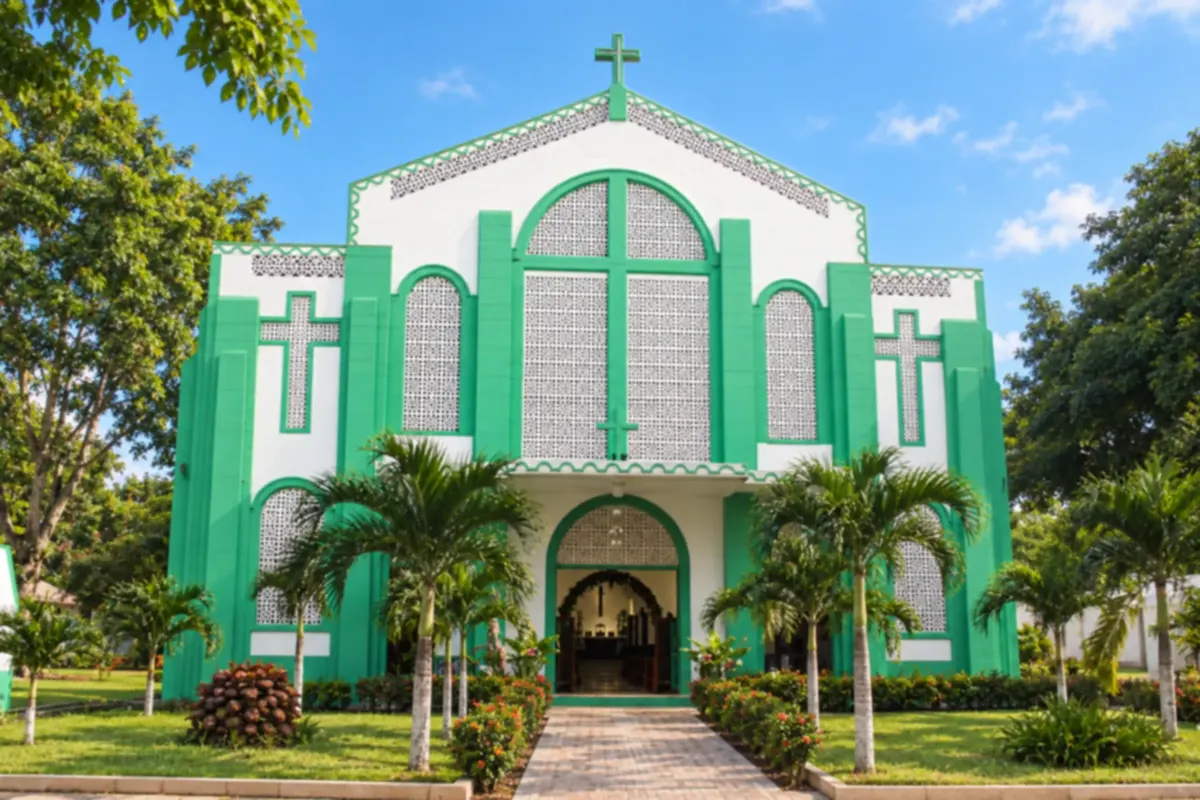
The route usually starts at Mercadão 2000, which has supplied the Lower Amazon since 1985. You’ll find regional fruits, medicinal herbs, flours, handicrafts and fish. Next is the Santarém waterfront along Avenida Tapajós, 1,640 meters long. There is the Fish Market, where pink and common river dolphins approach the shore attracted by fish scraps. From the waterfront you can already see the Meeting of the Waters. The João Fona Cultural Center is housed in a building constructed between 1853 and 1868 that has served as city hall, council and courthouse. It preserves Tapajonian ceramics and indigenous crafts and is only open on weekdays, so a Saturday or Sunday will exclude this stop. The tour also passes the cathedral and the main square.
Kraji na poti: Mercadão 2000, Fish Market, Santarém Waterfront, João Fona Cultural Center, Cathedral of Our Lady of the Conception, Mirante do Tapajós Square.
Vključuje: The guide and transport, when the tour is run by an agency, are paid separately. Check each attraction’s opening hours and current price list.
Nasvet: Do it on a weekday to include the museum. Regional products tend to be cheaper at the Mercadão than in Alter do Chão. Combine it with the Meeting of the Waters tour.
Najboljši čas za obisk: All year; late afternoon is a good time for the waterfront.
It is a guided bicycle tour that begins with a canoe crossing. On the other side, the route continues along a trail that is only passable on foot or by bicycle. Along the way, the group sees birds and trees typical of the Amazon, smells the white breu resin, and finds local fruit trees. The river swim can be in the Tapajós or in the Tapari and Lago Preto lakes. Muriki Cicloturismo is the local operator that appears in offers with this itinerary, and there are also multi-day routes, such as those by Bike Ativa, which depart from Santarém for the beaches of Alter do Chão and the Flona.
Kraji na poti: Alter do Chão, Lago Preto, Lago do Tapari, Rio Tapajós.
Vključuje: Generally: guide and bicycle, depending on the operator. Snacks, lunch and drinks are usually paid separately. Check the current fee schedule for who charges what.
Nasvet: Wear light clothing, a cap, sunscreen and bring swimwear. Book in advance during the dry season, when demand rises.
Najboljši čas za obisk: August to December, during the dry season, with less rain and the beaches formed.
This is an evening program by Pérola Ecotour. The boat departs from the CAT and crosses to Praia do Lago Verde, where the Pirarimbó takes place. The group participates in a cultural session and a circle led by Mestre Hermes Caldeira. Dinner is piracaia, the region’s grilled fish, served at the riverbank. The night continues with a carimbó circle, stories and the dance that is a Pará tradition. The operator’s itinerary advertises private boats and the traditional riverside dinner under the starry sky.
Kraji na poti: Praia do Lago Verde, Pirarimbó.
Vključuje: According to the operator, the itinerary includes boat, typical dinner and drinks in the package. Confirm what is included and the current fee schedule when booking.
Nasvet: Book in advance, as the itinerary only runs part of the year. Bring insect repellent and a light sweater for the boat return. Confirm the boarding point at the CAT.
Najboljši čas za obisk: July to January, the season during which the itinerary is offered.
Agencije, ki ponujajo izlet: Vivalá.
Po dnevih
Predlogi za načrtovanje poti. Vrstni red dni prilagodite vremenu in razpoložljivosti izletov.
Arrive in Alter do Chão via the PA-457, about 35 km from Santarém airport. In the morning, walk along the waterfront and cross by boat from the pier to Ilha do Amor. The crossing is short and paid separately. Stay on the beach until early afternoon. At the end of the afternoon, climb the Serra da Piraoca Trail and descend before dark. During high water the Ilha do Amor is submerged: replace it with a canoe trip.
Full-day boat trip. Departure is in the morning with return in the late afternoon. The crossing of the Tapajós to the channel takes about 40 minutes by motorized canoe. The itinerary usually includes a forest trail, a visit to a water-lily garden and swimming at beaches along the way. It ends with sunset at Ponta do Cururu. Bring water and snacks, as there is no infrastructure there. Check with the operator what is included.
In low water (August to December), take the boat trip along the Tapajós Beaches: Muretá, Pindobal and Ponta de Pedras. In high water, swap it for the Floresta Encantada and Lago Verde, a canoe trip among the flooded trees. The excursion occupies the morning and part of the afternoon. Afterwards, return to Santarém with the transfer reserved in advance and allow time for your flight check-in.
Start with a bike ride around Alter do Chão in the morning, when it’s still cooler. Then go to the pier and cross by boat to Ilha do Amor; the short crossing is paid separately. Spend the afternoon on the beach, where there are food stalls. When the river is high the island is submerged: do only the bike ride and a stroll along the waterfront.
Full day by boat. It’s about a 40-minute motorized canoe ride to the channel, which is on the north side of the Tapajós. The trip includes a trail, a water-lily garden and stops at beaches. It ends with the sunset at Ponta do Cururu; there is no infrastructure on site. Bring water, snacks and sunscreen. Check with the operator what is included.
The Jamaraquá Community is in the Tapajós National Forest, in Belterra. Access is by boat from Alter do Chão or by road, and the trip takes one to two hours depending on the mode of transport. In the community, hire the local guide for the Piquiá Trail, which passes large trees and an igarapé. Wear closed sneakers and bring water. The excursion takes most of the day.
At low water, a boat trip along the Tapajós Beaches: Muretá, Pindobal and Ponta de Pedras. At high water, go to the Enchanted Forest and Lago Verde by canoe. It fits into the morning and early afternoon. In the late afternoon, climb the Serra da Piraoca Trail to see the river from above and descend before dark.
Return to Santarém via the PA-457. Do the city tour including Mercadão 2000, the waterfront and the João Fona Cultural Center in the morning. In the afternoon, if time allows, the Meeting of the Waters, where the Tapajós meets the Amazon, departs by boat from town. Book your transfer to the airport in advance and allow extra time for the flight.
In the morning, take a bike ride around Alter do Chão. After lunch, cross by boat to Ilha do Amor; the short crossing is paid separately. At the end of the afternoon, climb the Serra da Piraoca Trail and descend before dark. When the river is high the island is submerged: replace it with free time on the waterfront.
Full-day boat trip. It’s about a 40-minute motorized canoe ride to the channel. The itinerary usually includes a trail, water-lilies and swimming at beaches, and ends with sunset at Ponta do Cururu. In low water you can only navigate the first part of the channel, where vegetation is open. Bring water and snacks, because there is no infrastructure at Ponta do Cururu.
In low water, follow by boat through Muretá, Pindobal and Ponta de Pedras. In high water, do the Floresta Encantada and Lago Verde by canoe. It’s a morning to early-afternoon excursion, and the rest of the day is free. At night, check the days and location of the Pirarimbó, a program of piracaia and carimbó.
Go to Jamaraquá, in the Tapajós National Forest, by boat from Alter do Chão (one to two hours) or by road. Hire a community guide for the Piquiá Trail, of moderate difficulty. Bring water, insect repellent and closed-toe sneakers. The excursion takes up most of the day.
Full-day boat trip on the Arapiuns River, visiting the Coroca Community and the turtles the community protects. Confirm departure time, lunch and what is included with the operator. Those seeking a longer experience can check the Healing Tourism on the Arapiuns River and the program duration.
Road day through Santarém, Belterra and the National Forest, using your own car or hired transport. From Santarém to Belterra is about 45 km. In the morning, visit Vila Americana, the Memory Center and the Plateau. Then head to the National Forest at Maguari, with the Grandma Samaúma trail and the Maguari Point. Leave early. Unpaved sections require caution on rainy days.
Return to Santarém via the PA-457, with the airport transfer booked in advance. Do the city tour including Mercadão 2000, the waterfront and the João Fona Cultural Center. If your flight is later, include the boat trip to the Meeting of the Waters, where the Tapajós meets the Amazon. Check the operator for the duration and allow extra time for the flight.
Najboljši čas za obisk
From August to December, when the Tapajós is low and the white-sand beaches have formed.
The seasons shown are the most usual ones; nature doesn't always follow the calendar.
Rivers rising · Frequent rain
Month of frequent rain, with a high around 29 °C and a low of about 25 °C in Santarém. The Tapajós rises and the beaches become covered or reduced, and in some years sand bars still appear at the start of the month. The Enchanted Forest and canoe trips gain prominence. Activity is lower than during low water.
Flood · Flooded forest
Frequent rain and humid heat, with a high of about 29 °C. The beaches and Ilha do Amor are submerged. It's the season for canoe trips through the flooded forest, at the Floresta Encantada and Lago Verde. Boat tours continue to operate, but rains can change schedules. Bring a raincoat. Visitor numbers are low.
Flood · Almost daily rain
Usually one of the rainiest months of the year, with rain almost every day, generally in heavy showers. With no beaches, the focus is on trips among the flooded trees and visits to riverside communities. Trails in the Flona can get muddy, and dirt roads require caution. The high is about 28 °C. Visitor numbers are low.
Flood · High rivers
Rain still very present, with a high of about 28 °C. Rivers keep rising and the beaches remain underwater. The Floresta Encantada, the Arapiuns, and visits to Belterra make sense at this time. Bring closed shoes and a raincoat, and leave room in your schedule for heavy rains. Low activity in the village.
River near peak · Rain still heavy
Rains begin to lose strength, but are still frequent. Rivers are near their highest level, and beaches remain underwater. Good for canoe trips in the flooded forest and for visiting riverside communities. The high is around 28 °C. Low visitor numbers; boat tours usually have more openings.
Rain decreasing · River high
Rains decrease compared with previous months, with more sunny intervals. The Tapajós remains high, with submerged beaches and flooded forest to visit by canoe. The high is near 29 °C. It’s a good month for the Floresta Encantada and for Flona trails, with less rain than at the start of the year. Visitor numbers still low.
Less rain · River still high
Rain is much lower than in the first half of the year, but the river is still high. Because of that, it's a good month for the Floresta Encantada. White sand beaches have not formed yet. The high is about 29 °C. Clear days favor the Serra da Piraoca trail and boat trips. Visitor numbers begin to rise.
Start of the ebb · Beaches appearing
Dry month, with a high around 30 °C. The Tapajós drops and the first sandy beaches start to reappear, and the Canal do Jari begins to dry. Boat tours along the beaches become more common. It’s a transition month, without beaches at their peak. Visitor numbers gradually increase. Bring sunscreen and a hat.
Driest month · Sairé
Usually the driest month, with a high of about 31 °C. The beaches are formed and the water becomes clear. In the third week of September, the village holds Sairé, a religious and cultural festival with competitions between the pink and tucuxi river dolphins. Visitor numbers rise considerably. Book tours and transfers in advance.
Beaches at their peak · Hottest month
Month of strong heat, with a high of about 32 °C, and little rain. October and November are the months with the widest beaches, such as Ilha do Amor, Muretá and Ponta do Cururu. On the Jari Channel you can only reach the first part of the route, with open vegetation. The sunset at Ponta do Cururu usually draws many people. High activity.
Beaches formed · Short rain
Beaches remain formed, with a high of about 31 °C. Rains return gradually, in short showers, usually late afternoon. It’s a good month for beaches, the Jari Channel and the National Forest, with attention to the sky on boat trips. Activity is high, but usually less than in September. Bring a lightweight rain jacket.
Rain increases · Low water ends
Rain increases again and the high stays around 30 °C. You can still see beaches in the first days of the final low water, but the river starts to rise with the turn of the year. Boat trips depend more on the weather, and trails become wet. The end of the year brings crowds during part of the month. Check with the operator about the day’s beaches.
Načrtujte pot
Alter do Chão has no airport. The gateway is Santarém Airport, Maestro Wilson Fonseca (STM), which also serves Belterra. There are direct flights from Belém, Manaus, and Brasília. From other capitals, arrivals usually connect through one of those three cities. Check routes and frequencies with airlines, as they change throughout the year.
The airport is about 14 km from downtown Santarém. From there to the village of Alter do Chão is between 34 and 38 km, depending on the measurement point, via Everaldo Martins Highway (PA-457), all paved. The trip takes 40 minutes to 1 hour.
Compare connection times and arrival hour before buying, because the trip to the village still needs to be arranged. Those landing at night or in the early morning should have transfers arranged before departure.
To reach Belterra, the distance from Santarém is about 45 km via BR-163. For Aveiro, see the sections on boat access and on getting around the destination.
From the airport to the village there are three main options: taxi, private transfer, and regular bus.
Taxi: cooperatives serve at the airport exit. The trip takes 40 minutes to 1 hour. Agree the fare before getting in the car.
Private transfer: inns and tour operators recommend drivers, and many offer vehicles for groups of up to 7 people. Book in advance, especially if the flight arrives at night. The driver waits at arrivals holding the passenger’s name.
Ride-hailing apps: service to the village varies. Don’t rely only on them and confirm transfer arrangements before traveling.
Regular bus: Santarém’s urban line to Alter do Chão runs at an average interval of 30 to 35 minutes, according to a recent report. Buses do not depart directly from the airport. The most common route is to take an urban bus to Shopping Rio Tapajós in downtown, then change to the bus bound for Alter do Chão. The final stop is the village bus terminal. The trip takes about 40 minutes to 1 hour, not counting waiting and transfers.
On busy days, such as during Sairé, the city hall adds extra buses on the route. The fare is paid on boarding. Check Santarém city hall’s current fare table, as rates are adjusted.
Santarém is a port on the Amazon River, and regional passenger boats link the city with Manaus and Belém. The voyage is long and is done in hammock nets or cabins, depending on the vessel.
With the current, guidebooks mention about 36 hours from Manaus to Santarém and about 45 hours from Santarém to Belém. The reverse direction takes longer. Regional boats take two to three days, depending on river conditions. Among the vessels mentioned by travelers is the Amazon Star.
The boat terminates in Santarém. From there, the stretch to Alter do Chão is by land, along the PA-457, by bus, taxi, or transfer, as in the previous section. Schedules and accommodation types change; check directly with the company before buying.
The Tapajós River also connects Santarém to communities in the Lower Tapajós. Fordlândia, the district of Aveiro, is on the Tapajós bank, about 300 km south of Santarém, and the most common access is by boat, around 5 hours.
From Santarém to Alter do Chão, follow the Everaldo Martins highway (PA-457), paved, for about 38 km. The village entrance is around km 30 of the highway, according to local guides. Travel time is 40 minutes to 1 hour.
To reach Belterra, follow the BR-163 for about 45 km from downtown Santarém. The same highway provides access to the entrances of the Tapajós National Forest, whose northern limit begins at km 50.
BR-163 links Santarém to Cuiabá (MT), an axis of about 1,750 km. The Trans-Amazonian Highway (BR-230) joins it from Rurópolis, and then the two roads split. Some stretches in the region were once unpaved, and conditions change with rain. Check the road condition and plan stops before leaving, and avoid driving at night on long stretches.
From Belém, the land trip is long and runs along federal highways across the interior of Pará. Few visitors make the route; most prefer plane or boat. Those driving from other regions should have their vehicle checked and make the trip in stages.
It is common to encounter cargo trucks and pickup traffic. The Santarém–Alter do Chão stretch has no ferry. Ferries appear in the region on Tapajós crossings, such as Miritituba–Itaituba on BR-230.
In the village of Alter do Chão, most visitor activities are close by and within walking distance: the square, the riverfront, and Praia do Cajueiro are a short walk from each other. Many tours are by boat or launch, and departures are arranged with the operator or the pousada.
Between the village and Santarém, the cheapest option is the bus line. Taxis and transfers are faster alternatives and offer more schedule flexibility.
If you stay only in Alter do Chão, renting a car is not necessary. A car is useful for land itineraries, such as Belterra and the entrances to the Tapajós National Forest via BR-163, where there are communities that receive visitors. There are rental agencies at Santarém airport. Book in advance and check availability, especially in high season. If you don’t want to drive, you can hire tours to Belterra and the Flona with operators that provide transfers.
For beaches on the Arapiuns River and for communities, launch drivers from Alter do Chão run the trips. For Fordlândia, in Aveiro, access is by boat on the Tapajós; arrange with a local operator, with the departure organized in advance.
There are two ways to arrange arrival.
Package with transfer: agencies and operators sell multi-day itineraries with reception at Santarém airport, transfer to the village, accommodation and tours. In some packages, the flight is not included. There are daily departures on various dates in the season. This format solves the airport–village leg and is common for those arriving at night or traveling in groups. Check what is included, such as tours, meals and entrance fees, which are often charged separately.
On your own: buy a flight to Santarém, book accommodation and choose how to get from the airport to the village (bus, taxi or private transfer). Boat and launch tours can be booked locally at village agencies or before traveling. This option gives more freedom in itinerary and dates, but requires more planning, especially for flight and bus times and river tides.
In both cases, reserve the airport transfer before arriving, especially for night flights. Compare services included among operators registered with Cadastur.

Organizatorji izletov
Prikazane so le agencije z veljavnim vpisom v Cadastur, uradni register brazilskega ministrstva za turizem. Vrstni red ne izraža ocene. Primerjajte izlete in se dogovorite neposredno z agencijo.
Cidade Turismo reviews its information regularly, but something may have changed. Check with the place before planning your trip.
Group travel operator offering itineraries in Alter do Chão and the Amazon, focused on community-based tourism. The package starts in Santarém, with reception and transfer to Alter do Chão. Includes Ilha do Amor, Serra da Piroca, Floresta Encantada and Lago Verde, Canal do Jari with Victoria water lilies, piracaia and the Vovó Samaúma trail in Maguari.
Izleti: Ilha do Amor (Island of Love), Enchanted Forest and Green Lake by canoe, Serra da Piraoca Trail, Canal do Jari, water lilies, and Ponta do Cururu, Tapajós National Forest in Maguari: Vovó Samaúma trail and Ponta do Maguari, Piracaia and carimbó: Pirarimbó.
Vpis v Cadastur preverjen dne 10/2026
Group travel operator with scheduled departures in 2026. The package combines Belém, Marajó Island and Alter do Chão, departing from Belém. In Alter do Chão there are tours to Praia do Amor, Serra da Piroca and Ponta do Cururu, and a full-day option to Lago Verde, Ponta do Jari or the Tapajós National Forest in Jamaraquá.
Izleti: Ilha do Amor (Island of Love), Serra da Piraoca Trail, Canal do Jari, water lilies, and Ponta do Cururu, Tapajós National Forest: Piquiá Trail in Jamaraquá, Sunset at Ponta do Cururu.
Vpis v Cadastur preverjen dne 10/2026
Izhodišče za raziskovanje
Pred odhodom
Z nekaj načrtovanja boste imeli več časa za uživanje na poti.
From August to December, when the Tapajós is low and the white-sand beaches have formed.
The seasons shown are the most usual ones; nature doesn't always follow the calendar.
Odnesite svoje odpadke, upoštevajte oznake in podprite lokalne ponudnike. V naravi upoštevajte navodila za obiskovalce.
Odgovori na vaša vprašanja
There is no entrance fee to the Tapajós National Forest (Flona do Tapajós), but every visitor registers entry at a control point, such as the community base in Jamaraquá. On the Piquiá trail in Jamaraquá, access is with a local guide accredited by the community. The guide is paid separately and the cost is usually split among the group. Check the community’s current rate table. Visits follow community-based tourism rules, so each community’s regulations apply. Groups of up to 10 people do not need to request authorization from ICMBio. Larger groups must send their information in advance to the agency.
The Piquiá trail in Jamaraquá is about 9.1 km round trip and takes on average 4 hours of walking, not counting stops. The difficulty is moderate, with some uphill sections and the typical heat of the forest. Along the way there is a centenary samaúma and Paulo’s igarapé, with cold water where you can cool off. From Alter do Chão to the community it takes about 1 hour by boat. For that reason, reserve a full half-day or the entire day. Bring water, insect repellent, sunscreen and closed shoes.
Most guides recommend 4 to 5 full days. The main tours (Flona do Tapajós, Arapiuns River, Jari Channel and the beach route) take a full day each. With 3 full days you can do the essentials, but with little margin. If you want to include a day in Santarém or spend more time on the beach, add extra days. If you arrive late afternoon or at night, that day does not count as a full day for tours.
It depends on what you want to see. The Tapajós low-water season, from August to December, exposes white-sand beaches, and October and November usually have the most extensive sandbanks. In the high-water season, from January to July, the beaches are covered and Ilha do Amor can disappear. In return, it’s the season of the Enchanted Forest, a canoe trip among flooded trees on Lago Verde. River levels vary year to year, so confirm with your agency or boatman before finalizing dates.
Maestro Wilson Fonseca Airport (STM) is about 34 km from the village on a paved road (PA-457). Options are taxi, ride-hailing app, transfer or bus. The regular bus to Alter do Chão does not stop at the airport. You need to take an urban bus to Shopping Rio Tapajós and from there the line to Alter, which takes about 1 hour. That bus runs during the day and tends to get crowded on beach Sundays. If you arrive at night, arrange transfer with your accommodation before traveling. Check the current taxi and bus timetable.
Not always. The crossing to Ilha do Amor is done by boatmen from a local association who depart from the village waterfront at a single price. The Serra da Piraoca trail is signposted and a guide is optional. Longer tours, such as Arapiuns River, Jari Channel, Tapajós beaches and the Flona, are by motorboat and can be hired with boatmen, local agencies or online operators. Compare the itinerary, what’s included and whether lunch is paid separately before booking.
Yes, with some precautions. Ponta de Pedras is popular with families because the waters are calm and depth increases gradually. Ilha do Amor also has shallow water near the sand. The Serra da Piraoca trail is short and children can do it, preferably with a guide. Tours are by motorboat, and some operators state that boats have life jackets. Aluminum boats hit the river waves, which can cause seasickness. Bring a hat, sunscreen and UV-protective clothing. On forest trails, assess the child’s stamina.
There is no uniform accessibility standard across tours, and information varies by operator. Routes may require boarding motorboats, walking on sand and, in some cases, disembarking on riverbanks without a pier. Trails like Jamaraquá have climbs and a moderate level. Boat tours with short stops, such as the Jari Channel, tend to demand less effort. Some operators say they can adapt itineraries. Before booking, describe your needs to the agency or boatman and ask how boarding and disembarking are handled at each stop.
The village is small and most central attractions—waterfront, restaurants and the port—are within walking distance. To go to Santarém there are regular buses with departures throughout the day. More distant beaches, like Ponta do Muretá and Ponta do Cururu, are only accessible by motorboat. Pindobal, about 8.5 km away, is already in Belterra. Biking is another way to explore the surroundings. If you arrive in Santarém without a car, plan transportation from the village for each tour with your accommodation or agency.
The village fills up in September for the Sairé festival and on low-water weekends. Pindobal tends to be crowded at lunchtime and on weekends, as it’s a common stop for many tours. The Santarém bus also gets full on Sundays. November usually has fewer people and still retains the beaches, but the end of the low-water season varies year to year. In any month, weekday tours and early departures help avoid crowds. Confirm Sairé dates before planning.
In the village, most restaurants and agencies accept cards and Pix. In more remote communities and beaches, such as those on the Arapiuns River and the Tapajós National Forest (Flona do Tapajós), the internet signal can fail and card machines may not work. Community guides, lunches in the communities and handicrafts are usually paid separately. Bring cash in small bills for these cases. Ask the agency or the boatman what is included in the tour and what will be paid locally.
Več kot vodnik