Lübecker Marzipan
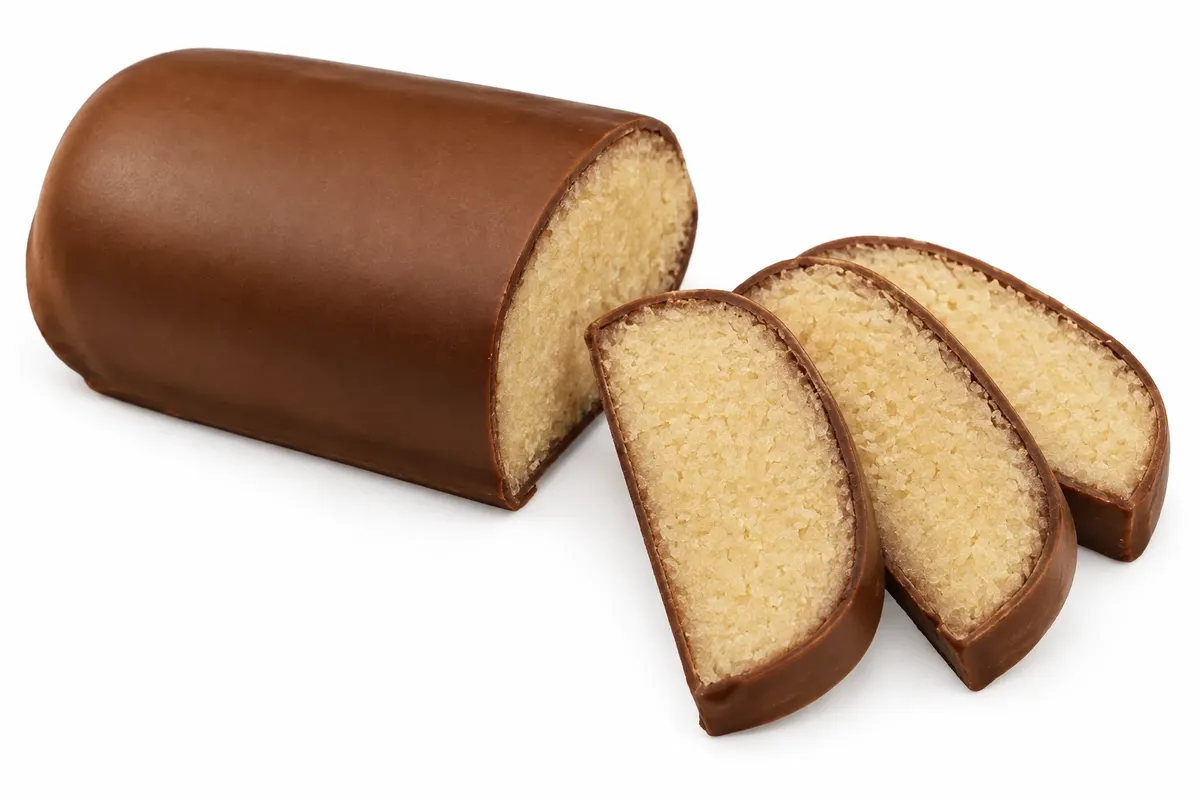
Almond-and-sugar marzipan with a maximum of 30% sugar added to the almond paste. It is a protected geographical indication and may only be made in Lübeck and the neighboring towns of Bad Schwartau and Stockelsdorf.
Antarktika
Schleswig-Holstein · Nemčija
Destinacija: Baltic Coast and Lübeck.
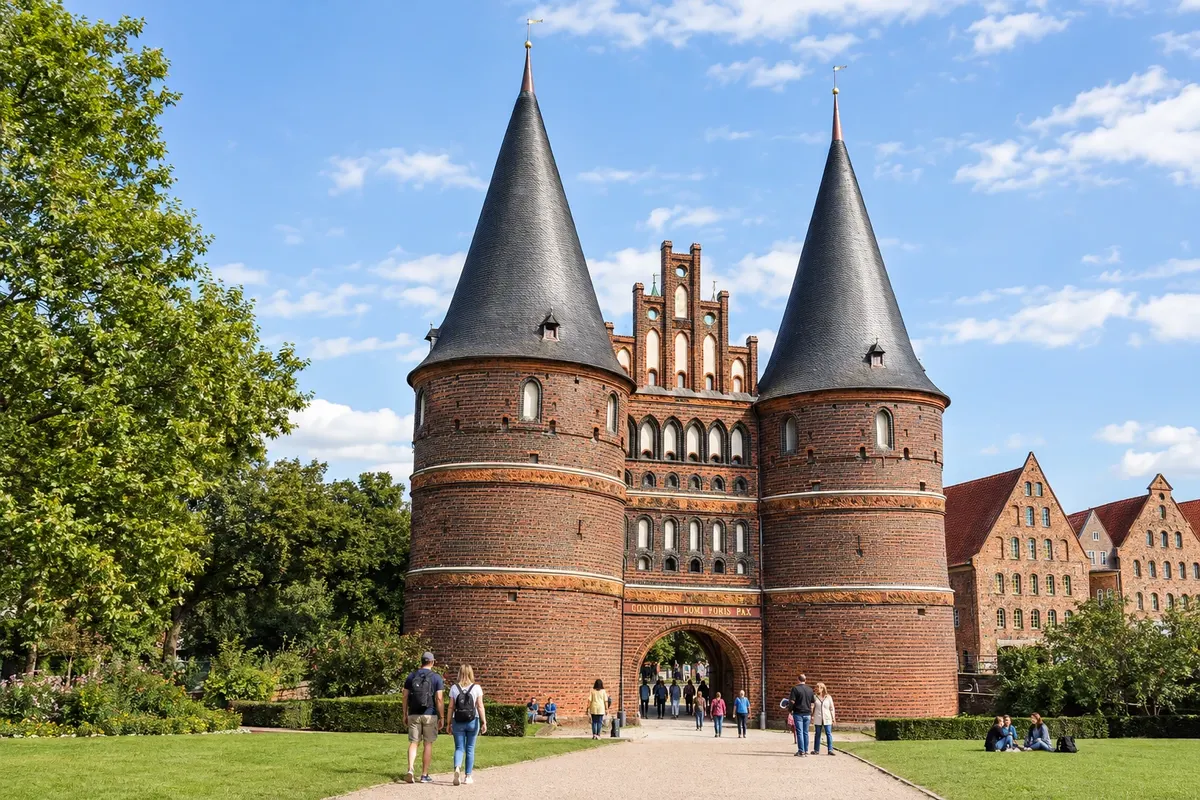
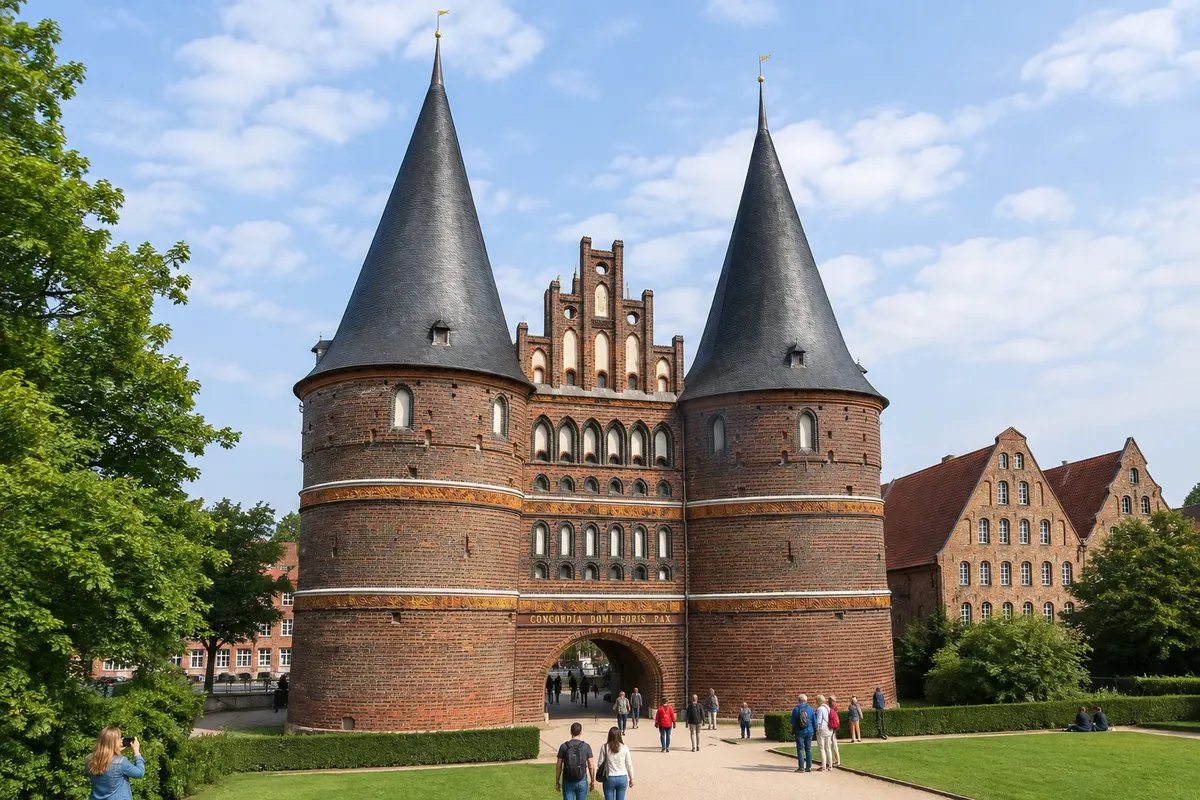
Na fotografiji: Holstentor, Lübeck
Illustrative images. The pictures in this guide are illustrations based on the real place, not photographs, and may differ from it.
Mesto
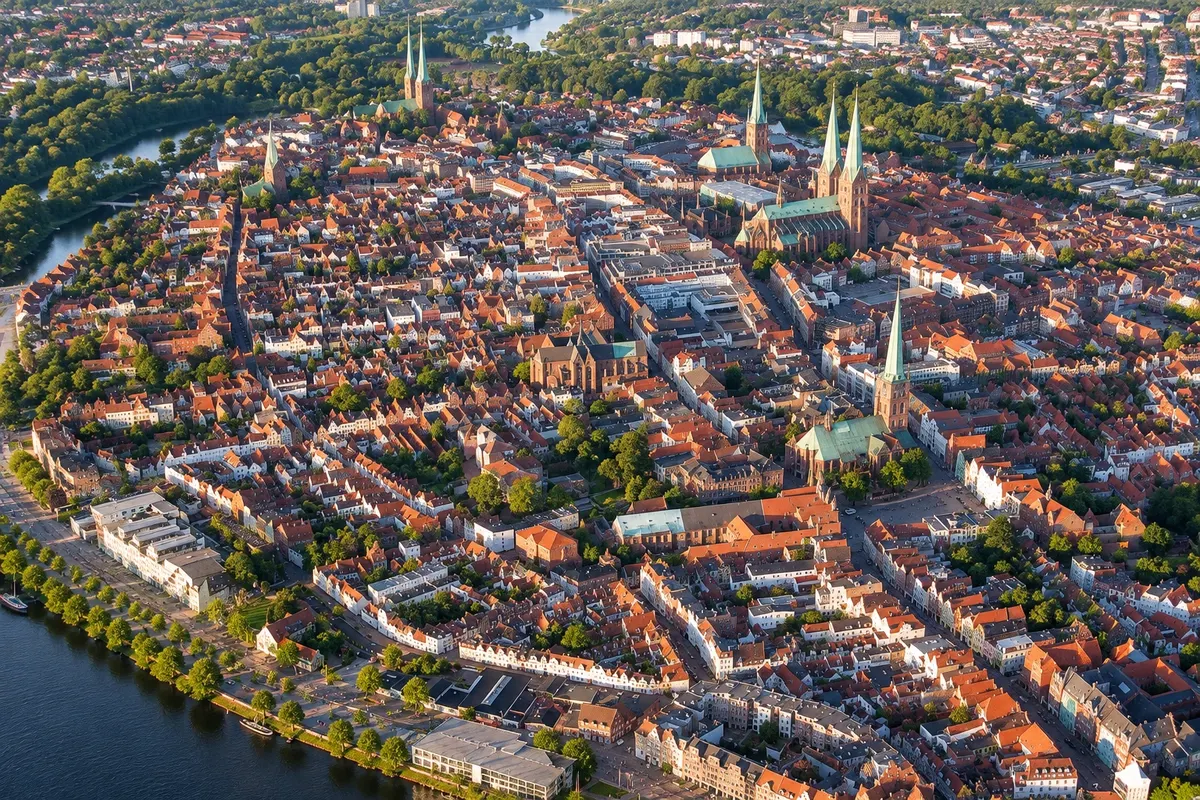
Lübeck was the most important city of the Hanseatic League and preserves its old town on an island surrounded by the river Trave, a UNESCO World Heritage Site since 1987. The Holstentor, the Rathaus, the Marienkirche, the Dom, the Heiligen-Geist-Hospital and the Europäisches Hansemuseum are within walking distance. The city is also known for the Niederegger marzipan, and the Travemünde district leads to the beach on the Baltic Sea.
V vodniku še ni nastanitev – Lübeck.
kako do tja · koliko dni · načrt poti · vprašanja
Lokalni okusi – of Nemčija
Doživite kraj
The brick gate with two round towers, dating from 1478, is Lübeck's symbol. Inside it houses a museum about the city and the trade of the Hanseatic League.
An island surrounded by the Trave and canals, with brick churches, narrow lanes and hidden courtyards. It has been a UNESCO World Heritage Site since 1987.
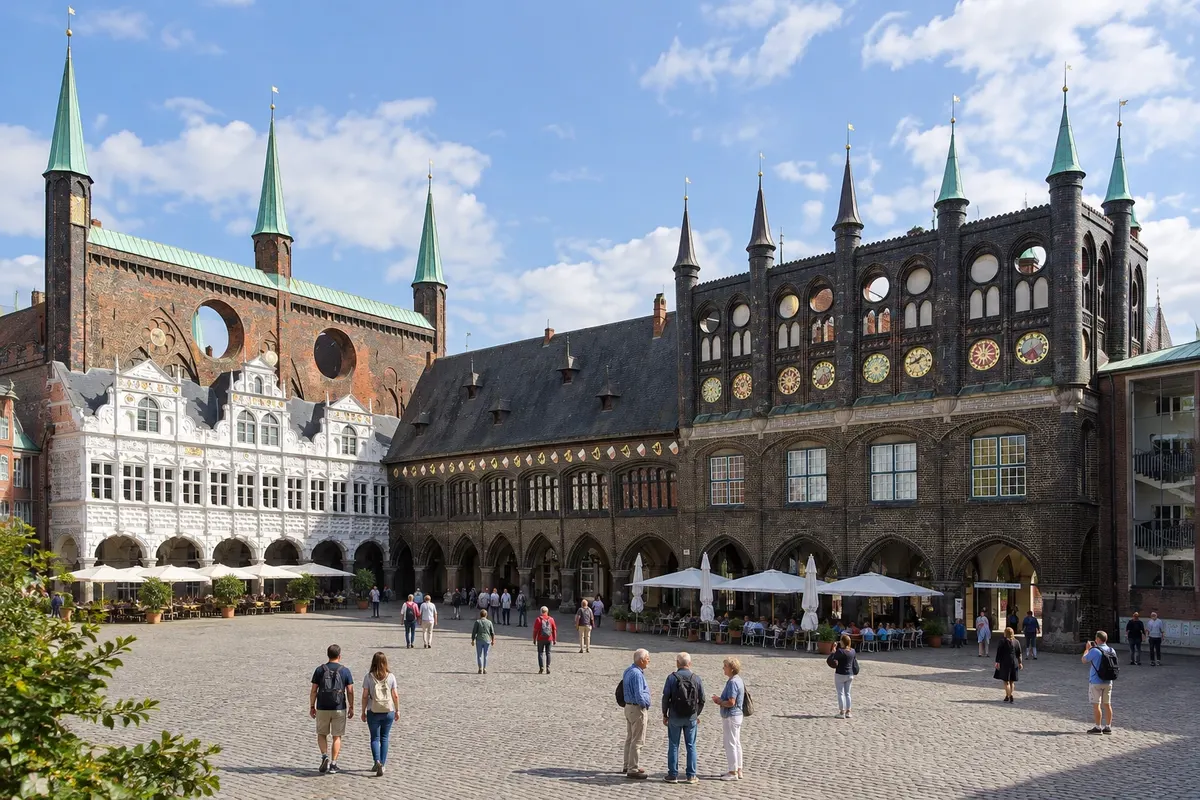
One of the oldest town halls in Germany still in use, with a dark-brick façade and slender towers atop the wall, on the north side of the Markt square.
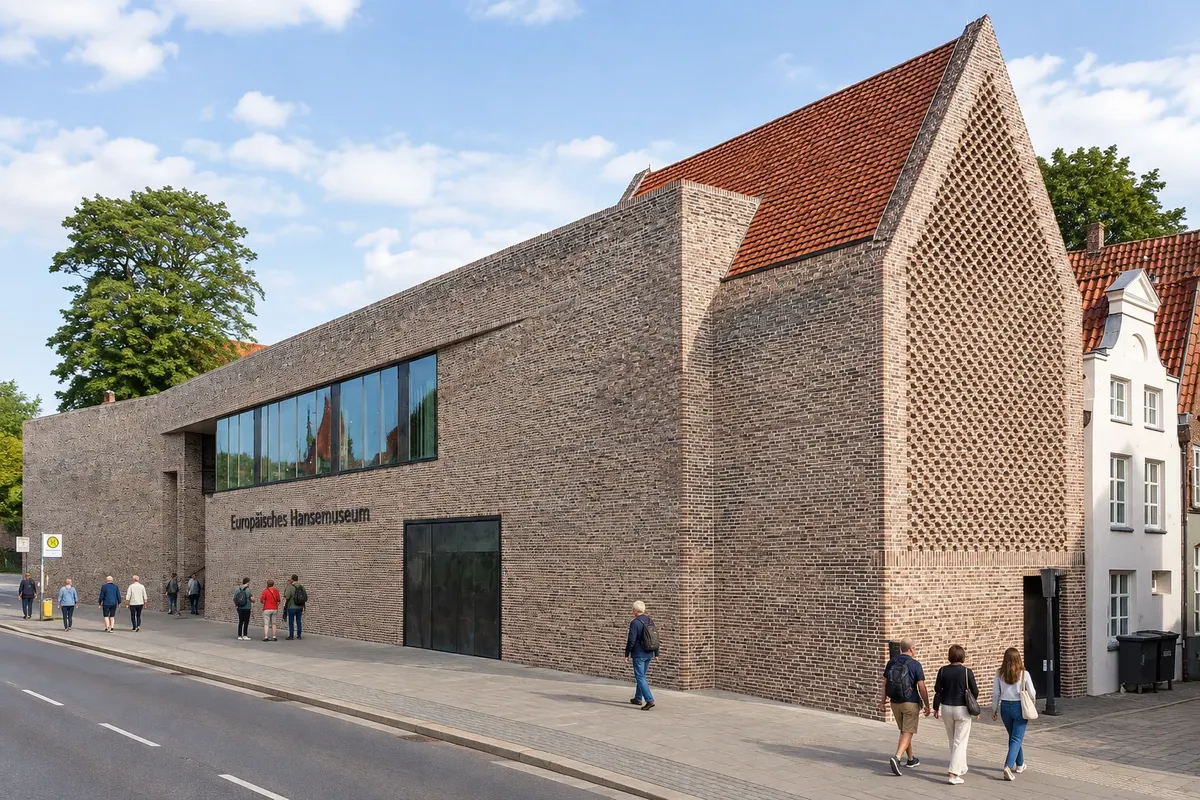
Museum about the Hanseatic League, with life-size reconstructions of ports and commercial offices and a section inside the former Burgkloster convent.
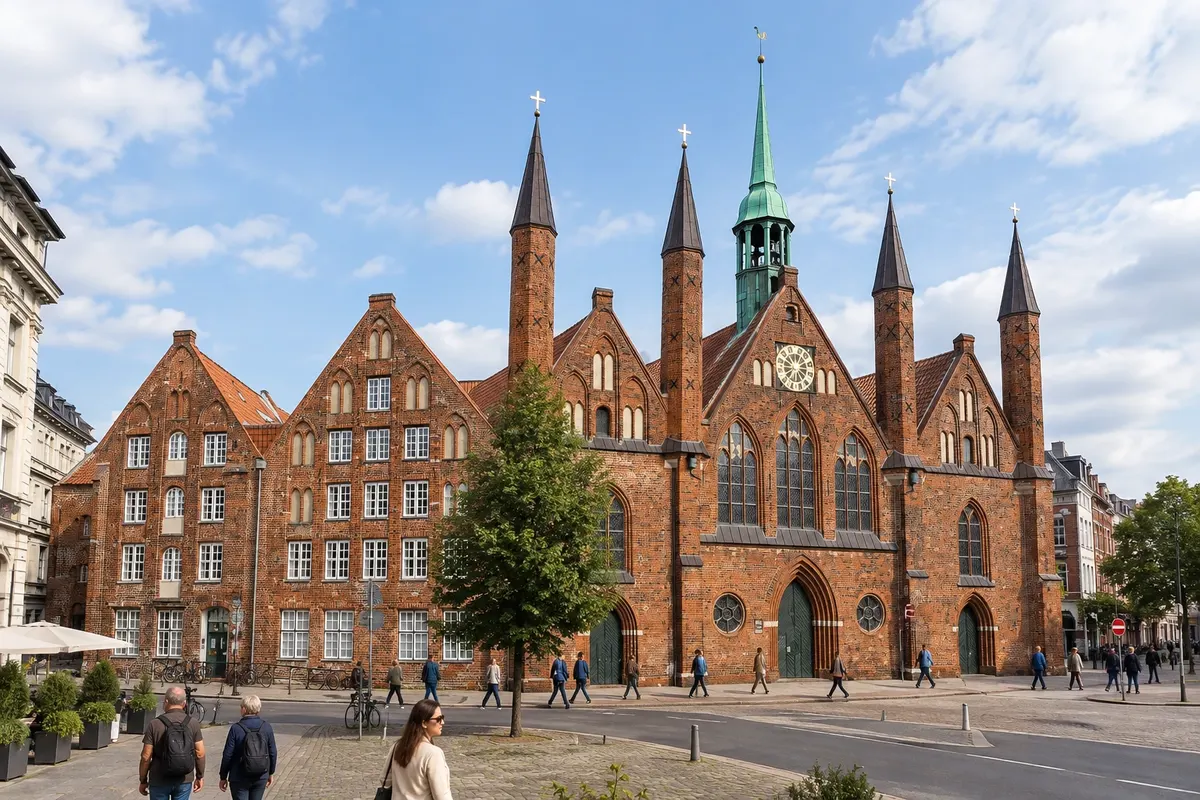
One of the oldest social hospitals in Europe, dating from 1286, with an aisle-church of medieval paintings and the wooden cubicles where elderly residents lived until 1970.
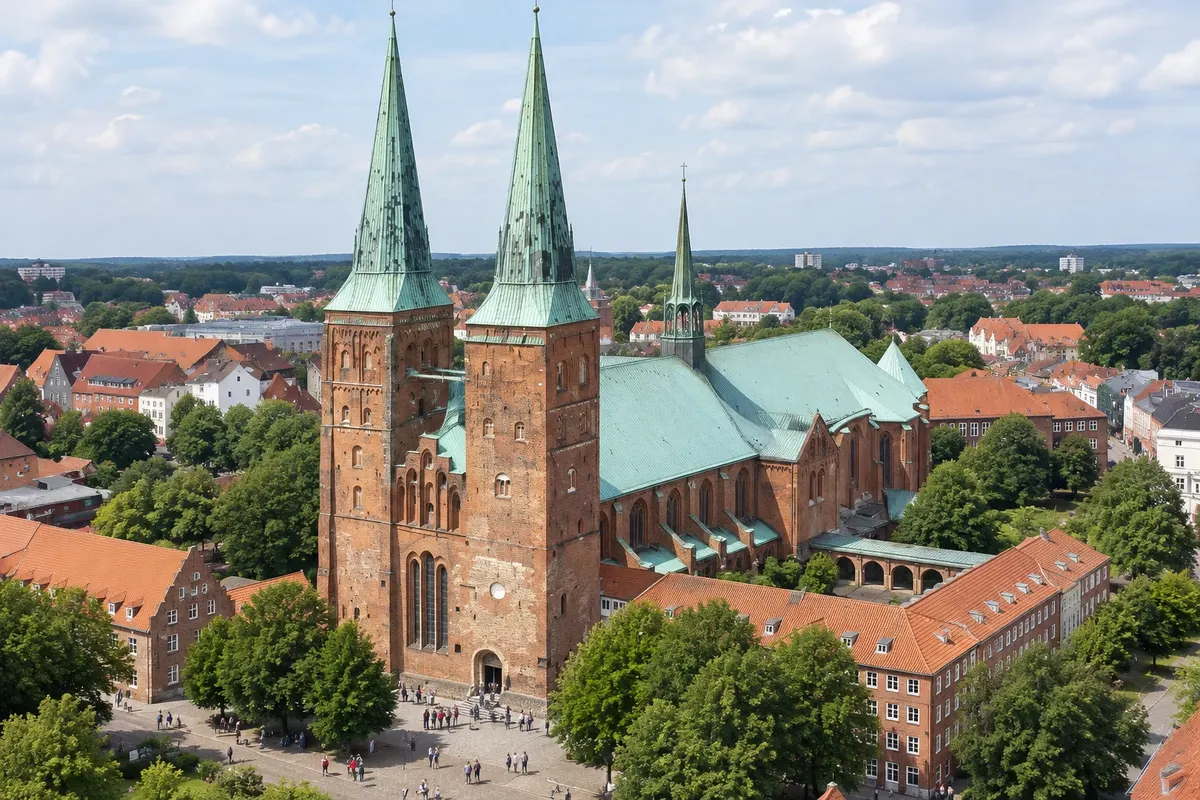
Brick cathedral whose foundation stone was laid by Henry the Lion in 1173. It houses the triumphal cross by Bernt Notke from 1477.
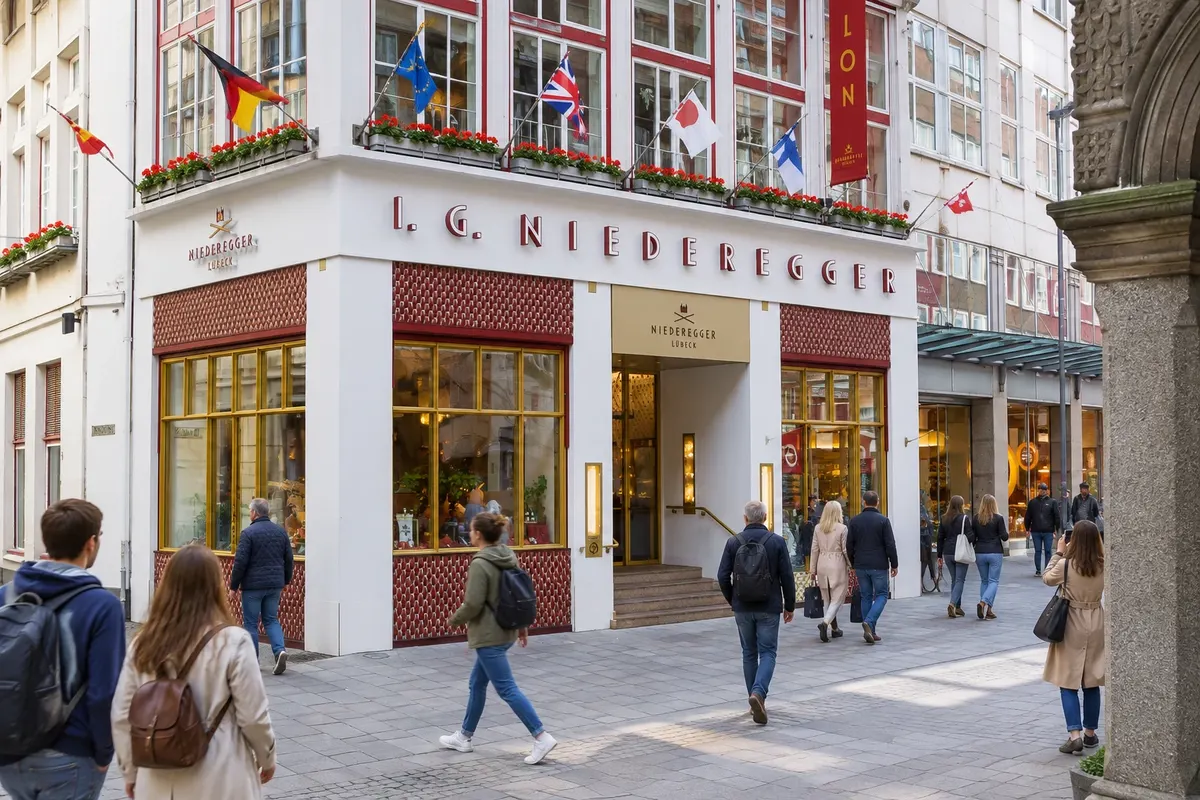
Lübeck's marzipan house since 1806, opposite the town hall, with a shop, café and an exhibition about the sweet's history on the upper floor.
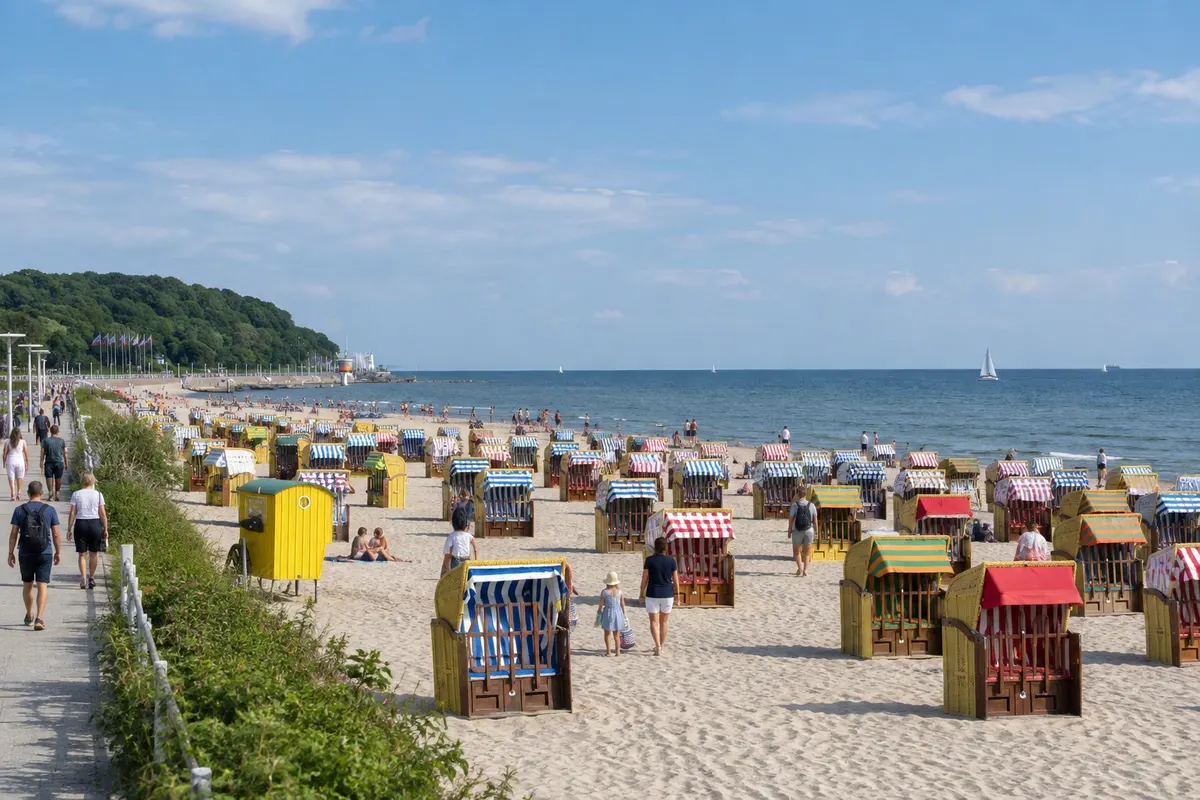
Neighborhood of Lübeck at the mouth of the Trave, with a sandy Baltic beach, a promenade, the oldest lighthouse on the German coast and the sailing ship Passat.
Pred odhodom
Lübeck – Schleswig-Holstein Destinacija Baltic Coast and Lübeck
Razdalje so približne. Pred potovanjem preverite lete in vozne rede avtobusov, vlakov ali ladij.
Check before you buy. The most commonly used airport is Hamburgo (HAM). From Hamburgo central station, the regional train reaches Lübeck in about 45 minutes, with departures throughout the day. For Rostock there is no direct train: it’s about two and a half hours with a change.
A full day is enough for the old town. With two days you have time to visit museums at a relaxed pace and half a day in Travemünde at the beach.
From May to September the days are long; the bathing season in Travemünde usually runs from June to August. Winter, from December to February, is cold and gets dark early, but the Christmas markets generally run from the end of November until close to Christmas.
The seasons shown are the most usual ones; nature doesn't always follow the calendar.
No. The old town is best explored on foot and Travemünde has train and bus connections from the central station. A car is more of a hindrance than a help within the island, which has narrow streets and limited parking.
Predlog poti
Pot povezuje znamenitosti na tej strani. Za oglede boste imeli dovolj časa.
Leave the central station and walk to the Holstentor. Visit the gate museum and cross the bridge to see the salt warehouses on the banks of the Trave.
Walk up to the Markt square and go around the town hall, at the foot of the Marienkirche towers. Take a sweet break at the Niederegger shop, on the other side of Breite Straße.
Follow Breite Straße to the north of the island. See the Heiligen-Geist-Hospital and spend the rest of the afternoon at the Europäisches Hansemuseum, near the Burgtor.
Return along the riverbank, looking at the merchants' houses, and dine in the Altstadt. On Sundays, check beforehand for an open place.
Dan 1
Start with the Holstentor and the gate museum. Then cross to the island and head to the town hall and the Markt square.
Walk through the south of the island to the Dom, with the cross by Bernt Notke. Return along the edge of the Mühlenteich.
Enter the narrow passageways of the Gänge in the side streets, and finish at the Niederegger shop for coffee.
Dine in the old town. The restaurants near the Marienkirche and Breite Straße concentrate the evening activity.
Dan 2
Reserve the morning for the Hansemuseum and the Burgkloster in the north of the island, and pass by the Burgtor on the way out.
See the Heiligen-Geist-Hospital on Koberg square and take the regional train to Travemünde.
Walk along the promenade and the Vorderreihe watching the ships. In summer, enjoy the beach; outside of the season, take a walk along the shore.
Have fish in Travemünde and return by train to Lübeck, or stay overnight on the waterfront.
Check before you go. Opening hours and days change, and places may close for renovations, holidays or events. This itinerary is a suggestion from Cidade Turismo, not a commitment: plan yours by checking directly with each place you intend to visit.
Pred odhodom
A day trip works, since the train takes about 45 minutes. Staying in Lübeck lets you see the old town empty at night and include Travemünde without rush.
Yes. The old town is a small island, and from the Holstentor to the Burgtor it's about a 25-minute walk.
It's Kiel, about 80 kilometres from Lübeck by road. Lübeck is the state's largest historic city and the most visited by tourists.
Most shops are closed on Sundays. Museums, cafés and restaurants usually open, but check before you go.
Marzipan, made from almond and sugar. Niederegger has been producing it since 1806, opposite the town hall.
Več kot vodnik