


Jed · Surinam
Heri heri
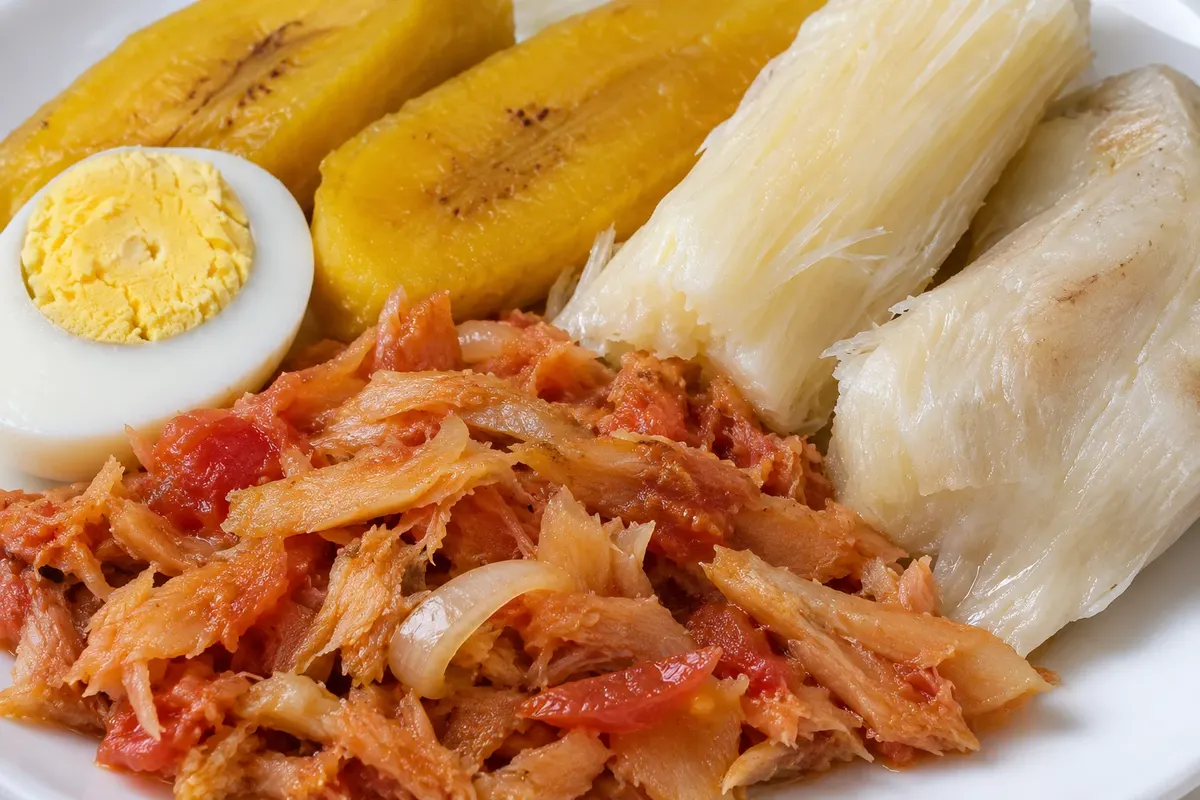
Dish of cassava, sweet potato, green and ripe plantain, salted cod and boiled egg. It originated from plantation food in the time of slavery and is associated with Keti Koti, July 1st.

 Išči
 Brazilija
 Antarktika
 Argentina
 Bolivija
 Čile
 Kolumbija
 Ekvator
 Gvajana
 Francoska Gvajana
 Falklandski otoki (Malvini)
 Paragvaj
 PeruSurinam
 Urugvaj
 Venezuela
 Nemčija
 Avstrija
 Belgija
 Hrvaška
 Danska
 Slovaška
 Slovenija
 Španija
 Finska
 Francija
 Grčija
 Nizozemska
 Madžarska
 Irska
 Islandija
 Italija
 Luksemburg
 Norveška
 Poljska
 Portugalska
 Združeno kraljestvo
 Češka
 Švedska
 Švica
 Turčija
 Bermudi
 Kanada
 Združene države Amerike
 Grenlandija
 Mehika
 Sveta Peter in Mihael
 Dominikanska republika
 JaponskaTurčija
 Južnoafriška republika
 Egipt
 Avstralija
 Fidži
 Nova Zelandija
 Papua Nova Gvineja
Okusi · Surinam
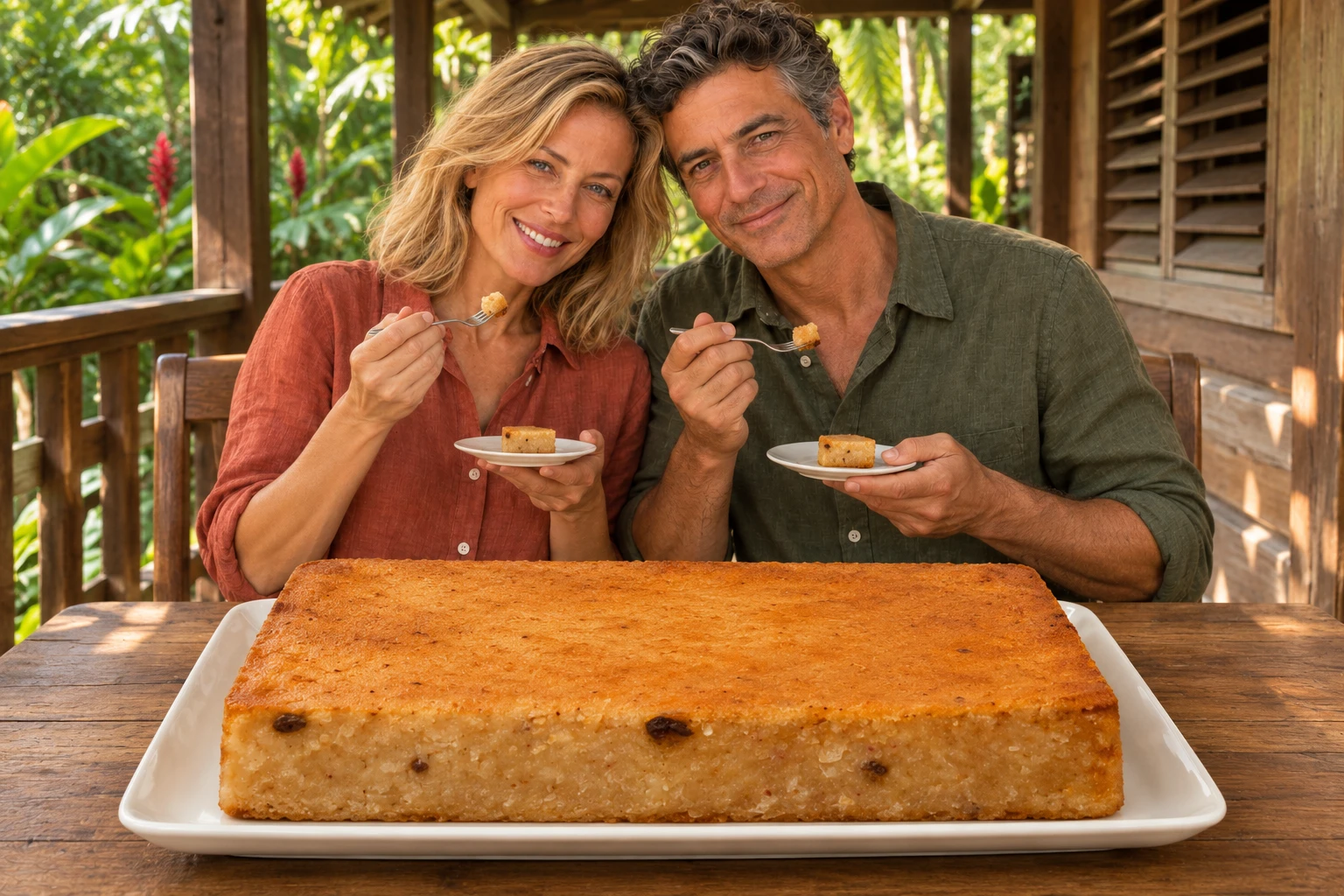
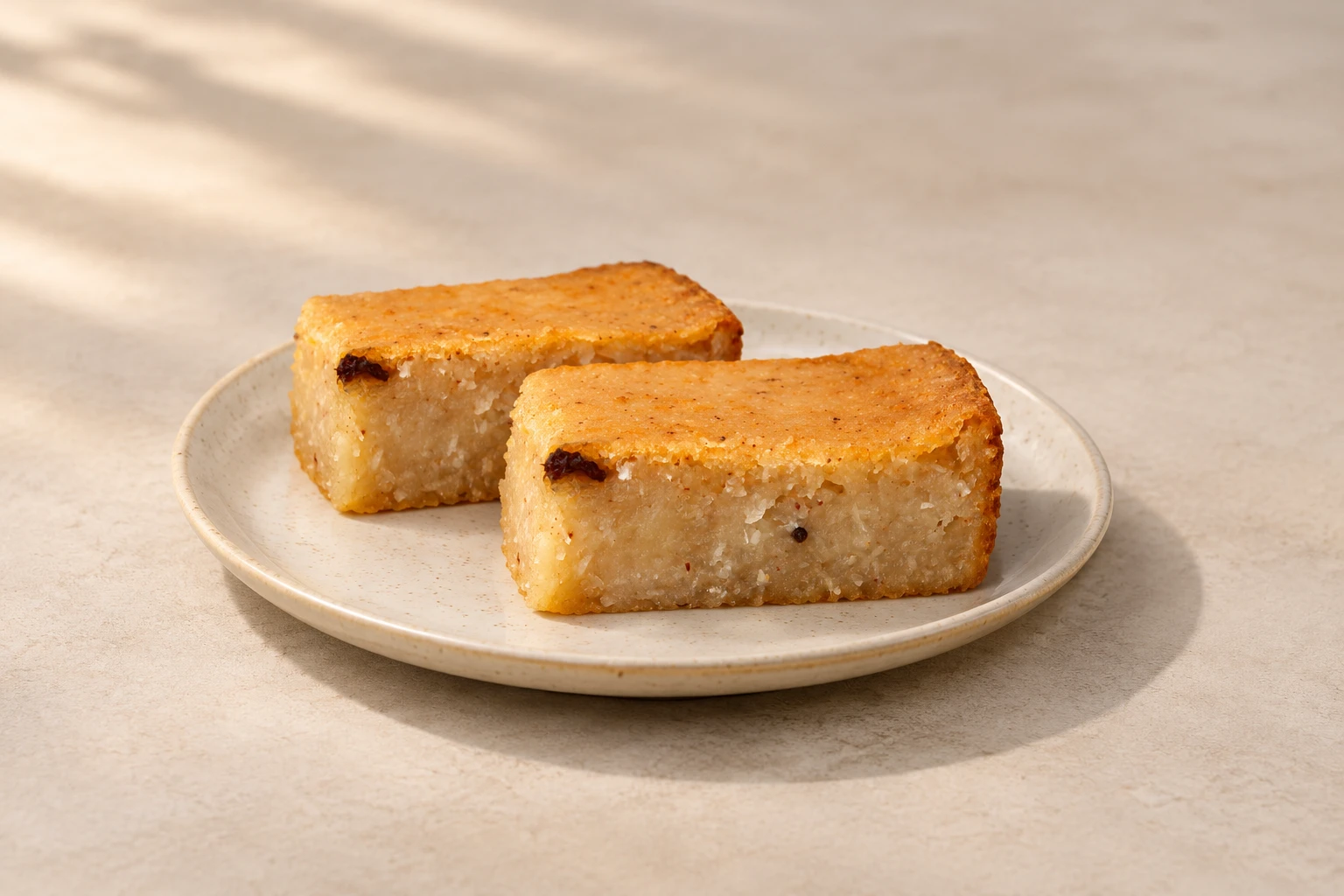
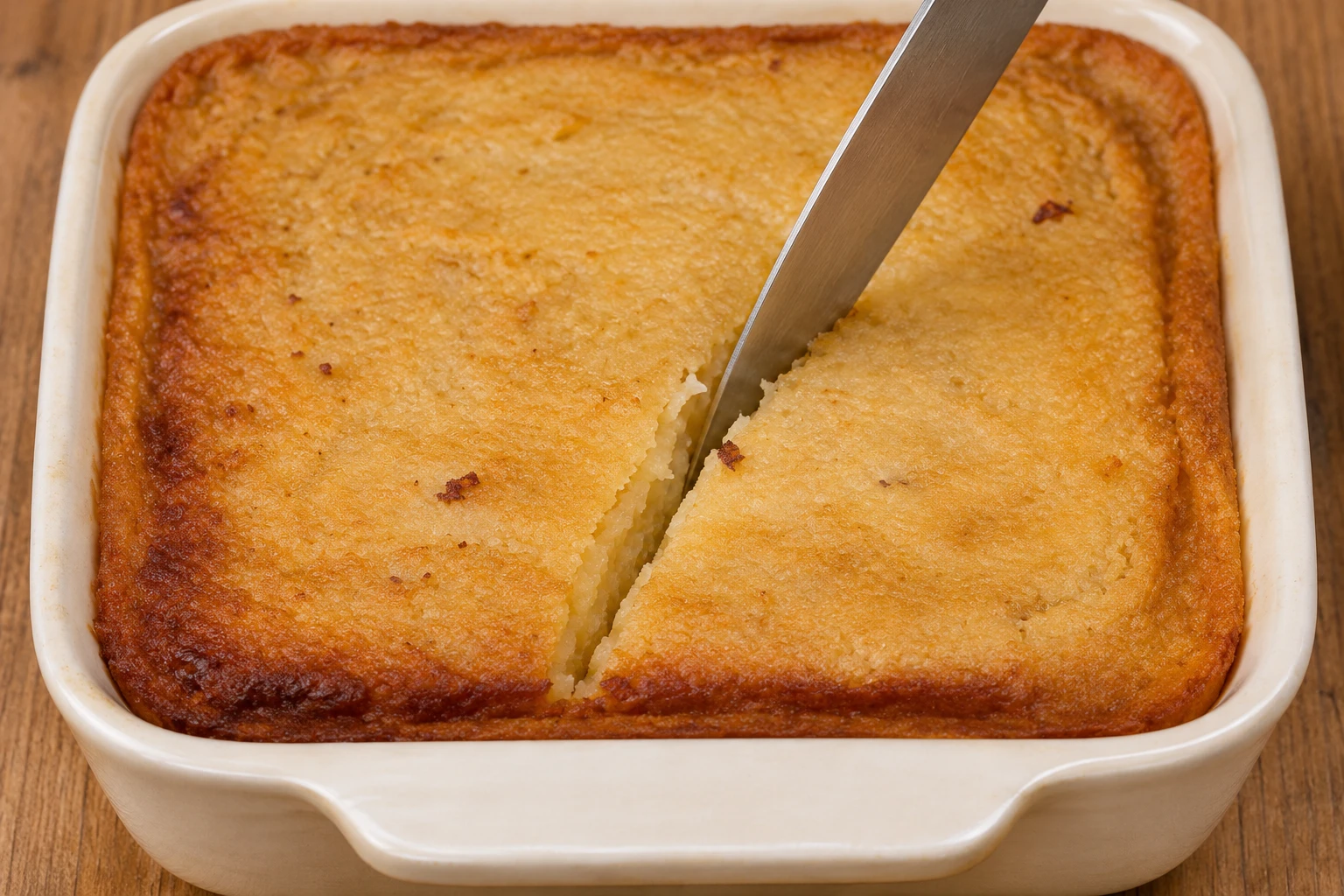
Dense cassava and coconut cake, egg-free and unleavened, with an elastic crumb and a crunchy crust. A sweet from the Creole tradition of Suriname, commonly served at birthdays and parties.
Traditional sladica izSurinam
Druga imena: boyo
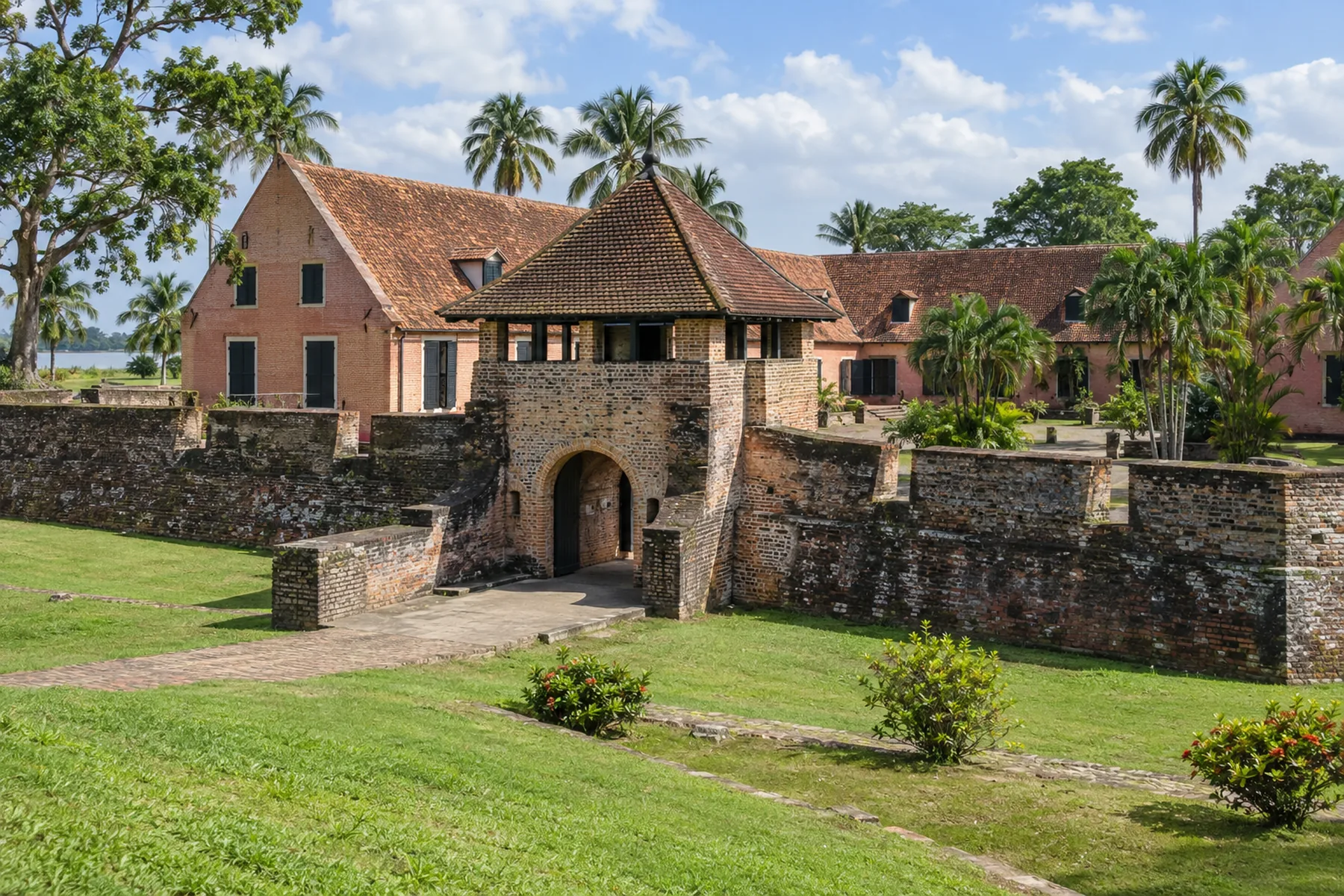
Illustrative images. The pictures in this guide are illustrations based on the real place, not photographs, and may differ from it.
Kliknite fotografijo za povečavo.
Bojo — Surinam
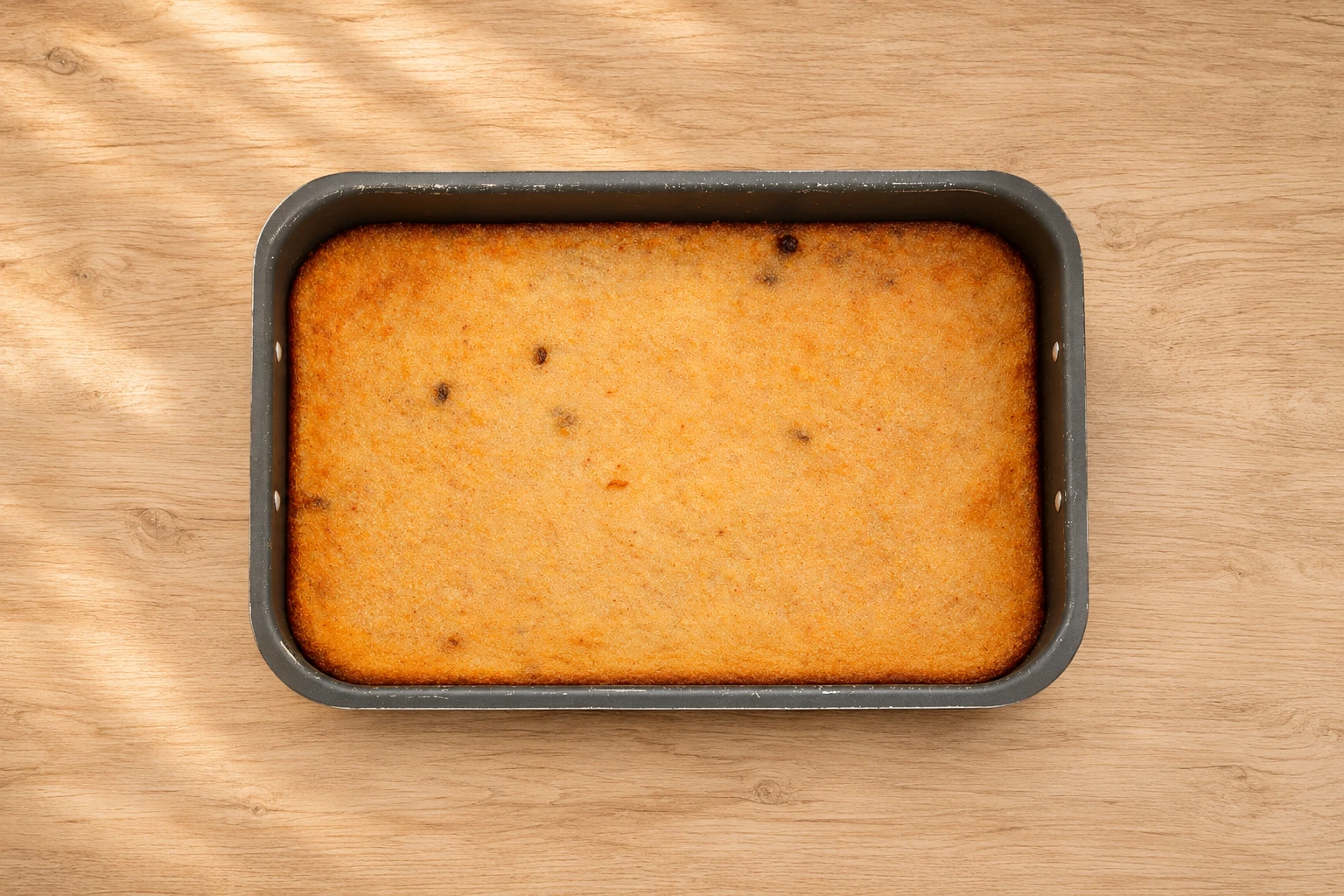
Bojo is a dense cake made from grated cassava and coconut. The batter also contains coconut milk, milk, sugar, butter or coconut oil, salt and vanilla; many recipes add raisins, sometimes soaked in rum, and orgeat, an almond syrup. It contains no eggs and does not need to rise.
In the oven, the surface becomes crunchy while the crumb stays elastic. Chef Noni Kooiman, from a Surinamese Creole family, describes bojo as a Creole cassava-and-coconut cake and compares the texture to a coconut biscuit. She notes that every family makes bojo in its own way: some use coconut oil and some do not.
Cassava was already cultivated by indigenous peoples and features in many Surinamese dishes. Bojo is among the best-known sweets made with it.
It is a birthday and party cake, served in slices.
Surinam
Cassava-and-coconut cake of Creole tradition, eaten across the country.
Grated cassava, grated coconut, coconut milk, milk, sugar, butter or coconut oil, salt and vanilla. Many recipes add raisins and orgeat (almond syrup).
Sliced, as a dessert or snack.
Birthdays and family celebrations.
Odgovori na vaša vprašanja
Grated cassava and coconut, with coconut milk, sugar, butter or coconut oil and vanilla. Many recipes include raisins and orgeat, an almond syrup.
No. The batter contains no eggs or leavening; the cassava provides the binding, and the cake comes out of the oven with a crunchy crust and an elastic crumb.
Lokalni okusi – of Surinam
Dish of cassava, sweet potato, green and ripe plantain, salted cod and boiled egg. It originated from plantation food in the time of slavery and is associated with Keti Koti, July 1st.
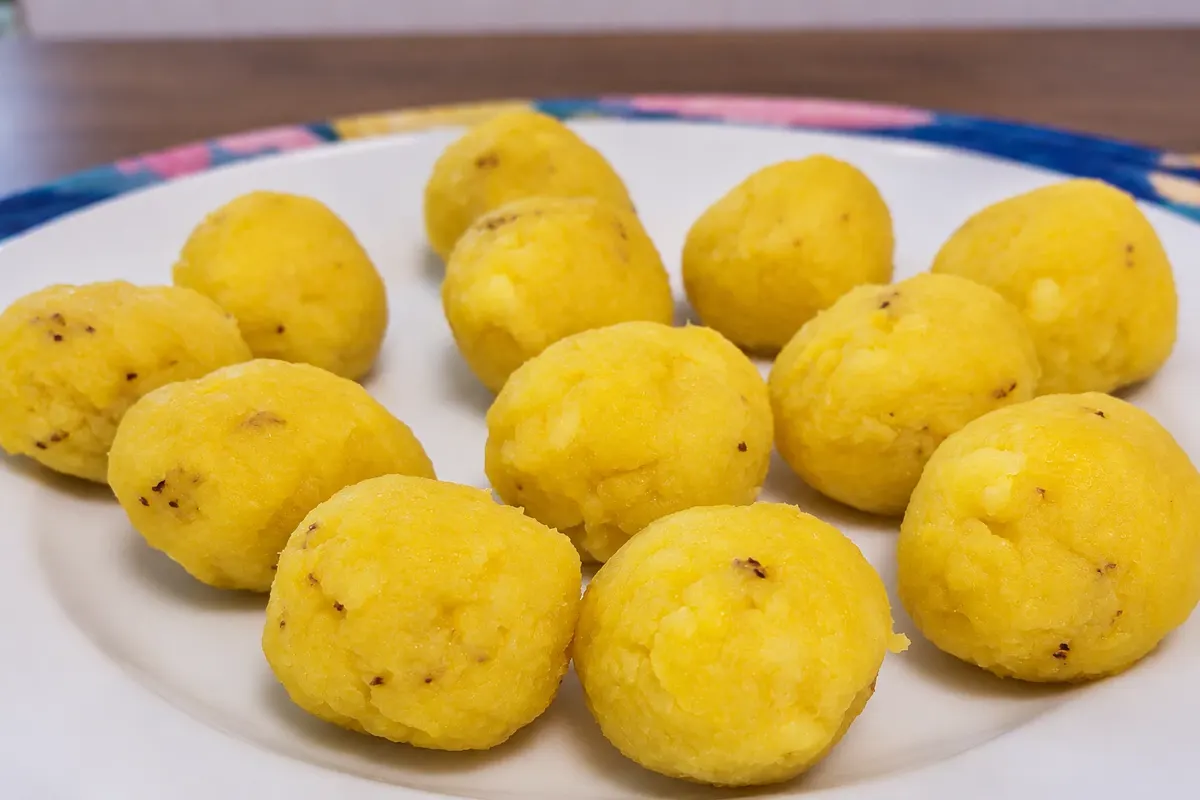
Peanut soup with chicken broth, served with tomtom — small balls of cooked, mashed plantain. It has roots in West African cuisine and is part of Suriname’s Creole culinary tradition.
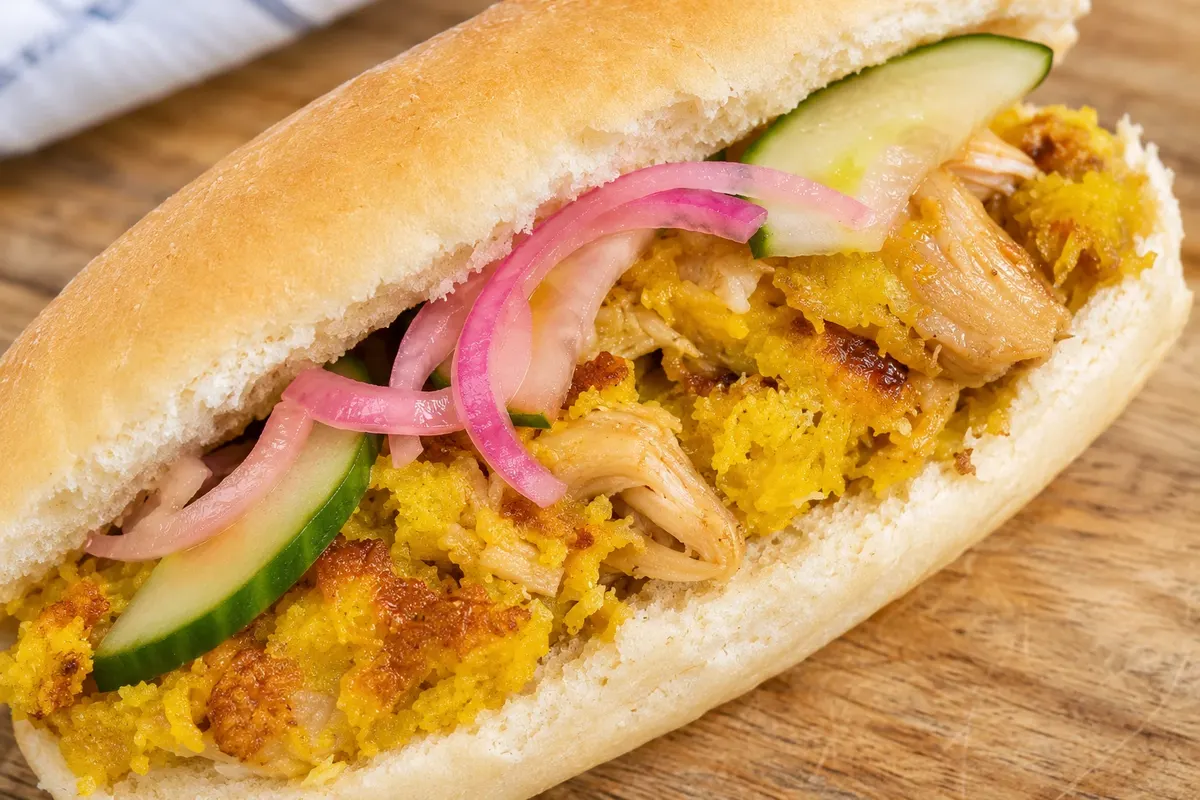
Baked dish made with pomtajer, a regional root, grated and mixed with citrus juice, layered with sautéed chicken. It is Suriname’s best-known festive dish and is often called the national dish.
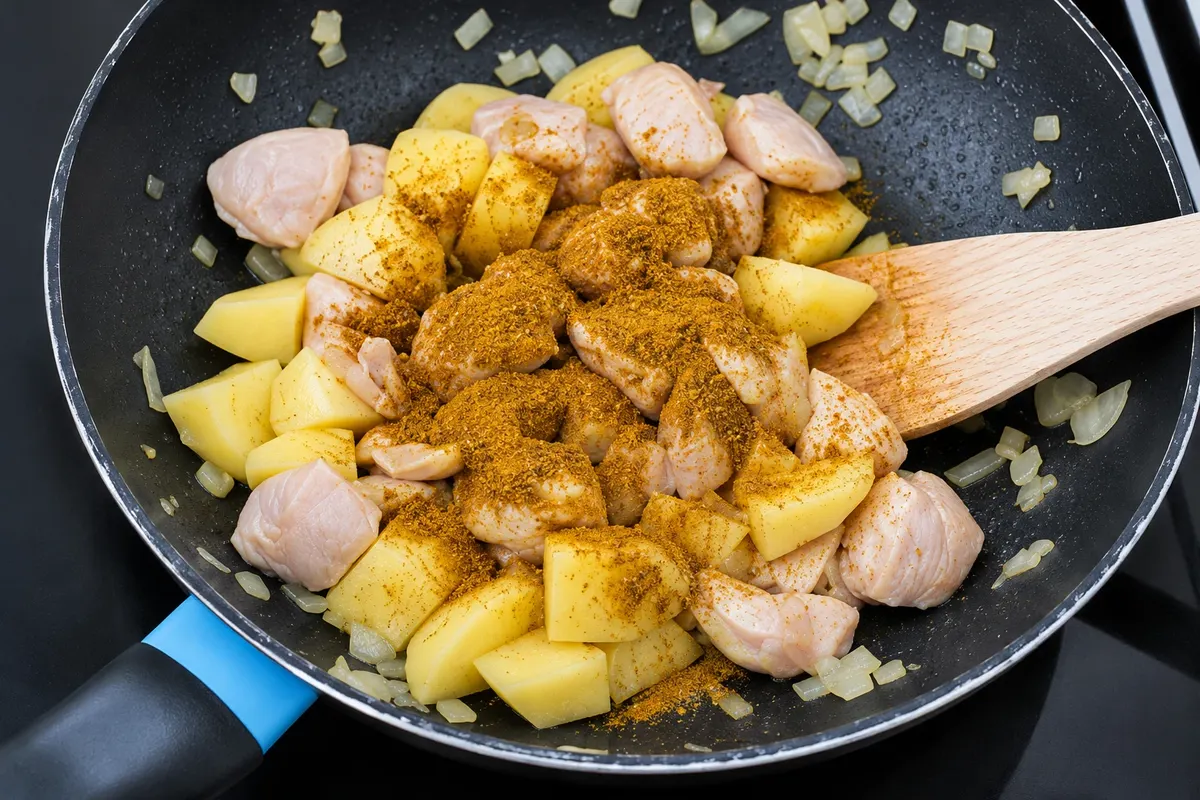
Flat thin bread of Indian origin, served with curried chicken, potato and kousenband, a long bean. It arrived in Suriname with indentured workers from British India starting in 1873, and today it is eaten throughout the country.
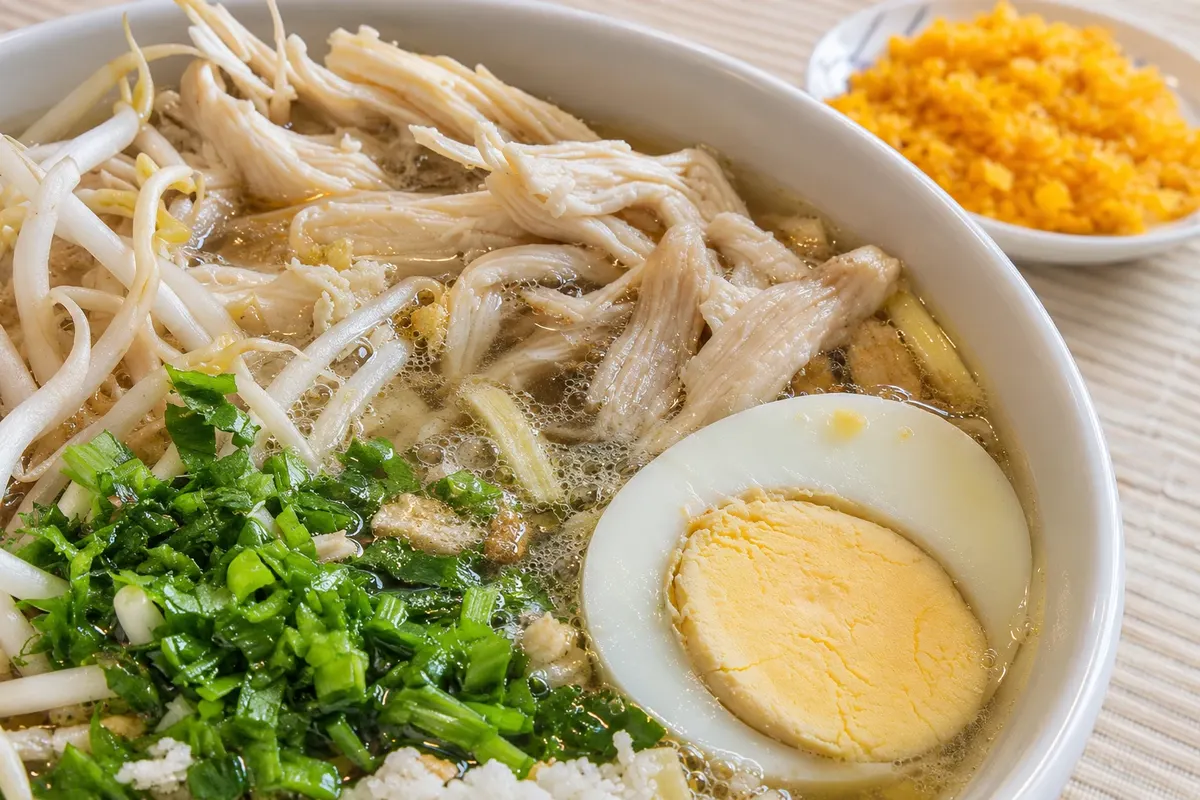
Clear chicken broth served over rice, with shredded chicken, bean sprouts, hard‑boiled egg, fried rice vermicelli and thin stick fries. It is the Surinamese version of Javanese soto, brought by Javanese workers from 1890.
Več kot vodnik


