

Gothenburg · Västra Götaland · Park
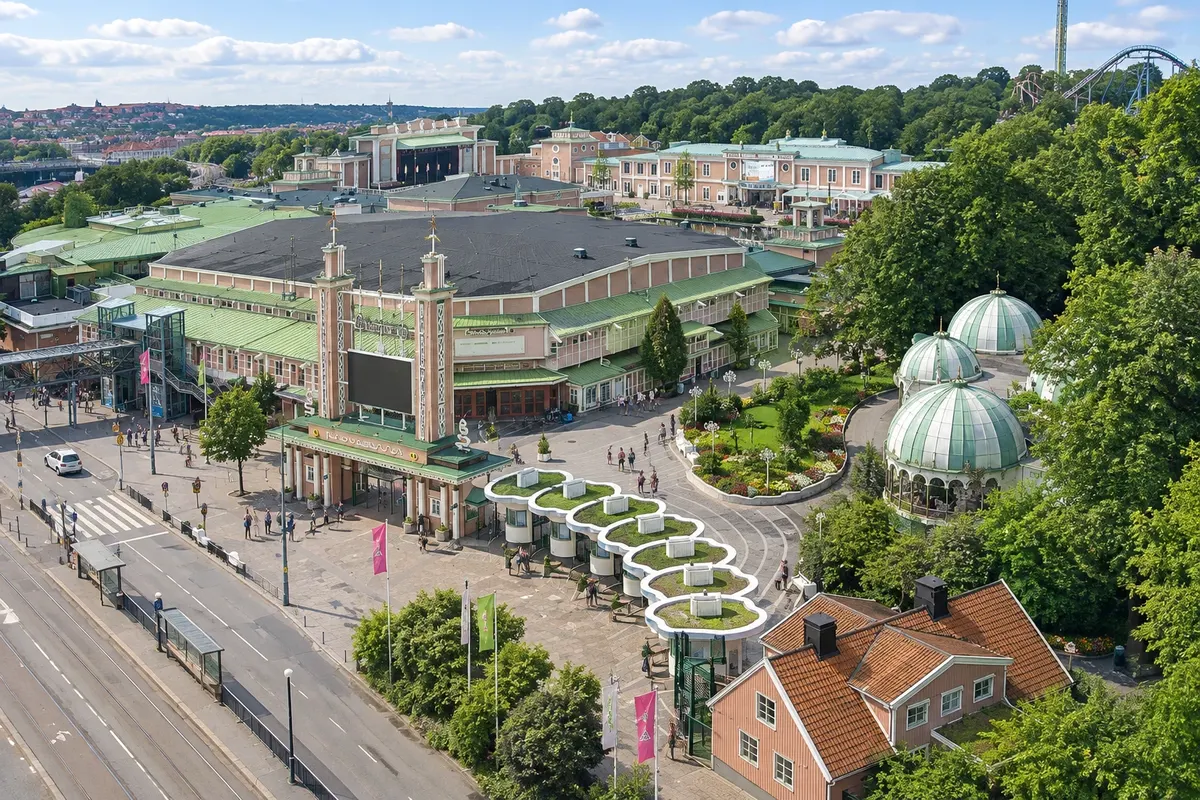
Liseberg
Amusement park opened in 1923 in the center of Gotemburgo, with wooden and steel roller coasters, gardens, outdoor shows and Halloween and Christmas events.

 Išči
 Brazilija
 Antarktika
 Argentina
 Bolivija
 Čile
 Kolumbija
 Ekvator
 Gvajana
 Francoska Gvajana
 Falklandski otoki (Malvini)
 Paragvaj
 Peru
 Surinam
 Urugvaj
 Venezuela
 Nemčija
 Avstrija
 Belgija
 Hrvaška
 Danska
 Slovaška
 Slovenija
 Španija
 Finska
 Francija
 Grčija
 Nizozemska
 Madžarska
 Irska
 Islandija
 Italija
 Luksemburg
 Norveška
 Poljska
 Portugalska
 Združeno kraljestvo
 ČeškaŠvedska
 Švica
 Turčija
 Bermudi
 Kanada
 Združene države Amerike
 Grenlandija
 Mehika
 Sveta Peter in Mihael
 Dominikanska republika
 JaponskaTurčija
 Južnoafriška republika
 Egipt
 Avstralija
 Fidži
 Nova Zelandija
 Papua Nova Gvineja
Västra Götaland · Švedska
Sweden's second city on the west coast: 17th‑century canals, the wooden Haga district, Liseberg park, museums at Götaplatsen and car‑free islands about half an hour by tram and boat.
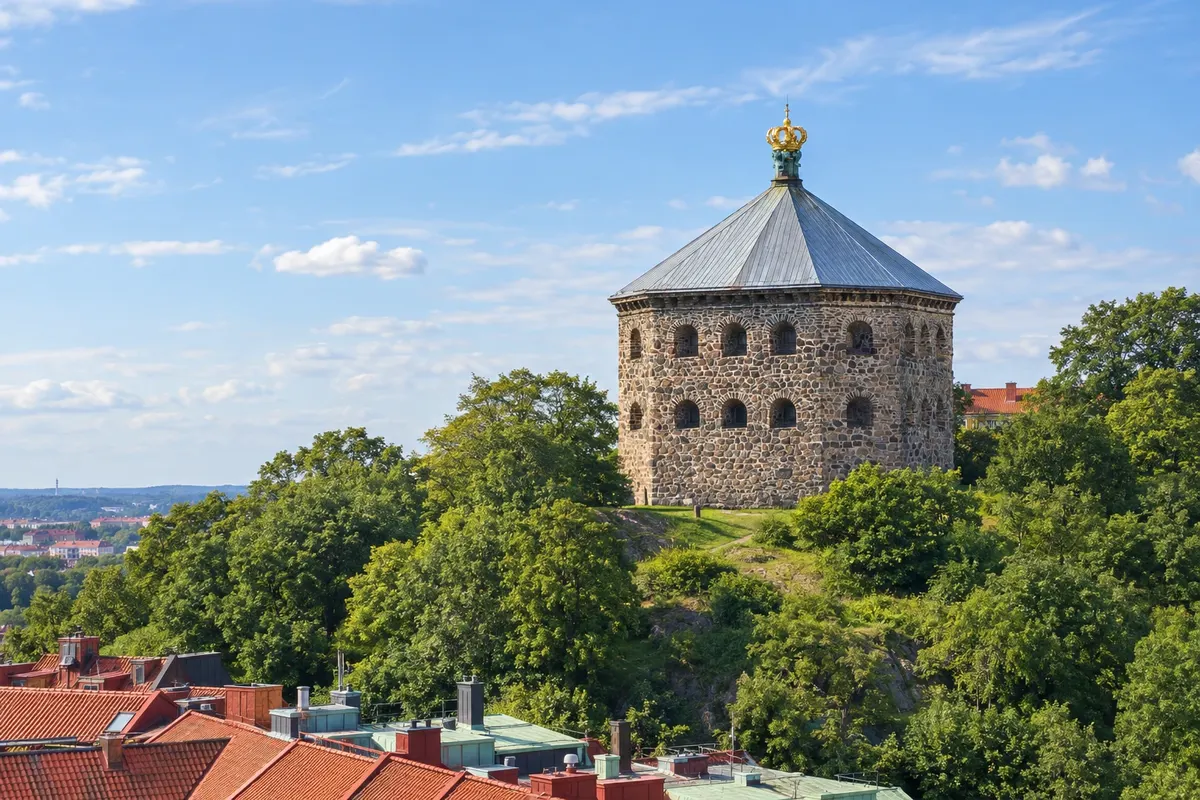
Na fotografiji: Skansen Kronan
Illustrative images. The pictures in this guide are illustrations based on the real place, not photographs, and may differ from it.
Spoznajte kraj
Gotemburgo, Göteborg in Swedish, sits at the mouth of the river Göta, facing the Kattegat strait on the west coast. It was founded in 1621 by King Gustav II Adolf, who called in Dutch engineers to design a walled city crossed by canals. The canals are still there, as is the grid layout of the city centre. It is the country's second largest city and the biggest port in Scandinavia, and it has a more relaxed feel than Estocolmo.
The centre is explored on foot or by tram, the city's main transport. The avenue Kungsportsavenyn, the Avenyn, rises from the canal up to Götaplatsen, the square with the Poseidon statue, the Art Museum and the theatre. Beside the canal is the park Trädgårdsföreningen, with the 19th‑century palm greenhouse. The fish market Feskekôrka, in a building that looks like a church, shows the city's link to the sea.
Haga, the neighbourhood of wooden houses on stone ground floors, is where people do fika, with large kanelbullar, the cinnamon buns. On the hill nearby, the fortress Skansen Kronan has watched over the city since the 17th century. Liseberg park, opened in 1923, has roller coasters, gardens and shows, and the Universeum next door combines a tropical forest and an aquarium. Slottsskogen is the big park where locals spend Sundays.
About half an hour from the centre by tram and boat, the southern archipelago has car‑free islands with fishing villages, smooth rocky shores and sea bathing in summer. The cuisine revolves around seafood: shrimp, langoustine and herring.
V vodniku še ni nastanitev – Gothenburg.
kako do tja · koliko dni · načrt poti · vprašanja
✈ Aeroporto de Gotemburgo-Landvetter (GOT), kraj: Härryda· 25 km do cilja (Gothenburg)
Confirm before booking. Landvetter airport is 25 km from the centre, with an express bus taking about 30 minutes. By train Estocolmo is roughly 3 hours away, Oslo about 3 h 30 and Copenhague about 3 h 30. There are ferries to Denmark and Germany.
Doživite kraj
Amusement park opened in 1923 in the center of Gotemburgo, with wooden and steel roller coasters, gardens, outdoor shows and Halloween and Christmas events.
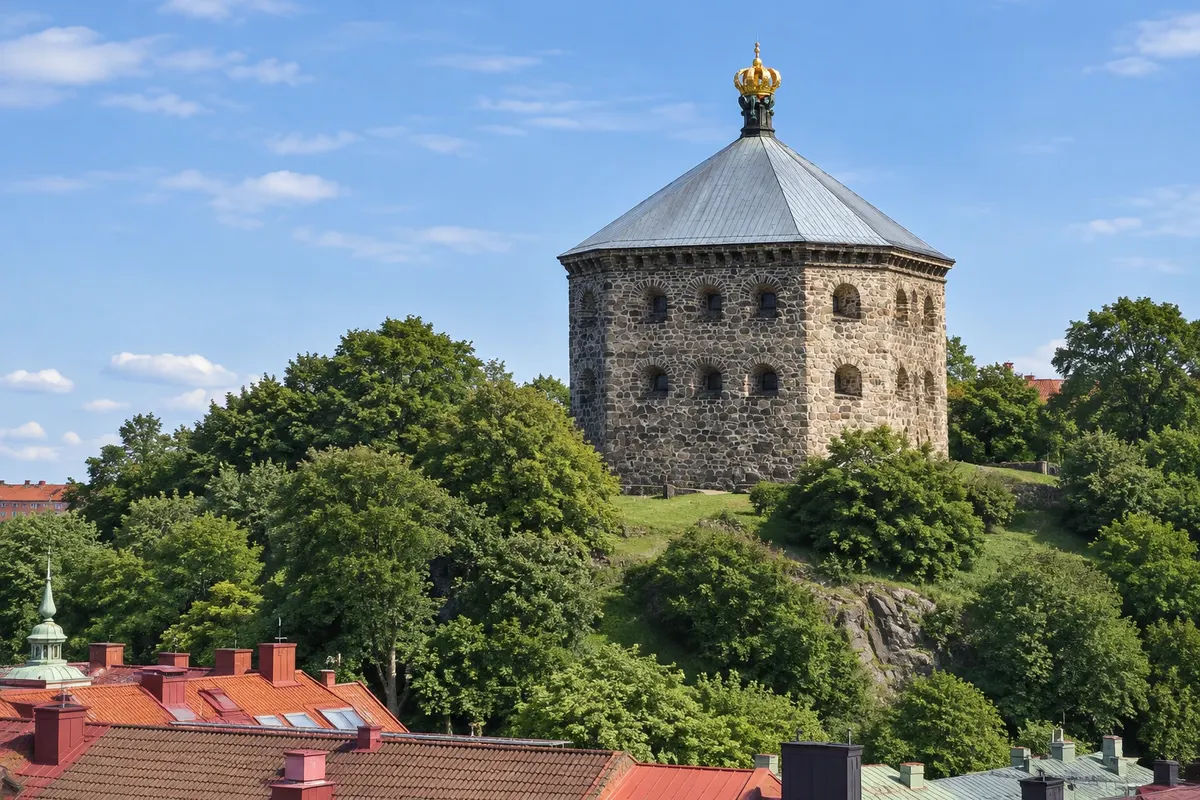
The 19th-century working-class neighborhood that became Gotemburgo's fika spot, with wooden houses on stone ground floors and Haga Nygata street, at the foot of the hill of the Skansen Kronan fortress.
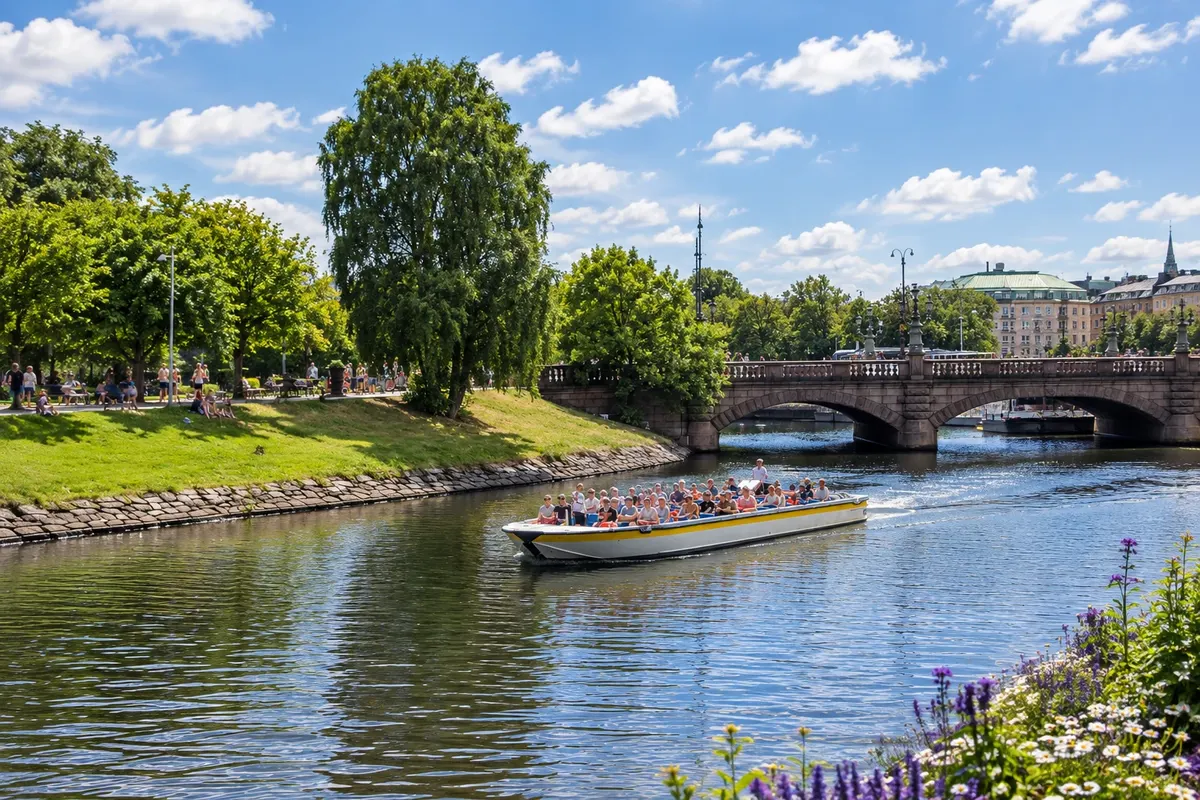
Low boat tour through the 17th-century canals and Gotemburgo's harbor, passing under bridges so low passengers have to duck.
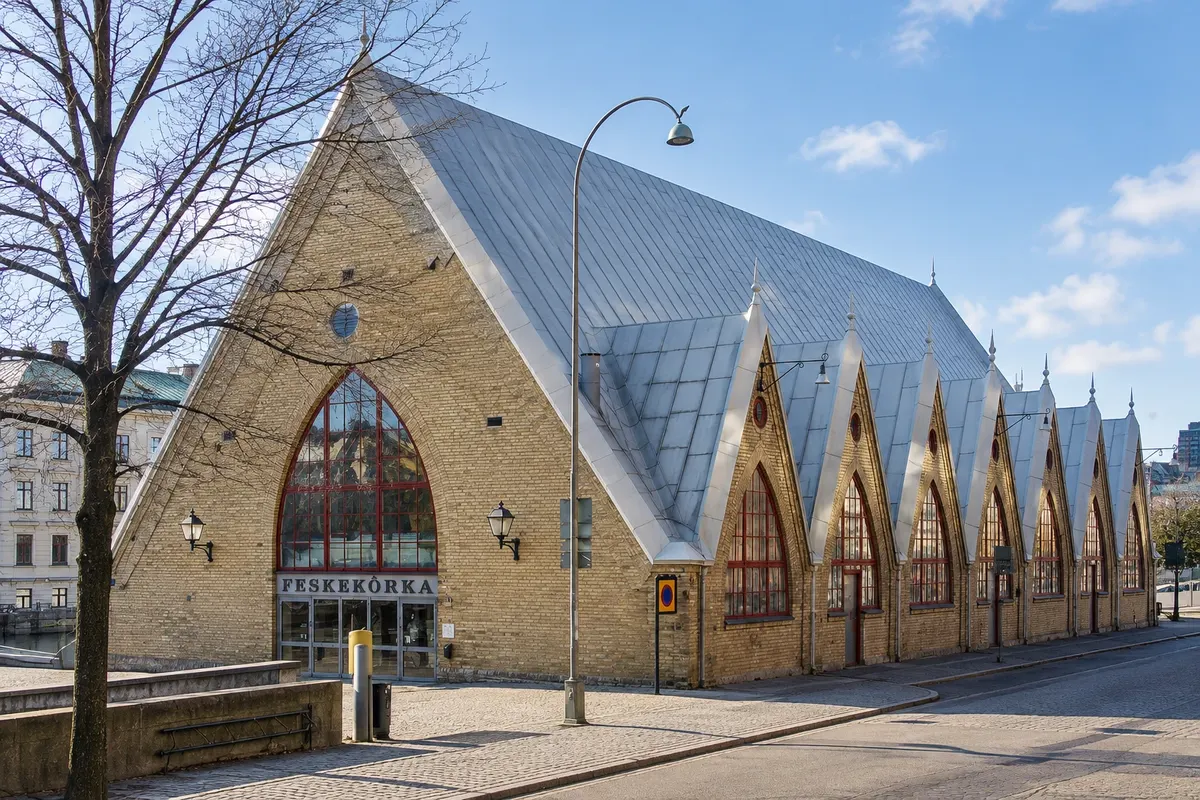
The Gotemburgo fish market, dating from 1874, is in a stone building with Gothic windows that resembles a church: stalls selling shrimp, crayfish, herring, salmon and seafood restaurants.
The square at the top of the Avenyn with the statue of Poseidon by Carl Milles, and the Museu de Arte de Gotemburgo, featuring Carl Larsson, Anders Zorn, Edvard Munch and other Nordic painters.
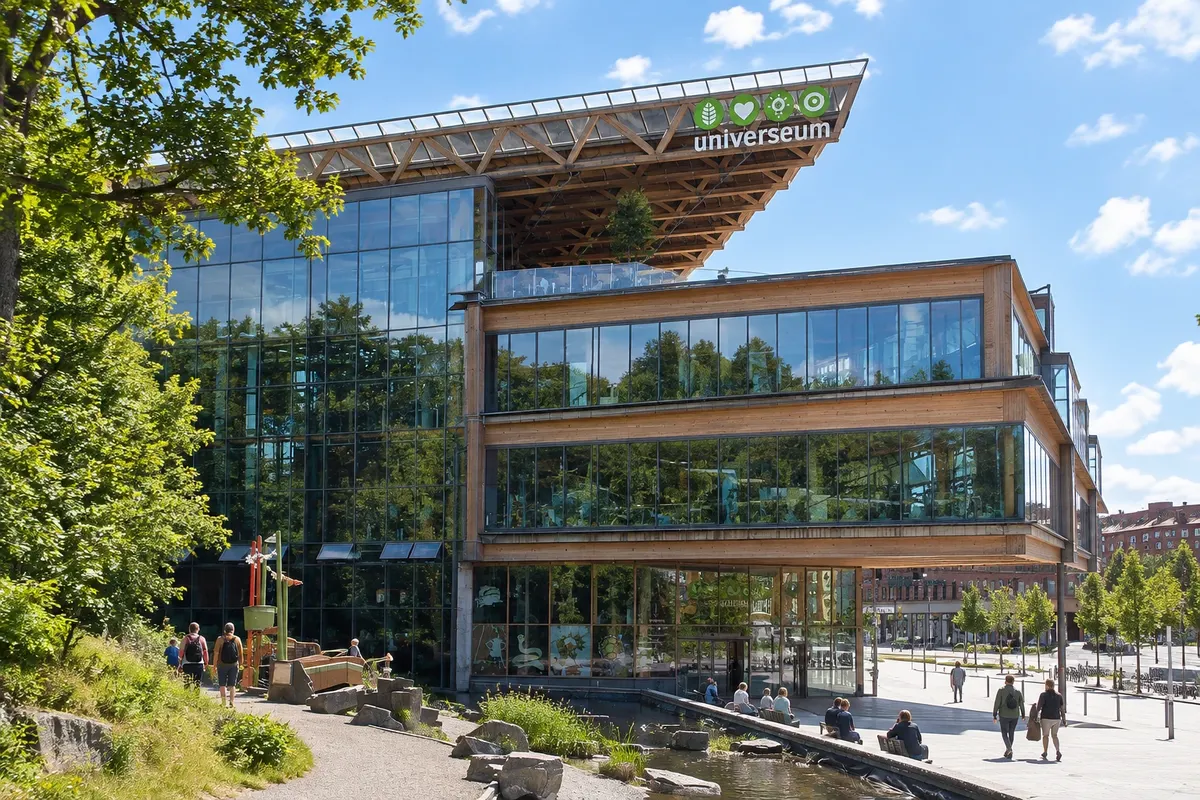
Science center beside Liseberg, with a multi-storey tropical forest, an aquarium with sharks, live animals and hands-on experiment exhibitions for children and adults.
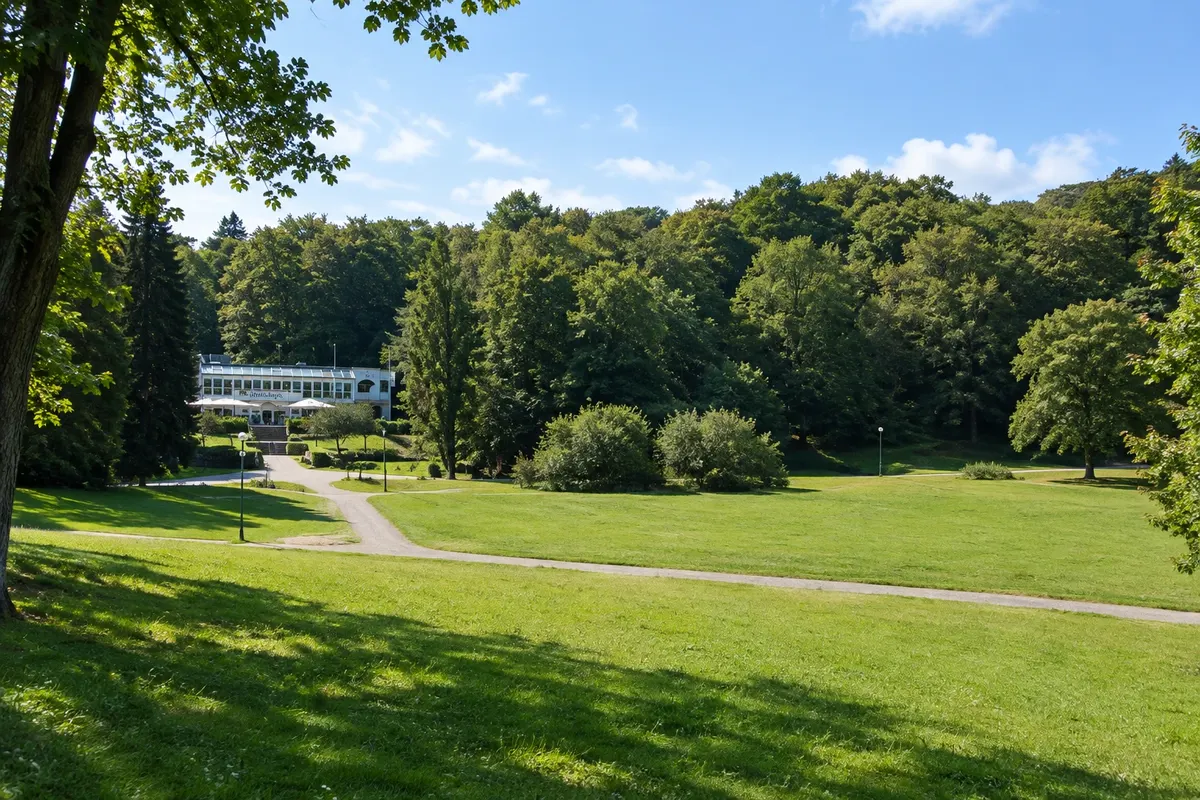
Gotemburgo’s large park, created in 1874: 137 hectares of woods, lakes, a zoo of Nordic animals with seals and penguins, and the Museu de História Natural, which has a stuffed blue whale.
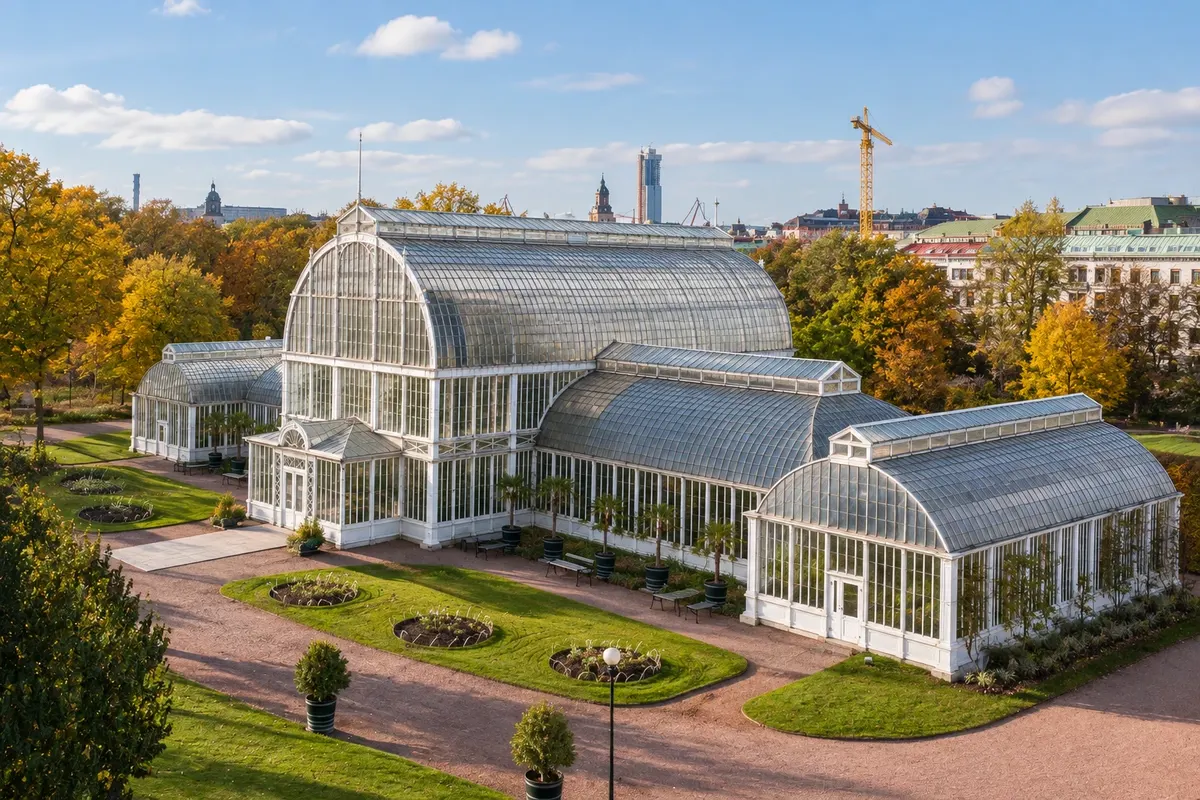
A park from 1842 on the canal edge in central Gotemburgo, with an iron-and-glass palm house from 1878, a rose garden with thousands of roses and cafés among the beds.
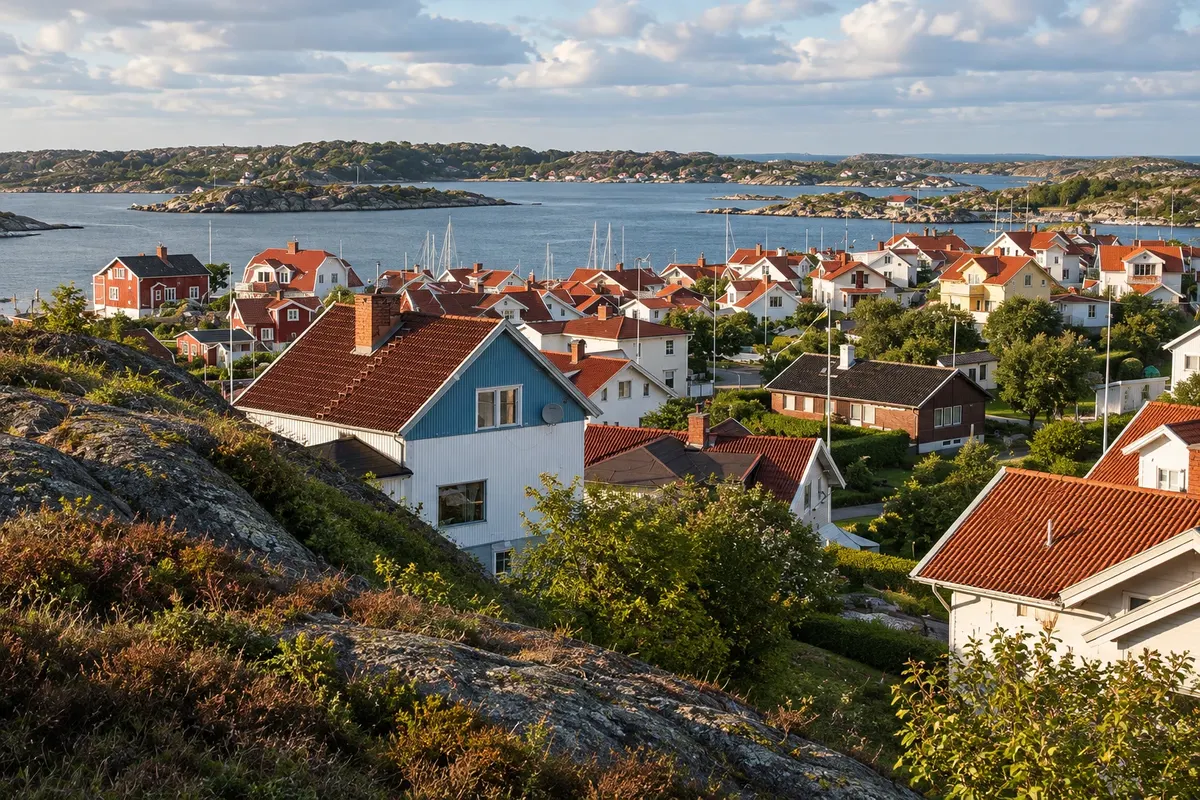
Car-free islands half an hour from the centre by tram and scheduled boat: Styrsö, Brännö, Vrångö and Donsö, with fishing villages, smooth rocks, trails and sea swimming in summer.
Kaj izbrati pred odhodom
Izhodišče, trajanje, potek, vključene storitve in okvirna cena vsakega izleta.
Walk along Haga Nygata and the side streets of old houses. The climb to the area around the fortification offers a view of the neighborhood from above. A stroll through the neighborhood is different from entering the building.
Kraji na poti: Haga, Skansen Kronan.
Boats depart from Saltholmen for different islands. Choose an island and allow time for connections with the tram. Trails and coastal walkways can be combined with a walk through the settlement.
Kraji na poti: Gothenburg southern archipelago.
Po dnevih
Predlogi za načrtovanje poti. Vrstni red dni prilagodite vremenu in razpoložljivosti izletov.
Walk through the city center along the canals and head to Haga. Climb Skansen Kronan if the uphill walk suits your pace. Allow time for a break on the neighborhood’s streets.
Walk through the city center along the canals and head to Haga. Climb Skansen Kronan if the uphill walk suits your pace. Allow time for a break on the neighborhood’s streets.
Choose between Liseberg and Universeum, which are in nearby areas. Liseberg depends on its operating calendar. For art museums, replace this step with Götaplatsen and Göteborgs konstmuseum.
Take public transport to Saltholmen and board a boat to one of the islands in the southern archipelago. Choose your walking route after checking the return boat schedules.
Najboljši čas za obisk
From May to September days are usually long and mild, with frequent boats to the islands and Liseberg open. Winter tends to be wet, dark and cold, but milder than inland; Liseberg reopens for Christmas in November and December.
The seasons shown are the most usual ones; nature doesn't always follow the calendar.
January · cold winter
Winter is usually cold with short days; rain and snow may alternate. To plan the day, prioritize the canals and Haga and schedule outdoor activities around the hours of daylight.
February · cold winter
February usually remains cold, with daylight gradually increasing. To plan the day, prioritize the canals and Haga and schedule outdoor activities around the hours of daylight.
March · season transition
Early spring is usually cold with changing weather. To plan the day, prioritize djupedalsgatan and leisure attractions and schedule outdoor activities around the hours of daylight.
April · season transition
April usually has longer days, but mornings are often still cold. To plan the day, prioritize djupedalsgatan and leisure attractions and schedule outdoor activities around the hours of daylight.
May · season transition
May usually brings milder temperatures and plenty of daylight. To plan the day, prioritize the archipelago islands and schedule outdoor activities around the hours of daylight.
June · mild summer
June is usually mild, with very long days and short nights. To plan the day, prioritize the archipelago islands and schedule outdoor activities around the hours of daylight.
July · mild summer
July is usually among the mildest months; it also tends to rain. To plan the day, prioritize the canals and Haga and schedule outdoor activities around the hours of daylight.
August · mild summer
August usually maintains mild temperatures, with nights gradually getting longer. To plan the day, prioritize the canals and Haga and schedule outdoor activities around the hours of daylight.
September · season transition
September usually brings falling temperatures and fewer hours of daylight. To plan the day, prioritize djupedalsgatan and leisure attractions and schedule outdoor activities around the hours of daylight.
October · season transition
October is usually cold and wet, with autumn well advanced. To plan your day, prioritize Djupedalsgatan and leisure attractions, and adjust outdoor activities to available daylight hours.
November · season transition
November usually has short days, cold weather and a chance of snow. To plan your day, prioritize the archipelago islands and adapt outdoor activities to daylight hours.
December · cold winter
December is usually cold, with limited daylight and precipitation as rain or snow. To plan the day, prioritize the archipelago islands and schedule outdoor activities around the hours of daylight.
Načrtujte pot
Trams and buses cover the city center and access to Saltholmen. The islands of the southern archipelago have boat connections; check the routes for your travel dates.
Pred odhodom
Z nekaj načrtovanja boste imeli več časa za uživanje na poti.
From May to September days are usually long and mild, with frequent boats to the islands and Liseberg open. Winter tends to be wet, dark and cold, but milder than inland; Liseberg reopens for Christmas in November and December.
The seasons shown are the most usual ones; nature doesn't always follow the calendar.
Two days cover the centre, the canals, Haga, Götaplatsen and an afternoon at Liseberg or Universeum. With three days you can add a full day for the southern archipelago by tram and boat.
The centre, between the central station and the canal, is convenient for those arriving by train or by the airport bus. The Avenyn and Götaplatsen area is close to Liseberg and the museums, with many restaurants. Haga and Linnéstaden to the west have smaller hotels, cafés and bars. The riverfront in Lindholmen and Eriksberg is newer and linked to the centre by regular ferries.
Odnesite svoje odpadke, upoštevajte oznake in podprite lokalne ponudnike. V naravi upoštevajte navodila za obiskovalce.
Odgovori na vaša vprašanja
Two days for the centre, Haga, Götaplatsen and Liseberg. Three days allow for a full day in the southern archipelago.
No. Trams, buses and regular boats cover the city and the archipelago with the same ticket. A car only makes sense if you want to travel further along the west coast, for example to Bohuslän.
No. The park usually operates from April to September, with Halloween events in October and a Christmas market in November and December. It is closed outside those periods. Check the calendar.
By train in about 3 hours, with frequent departures. Flying is also possible, but the train delivers you to the centre of both cities.
West‑coast seafood: shrimp, langoustine, mussels, herring and salmon. The Feskekôrka fish market and the covered Saluhallen market showcase the fresh produce. And the giant kanelbullar in Haga.
Yes. The city lies roughly halfway between them, about 3 h 30 by train to each.
Več kot vodnik


